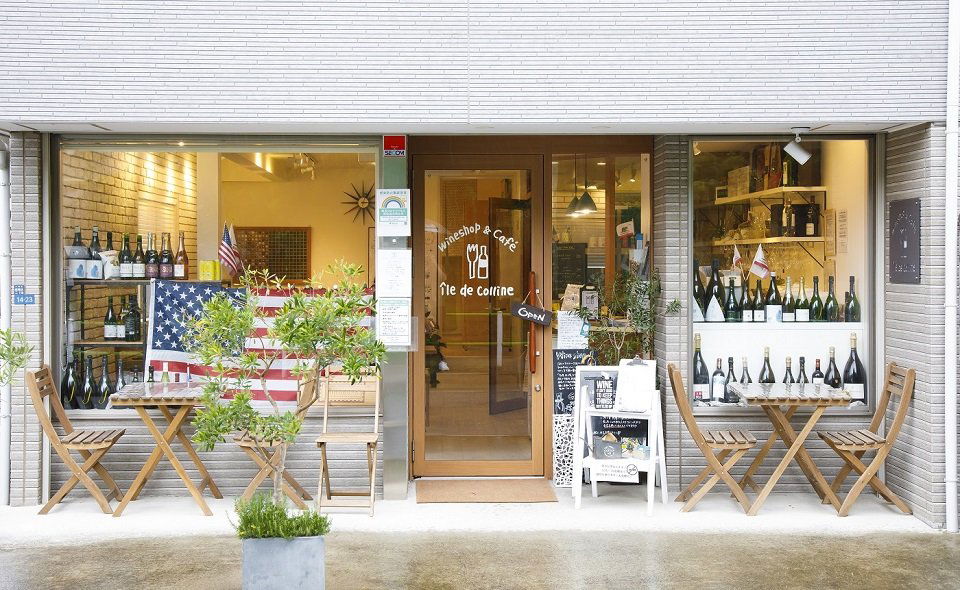

Île de Colline
Ōta, Tokyo
Bar in Tokyo, Japan
 Book with Pearl
Why go
Book Île de Colline if you want an easy, wine-led stop in Ota City rather than a high-demand central Tokyo bar. The 2026 Star Wine List recognition is the trust signal; the tradeoff is fewer confirmed details on price, food, dress, and outdoor seating.
About Île de Colline
Should you book Île de Colline in Tokyo? It is a Tokyo venue with smart-casual dress, posted daytime hours on Wednesday through Sunday, and evening hours on Thursday through Saturday. It is also listed by Star Wine List in 2026. Beyond those points, specific claims about cuisine, pricing, seating, booking difficulty, service style, or the exact drinks list should be confirmed directly with the venue.
The Star Wine List recognition is the clearest public signal. It does not specify the exact bottle list, price range, food menu, or format, so use it as a reason to investigate further rather than as a guarantee of a particular experience.
A Tokyo stop with limited detail
For first-time planning, the safest approach is to build around the posted hours. Île de Colline is closed Monday and Tuesday. It opens from 11:30 AM to 4 PM on Wednesday; 11:30 AM to 4 PM and 6 PM to 9:30 PM on Thursday; 11:30 AM to 4 PM and 6 PM to 9:45 PM on Friday; 11:30 AM to 5 PM and 6 PM to 9:45 PM on Saturday; and 11:30 AM to 5 PM on Sunday. For wider trip planning, Our full Tokyo bars guide, Our full Tokyo restaurants guide, and Our full Tokyo hotels guide can help place it within a broader Tokyo itinerary.
Do not assume details that are not specified, including outdoor seating, counter format, tasting menus, takeout, delivery, dietary accommodations, prices, or a specific neighborhood setting. If any of those details matter to the plan, confirm them with Île de Colline before going.
Where it fits in a Tokyo plan
The schedule makes Île de Colline easier to consider for a daytime or early-evening plan than for a late-night stop. Evening service is offered on Thursday, Friday, and Saturday only, while Sunday is daytime-only.
For comparison-minded planning, consider Île de Colline alongside Masakichi, Rhythmos, KOMYO Lounge, Panacee, and Winestand Waltz, depending on the mood and logistics of the visit. For broader browsing, keep other Tokyo guides handy and confirm current details directly with each venue.
Planning details
- Location
- 2 Chome-14-23 Nishimagome, Ota City, Tokyo 143-0026, Japan
- Website
- ile-de-colline.com
- Phone
- +81 3-6429-7062
The take
The Take
The Vibe
Île de Colline reads like the sort of neighbourhood café that favours continuity over novelty. It sits opposite a family park and attracts the same faces — older locals taking their morning coffee, families dropping by before or after play, and people who drift in with a laptop mid-morning. The tone is unhurried and intentionally low on performance: nothing is staged for social‑media discovery, and the comfort comes from predictability rather than theatricality. The result is a quietly charming, relaxed place where the rhythm of the street and the park sets the tempo.
Best For
This is a venue that works best for morning routines and gentle daytime visits. Families find it convenient as a before-or-after stop to the adjacent park, while older regulars favor the window seat for a daily coffee. Freelancers and people working from home drop in mid-morning and often linger, so it’s a good spot for a relaxed solo stretch of work or reading. Expect breakfast and brunch‑style trade rather than late-night service — the café’s strengths are steady service, friendly familiarity and a calm daytime atmosphere.
Ordering Tips
Treat Île de Colline like a local living room: arrive in the morning if you’re after a window seat, and allow time — regulars often settle in for longer sessions rather than quick turnover. Don’t come expecting rotating gimmicks; the café’s appeal is consistent offerings and a reliable environment. If you’re working, mid-morning tends to be the sweet spot when people arrive and then stay, so bring a charger and plan to linger. Above all, approach it with the patience and quiet that sustain neighbourhood cafés, and you’ll get the most out of the visit.
Venue details
Ambiance
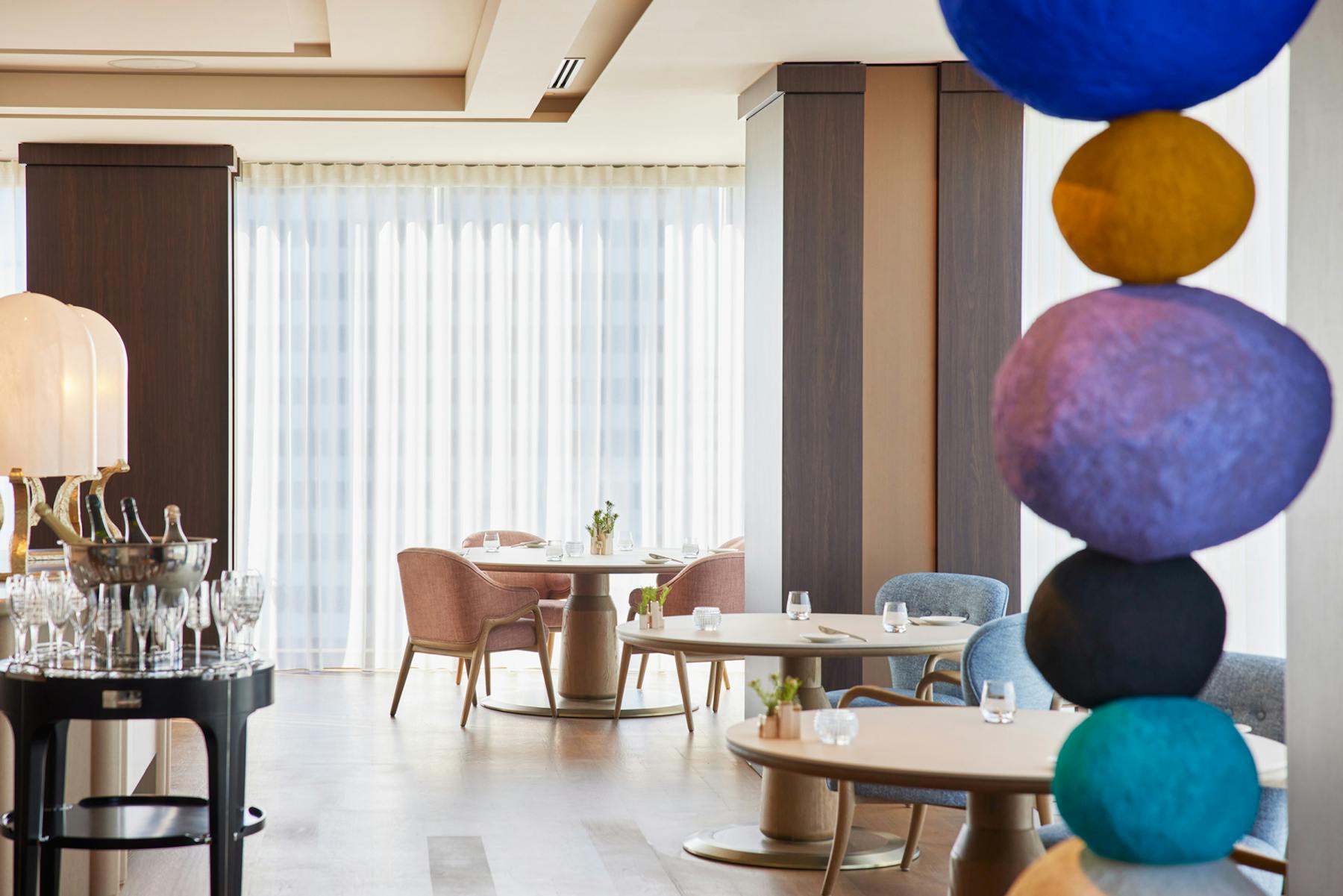
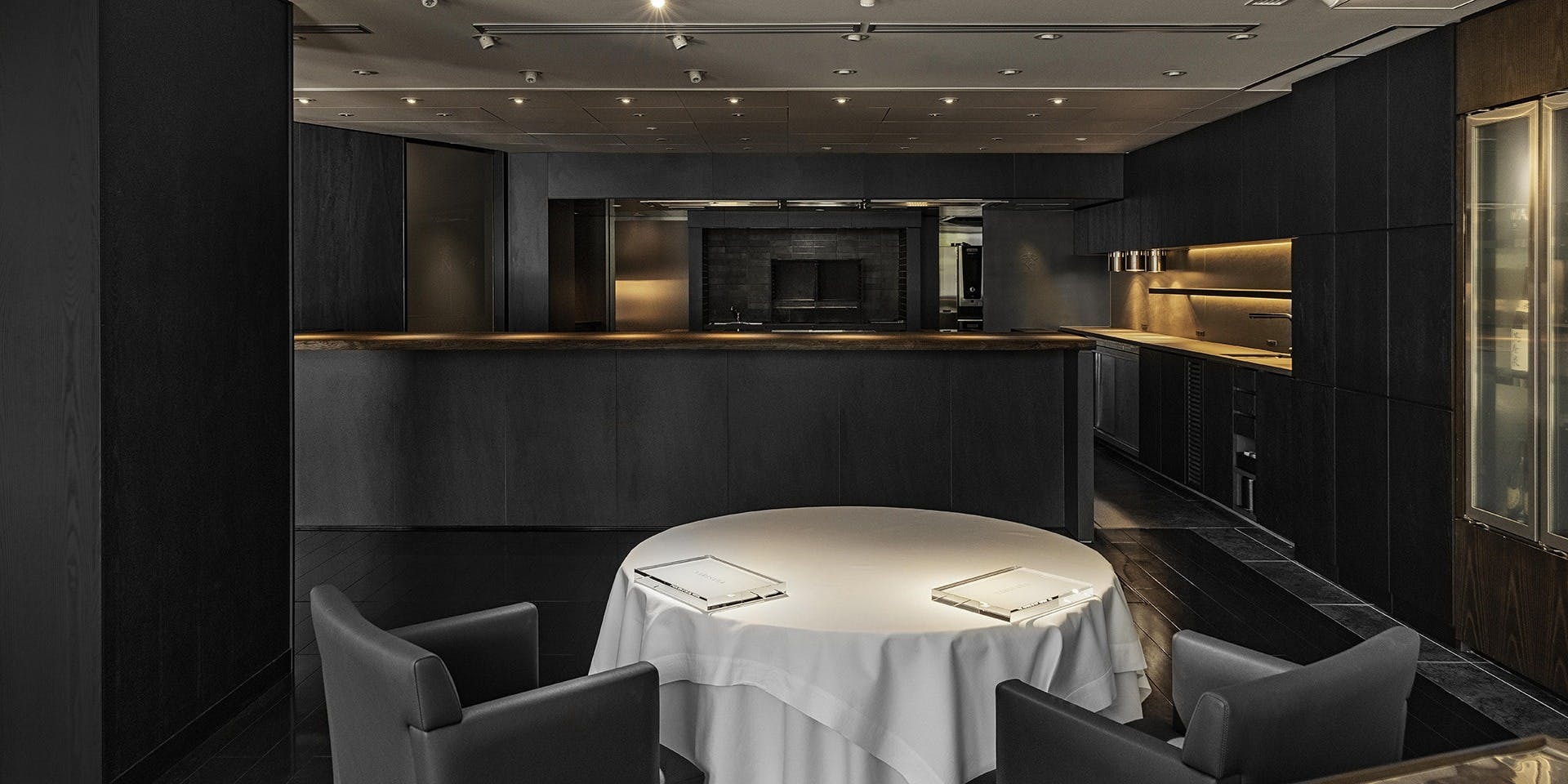
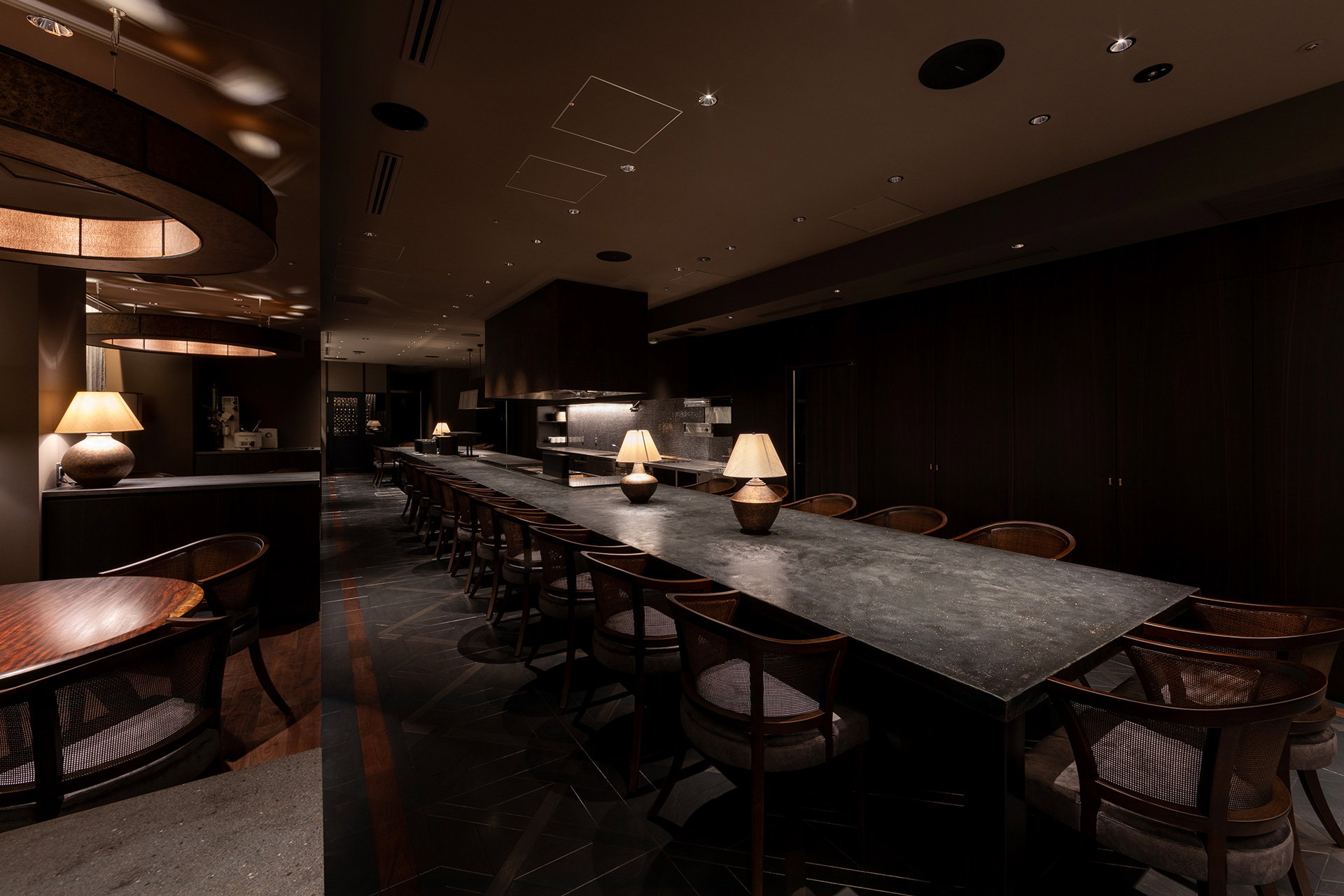
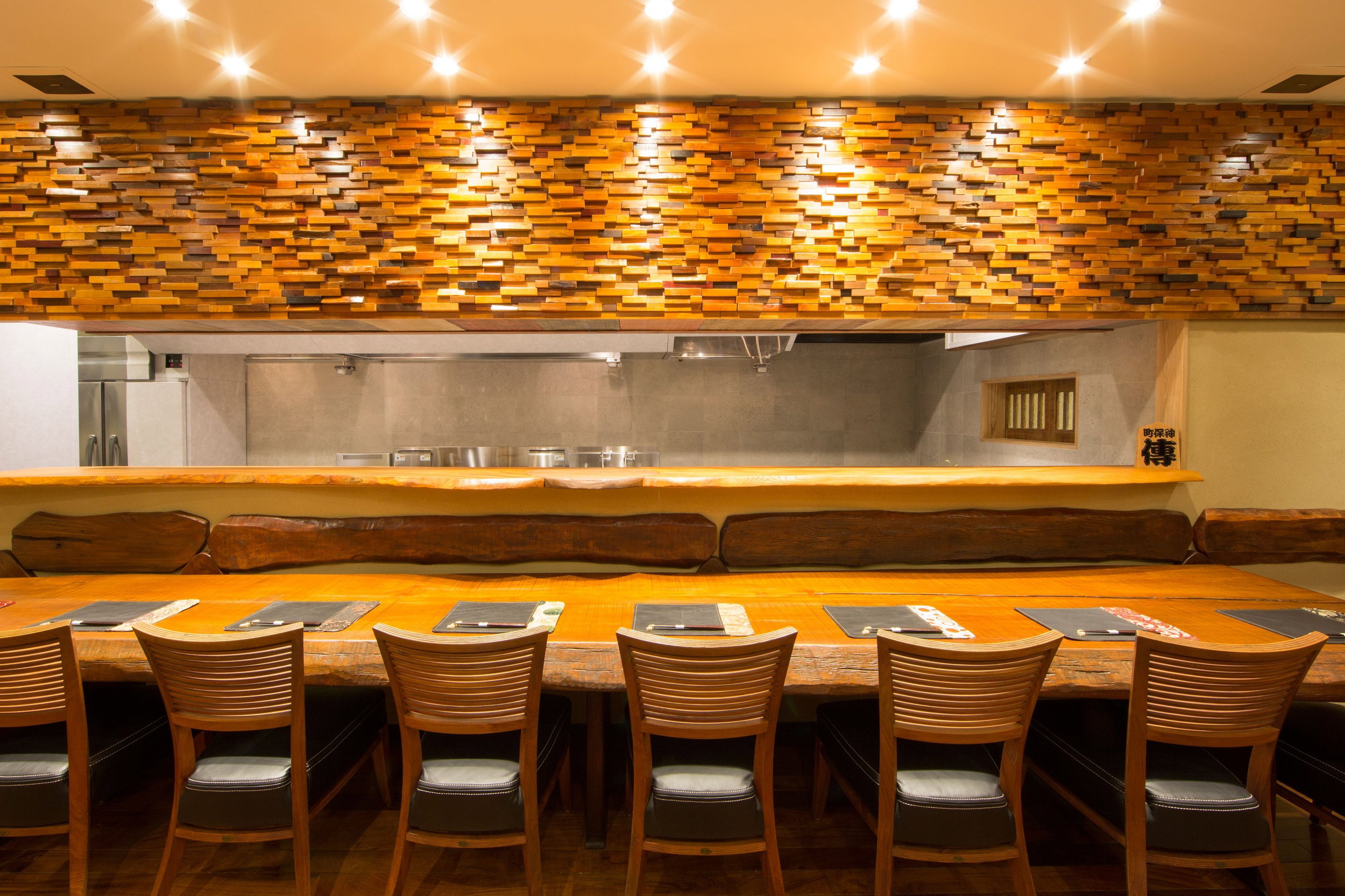
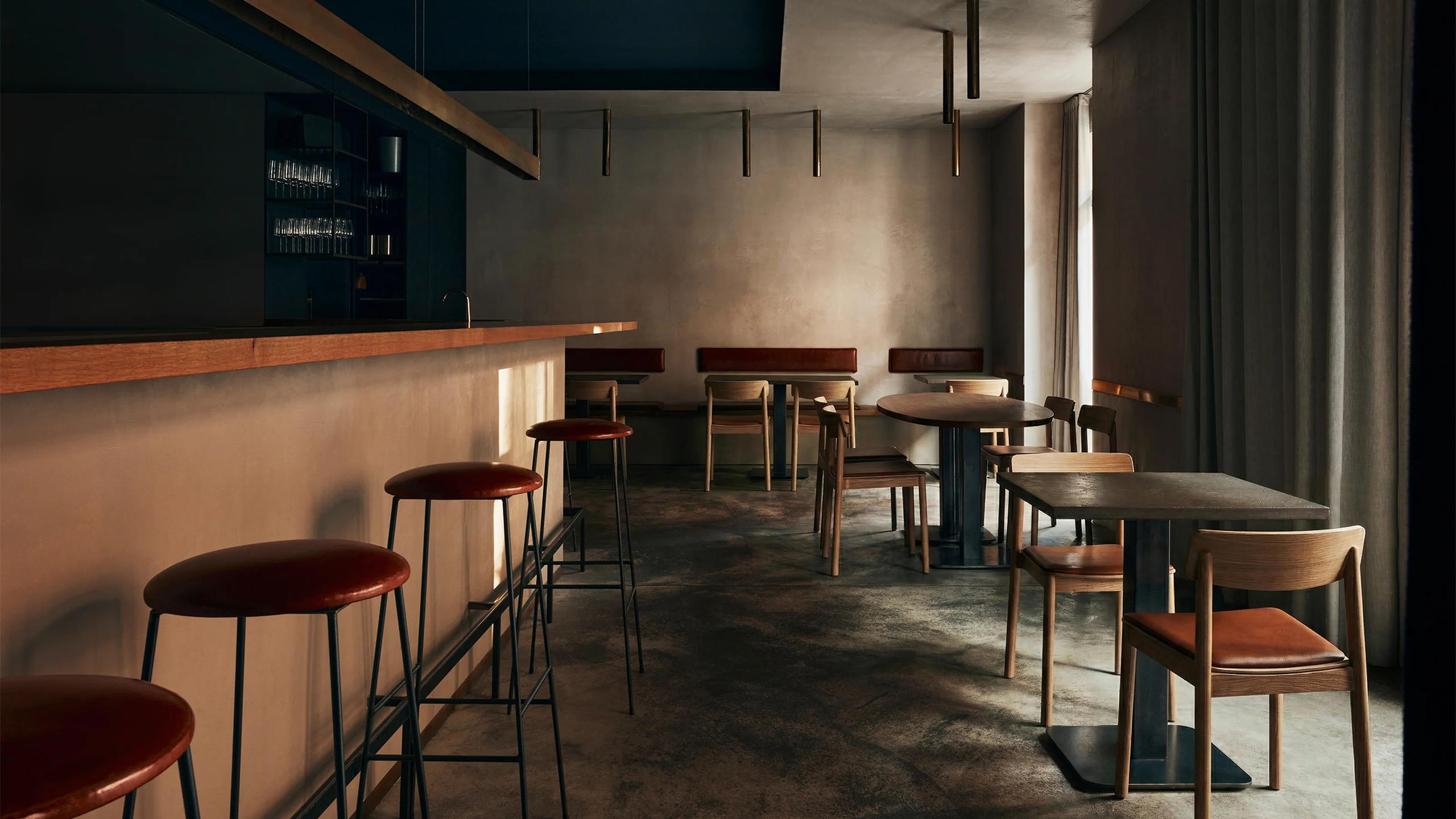
Cozy and intimate atmosphere with just 18 seats, praised for its welcoming feel.
Tags
Vibe
Best For
Format
At the Bar
- Bar Category
- Wine Bar
Know before you go
Know Before You Go
- Getting there
- 2 Chome-14-23 Nishimagome, Ota City, Tokyo 143-0026, Japan
Planning details
Location
2 Chome-14-23 Nishimagome, Ota City, Tokyo 143-0026, Japan · Directions
Recognition and awards

Also consider
Also Consider
- Masakichi, Notable alternative
- Rhythmos, Notable alternative
- KOMYO Lounge, Notable alternative
- Panacee, Notable alternative
- Winestand Waltz, Notable alternative
Bar context
How it compares in Tokyo
Choose Île de Colline over Masakichi or Rhythmos when ease matters. Booking difficulty is marked easy here, and the Ota City location makes it a better fit for a quieter, more local-feeling plan than a central Tokyo bar run.
KOMYO Lounge and Panacee are better cross-shops if the priority is lounge energy or a more polished night-out feel. Île de Colline is the more practical pick when the goal is a wine-focused stop with less reservation pressure, not a scene-forward evening.
If the decision comes down to wine-bar character, compare it most closely with Winestand Waltz. The reason to pick Île de Colline is the Star Wine List recognition and easier-booking profile; the reason to look elsewhere is if price transparency, late hours, or confirmed outdoor seating are non-negotiable.
Explore Tokyo
Around this place
Discover more on Pearl
Unlock the full Île de Colline guide in Pearl, including awards, comparisons, FAQs, planning details, and nearby places.
Compare Île de Colline
| Venue | Location | Awards |
|---|---|---|
| Île de Colline | Tokyo | Star Wine Lists 2026 |
| Masakichi | Tokyo | No published awards |
| Rhythmos | Tokyo | No published awards |
| KOMYO Lounge | Tokyo | No published awards |
| Panacee | Tokyo | No published awards |
| Winestand Waltz | Tokyo | No published awards |
How Île de Colline Tokyo compares with similar nearby venues.
FAQ
Frequently Asked Questions
Is Île de Colline good for a date?
It may work for a Tokyo date if the posted hours and smart-casual dress code fit your plan. Information about the atmosphere, seating style, menu format, or price is not provided, so check with the venue if those matter.
Does Île de Colline have happy hour deals?
Happy hour information is not available. The schedule indicates: closed Monday and Tuesday, daytime hours Wednesday through Sunday, and evening hours on Thursday, Friday, and Saturday.
What's the crowd like at Île de Colline?
Information about the crowd is not available. Île de Colline is in Tokyo, has a smart-casual dress code, and is recognized by Star Wine List in 2026.
Is the food good at Île de Colline?
Specific food details are not available, including cuisine, dishes, menu format, and pricing. Confirm the current menu directly with Île de Colline if food is central to your visit.
What's the best time to go to Île de Colline?
Use the posted hours as the guide. Wednesday is 11:30 AM to 4 PM; Thursday is 11:30 AM to 4 PM and 6 PM to 9:30 PM; Friday is 11:30 AM to 4 PM and 6 PM to 9:45 PM; Saturday is 11:30 AM to 5 PM and 6 PM to 9:45 PM; Sunday is 11:30 AM to 5 PM. It is closed Monday and Tuesday.