





The Peninsula Tokyo
Chiyoda, Tokyo
Hotel in Tokyo, Japan
 Book with Pearl
The Read
Purpose-Built Ground-Floor Presence
Why go
Book The Peninsula Tokyo when a work-heavy Tokyo trip needs a polished luxury base near Marunouchi, Hibiya, and Ginza. It is not the value play, but its Michelin 1 Key, Forbes 5-Star, La Liste, World Travel Awards, and Virtuoso recognition make it a strong choice for travelers who want service consistency and a formal hotel experience.
About The Peninsula Tokyo
The Peninsula Tokyo is a Tokyo hotel best framed around its strong recognition rather than specifics about exact location, facilities, rooms, or services. For travelers comparing stays in the city, its clearest features are its smart casual dress code and awards profile.
The hotel's recognition is substantial: Michelin 1 Key in 2025, Forbes 5-Star in 2026, La Liste Top Hotels 2026 at 93.5 points, World Travel Awards 2025 recognition as Leading Luxury Hotel, and Virtuoso Luxury Hotel Partner status for 2026. That combination makes The Peninsula Tokyo a credible luxury choice for travelers who prioritize external validation.
Book it for Tokyo luxury with notable recognition
Strongest use case is a Tokyo stay where the hotel's accolades matter. Specific room types, facilities, restaurants, prices, or detailed services are not provided, so the decision should rest on the hotel's recognition and the kind of stay implied by that profile. For visitors building a wider trip, Our full Tokyo hotels guide is useful for comparing other options across the city.
If the goal is a different style of Tokyo stay, compare it with other hotel options by positioning rather than by specific amenities. Hyatt Centric Ginza Tokyo, Muji Hotel Ginza, GINZA HOTEL by GRANBELL, Hotel The Celestine Ginza, and Imperial Hotel Tokyo are natural reference points for different traveler priorities. The Peninsula Tokyo is best assessed through its recognition.
The decision comes down to strong luxury signals
For a luxury stay in Tokyo, The Peninsula Tokyo is an easy hotel to shortlist if awards and recognition are important to the booking decision. Its Michelin 1 Key, Forbes 5-Star status, La Liste score, World Travel Awards recognition, and Virtuoso partner status give it a profile beyond brand familiarity or general location claims.
For food-focused travelers, treat the hotel as a base unless you have checked current official dining details directly. Specific restaurant concepts, menus, chefs, prices, or service formats are not detailed here. Once the room decision is set, Our full Tokyo restaurants guide and Our full Tokyo bars guide can help plan meals and evenings elsewhere in Tokyo.
Who should skip it
Skip it if your decision depends on specifics not provided here, such as exact facilities, room categories, dining formats, pricing, or detailed service inclusions. GINZA HOTEL by GRANBELL, Hotel The Celestine Ginza, Hyatt Centric Ginza Tokyo, Muji Hotel Ginza, and Imperial Hotel Tokyo may be useful comparisons depending on budget, style, and trip priorities. The Peninsula Tokyo makes the clearest sense when luxury recognition is a major reason to book.
Inside The Peninsula Tokyo
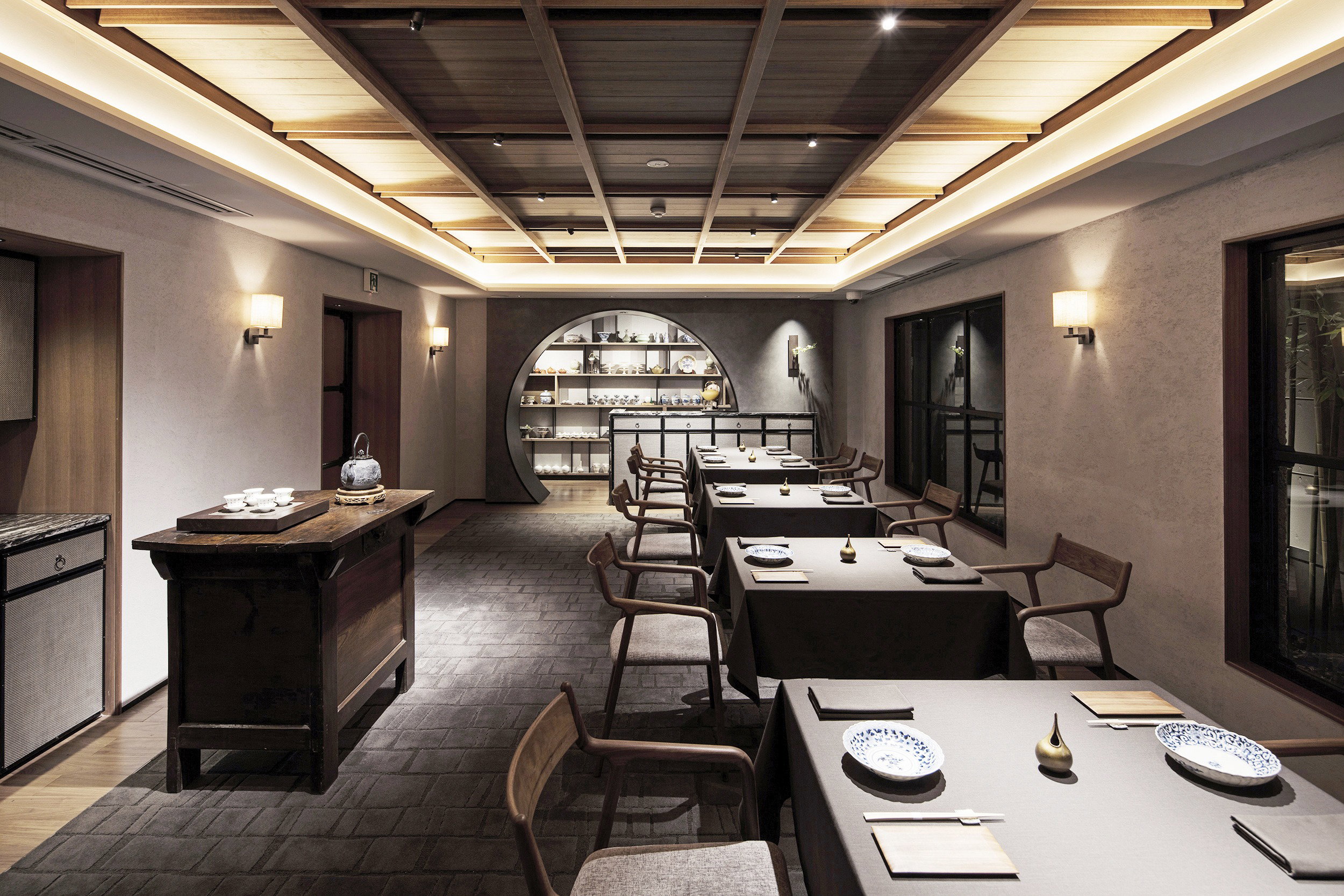
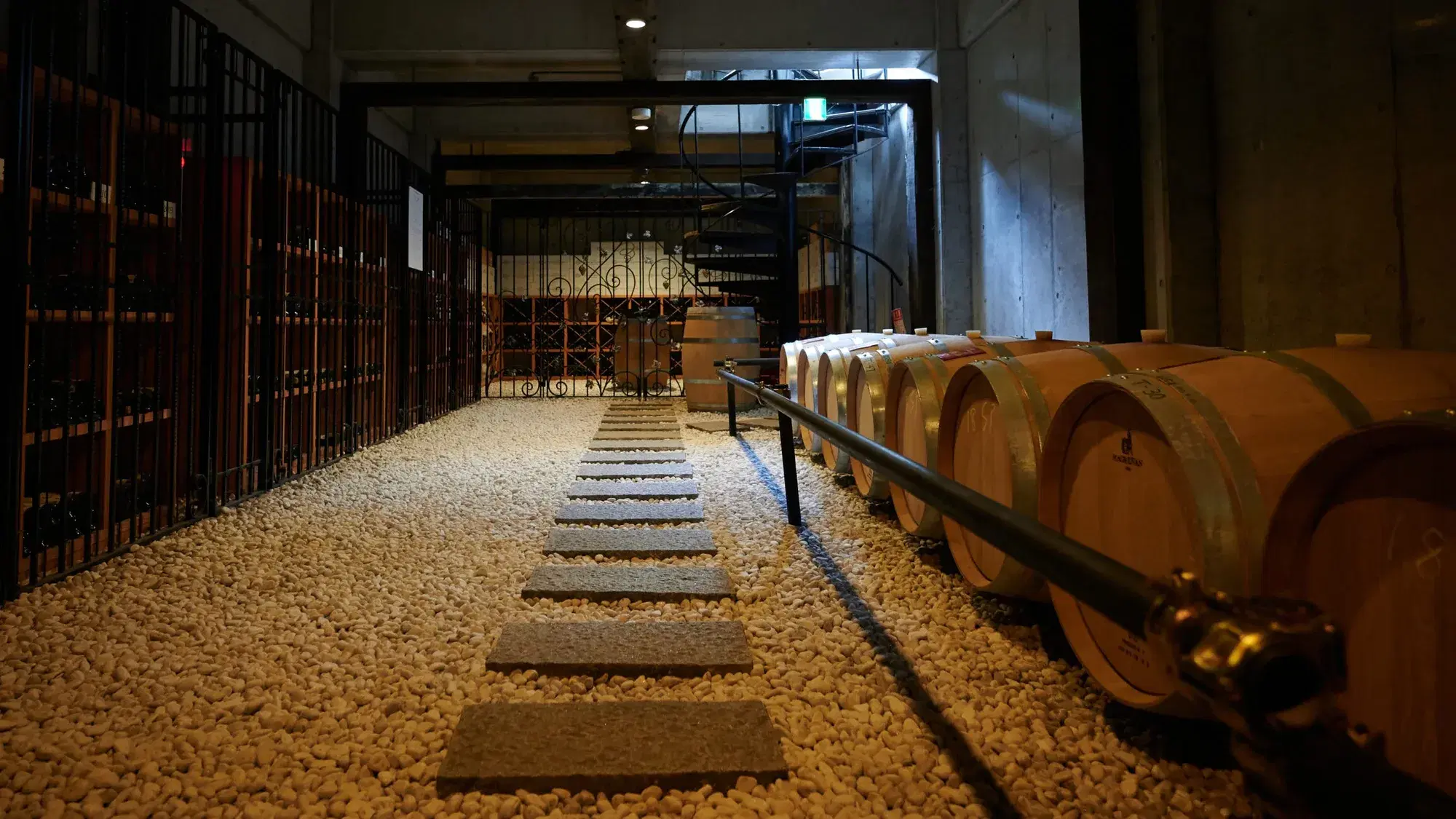
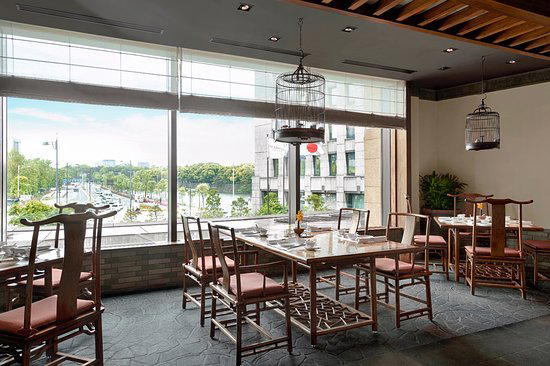 restaurantHei Fung TerraceHei Fung Terrace brings Cantonese tradition to central Tokyo via a Hong Kong-affiliated kitchen operating out of Yurakucho, steps from the outer garden of the Imperial Palace. A Michelin Plate recipient in both 2024 and 2025, the restaurant spans dim sum craft and iron-pot grilling within a Chinese garden atmosphere. The wine list runs to 735 selections, with notable depth in California and France.
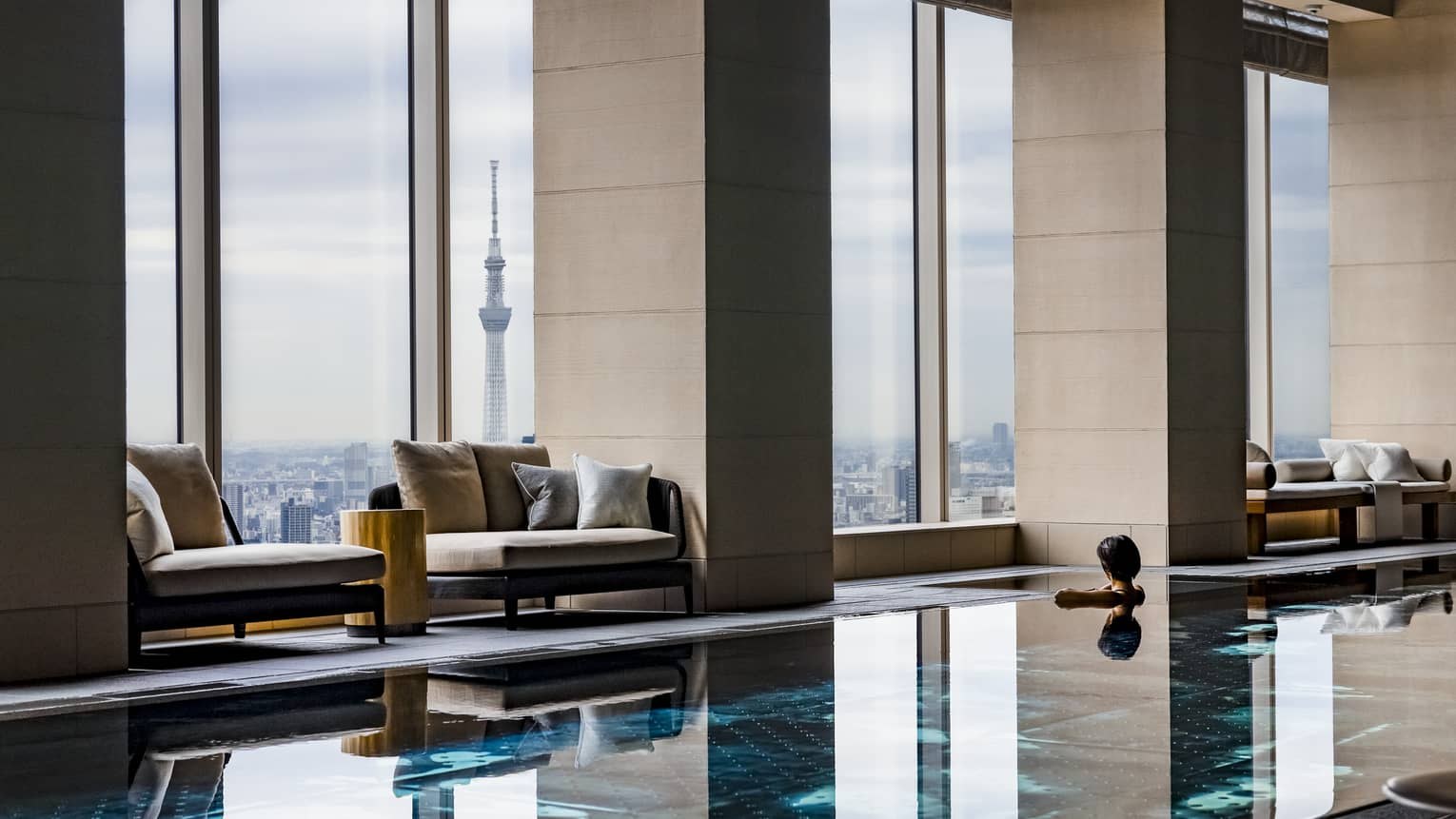
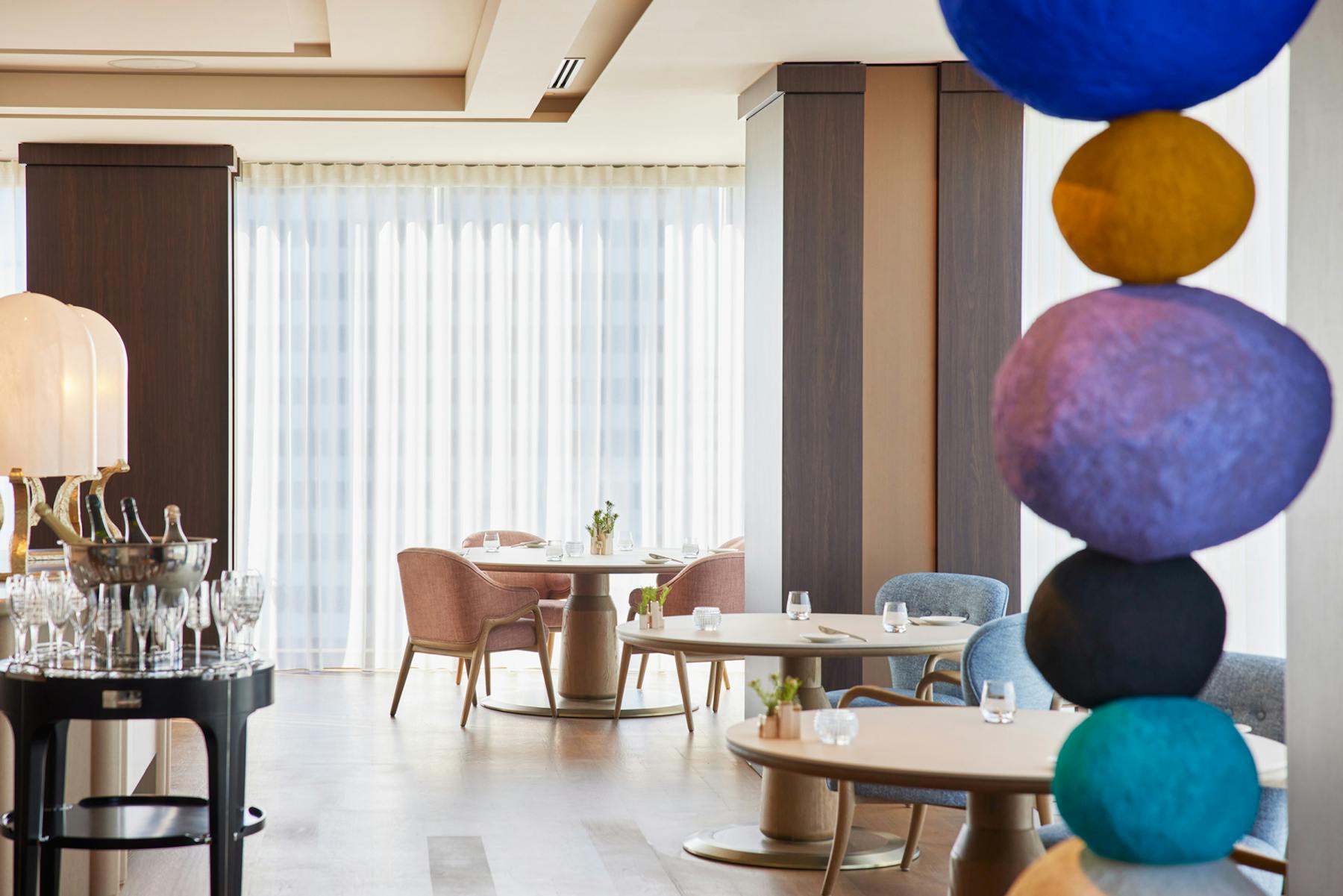
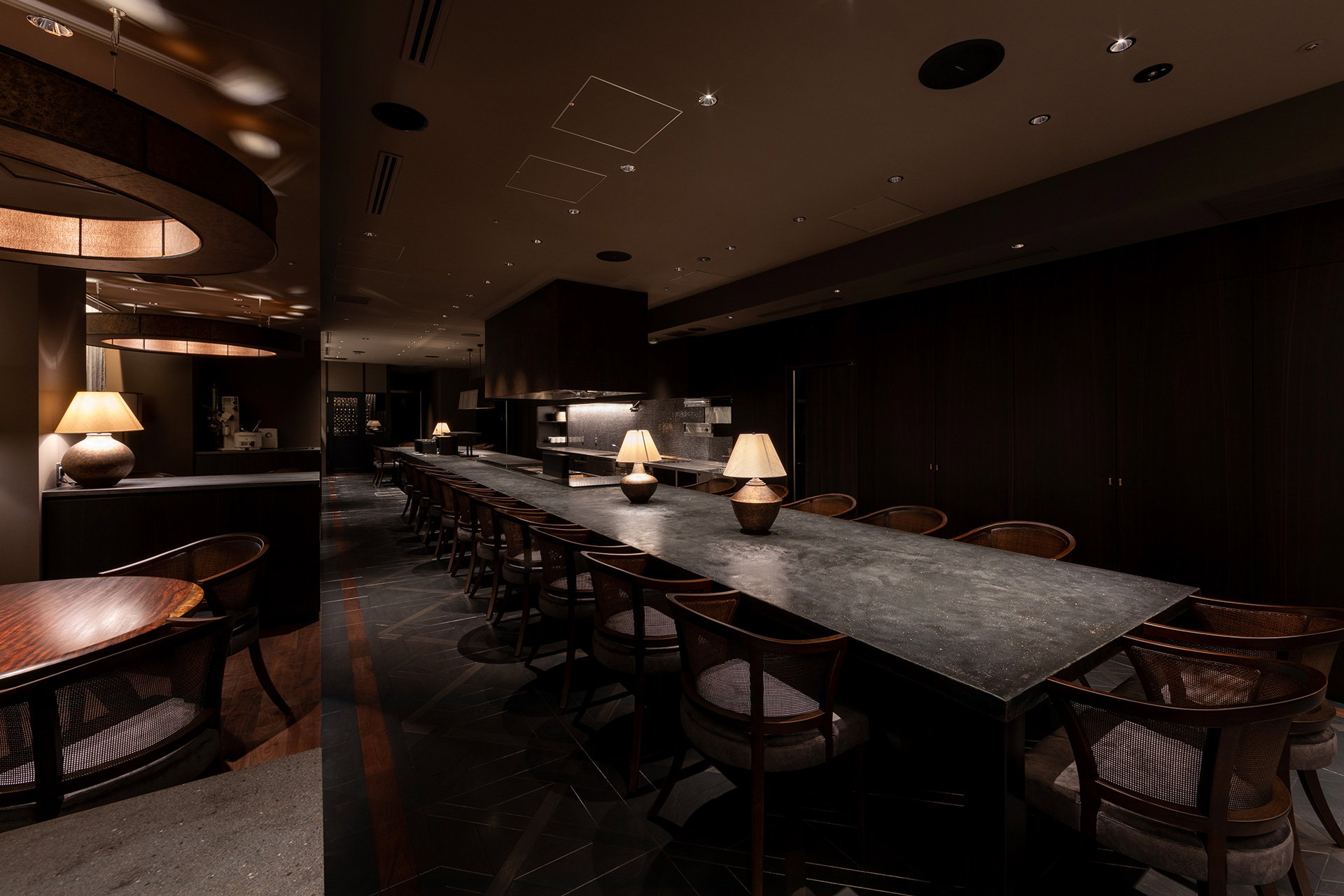
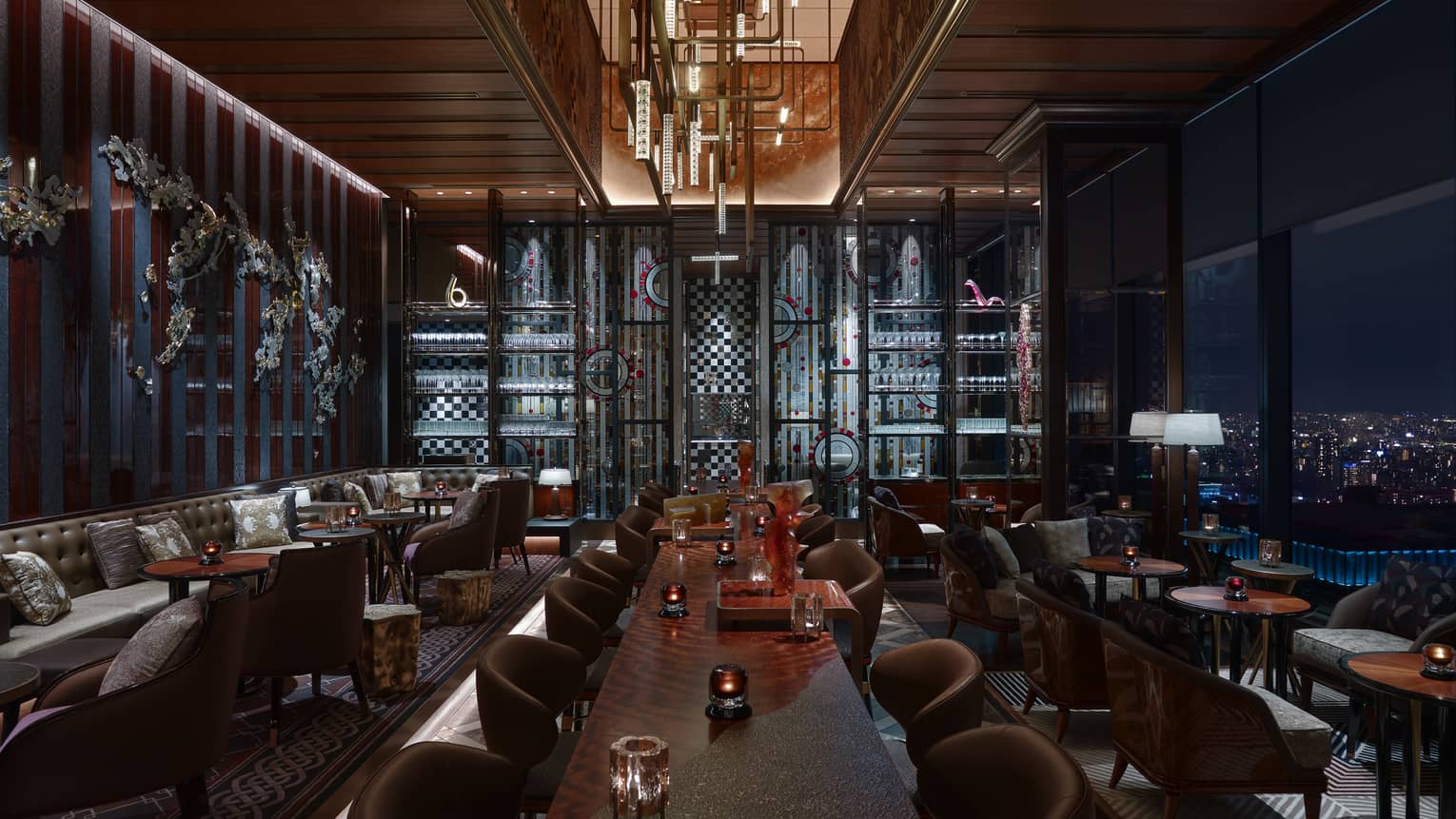
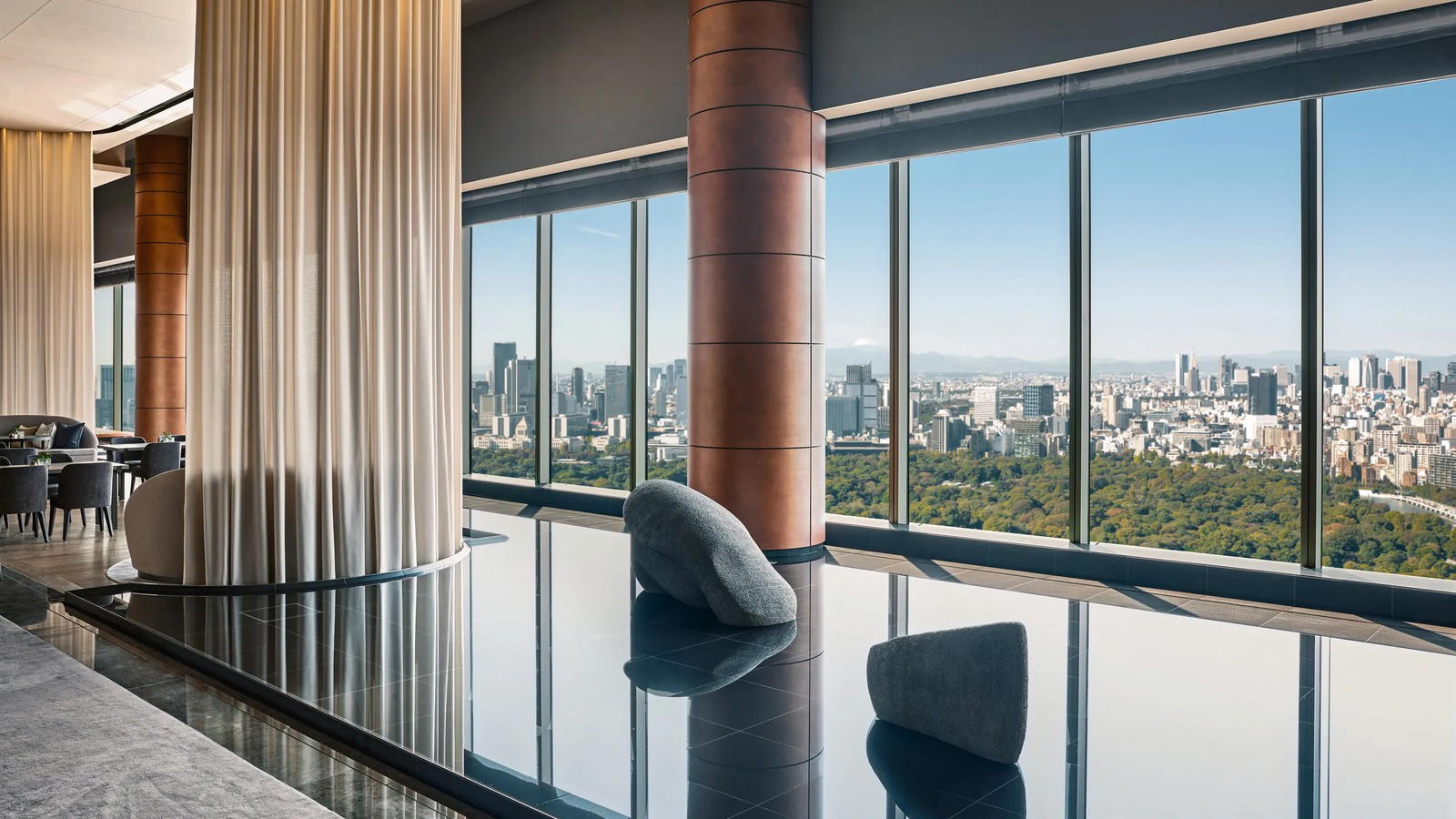
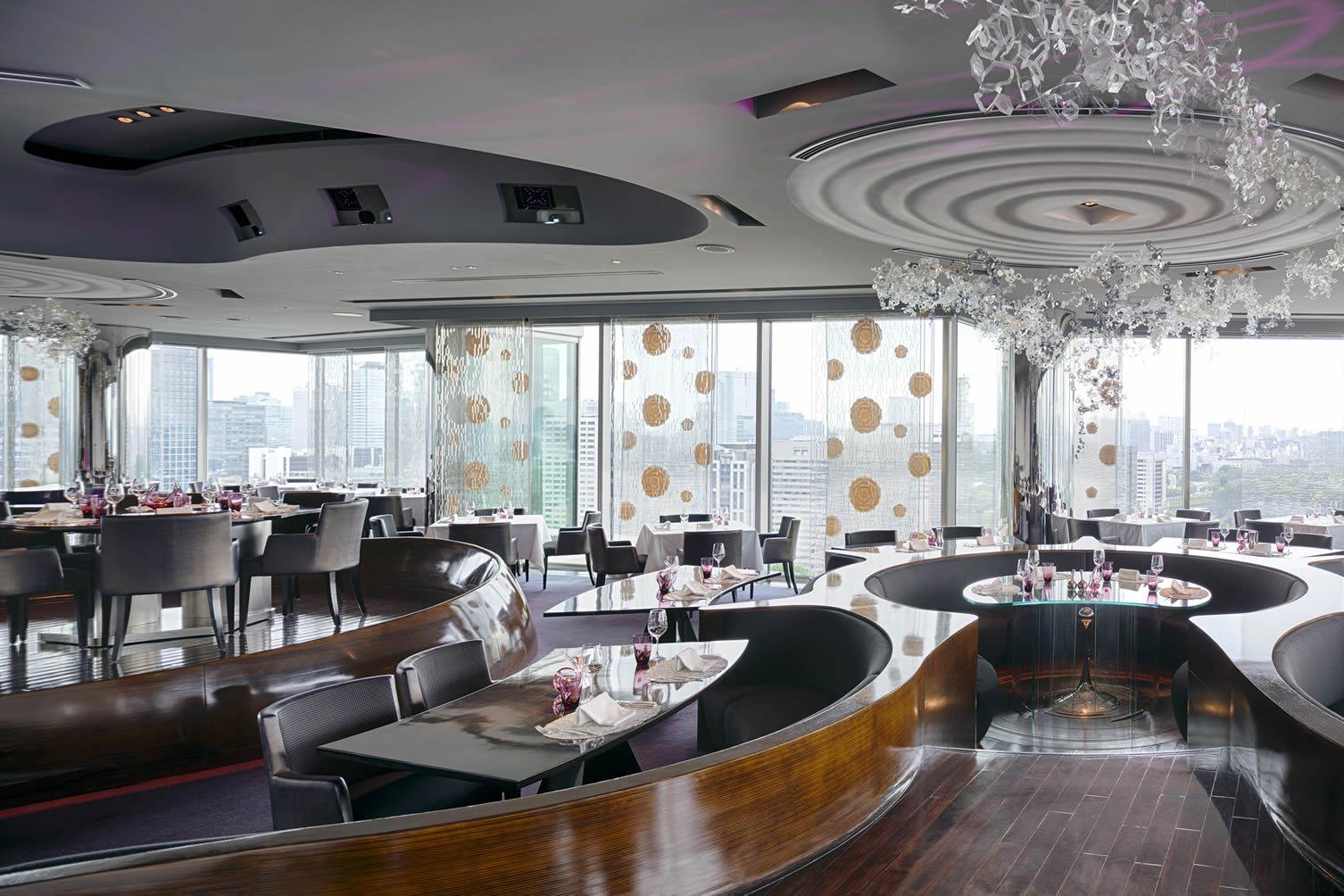 restaurantPeterPerched on the 24th floor of The Peninsula Tokyo in Yurakucho, Peter occupies a tier of hotel dining where wine program seriousness matches the altitude. Recognised by Star Wine List with a White Star designation in December 2021, it draws a clientele that expects sourcing depth alongside the view. For Tokyo's hotel restaurant circuit, that combination carries real weight.
Planning details
- Location
- 1-chōme-8-1 Yūrakuchō, Chiyoda City, Tokyo 100-0006
- Website
- peninsula.com/en/tokyo/5-star-luxury-hotel-ginza
- Phone
- +81 3-6270-2888
The take
The Take
The Vibe
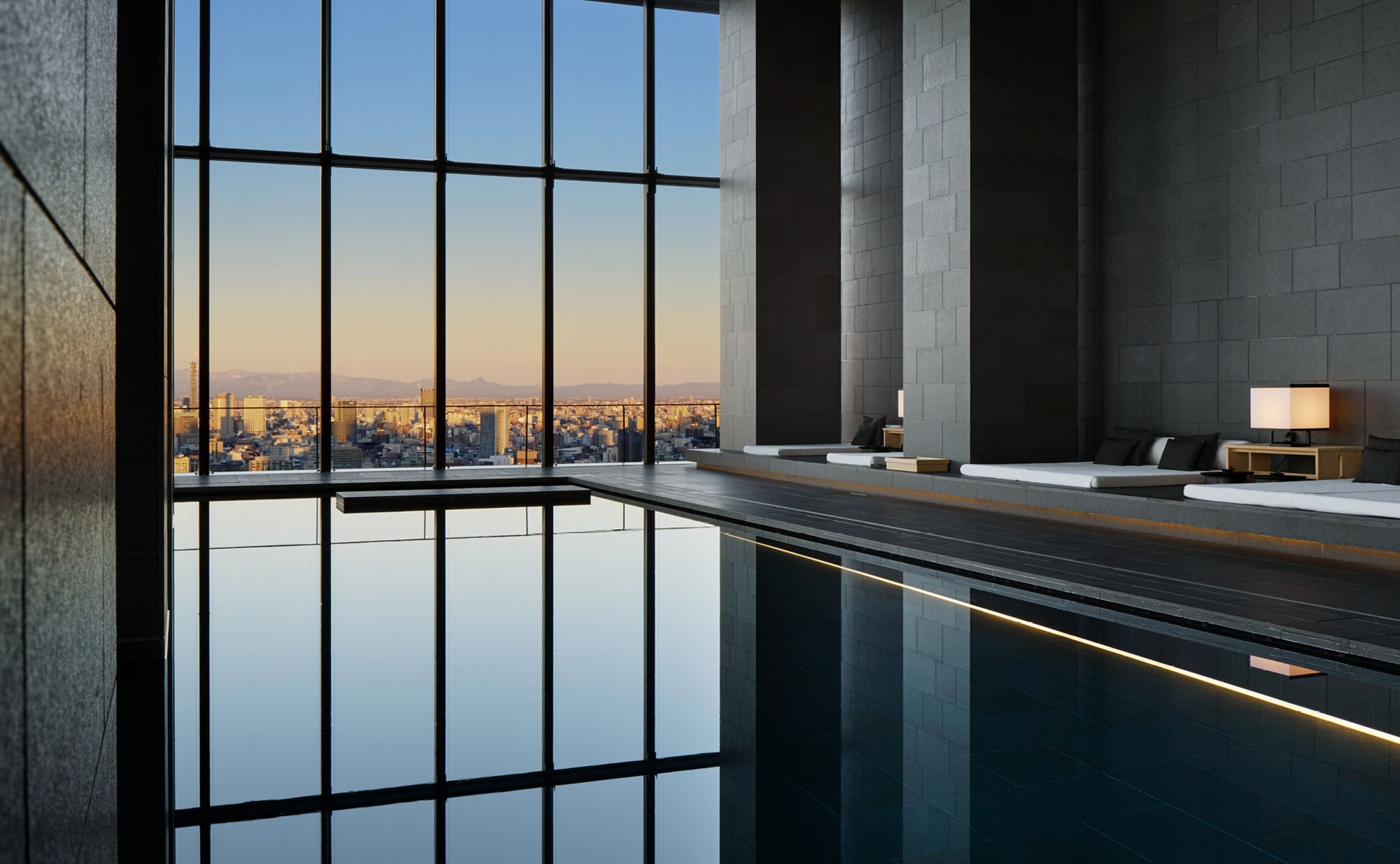
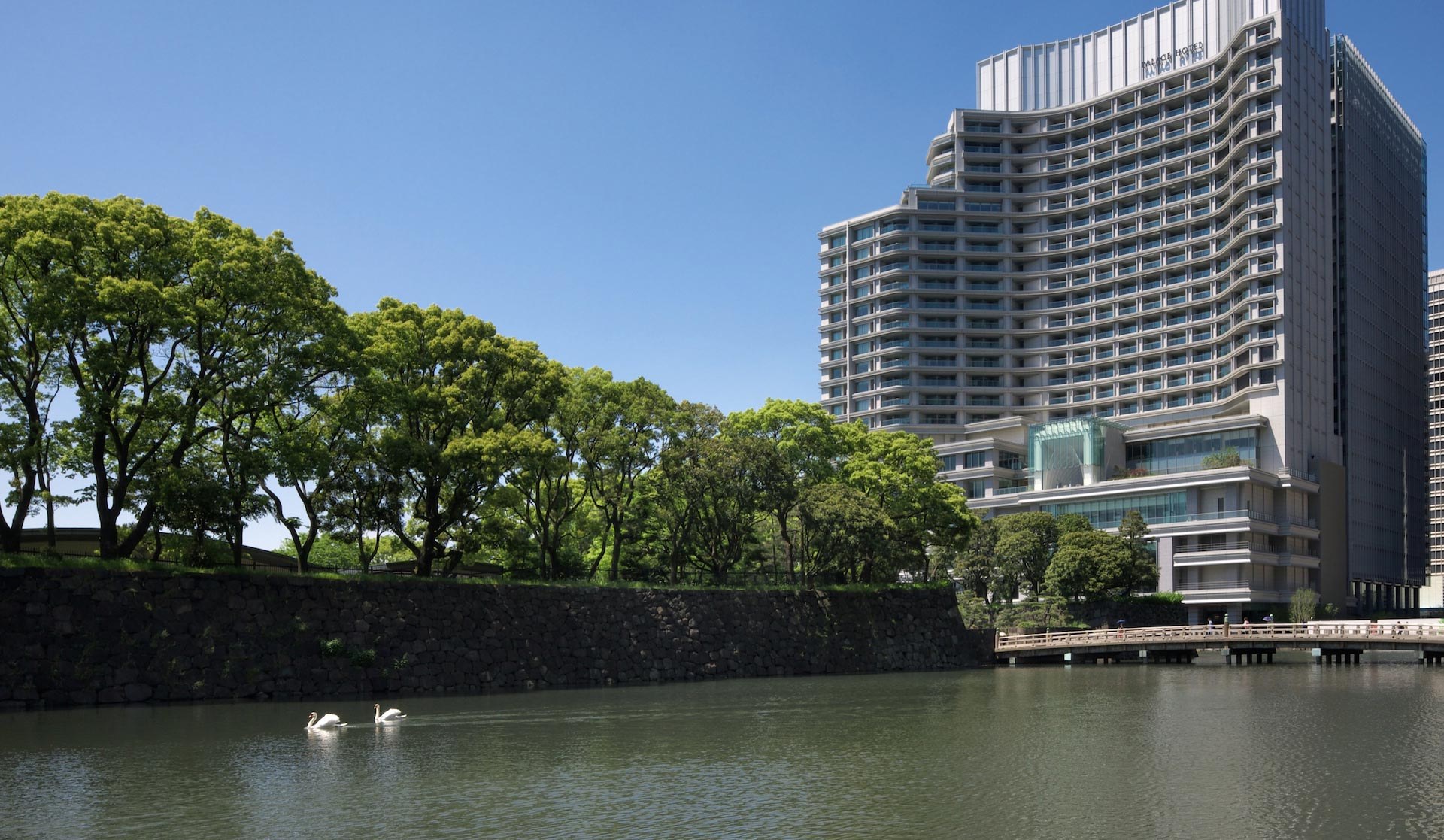
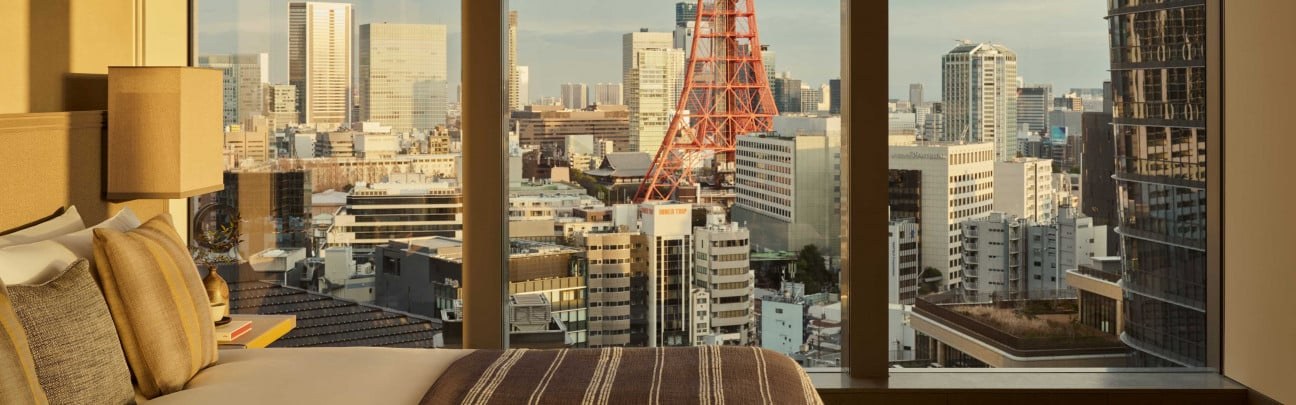
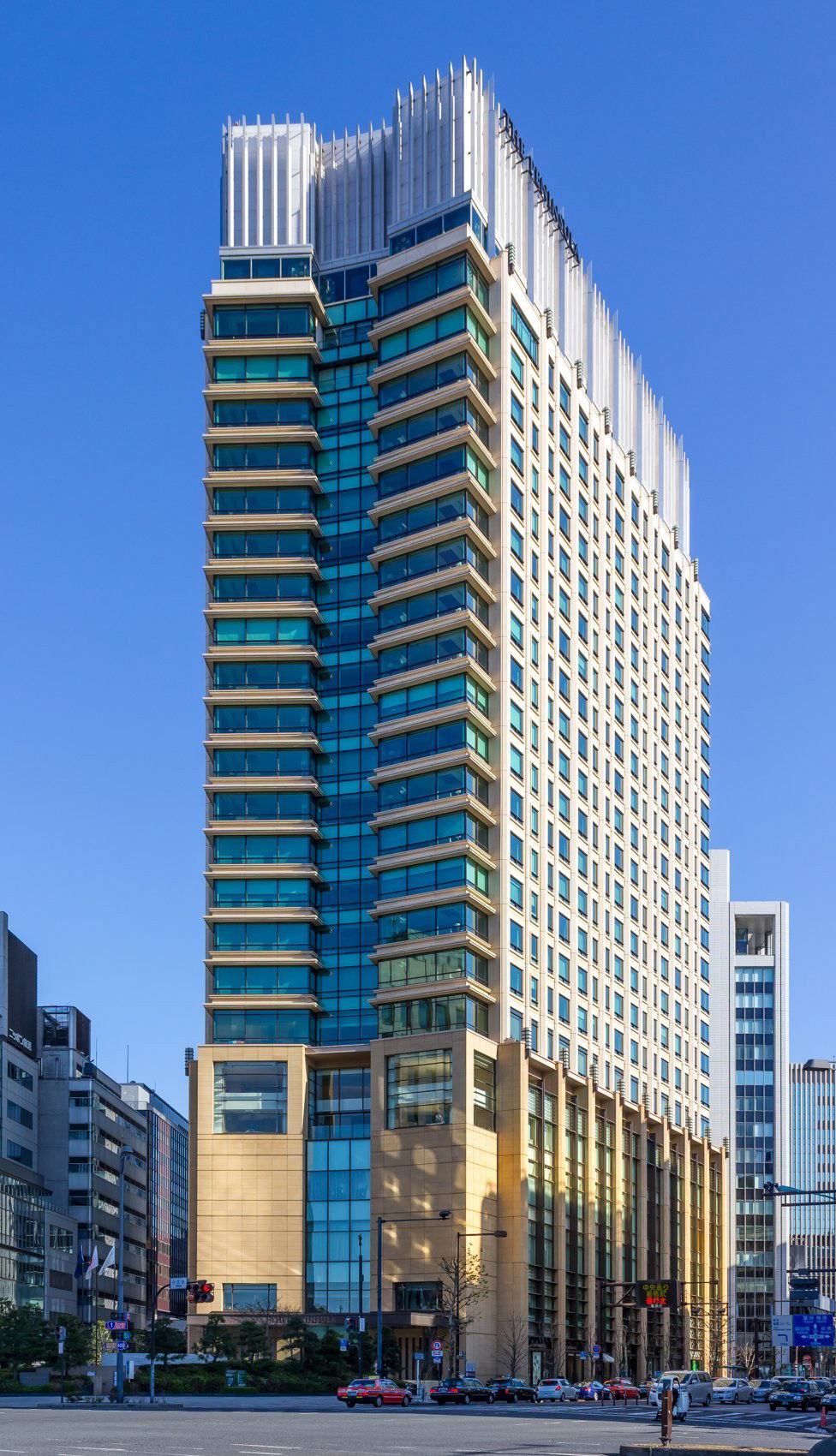
The Peninsula Tokyo reads as a deliberate, ground-up statement amid a skyline of towers. Architect Kazukiyo Sato shapes the 24-story building as a lantern-like, freestanding form, and the decision to place the lobby at street level changes the arrival ritual—guests enter directly from the street rather than from a high-rise elevator bank. The hotel’s civic façade and its placement opposite the Imperial Palace gardens and Hibiya Park give it a measured, classically composed presence in the city, blending the lineage of grand Asian hotels with a quietly scenic orientation toward Tokyo’s green heart.
Best For
The Peninsula Tokyo is well suited for travelers who value a formal, street-level arrival and proximity to both the Marunouchi business district and Ginza shopping. Business travelers appreciate the address’s civic presence and convenient location, while couples find the palace- and park-facing rooms ideal for romantic getaways and anniversaries. Guests who want a refined, design-forward hotel experience rather than a high-rise lobby will find this freestanding property especially appealing; its placement opposite the Imperial Palace gardens also makes it a strong choice for visitors seeking scenic urban views.
Stay Tips
When booking, request a palace- or park-facing room to take advantage of views toward the Imperial Palace gardens and Hibiya Park. Note the hotel’s street-level lobby on arrival—this address is designed for a ground-level entry experience rather than the elevator arrivals common at Tokyo’s tower hotels. Given the hotel’s position between Marunouchi and Ginza, plan meetings or evening dining in either district; these nearby neighborhoods are the logical orientations for corporate dinners, shopping excursions, or post-check-in walks into the gardens and park.
Venue details
Ambiance
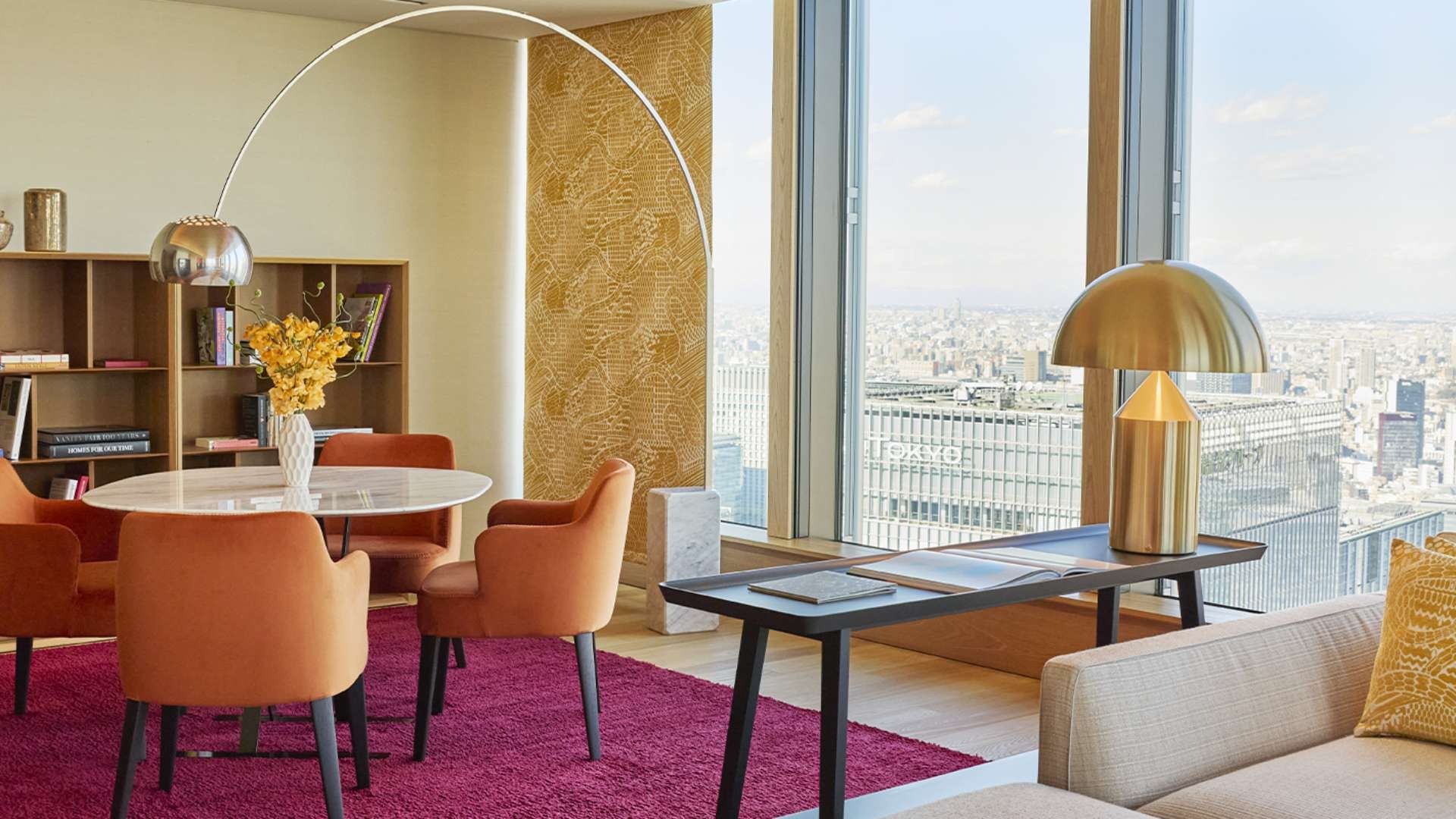
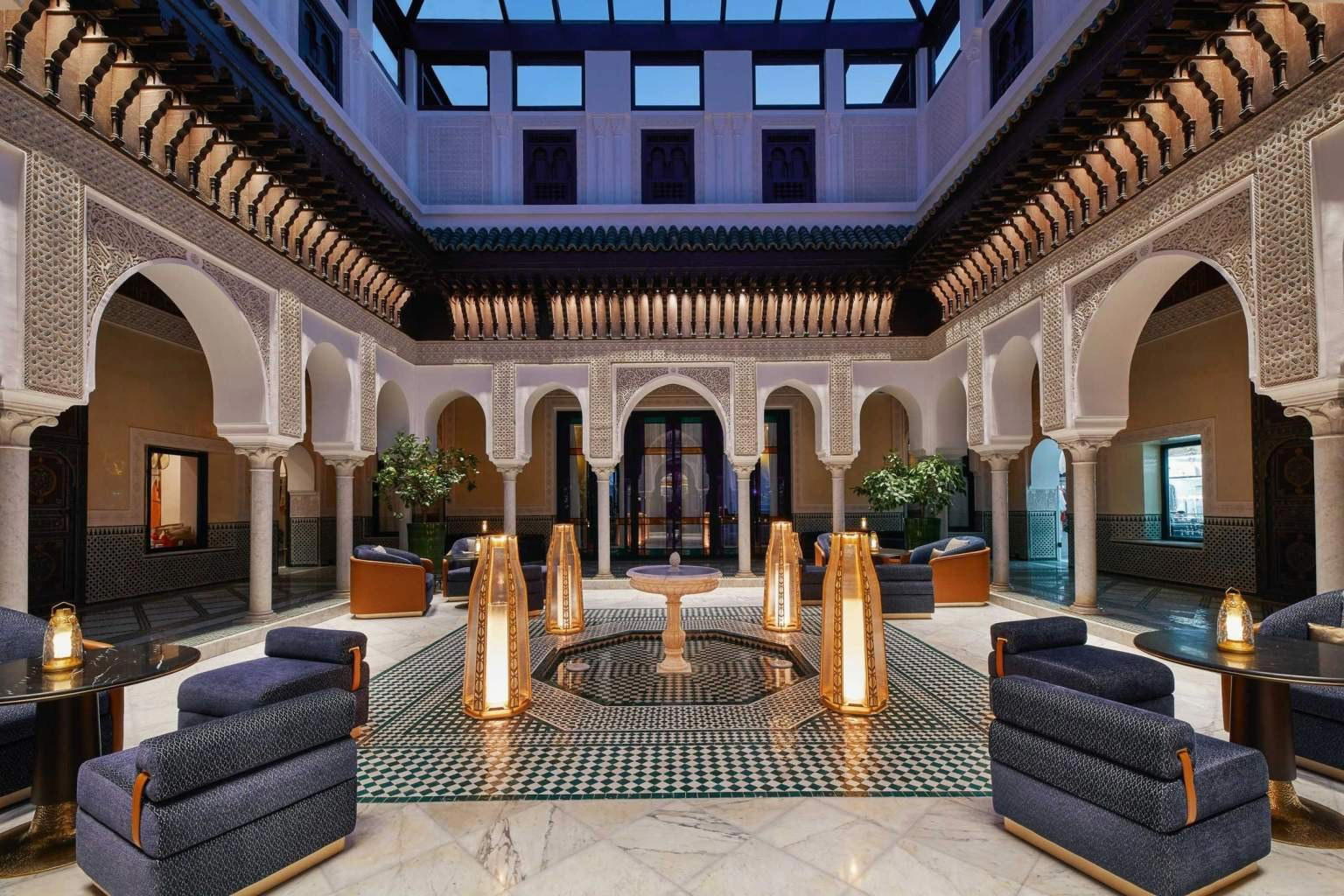
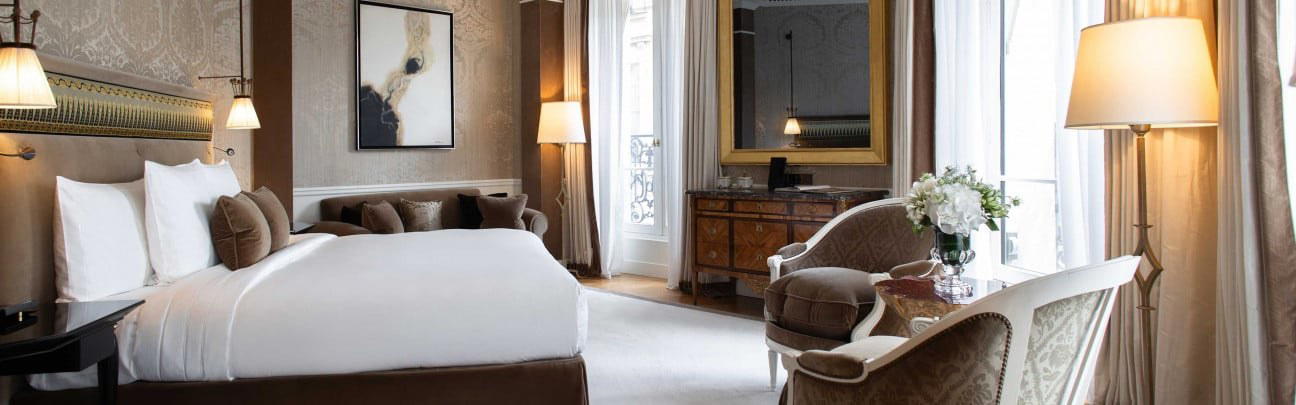
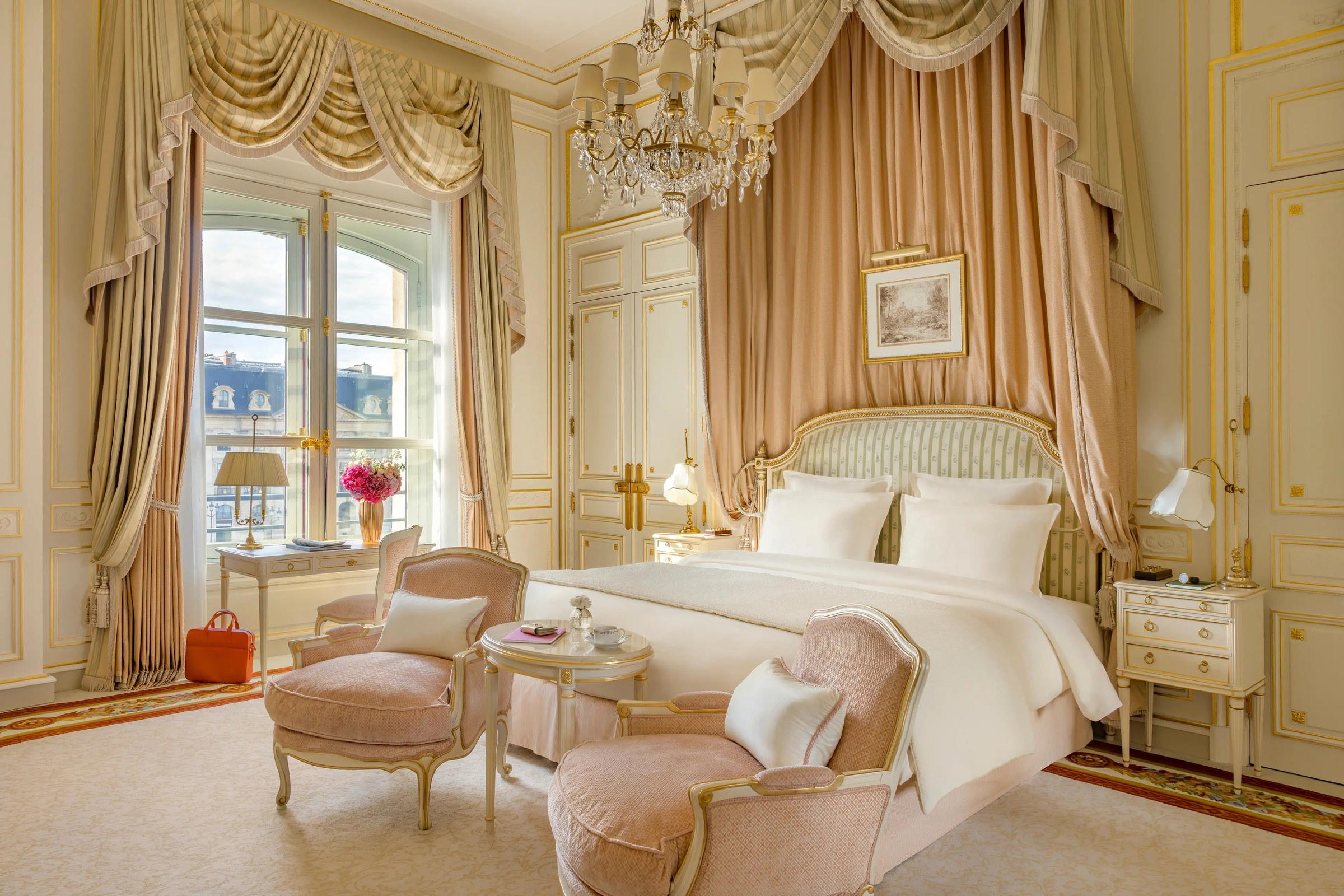
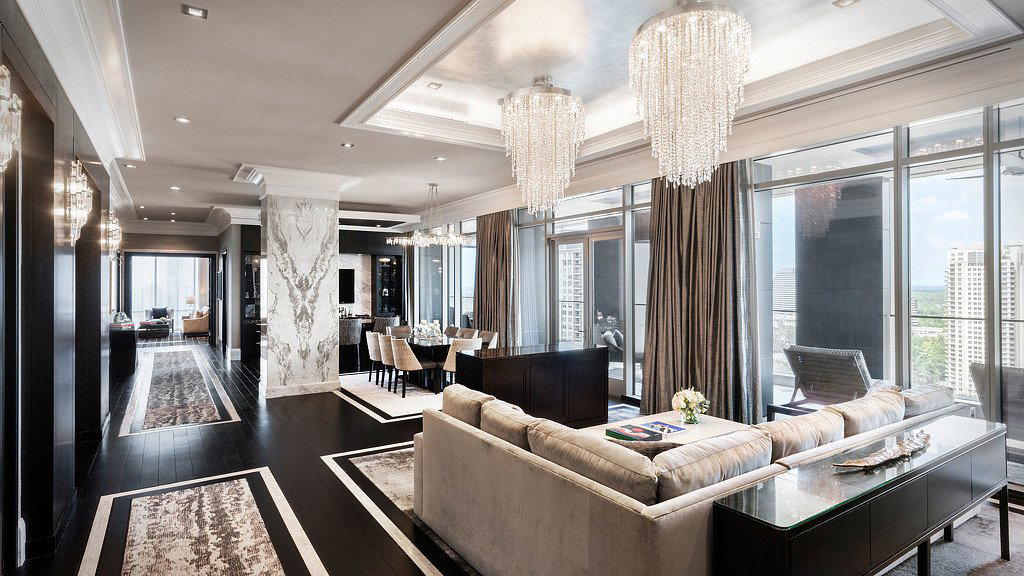
Soundproofed rooms with mood lighting, luxurious marble bathrooms, and a serene, elegant atmosphere.
Tags
Vibe
Best For
Experience
Amenities
View
Accessibility
About the Stay
- Rooms
- 302
- Check-in
- 15:00
- Check-out
- 12:00
- Property Style
- Classic Luxury with Modern Japanese Touches
- Design Style
- Opulent and Sophisticated
Know before you go
Know Before You Go
- Getting there
- 1-chōme-8-1 Yūrakuchō, Chiyoda City, Tokyo 100-0006
Planning details
Location
1-chōme-8-1 Yūrakuchō, Chiyoda City, Tokyo 100-0006 · Directions




Also consider
Where to look if this is not the right fit
Choose Hyatt Centric Ginza Tokyo if the trip is more shopping, dining, and Ginza movement than formal business hosting. Choose Muji Hotel Ginza if restrained design and practical positioning matter more than a high-touch luxury hotel setup.
Hotel context
How it compares with nearby Tokyo hotels
The Peninsula Tokyo is the strongest choice in this set for travelers who want formal luxury near Marunouchi, Hibiya, and Ginza. Compared with Imperial Hotel Tokyo, it reads as the more internationally polished luxury pick, while Imperial Hotel Tokyo is the better fit for travelers who want a classic Tokyo grand-hotel feel.
For a Ginza-focused stay with a less formal mood, Hyatt Centric Ginza Tokyo is the cleaner cross-shop. Muji Hotel Ginza is the better call for design restraint and a more practical price posture, while GINZA HOTEL by GRANBELL suits travelers who care more about location and contemporary styling than a full luxury-service setup.
Hotel The Celestine Ginza is the sensible alternative when the itinerary is Ginza-heavy but the spend needs to stay more controlled. Book The Peninsula Tokyo when awards-backed service and a business-friendly Chiyoda address are worth the premium; book one of the Ginza peers when the room is mainly a base between meals, shopping, and trains.
Explore Tokyo
Around this place
Discover more on Pearl
Unlock the full The Peninsula Tokyo guide in Pearl, including awards, comparisons, FAQs, planning details, and nearby places.
Compare The Peninsula Tokyo
| Venue | Location | Awards |
|---|---|---|
| The Peninsula Tokyo | Tokyo | 2026 Forbes 5-Star2026 Virtuoso Luxury Hotel Collection2026 Robb Report Best Luxury Hotels in Tokyo2026 La Liste Top HotelsWorld Travel Awards 2025Michelin 1 Key 20252025 Michelin 1 Key |
| Imperial Hotel Tokyo | Tokyo | 2026 Forbes 4-Star2026 La Liste Top HotelsLeading Hotels of the World 2026 |
| GINZA HOTEL by GRANBELL | Tokyo | No published awards |
| Hyatt Centric Ginza Tokyo | Tokyo | No published awards |
| Muji Hotel Ginza | Tokyo | No published awards |
| Hotel The Celestine Ginza | Tokyo | No published awards |


How The Peninsula Tokyo compares with similar nearby venues.
FAQ
Frequently Asked Questions
Is The Peninsula Tokyo good for business travel?
It can be a strong Tokyo choice if your business-travel decision prioritizes luxury recognition. A specific address beyond Tokyo or detailed business services are not provided. Muji Hotel Ginza may be a useful comparison depending on your trip priorities.
What is check-in like at The Peninsula Tokyo?
Specific check-in procedures or arrival services are not provided. The hotel carries Forbes 5-Star (2026) recognition and World Travel Awards 2025 recognition as Leading Luxury Hotel. For a different style of Tokyo stay, Hotel The Celestine Ginza is a useful comparison.
How does The Peninsula Tokyo compare to other hotels?
It is a clear shortlist option when luxury recognition is the main priority, while Imperial Hotel Tokyo is another major comparison. For a different budget or style profile, Hotel The Celestine Ginza, Hyatt Centric Ginza Tokyo, GINZA HOTEL by GRANBELL, and Muji Hotel Ginza are useful alternatives; The Peninsula Tokyo is best assessed by its awards profile.
Which room category is best at The Peninsula Tokyo?
Specific room categories, layouts, sizes, or prices are not provided. Choose a category only after checking the hotel's current official room descriptions and matching them to your trip length, budget, and need for space.