

 Book with Pearl











TokyoFree
Realm at Great Wines World Tokyo 2026
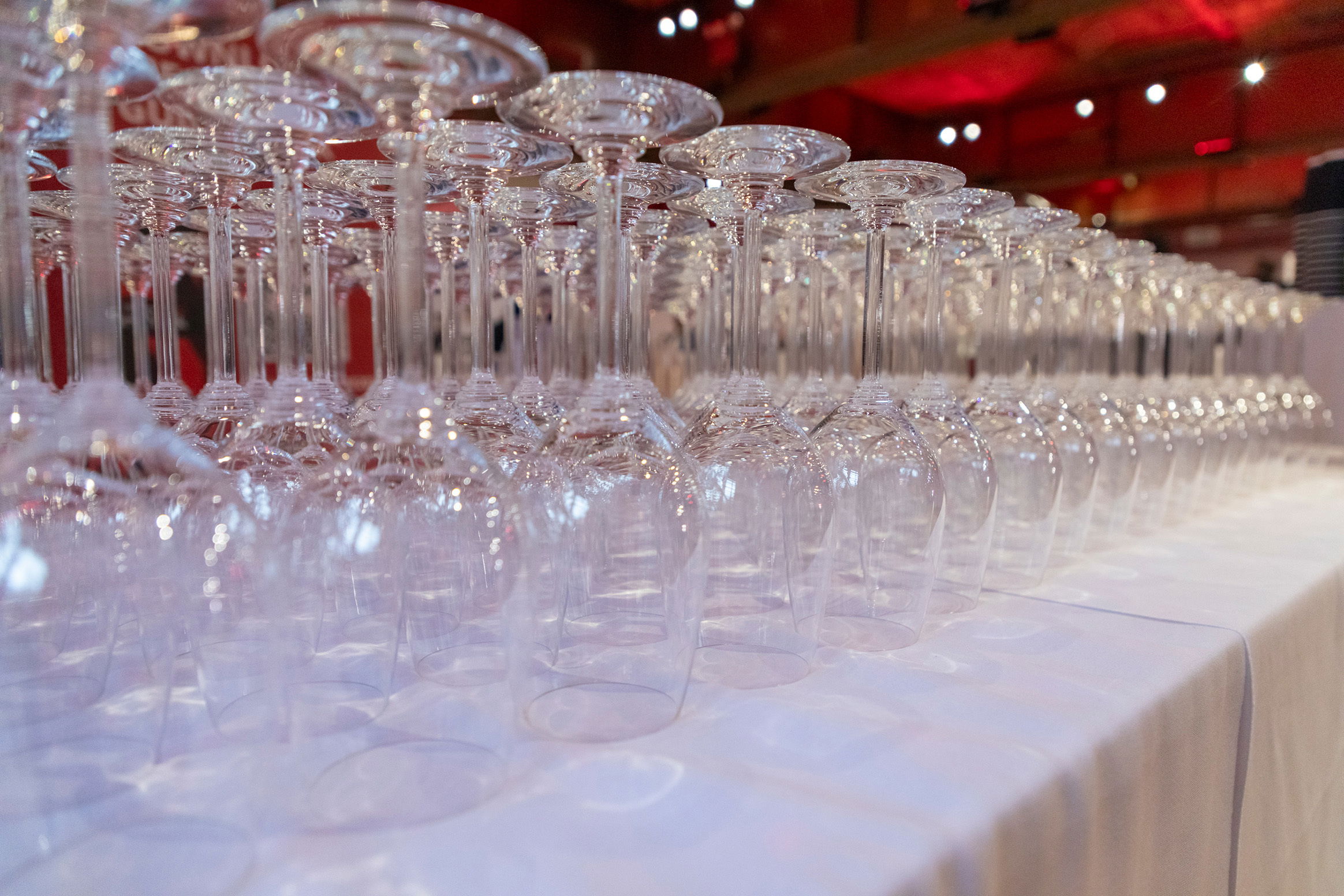
A three-hour JamesSuckling.com walk-around tasting in Tokyo with Realm Cellars among 150 producers pouring more than 260 wines.



Minato, Tokyo
Hotel in Tokyo, Japan
Full-Service Urban Anchor
Why go
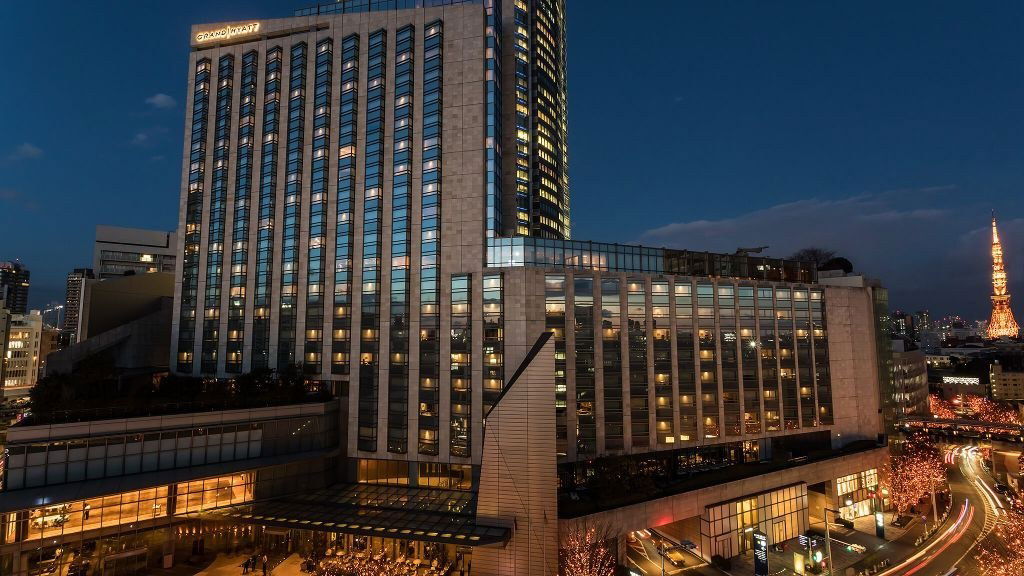
In winter 2026, Grand Hyatt Tokyo is worth booking if Roppongi convenience and a full-service luxury setup matter more than a boutique feel. It is especially practical for families or repeat Tokyo visitors who want Minato access without overcomplicating the stay. For sharper design, compare JANU Tokyo or Andaz Tokyo Toranomon Hills first.
Grand Hyatt Tokyo is a hotel in Tokyo recognized by Forbes, Virtuoso, and the MICHELIN Guide. For travelers comparing premium hotel options in the city, it is best framed as a Tokyo hotel with notable industry recognition; confirm trip-specific details such as neighborhood logistics, room setup, dining, and family services before booking.
Book this if the priority is a Tokyo hotel with strong recognition: Forbes 4-Star in 2026, Virtuoso Luxury Hotel Partner in 2026, and MICHELIN Guide, Hotels Selected in 2025. The dress code is smart casual. Travelers should check current hotel details directly before making plans around amenities, dining, transportation, or special requests.
Grand Hyatt Tokyo can be considered for a Tokyo stay. Travelers should confirm family features, local logistics, transfer times, and on-property services directly with the hotel before booking.
For comparison shopping, JANU Tokyo, Andaz Tokyo Toranomon Hills, The Aoyama Grand Hotel, The Ritz-Carlton, Tokyo, Azabudai Hills, and Grand Hyatt Tokyo are natural names to review when looking across premium Tokyo options. The best choice depends on current availability, trip purpose, and the specific services each traveler confirms before booking.
For a return visit, the clearest reason to consider Grand Hyatt Tokyo is the hotel's recognition, rather than assumptions about a particular service style, room count, dining format, or neighborhood advantage. It is best treated as a Tokyo hotel option to match against the needs of the trip.
Before committing, compare it against Pearl's Tokyo hotels guide, then cross-check dining plans in Pearl's Tokyo restaurants guide and late-night options in Pearl's Tokyo bars guide.
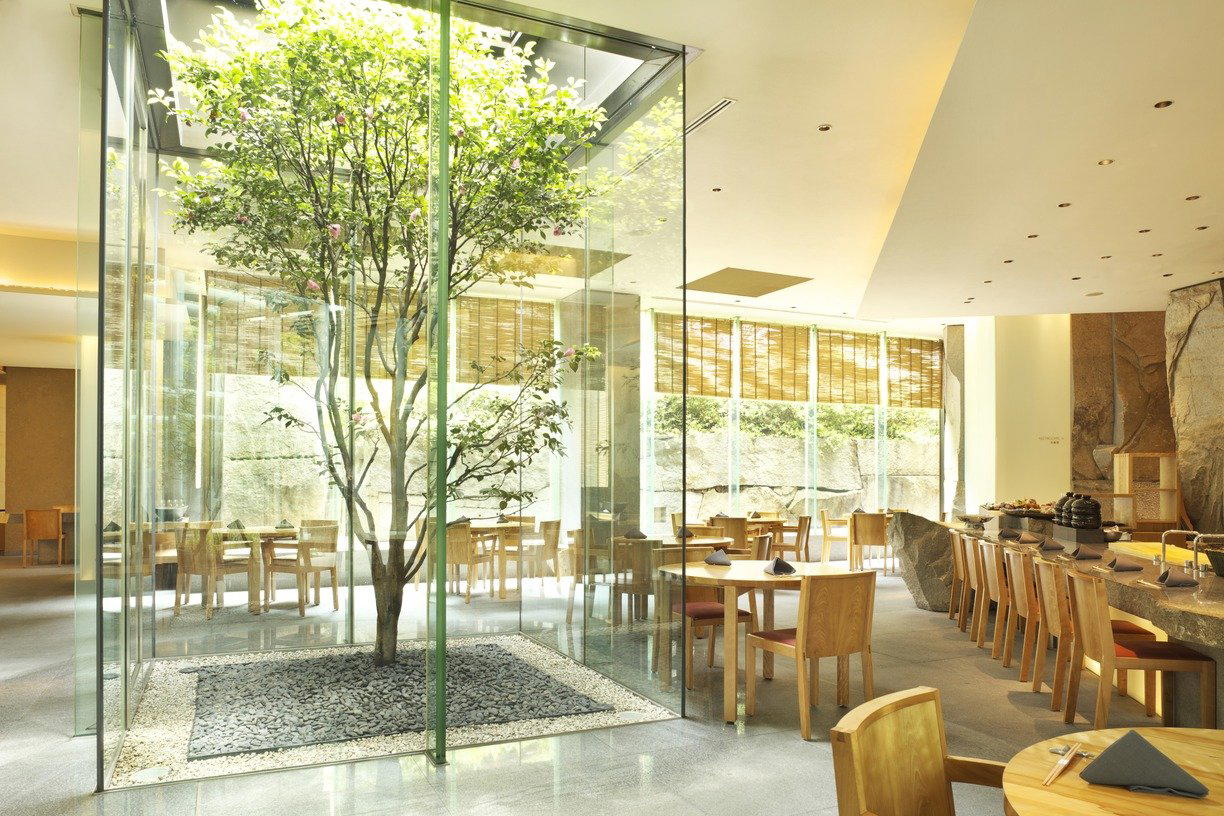 restaurantKeyakizakaKeyakizaka occupies the fourth floor of the Grand Hyatt Tokyo in Roppongi, positioning itself inside one of the city's most scrutinised hotel-dining tiers. The restaurant draws on Japanese culinary tradition with a sourcing philosophy rooted in seasonal produce and premium domestic ingredients, placing it alongside Tokyo's most serious hotel restaurant addresses rather than its casual dining circuit.
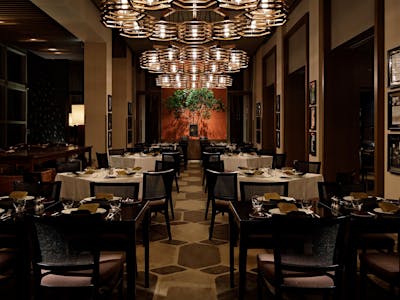 restaurantThe Oak DoorThe Oak Door serves a premium American steakhouse menu inside Grand Hyatt Tokyo, with a Wine Spectator Award of Excellence, an extensive wine list, and leisurely pacing for lunch, dinner, or late night.
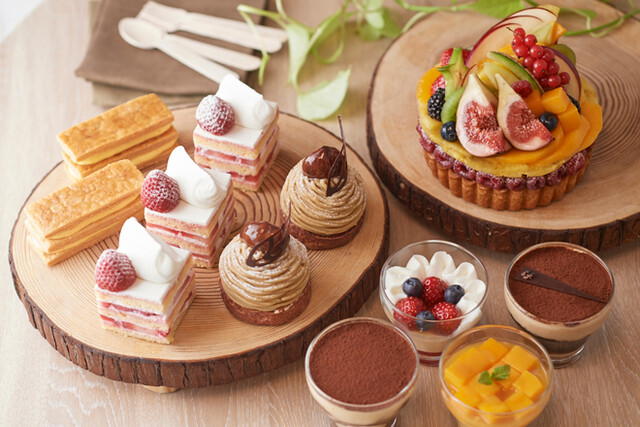 cafeFiorentina Pastry BoutiqueFiorentina Pastry Boutique brings Tokyo’s celebration-cake culture into the hotel lobby, with cakes, bread and chocolate set up for polished takeaway rather than lingering café service. Its repeated selection for Tabelog Sweets TOKYO “Tabelog 100” across 2018, 2019, 2020, 2022 and 2023 puts it in the city’s recognized pastry tier, especially useful for birthdays, gifts and Roppongi occasions.
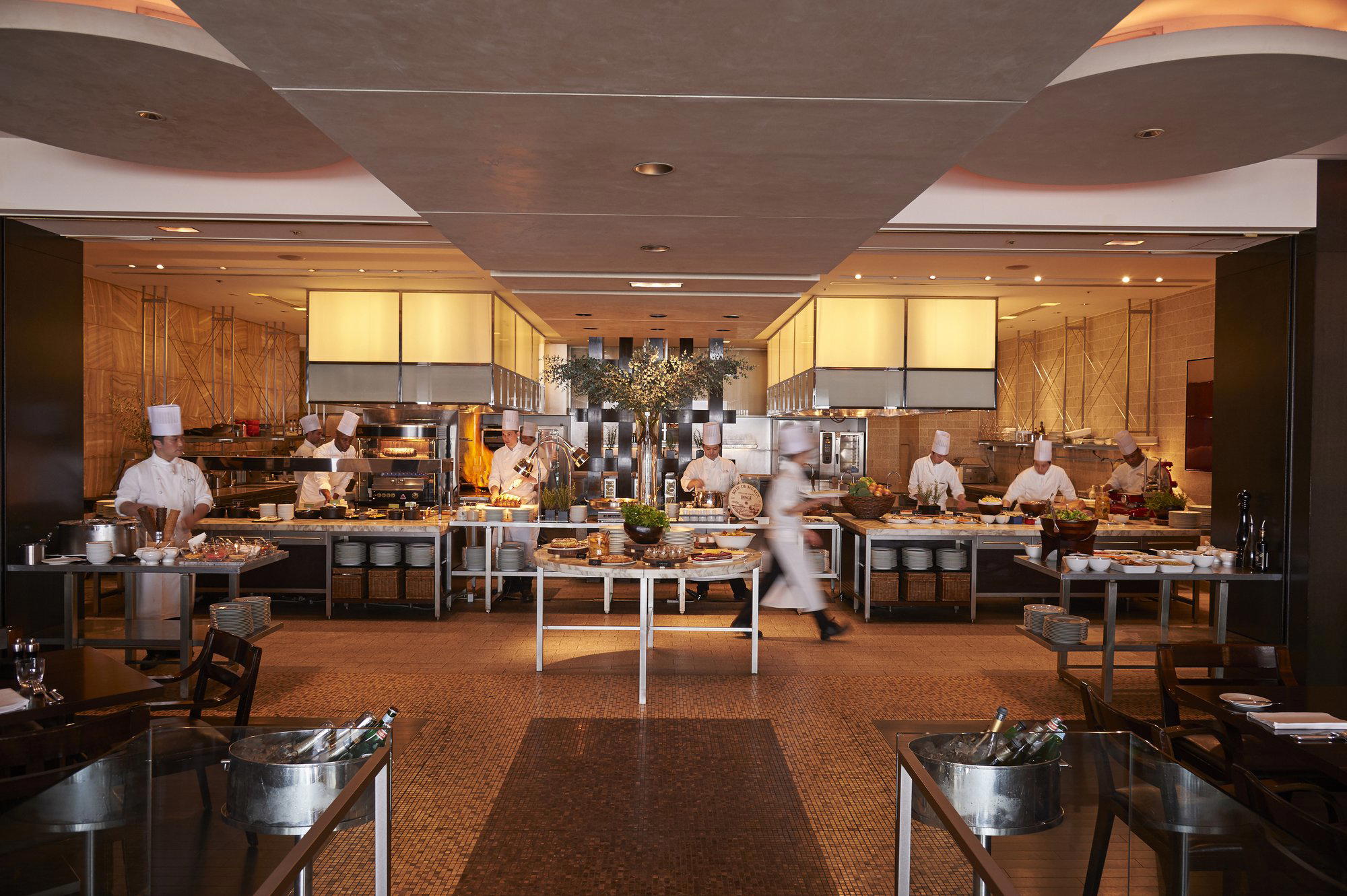 restaurantFrench KitchenFrench Kitchen occupies the second floor of the Grand Hyatt Tokyo in Roppongi, where classic French cooking meets one of the city's most established international dining neighbourhoods. The restaurant sits within a hotel that has anchored Roppongi Hills since 2003, placing it inside Tokyo's densest concentration of high-end foreign-cuisine dining. For visitors already based in or passing through Roppongi, it represents a convenient and credentialed French option in a district that rarely rewards casual discovery.
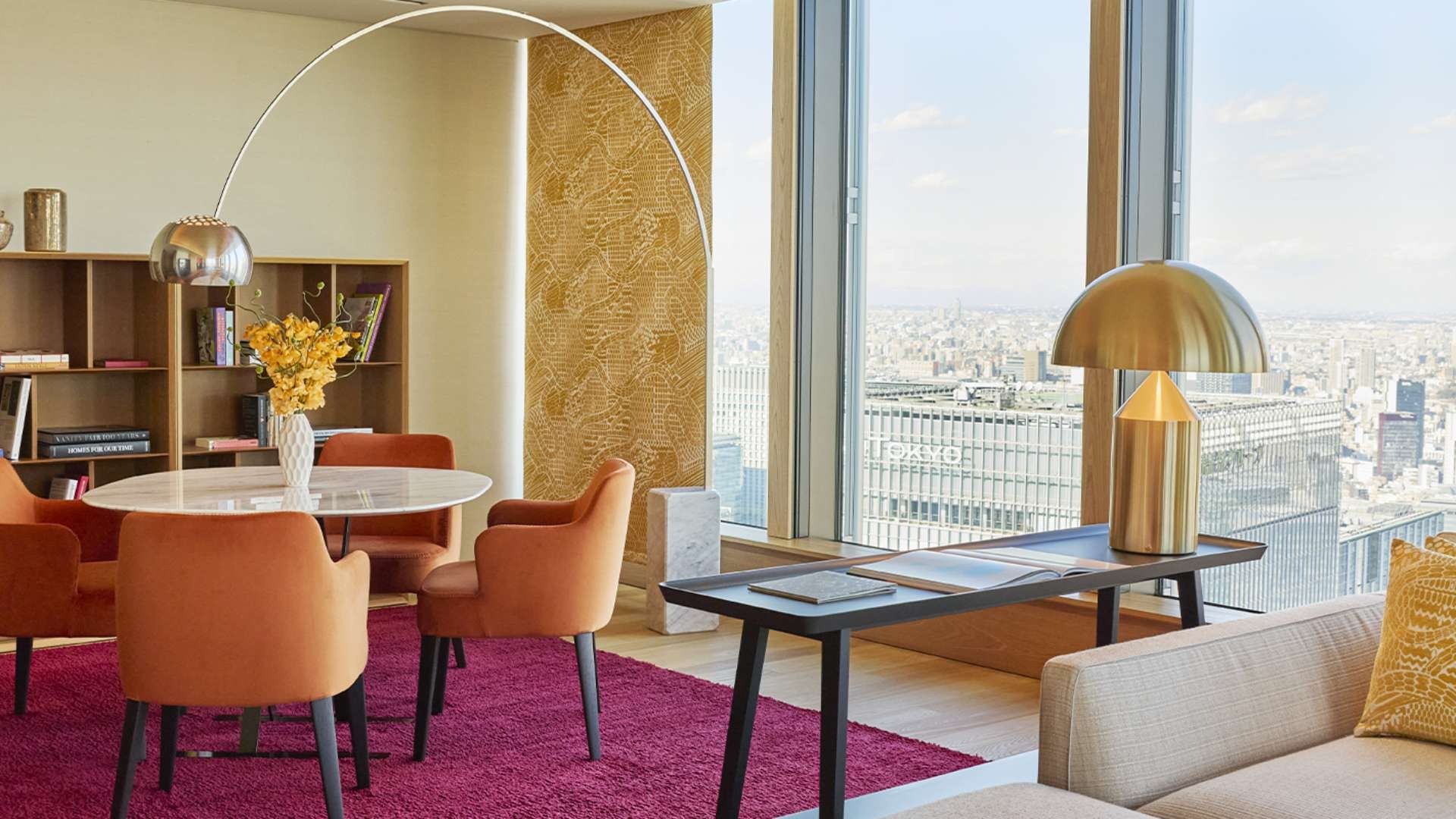
Grand Hyatt Tokyo balances Roppongi’s kinetic energy with a considered, residential interior that reads as deliberately grounded rather than minimal. The lobby and corridors are punctuated by roughly 200 works of art, while mahogany furnishings and natural fabrics lend warmth and an unshowy classicism. High ceilings and thoughtful materials absorb the bustle of an international hotel, creating a retreat-like calm inside. Japanese aesthetic cues are woven into the design in a restrained way, so the overall impression is welcoming and composed rather than austere.
This hotel suits travelers who want a well-connected base in Roppongi—particularly business travelers and visitors focused on Tokyo’s cultural circuit. Its direct underground link to Roppongi Hills and proximity to galleries, embassies, and late-night options make it easy to reach Ginza, Shibuya and other precincts without long transit. The warm, residential interiors also make it a comfortable choice for couples seeking a city retreat that feels refined rather than remote.
Sophisticated and warm with rich mahogany furnishings, contemporary Japanese aesthetics, and a somewhat dark, elegant atmosphere.
6-chōme-10-3 Roppongi, Minato City, Tokyo 106-0032 · Directions
hyatt.com/grand-hyatt/en-US/tyogh-grand-hyatt-tokyo?src=corp_lclb_google_seo_tyogh
Against The Ritz-Carlton, Tokyo, Grand Hyatt Tokyo is the more practical family base; The Ritz-Carlton is the stronger choice for a higher-gloss splurge. If the trip is built around views, ceremony, and a more formal luxury mood, choose The Ritz-Carlton. If the trip needs Roppongi access and a large international-hotel rhythm, Grand Hyatt is the easier call.
JANU Tokyo and Azabudai Hills are better for travelers who want the newer Tokyo luxury conversation and a more design-forward setting. Grand Hyatt Tokyo is less about novelty and more about reducing logistical friction, which matters for families, mixed-generation groups, and repeat visitors who know they want Minato as their base.
Andaz Tokyo Toranomon Hills is the stronger pick for a more lifestyle-driven stay, while The Aoyama Grand Hotel suits travelers who prefer a smaller hotel mood in a fashion-and-dining neighborhood. Grand Hyatt Tokyo is the safer choice when booking difficulty is hard and the priority is a dependable Roppongi base over a more scene-led stay.
Unlock the full Grand Hyatt Tokyo guide in Pearl, including awards, comparisons, FAQs, planning details, and nearby places.
| Venue | Location | Awards |
|---|---|---|
| Grand Hyatt Tokyo | Tokyo | 2026 Forbes 4-Star2026 Virtuoso Luxury Hotel Collection2025 Michelin Selected Hotels2025 Forbes 4-Star |
| The Ritz-Carlton, Tokyo | Tokyo | 2026 Virtuoso Luxury Hotel Collection2026 Forbes 5-Star2026 La Liste Top Hotels2026 Michelin 1 Key2025 Michelin 1 Key2025 Forbes 5-Star |
| JANU Tokyo | Tokyo | 2026 World’s 50 Best Hotels 51-100 · #522026 Virtuoso Luxury Hotel Collection2026 Robb Report Best Luxury Hotels in Tokyo2026 Mr & Mrs Smith Luxury Hotels2026 Michelin 2 Keys2025 World’s 50 Best Hotels · #372025 AFAR Best New HotelsTatler Best Hotels Asia-Pacific 20252025 Michelin 2 Keys |
| Azabudai Hills | Tokyo | No published awards |
| Andaz Tokyo Toranomon Hills | Tokyo | No published awards |
| The Aoyama Grand Hotel | Tokyo | 2026 Michelin 1 KeyWorld Luxury Hotel Awards 20252025 Michelin 1 Key2024 Michelin 1 Key |
How Grand Hyatt Tokyo compares with similar nearby venues.
Book once your Tokyo dates are fixed and you have confirmed current availability and policies directly with the hotel. Grand Hyatt Tokyo has recognition including Forbes 4-Star in 2026, Virtuoso Luxury Hotel Partner in 2026, and MICHELIN Guide, Hotels Selected in 2025.
Grand Hyatt Tokyo is a hotel in Tokyo. If you are traveling with children, confirm room setup, amenities, and any special requests directly before booking.
Pearl events
Public events currently associated with this Pearl venue.
A three-hour JamesSuckling.com walk-around tasting in Tokyo with Realm Cellars among 150 producers pouring more than 260 wines.
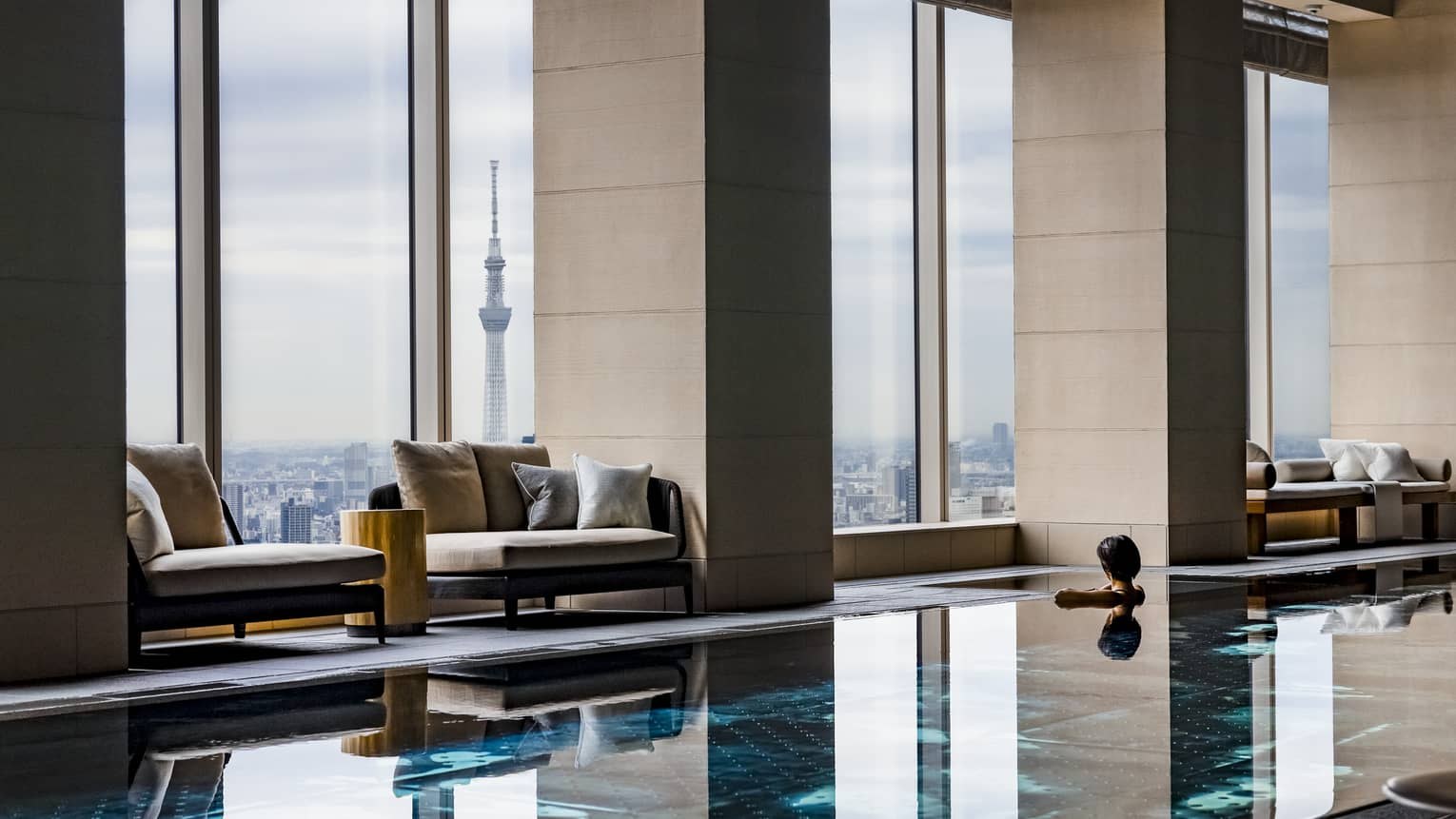
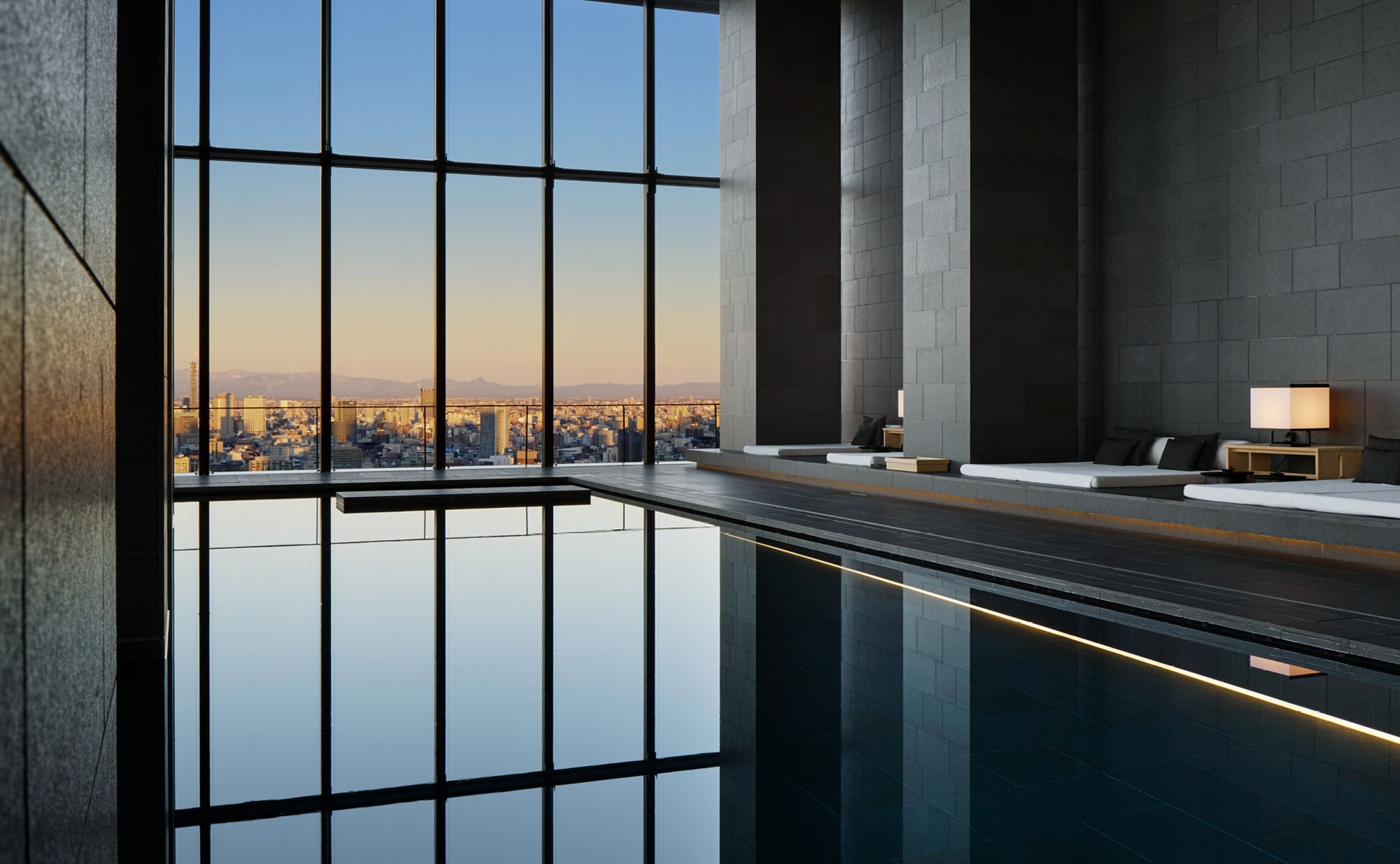 Aman TokyoTokyoAman Tokyo is a hotel in Otemachi Tower whose design draws on Japanese traditions.
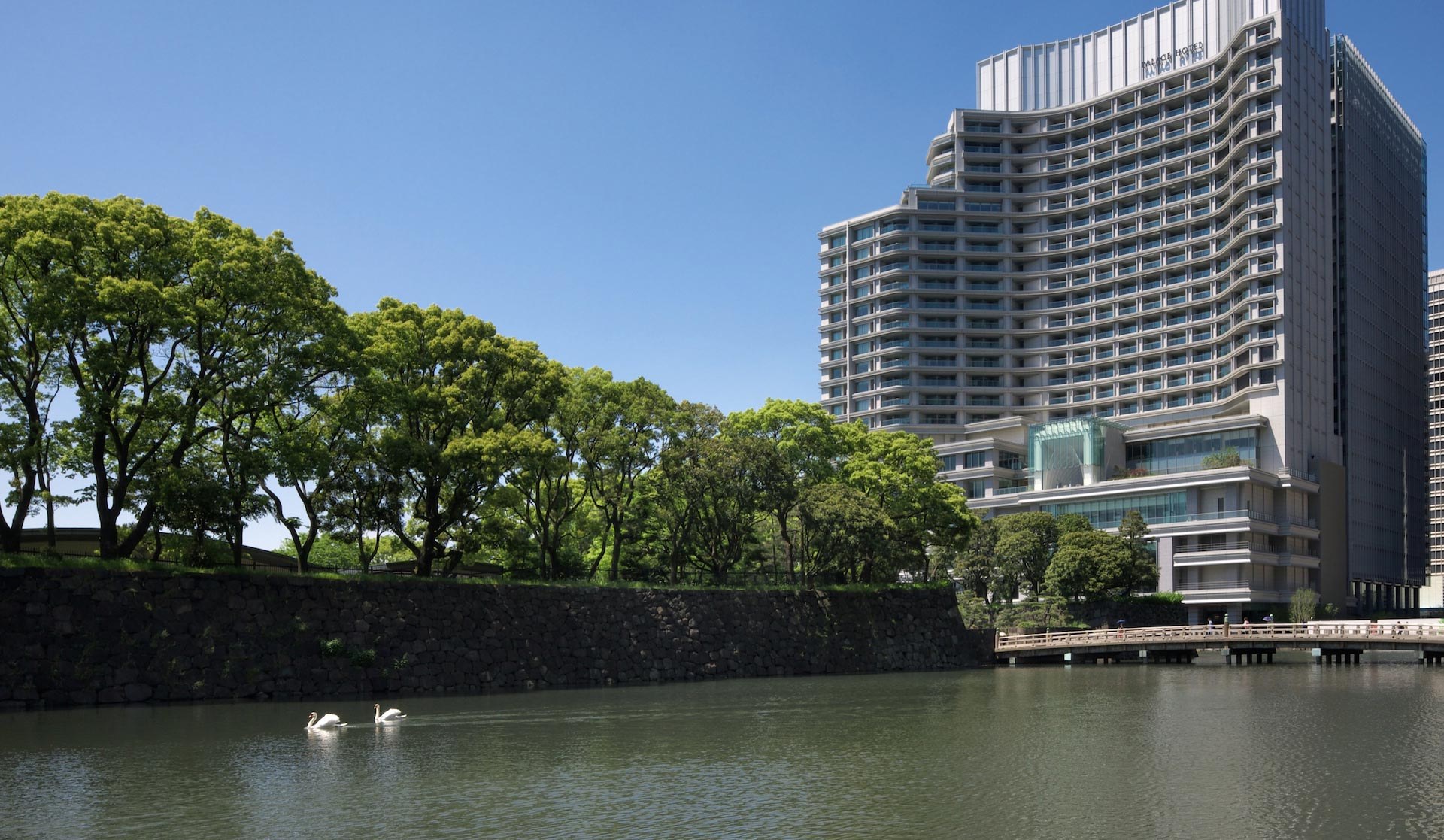 Palace Hotel TokyoTokyoPalace Hotel Tokyo is a hotel in Marunouchi, Tokyo.
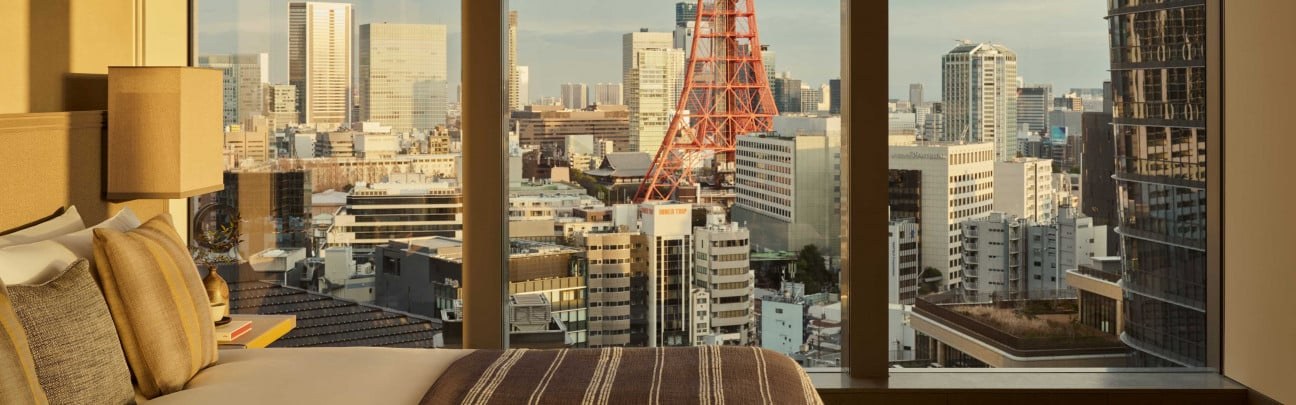
 Bvlgari Hotel TokyoTokyoBook Bvlgari Hotel Tokyo if the priority is privacy, skyline calm, polished service, and a hotel that can handle…
 Four Seasons Hotel Tokyo at OtemachiTokyoFour Seasons Hotel Tokyo at Otemachi is a hotel in Otemachi, Tokyo.
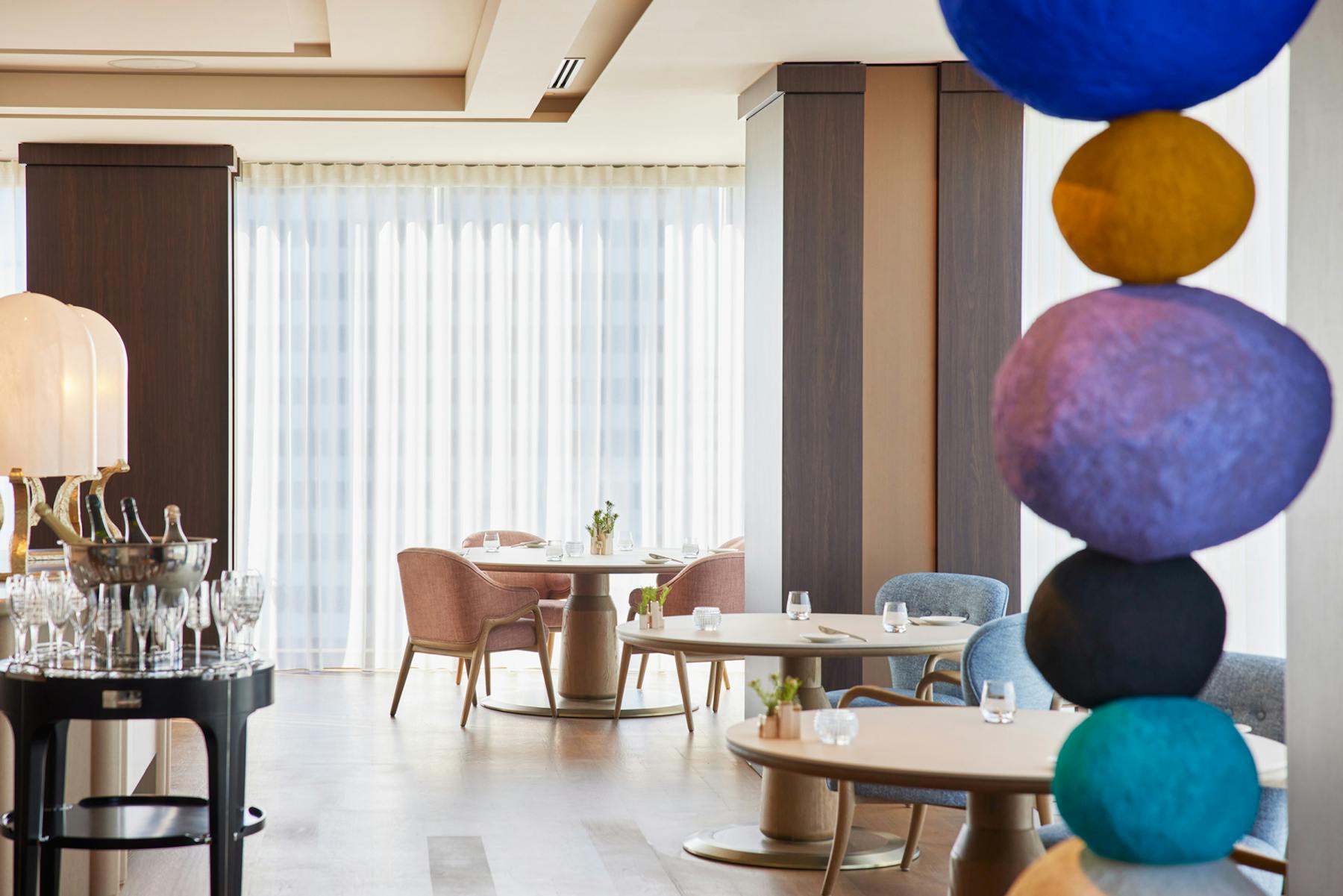
 JANU TokyoTokyoJANU Tokyo is the right call for travellers who want a modern Minato luxury base and are willing to work around tight…
 SézanneTokyoSézanne serves French cuisine at Four Seasons Hotel Tokyo at Marunouchi.
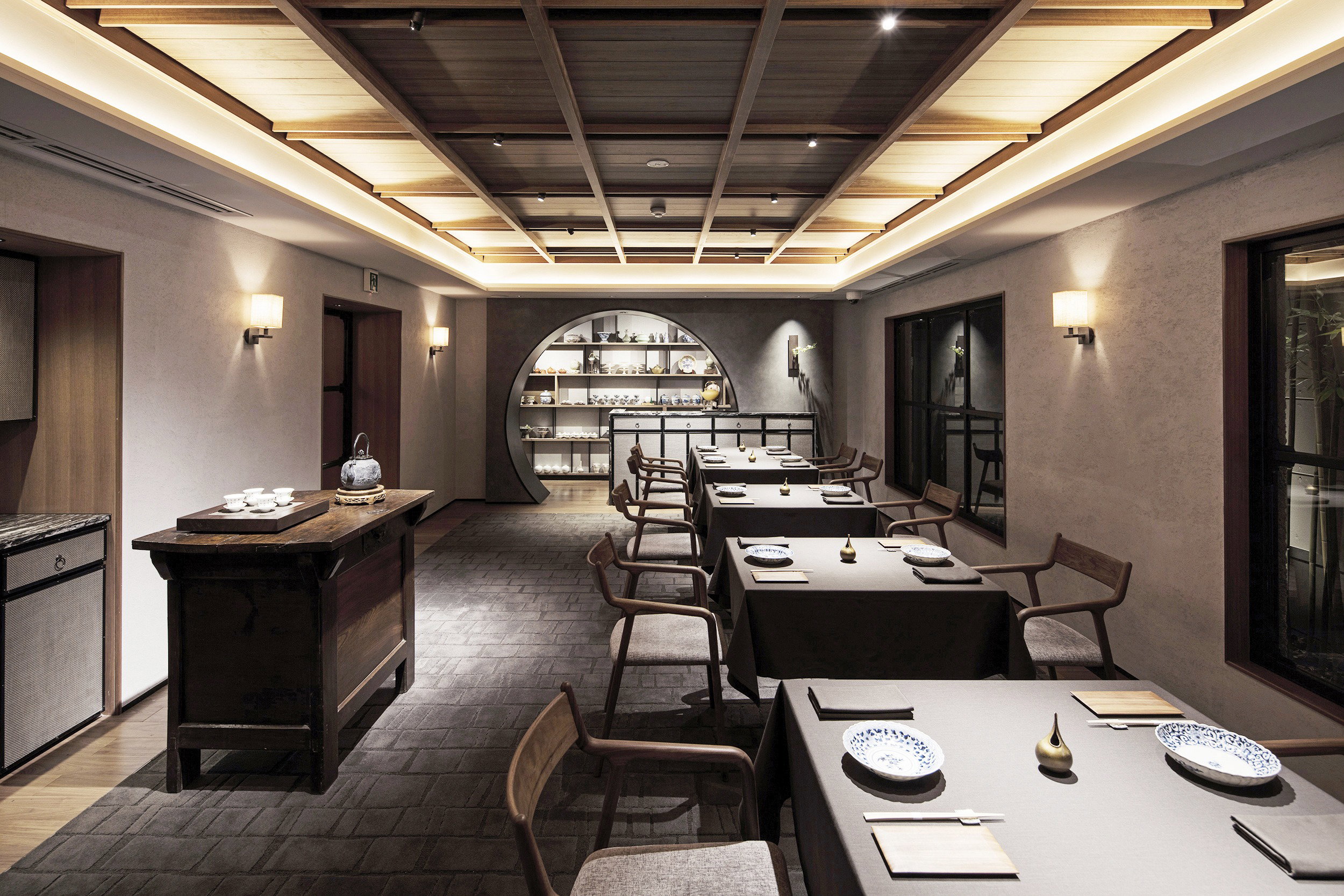 SazenkaTokyoSazenka is a Chinese restaurant in Minamiazabu, Tokyo.
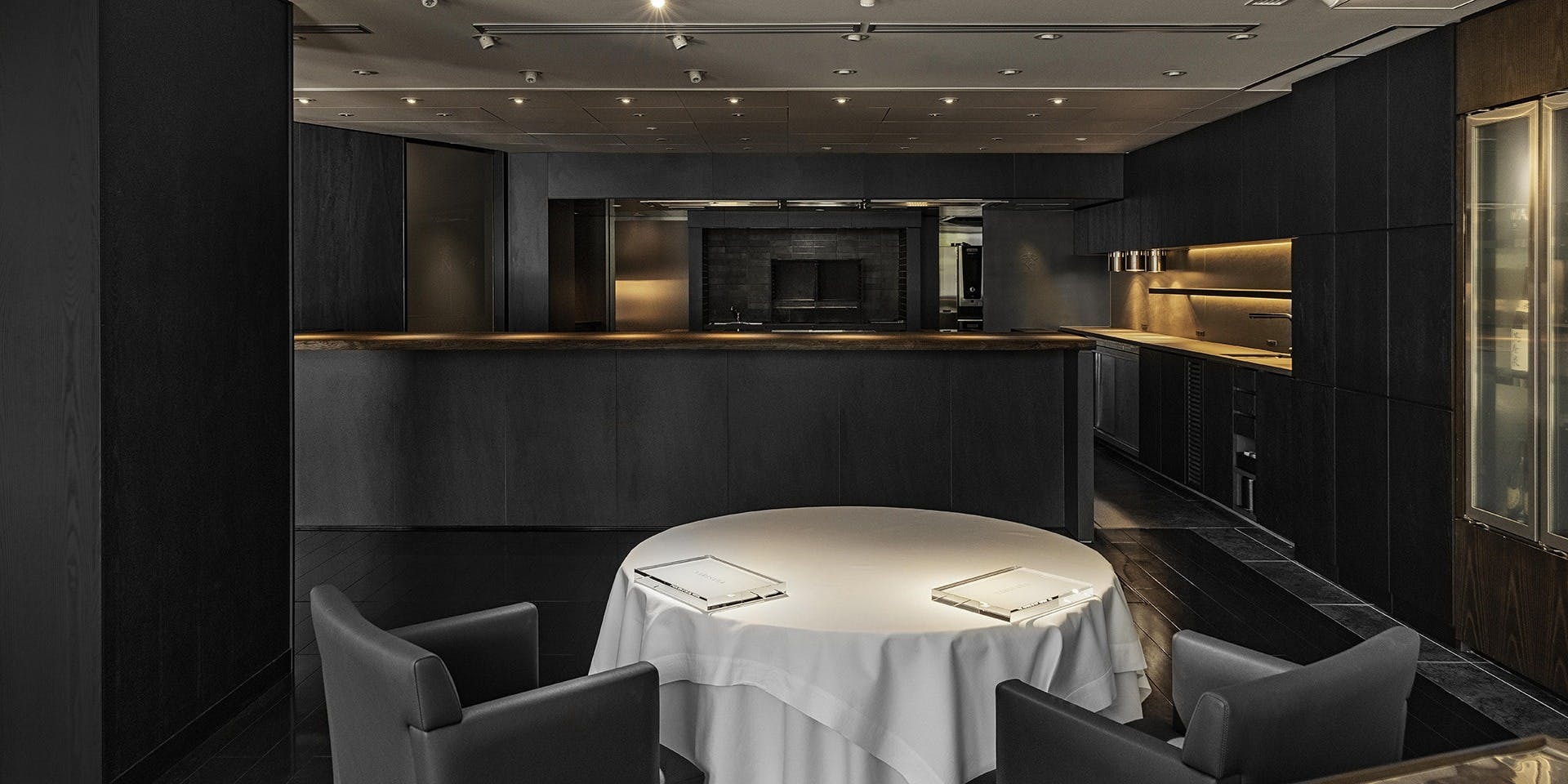 NarisawaTokyoNarisawa is a restaurant in Minamiaoyama, Tokyo.
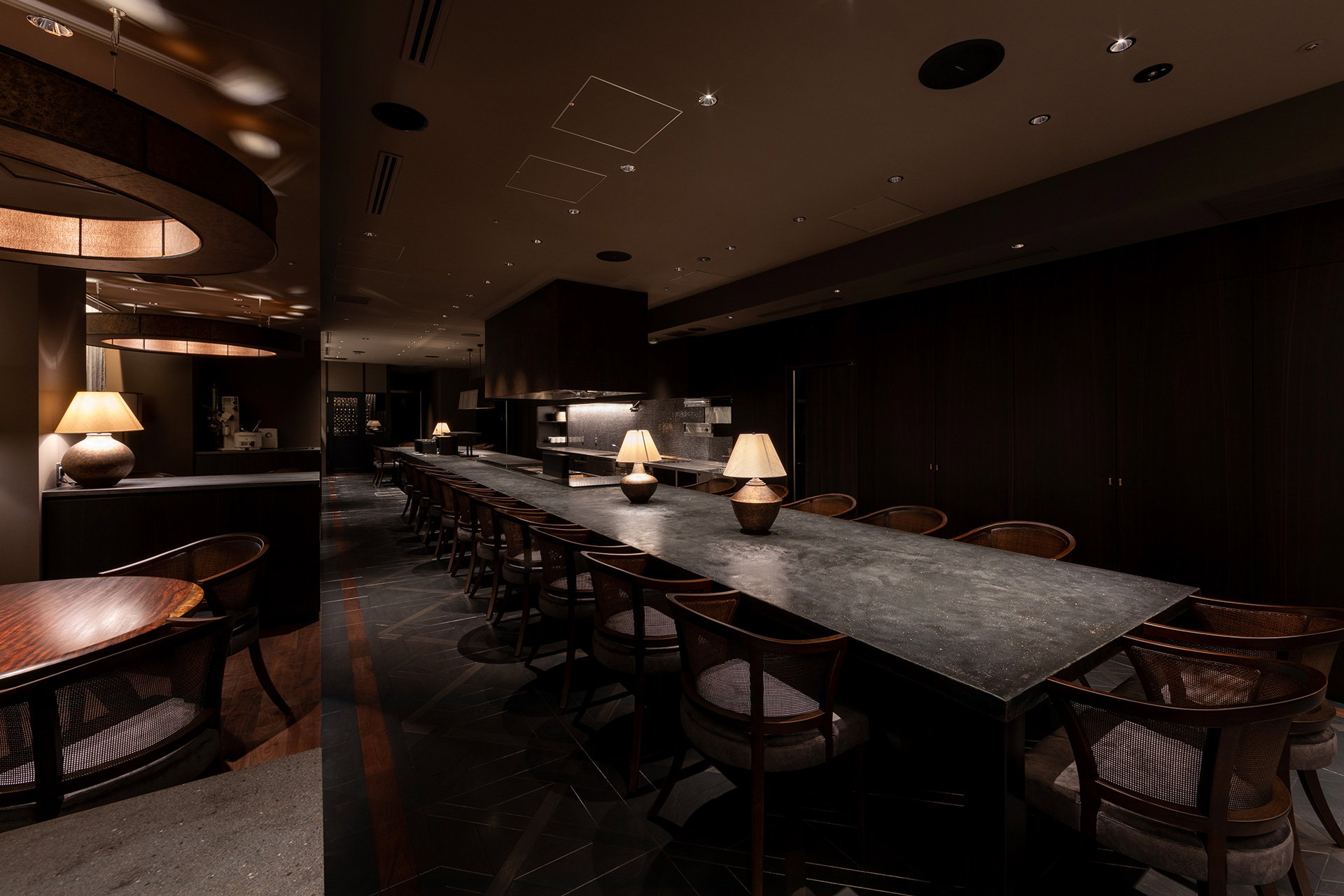 FlorilègeTokyoFlorilège is a restaurant in Azabudai Hills, Tokyo.
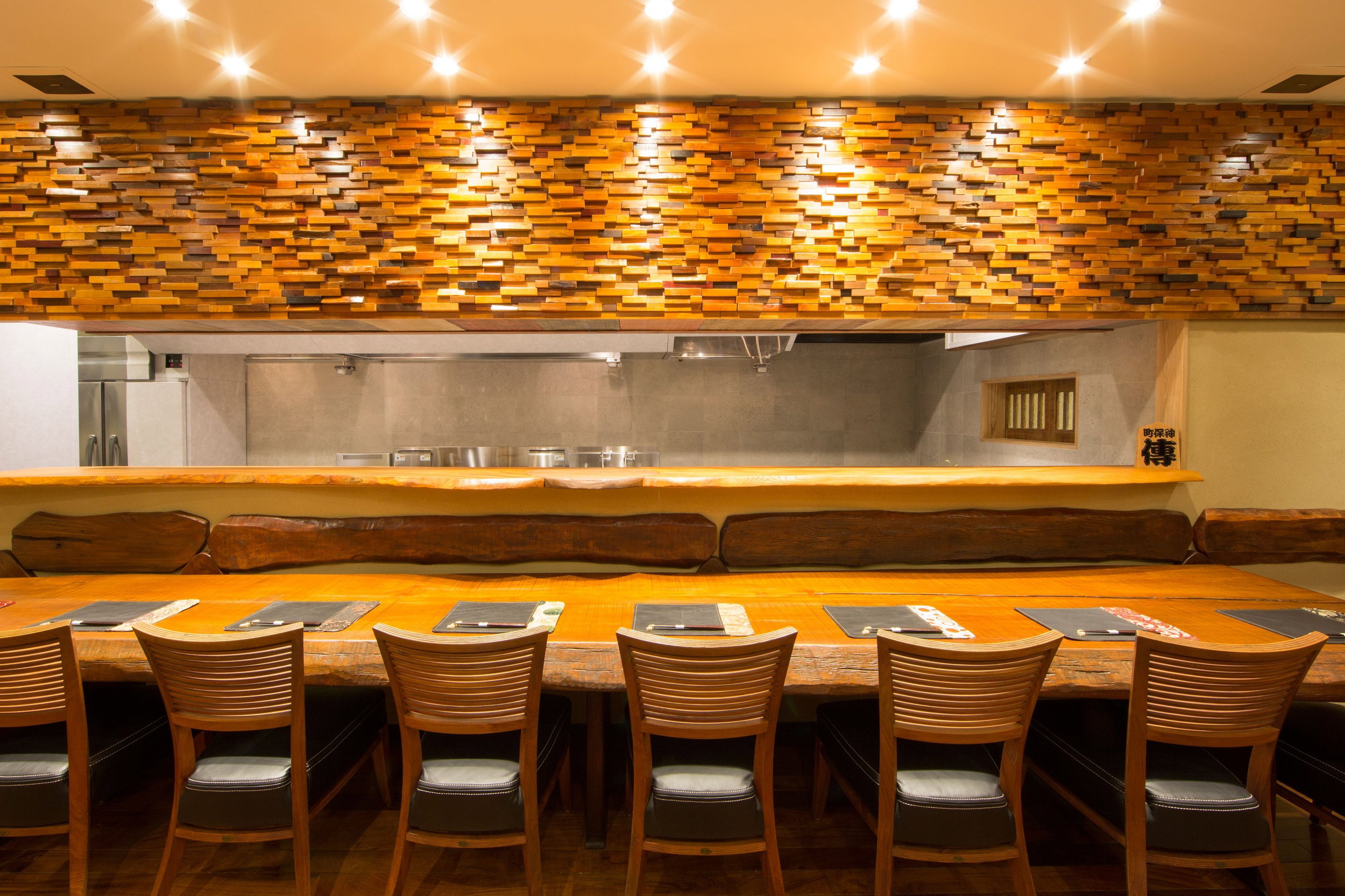 DenTokyoDen is a Japanese restaurant in Jingumae, Tokyo, led by chef Zaiyu Hasegawa.
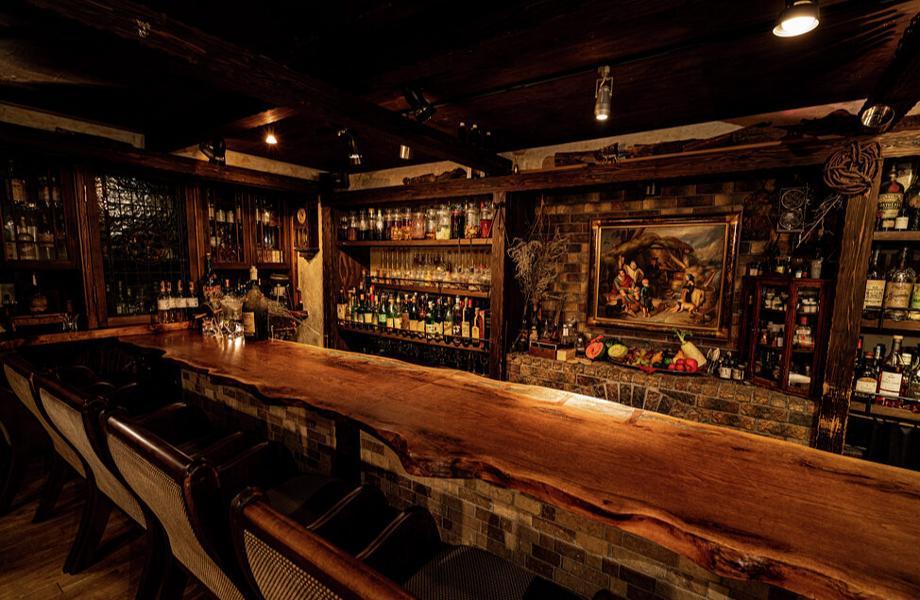 Bar BenfiddichTokyoBar Benfiddich is a cocktail bar in Nishi-Shinjuku, Tokyo.
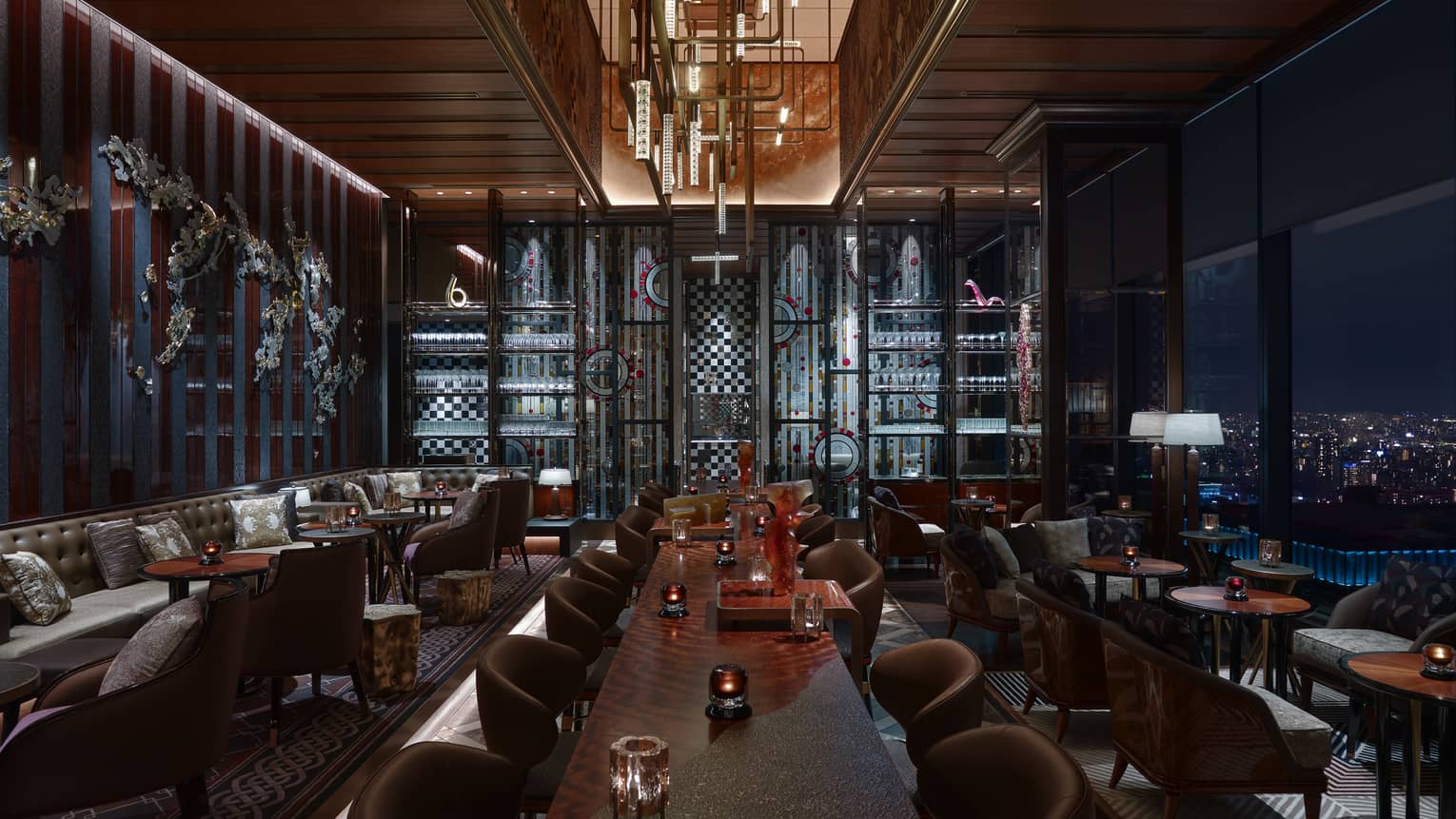 VirtùTokyoVirtù is the Tokyo pick for a serious cocktail round when award recognition matters more than casual value. Its 2025…
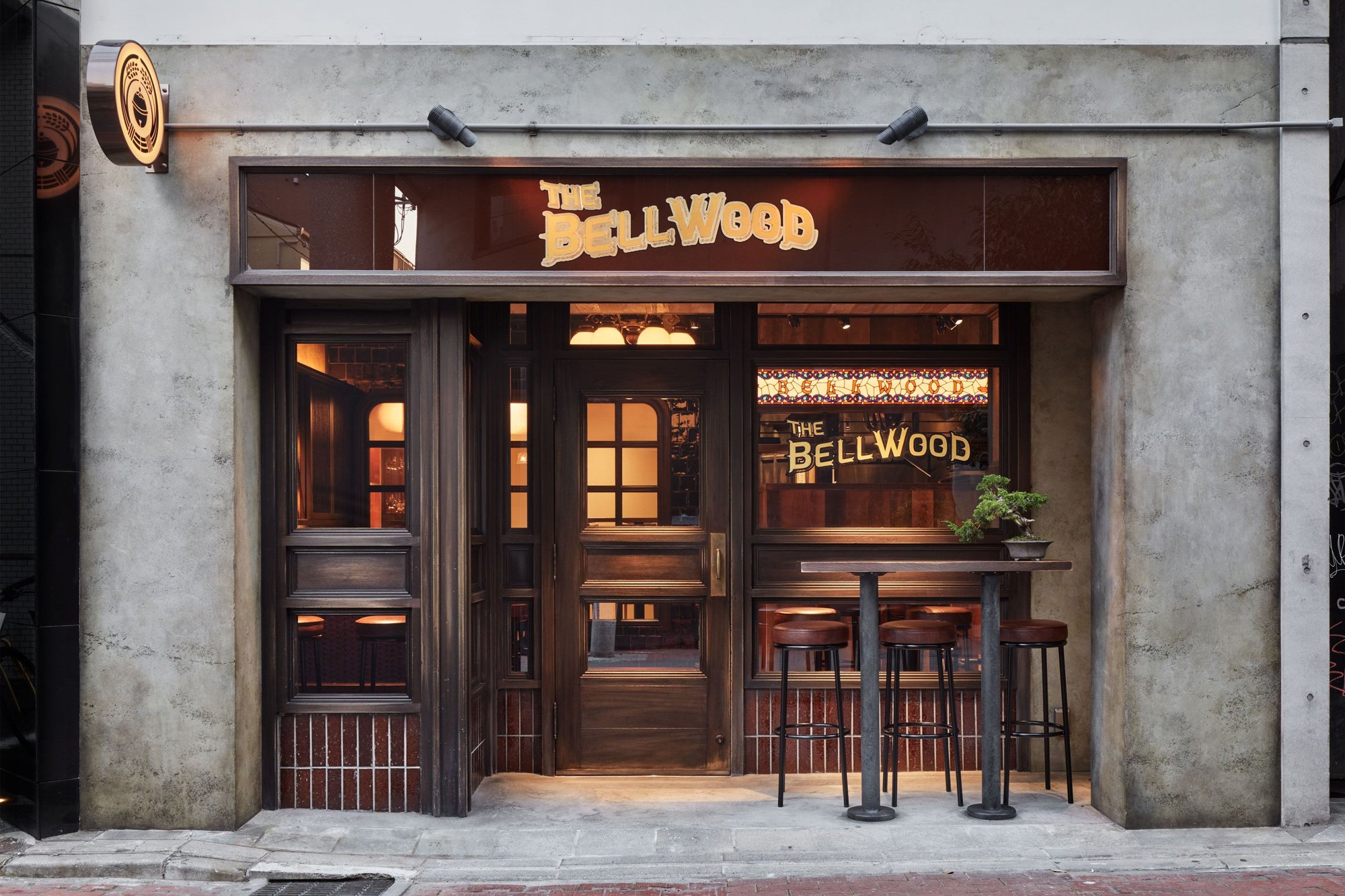 The BellwoodTokyoShould you plan a Shibuya dinner around The Bellwood? Yes, if you want a sushi-focused Tokyo stop with a current…
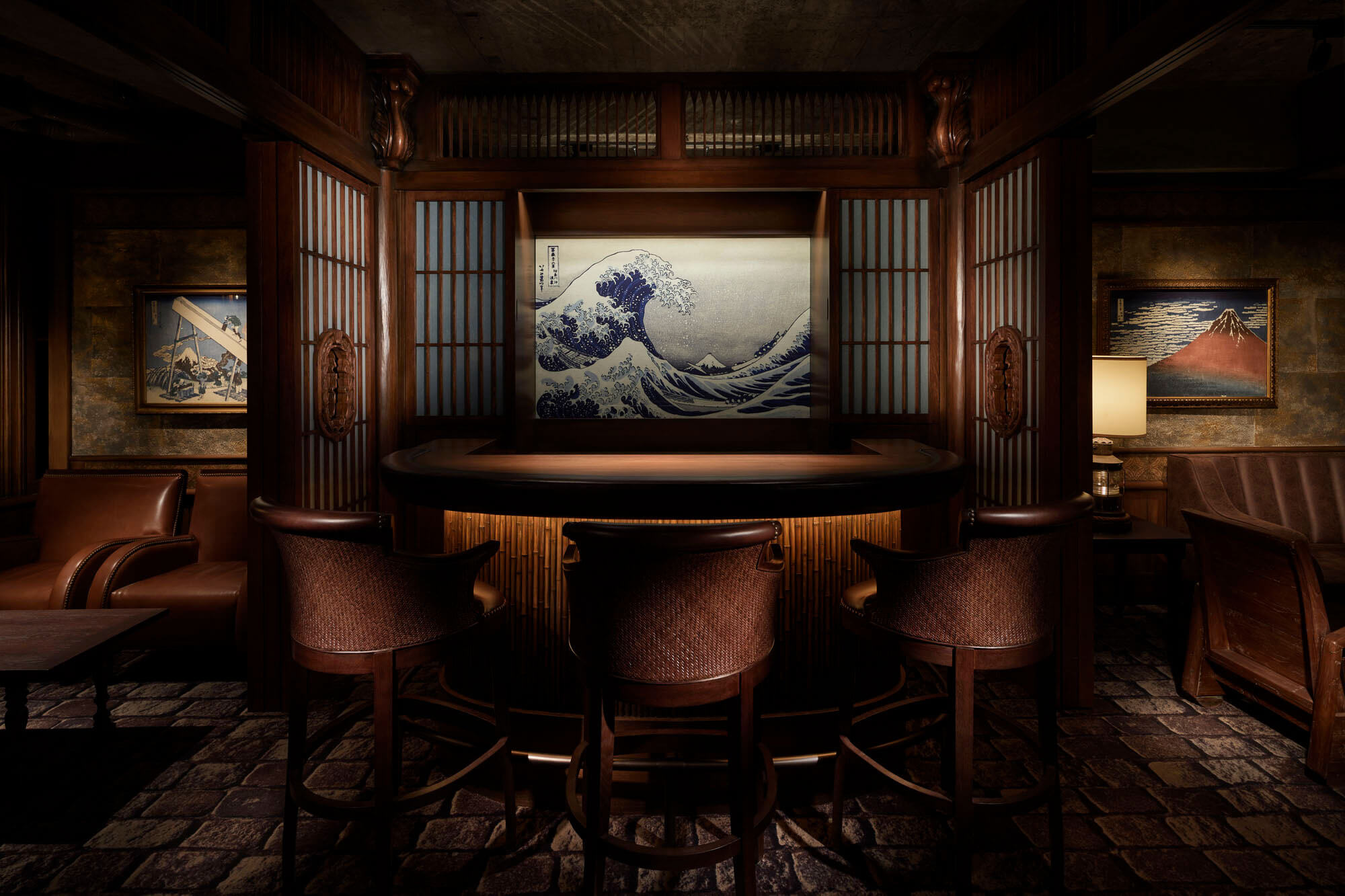 The SG ClubTokyoA serious Shibuya cocktail choice for travellers who want the bar to anchor the night, not just follow dinner. The SG…
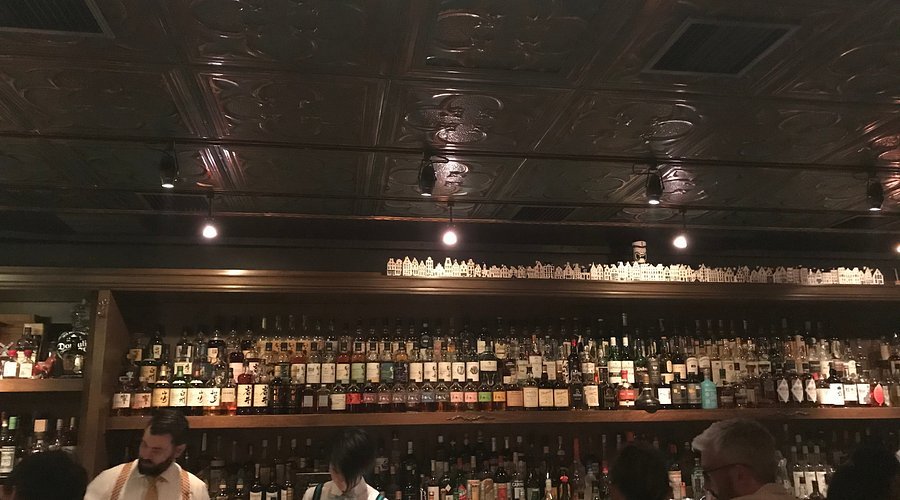 Bar High FiveTokyoBook Bar High Five if the priority is a serious Ginza cocktail stop with global recognition, not a food-led night or…
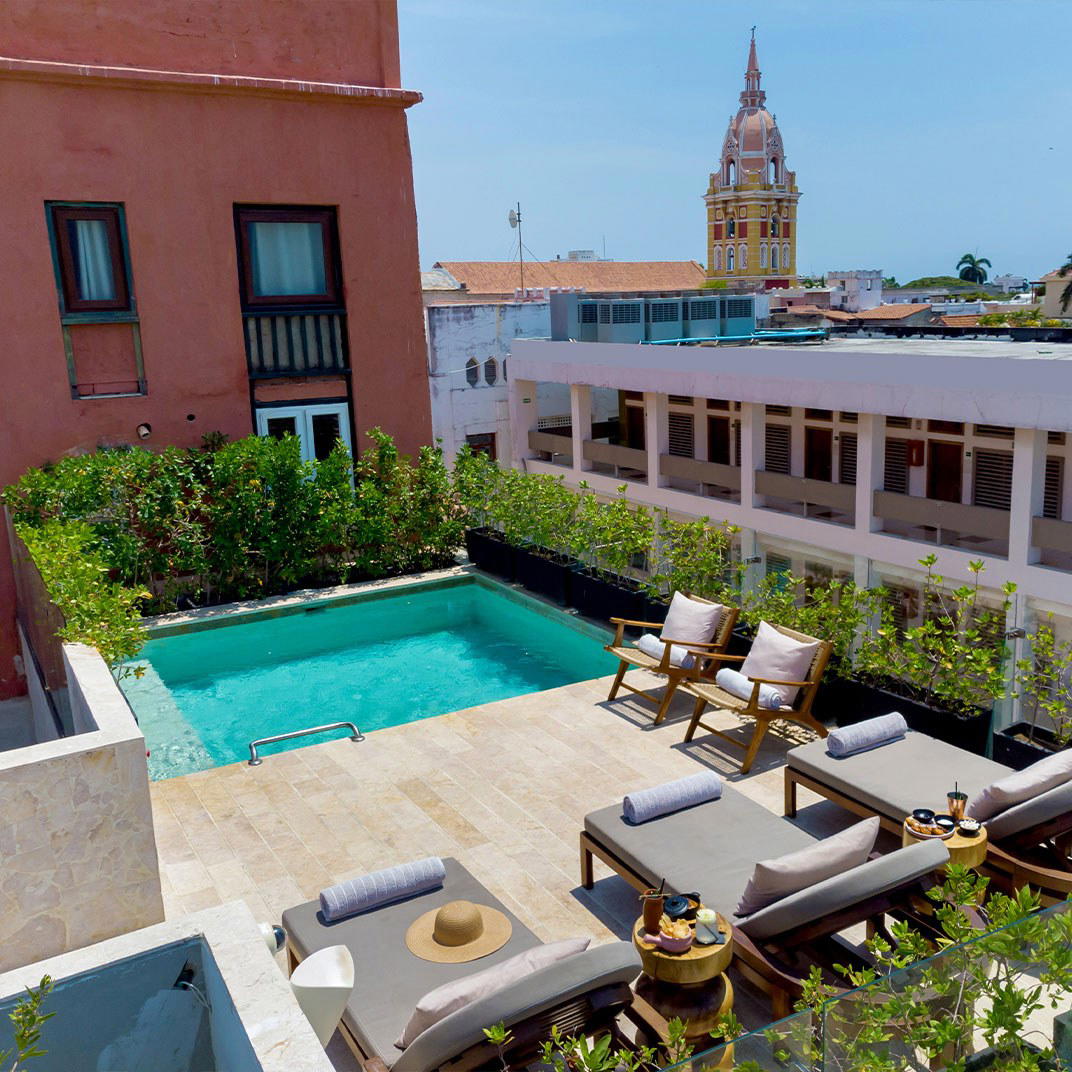 Cinco Quintas Hotel BoutiqueCentro HistoricoCinco Quintas Hotel Boutique is worth shortlisting for a romantic or special-occasion stay in Cartagena's Centro Historico, especially if a small boutique setting matters more than resort-scale facilities. The 2025 MICHELIN hotel selection helps justify the look, but compare it with Casona del Colegio and Casa San Agustin if room category, service depth, or luxury polish are the deciding factors.
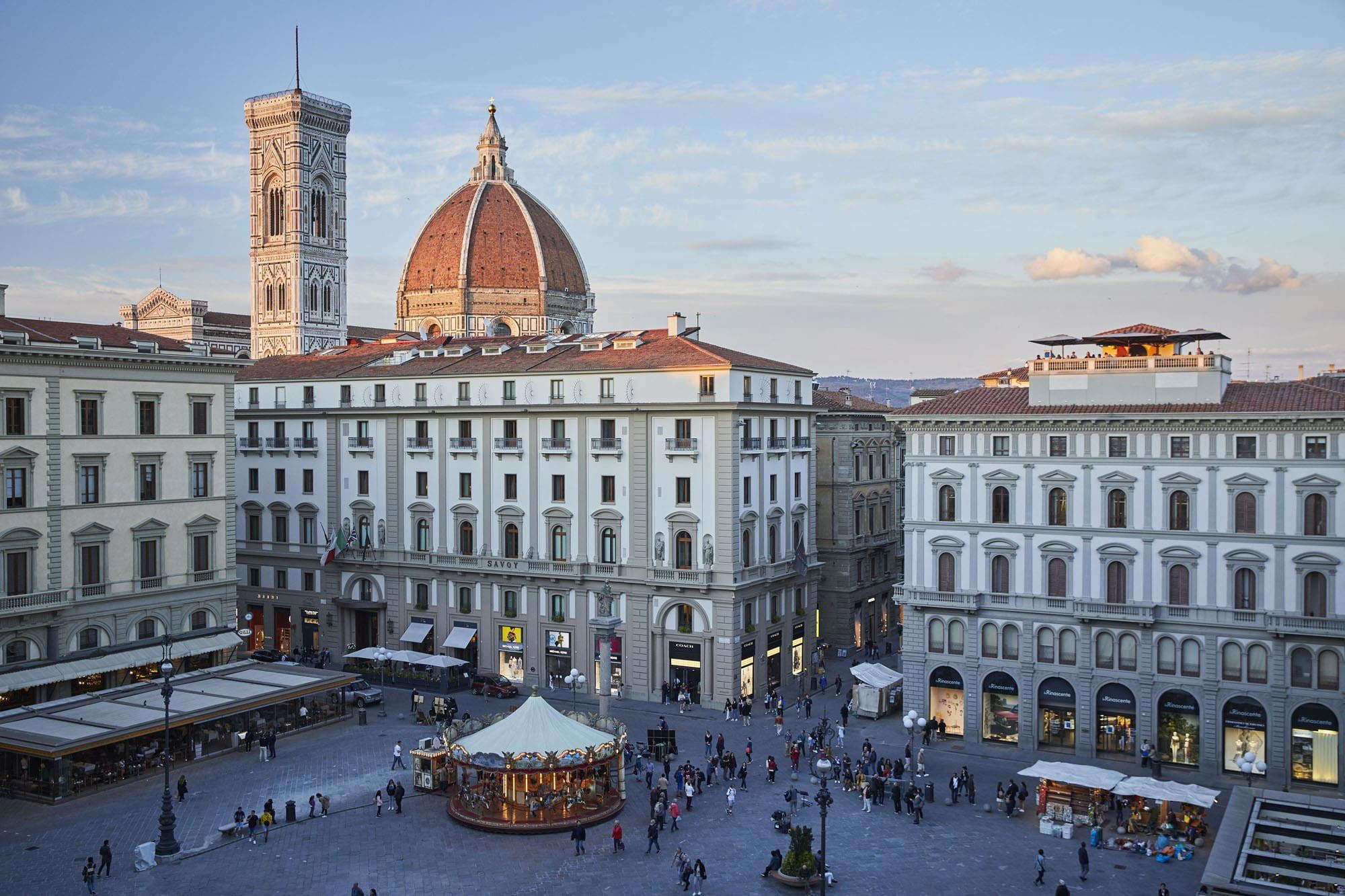 Hotel Savoy, a Rocco Forte HotelFlorenceHotel Savoy is the right Florence choice for travelers who want a polished luxury stay in the historic center and are willing to pay for location, service depth, and planning ease. It is less compelling as a value pick, but strong for first-timers, families, and short stays where returning to the hotel between city plans matters.
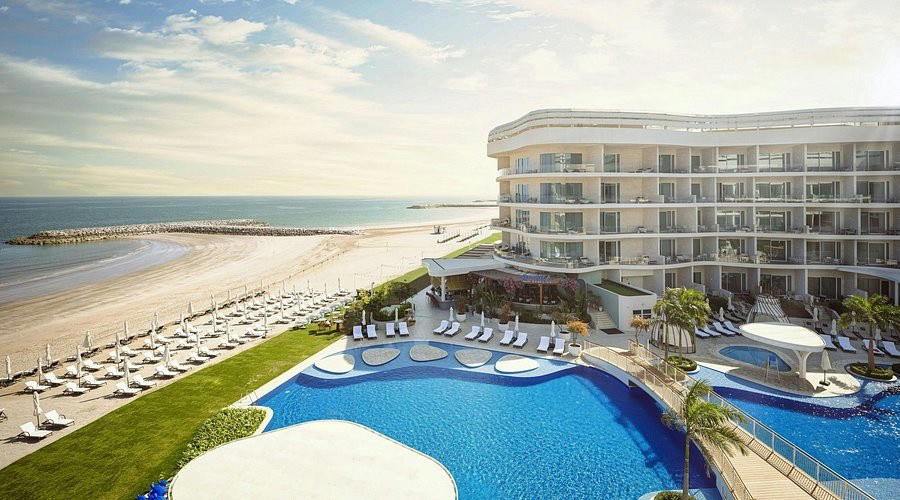 The St. Regis Al Mouj Muscat ResortMuscatA strong Muscat luxury-resort pick if the Al Mouj waterfront setting and suite-level comfort are central to the trip. The value case is weaker for short business stays, where JW Marriott Hotel Muscat or Crowne Plaza Muscat OCEC may make more sense. Book here when the hotel itself is part of the plan, not just a place to sleep.
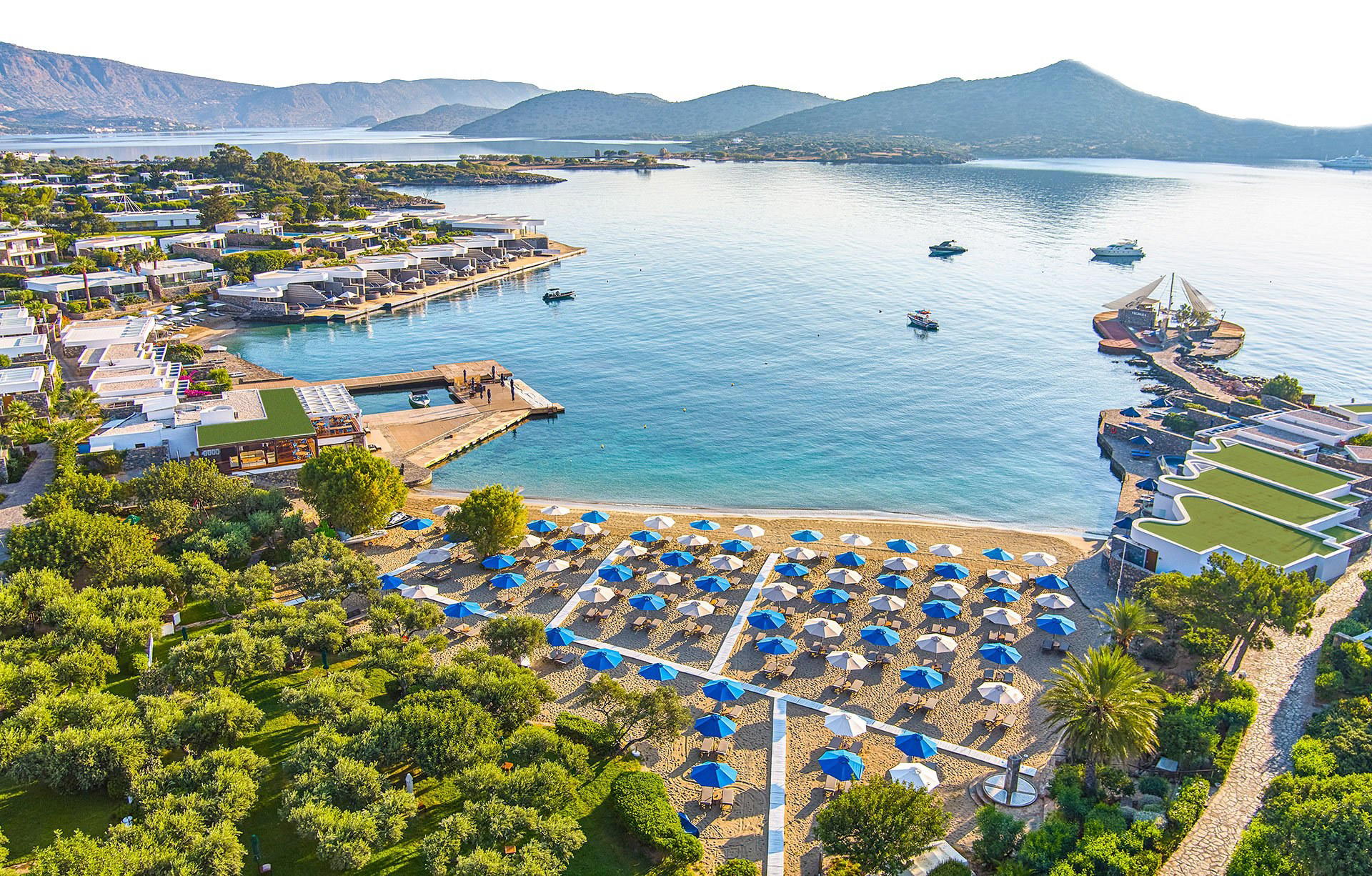 Elounda Beach Hotel & VillasEloundaBook Elounda Beach Hotel & Villas if you want a luxury Elounda resort where the villa category matters. Its 2025 Leading Hotels of the World membership and World Travel Awards villa-resort recognition make it a stronger fit for privacy-led stays than for travelers chasing the lowest Crete rate.
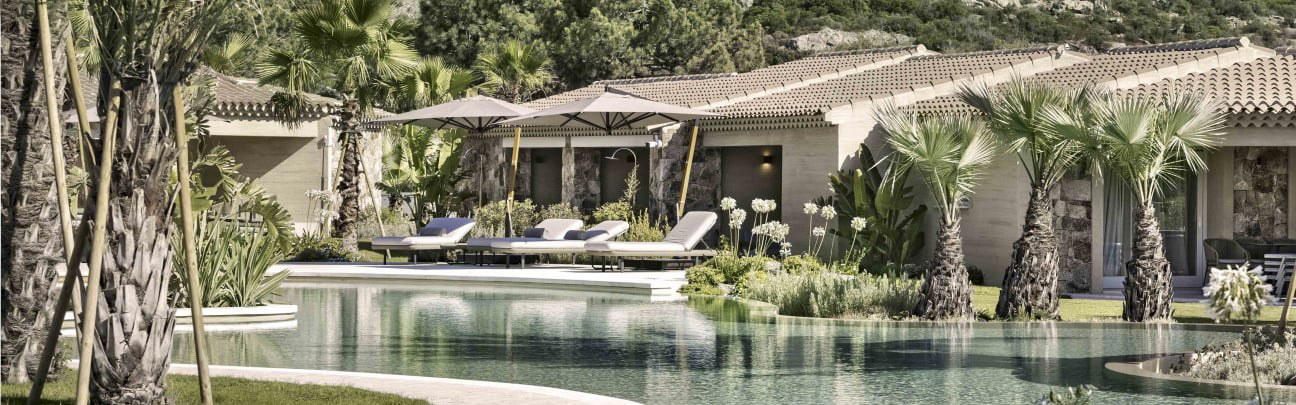 7Pines Resort SardiniaBaja SardiniaAgainst Baja Sardinia peers, 7Pines Resort Sardinia is the stronger pick for travelers who want a polished, stay-on-property resort break rather than a hotel used only for sleeping. The value play is room-category discipline: pay for outdoor space, privacy, or easier resort access, not just a more expensive label.