
Haneda Excel Hotel Tokyu
Ōta, Tokyo
Hotel in Tokyo, Japan
 Book with Pearl
The Read
Terminal-Integrated Transit Stay
Why go
Haneda Excel Hotel Tokyu is the practical choice for travelers who need airport convenience over a destination-hotel stay in Tokyo. Easy booking and Preferred Hotels Member recognition for 2025 make it a safer pick for late arrivals, early departures, and business trips where reducing transfer stress matters more than city atmosphere.
About Haneda Excel Hotel Tokyu
Haneda Excel Hotel Tokyu is a Tokyo hotel with limited detail available in this guide. The clearest confirmed recognition is its Preferred Hotels Member status for 2025, so the safest way to evaluate it is by matching the name, city, and official booking information against your trip needs before reserving.
Choose it for a direct Tokyo hotel shortlist
Because detailed, independently information on amenities, dining, room categories, service style, and on-property facilities is not available here, avoid building the decision around assumptions. Treat Haneda Excel Hotel Tokyu as a practical candidate to compare with other Tokyo stays, then confirm the current details directly through official channels.
For a first-timer, the main decision is whether this hotel fits the overall shape of the trip. If the plan is meetings, dining, or a broader city itinerary, use Pearl's Tokyo hotels guide to compare city-based stays. If Haneda Excel Hotel Tokyu remains the best match, verify the latest room and service details before booking.
The stay should be judged on confirmed fit, not assumed extras
With only limited information, the strongest approach is to keep expectations simple. Do not assume a particular design style, restaurant format, amenity set, price level, or room configuration unless it is confirmed by the hotel at the time of booking.
Dining should also be checked directly rather than inferred. For restaurant-driven trips, pair the stay research with Pearl's Tokyo restaurants guide; for evenings out, compare options through Pearl's Tokyo bars guide and other Tokyo planning resources. The verdict: keep Haneda Excel Hotel Tokyu on the shortlist if its confirmed details suit your Tokyo plans.
Planning details
- Location
- 〒144-0041 Tokyo, Ota City, Hanedakūkō, 3-chōme−4−2 羽田エクセルホテル 東急2F
- Website
- tokyuhotels.co.jp/haneda-e/index.html
- Phone
- +81 3-5756-6000
The take
The Take
The Vibe
Haneda Excel Hotel Tokyu reads as a functional, sleep‑focused airport property rather than a neighbourhood boutique. Located inside Terminal 2, it prioritises proximity, predictability and operational scale: with 386 rooms it soaks up disrupted itineraries and early departures so guests can maximise rest. The tone is restrained and practical — service and facilities are calibrated to the rhythms of aviation rather than extended urban stays. Guests arrive with the explicit aim of removing the transfer calculus; the hotel’s design and positioning lean toward efficient comfort and a low‑stress, restorative experience rather than destination spectacle.
Best For
This hotel is best for travelers who need to be close to Haneda’s gates: anyone facing an early‑morning departure, a tight connection or the unpredictability of international travel. The property’s size and terminal integration make it particularly useful for groups dealing with layovers, where availability and quick access to flights matter most. Business travelers who value predictable logistics and recovered sleep before early flights will find the hotel especially practical. It is less a leisure destination and more a tactical choice for transit‑driven stays where convenience trumps neighbourhood exploration.
Stay Tips
Book Haneda Excel Hotel Tokyu when your itinerary hinges on early departures or when flights carry disruption risk: the hotel’s in‑terminal location removes transfers and its scale increases the odds of rooms during peak disruption windows. For group travel and layovers, reserve early to lock contiguous rooms—the description highlights the property’s role in absorbing group demand. If you need a guarantee for a pre‑dawn check‑in or a last‑minute connection, prioritise this terminal‑integrated option over smaller nearby properties that may lack capacity during irregular operations.
Venue details
Ambiance
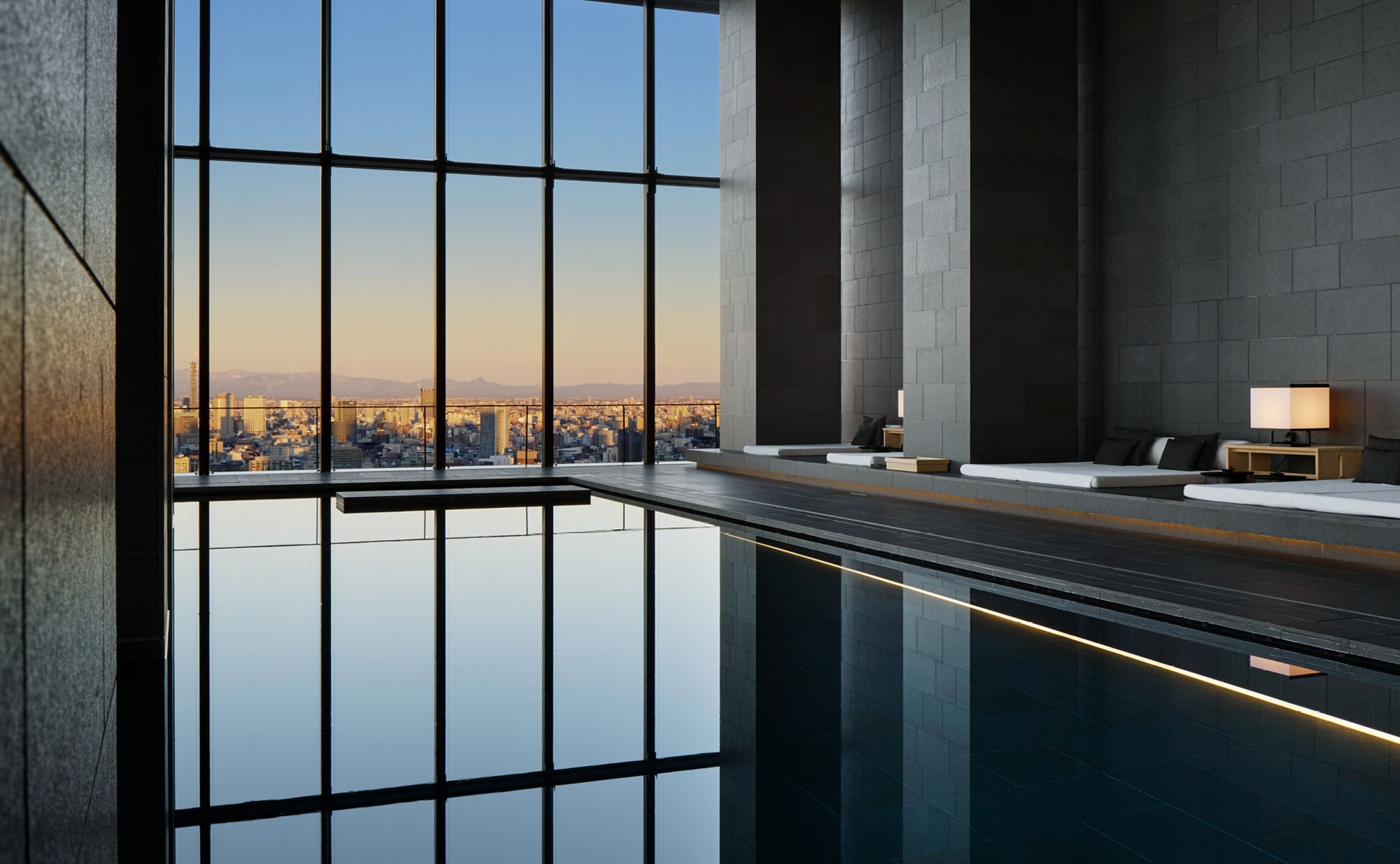
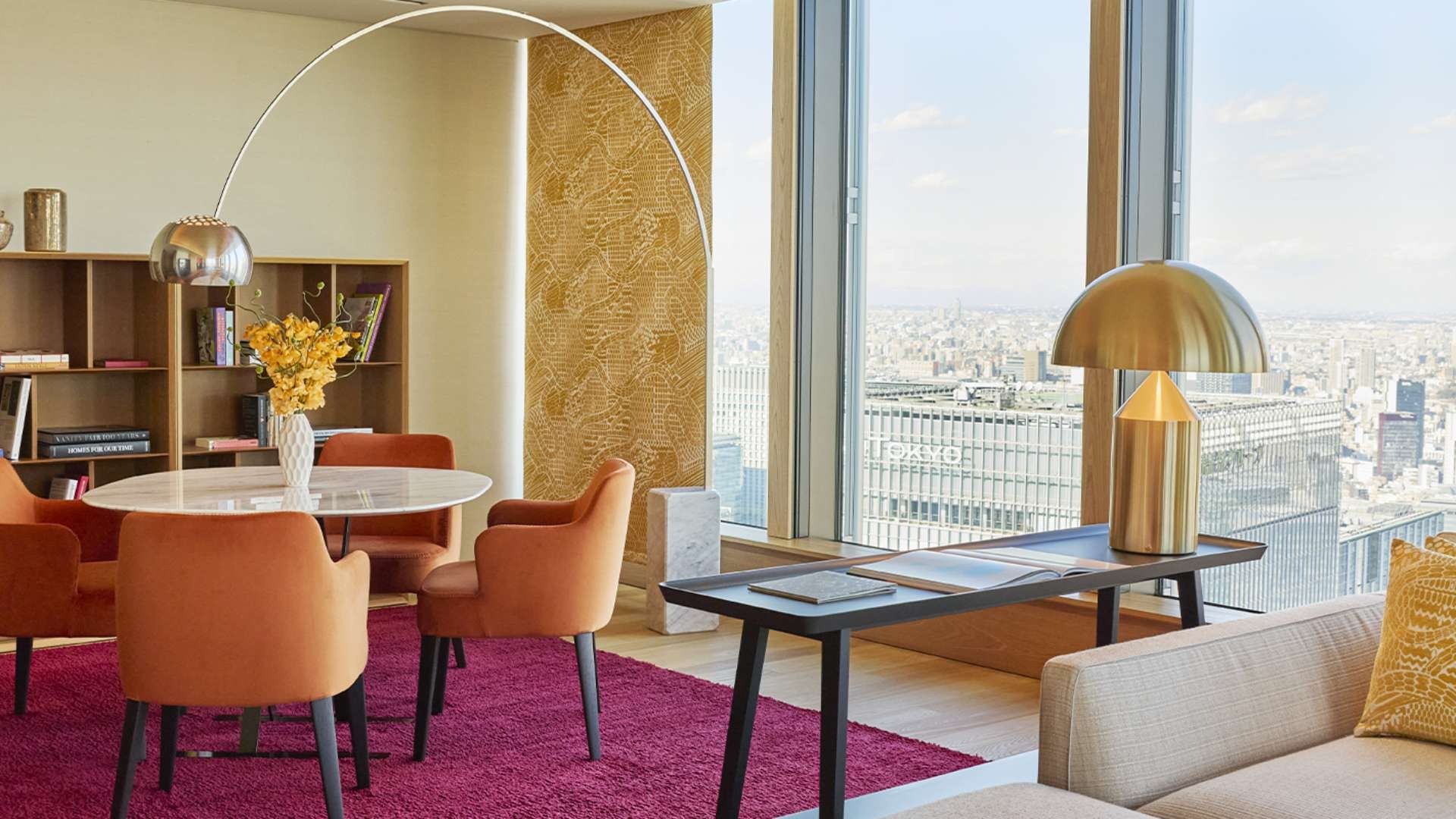
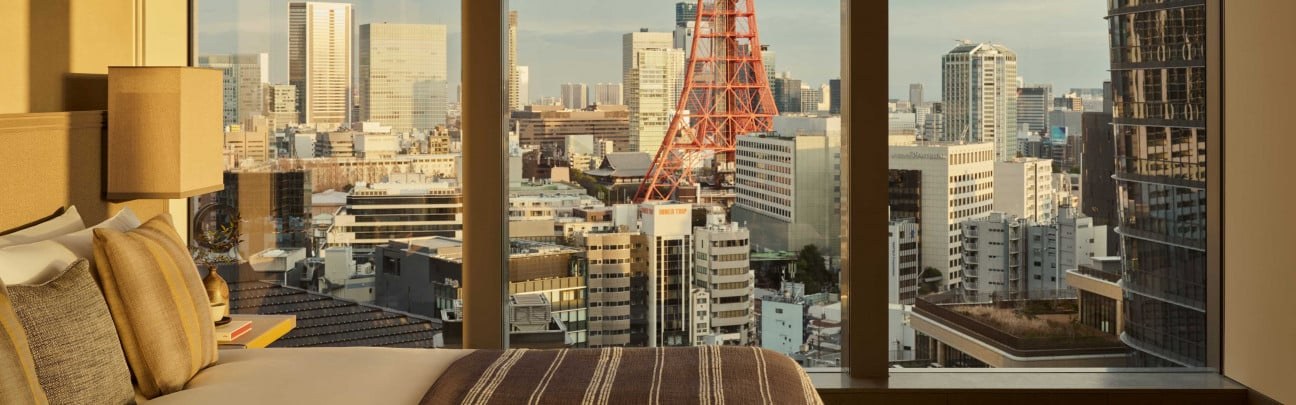
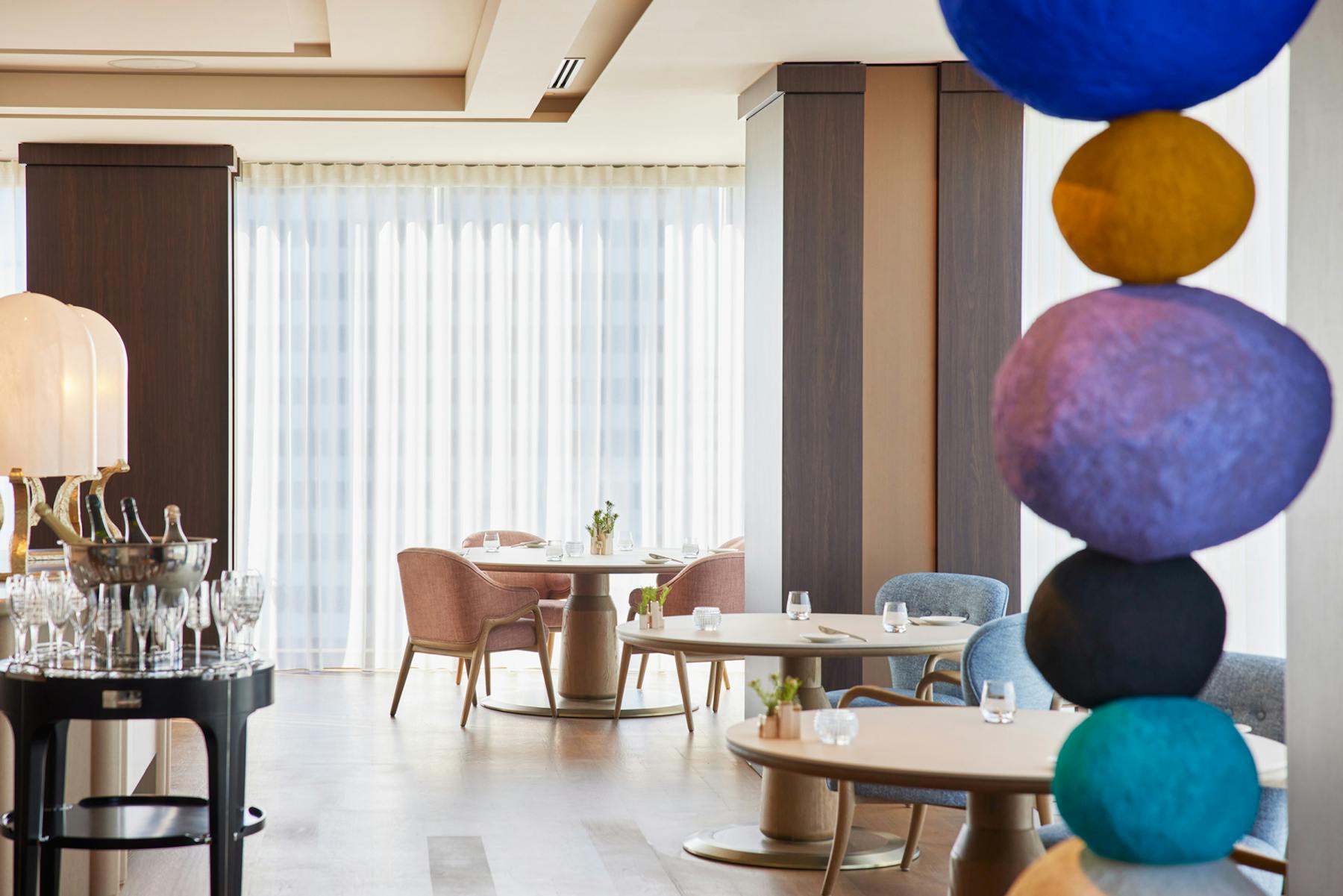
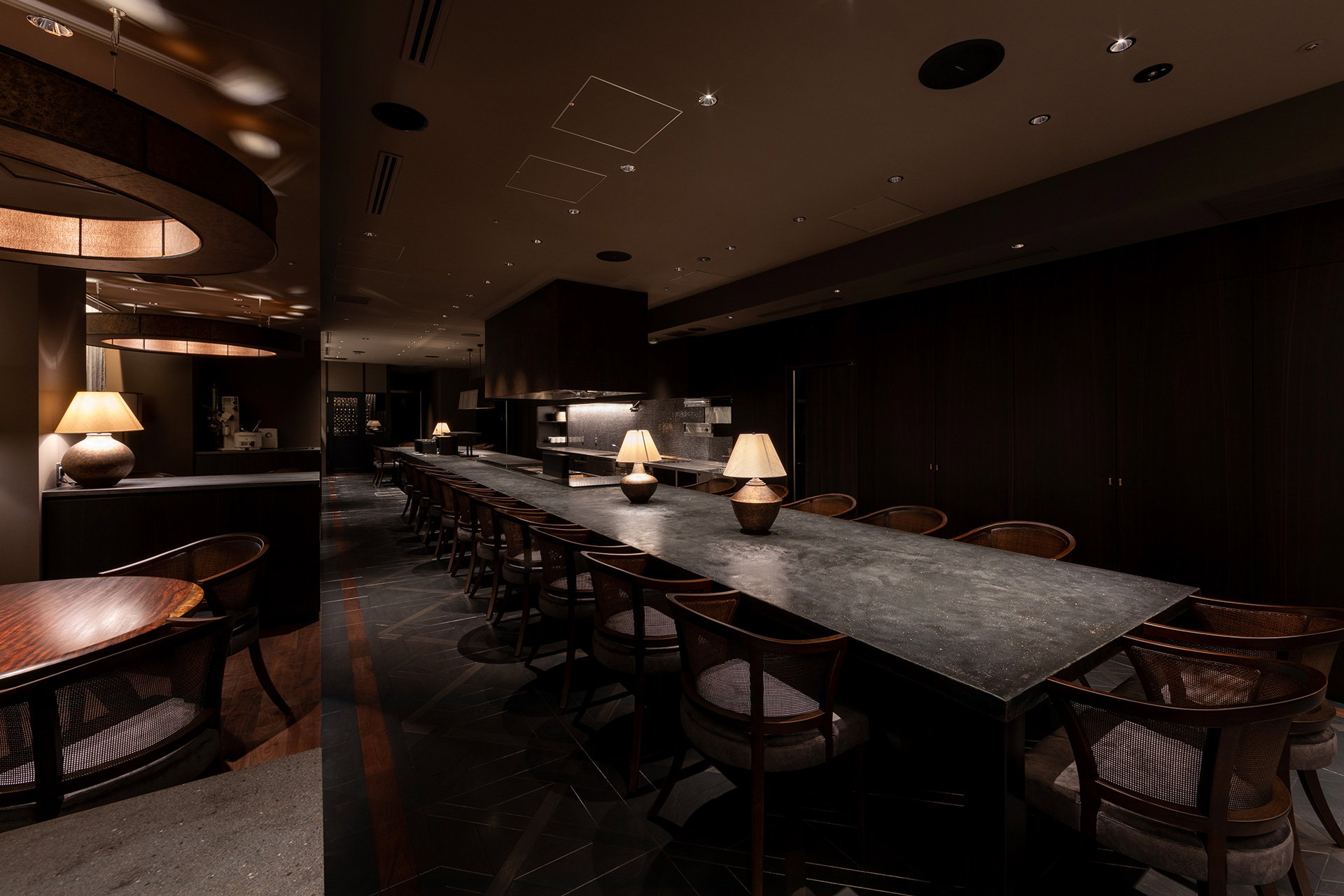
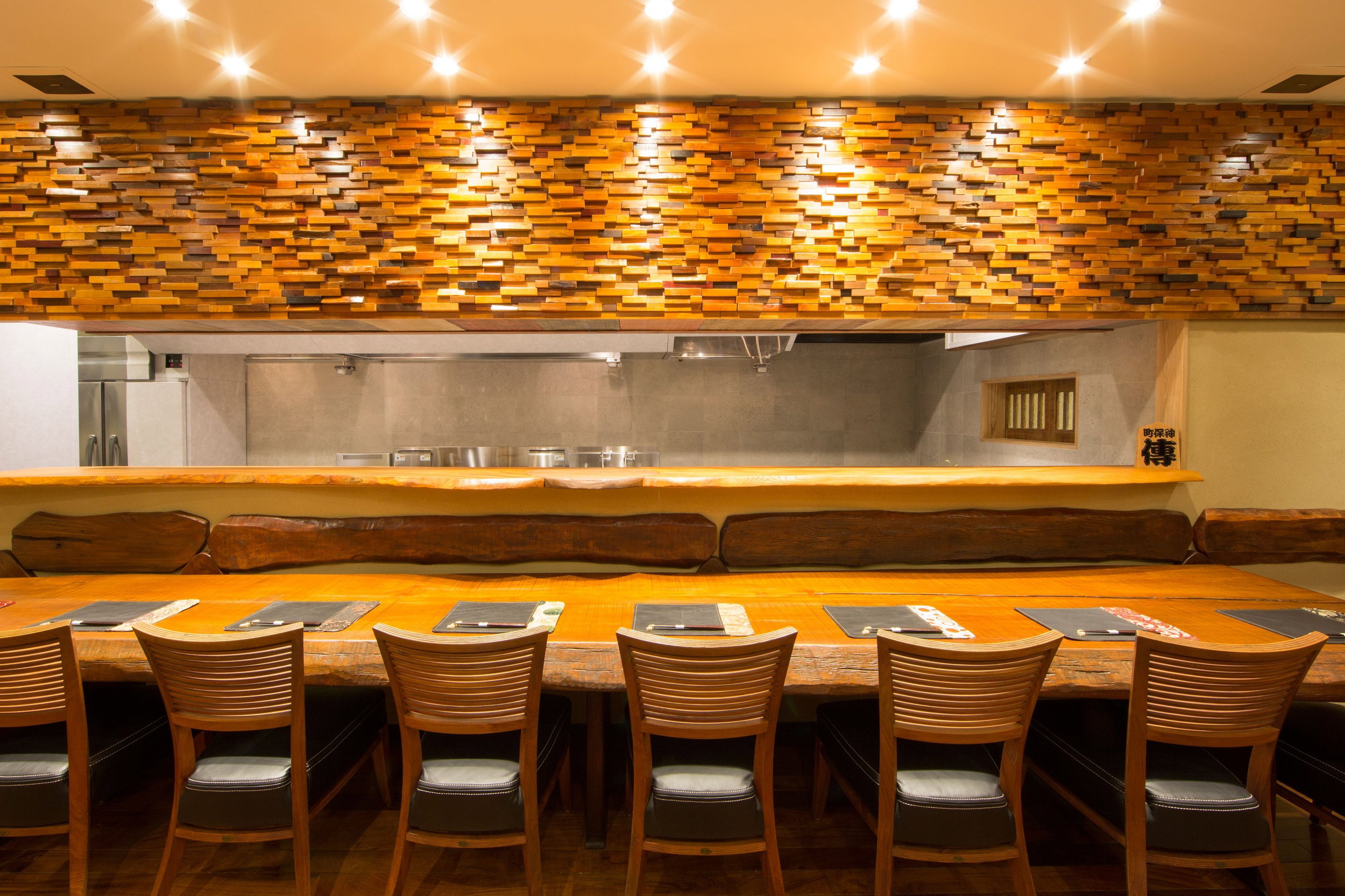
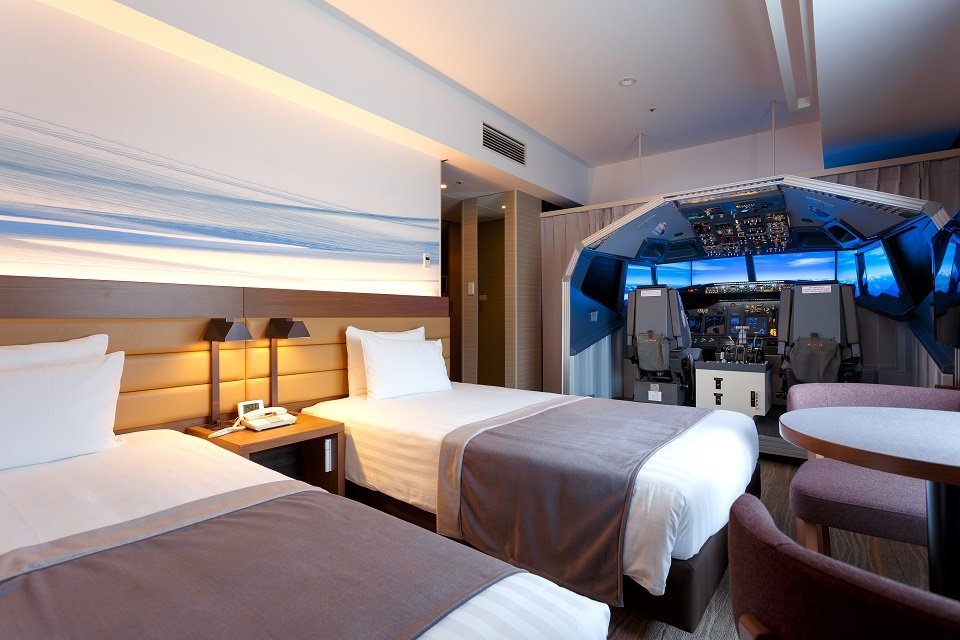
Modern and functional with stylish decor featuring dark grays, light wood accents, and retro-inspired furnishings; soundproofed rooms ensure a quiet, relaxing atmosphere.
Tags
Vibe
Best For
Experience
Amenities
View
Accessibility
About the Stay
- Rooms
- 386
- Check-in
- 14:00
- Check-out
- 11:00
- Property Type
- Design hotel
- Property Style
- Airport Hotel Blending Modern Design and Functionality
- Design Style
- Modern with Scandinavian Influences in Suites and Italian Furniture
- Spa
- Yes
- Families
- Welcome
Know before you go
Know Before You Go
- Getting there
- 〒144-0041 Tokyo, Ota City, Hanedakūkō, 3-chōme−4−2 羽田エクセルホテル 東急2F
Planning details
Location
〒144-0041 Tokyo, Ota City, Hanedakūkō, 3-chōme−4−2 羽田エクセルホテル 東急2F · Directions
Recognition and awards
Also consider
Also Consider
- Odaiba Ōedo-Onsen Monogatari, Notable alternative
- Grand Nikko Tokyo Daiba, Notable alternative
- The Strings by InterContinental Tokyo, Notable alternative
- The Prince Sakura Tower Tokyo, Autograph Collection, Notable alternative
- Takanawa Hanakohro, Notable alternative
Hotel context
How It Compares
Haneda Excel Hotel Tokyu is the easiest recommendation when the airport is the point of the stay. Compared with Grand Nikko Tokyo Daiba, it gives up the fuller waterfront-hotel feel but wins on flight-day simplicity. Choose Grand Nikko Tokyo Daiba if the trip has time for Odaiba; choose Haneda Excel Hotel Tokyu if an early departure or late arrival is driving the decision.
The Strings by InterContinental Tokyo is the stronger fit for a polished city stay, especially if central access and a more refined atmosphere matter. The Prince Sakura Tower Tokyo, Autograph Collection and Takanawa Hanakohro are better for travelers who want a calmer, more stay-focused Tokyo base rather than an airport stopover.
Odaiba Ōedo-Onsen Monogatari is the cross-shop for travelers prioritizing onsen-style atmosphere over flight logistics. Haneda Excel Hotel Tokyu is less about lingering and more about removing friction. For value, it works when saved time is worth more than extra hotel character.
Explore Tokyo
Around this place
Discover more on Pearl
Unlock the full Haneda Excel Hotel Tokyu guide in Pearl, including awards, comparisons, FAQs, planning details, and nearby places.
Compare Haneda Excel Hotel Tokyu
| Venue | Location | Awards |
|---|---|---|
| Haneda Excel Hotel Tokyu | Tokyo | Preferred Hotels Member 2025 |
| Odaiba Ōedo-Onsen Monogatari | Tokyo | No published awards |
| Grand Nikko Tokyo Daiba | Tokyo | 2026 Forbes Recommended2025 Forbes RecommendedPreferred Hotels Member 2025 |
| The Strings by InterContinental Tokyo | Tokyo | No published awards |
| The Prince Sakura Tower Tokyo, Autograph Collection | Tokyo | 2026 Forbes 4-Star2025 Forbes Recommended |
| Takanawa Hanakohro | Tokyo | 2026 Forbes 5-Star2025 Forbes 5-StarSmall Luxury Hotels Member 2025 |



How Haneda Excel Hotel Tokyu Tokyo compares with similar nearby venues.
FAQ
Frequently Asked Questions
How is the dining at Haneda Excel Hotel Tokyu?
Specific dining details are not in this guide, so do not assume a cuisine type, menu format, or service schedule. Confirm current restaurant information directly with the hotel. If dining is the priority, you can also compare the stay with The Strings by InterContinental Tokyo or Grand Nikko Tokyo Daiba as part of a broader Tokyo hotel search.
How does Haneda Excel Hotel Tokyu compare to other Tokyo options?
Haneda Excel Hotel Tokyu is a Tokyo hotel with Preferred Hotels Member status for 2025. For comparison, consider Grand Nikko Tokyo Daiba, The Strings by InterContinental Tokyo, The Prince Sakura Tower Tokyo, Autograph Collection, Takanawa Hanakohro, and Odaiba Ōedo-Onsen Monogatari, then verify the current details that matter most for your trip.
Is Haneda Excel Hotel Tokyu good for business travel?
It may be a fit if its confirmed location, room setup, and services match your work itinerary in Tokyo. The Preferred Hotels Member (2025) status is a useful recognition point, but business travelers should still confirm current amenities and logistics directly with the hotel before booking.
What is check-in like at Haneda Excel Hotel Tokyu?
Specific check-in details are not in this guide. Confirm the current check-in time, arrival process, and any late-arrival policies directly with Haneda Excel Hotel Tokyu before booking. Travelers comparing other Tokyo stays can also look at Grand Nikko Tokyo Daiba.
How is the location of Haneda Excel Hotel Tokyu?
Haneda Excel Hotel Tokyu is in Tokyo. Specific address details are not included here, so confirm the exact location and access information directly with the hotel before booking. If you want to compare other Tokyo stays, Takanawa Hanakohro or The Strings by InterContinental Tokyo may also be worth reviewing.
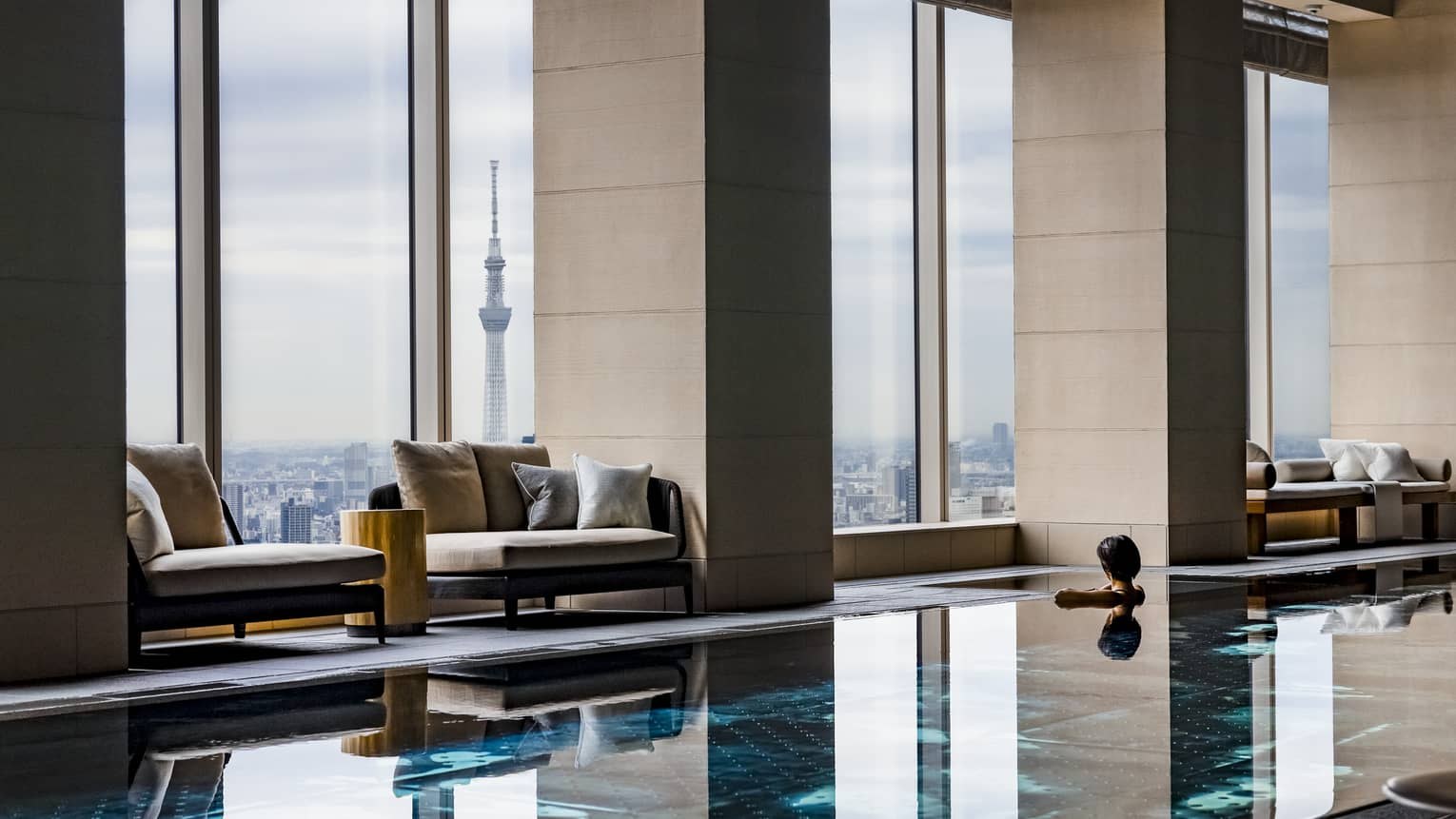
How is the pool and spa at Haneda Excel Hotel Tokyu?
Pool and spa details are not in this guide. Do not assume those facilities are available unless the hotel confirms them directly. If wellness facilities matter, compare current hotel information carefully, including options such as Grand Nikko Tokyo Daiba, and check each venue's official channels for the latest details.