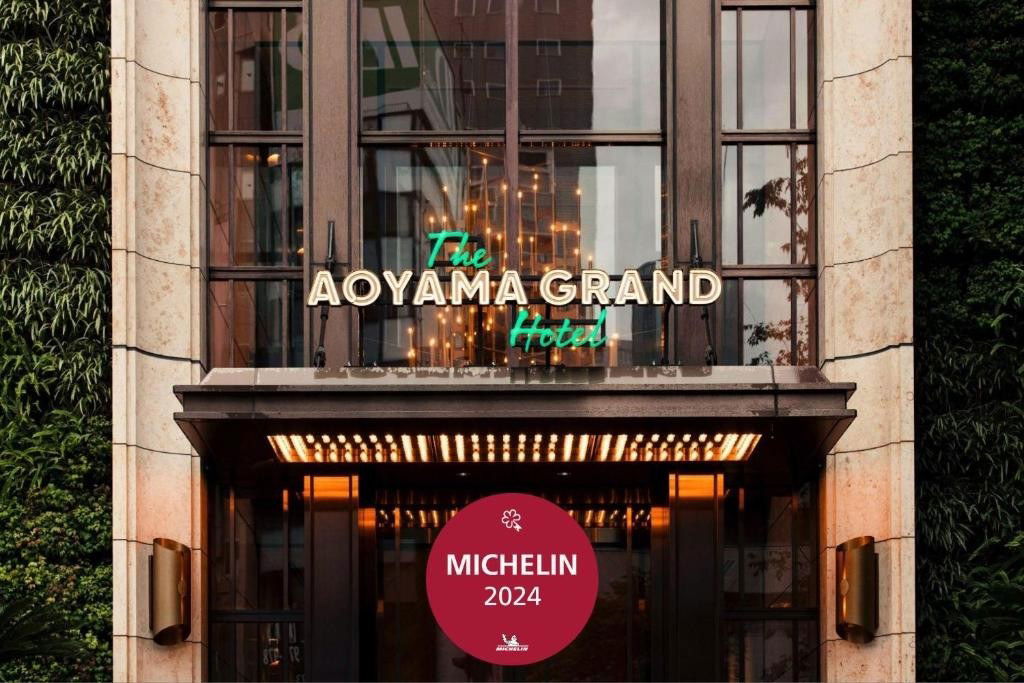


The Aoyama Grand Hotel
Minato, Tokyo
Hotel in Tokyo, Japan
 Book with Pearl
The Read
Mid-Century Elevation
Price
$1–100per night
Why go
The Aoyama Grand Hotel is worth prioritizing if a Tokyo stay is built around Aoyama, Omotesando, design shopping, and restaurant access. Michelin Key recognition gives it a credible luxury signal, but the better value case is location-driven: choose it over bigger luxury hotels when neighborhood fit matters more than resort-style facilities.
About The Aoyama Grand Hotel
One Michelin Key is the clearest distinction: The Aoyama Grand Hotel is a Tokyo hotel with Michelin 1 Key recognition for 2025. It also has World Luxury Hotel Awards 2025 recognition as both a Country Winner and a Regional Winner. Those accolades are strong reasons to put it on a Tokyo hotel shortlist.
The practical verdict: consider it when you want a Tokyo hotel with a smart-casual dress code and recognized luxury credentials. Travelers should check the details that matter for a specific stay directly with the hotel, including room types, facilities, dining, and booking terms.
Book for a recognized Tokyo hotel stay
The stronger case is trust and recognition rather than a long list of amenities. The Aoyama Grand Hotel has Michelin 1 Key recognition for 2025, and its 2025 World Luxury Hotel Awards recognition adds another marker for travelers comparing premium Tokyo hotels. Guests choosing between this property and another Tokyo option should base the decision on current availability, preferred booking terms, and the details provided by the hotel at the time of booking.
Because the hotel has Michelin Key recognition and 2025 World Luxury Hotel Awards recognition, it is reasonable to treat it as a serious premium option in Tokyo. For facilities, dining, room inventory, and service format, the safest approach is to check the particulars before committing.
Where the value case is strongest
The value argument is not about assuming a specific price point or feature set. It is about whether the profile fits the trip: a Tokyo hotel with a smart-casual dress code and 2025 recognition from Michelin and the World Luxury Hotel Awards. If those credentials matter most, The Aoyama Grand Hotel belongs on the shortlist.
For readers building a full Tokyo trip, use this as one hotel candidate rather than the whole plan. Pair the stay with the broader city shortlist in Our full Tokyo hotels guide, then build meals from Our full Tokyo restaurants guide and late-night options from Our full Tokyo bars guide. Wine-focused travelers can also scan Our full Tokyo wineries guide, while first-time visitors should add context from Our full Tokyo experiences guide. The point is to let the hotel support the itinerary, not substitute for the planning that makes Tokyo rewarding.
Planning details
- Location
- 2-chōme-14-4 Kitaaoyama, Minato City, Tokyo 107-0061
- Website
- aoyamagrand.com
- Phone
- +81 3-6271-5430
The take
The Take
The Vibe
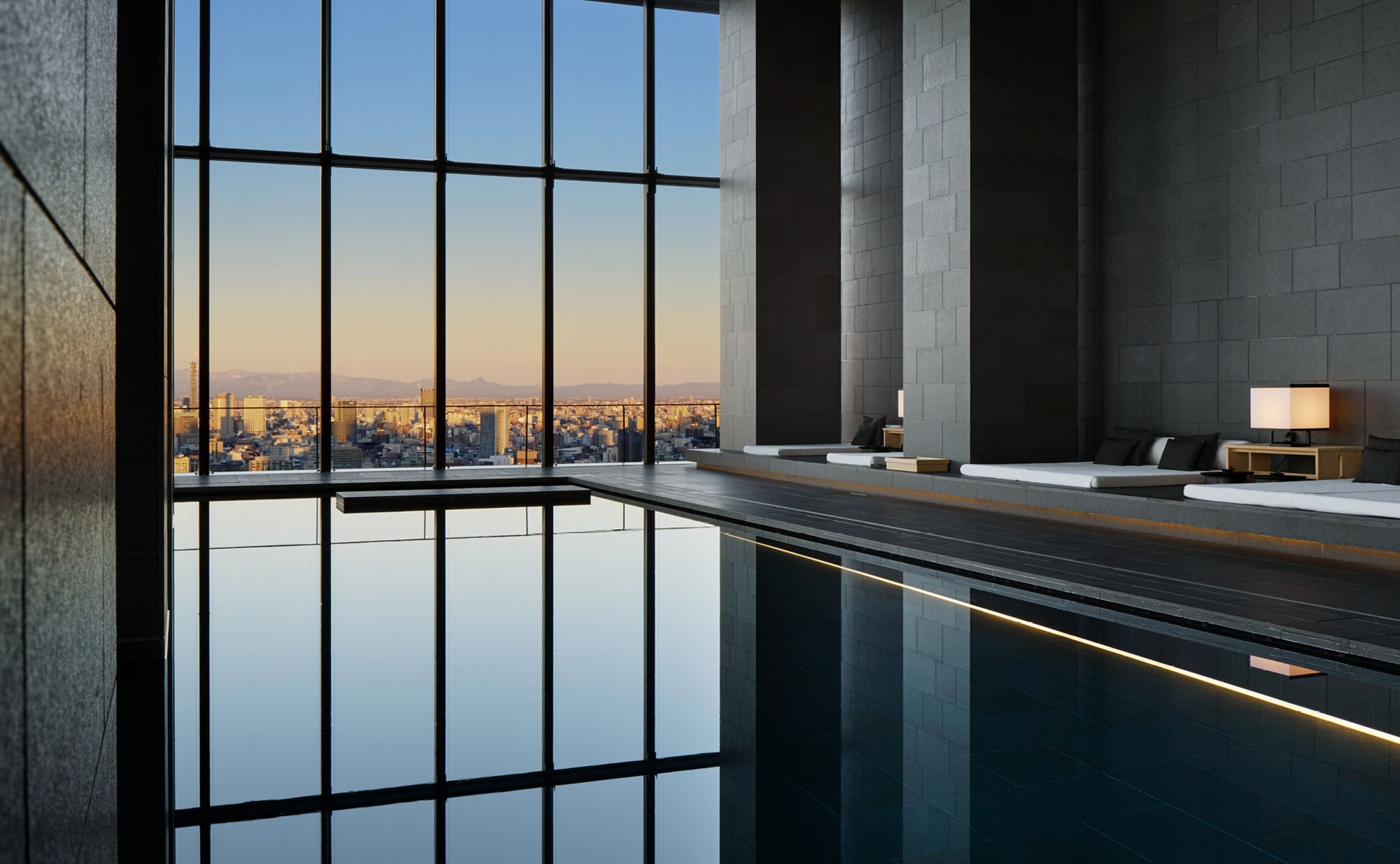
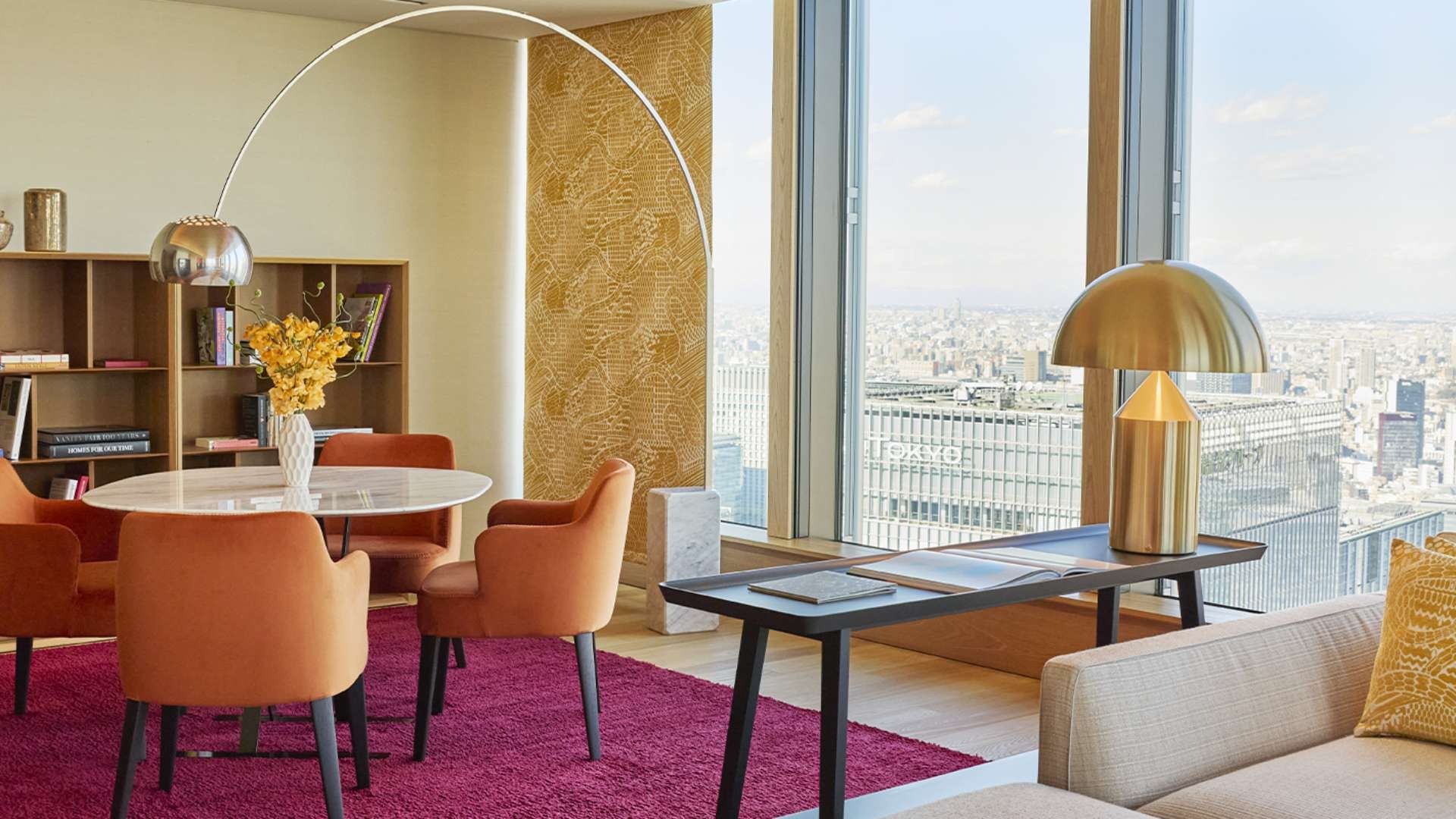
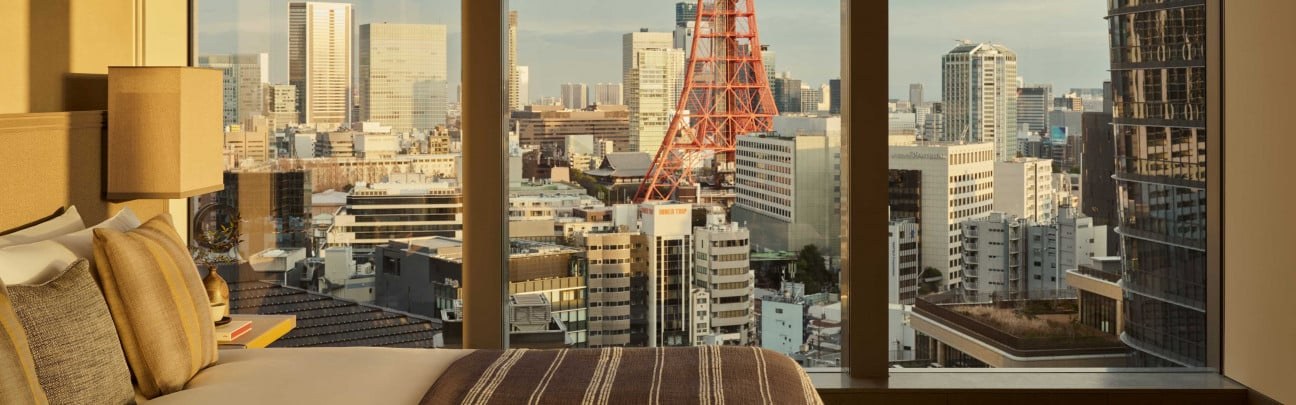
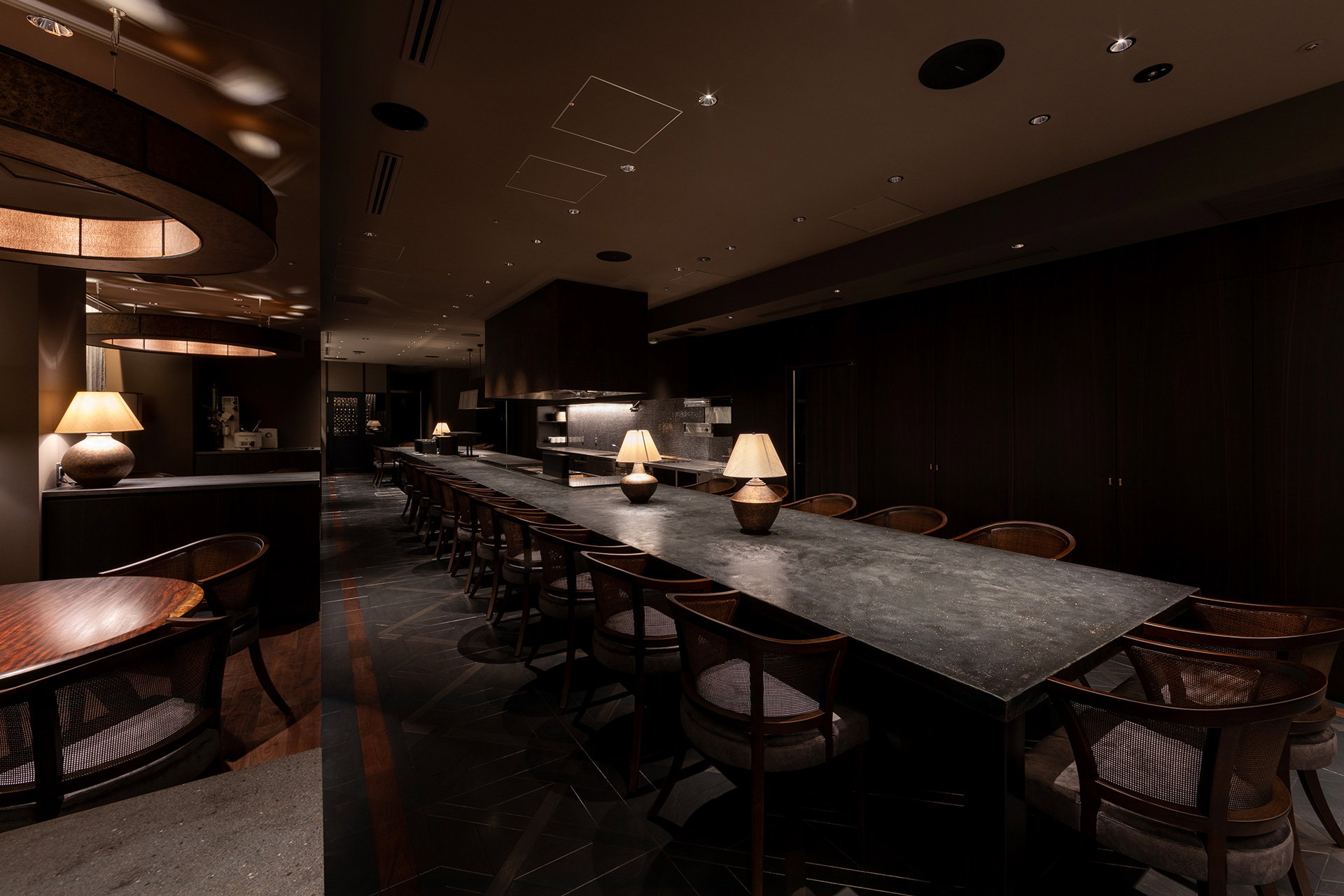
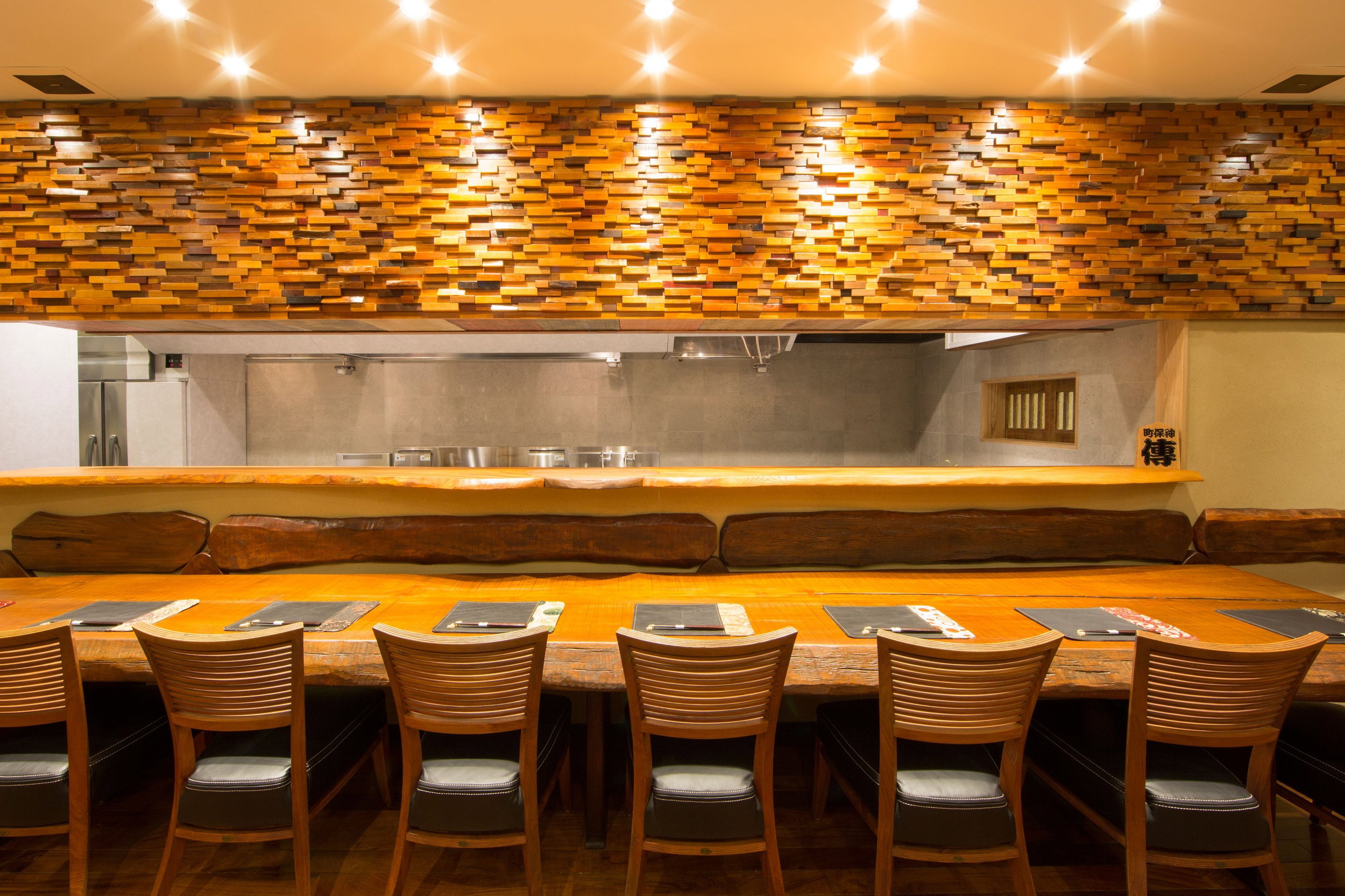
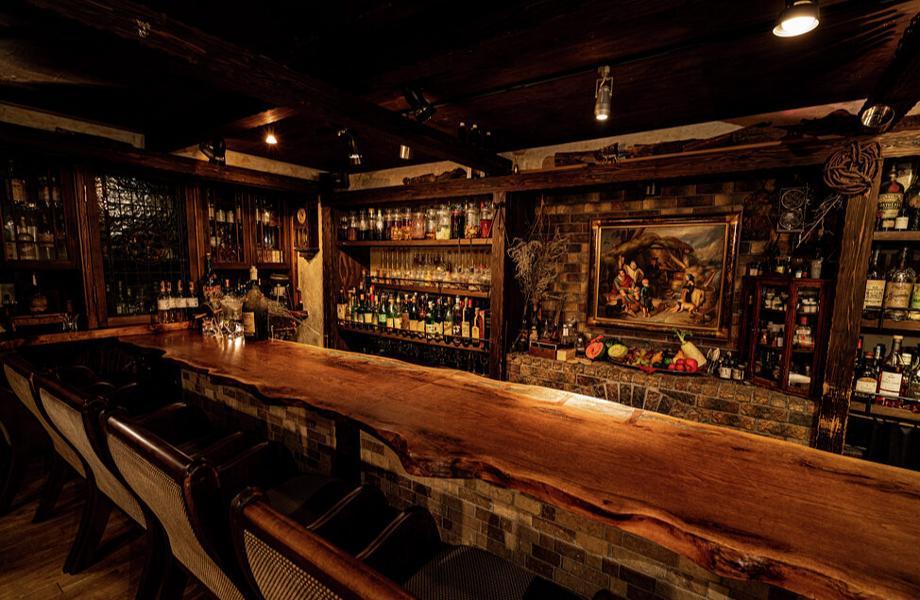
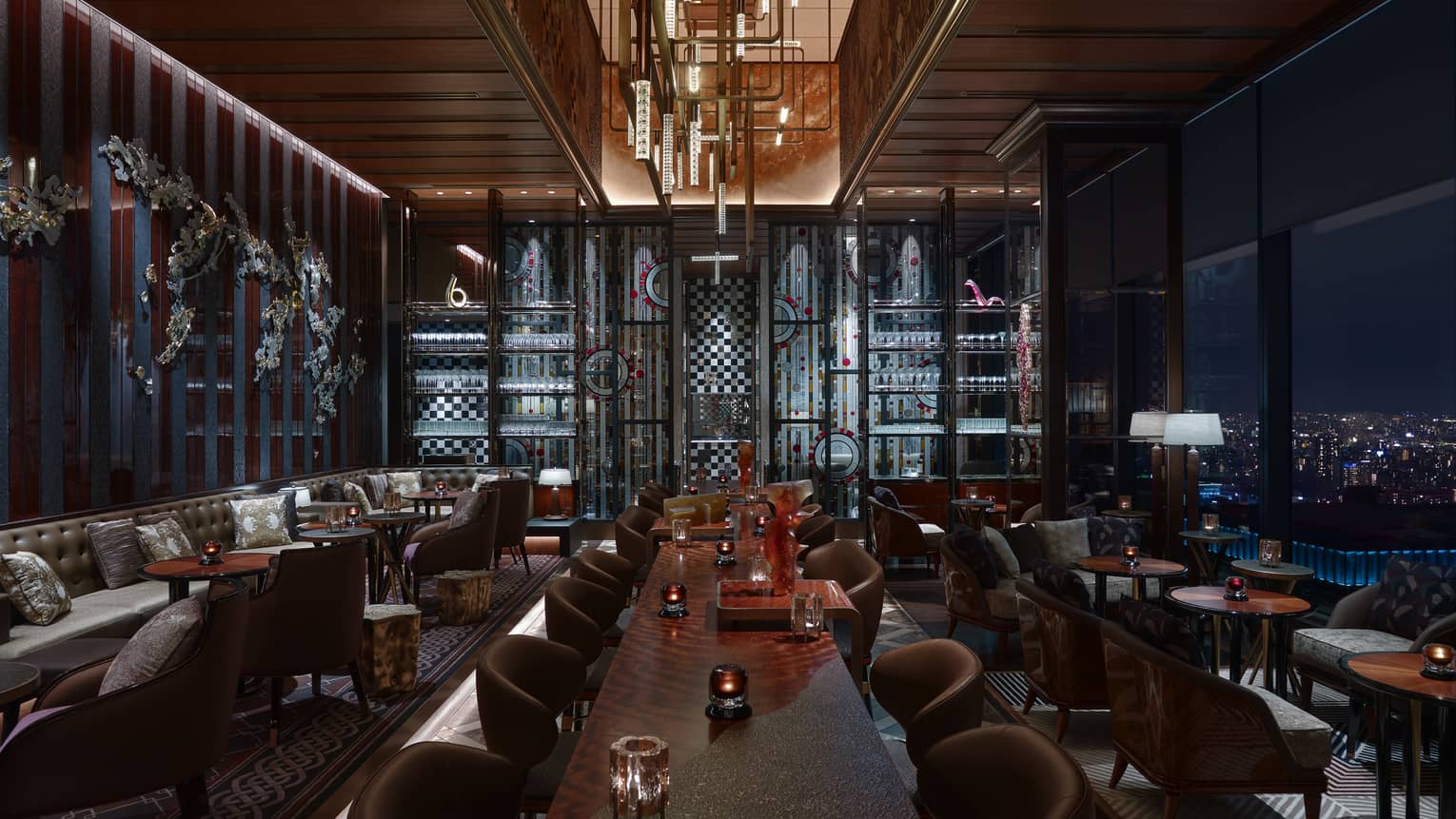
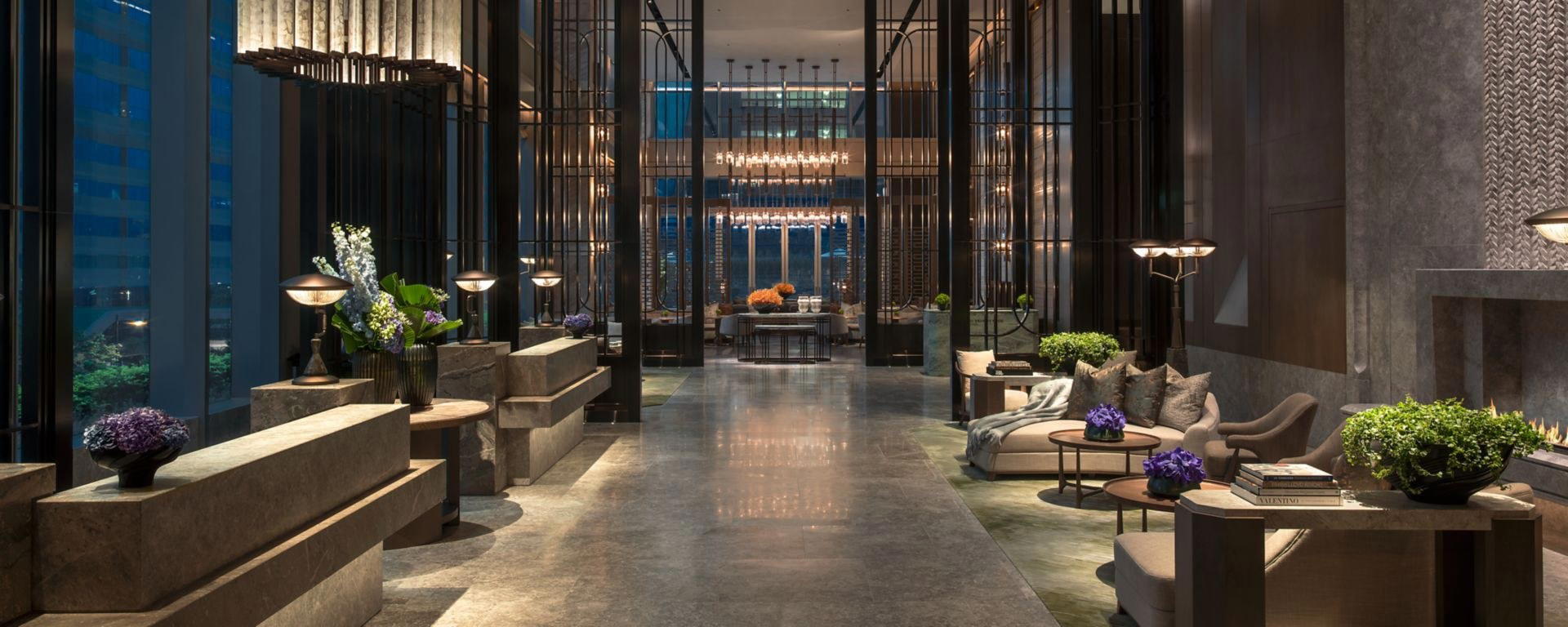
The Aoyama Grand Hotel reads like a concise design statement: a 42-room vertical retreat that foregrounds the city through floor-to-ceiling glass and a mid-century modern interior vocabulary. Its small scale and carefully chosen materials make the hotel feel intimate and deliberately specific, favoring focused design gestures over flagship excess. Perched above the Omotesando corridor, the property turns views into a core element of the experience, framing the zelkova-lined boulevard and nearby architecture. The result is a scenic, quietly charismatic hotel for travellers who value considered design and a restrained, boutique atmosphere.
Best For
This hotel suits travellers seeking a design-led, small-scale stay in Aoyama. With just 42 rooms and an emphasis on views and mid-century modern interiors, it works well for couples on a romantic getaway, professionals on a business trip who prefer a quieter, design-forward address, and weekend escapes where neighbourhood wandering and architecture are part of the itinerary. The property’s vertical placement above the city makes it especially appealing to guests who prize panoramic city scenes and proximity to Omotesando’s galleries, boutiques and cafés.
Stay Tips
Because the hotel is deliberately compact, book early to secure a room with the floor-to-ceiling glass that defines the experience; the description stresses that the view is structural to the stay. Note that the public approach is functional and brief—the arrival via lift into the upper floors is part of the sequence—so allow a moment to enjoy the reveal when the doors open. If you’re visiting for design-focused sightseeing, request a room that faces the Omotesando corridor to capture the zelkova-lined boulevard and nearby architectural landmarks.
Venue details
Ambiance
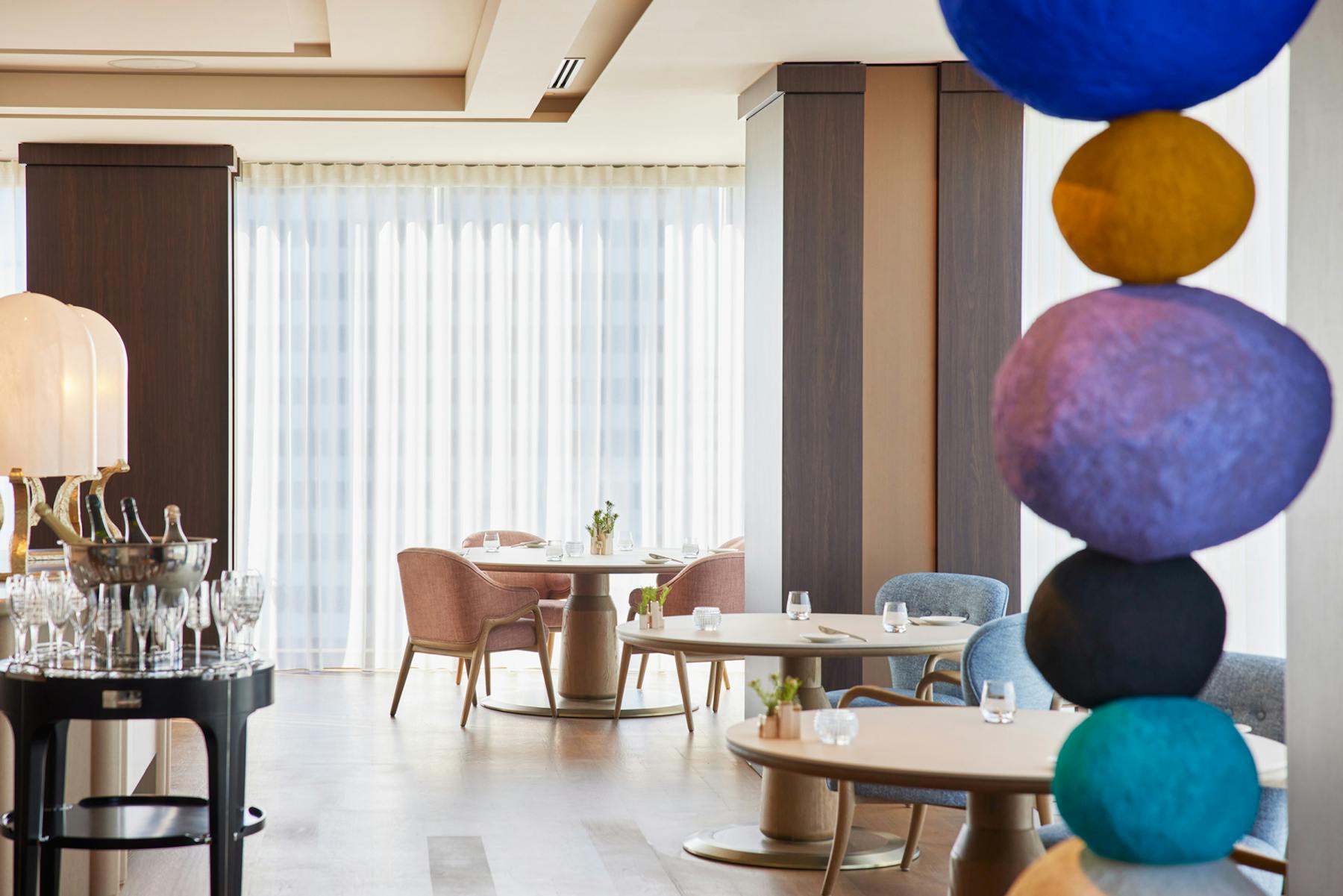
Nostalgic retro-modern atmosphere with cozy, spacious rooms, floor-to-ceiling windows, and relaxing lighting enhanced by hypoallergenic bedding and premium amenities.
Tags
Vibe
Best For
Experience
Amenities
View
Accessibility
About the Stay
- Rooms
- 42
- Property Type
- Boutique hotel
- Property Style
- Mid Century Modern Boutique Landmark
- Design Style
- Retro Modern with Individual Decor and Nostalgic Cozy Feel
- Airport Transfer
- Available
- Families
- Welcome
Know before you go
Know Before You Go
- Getting there
- 2-chōme-14-4 Kitaaoyama, Minato City, Tokyo 107-0061
Planning details
Location
Recognition and awards
Also consider
Also Consider
- Trunk Hotel Cat Street, Notable alternative
- TRUNK(HOTEL), Notable alternative
- TRUNK(WEDDING), Notable alternative
- Dormy inn PREMIUM Shibuya-jingumae, Notable alternative
- The Ritz-Carlton, Tokyo, Notable alternative
Hotel context
How it compares in Tokyo
Trunk Hotel Cat Street and TRUNK(HOTEL) are the sharper cross-shops for guests who want a more social, style-led stay near the Shibuya-Harajuku side of town. Choose The Aoyama Grand Hotel when the trip leans more Aoyama and Omotesando, and choose TRUNK when the hotel's social energy is part of the point.
The Ritz-Carlton, Tokyo is the safer pick for travelers who want a major luxury brand, heavier service infrastructure, and a more formal hotel experience. The Aoyama Grand Hotel is the better fit for a traveler who wants luxury recognition without feeling locked into a corporate tower rhythm.
Dormy inn PREMIUM Shibuya-jingumae is the value-minded alternative if the room is mainly a base and budget matters. TRUNK(WEDDING) is not a like-for-like hotel replacement for a standard leisure stay; consider it only when the trip is event-led rather than hotel-led.
Explore Tokyo
Around this place
Discover more on Pearl
Unlock the full The Aoyama Grand Hotel guide in Pearl, including awards, comparisons, FAQs, planning details, and nearby places.
Compare The Aoyama Grand Hotel
| Venue | Location | Awards |
|---|---|---|
| The Aoyama Grand Hotel | Tokyo | 2026 Michelin 1 KeyWorld Luxury Hotel Awards 20252025 Michelin 1 KeyMichelin 1 Key 20252024 Michelin 1 Key |
| Trunk Hotel Cat Street | Tokyo | No published awards |
| TRUNK(HOTEL) | Tokyo | No published awards |
| TRUNK(WEDDING) | Tokyo | No published awards |
| Dormy inn PREMIUM Shibuya-jingumae | Tokyo | No published awards |
| The Ritz-Carlton, Tokyo | Tokyo | 2026 Virtuoso Luxury Hotel Collection2026 Forbes 5-Star2026 La Liste Top Hotels2026 Michelin 1 Key2025 Michelin 1 Key2025 Forbes 5-Star |




How The Aoyama Grand Hotel Tokyo compares with similar nearby venues.
FAQ
Frequently Asked Questions
How is the location of The Aoyama Grand Hotel?
The Aoyama Grand Hotel is in Tokyo. Specific street-address details should be checked directly with the hotel before travel.
How does The Aoyama Grand Hotel compare to other hotels?
Compare The Aoyama Grand Hotel with Trunk Hotel Cat Street, TRUNK(HOTEL), The Ritz-Carlton, Tokyo, and Dormy inn PREMIUM Shibuya-jingumae based on current rates, availability, and the hotel details that matter most for your trip. The Aoyama Grand Hotel's distinctions include Michelin 1 Key recognition for 2025 and World Luxury Hotel Awards 2025 recognition.
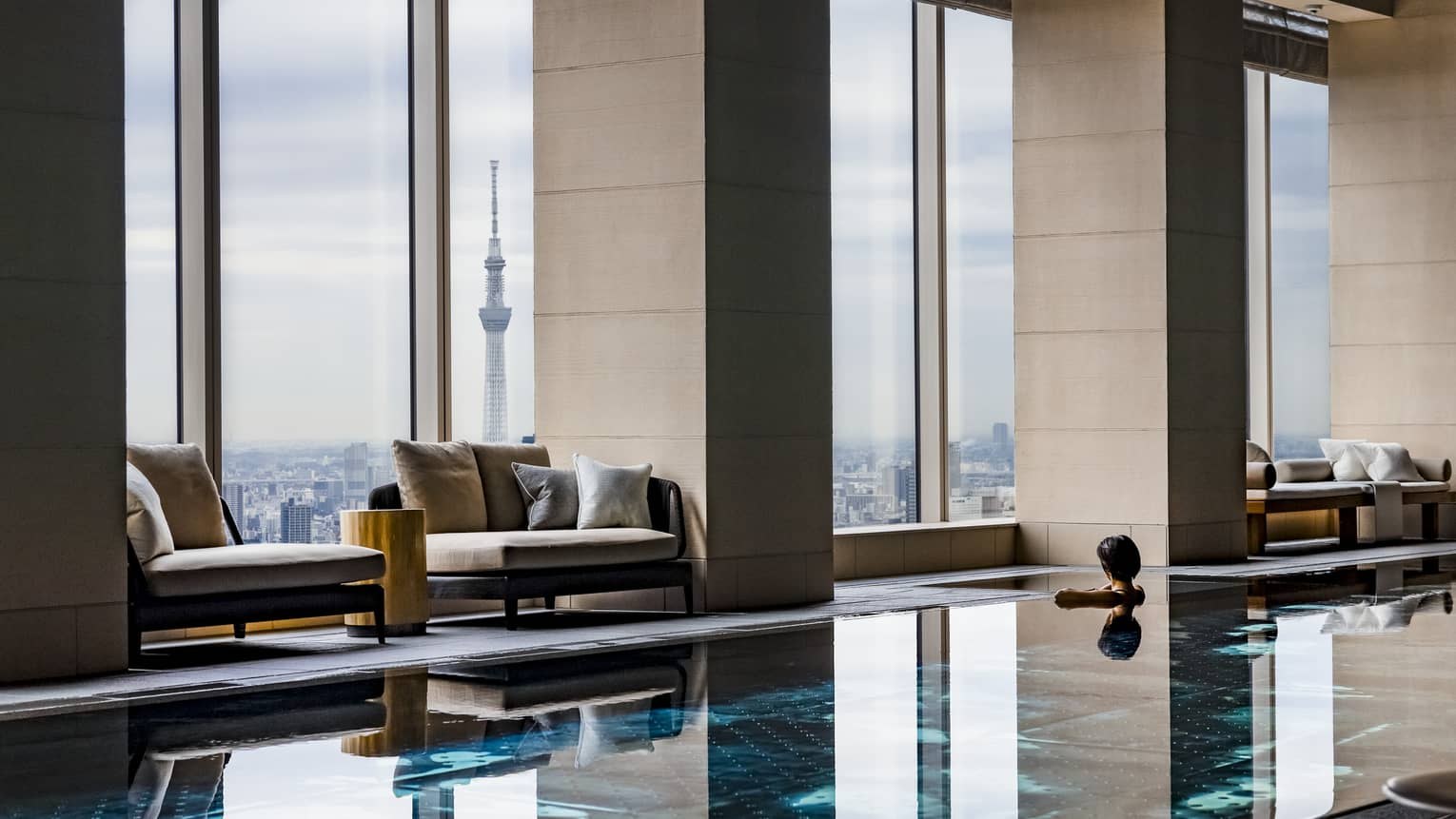
How is the pool and spa at The Aoyama Grand Hotel?
Is The Aoyama Grand Hotel family-friendly?
Which room category is best at The Aoyama Grand Hotel?
Choose based on current availability, budget, and the room information provided by The Aoyama Grand Hotel at the time of booking.