
POKKEI Hotel Shaoxing
Keqiao District, Shaoxing
Hotel in Shaoxing, China
 Book with Pearl
The Read
Canal-Side Taimen Architecture
Price
$200–300per night
Why go
POKKEI Hotel Shaoxing is worth shortlisting for a calm Keqiao stay, especially for celebrations, business overnights, or travelers who want Shaoxing as the base rather than commuting from Hangzhou. It is less compelling for guests who need a major loyalty-program hotel or a heavily documented dining and amenity package.
About POKKEI Hotel Shaoxing
POKKEI Hotel Shaoxing is a Shaoxing hotel with confirmed Small Luxury Hotels of the World membership in 2025. For travelers comparing it with Hangzhou options, the main distinction is simple: this is the Shaoxing choice, while hotels such as Conrad Hangzhou, Hotel Indigo Hangzhou Uptown, and Midtown Shangri-La, Hangzhou place the stay in Hangzhou instead.
Beyond its name, city, and Small Luxury Hotels of the World membership, Pearl does not have public details for specific room types, dining, wellness facilities, service format, prices, or exact location. Treat those details as items to confirm directly before booking.
A Shaoxing base with SLH recognition
If the trip is built around Shaoxing, POKKEI Hotel Shaoxing keeps the stay in the city rather than shifting the overnight base to Hangzhou. If the trip is centered on Hangzhou, comparison hotels such as Conrad Hangzhou, Hotel Indigo Hangzhou Uptown, or Midtown Shangri-La, Hangzhou may be more relevant.
The hook is its Small Luxury Hotels of the World membership in 2025. Pearl does not have details for on-property dining, bars, spa, pool, room count, or specific guest services, so those should not be assumed from the listing alone.
Who should skip it
Skip it if you need fully details on facilities, dining, loyalty benefits, or a specific neighborhood before shortlisting. Consider it if you specifically want a Shaoxing hotel and value the confirmed Small Luxury Hotels of the World membership as part of the decision.
Planning details
- Location
- 2GP6+CJ6 Haishan Road, 1 Hao Lu, Ke Qiao Qu, Shao Xing Shi, Zhe Jiang Sheng, 312069
The take
The Take
The Vibe
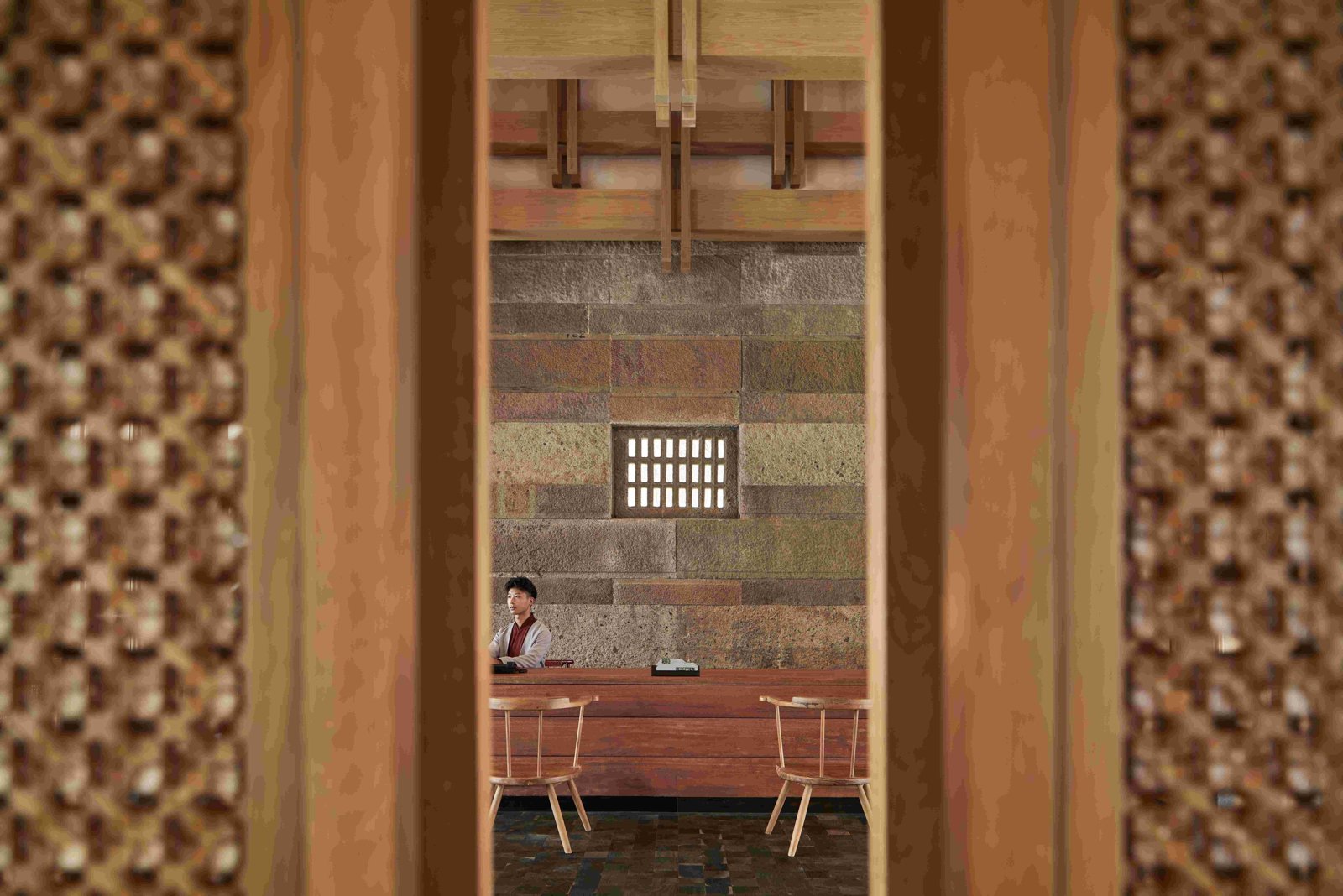
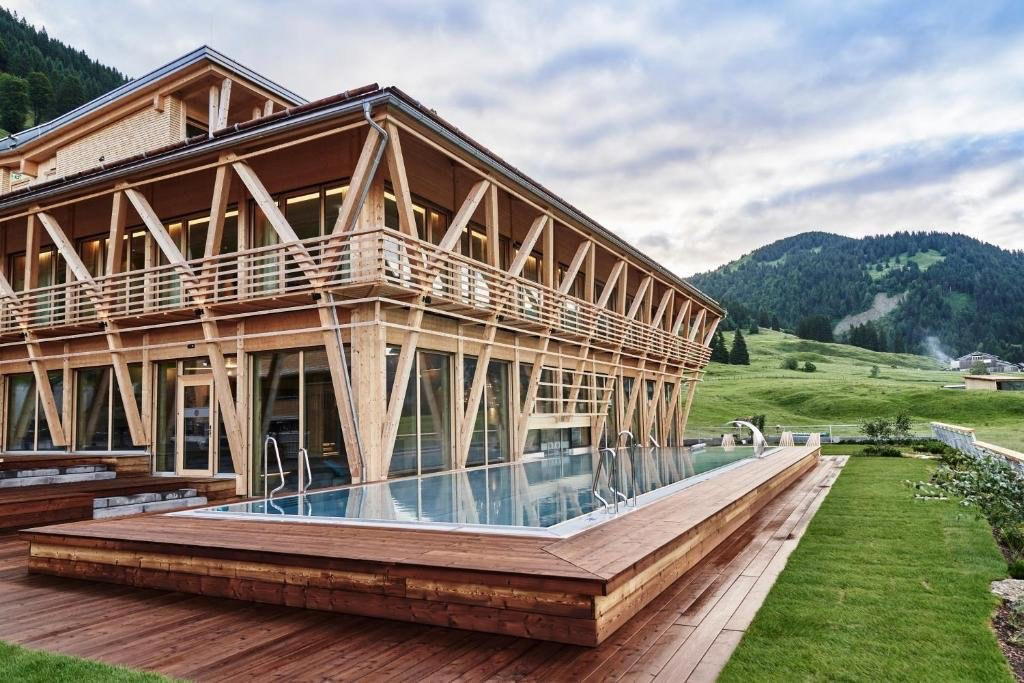
POKKEI Hotel Shaoxing foregrounds regional building traditions, translating Taiimen timber logic into a contemporary boutique hotel. Whitewashed walls, dark timber bracketing and pitched rooflines are expressed as more than decoration: they shape covered walkways, light wells and courtyard-centred circulation. The result is a quietly classic, historically literate atmosphere that favors contemplation over spectacle. Design-minded travelers encounter a place that reads like an architectural argument—measured, restrained and rooted in local craft—where the cadence of spaces and the proximity to canals and stone quays create a charming and serene retreat from busier urban centers.
Best For
This hotel suits travelers who prize architecture and cultural context above generic luxury trappings. It is ideal for visitors who want a quieter, design-forward stay that rewards attention to detail—those intrigued by vernacular Zhejiang building traditions, canal-side townscapes and courtyard living. Business travelers seeking a peaceful base and independent explorers curious about Shaoxing’s literati heritage will find the property especially resonant. The hotel is less about nightlife or flashy amenities and more about experiencing a considered, place-specific interpretation of traditional water-town architecture.
Stay Tips
Arrive with a little background on Shaoxing’s canals and Taiimen construction to get the most from the property—the hotel "rewards those who arrive with some background knowledge." Allow extra time to wander the hotel's courtyards, covered walkways and nearby stone quays so the architectural logic reveals itself gradually. Plan visits to the surrounding waterways and historic quays on foot; the setting is as much about sequence and detail as it is about individual rooms. Keep expectations aligned with a quietly curated, context-driven boutique experience rather than large-hotel amenities.
Venue details
Ambiance
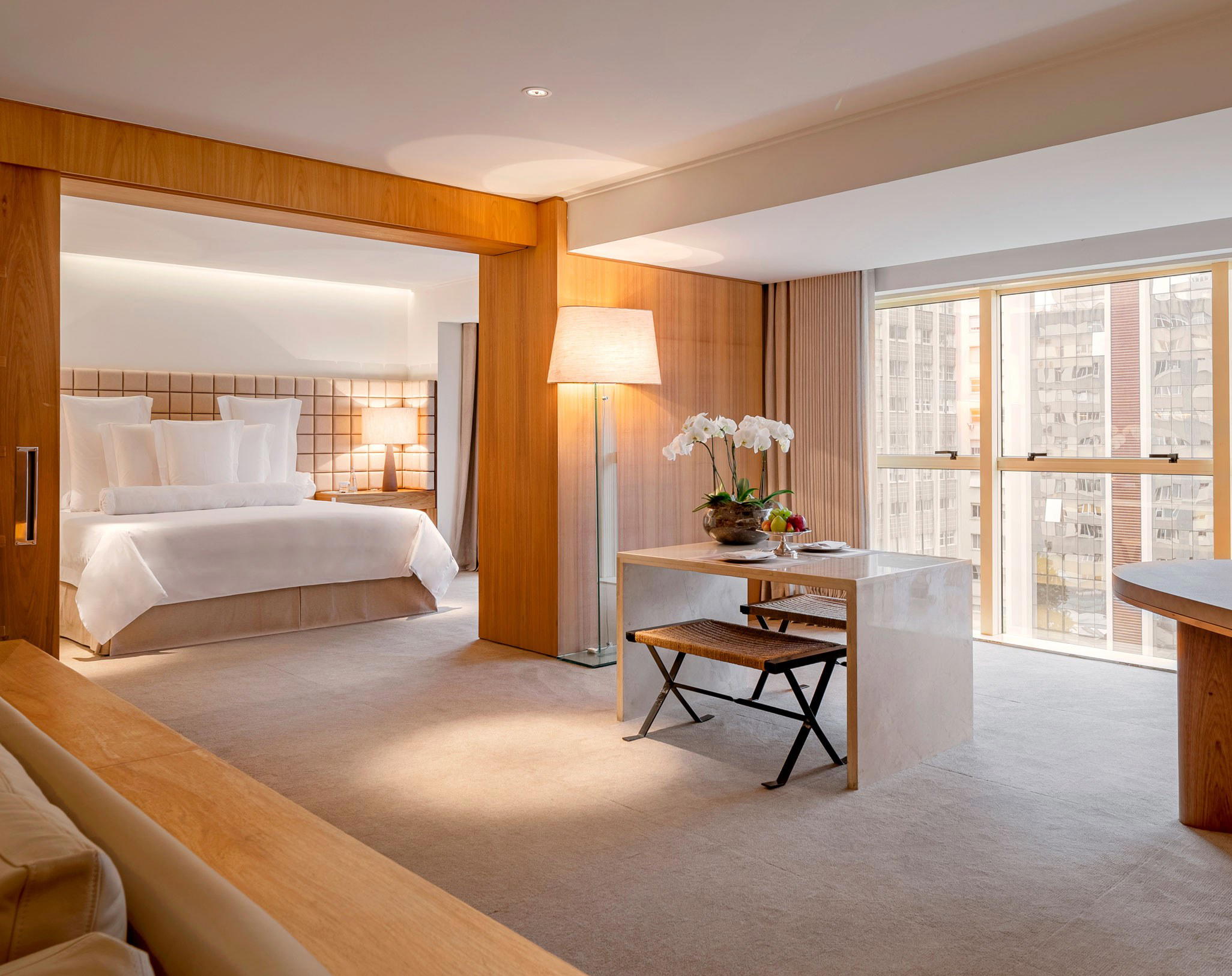
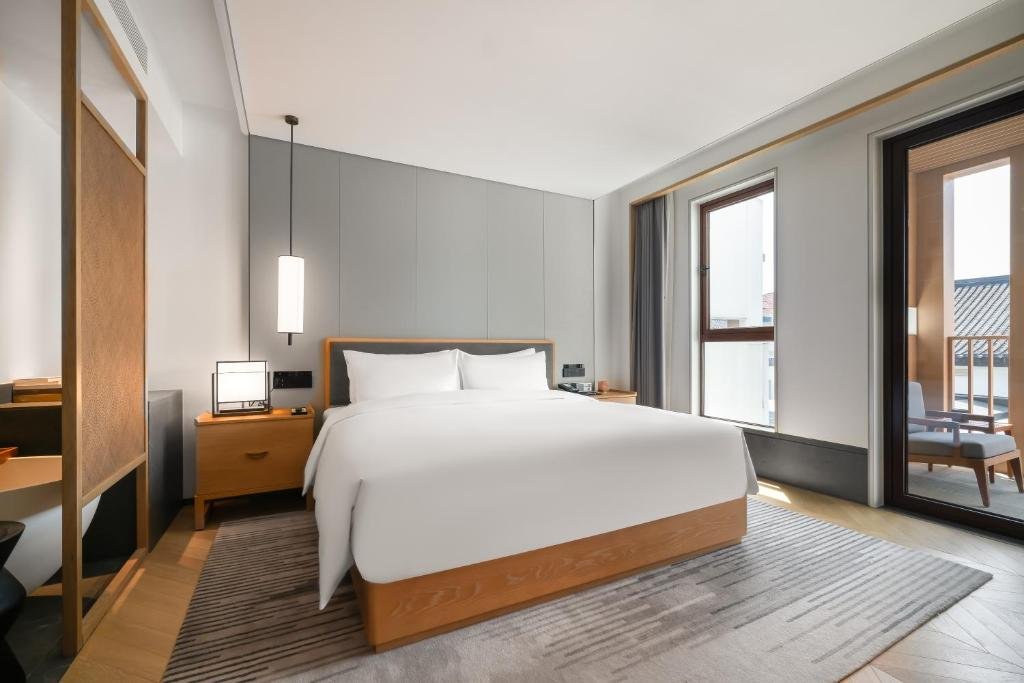
Minimalist design with exquisite finishes, handcrafted wood screens, curated artwork, and peaceful atmosphere enhanced by sound waves and Himalayan salt lamps.
Tags
Vibe
Best For
Experience
Amenities
About the Stay
- Rooms
- 68
- Check-in
- 14:00
- Check-out
- 12:00
- Property Type
- Boutique hotel
- Property Style
- Boutique Luxury Hotel Inspired by Traditional Taimen Architecture.
- Design Style
- Minimalist with Handcrafted Dongyang Wood Screens and Curated Artwork.
- Breakfast
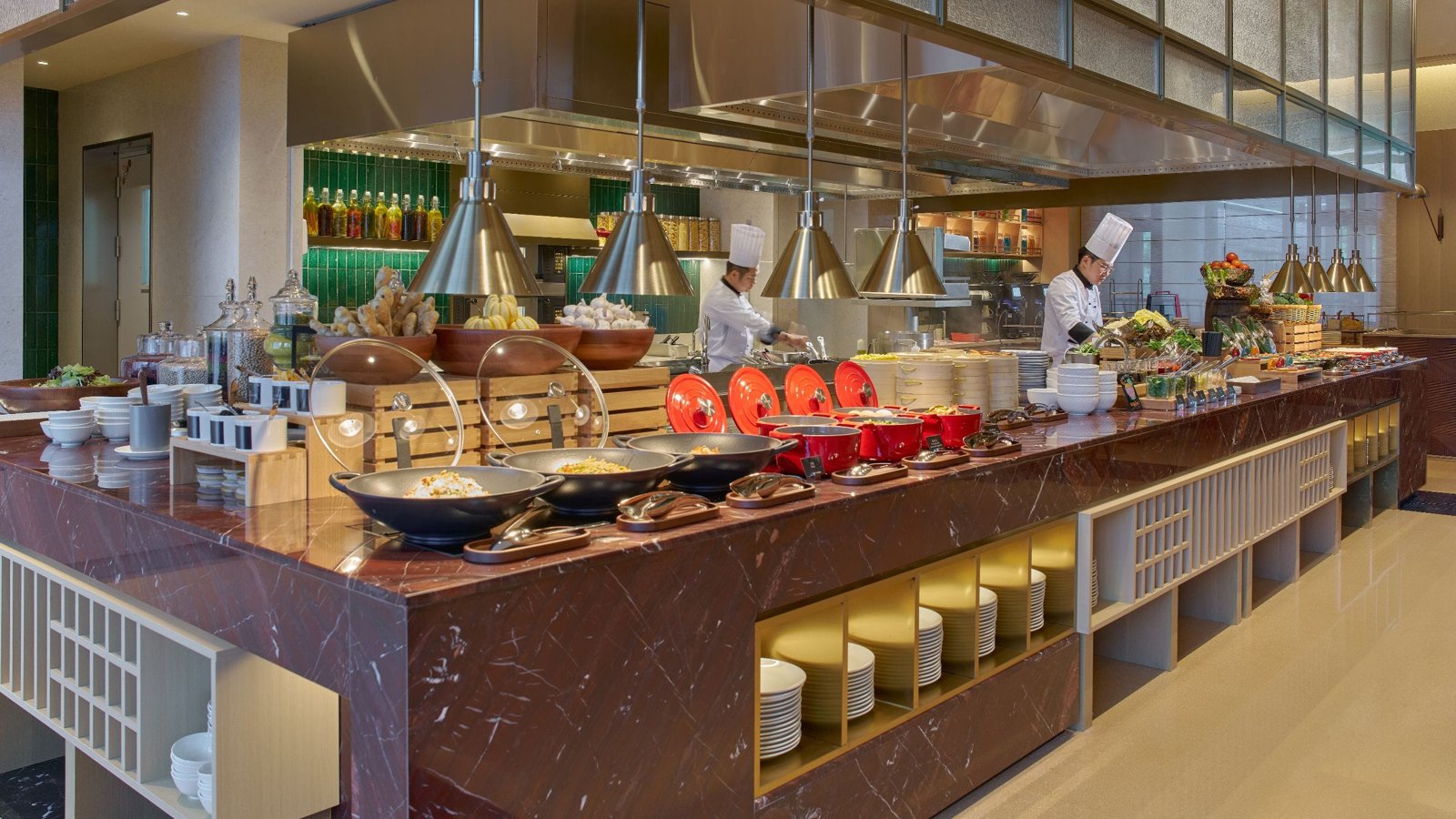
- Included
- Pool
- Yes
- Spa
- Yes
- Pets
- Allowed
- Cancellation
- Moderate
Know before you go
Know Before You Go
- Getting there
- 2GP6+CJ6 Haishan Road, 1 Hao Lu, Ke Qiao Qu, Shao Xing Shi, Zhe Jiang Sheng, 312069
Planning details
Location
2GP6+CJ6 Haishan Road, 1 Hao Lu, Ke Qiao Qu, Shao Xing Shi, Zhe Jiang Sheng, 312069 · Directions
Recognition and awards

Also consider
Also Consider
- Conrad Hangzhou, Notable alternative
- Hotel Indigo Hangzhou Uptown, Notable alternative
- Vallie Hotel, Notable alternative
- Midtown Shangri-La, Hangzhou, Notable alternative
- Seven Villas, Notable alternative
Hotel context
How it compares
POKKEI Hotel Shaoxing is the Shaoxing-first choice in this set. Conrad Hangzhou and Midtown Shangri-La, Hangzhou make more sense for travelers who want a larger Hangzhou hotel with broader city access and more familiar big-brand expectations. For a stay centered on Keqiao or Shaoxing, POKKEI is the cleaner decision because it avoids making Hangzhou the base.
Hotel Indigo Hangzhou Uptown is the better cross-shop for guests who want a more urban, design-forward Hangzhou stay without choosing a larger luxury format. Vallie Hotel and Seven Villas are more relevant if the trip is leisure-led and Hangzhou is the destination. POKKEI is easier to justify when the schedule, meetings, or occasion are actually in Shaoxing.
Booking difficulty is marked easy, so the main decision is not access; it is fit. Pick POKKEI for a quieter Shaoxing stay. Pick the Hangzhou peers when city infrastructure, brand familiarity, or a broader hotel scene matters more than being close to Shaoxing.
Explore Shaoxing
Around this place
Discover more on Pearl
Unlock the full POKKEI Hotel Shaoxing guide in Pearl, including awards, comparisons, FAQs, planning details, and nearby places.
Compare POKKEI Hotel Shaoxing
| Venue | Location | Awards |
|---|---|---|
| POKKEI Hotel Shaoxing | Shaoxing | Small Luxury Hotels Member 2025 |
| Conrad Hangzhou | Hangzhou | 2026 Forbes Recommended2025 Forbes Recommended |
| Hotel Indigo Hangzhou Uptown | Hangzhou | No published awards |
| Vallie Hotel | Hangzhou | Small Luxury Hotels Member 2025 |
| Midtown Shangri-La, Hangzhou | Hangzhou | 2026 Forbes Recommended2025 Forbes Recommended |
| Seven Villas | Hangzhou | 2026 Relais Chateaux Hotels2025 Relais Chateaux Award |


How POKKEI Hotel Shaoxing compares with similar nearby venues.
FAQ
Frequently Asked Questions
How does POKKEI Hotel Shaoxing compare to other hotels?
POKKEI Hotel Shaoxing is the Shaoxing option in this comparison set and has confirmed Small Luxury Hotels of the World membership in 2025. Conrad Hangzhou, Hotel Indigo Hangzhou Uptown, and Midtown Shangri-La, Hangzhou are Hangzhou hotels, so they suit trips based in Hangzhou rather than Shaoxing. Vallie Hotel and Seven Villas may be useful comparison points depending on the wider itinerary.
When is the best time to book POKKEI Hotel Shaoxing?
Book when your Shaoxing dates are fixed and confirm current availability directly with the hotel or your booking channel. Pearl has the hotel's Small Luxury Hotels of the World membership in 2025, but not specific room inventory, seasonal demand patterns, or booking rules.
Is POKKEI Hotel Shaoxing good for business travel?
It may be relevant for travelers who need a hotel in Shaoxing, but Pearl does not have details on meeting facilities, work amenities, transport access, or business services. If your work is in Hangzhou, Conrad Hangzhou, Hotel Indigo Hangzhou Uptown, or Midtown Shangri-La, Hangzhou may be more relevant to compare.
Do loyalty programs work at POKKEI Hotel Shaoxing?
The recognition is Small Luxury Hotels of the World membership in 2025. Pearl does not have details on specific loyalty benefits, elite perks, or booking-channel rules, so confirm those directly before reserving.
How is the dining at POKKEI Hotel Shaoxing?
Pearl does not have details on POKKEI Hotel Shaoxing's dining, bar program, cuisine, menus, or meal service. If meals are important to the trip, plan to verify on-property options directly and consider other dining in Shaoxing separately.
Is POKKEI Hotel Shaoxing family-friendly?
Pearl does not have details on family facilities, room configurations, children's amenities, or policies at POKKEI Hotel Shaoxing. Families should confirm those points directly before booking and compare with other suitable hotels for the same itinerary.