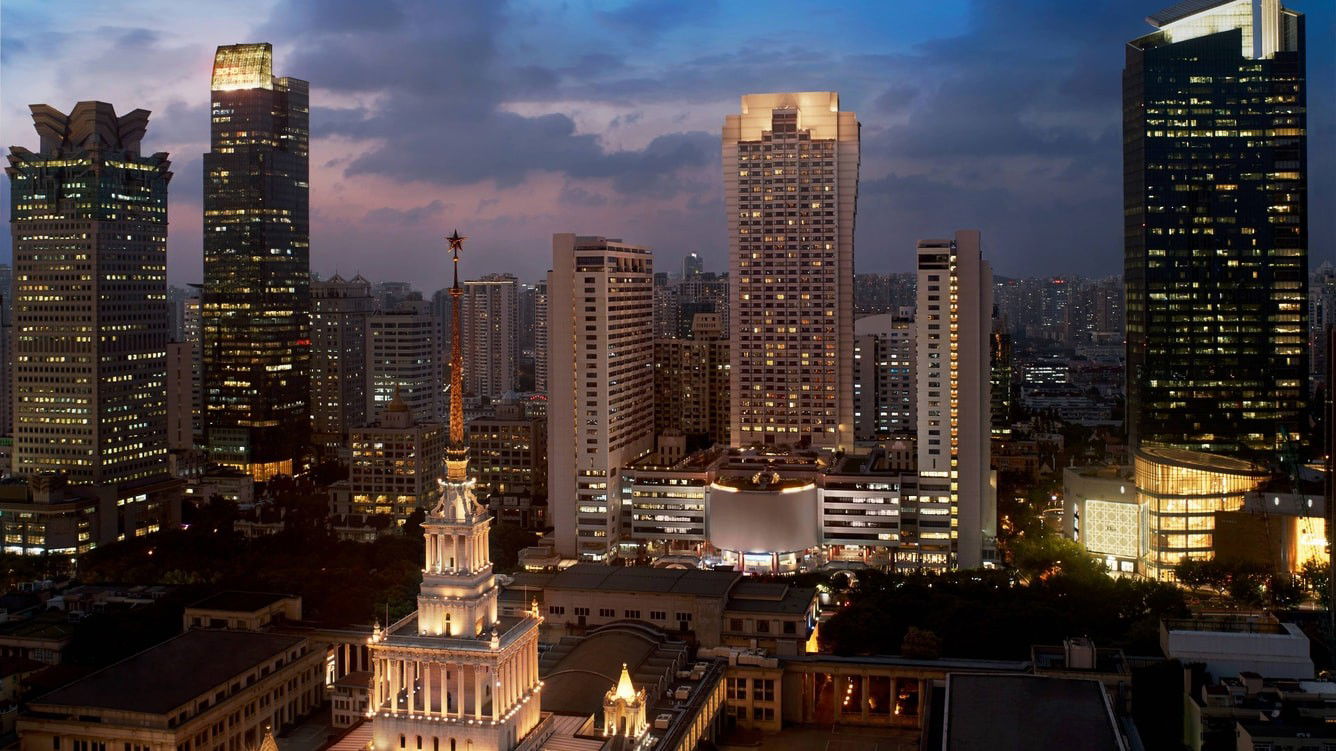



The Portman Ritz-Carlton, Shanghai
Jing'an, Shanghai
Hotel in Shanghai, China
 Book with Pearl
The Read
Institutional Jing An Anchor
Why go
Choose The Portman Ritz-Carlton, Shanghai if the priority is dependable five-star service in Jing’an with strong business-travel practicality. Its La Liste Top Hotels 2026 score, Forbes 4-Star recognition, and Virtuoso partner status make it a safer brand-backed pick than smaller independents, though design-focused travelers may prefer a more boutique option.
About The Portman Ritz-Carlton, Shanghai
The Portman Ritz-Carlton, Shanghai is a hotel option in Shanghai with a short set of public details: a smart-casual dress code and confirmed 2026 recognition from La Liste Top Hotels, Forbes, and Virtuoso. For travelers comparing stays in the city, the clearest grounded case is not a specific neighborhood, restaurant, room type, or facility claim, but the hotel’s name and recognition.
Because the available data is limited, it is best to treat this as a concise verdict rather than a feature-by-feature promise. Details such as specific dining venues, room categories, service inclusions, prices, and on-property facilities should be confirmed directly before booking if they matter to the trip.
What
The strongest confirmed signals are the hotel’s 2026 credentials: La Liste Top Hotels at 92.5 points, Forbes 4-Star recognition, and Virtuoso Luxury Hotel Partner status. Those markers make it a credible candidate for travelers who want a Shanghai stay with external recognition.
The dress code is smart casual. Beyond that, this guide does not verify specific restaurants, bar programs, menus, prices, room recommendations, or service formats, so guests should check current hotel information before relying on any particular amenity.
The confirmed recognition is the reason to consider it
The Portman Ritz-Carlton, Shanghai makes the most sense for travelers who value a recognized hotel name and confirmed third-party credentials. It is less suitable as a choice based on assumptions about a particular neighborhood, dining program, spa experience, room layout, or business facility.
Verdict: consider it for a Shanghai stay when confirmed recognition and a smart-casual hotel environment are enough to support the booking decision. If the trip depends on a specific location detail, room type, restaurant, bar, or facility, verify that directly before committing. For broader planning, compare it against Pearl’s Shanghai hotels guide, and use the Shanghai restaurants guide or the Shanghai bars guide when meals and drinks need to carry more of the trip.
Planning details
- Location
- Shanghai Centre, 1376 Nan Jing Xi Lu, Jing An Qu, Shang Hai Shi, 200040
- Website
- ritzcarlton.com/en/hotels/china/shanghai
- Phone
- +86 21 6279 8888
The take
The Take
The Vibe
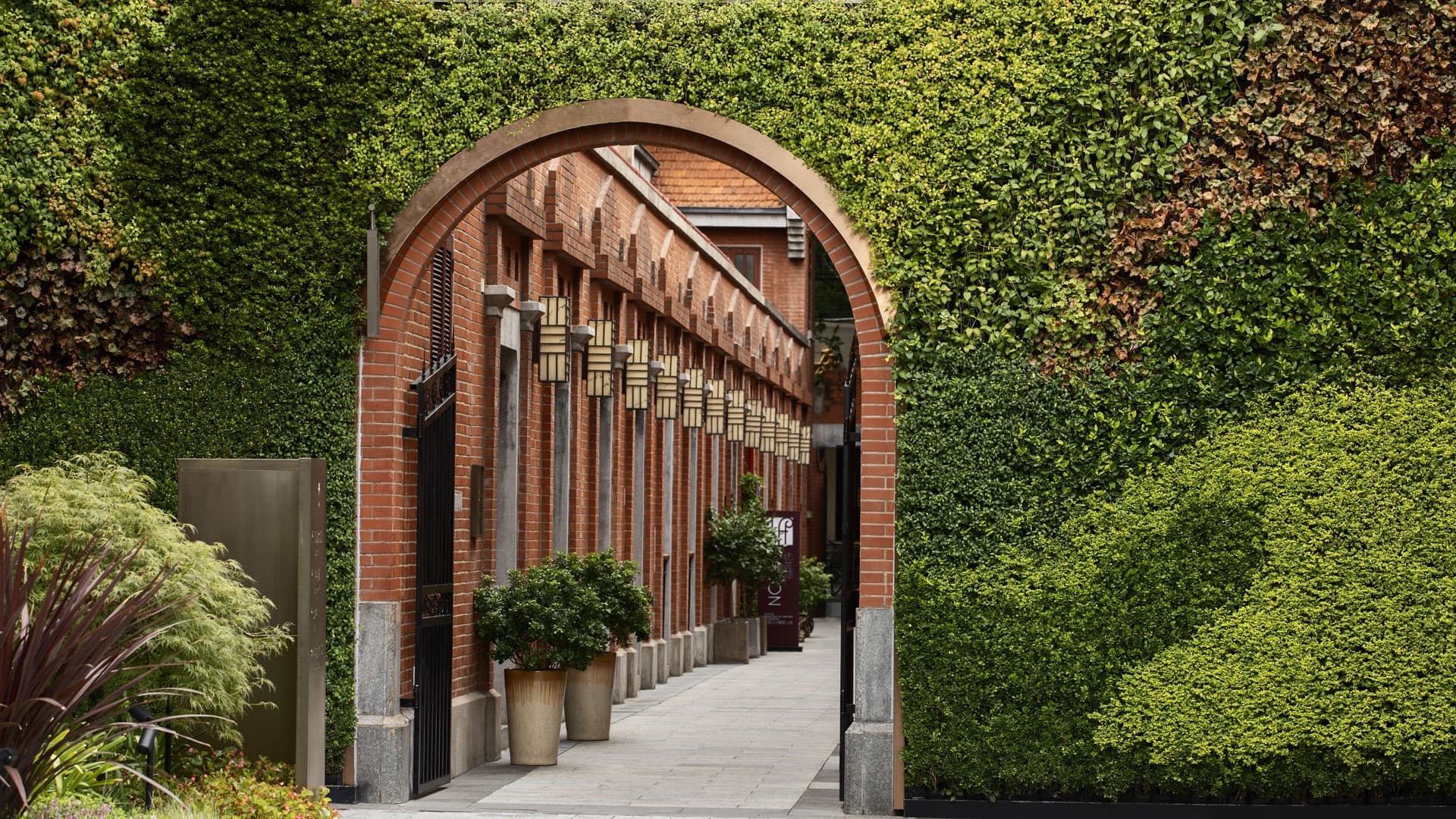
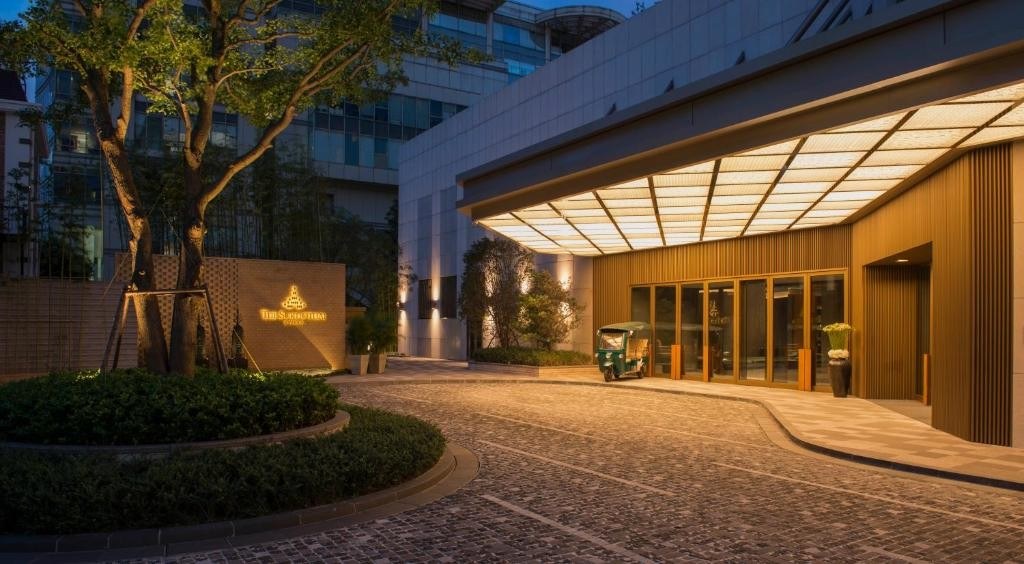
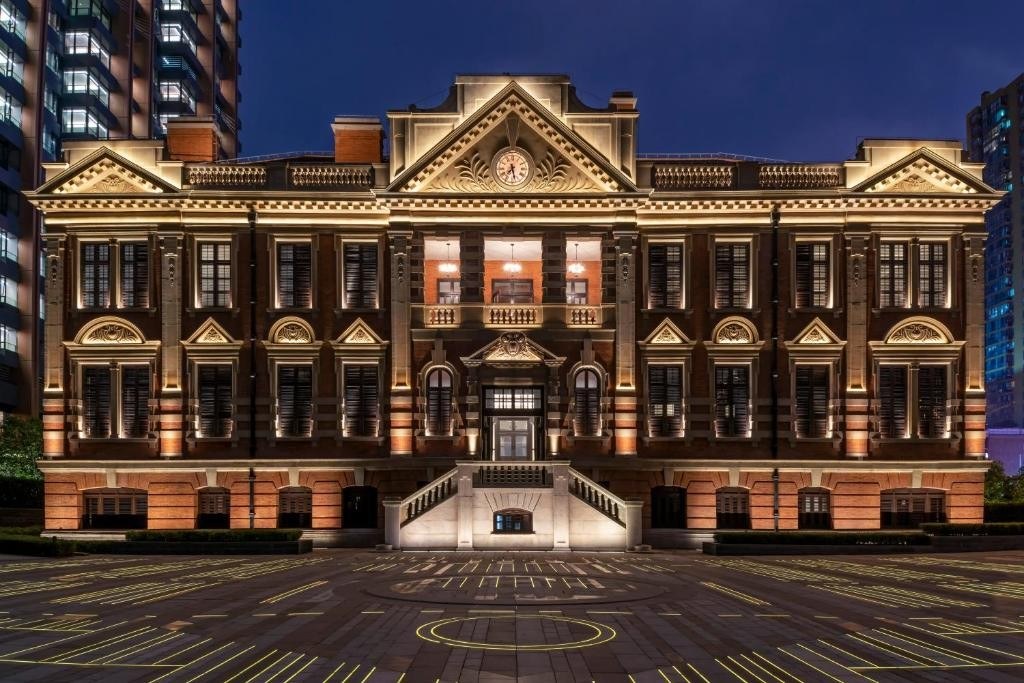
The Portman Ritz-Carlton reads as an institutional anchor in Jing'an: a landmark property that introduced the brand to China and still carries that historical significance. It sits within the Shanghai Centre, a mixed-use complex that ties the hotel to the commercial fabric of Nanjing West Road, a wide, tree-lined avenue lined with pre-war architecture. The hotel's long-serving staff and deep local knowledge reinforce a feeling of steadiness and provenance rather than flash; service is experienced and quietly confident. The overall effect is measured and emblematic—a luxury hotel comfortably rooted in the city's evolving urban history.
Best For
This hotel is especially well suited to business travelers who need a central, reliable base in Jing'an and guests seeking a classic, urbane stay. The property's location on Nanjing West Road puts guests in the heart of Shanghai's commercial spine, and the concierge’s many years of service mean recommendations and logistical help are unusually informed. Couples on a romantic getaway also benefit from the hotel's established luxury service and sense of permanence. In short, it functions as a smart urban hub for work-focused visits and quietly refined city breaks.
Venue details
Ambiance
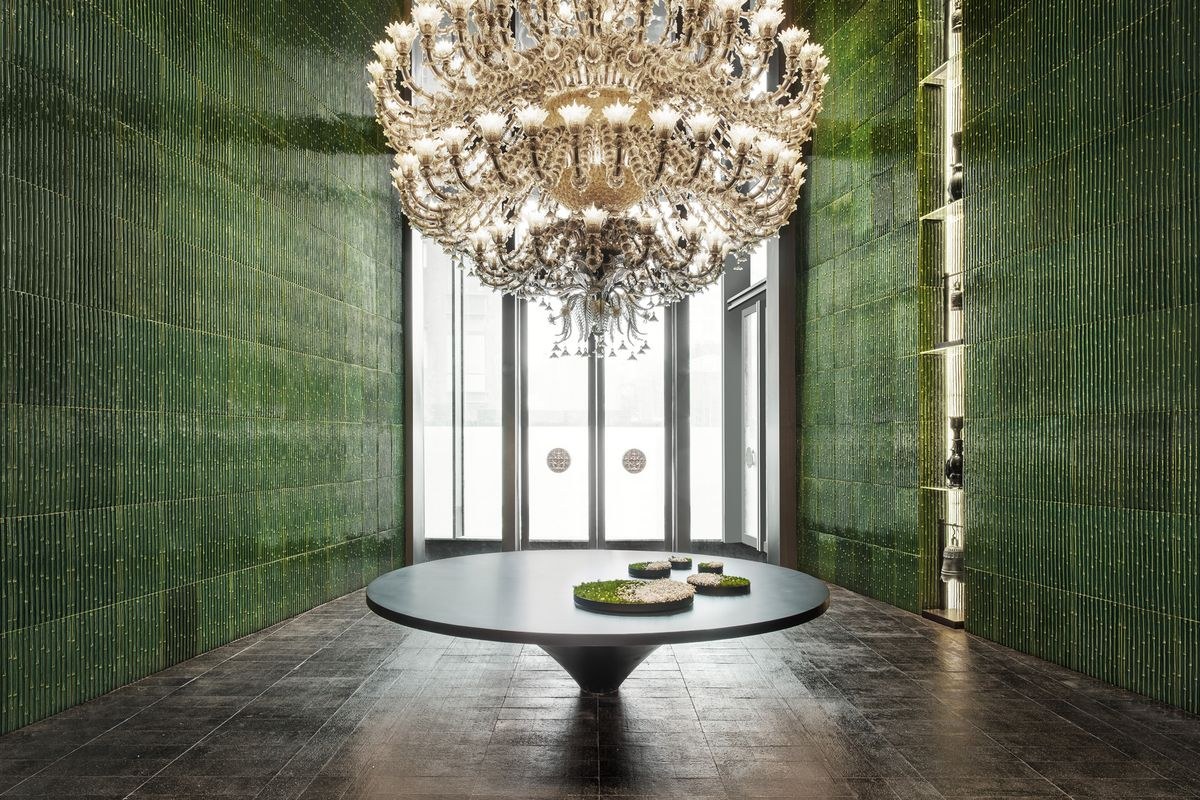
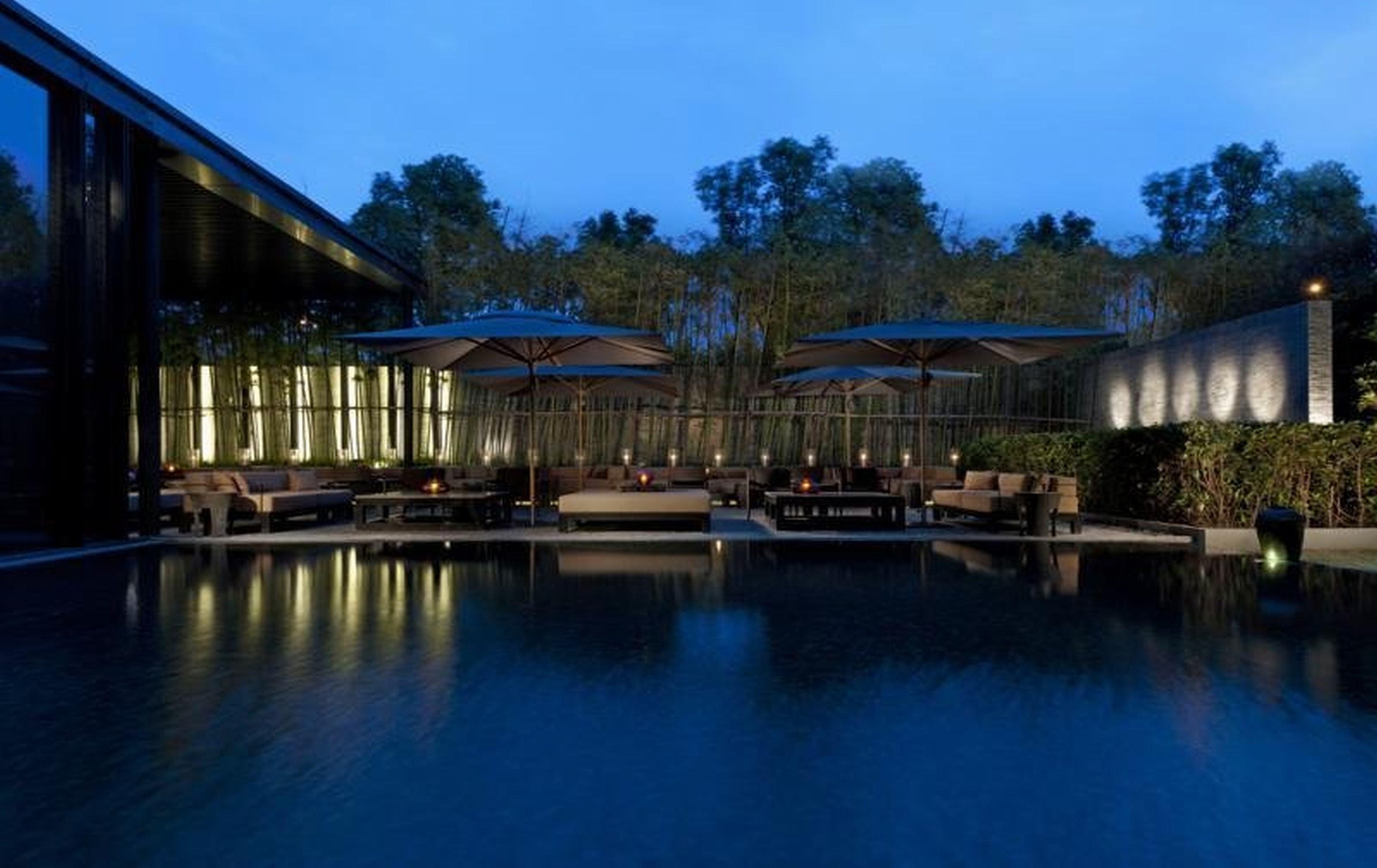
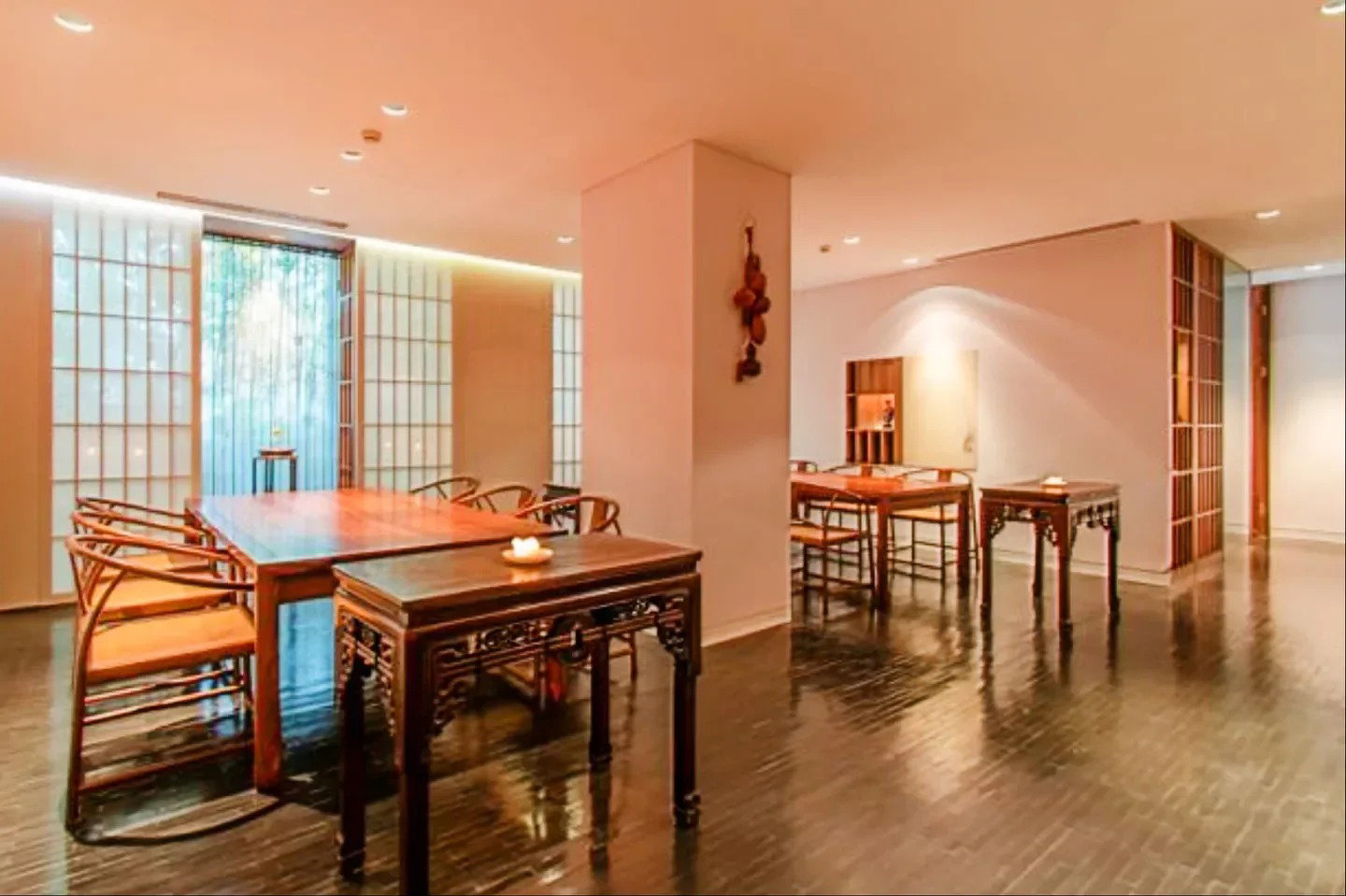
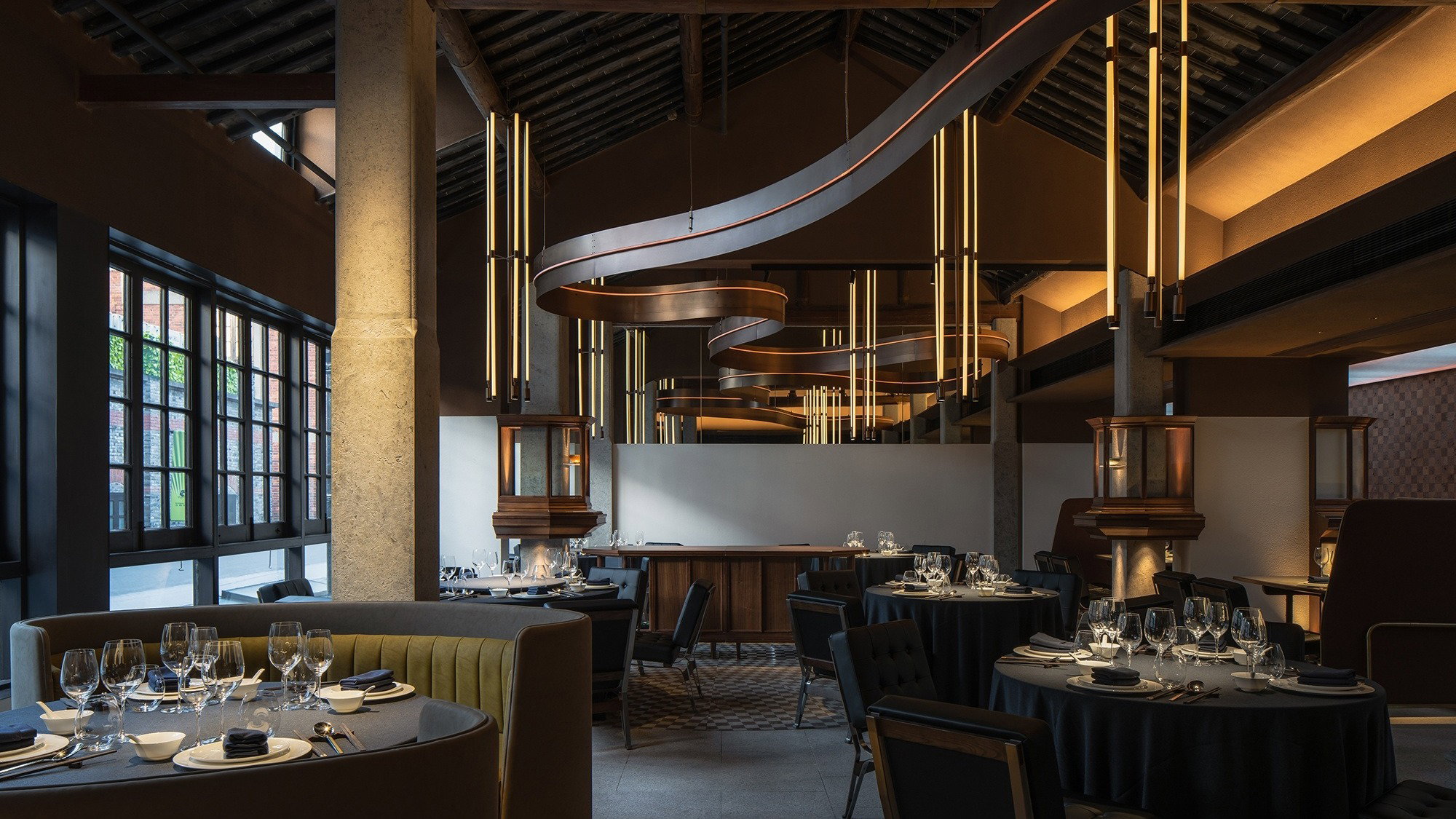
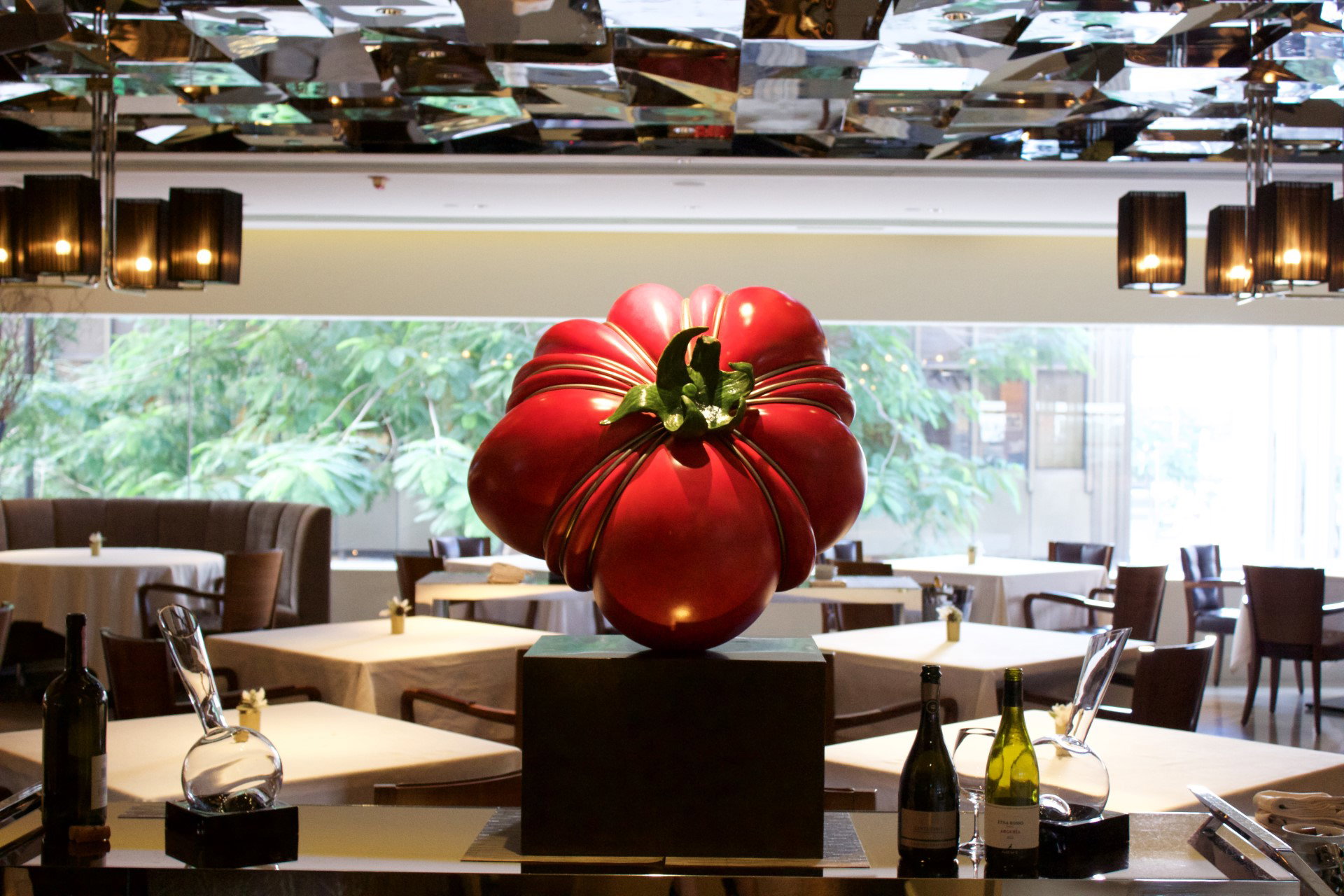
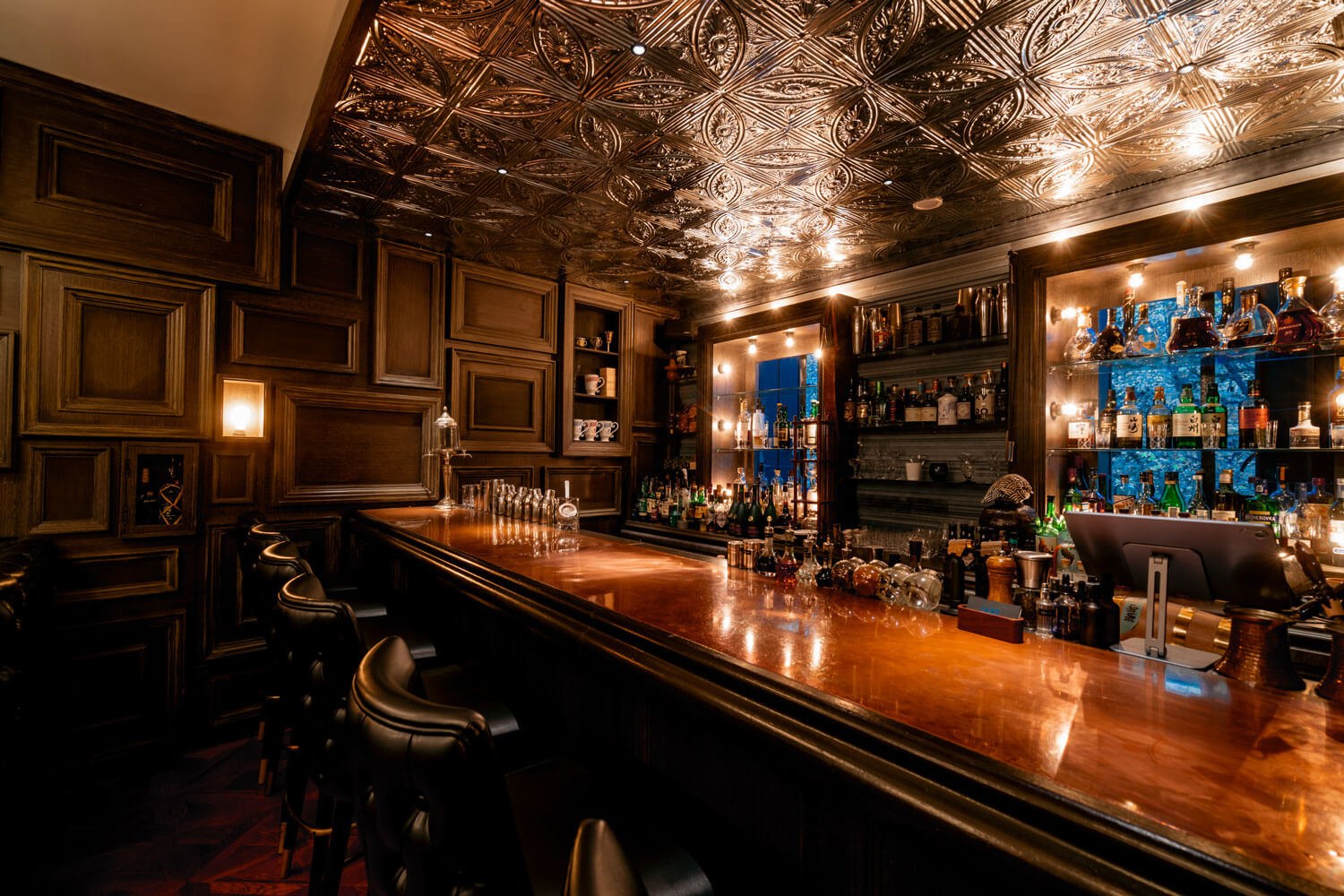
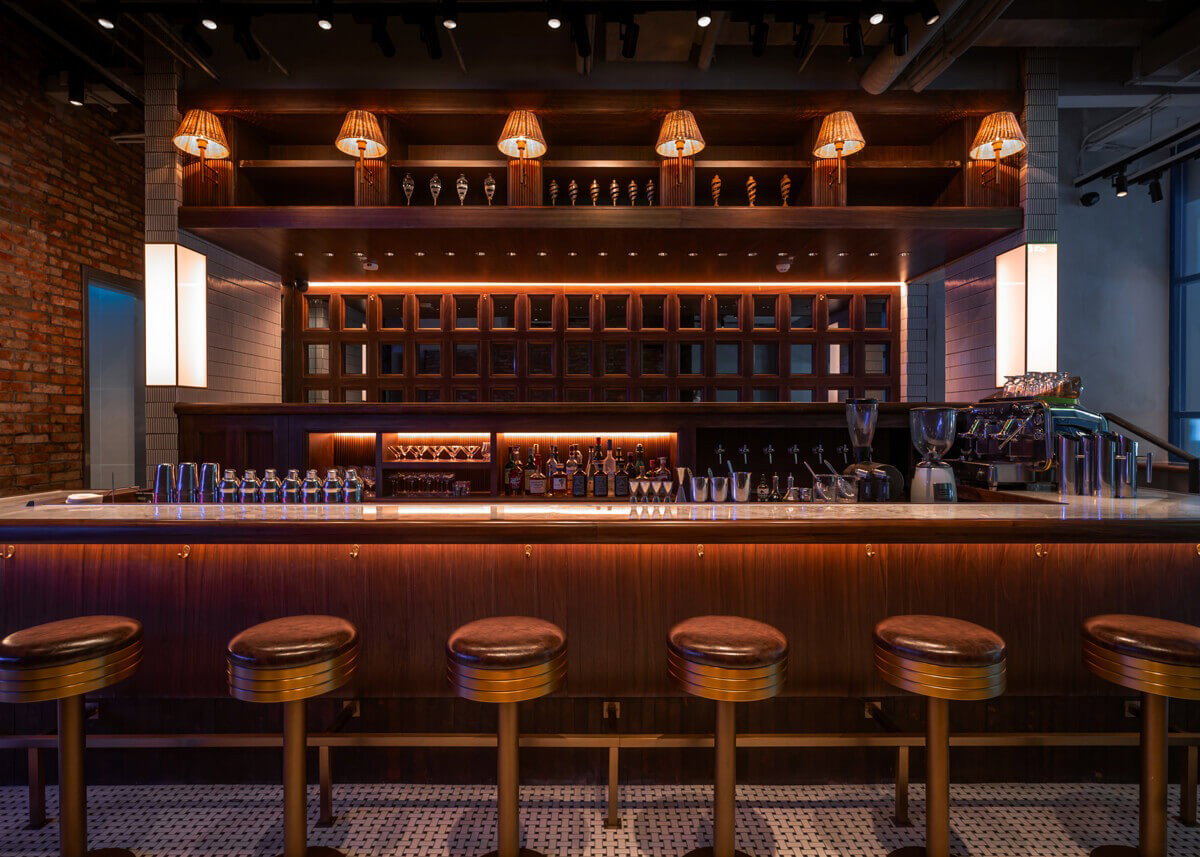
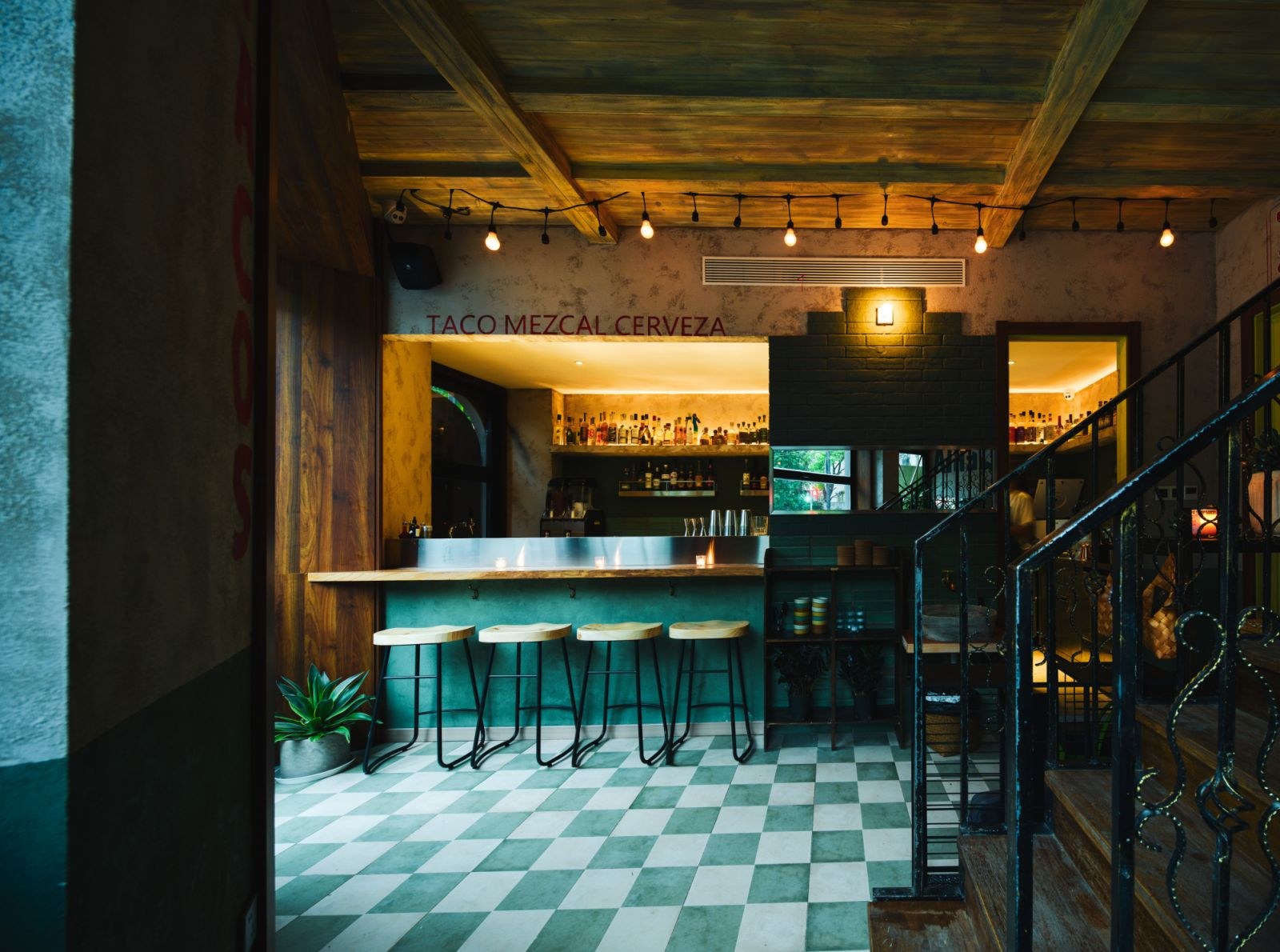
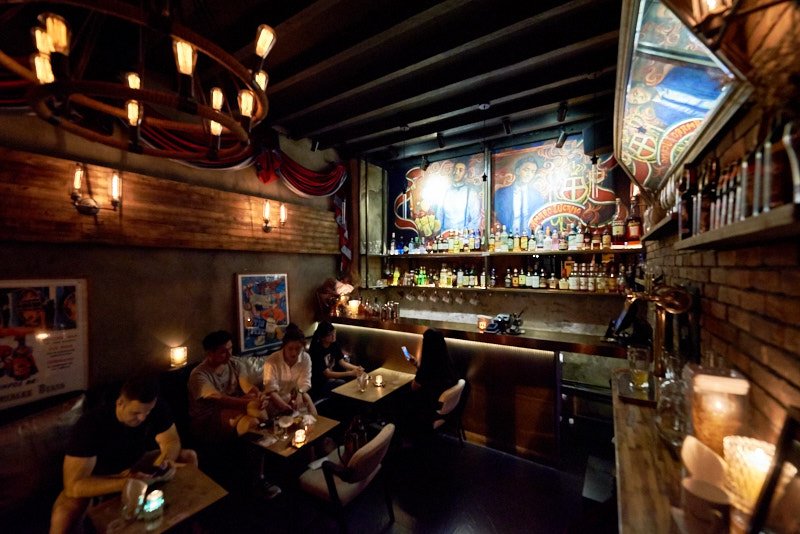
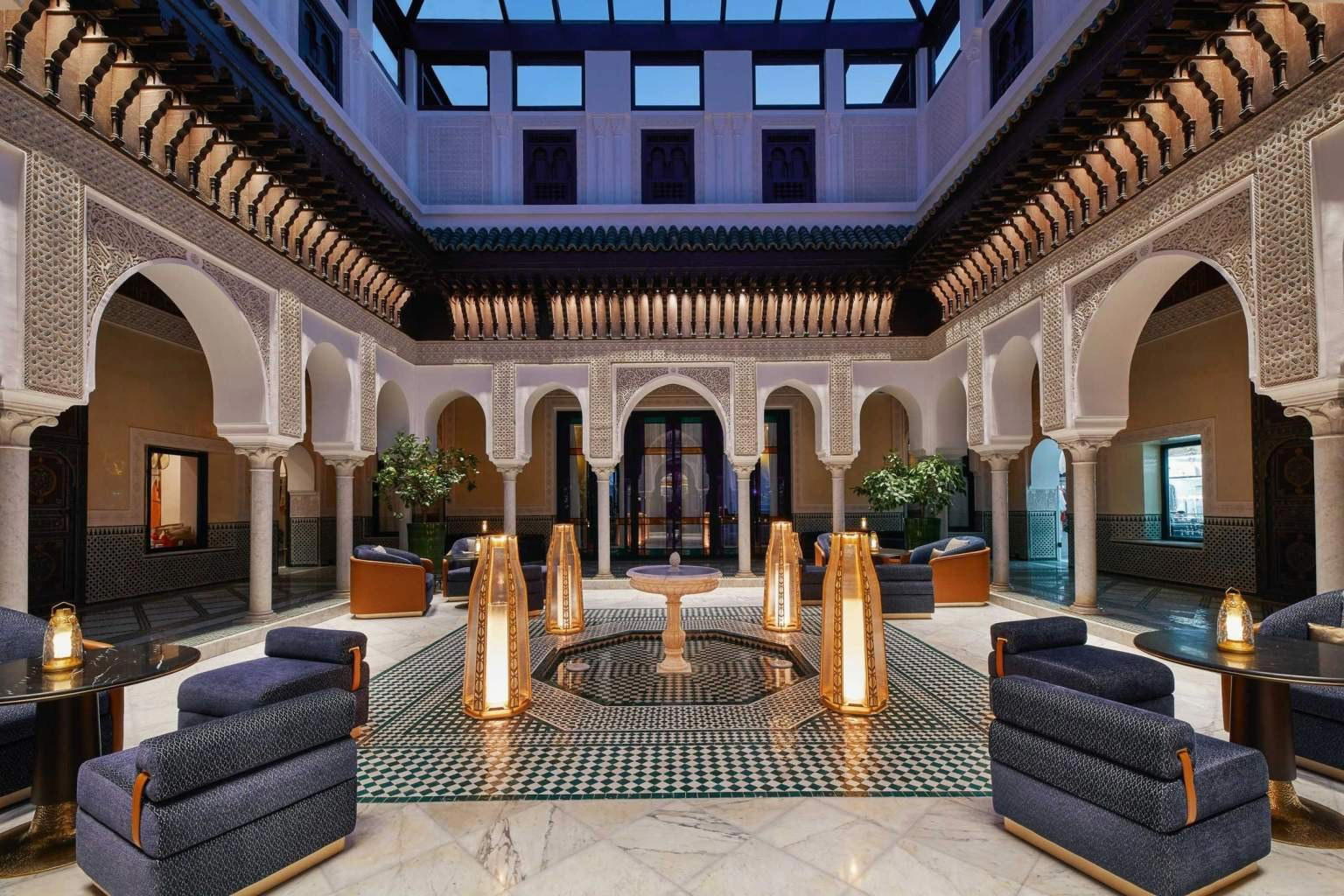
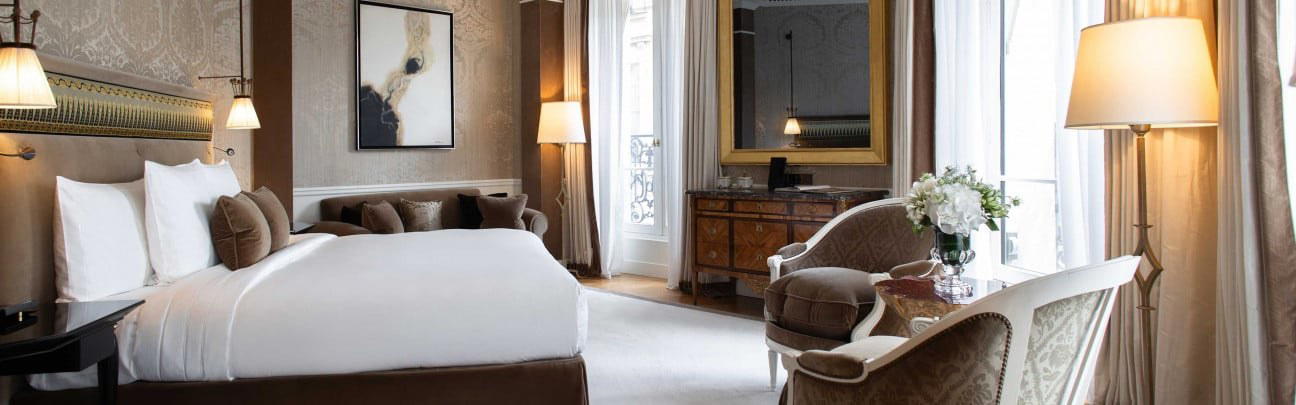
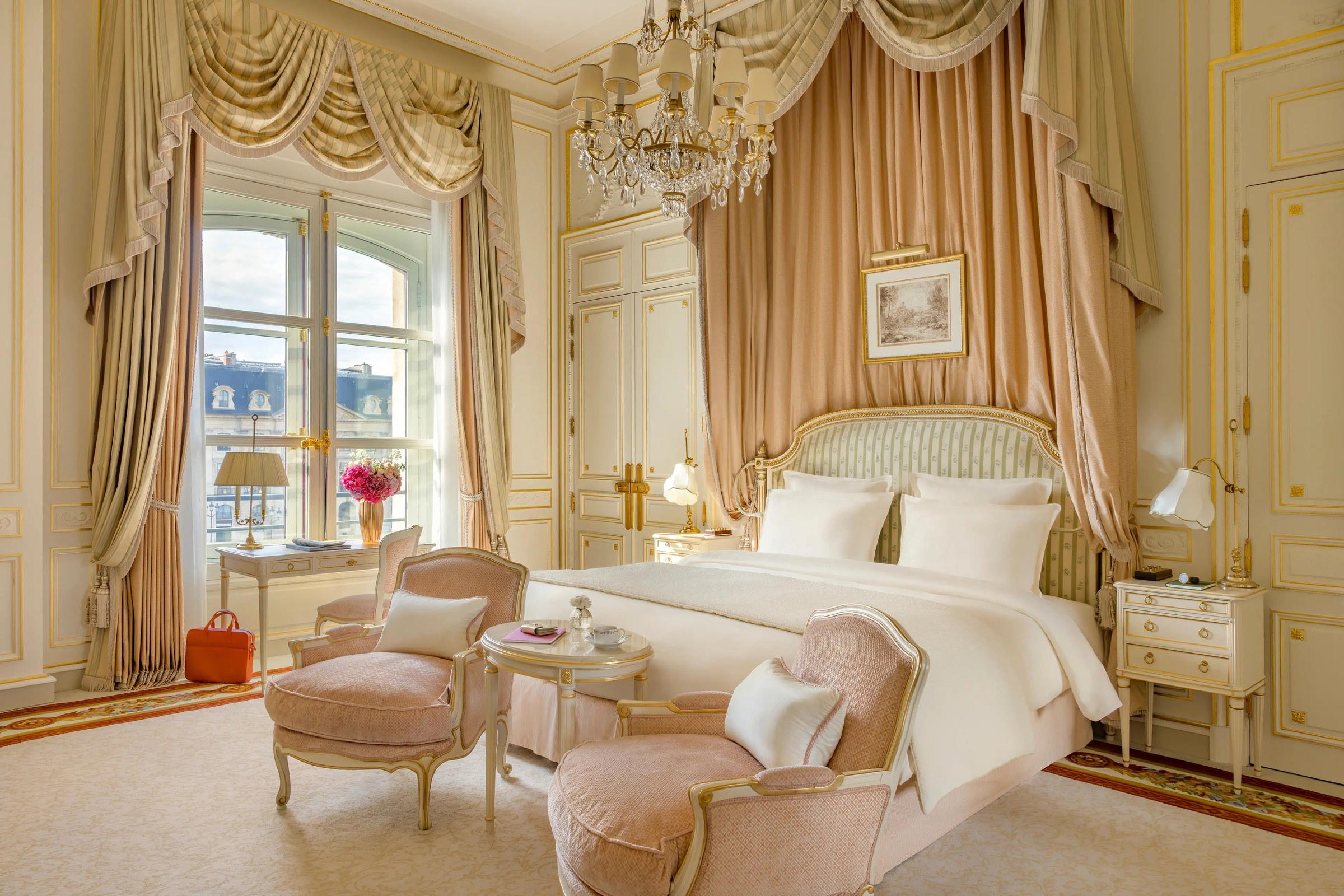
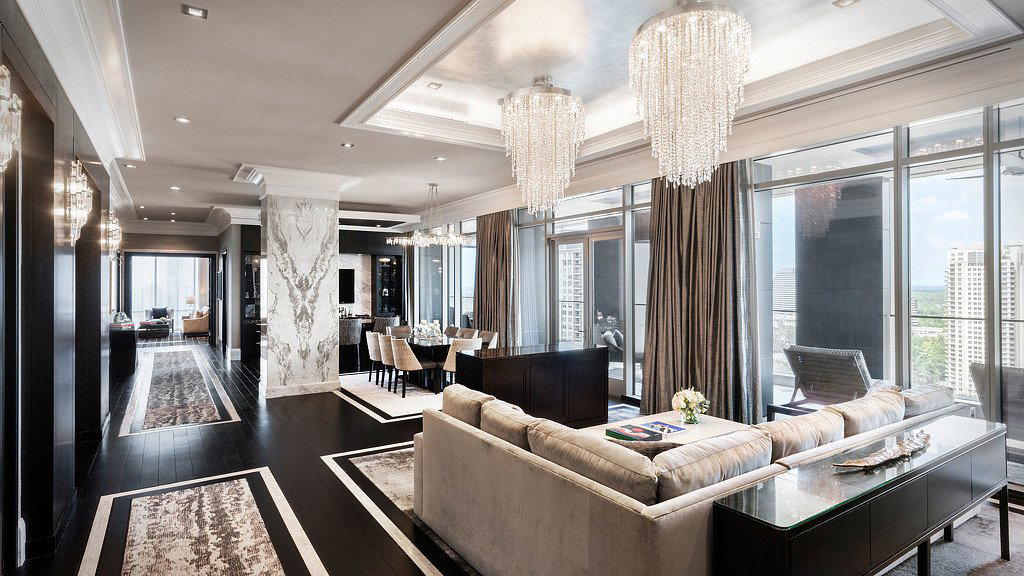
A polished, classic-luxury atmosphere that blends modern Chinese décor with East-meets-West design cues, creating a formal yet comfortable urban hotel feel.
Tags
Vibe
Best For
Experience
Amenities
View
Accessibility
About the Stay
- Rooms
- 593
- Check-in
- 14:00
- Check-out
- 12:00
- Property Type
- Heritage hotel
- Property Style
- Classic Full Service Luxury Hotel with a Landmark Urban Presence and Service Led Positioning.
- Design Style
- Contemporary Chinese with East Meets West, Art Deco, and Old Shanghai Inspired Elements.
- Airport Transfer
- Available
- Pool
- Yes
- Families
- Welcome
- Opened
- 1998
Know before you go
Know Before You Go
- Getting there
- Shanghai Centre, 1376 Nan Jing Xi Lu, Jing An Qu, Shang Hai Shi, 200040
Planning details
Location
Shanghai Centre, 1376 Nan Jing Xi Lu, Jing An Qu, Shang Hai Shi, 200040 · Directions
Recognition and awards



Also consider
Where to look if this is unavailable
For a similar Jing’an luxury stay, try Jing An Shangri-La, West Shanghai or The St. Regis Shanghai Jingan. Both make sense when the goal is polished business-friendly service in the same city zone.
For a quieter, more design-led alternative, look at The PuLi Hotel and Spa. For a smaller hotel feel, compare URBN Hotel Shanghai and Cachet Boutique Shanghai.
Hotel context
How it compares in Shanghai
The Portman Ritz-Carlton, Shanghai is the practical Jing’an pick for travelers who want brand-backed service, central access, and a larger hotel operating model. Jing An Shangri-La, West Shanghai is the closest comparison for a polished business stay in the same broad area; choose Shangri-La if the priority is a newer-feeling high-rise luxury setup, and choose Portman if Marriott loyalty and Shanghai Centre convenience matter more.
The St. Regis Shanghai Jingan is the stronger cross-shop for guests who want a more formal service tone and a higher ceremony factor. The PuLi Hotel and Spa is better for a quieter, design-led stay with a resort-in-the-city feel. The Portman is less about retreat energy and more about reducing friction during a packed Shanghai schedule.
If value and personality matter more than full-service polish, URBN Hotel Shanghai and Cachet Boutique Shanghai are the smarter alternatives. They suit travelers who can trade large-hotel staffing for a smaller, more independent mood. For first-timers, business travelers, or Marriott loyalists, Portman remains the more predictable booking.
Explore Shanghai
Around this place
Discover more on Pearl
Unlock the full The Portman Ritz-Carlton, Shanghai guide in Pearl, including awards, comparisons, FAQs, planning details, and nearby places.
Compare The Portman Ritz-Carlton, Shanghai
Comparison notes
Against Jing An Shangri-La, West Shanghai and The St. Regis Shanghai Jingan, this is the choice for travelers who want a familiar Marriott International service model in Jing’an rather than a more formal luxury tone. Booking can be difficult, so it works better as a primary plan than a last-minute fallback.
Against The PuLi Hotel and Spa, the trade is clear: Portman gives more conventional full-service hotel utility, while PuLi is the better fit for guests who want a calmer, design-led stay. Against URBN Hotel Shanghai and Cachet Boutique Shanghai, Portman is likely to feel less boutique but more operationally predictable.
FAQ
Frequently Asked Questions
How does The Portman Ritz-Carlton, Shanghai compare to other Shanghai hotels?
Choose The Portman Ritz-Carlton, Shanghai if you want a hotel in Shanghai with confirmed 2026 credentials. URBN Hotel Shanghai, Cachet Boutique Shanghai, Jing An Shangri-La, West Shanghai, and The St. Regis Shanghai Jingan are useful names to compare when weighing other Shanghai hotel options.
Is The Portman Ritz-Carlton, Shanghai good for business travel?
Confirm current details directly if meeting space, workspace, lounge access, or other business-travel needs are important. Its confirmed 2026 recognition includes La Liste Top Hotels at 92.5 points, Forbes 4-Star, and Virtuoso Luxury Hotel Partner status.
Which room category is best at The Portman Ritz-Carlton, Shanghai?
No specific room category is as the best choice. Select based on the current room descriptions, rates, and cancellation terms available at booking, and confirm any view, layout, or amenity requirements directly with the hotel.
Do loyalty programs work at The Portman Ritz-Carlton, Shanghai?
Virtuoso Luxury Hotel Partner status is one of the hotel’s confirmed 2026 credentials. Confirm any loyalty-program, booking-benefit, or rate-specific details directly before reserving. Cachet Boutique Shanghai and The PuLi Hotel and Spa may be worth comparing if you are weighing other Shanghai hotel options.
What is check-in like at The Portman Ritz-Carlton, Shanghai?
Confirm arrival timing, identification requirements, deposit policies, and any early check-in requests directly with the hotel before travel. Compared with URBN Hotel Shanghai, the better choice depends on the type of stay you want and the current details each hotel confirms.