



The Langham, Shanghai, Xintiandi
Lao Ximen, Shanghai
Hotel in Shanghai, China
 Book with Pearl
The Read
Scent-Programmed Cantonese Precision
Why go
Compared with Andaz Xintiandi, Shanghai and Alila Shanghai, The Langham, Shanghai, Xintiandi is the safer first-timer choice when central location and polished hotel infrastructure matter. Book it when the rate is close to peers; cross-shop carefully during peak Shanghai demand, when the same Xintiandi convenience can become expensive.
About The Langham, Shanghai, Xintiandi
The Langham, Shanghai, Xintiandi is in Shanghai, has a smart-casual dress code, and carries several forms of recognition: La Liste Top Hotels 2026 with 94.5 points, Travel + Leisure 100 Favorite Hotels in the World 2025 at #27 with 98.6 points, Forbes Recommended 2026, and MICHELIN Guide hotel selection in 2025.
For a stay like this, it makes sense to treat the awards as a trust signal rather than a complete description of the experience. Compare current rates, cancellation terms, and your own trip priorities before deciding whether this is the right Shanghai hotel for your dates.
Book for the confirmed hotel recognition, then compare the rate
The strongest case is recognition. The Langham, Shanghai, Xintiandi appears in La Liste Top Hotels, Travel + Leisure, Forbes, and the MICHELIN Guide hotel selection, which gives it a credible place in Shanghai's hotel conversation.
Value still depends on the rate available for your stay. If you are comparing Shanghai hotels, consider The Langham, Shanghai, Xintiandi alongside options such as Andaz Xintiandi, Shanghai, Alila Shanghai, JW Marriott Hotel Shanghai at Tomorrow Square, and The Sukhothai Shanghai, then choose based on the details you can confirm for your dates.
Recognition supports the splurge, but timing decides the value
The awards do not prove that every room rate is good value, but they do support the idea that this is a serious hotel candidate in Shanghai. The recognition includes La Liste Top Hotels 2026, Travel + Leisure 100 Favorite Hotels in the World 2025, Forbes Recommended 2026, and MICHELIN Guide hotel selection in 2025.
Before booking, check the hotel's current terms and compare against other Shanghai options. Travelers planning a wider hotel itinerary can also sanity-check pricing with Our full Shanghai hotels guide.
Inside The Langham, Shanghai, Xintiandi
Planning details
- Location
- 99 Ma Dang Lu, Huang Pu Qu, Shang Hai Shi, 200021
- Website
- gc.synxis.com/rez.aspx?Hotel=28382&Chain=10316&Dest=SHA&template=GCO&shell=GCO_bak&locale=en-GB&src=ec_lhi_tlxtd_forbestravelguide_en_pkgeEB
- Phone
- +86 21 2330 2288
The take
The Take
The Vibe
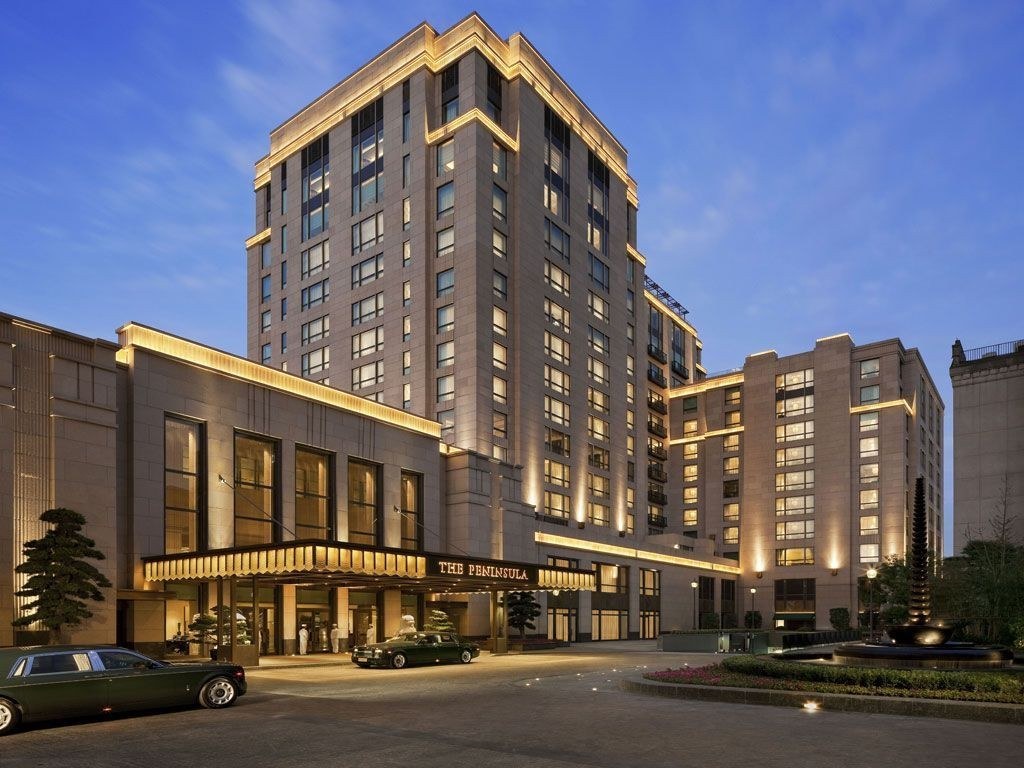
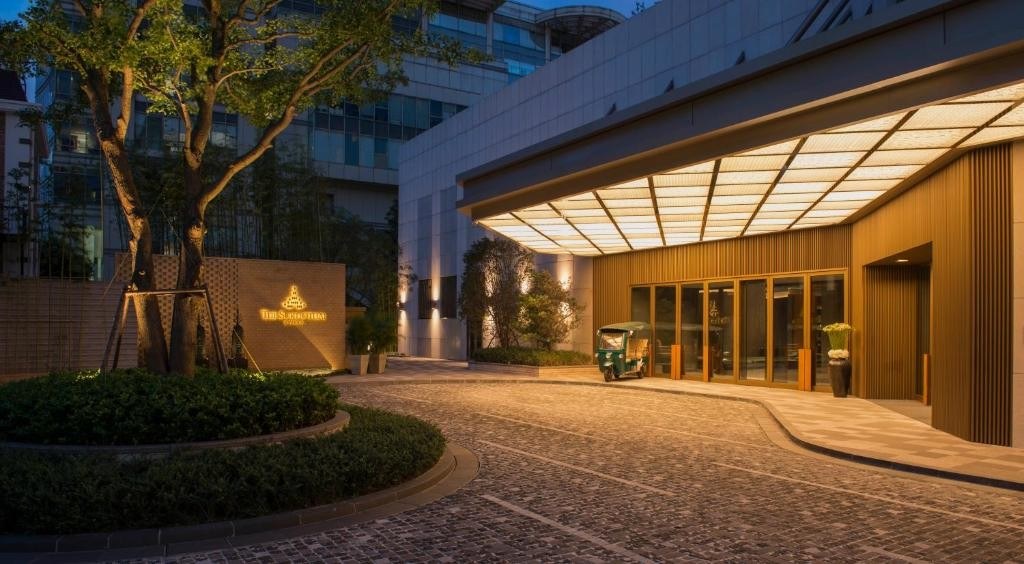
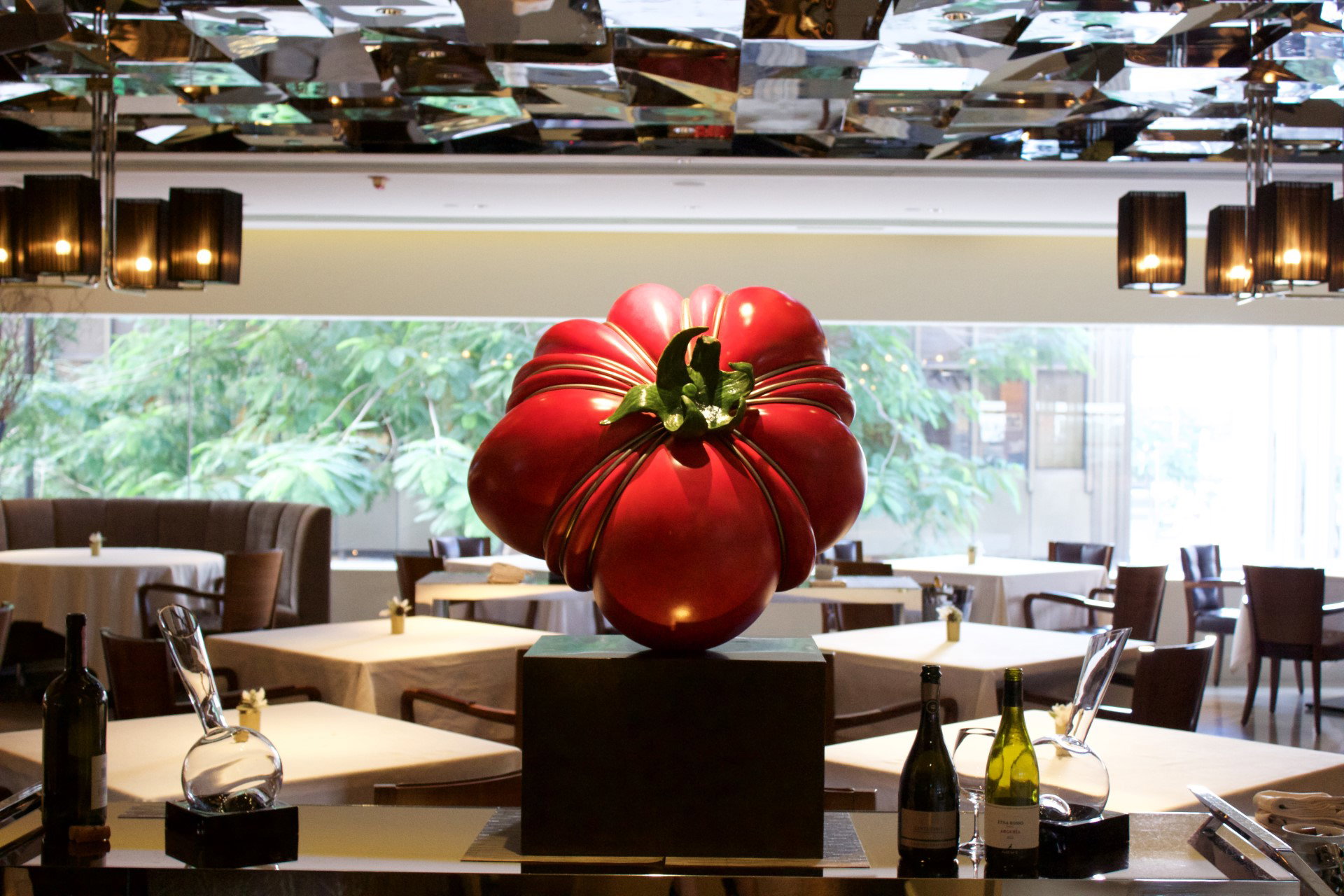
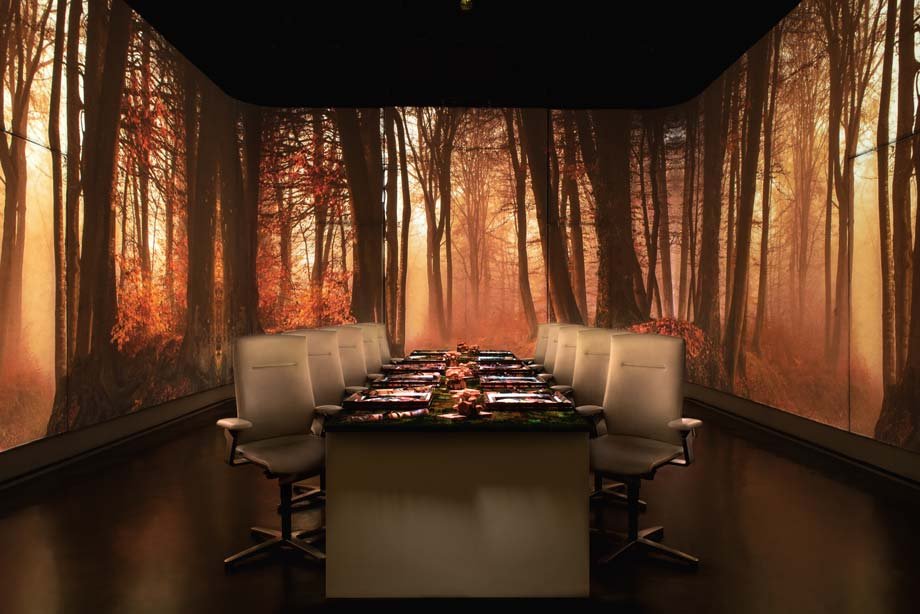
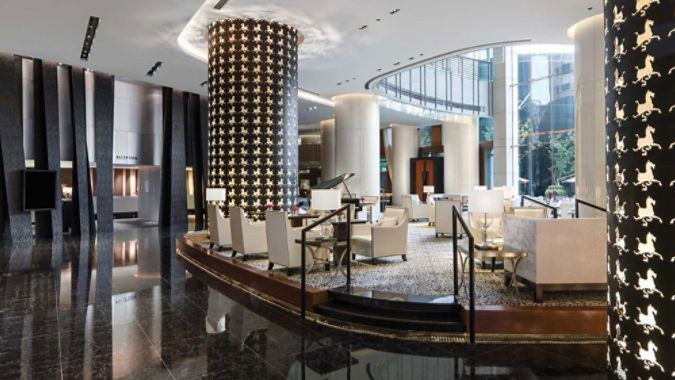
The Langham, Shanghai, Xintiandi reads as a large-format flagship hotel that trades on scale, location and culinary clout. At 28 stories and 357 rooms it clearly sits in the full-service luxury tier — the narrative is about depth of amenity rather than boutique intimacy. Independent accolades (a high La Liste score and a Forbes Travel Guide nod) underline the hotel's elevated positioning. Its immediate adjacency to Xintiandi's retail and restaurant lanes and walking access to the Bund and Yu Gardens make the property feel like a pragmatic, prestige-minded base in a dense, urbane neighborhood.
Best For
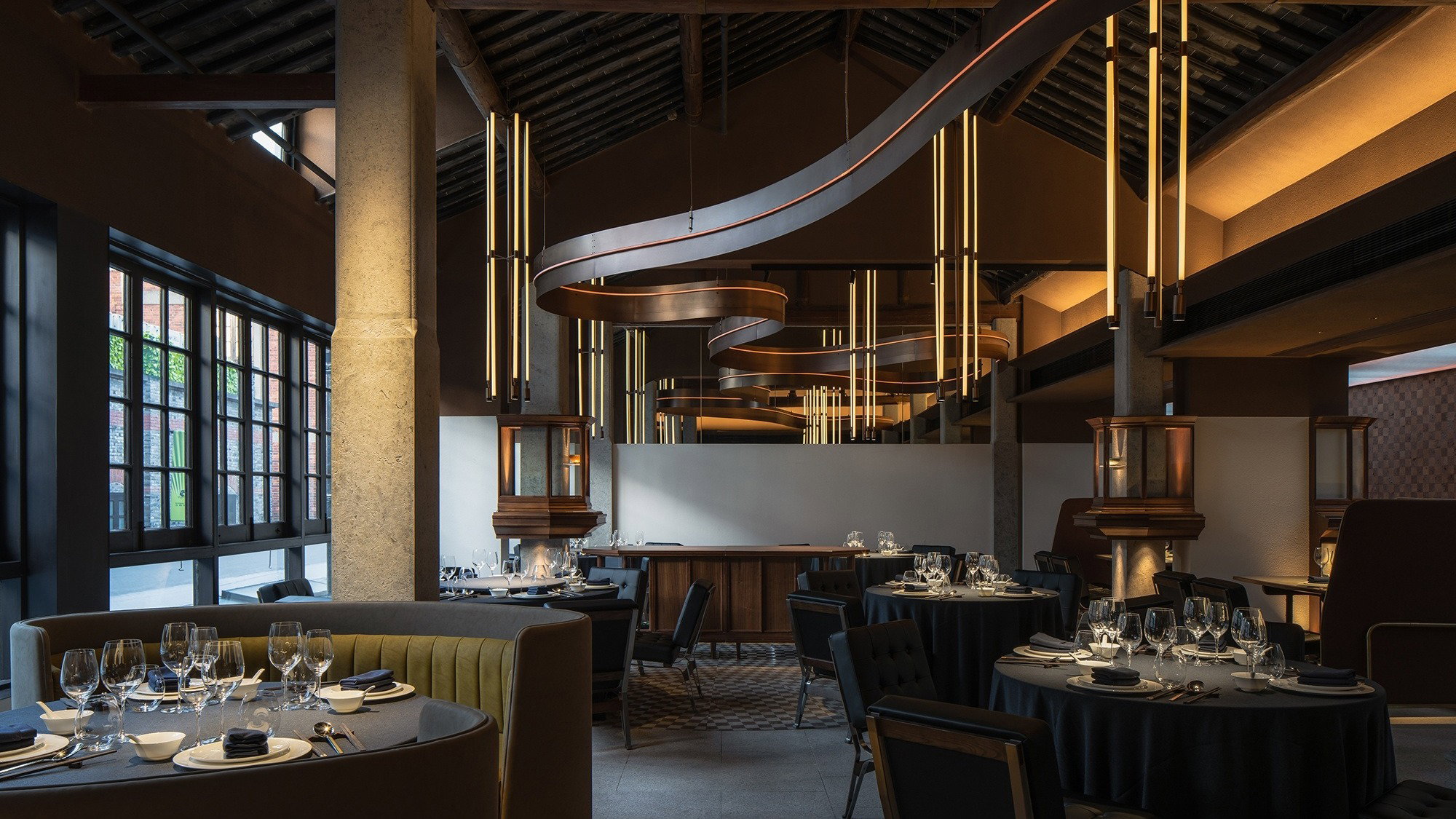
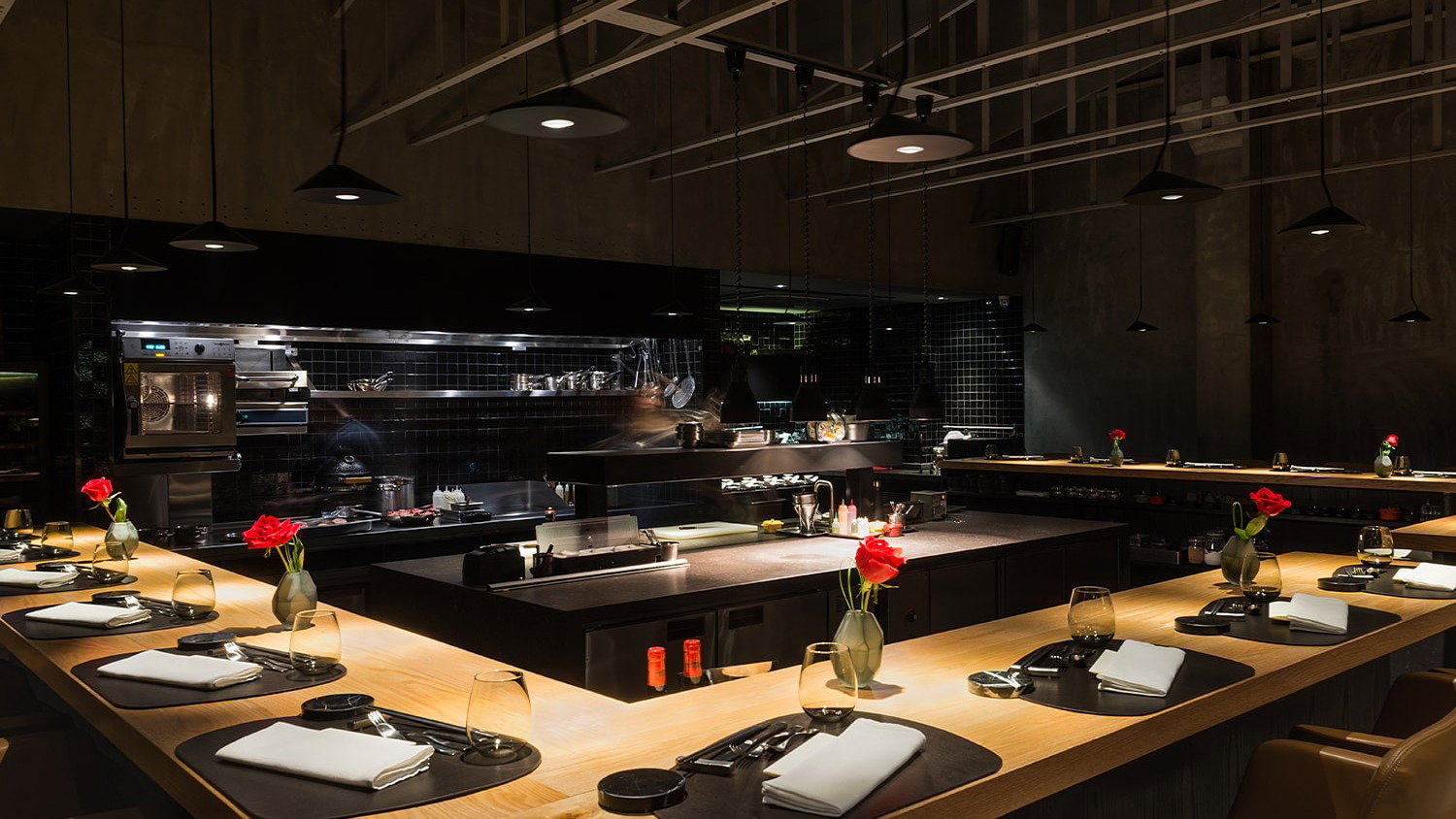
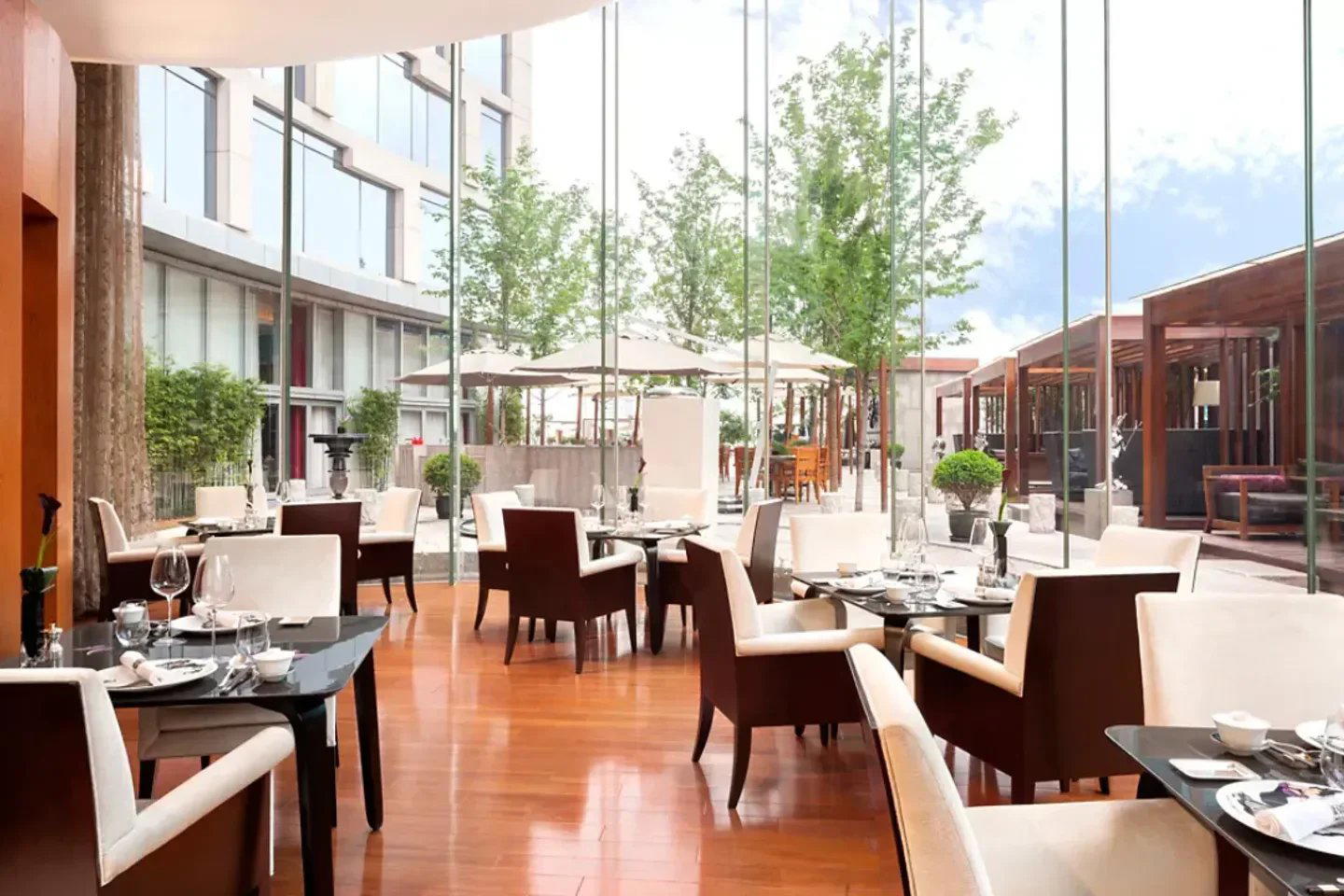
This is a practical pick for travelers who prioritize a central Shanghai base with strong dining options. Business travelers and guests planning dinner-focused evenings benefit from the hotel's established F&B programming and its location within Xintiandi, which places restaurants and retail on the doorstep and the Bund and old city within walking distance. The property also suits celebratory stays where independent recognition (La Liste score, Forbes recommendation) and a broad amenity set matter as much as room quality.
Stay Tips
Choose The Langham when proximity to Xintiandi's lanes, the Bund and Yu Gardens is a priority — the hotel's primary advantage is its location and depth of dining offerings. Given the emphasis on F&B programming and dining credentials, plan to explore the hotel's restaurants as part of your stay and allow time to experience on-site outlets. For guests focused on neighborhood access, select a room that minimizes transfers to the French Concession and waterfront so you can move easily between attractions on foot.
Venue details
Ambiance
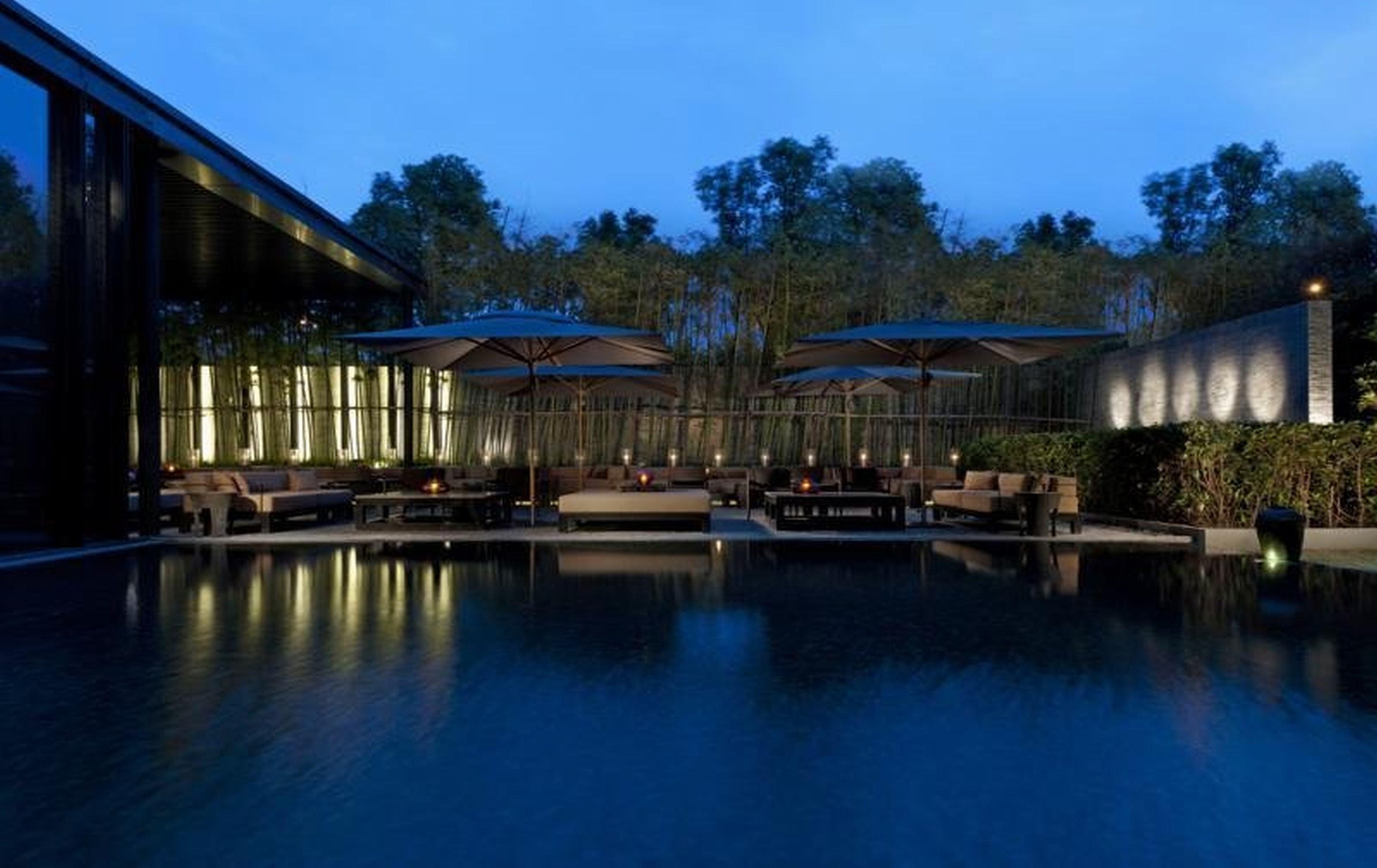
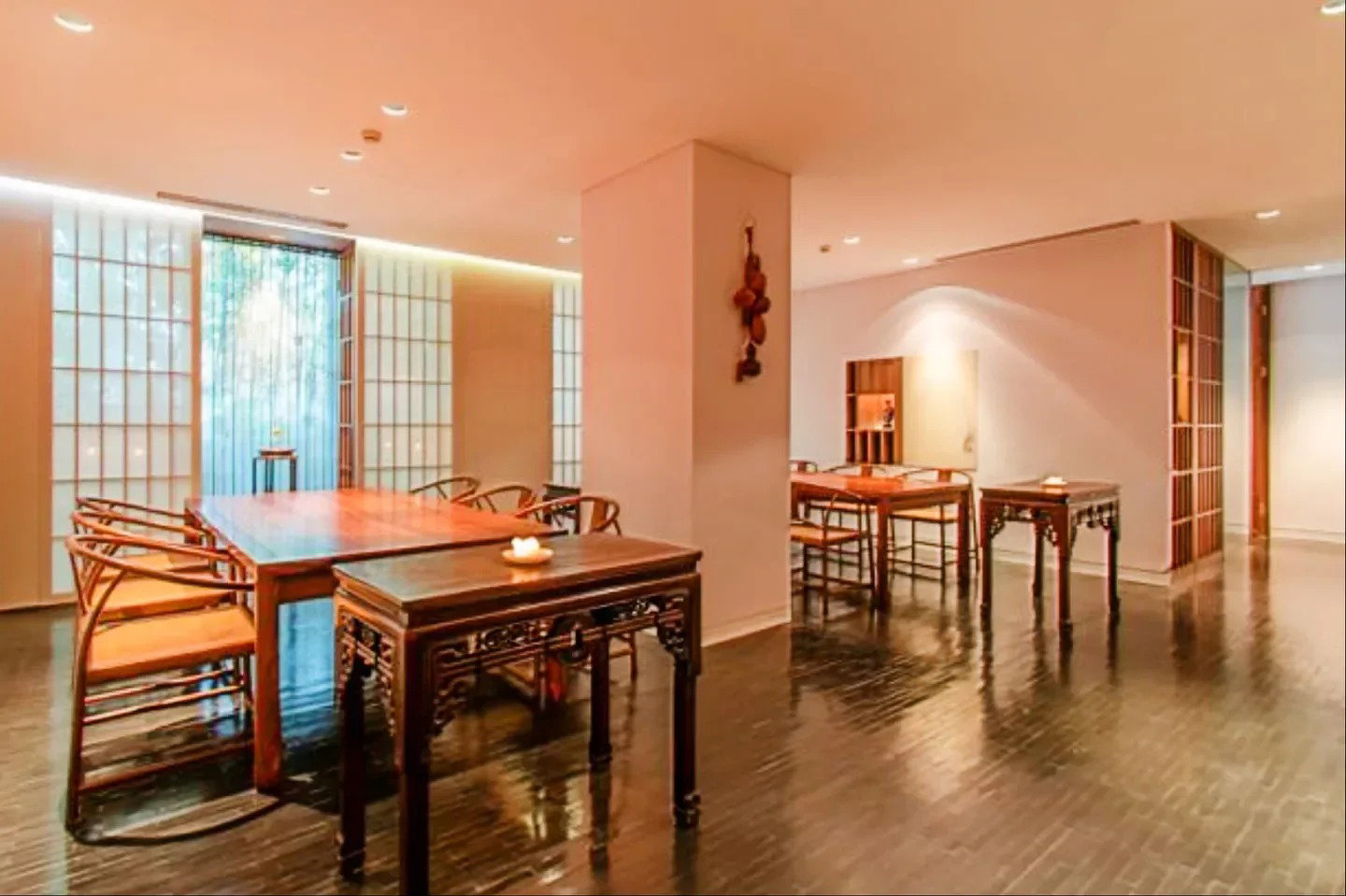
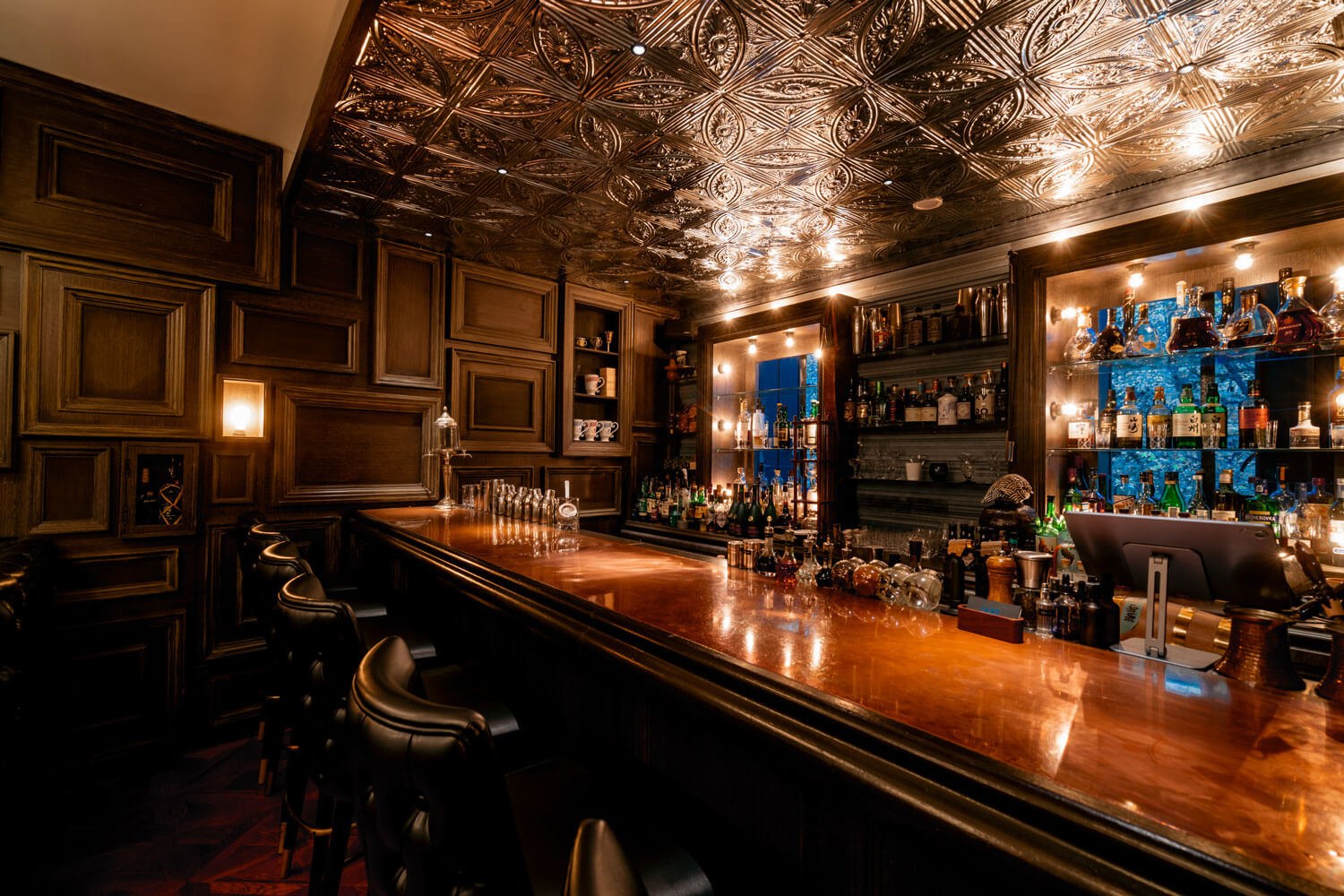
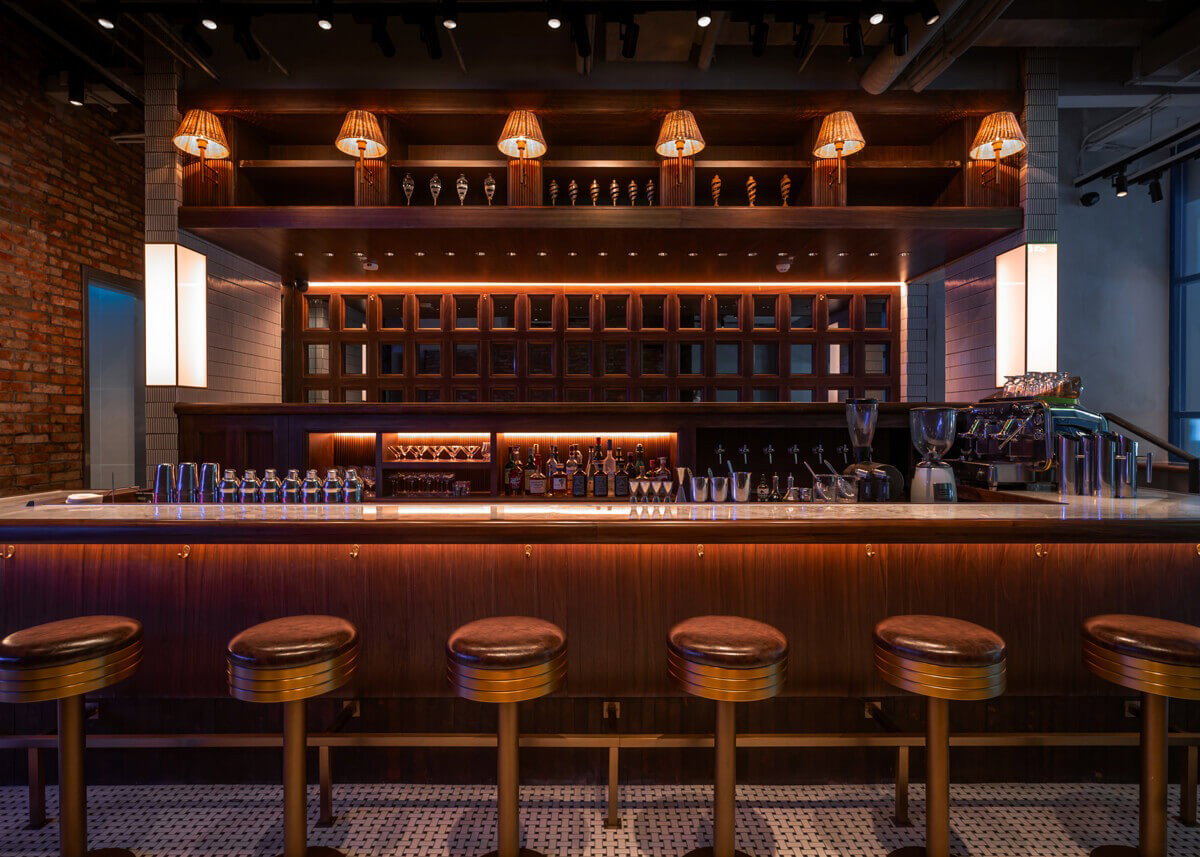
Elegant and inviting with modern luxury, spacious soundproofed rooms, and serene spa atmosphere praised for comfort and city skyline views.
Tags
Vibe
Best For
Experience
Amenities
View
Accessibility
About the Stay
- Rooms
- 357
- Property Style
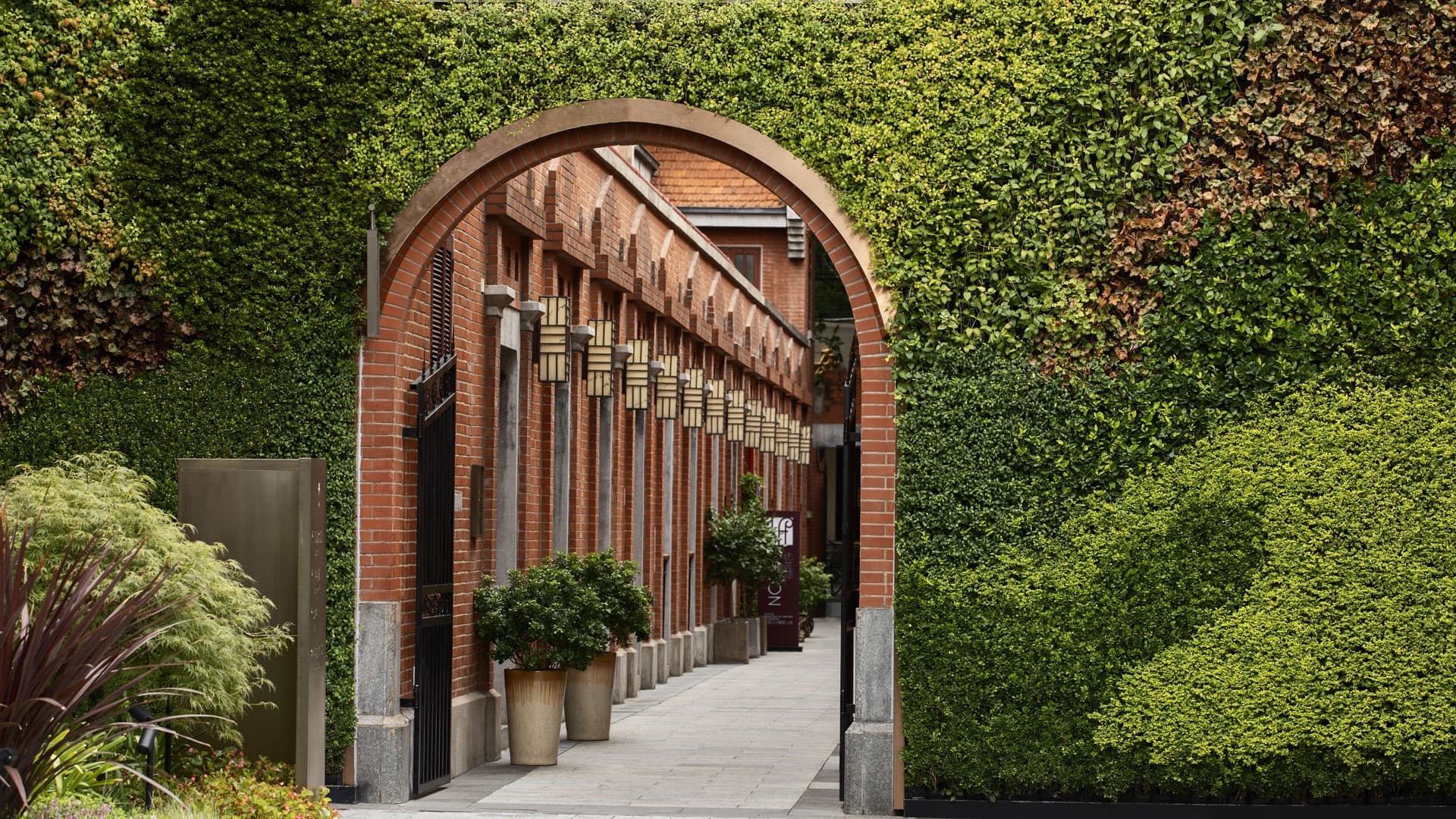
- Blending Old World Shikumen Charm with Modern Luxury in a 28 Floor Urban Sanctuary.
- Design Style
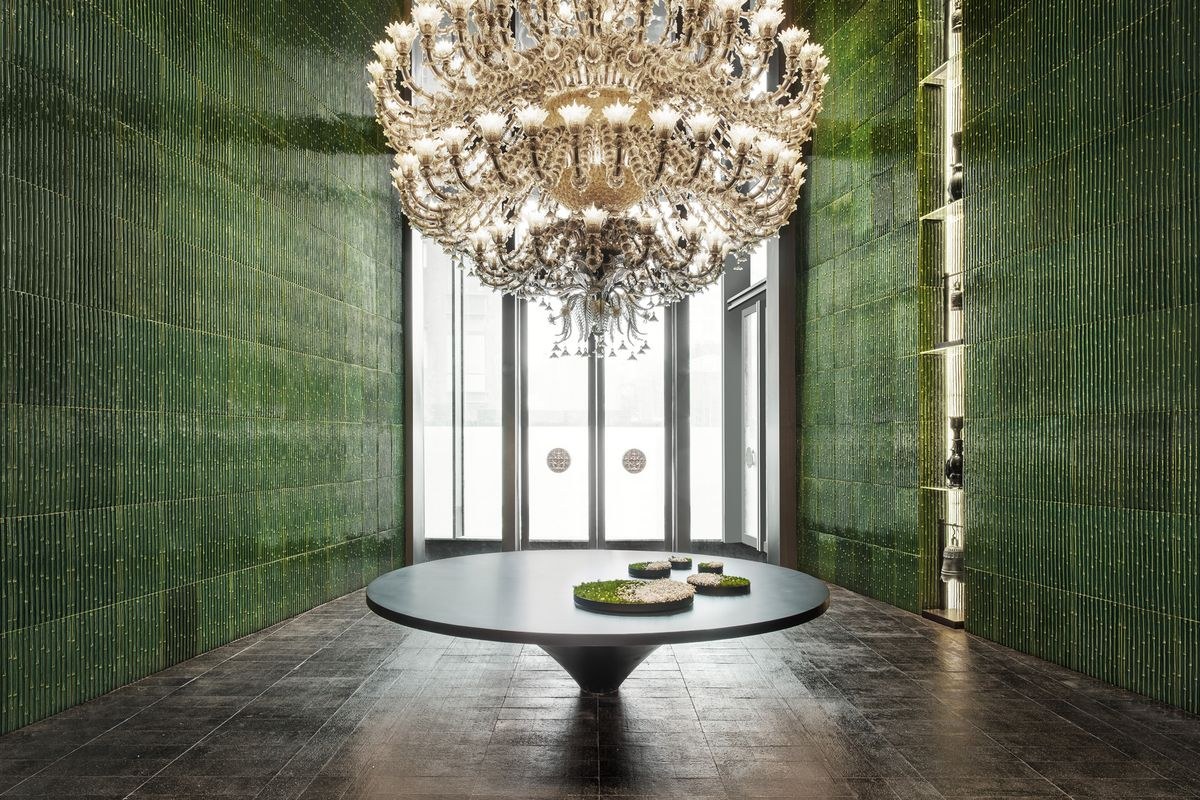
- Elegant Neutral Tones, Opulent Furnishings, Dark Wood Interiors, and Floor to Ceiling Windows.
Know before you go
Know Before You Go
- Getting there
- 99 Ma Dang Lu, Huang Pu Qu, Shang Hai Shi, 200021
Planning details
Location
99 Ma Dang Lu, Huang Pu Qu, Shang Hai Shi, 200021 · Directions
Recognition and awards



Also consider
Where to Look If This Is Full
If The Langham, Shanghai, Xintiandi is unavailable or pricing high, start with Andaz Xintiandi, Shanghai for the closest neighborhood substitute. For a quieter design-led stay, compare The Sukhothai Shanghai and Alila Shanghai before moving to a different part of the city.
Hotel context
How It Compares
上海新天地朗廷酒店 refers to the same core Xintiandi proposition, so treat it as a listing check rather than a true alternative: the decision is really whether the Langham format fits your trip. Against Andaz Xintiandi, Shanghai, choose Langham for a more formal luxury-hotel feel and Andaz for a more lifestyle-driven stay in the same neighborhood. If both price similarly, the better choice comes down to ambience rather than location.
Alila Shanghai is the stronger cross-shop for travelers who want calmer design language and may be more flexible on the exact Xintiandi feel. The Sukhothai Shanghai is also worth checking if the priority is a quieter, design-forward city stay rather than a classic brand-led hotel. For a first Shanghai visit, Langham is easier to justify when the rate sits close to these peers; if it prices materially higher, compare room category and cancellation terms before choosing.
JW Marriott Hotel Shanghai at Tomorrow Square makes more sense for travelers who prefer a high-rise business-hotel setup and do not need to be in Xintiandi. The Langham is the better fit for walkable dining and evening plans, while JW Marriott may suit a more office-led itinerary. Booking difficulty is the main warning: for peak Shanghai dates, secure plans early or keep Andaz, Alila, and The Sukhothai open as backups.
Explore Shanghai
Around this place
Discover more on Pearl
Unlock the full The Langham, Shanghai, Xintiandi guide in Pearl, including awards, comparisons, FAQs, planning details, and nearby places.
Compare The Langham, Shanghai, Xintiandi
| Venue | Location | Awards |
|---|---|---|
| The Langham, Shanghai, Xintiandi | Shanghai | 2026 Forbes Recommended2026 La Liste Top Hotels2025 Travel + Leisure 100 Favorite Hotels in the World · #272025 Michelin Selected Hotels2025 Forbes Recommended |
| 上海新天地朗廷酒店 | Shanghai | No published awards |
| Andaz Xintiandi, Shanghai | Shanghai | 2026 Forbes Recommended2025 Michelin Selected Hotels2025 Forbes Recommended |
| Alila Shanghai | Shanghai | No published awards |
| JW Marriott Hotel Shanghai at Tomorrow Square | Shanghai | No published awards |
| The Sukhothai Shanghai | Shanghai | 2026 Forbes 4-Star2026 La Liste Top Hotels2025 Michelin 1 Key2025 Forbes 4-StarSmall Luxury Hotels Member 2025 |


How The Langham, Shanghai, Xintiandi compares with similar nearby venues.
FAQ
Frequently Asked Questions
How is the location of The Langham, Shanghai, Xintiandi?
What is The Langham, Shanghai, Xintiandi known for?
The Langham, Shanghai, Xintiandi is supported by recognition from La Liste Top Hotels 2026, Travel + Leisure 100 Favorite Hotels in the World 2025, Forbes Recommended 2026, and the MICHELIN Guide hotel selection in 2025.
Where is The Langham, Shanghai, Xintiandi located?
The Langham, Shanghai, Xintiandi is located in Shanghai.