
Pudao
Xujiahui, Shanghai
Bar in Shanghai, China
 Book with Pearl
Why go
Pudao is worth considering when the Shanghai plan calls for a wine-led stop around Wukang Road rather than a full dinner or cocktail crawl. The clearest trust signal is Star Wine List recognition in 2026, so book it for bottle focus and a calmer repeat visit, not for a fully documented menu or published booking path.
About Pudao
Pudao is a Shanghai venue with a smart-casual dress code and Star Wine List recognition in 2026. Planning details such as the exact address, neighborhood, menu, booking method, pricing, hours, seating, and service style should be checked directly with the venue.
Pudao is a venue to consider when those confirmed facts fit the night: Shanghai, smart casual, and a recognized wine-list signal. Avoid building a plan around assumptions about food, cocktails, reservations, or a particular setting.
Choose it for a smart-casual Shanghai stop
Pudao works well in planning as a Shanghai option with a smart-casual baseline. If the evening depends on exact timing, group size, food availability, or seating style, check the venue's current official information before committing.
Anyone planning a broader Shanghai night can compare Pudao with Epic, Union Trading Company, or Constellation. For other dining and drinking options, keep the comparison general unless current details are confirmed.
Use it as a details pick, not a catch-all plan
The practical verdict: choose Pudao when the confirmed facts are enough for your plan. It is in Shanghai, the dress code is smart casual, and it has Star Wine List recognition in 2026. For anything more specific, including reservations, menu, prices, hours, outdoor seating, or group suitability, verify directly before going. For broader planning, keep Our full Shanghai bars guide open alongside Our full Shanghai restaurants guide.
Planning details
- Location
- 376 Wukang Rd, Xuhui District, Shanghai, China, 200031
- Website
- pudaowines.com/en/home
- Phone
- +86 21 6090 7075
The take
The Take
The Vibe
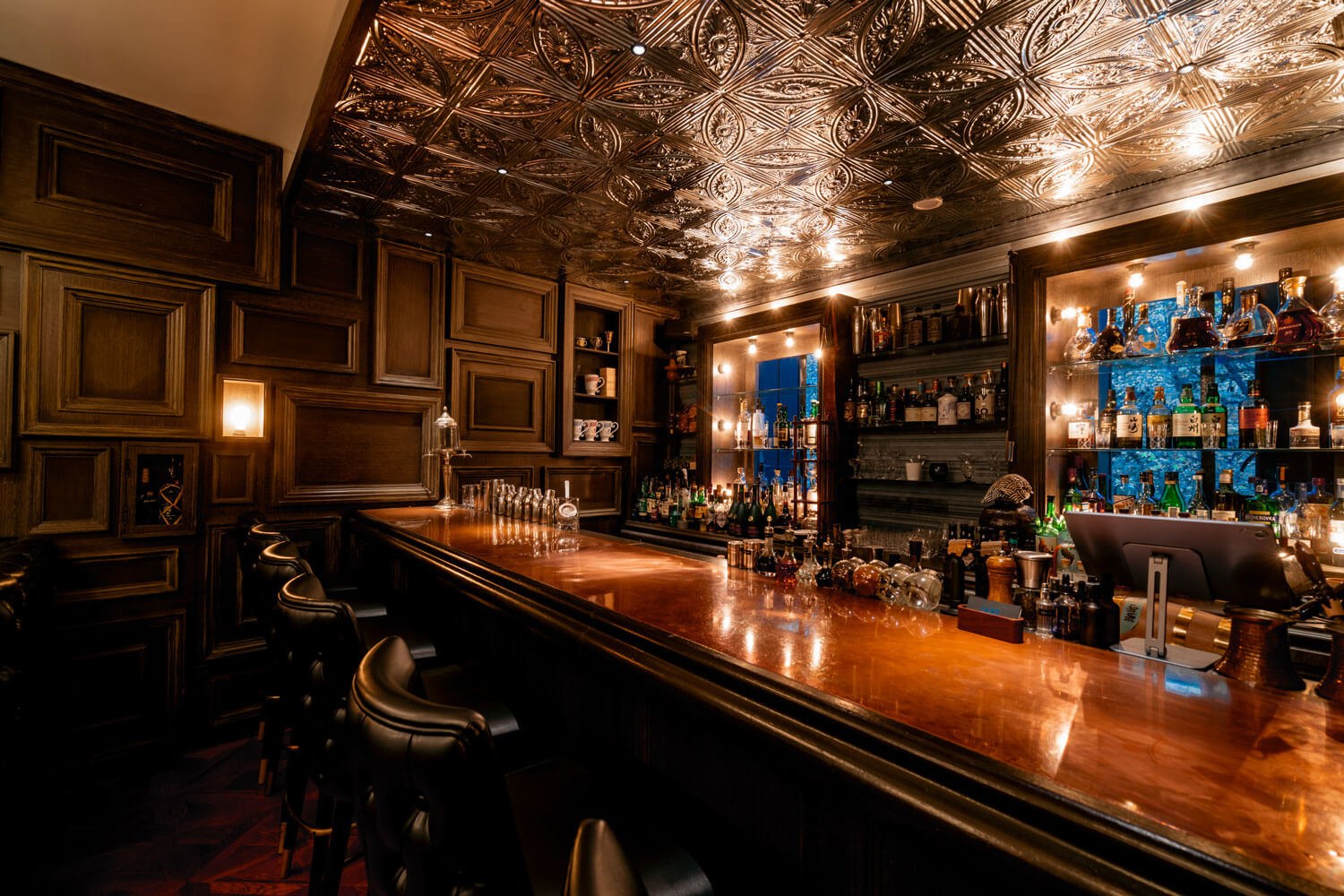
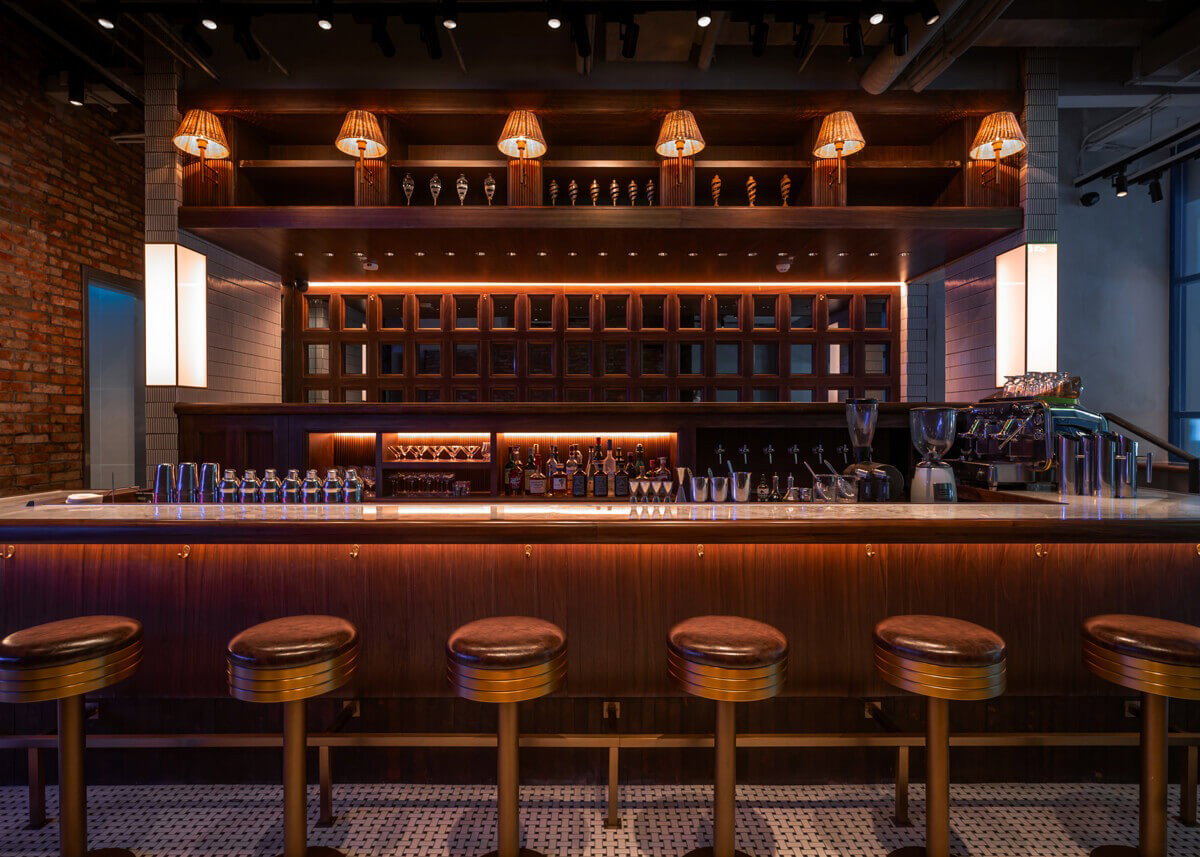
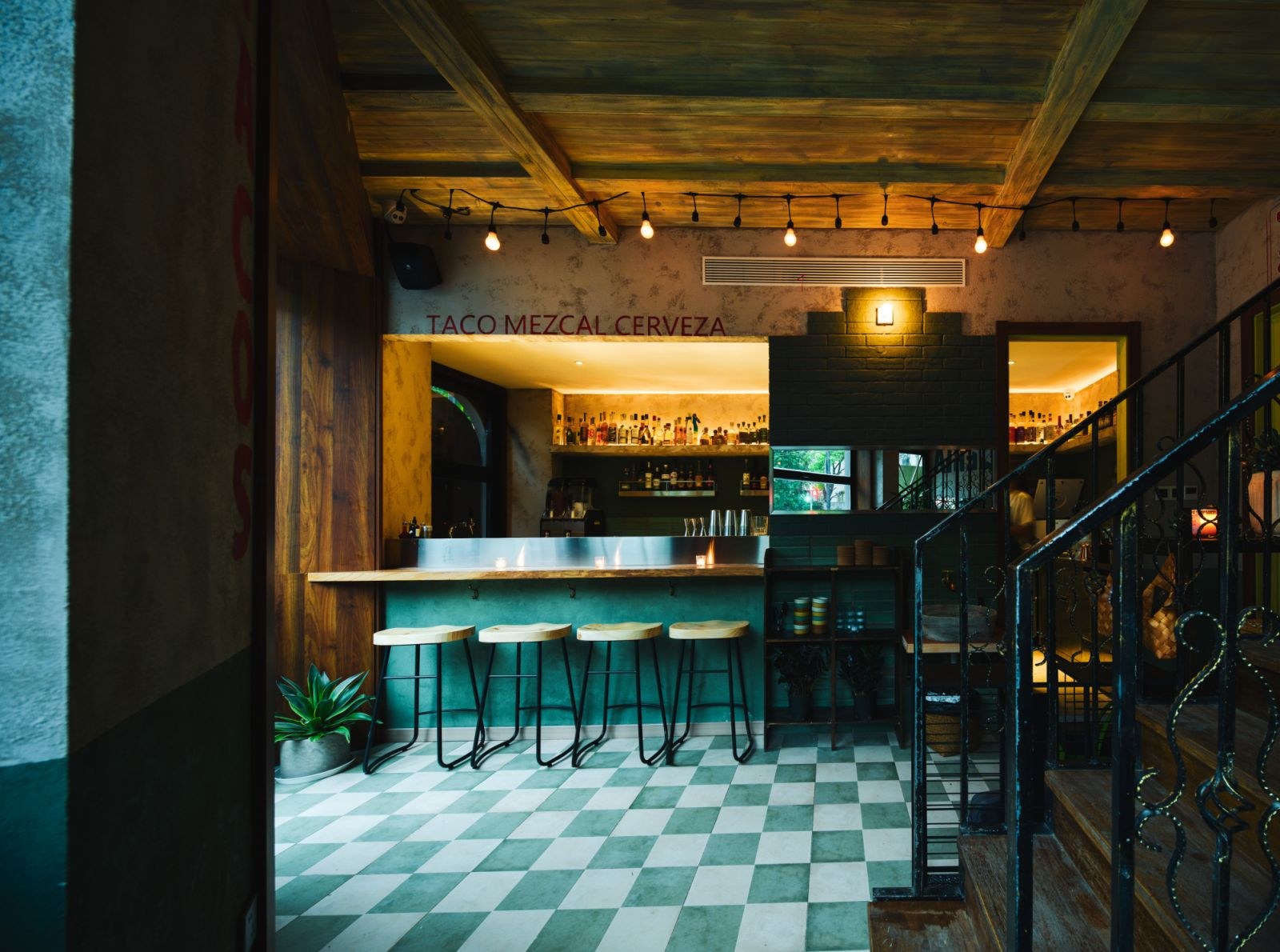
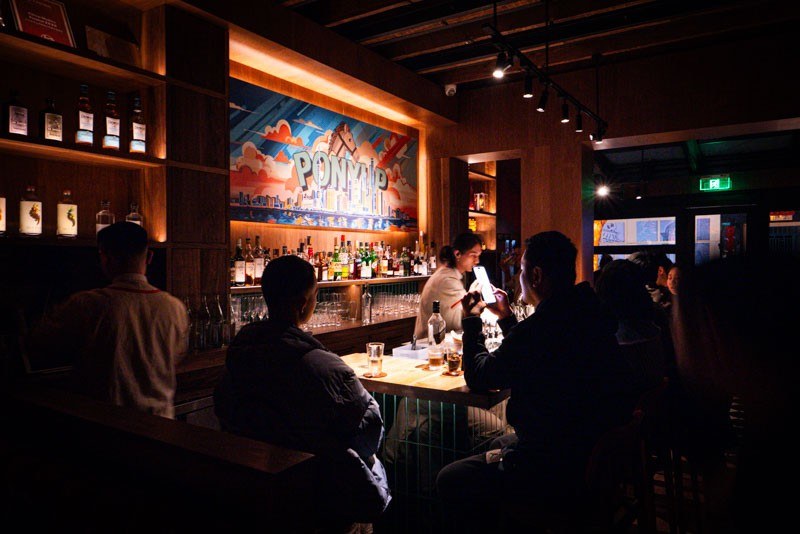
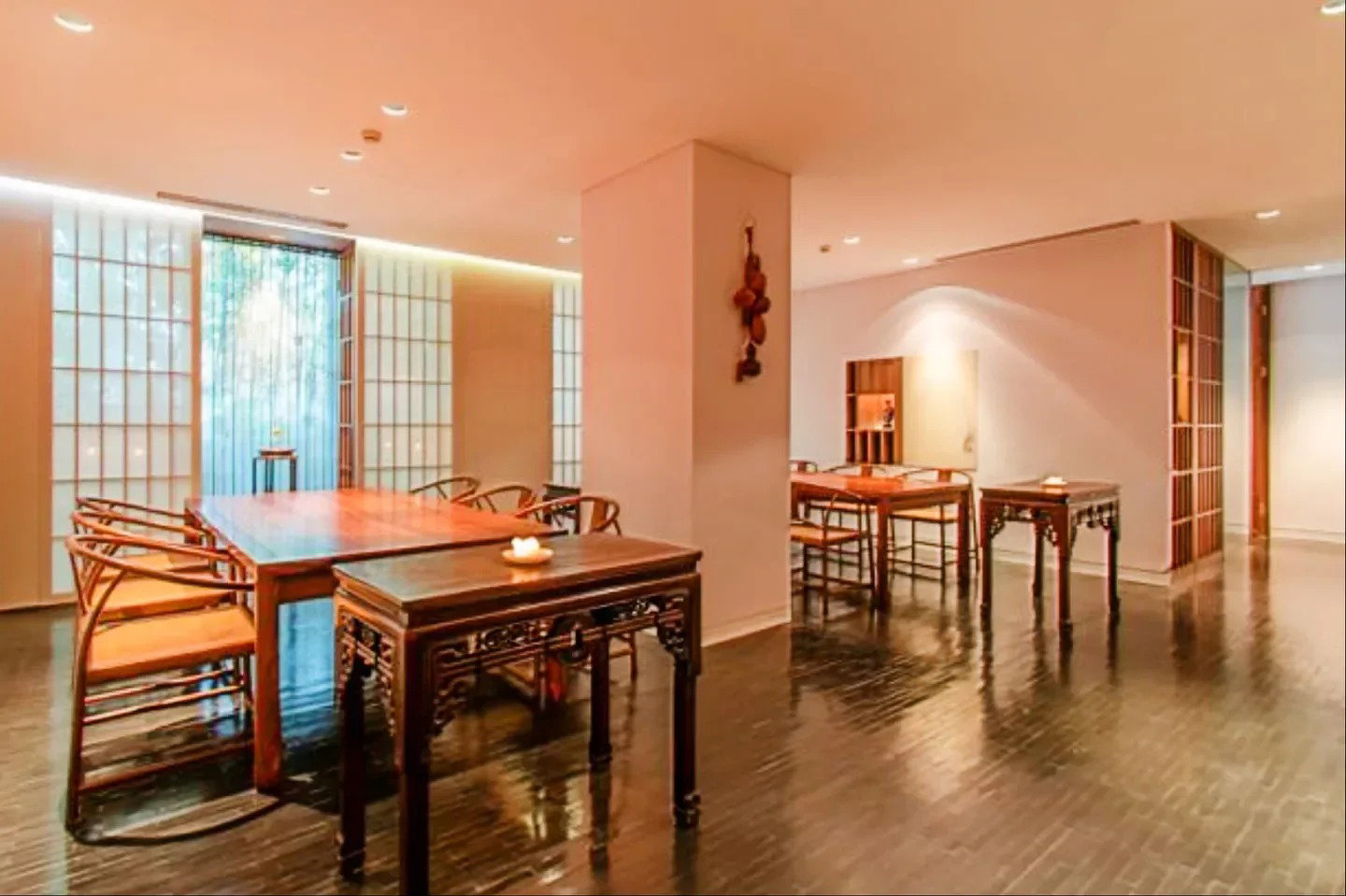
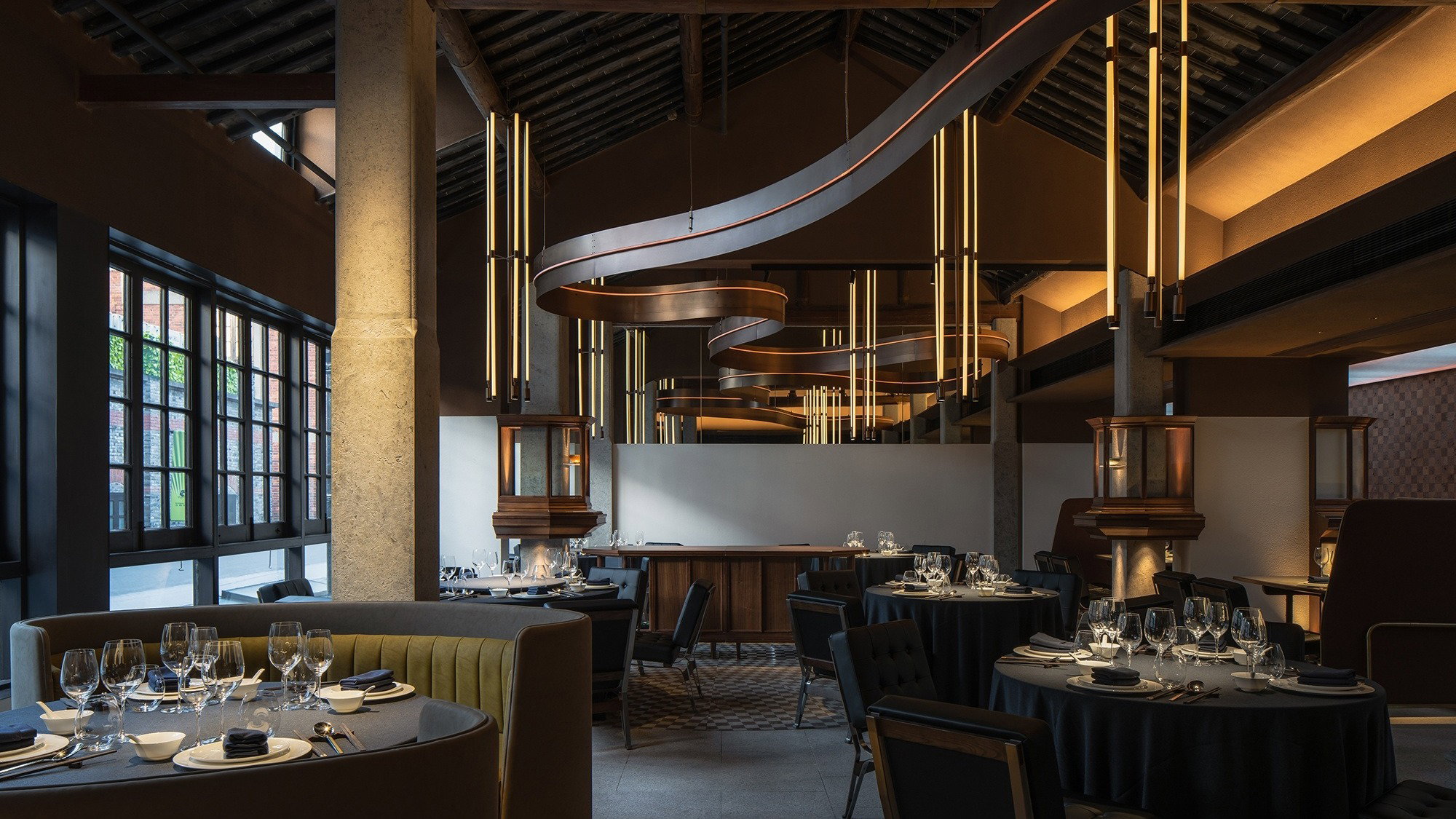
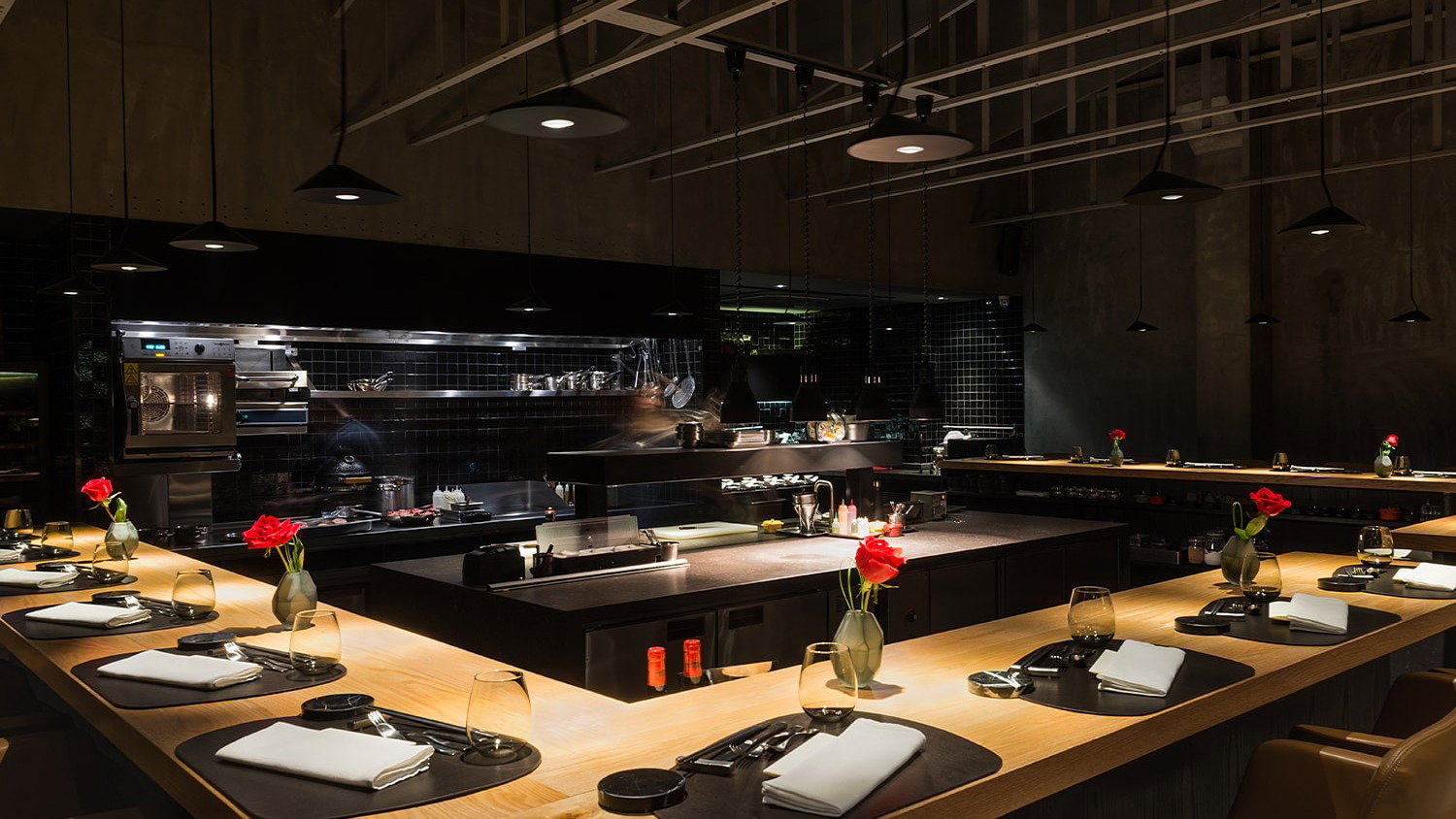
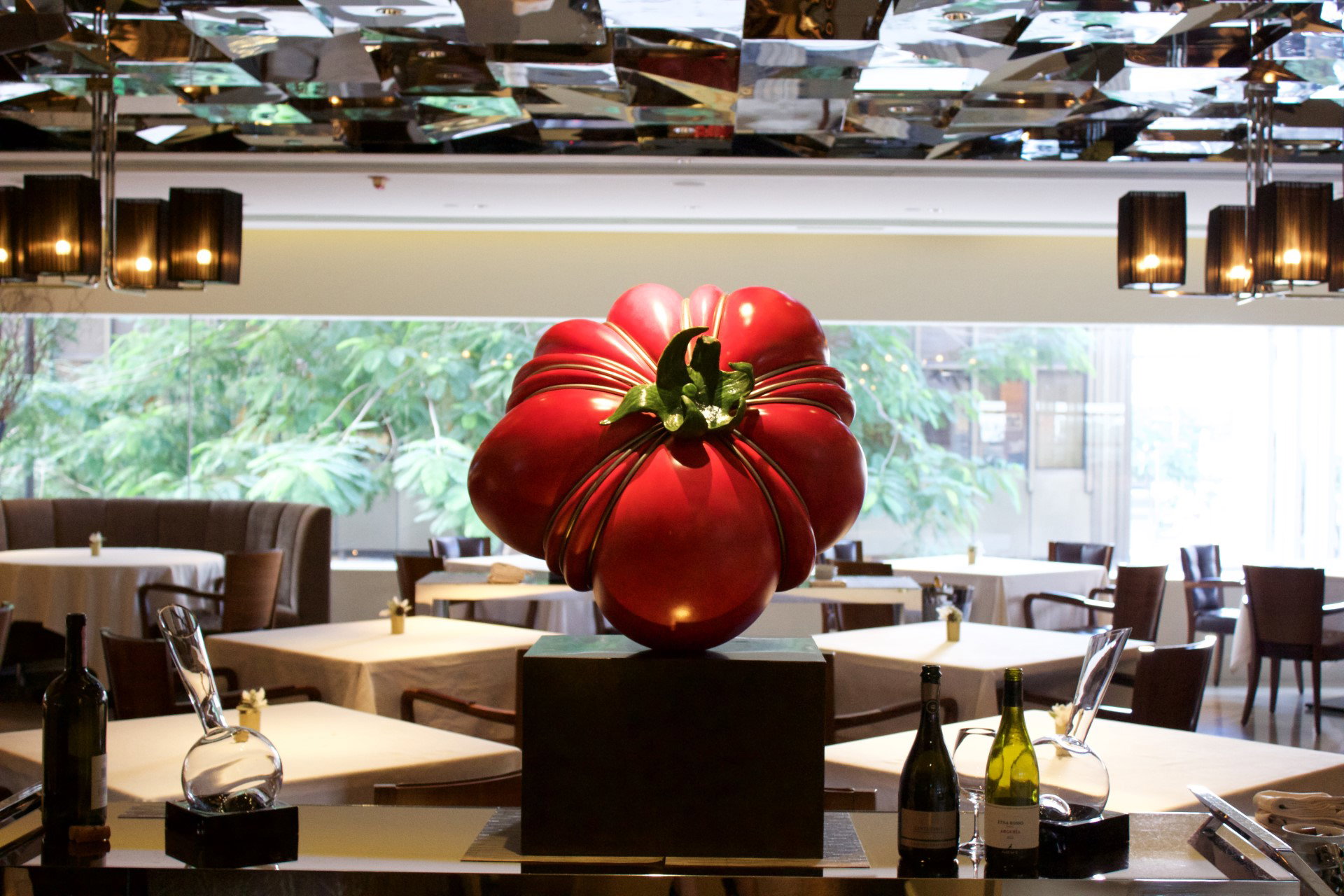
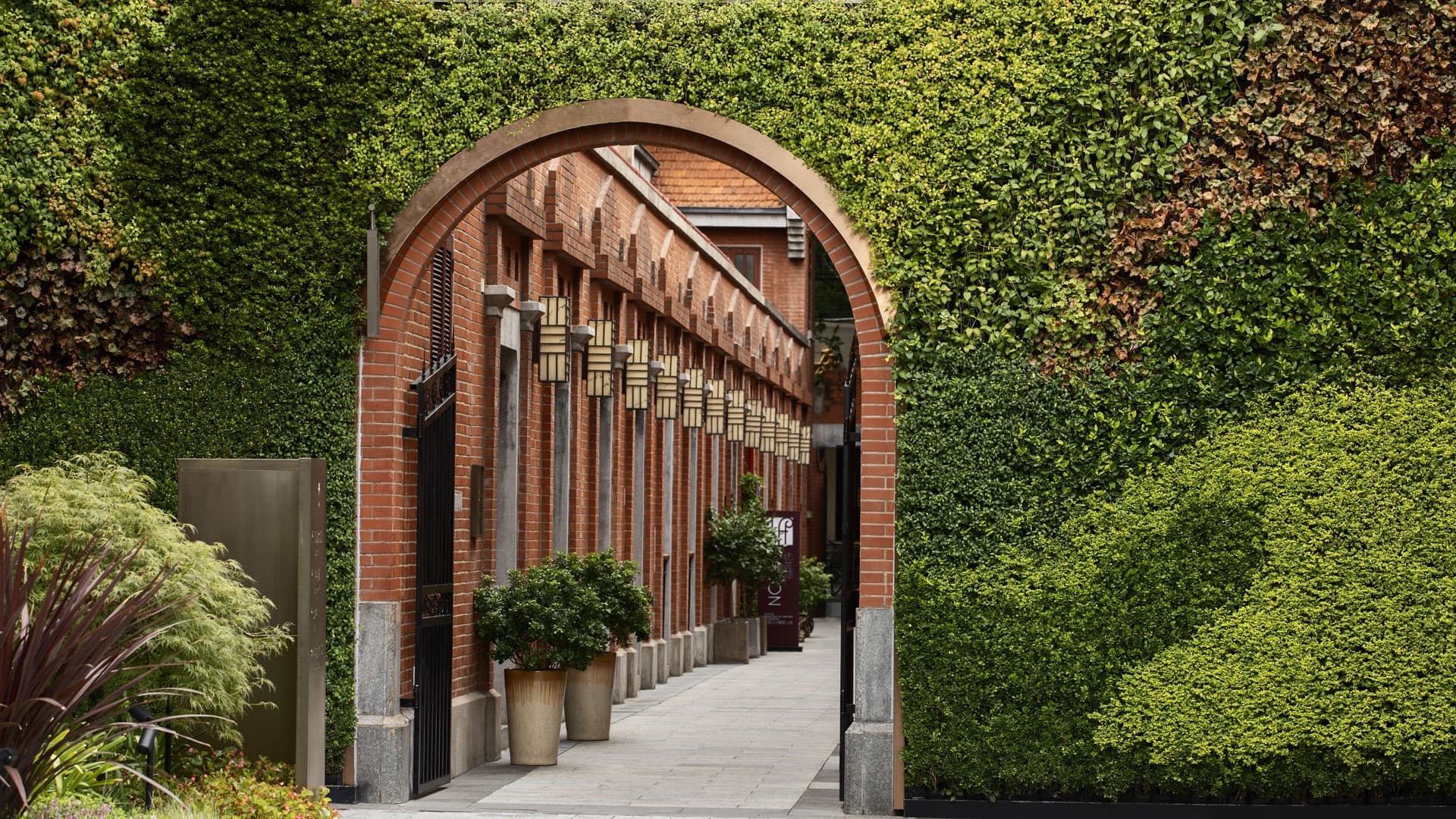
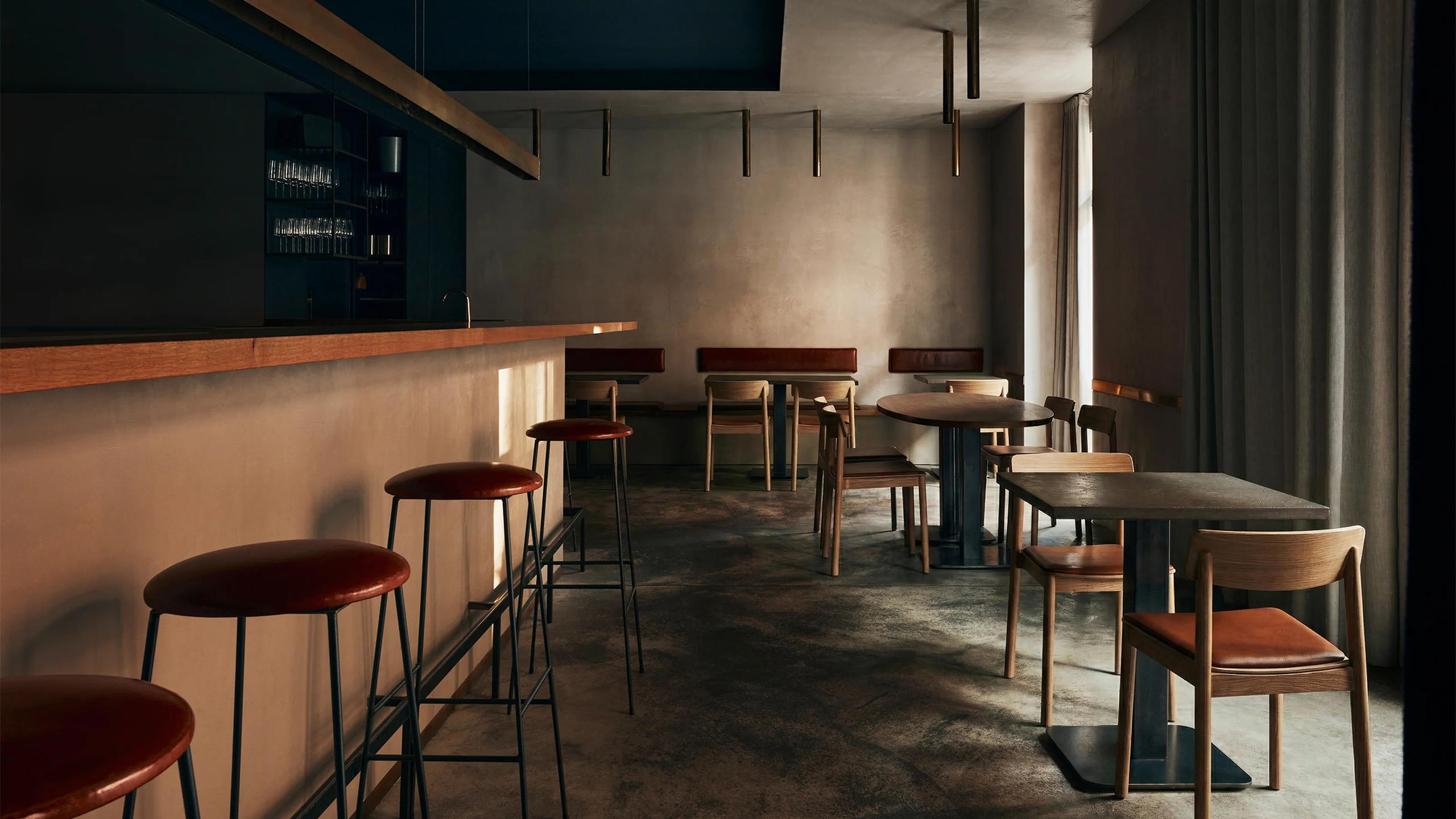
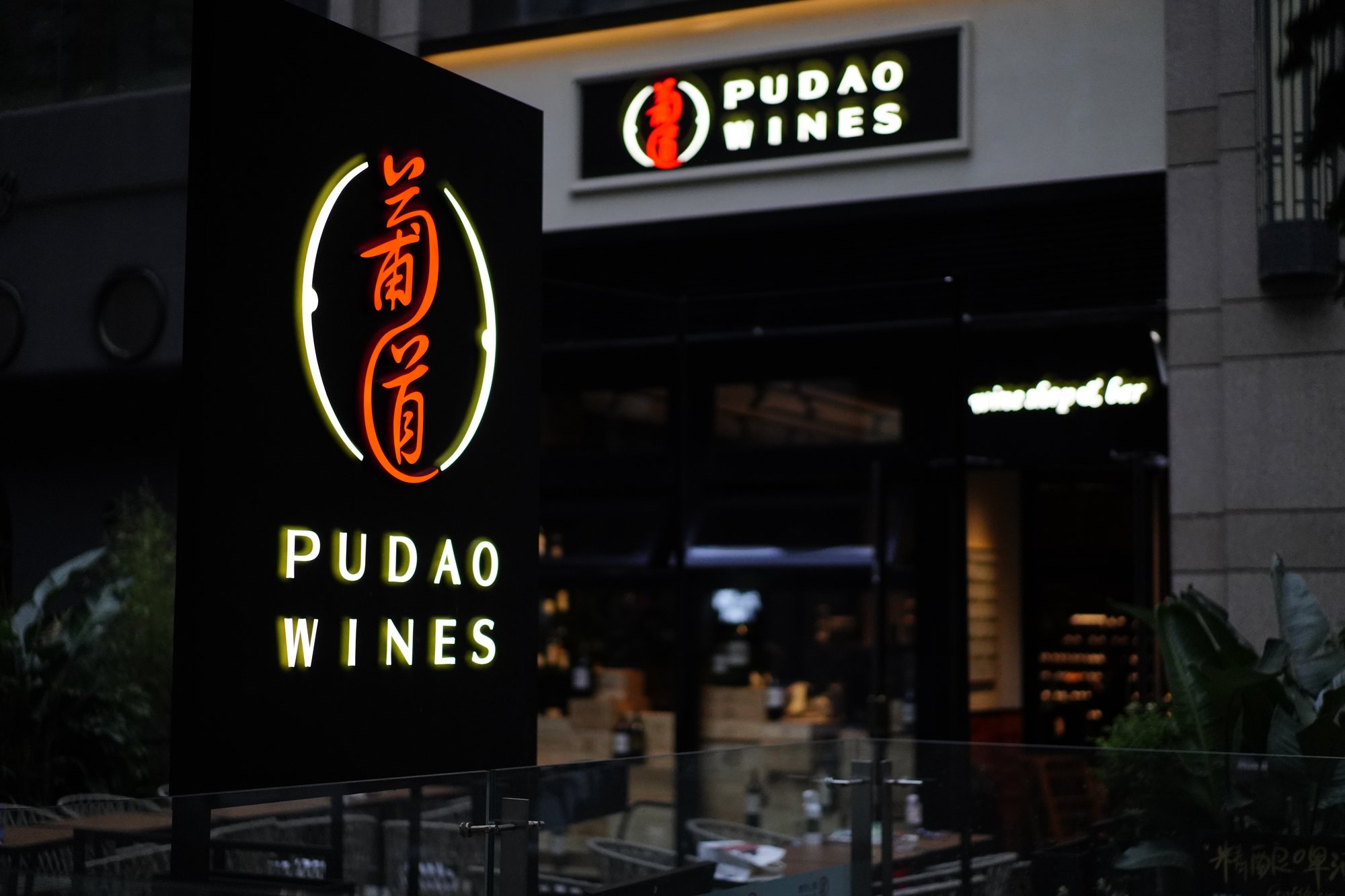
Pudao sits comfortably on Wukang Road, folding itself into a streetscape of plane trees, Art Deco blocks and Republican-era villas. The bar reads as an extension of the neighbourhood’s quietly fashionable character rather than an interruption: low-key, classically handsome and quietly charming. Its defining trait is focus—the venue foregrounds wine as the organising principle, and the combined retail-and-bar format reinforces an intimate, considered pace. Expect a setting that feels like a well-curated local discovery: unflashy architecture, close attention to bottles and a sense that the place exists for people who care about what they drink.
Best For
Pudao is best for anyone who treats wine as the point of the evening—locals on a date night, solo visitors browsing bottles after work and small groups who prefer conversation over spectacle. The hybrid shop-and-bar model makes it equally suited to shoppers who want to take something home and to guests who want a relaxed glass or two at the bar. Because the selection is sourced by a distributor, it also appeals to people interested in discovering thoughtful, less obvious bottlings rather than mainstream labels.
Ordering Tips
Treat Pudao as both a retail store and a tasting room: many bottles are chosen so they work by the glass or carafe and are also available to buy to take home. Ask staff for context—because the bar was opened by a distributor, the selection is built from sourcing relationships rather than a catalogue, and attendants can point you toward interesting producers or import-driven discoveries. If you’re undecided, request a taste or a carafe to sample before committing to a bottle or a case to purchase for later.
Venue details
Ambiance
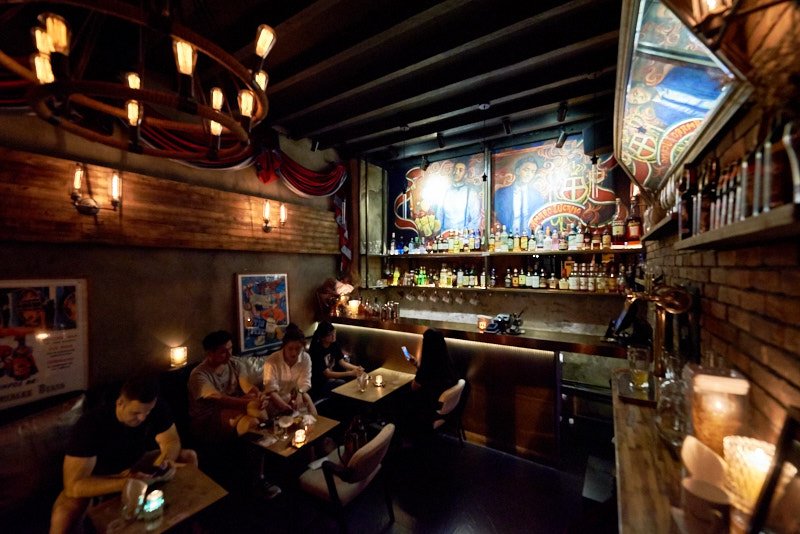
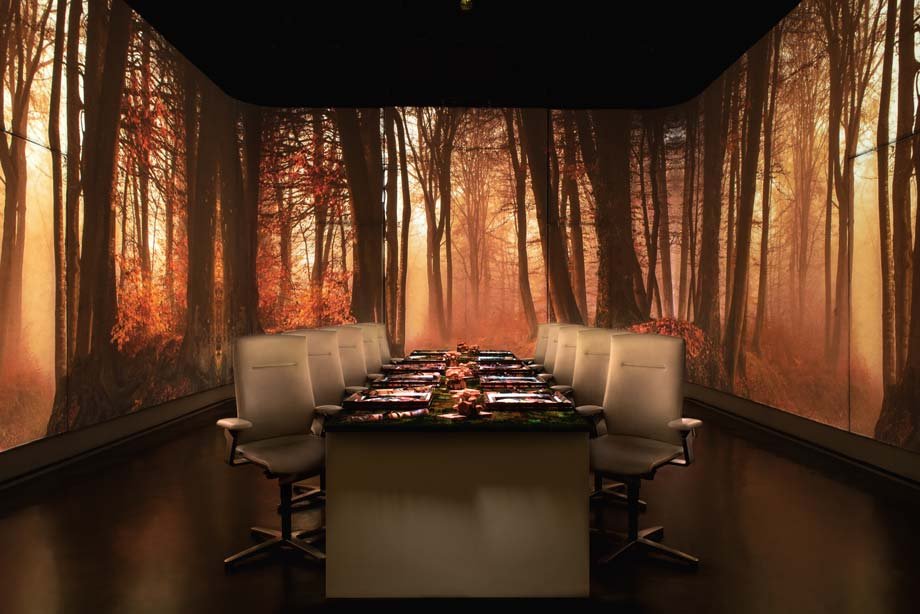
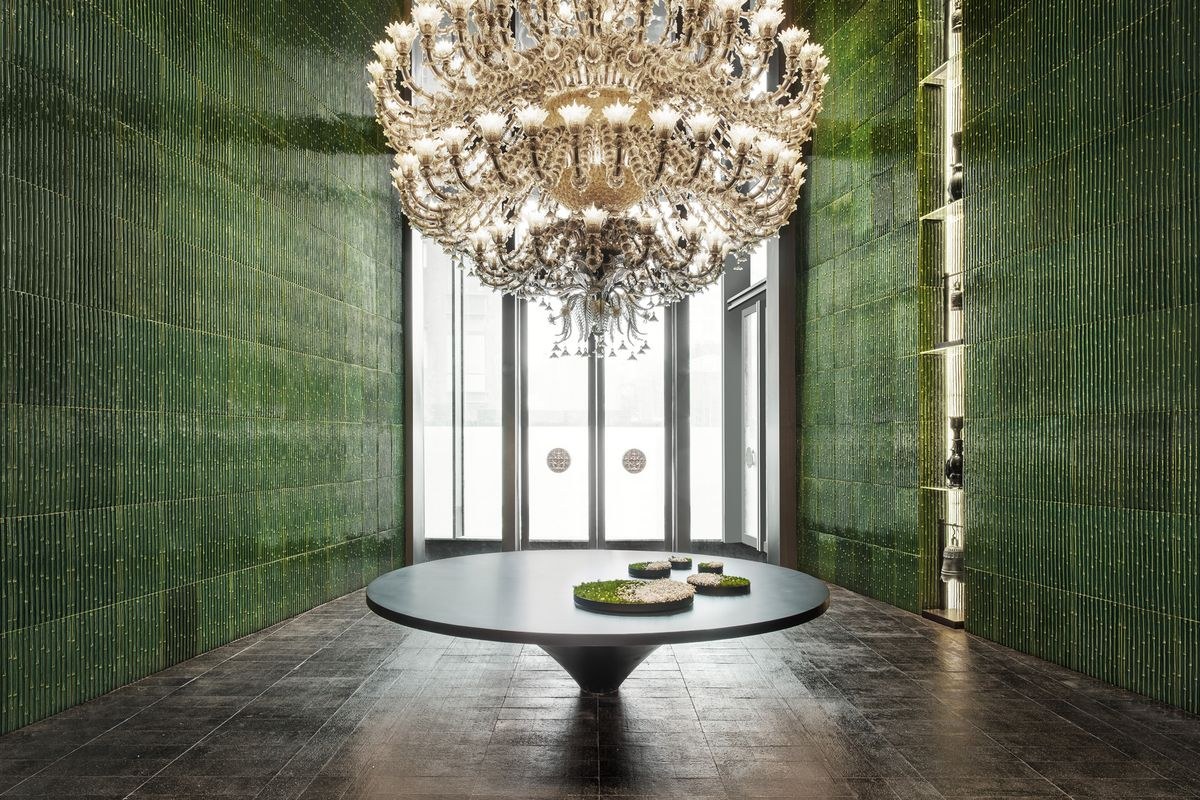
Dimly lit wooden house structure with a romantic, petty bourgeoisie literary atmosphere, enhanced by wine displays and sommelier guidance.
Tags
Vibe
Best For
Experience
Format
View
At the Bar
- Bar Category
- Wine Bar
- Late Night
- Closes by Midnight
Know before you go
Know Before You Go
- Getting there
- 376 Wukang Rd, Xuhui District, Shanghai, China, 200031
Planning details
Location
376 Wukang Rd, Xuhui District, Shanghai, China, 200031 · Directions
Recognition and awards

Also consider
Where to go if Pudao is not the right fit
If the group wants cocktails instead of a wine-led night, try Union Trading Company or Constellation. If the priority is a lounge-style setting with easier all-purpose appeal, Urbn Lounge is the cleaner fallback.
Bar context
How Pudao compares with Shanghai wine and cocktail peers
Choose Pudao when wine is the reason for the stop. Against Epic and Union Trading Company, it reads as the more wine-led choice, while those peers are stronger fits when the group wants a cocktail-bar plan with more obvious late-night energy.
Constellation and Pirata are better cross-shops if the brief is classic bar pacing or an easier mixed-drinks night. Pudao is the better call for a smaller group that wants to slow the evening down around a list rather than build the night around rounds.
Urbn Lounge is the better comparison for a lounge-leaning mood. Pick it when seating comfort and hotel-style ease matter more; pick Pudao when the wine recognition carries more weight than a broader lounge setup.
Explore Shanghai
Around this place
Discover more on Pearl
Unlock the full Pudao guide in Pearl, including awards, comparisons, FAQs, planning details, and nearby places.
Compare Pudao
| Venue | Location | Awards |
|---|---|---|
| Pudao | Shanghai | Star Wine Lists 2026 |
| Epic | Shanghai | No published awards |
| Union Trading Company | Shanghai | Tatler Best Bars Asia-Pacific 20252022 Asia's Best Bars · #452021 World's 50 Asia's Best Bars · #312021 World's 50 Best Bars · #482019 World's 50 Asia's Best Bars · #302018 World's 50 Asia's Best Bars · #282017 World's 50 Asia's Best Bars · #92016 World's 50 Asia's Best Bars · #9 |
| Pirata | Shanghai | No published awards |
| Constellation | Shanghai | 2016 World's 50 Asia's Best Bars · #42 |
| Urbn Lounge | Shanghai | No published awards |


How Pudao Shanghai compares with similar nearby venues.
FAQ
Frequently Asked Questions
Do I need a reservation at Pudao?
Check Pudao's current official booking information before going if timing matters.
Is Pudao good for a date?
It may suit a date if a smart-casual Shanghai venue is what you want, but seating, noise level, and service style should be confirmed before making plans.
Does Pudao have outdoor seating?
Verify directly with Pudao before planning around alfresco seating.