
The St. Regis Shanghai Jingan
Jing'an, Shanghai
Hotel in Shanghai, China
 Book with Pearl
The Read
Puxi Residential Positioning
Why go
Book The St. Regis Shanghai Jingan if you want a formal luxury base in Jing'an with dependable big-brand hotel infrastructure. It is a stronger fit for business travel and polished city stays than for boutique atmosphere; design-led travelers should cross-shop The Middle House, Upper House Shanghai, Cachet Boutique Shanghai, or URBN Hotel Shanghai first.
About The St. Regis Shanghai Jingan
The St. Regis Shanghai Jingan is a Shanghai stay with a recognition point: Forbes Recommended (2026). Details about neighborhood, room count, dining, pricing, service style, amenities, or transport convenience are not available.
The dress code is smart casual, and the property can be compared with other Shanghai options when you are deciding what kind of stay best fits your trip.
Choose this for a recognized Shanghai stay
A key highlight for The St. Regis Shanghai Jingan is its Forbes Recommended (2026) recognition. If you are comparing it with other Shanghai hotels, consider it alongside Cachet Boutique Shanghai or URBN Hotel Shanghai, depending on which property details matter most to your stay.
For a broader hotel shortlist, The Middle House, The Portman Ritz-Carlton, Shanghai, and Upper House Shanghai are also natural names to check when comparing Shanghai stays. Because details on design, amenities, room types, or service format are not included, confirm those details directly before booking.
Timing matters most for availability
With limited operating details available, the safest approach is to check current availability, rates, and booking terms directly before committing. Seasonal demand, event-week pressure, room categories, or package inclusions are not detailed here.
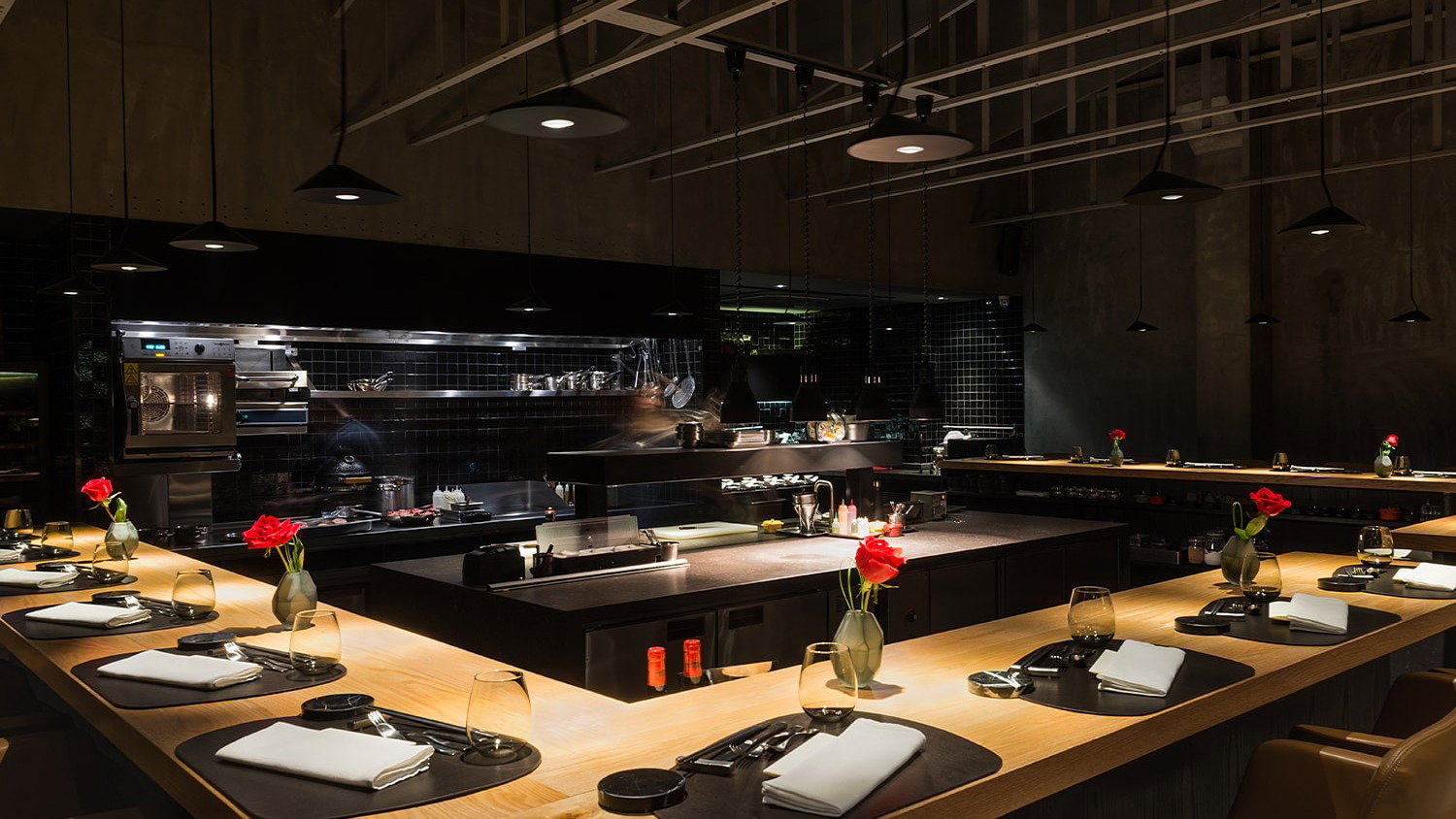
Dining should also be handled carefully. Cuisine, restaurant format, price, menu, bar program, take-out, delivery, allergy, or dietary details are not provided for The St. Regis Shanghai Jingan. If dining is central to the trip, use Our full Shanghai restaurants guide for separate restaurant research and confirm current hotel dining information directly.
If the trip is Shanghai-focused, compare the property against Our full Shanghai hotels guide before committing. The venue is in Shanghai, the dress code is smart casual, and the property is Forbes Recommended (2026).
Planning details
- Location
- Shang Hai Shi, Jing An Qu, 北京西路1008号 邮政编码: 200041
- Website
- starwoodhotels.com/preferredguest/room.html?departureDate=2018-08-09&refPage=property&ctx=search&arrivalDate=2018-08-08&priceMin=&iataNumber=&iATANumber=&sortOrder=&propertyId=4395&accessible=&numberOfRooms=1&numberOfAdults=1&bedType=&priceMax=&numberOfChildren=0&nonSmoking=
- Phone
- +86 21 6257 9999
The take
The Take
The Vibe
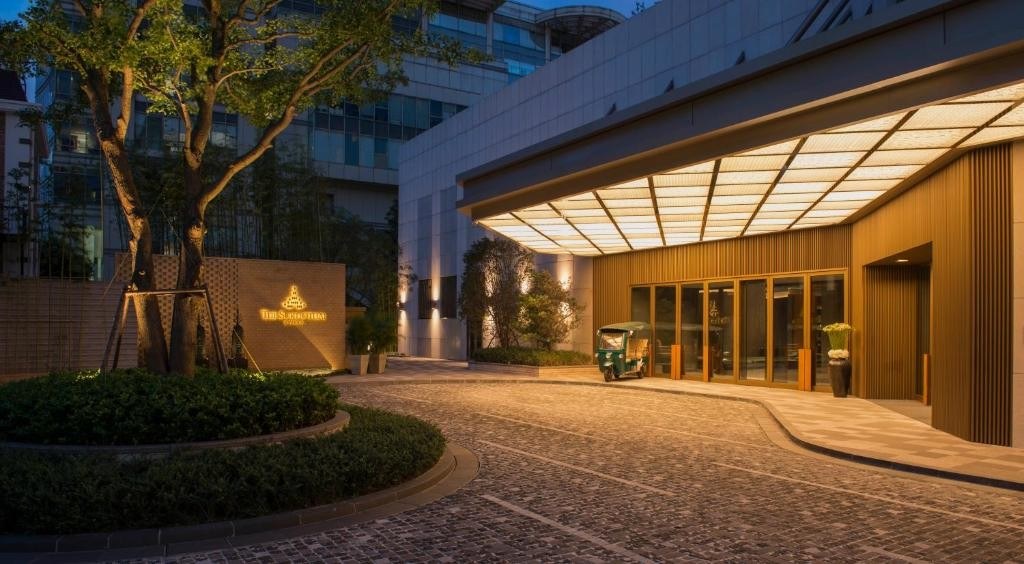
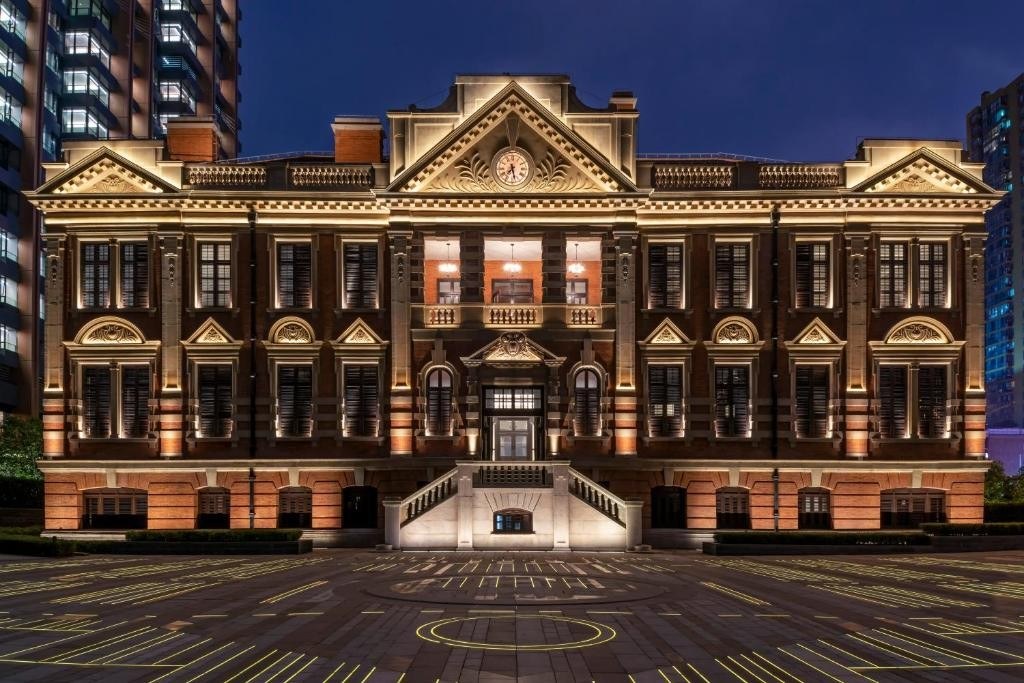
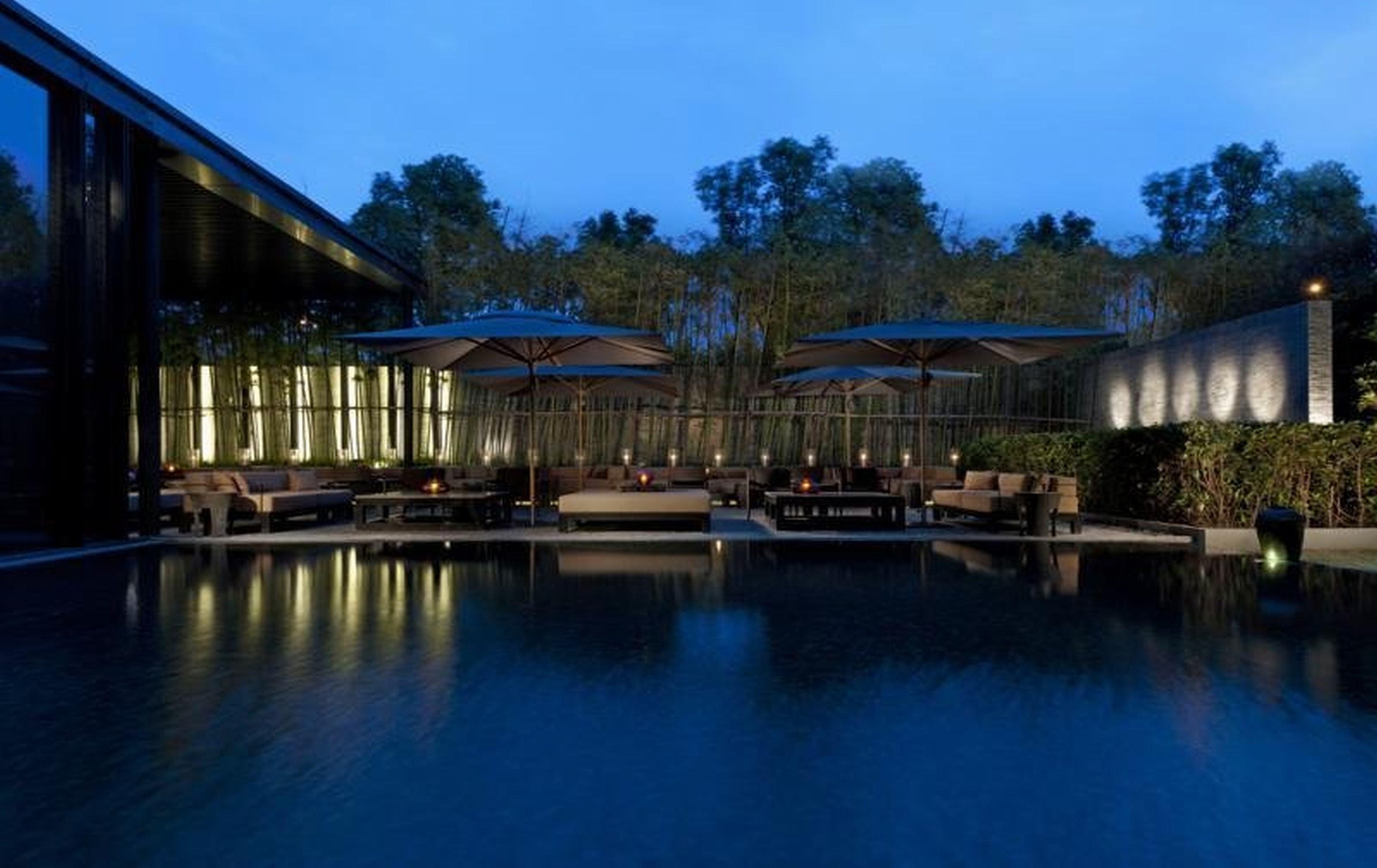
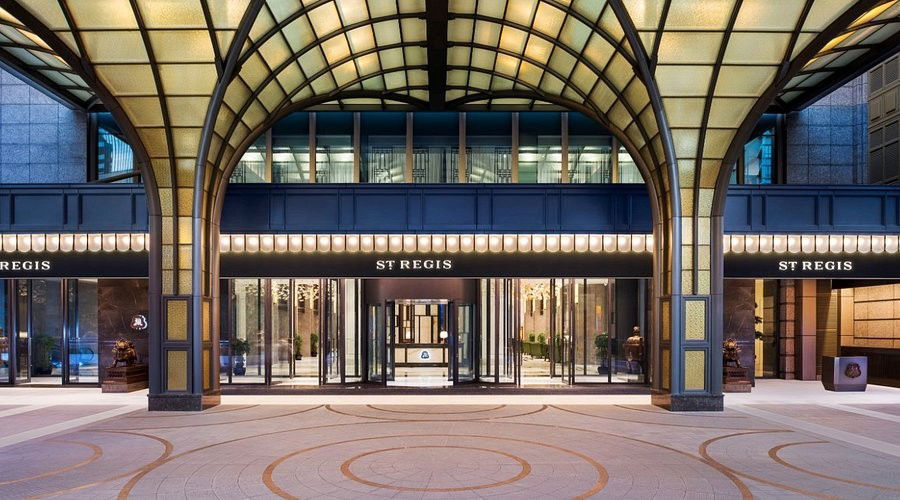
The St. Regis Shanghai Jingan presents a restrained, modern luxury that sits comfortably within Jing'an's quieter residential fabric. Opened in 2017, it reads less like a dramatic waterfront showpiece and more like a large-footprint, full-service hotel built for consistency and service. The scale—491 rooms—and the brand's established service protocols give the property a composed, business-focused energy: polished public spaces, efficient operations and a steady professionalism that feels deliberate rather than theatrical. Guests find a calm, urbane atmosphere here; the hotel prioritizes operational excellence and understated comfort over skyline-facing spectacle.
Best For
This hotel is best for travelers who prioritize access to Shanghai's Puxi business core and a dependable, full-service experience. Corporate visitors and anyone with daytime meetings in Jing'an benefit from the property's proximity to commercial infrastructure and the kind of service scale a 491-room St. Regis delivers. It's less well suited to guests whose primary interest is waterfront views or Pudong skyline drama—those seeking that spectacle will want to look elsewhere. For business-oriented stays, long visits, or travelers who place a premium on consistent luxury and service, the Jingan location is a practical choice.
Stay Tips
Book the St. Regis Jingan when your priority is convenience to Puxi's business districts and a full-service hotel operation rather than river or skyline vistas. The review emphasizes that the hotel's placement on Jing'an's quieter residential streets shapes the morning commute and room views, so temper expectations about waterfront scenery. If proximity to offices, reliable service infrastructure, and a spacious, large-scale luxury hotel are your objectives, this property is an appropriate pick. If panoramic Pudong views are important, consider alternative addresses on the Bund or across the river.
Venue details
Ambiance
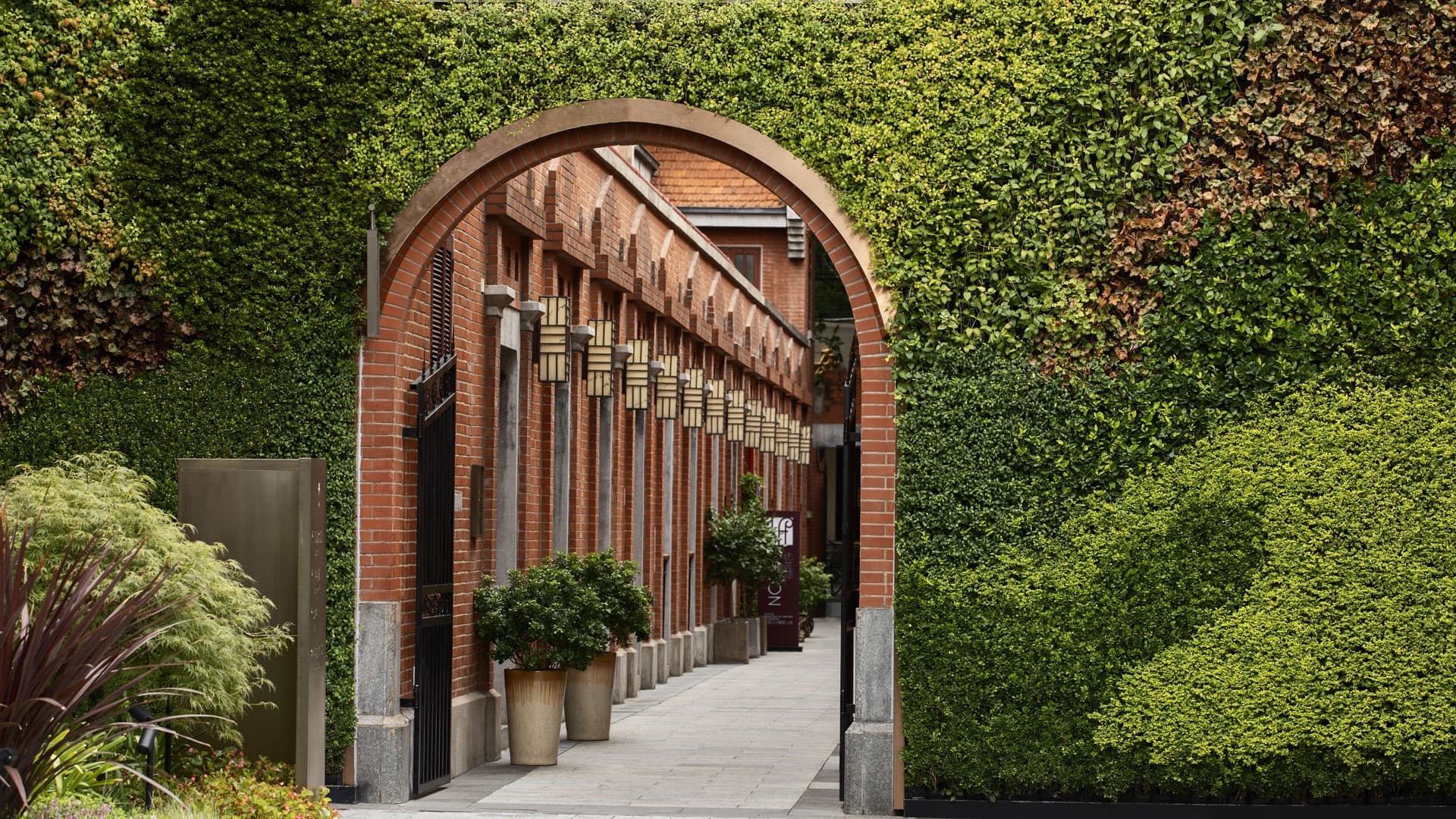
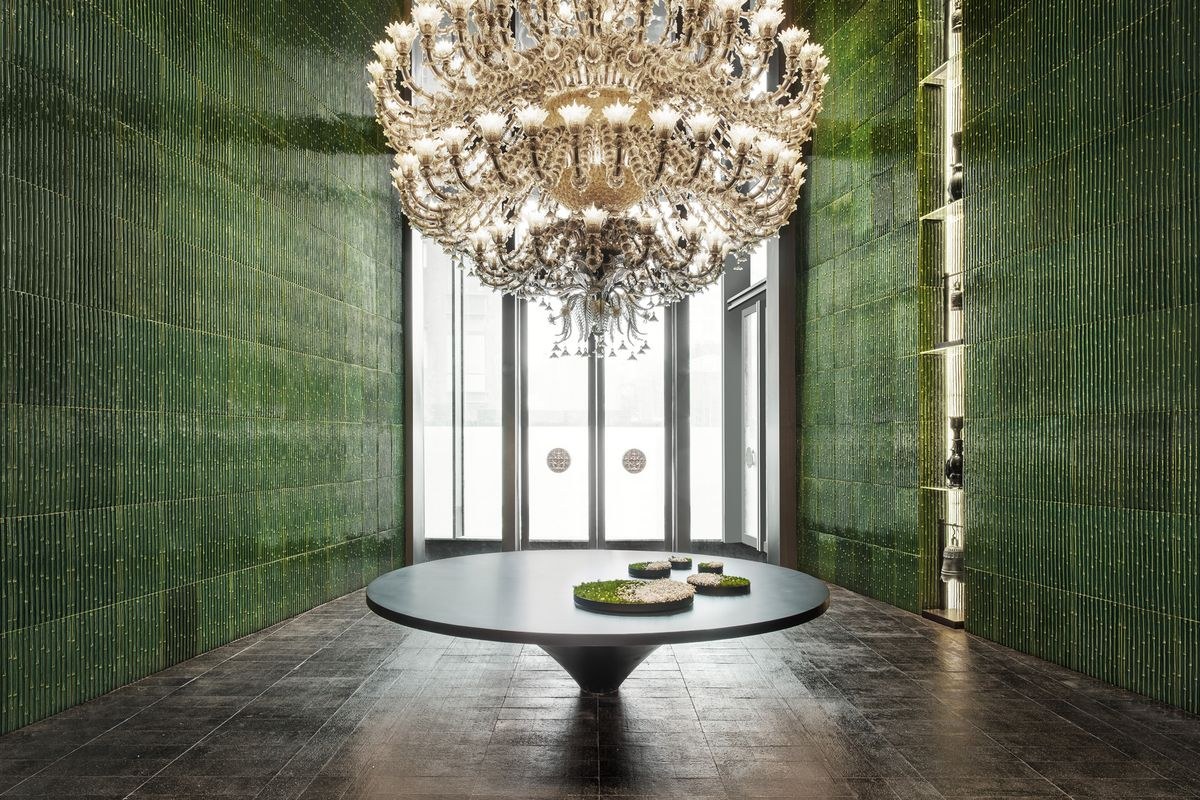
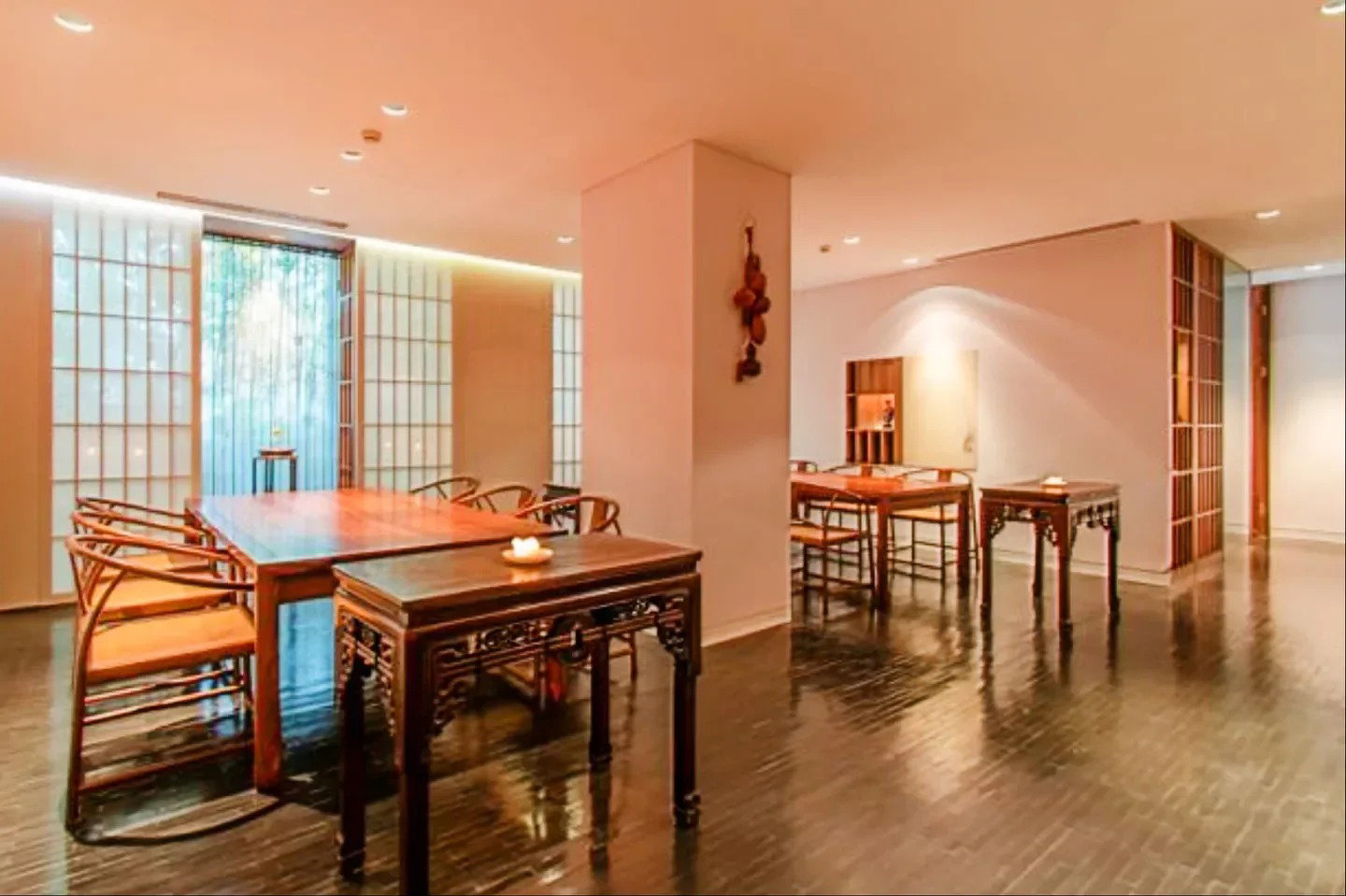
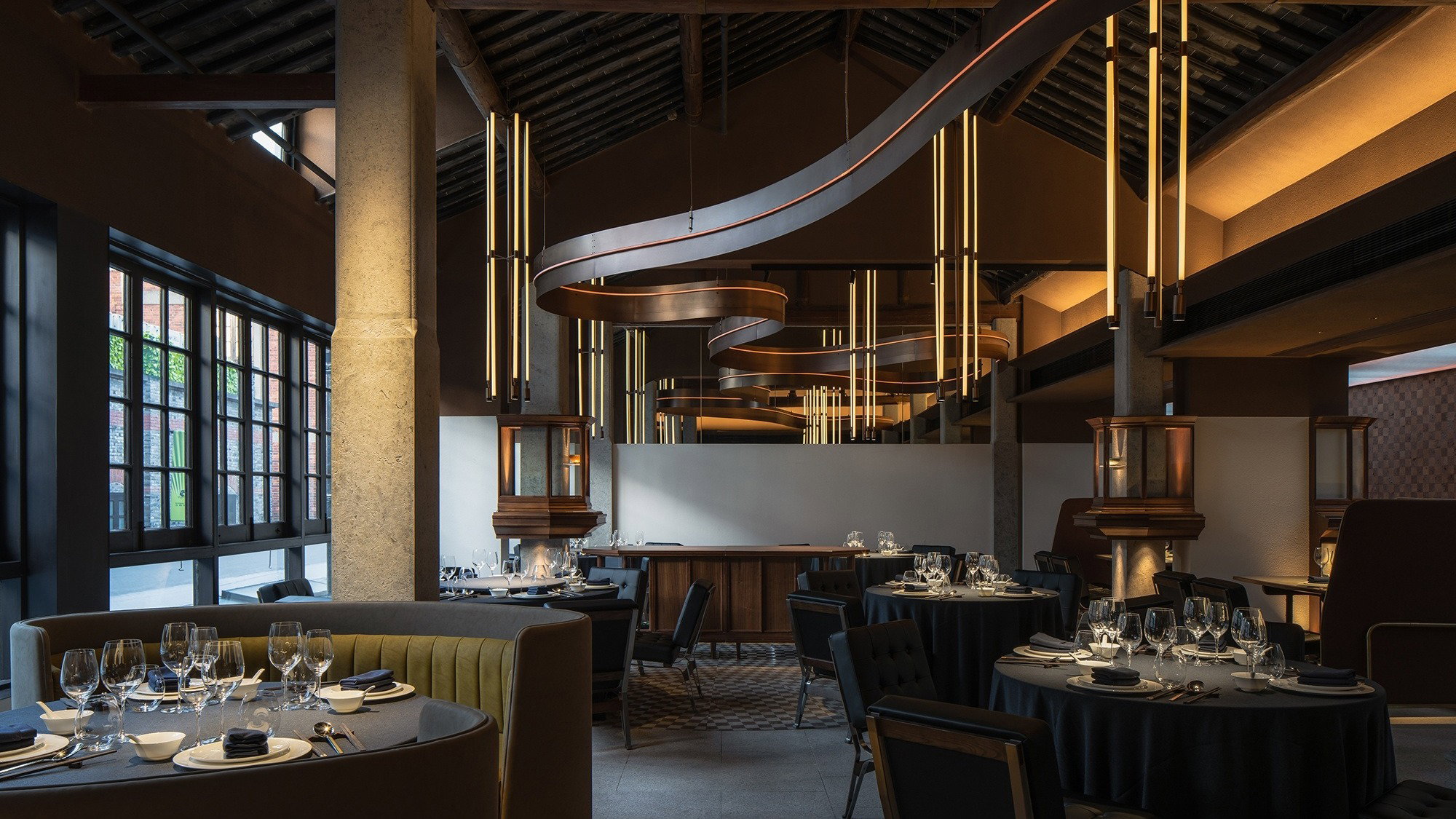
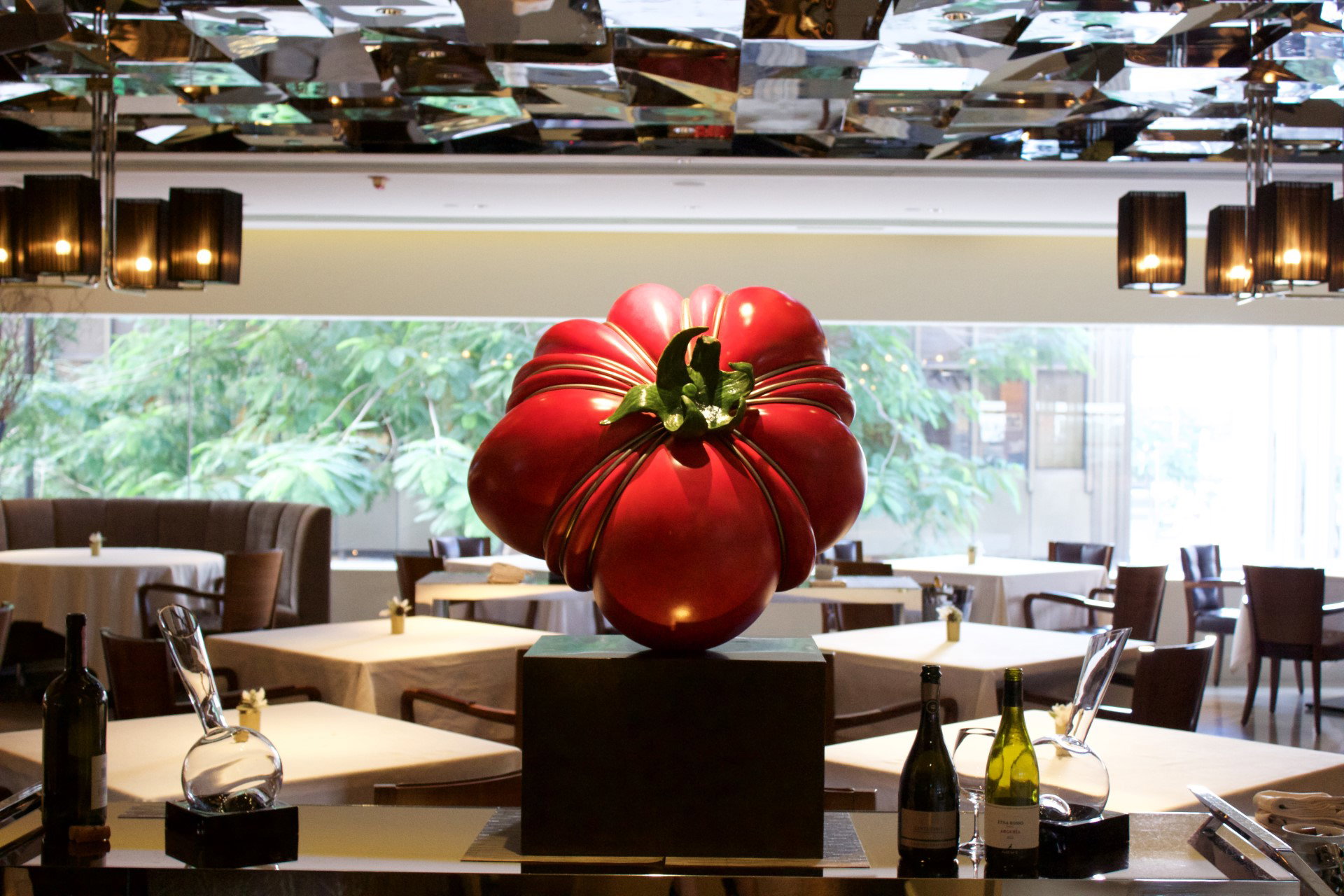
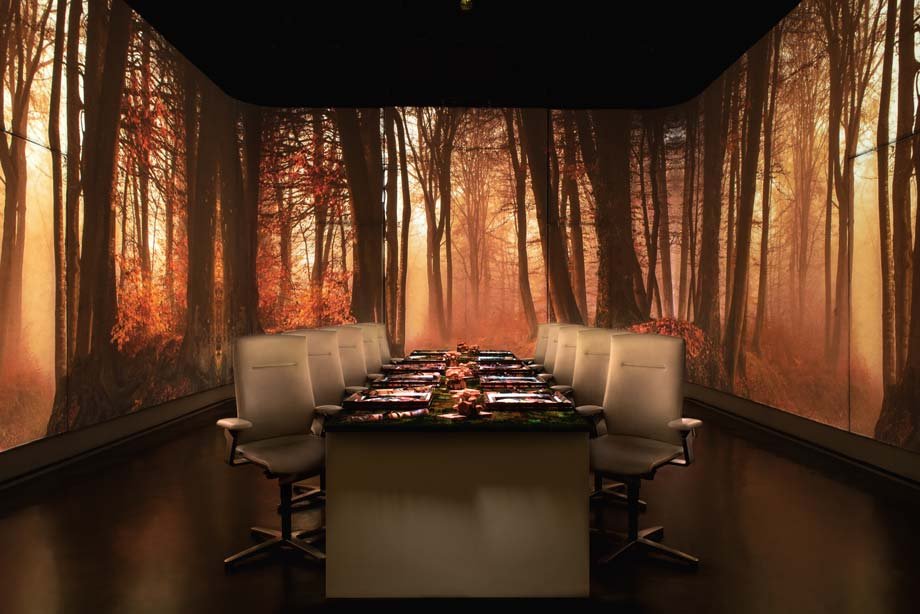
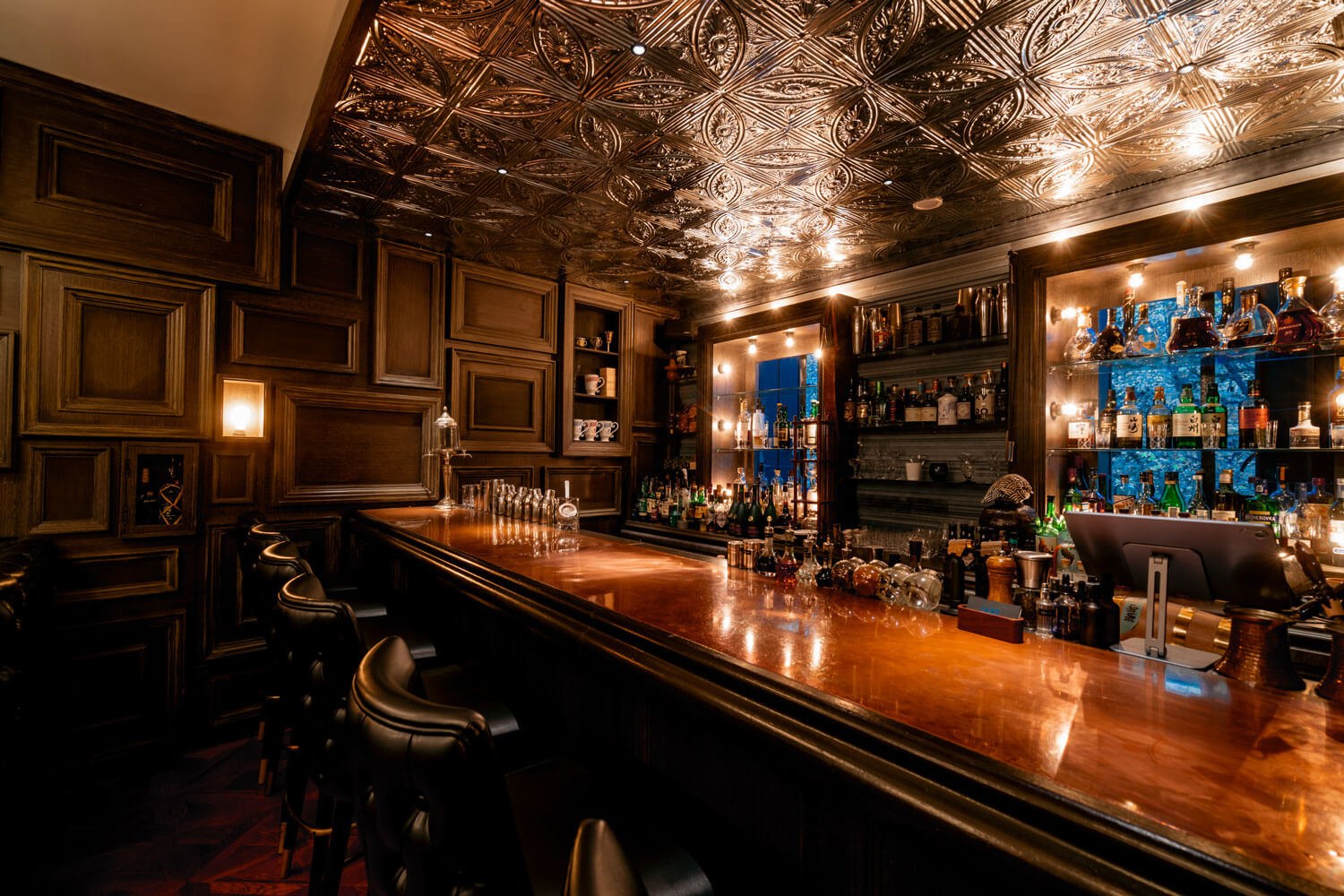
Elegant oasis of calm with warm ambient lighting, plush carpets, and sophisticated atmosphere praised in guest reviews.
Tags
Vibe
Best For
Experience
Amenities
View
Accessibility
About the Stay
- Rooms
- 491
- Check-in
- 15:00
- Check-out
- 12:00
- Property Style
- Contemporary Luxury Tower in Business District
- Design Style
- Classic Opulent with Chinese Art Elements and Marble Finishes
- Airport Transfer
- Available
- Pool
- Yes
- Spa
- Yes
- Families
- Welcome
- Cancellation
- Moderate
Know before you go
Know Before You Go
- Getting there
- Shang Hai Shi, Jing An Qu, 北京西路1008号 邮政编码: 200041
Planning details
Location
Shang Hai Shi, Jing An Qu, 北京西路1008号 邮政编码: 200041 · Directions
Recognition and awards

Also consider
Also Consider
- The Portman Ritz-Carlton, Shanghai, Notable alternative
- Cachet Boutique Shanghai, Notable alternative
- URBN Hotel Shanghai, Notable alternative
- The Middle House, Notable alternative
- Upper House Shanghai, Notable alternative
Hotel context
How it compares in Shanghai
The St. Regis Shanghai Jingan is the formal luxury option in this set: better for business travelers, structured service expectations, and guests who want a more ceremonial stay. The Portman Ritz-Carlton, Shanghai is the closest comparison for a traditional international-luxury booking, while The Middle House and Upper House Shanghai are stronger if atmosphere and contemporary design are the deciding factors.
For value and personality, Cachet Boutique Shanghai and URBN Hotel Shanghai are the smarter cross-shops. They are less about grand-hotel polish and more about a smaller-scale stay, which works better for travelers who plan to spend more time exploring than using hotel services. If booking difficulty is the concern, start with the boutique options, then move up to The Portman Ritz-Carlton, Shanghai or The St. Regis Shanghai Jingan when a more formal stay is worth the effort.
Explore Shanghai
Around this place
Discover more on Pearl
Unlock the full The St. Regis Shanghai Jingan guide in Pearl, including awards, comparisons, FAQs, planning details, and nearby places.
Compare The St. Regis Shanghai Jingan
| Venue | Location | Awards |
|---|---|---|
| The St. Regis Shanghai Jingan | Shanghai | 2026 Forbes Recommended2025 Forbes Recommended |
| The Portman Ritz-Carlton, Shanghai | Shanghai | 2026 Forbes 4-Star2026 Virtuoso Luxury Hotel Collection2026 La Liste Top Hotels2025 Forbes 4-Star |
| Cachet Boutique Shanghai | Shanghai | No published awards |
| URBN Hotel Shanghai | Shanghai | No published awards |
| The Middle House | Shanghai | No published awards |
| Upper House Shanghai | Shanghai | No published awards |


How The St. Regis Shanghai Jingan compares with similar nearby venues.
FAQ
Frequently Asked Questions
How is the dining at The St. Regis Shanghai Jingan?
Dining specifics for The St. Regis Shanghai Jingan are not provided. The recognition point is Forbes Recommended (2026), but cuisine, restaurant format, menu, price, bar program, take-out, delivery, or dietary details are not included. Confirm current dining information directly before planning around it.
How does The St. Regis Shanghai Jingan compare to nearby hotels?
For comparison, The St. Regis Shanghai Jingan is in Shanghai, has a smart casual dress code, and is Forbes Recommended (2026). For a broader Shanghai hotel decision, compare it with The Middle House, The Portman Ritz-Carlton, Shanghai, Cachet Boutique Shanghai, URBN Hotel Shanghai, and Upper House Shanghai, confirming current property details directly.
How is the location of The St. Regis Shanghai Jingan?
Is The St. Regis Shanghai Jingan good for business travel?
Specific business-travel features, meeting facilities, transport convenience, or corporate services are not detailed. Note that The St. Regis Shanghai Jingan is in Shanghai, has a smart casual dress code, and is Forbes Recommended (2026). Confirm current business-related facilities directly if they are important to your stay.
When is the best time to book The St. Regis Shanghai Jingan?
Booking-window or demand-pattern details are not provided. Check current availability and rates directly for your dates, and compare with Upper House Shanghai, The Middle House, The Portman Ritz-Carlton, Shanghai, Cachet Boutique Shanghai, and URBN Hotel Shanghai if you need alternatives in Shanghai.