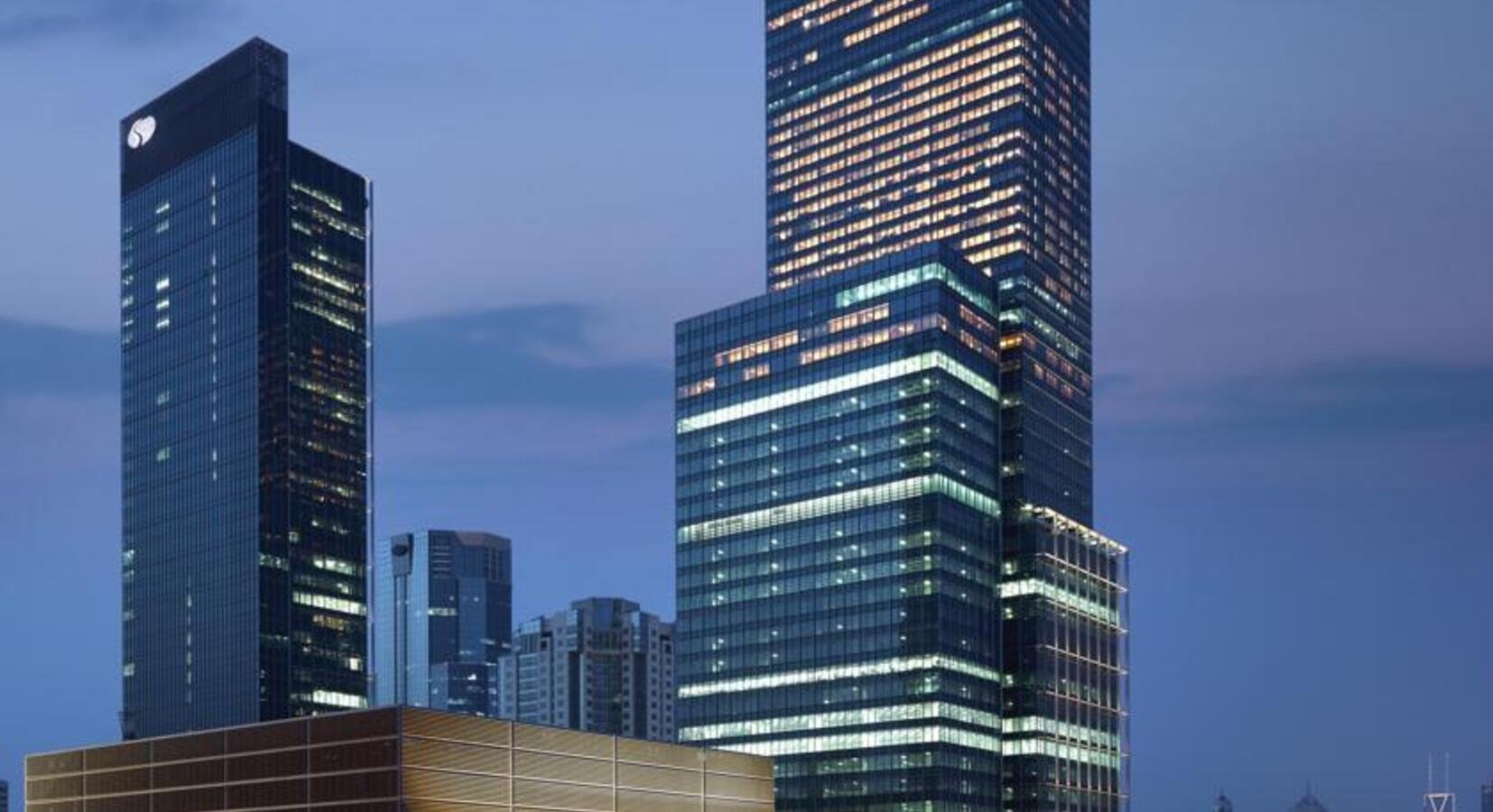



Jing An Shangri-La, West Shanghai
Jing'an, Shanghai
Hotel in Shanghai, China
 Book with Pearl
The Read
Mid-City Scale Precision
Price
$300–500per night
Why go
Book Jing An Shangri-La, West Shanghai if the priority is a central Jing'an luxury stay with strong third-party recognition rather than a boutique hideaway. The PuLi is better for a calmer design-led mood, while The St. Regis Shanghai Jingan is the closer choice for more formal hotel ceremony.
About Jing An Shangri-La, West Shanghai
Jing An Shangri-La, West Shanghai is a Shanghai luxury-hotel option with several strong recognition signals: La Liste Top Hotels (2026) lists it at 93 points, it is a Virtuoso Luxury Hotel Partner (2026), and it is selected in the MICHELIN Guide Hotels (2025). For travelers comparing it with The PuLi Hotel and Spa or The St. Regis Shanghai Jingan, the grounded case is direct: choose based on the venue name, Shanghai setting, smart-casual dress code, and third-party recognition rather than assumptions about facilities, service style, or neighborhood specifics.
The strongest reasons to keep Jing An Shangri-La, West Shanghai on a shortlist are its Shanghai location, smart-casual standard, and the combination of La Liste, Virtuoso, and MICHELIN Guide hotel recognition. If room count, restaurants, spa details, pool details, pricing, check-in process, or family services matter to your trip, ask the hotel directly before booking.
Book for the Shanghai setting and low-risk luxury signals
For a Shanghai stay, Jing An Shangri-La, West Shanghai has a clearer recognition profile than many hotel options: La Liste Top Hotels (2026) lists it at 93 points, Virtuoso names it a Luxury Hotel Partner for 2026, and the MICHELIN Guide selected it in 2025. Those distinctions do not describe every part of the guest experience, but they are useful filters when choosing a hotel for a higher-stakes trip.
The dress code is smart casual. Beyond that, do not infer specific restaurant formats, amenities, arrival procedures, or service details from the hotel category alone. If those details matter, confirm them directly before booking.
Who should choose it over other Shanghai options
Choose Jing An Shangri-La, West Shanghai if hotel recognition is more important to you than assumptions about style or facilities. It can be compared with The Portman Ritz-Carlton, Shanghai, The PuLi Hotel and Spa, The St. Regis Shanghai Jingan, URBN Hotel Shanghai, and Cachet Boutique Shanghai, with the current profile supporting a careful, recognition-led comparison.
The most defensible use case is a Shanghai hotel stay where the La Liste score, Virtuoso partner status, MICHELIN Guide hotel selection, and smart-casual standard are enough to justify further consideration. Before committing, ask the hotel directly about specific amenities, dining, pricing, or service format.
Part of
Shangri-La66 locations on PearlInside Jing An Shangri-La, West Shanghai
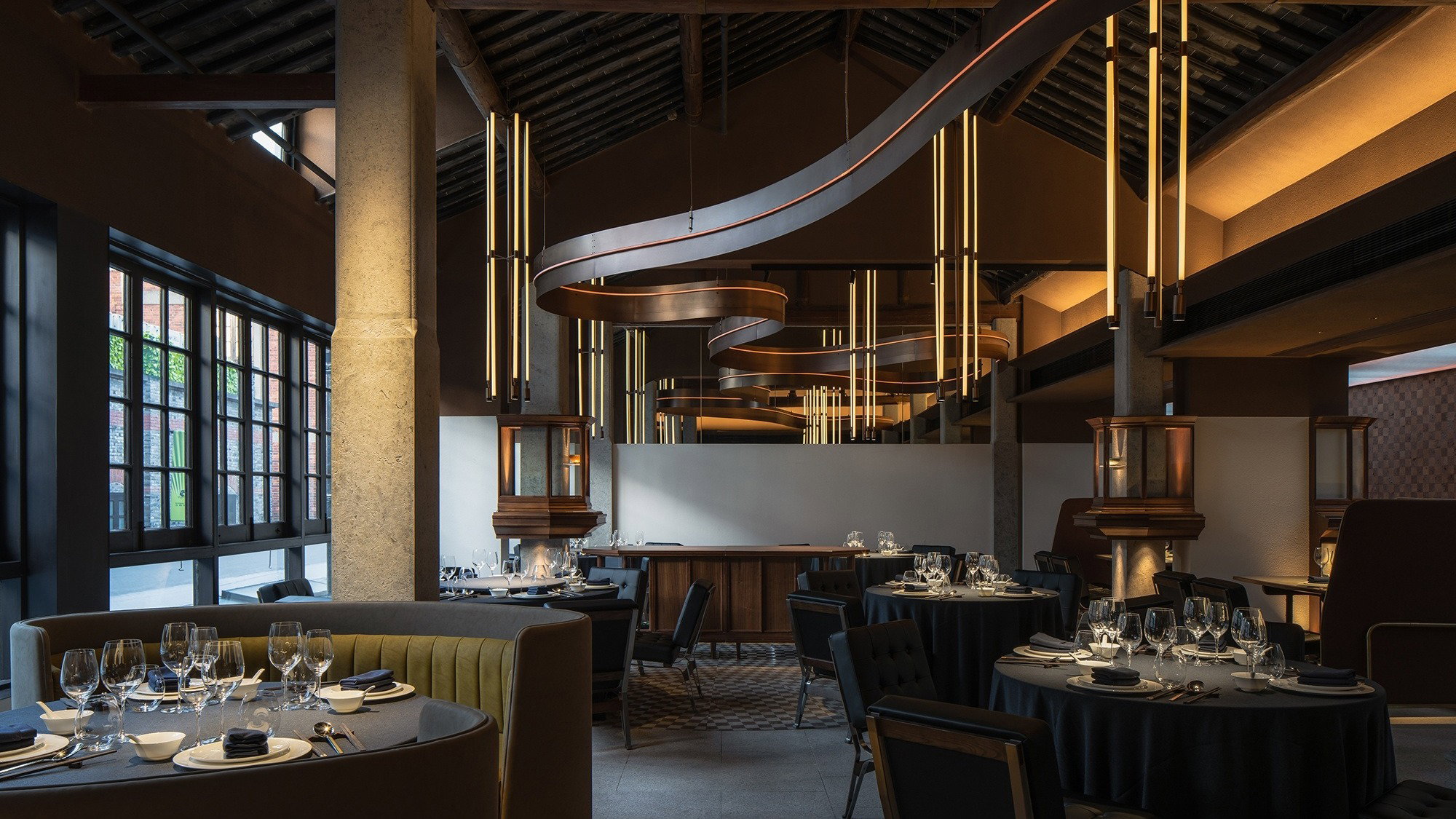
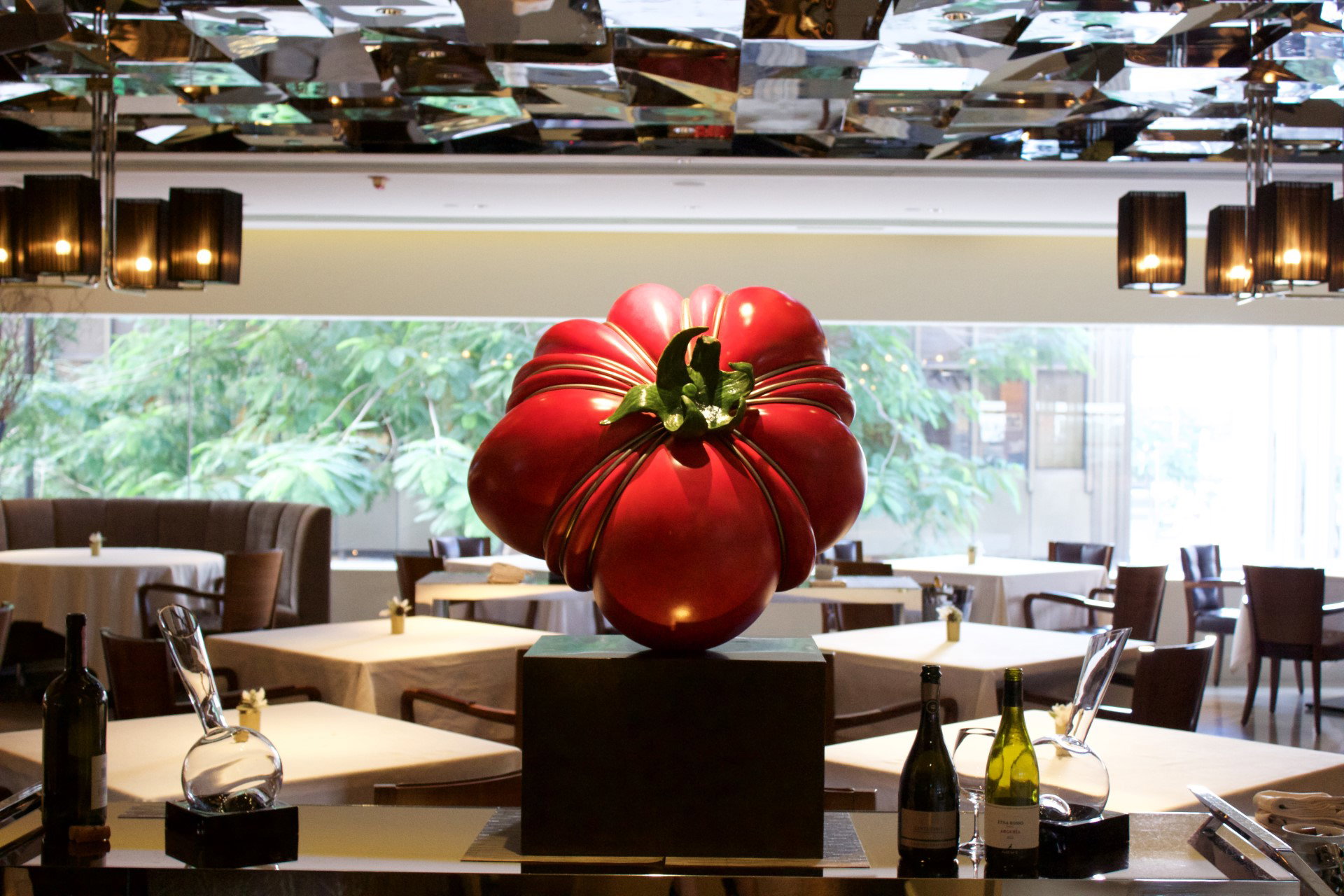
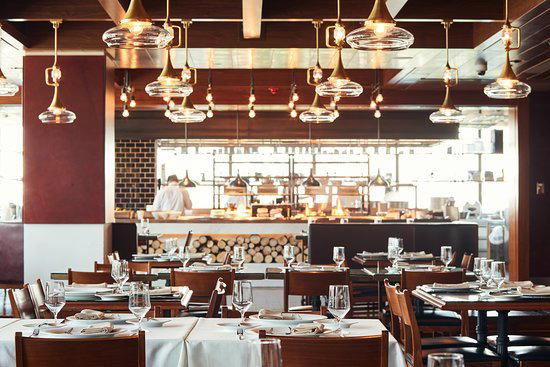 restaurant1515 West ChophouseLocated inside the Jing'An, 1515 West Chophouse is Shanghai's long-running American steakhouse with Michelin Plate recognition in both 2024 and 2025. The wine program runs to 1,335 bottles across 155 selections, with California as the house strength. Lunch and dinner service, with cuisine pricing in the mid-range ¥¥ tier.
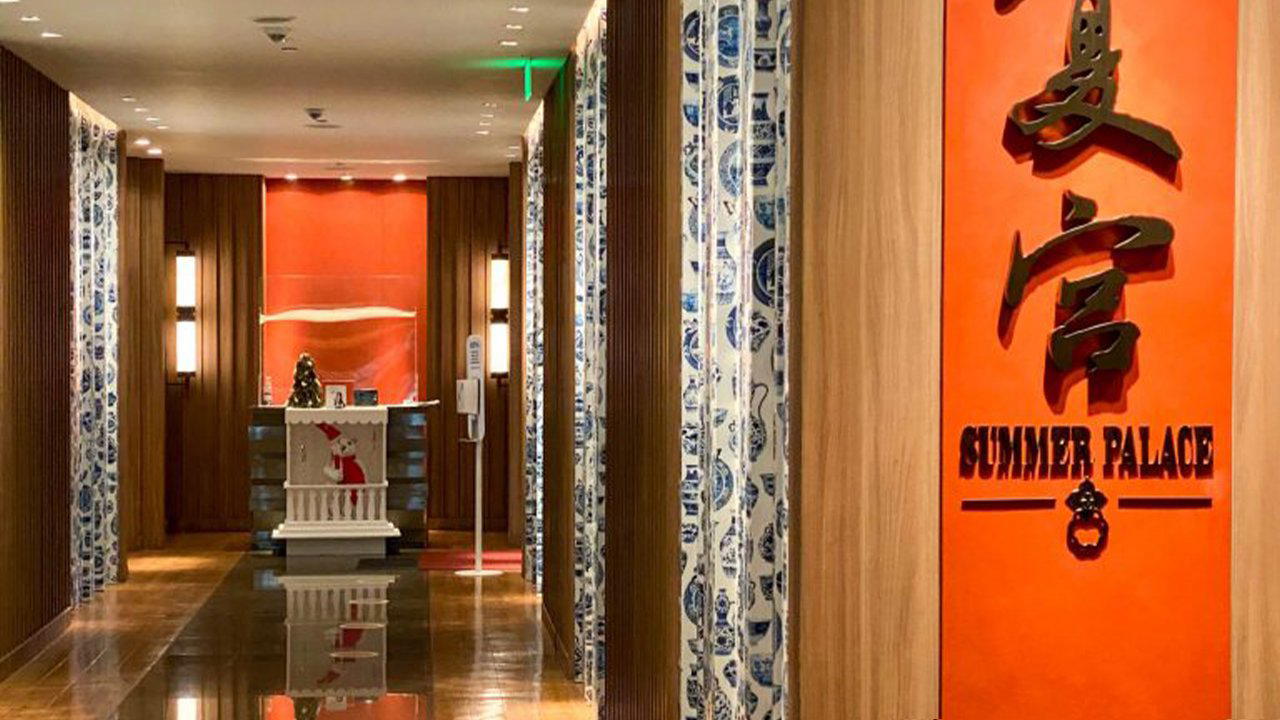 restaurantSummer PalaceSummer Palace holds a 2026 Michelin Plate recognition, placing it among a select tier of Ortigas Center dining rooms where formal Chinese cooking traditions meet Metro Manila's evolving appetite for precision at the table. Located within the Ortigas business district of Mandaluyong, it draws a crowd that expects structured service alongside considered cuisine. A point of reference for Cantonese-influenced dining in the capital region.
Planning details
- Location
- 1218 Yan An Zhong Lu, 久光 Jing An Qu, Shang Hai Shi, 200040
- Website
- shangri-la.com
- Phone
- +86 21 2203 8888
The take
The Take
The Vibe
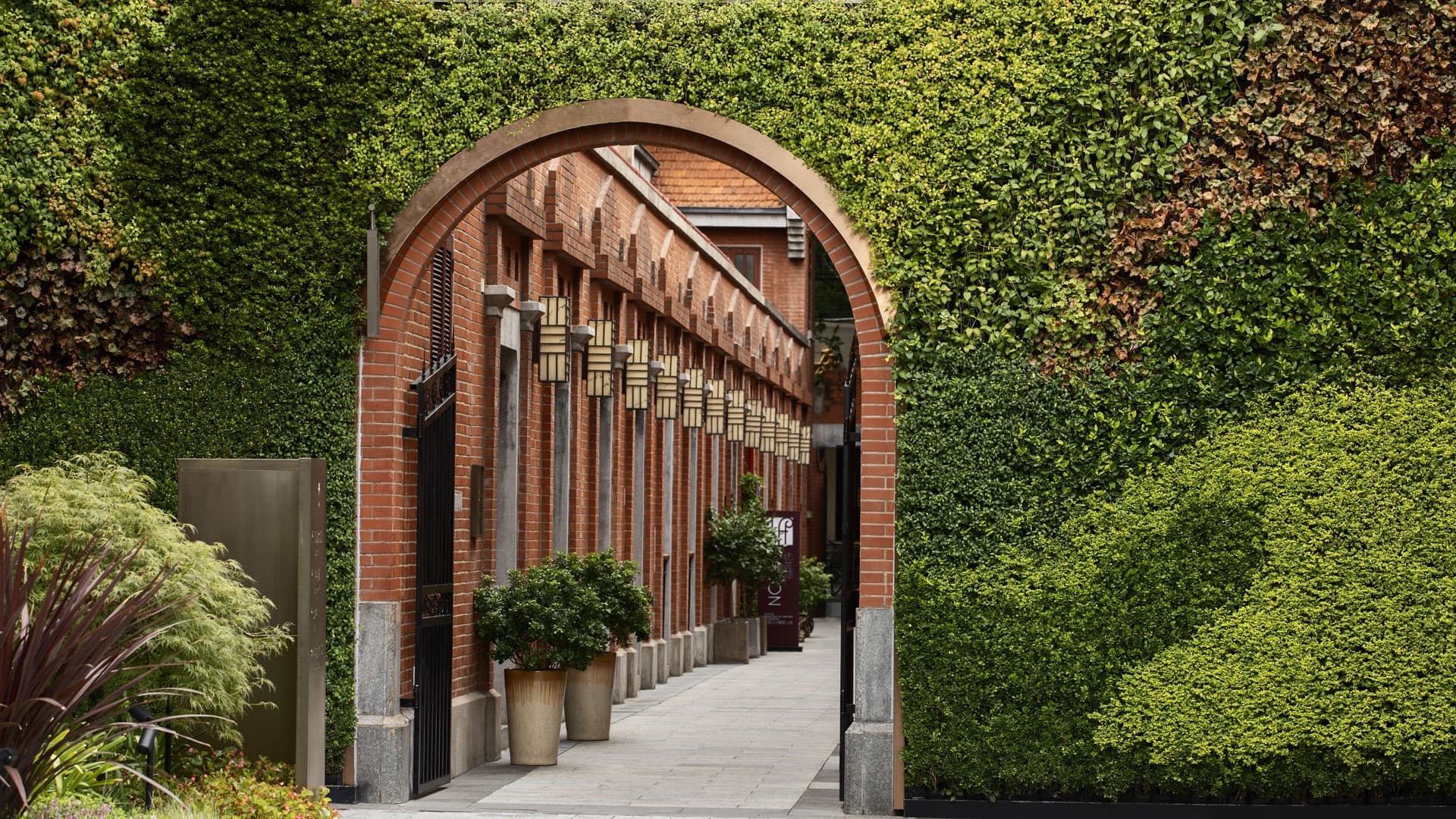
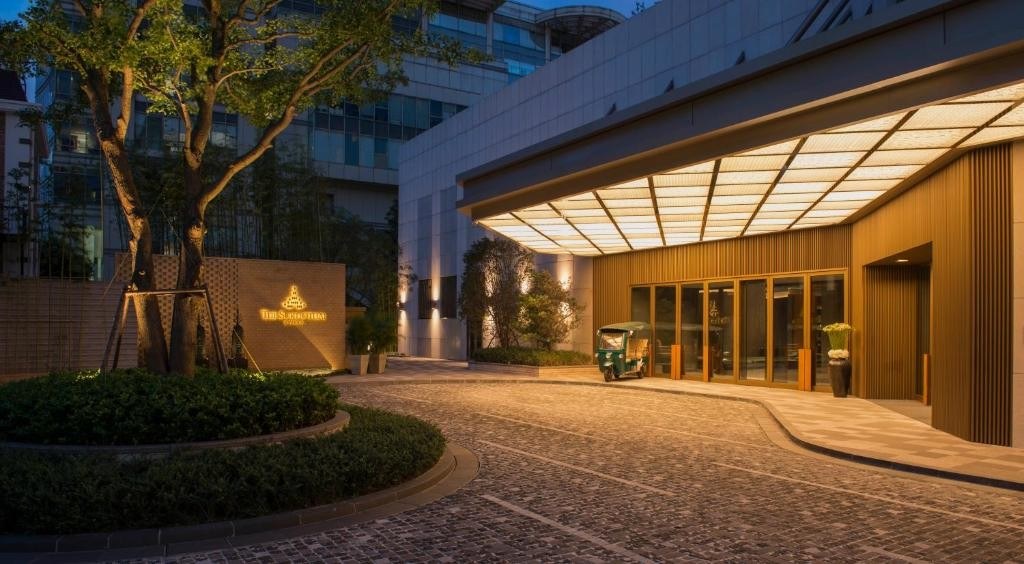
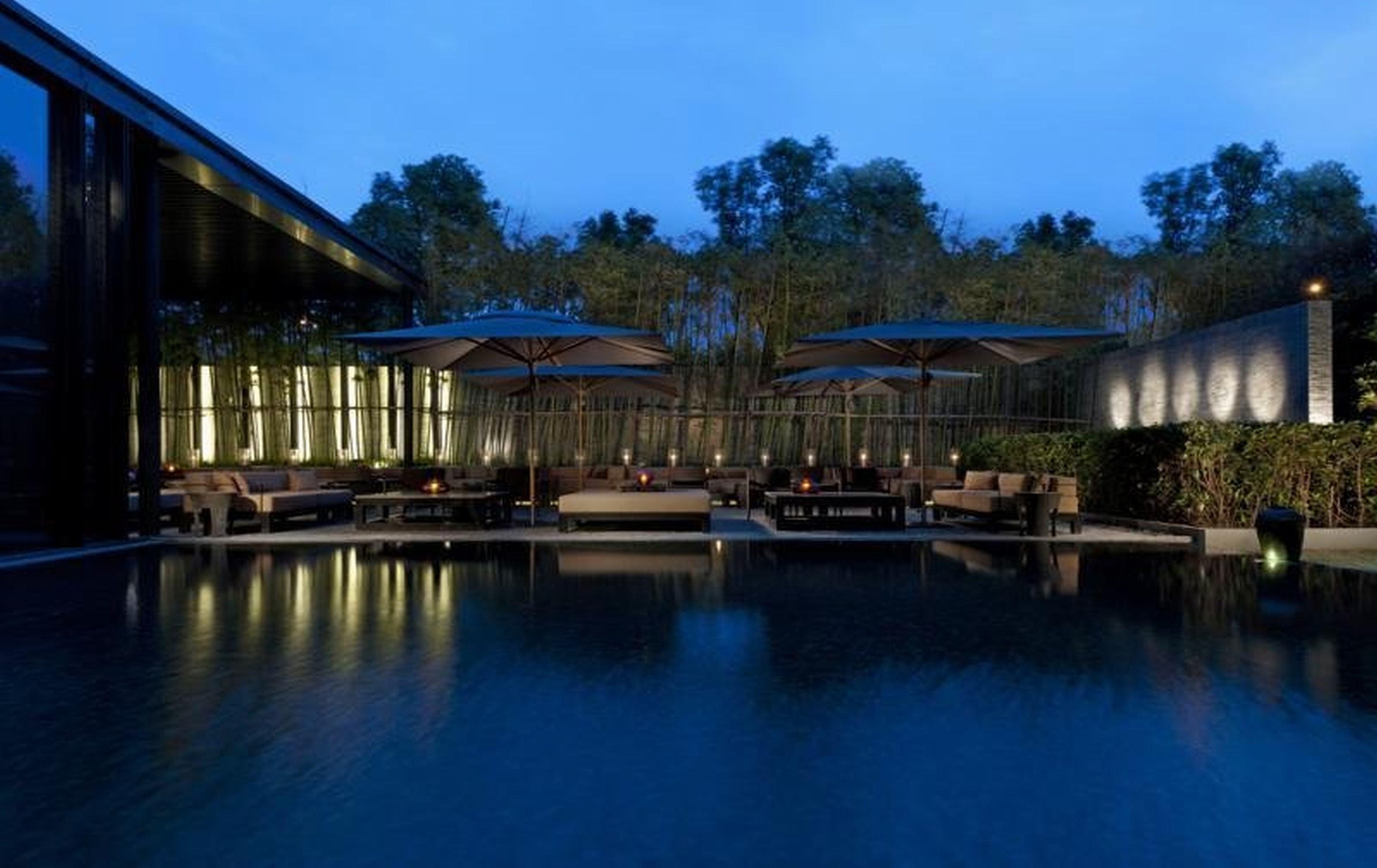
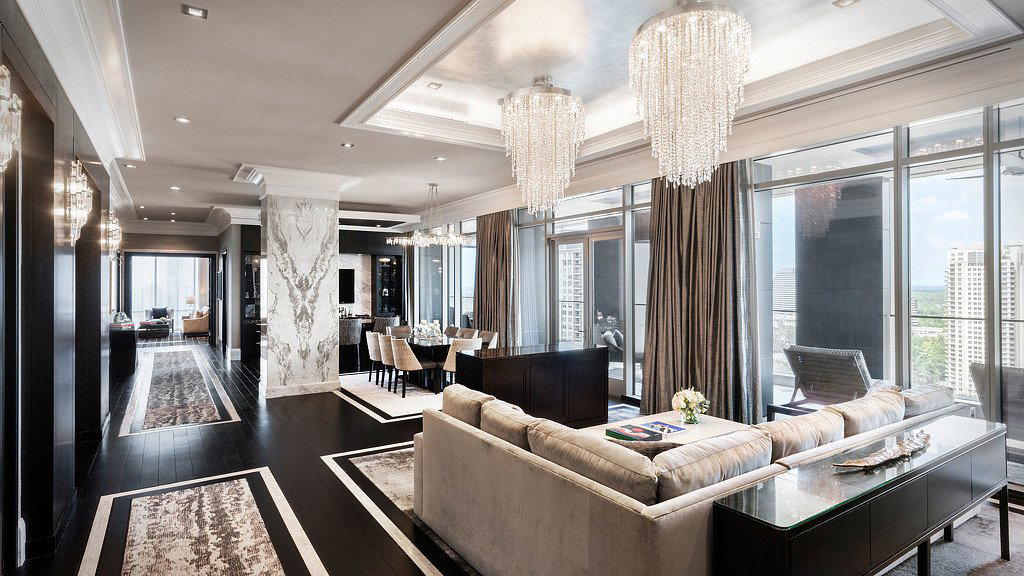
Jing An Shangri‑La West Shanghai positions itself between the bustle of Yan An Zhong Lu and a high-rise quietude, playing its verticality as a core design move. The hotel leans into that contrast: a landscaped, mall-anchored base that gives way to a club lounge nearly fifty stories up, where floor-to-ceiling glazing frames a dense, layered Shanghai skyline. The effect is scenic and composed rather than theatrical — a place that privileges measured views and urban pause. The property reads as a contemporary, city-focused refuge that balances commercial energy with moments of calm.
Best For
This is a hotel for travelers who want immediate access to Jing'an's commercial spine without surrendering a quieter, elevated perspective. Business travelers appreciate the Kerry Centre connectivity and the calm of a high-floor club lounge for meetings or work away from the street. Couples and weekend visitors lean into the skyline vantage at the Horizon Club Lounge, which rewards late‑afternoon light and city layers seen from above. Its placement in a mixed‑use block also makes it practical for guests who want retail and transit on the doorstep while staying in a quietly appointed luxury property.
Venue details
Ambiance
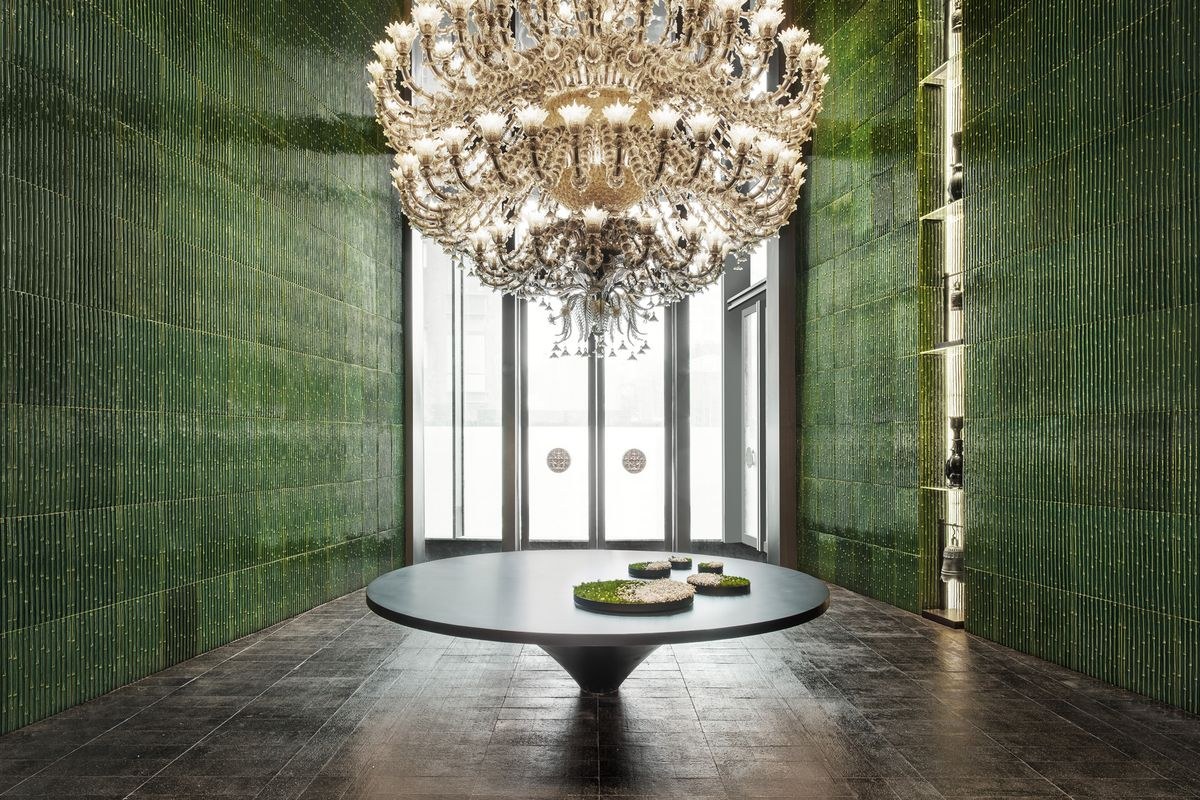
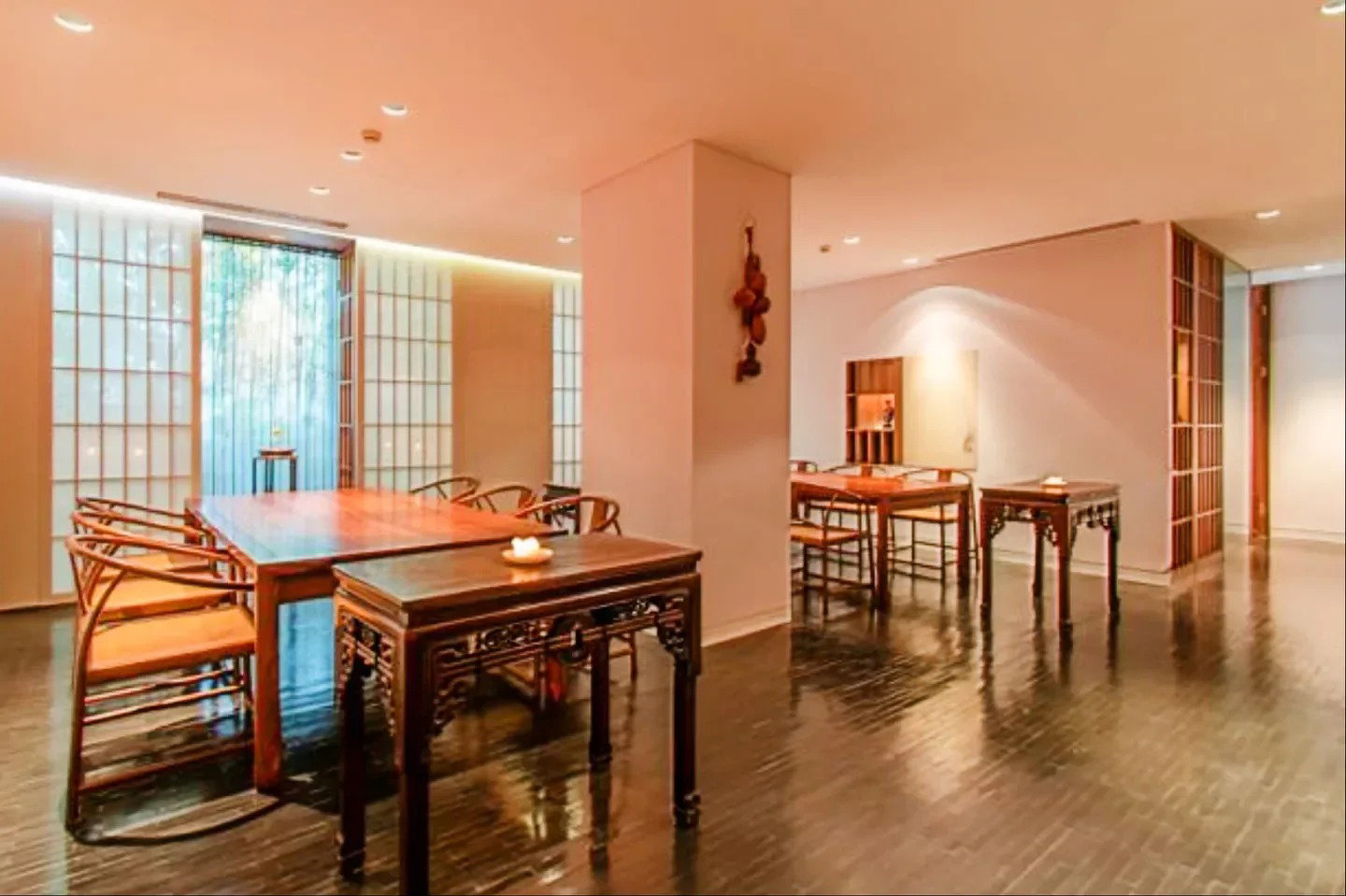
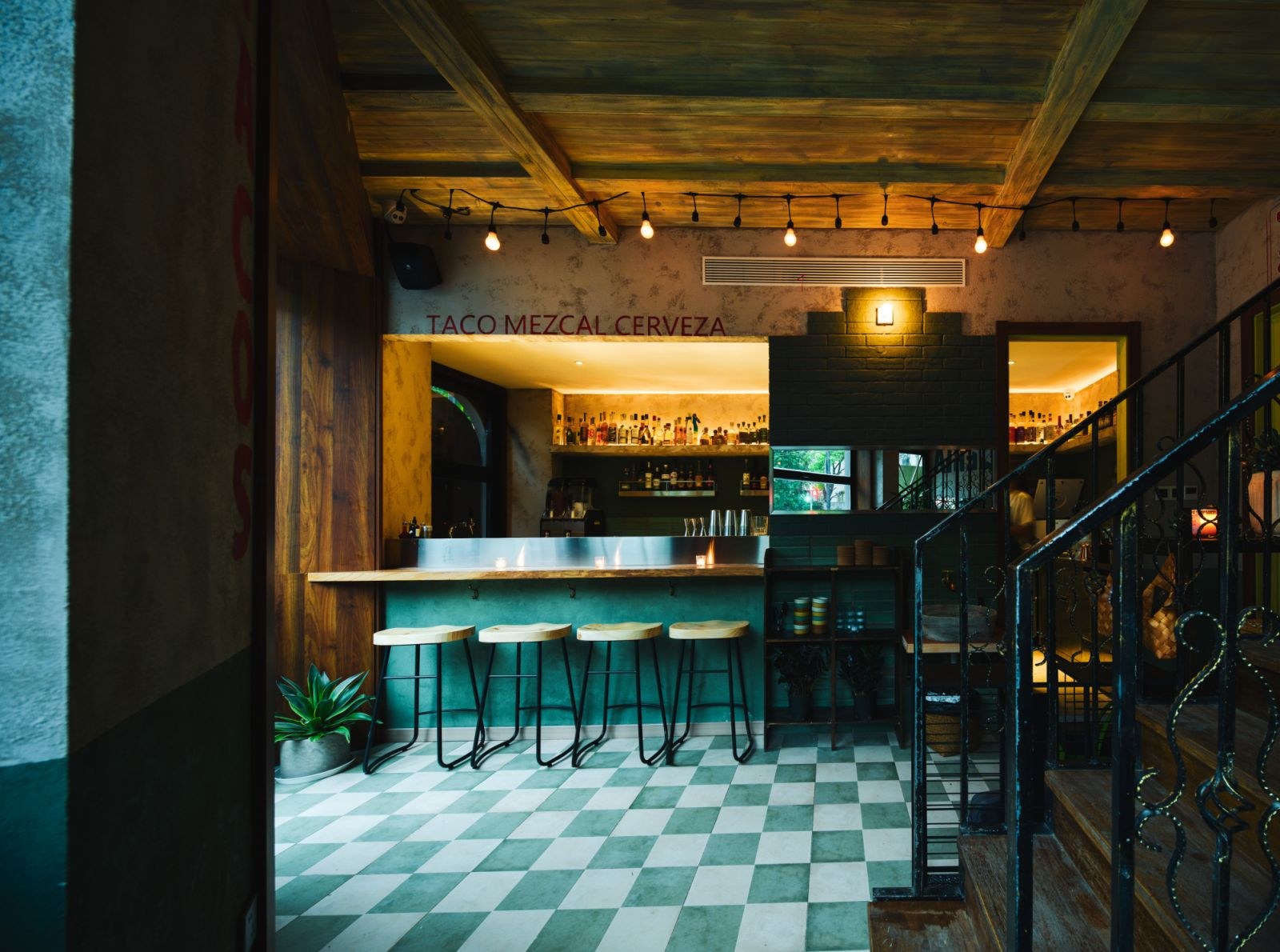
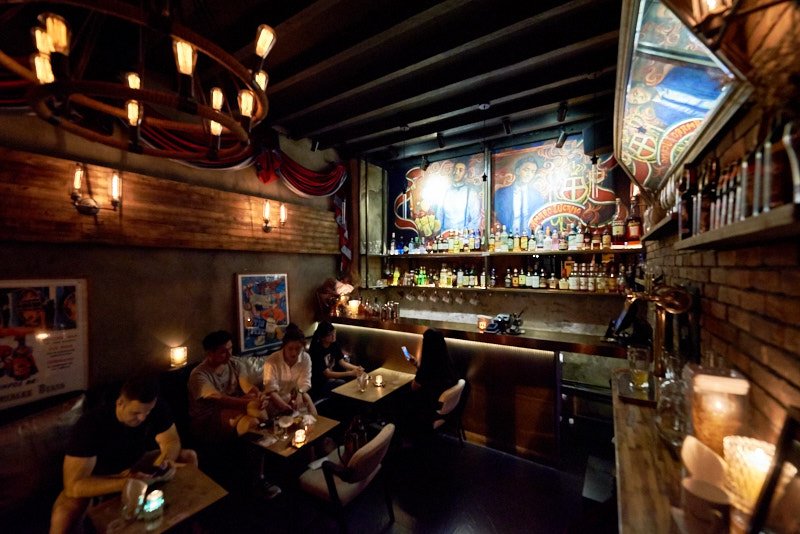
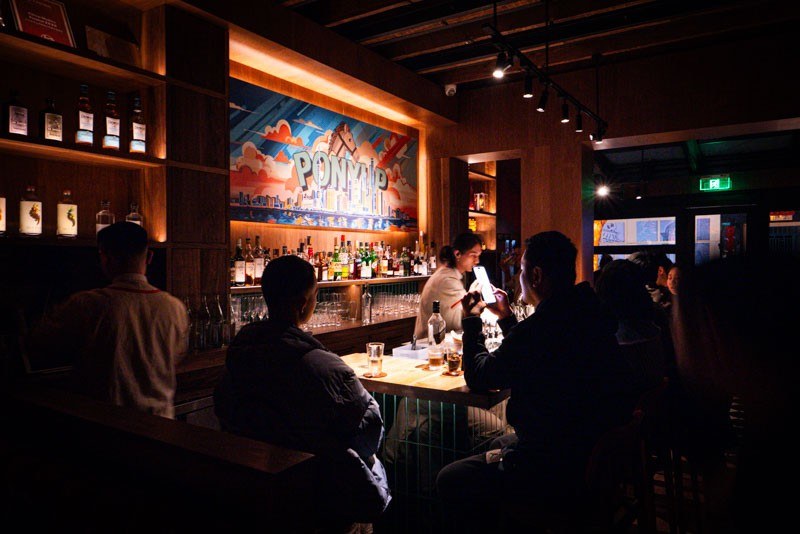
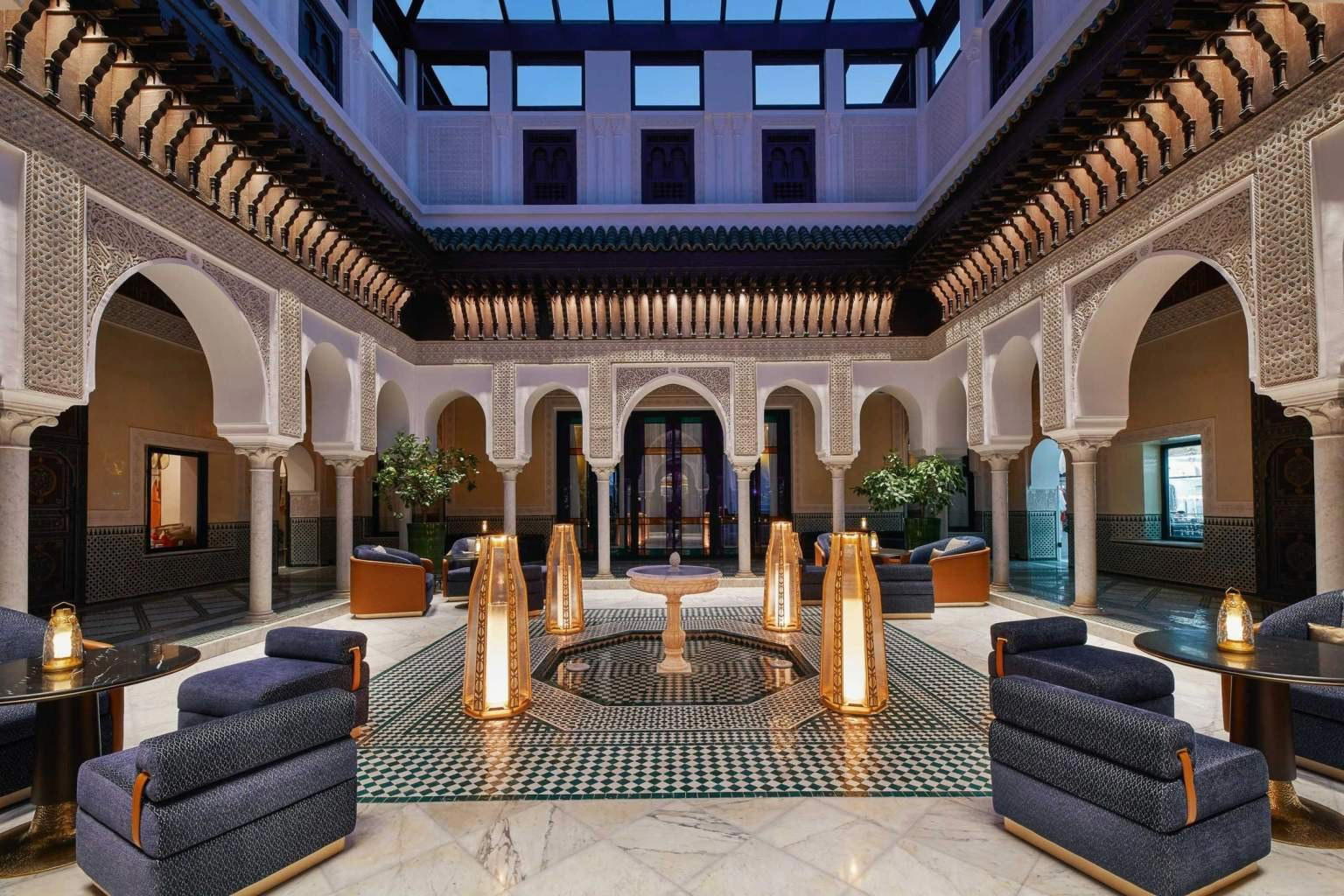
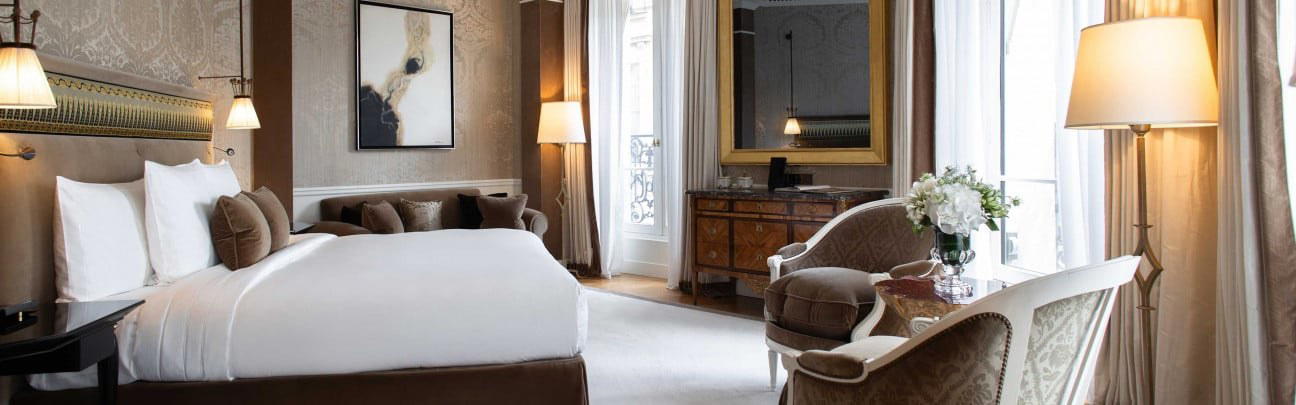
Elegant and tranquil with sophisticated lighting, spacious modern rooms featuring soundproofing, and a serene spa atmosphere praised in guest reviews.
Tags
Vibe
Best For
Experience
Amenities
View
Accessibility
About the Stay
- Rooms
- 508
- Check-in
- 14:00
- Check-out
- 12:00
- Property Style
- High Rise Urban Luxury Tower
- Design Style
- Modern Elegant with Lavish Suites and Contemporary Finishes
- Airport Transfer
- Available
- Pool
- Yes
- Spa
- Yes
- Families
- Welcome
- Cancellation
- Moderate
Know before you go
Know Before You Go
- Getting there
- 1218 Yan An Zhong Lu, 久光 Jing An Qu, Shang Hai Shi, 200040
Planning details
Location
1218 Yan An Zhong Lu, 久光 Jing An Qu, Shang Hai Shi, 200040 · Directions
Recognition and awards


Also consider
Where to look if this is not the right fit
Choose The PuLi Hotel and Spa if the trip needs a quieter, more design-led Shanghai stay. Choose The St. Regis Shanghai Jingan if the occasion calls for a more formal luxury-hotel feel in the same general competitive set.
Hotel context
How It Compares
Jing An Shangri-La, West Shanghai is the practical luxury pick in this Shanghai set: central, easy to book, and backed by La Liste, Virtuoso, and MICHELIN hotel recognition. The PuLi Hotel and Spa is better for guests who want a quieter, more retreat-like stay; Jing An Shangri-La is better when the address and lower booking friction matter more.
Against The Portman Ritz-Carlton, Shanghai and The St. Regis Shanghai Jingan, the decision is about tone. The Portman Ritz-Carlton is the more familiar corporate-luxury cross-shop, while The St. Regis is the stronger option for guests who want a more formal luxury-hotel feel in Jing'an. Jing An Shangri-La works when the brief is polished, central, and dependable without making the stay feel overly ceremonial.
URBN Hotel Shanghai and Cachet Boutique Shanghai are better cross-shops for travelers who care more about boutique scale or personality than large-hotel infrastructure. For a celebration, business-linked stay, or first Shanghai luxury booking where risk tolerance is low, Jing An Shangri-La is the easier recommendation.
Explore Shanghai
Around this place
Discover more on Pearl
Unlock the full Jing An Shangri-La, West Shanghai guide in Pearl, including awards, comparisons, FAQs, planning details, and nearby places.
Compare Jing An Shangri-La, West Shanghai
| Venue | Location | Awards |
|---|---|---|
| Jing An Shangri-La, West Shanghai | Shanghai | 2026 Virtuoso Luxury Hotel Collection2026 La Liste Top Hotels2025 Michelin Selected Hotels |
| The PuLi Hotel and Spa | Shanghai | 2026 Forbes 4-Star2026 Virtuoso Luxury Hotel Collection2026 Vogue Best Hotels in Shanghai2026 Mr & Mrs Smith Luxury HotelsLeading Hotels of the World 20262026 La Liste Top Hotels2026 Michelin 1 Key2025 Forbes 4-Star2025 Michelin 1 Key |
| The Portman Ritz-Carlton, Shanghai | Shanghai | 2026 Forbes 4-Star2026 Virtuoso Luxury Hotel Collection2026 La Liste Top Hotels2025 Forbes 4-Star |
| URBN Hotel Shanghai | Shanghai | No published awards |
| The St. Regis Shanghai Jingan | Shanghai | 2026 Forbes Recommended2025 Forbes Recommended |
| Cachet Boutique Shanghai | Shanghai | No published awards |





How Jing An Shangri-La, West Shanghai Review & Verdict compares with similar nearby venues.
FAQ
Frequently Asked Questions
What is check-in like at Jing An Shangri-La, West Shanghai?
For current arrival procedures, contact the hotel directly before booking. Jing An Shangri-La, West Shanghai is in Shanghai, has a smart-casual dress code, is listed by La Liste Top Hotels (2026) with 93 points, is a Virtuoso Luxury Hotel Partner (2026), and is selected in the MICHELIN Guide Hotels (2025).
Is Jing An Shangri-La, West Shanghai family-friendly?
Do loyalty programs work at Jing An Shangri-La, West Shanghai?
Jing An Shangri-La, West Shanghai is a Virtuoso Luxury Hotel Partner (2026). For specific loyalty benefits, booking inclusions, or program rules, check the terms of your booking before confirming.