

Casa Monti
Monti, Rome
Hotel in Rome, Italy
 Book with Pearl
Why go
Casa Monti is a strong Rome pick for travelers who want a polished Monti base rather than a resort-style hotel stay. Book it for neighborhood access, design-minded comfort, and easier planning; cross-shop larger luxury hotels if pool, spa, and full-service amenities are the main reason for the trip.
About Casa Monti
Casa Monti is a Rome venue with smart casual dress code, a Mr & Mrs Smith Seal of Approval for 2026, and Virtuoso Luxury Hotel Partner recognition for 2026.
For trip planning, check current booking-channel information before committing. If you are comparing Rome stays more broadly, see Our full Rome hotels guide, then use Our full Rome restaurants guide and Our full Rome bars guide to plan the rest of the trip around it.
Book it for confirmed luxury-hotel recognition, not extras
The grounded case for Casa Monti is direct: it is in Rome, its dress code is smart casual, and it has 2026 recognition from Mr & Mrs Smith and Virtuoso. Those are useful credibility signals, but they do not say everything about the stay.
That means the best approach is practical rather than assumption-led. If a particular feature matters to the trip, verify it directly before booking instead of relying on broad expectations about Rome luxury hotels. For broader trip building, use current Rome planning resources to frame the itinerary without overstating what is known about the hotel itself.
Who should cross-shop before committing
Travelers who want to compare Casa Monti with other Rome stays can start with 1880 Atypical Rooms, another Rome option that may suit a different style of stay. The point of the comparison is to check which property best fits the traveler's priorities.
Within Rome, also compare Casa Monti with Condominio Monti, The Fifteen Keys Hotel, The Inn at the Roman Forum, and Villa Spalletti Trivelli where relevant. The practical verdict: choose Casa Monti if its Rome setting, smart casual dress code, and 2026 luxury-hotel recognition match your needs; cross-shop if your decision depends on specific amenities, dining, pricing, or location details.
Planning details
- Location
- Via Panisperna, 210/212
- Website
- casamontiroma.com
- Phone
- +39 06 4522 9523
The take
The Take
The Vibe
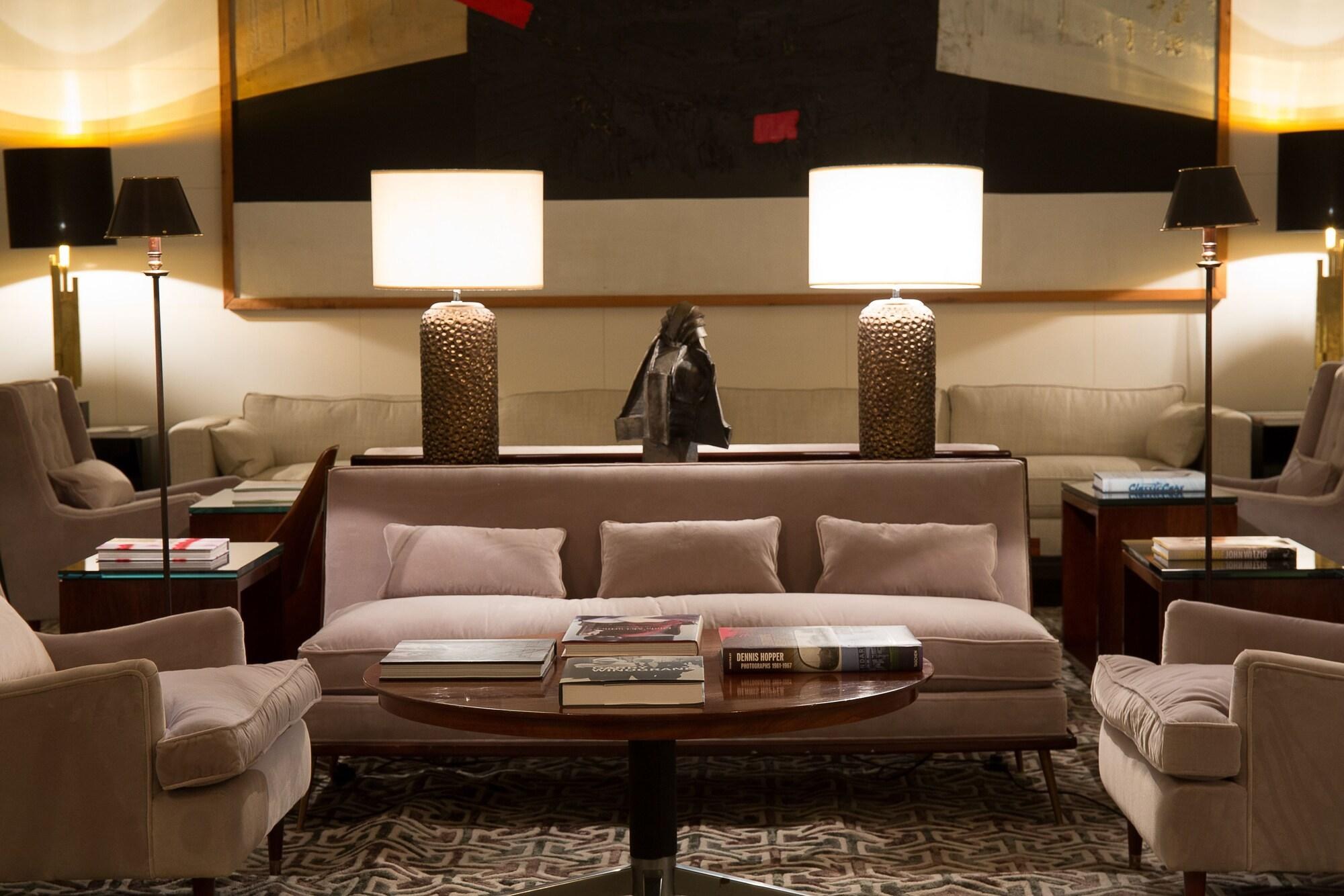
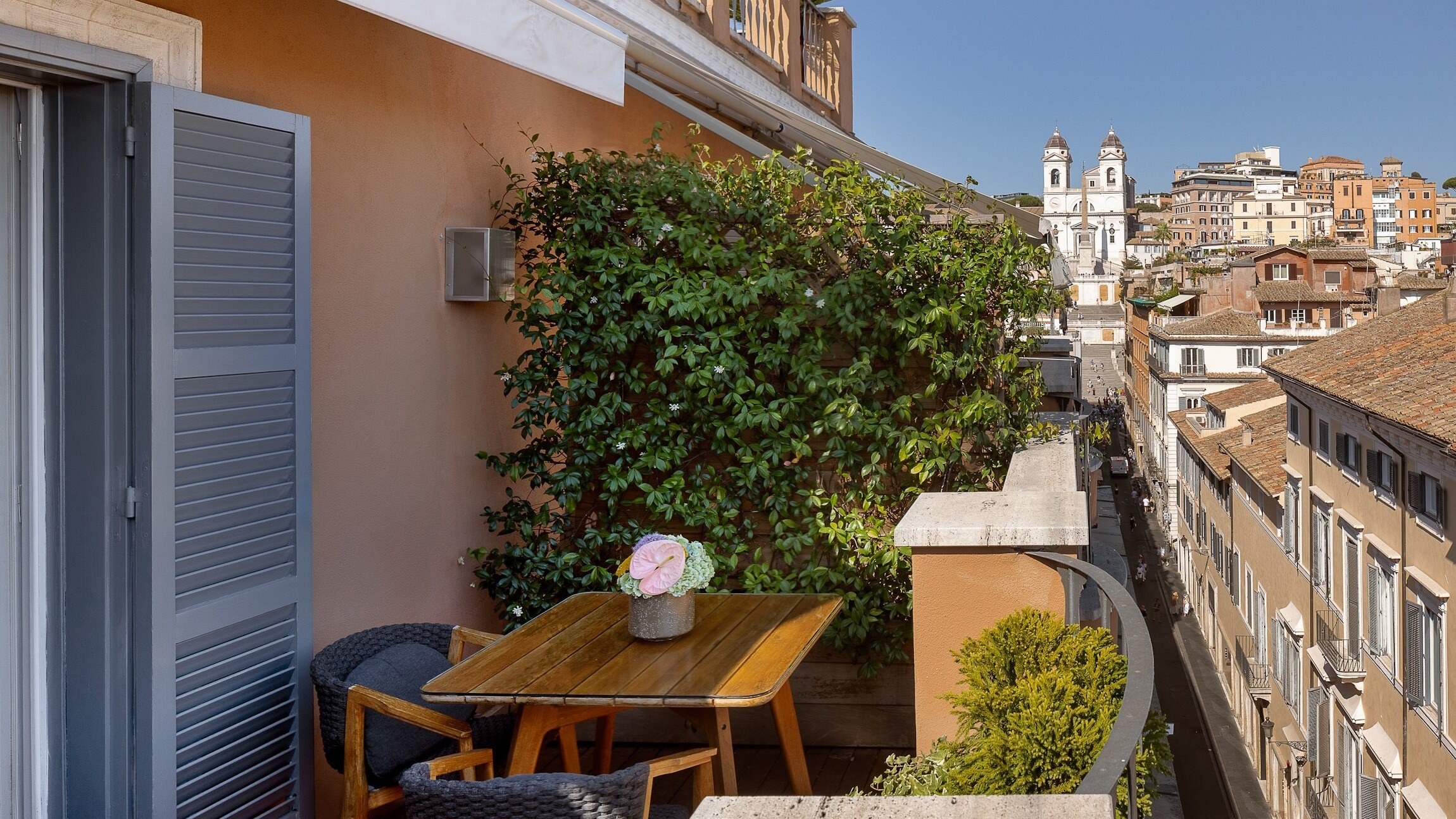
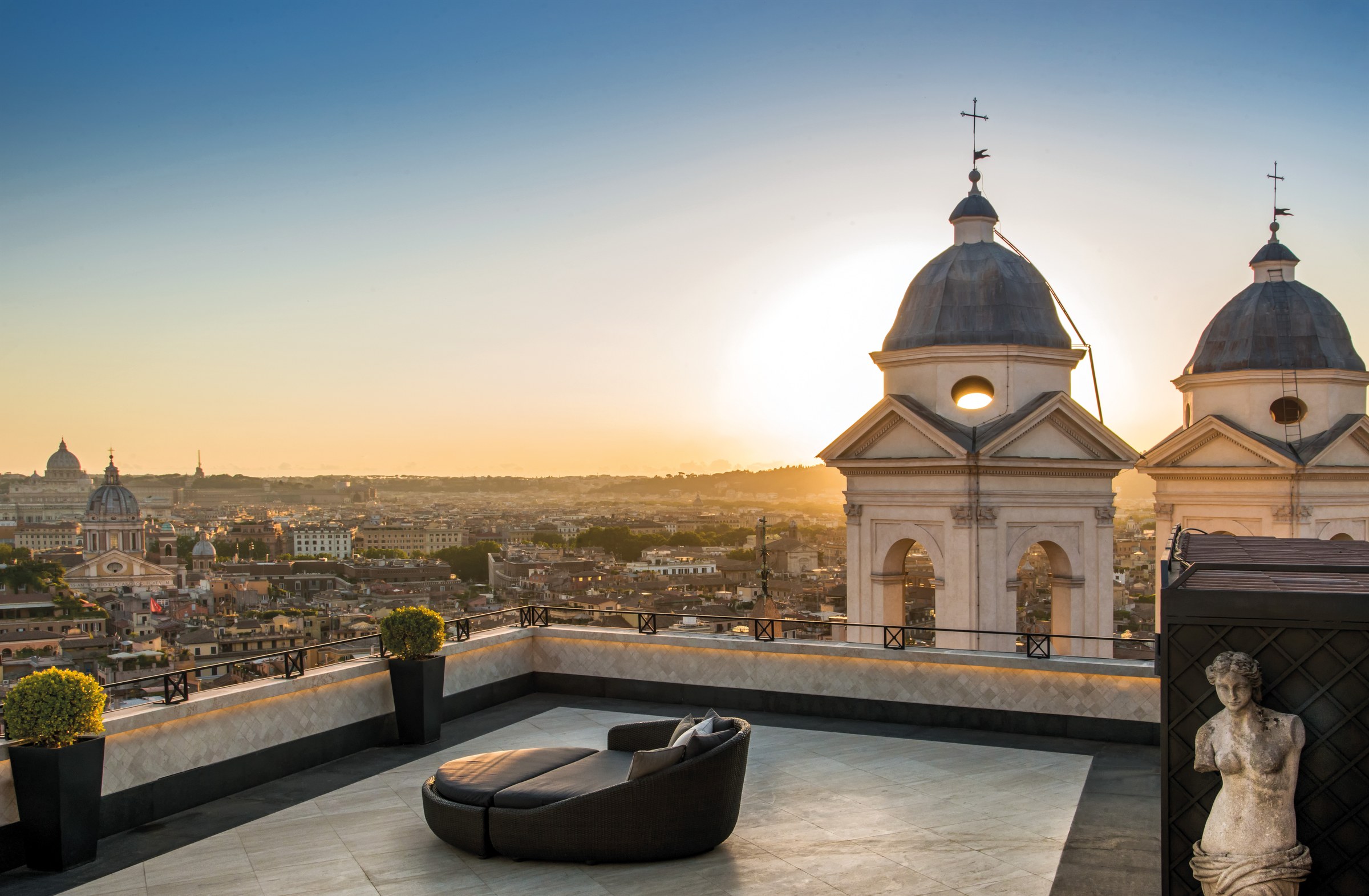
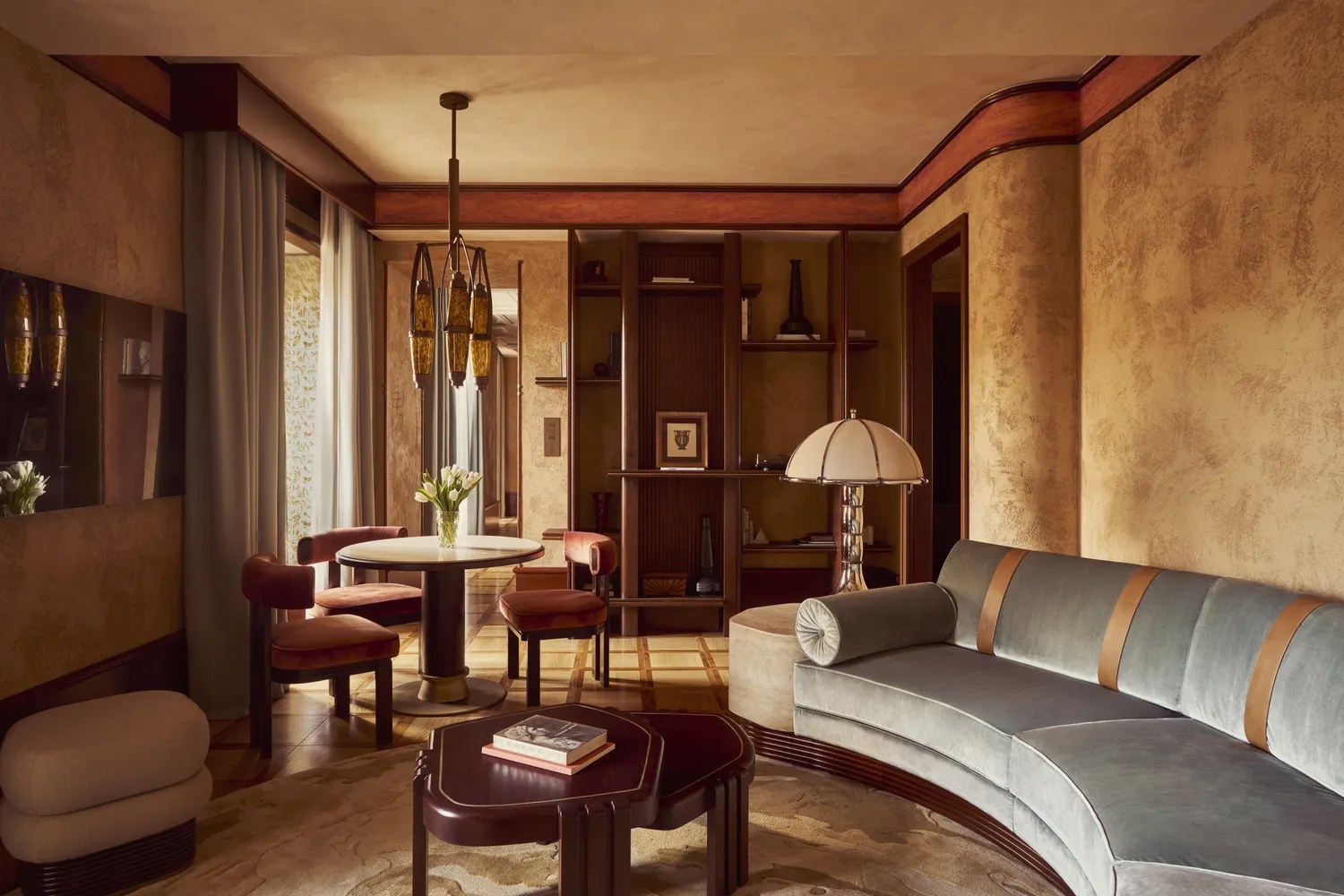
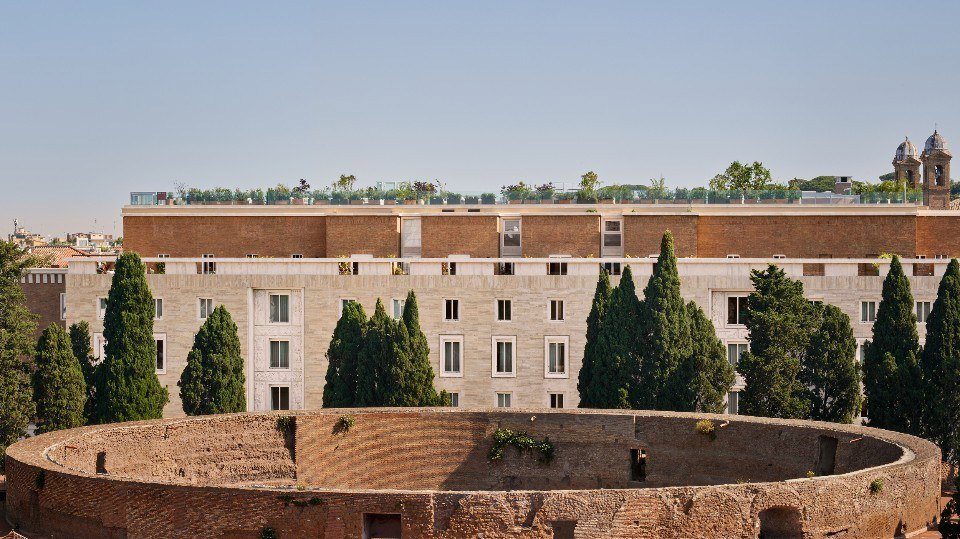
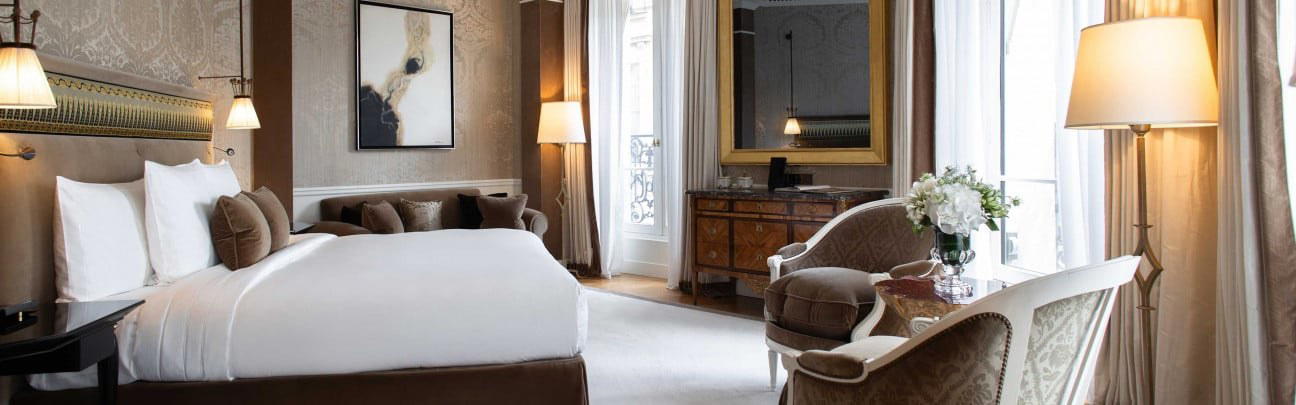
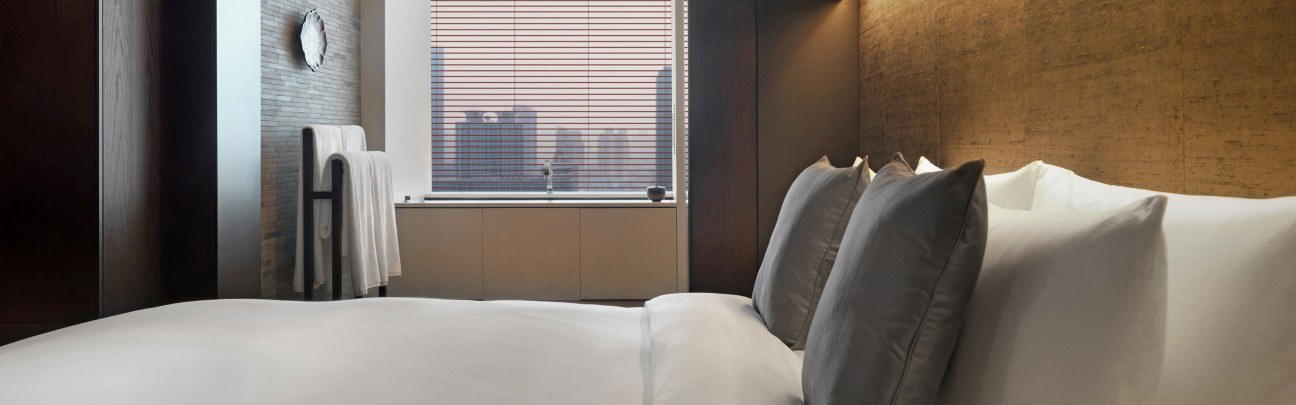
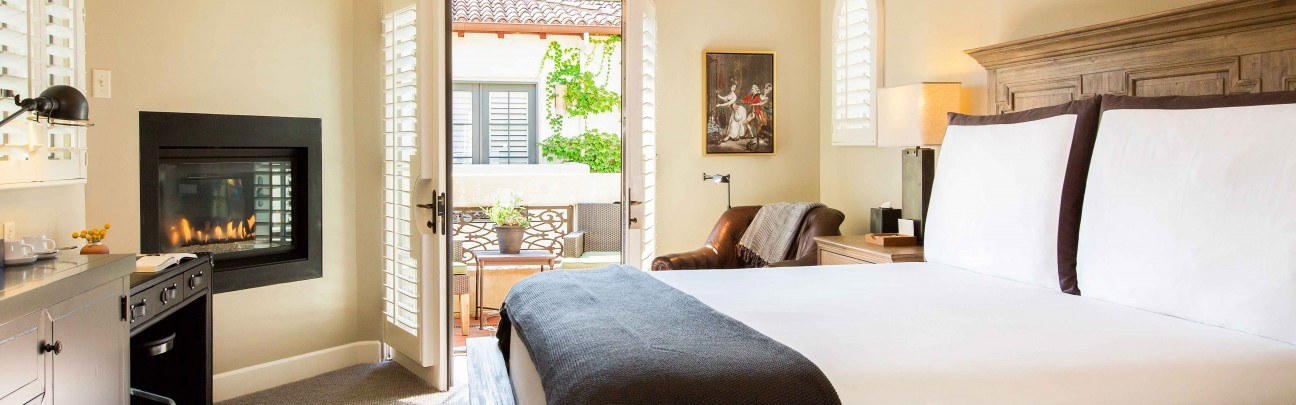
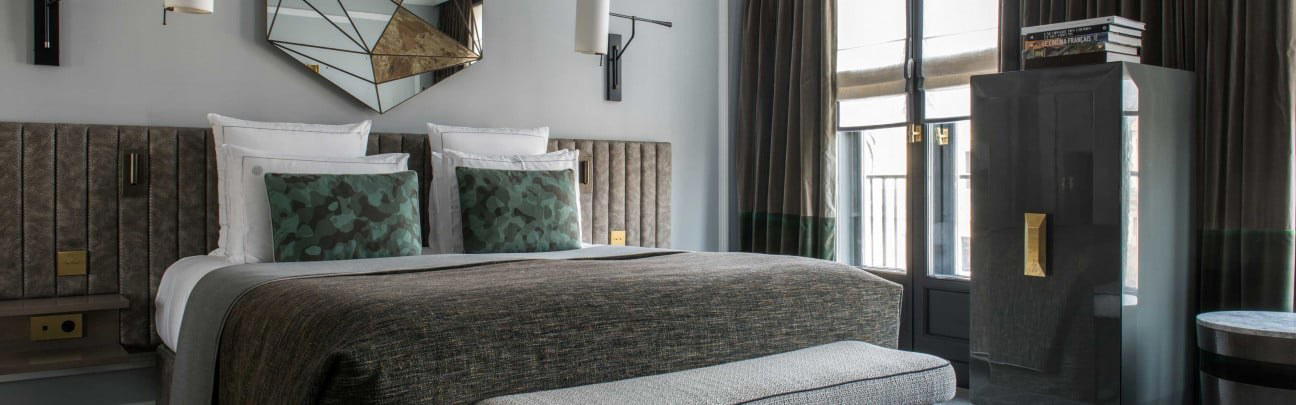
Casa Monti presents a boutique, design-forward interpretation of five-star hospitality rooted in Monti's dense artisan fabric. The hotel channels the neighbourhood's antique dealers, glassworkers and ironworkers into interiors that feel commissioned rather than canned, creating an intimate, neighbourhood-specific personality. With just 36 rooms and a clear refusal of pan‑European chain language, the property positions itself as a small, polished alternative to larger Roman luxury hotels—quietly confident, craft-forward and steeped in place. Guests who value thoughtful materials, bespoke touches and a genuine connection to the surrounding workshops find the hotel's character compelling and distinctively Roman.
Venue details
Ambiance
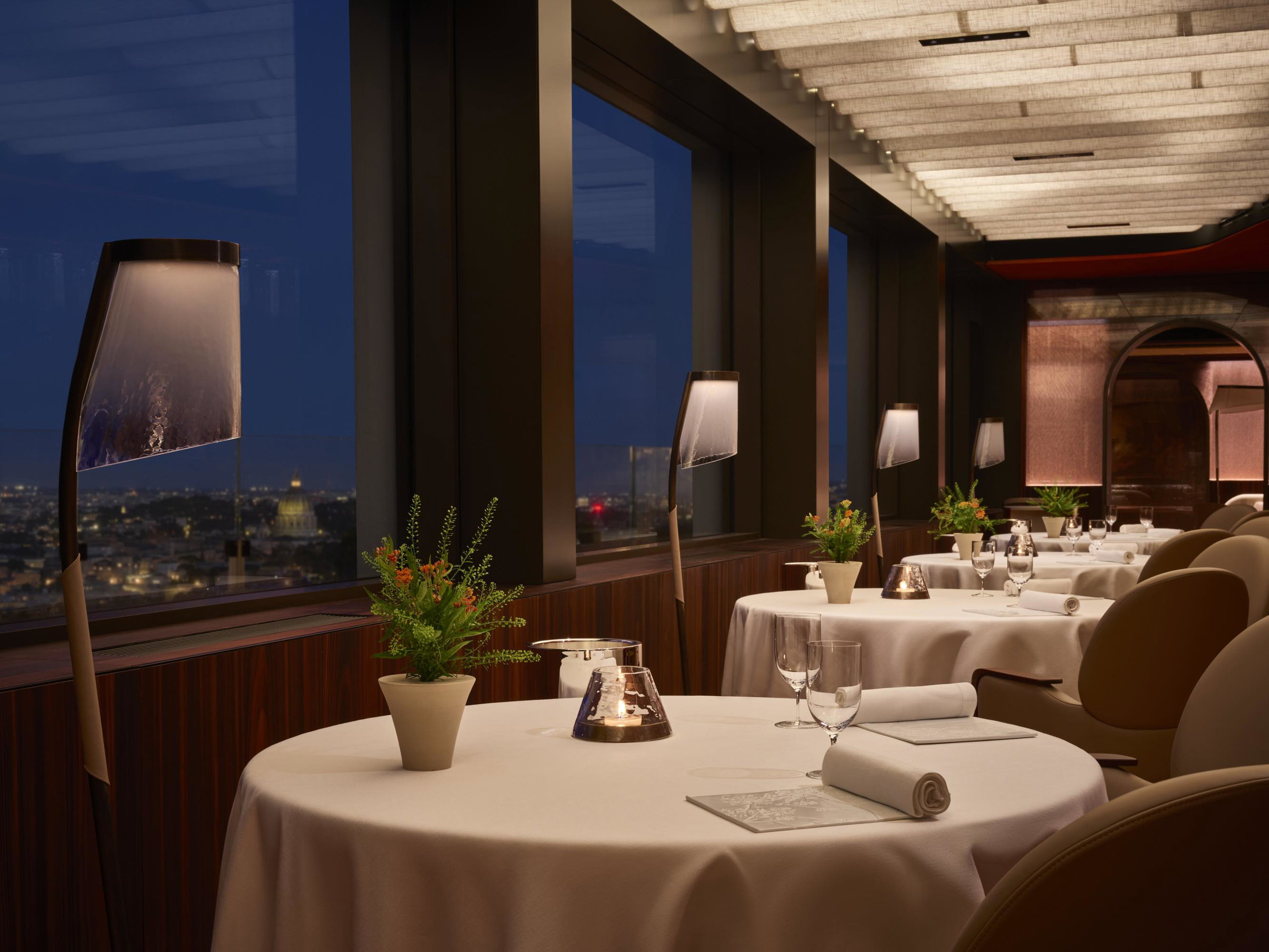
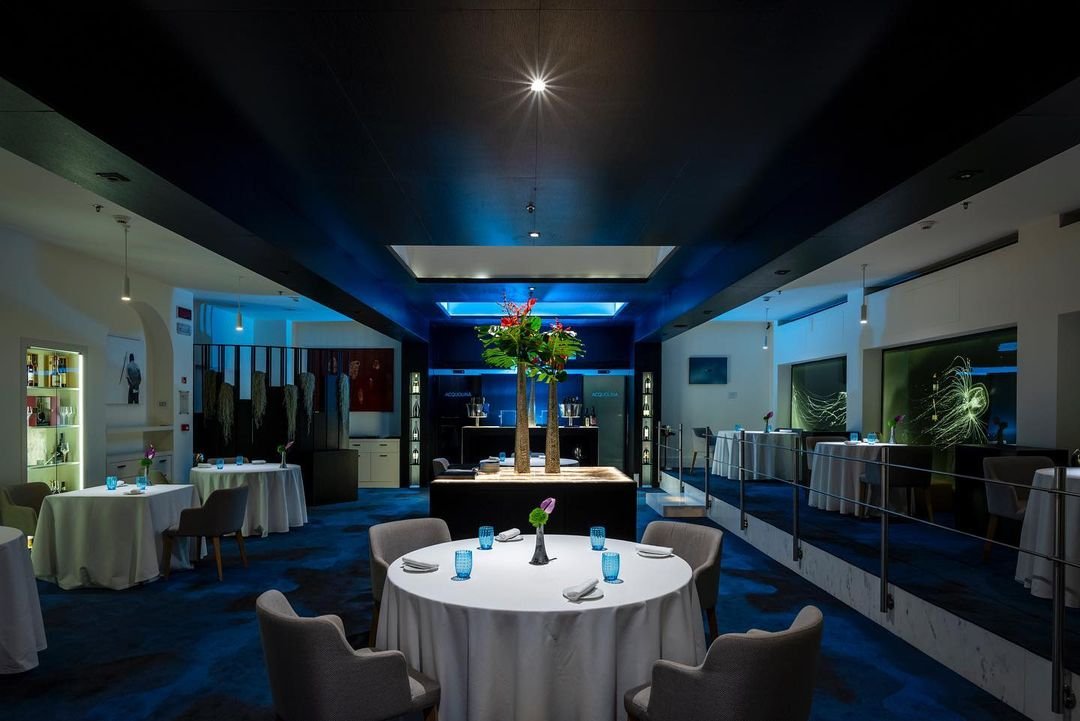
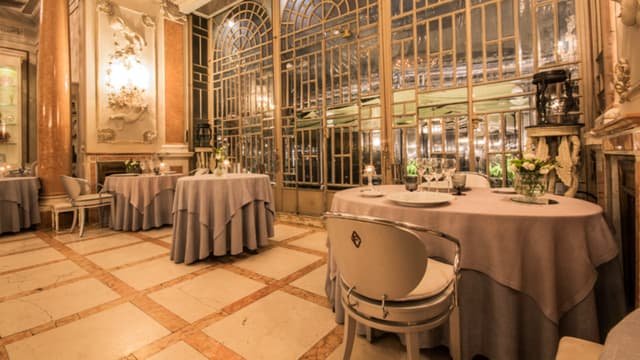
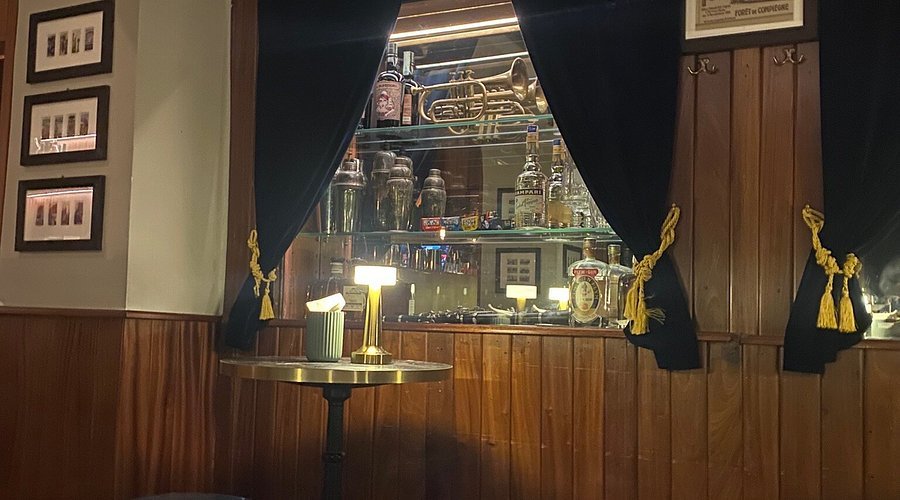
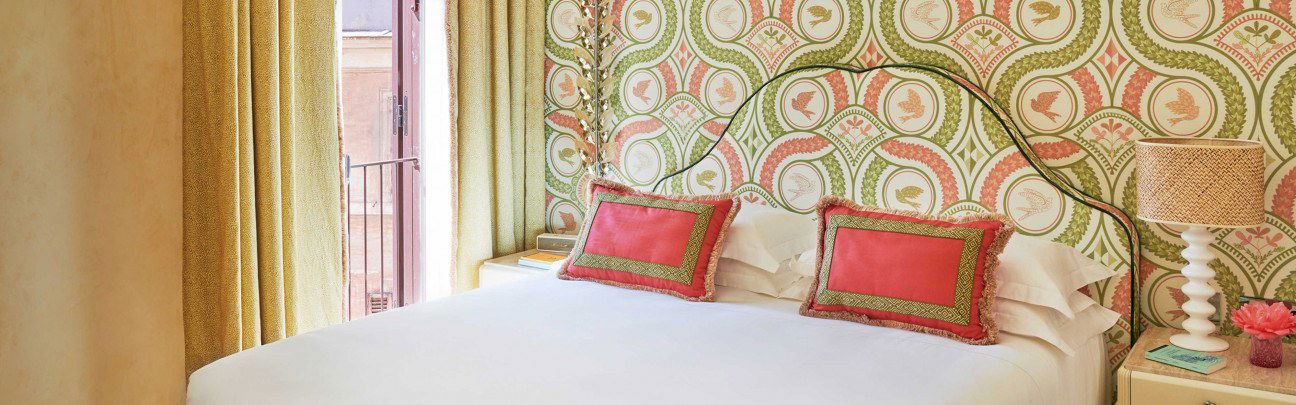
Cozy and eclectic with colorful, artistic interiors, soft lighting, thoughtful touches like hidden TVs and turndown amenities, creating a welcoming, intimate boutique atmosphere.
Tags
Vibe
Best For
Experience
Amenities
View
Accessibility
About the Stay
- Rooms
- 36
- Property Type
- Boutique hotel
- Property Style
- Artist's Residence Reimagined with Bohemian Sprezzatura and Effortless Freshness.
- Design Style
- Maximalist Bohemian with Colorful Style, Handcrafted Artisan Decor, Rich Patterns, and Noble Materials Inspired by Rome.
- Airport Transfer
- Available
- Pool
- Yes
- Spa
- Yes
- Pets
- Allowed
- Families
- Welcome
Know before you go
Know Before You Go
- Getting there
- Via Panisperna, 210/212
Planning details
Location
Recognition and awards

Also consider
Also Consider
- Condominio Monti, Notable alternative
- The Fifteen Keys Hotel, Notable alternative
- 1880 Atypical Rooms, Notable alternative
- Villa Spalletti Trivelli, Notable alternative
- The Inn at the Roman Forum, Notable alternative
Hotel context
How Casa Monti compares in Rome
Choose Casa Monti over Condominio Monti if external luxury recognition and a more polished hotel feel matter. Condominio Monti is the more direct neighborhood-style alternative for travelers who want Monti access without over-prioritizing formal hotel credentials.
The Fifteen Keys Hotel and 1880 Atypical Rooms are the better cross-shops for travelers who value smaller-scale character and likely spend most of the day outside the hotel. Casa Monti is the safer recommendation when the trip calls for a recognized luxury signal and an easy booking path.
For a more classic Rome splurge, compare against Villa Spalletti Trivelli or The Inn at the Roman Forum. Those make more sense when atmosphere and heritage are the point of the stay; Casa Monti is the more practical choice when Monti location, booking ease, and price-to-quality discipline carry more weight.
Around this place
Discover more on Pearl
Unlock the full Casa Monti guide in Pearl, including awards, comparisons, FAQs, planning details, and nearby places.
Compare Casa Monti
| Venue | Location | Awards |
|---|---|---|
| Casa Monti | Rome | 2026 Virtuoso Luxury Hotel Collection2026 Mr & Mrs Smith Luxury Hotels2025 Michelin Selected Hotels |
| Condominio Monti | Rome | No published awards |
| The Fifteen Keys Hotel | Rome | No published awards |
| 1880 Atypical Rooms | Rome | No published awards |
| Villa Spalletti Trivelli | Rome | 2026 Forbes 4-Star2026 La Liste Top Hotels2025 Michelin Selected HotelsSmall Luxury Hotels Member 20252025 Forbes 4-Star |
| The Inn at the Roman Forum | Rome | 2024 Michelin 1 Key |




How Casa Monti Rome compares with similar nearby venues.
FAQ
Frequently Asked Questions
How is the dining at Casa Monti?
Dining details are not provided here. The confirmed signals are Casa Monti's Rome location, smart casual dress code, 2026 Mr & Mrs Smith Seal of Approval, and 2026 Virtuoso Luxury Hotel Partner status.
When is the best time to book Casa Monti?
Book once your Rome dates are firm and you have checked the current details that matter to your stay. Pricing, availability patterns, and booking difficulty are not included here.
How is the pool and spa at Casa Monti?
Pool and spa details are not provided here. If wellness facilities are important, confirm them directly before booking rather than assuming they are part of the stay.
How is the location of Casa Monti?
Casa Monti is in Rome. For exact positioning and transit planning, rely on current booking information.
Do loyalty programs work at Casa Monti?
The confirmed program-style signal is Casa Monti's 2026 Virtuoso Luxury Hotel Partner recognition, along with its 2026 Mr & Mrs Smith Seal of Approval. If booking benefits matter, compare current terms with Casa Monti and any other Rome stay you are considering, then choose the channel that best fits your trip.