
The Inn at the Roman Forum
Monti, Rome
Hotel in Rome, Italy
 Book with Pearl
The Read
Stratigraphic Lodging
Why go
Quiet, central, and better suited to a culture-first Rome stay than a facilities-led hotel break. The Inn at the Roman Forum is worth shortlisting for atmosphere near the ancient core, especially for couples and first-timers, but dining, spa, and business amenities should not be the main reason to choose it.
About The Inn at the Roman Forum
The Inn at the Roman Forum is a Rome hotel with a clearly confirmed Michelin 1 Key recognition for 2024. Beyond that recognition and a smart casual dress code, details such as restaurant format, chef, cuisine, price range, spa setup, room inventory, or business facilities are not readily available. It is best evaluated as a Rome stay with a strong hotel-quality signal, rather than a property to book specifically for unlisted amenities.
The decision is simple. Consider it for a Rome trip where the hotel's Michelin 1 Key status is a useful trust marker. Cross-shop if your choice depends on specific details about dining, wellness facilities, room categories, or business infrastructure. Its Michelin 1 Key recognition should be read as a hotel-quality marker, not proof that every on-site amenity is the reason to book.
Choose it for a Michelin 1 Key Rome stay, not for unlisted extras
Most grounded reason to keep The Inn at the Roman Forum on a shortlist is its confirmed Michelin 1 Key recognition. That gives travelers a meaningful benchmark when comparing Rome hotels, while still leaving open questions about specific facilities that are not detailed.
Dining should not be the deciding factor. With no specific cuisine type, chef, menu format, or price range provided for the hotel, treat meals here as secondary and plan serious restaurant choices separately. For food-led planning, use Our full Rome restaurants guide; for post-dinner options, Our full Rome bars guide is more useful than assuming the hotel can carry the night.
Who should book, and who should cross-shop
Book if you want a Rome hotel with confirmed Michelin 1 Key recognition and are comfortable checking the property directly for current details on rooms, services, and amenities. Cross-shop if the trip depends on specific features such as a particular dining program, spa facilities, meeting setup, or room configuration.
For broader hotel planning, compare it with Our full Rome hotels guide, plus Rome options including Casa Monti Roma, Condominio Monti, H10 Palazzo Galla, Nerva Boutique Hotel, and Palm Suite.
If the Rome trip extends into a wider Italy itinerary, use details for The Inn at the Roman Forum as a baseline, then compare other hotels on the specific facts that matter to the trip: location within the city, room needs, service expectations, and whether the amenities you intend to use are available.
Part of
Luxury Collection87 locations on PearlPlanning details
- Location
- Via degli Ibernesi, 30, 00184 Roma RM
- Website
- theinnattheromanforum.com
- Phone
- +39 06 6919 0970
The take
The Take
The Vibe
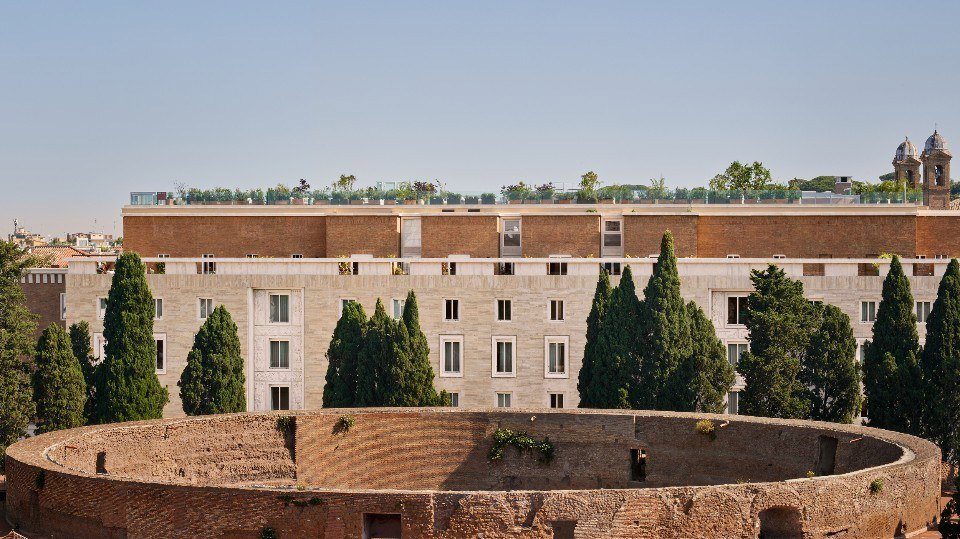
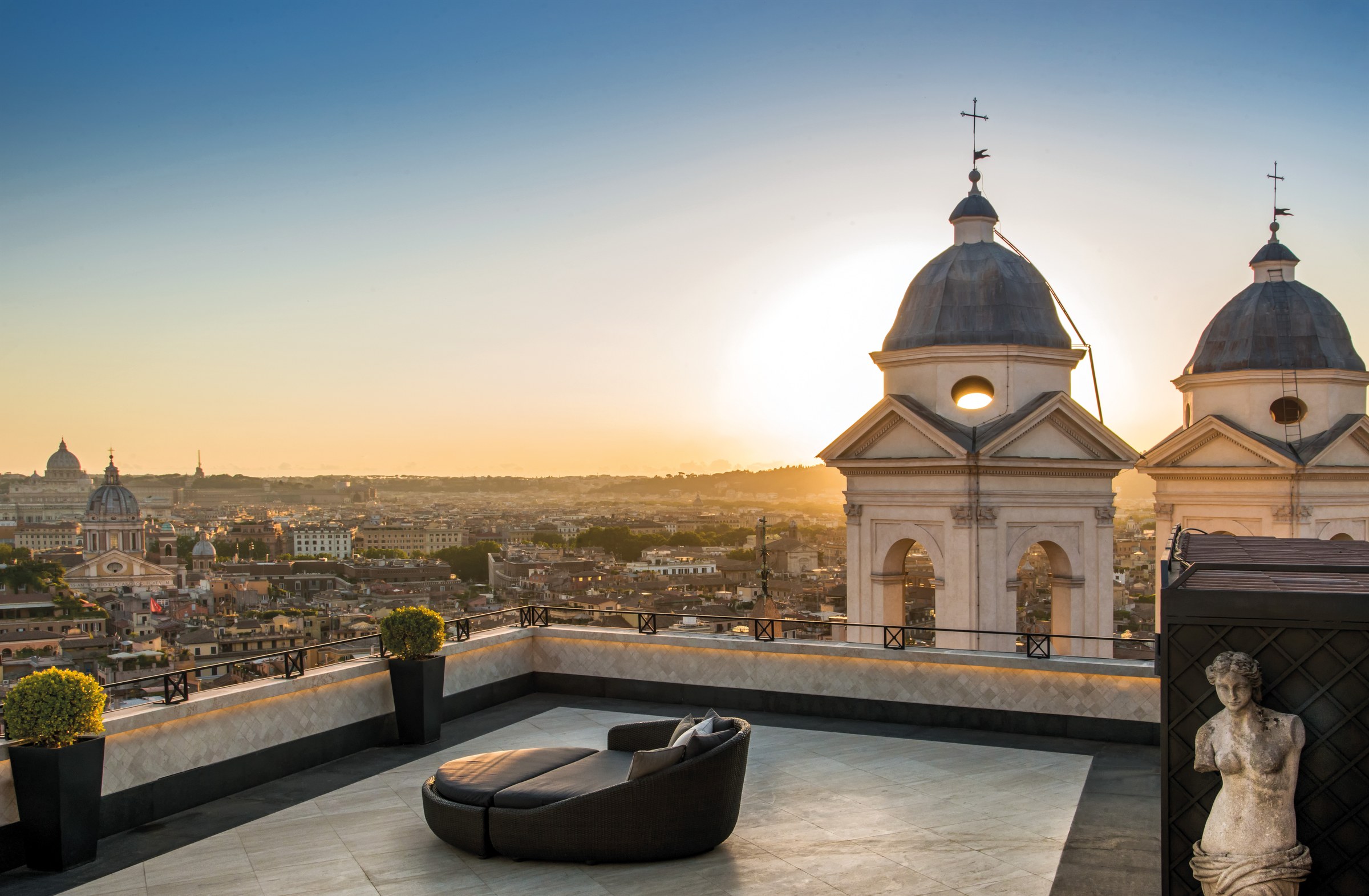
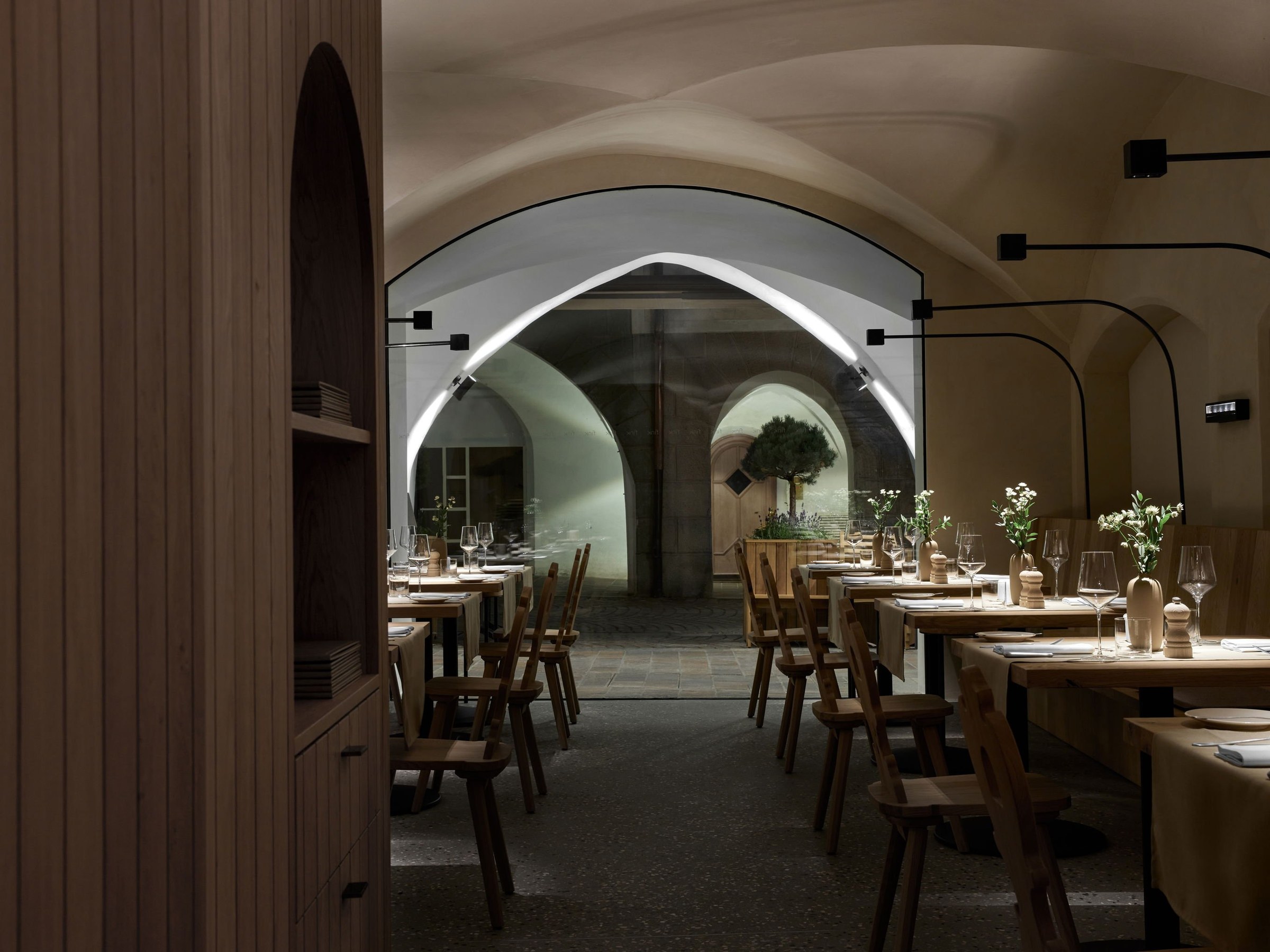
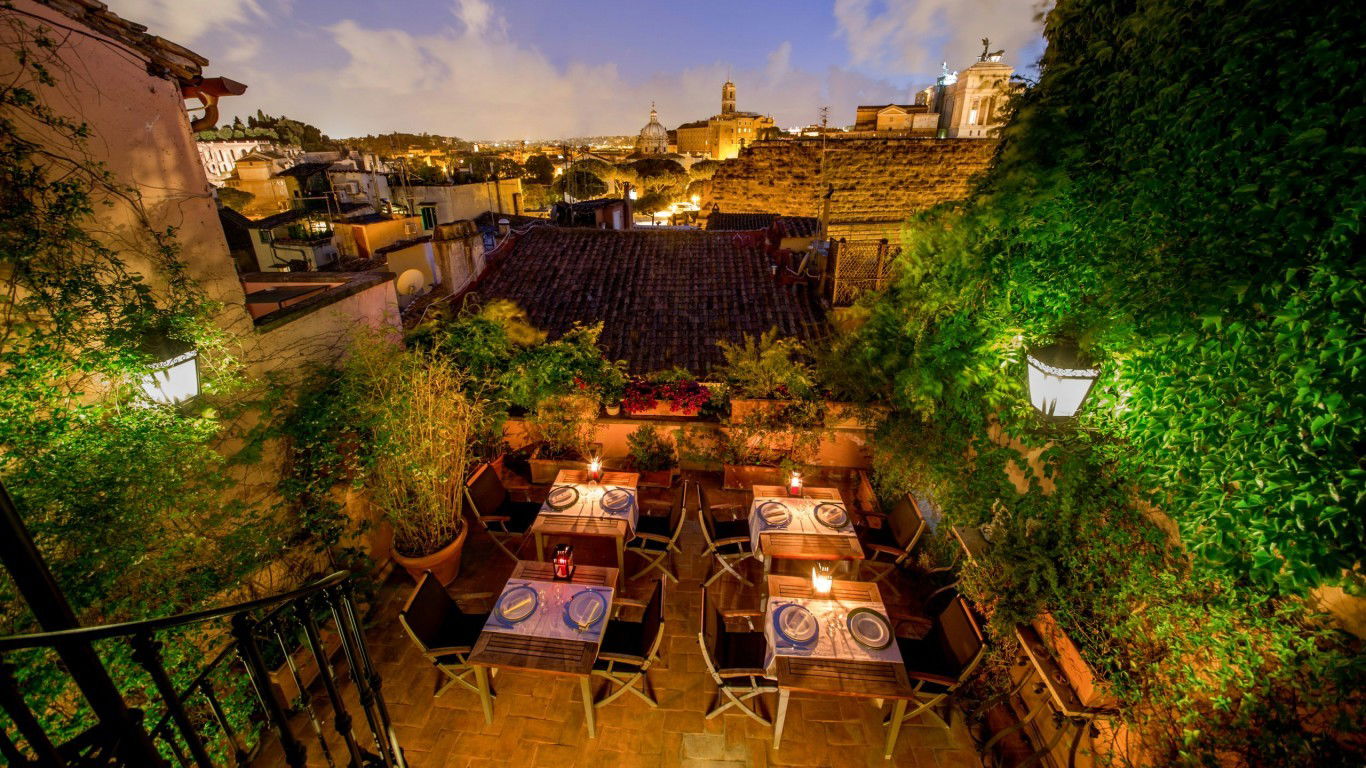
The Inn at the Roman Forum feels rooted in place rather than performance. It foregrounds material history — exposed medieval stonework, Roman-era fragments and the 'compressed historical density' of Centro/Monti — and sustains a quiet, restrained presence on the street. This is a boutique address that prioritizes coherence over spectacle: architecture and interiors read like an argument about authenticity rather than theatrical luxury. The hotel’s 2024 Michelin Key recognition underlines that the property is judged on identity and execution as much as on comfort, making it a refined, low-key counterpoint to Rome’s larger flagship hotels.
Best For
The property is best for travelers who prize intimacy and historic character: couples seeking a romantic getaway, honeymooners and pairs marking anniversaries, and anyone after a short, contemplative weekend escape in the heart of Rome. Its small scale and deliberate restraint suit guests who prefer a quieter, more personal stay over the pomp of grand international hotels. The hotel’s boutique identity and Michelin Key recognition also appeal to visitors who value coherent design and a strong sense of place when choosing accommodation in Centro/Monti.
Venue details
Ambiance
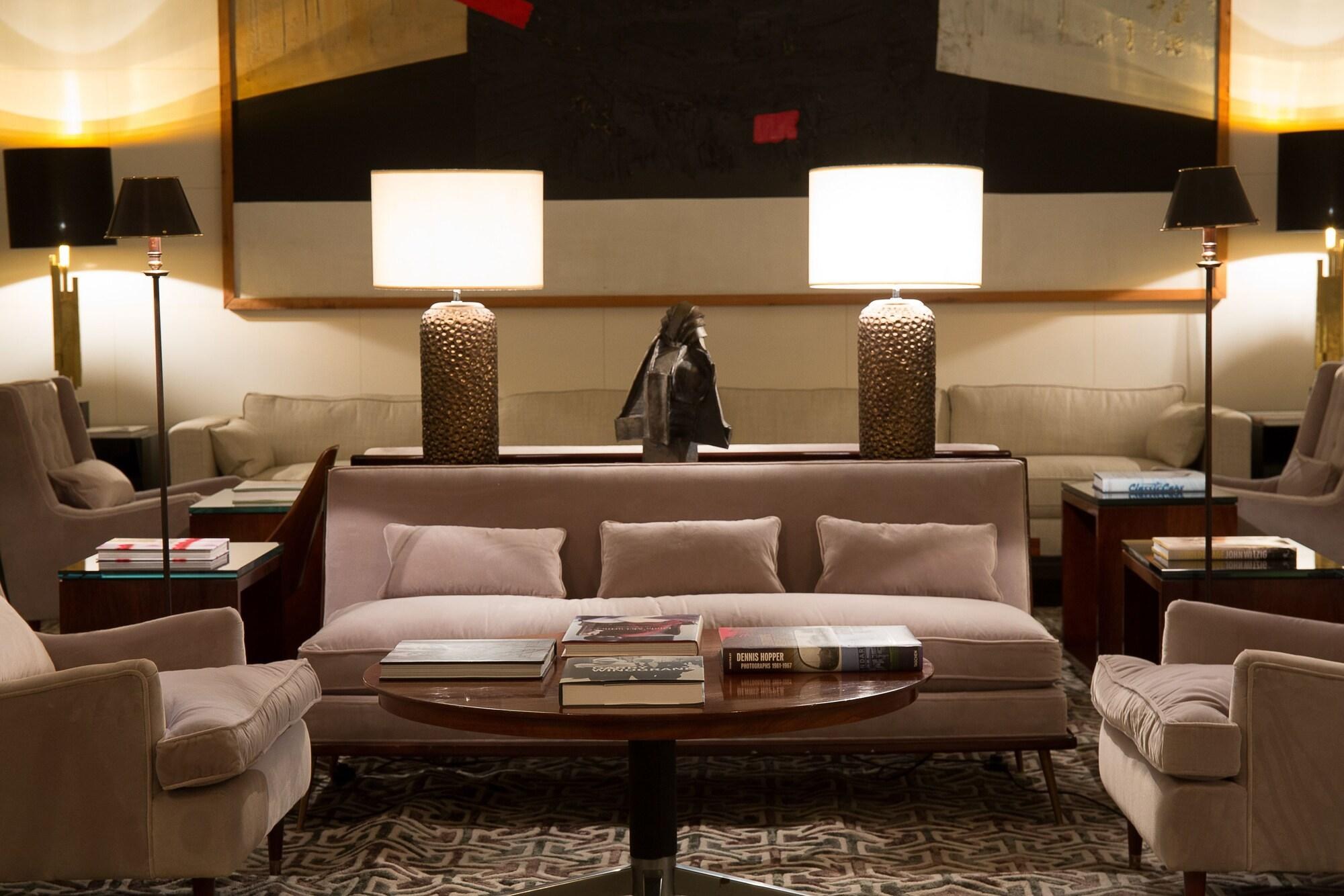
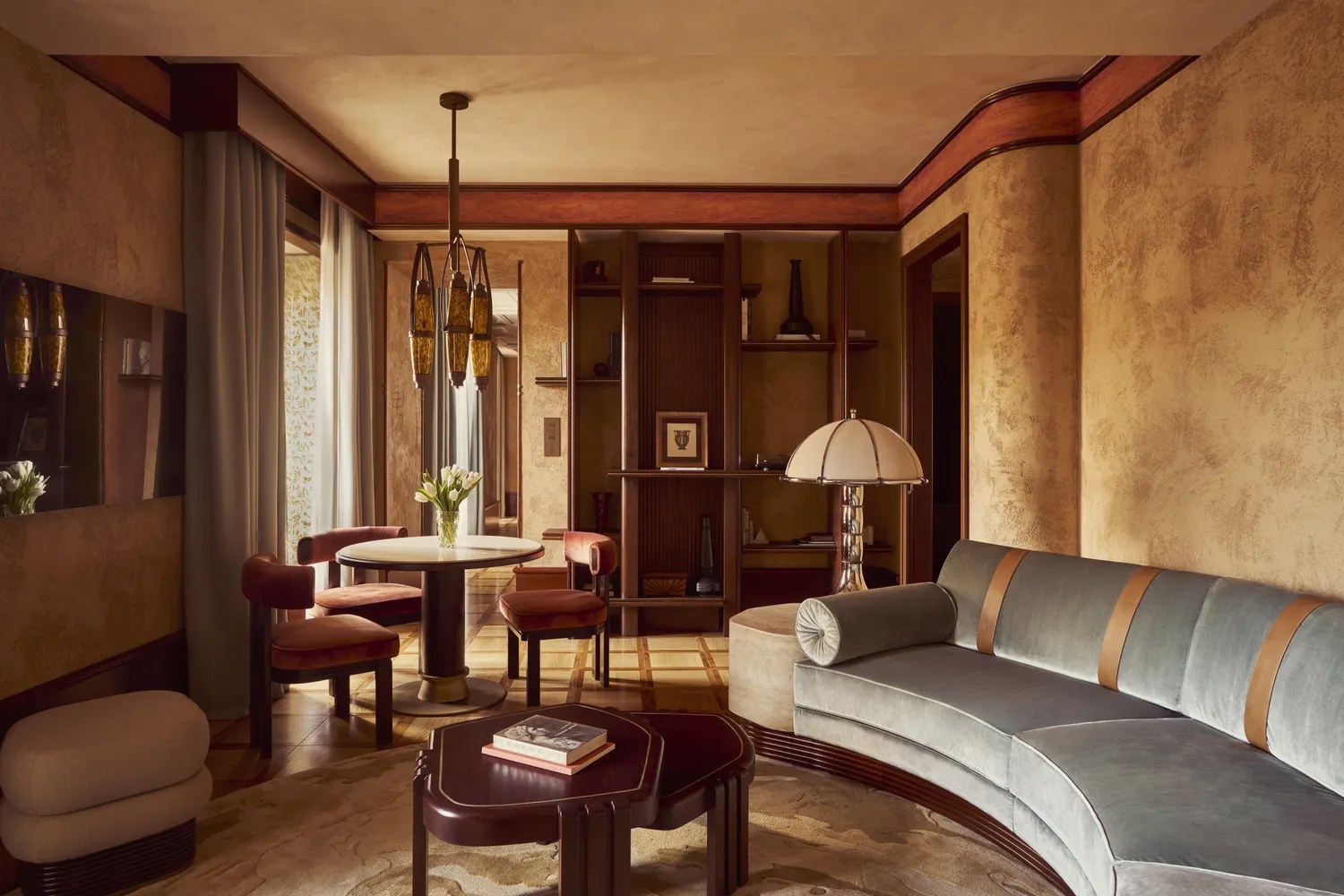
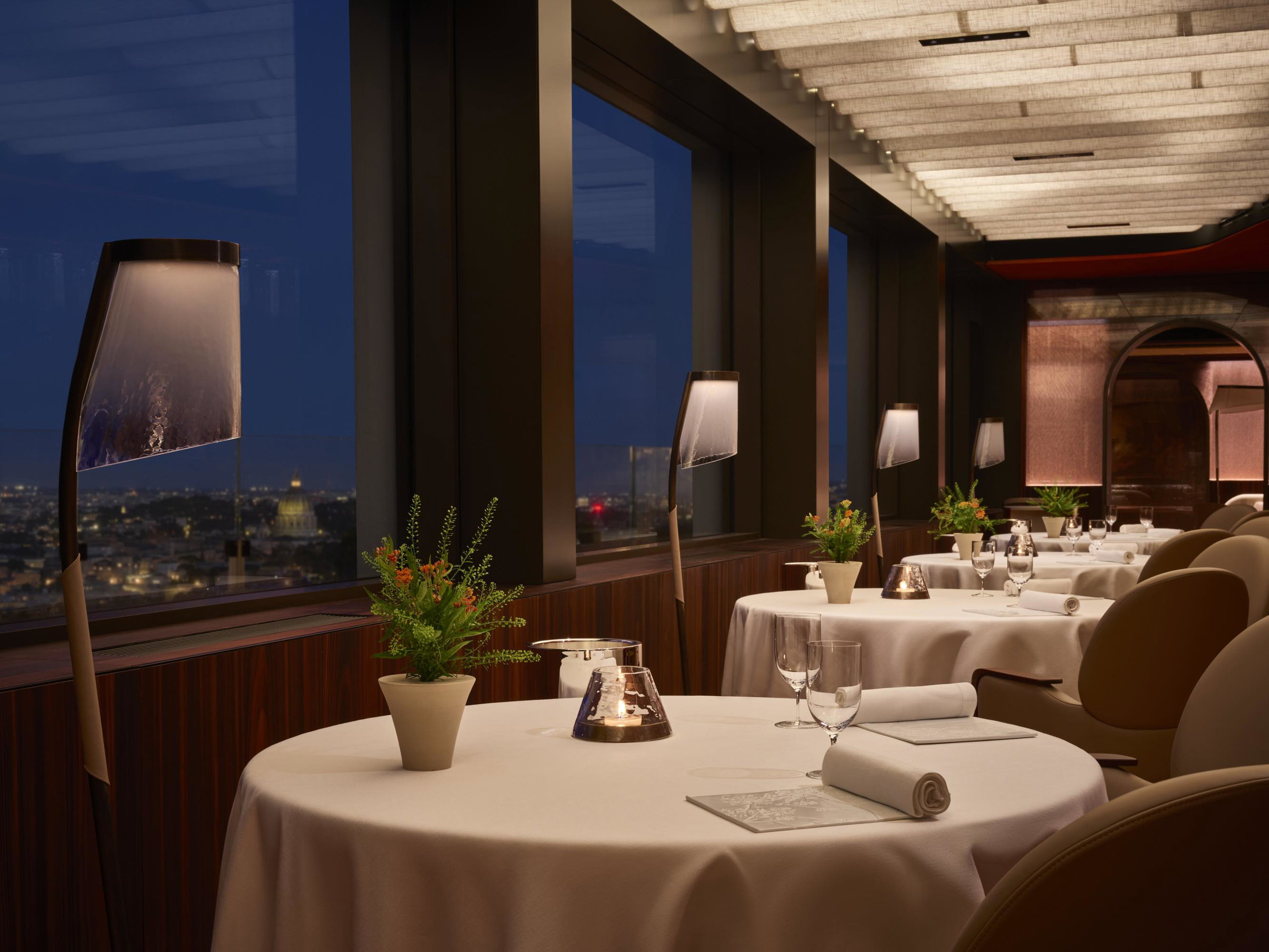
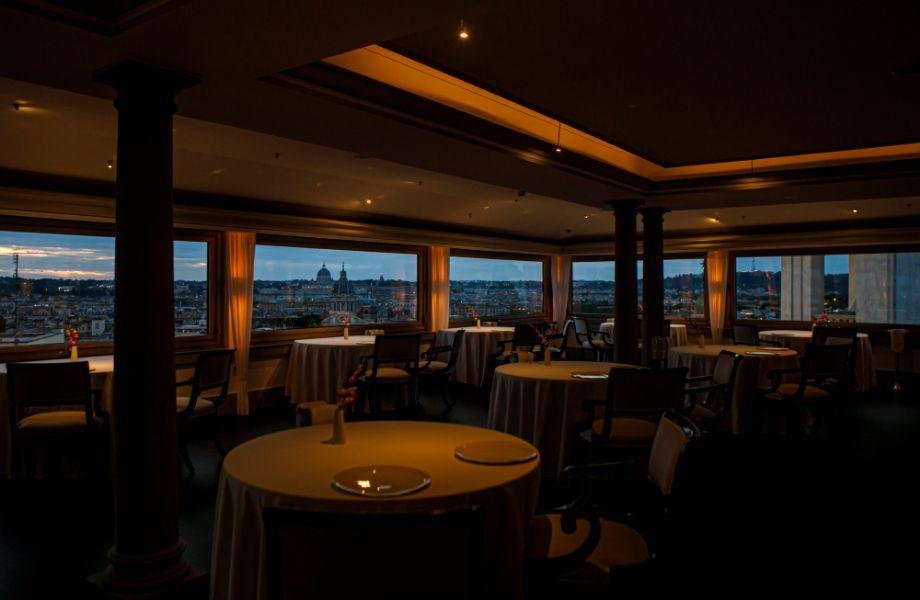
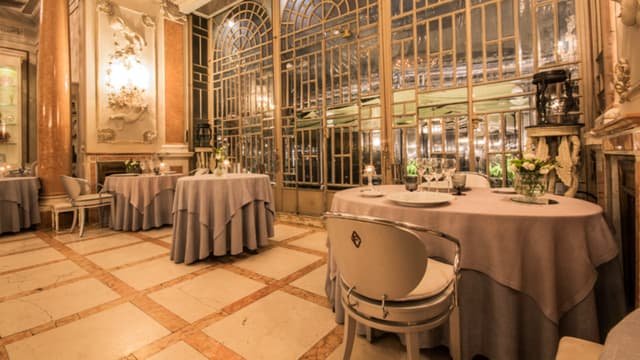
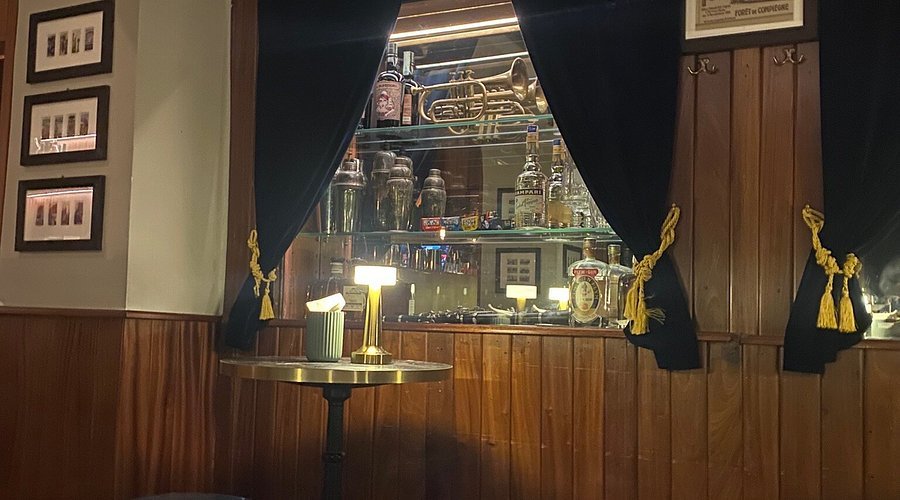
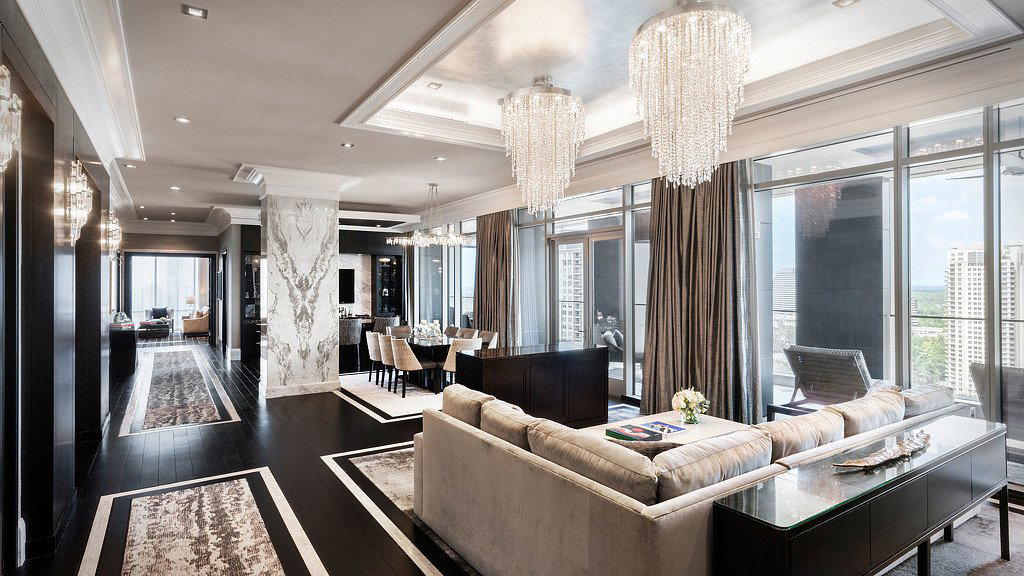
Warm, welcoming, and intimate with elegant decor featuring a suspended chandelier, fireplace in the lounge, and soft lighting that evokes early 20th-century charm while maintaining modern sophistication.
Tags
Vibe
Best For
Experience
Amenities
View
Accessibility
About the Stay
- Rooms
- 17
- Check-in
- 15:00
- Check-out
- 11:00
- Property Style
- Intimate Five Storey Terraced Townhouse Converted Into a Luxury Boutique Residence with Personalized Service and Historic Character.
- Design Style
- Classic Italian Design with Modern Sophistication, Featuring Hardwood Floors, Contemporary Furnishings, Tasteful Decor, and Period Architectural Details.
Know before you go
Know Before You Go
- Getting there
- Via degli Ibernesi, 30, 00184 Roma RM
Planning details
Location
Also consider
Also Consider
- Nerva Boutique Hotel, Notable alternative
- H10 Palazzo Galla, Notable alternative
- Condominio Monti, Notable alternative
- Palm Suite, Notable alternative
- Casa Monti Roma, Notable alternative
Hotel context
How it compares with nearby Rome boutique hotels
The Inn at the Roman Forum is the pick for travelers who want the stay to feel anchored near Rome's ancient core, with a quieter inn-like mood rather than a larger hotel rhythm. Nerva Boutique Hotel is the closest practical cross-shop for a similar central-boutique brief; choose Nerva if the priority is a simpler, easier-feeling base, and choose The Inn at the Roman Forum if atmosphere and recognition matter more.
H10 Palazzo Galla is the safer bet for travelers who want a more conventional hotel feel, while Condominio Monti suits guests who prefer a livelier Monti address and a less formal mood. For booking difficulty, treat The Inn at the Roman Forum as the harder target; if dates are tight, these two are sensible first alternatives.
Palm Suite and Casa Monti Roma are better cross-shops for design-led travelers. Palm Suite is the sharper fit for a more intimate stay, while Casa Monti Roma makes sense for guests who want a fuller contemporary-hotel experience. The Inn at the Roman Forum is the choice when the deciding factor is historic ambiance rather than broad facilities.
Around this place
Discover more on Pearl
Unlock the full The Inn at the Roman Forum guide in Pearl, including awards, comparisons, FAQs, planning details, and nearby places.
Compare The Inn at the Roman Forum
| Venue | Location | Awards |
|---|---|---|
| The Inn at the Roman Forum | Rome | 2024 Michelin 1 Key |
| Nerva Boutique Hotel | Rome | No published awards |
| H10 Palazzo Galla | Rome | No published awards |
| Condominio Monti | Rome | No published awards |
| Palm Suite | Rome | 2026 Mr & Mrs Smith Luxury Hotels2025 Michelin Selected HotelsSmall Luxury Hotels Member 2025 |
| Casa Monti Roma | Rome | No published awards |


How The Inn at the Roman Forum compares with similar nearby venues.
FAQ
Frequently Asked Questions
How is the location of The Inn at the Roman Forum?
Its location is in Rome. Choose it if you want to evaluate a Rome hotel with confirmed Michelin 1 Key recognition, and check the hotel directly for the most current address and arrival details.
How does The Inn at the Roman Forum compare to nearby hotels?
It makes sense to compare it with other Rome hotels such as Nerva Boutique Hotel, Condominio Monti, H10 Palazzo Galla, Palm Suite, and Casa Monti Roma. Its clearest distinction is Michelin 1 Key recognition for 2024.
Which room category is best at The Inn at the Roman Forum?
Specific room-category details are not provided. Choose based on the latest room descriptions from the hotel, prioritising the space, layout, and bedding setup that fit your trip.
Is The Inn at the Roman Forum good for business travel?
Business-travel facilities are not detailed. It may be worth considering if a Rome hotel with Michelin 1 Key recognition fits your itinerary, but confirm workspace, connectivity, meeting support, and transport needs directly with the property before booking.