


Rosewood Munich
Lehel, Munich
Hotel in Munich, Germany
 Book with Pearl
The Read
Banking-Heritage Hospitality
Why go
Rosewood Munich is worth booking if a central Munich address and full-service luxury matter more than value hunting. Michelin 2 Keys, Forbes 4-Star recognition, and Virtuoso partner status make it a safer high-end choice for first-timers, but travelers who just need a convenient base should compare rates with Bayerischer Hof Munich, BEYOND by Geisel, and Do & Co Hotel Munich before committing.
About Rosewood Munich
Consider Rosewood Munich if you want a premium hotel stay in Munich and are weighing it against other higher-end options in the city. The best way to judge the booking is by confirmed recognition, dress expectations, and how it fits your overall Munich plan rather than by claims about facilities, dining, rooms, or exact location.
Rosewood Munich has external recognition: Michelin 2 Keys in 2024, Forbes 4-Star recognition for 2026, and Virtuoso Luxury Hotel Partner status for 2026. Those markers support treating it as a serious luxury-hotel option, while the smart-casual dress code gives a basic sense of the expected tone.
Choose it for confirmed luxury positioning, not for specifics
The clearest grounded case for Rosewood Munich is its recognition. If those hotel accolades matter to your trip, it belongs on the shortlist. If your decision depends on specific amenities, restaurant details, room features, prices, or exact logistics, verify those directly before booking.
That makes the property easier to evaluate as a premium Munich hotel choice than as a value play. Travelers comparing options should focus on what is confirmed: the venue is Rosewood Munich, it is in Munich, it has smart-casual dress expectations, and it carries Michelin 2 Keys, Forbes 4-Star, and Virtuoso Luxury Hotel Partner recognition in the listed years.
What the recognition signals for a first-timer
For travelers choosing from abroad, the strongest reason to trust the booking is external validation: Michelin 2 Keys in 2024, Forbes 4-Star recognition for 2026, and Virtuoso Luxury Hotel Partner status for 2026. Those markers do not describe every detail of the stay, but they do place Rosewood Munich in a recognized luxury-hotel context.
Munich has several credible alternatives depending on the trip. If you want to compare Rosewood Munich with other established hotel choices, Bayerischer Hof Munich, Hotel Vier Jahreszeiten Kempinski Munich, BEYOND by Geisel, Do & Co Hotel Munich, and Hotel Lux are natural names to review. Rosewood Munich makes the most sense when confirmed luxury recognition is a key part of the decision.
Who should skip it
Skip it if you need detailed information on specific facilities, dining, pricing, room categories, or logistics before committing. For a broader scan before committing, compare it against Munich hotels, then use the city guides for restaurants, bars, and experiences to decide how the stay fits into the trip.
Part of
Rosewood79 locations on PearlInside Rosewood Munich
Planning details
- Location
- Kardinal-Faulhaber-Straße 1, 80333 München
- Website
- rosewoodhotels.com/en/munich
- Phone
- +49 89 8000190
The take
The Take
The Vibe
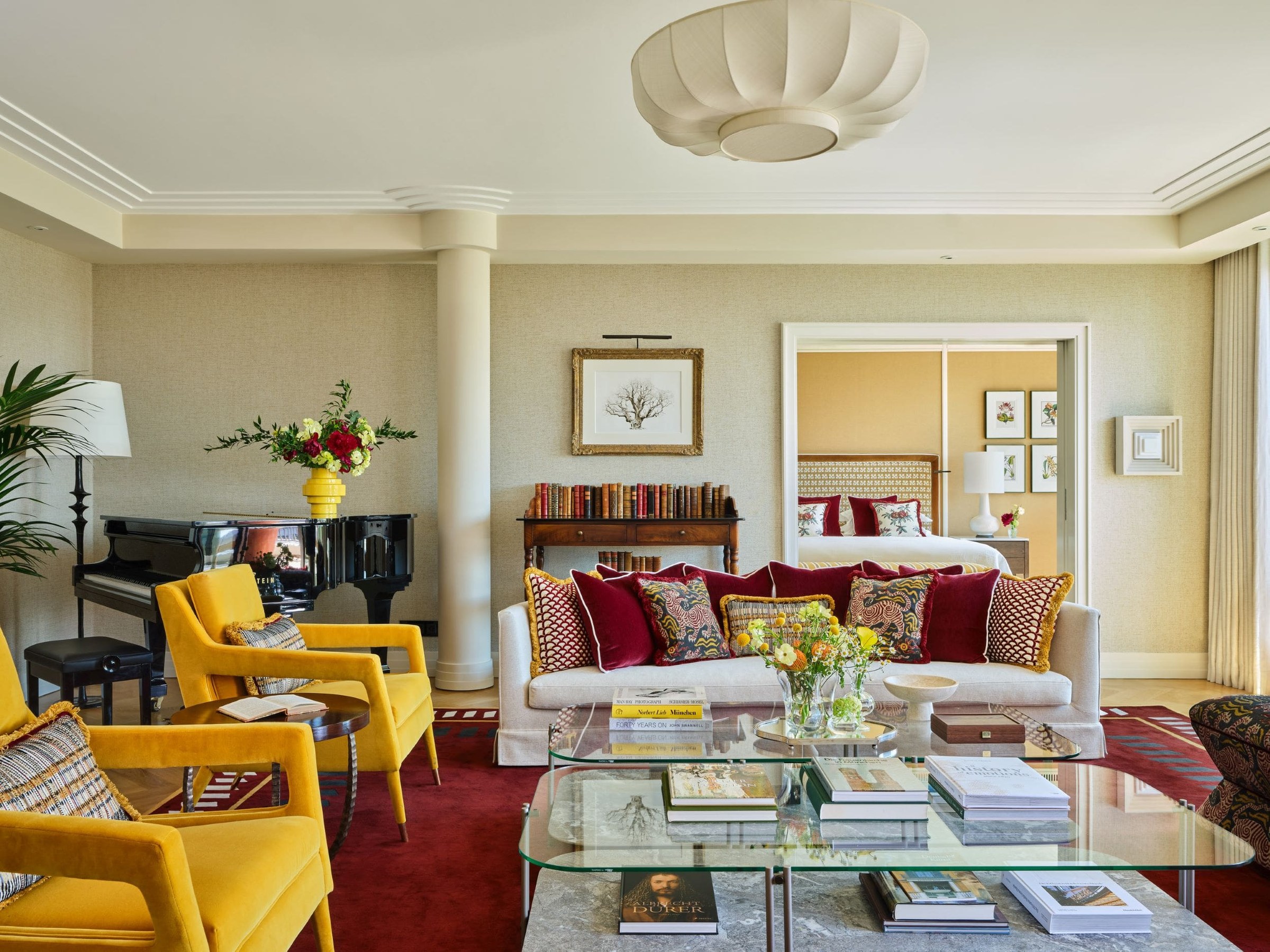
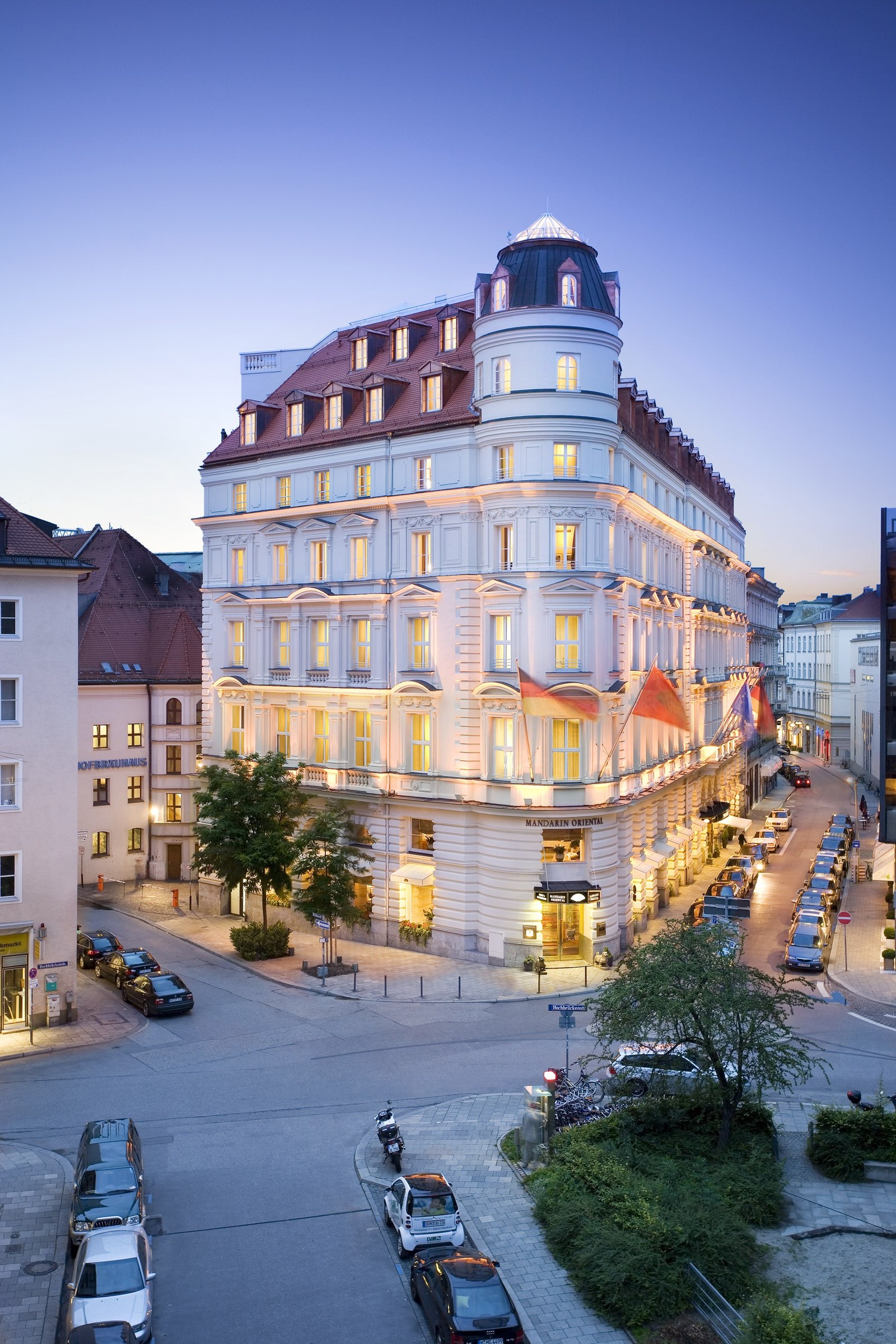
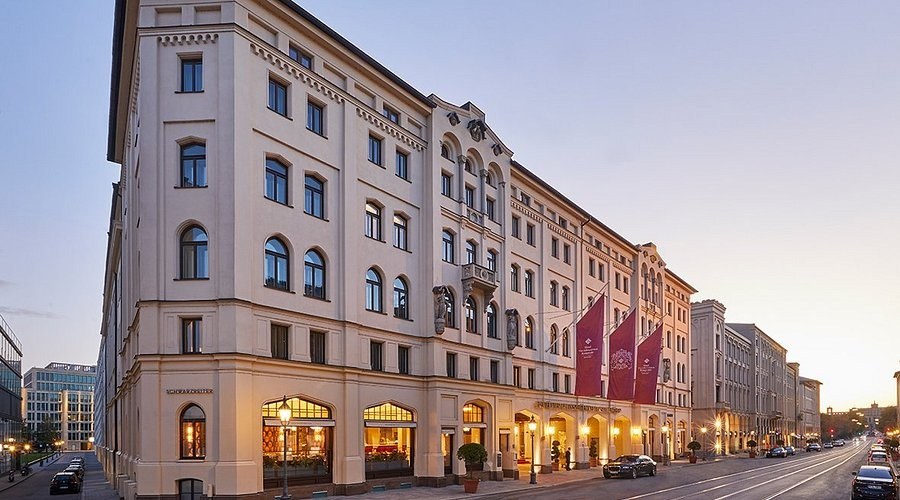
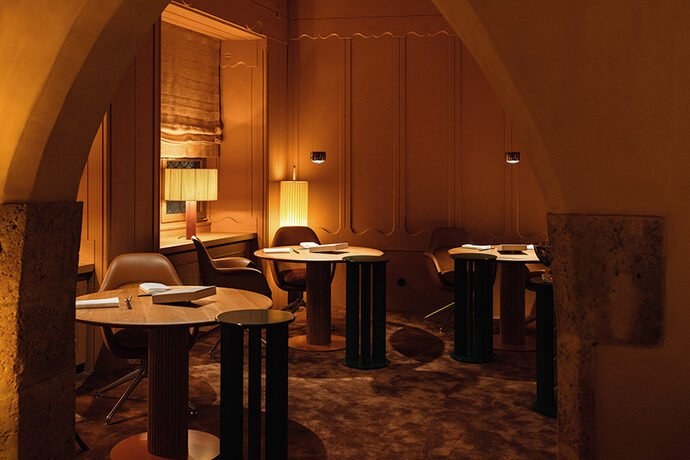
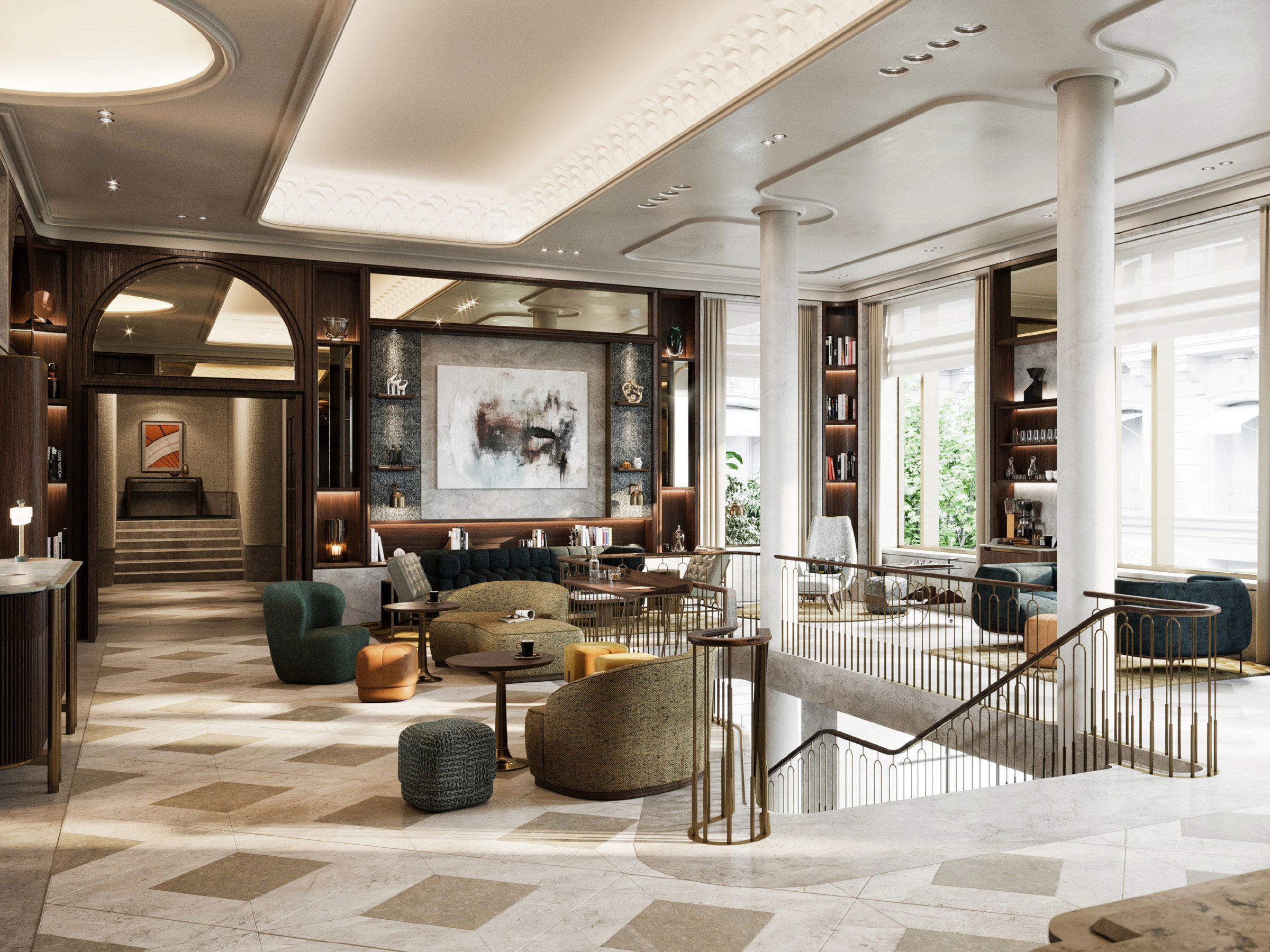
Rosewood Munich settles into two interlocking historic buildings, letting baroque facades, vaulted ceilings and preserved frescoes set the tone. The hotel reads as quietly classic and charming rather than flashy: cobbled approaches and a grand staircase anchor a refined city-centre presence that favors architectural authenticity. Interiors and room layouts speak to tradition and scale—spaces feel measured and composed, with a romantic, old‑world character. The restoration is presented as meticulous and respectful, so guests experience a layered sense of history rather than a pastiche of period details.
Best For
This property is best for travelers who prize architecture and occasion‑level accommodations. Couples looking for a romantic getaway or anniversary retreat find the palace-like setting and expansive signature suites especially fitting. Business travelers benefit from the hotel’s upper-tier service and polished public spaces that convey professionalism and calm. The midsize room count balances intimacy with full service, making the hotel a strong choice for special-occasion stays where history, scale and thoughtful restoration matter as much as modern comfort.
Stay Tips
Book early for the signature suites: the five named houses mark the top of the hierarchy, and suite sizes range substantially (from roughly 840 square feet up to nearly 2,700 square feet). If a private outdoor space matters, request the König Maximilian I House or ask about rooms with terraces, as the description notes at least one suite includes a private terrace. Because the hotel positions itself in the upper tier with 132 rooms, secure reservations well in advance for peak dates and special occasions to ensure preferred room categories.
Venue details
Ambiance
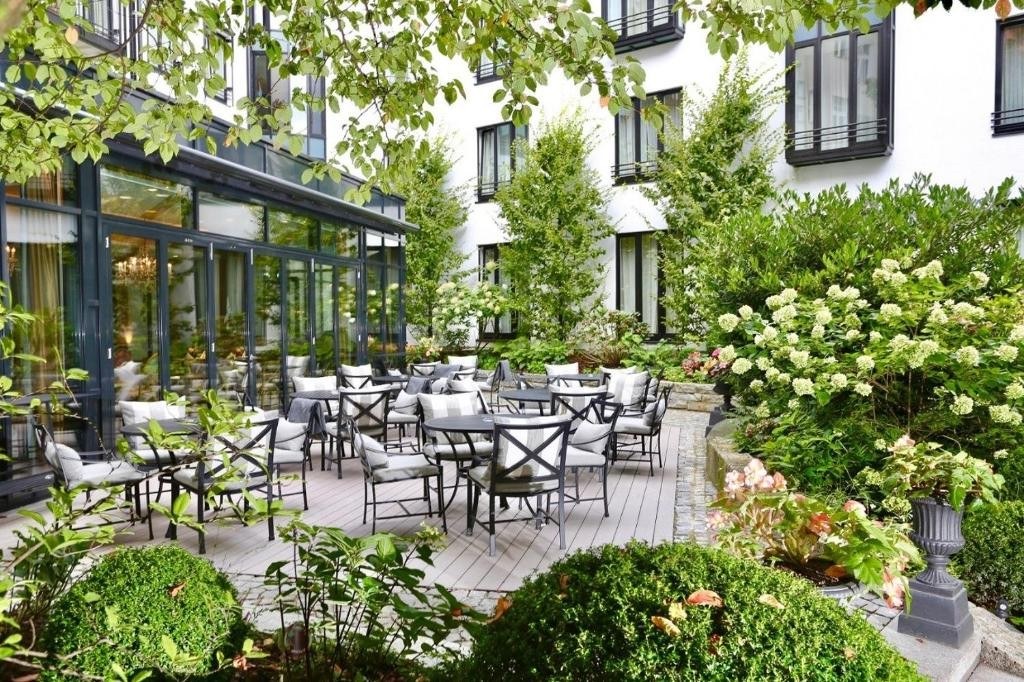
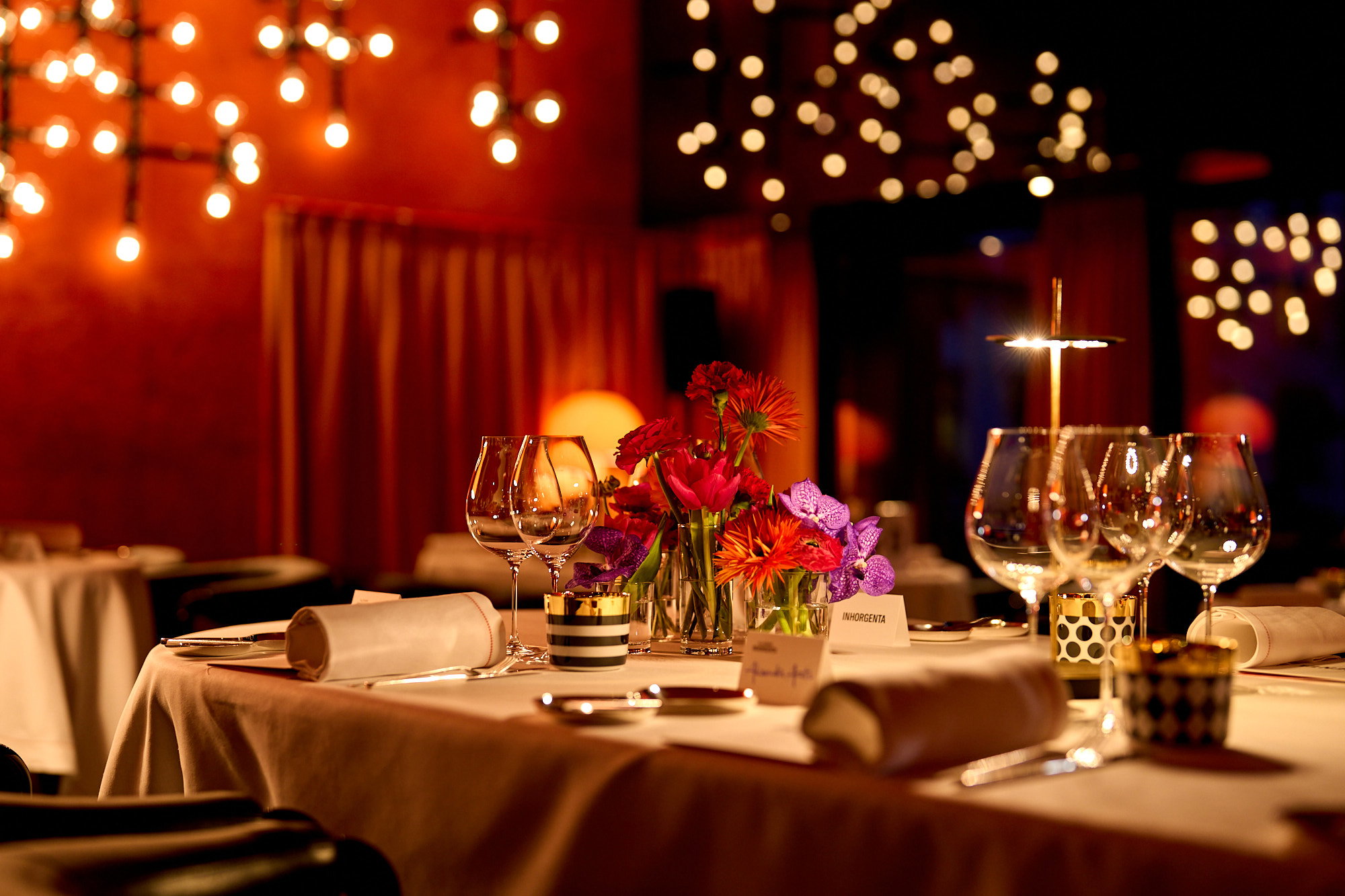
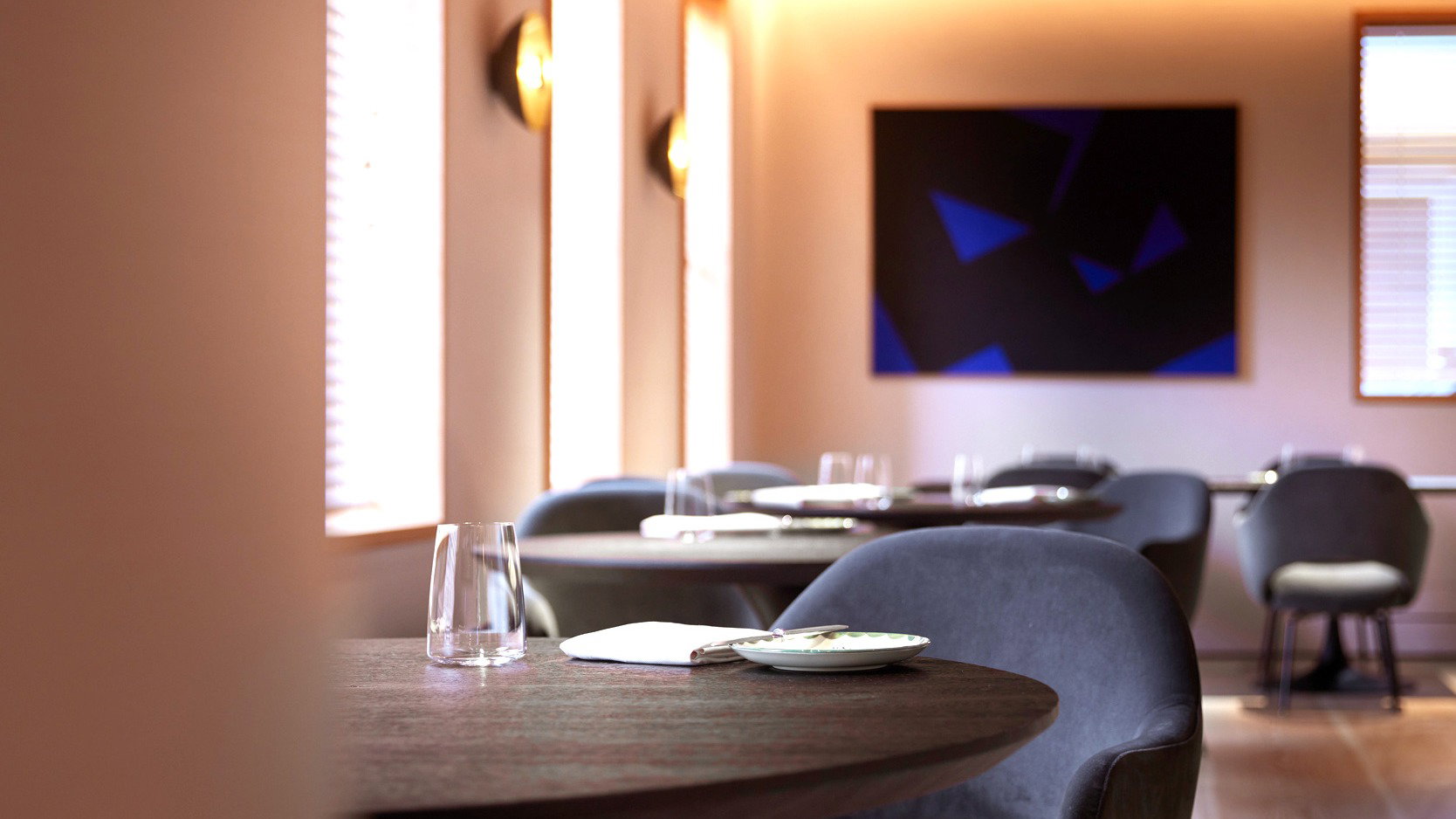
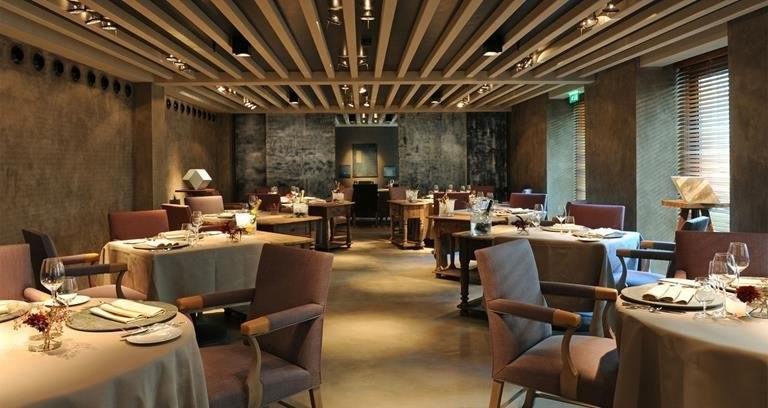
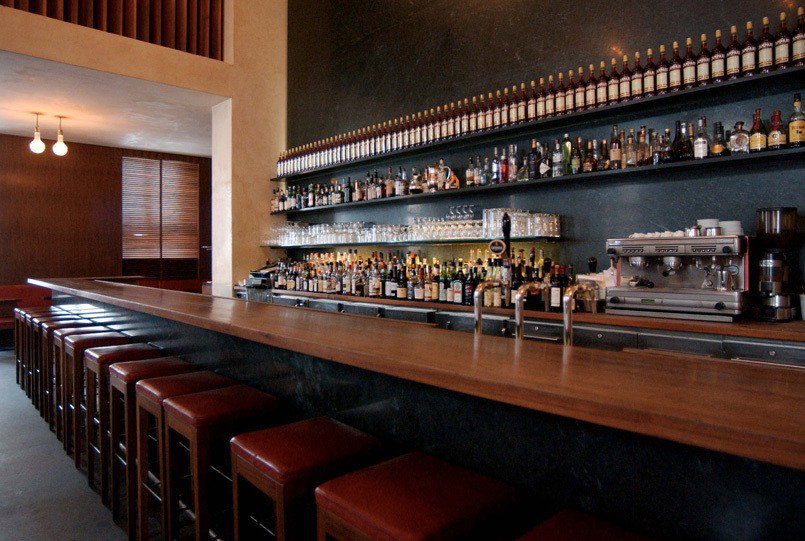
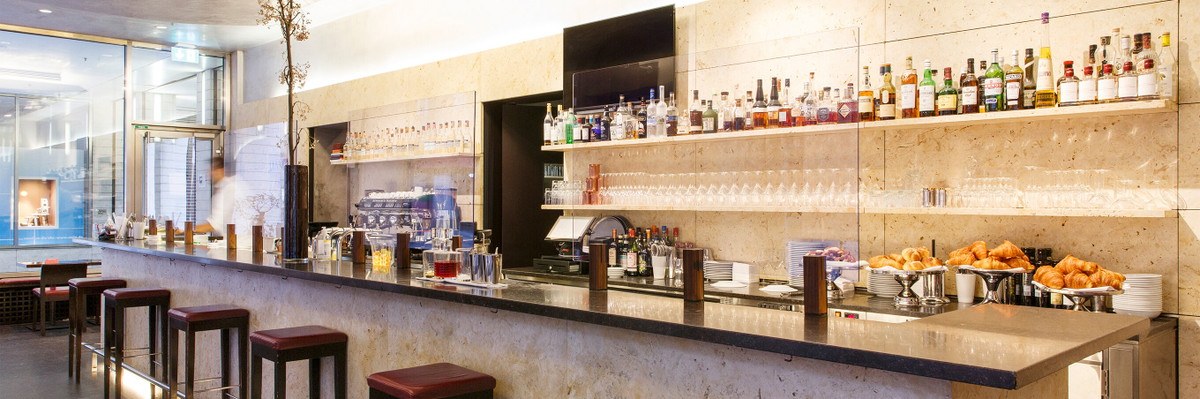
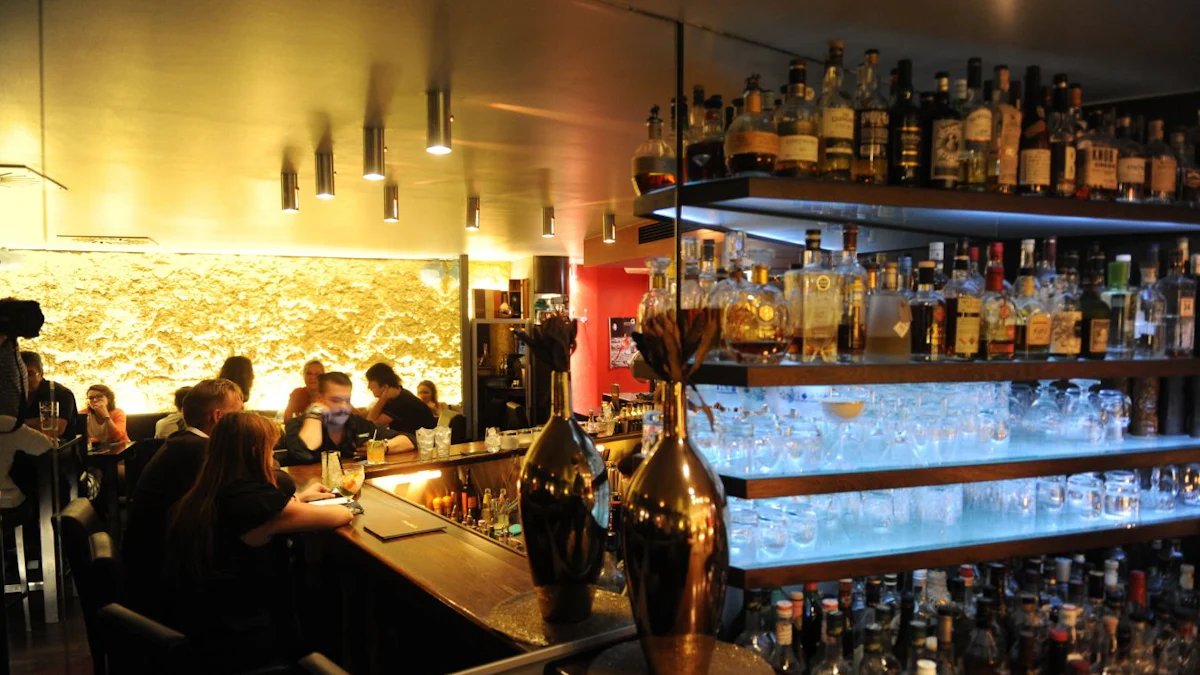
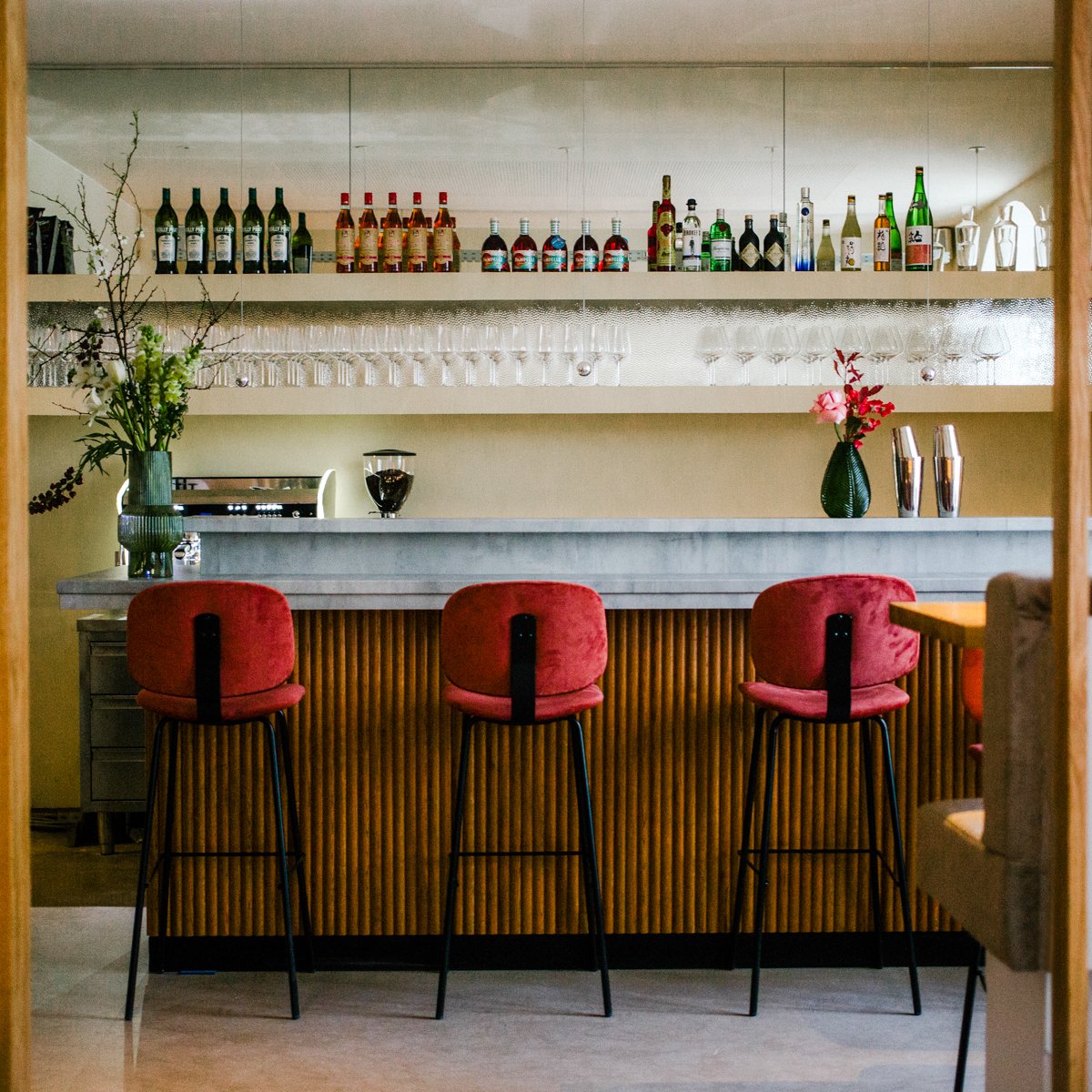
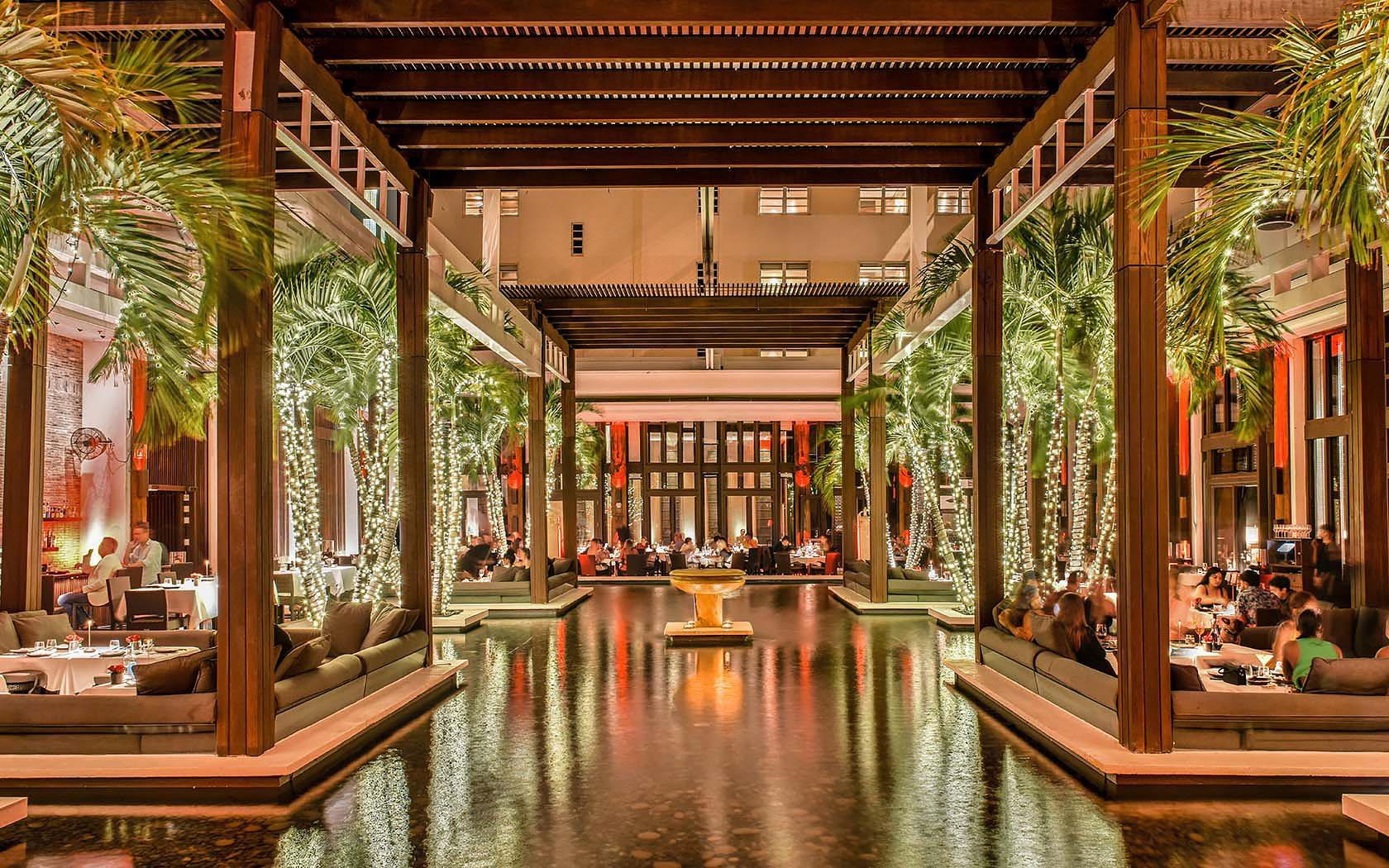
Elegant and stylish with dramatic lighting, cozy wood paneling, indoor greenery, and a serene yet sophisticated atmosphere.
Tags
Vibe
Best For
Experience
Amenities
View
Accessibility
About the Stay
- Rooms
- 73
- Check-in
- 15:00
- Check-out
- 12:00
- Property Style
- Contemporary Residential Elegance in Historic Bavarian Buildings
- Design Style
- Blend of Historic Charm and Modern Luxury with Bespoke Furniture and Thoughtful Design Elements
Know before you go
Know Before You Go
- Getting there
- Kardinal-Faulhaber-Straße 1, 80333 München
Planning details
Location
Recognition and awards


Also consider
Also Consider
- Bayerischer Hof Munich, Notable alternative
- Do & Co Hotel Munich, Notable alternative
- BEYOND by Geisel, Notable alternative
- Hotel Lux, Notable alternative
- Hotel Vier Jahreszeiten Kempinski Munich, Notable alternative
Hotel context
How it compares in Munich
Rosewood Munich is the stronger pick for travelers who want international luxury standards in the city center and are willing to pay for that convenience. Bayerischer Hof Munich is the closer call for guests who prefer a long-established Munich grand-hotel feel, while Rosewood is the cleaner choice for travelers who want a newer luxury-brand experience with current recognition behind it.
For a more compact central stay, compare rates with Do & Co Hotel Munich and BEYOND by Geisel. Those are better cross-shops if the hotel is mainly a base for walking the center, dining out, and keeping the room spend under control. Rosewood makes more sense when service depth, spa time, and a polished in-house environment are part of the trip value.
Hotel Vier Jahreszeiten Kempinski Munich is the peer to check if the brief is classic luxury with strong name recognition, while Hotel Lux sits in a different lane for guests prioritizing a simpler, more casual city stay. If availability is tight, start with Bayerischer Hof or Kempinski for comparable luxury intent, then look at BEYOND or Do & Co if location matters more than full-service scale.
Around this place
Discover more on Pearl
Unlock the full Rosewood Munich guide in Pearl, including awards, comparisons, FAQs, planning details, and nearby places.
Compare Rosewood Munich
| Venue | Location | Awards |
|---|---|---|
| Rosewood Munich | Munich | 2026 Virtuoso Luxury Hotel Collection2026 Forbes 4-StarMichelin 2 Keys 20252025 Forbes 4-Star2025 Michelin 2 Keys2024 Michelin 2 Keys |
| Bayerischer Hof Munich | Munich | 2026 Virtuoso Luxury Hotel Collection2026 La Liste Top HotelsLeading Hotels of the World 20262025 Michelin 1 KeyPreferred Hotels Member 2025 |
| Do & Co Hotel Munich | Munich | 2025 Michelin 1 Key |
| BEYOND by Geisel | Munich | 2026 Virtuoso Luxury Hotel Collection2025 Michelin 1 KeyPreferred Hotels L.V.X. Collection 2025 |
| Hotel Lux | Munich | No published awards |
| Hotel Vier Jahreszeiten Kempinski Munich | Munich | 2026 Virtuoso Luxury Hotel Collection2026 Forbes 4-Star2026 La Liste Top Hotels2025 Forbes 4-Star2025 Michelin 1 Key |




How Rosewood Munich compares with similar nearby venues.
FAQ
Frequently Asked Questions
When is the best time to book Rosewood Munich?
If Rosewood Munich is important to your Munich trip, check availability directly and compare rates against your dates. The confirmed Michelin 2 Keys, Forbes 4-Star, and Virtuoso Luxury Hotel Partner recognition may make it a relevant shortlist choice for travelers prioritizing recognized luxury hotels.
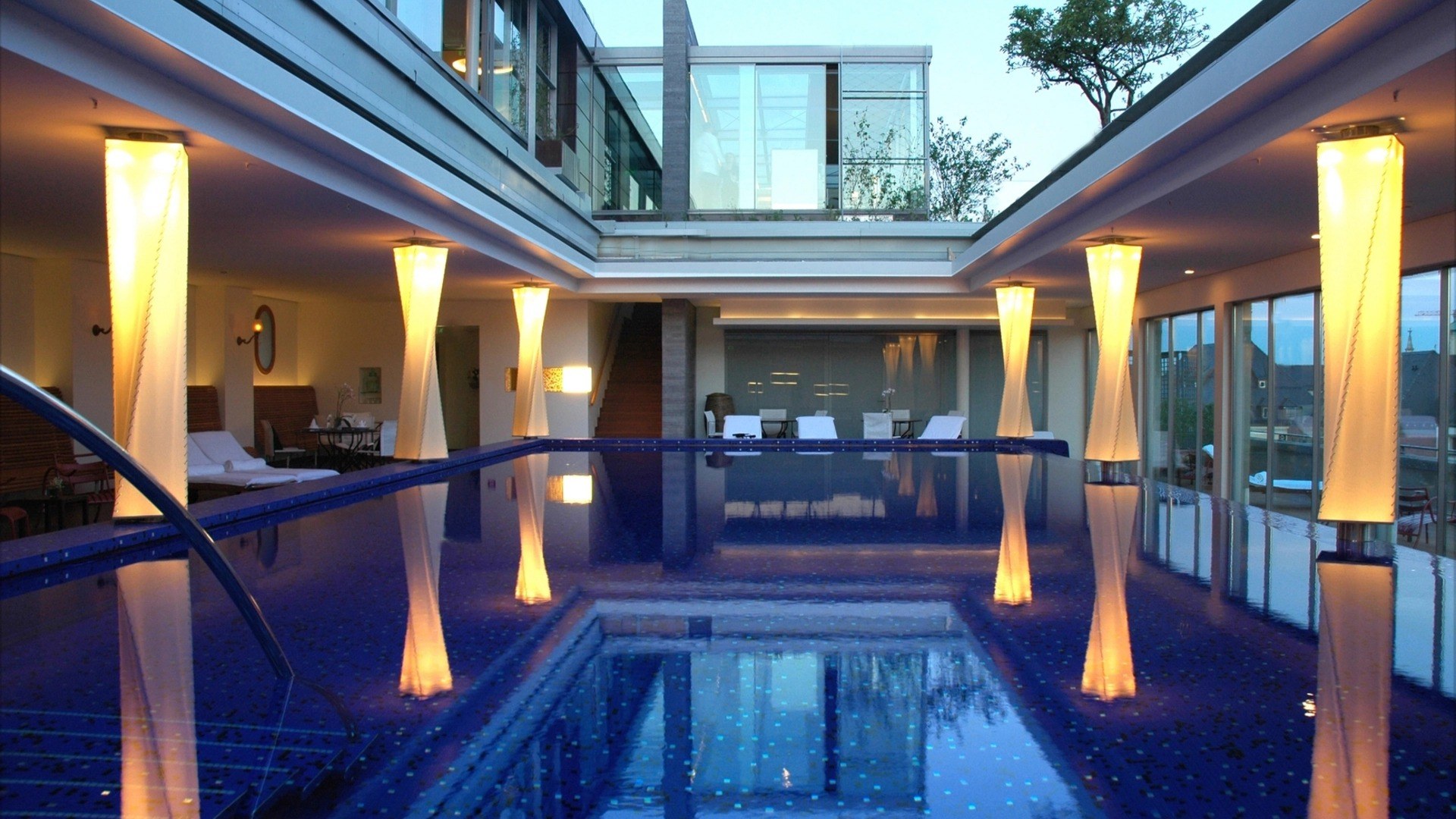
How is the pool and spa at Rosewood Munich?
How is the dining at Rosewood Munich?
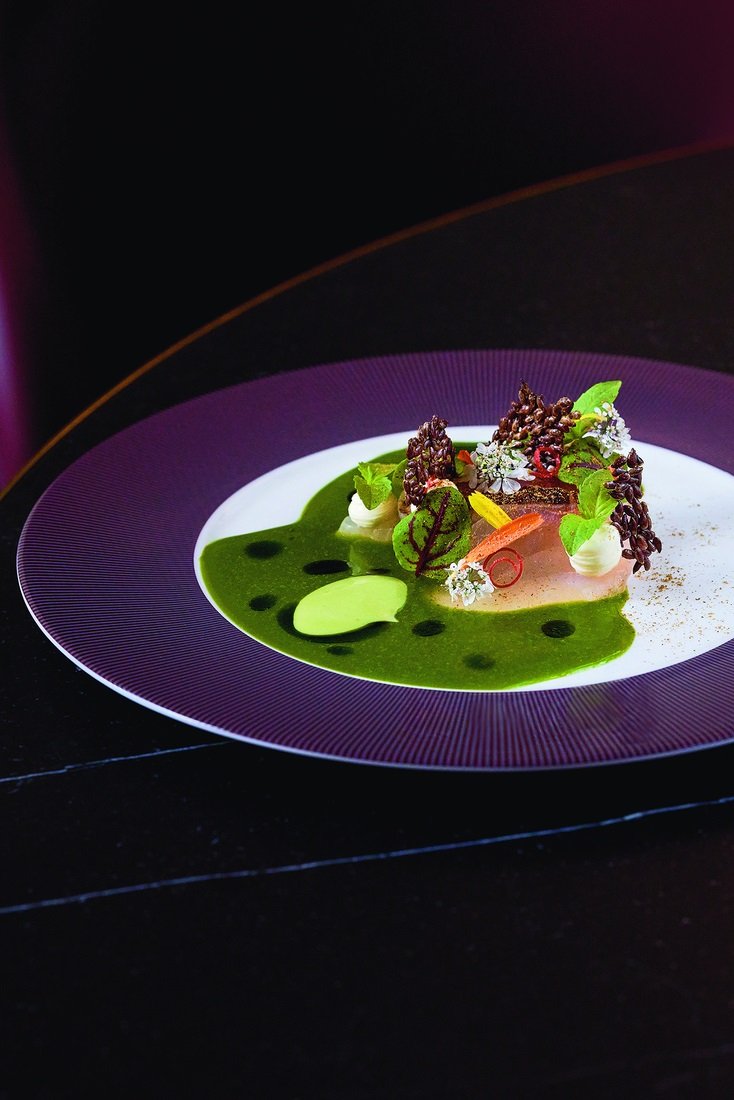
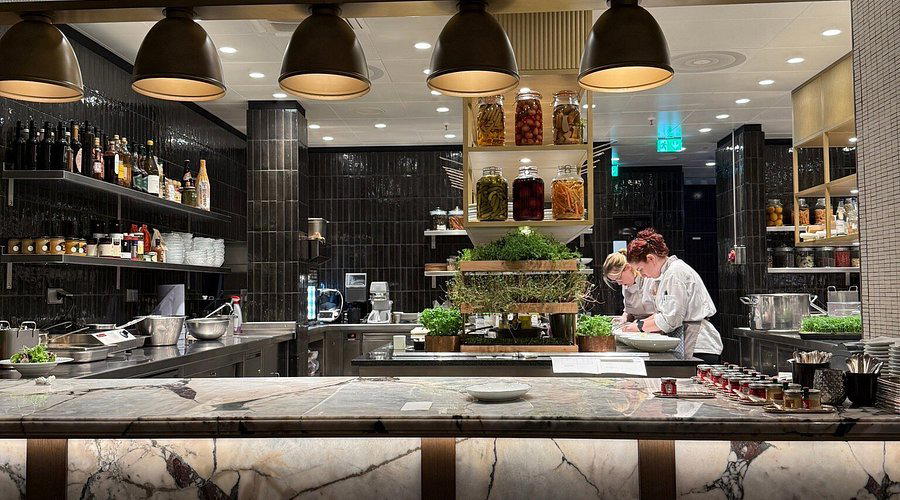
If on-property dining is a deciding factor, check the current restaurant and bar information directly with Rosewood Munich, or compare the stay with other dining plans in Munich.
Which room category is best at Rosewood Munich?
Choose based on your budget, party size, and the current room descriptions provided by Rosewood Munich at the time of booking.
How does Rosewood Munich compare to other Munich hotels?
Rosewood Munich is a recognized luxury-hotel option with Michelin 2 Keys in 2024, Forbes 4-Star recognition for 2026, and Virtuoso Luxury Hotel Partner status for 2026. For comparison Bayerischer Hof Munich, Hotel Vier Jahreszeiten Kempinski Munich, Do & Co Hotel Munich, BEYOND by Geisel, and Hotel Lux according to your budget and preferred style of stay.