






The Chedi Andermatt
city center, Andermatt
Hotel in Andermatt, Switzerland
 Book with Pearl
The Read
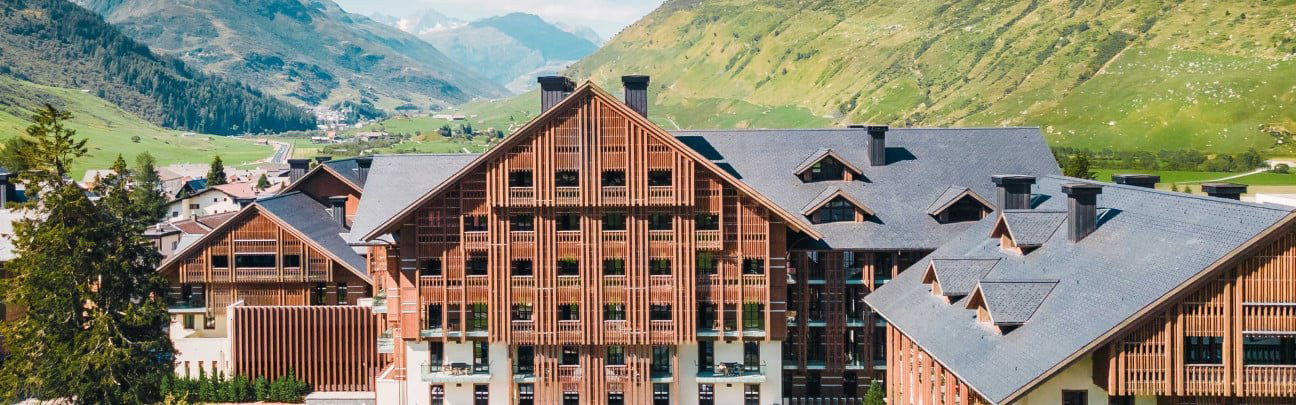
Alpine-Asian Duality
Why go
The Chedi Andermatt is a hotel on Gotthardstrasse in Andermatt.
About The Chedi Andermatt
The Chedi Andermatt is a luxury hotel in Andermatt with a notable recognition profile. For travelers deciding whether to make it the centerpiece of a trip, the case rests on those accolades, the Andermatt setting, and the smart-casual standard; check specific room, restaurant, facility, or service details directly before booking.
The Chedi Andermatt is a highly recognized hotel choice in Andermatt. Its recognition includes Michelin 2 Keys for 2025, Forbes 5-Star for 2026, La Liste Top Hotels 2026 at 97.5 points, Leading Hotels of the World membership for 2025, Virtuoso Luxury Hotel Partner status for 2026, and the Mr & Mrs Smith Seal of Approval for 2026.
A strong fit for an Andermatt stay centered on a recognized hotel
The hotel is in Andermatt, which makes it relevant for trips based around Andermatt rather than a broader route-only itinerary. The strongest reasons to shortlist it are its recognition profile and its positioning as a luxury hotel in Andermatt. Check room layouts, meeting facilities, dining formats, and service details directly before booking.
Consider it for an important Andermatt stay where the hotel choice itself matters. If the trip is mainly about routes, scenery, or spending limited time at the hotel, it may be worth comparing the overall plan before committing. Readers comparing broader options can use Our full Andermatt restaurants guide to check how the surrounding dining plan supports the stay.
Who should pay up, and who should cross-shop
Pay up if hotel recognition and an Andermatt base matter more than finding the simplest place to sleep. Michelin 2 Keys, Forbes 5-Star, La Liste Top Hotels 2026 at 97.5 points, Leading Hotels of the World membership, Virtuoso partner status, and the Mr & Mrs Smith seal all point in the same direction: this is a recognized luxury-hotel choice in Andermatt.
For a different mountain-hotel context, compare it with Frutt Mountain Resort and Kempinski Palace Engelberg. For a lake-oriented stay rather than an Andermatt base, Hotel Vitznauer Hof - Lifestyle Hideway is the more natural cross-shop. If the trip is more about routes and scenery than hotel time, Furka Pass and Gotthardbahntunnel are better context points than direct hotel substitutes.
Know Before You Go
- Decision: Choose this for an Andermatt stay where a highly recognized hotel is part of the appeal.
- Recognition: Includes Michelin 2 Keys, Forbes 5-Star, La Liste Top Hotels 2026 at 97.5 points, Leading Hotels of the World membership, Virtuoso Luxury Hotel Partner status, and the Mr & Mrs Smith Seal of Approval.
- Dress code: Smart casual.
- Planning note: Verify any trip-specific needs directly with the hotel, including room details, dining arrangements, and on-property services.
- Useful planning link: Our full Andermatt restaurants guide.
Inside The Chedi Andermatt
Planning details
- Location
- Gotthardstrasse 4, 6490 Andermatt
- Website
- thechediandermatt.com
- Phone
- +41 41 888 74 88
The take
The Take
The Vibe
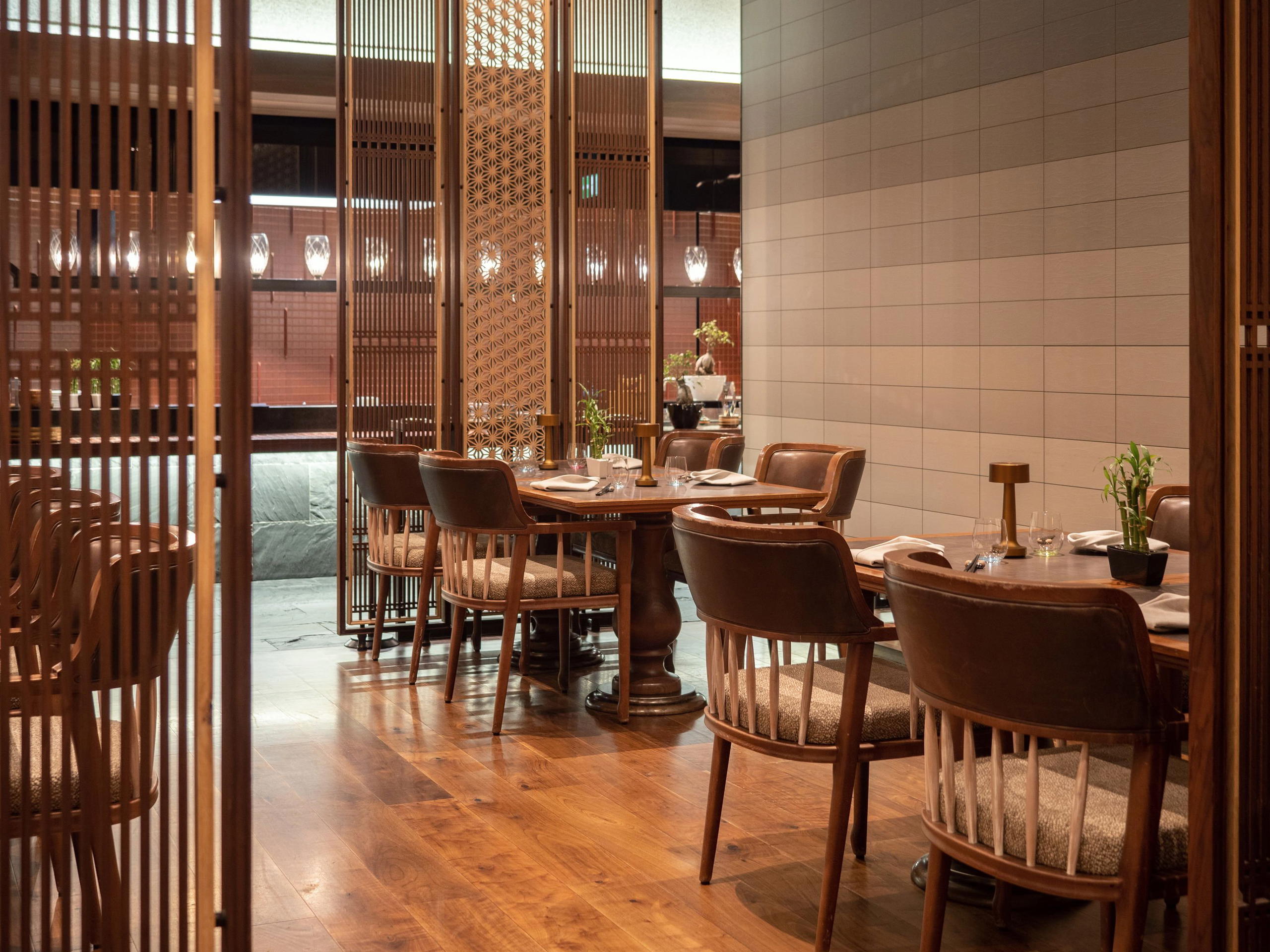
The Chedi Andermatt reads like a supersized Swiss chalet rendered through a distinctly contemporary lens. Jean-Michel Gathy's design favors shadowed, intimate passages that open onto double-height public rooms, and the material palette—dark pine, natural stone and smooth leather—gives the interiors a warm, rustic-modern feel. The architecture deliberately holds two traditions in tension: the alpine chalet on the outside and eastern influences within. The result is a design-forward resort that feels both scenic and cozy, where thoughtful contrasts and controlled atmospheres define the guest experience rather than ornate historic detail.
Best For
This is a property for travelers seeking a refined alpine escape centered on design and seasonal ambience. It suits couples looking for a romantic or honeymoon getaway and guests pursuing a wellness-focused break; the description and metadata frame the hotel as part of a larger resort reimagining of Andermatt. The courtyard’s seasonal choreography — noted as the hotel's most legible indicator of character — underscores a stay that changes with the seasons, appealing to visitors who value architecture, quiet luxury and a mountain setting.
Venue details
Ambiance
Elegant and peaceful with sophisticated lighting from recessed bronze lamps, wood paneling, and a calm oasis atmosphere praised in guest reviews.
Tags
Vibe
Best For
Experience
Amenities
View
Accessibility
About the Stay
- Rooms
- 123
- Property Style
- Asian Alpine Fusion Luxury Resort
- Design Style
- Sophisticated with Alpine Woods, Natural Stone, Oak and Walnut Paneling, and Asian Inspired Palettes
Know before you go
Know Before You Go
- Getting there
- Gotthardstrasse 4, 6490 Andermatt
Planning details
Location
Recognition and awards



Also consider
Where to Look if This Is Full
If dates do not work, try Kempinski Palace Engelberg for another polished Swiss mountain stay, or Frutt Mountain Resort for a quieter resort escape. For a different setting entirely, Hotel Vitznauer Hof - Lifestyle Hideway is the lake-oriented pivot.
Hotel context
How It Compares
The Chedi Andermatt is the clear splurge choice in this set if the priority is a high-service Andermatt base with major luxury recognition behind it. Kempinski Palace Engelberg is the strongest cross-shop for travelers who want a grand Swiss mountain-hotel feel but are flexible on being outside Andermatt, while Frutt Mountain Resort makes more sense for a quieter resort-style escape where the hotel does not need to carry the same formal weight.
For ambiance, choose The Chedi Andermatt when the trip needs a polished arrival, serious public spaces, and a business-appropriate setting. Hotel Vitznauer Hof - Lifestyle Hideway is the better alternative if a lake setting is more appealing than an Andermatt mountain base. Furka Pass and Gotthardbahntunnel are useful for route-led travelers, but they are not the same decision as choosing a full-service luxury hotel.
Value depends on how much time will be spent on property. If the plan includes client hosting, spa time, dining, and a full weekend rhythm, The Chedi Andermatt is easier to justify. If the stay is mainly a sleep stop between drives, cross-shop the broader Swiss hotel list, including 7132 Hotel in Vals, AlpenGold Hotel in Davos, and art boutique Hotel Monopol in St. Moritz.
Explore Andermatt
Around this place
Discover more on Pearl
Unlock the full The Chedi Andermatt guide in Pearl, including awards, comparisons, FAQs, planning details, and nearby places.
Compare The Chedi Andermatt
| Venue | Location | Awards |
|---|---|---|
| The Chedi Andermatt | Andermatt | 2026 Forbes 5-Star2026 Virtuoso Luxury Hotel Collection2026 Mr & Mrs Smith Luxury HotelsLeading Hotels of the World 20262026 La Liste Top HotelsMichelin 2 Keys 20252025 Michelin 2 Keys2025 Forbes 5-Star2024 Michelin 2 Keys |
| Gotthardbahntunnel | Hospental | No published awards |
| Furka Pass | Oberwald | No published awards |
| Kempinski Palace Engelberg | Engelberg | 100 Most Incredible Hotels in the World · 20262026 Forbes 4-Star2026 Virtuoso Luxury Hotel Collection2026 La Liste Top Hotels2025 Michelin 1 Key |
| Frutt Mountain Resort | Frutt | 2025 Michelin 1 Key |
| Hotel Vitznauer Hof - Lifestyle Hideway | Vitznau | 2025 Michelin 1 Key |



How The Chedi Andermatt compares with similar nearby venues.
FAQ
Frequently Asked Questions
Which room category is best at The Chedi Andermatt?
Choose based on your party size, budget, and the layout details confirmed directly by the hotel. The strongest reason to consider the property is its recognition profile in Andermatt, including Michelin 2 Keys and Forbes 5-Star status.
How is the dining at The Chedi Andermatt?
Confirm cuisine, restaurant names, menus, hours, prices, and dining format directly with the hotel before booking, especially if meals are central to the trip. For alternatives, compare the plan with other dining in Andermatt.
Is The Chedi Andermatt good for business travel?
It can be a strong candidate when a highly recognized hotel in Andermatt is important to the trip. Its awards and affiliations support its luxury positioning, but discuss specific business-travel needs such as meeting rooms, workspaces, event services, or privacy arrangements directly with the hotel.
Is The Chedi Andermatt family-friendly?
Families should ask the hotel about family facilities, children's programming, room configurations, and policies before booking. The case for the property is its recognized luxury-hotel status in Andermatt.
Do loyalty programs work at The Chedi Andermatt?
The hotel is a Leading Hotels of the World member and a Virtuoso Luxury Hotel Partner. Specific benefits, rates, or booking-channel advantages should be confirmed at the time of booking. Those affiliations make it relevant for travelers who value recognized luxury-hotel networks.
What is check-in like at The Chedi Andermatt?
Confirm check-in style, timing, and arrival procedures directly with the hotel before arrival. The property's recognition profile includes Michelin 2 Keys, Forbes 5-Star, and the Mr & Mrs Smith Seal of Approval.
How does The Chedi Andermatt compare to other hotels and regional reference points?
Choose The Chedi Andermatt when you want a highly recognized hotel in Andermatt. Kempinski Palace Engelberg and Frutt Mountain Resort provide different mountain-hotel contexts outside Andermatt, while Hotel Vitznauer Hof - Lifestyle Hideway is a better comparison for a lake-oriented stay. Furka Pass and Gotthardbahntunnel are useful route or scenery reference points rather than direct hotel substitutes.