



Hotel Vier Jahreszeiten Kempinski Munich
Lehel, Munich
Hotel in Munich, Germany
 Book with Pearl
The Read
Grand Dame Modernism
Why go
A strong Munich pick if you want formal luxury, Maximilianstraße convenience, and recognized quality signals rather than boutique edge. The value case is strongest when benefits or upgrade channels are available; otherwise, compare closely with Cortiina Hotel, BEYOND by Geisel, and Do & Co Hotel Munich before paying the luxury premium.
About Hotel Vier Jahreszeiten Kempinski Munich
Hotel Vier Jahreszeiten Kempinski Munich is a Munich hotel with several confirmed recognition signals: Michelin 1 Key in 2025, La Liste Top Hotels 2026 at 97 points, Forbes 4-Star recognition for 2026, and Virtuoso Luxury Hotel Partner status for 2026. For travelers comparing premium stays in Munich, those markers are the clearest grounded reasons to keep it on the shortlist.
The value question is less about a specific promise of amenities and more about whether those recognition signals matter for the trip. They may be useful for guests who prefer a known luxury-hotel choice with external validation. That does not make it the right Munich hotel for everyone. If the trip is more boutique-led or informal, Cortiina Hotel and BEYOND by Geisel are also worth comparing.
The strongest case for Hotel Vier Jahreszeiten Kempinski Munich is its confirmed awards and partner recognition.
For comparison shopping, treat this as a recognition-led hotel choice rather than a page where every practical detail is already confirmed. Travelers deciding between different Munich styles can also compare Hotel Lux or Do & Co Hotel Munich before committing to a higher-profile hotel stay.
The practical read: pay attention to recognition, fit, and booking terms
The confirmed external validation is the main practical signal: Michelin 1 Key in 2025, La Liste Top Hotels 2026 at 97 points, Forbes 4-Star recognition for 2026, and Virtuoso Luxury Hotel Partner status for 2026. Beyond that, verify the current room, rate, and benefit details for your dates before treating the hotel as the best value in Munich.
Use Our full Munich hotels guide to cross-check style and price positioning before choosing. If the stay is part of a broader trip, planning pages for Munich restaurants, Munich bars, and Munich experiences can help you decide how the hotel fits into the wider itinerary.
Know Before You Go
- Location: Munich.
- Dress code: Smart casual.
- Recognition: Michelin 1 Key in 2025; La Liste Top Hotels 2026 at 97 points; Forbes 4-Star recognition for 2026; Virtuoso Luxury Hotel Partner status for 2026.
- Value lens: strongest for travelers who place weight on confirmed third-party recognition and prefer to verify current booking terms before committing.
Part of
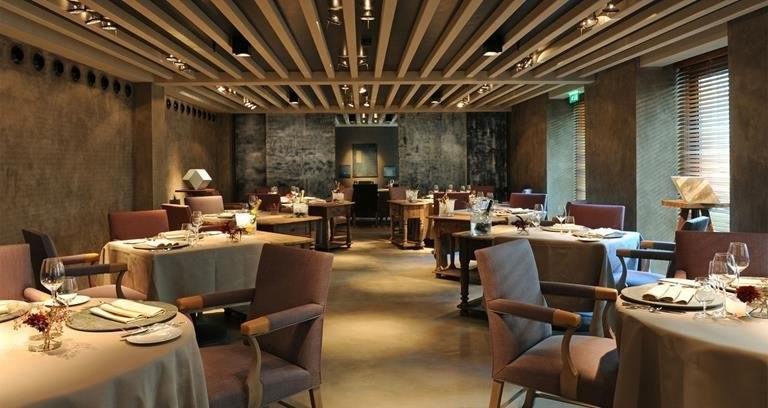
Kempinski44 locations on PearlInside Hotel Vier Jahreszeiten Kempinski Munich
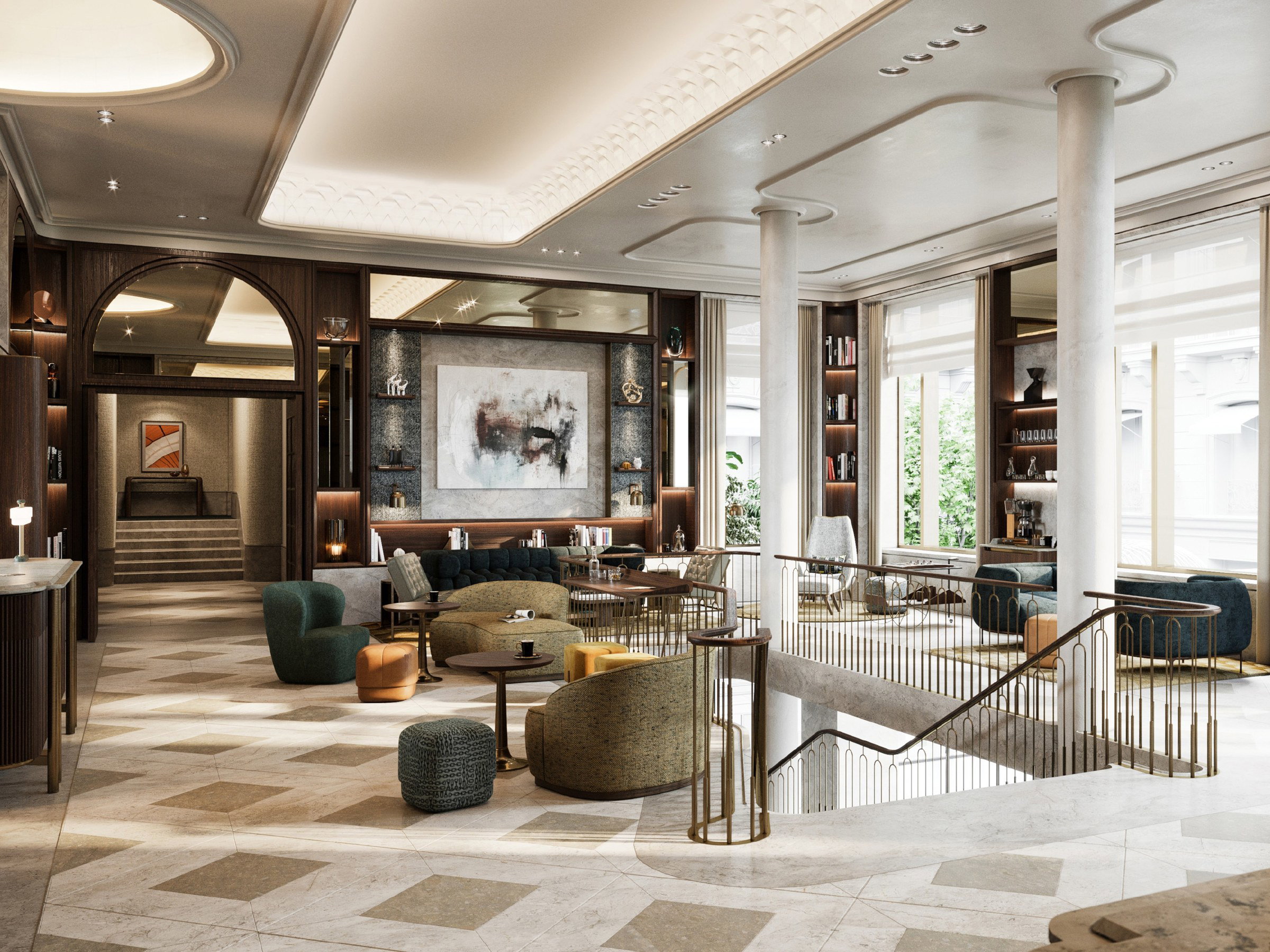
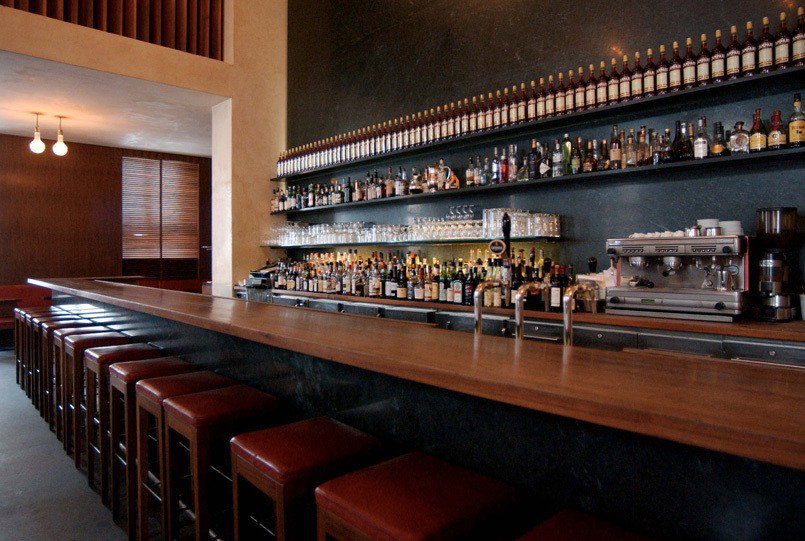
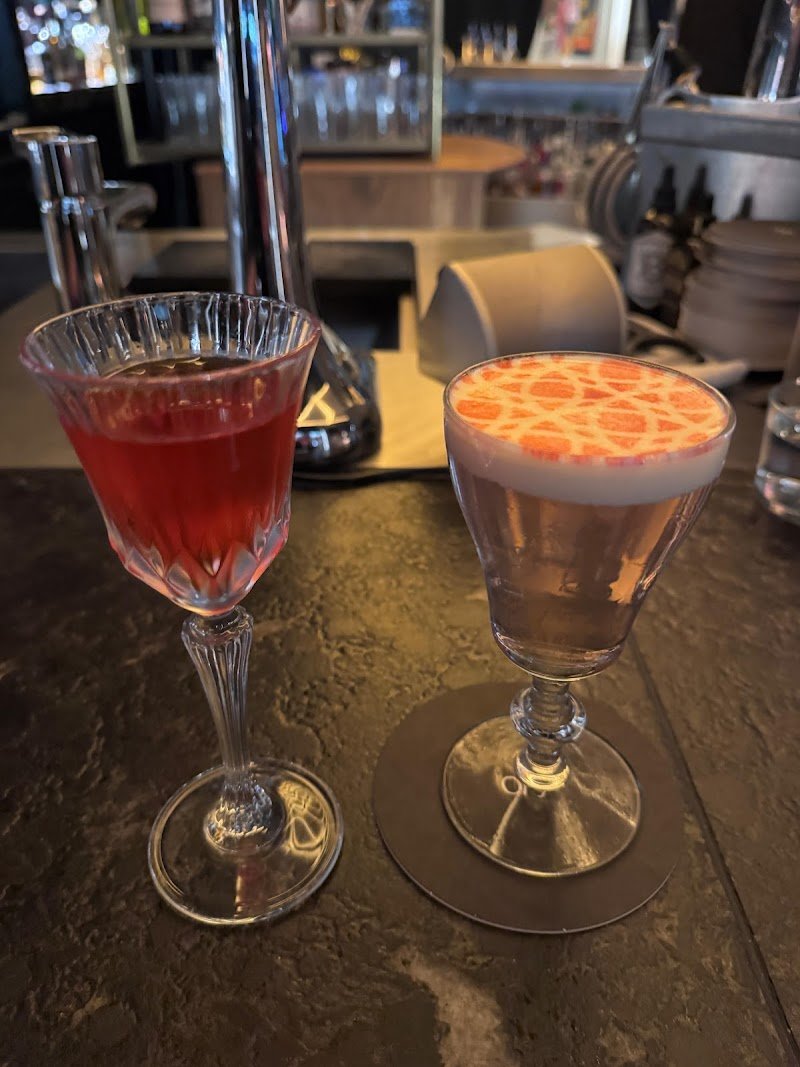
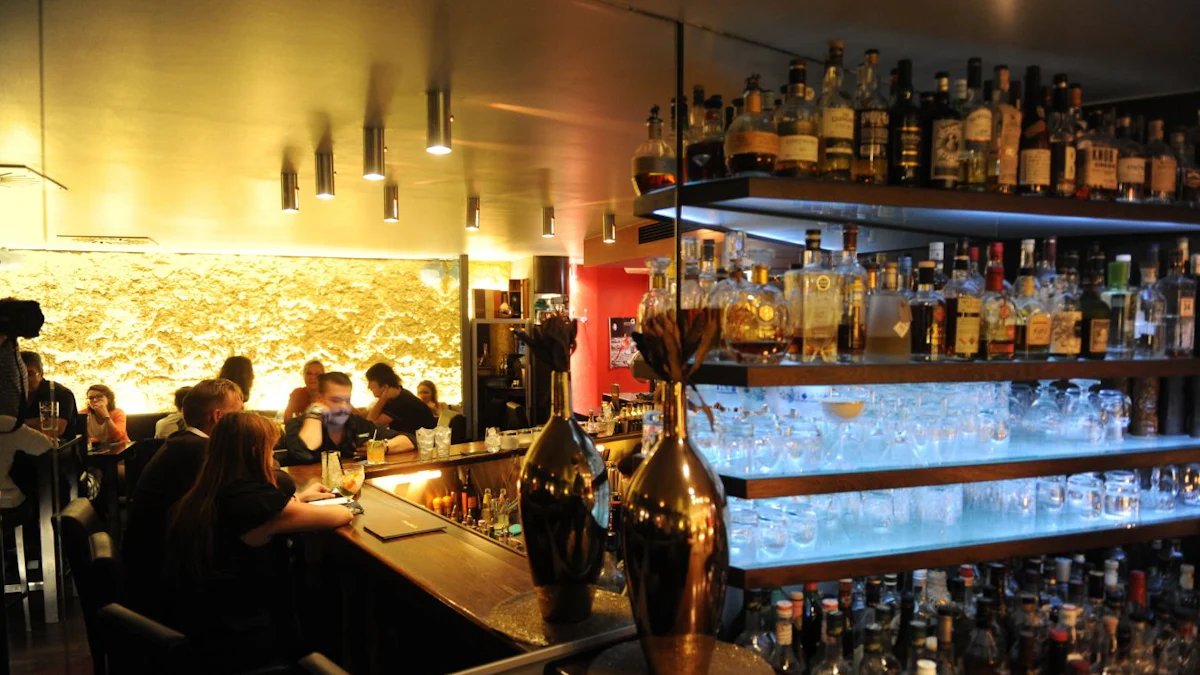
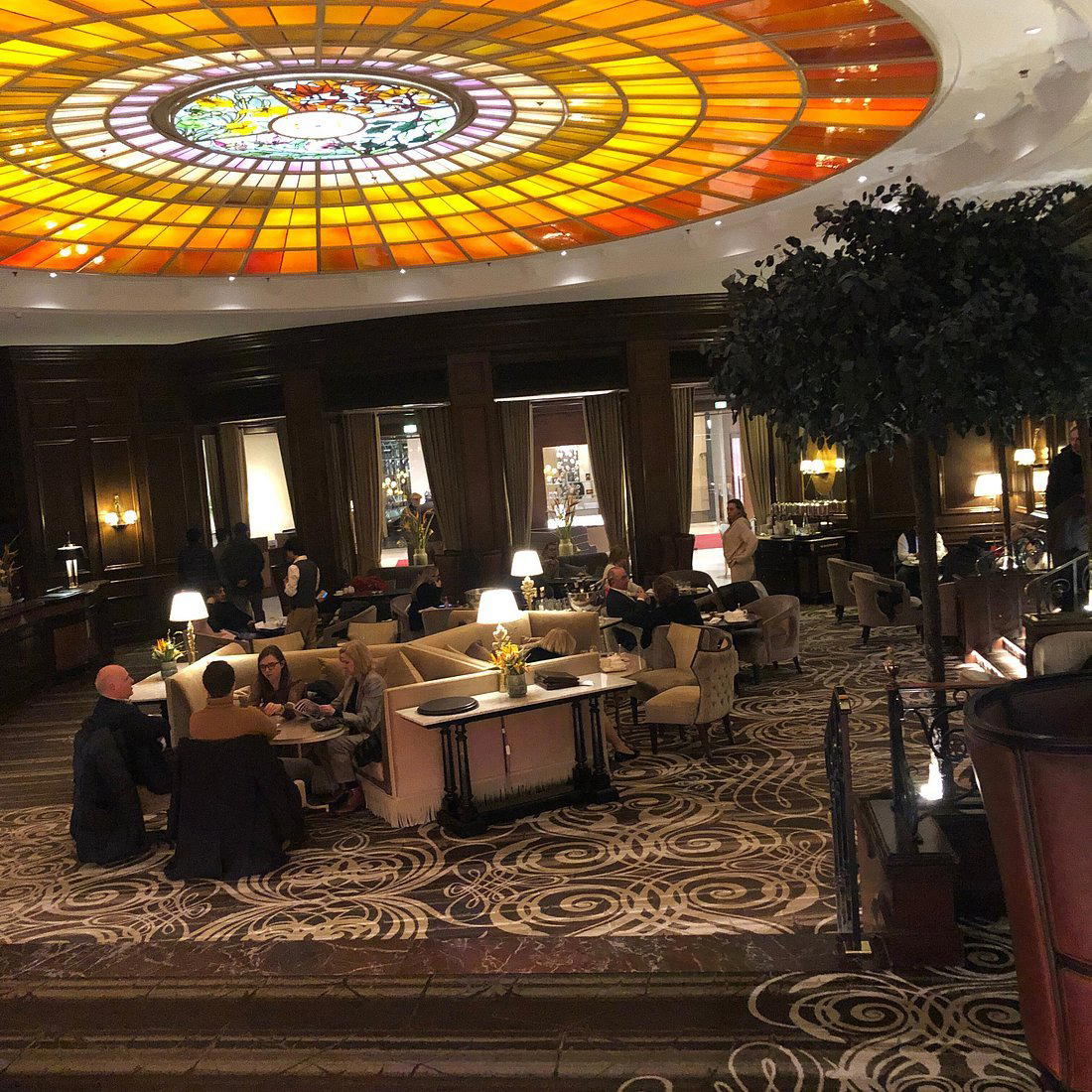 lobby_barJahreszeiten LobbyJahreszeiten Lobby occupies one of Maximilianstraße's most storied addresses, where Munich's hotel lobby culture meets the quiet rituals of regulars who treat this space as an extension of their working week. The room draws a particular kind of repeat visitor: those who know what they want before they arrive and rarely need to ask. A fixture on one of the city's most recognisable boulevards.
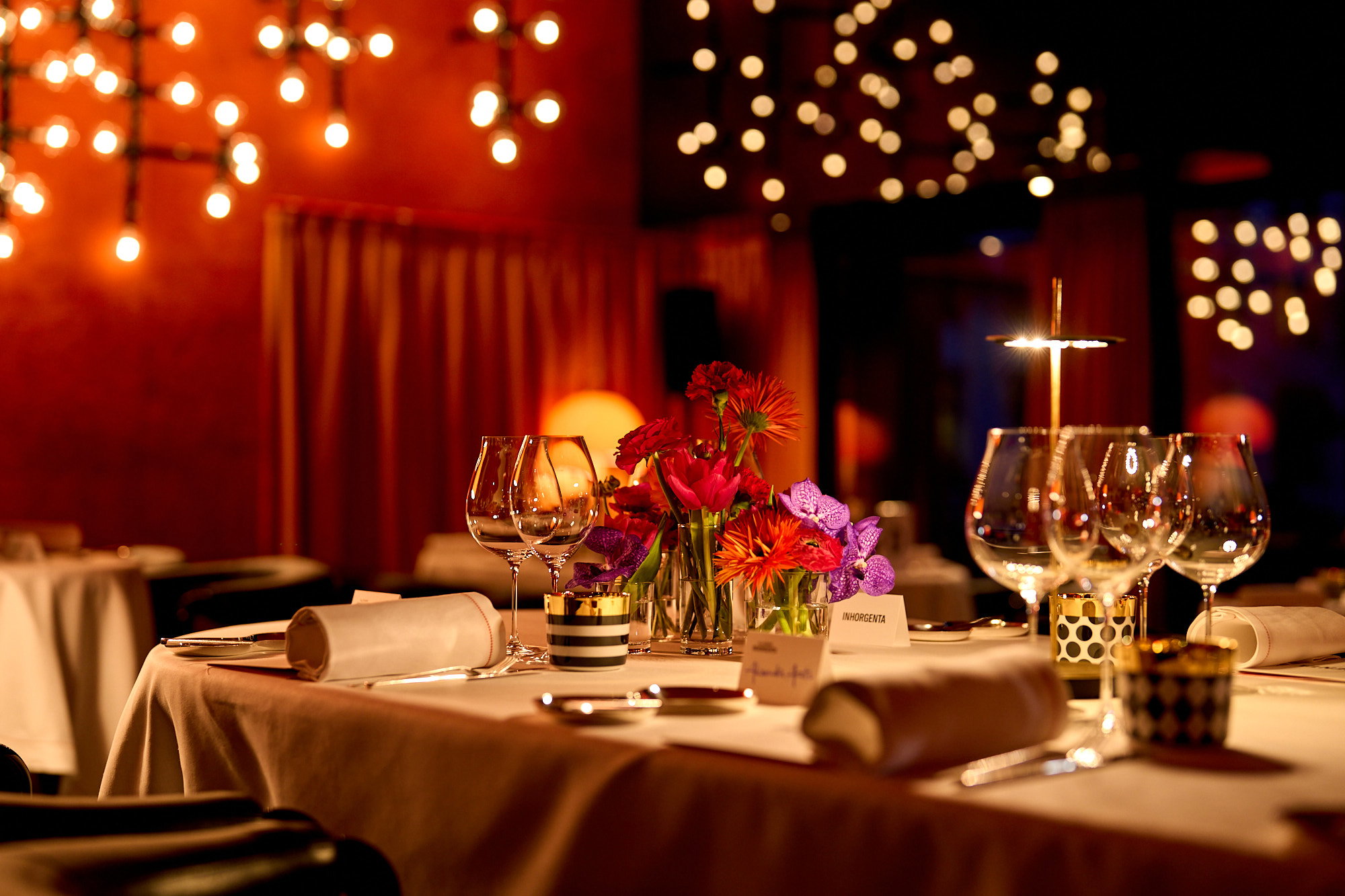
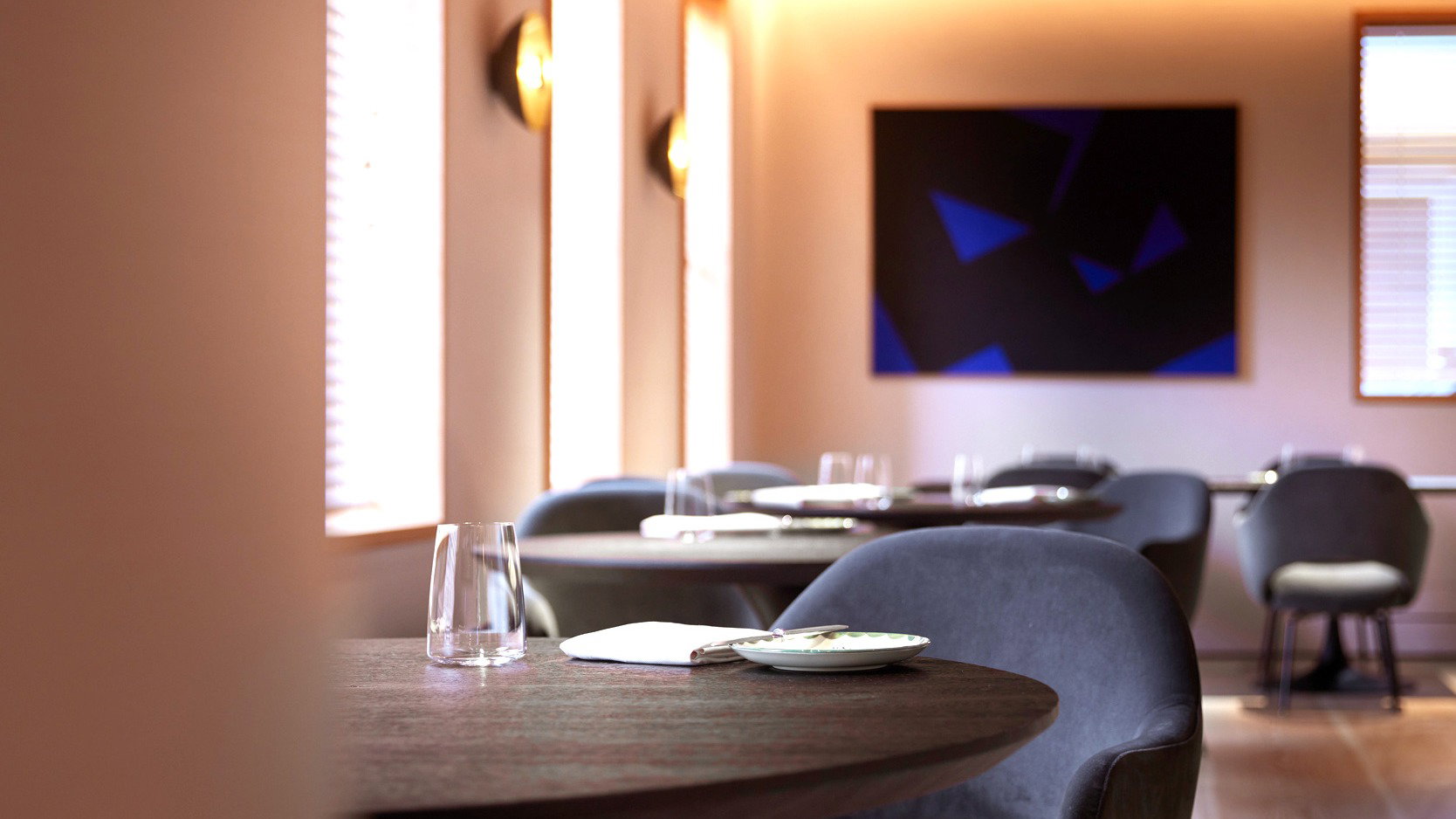
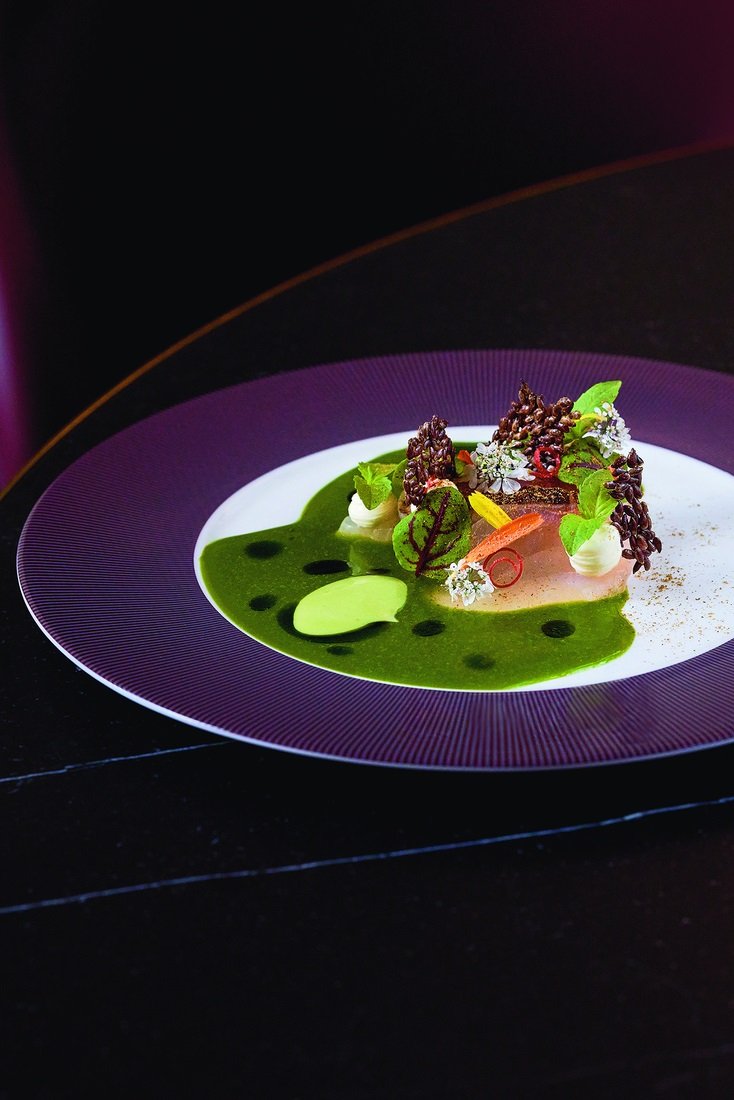
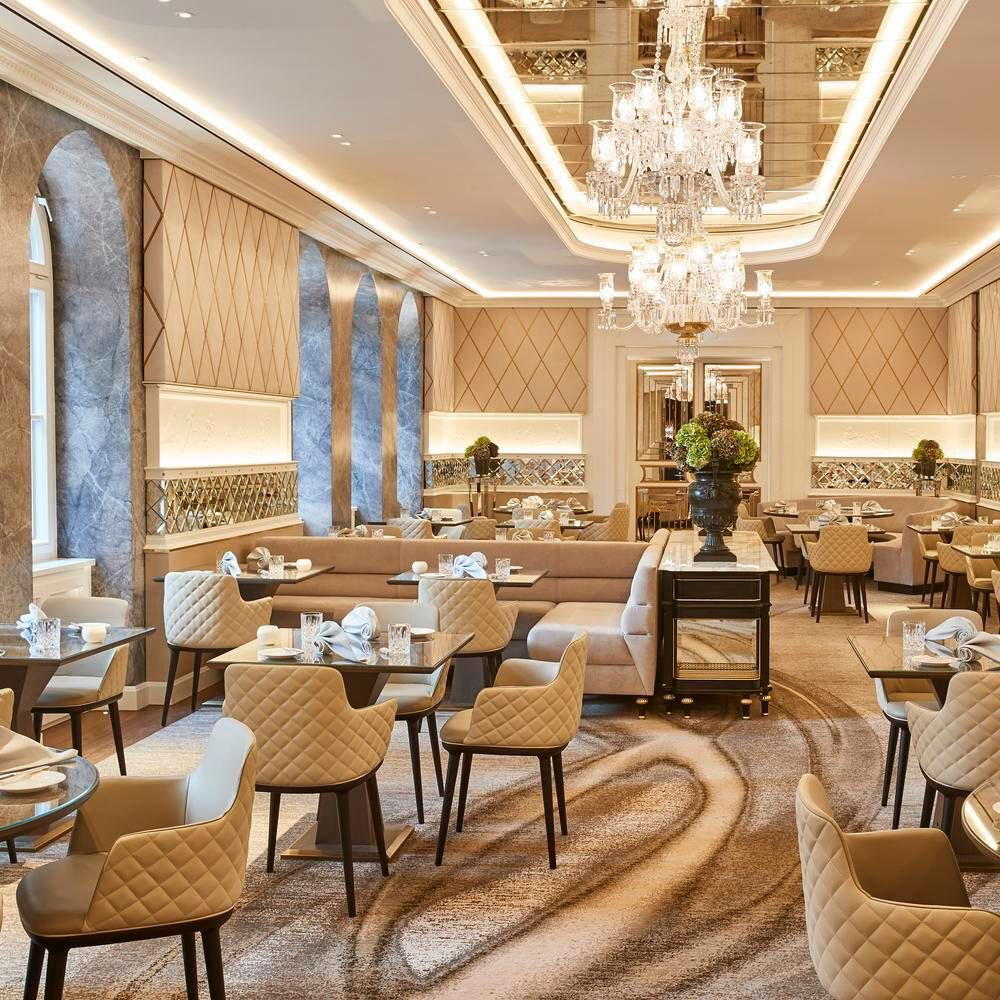 restaurantSchwarzreiterSchwarzreiter holds a Michelin Plate and consecutive Opinionated About Dining Classical rankings, placing it among Munich's most consistent addresses for Modern Bavarian cooking. Located on Maximilianstraße, the room anchors a formal dining tradition that the city's €€€€ tier has largely moved away from. Chef Hannes Reckziegel leads a kitchen where regional technique and classical structure share the same table.
Planning details
- Location
- Maximilianstraße 17, 80539 München
- Website
- kempinski.com/en/hotel-vier-jahreszeiten
- Phone
- +49 89 21250
The take
The Take
The Vibe
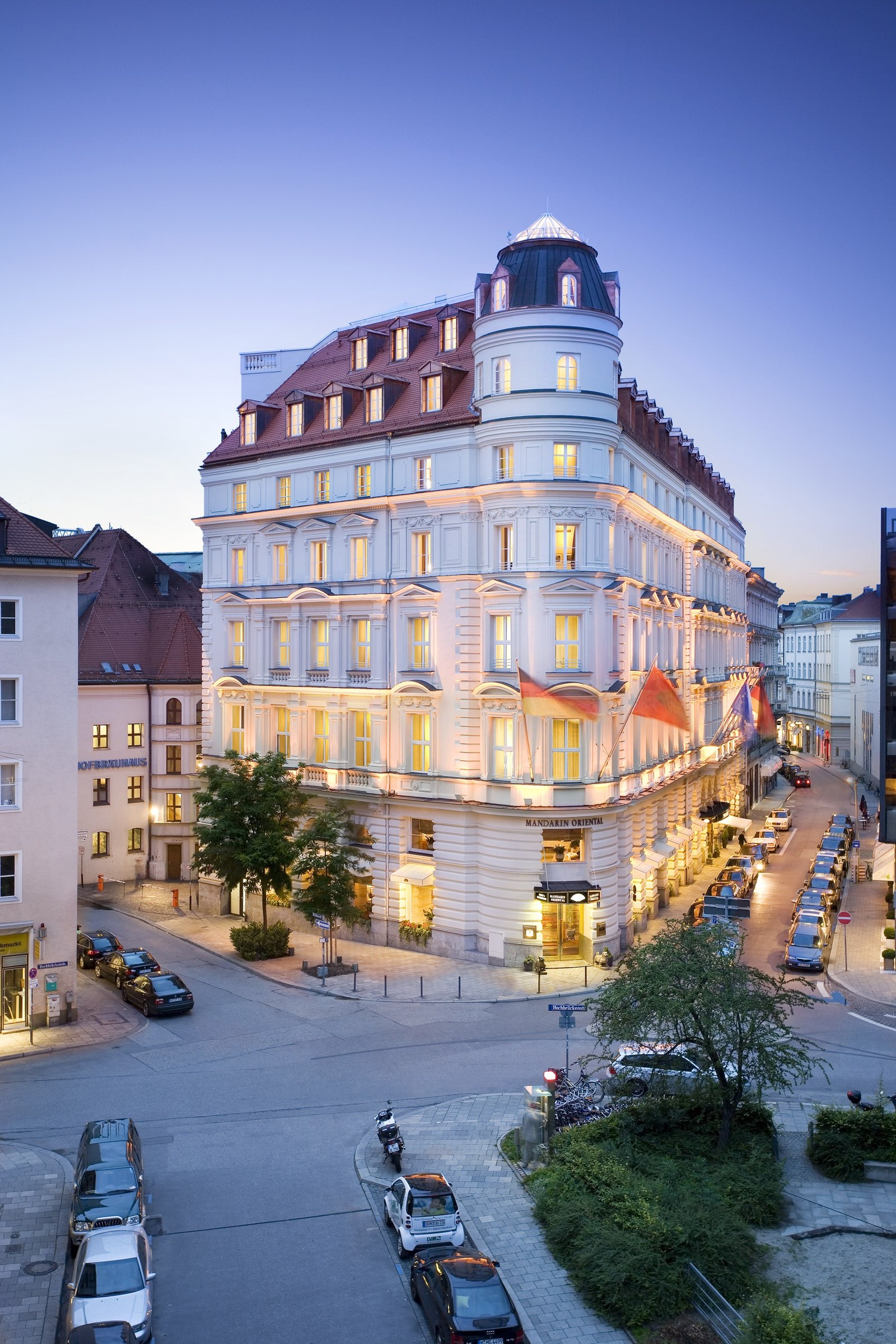
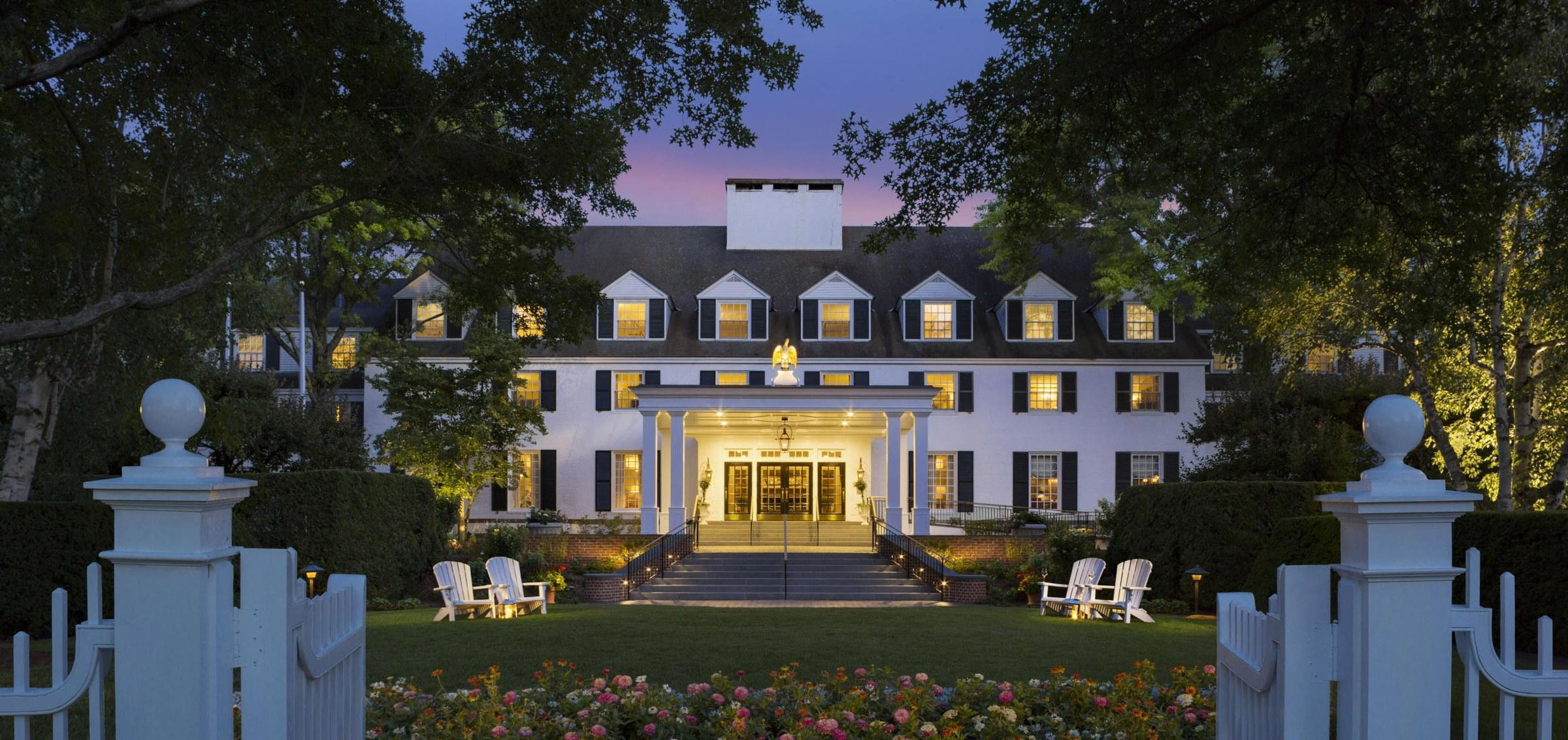
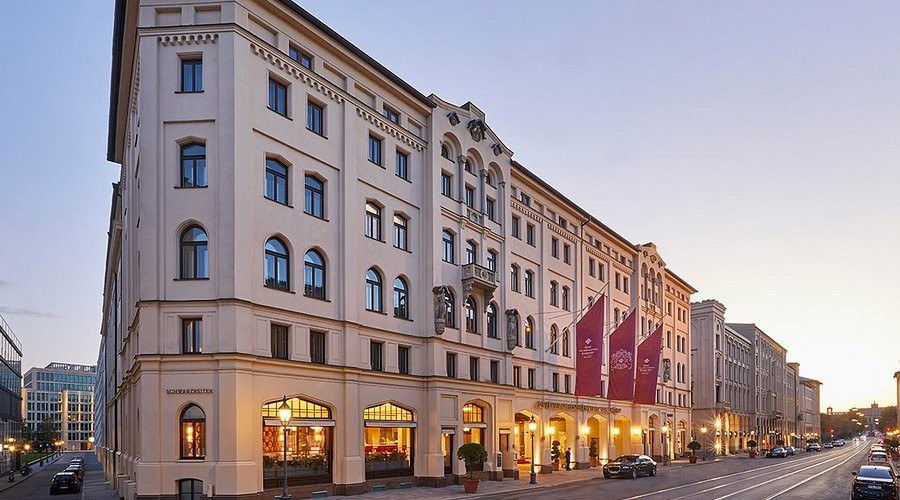
Hotel Vier Jahreszeiten Kempinski Munich reads like a living chapter of Maximilianstrasse. Built in 1858 as a royal guesthouse, the property sits squarely on the boulevard’s nineteenth‑century ceremonial spine and presents a neoclassical façade that references the civic scale of the nearby State Opera and museum complex. The text emphasizes the hotel’s original place on the avenue rather than a later, derivative flourish: it was part of the street’s fabric from the start. That historic pedigree and a La Liste 2026 ranking that places the hotel among Europe’s upper tier convey a stately, landmark atmosphere.
Best For
This hotel suits travelers seeking a landmark, culturally anchored stay. Its immediate proximity to the Bavarian State Opera and the ceremonial boulevard makes it a natural choice for pre‑theater evenings and for milestone visits that lean on historic gravitas. The property’s placement in La Liste’s upper tier signals that guests looking for a distinguished setting for anniversaries or other special occasions will find it appropriate. Business travelers who value address and tradition on Munich’s principal avenue also find the location practical and authoritative.
Stay Tips
Approach the Vier Jahreszeiten on foot from Marienplatz if you want the full sense of arrival: the walk through the pedestrianized old town and east along Maximilianstrasse takes roughly ten minutes and reveals the boulevard’s scale before you reach the door. On arrival, look for the unaltered neoclassical stonework and the hotel entrance nestled between luxury boutiques—Chanel and Gucci are referenced as visual markers. Those planning opera outings should note the short distance to the Bavarian State Opera when scheduling evenings; the description situates the hotel as immediately convenient to cultural venues.
Venue details
Ambiance
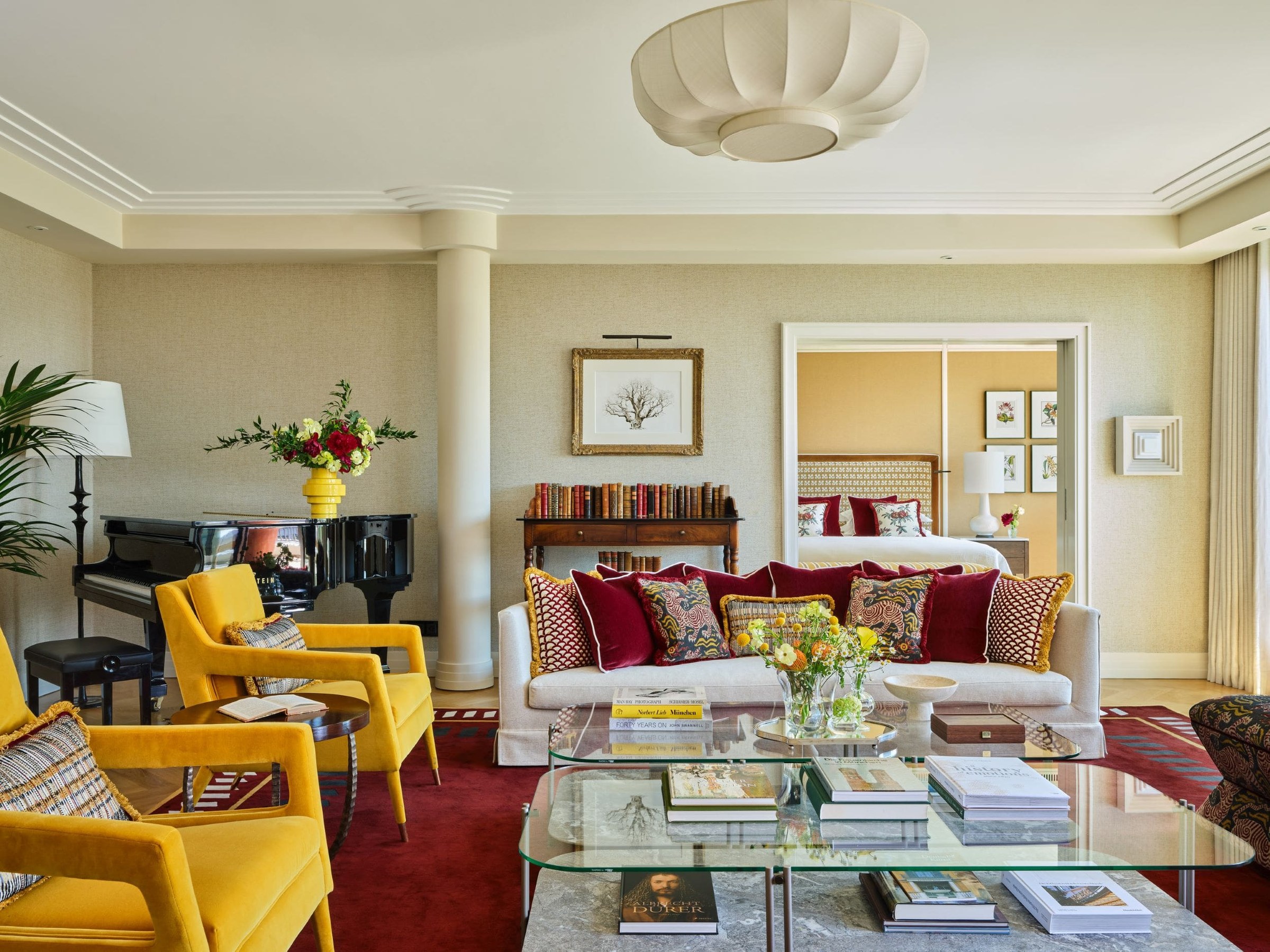
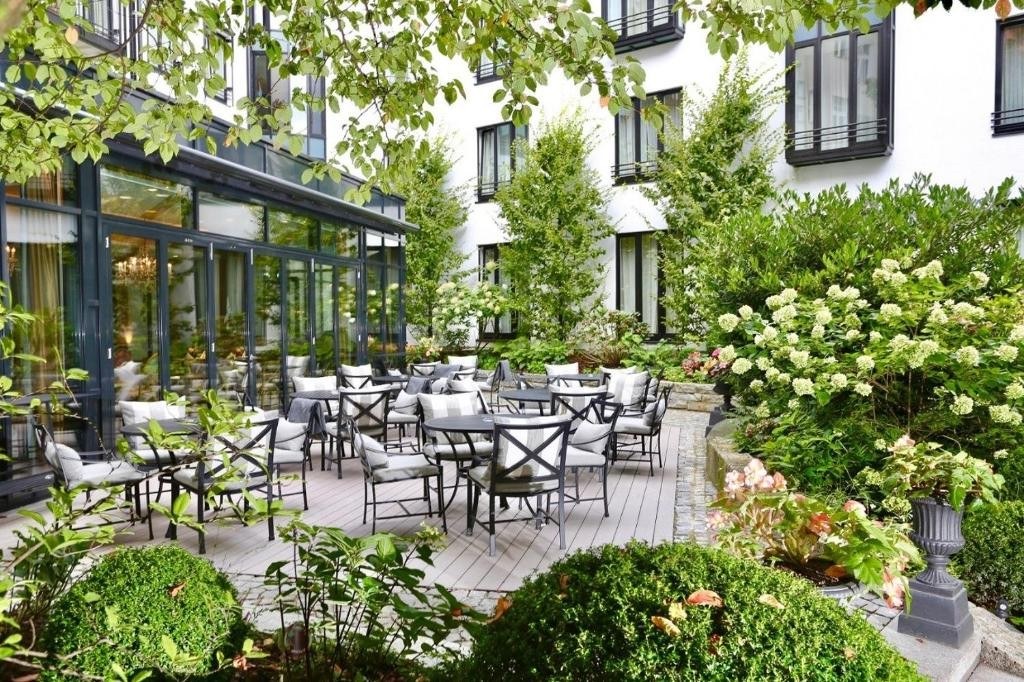
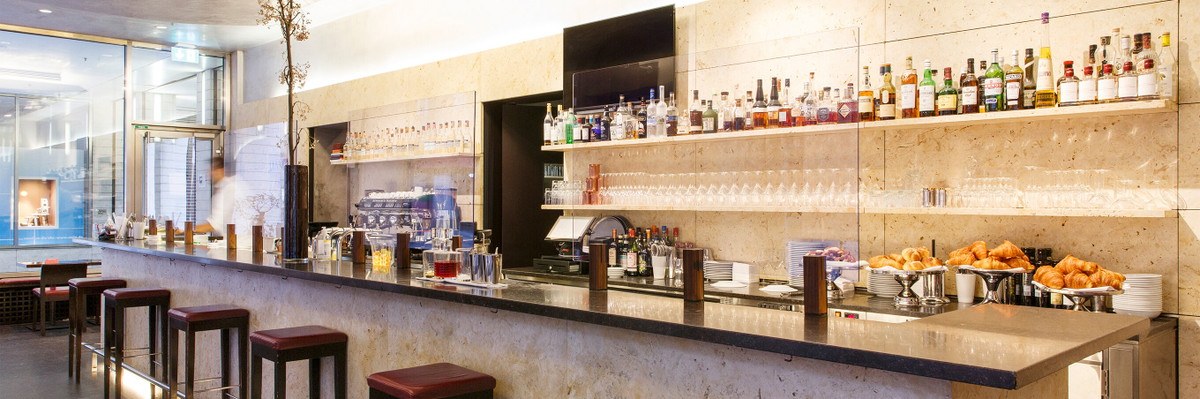
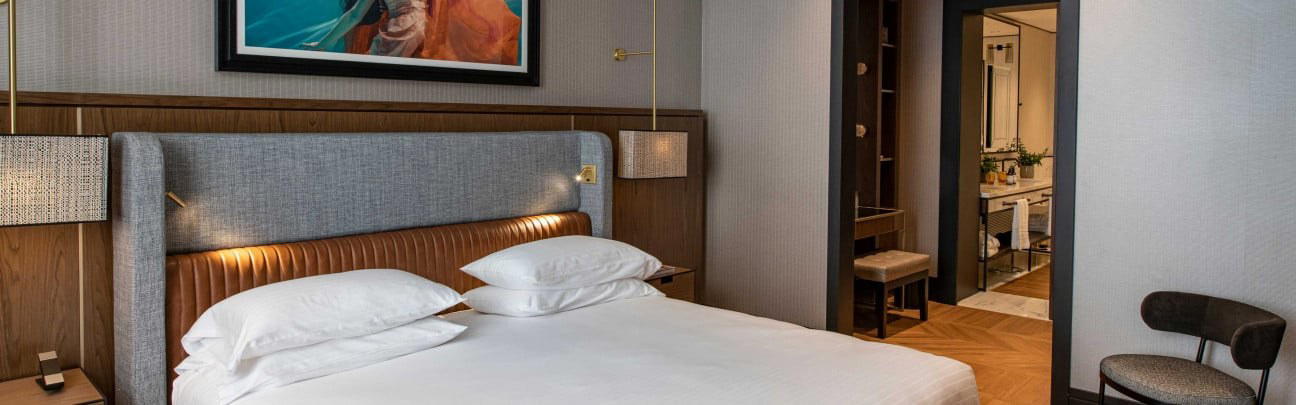
Timeless elegant lobby with sumptuous décor, soothing contemporary and historical room styles, quiet and luxurious atmosphere.
Tags
Vibe
Best For
Experience
Amenities
View
Accessibility
About the Stay
- Rooms
- 297
- Property Style
- Historic Luxury Grand Hotel Blending Tradition with Modern Living.
- Design Style
- Elegant Mix of Historical Opulence and Contemporary Sophistication with Individual Room Decorations.
Know before you go
Know Before You Go
- Getting there
- Maximilianstraße 17, 80539 München
Planning details
Location
Recognition and awards



Also consider
If this is unavailable
Try Mandarin Oriental Munich first if the goal is still luxury in Munich. For a sharper value move, compare Cortiina Hotel and BEYOND by Geisel before widening the search.
Hotel context
How It Compares
Against Mandarin Oriental Munich, Hotel Vier Jahreszeiten Kempinski Munich is the more classic grand-hotel choice for travelers who want a formal Munich base on Maximilianstraße. Mandarin Oriental Munich is the cleaner cross-shop for guests who prefer a more intimate luxury feel, while this property makes more sense when brand scale, recognition, and a high-convenience shopping address carry the decision.
Cortiina Hotel, Do & Co Hotel Munich, and BEYOND by Geisel are better cross-shops for travelers watching price-to-quality rather than chasing a classic luxury-hotel experience. Cortiina Hotel and BEYOND by Geisel are the more efficient picks for boutique scale; Do & Co Hotel Munich suits guests who want a central, contemporary stay without defaulting to old-school luxury.
Hotel Lux sits in a different value lane: choose it if the room is mainly a base and the budget matters more than formal service cues. For a hard-to-book luxury stay, the Kempinski is the safer splurge when external recognition and upgrade potential affect the final value.
Around this place
Discover more on Pearl
Unlock the full Hotel Vier Jahreszeiten Kempinski Munich guide in Pearl, including awards, comparisons, FAQs, planning details, and nearby places.
Compare Hotel Vier Jahreszeiten Kempinski Munich
| Venue | Location | Awards |
|---|---|---|
| Hotel Vier Jahreszeiten Kempinski Munich | Munich | 2026 Virtuoso Luxury Hotel Collection2026 Forbes 4-Star2026 La Liste Top Hotels2026 Michelin 1 KeyMichelin 1 Key 20252025 Forbes 4-Star2025 Michelin 1 Key |
| Mandarin Oriental Munich | Munich | 2026 Forbes 4-Star2026 Virtuoso Luxury Hotel Collection2026 La Liste Top Hotels2026 Michelin 2 Keys2025 Michelin 2 Keys2025 Forbes 4-Star2024 Michelin 2 Keys |
| Hotel Lux | Munich | No published awards |
| Cortiina Hotel | Munich | 2026 Design Hotels Collection2026 Michelin 1 Key2025 Michelin 1 Key |
| Do & Co Hotel Munich | Munich | 2026 Michelin 1 Key2025 Michelin 1 Key |
| BEYOND by Geisel | Munich | 2026 Virtuoso Luxury Hotel Collection2026 Michelin 1 Key2025 Michelin 1 KeyPreferred Hotels L.V.X. Collection 2025 |



How Hotel Vier Jahreszeiten Kempinski Munich compares with similar nearby venues.
FAQ
Frequently Asked Questions
How is the location of Hotel Vier Jahreszeiten Kempinski Munich?
The location is Munich. Specific street-address or neighborhood claims should be checked directly with the hotel or booking channel before travel.
Is Hotel Vier Jahreszeiten Kempinski Munich family-friendly?
Families should contact the hotel or booking channel directly to confirm room setup, policies, and any services needed for their stay.
Do loyalty programs work at Hotel Vier Jahreszeiten Kempinski Munich?
The hotel is a Virtuoso Luxury Hotel Partner for 2026. Specific benefits, rates, and booking conditions can vary, so confirm the details for your dates before booking.
When is the best time to book Hotel Vier Jahreszeiten Kempinski Munich?
Book based on your travel dates, cancellation needs, and the current terms available through your preferred channel.