
Cortiina Hotel
Altstadt, Munich
Hotel in Munich, Germany
 Book with Pearl
The Read
Austere Boutique Precision
Why go
Cortiina Hotel is the Munich pick for travellers who want a central, design-led stay with Michelin 1 Key recognition, not a hotel chosen mainly for destination dining. Cross-shop Mandarin Oriental Munich or Hotel Vier Jahreszeiten Kempinski Munich for fuller luxury service, and LOUIS Hotel or BEYOND by Geisel for nearby boutique competition.
About Cortiina Hotel
Cortiina Hotel is a Munich hotel with confirmed recognition from Michelin 1 Key in 2025 and a 2026 Design Hotels Member listing. The most reliable way to frame it is as a design-recognised hotel in Munich, with a smart casual dress code noted in the venue data.
Design-led Munich stay, with limited detail beyond recognition
The grounded read here is simple: Cortiina Hotel is a Munich option for travellers who value a hotel with confirmed design-hotel recognition and Michelin 1 Key recognition. If the trip is built around restaurants, plan meals separately through Our full Munich restaurants guide, because no specific restaurant, cuisine, menu, chef, price, or service format.
Use Cortiina Hotel as a hotel consideration rather than building the decision around amenities or dining claims. For a wider scan of where it sits among city stays, compare it with Our full Munich hotels guide, then use Our full Munich bars guide and other Munich planning resources to round out the trip.
Who should cross-shop before committing
If you are comparing Munich hotel options, consider Cortiina Hotel alongside Mandarin Oriental Munich, Hotel Vier Jahreszeiten Kempinski Munich, LOUIS Hotel, BEYOND by Geisel, and Hotel Lux. Those names are useful reference points for deciding whether you want Cortiina Hotel specifically or another Munich stay with a different hotel profile.
For broader Germany hotel planning, keep the comparison focused on Munich options and general hotel research rather than relying on claims about Cortiina Hotel's amenities, dining, pricing, or service format.
Outside Munich, compare hotels generically by city, recognition, and the details each property verifies publicly. For Cortiina Hotel specifically, the confirmed hooks remain Munich, Michelin 1 Key in 2025, 2026 Design Hotels Member recognition, and a smart casual dress code.
Inside Cortiina Hotel
Planning details
- Location
- Ledererstraße 8, 80331 München
- Website
- cortiina.com
- Phone
- +49 89 2422490
The take
The Take
The Vibe
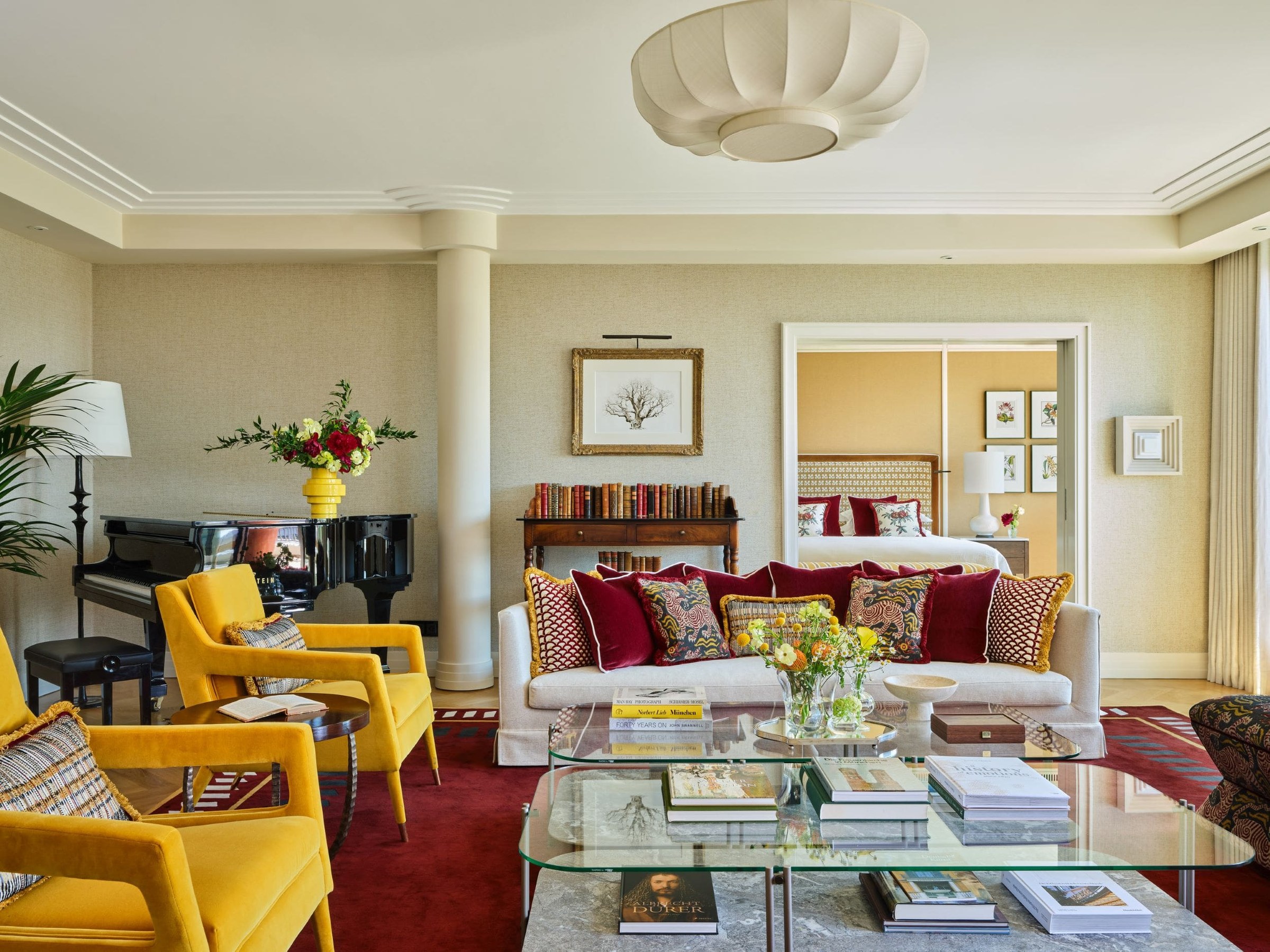
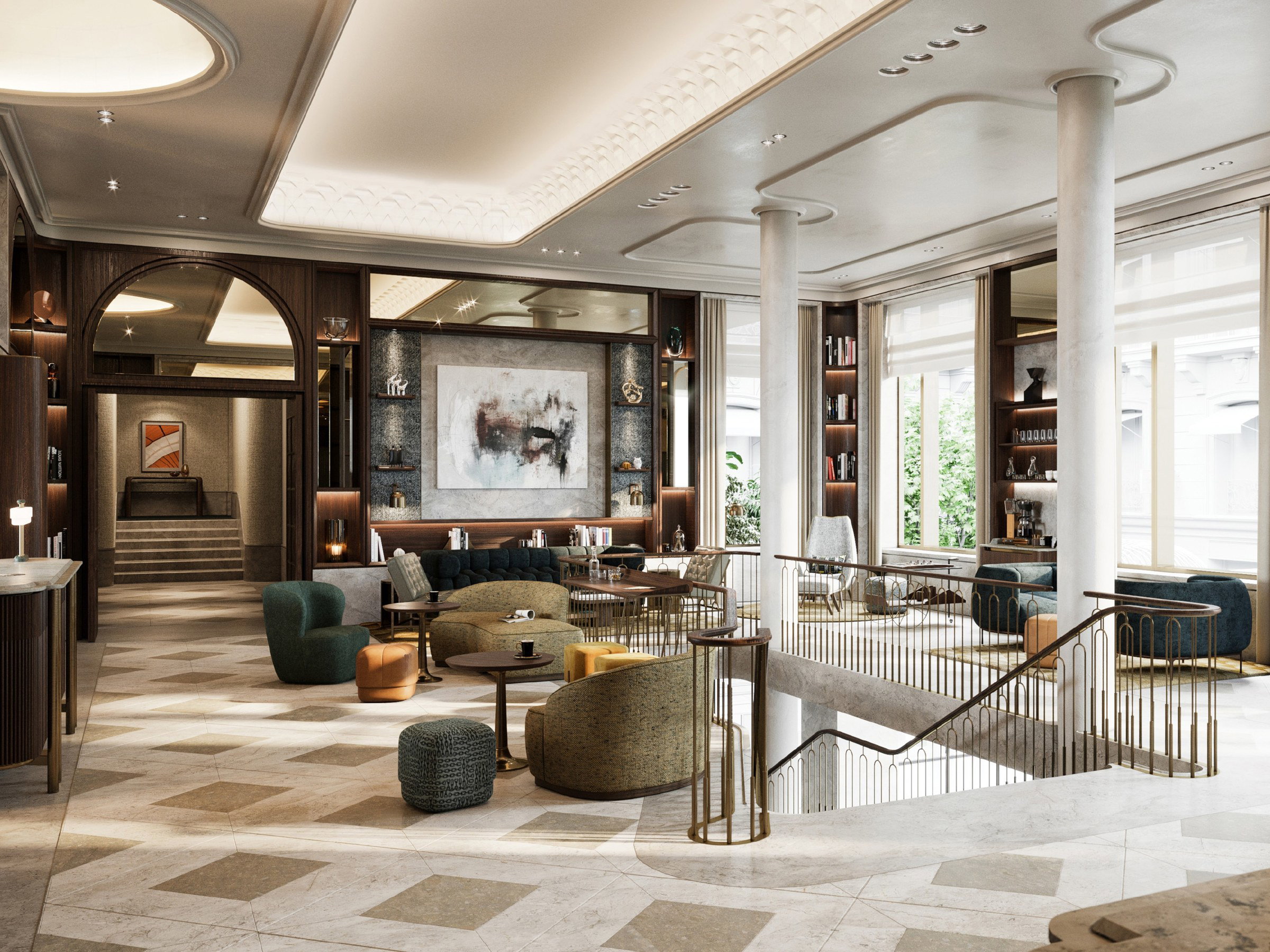
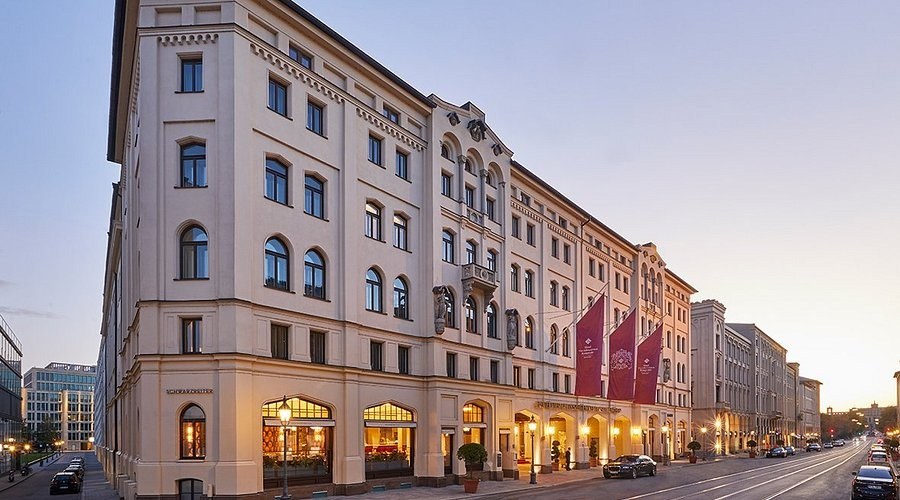
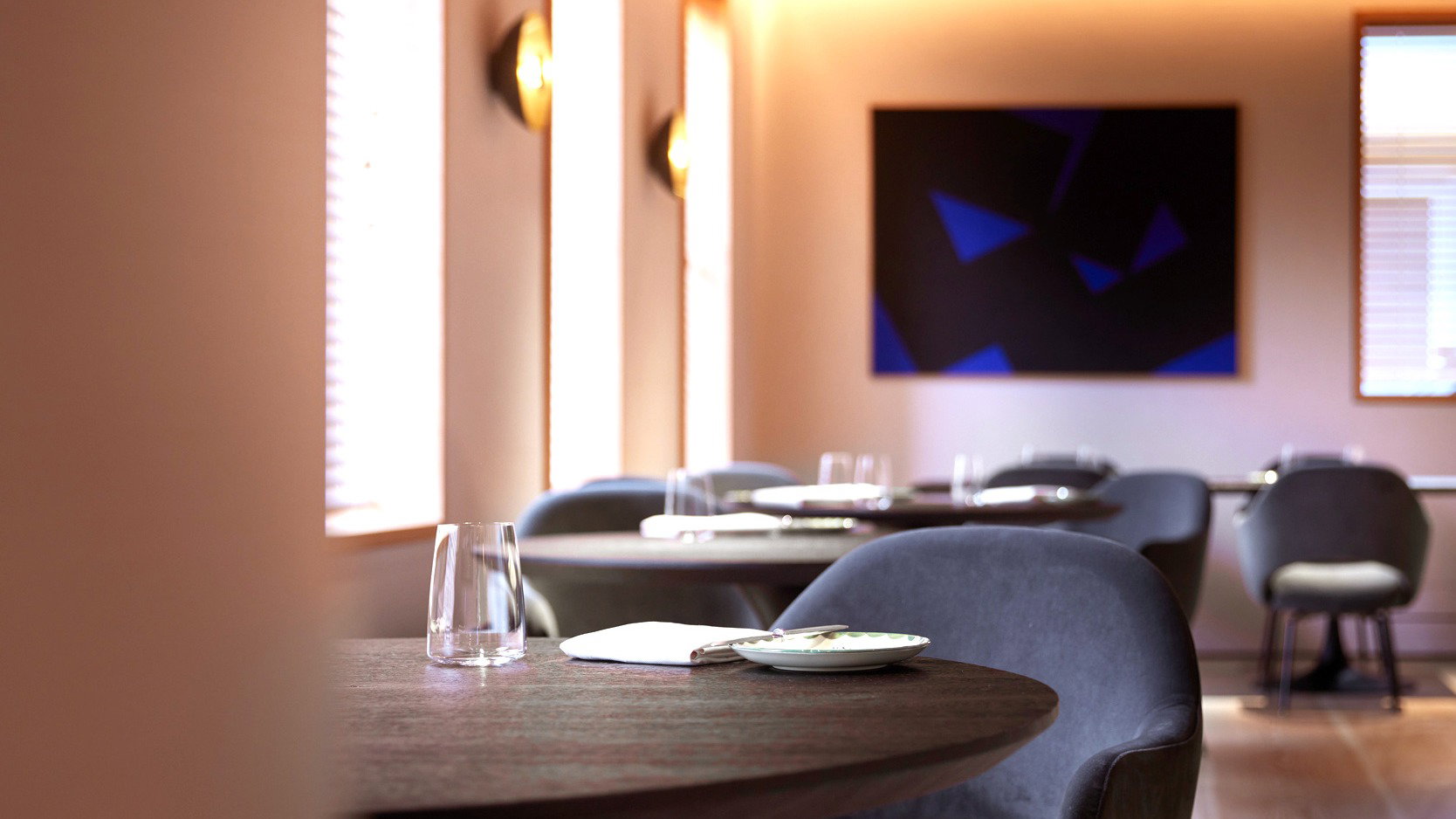
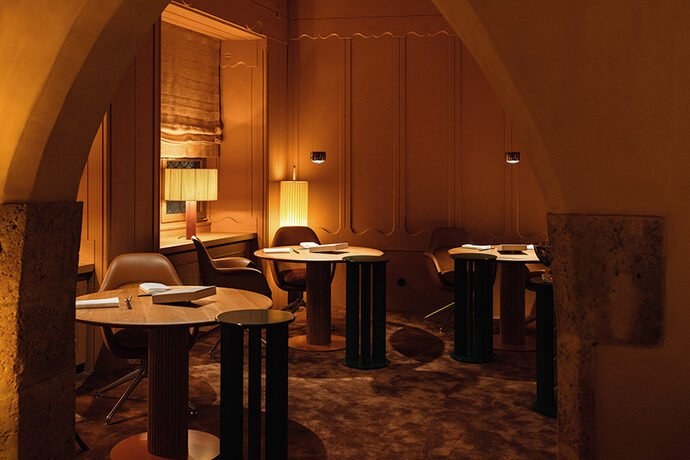
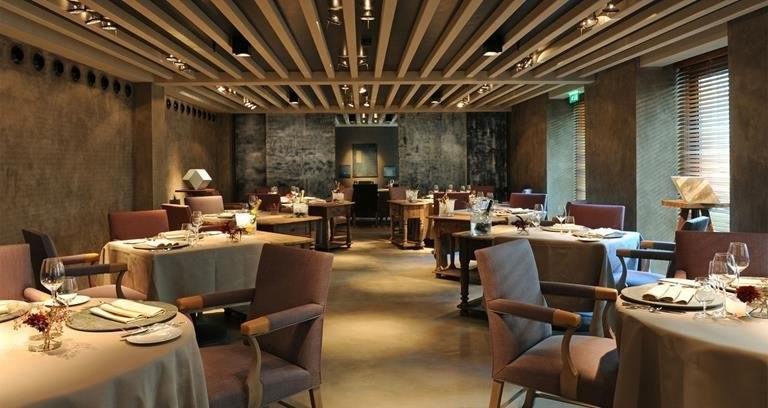
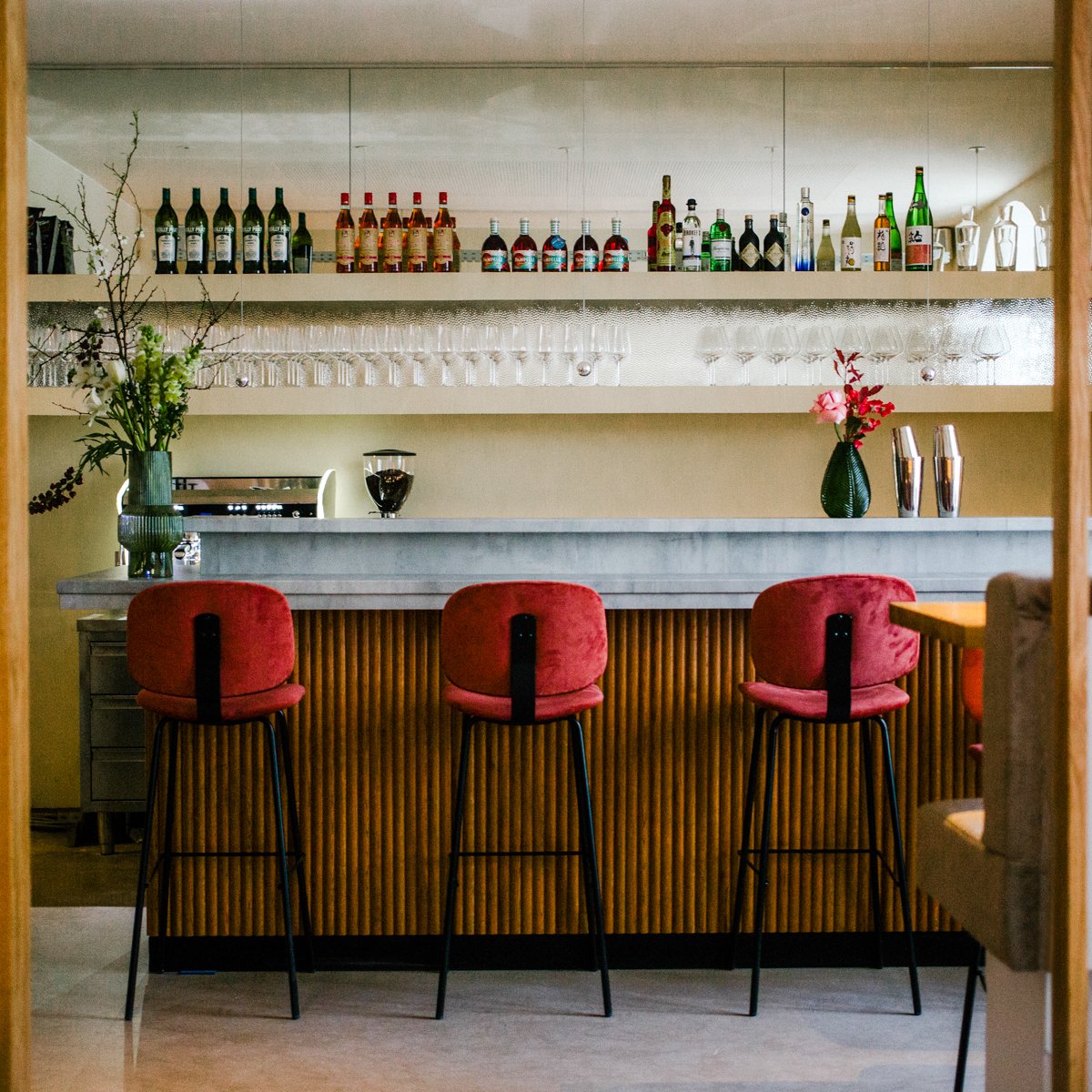
Cortiina Hotel presents a quietly exacting take on boutique hospitality: a central Altstadt address that deliberately shutters the city to prioritize material calm. The public spaces and rooms read as exercises in restraint — unfinished flagstone, oak panelling and limestone bathrooms — where each surface is chosen for texture and longevity rather than ornament. The result feels like a Bavarian farmhouse filtered through Japanese minimalism: warm, spare and inward-facing. Guests encounter an atmosphere that privileges silence, tactile materials and modest craftsmanship, making the hotel feel less like a city landmark and more like a carefully composed refuge.
Best For
Cortiina suits travelers who want central Munich access without the bustle. Its location steps from Marienplatz, the Viktualienmarkt and the S‑Bahn interchange makes it practical for business travelers and weekend visitors, while the small scale and quiet interiors appeal to couples seeking a low‑key romantic getaway. The hotel’s design-led identity and conscientious material choices also make it a good pick for guests who value thoughtful boutique design and subtle sustainability gestures rather than flashy amenities. With 75 rooms, it balances privacy and ease of access to the city’s historic core.
Venue details
Ambiance
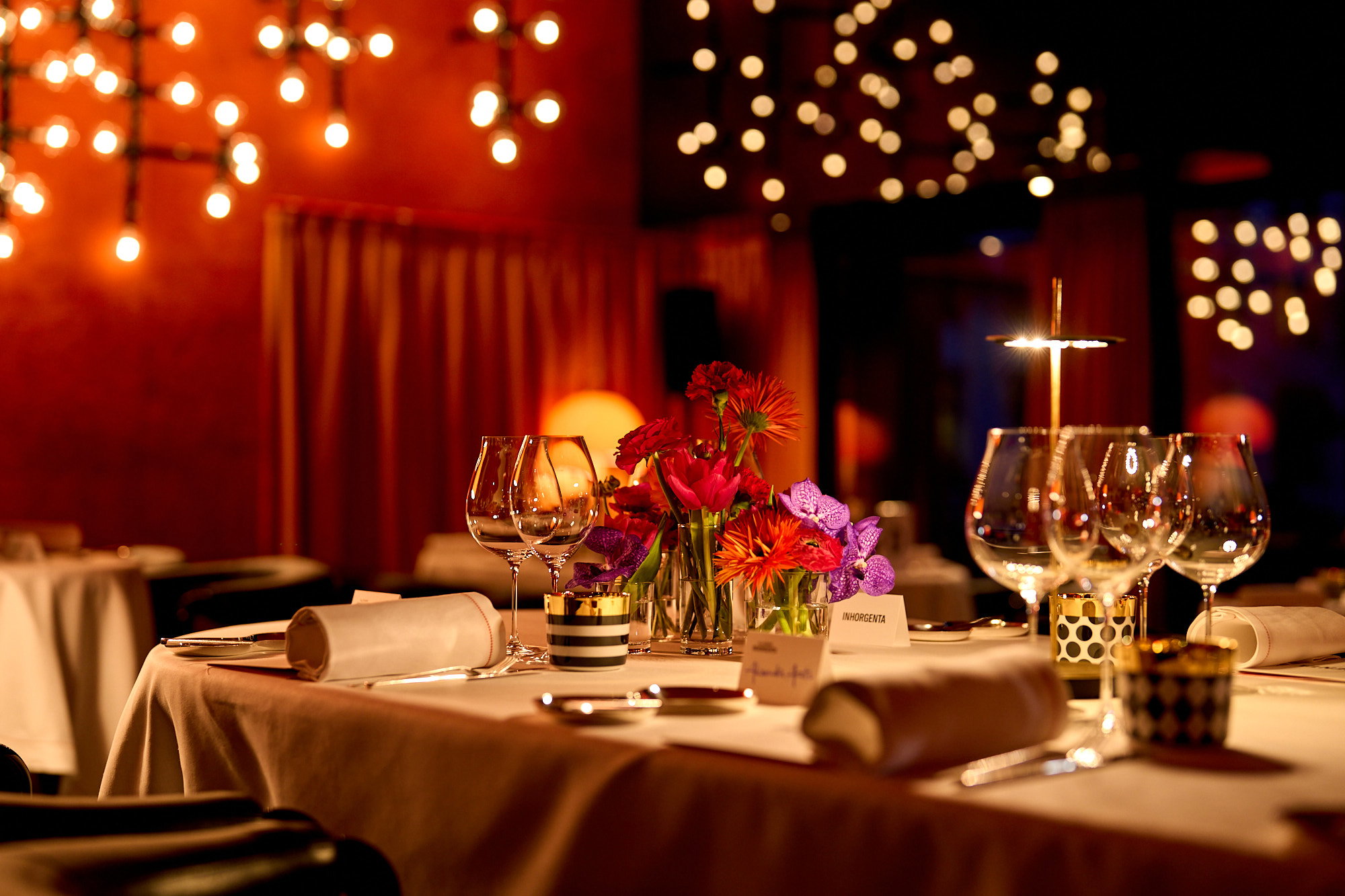
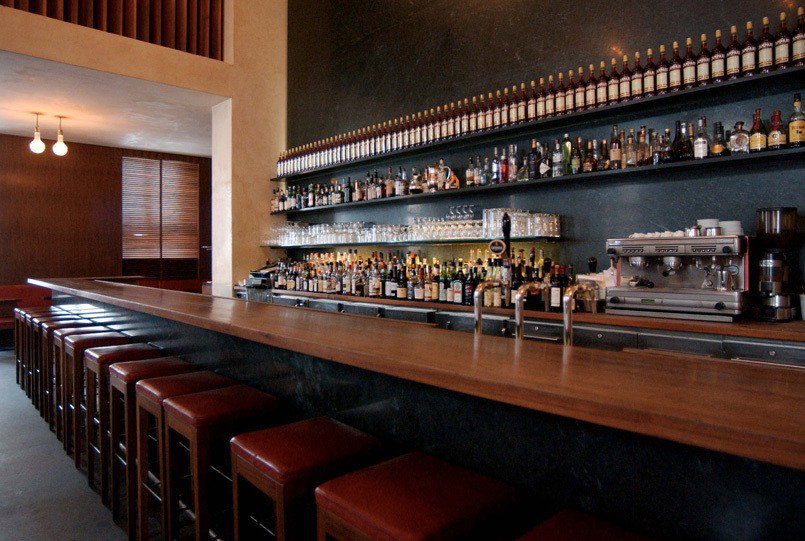
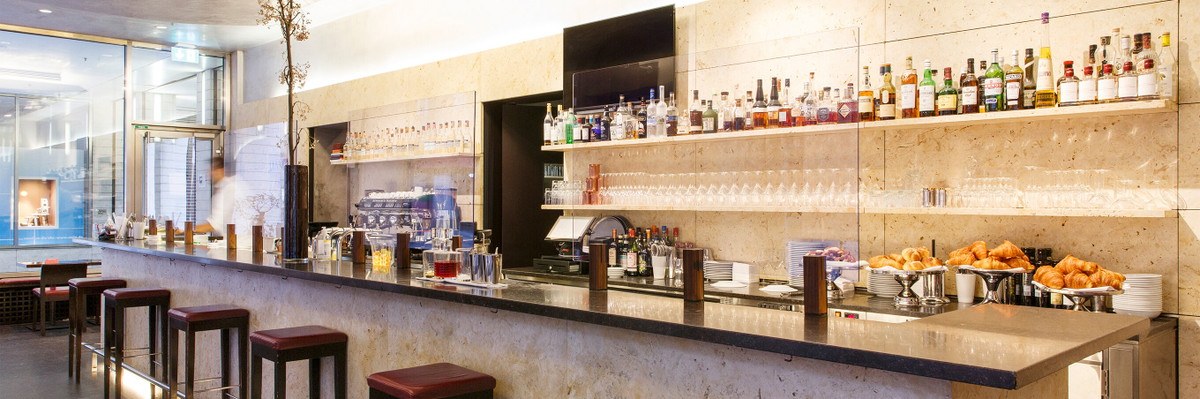
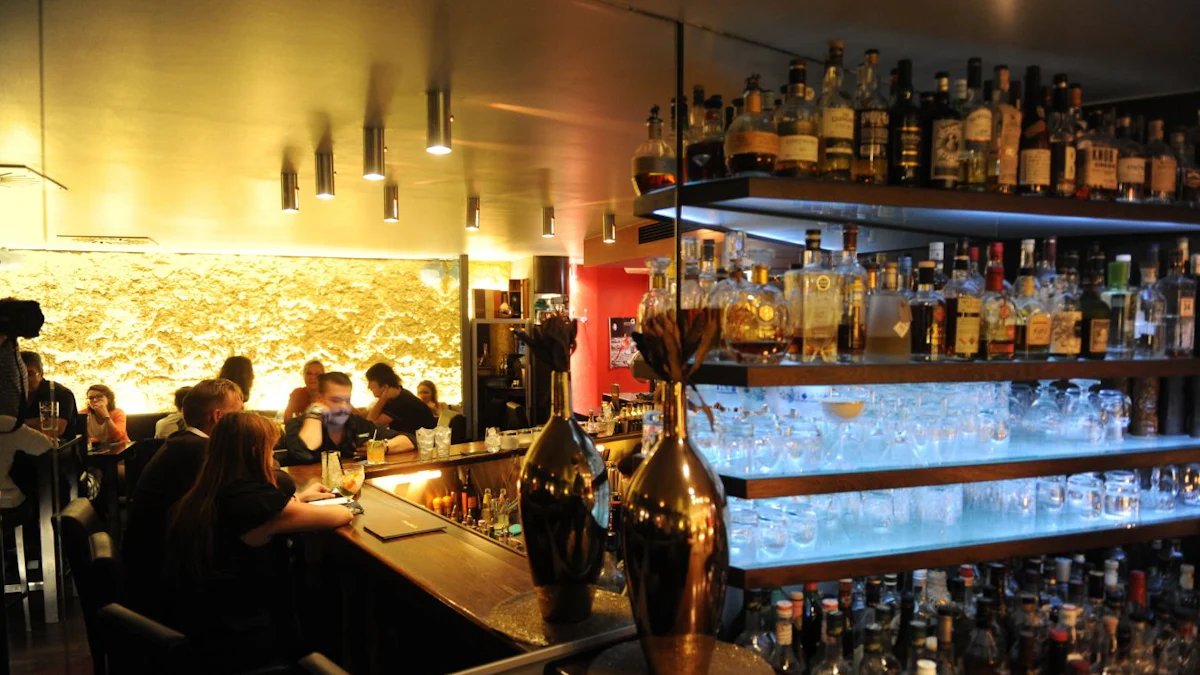
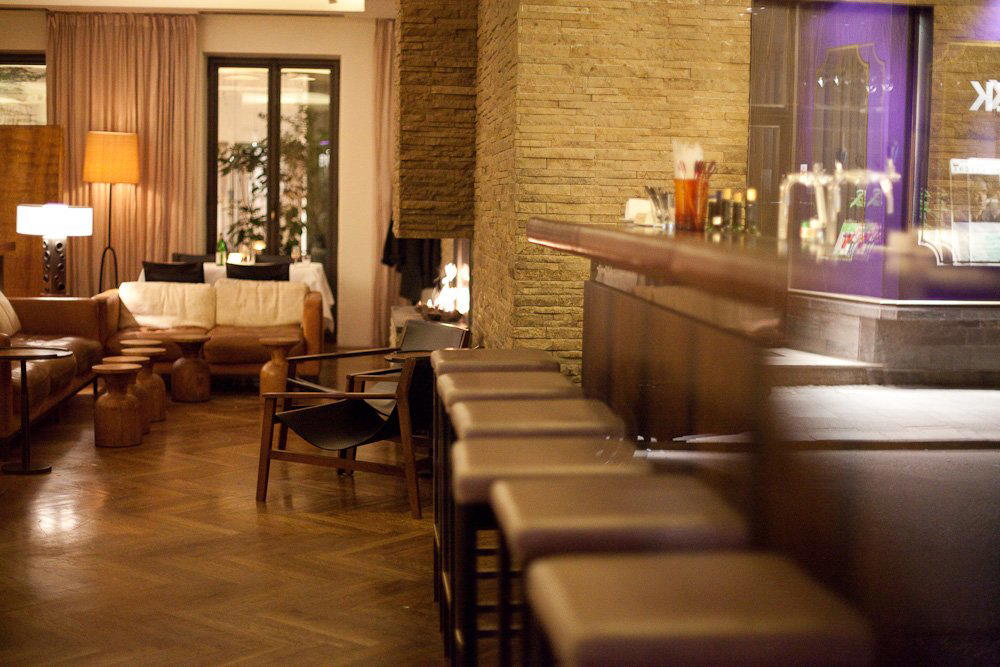
Sophisticated and cozy atmosphere with classy bar area, fireplace in winter, sun terrace in summer, and serene, soundproofed rooms.
Tags
Vibe
Best For
Experience
Amenities
View
Accessibility
About the Stay
- Rooms
- 75
- Check-in
- 15:00
- Check-out
- 11:00
- Property Style
- Stylish Boutique Blending International Flair with Bavarian Charm.
- Design Style
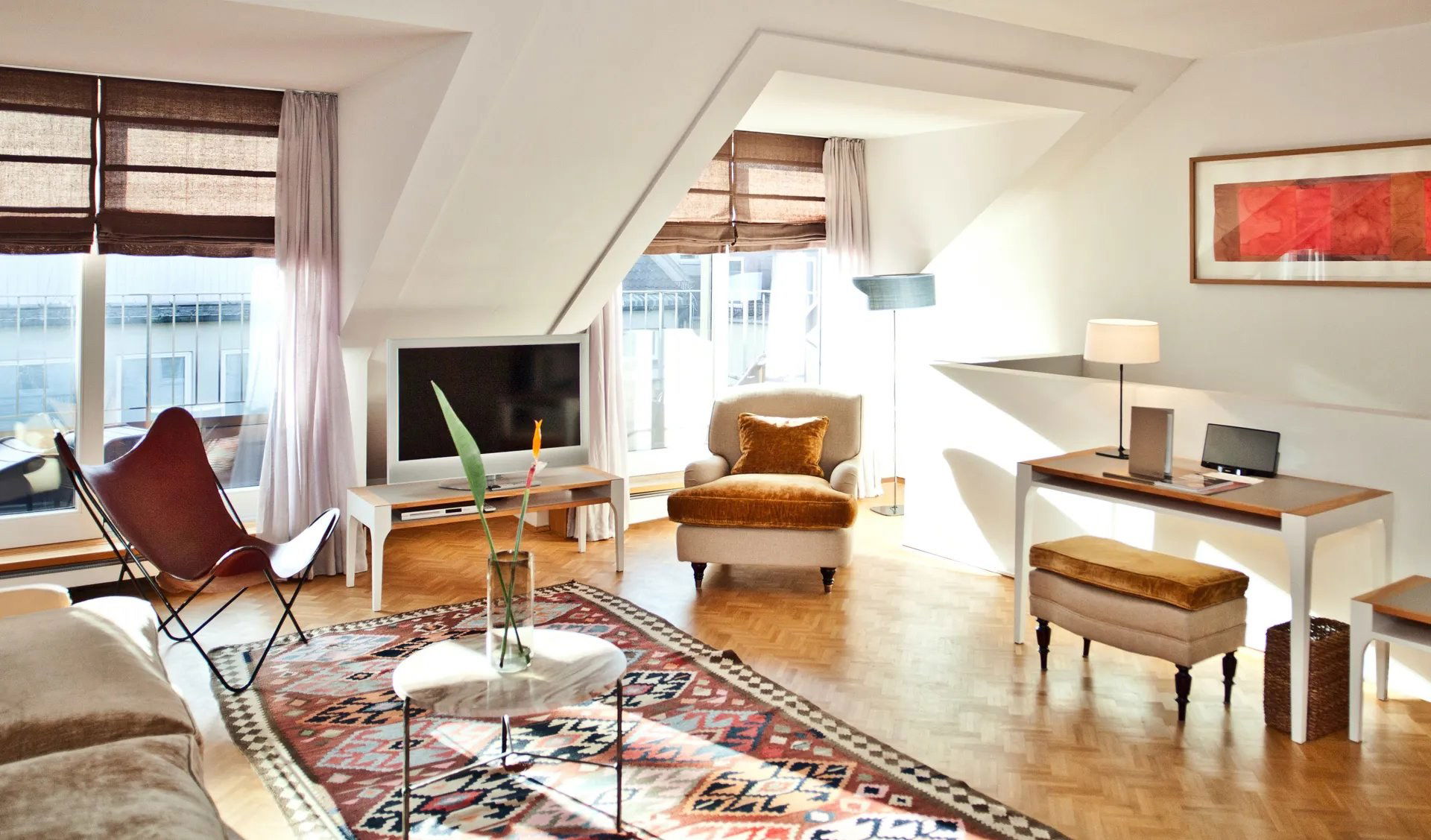
- Feng Shui Inspired with Artistic Wallpaper, Colorful Kilim Rugs, Parquet Floors, and Locally Designed Furniture.
Know before you go
Know Before You Go
- Getting there
- Ledererstraße 8, 80331 München
Planning details
Location
Recognition and awards
Also consider
Also Consider
- Hotel Lux, Notable alternative
- Mandarin Oriental Munich, Notable alternative
- LOUIS Hotel, Notable alternative
- Hotel Vier Jahreszeiten Kempinski Munich, Notable alternative
- BEYOND by Geisel, Notable alternative
Hotel context
How Cortiina Hotel compares in Munich
Cortiina Hotel is the value-conscious design choice in this set: less grand than Mandarin Oriental Munich or Hotel Vier Jahreszeiten Kempinski Munich, but easier to justify if the trip does not need a large luxury-hotel service machine. Those two are better for travellers who want a higher-touch stay and are prepared to pay for it.
Against LOUIS Hotel and BEYOND by Geisel, the choice is more about mood than category. Pick Cortiina Hotel for a calmer design-hotel feel; look at LOUIS Hotel or BEYOND by Geisel if location and boutique intimacy are the stronger pull. For a tighter, simpler option, Hotel Lux is the comparison to make before committing.
Booking difficulty is marked hard here, so do not treat it as a backup if travel dates are fixed. If Cortiina Hotel is full, cross-shop LOUIS Hotel and BEYOND by Geisel first for similar central-boutique logic, then move to Mandarin Oriental Munich or Hotel Vier Jahreszeiten Kempinski Munich if budget allows a broader luxury setup.
Around this place
Discover more on Pearl
Unlock the full Cortiina Hotel guide in Pearl, including awards, comparisons, FAQs, planning details, and nearby places.
Compare Cortiina Hotel
| Venue | Location | Awards |
|---|---|---|
| Cortiina Hotel | Munich | 2026 Design Hotels CollectionMichelin 1 Key 20252025 Michelin 1 Key |
| Hotel Lux | Munich | No published awards |
| Mandarin Oriental Munich | Munich | 2026 Forbes 4-Star2026 Virtuoso Luxury Hotel Collection2026 La Liste Top Hotels2025 Michelin 2 Keys2025 Forbes 4-Star2024 Michelin 2 Keys |
| LOUIS Hotel | Munich | No published awards |
| Hotel Vier Jahreszeiten Kempinski Munich | Munich | 2026 Virtuoso Luxury Hotel Collection2026 Forbes 4-Star2026 La Liste Top Hotels2025 Forbes 4-Star2025 Michelin 1 Key |
| BEYOND by Geisel | Munich | 2026 Virtuoso Luxury Hotel Collection2025 Michelin 1 KeyPreferred Hotels L.V.X. Collection 2025 |





How Cortiina Hotel Munich compares with similar nearby venues.
FAQ
Frequently Asked Questions
Is Cortiina Hotel good for business travel?
Cortiina Hotel may suit travellers considering a Munich hotel with confirmed Michelin 1 Key recognition in 2025 and a 2026 Design Hotels Member listing. No specific meeting facilities, business services, or work-trip amenities.
What is Cortiina Hotel known for?
Cortiina Hotel is known here as a Munich hotel with Michelin 1 Key recognition in 2025 and a 2026 Design Hotels Member listing.
How can I contact Cortiina Hotel?
Use Cortiina Hotel's official channels for current contact information.