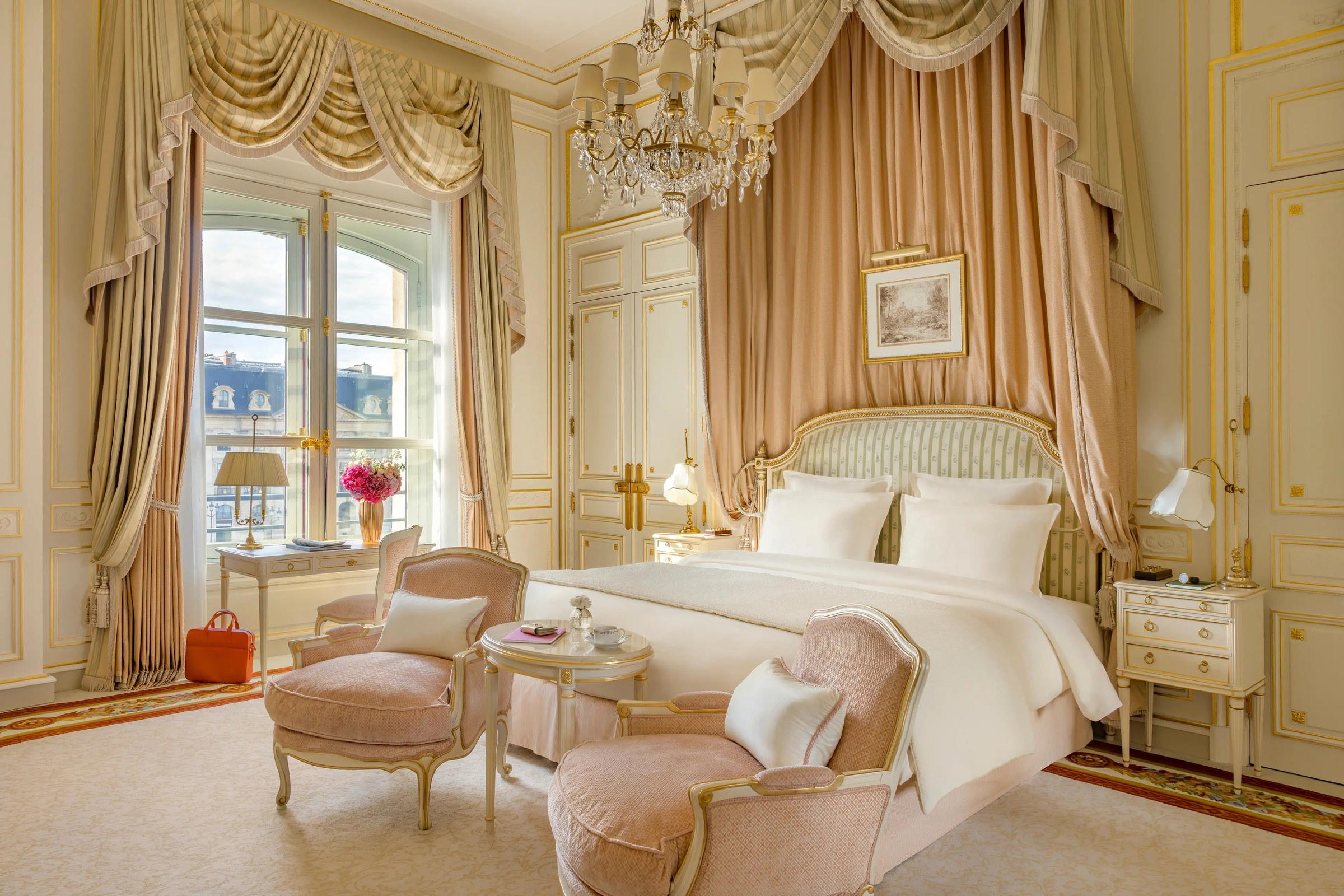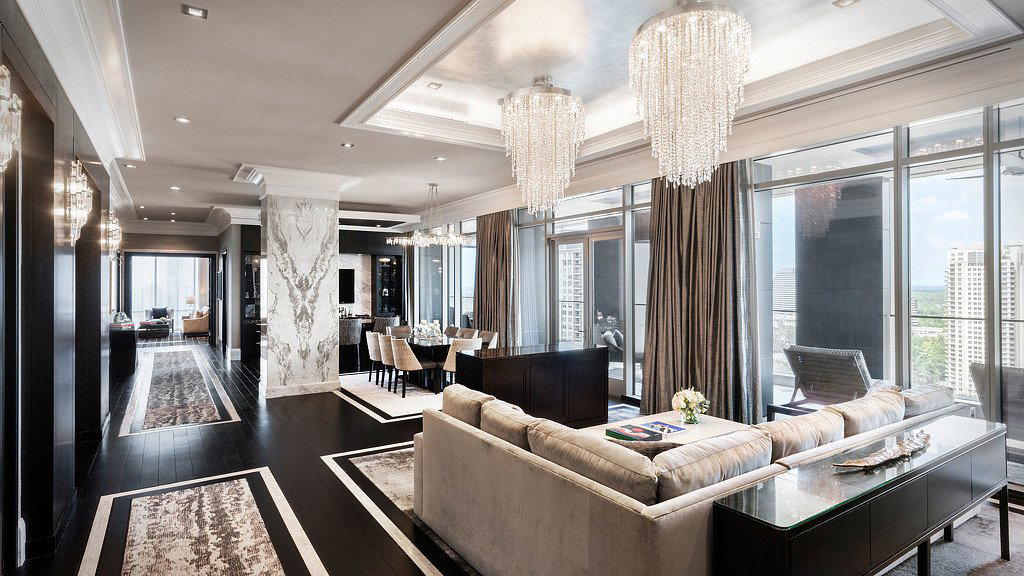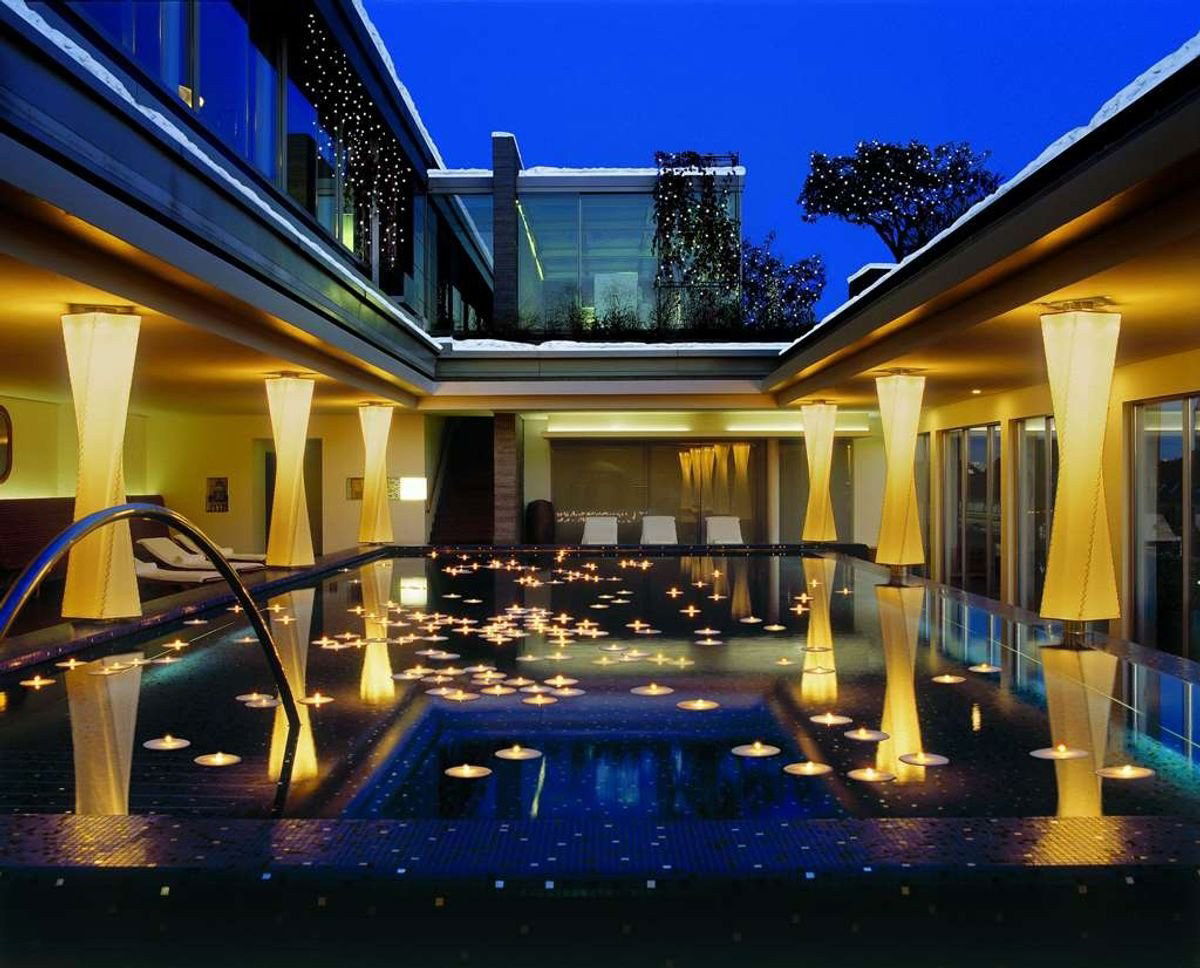





Bayerischer Hof Munich
Isarvorstadt, Munich
Hotel in Munich, Germany
 Book with Pearl
The Read
Promenadeplatz Grand Permanence
Why go
Bayerischer Hof Munich is a hotel on Promenadeplatz in Munich.
About Bayerischer Hof Munich
Bayerischer Hof Munich is a Munich hotel with Michelin 1 Key recognition in 2025, a La Liste Top Hotels 2026 score of 94 points, Leading Hotels of World membership in 2025, Preferred Hotels membership in 2025, and Virtuoso Luxury Hotel Partner status in 2026. The dress code is smart casual.
Bayerischer Hof Munich is best understood as a recognized Munich hotel rather than as a property defined by a single stay format. Its hotel-collection memberships and awards place it in a luxury-hotel context, while the exact experience will depend on the room category, package, and current hotel information at the time of booking.
Book it for a recognized Munich hotel profile
The strongest reasons to consider Bayerischer Hof Munich are its 2025 Michelin 1 Key, its La Liste Top Hotels 2026 score of 94 points, and its presence in several major luxury-hotel networks. Those signals are useful if you are comparing Munich hotels and want a property with internationally visible recognition rather than relying only on reputation or personal recommendation.
For a different Munich comparison set, BEYOND by Geisel, Do & Co Hotel Munich, Hotel Lux, LOUIS Hotel, and Rosewood Munich are natural names to weigh. The right choice should come down to the current rates, the room or package being offered, and the kind of hotel experience you prefer.
Who should choose it among Munich luxury hotels
Choose Bayerischer Hof Munich if the awards and hotel-network affiliations matter to your decision. Michelin 1 Key recognition, La Liste Top Hotels scoring, Virtuoso partnership, and membership in Leading Hotels of World and Preferred Hotels all support its position within an international luxury-hotel set.
For a first Munich stay or a return trip, the practical advice is the same: compare the recognition, current price, and exact booking terms against other Munich options. Consider dining, spa, room, family, or business-travel features based on the rate details or by checking directly with the hotel.
When comparing against Rosewood Munich and LOUIS Hotel, decide whether Bayerischer Hof Munich's recognition profile is the deciding factor for your trip. If you want a different Munich stay, BEYOND by Geisel, Do & Co Hotel Munich, or Hotel Lux may also be worth considering.
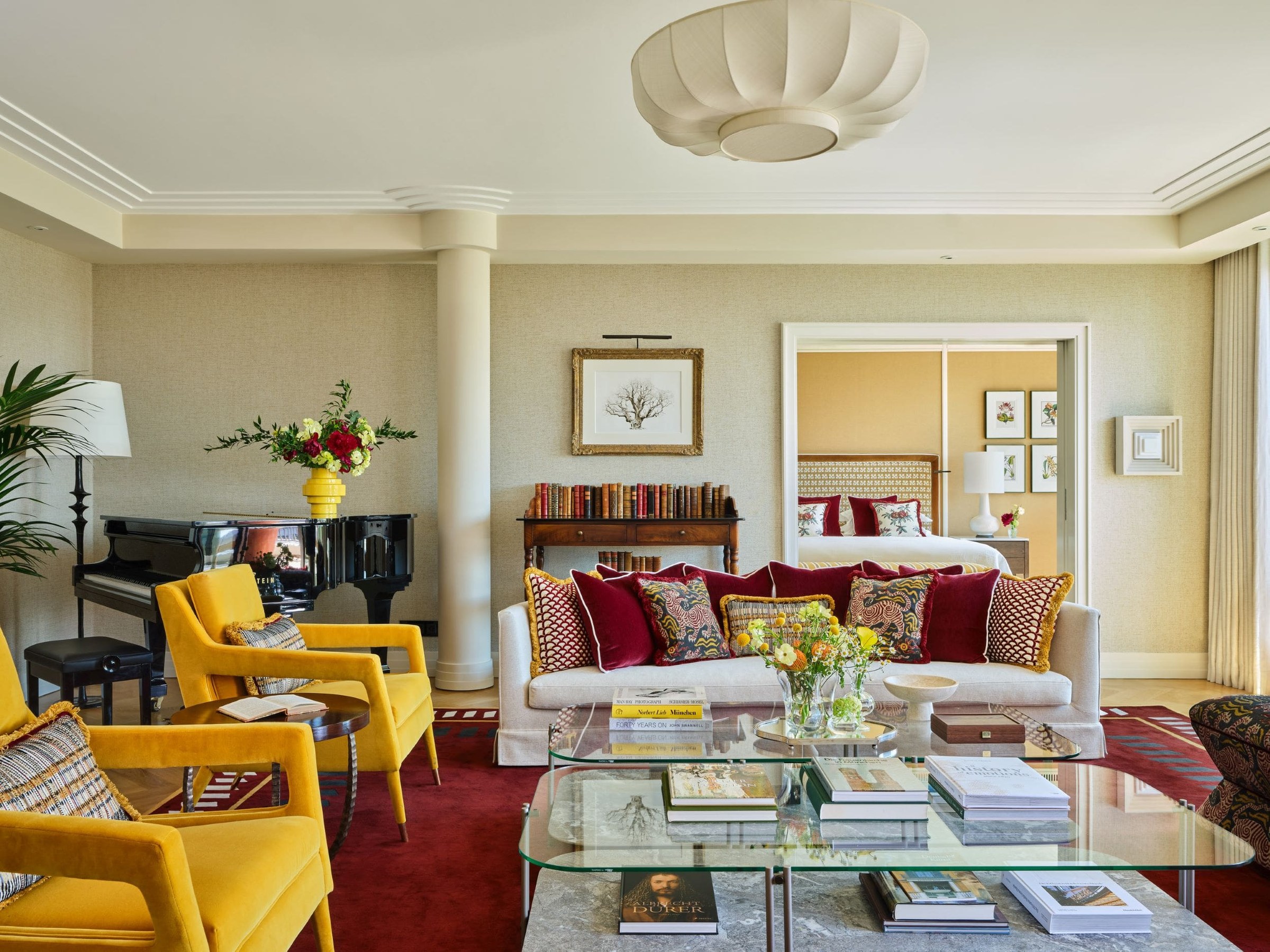
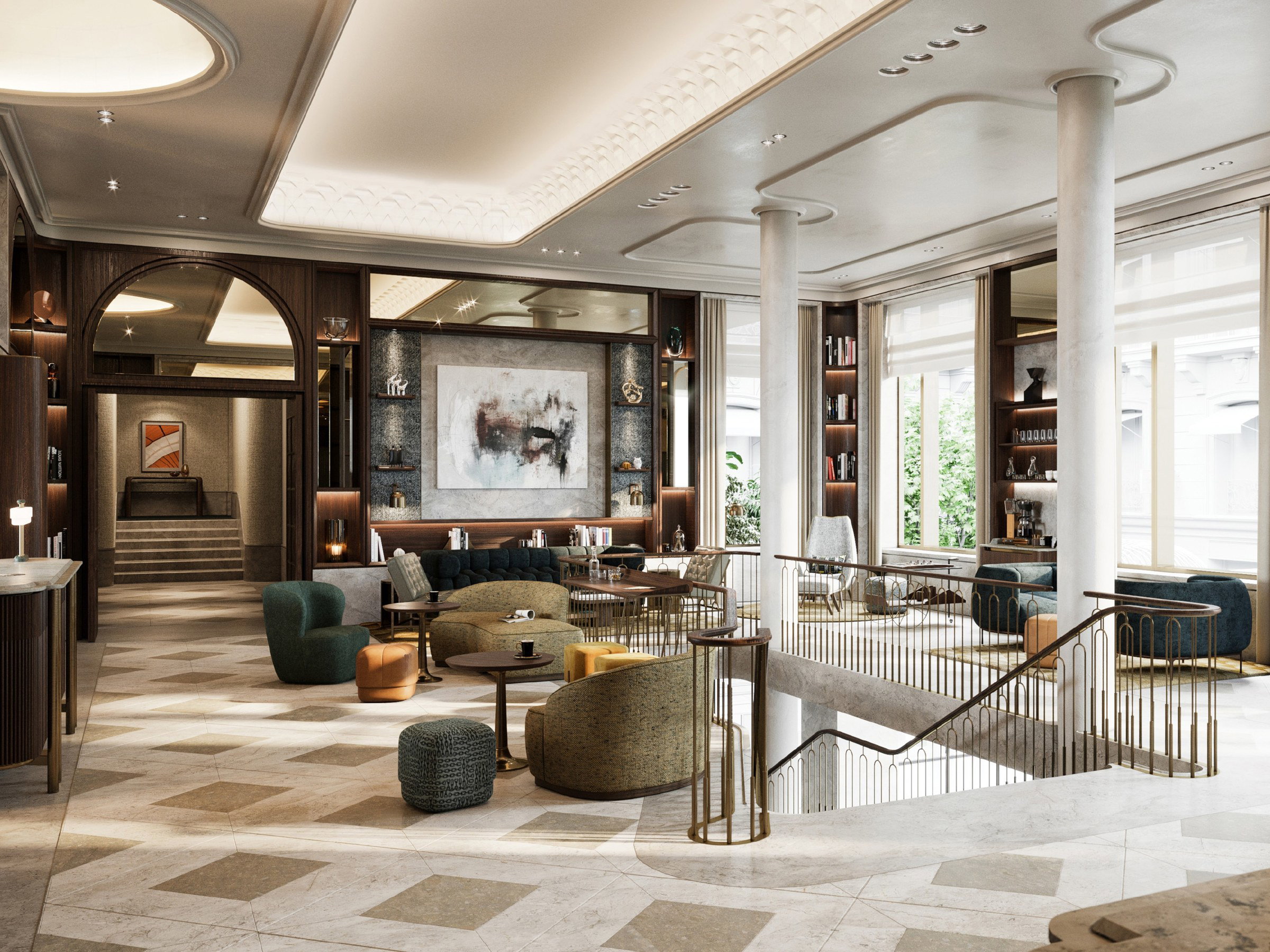
Inside Bayerischer Hof Munich
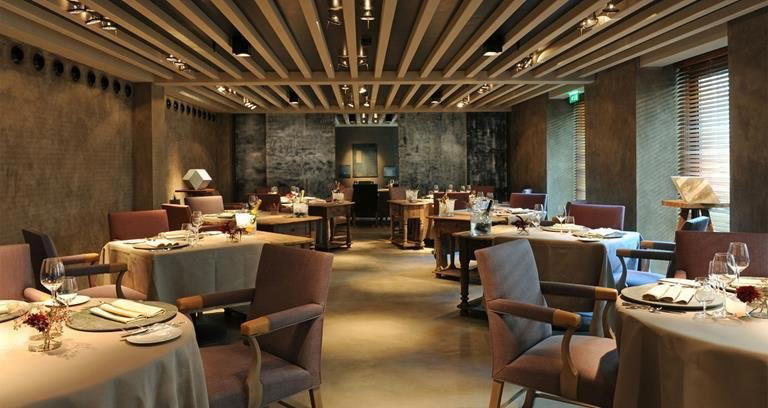
Planning details
- Location
- Promenadepl. 2-6, 80333 München
- Website
- bayerischerhof.de
- Phone
- +49 89 21200
The take
The Take
The Vibe
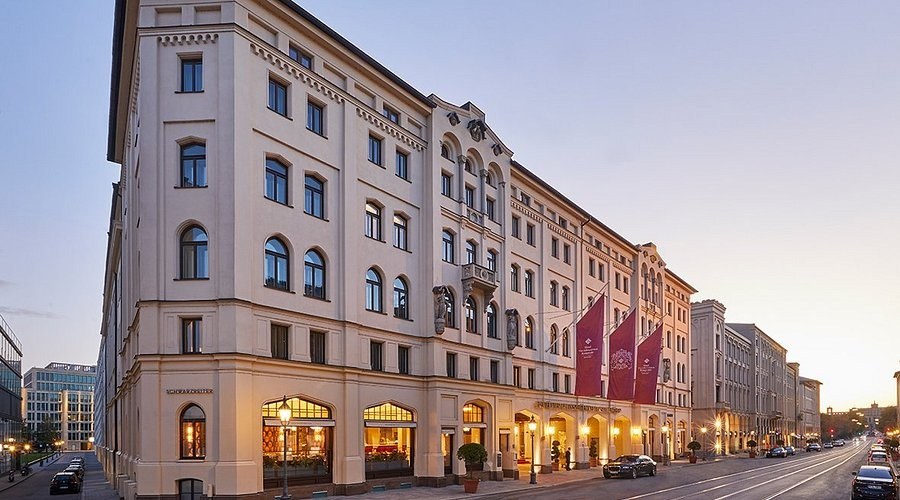
Bayerischer Hof reads as a grand, historically anchored city hotel that leans on nearly two centuries of presence in Munich’s hospitality life. The property emphasizes institutional weight over novelty: it opened in 1841 on the site of a former royal palace and has accrued a cultural identity as a host to aristocrats, film stars and heads of state. Its longstanding central address on Promenadenplatz places it squarely in the civic core, and its scale—hundreds of rooms—signals the traditional European luxury-hotel model rather than a boutique or design-driven newcomer.
Best For
This hotel suits travelers who prioritize centrality and traditional luxury: business travelers attending trade fairs, theatergoers heading to the Nationaltheater, and couples or groups marking special occasions. The address removes transport friction—guests can reach key sights and the pedestrian shopping axis on foot—so it works well for short city stays where proximity to the Frauenkirche, Viktualienmarkt and cultural venues matters. Its scale and historic stature also make it a natural choice for anniversary or celebration stays that favor established service standards.
Stay Tips
Book with the city’s event calendar in mind: the description highlights guests arriving for trade fairs at the Neue Messe and for performances at the Nationaltheater, so demand spikes around those events. Because the hotel trades on a central, historic address, reserve early for major fair weeks and opera premieres. Take advantage of the walkable location—arrive with plans to explore the Altstadt on foot rather than relying on a car, which the profile notes is unnecessary for many visitors.
Venue details
Ambiance
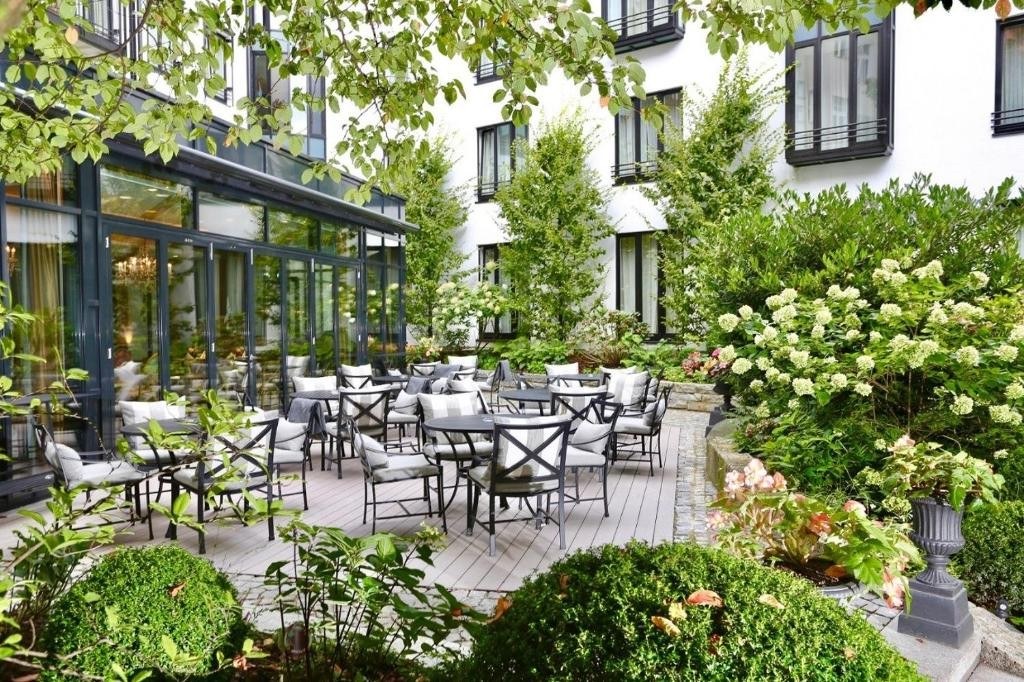
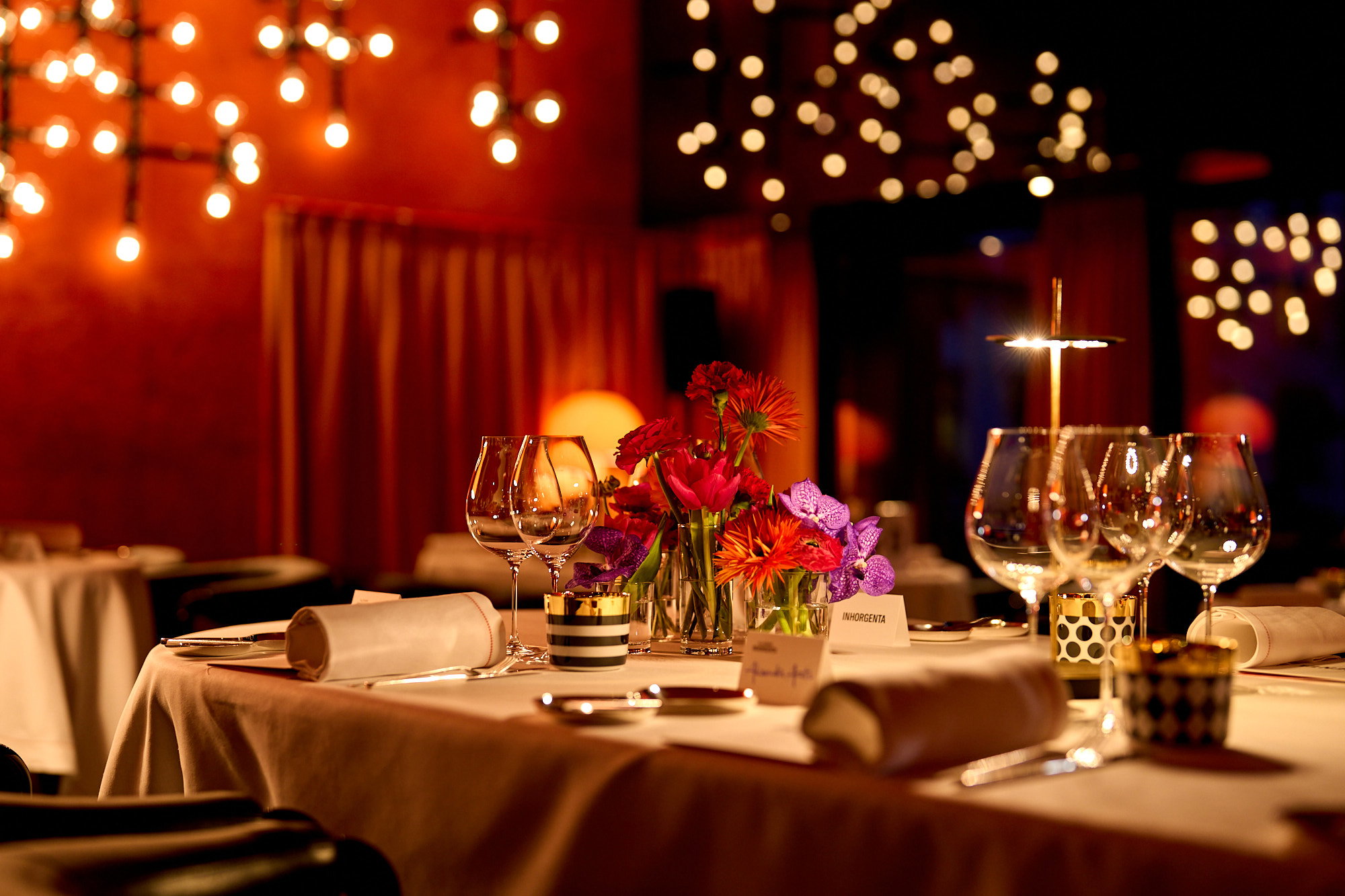
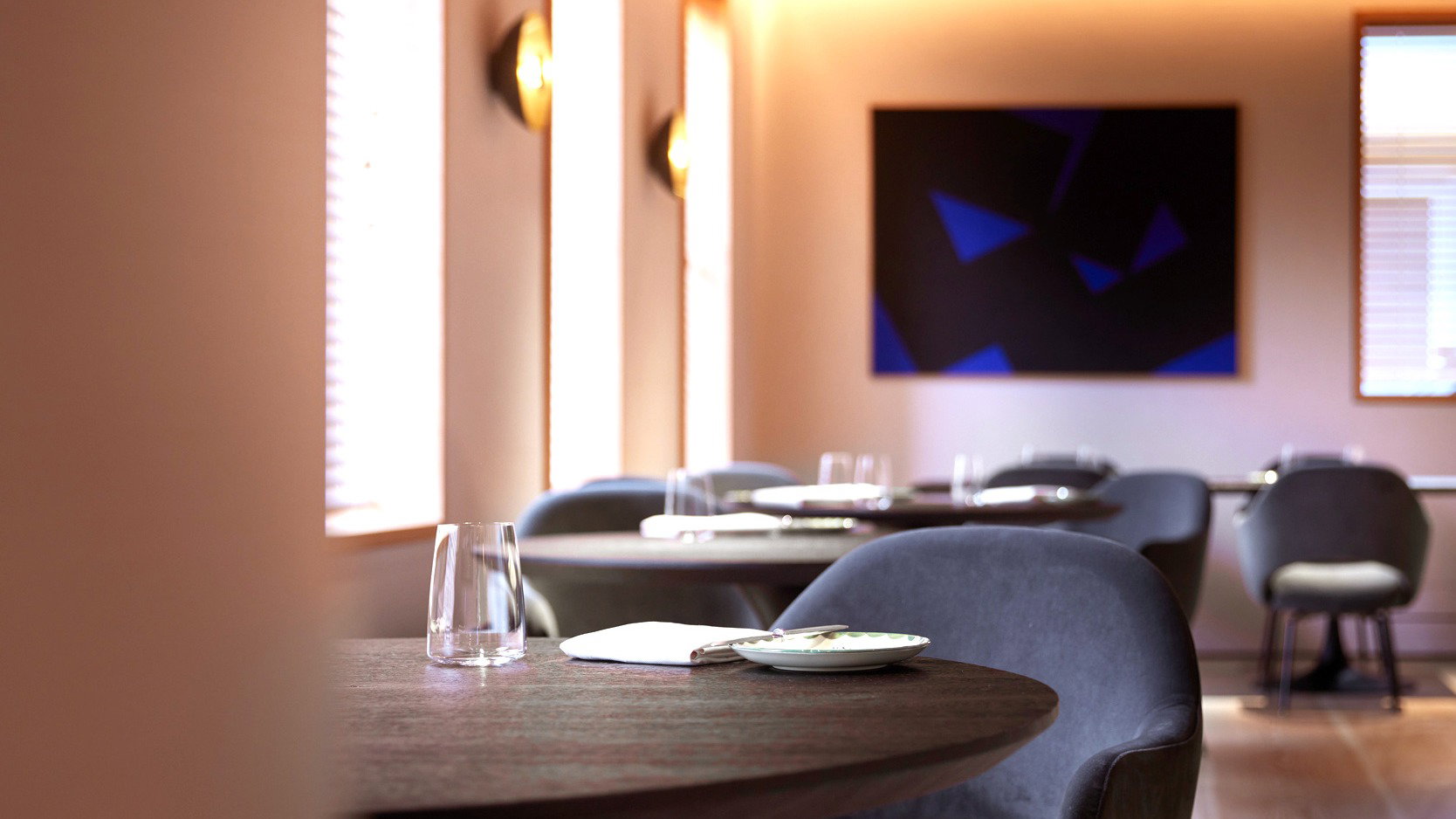
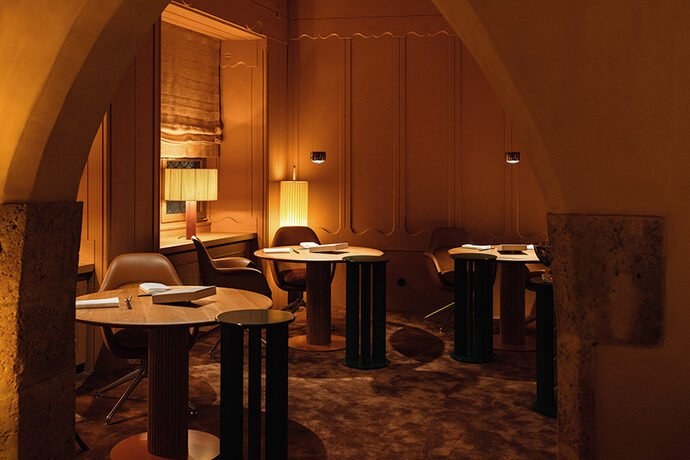
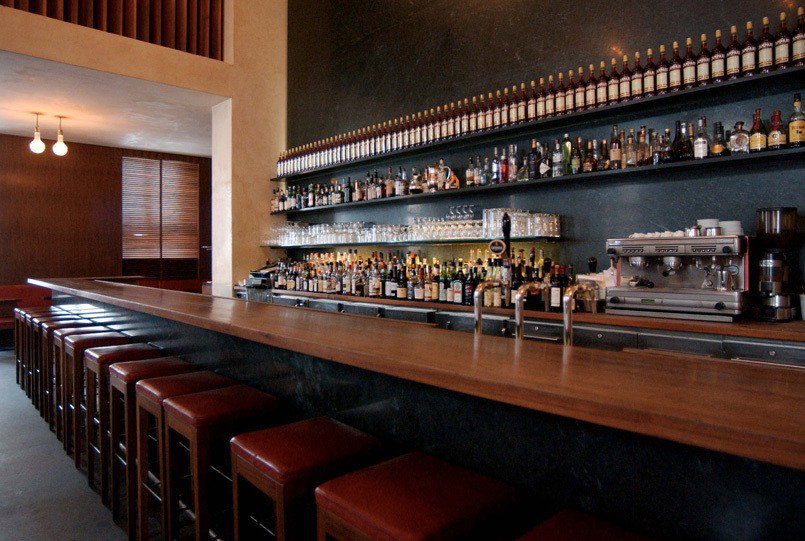
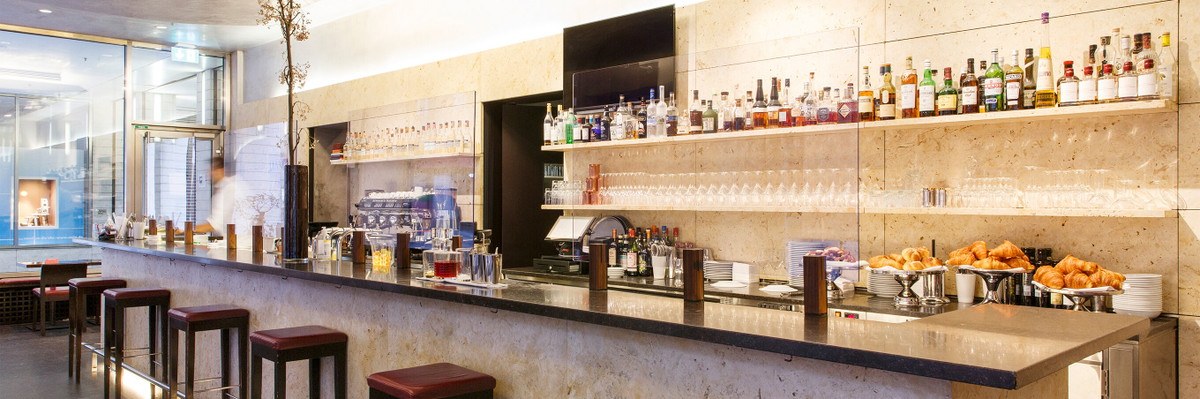
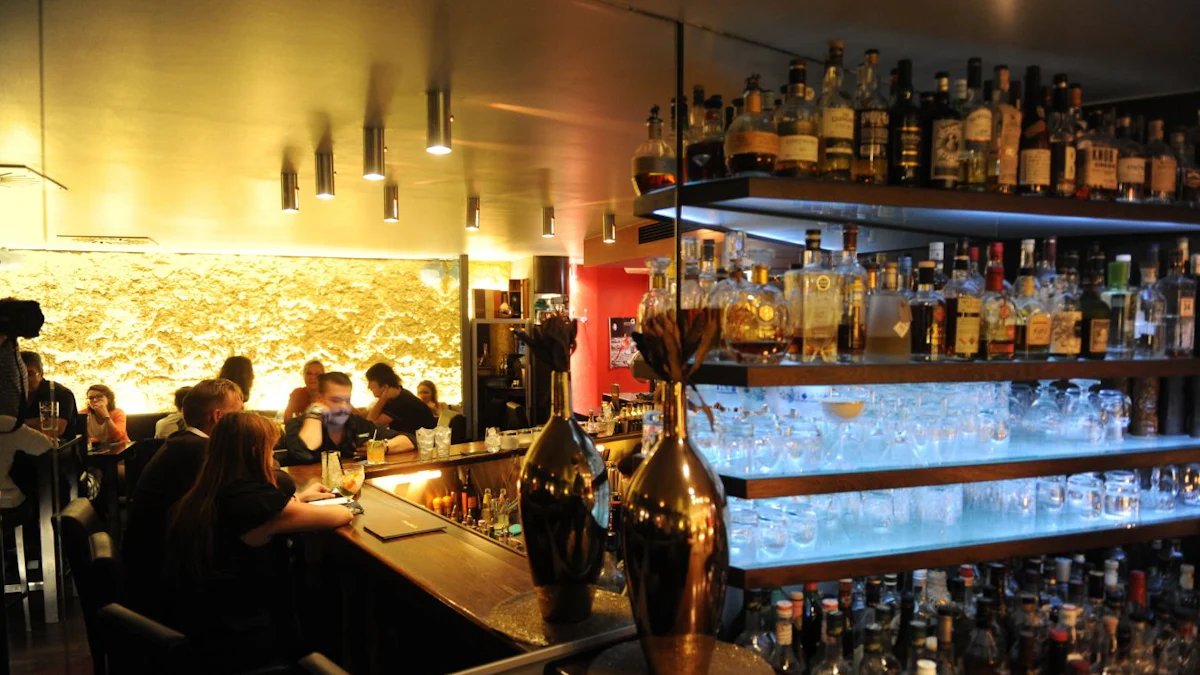
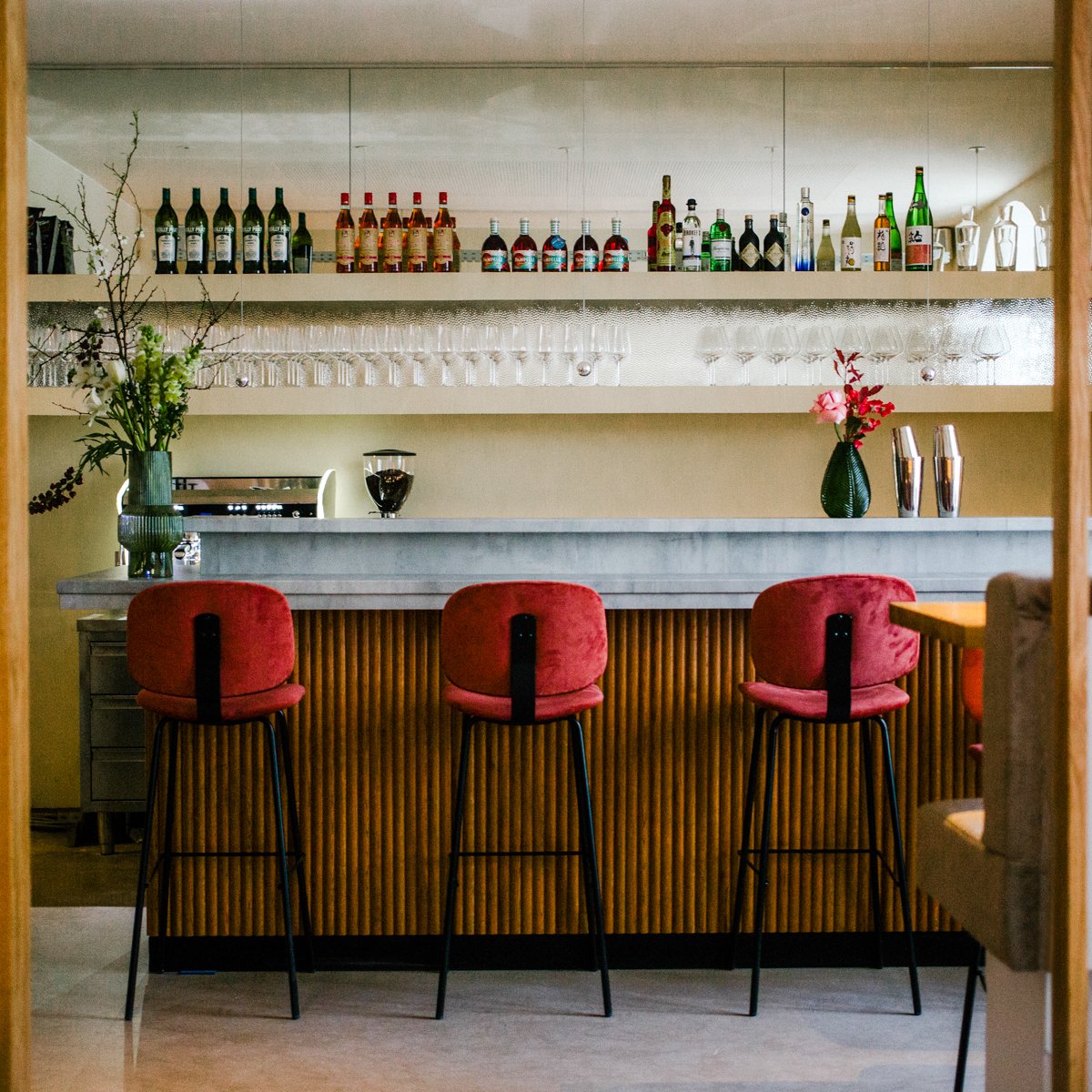
Elegant and traditional with opulent art deco elements, soft lighting in historic salons, and a quiet sophisticated atmosphere enhanced by live music venues.
Tags
Vibe
Best For
Experience
Amenities
View
Accessibility
About the Stay
- Rooms
- 340
- Check-in
- 15:00
- Check-out
- 12:00
- Property Style
- Grand Historic Palace Hotel Blending Bavarian Tradition with Modern Luxury.
- Design Style
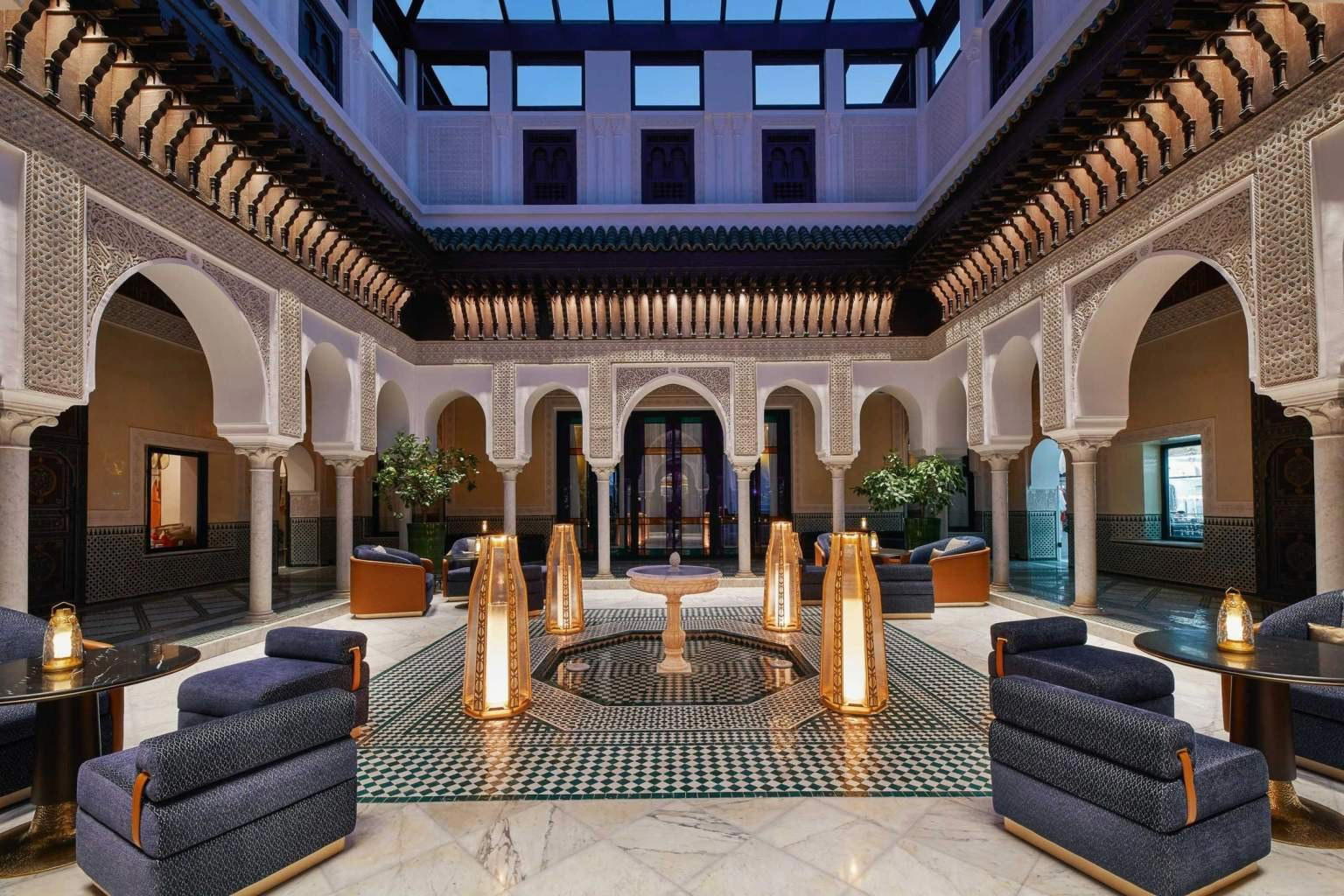
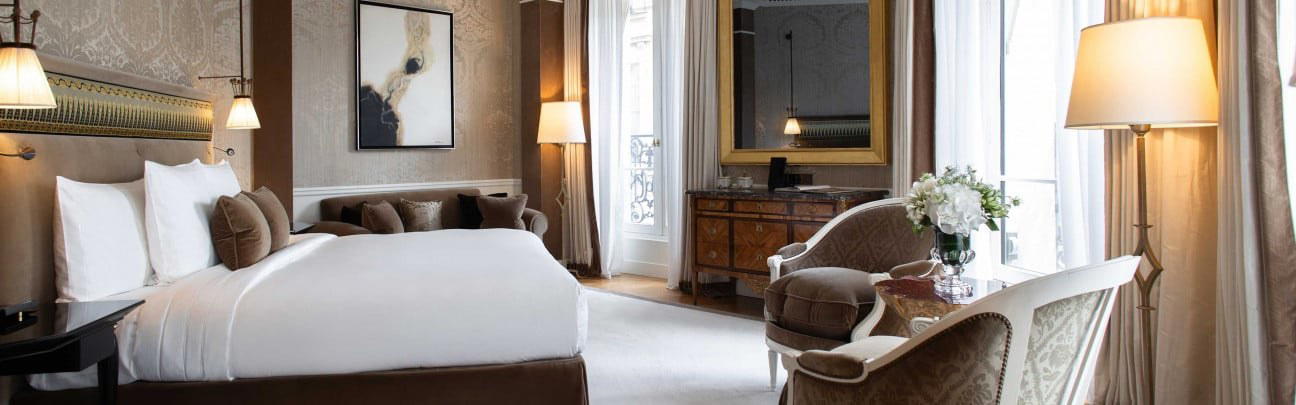
- Art Deco Elegance with Modern Individually Furnished Interiors.
Know before you go
Know Before You Go
- Getting there
- Promenadepl. 2-6, 80333 München
Planning details
Location



Also consider
Also Consider
- Rosewood Munich, Notable alternative
- Do & Co Hotel Munich, Notable alternative
- BEYOND by Geisel, Notable alternative
- Hotel Lux, Notable alternative
- LOUIS Hotel, Notable alternative
Hotel context
How it compares in Munich
Choose Bayerischer Hof Munich when service breadth matters more than novelty. Against Rosewood Munich, it reads as the more established grand-hotel play, while Rosewood is the cleaner choice for travellers who want a newer luxury arrival and a more current design tone. If both are pricing high for your dates, the decision should come down to atmosphere: formal and institutional here, fresher and more residential at Rosewood.
Do & Co Hotel Munich is the better cross-shop for a shorter leisure stay with a livelier city-break feel. BEYOND by Geisel is stronger for guests who want intimacy and a smaller footprint near the centre. Bayerischer Hof Munich is the safer pick for business travel, complicated arrivals, and guests who value a larger staff operation over a boutique mood.
For value-sensitive travellers, Hotel Lux and LOUIS Hotel are the practical alternatives to price-check first. LOUIS Hotel is the more polished lifestyle option; Hotel Lux is the simpler central play. If availability is tight or rates climb, those two are the sensible backups before paying a premium for full grand-hotel infrastructure.
Around this place
Discover more on Pearl
Unlock the full Bayerischer Hof Munich guide in Pearl, including awards, comparisons, FAQs, planning details, and nearby places.
Compare Bayerischer Hof Munich
| Venue | Location | Awards |
|---|---|---|
| Bayerischer Hof Munich | Munich | 2026 Virtuoso Luxury Hotel Collection2026 La Liste Top HotelsLeading Hotels of the World 2026Michelin 1 Key 20252025 Michelin 1 KeyPreferred Hotels Member 2025 |
| Rosewood Munich | Munich | 2026 Virtuoso Luxury Hotel Collection2026 Forbes 4-Star2025 Forbes 4-Star2025 Michelin 2 Keys2024 Michelin 2 Keys |
| Do & Co Hotel Munich | Munich | 2025 Michelin 1 Key |
| BEYOND by Geisel | Munich | 2026 Virtuoso Luxury Hotel Collection2025 Michelin 1 KeyPreferred Hotels L.V.X. Collection 2025 |
| Hotel Lux | Munich | No published awards |
| LOUIS Hotel | Munich | No published awards |


How Bayerischer Hof Munich compares with similar nearby venues.
FAQ
Frequently Asked Questions
What is check-in like at Bayerischer Hof Munich?
Check-in details should be confirmed directly with the hotel before travel. Bayerischer Hof Munich has a 2025 Michelin 1 Key, La Liste Top Hotels 2026 recognition at 94 points, and memberships or partnerships with major luxury-hotel networks.
How is the location of Bayerischer Hof Munich?
Bayerischer Hof Munich is in Munich. If you are comparing Munich stays, Hotel Lux, LOUIS Hotel, Rosewood Munich, and BEYOND by Geisel are other options to weigh.
Is Bayerischer Hof Munich good for business travel?
It may be worth considering for a Munich stay if its recognition profile matters to you: Michelin 1 Key in 2025, Leading Hotels of World membership in 2025, Preferred Hotels membership in 2025, and Virtuoso Luxury Hotel Partner status in 2026. Business facilities or services should be confirmed directly with the hotel.
How does Bayerischer Hof Munich compare to nearby hotels?
Choose Bayerischer Hof Munich if you value its recognition profile and luxury-hotel affiliations. Rosewood Munich, Do & Co Hotel Munich, BEYOND by Geisel, Hotel Lux, and LOUIS Hotel are natural Munich comparisons, but the best fit depends on current rates, room categories, and booking details.
Do loyalty programs work at Bayerischer Hof Munich?
Bayerischer Hof Munich is a Preferred Hotels member and a Virtuoso Luxury Hotel Partner. Any specific benefits, rates, or booking conditions should be confirmed through the relevant booking channel before reserving.