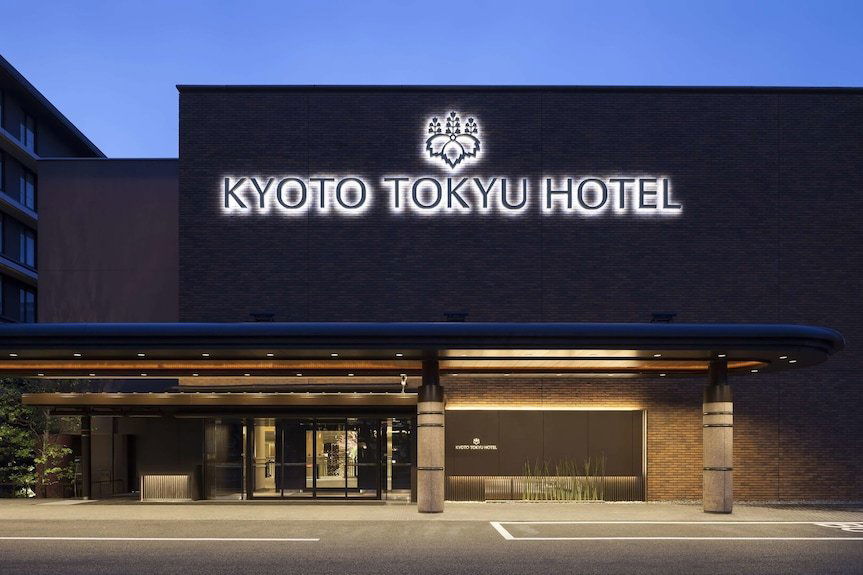

Kyoto Tokyu Hotel
Shimogyō, Kyoto
Hotel in Kyoto, Japan
 Book with Pearl
The Read
Station-Proximate Scale
Price
$200–300per night
Why go
Book Kyoto Tokyu Hotel if you want an easier, calmer Shimogyo base rather than a hotel built around destination dining. It makes sense for repeat Kyoto visitors, business travelers, and families who already have restaurant plans elsewhere; choose a more design-led or luxury peer if the hotel itself needs to carry the trip.
About Kyoto Tokyu Hotel
Should you book Kyoto Tokyu Hotel? Consider it if you want a Kyoto hotel with Preferred Hotels Member (2025) recognition and a smart casual dress code. The safest approach is to evaluate it on your own dates, room needs, and direct booking terms, along with any specific restaurants, facilities, pricing, or service style you require.
Kyoto Tokyu Hotel has Preferred Hotels Member (2025) status and a smart casual dress code. Before booking, check directly with the hotel for current details on cuisine, chef, room format, wellness facilities, breakfast, lunch, dinner, prices, and other on-property features.
A Kyoto stay with limited detail
The most reliable way to assess Kyoto Tokyu Hotel is as a Kyoto hotel with a modest public profile: smart casual dress code and Preferred Hotels Member (2025) recognition. If your trip depends on particular amenities, a specific dining experience, or a certain service format, check those points with the hotel before committing.
That modest profile does not make the hotel a poor choice; it simply means the booking case should focus on the details that matter to your stay. Compare it with other Kyoto options based on your preferred dates, room requirements, cancellation terms, and any facilities you personally need.
Dining should be confirmed before you rely on it
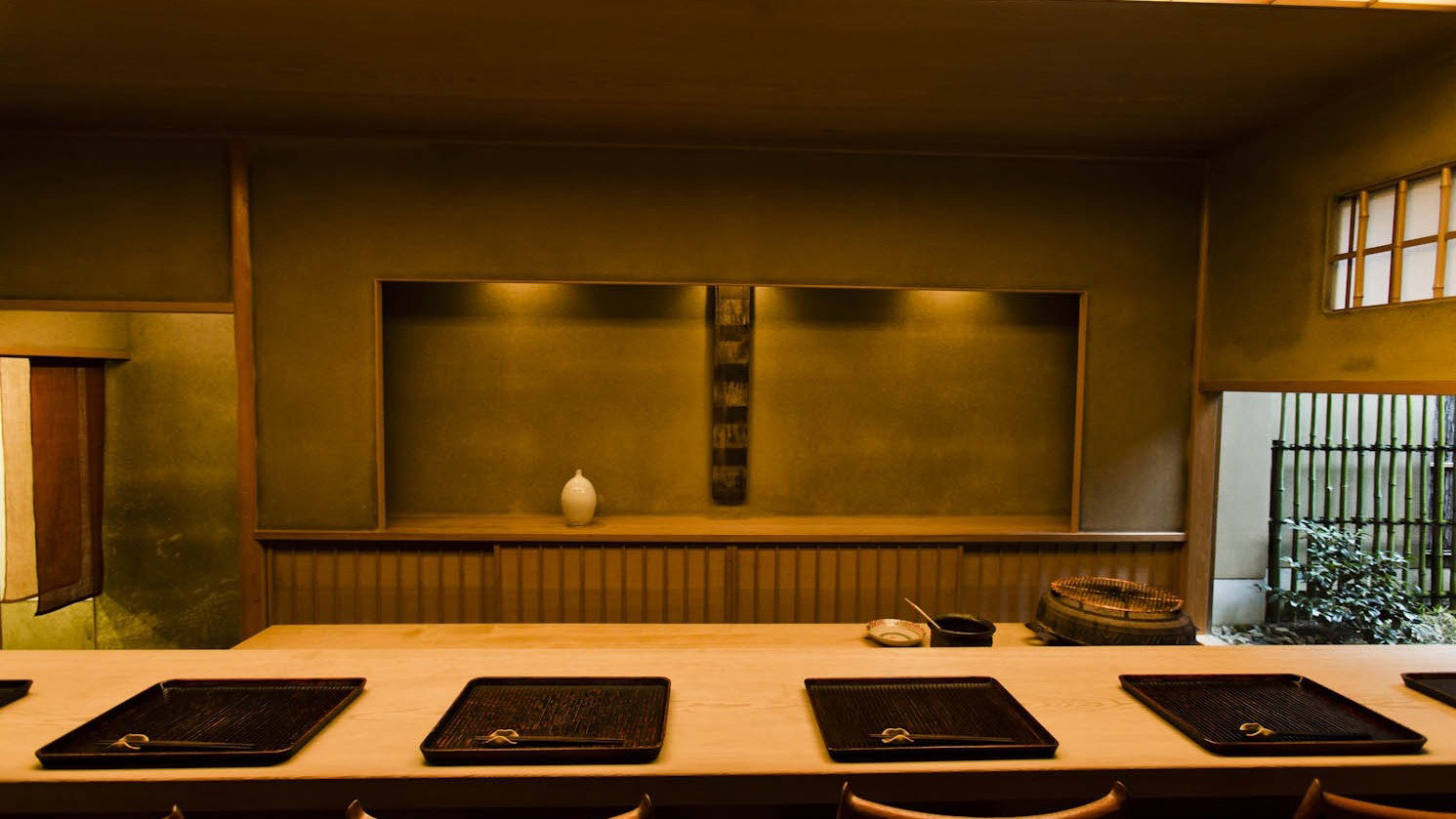
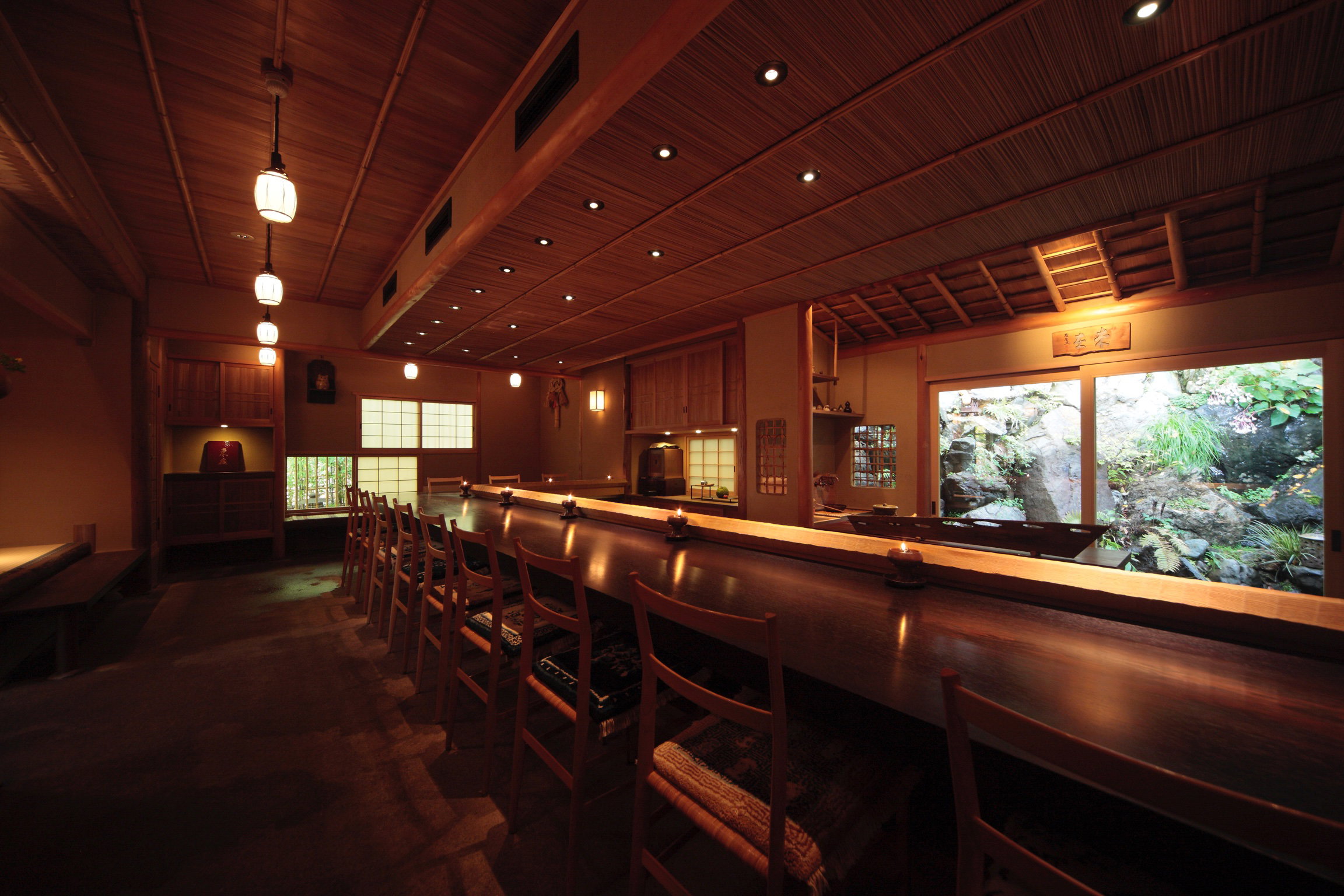
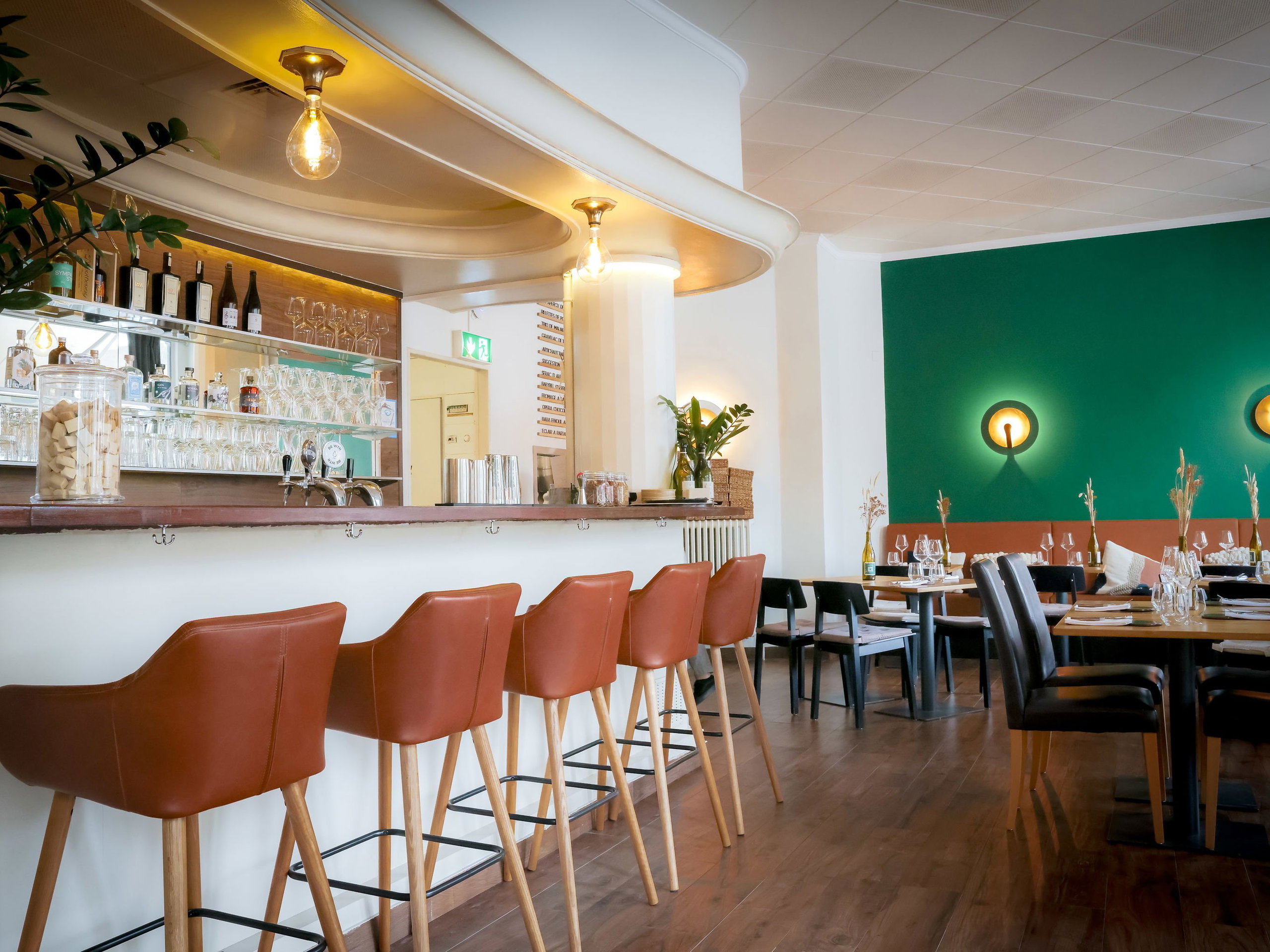
For the on-site dining question, set expectations carefully. If meals are important to the trip, check current restaurant format, cuisine, menu structure, lunch or dinner offering, and price information directly with Kyoto Tokyu Hotel, and make separate Kyoto restaurant plans as needed.
This makes the hotel easiest to evaluate for travelers who are comfortable using it as a Kyoto base while checking essential details independently. For a special-occasion stay where the property restaurant, bar, spa, room design, or other specific features need to define the trip, do not rely on assumptions; check each point before booking.
Planning details
- Location
- 580 Kakimotochō, Shimogyo Ward, Kyoto, 600-8357
- Website
- tokyuhotels.co.jp/kyoto-h/index.html
- Phone
- +81 75-341-2411
The take
The Take
The Vibe
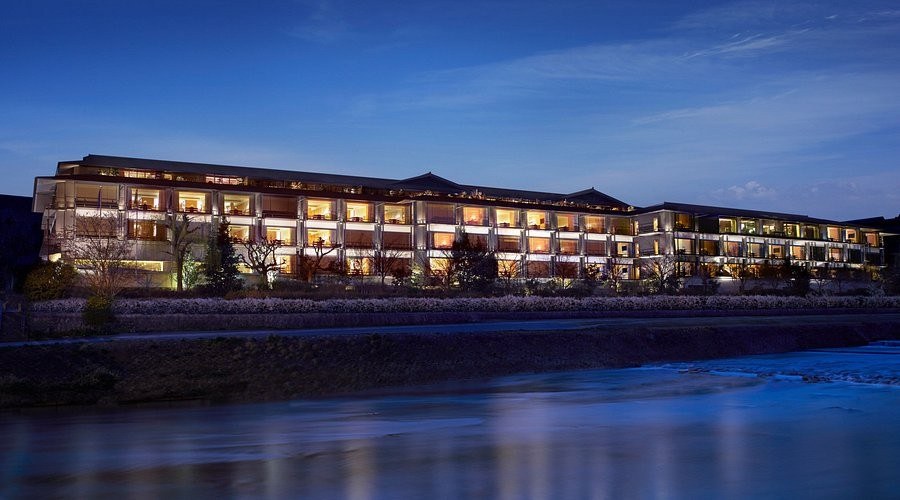
Kyoto Tokyu Hotel reads as a pragmatic, city-scale property in a destination otherwise defined by small, design-forward lodgings. With 408 rooms it occupies a different register — less about architectural ceremony and more about reliable infrastructure. The hotel presents itself as a workhorse: operationally deep, well-located and purpose-built for travelers who prioritize logistics and capacity. In a city of restraint, its presence feels measured rather than flashy, offering the steady, unostentatious fallback that many visitors seek when convenience and consistency matter more than boutique character.
Best For
This hotel is best for itinerary-driven visitors who need proximity to Kyoto Station and the logistical ease that brings. Shinkansen and local transit links make it convenient for business travelers moving between Tokyo, Osaka and Nara, and its size reduces the booking friction that plagues smaller properties during peak periods. Families and larger parties also benefit from the hotel's capacity and predictable availability, particularly in high-demand windows such as cherry blossom season and autumn foliage when room options elsewhere are limited.
Stay Tips
If your trip involves heavy sightseeing, rail connections or tight schedules, choose this hotel for its location and operational depth. Book as early as possible for late March–early April (cherry blossom) and mid-November (autumn colours), even though the property's size eases some availability issues compared with boutique stays. Rely on the short walk to Kyoto Station for day trips and intercity travel; for itinerary-heavy days you can prioritize transit convenience over boutique neighbourhood charm without sacrificing convenience.
Venue details
Ambiance
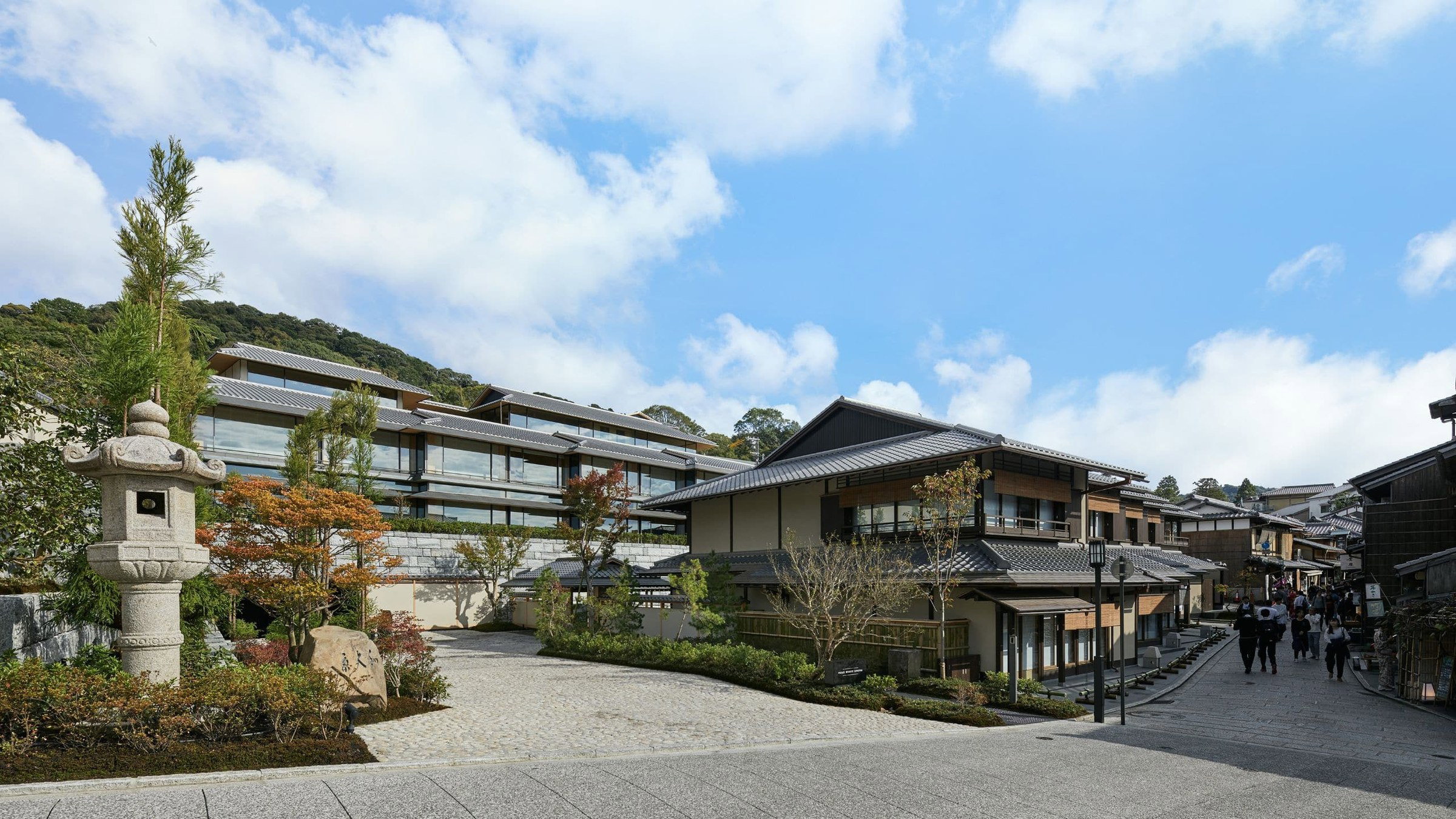
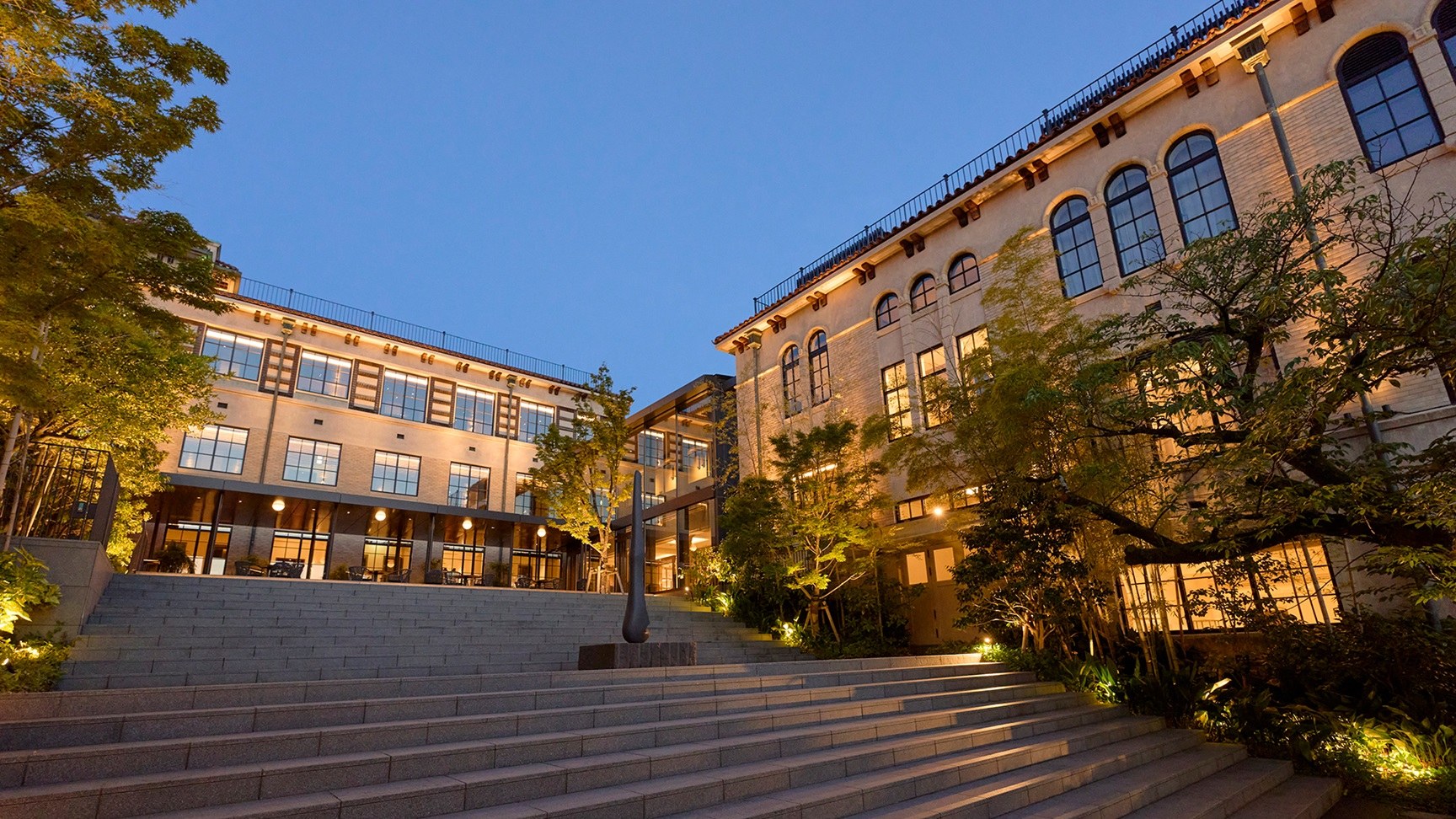
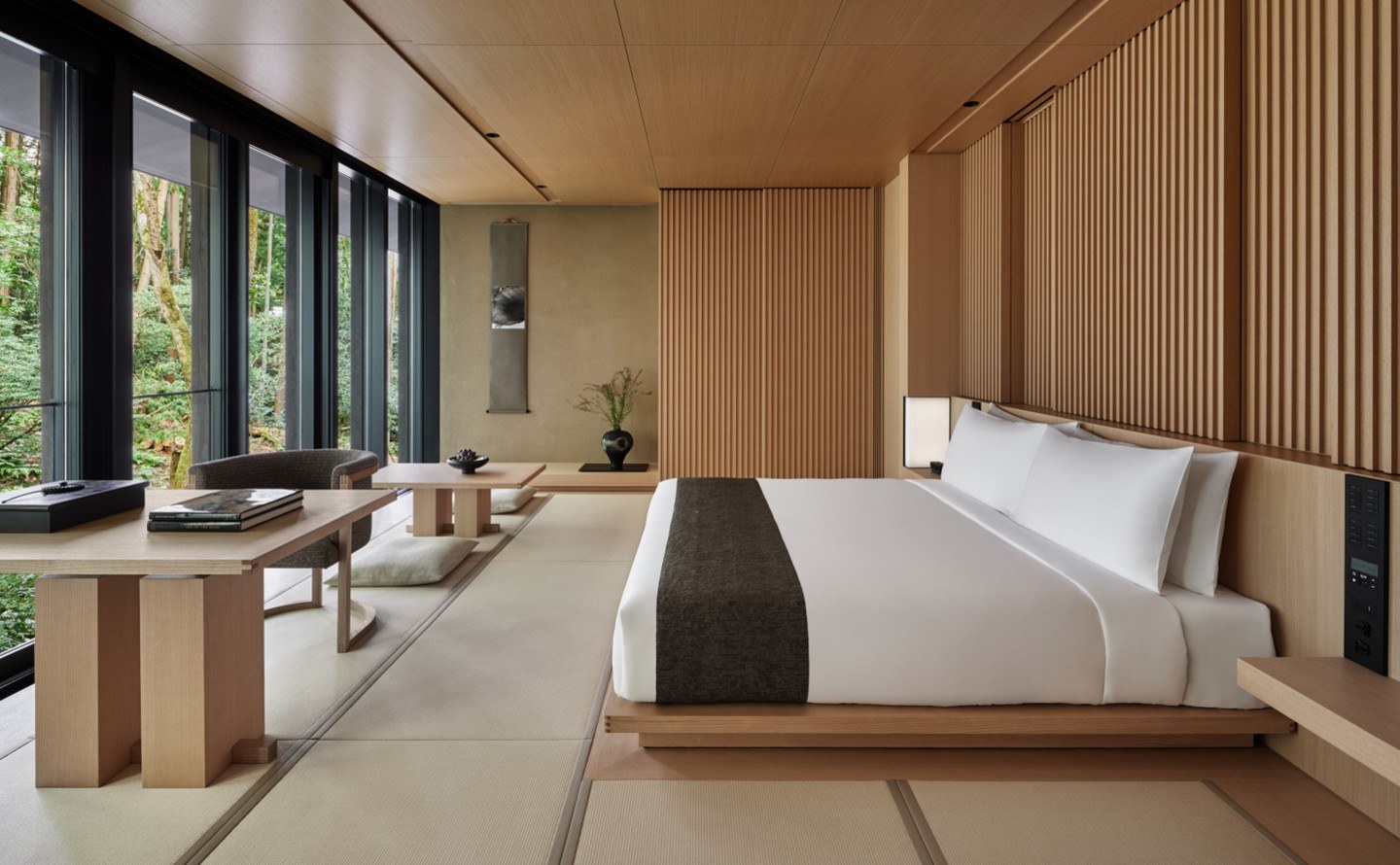
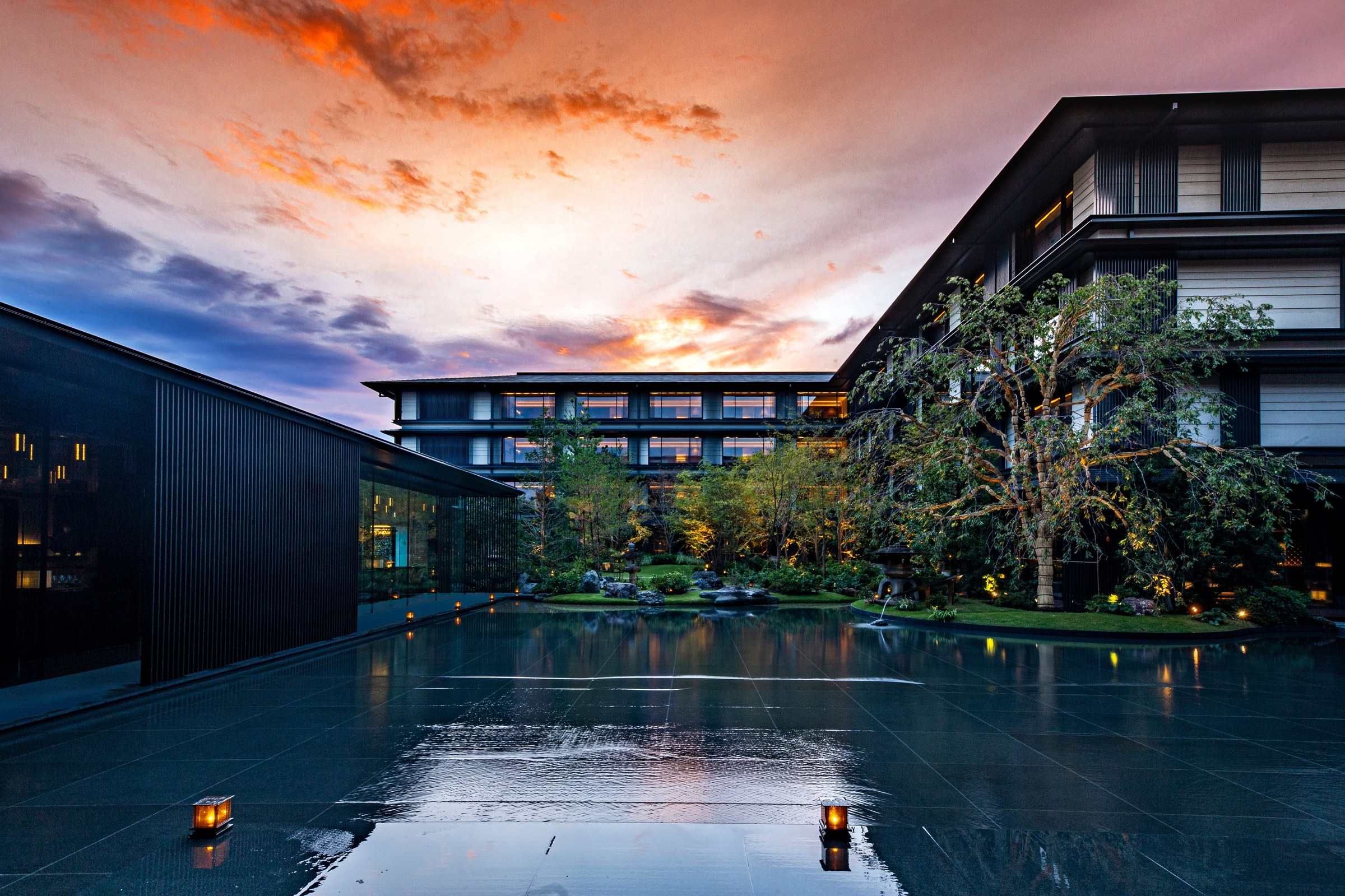
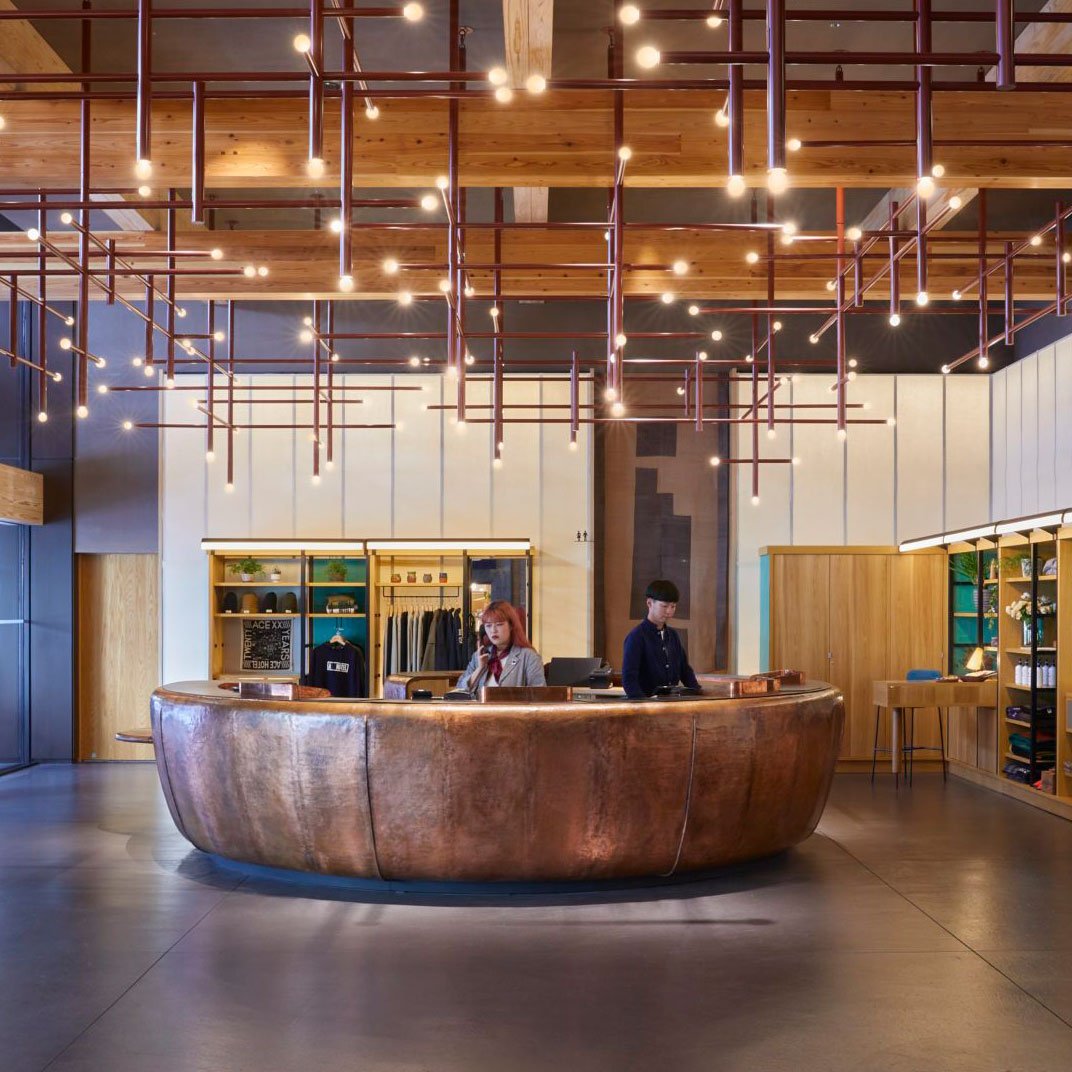
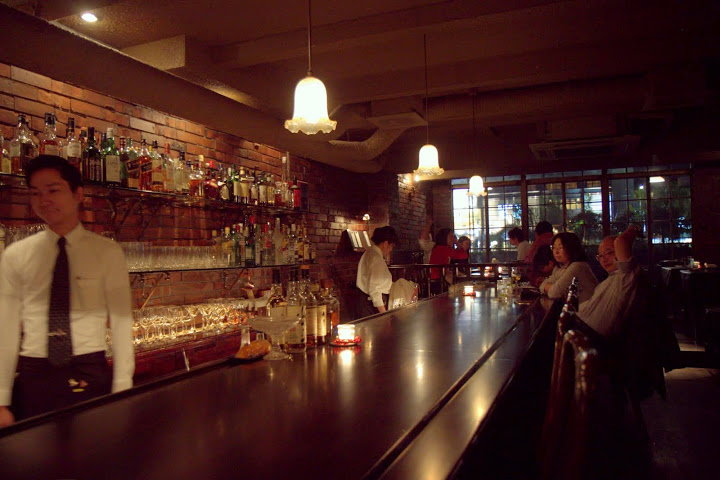
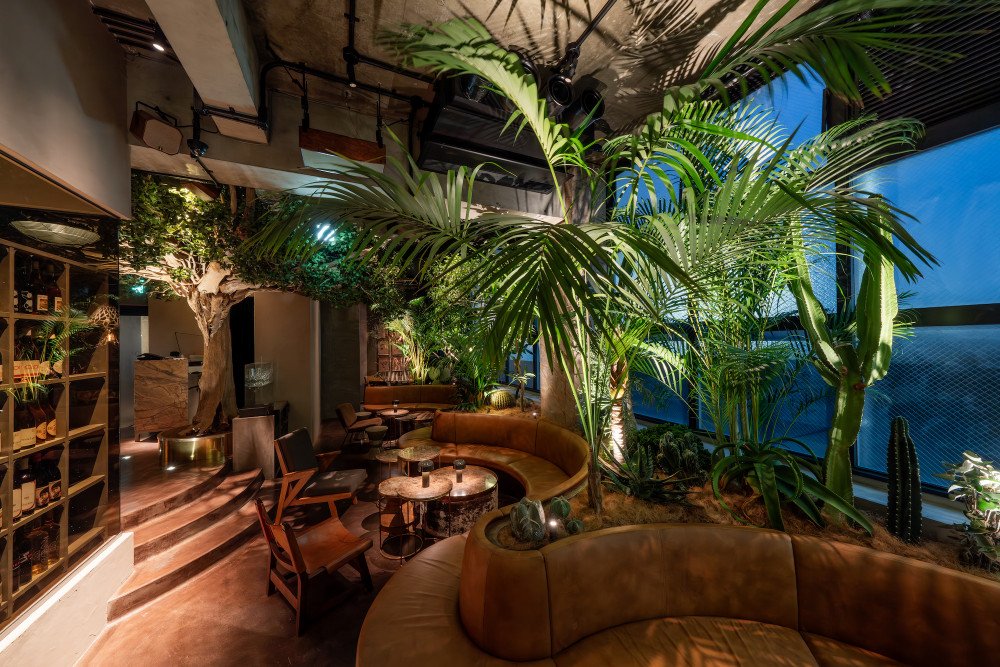
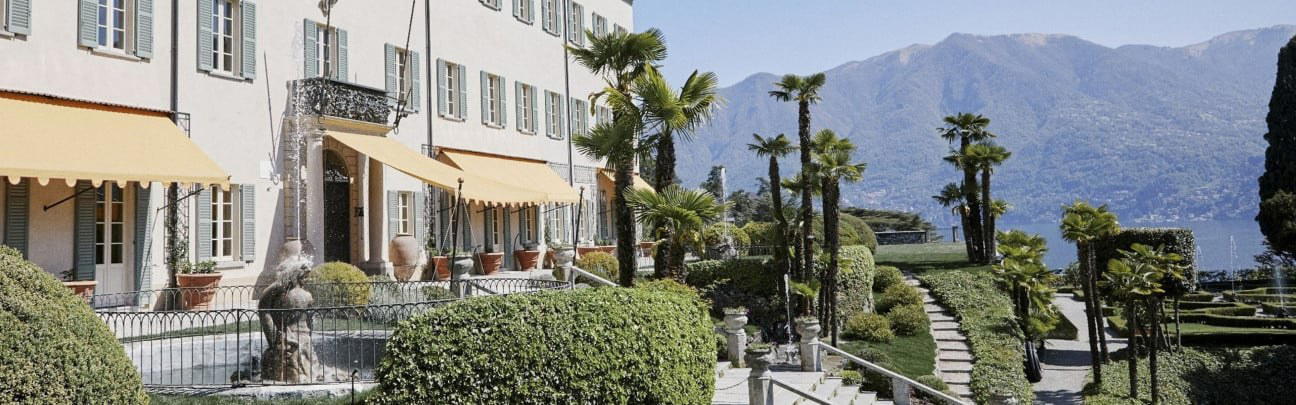
Tranquil atmosphere with pleasant garden and water features in the lobby, relaxing and clean rooms.
Tags
Vibe
Best For
Experience
Amenities
Accessibility
About the Stay
- Rooms
- 430
- Check-in
- 14:00
- Check-out
- 11:00
- Property Type
- Heritage hotel
- Property Style
- Modern Hotel with Traditional Kyoto Garden Courtyard
- Design Style
- Contemporary with Japanese Elements
- Spa
- Yes
- Families
- Welcome
- Cancellation
- Moderate
Know before you go
Know Before You Go
- Getting there
- 580 Kakimotochō, Shimogyo Ward, Kyoto, 600-8357
Planning details
Location
580 Kakimotochō, Shimogyo Ward, Kyoto, 600-8357 · Directions
Recognition and awards
Also consider
Where to look if this is not the right fit
If the trip calls for a more luxury-forward stay, cross-shop Dusit Thani Kyoto. If the priority is a stronger Kyoto design feel rather than a larger hotel base, check Hotel Kanra Kyoto.
Hotel context
How Kyoto Tokyu Hotel compares in Kyoto
Choose Kyoto Tokyu Hotel over Tradimo Kyoto Gojo if you want a more conventional full-hotel feel and easier planning around fixed dates. Tradimo Kyoto Gojo is the sharper cross-shop for travelers who care more about a smaller-scale Gojo stay than broad hotel infrastructure.
Dusit Thani Kyoto is the stronger pick if the hotel experience itself is the point of the trip and you want a more polished luxury atmosphere. Kyoto Tokyu Hotel is the more practical call when availability and a calmer base matter more than a splurge-driven stay.
Hotel Kanra Kyoto and 〒600-8176 Kyoto, Shimogyo Ward, Kitamachi, 190 ホテルカンラ京都 are better comparisons for travelers who want a stronger sense of place in the stay. Tamao is the alternative to check when a smaller, quieter format is more appealing than a larger hotel setup.
Explore Kyoto
Around this place
Discover more on Pearl
Unlock the full Kyoto Tokyu Hotel guide in Pearl, including awards, comparisons, FAQs, planning details, and nearby places.
Compare Kyoto Tokyu Hotel
| Venue | Location | Awards |
|---|---|---|
| Kyoto Tokyu Hotel | Kyoto | Preferred Hotels Member 2025 |
| Dusit Thani Kyoto | Kyoto | 2026 Forbes 4-Star2026 La Liste Top Hotels2026 Michelin 1 KeyWorld Luxury Hotel Awards 20252025 Forbes 4-Star2025 Michelin 1 Key2024 Michelin 1 Key |
| Hotel Kanra Kyoto | Kyoto | No published awards |
| 〒600-8176 Kyoto, Shimogyo Ward, Kitamachi, 190 ホテルカンラ京都 | Kyoto Shi | No published awards |
| Tamao | Kyoto | No published awards |
| Tradimo Kyoto Gojo | Kyoto | No published awards |





How Kyoto Tokyu Hotel compares with similar nearby venues.
FAQ
Frequently Asked Questions
When is the best time to book Kyoto Tokyu Hotel?
What is check-in like at Kyoto Tokyu Hotel?
How does Kyoto Tokyu Hotel compare to nearby hotels?
Kyoto Tokyu Hotel is a Kyoto hotel with Preferred Hotels Member (2025) status and a smart casual dress code. If you are comparing it with Hotel Kanra Kyoto, Dusit Thani Kyoto, Tamao, or Tradimo Kyoto Gojo, check the current room, facility, dining, and policy details for each property before deciding.
How is the pool and spa at Kyoto Tokyu Hotel?
If wellness facilities are important, ask Kyoto Tokyu Hotel directly about pool or spa details and compare them with other Kyoto options such as Hotel Kanra Kyoto or Dusit Thani Kyoto.
Is Kyoto Tokyu Hotel family-friendly?
Families should contact Kyoto Tokyu Hotel directly about room configurations, bedding, children's policies, and any services they need before booking.
Is Kyoto Tokyu Hotel good for business travel?
Kyoto Tokyu Hotel may be worth considering for a Kyoto business stay. Confirm work-related needs directly with the hotel, and compare with other Kyoto options such as Tradimo Kyoto Gojo if those details matter.