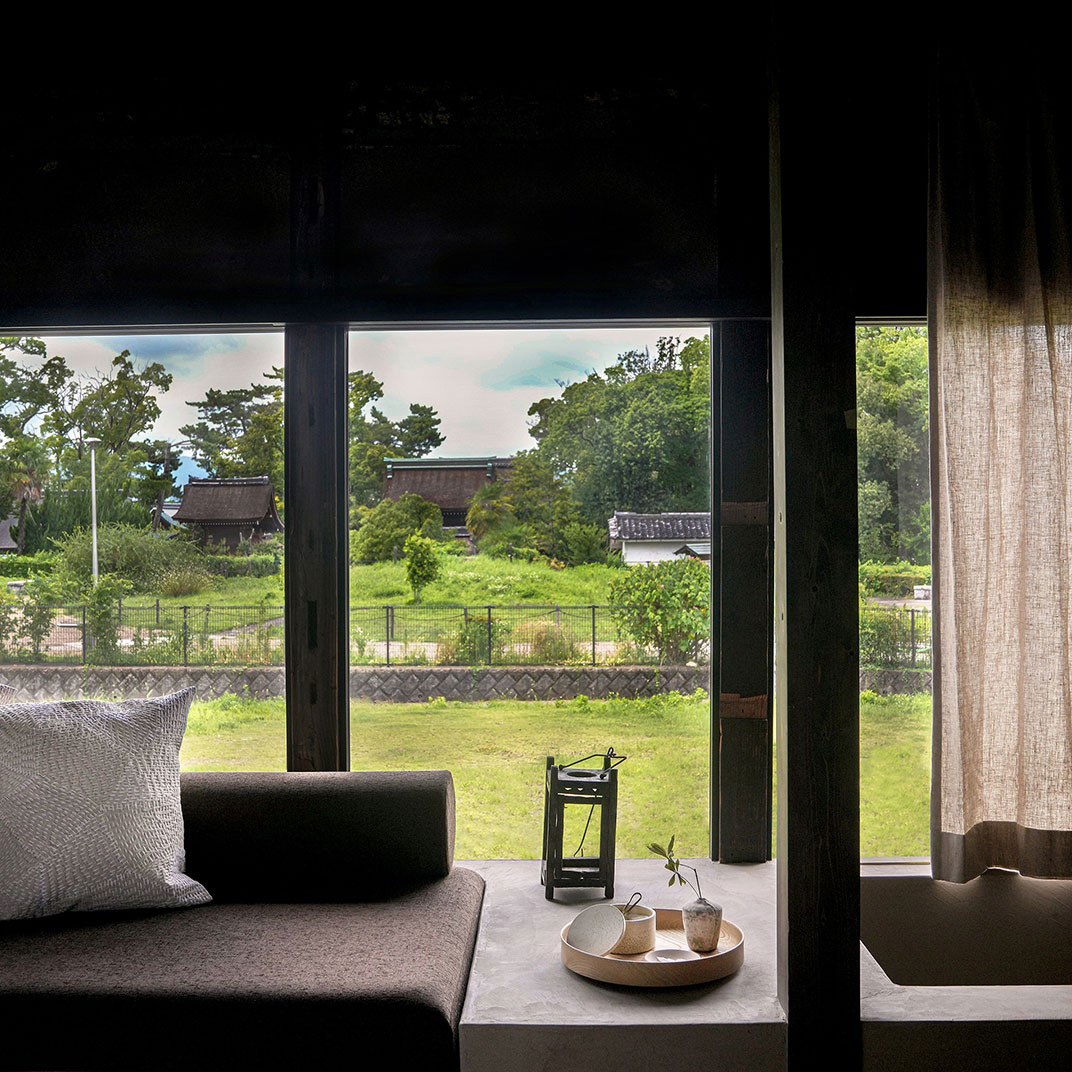

Maana Kiyomizu
Higashiyama, Kyoto
Hotel in Kyoto, Japan
 Book with Pearl
Why go
Maana Kiyomizu is worth considering if Higashiyama location matters more than big-hotel facilities. The MICHELIN Guide hotel selection gives it a useful trust signal, and easy booking makes it a practical alternative when larger Kyoto luxury hotels feel too expensive or too formal.
About Maana Kiyomizu
Is Maana Kiyomizu worth considering in Kyoto? The public signal we can rely on is that Maana Kiyomizu is listed in the MICHELIN Guide as Hotels Selected (2025). Beyond that, Pearl does not have details here for specific amenities, service format, room count, dining, prices, or neighborhood-level location, so this guide keeps the verdict intentionally narrow.
Book it for a Kyoto stay with a MICHELIN hotel-selection signal
The clearest confirmed point is simple: Maana Kiyomizu is in Kyoto and appears in the MICHELIN Guide hotel selection for 2025. That makes it a credible option to include on a Kyoto hotel shortlist, especially if you are comparing stays by recognition rather than by claims about facilities or style.
Because Pearl does not have details for the property's amenities, dining, service scope, or exact location beyond Kyoto, travelers should confirm practical needs directly before booking. If a pool, spa, restaurant program, loyalty benefits, or other specific hotel features are important, treat those as questions to verify rather than assumptions.
The value case depends on your own trip priorities
Maana Kiyomizu is best evaluated as a Kyoto hotel with a confirmed MICHELIN Guide Hotels Selected (2025) listing, not on claims about format, design, or neighborhood positioning. The right decision comes down to whether its current availability, rates, and confirmed facilities match your itinerary.
For broader planning, use Pearl's Kyoto hotels guide to compare other stays, then verify any specific amenities, location details, and booking terms directly before committing.
Planning details
- Location
- 427-18, Myohoin Maekawacho, Higashiyama Ward, Kyoto, 605-0932, Japan
- Website
- maanahomes.com
- Phone
- +81 90-8228-7209
The take
The Take
The Vibe
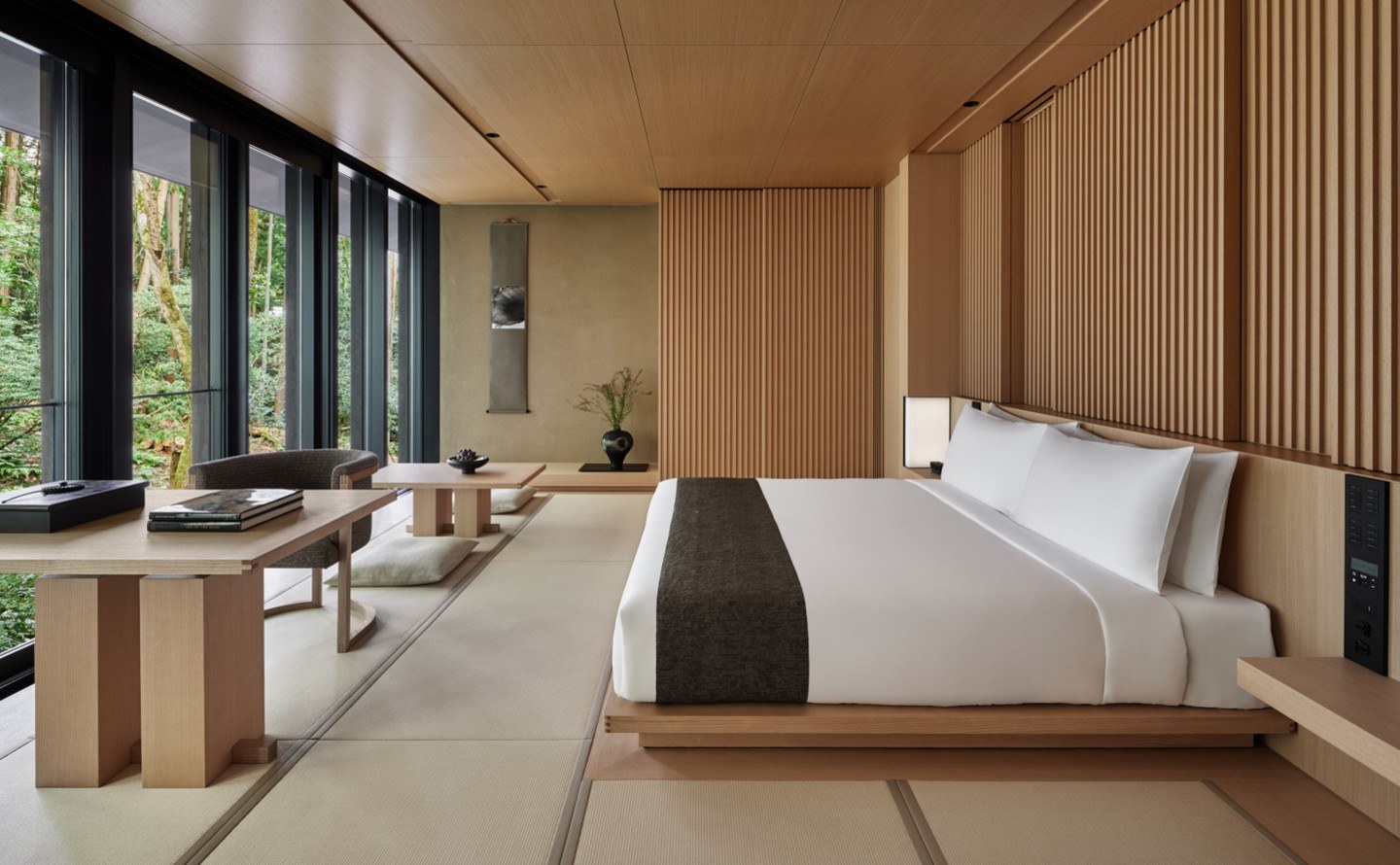
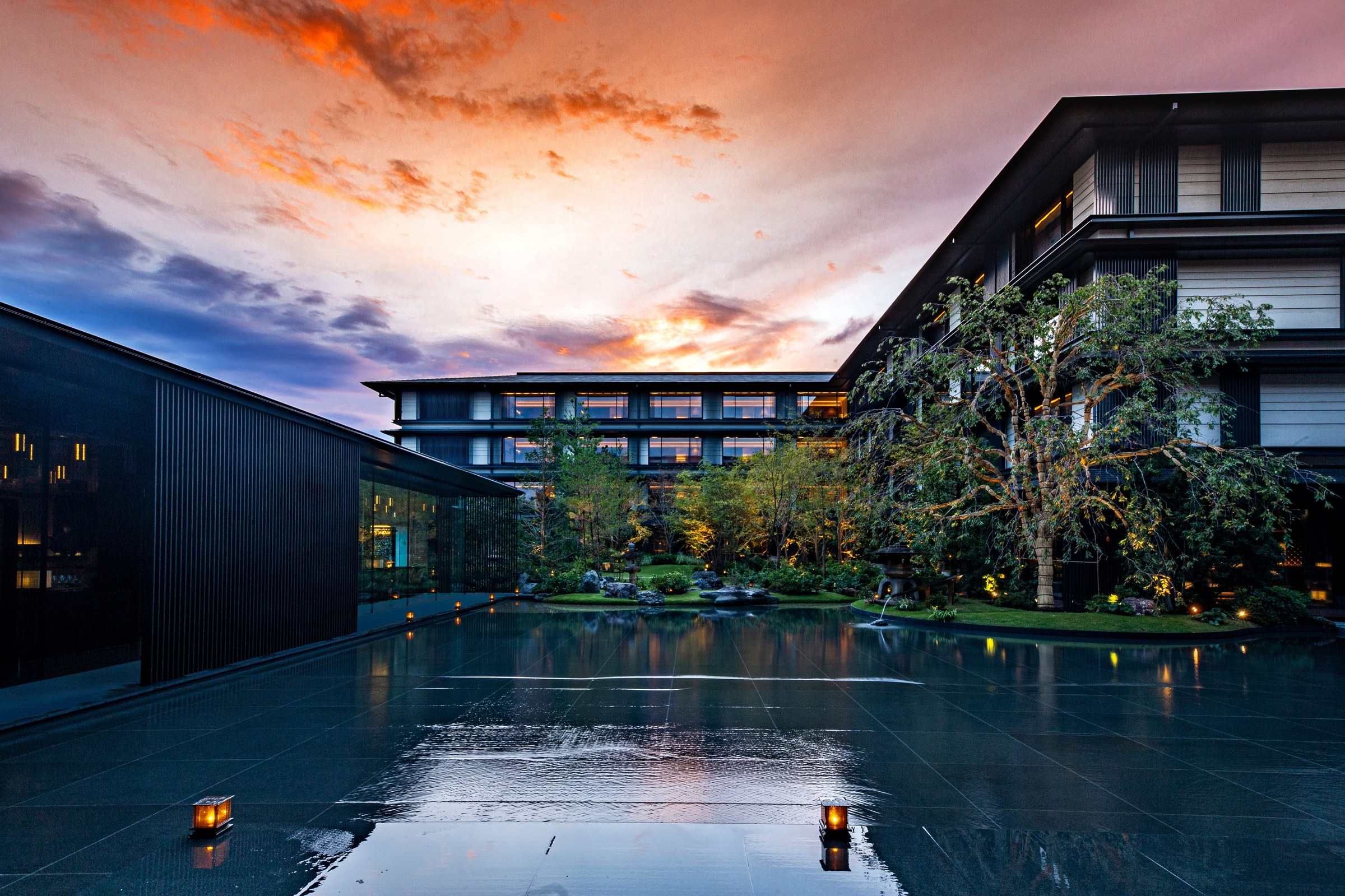
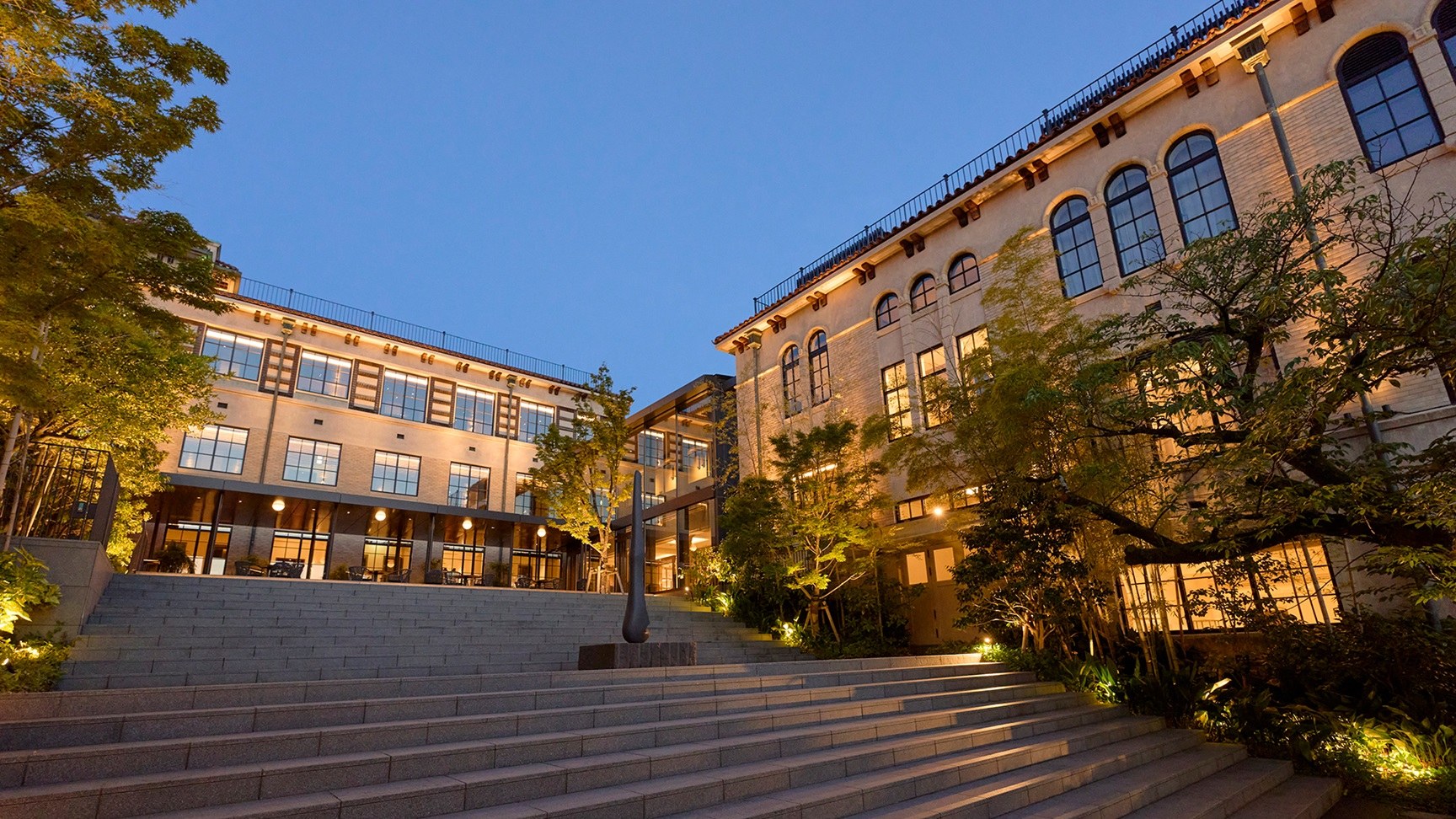
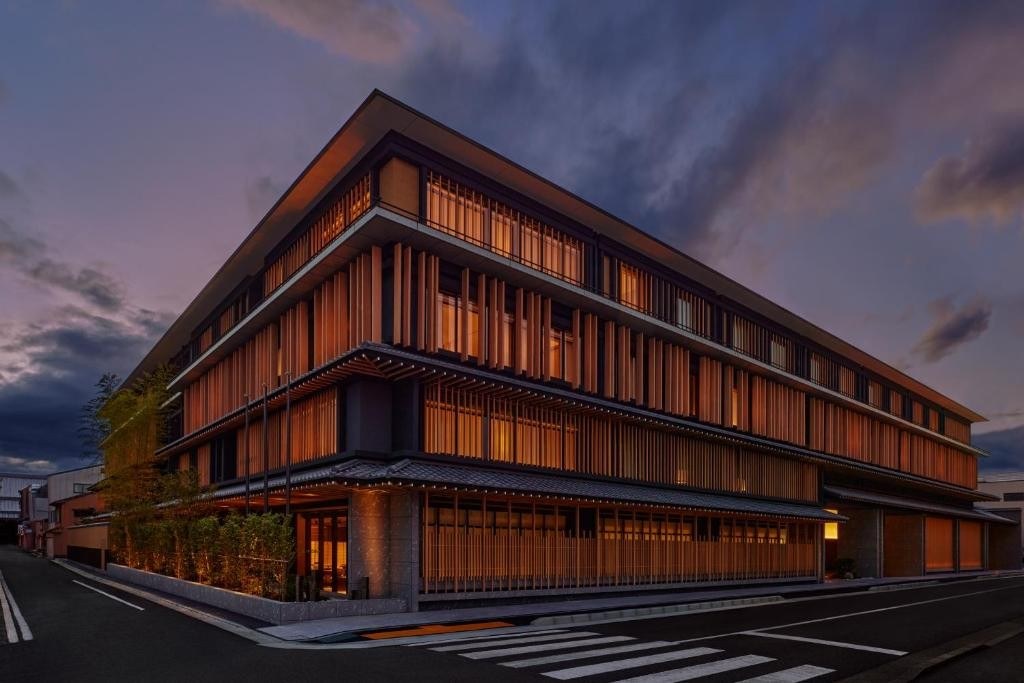
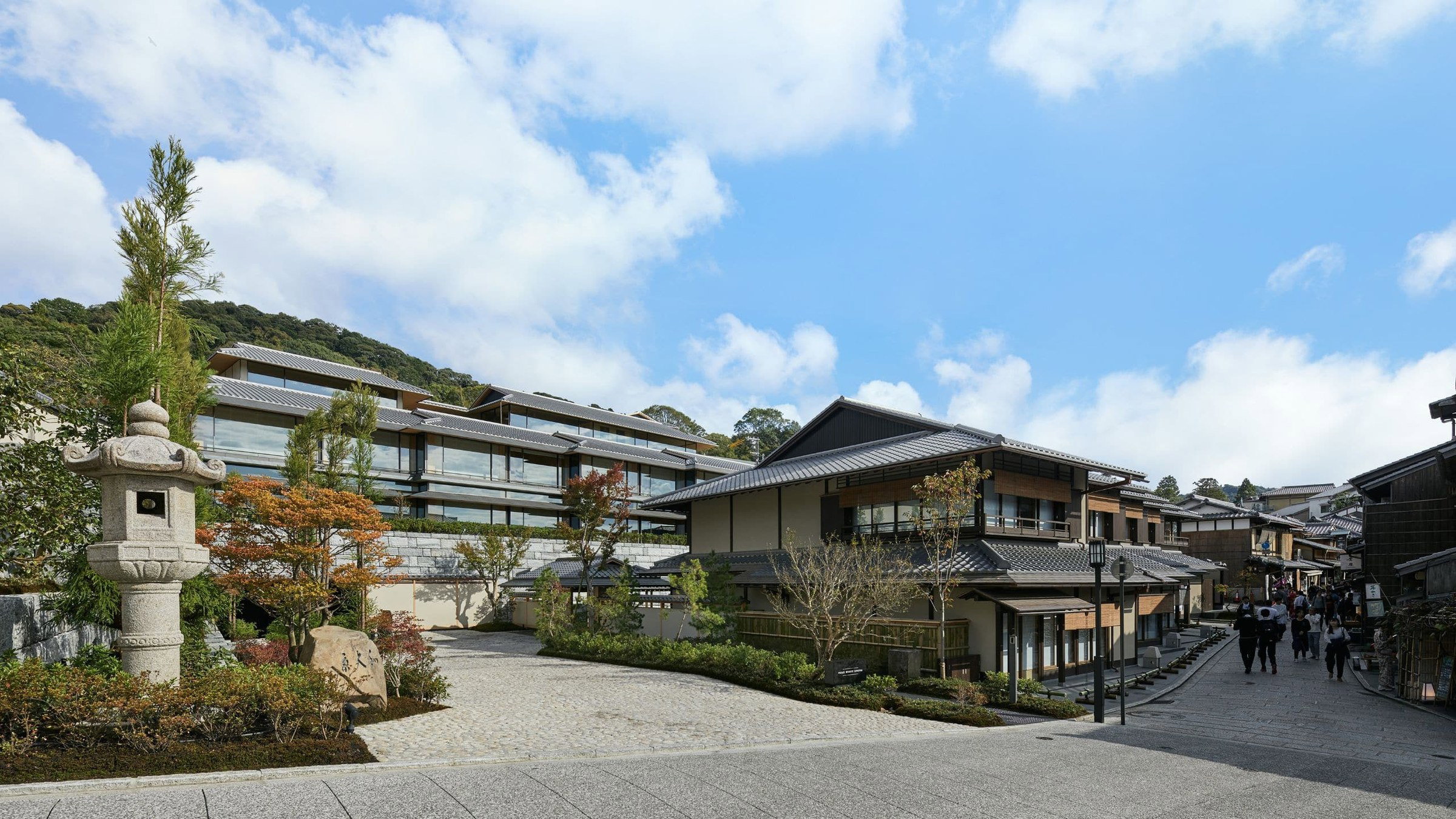
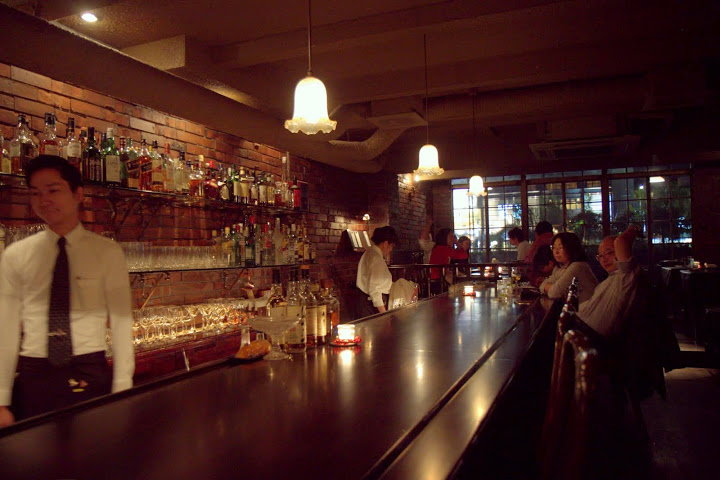
Maana Kiyomizu presents hospitality as a practice of stillness. Nestled on Higashiyama’s eastern slope, the property aligns itself with the neighbourhood’s stone‑paved lanes, temple approaches and preserved machiya streetscapes, favoring restraint in scale and deliberate, pared‑back design. The copy stresses ritual and rhythm—check‑in, bathing, dining and horizontal rest—so guests experience decompression rather than spectacle. A Michelin Selected distinction underscores consistent service and a carefully maintained atmosphere. The result is a serene, quietly refined place that reads less like a downtown business hotel and more like a measured retreat tuned to the pace of its historic surroundings.
Best For
This hotel is best for travellers seeking quiet, contemplative stays close to Kyoto’s temple precincts. It is especially well suited to wellness and retreat travellers who prioritize decompression, ritualized pacing and a restrained, design‑forward environment. The setting on the approach to Kiyomizudera appeals to visitors who want immediate access to Higashiyama’s lanes and temple gates without the scale and bustle of central Karasuma or Shijo. Couples and guests celebrating a low‑key milestone will find the atmosphere conducive to intimacy and reflection; the Michelin Selected tag signals a dependable level of service and calm.
Venue details
Ambiance
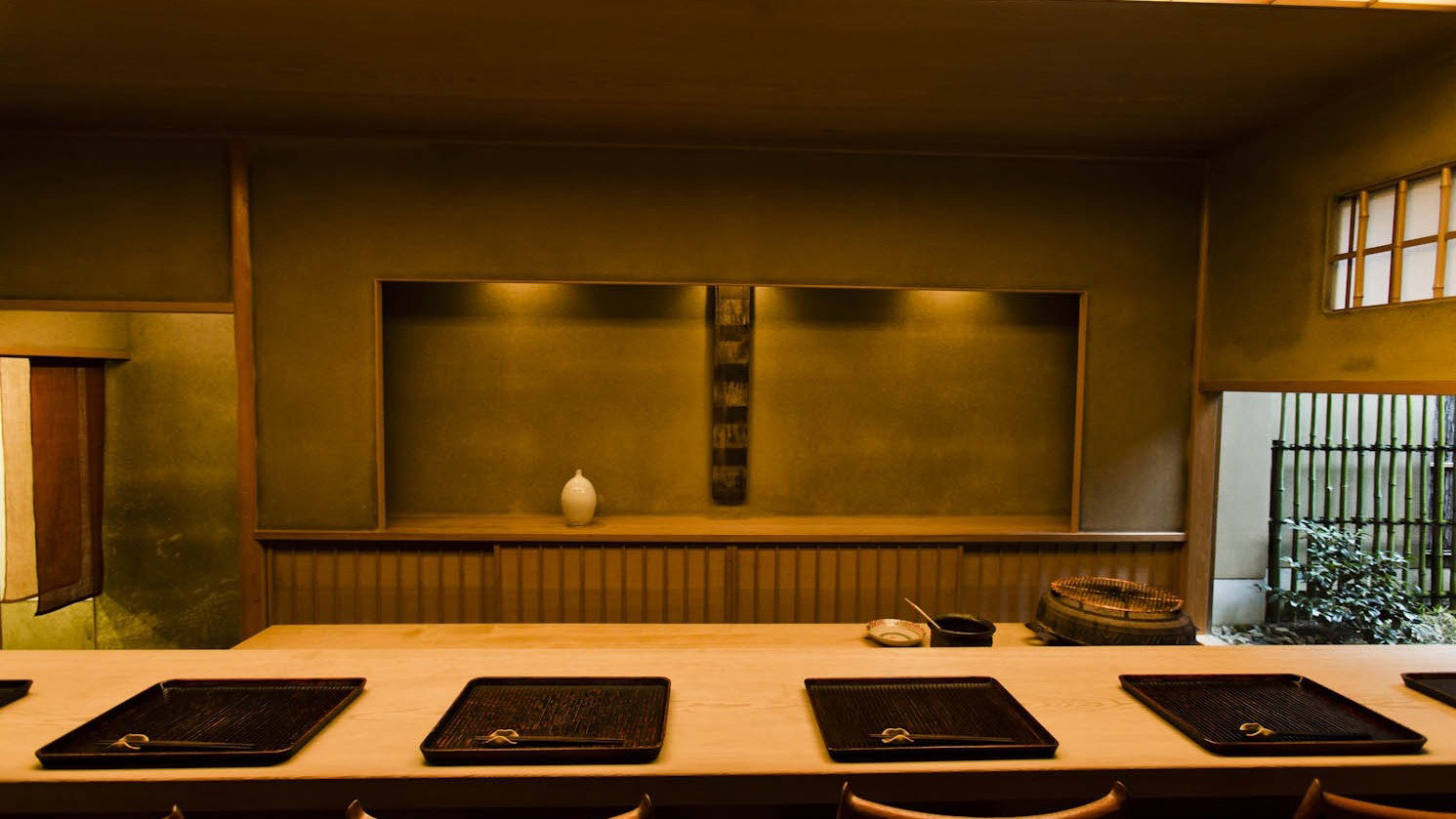
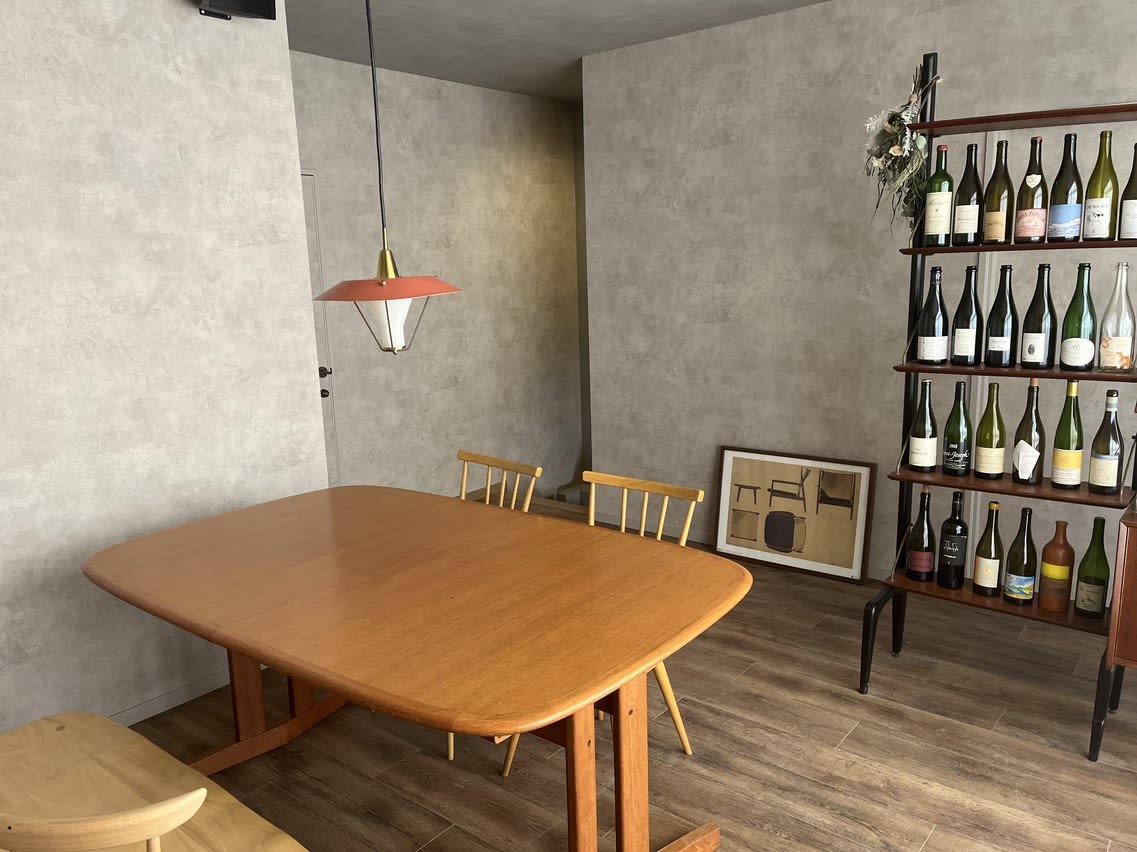
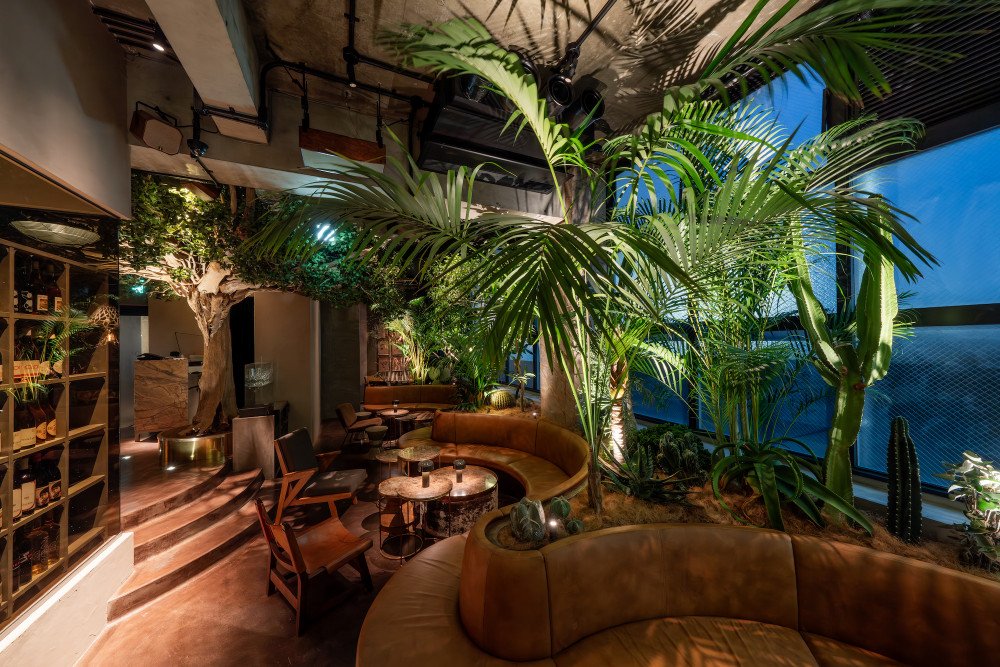
Tranquil and serene with natural light from skylights, soft curves, light-toned palette, and harmonious integration of traditional and contemporary elements.
Tags
Vibe
Best For
Experience
Amenities
View
About the Stay
- Rooms
- 3
- Check-in
- 15:00
- Check-out
- 11:00
- Property Style
- Restored Machiya Townhouses with Contemporary Minimalist Interiors
- Design Style
- Minimalist Fusion of Traditional Japanese Craftsmanship and Modern Design
Know before you go
Know Before You Go
- Getting there
- 427-18, Myohoin Maekawacho, Higashiyama Ward, Kyoto, 605-0932, Japan
Planning details
Location
427-18, Myohoin Maekawacho, Higashiyama Ward, Kyoto, 605-0932, Japan · Directions
Recognition and awards
Also consider
Also Consider
- Six Senses Kyoto, Notable alternative
- Four Seasons Hotel Kyoto, Notable alternative
- Nohga Hotel Kiyomizu Kyoto, Notable alternative
- Hyatt Regency Kyoto, Notable alternative
- Maana Kamo, Notable alternative
Hotel context
How Maana Kiyomizu compares in Kyoto
Choose Maana Kiyomizu over Six Senses Kyoto or Four Seasons Hotel Kyoto if the priority is a quieter, more independent stay rather than a large luxury-hotel experience. Six Senses Kyoto and Four Seasons Hotel Kyoto are the stronger picks for travelers who want deeper facilities, fuller service, and a hotel that can fill downtime between sightseeing.
Nohga Hotel Kiyomizu Kyoto is the more conventional value comparison in the same broad Kyoto hotel conversation: easier to understand for guests who want a hotel format with clearer public-space energy. Hyatt Regency Kyoto is better for business travelers or anyone who wants a familiar full-service setup in Higashiyama.
Maana Kamo is the closest philosophical cross-shop: both make sense for travelers who prefer privacy and a less corporate stay. Pick Maana Kiyomizu when Higashiyama access is the deciding factor; pick Maana Kamo when the river setting is more important than being close to the eastern temple district.
Explore Kyoto
Around this place
Discover more on Pearl
Unlock the full Maana Kiyomizu guide in Pearl, including awards, comparisons, FAQs, planning details, and nearby places.
Compare Maana Kiyomizu
| Venue | Location | Awards |
|---|---|---|
| Maana Kiyomizu | Kyoto | 2025 Michelin Selected Hotels |
| Six Senses Kyoto | Kyoto | 2026 Virtuoso Luxury Hotel Collection2026 Mr & Mrs Smith Luxury Hotels2025 Esquire Best New HotelsTatler Best Hotels Asia-Pacific 20252025 Michelin 1 Key2024 Michelin 1 Key |
| Four Seasons Hotel Kyoto | Kyoto | 2026 Forbes 4-Star2026 Virtuoso Luxury Hotel Collection2026 La Liste Top Hotels2025 Forbes 4-StarMichelin 1 Key 20252025 Michelin 1 Key2024 Michelin 1 KeyFour Seasons Hotels |
| Nohga Hotel Kiyomizu Kyoto | Kyoto | No published awards |
| Hyatt Regency Kyoto | Kyoto | No published awards |
| Maana Kamo | Kyoto | No published awards |







How Maana Kiyomizu Kyoto compares with similar nearby venues.
FAQ
Frequently Asked Questions
How is the pool and spa at Maana Kiyomizu?
Pearl does not have information about a pool or spa at Maana Kiyomizu. If those facilities are important, confirm them directly before booking. The point we can state is that Maana Kiyomizu is in Kyoto and is MICHELIN Guide Hotels Selected (2025).
What is check-in like at Maana Kiyomizu?
Pearl does not have details about the check-in experience at Maana Kiyomizu. Confirm arrival procedures directly with the property before travel, especially if you need a specific check-in time or service arrangement.
When is the best time to book Maana Kiyomizu?
Book when your Kyoto dates, budget, and confirmed requirements line up. Maana Kiyomizu has a MICHELIN Guide Hotels Selected (2025) listing, but Pearl does not have booking-difficulty, pricing, or seasonality details for the property.
How does Maana Kiyomizu compare to other hotels?
Use Maana Kiyomizu as one Kyoto option with a confirmed MICHELIN Guide Hotels Selected (2025) listing, then compare current rates and confirmed facilities with Four Seasons Hotel Kyoto, Six Senses Kyoto, Nohga Hotel Kiyomizu Kyoto, Hyatt Regency Kyoto, and Maana Kamo. Pearl does not have feature-by-feature details here to rank those stays by service level or amenities.
Do loyalty programs work at Maana Kiyomizu?
Pearl does not have information about loyalty-program participation at Maana Kiyomizu. If points, elite perks, or brand benefits are important, confirm directly before booking and compare with options such as Four Seasons Hotel Kyoto or Hyatt Regency Kyoto.
How is the location of Maana Kiyomizu?
Maana Kiyomizu is in Kyoto. Pearl does not have street-address or neighborhood-level location details, so confirm the exact location directly before booking if proximity to specific sights or transit is important.
Is Maana Kiyomizu good for business travel?
It may work for a Kyoto business trip if its confirmed facilities and location meet your needs, but Pearl does not have details on workspaces, meeting support, or business services. Compare the current offering with other Kyoto options, including Hyatt Regency Kyoto, before booking.