



Six Senses Kyoto
Higashiyama, Kyoto
Hotel in Kyoto, Japan
 Book with Pearl
The Read
Urban Sanctuary Precision
Why go
Six Senses Kyoto is worth booking if the hotel itself is a major part of the trip: wellness, quiet atmosphere, and a slower Higashiyama base are the draw. It is less compelling for travelers who only need a room between packed sightseeing days. Michelin 1 Key recognition and major hotel-list inclusion make it a serious luxury contender in Kyoto.
About Six Senses Kyoto
Six Senses Kyoto is a hotel in Kyoto with a smart-casual dress code and several recognition signals. Accolades include Michelin 1 Key (2024), Tatler 2025 listing in Best Hotels Asia-Pacific, Esquire Best New Hotels (2025), Virtuoso Luxury Hotel Partner (2026), and Mr & Mrs Smith Seal of Approval (2026).
Use those confirmed facts as the basis for evaluating the stay. If neighborhood, dining, wellness, price, service style, or room experience matter to your trip, confirm the current details directly before booking.
Book it for a Kyoto hotel stay, not an itinerary built on specifics you still need to confirm
The location detail is Kyoto. Public-facing planning should not rely on a specific district, landmark, transit setup, room count, dining format, spa program, or pricing. If those details matter to your trip, verify them with the hotel before committing.
The clearest grounded reason to consider Six Senses Kyoto is its recognition profile. It has Michelin 1 Key recognition for 2024 and appears in Tatler's 2025 Best Hotels Asia-Pacific list, alongside other hotel-industry recognition. Beyond that, keep expectations flexible unless you have checked the current offering directly.
Recognition is strong, but the value case depends on your own trip priorities
Trust signals are serious for a Kyoto hotel: Michelin 1 Key (2024), Tatler 2025 Best Hotels Asia-Pacific, Esquire Best New Hotels (2025), Virtuoso Luxury Hotel Partner (2026), and Mr & Mrs Smith Seal of Approval (2026). Those recognitions support considering Six Senses Kyoto among Kyoto's higher-profile hotel options.
Whether it is the right booking depends on what you need from the stay. Price, room type, dining specifics, service format, family facilities, and the trip style may vary, so compare the city through Our full Kyoto hotels guide, Our full Kyoto restaurants guide, Our full Kyoto bars guide, Our full Kyoto wineries guide, and Our full Kyoto experiences guide.
Other hotels to price-check before committing
If this is not the right fit, compare other Kyoto options before locking the budget, including Our full Kyoto hotels guide. Depending on the kind of stay you want, you may also want to look at Four Seasons Hotel Kyoto, Hyatt Regency Kyoto, Maana Kamo, Maana Kiyomizu, and Nohga Hotel Kiyomizu Kyoto.
Part of
Six Senses37 locations on PearlPlanning details
- Location
- 431 Myōhōin Maekawachō, Higashiyama Ward, Kyoto, 605-0932
- Website
- sixsenses.com/kyoto
- Phone
- +81 75-531-0700
The take
The Take
The Vibe
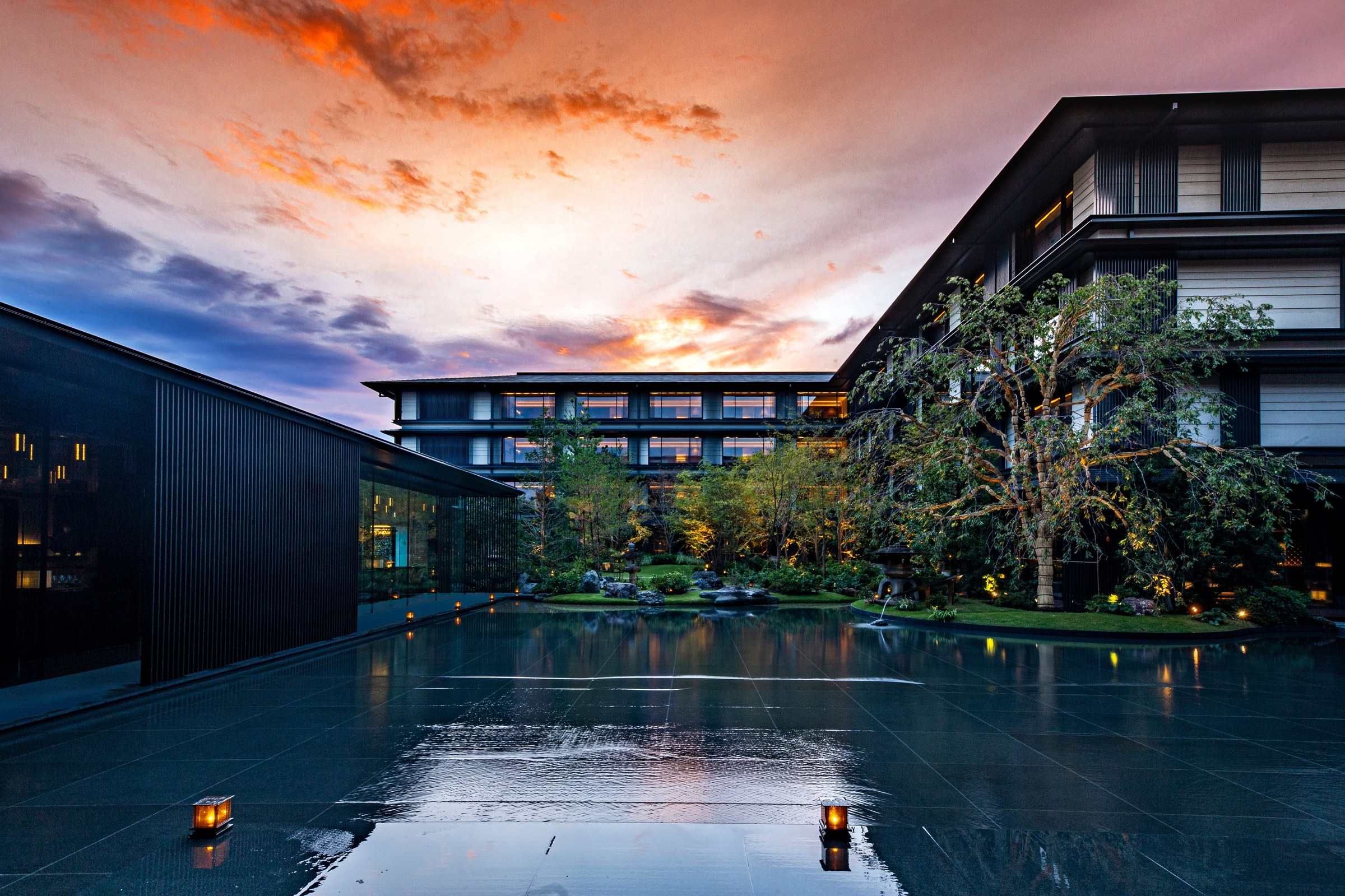
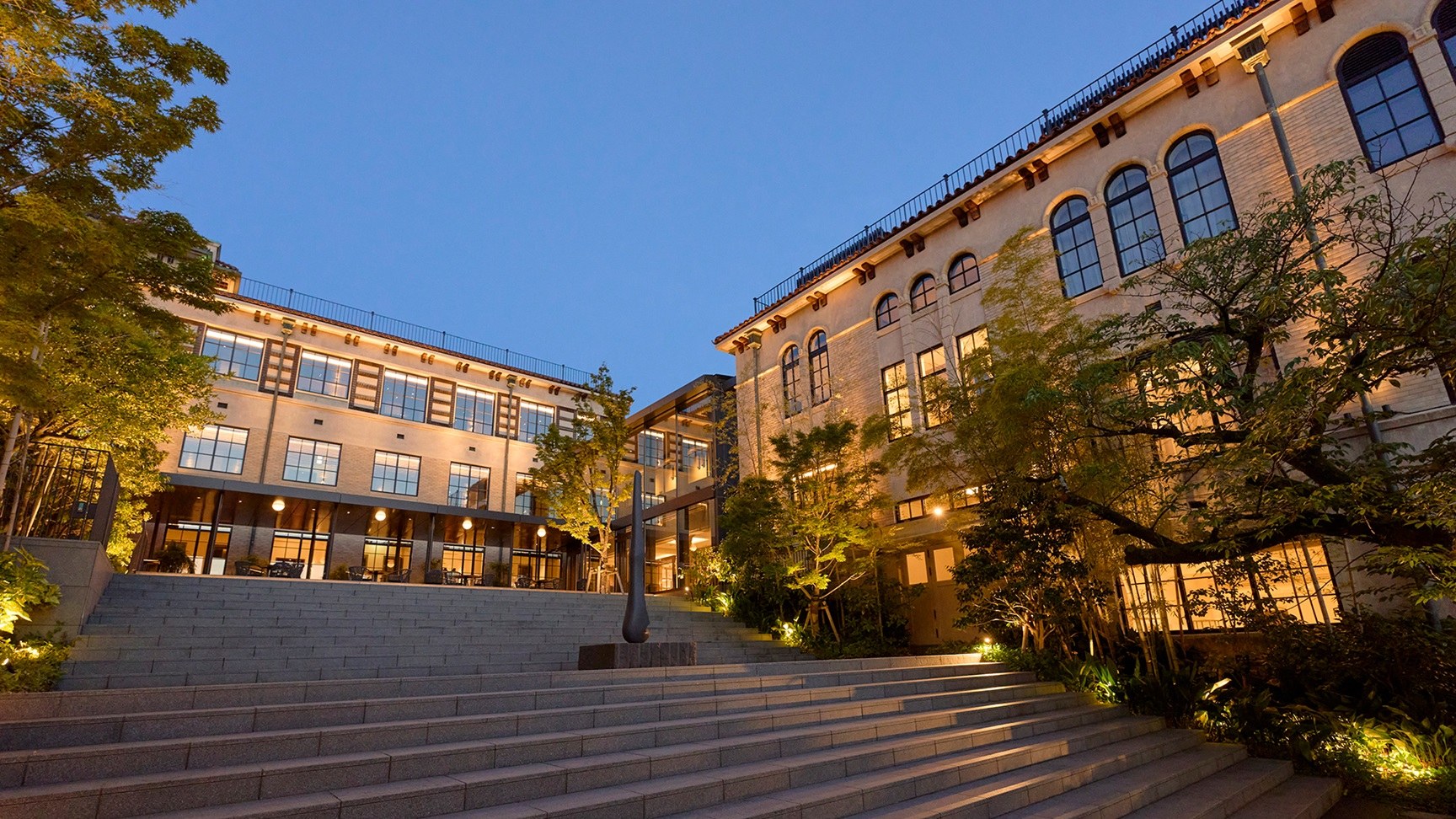
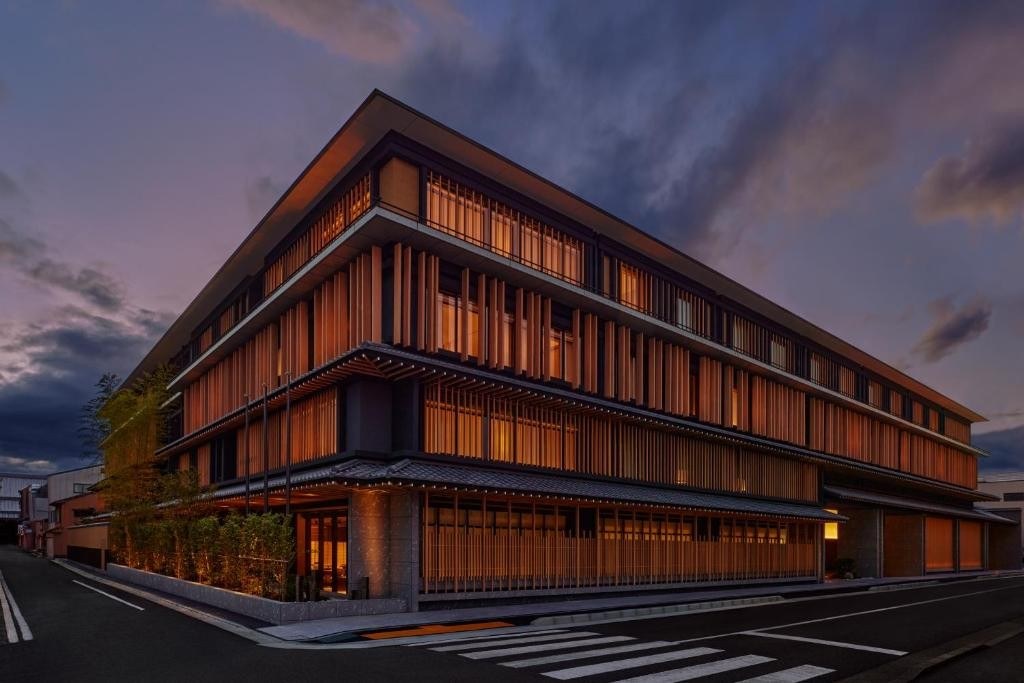
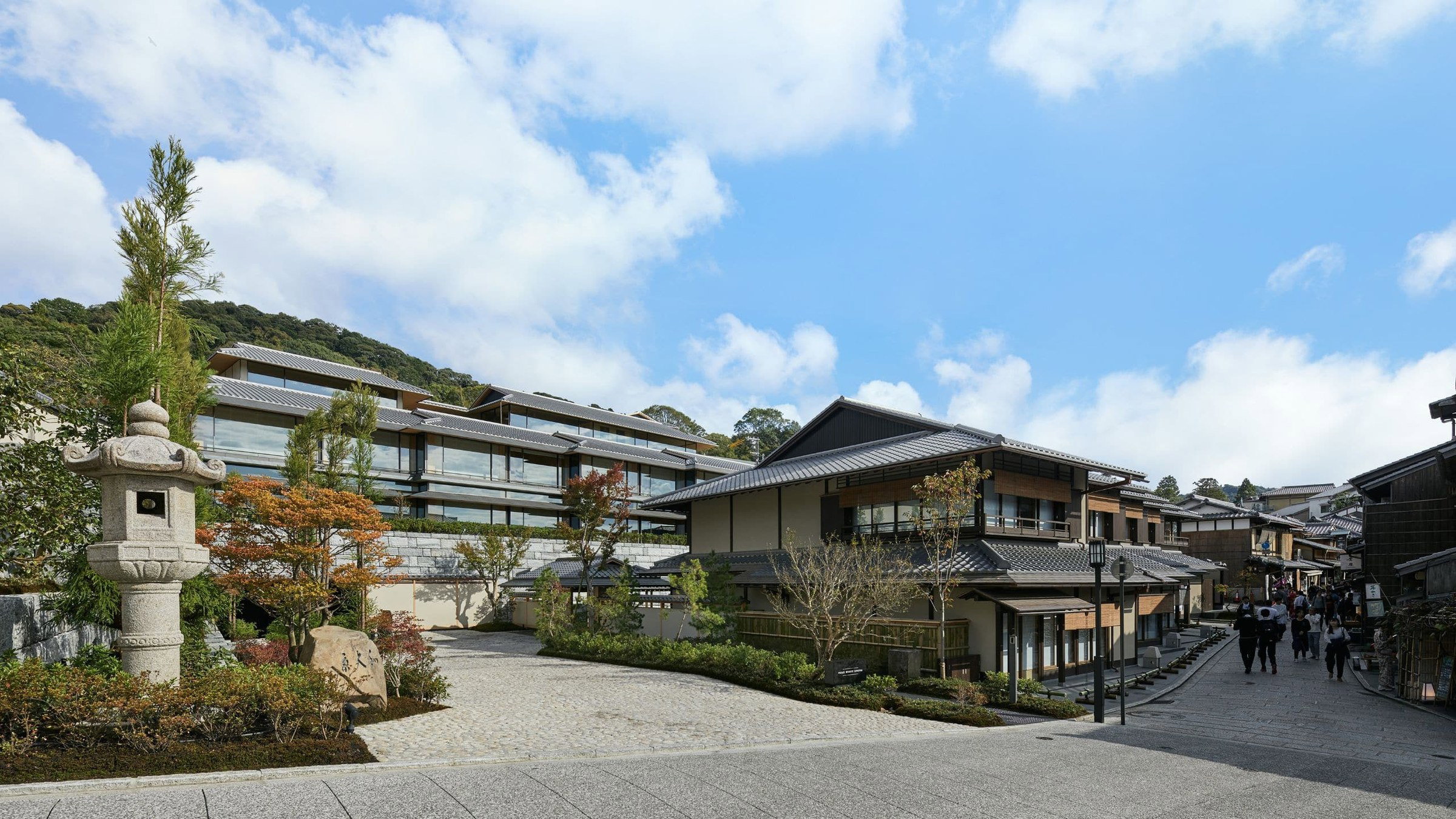
Six Senses Kyoto positions the brand’s resort-rooted sensibility in the heart of a historic ward, creating a quietly refined urban retreat. The hotel leans into the surrounding cultural fabric — it sits opposite a 16th‑century shrine and puts guests within easy walking distance of the Kyoto National Museum and major temples — and that adjacency shapes the property’s tone more than any glossy amenity could. The result is a serene, culturally embedded atmosphere: modern Six Senses design meets the humility of centuries‑old religious architecture, and several rooms actually look onto shrine grounds, reinforcing the hotel’s contemplative, low‑key luxury.
Best For
Six Senses Kyoto is best for travelers seeking a wellness‑minded, culturally immersive stay in Higashiyama. The brand’s heritage in wellness and the hotel’s urban repositioning make it a good fit for guests who want spa‑oriented relaxation alongside easy access to Kyoto’s temples and museums. It also appeals to those who prioritize quiet, considered surroundings over bustling city energy — guests can stroll to nearby cultural sites during the day and return to a tranquil hotel that has earned Michelin recognition for its dining. The property suits solo cultural explorers and wellness‑focused travelers alike.
Venue details
Ambiance
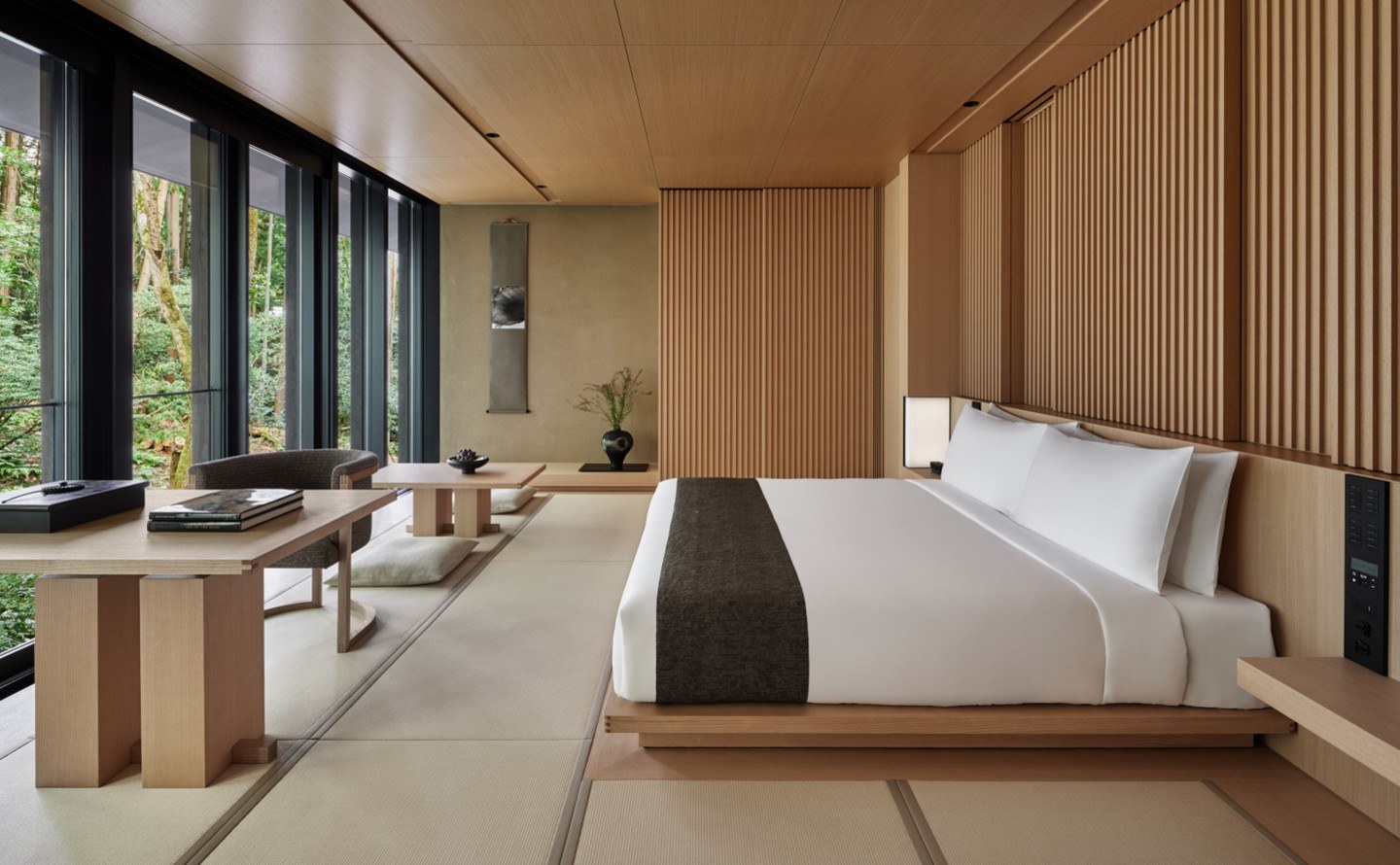
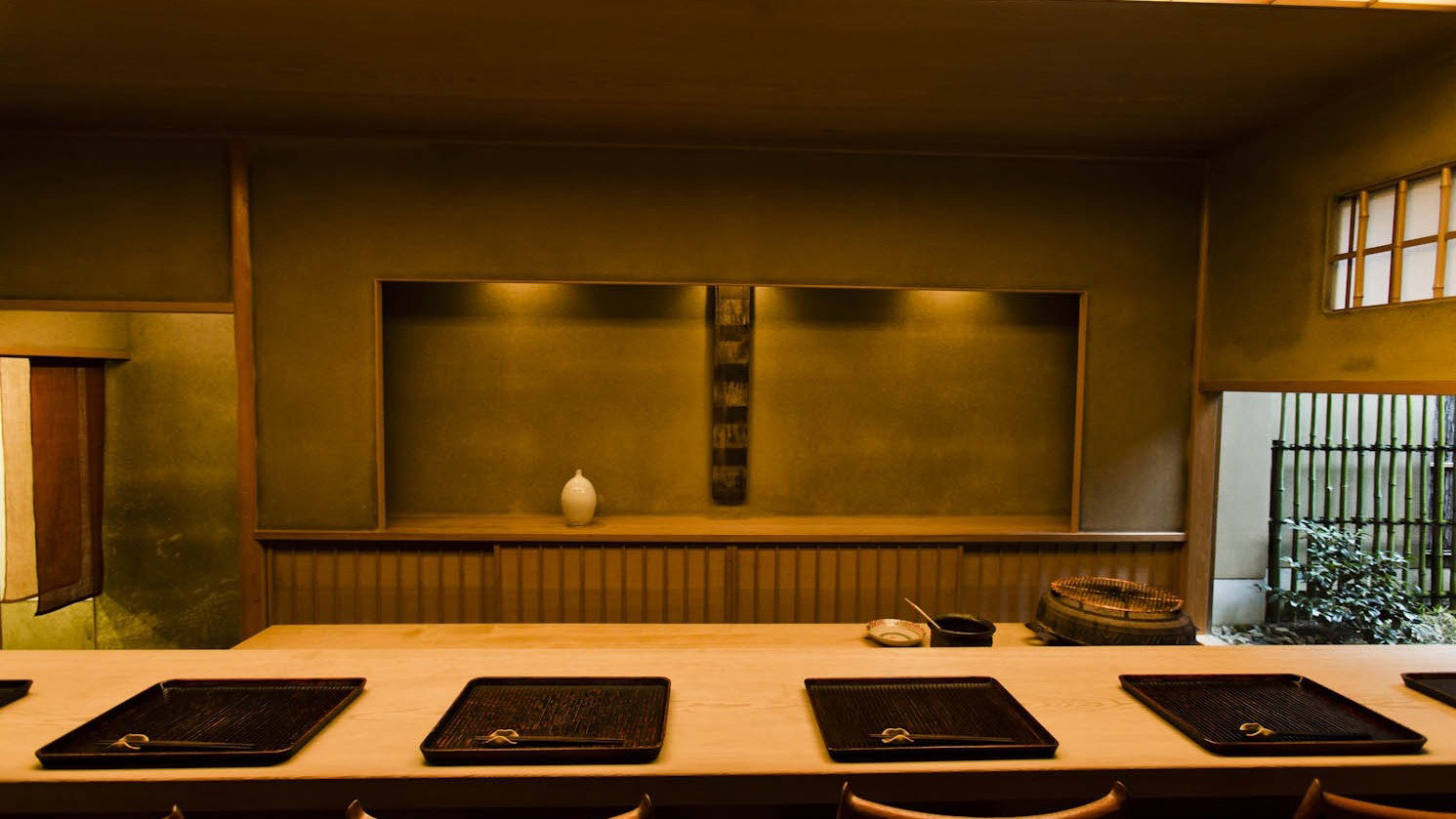
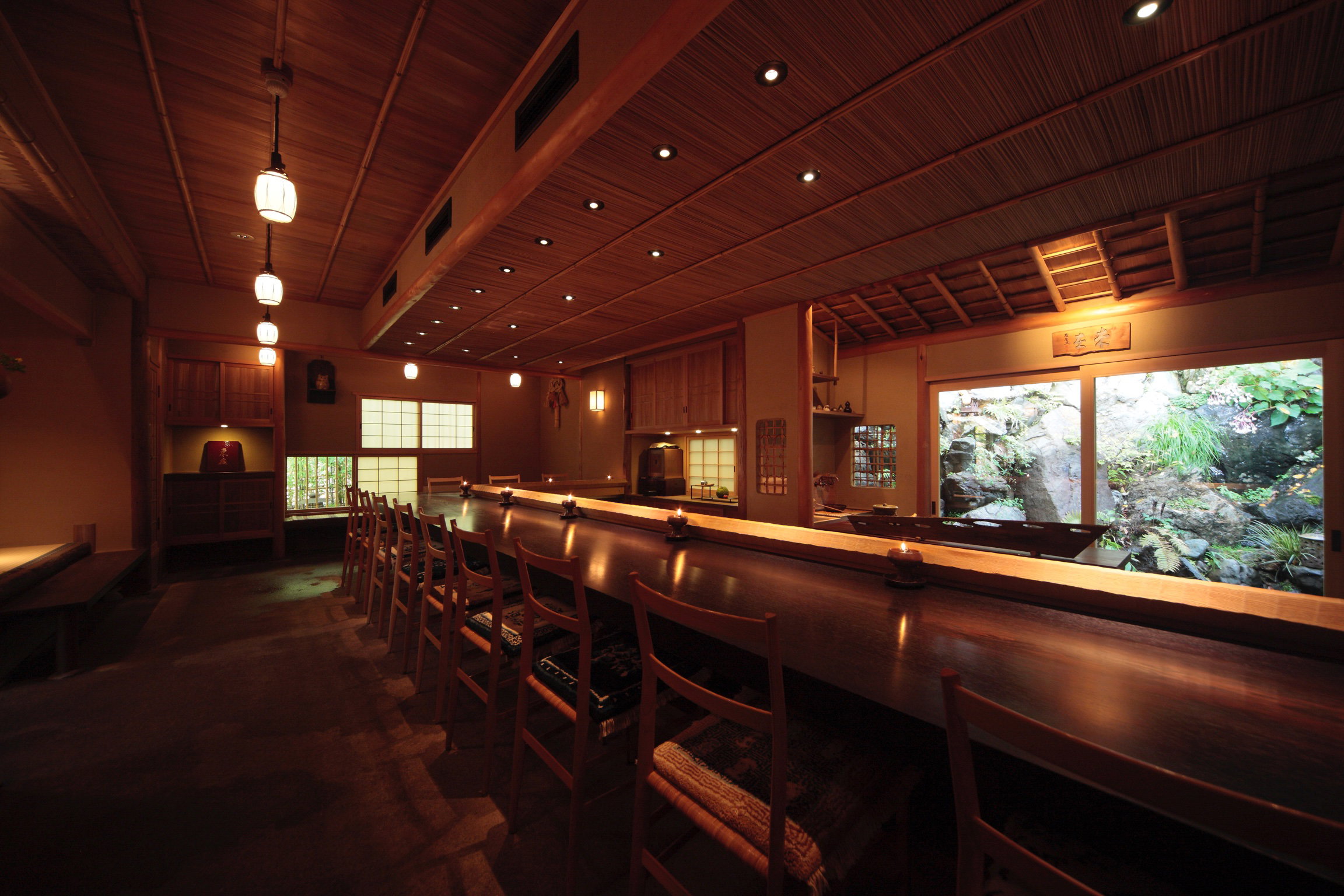
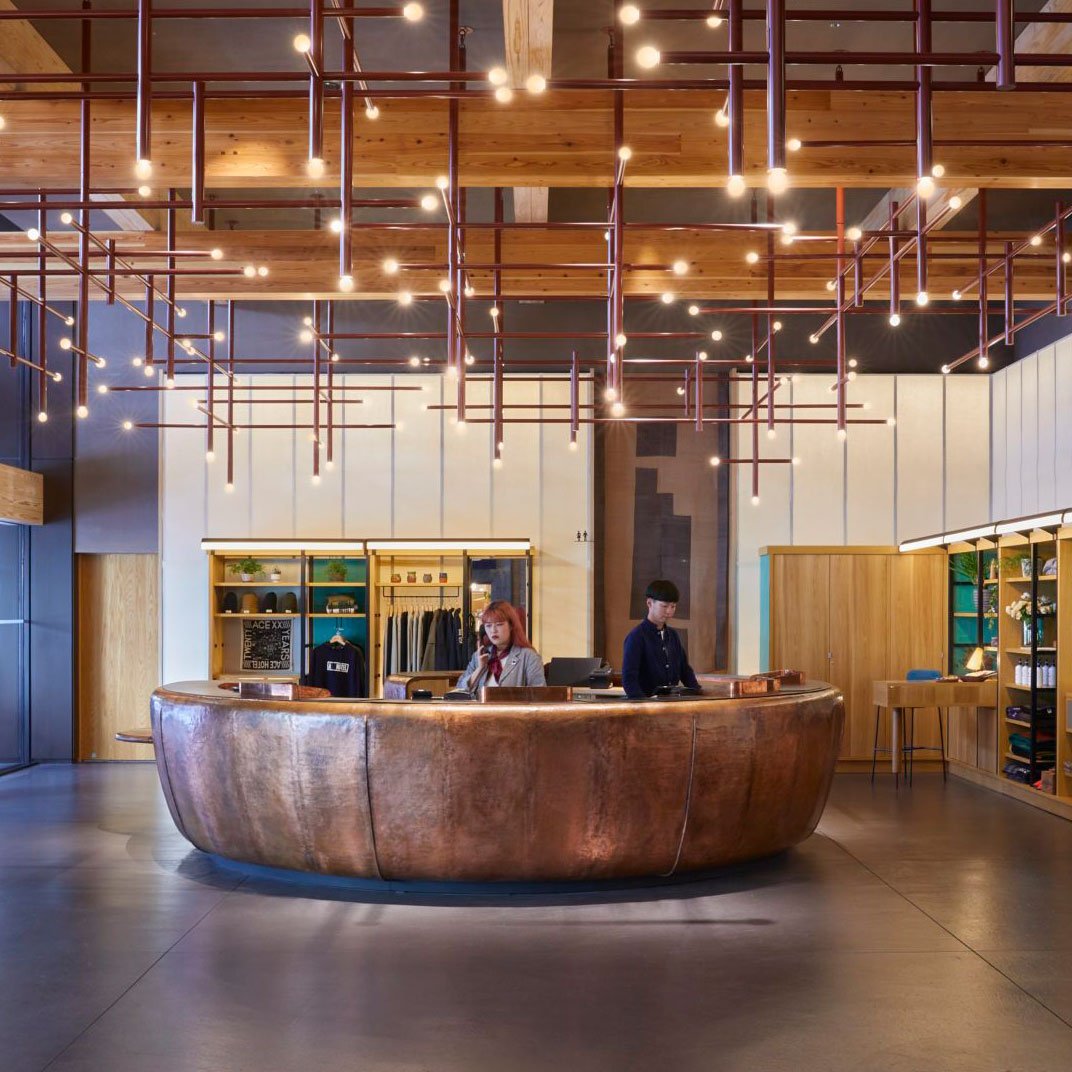
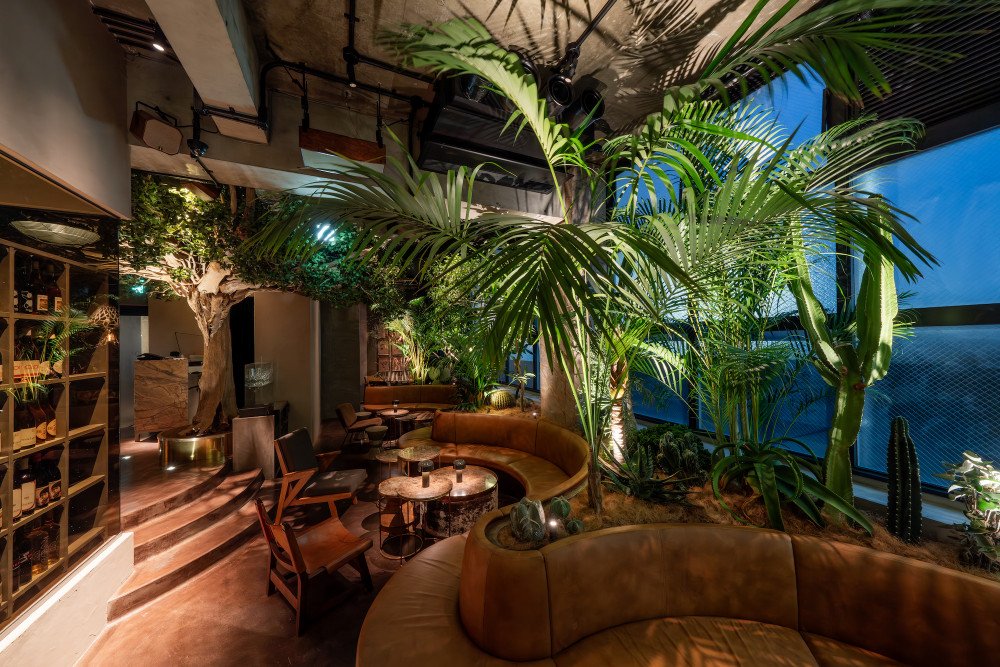
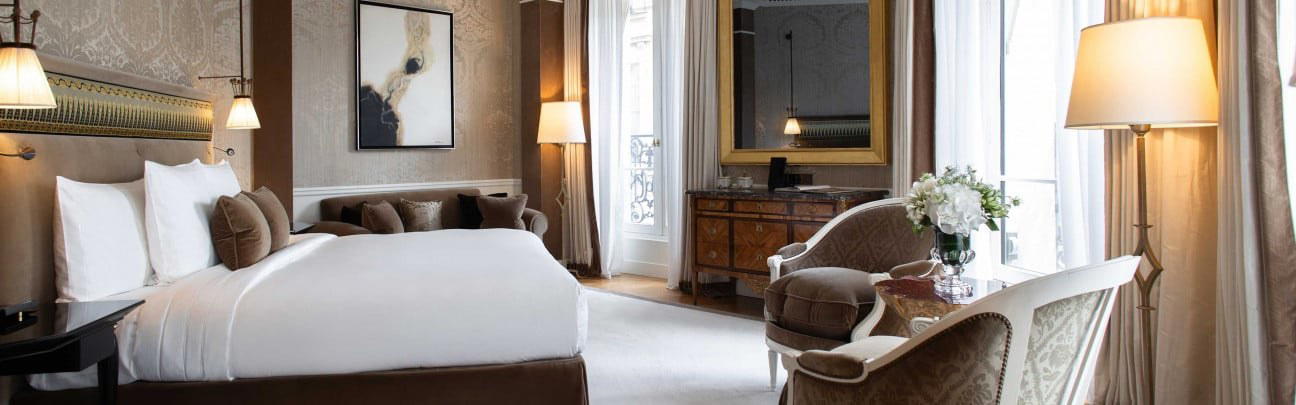
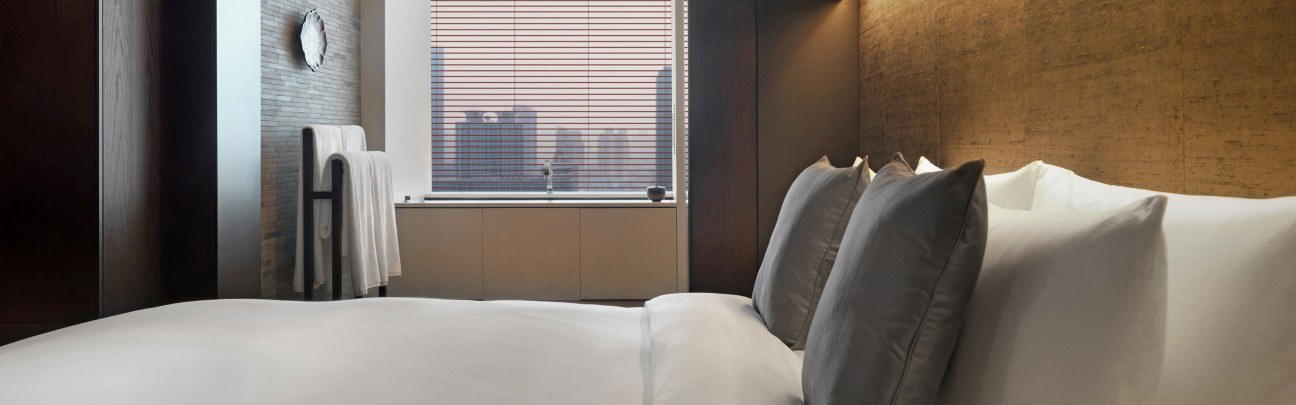
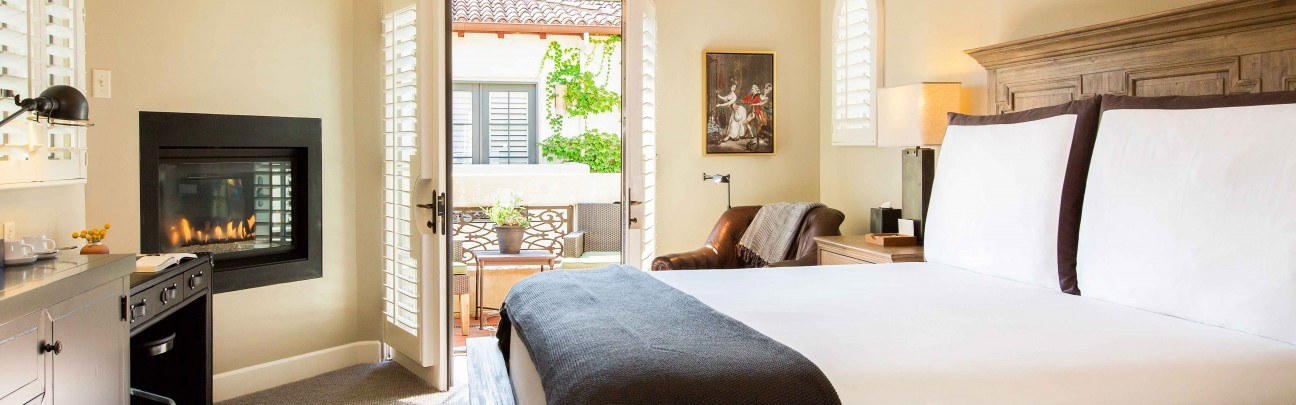
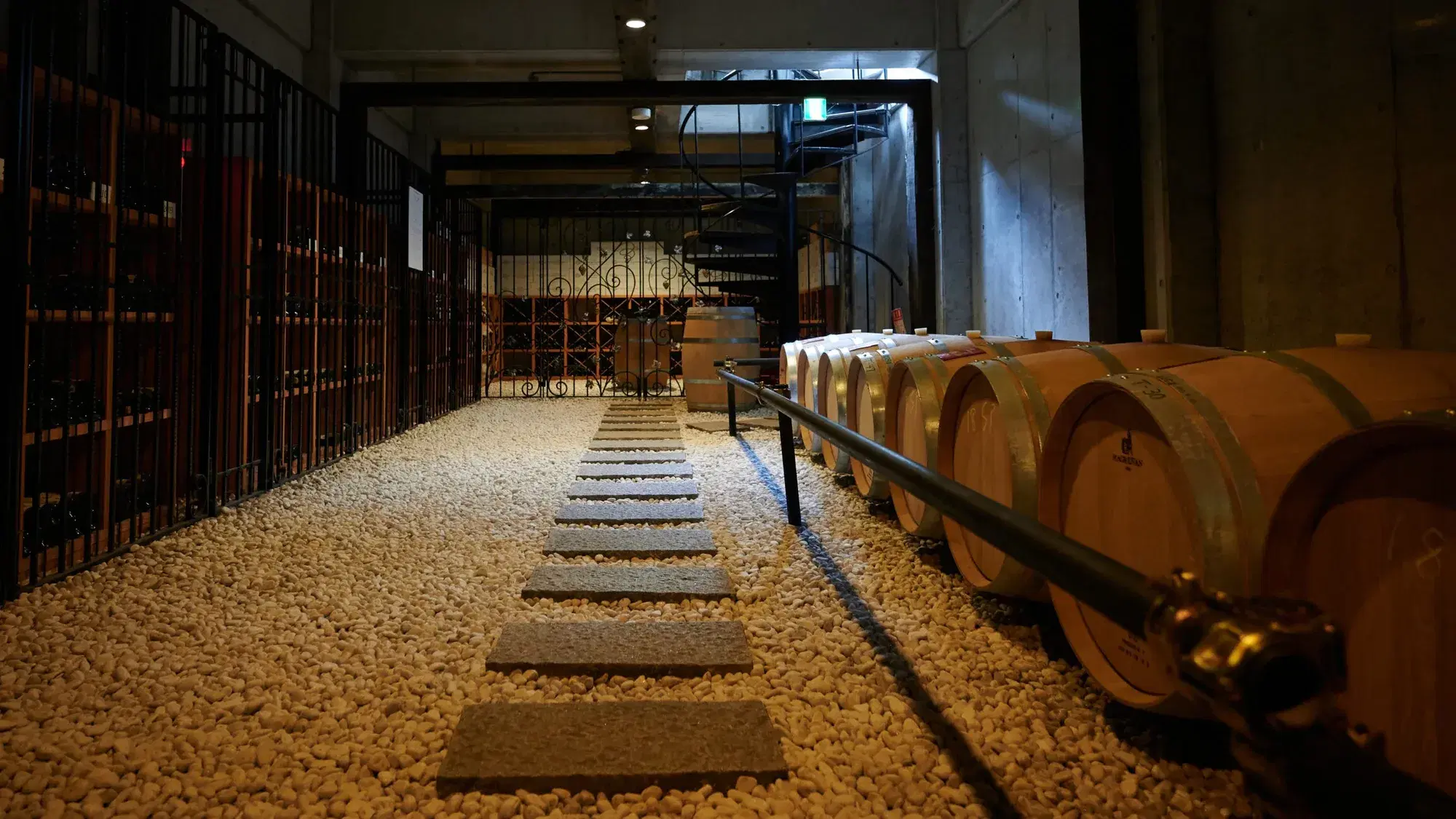
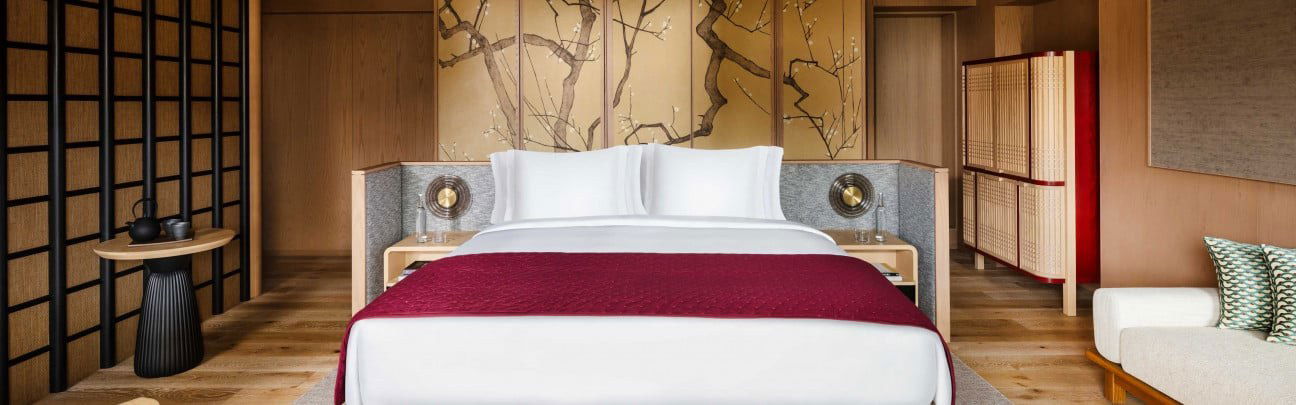
Quiet, wood-scented atmosphere with soothing neutral tones, soft organic shapes, and feel-good textiles promoting relaxation and well-being.
Tags
Vibe
Best For
Experience
Amenities
View
Accessibility
About the Stay
- Rooms
- 81
- Property Style
- Modern Luxury Ryokan Inspired with Heian Period Reinterpretations and Tale of Genji Folklore.
- Design Style
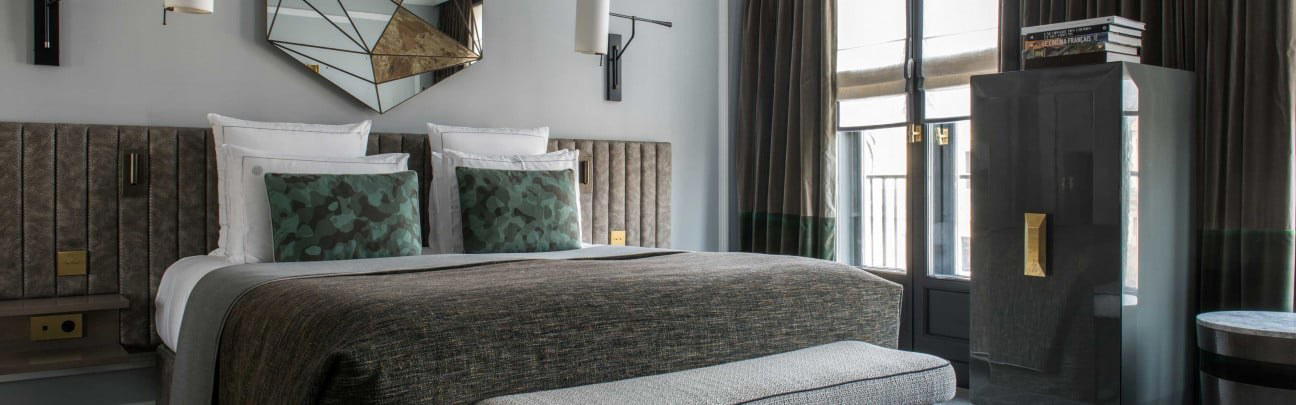
- Chic Contemporary with Neutral Tones, Organic Shapes, Artisanal Craftsmanship, and Playful Japanese Motifs.
Know before you go
Know Before You Go
- Getting there
- 431 Myōhōin Maekawachō, Higashiyama Ward, Kyoto, 605-0932
Planning details
Location
431 Myōhōin Maekawachō, Higashiyama Ward, Kyoto, 605-0932 · Directions


Also consider
Also Consider
- Maana Kiyomizu, Notable alternative
- Four Seasons Hotel Kyoto, Notable alternative
- Hyatt Regency Kyoto, Notable alternative
- Nohga Hotel Kiyomizu Kyoto, Notable alternative
- Maana Kamo, Notable alternative
Hotel context
How It Compares
Six Senses Kyoto is the pick if you want a polished luxury stay with a calmer, wellness-led feel and you are prepared for harder booking windows around spring and autumn. Four Seasons Hotel Kyoto is the safer choice for travelers who want a more established full-service luxury hotel rhythm, especially if concierge depth and broad resort-style facilities matter more than a quieter new-arrival feel.
For a more residential Kyoto stay, compare it with Maana Kiyomizu and Maana Kamo. Those make more sense for travelers who want privacy and a house-like setup rather than a conventional luxury hotel experience. Six Senses Kyoto is stronger if service infrastructure, spa time, and hotel recognition are part of the value calculation.
If value and ease matter more than luxury positioning, Hyatt Regency Kyoto and Nohga Hotel Kiyomizu Kyoto are the practical cross-shops. Hyatt Regency Kyoto is the more familiar full-service alternative; Nohga Hotel Kiyomizu Kyoto is better for travelers who want a lighter, design-conscious base and do not need the higher-touch resort atmosphere.
Explore Kyoto
Around this place
Discover more on Pearl
Unlock the full Six Senses Kyoto guide in Pearl, including awards, comparisons, FAQs, planning details, and nearby places.
Compare Six Senses Kyoto
| Venue | Location | Awards |
|---|---|---|
| Six Senses Kyoto | Kyoto | 2026 Virtuoso Luxury Hotel Collection2026 Mr & Mrs Smith Luxury Hotels2025 Esquire Best New HotelsTatler Best Hotels Asia-Pacific 2025Michelin 1 Key 20252025 Michelin 1 Key2024 Michelin 1 Key |
| Maana Kiyomizu | Kyoto | No published awards |
| Four Seasons Hotel Kyoto | Kyoto | 2026 Forbes 4-Star2026 Virtuoso Luxury Hotel Collection2026 La Liste Top Hotels2025 Forbes 4-StarMichelin 1 Key 20252025 Michelin 1 Key2024 Michelin 1 KeyFour Seasons Hotels |
| Hyatt Regency Kyoto | Kyoto | No published awards |
| Nohga Hotel Kiyomizu Kyoto | Kyoto | No published awards |
| Maana Kamo | Kyoto | No published awards |



How Six Senses Kyoto compares with similar nearby venues.
FAQ
Frequently Asked Questions
Do loyalty programs work at Six Senses Kyoto?
Confirm current booking benefits directly before reserving. What is known is that Six Senses Kyoto has Michelin 1 Key recognition for 2024, Virtuoso Luxury Hotel Partner status for 2026, and Mr & Mrs Smith Seal of Approval for 2026.
Is Six Senses Kyoto family-friendly?
What is check-in like at Six Senses Kyoto?
What is Six Senses Kyoto known for?
Six Senses Kyoto is known for its hotel recognition, including Michelin 1 Key (2024), Tatler 2025 Best Hotels Asia-Pacific, Esquire Best New Hotels (2025), Virtuoso Luxury Hotel Partner (2026), and Mr & Mrs Smith Seal of Approval (2026).