
Hotel Okura Kyoto Okazaki Bettei
Sakyō, Kyoto
Hotel in Kyoto, Japan
 Book with Pearl
The Read
Price
$300–500per night
Why go
A calm Okazaki hotel for repeat Kyoto travelers who want a quieter east-side base with polished service. The Michelin hotel selection is a useful trust signal, but the main reason to choose it is location and tempo, not resort scale or downtown convenience.
About Hotel Okura Kyoto Okazaki Bettei
Hotel Okura Kyoto Okazaki Bettei is a Kyoto hotel with MICHELIN Guide Hotels Selected recognition for 2025.
The clearest style note is the dress code: smart casual. Travelers comparing it with other Kyoto stays can use that as a simple planning cue, while confirming any other expectations directly with the hotel.
Choose this for a Kyoto hotel stay with a confirmed MICHELIN hotel selection
The strongest reason to keep Hotel Okura Kyoto Okazaki Bettei on a shortlist is its MICHELIN Guide Hotels Selected status for 2025. That recognition is useful, but it should not be treated as a substitute for checking the practical details that matter for your trip, including room category, on-property facilities, dining arrangements, cancellation terms, and current rates.
If you are comparing hotel styles in Kyoto, Fufu Kyoto, Yoshida Sanso, Higashiyama Shikikaboku, The Hotel Higashiyama by Kyoto Tokyu Hotel, A Pan Pacific Hotel, and The Westin Miyako Hotel Kyoto are natural alternatives to review depending on the kind of stay you want.
The right guest is someone who wants a Kyoto hotel option, then confirms the details
Consider Hotel Okura Kyoto Okazaki Bettei if you want a Kyoto hotel with a 2025 MICHELIN Guide hotel selection and a smart-casual standard, then confirm the remaining details directly before booking.
For Kyoto planning around the hotel, use our full Kyoto hotels guide for stays, our full Kyoto restaurants guide for meals, and our full Kyoto experiences guide if the trip is built around broader Kyoto planning.
Planning details
- Location
- 26-6 Okazaki Tennocho, Sakyo Ward, Kyoto, 606-8335, Japan
- Website
- okazakibettei.hotelokurakyoto.com
- Phone
- +81 75-771-5777
The take
The Take
The Vibe
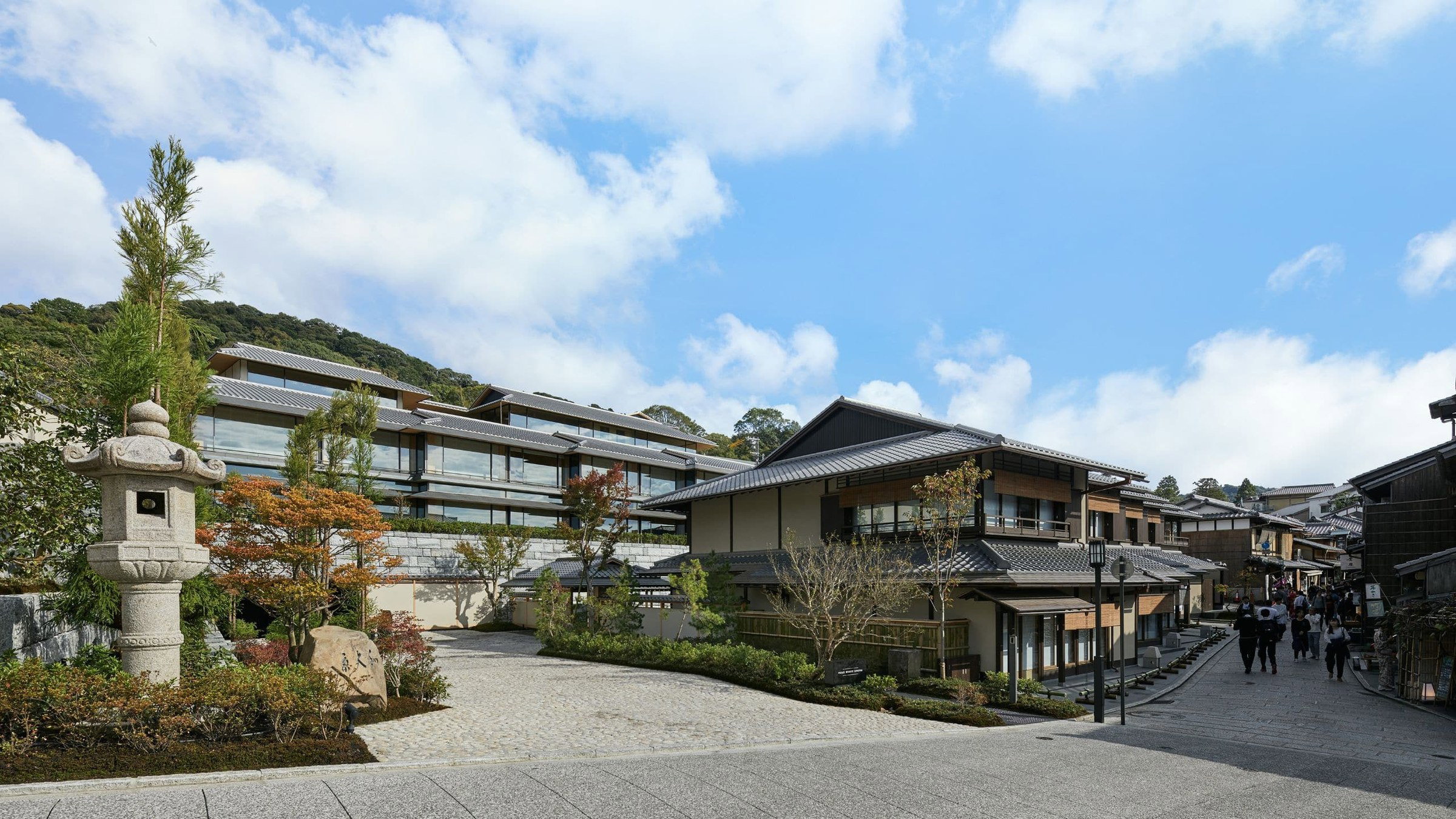
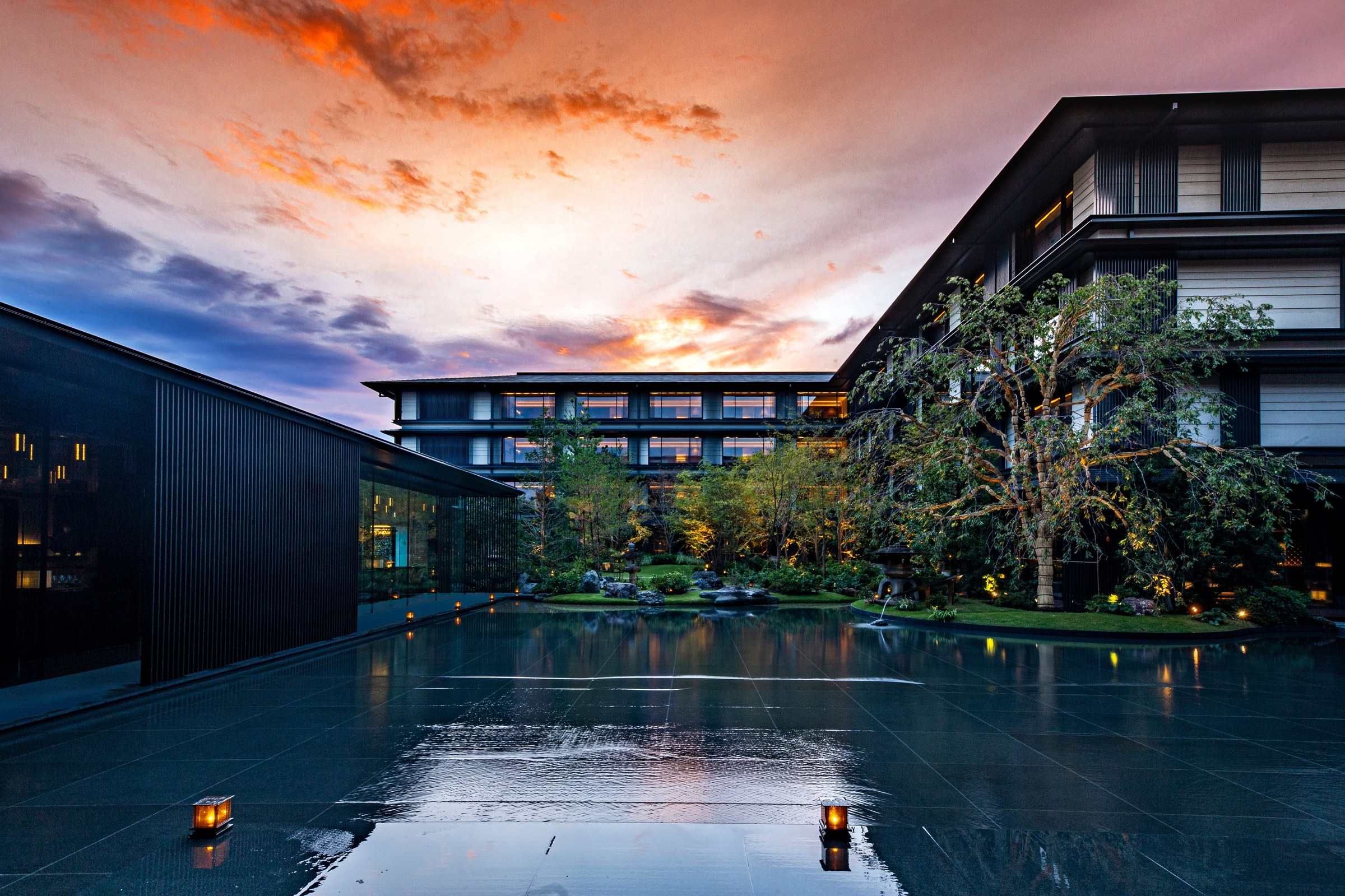
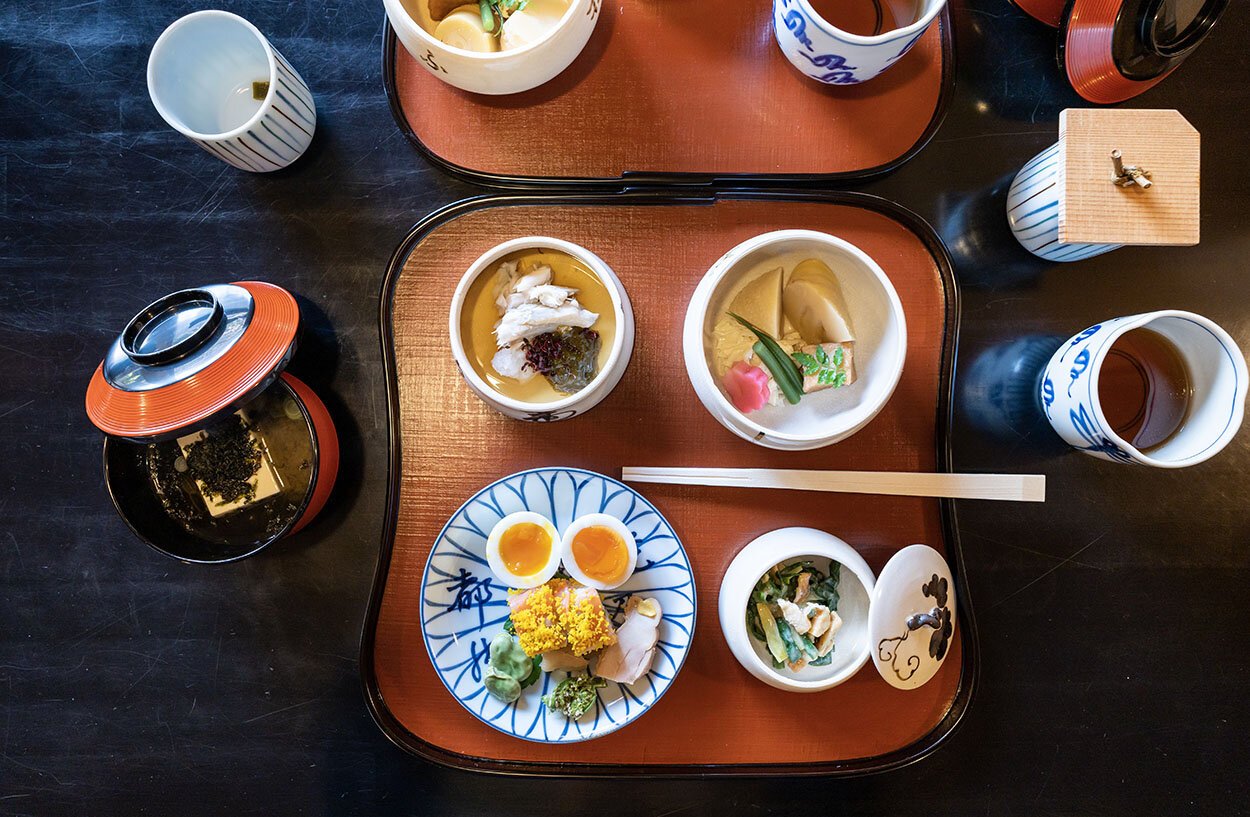
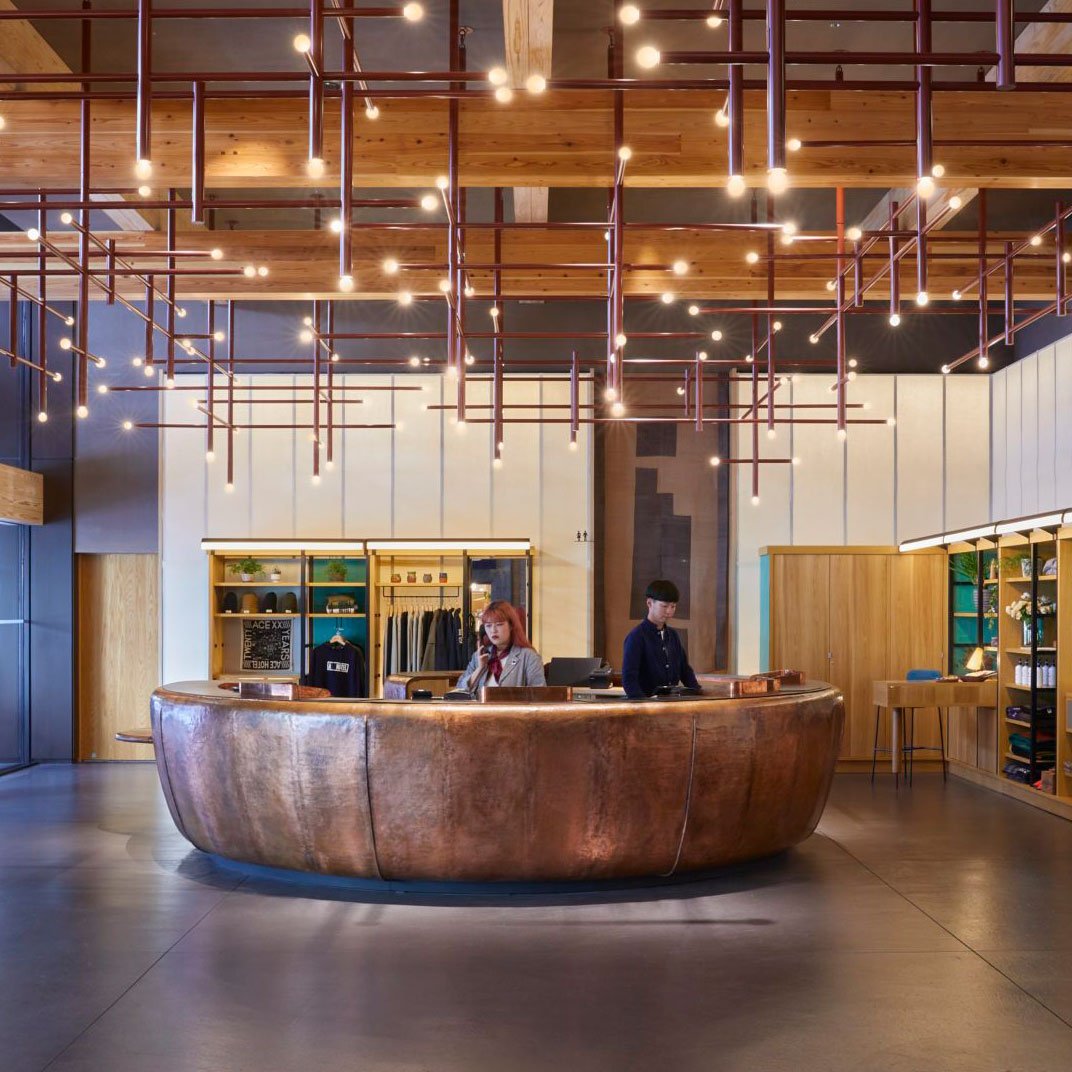
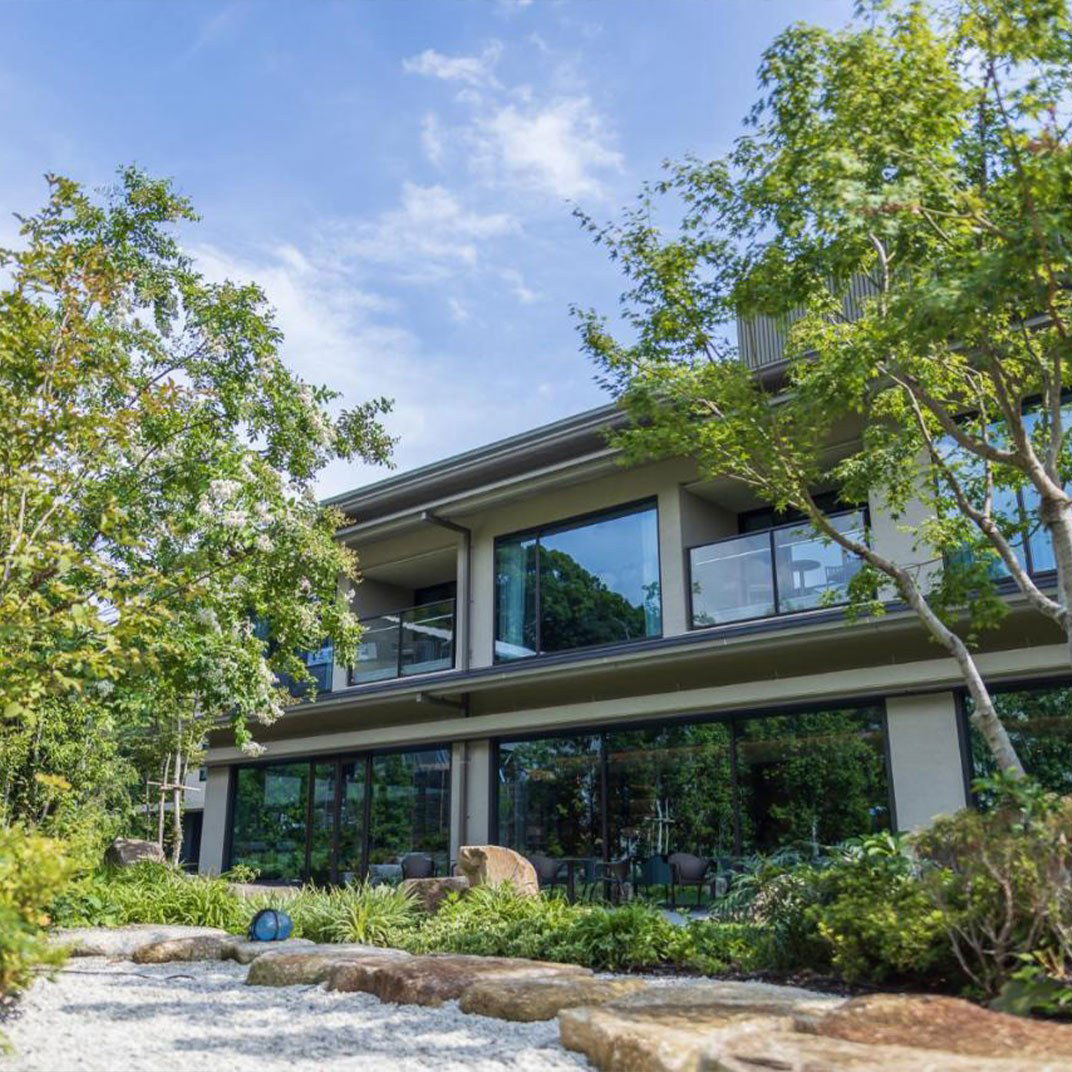
Hotel Okura Kyoto Okazaki Bettei presents a quietly assured alternative to busy central Kyoto stays. The property adopts a detached, secondary-house format that prioritises material restraint, local timber, traditional joinery and a modest footprint, so the atmosphere leans serene and characterful rather than grand. Its smaller scale reads as charming and cozy: the Bettei designation signals a deliberate, residential sensibility that complements the low-key museum and shrine district around it. Guests arrive expecting considered details and a pace that privileges quiet walks and reflective moments over the bustle of tourist hubs.
Best For
This is a choice stay for travellers who want to be rooted in Kyoto’s cultural east without sacrificing calm. The location places you within easy reach of the Heian Shrine gardens, the National Museum of Modern Art and canal paths, making early-morning walks to Nanzenji and visits to museum precincts especially convenient. The property’s restrained approach to development and emphasis on local materials suits visitors who value thoughtful design, quieter neighbourhoods and an experience that feels like a measured, place‑based retreat rather than a large city hotel.
Stay Tips
Book this Bettei if your priority is proximity to Okazaki’s museum and shrine corridor and a quieter base for independent exploration. The property is a detached secondary-house format, and requesting accommodation within the Bettei provides a smaller-scale, character-driven setting. Plan activities for early morning walks, there is specific appeal for those who want to reach Nanzenji before tour groups, and factor in short walking distances to nearby cultural sites rather than relying on central Kyoto transport.
Venue details
Ambiance
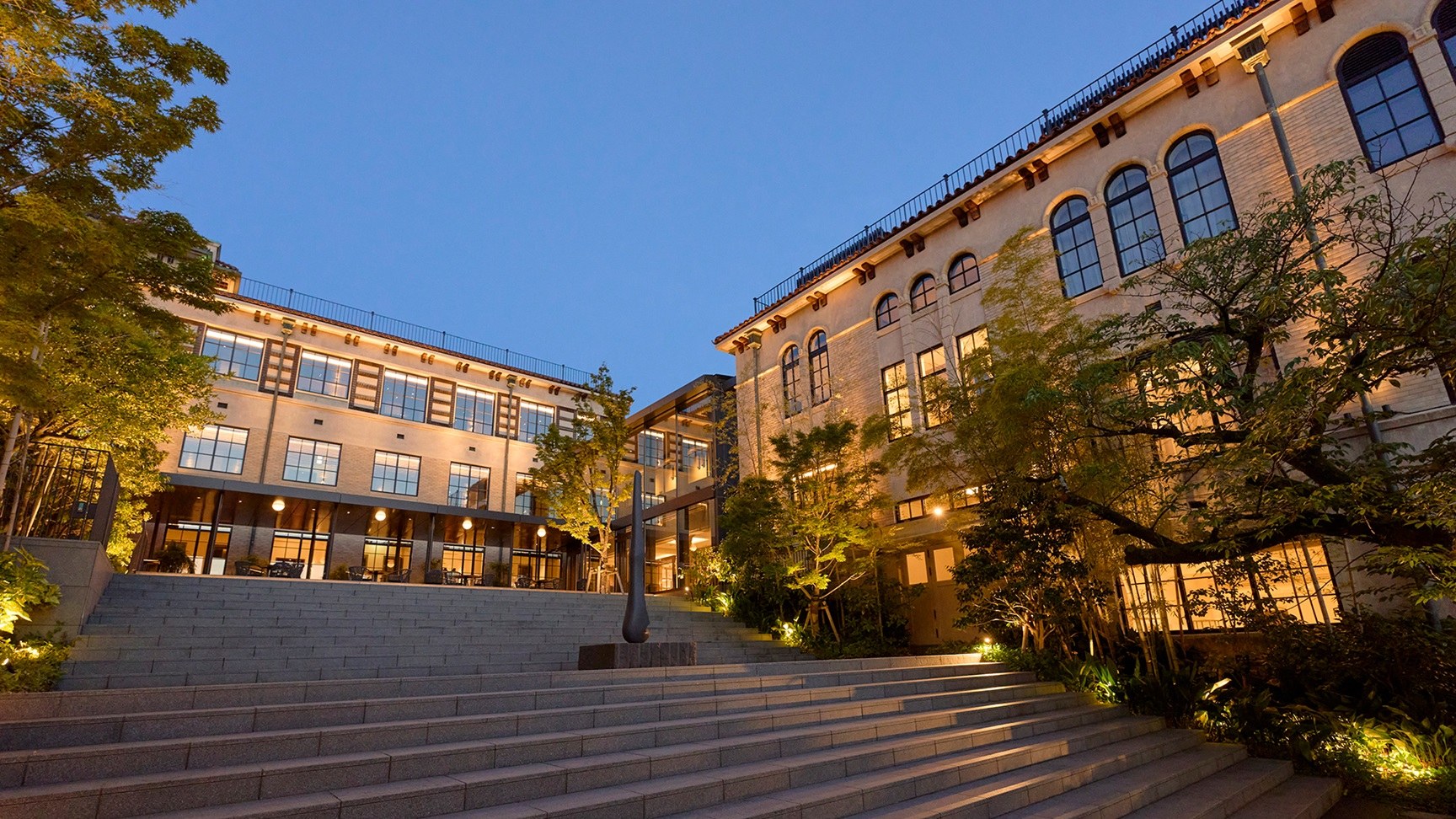
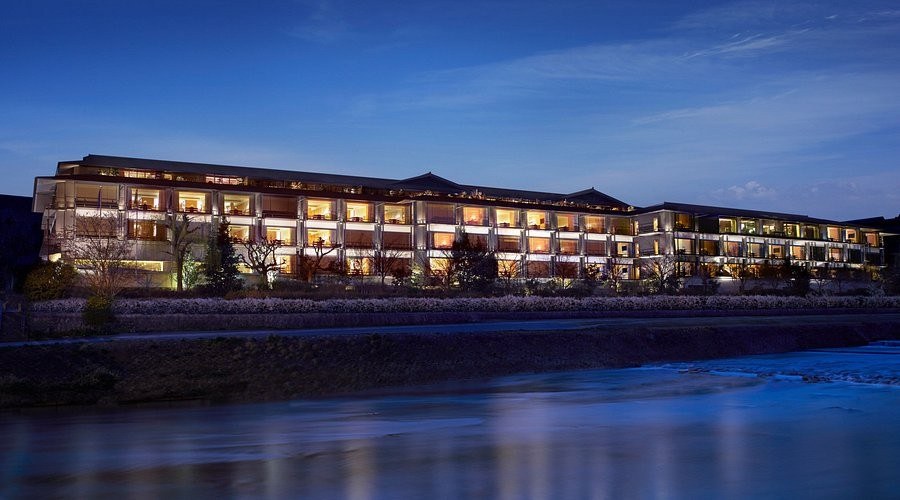
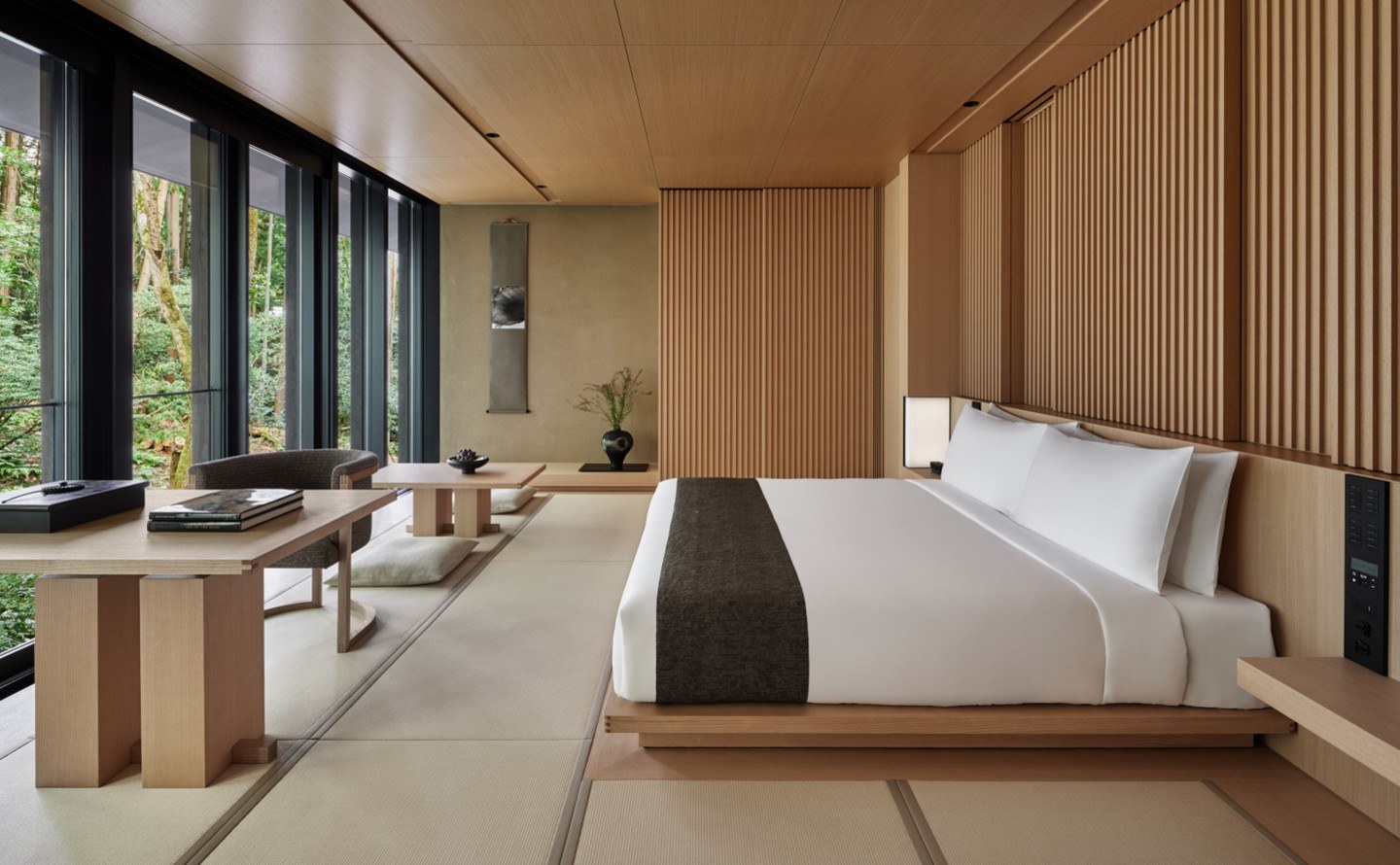
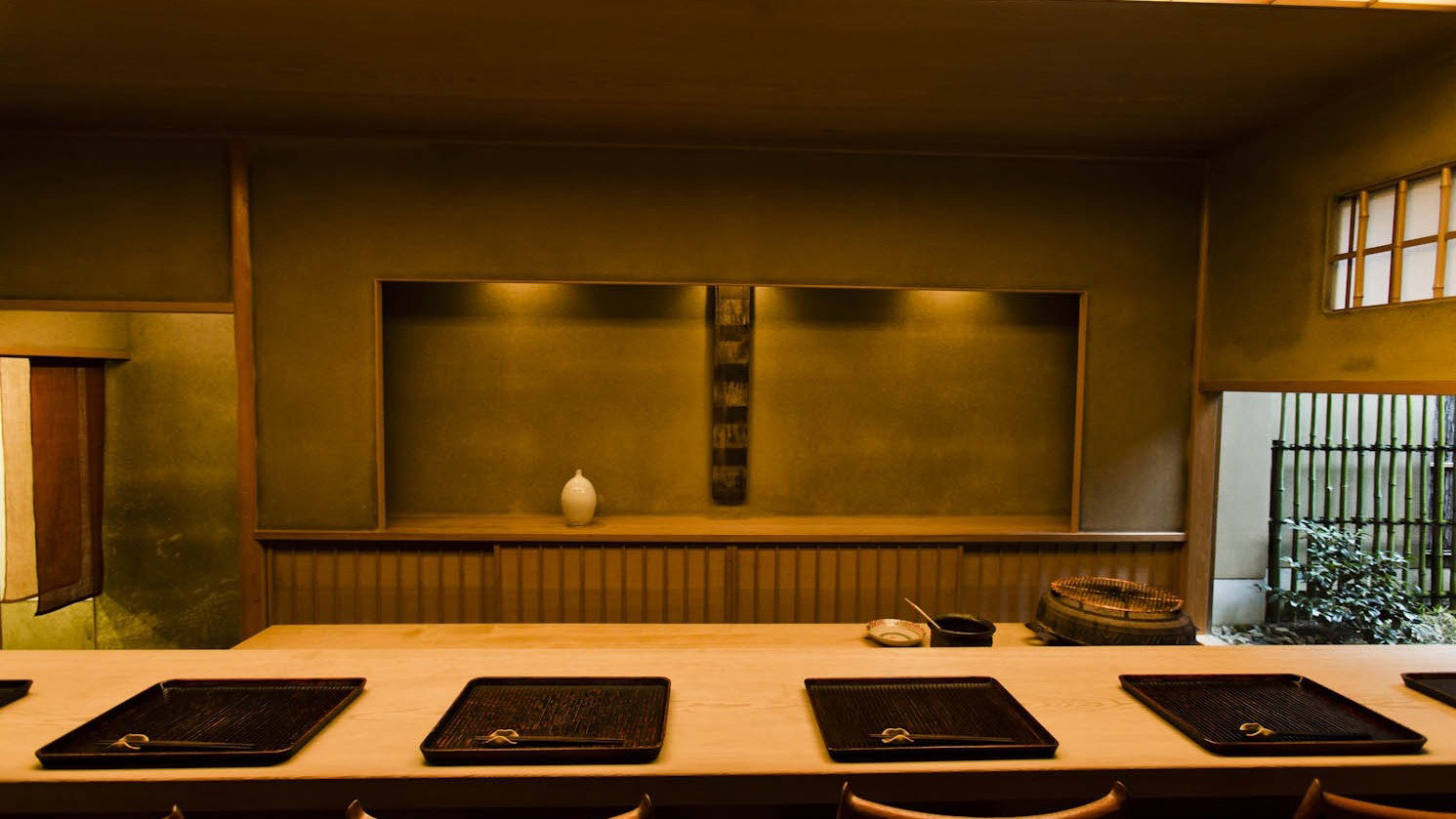
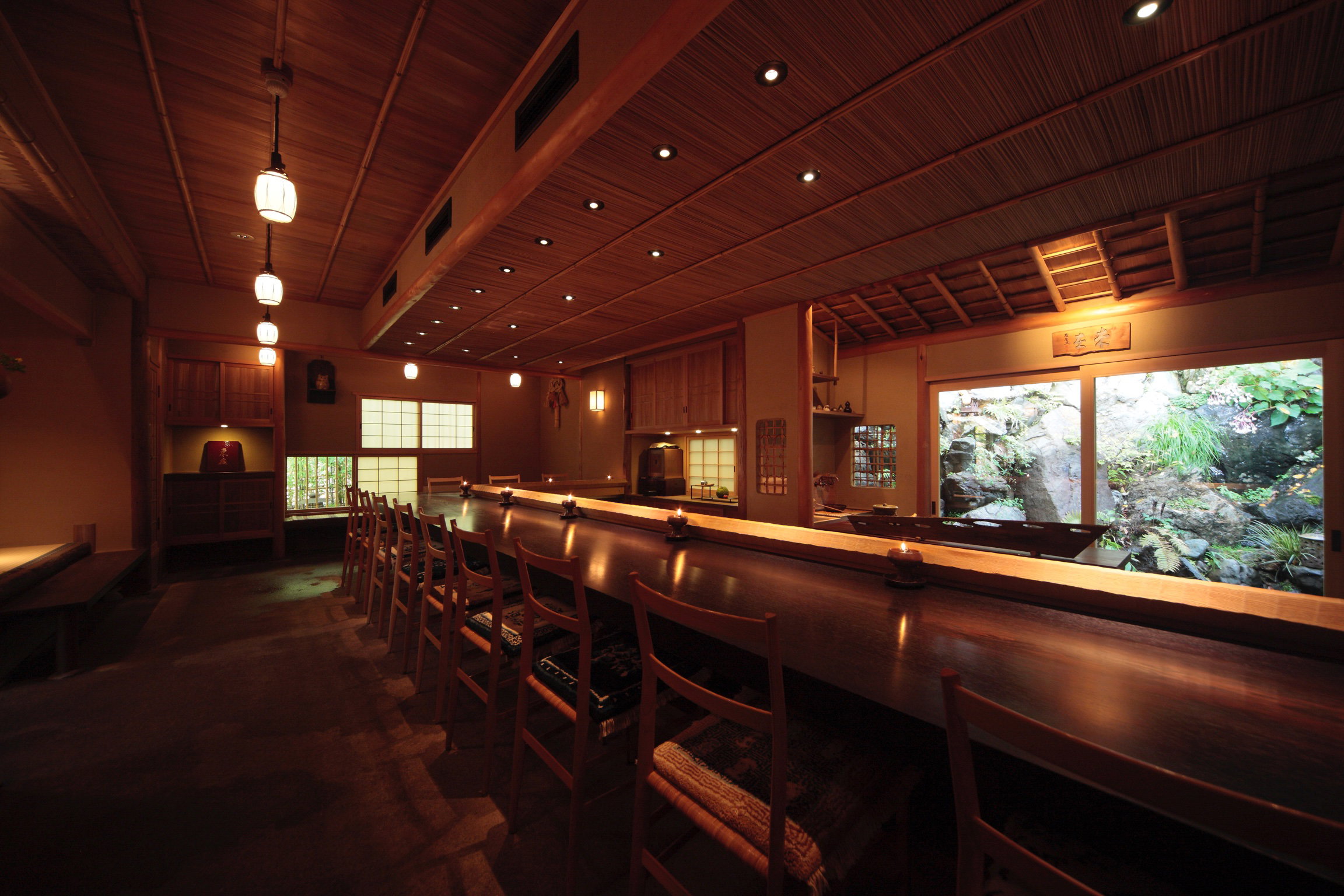
Calming atmosphere with refined lighting, traditional Japanese elements like woodwork and textiles, and serene temple and garden views evoking wabi-sabi harmony.
Tags
Vibe
Best For
Experience
Amenities
View
About the Stay
- Rooms
- 60
- Property Type
- Boutique hotel
- Property Style
- Small Luxury Hideaway Reminiscent of a Mountain Lodge in Higashiyama Culture
- Design Style
- Sukiya Style Architecture Blending Traditional Kyoto Crafts with Modern Minimalist Aesthetics
Know before you go
Know Before You Go
- Getting there
- 26-6 Okazaki Tennocho, Sakyo Ward, Kyoto, 606-8335, Japan
Planning details
Location
26-6 Okazaki Tennocho, Sakyo Ward, Kyoto, 606-8335, Japan · Directions
Recognition and awards
Also consider
If this is not the right fit
Pick The Westin Miyako Hotel Kyoto if the trip needs broader facilities and a more resort-like hotel setup. Pick Fufu Kyoto if the priority is a more retreat-driven Kyoto stay.
Hotel context
How it compares in Kyoto
Choose Hotel Okura Kyoto Okazaki Bettei over Fufu Kyoto if a more conventional hotel feel matters more than a ryokan-leaning mood. Fufu Kyoto is the stronger cross-shop for travelers seeking a more retreat-like atmosphere, while Okazaki Bettei is easier to recommend for guests who want calm with familiar hotel polish.
Yoshida Sanso and Higashiyama Shikikaboku make more sense for travelers chasing a smaller, more character-led Kyoto stay. Okazaki Bettei is the safer decision for someone who wants less friction and a less idiosyncratic format.
The Westin Miyako Hotel Kyoto is the better pick for travelers who want scale, broader facilities, and a more resort-like setup. The Hotel Higashiyama by Kyoto Tokyu Hotel, A Pan Pacific Hotel is a sensible alternative if value and simple city access matter more than a quieter, more composed stay.
Explore Kyoto
Around this place
Discover more on Pearl
Unlock the full Hotel Okura Kyoto Okazaki Bettei guide in Pearl, including awards, comparisons, FAQs, planning details, and nearby places.
Compare Hotel Okura Kyoto Okazaki Bettei
| Venue | Location | Awards |
|---|---|---|
| Hotel Okura Kyoto Okazaki Bettei | Kyoto | 2025 Michelin Selected Hotels |
| Fufu Kyoto | Kyoto | 2026 Michelin 1 Key2025 Michelin 1 Key2024 Michelin 1 Key |
| Yoshida Sanso | Kyoto | No published awards |
| The Westin Miyako Hotel Kyoto | Kyoto | No published awards |
| The Hotel Higashiyama by Kyoto Tokyu Hotel, A Pan Pacific Hotel | Kyoto | No published awards |
| Higashiyama Shikikaboku | Kyoto | No published awards |


How Hotel Okura Kyoto Okazaki Bettei Review, Kyoto compares with similar nearby venues.
FAQ
Frequently Asked Questions
Do loyalty programs work at Hotel Okura Kyoto Okazaki Bettei?
Confirm loyalty-program participation or specific loyalty benefits directly with the hotel before you book. The public recognition that can be stated is MICHELIN Guide, Hotels Selected (2025).
Which room category is best at Hotel Okura Kyoto Okazaki Bettei?
There is no single best room category. Choose based on your budget, party size, and the room details shown by the hotel at the time of booking, and confirm any specific preferences directly before reserving.