

Aristi Mountain Resort
Aristi, Zagori
Hotel in Zagori, Greece
 Book with Pearl
The Read
Stone-Village Mountain Retreat
Why go
For 2026 Zagori planning, Aristi Mountain Resort is the safer celebration pick when you want a polished mountain base rather than a simple village guesthouse. Michelin 2 Keys and Preferred Hotels membership give it a stronger quality signal than most local alternatives, but compare live rates carefully if you only need a one-night stop.
About Aristi Mountain Resort
Aristi Mountain Resort is a Zagori hotel with two clear signals: Michelin 2 Keys recognition in 2025 and Preferred Hotels membership in 2025. That makes it a strong candidate for travelers who want to prioritize a recognized stay in the region, while still checking current availability and terms before booking.
While specific details about room categories, dining, rates, facilities, and services are not comprehensively covered, the resort is in Zagori and has recognized hotel credentials. Treat any specific needs as questions to confirm directly before committing.
Book for the Zagori setting, not for a city-hotel checklist
This is best considered as a Zagori stay rather than an urban-hotel choice. If your trip depends on particular room features, dining arrangements, wellness facilities, accessibility needs, or family requirements, confirm those details directly with the property. Key reasons to keep it on the shortlist are its Zagori location, Michelin 2 Keys recognition, and Preferred Hotels membership.
Use Zagori as the decision filter
If the goal is a recognized hotel stay in Zagori, Aristi Mountain Resort belongs high on the list. If you are comparing different styles of hotels, consider it alongside other named options such as Grand Forest Metsovo, KAMARES Historic Boutique Hotel & Spa, Siora Vittoria Boutique Hotel, Stoes Boutique Hotel, and The Merchant's House, while keeping each property's location and current details separate.
Planning details
- Location
- Aristi 440 04, Greece
- Website
- aristi.eu
- Phone
- +30 2653 041330
The take
The Take
The Vibe
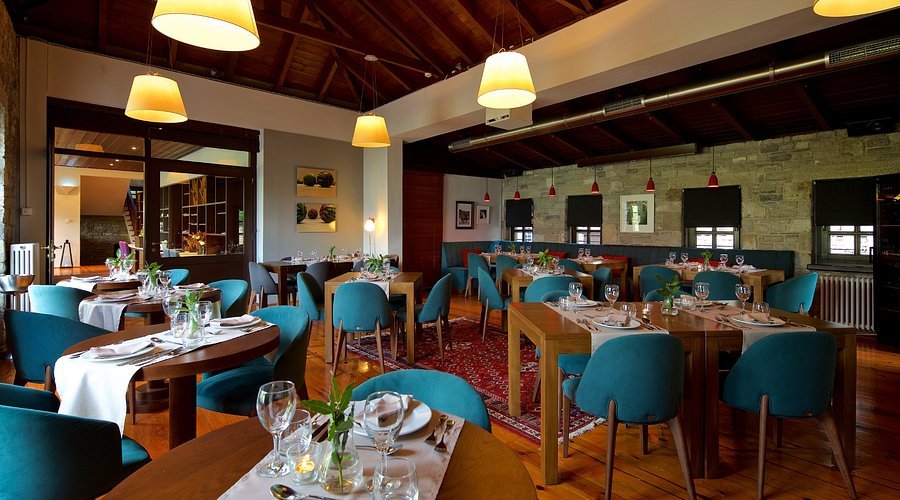
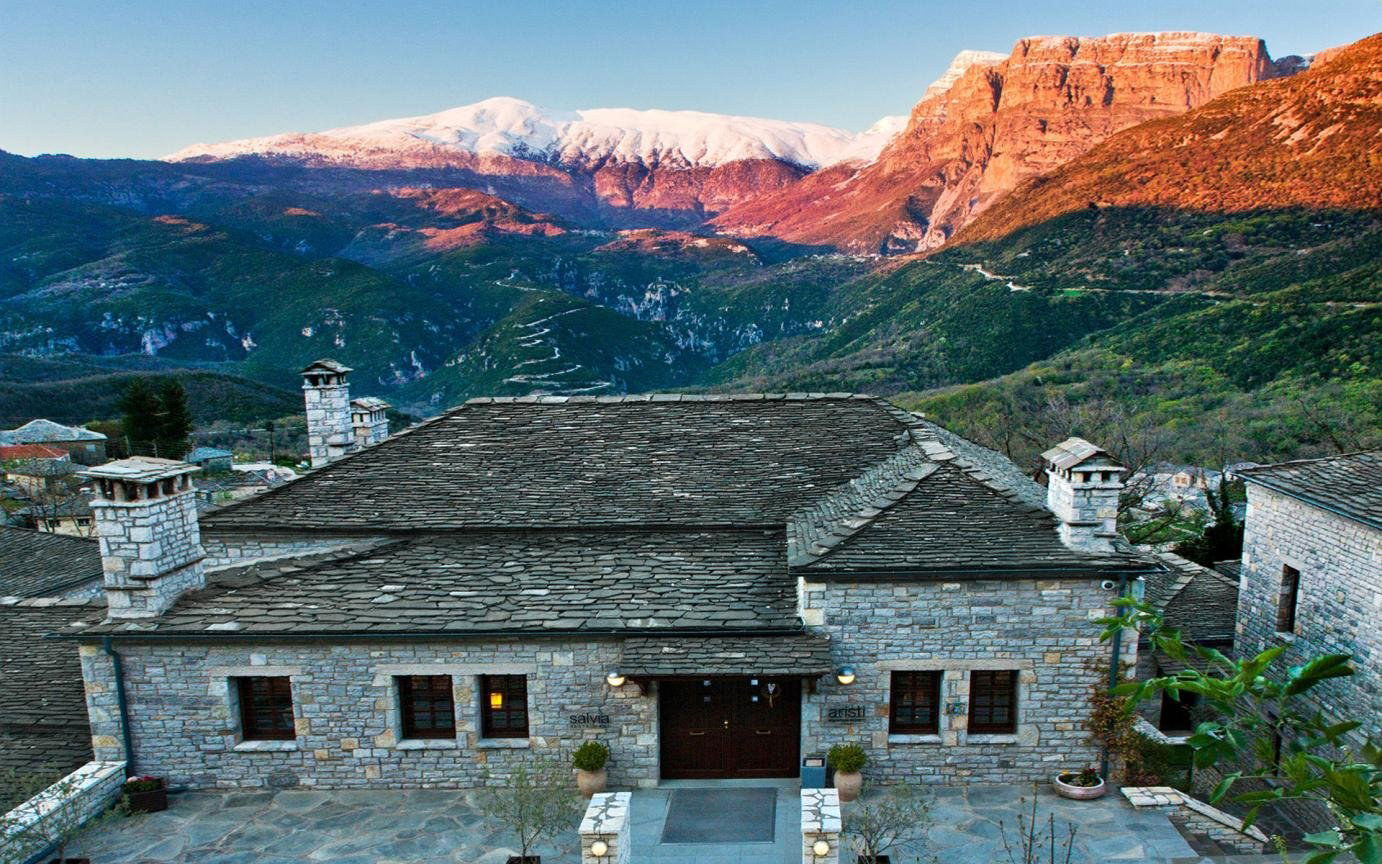
Aristi Mountain Resort reads like an extension of the Zagori villages that surround it: stone-built, reserved and quietly confident. The design deliberately defers to the valley and the ridgelines beyond, so views and the sense of altitude become the dominant gestures. With only 18 rooms, the property operates at an intimate scale, where communal spaces and architectural restraint shape the guest experience more than volume or spectacle. The overall mood is serene and contemplative rather than performative, suited to travelers who value craftsmanship, local continuity and the understated drama of mountainous terrain.
Best For
This is a stay for travelers who prefer mountain drama to coastal flash. The resort appeals to couples and honeymooners seeking an intimate, architecture-forward escape and to wellness-minded guests drawn to deliberate isolation and quiet. Its small size also suits families or close-knit groups who appreciate personalized service and communal spaces that matter. Located on the edge of Vikos-Aoös National Park, it naturally attracts visitors who want to base themselves in a traditional Zagori village and wake to expansive valley and ridgeline views rather than a bustling resort scene.
Stay Tips
Book early: at 18 rooms the resort is small and configurations are limited, so reservations can fill quickly, especially in peak seasons. When you book, request a room with the valley-facing exposure — the description emphasizes that outward views are the property’s principal asset. Expect a restrained, architecture-led experience rather than large-scale resort amenities; communal areas carry weight in the daily rhythm, so plan around shared spaces and a quieter pace of stay.
Venue details
Ambiance
Cozy and tranquil with warm fireplaces, soft lighting in stone-walled spaces, and a relaxing spa atmosphere overlooking dramatic mountain valleys.
Tags
Vibe
Best For
Experience
Amenities
View
Accessibility
About the Stay
- Rooms
- 18
- Check-in
- 14:00
- Check-out
- 12:00
- Property Style
- Traditional Stone Mountain Resort Blending Rustic Charm with Eco Luxury
- Design Style
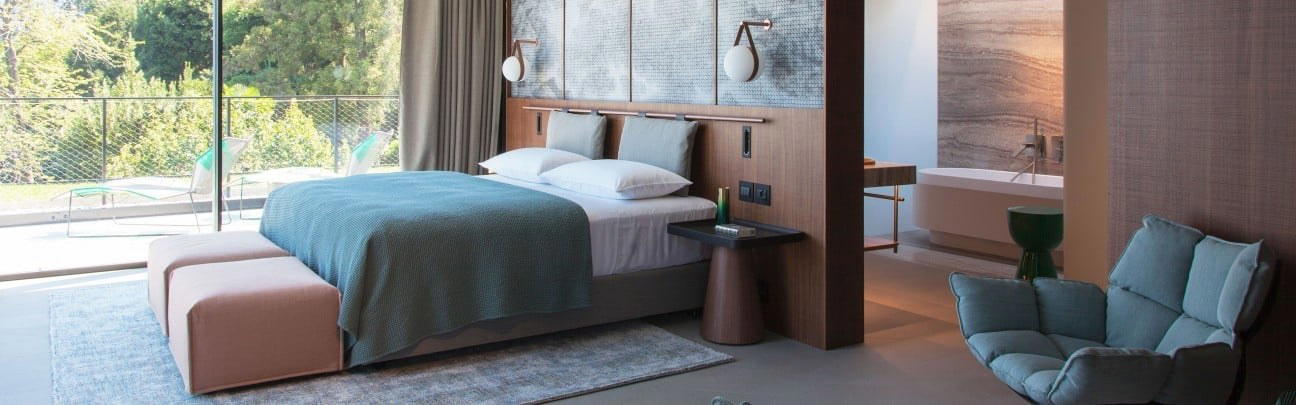
- Rustic Stone Architecture with Modern Bathrooms and Cozy Fireplaces
Know before you go
Know Before You Go
- Getting there
- Aristi 440 04, Greece
Planning details
Location
Recognition and awards
Also consider
Also Consider
- Stoes Boutique Hotel, Notable alternative
- KAMARES Historic Boutique Hotel & Spa, Notable alternative
- Grand Forest Metsovo, Notable alternative
- The Merchant's House, Notable alternative
- Siora Vittoria Boutique Hotel, Notable alternative
Hotel context
Choose Aristi Mountain Resort when the trip is occasion-led and you want the strongest recognition signal in this group. Its Michelin 2 Keys and Preferred Hotels membership make it easier to justify for a celebration stay than Stoes Boutique Hotel or The Merchant's House, which read more like boutique alternatives for travelers who prioritize character and a smaller-scale stay.
KAMARES Historic Boutique Hotel & Spa is the one to cross-shop if historic atmosphere matters more than resort polish. Grand Forest Metsovo is the stronger comparison for a larger mountain-hotel feel, especially if the itinerary extends beyond Zagori. For a different Greek boutique mood outside the region, Siora Vittoria Boutique Hotel makes more sense when town access and a softer city-break rhythm matter more than mountain immersion.
Value comes down to how much time you will spend on property. For one night, Stoes Boutique Hotel or The Merchant's House may be the more practical play. For a two-night or longer stay built around scenery, spa time, and a slower pace, Aristi Mountain Resort is the clearer splurge.
Explore Zagori
Around this place
Discover more on Pearl
Unlock the full Aristi Mountain Resort guide in Pearl, including awards, comparisons, FAQs, planning details, and nearby places.
Compare Aristi Mountain Resort
| Venue | Location | Awards |
|---|---|---|
| Aristi Mountain Resort | Zagori | Michelin 2 Keys 20252025 Michelin 2 KeysPreferred Hotels Member 2025 |
| Stoes Boutique Hotel | Ioannina | 2025 Michelin 1 Key |
| KAMARES Historic Boutique Hotel & Spa | Ioannina | 2025 Michelin 1 Key |
| Grand Forest Metsovo | Metsovo | 2026 Michelin Guide New HotelsLeading Hotels of the World 20262025 Michelin Selected Hotels |
| The Merchant's House | Perithia | 2026 La Liste Top Hotels |
| Siora Vittoria Boutique Hotel | Corfu | No published awards |




How Aristi Mountain Resort Zagori compares with similar nearby venues.
FAQ
Frequently Asked Questions
Is Aristi Mountain Resort family-friendly?
Which room category is best at Aristi Mountain Resort?
Do loyalty programs work at Aristi Mountain Resort?
Aristi Mountain Resort is a Preferred Hotels Member in 2025. If you use that network, check the current booking channel and terms to understand whether any benefits apply to your stay.
How is the dining at Aristi Mountain Resort?
Specific dining details are not provided. The resort has Michelin 2 Keys recognition in 2025 and Preferred Hotels membership in 2025. Confirm restaurant availability, meal service, and dietary needs directly before booking.
How is the location of Aristi Mountain Resort?
Aristi Mountain Resort is in Zagori. Consider it if you want a hotel stay in the region, and confirm transport plans and local logistics before traveling.
When is the best time to book Aristi Mountain Resort?
Specific seasonal booking patterns are not detailed. If your dates are important, check availability early and confirm the current cancellation and rate terms before reserving.
How is the pool and spa at Aristi Mountain Resort?
Pool and spa details are not provided. If those facilities are important to your stay, confirm current availability, access, and operating details directly with Aristi Mountain Resort.