Sukiyabashi Jiro reservations: should you try?
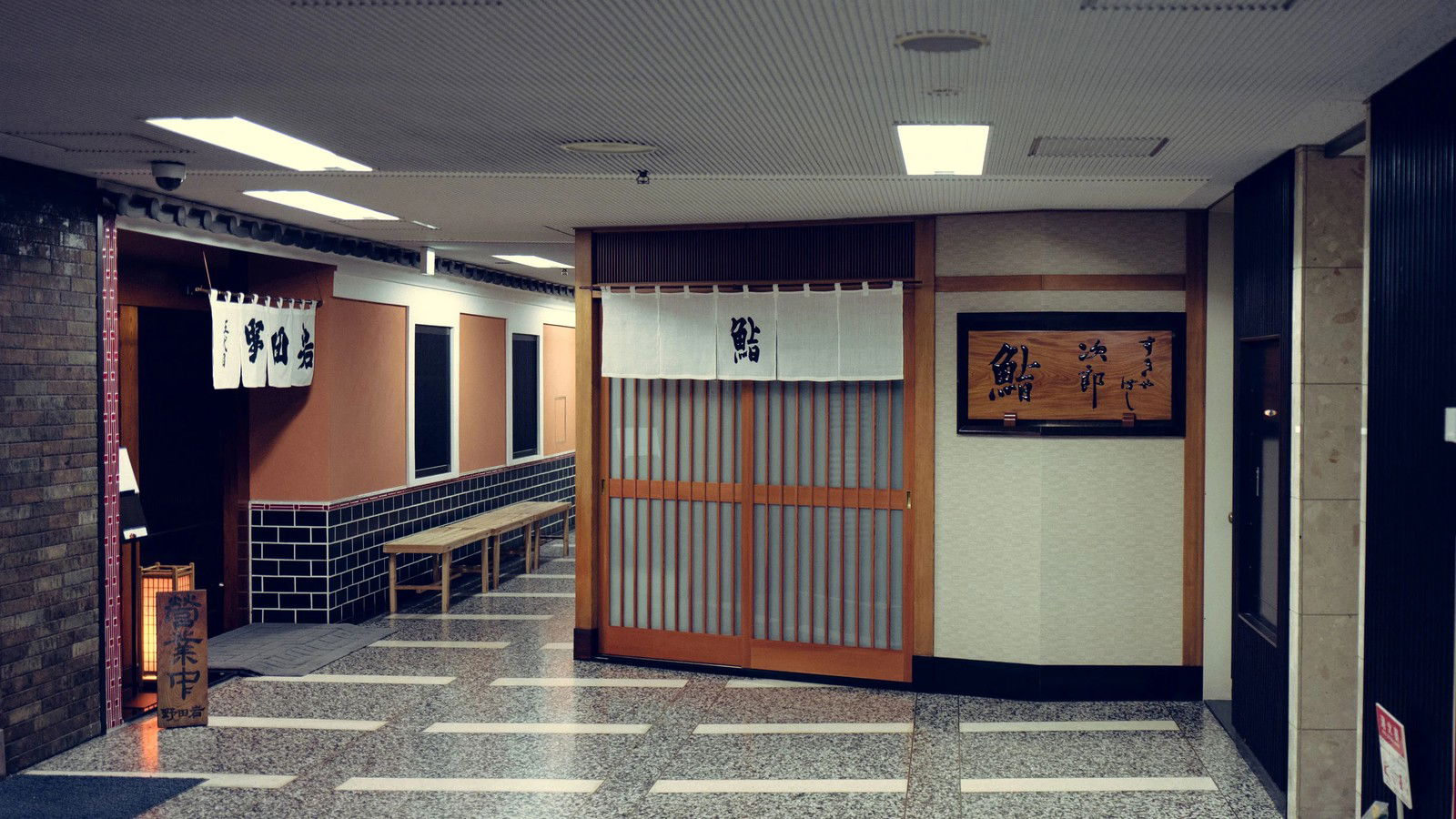
Sukiyabashi Jiro Honten in Ginza is worth chasing only if you already have the right introduction. There is no public reservation system, no website booking form, and no walk-in option. If you want to sit at Sukiyabashi Jiro, the Ginza counter that held three Michelin stars for over a decade and became the most discussed sushi restaurant on the planet after the 2011 documentary Jiro Dreams of Sushi, you need the concierge of the hotel where you are staying, the restaurant's published route for overseas guests. For most foreign visitors, the direct answer is: you probably cannot get in on your own, and the routes that do work require either the right hotel or a smarter backup plan.
Why Sukiyabashi Jiro Honten is effectively closed to the public
The Honten, or main counter, in Ginza operates on a referral-only basis with no formal public intake. The restaurant does not publish a reservation email, does not list on Resy, Tock, or OpenTable, and does not maintain a public waitlist. Capacity is the core constraint: the counter seats a small number of guests per seating, with lunch and dinner service, across a restaurant that draws global demand from food travelers, journalists, and collectors who plan entire Tokyo trips around a single meal.
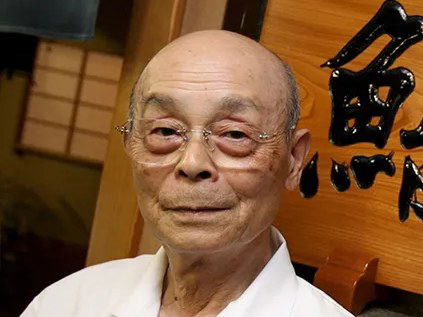
The referral system exists partly by design and partly by necessity. Jiro Ono, now 100, built the counter around repeat guests and trusted intermediaries. The restaurant's preference for known contacts over cold inquiries is not a marketing posture, it is how the room has functioned for decades. Overseas guests must use their hotel concierge rather than call directly; callers are typically told the restaurant is fully booked, often months out, with no mechanism to join a list.
The Michelin recognition amplified demand without changing the access model. The restaurant held three stars for over a decade before Michelin removed it from the 2020 Tokyo guide, citing that bookings were no longer open to the general public. Global awareness of the counter grew while the number of seats stayed fixed and the access model stayed closed.
Tokyo sushi reservations: the routes that can work
For overseas visitors, there is one official booking route and two fallback strategies. None is guaranteed. All require lead time.
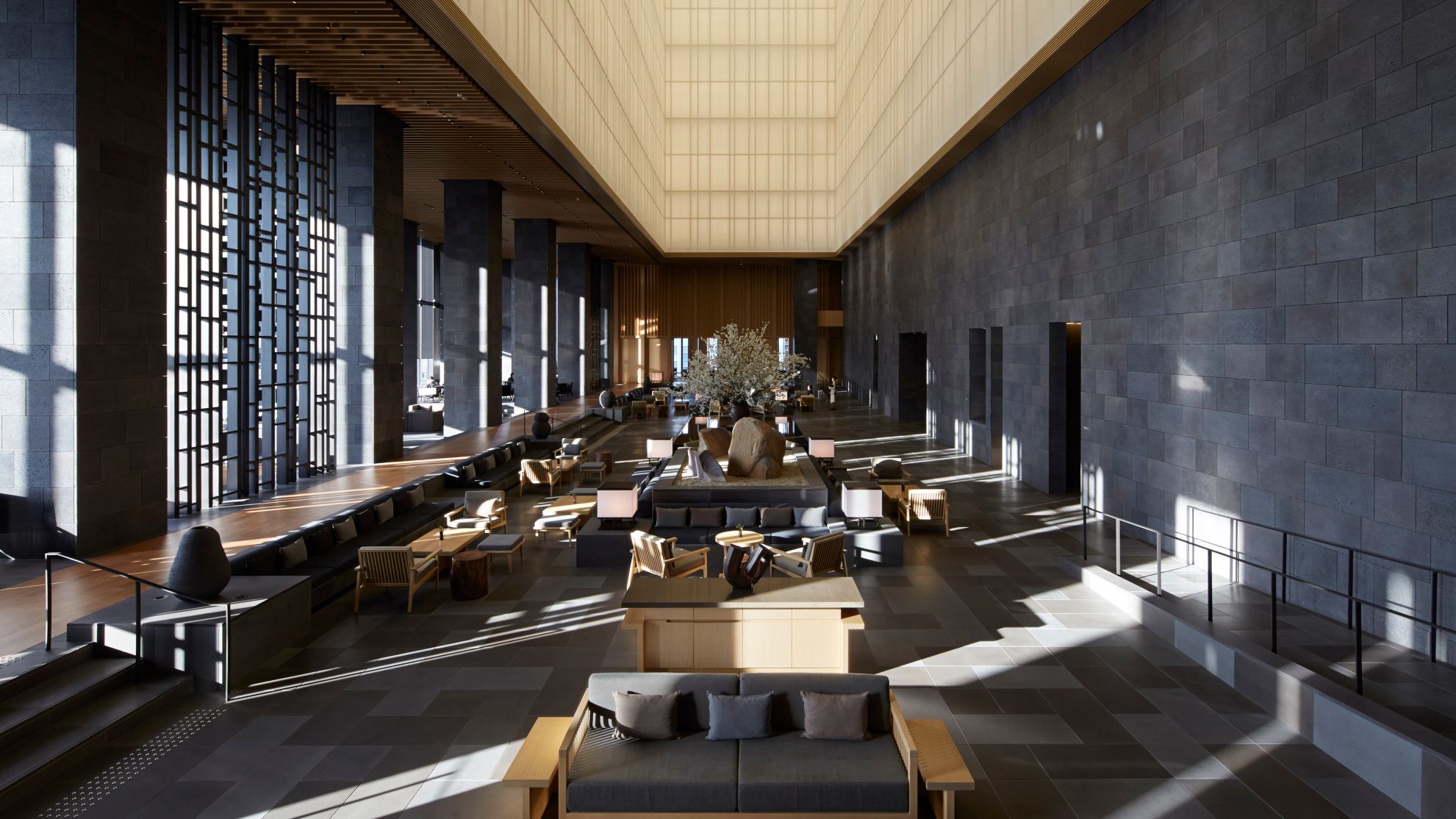
Hotel concierge with a direct relationship. This is the most reliable route for visitors without Japanese contacts. A small number of Tokyo's top hotels, the Aman Tokyo, The Peninsula Tokyo, and Mandarin Oriental Tokyo are most frequently cited by travelers who have succeeded, maintain concierge teams with personal relationships at Jiro Honten. The key word is "personal": the concierge must know someone at the restaurant, not simply know the phone number. Contact the concierge desk before arrival and ask directly whether they have an active relationship with Jiro. If they hedge, assume the answer is no. The concierge route works because the restaurant trusts the intermediary, not because the hotel holds a reserved allocation.
A Japanese contact for trip-planning help. A Japanese colleague, business partner, or friend can help with alternatives and local logistics, but cannot make your Honten booking. The current rule requires overseas guests to book through their own hotel concierge. Use a local contact for planning help, not as a booking proxy.
Specialist dining concierge services. A number of Tokyo-based dining fixers and luxury travel agencies position themselves as having Jiro access. Honten's current rules prohibit proxy bookings. Treat any guarantee with skepticism and ask for specifics: when did they last place a client, and at which counter, Honten or the Roppongi branch run by Jiro's second son, Takashi Ono. Takashi's counter, Jiro Roppongi in Roppongi Hills, operates with somewhat more accessible booking mechanics, though still not through public platforms. The experience at the Roppongi location is technically distinct from the Honten, and the restaurant community treats them as separate venues.
The restaurant does not publish a booking surface online. There is no Resy page, no Tock link, no email intake to share here, because none exists publicly. Confirm any claimed booking route directly with the venue or your intermediary before building a trip around it.
Best timing for a Jiro Honten inquiry
There is no reservation release schedule, so there is no drop time to target. The practical question is when your intermediary has the least friction.
Golden Week, from late April through early May, and the New Year period, from late December through early January, are the hardest windows. Tokyo's luxury hotel occupancy peaks, concierge desks are fielding maximum demand, and the restaurant's own schedule may be reduced. If your trip falls in these windows, redirect your Jiro energy toward alternatives and treat any Jiro access as a bonus rather than a plan.
September through November and February through March are generally the periods when concierge contacts report the most success. Business travel to Tokyo is steady but not at peak, and the restaurant's rhythm is more predictable. If you have flexibility in your travel dates, these windows improve your odds modestly, not dramatically, but enough to matter when the margin is already thin.
Cost and time at the Honten counter
The tasting menu price at Jiro Honten is reported at from ¥88,000 per person, tax included, according to the restaurant's official menu; the amount varies with the day's purchases. Confirm the current figure with your intermediary before the visit. The meal itself is famously compressed: the omakase at Jiro runs at pace, with nigiri served by Jiro or his son Yoshikazu, and the expectation is that you eat each piece immediately as it is placed in front of you. The restaurant does not publish a fixed duration; most guest accounts describe a short seating rather than a multi-hour progression.
The faster route is a specialist concierge service that charges a placement fee on top of the meal cost. Fees vary and are not standardized; some operators charge flat fees, others bundle the service into a broader itinerary package. You are paying for the relationship, not a guaranteed seat. If the restaurant is unavailable, a reputable operator will tell you rather than fabricate a booking.
The patient route is building the relationship yourself: visiting Tokyo repeatedly, staying at the same hotel, developing a concierge contact over multiple trips. This is how many of the restaurant's regular foreign guests arrived at their first booking. It takes years, not weeks.
Who sits at Sukiyabashi Jiro Honten
Expect a quiet counter, not a tourist room. Based on accounts from guests who have dined at the Honten, the room skews heavily toward Japanese regulars and business guests, with a smaller proportion of foreign visitors who arrived via hotel concierge or specialist fixer. The referral system filters for guests the restaurant has some prior knowledge of, which means the room tends toward repeat visitors, corporate entertainment guests, and food professionals rather than first-time Tokyo travelers. Conversation between strangers is not the format here.
What the meal at the Ginza counter is actually like
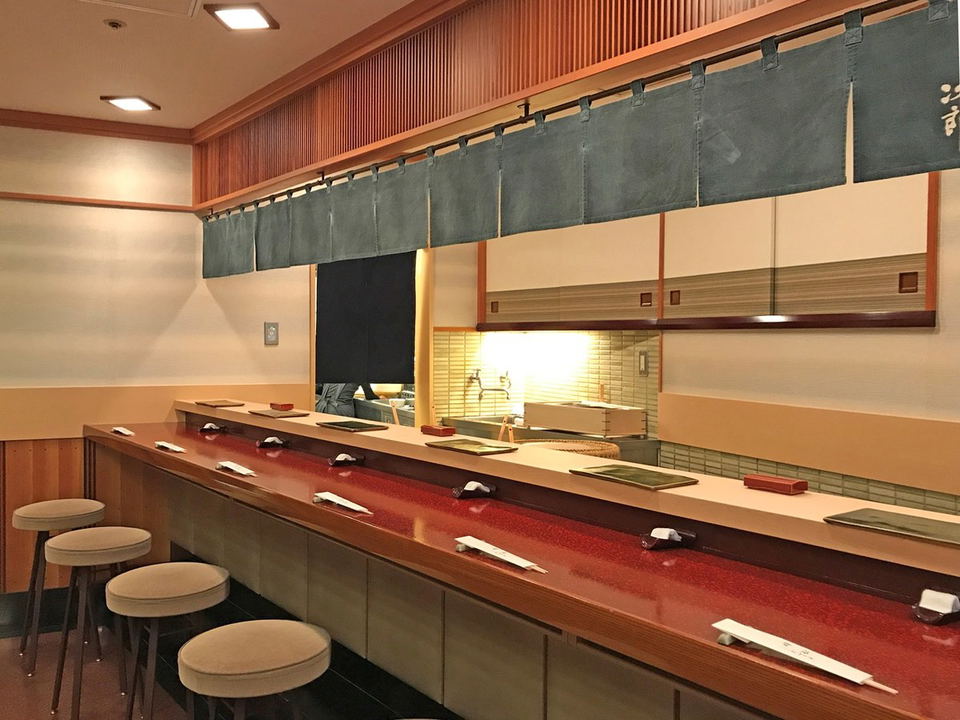
The Honten counter is located in the basement of the Tsukamoto Sogyo Building in Ginza. The design is spare: a hinoki wood counter, no tablecloths, no decorative distraction. The format is nigiri omakase with no printed menu and no a la carte option. Yoshikazu Ono, Jiro's eldest son, now leads the majority of service at the Honten; Jiro's presence at the counter has become less frequent as he has aged.
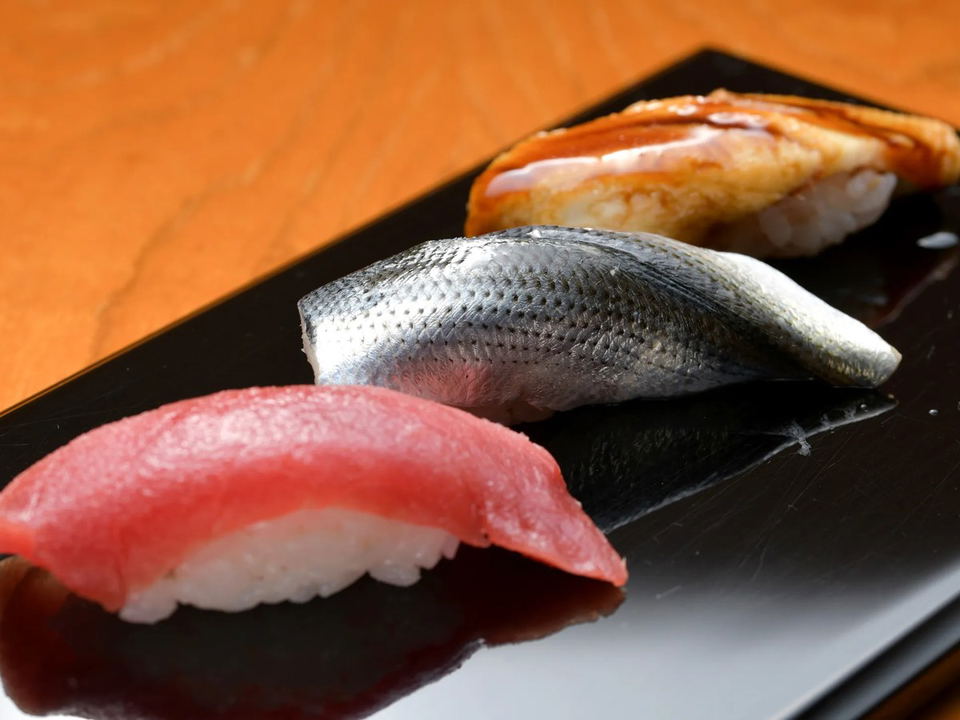
The meal proceeds at the chef's pace. Nigiri arrives piece by piece, pre-seasoned with soy or salt, guests do not dip. The sequence runs through tuna in multiple cuts, shellfish, egg, and seasonal fish. The rice temperature is calibrated to body temperature, which is the detail most guests mention first when describing the meal. There is no pause between courses in the Western sense; the pacing is continuous and deliberate.
The restaurant does not publish a fixed seating duration; guest accounts consistently describe a short, compressed experience rather than a leisurely multi-hour progression. Sake and beer are available; the beverage list is not the focus. The meal ends when the chef signals it has ended. There is no dessert course.
The value proposition is technical mastery compressed into a short window. If you want a long, relaxed omakase, book elsewhere. If you want the Jiro format specifically, the speed is part of the point.
How to improve your odds without wasting the trip
The single most actionable step is contacting your hotel concierge before you book the hotel, not after. Ask the concierge desk directly whether they have an active relationship with Jiro Honten in Ginza and have placed guests there in the past twelve months. A yes with specifics is worth acting on. A yes without specifics is not. If the hotel cannot confirm a recent placement, assume the route is closed and plan accordingly.
Book your Tokyo hotel as early as possible and make the Jiro inquiry part of your first communication with the concierge. Hotels that field this request frequently, the Aman Tokyo and The Peninsula are the most cited, have staff who know immediately whether they can help. Hotels that field it rarely will give you a polite non-answer.
If the Honten is unavailable, ask specifically about Jiro Roppongi, the Roppongi Hills location run by Jiro's second son, Takashi Ono. The booking mechanics there are reported to be somewhat more accessible, though still not through public platforms. It is a different counter with a different chef, but the lineage is direct and the technical standard is high.
Do not build your Tokyo itinerary around Jiro as the anchor. Treat it as a potential addition. The restaurants listed below are all bookable through conventional channels and deliver comparable or superior experiences for most visitors.
Tokyo omakase counters: access and cost compared
| Counter | Booking Method | Difficulty | Approx. Cost per Person | Duration |
|---|---|---|---|---|
| Sukiyabashi Jiro Honten (Ginza) | Introduction only (hotel concierge / Japanese contact) | Very high, no public intake | From ¥88,000, tax included (official menu; varies by the day's purchases) | Not published; guest accounts describe a short, compressed seating |
| Jiro Roppongi (Roppongi Hills) | Introduction / specialist concierge | High, no public platform, but more accessible than Honten | N/A, confirm with venue | N/A |
| Saito (Minami-Aoyama) | Introduction only, considered harder than Jiro by many insiders | Extremely high | N/A | N/A |
| Sushi Yoshitake (Ginza) | Direct reservation (phone/concierge); Michelin status has changed, no longer a current three-star | High but bookable with lead time | N/A, confirm with venue | ~2 hours (by most accounts) |
| Sushi Saito (Roppongi) | Introduction only, widely considered the hardest counter in Tokyo | Near-impossible for first-time visitors | N/A | N/A |
Bookable alternatives to Sukiyabashi Jiro
Sushi Yoshitake (Ginza). Its Michelin status has changed, so do not treat it as a current three-star alternative; verify current booking channels and guide listing before pursuing it. By most accounts the meal runs closer to two hours, which suits most visitors better than a compressed seating. This is the first alternative to pursue if Jiro is unavailable.
Harutaka (Ginza). Three Michelin stars, and a reputation among Tokyo food insiders for technical precision that rivals the introduction-only rooms. Bookable through concierge with advance notice. The pace is more relaxed than Jiro Honten, which many guests prefer.
Sushi Sho (Yotsuya). A counter that operates on a similar introduction-preferred model to Jiro but has a slightly more accessible path for guests arriving via established Tokyo food contacts. The omakase here is longer and more varied than Jiro's compressed format. Worth pursuing if you have a Japanese contact who can make the inquiry.
Sushi Saito (Roppongi). Listed here for completeness: widely considered the hardest counter in Tokyo to access, harder than Jiro by most accounts. If Jiro is your target and you cannot get in, Saito is not the fallback, it is a harder problem. Mention it to your concierge only if they specifically ask about your range of interest.
Who should chase Jiro, and who should skip it
Chase Jiro if you are staying at a top Tokyo hotel with a confirmed concierge relationship, you have a Japanese contact who can make the call, or you are working with a specialist fixer who can cite a recent placement. The historical significance of the counter and the precision of the format make the effort worthwhile for guests who understand exactly what they are getting: a short, focused meal with no margin for distraction.
Skip the chase if you are visiting Tokyo for the first time without established contacts, your hotel cannot confirm a recent placement, or you are expecting a long, leisurely omakase progression. The meal is short by design. If you want a two-hour counter experience with comparable technical ambition, Sushi Yoshitake delivers that through a more accessible booking path.
The counter is not well-suited to groups larger than two or three. The room is small, the atmosphere is quiet, and the format does not accommodate the social dynamics of a larger party. Solo diners and couples are the natural fit.
The verdict on Sukiyabashi Jiro reservations
Sukiyabashi Jiro Honten is not a restaurant you book, it is a restaurant you are introduced to. The small counter, the compressed format, and the referral-only access model are all features of the same design: a room built for guests the restaurant already knows, not for the global demand the documentary created. For most foreign visitors, the Honten is effectively closed unless you arrive with the right hotel concierge or the right Japanese contact.
If you have either of those, pursue it. The meal is technically precise in a way that justifies the effort and the cost, and the counter itself is as spare and focused as the food. If you do not have either, redirect your energy to Sushi Yoshitake or Harutaka, Harutaka now holds three Michelin stars, and both are Ginza counters that are bookable with lead time and deliver a longer, more accessible version of the same format.
The introduction-only model is not going to change. Michelin omitted the restaurant from its 2020 guide because it no longer accepted general reservations. That tells you everything about how the room is run and who it is run for. For the patient visitor with the right connections, it remains one of the most focused seatings in Tokyo dining; for everyone else, the alternatives are not a consolation, they are the smarter plan.
Frequently asked questions
Can you walk into Sukiyabashi Jiro Honten without a reservation?
No. The Honten counter operates on a referral-only basis with no walk-in option. The counter seats a small number of guests per seating, and the restaurant does not accept cold inquiries from unknown guests. Arriving without an introduction will result in being turned away.
Which Tokyo hotels have the best track record for booking Jiro Honten?
The Aman Tokyo, The Peninsula Tokyo, and the Mandarin Oriental Tokyo are most frequently cited by travelers who have successfully booked through a hotel concierge. The key is confirming that the concierge has a personal, active relationship with the restaurant, not just the phone number. Ask directly whether they have placed guests there in the past twelve months before assuming the route is open.
How far in advance should I contact the concierge about a Jiro Honten reservation?
Contact the concierge as early as possible, ideally before you finalize your hotel booking, so you can factor their Jiro access into your hotel choice. The restaurant does not publish a reservation release schedule, so there is no specific drop time to target. Confirm the current process directly with your concierge or intermediary.
Is Jiro Roppongi easier to book than the Ginza Honten?
By most accounts, yes, the Roppongi Hills location run by Jiro's second son, Takashi Ono, is reported to be somewhat more accessible than the Honten, though it still does not operate through public booking platforms. It is a different counter with a different chef, and the dining community treats it as a distinct experience. Ask your hotel concierge about both locations when making your inquiry.
Did Sukiyabashi Jiro Honten leave the Michelin Guide, and does that affect access?
The Honten was removed from the Michelin Guide Tokyo 2020 edition because Michelin determined it was no longer accessible to the general public. The restaurant did not publish a response contesting the removal. The omission did not change the access model, the counter was already introduction-only, but it removed the restaurant from the annual Michelin Tokyo listings. The three-star reputation remains part of the restaurant's public identity regardless of its current guide status.