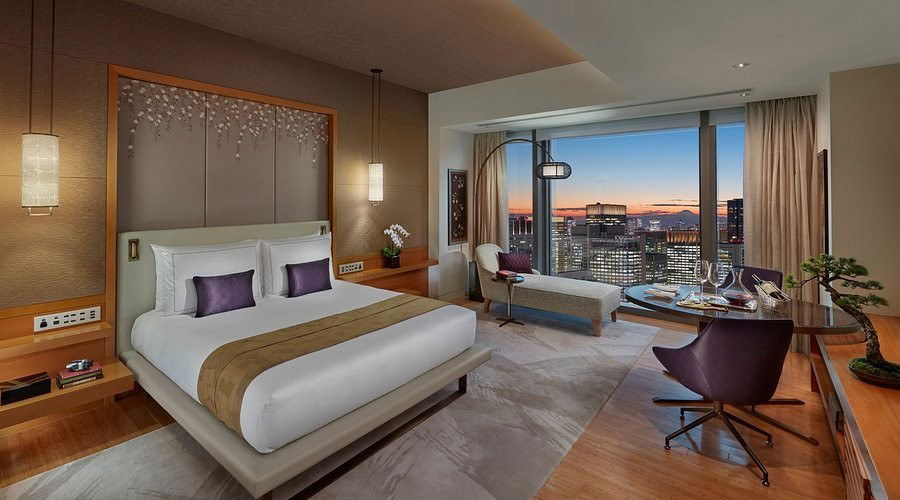






Mandarin Oriental Tokyo
Chūō, Tokyo
Hotel in Tokyo, Japan
 Book with Pearl
The Read
Sky-Level Urban Precision
Why go
Mandarin Oriental Tokyo is the polished business-travel choice in Nihonbashi: expensive, highly credentialed, and built for travelers who need reliability more than boutique edge. Cross-shop Aman Tokyo for a quieter luxury statement, K5 for design value, and Hoshinoya Tokyo for a more ryokan-influenced city stay.
About Mandarin Oriental Tokyo
Mandarin Oriental Tokyo is a premium hotel option in Tokyo with several recognitions: Michelin 1 Key in 2024, Forbes 5-Star in 2026, Pearl Recommended Hotel in 2025, La Liste Top Hotels in 2026 with 94.5 points, and Virtuoso Luxury Hotel Partner in 2026. Its business casual dress code makes the hotel easy to understand for travelers planning a polished stay.
Mandarin Oriental Tokyo stands out through its awards and affiliations, which support its positioning as a high-end Tokyo stay. Details such as room categories, meal formats, and exact on-property amenities should be checked directly before booking.
Why it works for business travelers in Tokyo
For a work-focused Tokyo trip, Mandarin Oriental Tokyo's business-casual dress code and hotel recognition make it a direct luxury choice to consider. Compared with Aman Tokyo, it sits in the same broad premium-hotel conversation; compared with K5, it may appeal to travelers looking for a recognized luxury hotel. The right choice depends on the traveler's schedule, budget, and preferred hotel style.
Rooms should be chosen based on the traveler's actual needs rather than assumptions about category value. If in-room work time, recovery time, or hosting needs matter, confirm the room details directly with the hotel before booking. If the trip is more personal or design-led, it can also be worth comparing K5 or BnA_WALL before committing.
What to confirm before a stay
Mandarin Oriental Tokyo does not list specific dining venues, menus, meal periods, or reservation policies here. Guests who plan to rely on the hotel for meals should confirm current dining options directly with the hotel before arrival, especially if the trip involves client entertaining, dietary needs, or a tight schedule.
The strongest grounded case for Mandarin Oriental Tokyo is its confirmed recognition as a luxury hotel in Tokyo. For a traveler comparing styles, Hoshinoya Tokyo may be another premium Tokyo option to consider, while K5 offers a different hotel profile. For travelers who want a recognized luxury hotel with business-casual expectations, Mandarin Oriental Tokyo remains a clear candidate.
Part of
Mandarin Oriental116 locations on PearlPlanning details
- Location
- 2-chōme-1-1 Nihonbashimuromachi, Chuo City, Tokyo 103-8328
- Website
- mandarinoriental.com/en/tokyo/nihonbashi?src=loc.dir.motyo.yxt
- Phone
- +81 3-3270-8800
The take
The Take
The Vibe
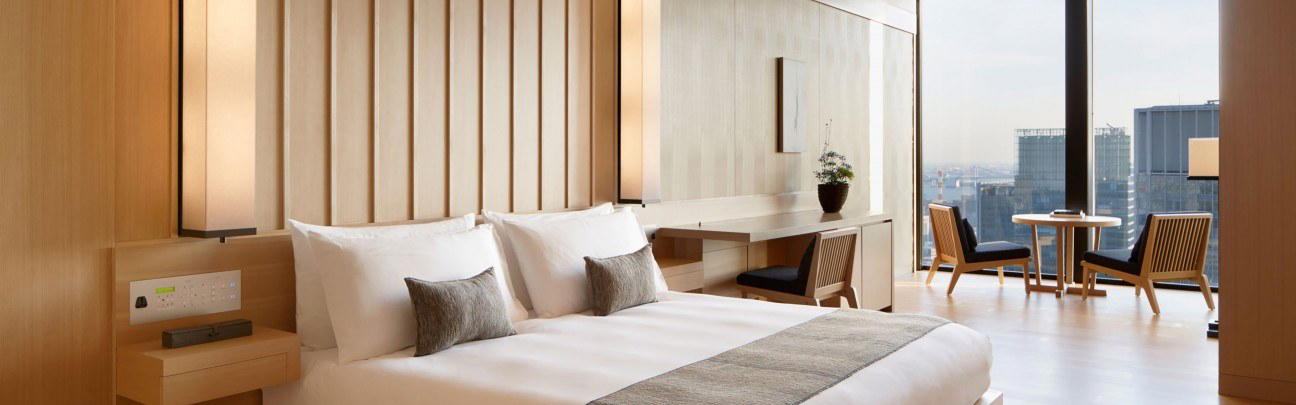
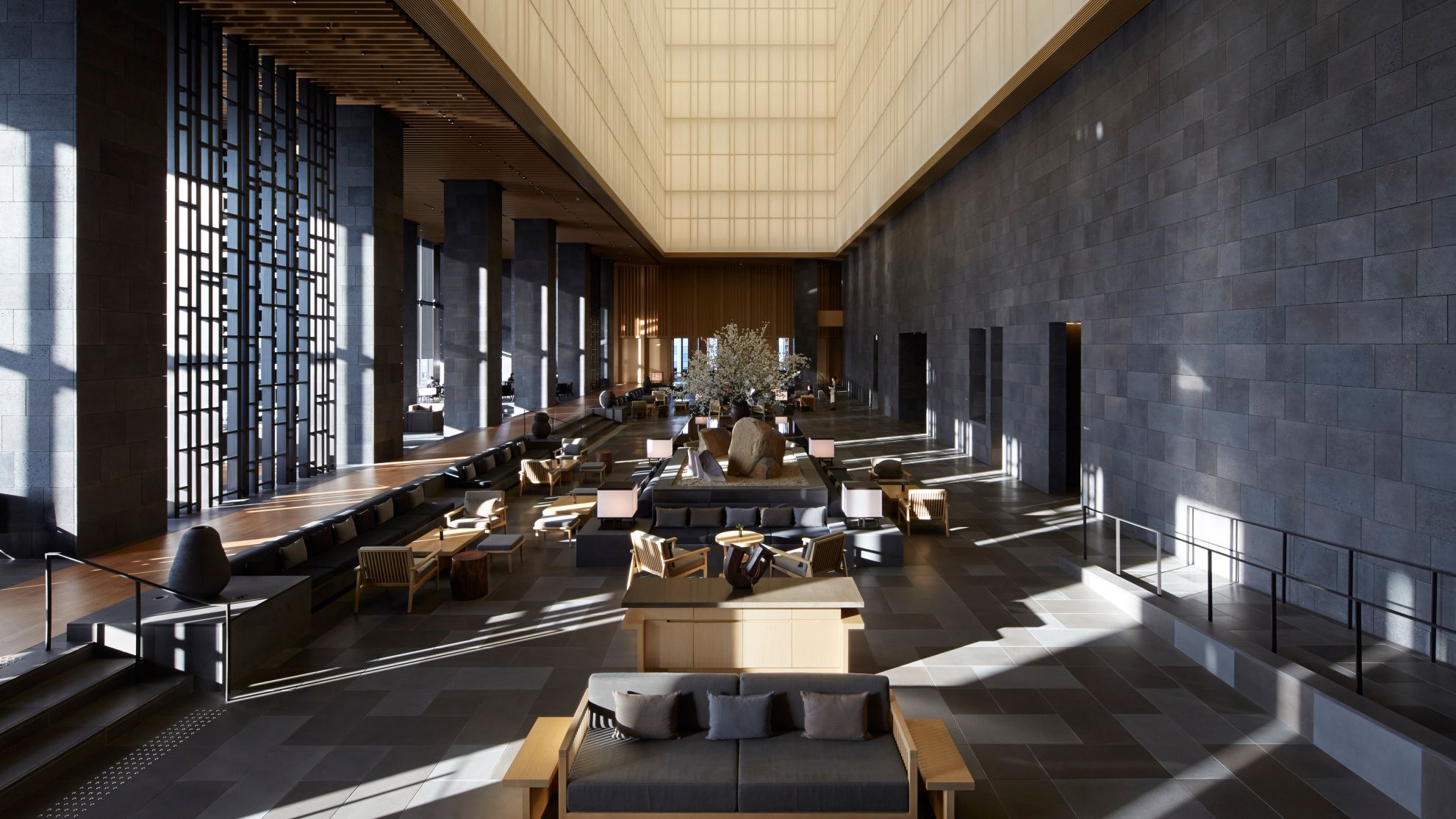
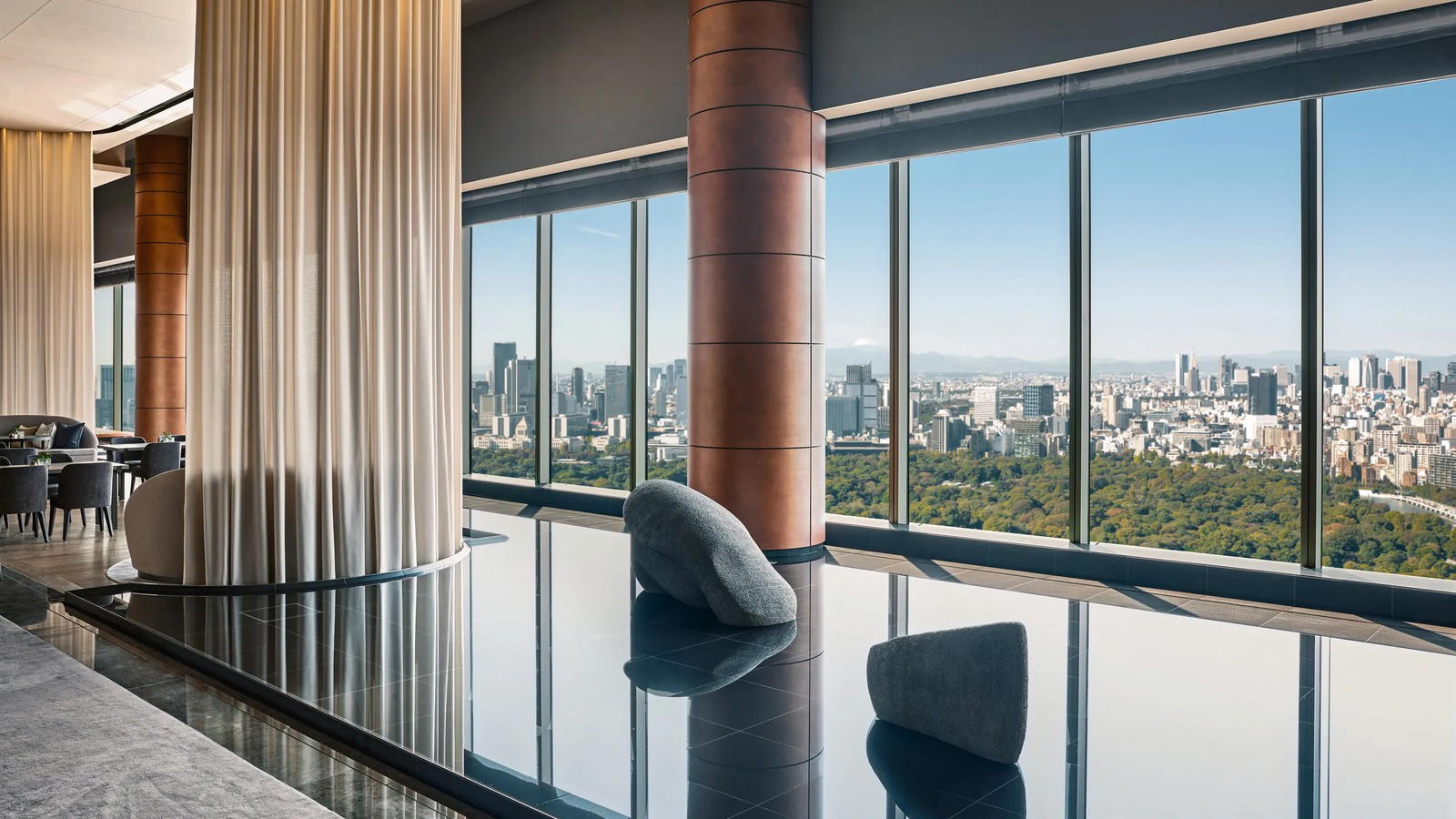
Mandarin Oriental Tokyo reads as a high-altitude study in restraint. The arrival sequence — a private elevator that bypasses the street and deposits guests into a two-story, glass-ringed sky lobby — immediately frames the hotel as composed and deliberate. The design language foregrounds quiet control over spectacle: views of central Tokyo are integrated into the experience rather than used as novelty. Set in Nihonbashi, a district with centuries of mercantile and financial history, the property balances contemporary luxury with a measured, urbane temperament that favors serene panoramas and discreet confidence.
Best For
This is a hotel for travelers who prize calm, connection to the city's business heart, and elevated views. Its placement in Nihonbashi and the emphasis on height make it especially well suited to business travelers and those seeking a refined city escape—couples celebrating anniversaries or guests on a romantic getaway will appreciate the quiet, panoramic setting. The hotel's separation from street-level bustle also appeals to wellness-minded visitors who value a composed atmosphere and to anyone who prefers a more discreet, polished urban base.
Stay Tips
Prioritize booking experiences that make the most of the building's elevation: reserve a table on the dining floor and request a window or high-floor placement where possible to secure the panoramic central-Tokyo views mentioned in the description. Factor in the vertically organized layout when planning arrival and treatments—the private elevator and sky lobby are integral to the guest experience, and spa or dining reservations that coincide with arrival will let you settle in and take advantage of the hotel's elevated vantage points.
Venue details
Ambiance
Sophisticated and serene with expansive panoramic city views framed by futuristic design; bright, airy spaces with natural light; calm wellness-focused atmosphere enhanced by onsen-style spa facilities.
Tags
Vibe
Best For
Experience
Amenities
View
Accessibility
About the Stay
- Rooms
- 179
- Check-in
- 15:00
- Check-out
- 11:00
- Property Style
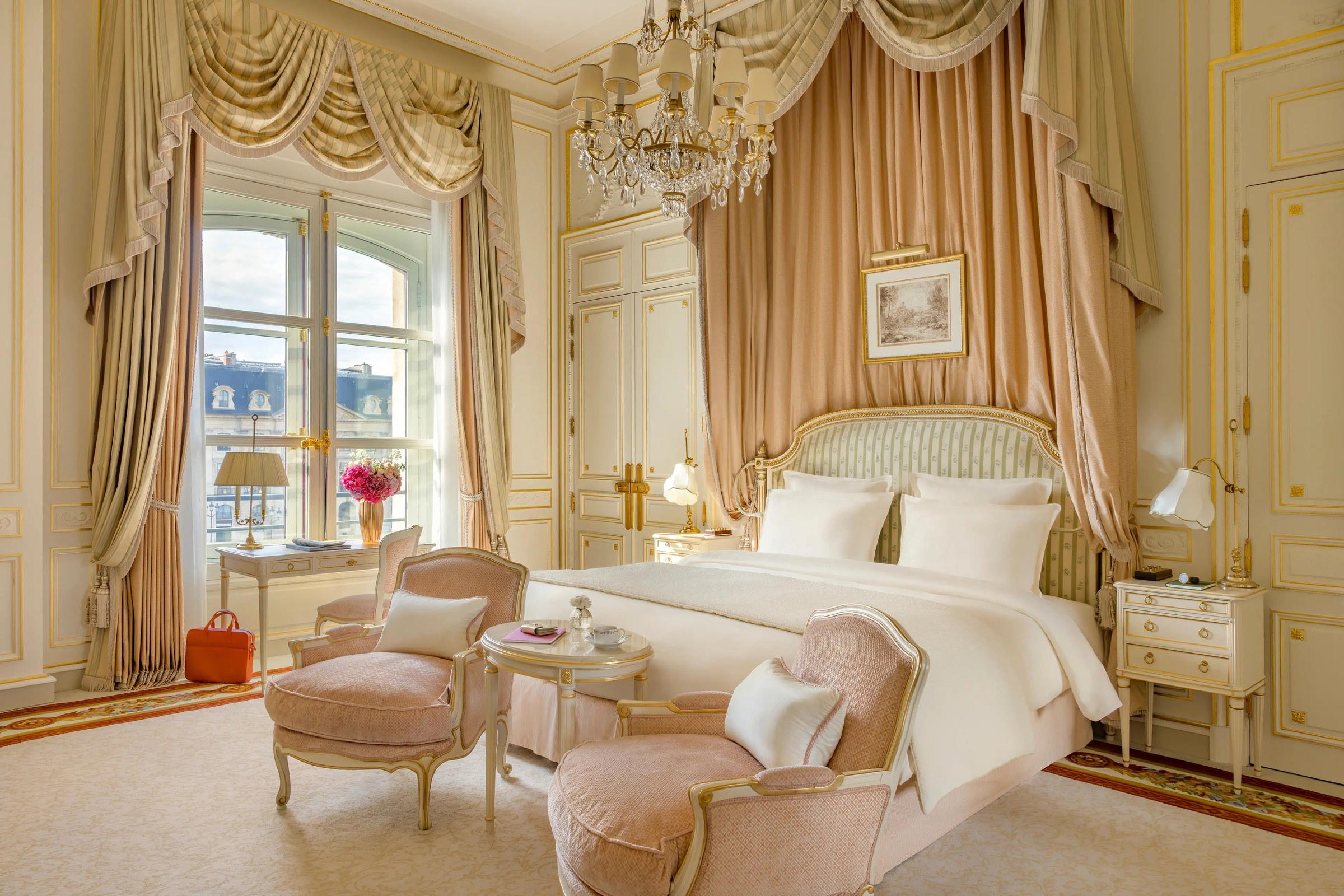
- Contemporary Japanese Luxury with Futuristic Architectural Design Featuring Floor to Ceiling Windows and Minimalist Elegance.
- Design Style
- Modern Japanese Aesthetic with Bamboo Flooring, Contemporary Furnishings, and Sophisticated Interiors Emphasizing Clean Lines and Natural Materials.
Know before you go
Know Before You Go
- Getting there
- 2-chōme-1-1 Nihonbashimuromachi, Chuo City, Tokyo 103-8328
Planning details
Location
2-chōme-1-1 Nihonbashimuromachi, Chuo City, Tokyo 103-8328 · Directions
mandarinoriental.com/en/tokyo/nihonbashi?src=loc.dir.motyo.yxt



Also consider
Also Consider
- BnA_WALL, Notable alternative
- Shangri-La Tokyo, Notable alternative
- K5, Notable alternative
- Aman Tokyo, Notable alternative
- Hoshinoya Tokyo, Notable alternative
Hotel context
How Mandarin Oriental Tokyo compares in Tokyo
Choose Mandarin Oriental Tokyo over K5 or BnA_WALL when the trip is business-led and service consistency matters more than design personality. K5 is the stronger value play for travelers who want a smaller, more style-driven stay, while BnA_WALL makes more sense for an art-forward, lower-formality Tokyo base.
Against Aman Tokyo and Shangri-La Tokyo, Mandarin Oriental Tokyo sits in the luxury-business lane: polished, central, and easier to justify when the hotel needs to handle work-trip logistics. Aman Tokyo is the calmer splurge if the stay is more about retreat and atmosphere. Shangri-La Tokyo is the direct cross-shop for travelers prioritizing station access and classic luxury service.
Hoshinoya Tokyo is the better fit if the goal is a more Japan-specific city stay with a quieter lodging rhythm. Mandarin Oriental Tokyo is the better call for client dinners, corporate comfort, and a schedule where the hotel needs to reduce friction rather than define the whole trip.
Explore Tokyo
Around this place
Discover more on Pearl
Unlock the full Mandarin Oriental Tokyo guide in Pearl, including awards, comparisons, FAQs, planning details, and nearby places.
Compare Mandarin Oriental Tokyo
| Venue | Location | Awards |
|---|---|---|
| Mandarin Oriental Tokyo | Tokyo | 2026 Virtuoso Luxury Hotel Collection2026 Forbes 5-Star2026 Robb Report Best Luxury Hotels in Tokyo2026 La Liste Top Hotels2025 Michelin 1 KeyMichelin 1 Key 20252025 Forbes 5-Star2024 Michelin 1 KeyPearl Recommended Hotels |
| BnA_WALL | Tokyo | No published awards |
| Shangri-La Tokyo | Tokyo | 2026 Forbes 4-Star2026 Virtuoso Luxury Hotel Collection2026 La Liste Top Hotels2025 Michelin 1 Key2024 Michelin 1 Key |
| K5 | Tokyo | 2026 Mr & Mrs Smith Luxury HotelsTatler Best Hotels Asia-Pacific 20252025 Michelin 1 Key2024 Michelin 1 Key |
| Aman Tokyo | Tokyo | 2026 Food & Wine Top 10 Global Hotels for Food and Drink · #52026 World’s 50 Best Hotels 1-50 · #112026 Forbes 4-Star2026 Virtuoso Luxury Hotel Collection2026 Robb Report Best Luxury Hotels in Tokyo2026 Mr & Mrs Smith Luxury Hotels2026 La Liste Top Hotels2025 World’s 50 Best Hotels · #252025 Robb Report The 50 Greatest Luxury Hotels on Earth · #29 |
| Hoshinoya Tokyo | Tokyo | 2026 World’s 50 Best Hotels 51-100 · #852025 Michelin Selected Hotels2023 World's 50 Best Hotels · #39 |






How Mandarin Oriental Tokyo compares with similar nearby venues.
FAQ
Frequently Asked Questions
How is the dining at Mandarin Oriental Tokyo?
Specific dining venues, menus, meal periods, and reservation policies are not listed here. If dining is important to your stay, confirm the current options directly with Mandarin Oriental Tokyo before booking.
Is Mandarin Oriental Tokyo good for business travel?
It can be a strong candidate for business travel in Tokyo because it is a recognized luxury hotel with a business-casual dress code. Its confirmed recognitions include Michelin 1 Key, Forbes 5-Star, Pearl Recommended Hotel, La Liste Top Hotels, and Virtuoso Luxury Hotel Partner.
Which room category is best at Mandarin Oriental Tokyo?
How does Mandarin Oriental Tokyo compare to other Tokyo hotels?
Choose Mandarin Oriental Tokyo if you want a recognized luxury hotel in Tokyo with confirmed high-end hotel accolades. Aman Tokyo and Shangri-La Tokyo are other premium Tokyo hotels to compare, while K5, BnA_WALL, and Hoshinoya Tokyo offer different styles of Tokyo stay.
How is the location of Mandarin Oriental Tokyo?
When is the best time to book Mandarin Oriental Tokyo?
If your Tokyo dates are fixed, book when the room type and rate meet your needs, and confirm any stay requirements directly with the hotel.
What is check-in like at Mandarin Oriental Tokyo?
Contact Mandarin Oriental Tokyo directly for current check-in timing, arrival guidance, and any requirements for your stay.