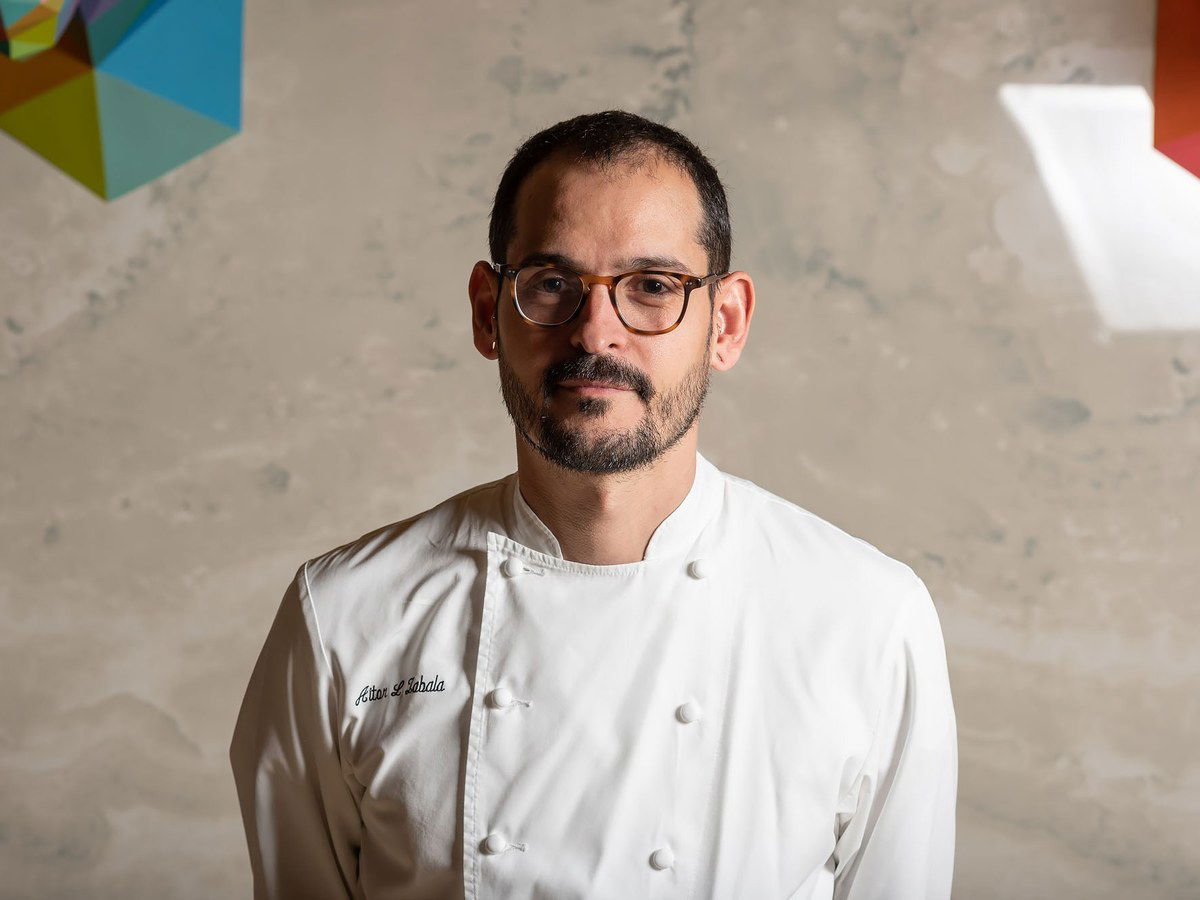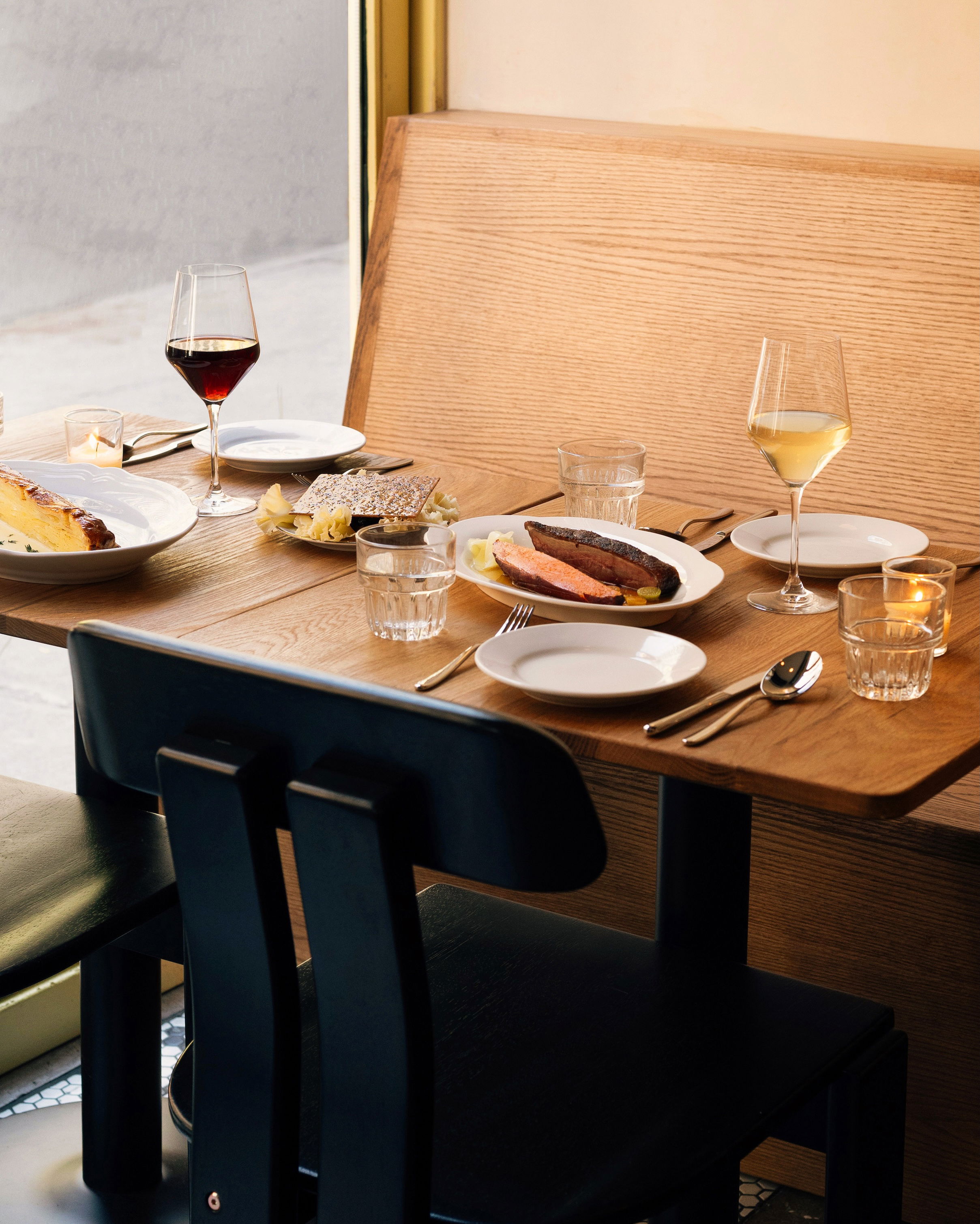
Mili Lower East Side opened November 4 at 123 Ludlow St., giving Jorge Luis Pabón and Alexis White a permanent 34-seat room after 18 pop-up activations. Mili is the first fixed version of a tested downtown restaurant, with 15 shareable plates, an entirely domestic beverage program, and a kitchen visible from every seat (Whatnow2).
This is not a cold chef debut built around a logo and a lease. Pabón and White ran Mili through New York City, Naples, Mexico City, and a three-month residency at Runner Up in Park Slope before committing to Ludlow Street. That matters because small restaurants fail when the room, service rhythm, and menu idea meet real guests for the first time. Mili has already had that confrontation 18 times.
Why Mili in the Lower East Side Chose Permanence Now
Pabón and White used temporary rooms to test the menu, the pace, and the two-person operating dynamic before opening a first restaurant of their own. For a 34-seat Lower East Side dining room, that testing matters more than pre-opening noise.
The Runner Up residency in Park Slope is the key piece of the story. A single pop-up can hide weaknesses: a friendly room, a short menu, a forgiving crowd. Three months gives a team fewer places to hide. Mili's longest temporary run let Pabón and White repeat service, watch which dishes came back, and learn whether their restaurant worked without the novelty of a one-night event.
Pabón and White are also not coming at this from outside the New York restaurant machine. Pabón was executive chef at Estela, and he has worked at El Celler de Can Roca, The French Laundry, Marcus in London. White was general manager at Altro Paradiso. Mili shifts Mattos Hospitality alumni experience into an owner-operated, 34-seat format.
The peer comparison is simple. Estela and Altro Paradiso have years of operating history in established downtown dining rooms. Mili shows what two alumni do in their own room.
Mili is named after Pabón's mother, Milagros, who taught him how to cook. That biographical detail matters only because the restaurant is not being sold as a generic chef counter or anonymous small-plates room. The name connects the project to Pabón's Puerto Rican upbringing, while the menu lands in New York rather than any single regional lane.
The 15-Plate New York Creative Menu That Survived the Pop-Ups
Mili's menu is built around roughly 15 shareable plates, and Pabón and White describe the food as “New York Creative.” That phrase can sound slippery, but the dishes give it shape: savory cheese with caramelized onions, sunchoke tart, Hudson Valley duck, monkfish with onion sauce and sea lettuce, and flan.
We got put on this little road trip to taste cheese, wear hairnets, and drink beer1
Alexis White, Co-founder
The smart order should start with the dishes that already carried over from the pop-up phase. The savory cheese is the clearest signal: cheese curled on a girolle, caramelized onions, grilled grapes, and a semolina sesame cracker. If the opening weeks are uneven anywhere, a dish like that will show it quickly.
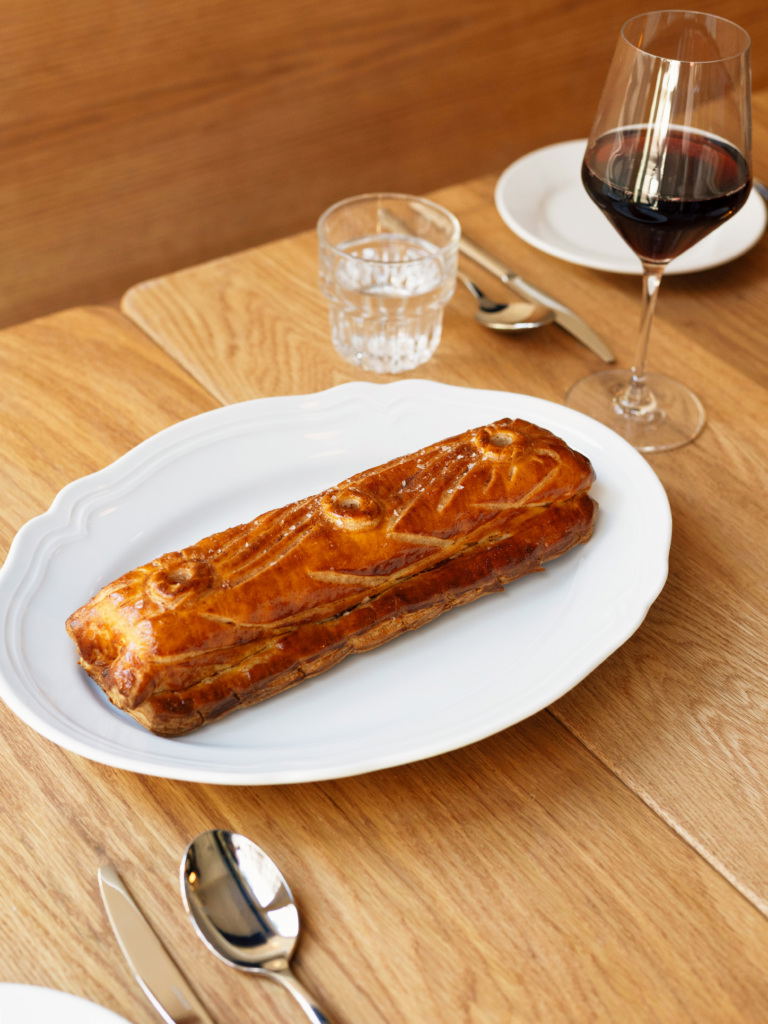
The sunchoke tart is another early priority. The restaurant version uses puff pastry with taleggio cheese sauce, herbs, and lavender. Pabón's French-technique thread is visible there without forcing the meal into a French restaurant category. The same goes for Hudson Valley duck, which the kitchen will prepare using a dry-ager, and monkfish with onion sauce and sea lettuce.
A 15-plate shared menu rewards two to four people who want to cover the room without turning dinner into a tasting-menu commitment. The signature dishes include savory cheese, tart, duck, monkfish, bread service, and flan.
Mili gives diners more control than a traditional tasting counter. Mili does not lock diners into a chef's sequence, and there is no sourced tasting-menu price to evaluate against a fixed progression. The 34-seat size puts the open kitchen and service choices in view.
The phrase “New York Creative” also sets expectations correctly. The restaurant is built on French technique, seasonal sourcing, and a menu that moved through 18 temporary appearances before settling on Ludlow Street.
The Domestic Beverage Program Is the Differentiator
White's beverage program is entirely domestic, from vermouth to wine. That choice is the sharpest point of difference at Mili because downtown New York wine lists often lean hard on Europe for prestige, familiarity, or both. Here, the decision is American producers only.
Mili's Sake Negroni is made with Brooklyn Kura sake, Meadowsweet amaro, and Channing Daughters vermouth from Long Island. The domestic rule is literal. Mili is applying the rule to vermouth, sake, amaro, wine, and spirits.
White's list includes nine wines by the glass and around 75 bottles in the cellar. It also keeps the room accessible for diners who want one glass with a few plates instead of a bottle-led dinner.
White previously worked in the Finger Lakes, and her list will pull from New York State as well as New Hampshire, Texas, Virginia, California, and Oregon. A domestic-only list can punish autopilot ordering.
This is where Mili has a cleaner identity than many new small restaurants. The food category may resist one-word classification, but the beverage program does not. Diners who prefer Burgundy, Champagne, or classic European pairings may find the domestic-only beverage program restrictive.
The better comparison is not another cocktail bar or wine bar. It is the small chef-owned restaurant that treats drinks as a supporting cast. Mili's domestic framework makes the drinks a decision point. Order the Sake Negroni first if you want to understand the thesis quickly, then move into the by-the-glass list before committing to a bottle.
The Room: 34 Seats, Open Kitchen, Yellow Exterior
Mili's room gives you 34 seats, a small bar at the front, and an open kitchen visible from the dining room. The yellow exterior on Ludlow Street makes the restaurant easy to identify, and large front windows open when weather allows.
The open kitchen matters because Pabón and White are selling a restaurant that came out of temporary setups. Guests who followed the pop-ups will now see the permanent version of that working style, with the kitchen folded into the room rather than hidden behind a wall. Mirrors throughout the space help diners who are not directly facing the kitchen still see the action.
For booking strategy, the 34-seat count is the number to remember. Small rooms can feel personal when everything works and exposed when service falls behind. That is why the Estela and Altro Paradiso background matters. Pabón and White have both worked in rooms where timing, table management, and kitchen discipline are the difference between a good idea and a dinner people repeat.
The room also has a centerpiece cooking stove from France. That detail lines up with the French-technique thread in the menu, but the restaurant is not presenting itself as a formal French dining room. Expect a downtown dinner built around shared plates and visible cooking, not a hushed room built around course-by-course choreography.
For date night, Mili makes sense if both people actually like sharing food. For a client dinner, wait until the opening weeks settle unless your guest tracks restaurant openings and enjoys first-run energy. For a group of four, it is one of the better formats in the neighborhood because 15 plates gives the table room to move without committing to a long tasting menu.
Reservations, Hours, and Who Should Book
Reservations for Mili drop two weeks in advance at 9 a.m. Set the alarm if you want a prime Thursday, Friday, or Saturday table, because 34 seats do not leave much slack once downtown regulars and pop-up followers start booking the same slots.
Mili operates Wednesday through Sunday from 5 p.m. to 11 p.m., and it remains closed Mondays and Tuesdays. The early-week closure makes Wednesday the sleeper play for diners who want the room before the weekend rush. Sunday is also worth watching if you care more about access than scene (Whatnow2).
Book Mili if you followed the pop-ups, care about chef-owner restaurants, or want a small Lower East Side room with a domestic beverage program that actually commits to its rule. Skip it if you need a deep European wine list, a private-feeling dining room, or a menu where every diner keeps to their own plate.
The strongest early order is practical: start with the Sake Negroni, share the savory cheese, sunchoke tart, Hudson Valley duck, and monkfish, then decide between flan, soba cha milk custard, or pear cake with walnut ice cream. That order gives diners the pop-up carryovers, the domestic beverage idea, and enough of the permanent kitchen to judge whether Mili deserves a repeat visit.
Mili Lower East Side is worth tracking past opening month because the restaurant's real test starts after the first wave of pop-up fans has eaten there. If Pabón and White can turn 18 temporary services into a repeatable 34-seat rhythm on Ludlow Street, this becomes one of the more useful downtown reservations to know before everyone treats it that way.