
藝_ueru
Nakagyō, Kyoto
Bar in Kyoto, Japan
 Book with Pearl
Why go
A good Kyoto choice for a quiet date or small celebration when the drinks list matters more than a big dining format. The wine recognition gives it a stronger reason to book than many generic bar options, but it is not the pick for a loud group night or a food-first plan.
About 藝_ueru
藝_ueru is a Kyoto venue with a smart-casual dress code and confirmed Star Wine List (2026) recognition.
Use that limited but useful signal for planning. The clearest reason to consider 藝_ueru is its Star Wine List (2026) recognition; the rest of the decision should be confirmed directly with the venue before you build an evening around it.
Choose it when the details fit the occasion
藝_ueru is best approached as a Kyoto option with smart-casual expectations and Star Wine List recognition, rather than as a venue with a fully documented dining format in this guide. If your plans depend on a particular cuisine, seating style, price point, reservation policy, outdoor seating, or food offering, confirm those details before going.
For wider Kyoto planning, compare other options such as Bar CHIPPENDALE and Bar Cordon Noir. If the evening needs a broader itinerary around dinner, hotels, or activities, useful companion pages include Our full Kyoto restaurants guide, Our full Kyoto hotels guide, and other Kyoto planning guides.
How to decide between this and another Kyoto option
If your priority is a venue with clearly Star Wine List recognition, 藝_ueru has a direct reason to be on the shortlist: Star Wine List (2026). Maurice's Rooftop Bar, Bar CHIPPENDALE, or Bar Cordon Noir, and confirm the current details directly before deciding.
The practical verdict: keep expectations grounded in what. 藝_ueru is a smart-casual Kyoto venue with Star Wine List (2026) recognition; confirm current service details directly before treating it as the anchor for a full night out.
Planning details
- Location
- 537-8 Bishamoncho, Nakagyo Ward, Kyoto, 604-0981, Japan
- Reservations
- Book on Omakase
- Website
- ueru.kyoto
- Phone
- +81 75-354-5299
The take
The Take
The Vibe
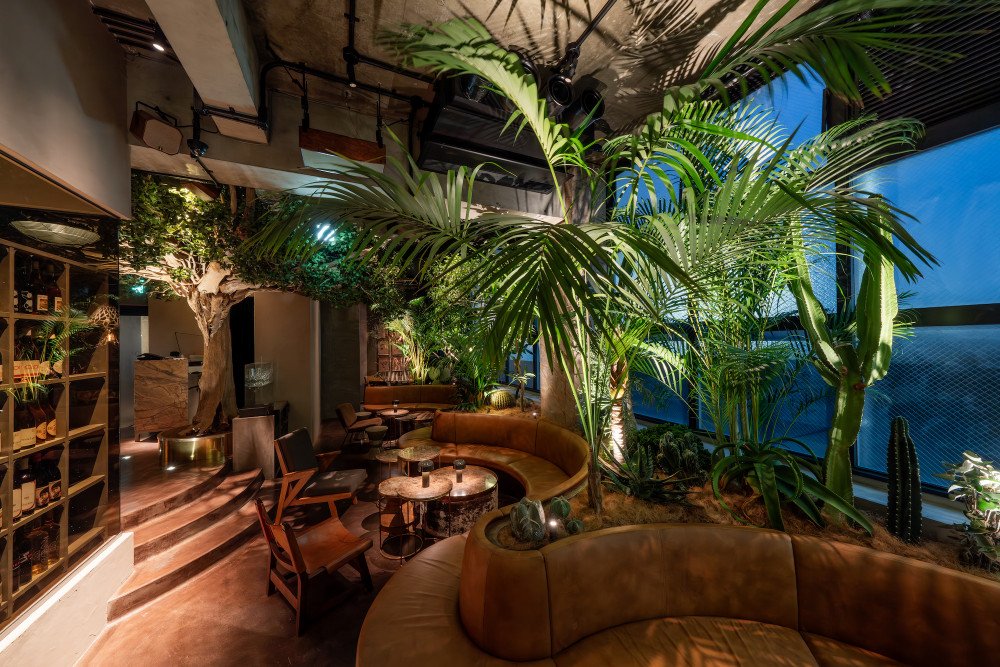
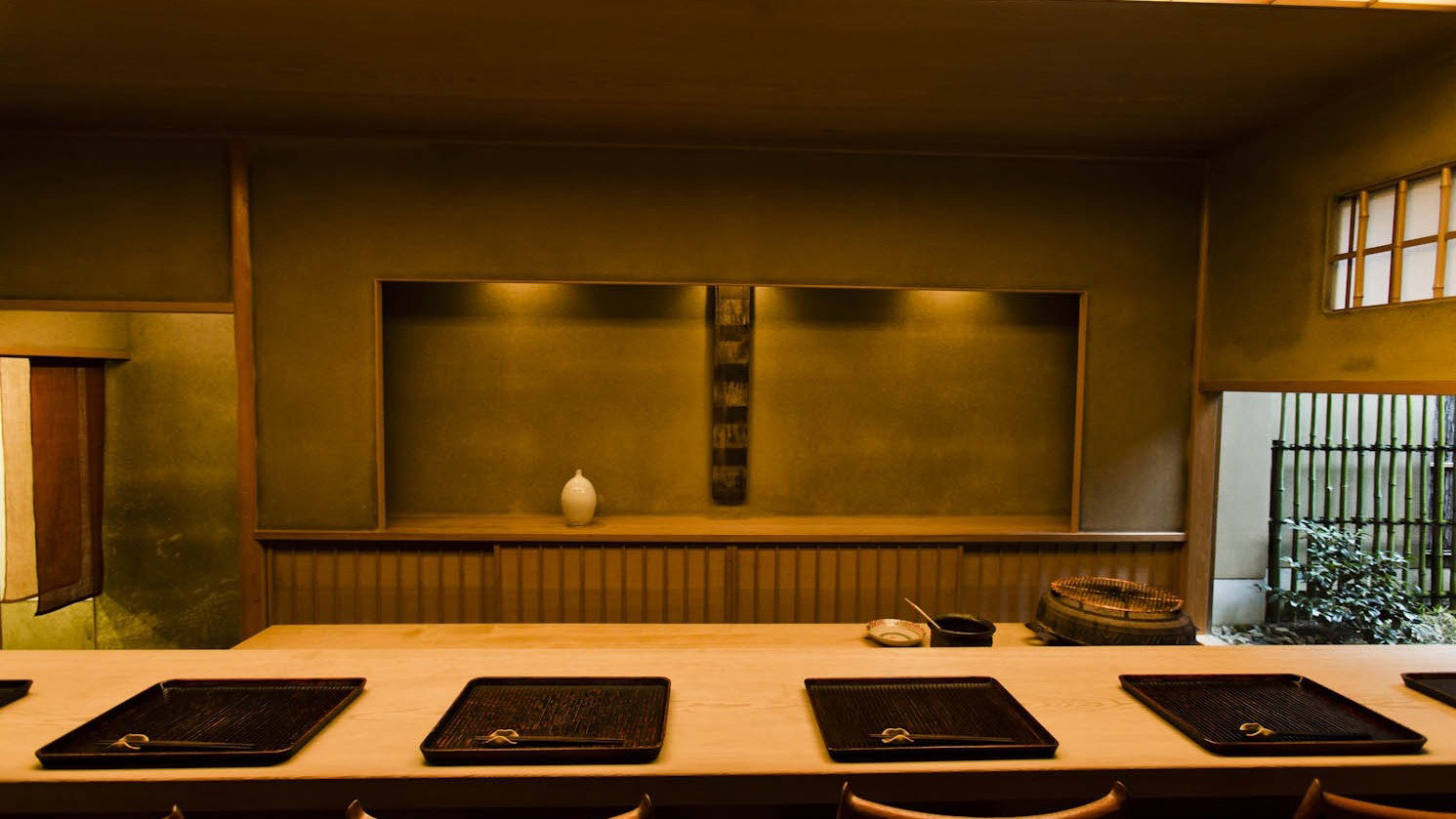
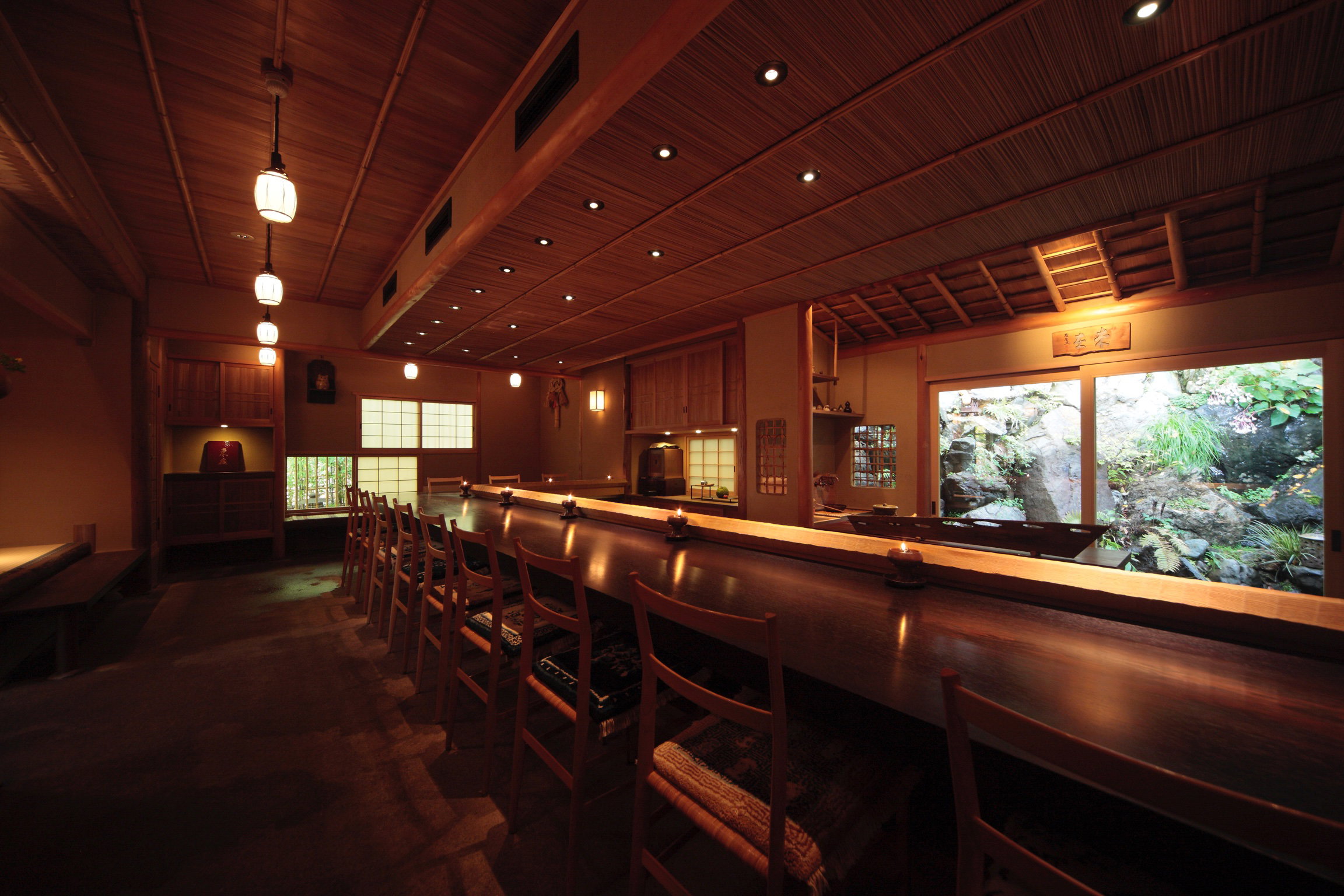
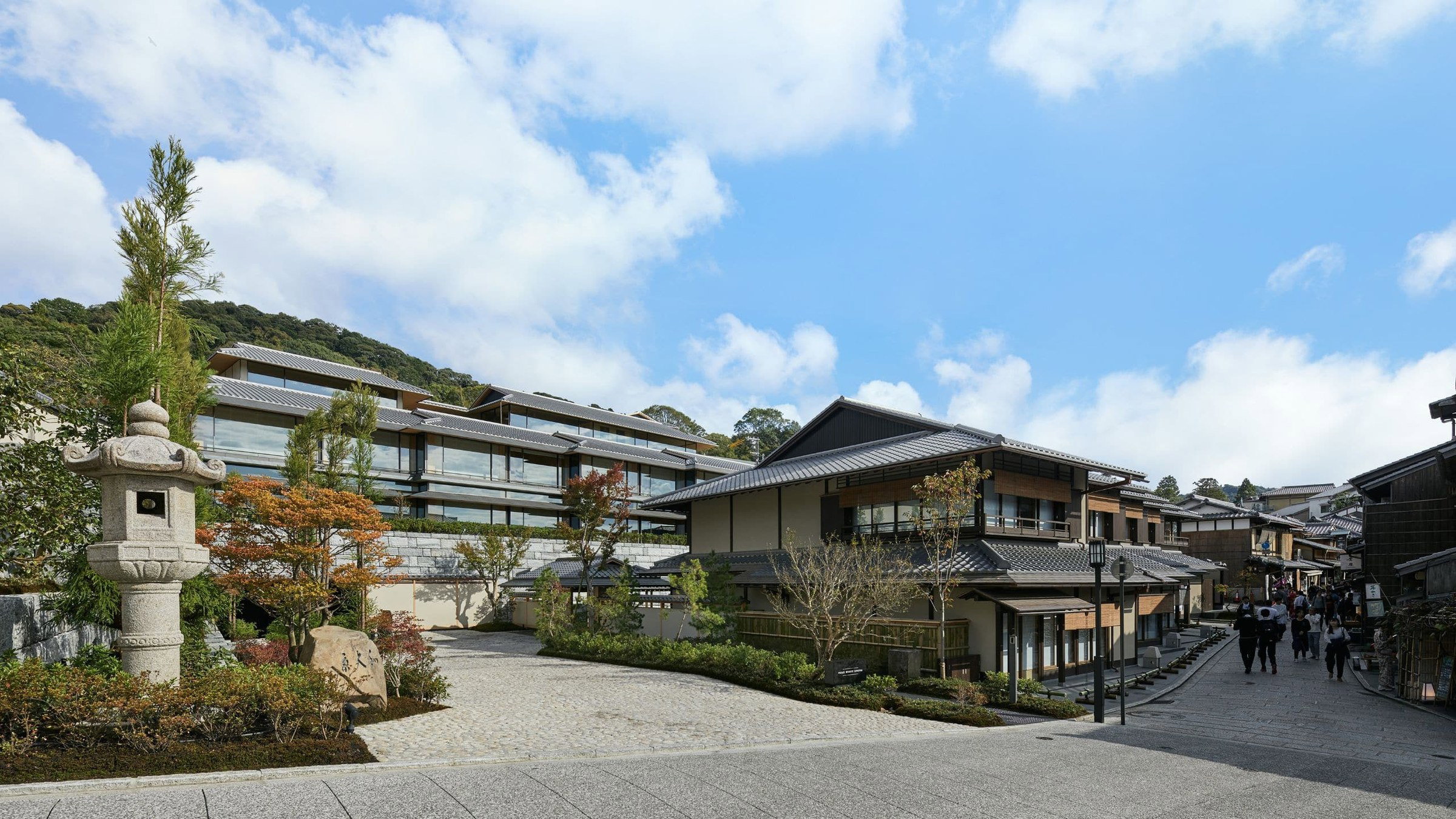
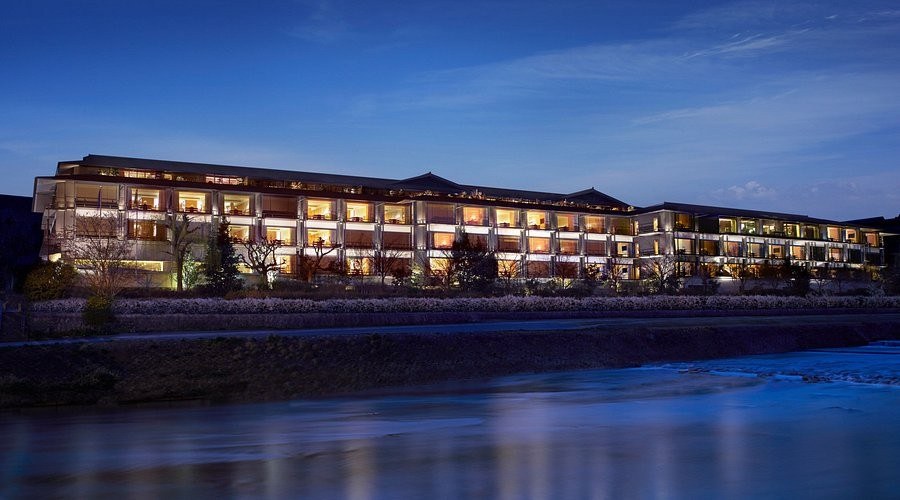
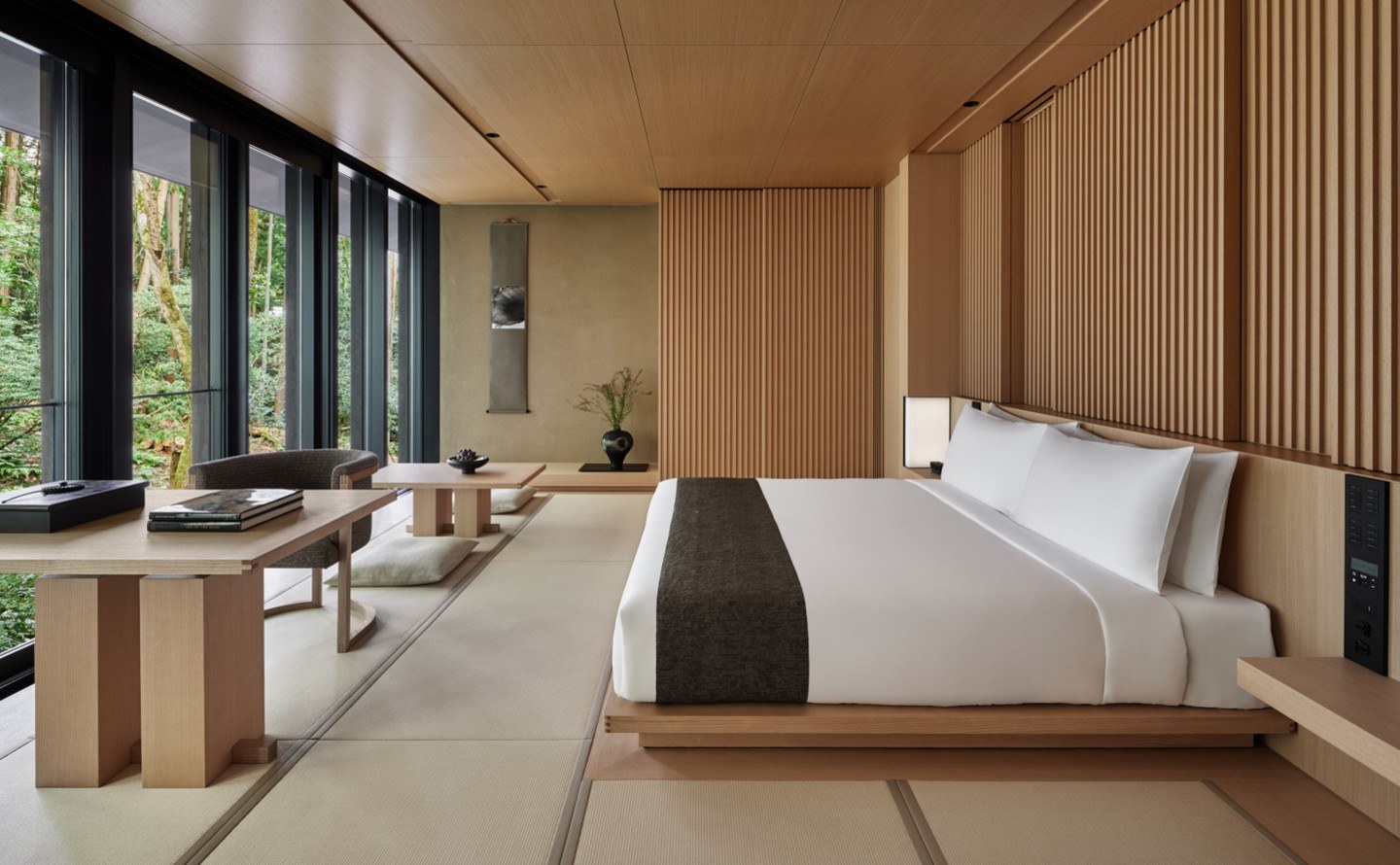
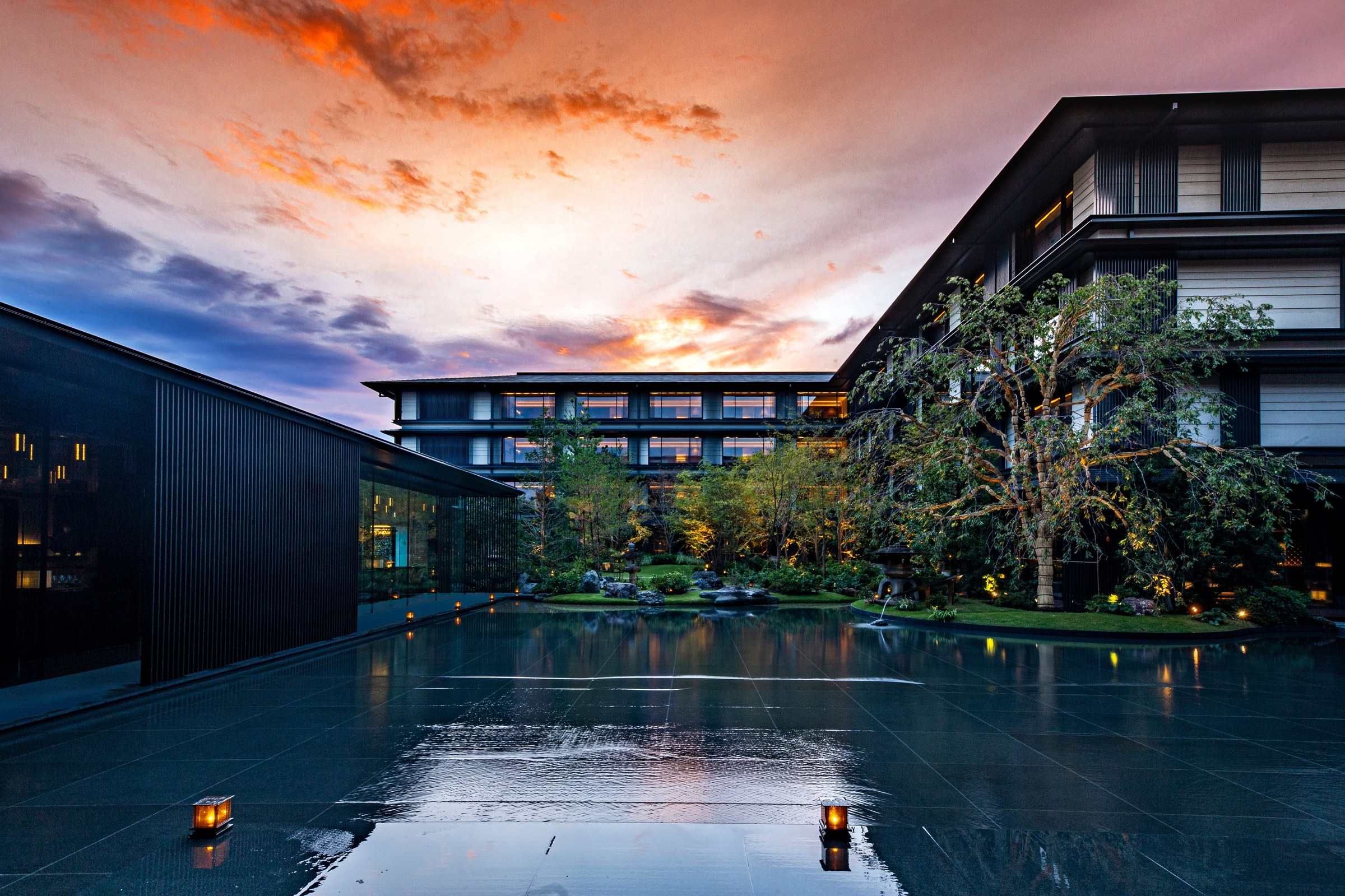
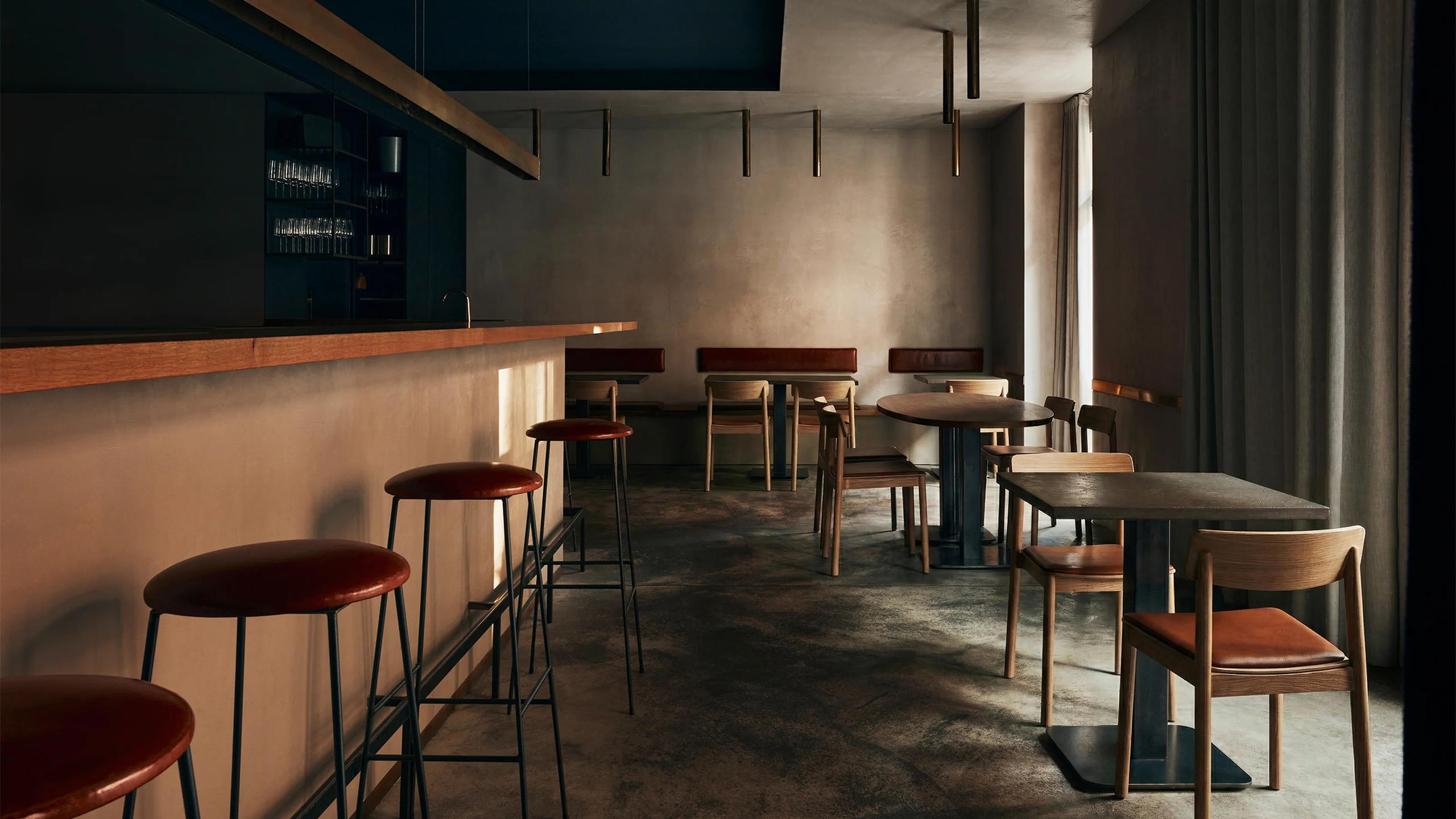
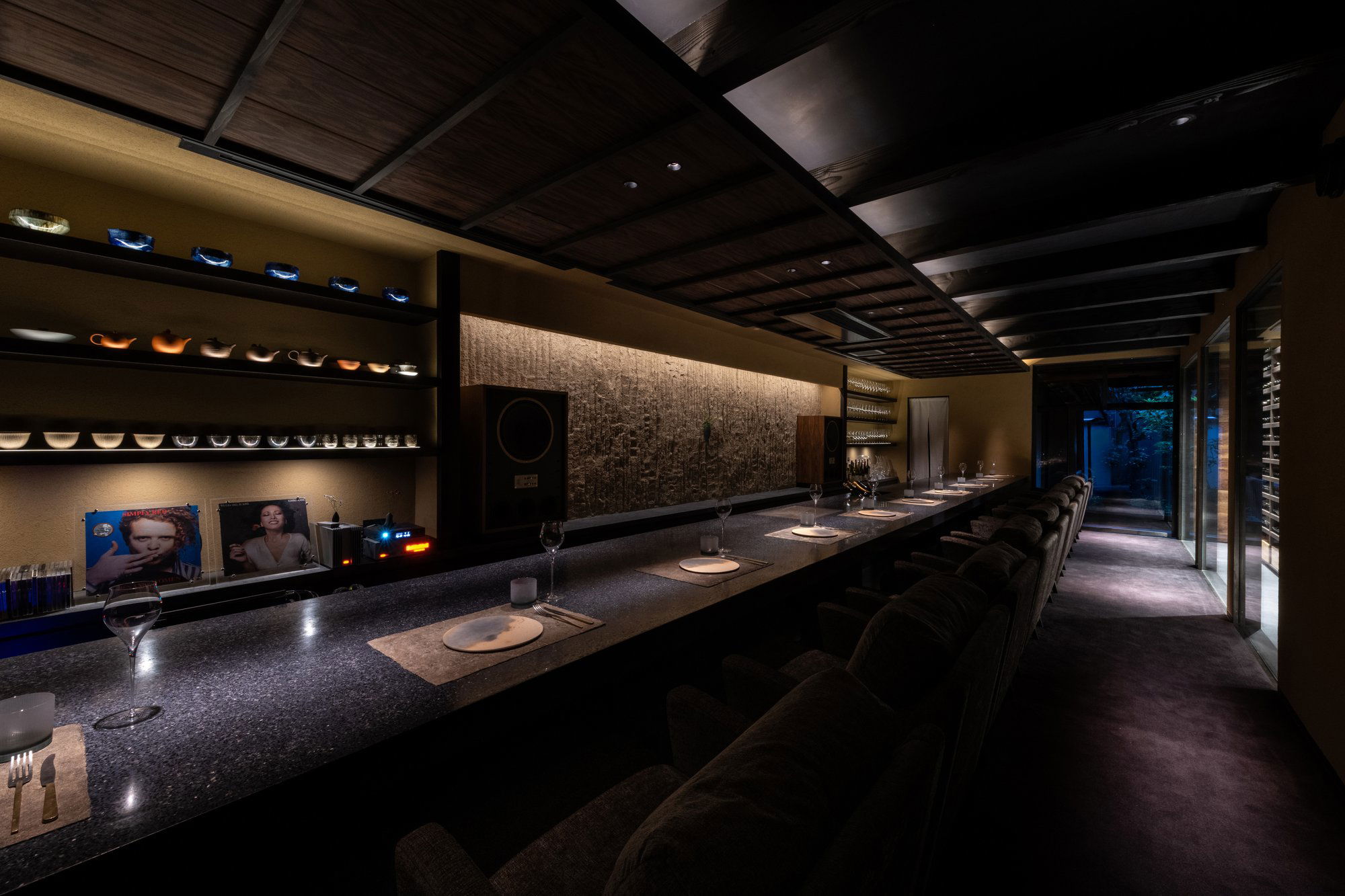
藝_ueru sits quietly within South-Gosho, occupying a traditional machiya whose narrow floorplate, earth walls and washi-paper finishes set a restrained tone. The bar reads as an exercise in architectural understatement: materials and proportion dictate the mood before drinks arrive. Because it lives in a residential block rather than a tourist corridor, the place feels measured and discreet, favoring quiet conversation over performance. The result is a historically rooted, serene setting that rewards slow attention to craft and context rather than spectacle.
Best For
This is a destination for low-key, intimate evenings — the kind of spot that suits date nights and small special occasions where atmosphere matters as much as the menu. Its location in a residential pocket of Nakagyo Ward makes it feel local and deliberately away from the busiest circuits; patrons tend to be those who seek out Kyoto’s quieter addresses. If you want a considered, quietly elegant bar experience rather than a bustling tourist scene, this machiya conversion fits the bill.
Ordering Tips
Expect a venue where the architecture and setting are central to the experience: the machiya form and interior courtyard shape how the evening unfolds. The write-up situates the bar among Kyoto’s cocktail scene, so anticipate a restrained, thoughtful approach rather than loud theatrics. Because the neighbourhood is residential and the bar is presented as intended for those who know it, arrive ready to appreciate subtlety and the slow-building reputation of a recently opened (2025) address rather than a grab-and-go nightlife stop.
Venue details
Ambiance
上品な灯りが揺らぐ (elegant swaying lights) in a sophisticated, historical setting.
Tags
Vibe
Best For
Experience
Format
At the Bar
- Bar Category
- Wine Bar
- Late Night
- Closes by Midnight
Know before you go
Know Before You Go
- Getting there
- 537-8 Bishamoncho, Nakagyo Ward, Kyoto, 604-0981, Japan
Planning details
Location
537-8 Bishamoncho, Nakagyo Ward, Kyoto, 604-0981, Japan · Directions
Recognition and awards

Also consider
Also Consider
- Bar K6, Notable alternative
- Hotel Okura Kyoto, Notable alternative
- Bar CHIPPENDALE, Notable alternative
- Mr. Maurice's Rooftop Bar, Notable alternative
- Bar Cordon Noir, Notable alternative
Bar context
How it compares in Kyoto
Choose 藝_ueru if the evening should feel wine-led and quiet. Bar K6 is the safer classic-bar comparison for travelers who want a more familiar cocktail-room format, while Bar CHIPPENDALE and Bar Cordon Noir make more sense when the plan is built around Kyoto's traditional bar circuit rather than a wine-focused stop.
For ambiance, Mr. Maurice's Rooftop Bar is the better choice for a more open, social setting; it is easier to justify when the view and group energy matter. Hotel Okura Kyoto is the more conventional hotel-bar alternative, better for conservative business drinks or visitors who want predictable service inside a larger property.
On value for money, the decision is less about chasing a deal and more about matching the room to the occasion. Pick 藝_ueru for a smaller, calmer night with a serious drinks signal; pick Mr. Maurice's for atmosphere, Hotel Okura Kyoto for hotel convenience, and Bar K6 for a classic Kyoto cocktail stop.
Explore Kyoto
Around this place
Discover more on Pearl
Unlock the full 藝_ueru guide in Pearl, including awards, comparisons, FAQs, planning details, and nearby places.
Compare 藝_ueru
| Venue | Location | Awards |
|---|---|---|
| 藝_ueru | Kyoto | Star Wine Lists 2026 |
| Bar K6 | Kyoto | No published awards |
| Hotel Okura Kyoto | Kyoto Shi | No published awards |
| Bar CHIPPENDALE | Kyoto | No published awards |
| Mr. Maurice’s Rooftop Bar | Kyoto | No published awards |
| Bar Cordon Noir | Kyoto | Pearl Recommended Bars |

How 藝_ueru Kyoto compares with similar nearby venues.
FAQ
Frequently Asked Questions
Is 藝_ueru good for a date?
It may suit a date if a smart-casual Kyoto venue with Star Wine List (2026) recognition is what you want.
What's the crowd like at 藝_ueru?
The confirmed details are that 藝_ueru is in Kyoto, has a smart-casual dress code, and has Star Wine List (2026) recognition.
Does 藝_ueru have outdoor seating?
Is 藝_ueru good for groups?
If you are planning for a larger party, confirm capacity, booking policy, and seating arrangements directly with the venue, or compare other options such as Hotel Okura Kyoto or Bar CHIPPENDALE.
Do I need a reservation at 藝_ueru?
For the most reliable plan, contact 藝_ueru directly and confirm current booking guidance.
Does 藝_ueru have happy hour deals?
The confirmed details are the Kyoto location, smart-casual dress code, and Star Wine List (2026) recognition.