Dobogó Pincészet
Mád, Tokaj
Winery in Tokaj, Hungary
 Book with Pearl
The Read
Tokaj-Hegyalja Cellar Precision
Why go
Dobogó Pincészet is the Tokaj pick for travellers who want a serious producer-focused visit, not a casual tasting-room stop. Book it when the itinerary is built around Tokaj wine depth and leave extra time around the appointment; if flexibility matters more, cross-shop the other Tokaj wineries first.
About Dobogó Pincészet
The dress code is casual. If you are building a winery-focused itinerary, keep expectations practical: confirm directly what is available on the date you want to visit, how appointments work, and whether the visit fits your timing. The appeal here rests on the Tokaj location and the recognition, not on claims about a particular service style or flagship bottle.
A focused Tokaj stop for visitors comparing wineries
Dobogó Pincészet is in Tokaj, making it relevant for travellers planning time around the town and its wineries. For a tighter wine-focused itinerary, compare it with Demeter Zoltán Winery, Balassa Winery, Erzsébet Pince, Hímesudvar, and Tokaj Hétszőlő before locking the day.
Because details on tasting format, pricing, hours, and capacity are limited, avoid building the plan around assumptions.
How to build the rest of the Tokaj day around it
Keep the schedule conservative until the visit details are confirmed. Leave enough buffer around Dobogó Pincészet rather than stack the day too tightly. Use broader Tokaj planning resources as needed, including Our full Tokaj hotels guide, and check restaurants, bars, and other activities separately when arranging meals or non-wine time.
For comparison within a Tokaj-focused winery plan, consider the listed alternatives: Balassa Winery, Demeter Zoltán Winery, Erzsébet Pince, Hímesudvar, and Tokaj Hétszőlő.
Planning details
- Location
- Tokaj, Dózsa György u. 1, 3910
- Website
- dobogo.hu
- Phone
- +36 30 576 9736
The take
The Take
The Vibe
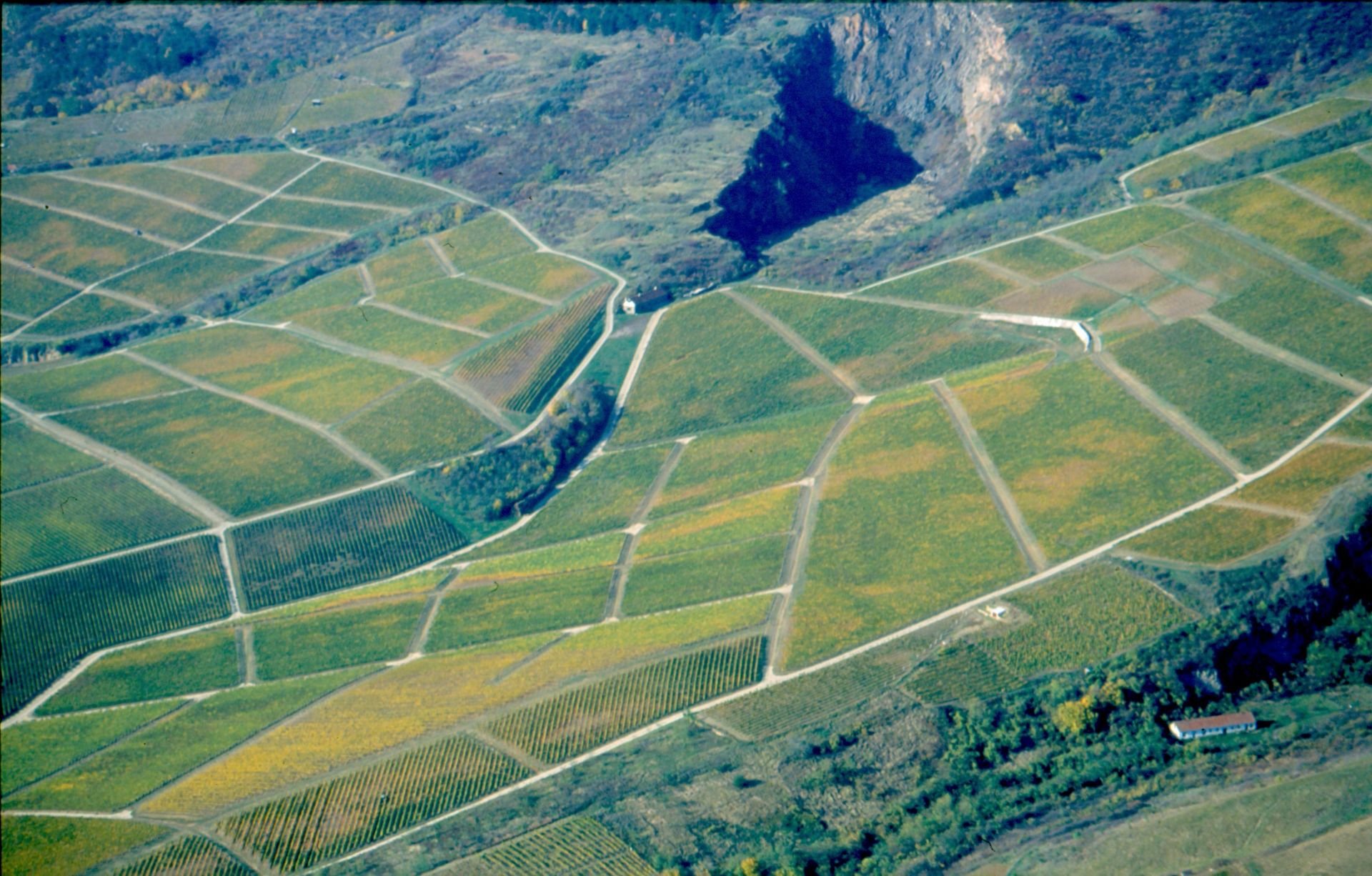
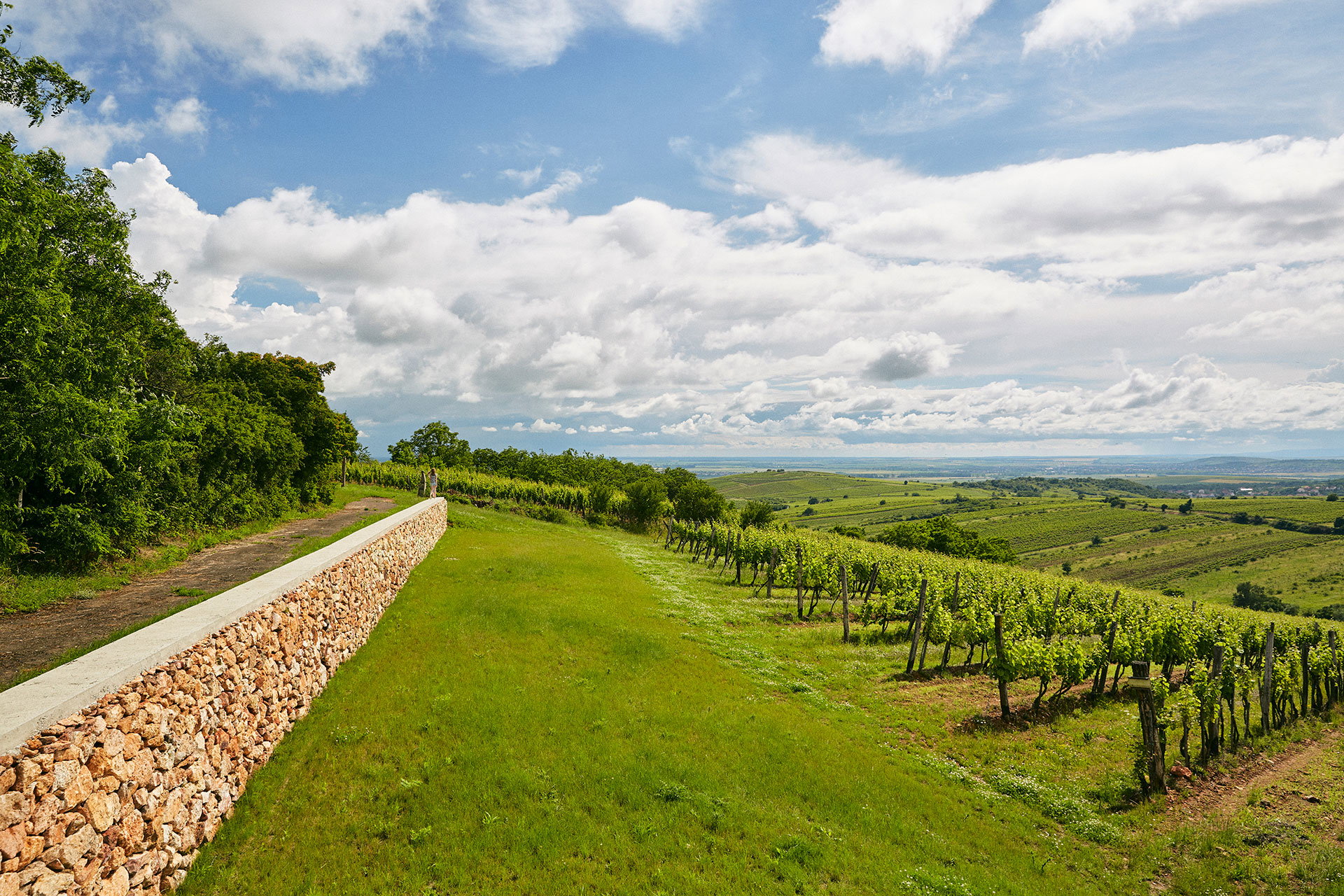
Dobogó Pincészet feels rooted in place: it sits within Tokaj town’s compact fabric where stone cellars and narrow streets give visits a quietly historic, authentic character. The prose of the landscape, volcanic slopes, rhyolite tuff and autumn mists, is as important as the bottles themselves, and that geological drama translates to a winery that reads as part of a working settlement rather than a polished tourist attraction. Tastings here are framed by that sense of terrain and tradition, producing an intimate, quietly charming experience grounded in old stone and a living viticultural landscape.
Best For
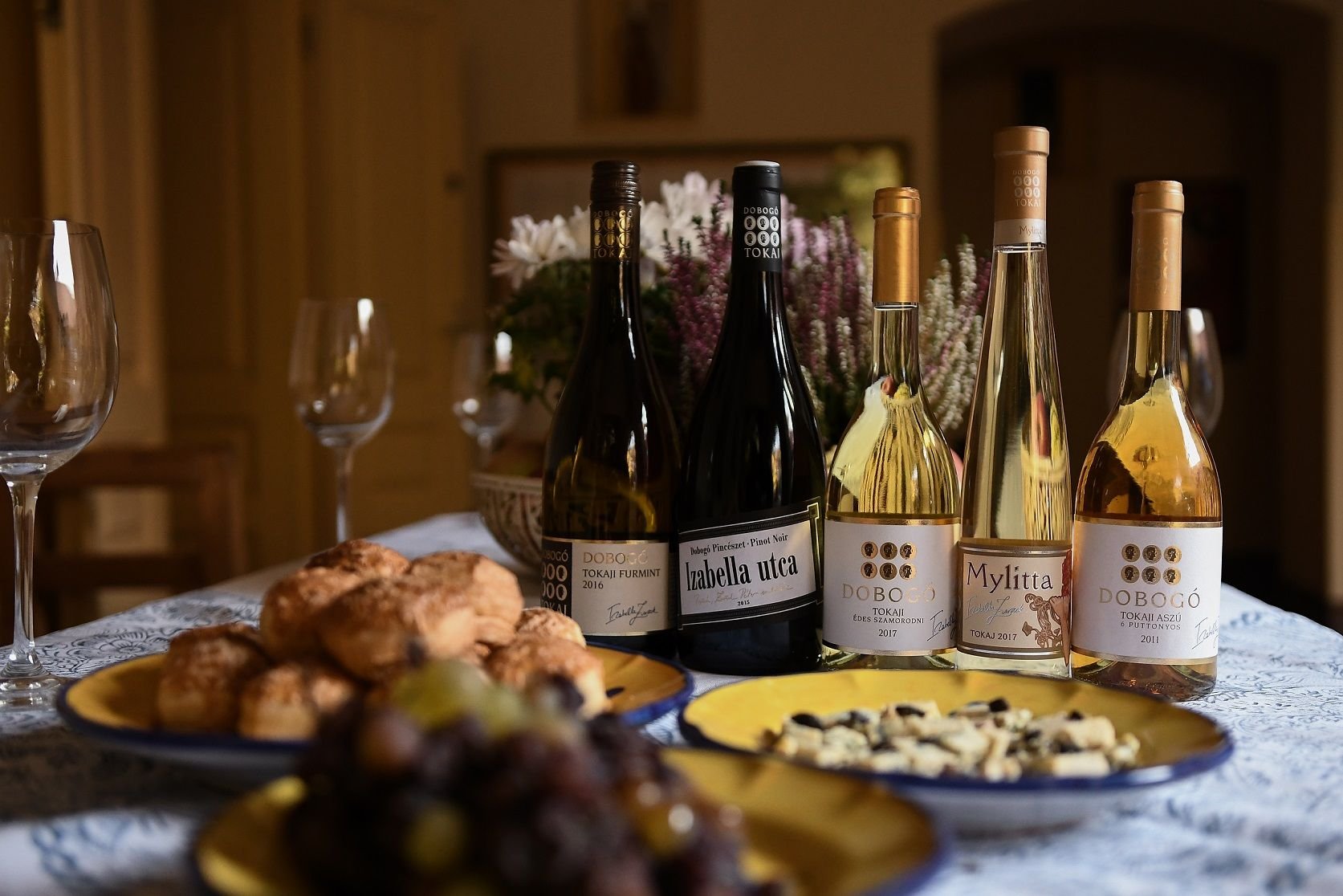
Dobogó is well suited to visitors who come for terroir-forward wine study and low-key discovery. Because it sits in Tokaj town rather than far-flung hill estates, it’s convenient for solo explorers and small groups seeking direct access to cellar spaces without long drives. The cellar-door setting and emphasis on Tokaj’s distinctive botrytis-driven Aszú alongside mineral dry expressions make the winery a natural stop for anyone focused on wine education or marking a special occasion with regionally specific bottles, where the setting itself reinforces the story in the glass.
Tasting Tips
When you taste at Dobogó, sample both the noble-rot Aszú expressions and the dry wines that show the appellation’s mineral tension. Volcanic soils and morning mists shape the wines, so ask for pours that demonstrate those elements and request cellar-door options or any cellar tastings on offer to experience the stone-cellar context. Because the property sits in town and represents a production-focused operation, allow time to talk terroir: vintages and the town-facing parcels shaped by rhyolite tuff and andesite are where the site’s character lives.
Venue details
Ambiance
Historic 150-year-old cellar with a fresh, vibrant approach blending tradition and innovation in an intimate setting.
Tags
Vibe
Best For
Experience
Sourcing
View
At the Vineyard
- Appellation
- Tokaj
- Varietals
- Furmint, Hárslevelű, Sárgamuskotály, Pinot Noir, Zéta
- Tour Duration
- 60-90 minutes
- Visits
- By reservation
- Farming
- Organic
- Production
- Small producer
- Wine Styles
- Still White, Dessert, Fortified
- Food Pairing
- Offered
- Wine Club
- Not available
Know before you go
Know Before You Go
- Getting there
- Tokaj, Dózsa György u. 1, 3910
Planning details
Location
Also consider
Also Consider
- Hímesudvar, Notable alternative
- Erzsébet Pince, Notable alternative
- Demeter Zoltán Winery, Notable alternative
- Balassa Winery, Notable alternative
- Tokaj Hétszőlő, Notable alternative
Winery context
How Dobogó Pincészet compares in Tokaj
Choose Dobogó Pincészet if the priority is a more serious Tokaj visit with a producer-led feel. Compared with Hímesudvar and Erzsébet Pince, it reads as the stronger choice for travellers who want depth over convenience. If the day needs a lighter, easier stop, those two are safer cross-shops.
Demeter Zoltán Winery and Balassa Winery are the closer comparisons for visitors who care about individual producer identity. Put Dobogó Pincészet in that more focused bracket rather than treating it like a general wine-tourism stop. For a first Tokaj trip with limited time, pick one of these producer-led visits rather than trying to rush all three.
Tokaj Hétszőlő is the better comparison if ambiance and a broader sense of Tokaj heritage matter more than a compact, focused producer appointment. Dobogó Pincészet is the sharper fit for depth-seeking wine travellers; Tokaj Hétszőlő is the easier recommendation when the group includes people who want context without turning the whole day into a technical tasting.
Explore Tokaj
Around this place
Discover more on Pearl
Unlock the full Dobogó Pincészet guide in Pearl, including awards, comparisons, FAQs, planning details, and nearby places.
Compare Dobogó Pincészet
| Venue | Location | Awards |
|---|---|---|
| Dobogó Pincészet | Tokaj | No published awards |
| Hímesudvar | Tokaj | No published awards |
| Erzsébet Pince | Tokaj | No published awards |
| Demeter Zoltán Winery | Tokaj | 2026 Falstaff Winery Guide |
| Balassa Winery | Tokaj | 2026 Falstaff Winery Guide |
| Tokaj Hétszőlő | Tokaj | 2026 Falstaff Winery Guide2025 World's 50 Best Vineyards · #58 |


How Dobogó Pincészet Tokaj compares with similar nearby venues.
FAQ
Frequently Asked Questions
What other wineries should I compare with Dobogó Pincészet?
Useful comparison names for a Tokaj-focused winery plan include Hímesudvar, Erzsébet Pince, Demeter Zoltán Winery, Balassa Winery, and Tokaj Hétszőlő.
What is the flagship wine at Dobogó Pincészet?
No named flagship wine is listed for Dobogó Pincészet.