
Demeter Zoltán Winery
Tokaj
Winery in Tokaj, Hungary
 Book with Pearl
The Read
Tokaj Terroir Restraint
Why go
Book Demeter Zoltán Winery if Tokaj wine depth is the reason for the trip, not if you need an easy walk-in tasting. Its strongest fit is for serious wine travellers building a focused route through Tokaj proper, with nearby peers kept as backups if access proves difficult.
About Demeter Zoltán Winery
Tokaj is a destination where Demeter Zoltán Winery can be considered as part of a winery-focused itinerary. Key essentials: it is in Tokaj, the dress code is casual, and it holds Pearl 2 Star Prestige (2025). Specific visit formats, opening arrangements, food options, and tasting details should be confirmed directly with the winery before you plan around them.
The case for including Demeter Zoltán Winery is strongest for travellers who are already building a Tokaj-focused trip and want to prioritize a recognized winery. Treat the visit as something to arrange in advance rather than a flexible stop built on assumptions about tastings, meals, or access.
Choose this for a serious Tokaj stop, not the easiest afternoon
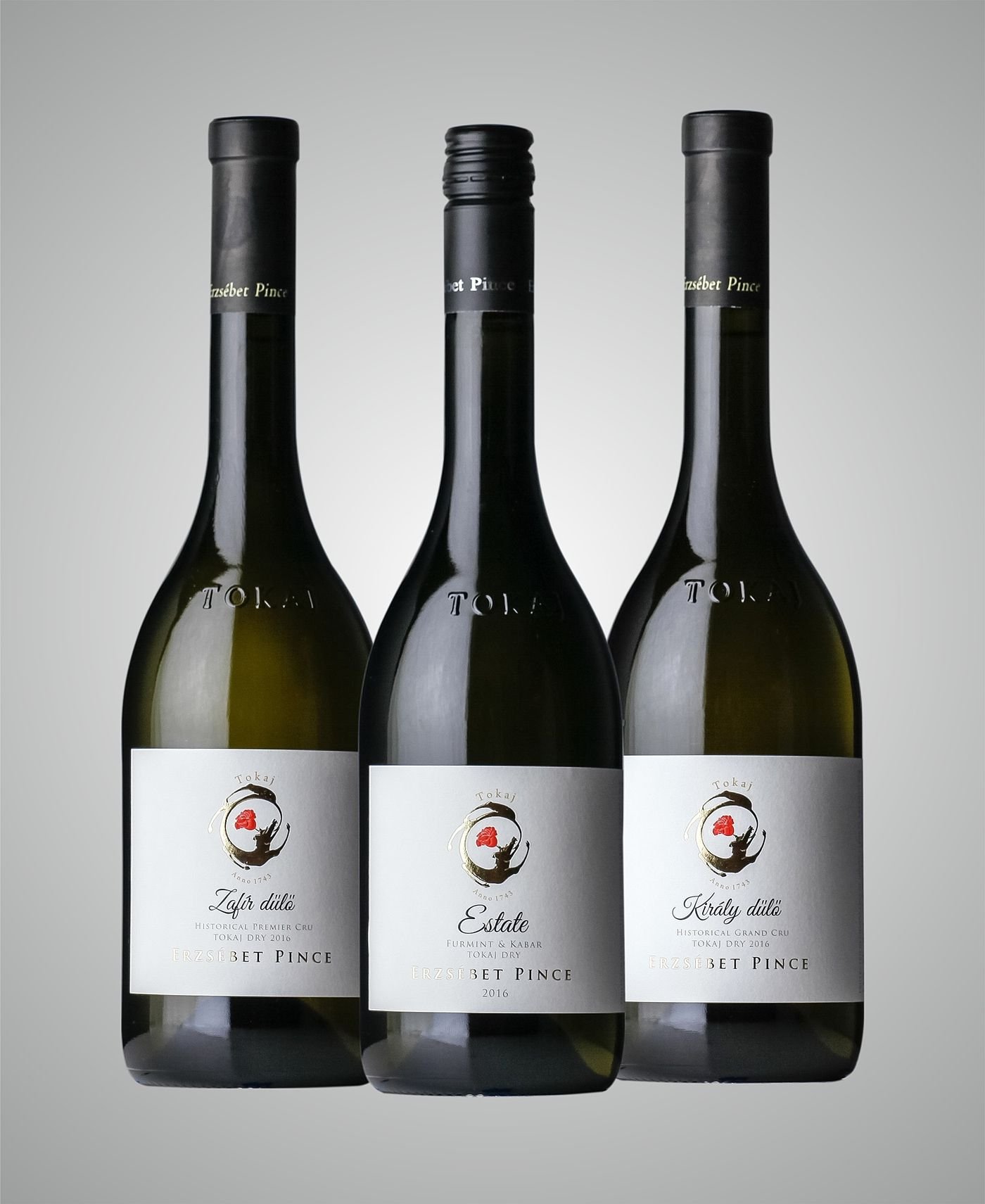
For planning, treat Demeter Zoltán Winery as a high-intent Tokaj option because of its Pearl 2 Star Prestige (2025) recognition. If you are comparing other winery stops, consider Erzsébet Pince, Dobogó Pincészet, Balassa Winery, Hímesudvar, or Tokaj Hétszőlő as points of reference before deciding how to structure the day.
The smarter way to frame the visit is as part of a Tokaj itinerary with enough time to confirm details directly. Use broader Tokaj planning resources to build the wine route, then pair them with Our full Tokaj hotels guide as needed. That approach keeps the plan flexible without assuming services that may not be available.
How to compare the setting against other wineries
If you want to compare Demeter Zoltán Winery with other options, look at Balassa Winery, Dobogó Pincészet, Erzsébet Pince, Hímesudvar, and Tokaj Hétszőlő. Keep the comparison focused on your itinerary goals and confirm current visit details directly, including tasting formats, food service, and access arrangements.
Verdict: consider Demeter Zoltán Winery if Tokaj is a central part of the trip and you value a Pearl 2 Star Prestige (2025) winery. Do not plan around assumptions about meals, tasting length, shipping, or walk-in availability; confirm those details with the venue before committing your schedule.
Planning details
- Location
- Tokaj, Vasvári Pál u. 1, 3910
- Website
- demeterzoltan.hu
- Phone
- +36 70 200 4035
The take
The Take
The Vibe
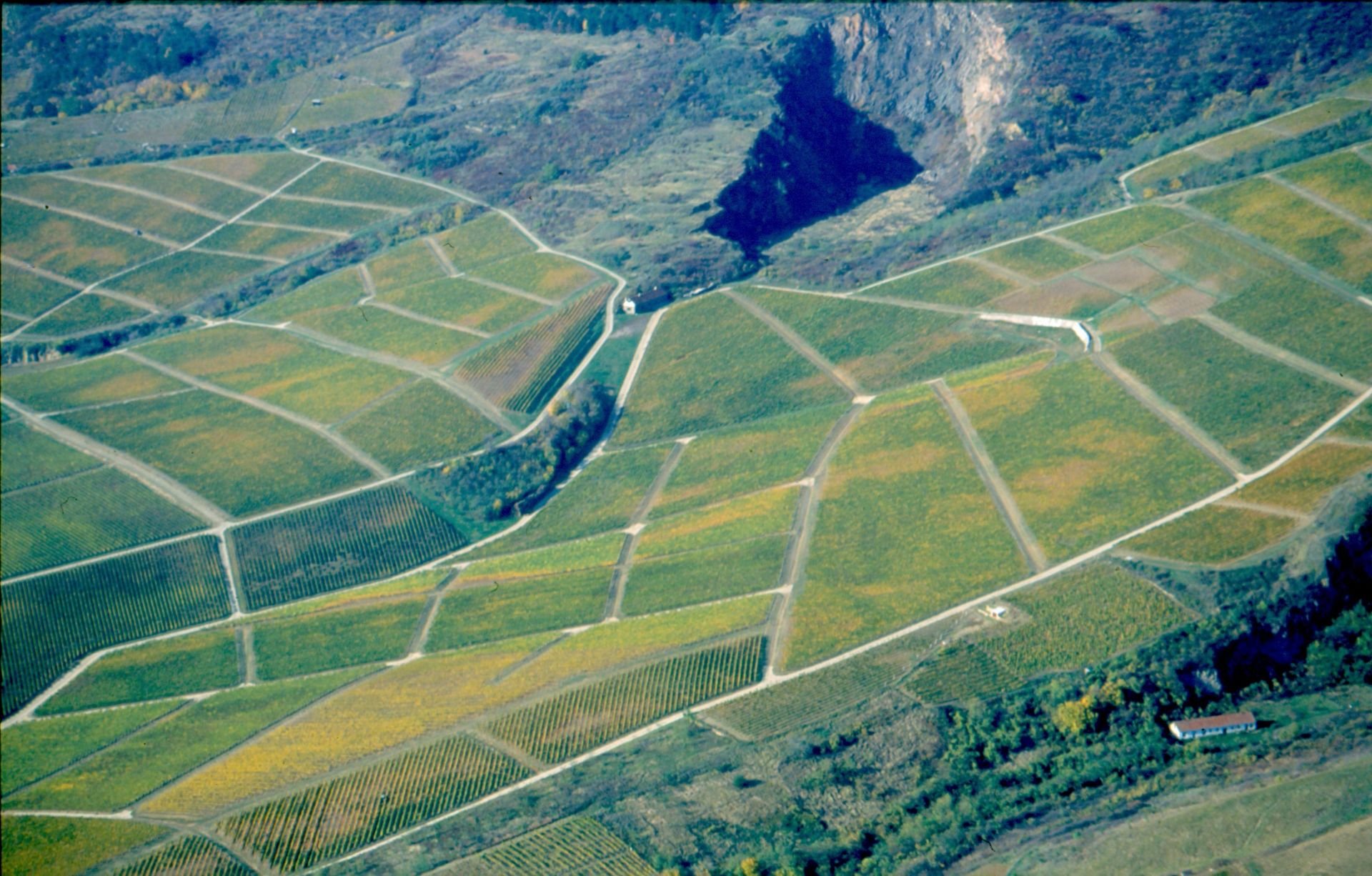
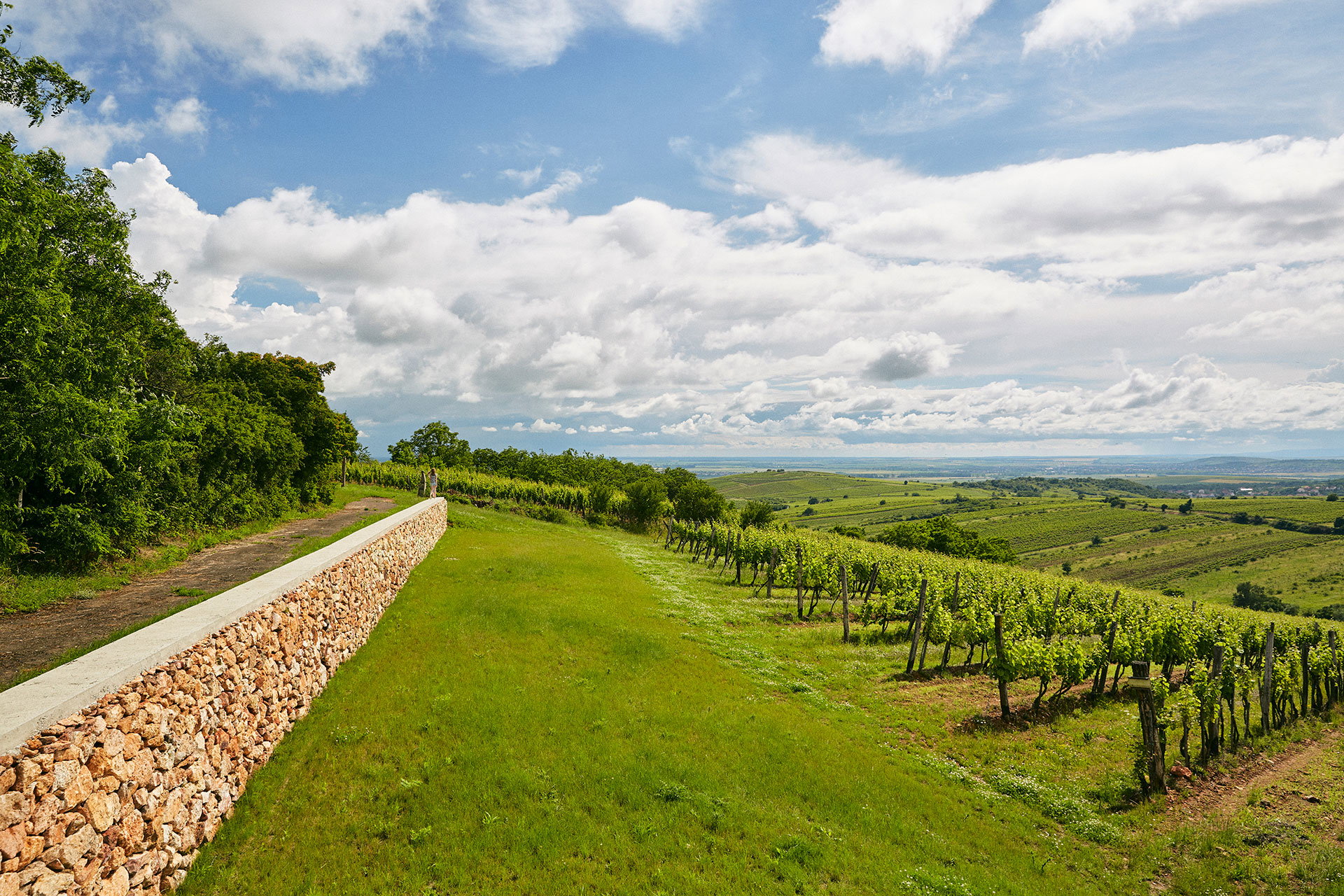
Demeter Zoltán Winery reads like a compact, historic address in the heart of Tokaj town. The copy emphasizes long-lived regional regulations — the 1737 royal classification — and a small-scale, intimate approach, so the atmosphere feels anchored in place and history. The site’s proximity to the Bodrog and Tisza confluence and the area’s misty autumns give the tasting room a quietly serene air: this is a producer where the location and microclimate are part of the story, and the experience foregrounds wine and terroir over visitor spectacle.
Best For
This is a tasting destination for focused wine encounters rather than busy tourist programming. The write-up positions Demeter Zoltán as an upper-tier Tokaj producer with a structured, wine-forward tasting format, making it well suited to travelers who want to learn about Aszú and classified-vineyard expression. The winery’s small scale and intimate setting reward solo visitors, couples, and small groups seeking a thoughtful, educational tasting that emphasizes provenance, technique, and prestige bottlings.
Tasting Tips
Approach tastings here with a focus on the wines and their origins: the text highlights the region’s historic 1737 classification, the microclimate that produces botrytised Aszú, and a 2025 Pearl 2 Star Prestige designation. Ask about the estate’s classified vineyard plots, the Aszú bottlings, and how the confluence of the Bodrog and Tisza influences the style. Because the encounter is described as wine-centered rather than tourism-oriented, plan to engage with the producer’s narrative and comparative tastings rather than expecting broad visitor amenities.
Venue details
Ambiance
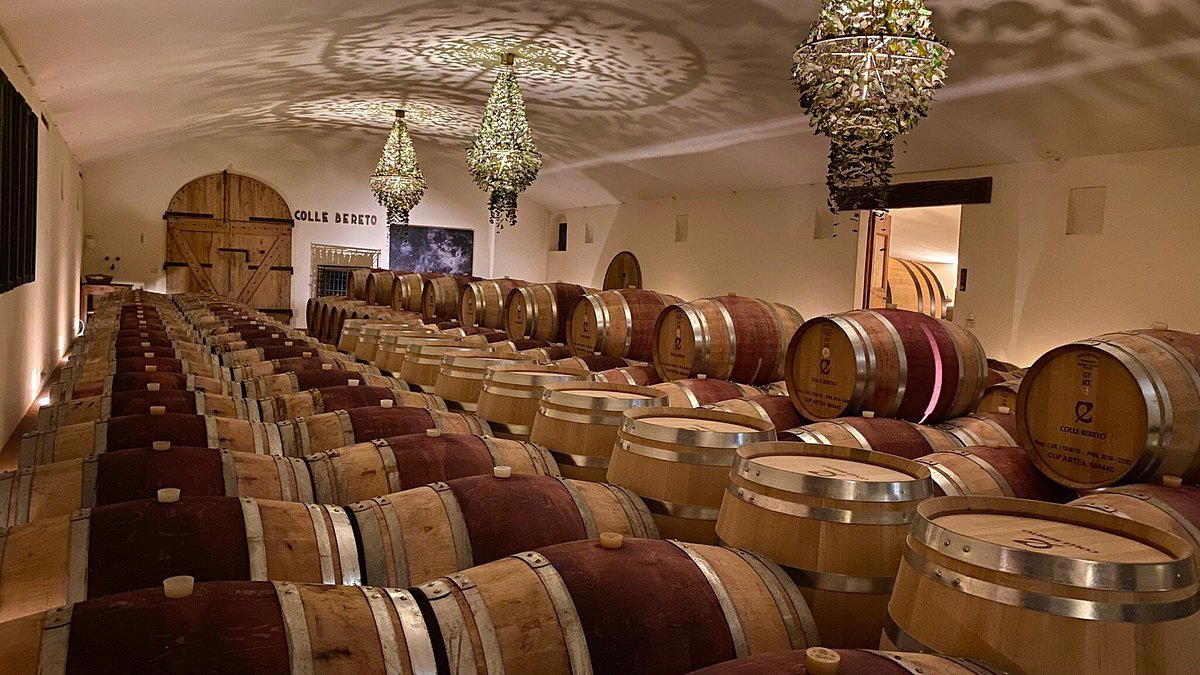
Historic 1790 cellar with volcanic terroir influence, crafting multifaceted, crystalline wines reflecting site complexity and perfectionism.
Tags
Vibe
Best For
Experience
Sourcing
View
At the Vineyard
- Appellation
- Tokaj
- Varietals
- Furmint, Hárslevelű
- Tour Duration
- 60-90 minutes
- Tour Languages
- Hungarian, English
- Visits
- By appointment only
- Farming
- Sustainable
- Wine Styles
- Still White, Dessert, Fortified
- Wine Club
- Not available
Know before you go
Know Before You Go
- Getting there
- Tokaj, Vasvári Pál u. 1, 3910
Planning details
Location
Recognition and awards

Also consider
If you cannot get in
Try Dobogó Pincészet if you still want a serious Tokaj producer, or Hímesudvar if the day needs a lower-friction stop in town.
Winery context
How It Compares
Demeter Zoltán Winery is the pick when prestige and a serious Tokaj focus matter more than convenience. Erzsébet Pince and Hímesudvar are better fallback choices for travellers who want a gentler, easier-feeling Tokaj stop without building the whole day around one appointment.
Against Dobogó Pincészet and Balassa Winery, the decision is about intent. Choose Demeter Zoltán Winery if the visit is meant to anchor the day; choose those peers if you want to compare producers without making one booking carry the whole itinerary. Value depends less on price and more on whether access, context, and cellar focus are what you came for.
Tokaj Hétszőlő is the stronger comparison for visitors who want a broader estate impression. Demeter Zoltán Winery is the sharper choice for a wine-first itinerary, while Tokaj Hétszőlő is easier to justify when the setting and overall visit structure matter as much as the bottles.
Explore Tokaj
Around this place
Discover more on Pearl
Unlock the full Demeter Zoltán Winery guide in Pearl, including awards, comparisons, FAQs, planning details, and nearby places.
Compare Demeter Zoltán Winery
| Venue | Location | Awards |
|---|---|---|
| Demeter Zoltán Winery | Tokaj | 2026 Falstaff Winery Guide |
| Erzsébet Pince | Tokaj | No published awards |
| Dobogó Pincészet | Tokaj | No published awards |
| Hímesudvar | Tokaj | No published awards |
| Balassa Winery | Tokaj | 2026 Falstaff Winery Guide |
| Tokaj Hétszőlő | Tokaj | 2026 Falstaff Winery Guide2025 World's 50 Best Vineyards · #58 |

How Demeter Zoltán Winery Tokaj compares with similar nearby venues.
FAQ
Frequently Asked Questions
Is the wine club at Demeter Zoltán Winery worth joining?
If membership or ongoing access matters to you, contact Demeter Zoltán Winery directly and compare the terms with how often you expect to visit or buy from Tokaj.
Do I need a reservation at Demeter Zoltán Winery?
Because Demeter Zoltán Winery holds Pearl 2 Star Prestige (2025), it is sensible to confirm visit arrangements directly rather than assuming walk-in availability.