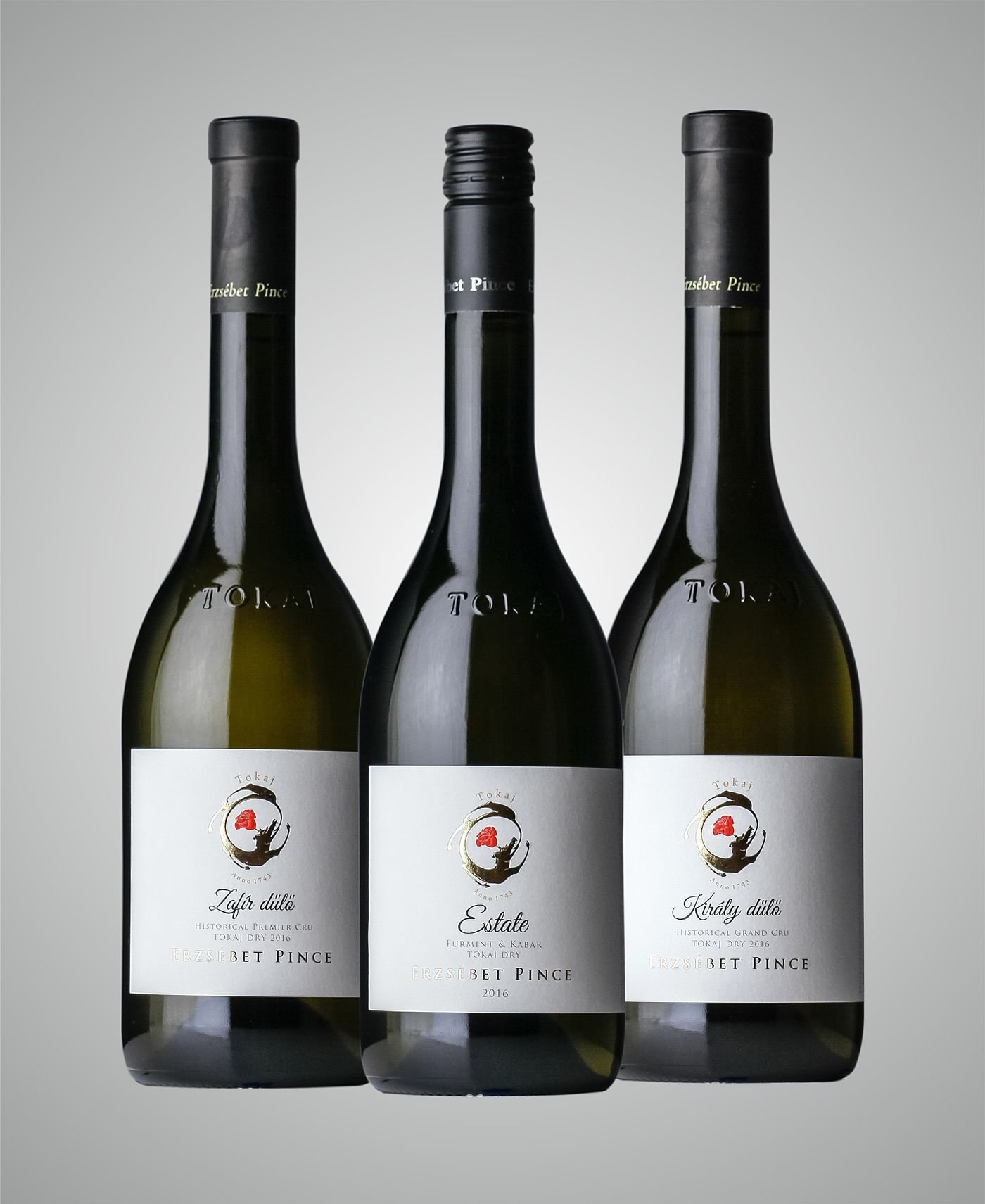
Erzsébet Pince
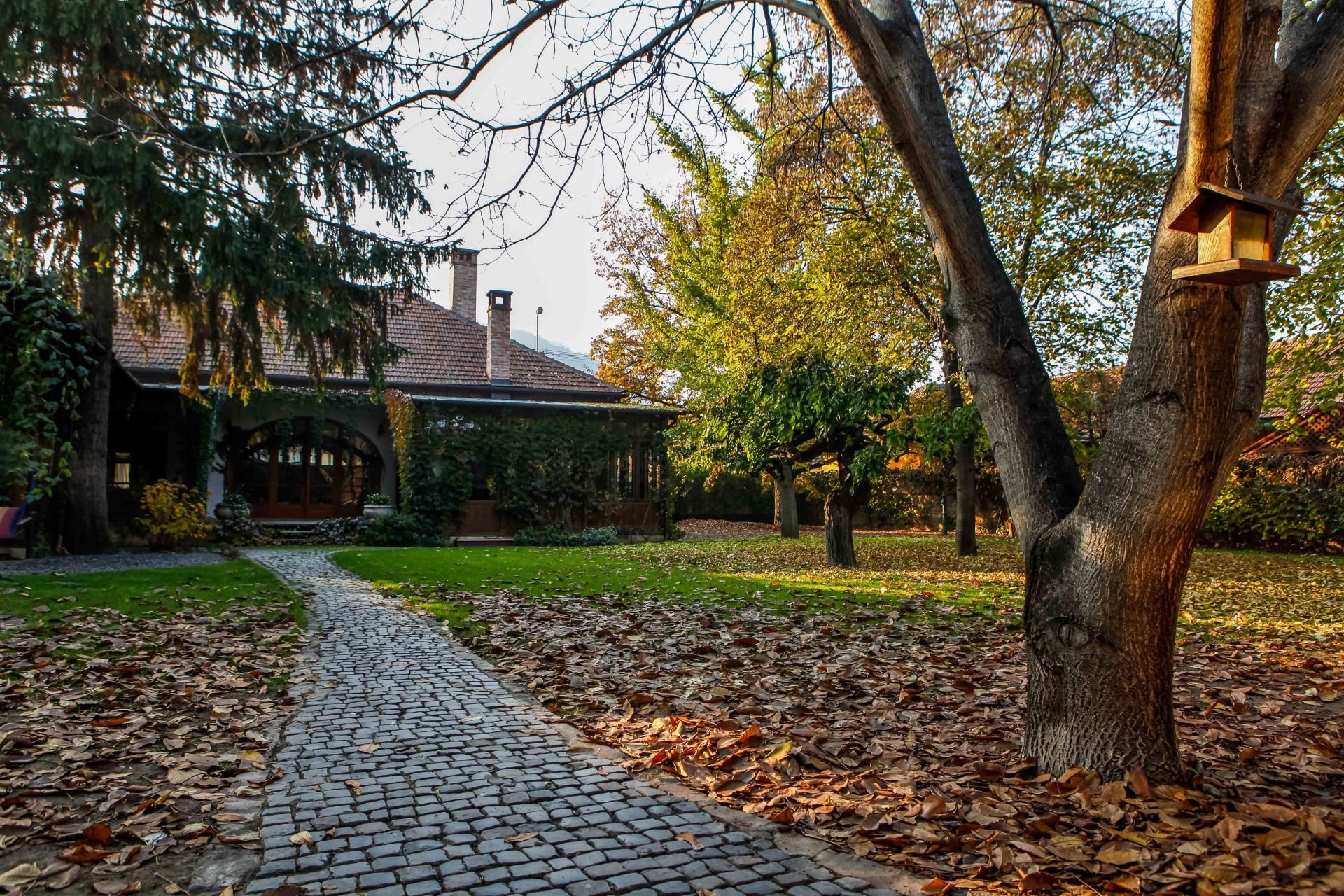
historic center, Tokaj
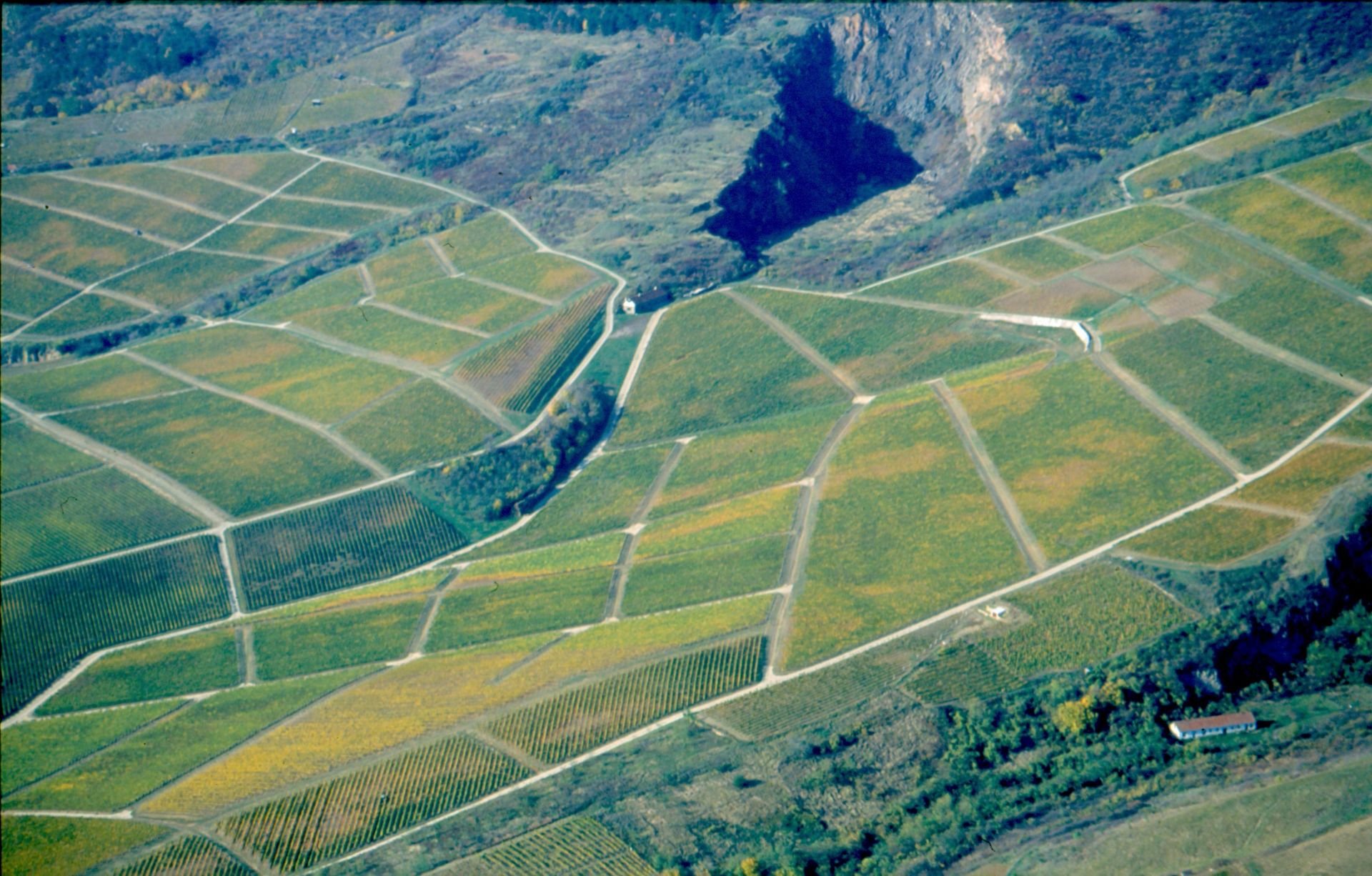
Winery in Tokaj, Hungary
 Book with Pearl
The Read
Volcanic-Tuff Cellar Depth
Why go
Erzsébet Pince is a strong Tokaj choice for wine travellers who want a focused, small-scale tasting rather than a broad visitor-centre stop. Prioritise it for couples, collectors or small groups seeking depth; casual groups may find a larger estate easier to plan around.
About Erzsébet Pince
Erzsébet Pince is a Tokaj venue with Pearl 2 Star Prestige recognition for 2025. When planning a visit, do not assume a particular visit format, menu, offering, visit length or service model. Treat it as a Tokaj stop to research directly before building a trip around specific expectations.
The appeal is simple: it is a recognised Tokaj venue, and the dress code is casual. That makes it reasonable to consider for travellers comparing notable options, while still checking the venue's own current information before relying on details such as reservations, visiting format, availability or what may be offered on a given day.
Choose this as a recognised Tokaj venue, with format details checked directly
The booking case should rest on current information rather than assumptions about the experience. Erzsébet Pince has Pearl 2 Star Prestige (2025). If visit structure, private-visit options, menu format, price, schedule or specific offerings matter to your group, confirm them directly before making plans.
For travellers comparing options, the decision is best framed around fit and current availability. Erzsébet Pince can sit on the same shortlist as Balassa Winery, Demeter Zoltán Winery, Dobogó Pincészet, Hímesudvar and Tokaj Hétszőlő, but any differences in visit style, timing or offer should be checked with the venues themselves rather than assumed.
Plan the day around current details
Before building a tight itinerary, check current opening information, reservation requirements and any visit-specific conditions. Do this before arranging meals, transfers or additional stops. The most reliable plan is one that leaves room for the venue's current schedule and format.
For comparison planning, use the broader Tokaj guides to build the route, then cross-check other dining and overnight options through the Tokaj restaurants guide and Our full Tokaj hotels guide. If the trip is becoming a wider itinerary, Balassa Winery, Demeter Zoltán Winery and Dobogó Pincészet are natural comparisons to keep on the same shortlist.
Planning details
- Location
- Tokaj, Bem József u. 16, 3910
- Website
- erzsebetpince.hu
- Phone
- +36 20 802 0137
The take
The Take
The Vibe
Erzsébet Pince sits beneath a modest street in the volcanic heart of Tokaj, trading street-level show for the cool, steady conditions of cellars carved into rhyolite tuff. The public face — stone facades and low archways — is intentionally understated; the real work happens below. Recent recognition, including a Pearl 2 Star Prestige award for 2025, positions the cellar as a quietly sophisticated producer that attracts collectors and importers. The experience feels focused and restrained rather than theatrical: a compact, polished cellar with a sense of purpose rooted in geology and old-world cellar traditions.
Best For
This is a place for people who come to learn as much as to taste. Wine students and curious visitors benefit from the estate’s geological story — the volcanic soils and botrytis conditions that define Tokaj wines — while collectors and importers take note of the producer’s growing prestige. The quiet, intimate cellar suits solo exploration and small, contemplative visits; it also makes a tasteful backdrop for a special-occasion tasting when quality and provenance matter more than flash.
Tasting Tips
Focus questions on place and process rather than vintages alone: ask about the local geology, how the rhyolite tuff and botrytis influence the house style, and which bottlings reflect the Pearl 2 Star Prestige recognition. If you’re there to learn, request explanations about site-driven differences and any standout parcels. Because the operation is understated and cellar-focused, enquire in advance about guided tastings or the availability of higher‑tier wines so you don’t miss the bottles most relevant to collectors and serious tasters.
Venue details
Ambiance
Cozy historic cellars with volcanic rock paving, thick black mould maintaining constant 13°C temperature and 90% humidity, featuring a torch-lit tasting room evoking medieval ambiance.
Tags
Vibe
Best For
Experience
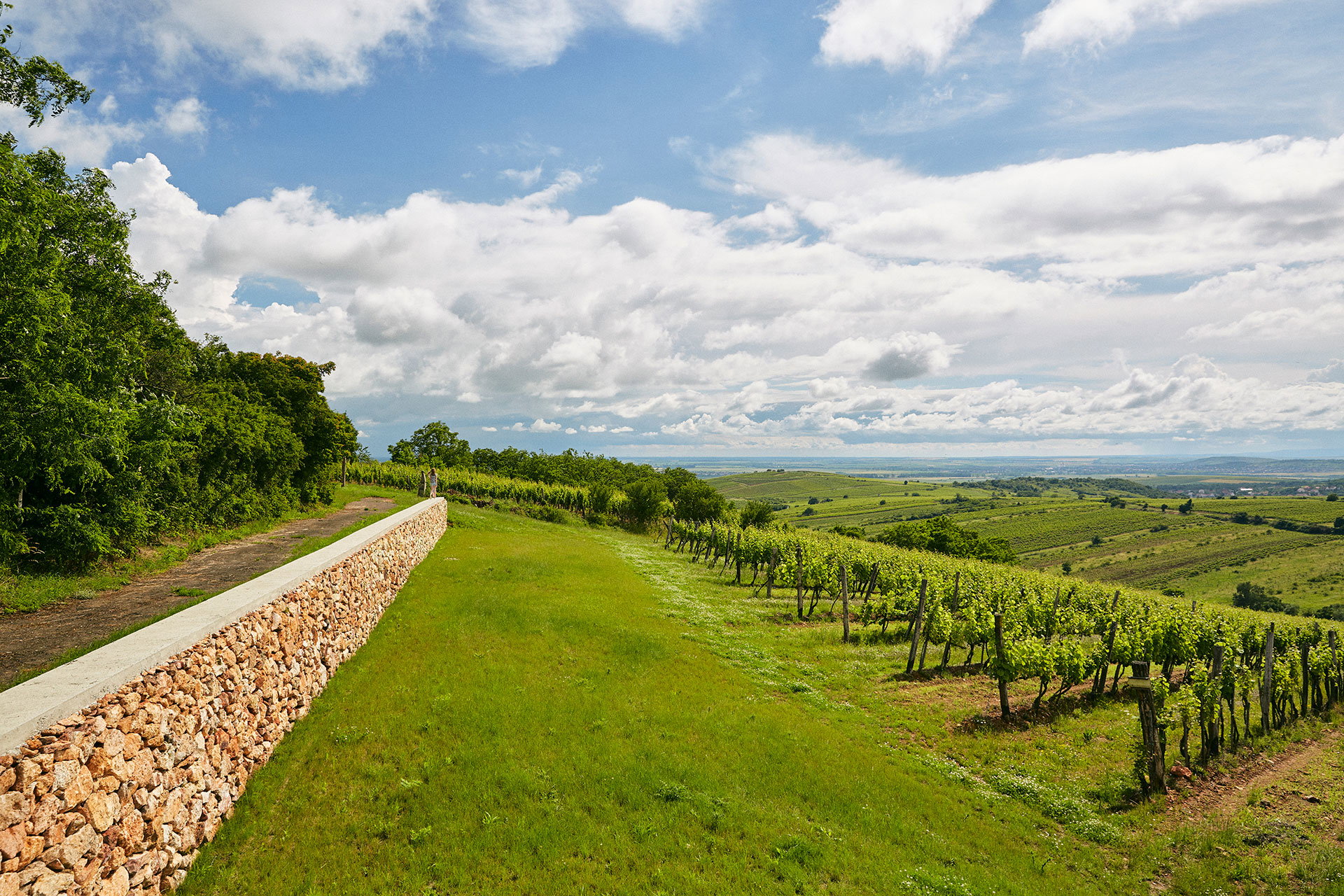
At the Vineyard
- Appellation
- Tokaj
- Varietals
- Furmint, Hárslevelű, Sárgamuskotály, Kövérszőlő, Zéta
- Tour Duration
- 60-90 minutes
- Tour Languages
- English, Hungarian
- Visits
- By reservation
- Wine Styles
- Still White, Fortified, Dessert, Sparkling
- Wine Club
- Not available
Know before you go
Know Before You Go
- Getting there
- Tokaj, Bem József u. 16, 3910
Planning details
Location
Also consider
Also Consider
- Dobogó Pincészet, Notable alternative
- Hímesudvar, Notable alternative
- Demeter Zoltán Winery, Notable alternative
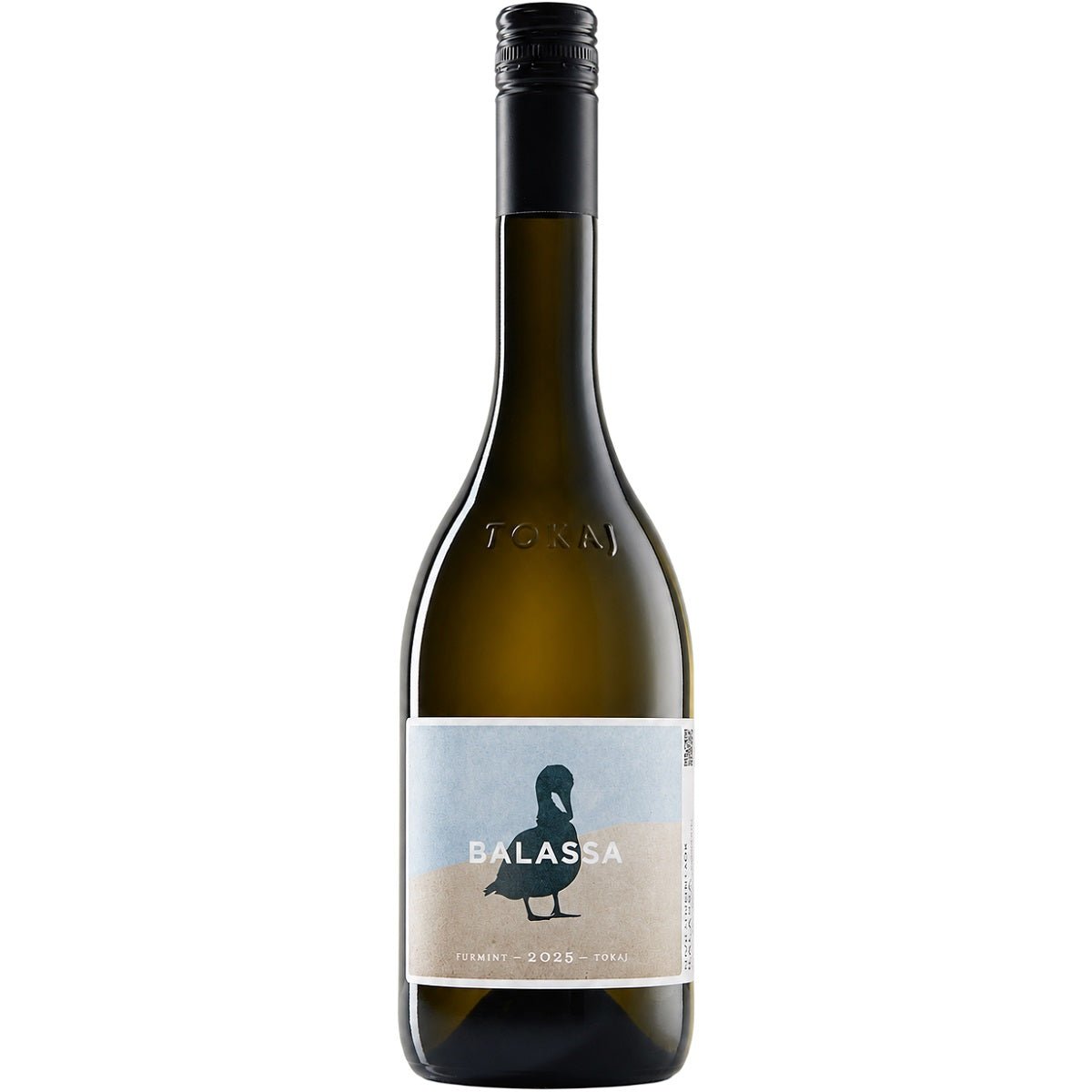
- Balassa Winery, Notable alternative
- Tokaj Hétszőlő, Notable alternative
Winery context
How it compares in Tokaj
Erzsébet Pince is the pick when the priority is a tighter, more personal Tokaj tasting and the group is willing to plan around a difficult booking. Dobogó Pincészet and Hímesudvar make more sense for travellers who want a more accessible Tokaj stop with less pressure on timing.
For a serious wine-led itinerary, cross-shop it against Demeter Zoltán Winery and Balassa Winery. Those are the better alternatives if the group wants to compare producer styles across Tokaj rather than centre the day on one compact cellar experience. Erzsébet Pince is the more selective call; Demeter Zoltán Winery and Balassa Winery are stronger as part of a multi-producer tasting plan.
Tokaj Hétszőlő is the safer fallback for travellers who want an easier estate-style visit and a broader sense of the region. Choose Erzsébet Pince when intimacy and depth matter more than convenience; choose Tokaj Hétszőlő when the group needs a smoother, more predictable stop.
Explore Tokaj
Around this place
Discover more on Pearl
Unlock the full Erzsébet Pince guide in Pearl, including awards, comparisons, FAQs, planning details, and nearby places.
Compare Erzsébet Pince
| Venue | Location | Awards |
|---|---|---|
| Erzsébet Pince | Tokaj | No published awards |
| Dobogó Pincészet | Tokaj | No published awards |
| Hímesudvar | Tokaj | No published awards |
| Demeter Zoltán Winery | Tokaj | 2026 Falstaff Winery Guide |
| Balassa Winery | Tokaj | 2026 Falstaff Winery Guide |
| Tokaj Hétszőlő | Tokaj | 2026 Falstaff Winery Guide2025 World's 50 Best Vineyards · #58 |


How Erzsébet Pince Tokaj compares with similar nearby venues.
FAQ
Frequently Asked Questions
When is the best time to visit Erzsébet Pince?
Does Erzsébet Pince offer delivery or shipping?
For delivery and shipping, ask the venue directly about current terms before you rely on that service.
What should I expect at Erzsébet Pince?
Erzsébet Pince is in Tokaj, has a casual dress code and holds Pearl 2 Star Prestige (2025). For current visit format, menu, price or schedule details, confirm directly with Erzsébet Pince before visiting. If you want a broader comparison, you can also look at Dobogó Pincészet or Tokaj Hétszőlő.