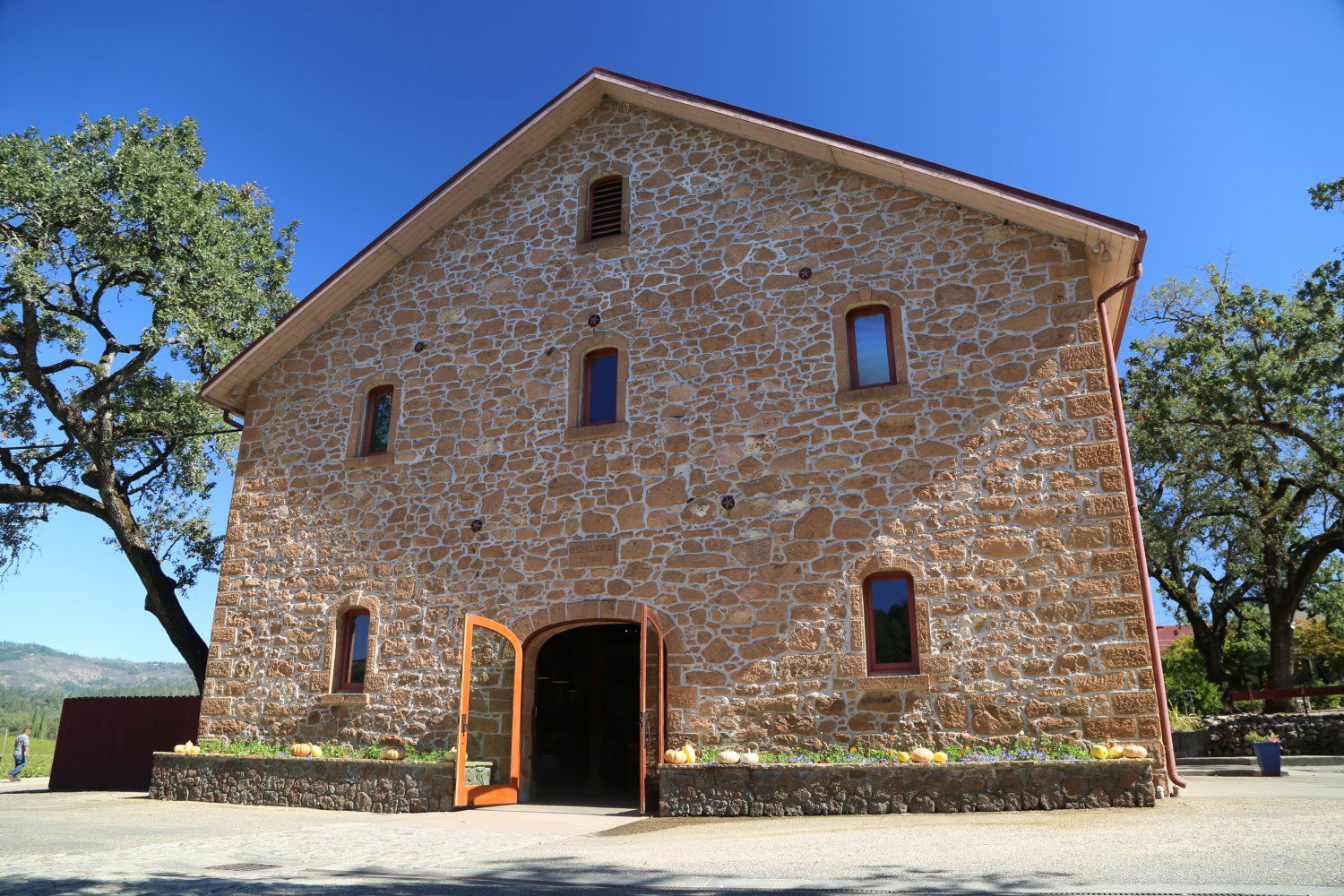
Ehlers Estate
St. Helena
Winery in St. Helena, United States
 Book with Pearl
The Read
Northern Napa Terroir Focus
Price
$50–100tasting
Why go
Ehlers Estate is a strong St. Helena pick for a planned celebration, date, or business-hosting winery visit where a composed estate setting matters. Availability is the main hurdle, so treat it as an anchor appointment and build the rest of the day around it rather than counting on last-minute flexibility.
About Ehlers Estate
Ehlers Estate is a St. Helena venue with Pearl 2 Star Prestige recognition for 2025. Guidance is limited, so the planning advice is narrow: treat it as a notable St. Helena stop, dress smart casual, and confirm visit details directly before building the rest of the day around it.
Because public details such as hours, pricing, visit format, group size, featured offerings, or reservation requirements are not available, avoid assuming a specific experience. The safest way to plan is to use the available facts as the baseline and confirm any time-sensitive details with Ehlers Estate before arrival.
Plan this as a St. Helena stop with details confirmed first
The strongest signal is the Pearl 2 Star Prestige recognition in 2025. That supports treating Ehlers Estate as a notable St. Helena venue, but it does not by itself specify a specific appointment format, visit length, featured offering, or service structure. If the visit is important to the day, confirm those details before making surrounding plans.
For St. Helena planning, use Our full St. Helena planning guide to cluster the day, then add meals or downtime from Our full St. Helena restaurants guide, Our full St. Helena hotels guide, Our full St. Helena bars guide, and Our full St. Helena experiences guide. Other venues to cross-check include AXR Napa Valley, Duckhorn Vineyards, Freemark Abbey Winery, Titus Vineyards, and Trinchero Napa Valley.
Who should choose it, and who should book elsewhere
Choose Ehlers Estate if you want a St. Helena venue with Pearl 2 Star Prestige recognition and are comfortable confirming the practical details directly. The dress code is smart casual, so it fits a polished St. Helena itinerary without requiring formal attire.
If you need public information on pricing, hours, visit format, benefits, or a specific featured offering before deciding, those details are not available. In that case, compare Ehlers Estate with other St. Helena options and confirm the missing information before committing to the stop.
Planning details
- Location
- 3222 Ehlers Ln, St Helena, CA 94574
- Website
- ehlersestate.com
- Phone
- +1 707-963-5972
The take
The Take
The Vibe
Ehlers Estate reads as a measured, sophisticated Napa property where historic continuity and producer pedigree shape the experience. The copy positions the estate in St. Helena's upper tier — a place that attracts collectors and critical attention — and emphasizes old vines and European-influenced cellar technique. That combination creates an aura of refinement rather than flash: earthy, rooted farming traditions sit alongside disciplined winemaking philosophy. Visitors can expect a classic, quietly polished estate atmosphere informed by provenance and terroir, where the emphasis is on the vineyard, the vine age and the structural character of the wines rather than theatrical tasting-room spectacle.
Best For
This estate is best suited to wine-focused visits: collectors, serious enthusiasts and anyone seeking a deeper education in Napa Cabernet sit comfortably here. The description explicitly frames Ehlers Estate as part of a circuit that rewards planned visits and long-term allocation relationships, so it’s a natural fit for special-occasion tastings, educational appointments and intimate, reservation-based encounters with site-driven wines. Travelers who prioritize terroir, old vines and a measured, provenance-first presentation will find the property aligned with those priorities rather than casual drop-in tasting-room energy.
Tasting Tips
Book well in advance and treat visits as appointments rather than drop-ins: the text notes that the estate attracts collectors who plan visits months ahead and that allocations and peer-set pricing matter. Expect a tasting that foregrounds terroir and European-influenced cellaring approaches; frame questions around vine age, vineyard practices and cellar techniques. The description also suggests consulting local St. Helena resources to understand how this tasting-room circuit differs from more tourist-facing corridors, so read up on the neighborhood before you go and plan your timing and logistics accordingly.
Venue details
Ambiance
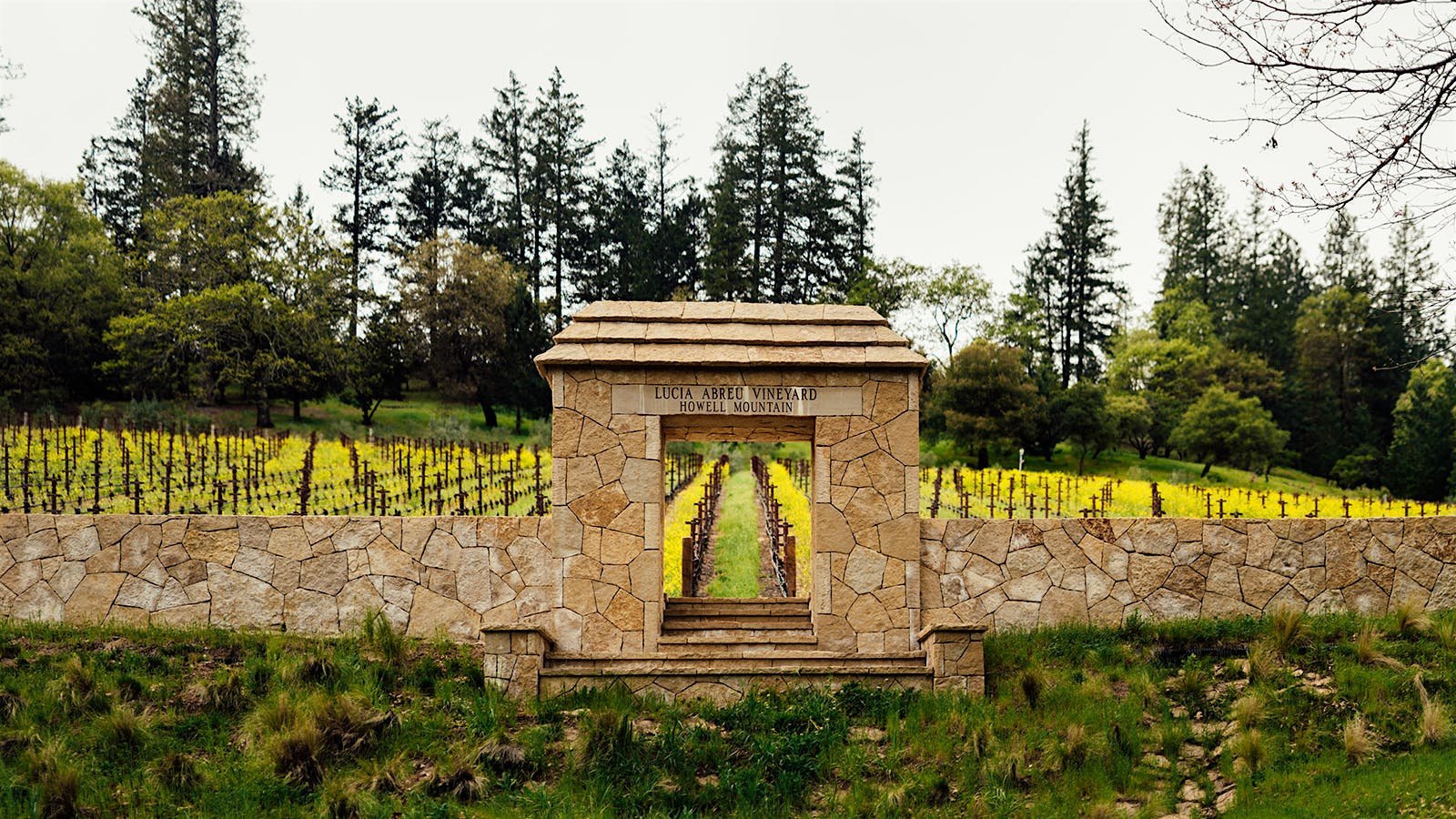
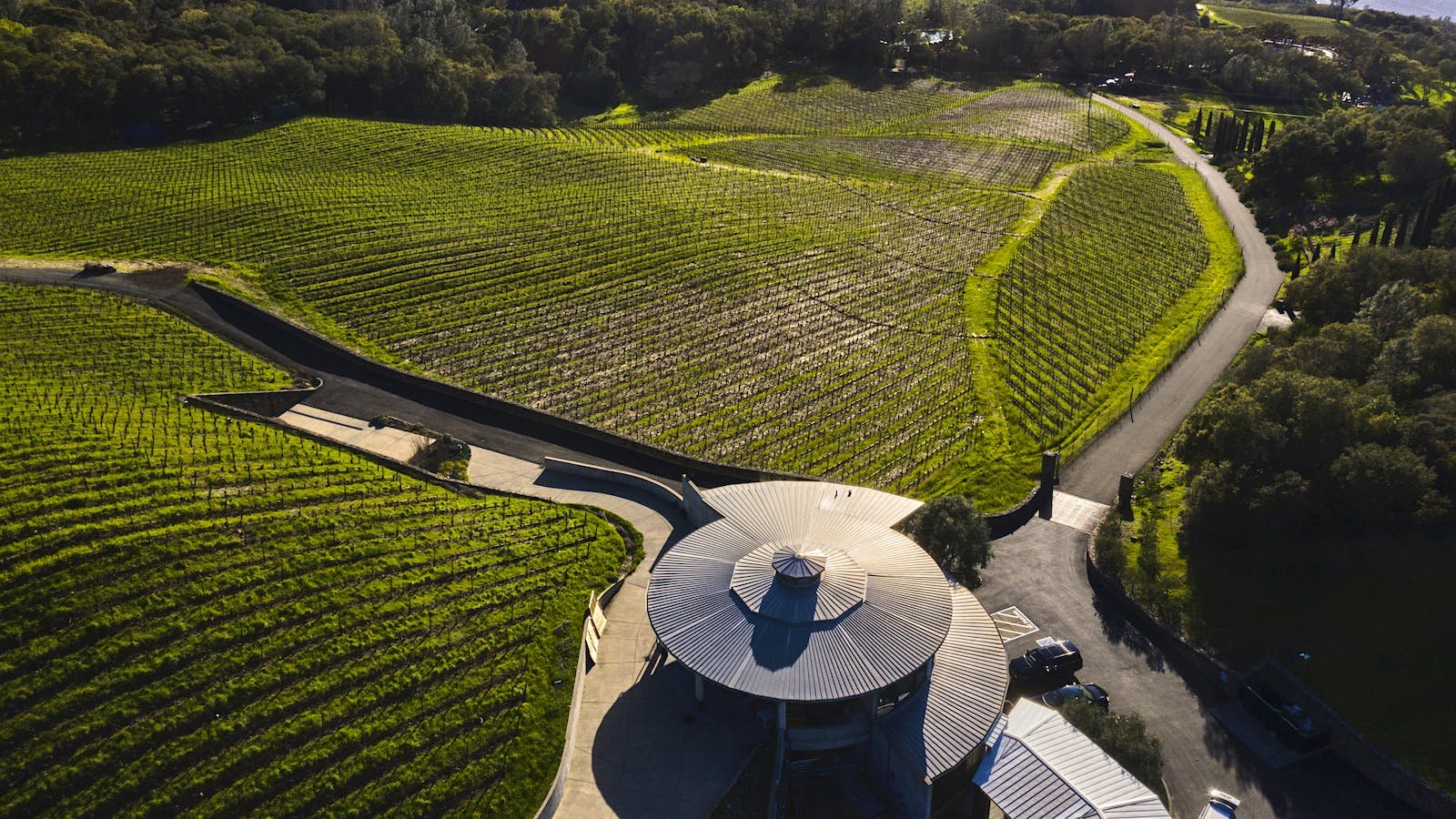
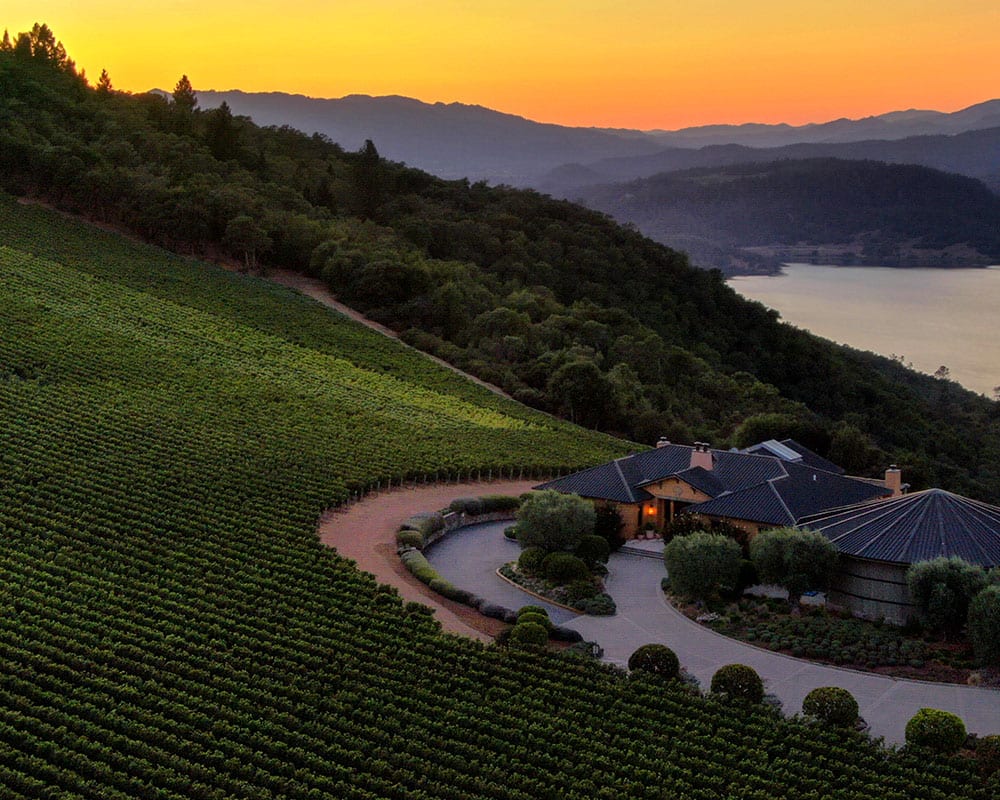
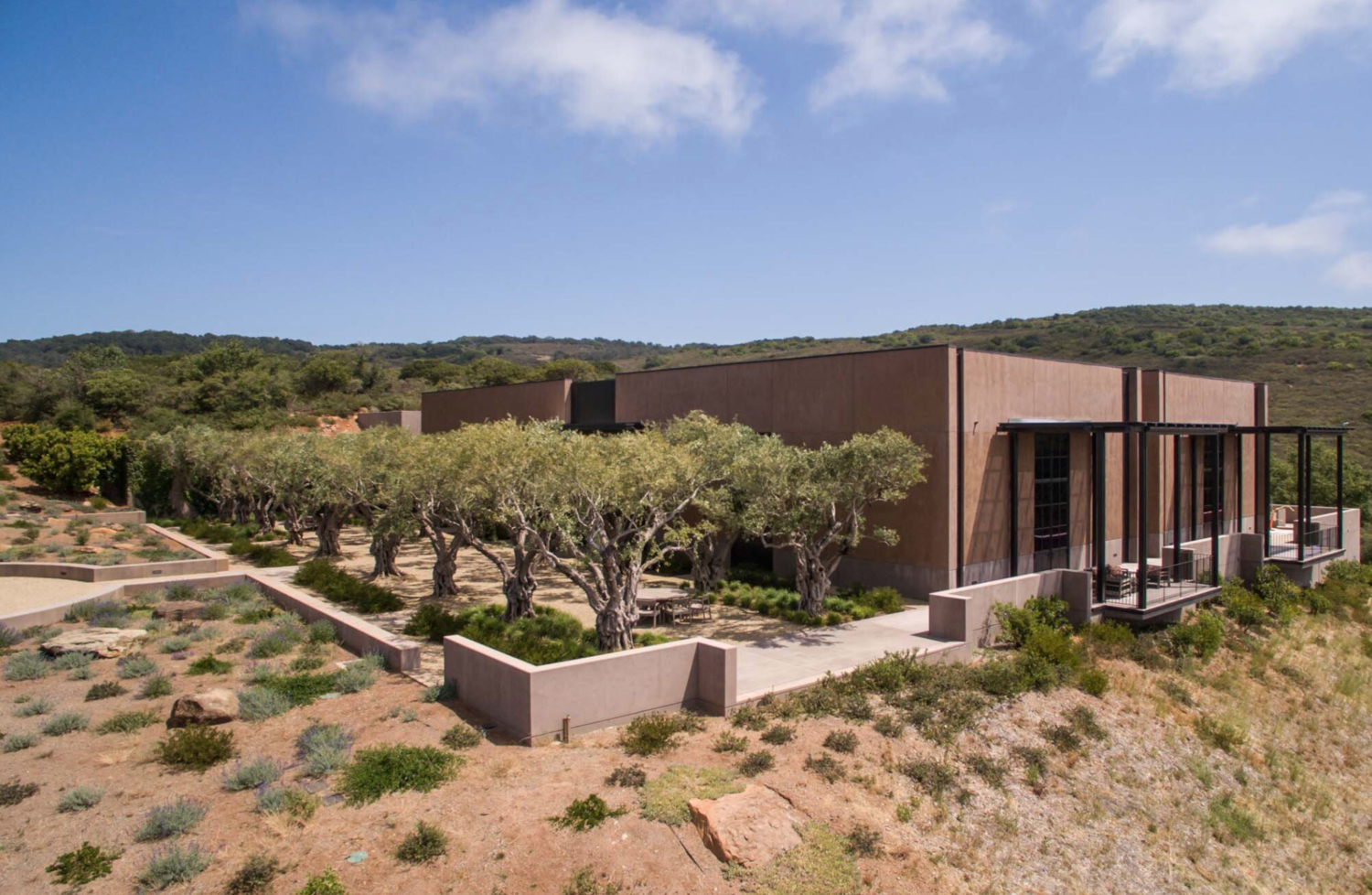
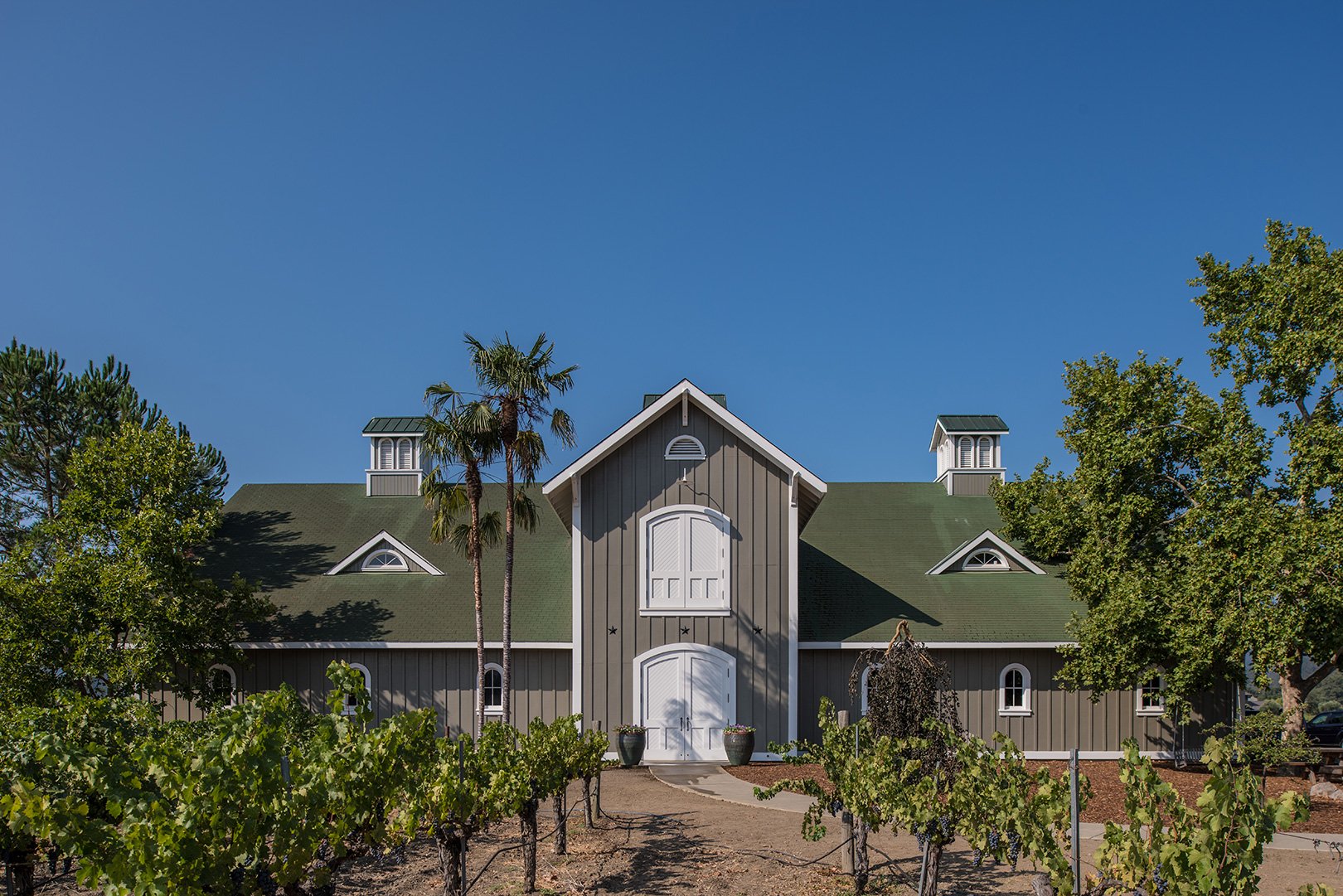
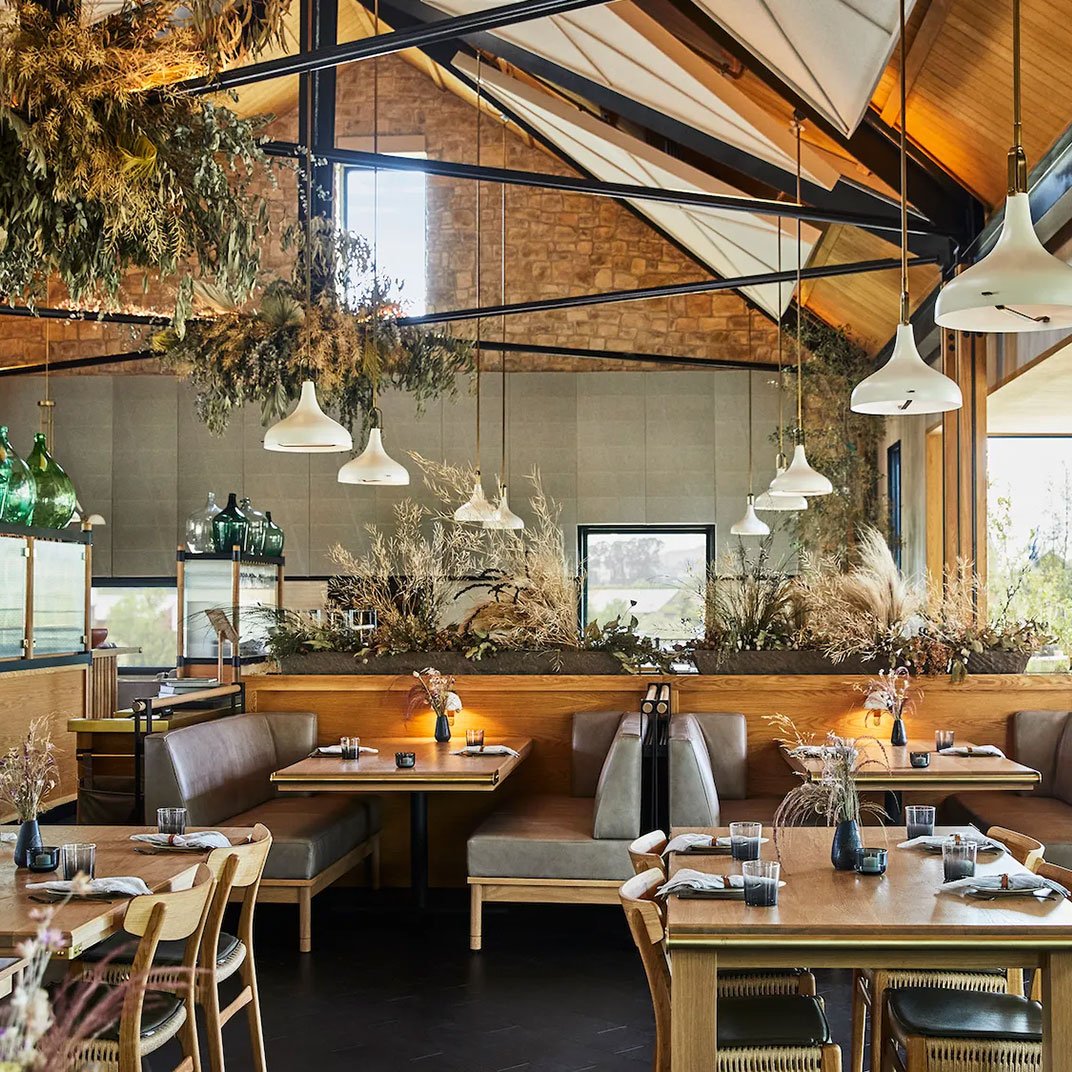
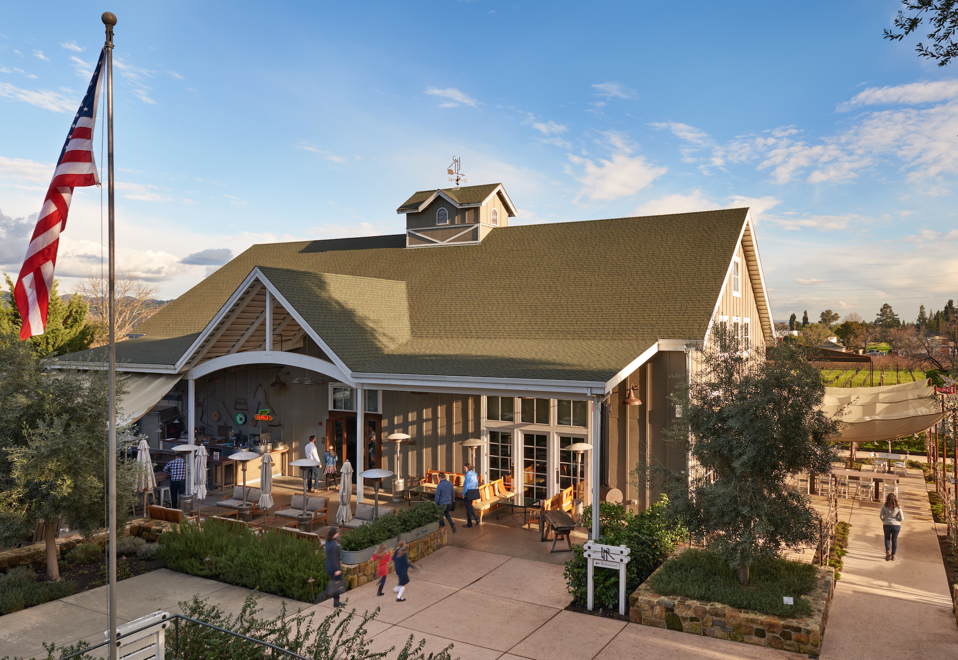
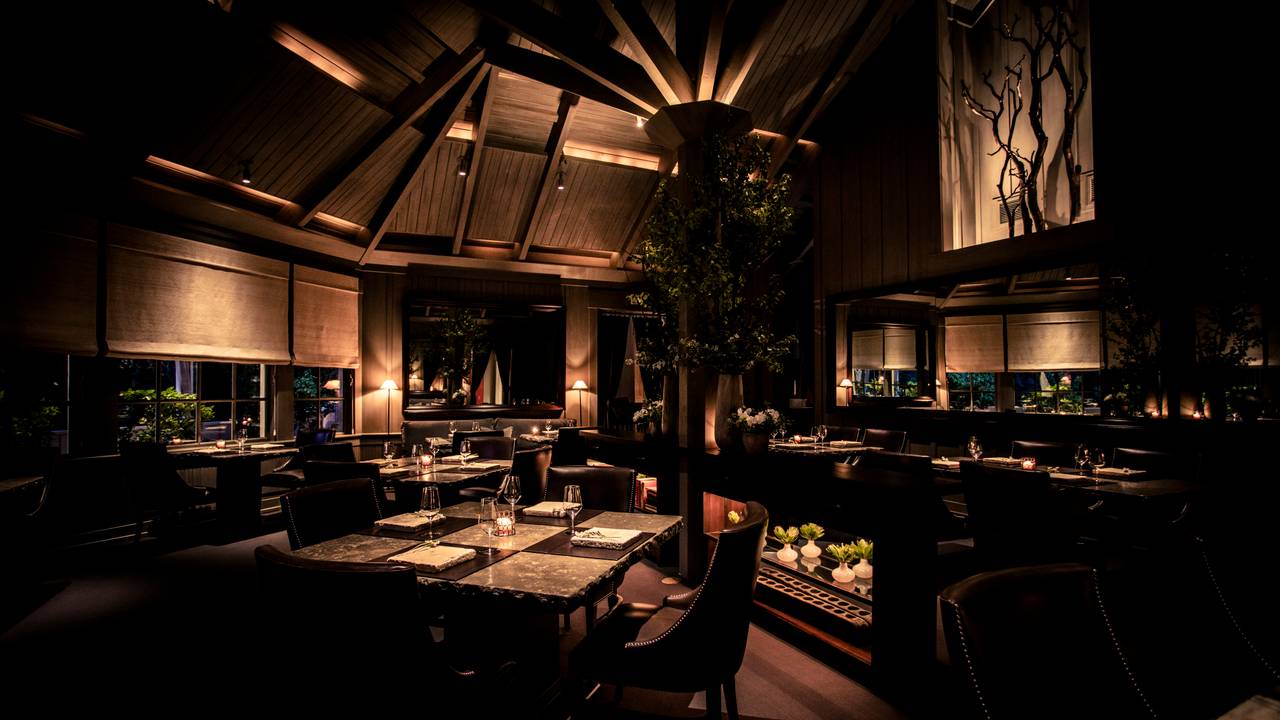
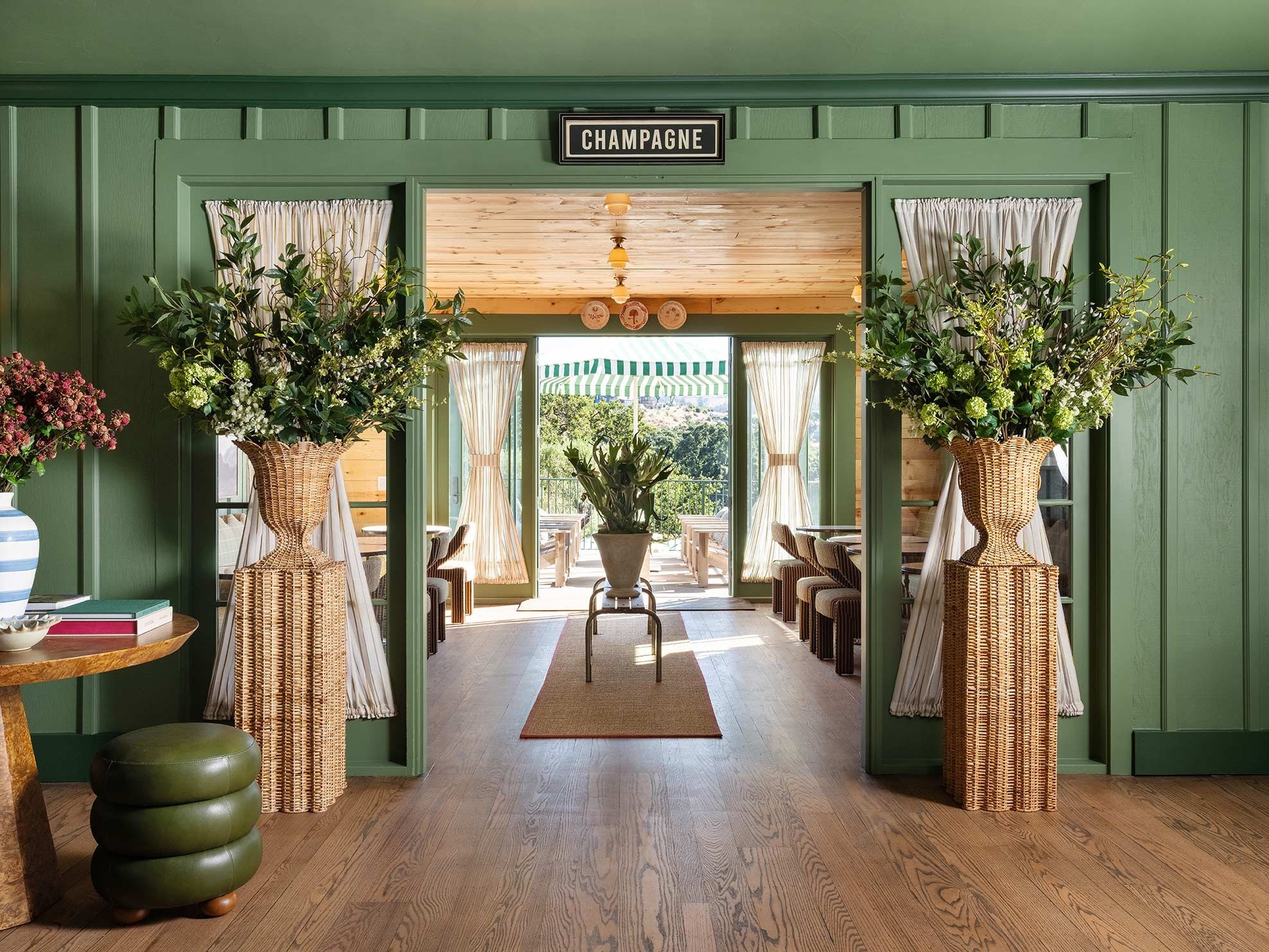
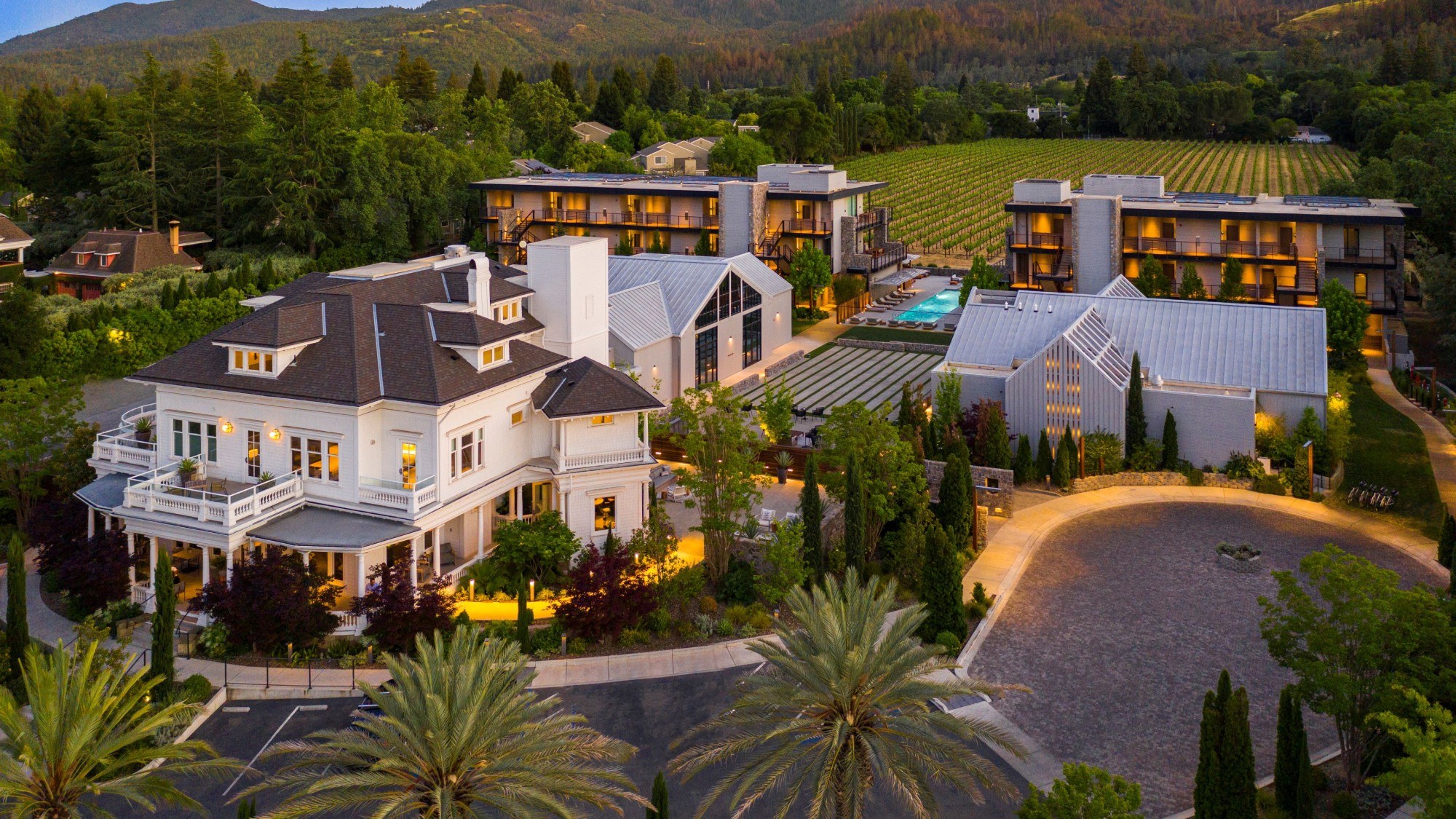
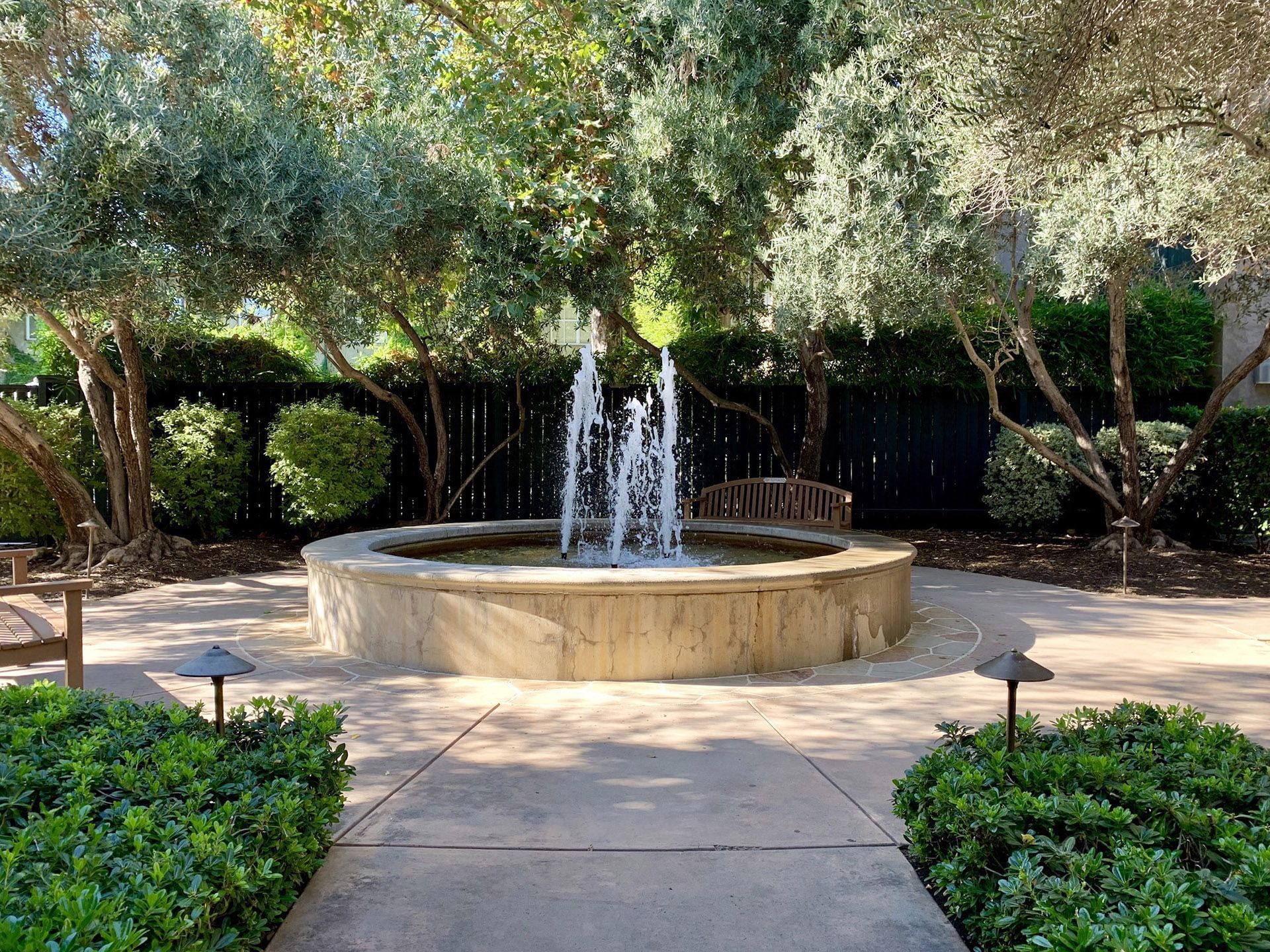
Intimate and hospitable with a rustic yet elegant historic stone building, comfortable sit-down tastings overlooking estate vineyards and olive groves.
Tags
Vibe
Best For
Experience
Sourcing
View
At the Vineyard
- Appellation
- St. Helena
- Varietals
- Cabernet Sauvignon, Cabernet Franc, Merlot, Petite Verdot, Sauvignon Blanc
- Tour Duration
- 60-90 minutes
- Visits
- By appointment only
- Farming
- Organic
- Wine Styles
- Still Red, Still White, Still Rose
- Food Pairing
- Offered
- Shipping
- Available
- Wine Club
- Available
Know before you go
Know Before You Go
- Getting there
- 3222 Ehlers Ln, St Helena, CA 94574
Planning details
Location
Also consider
Also Consider
- Trinchero Napa Valley, Notable alternative
- AXR Napa Valley, Notable alternative
- Duckhorn Vineyards, Notable alternative
- Freemark Abbey Winery, Notable alternative
- Titus Vineyards, Notable alternative
Winery context
How It Compares
Against Trinchero Napa Valley, AXR Napa Valley, and Titus Vineyards, Ehlers Estate is the pick when the day needs a quieter, more occasion-led St. Helena stop. Trinchero is the better cross-shop if the group wants a larger-format Napa Valley feel, while AXR is the stronger fallback for travelers who want another St. Helena estate option with a distinct sense of place.
Duckhorn Vineyards and Freemark Abbey Winery make more sense for visitors who want a widely recognized Napa name in the itinerary. Ehlers Estate is better for a smaller celebration where ambiance and pacing matter more than checking off a familiar label.
For booking strategy, do not treat Ehlers Estate as the easy add-on. If availability is tight, cross-shop AXR Napa Valley or Titus Vineyards first for a St. Helena-based backup, then widen to Trinchero Napa Valley, Duckhorn Vineyards, or Freemark Abbey Winery depending on the route and the group's tolerance for a busier day.
Around this place
Discover more on Pearl
Unlock the full Ehlers Estate guide in Pearl, including awards, comparisons, FAQs, planning details, and nearby places.
Compare Ehlers Estate
| Venue | Location | Awards |
|---|---|---|
| Ehlers Estate | St. Helena | No published awards |
| Trinchero Napa Valley | St. Helena | No published awards |
| AXR Napa Valley | St. Helena | No published awards |
| Duckhorn Vineyards | Napa | 2026 Falstaff Winery Guide2025 Pearl 3 Star Prestige2024 World's 50 Best Vineyards · #44 |
| Freemark Abbey Winery | Rutherford | 2026 Falstaff Winery Guide |
| Titus Vineyards | St. Helena | No published awards |



How Ehlers Estate St. Helena compares with similar nearby venues.
FAQ
Frequently Asked Questions
What recognition does Ehlers Estate have?
Ehlers Estate has Pearl 2 Star Prestige recognition for 2025.
Do I need a reservation at Ehlers Estate?
It is not stated whether a reservation is required. Before planning around Ehlers Estate, confirm current visit requirements directly with the venue in St. Helena.
What should I wear to Ehlers Estate?
The dress code for Ehlers Estate is smart casual.
How long should I plan for a visit to Ehlers Estate?
A standard visit length is not available. If timing matters, confirm the expected duration with Ehlers Estate before arranging the rest of your St. Helena itinerary.
Where is Ehlers Estate?
Ehlers Estate is in St. Helena. A street address is not provided.