Titus Vineyards
St. Helena
Winery in St. Helena, United States
 Book with Pearl
The Read
Silverado Trail Estate Precision
Why go
A better fit for a planned St. Helena tasting than a spontaneous Napa stop, Titus Vineyards works best for couples, celebrations, or business-hosting days built around a calmer Silverado Trail setting. Book early and keep group size in mind; if flexibility matters more, compare nearby St. Helena wineries before locking the itinerary.
About Titus Vineyards
Titus Vineyards is a St. Helena venue with a smart casual dress code and Pearl 2 Star Prestige recognition for 2025. Beyond those points, treat detailed claims about visit format, availability, pricing, group handling, menu-style experiences, or specific on-site services as unconfirmed unless you verify them directly before planning.
The safest way to use Titus Vineyards in a St. Helena itinerary is as a planned stop rather than a loosely assumed add-on. If timing, group size, or a particular experience format matters, confirm those details with the venue before building the rest of the day around it.
Worth it for a St. Helena visit with confirmed recognition
Titus Vineyards makes the clearest case for guests who want a St. Helena venue on the shortlist and value its confirmed Pearl 2 Star Prestige recognition for 2025. Use Our full St. Helena venue guide to keep the route focused, then pair the day with Our full St. Helena restaurants guide or Our full St. Helena hotels guide if this is part of a longer visit.
For planning purposes, the value depends on what you can confirm for the date you want. If a specific visit format, private arrangement, group arrangement, or timing window matters, verify it directly rather than assuming it is offered. If you want to compare other options, consider names such as Ballentine Vineyards, Duckhorn Vineyards, Freemark Abbey Winery, Markham Vineyards, or Revana Family Vineyard.
Who should plan around Titus Vineyards, and who should choose a different St. Helena stop
Consider Titus Vineyards if you want a St. Helena venue with confirmed Pearl 2 Star Prestige recognition and a smart casual dress code.
Quick reference: keep the plan St. Helena-focused, dress smart casual, and confirm any practical details directly before treating Titus Vineyards as the anchor of the day.
Planning details
- Location
- 2971 Silverado Trail N, St Helena, CA 94574
- Website
- titusvineyards.com
- Phone
- +1 707-963-3235
The take
The Take
The Vibe
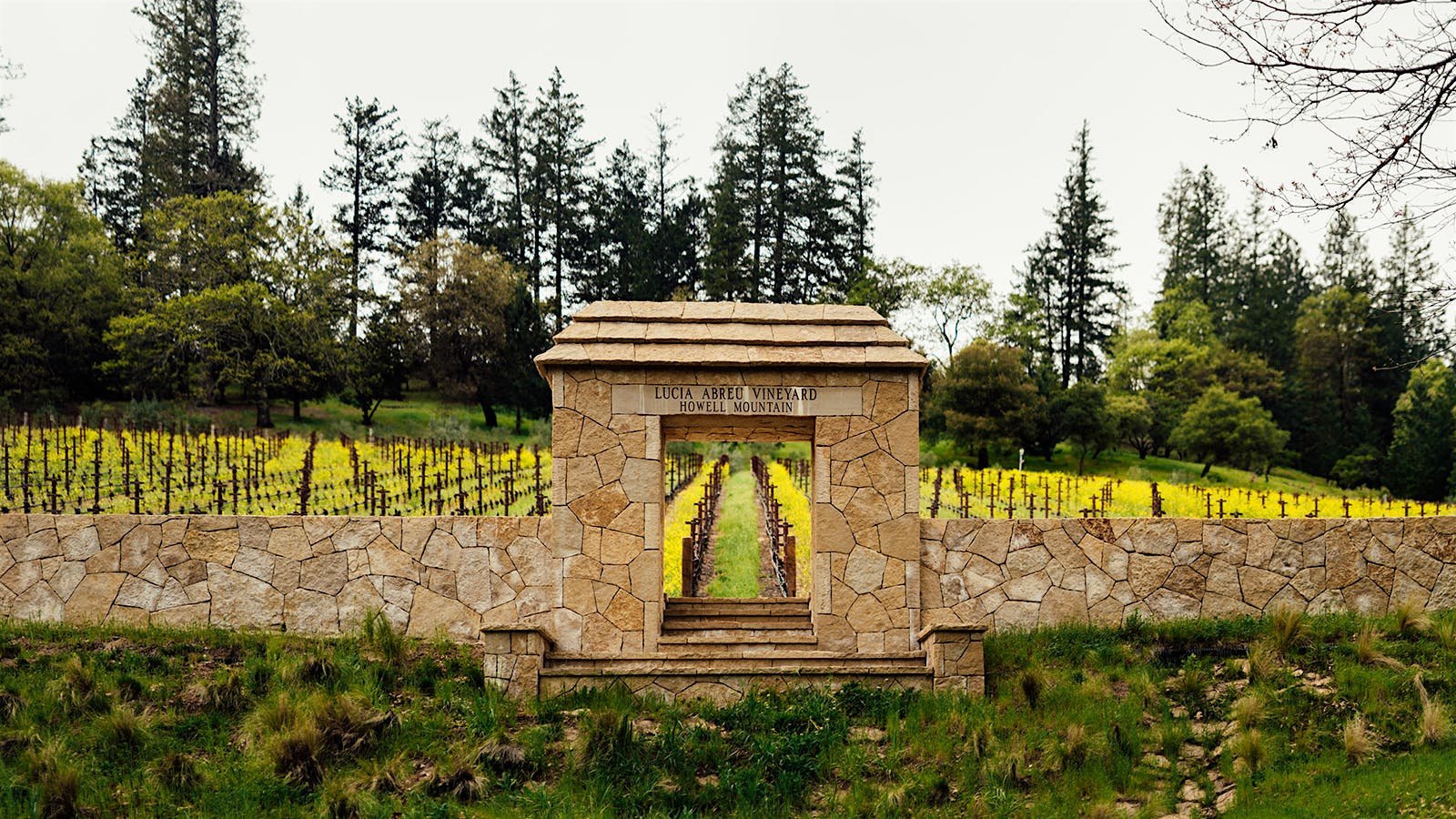
Titus Vineyards reads like a classic Napa estate: composed, quietly confident and tethered to vineyard terroir. Located on the Silverado Trail amid tenure-rich neighbors, the property emphasizes provenance and a disciplined approach to sourcing and hospitality. The Pearl 2 Star Prestige nod signals a sophisticated, mid-to-upper-tier operation rather than a tourist-facing, high-traffic tasting room. Visits feel appointment-led and deliberate, with an understated, refined manner that favors vineyard access and thoughtful guest service over spectacle.
Best For
Titus is best for guests who prioritize wine-focused experiences and thoughtful hospitality. The winery’s placement on the Silverado Trail and its EP Club Pearl 2 Star Prestige recognition point toward structured tastings and conversations about sourcing and terroir. That makes it a natural fit for visitors seeking education about estate wines, couples or small groups marking a special occasion, and organized outings that value an appointment-led, measured tasting rather than walk-in bustle.
Tasting Tips
Book in advance — the estate operates in an appointment-led manner that prioritizes vineyard access. Ask about the property’s sourcing and the wines tied to specific blocks or vintages; the Pearl 2 Star Prestige designation signals that provenance and consistency are part of the experience. Confirm the format of your tasting (private or seated) when you reserve, and inquire about availability and allocations if you’re interested in acquiring mid-to-upper-tier releases.
Venue details
Ambiance
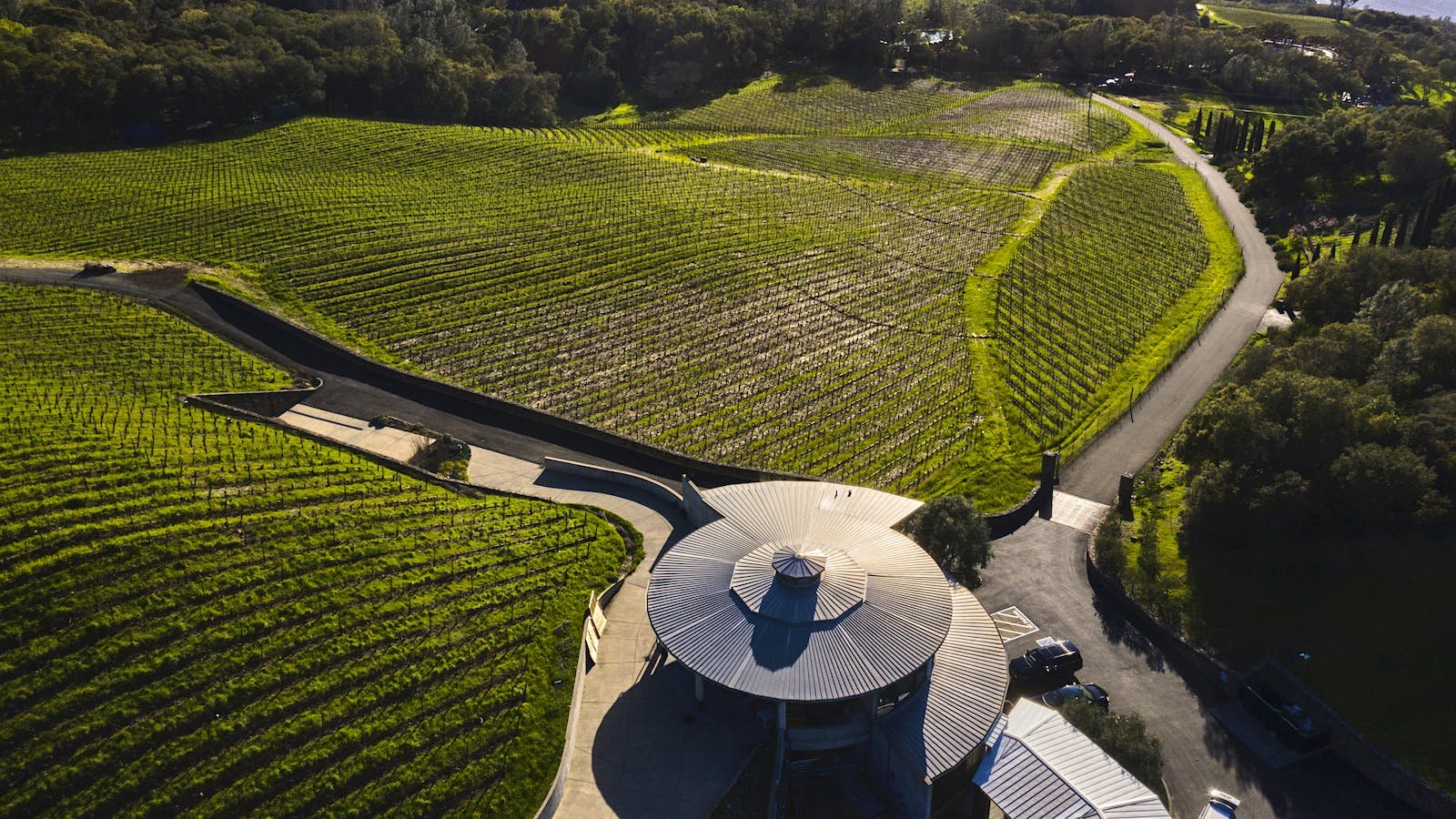
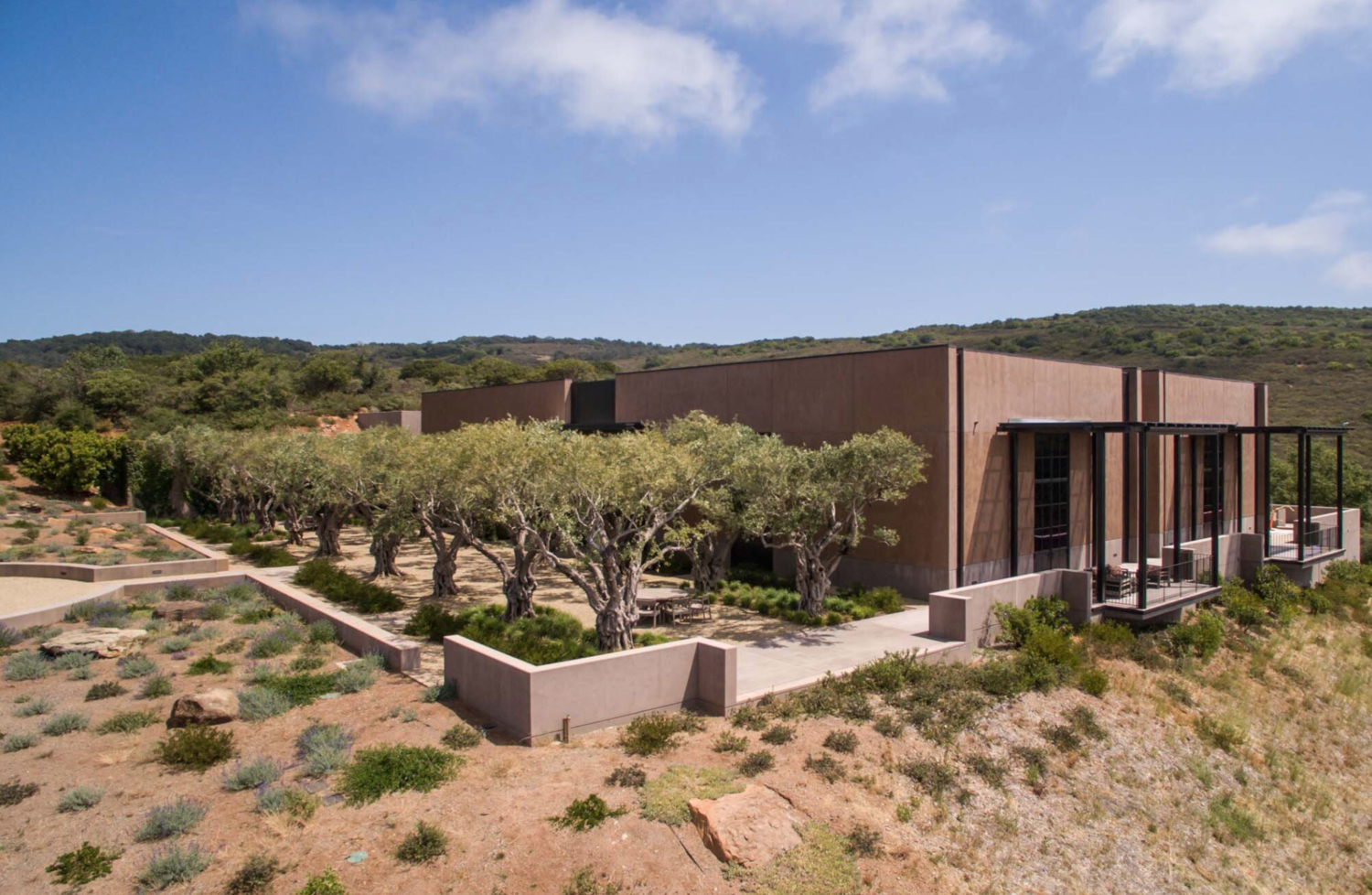
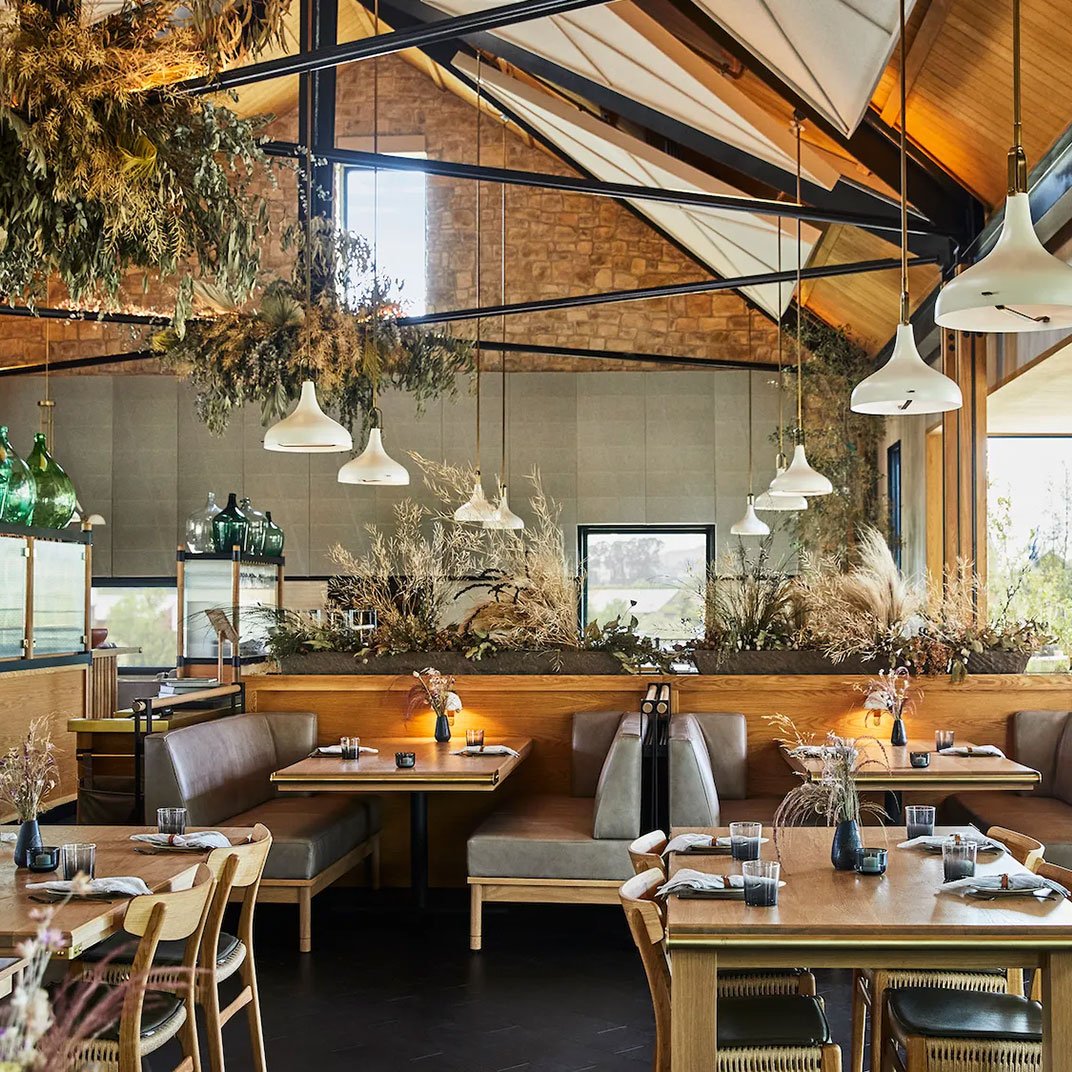
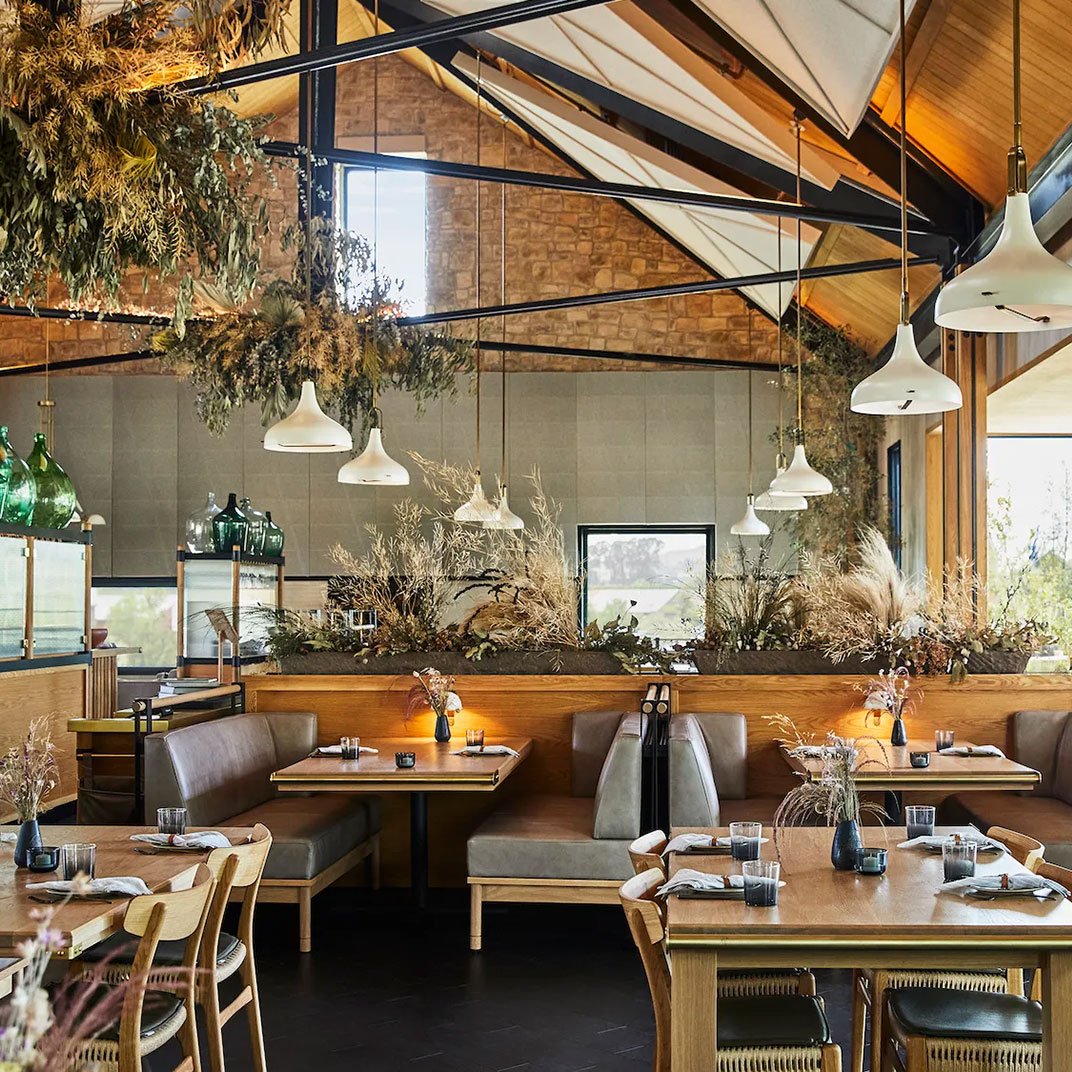
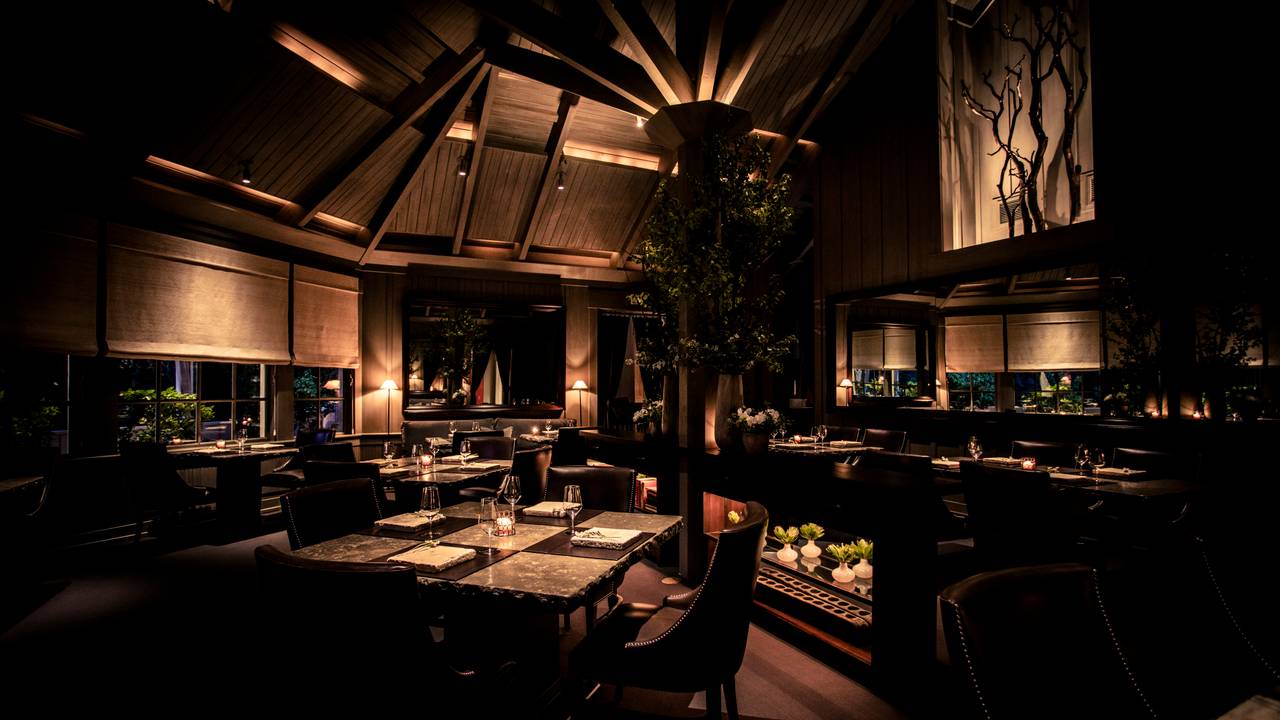
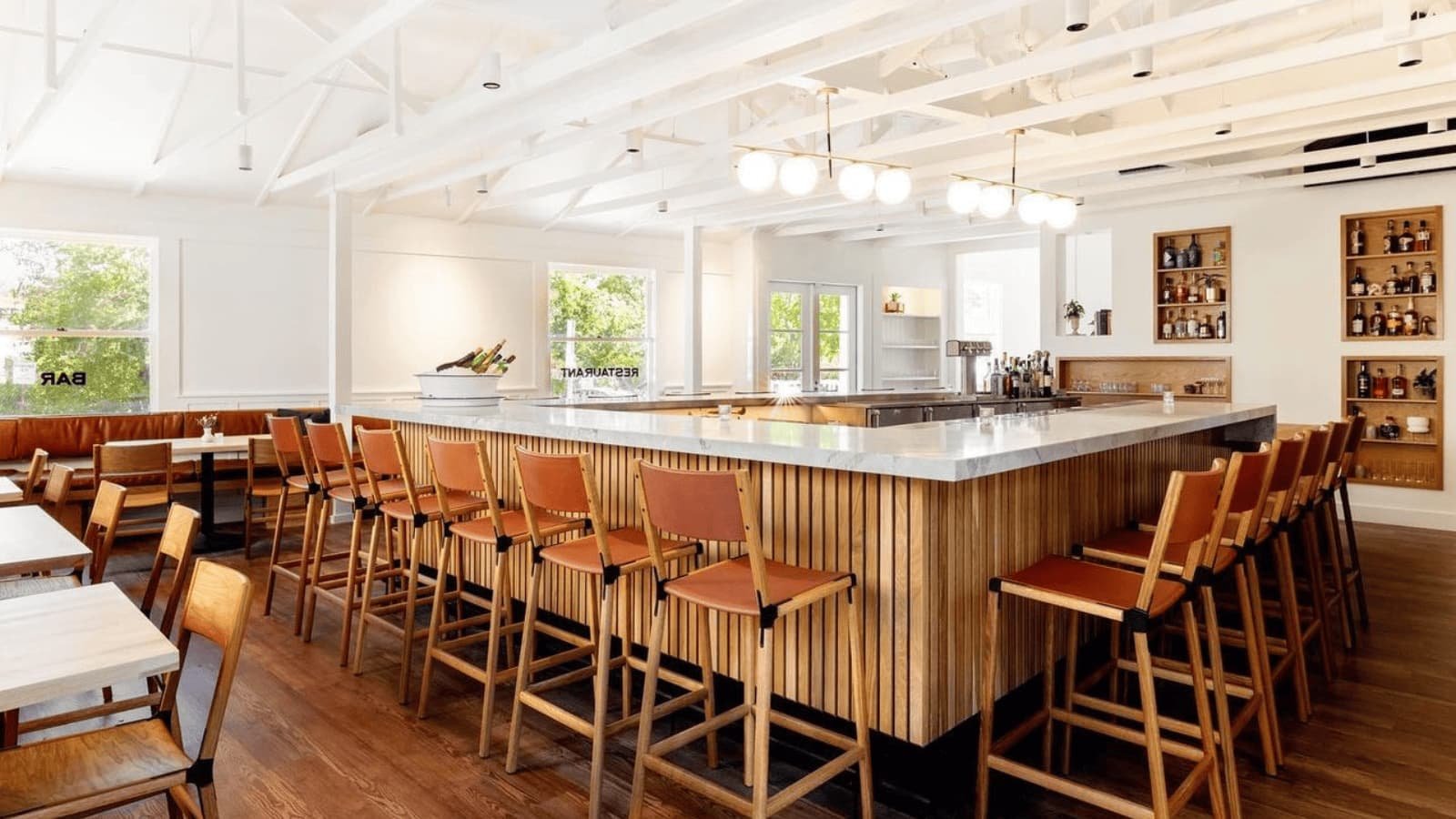
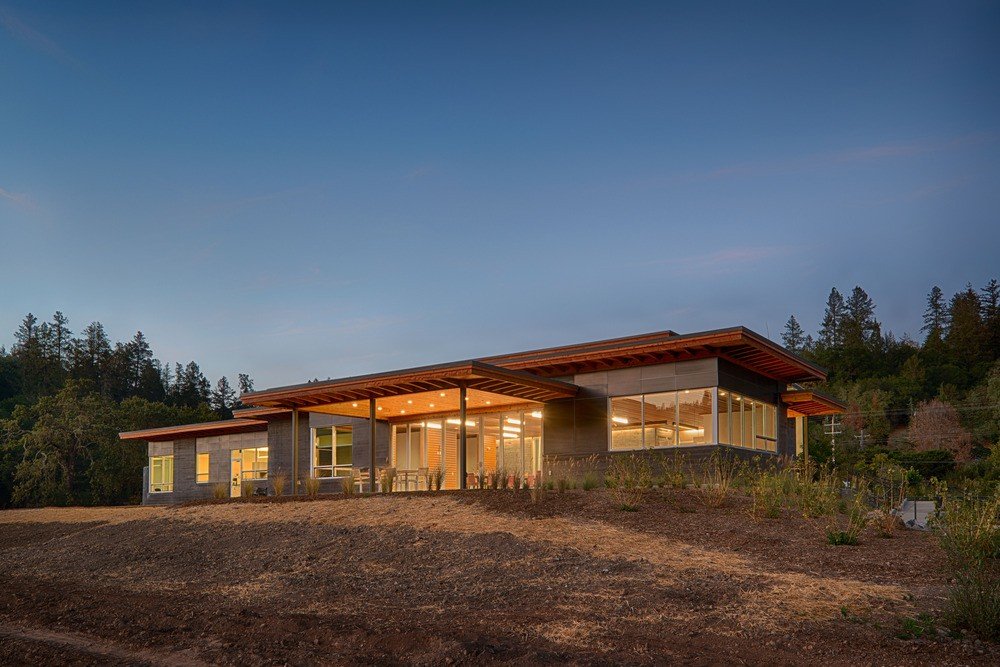
Sleek yet warm modern tasting room overlooking vineyards with picturesque views; relaxing, personal atmosphere praised for knowledgeable hospitality.
Tags
Vibe
Best For
Experience
View
At the Vineyard
- Appellation
- Napa Valley AVA
- Varietals
- Cabernet Sauvignon, Cabernet Franc, Malbec, Petit Verdot, Merlot
- Tour Duration
- 60-90 minutes
- Visits
- By reservation
- Wine Styles
- Still Red, Still White
- Shipping
- Available
- Wine Club
- Available
Know before you go
Know Before You Go
- Getting there
- 2971 Silverado Trail N, St Helena, CA 94574
Planning details
Location
Also consider
Where to look if this is booked
Try Ballentine Vineyards first if staying in St. Helena matters. For a more recognition-led Napa plan, look at Duckhorn Vineyards or Freemark Abbey Winery instead.
Winery context
How It Compares
Titus Vineyards is the better pick when the St. Helena setting and a quieter, more deliberate tasting are the priority. Duckhorn Vineyards is the stronger choice for visitors who want a more widely recognized Napa name, while Ballentine Vineyards is easier to position as a practical St. Helena alternative when the day needs less pressure around availability.
For ambiance, Titus works well as the polished anchor stop on Silverado Trail. Revana Family Vineyard and Markham Vineyards are the closer St. Helena cross-shops for visitors who want to keep the itinerary compact. If value for money is the deciding factor, compare appointment formats carefully rather than assuming the more difficult booking is automatically the better fit.
Freemark Abbey Winery is the better fallback for visitors who want a classic Napa winery name in the mix. Titus is more compelling for a special-occasion stop where the experience should feel composed, while the peers make more sense for travelers optimizing recognition, flexibility, or a broader tasting route.
Around this place
Discover more on Pearl
Unlock the full Titus Vineyards guide in Pearl, including awards, comparisons, FAQs, planning details, and nearby places.
Compare Titus Vineyards
| Venue | Location | Awards |
|---|---|---|
| Titus Vineyards | St. Helena | No published awards |
| Duckhorn Vineyards | Napa | 2026 Falstaff Winery Guide2025 Pearl 3 Star Prestige2024 World's 50 Best Vineyards · #44 |
| Ballentine Vineyards | St. Helena | No published awards |
| Freemark Abbey Winery | Rutherford | 2026 Falstaff Winery Guide |
| Revana Family Vineyard | St. Helena | 2026 Falstaff Winery Guide |
| Markham Vineyards | St. Helena | No published awards |



How Titus Vineyards St. Helena Guide compares with similar nearby venues.
FAQ
Frequently Asked Questions
Can Titus Vineyards handle large groups?
If group size matters, confirm directly with Titus Vineyards before making it the anchor of a St. Helena itinerary. Duckhorn Vineyards is another comparison option to consider when planning visits.
What other venues can I compare with Titus Vineyards?
Comparison names to consider include Duckhorn Vineyards, Ballentine Vineyards, Freemark Abbey Winery, Revana Family Vineyard, and Markham Vineyards. Use them as planning references alongside Titus Vineyards when building an itinerary.
When is the best time to visit Titus Vineyards?
Confirm current availability and timing directly with Titus Vineyards before planning the rest of the day. Freemark Abbey Winery is another comparison option if you are building a broader venue plan.
What is Titus Vineyards known for?
Titus Vineyards is a St. Helena venue with a smart casual dress code and Pearl 2 Star Prestige recognition for 2025.