
Abreu Vineyards
St. Helena
Winery in St. Helena, United States
 Book with Pearl
The Read
Allocation-Tier Napa Cabernet
Why go
Abreu Vineyards is a serious St. Helena choice for collectors and repeat Napa visitors, not a casual tasting-room fallback. Prioritize it if access matters more than flexibility; cross-shop Merryvale Vineyards or Orin Swift Cellars for an easier group-friendly stop in town.
About Abreu Vineyards
For a repeat St. Helena visitor, Abreu Vineyards is best treated as a high-intent stop rather than filler between other plans. The confirmed profile is simple: Abreu Vineyards is in St. Helena, carries Pearl 4 Star Prestige (2025), and lists a smart casual dress code.
That detail matters for planning. Keep the day centered on St. Helena, leave enough time around any confirmed arrangements, and use nearby dining, lodging, or other plans as needed. For broader planning, use Our full St. Helena wineries guide, then build the rest of the trip from Our full St. Helena restaurants guide, Our full St. Helena hotels guide, Our full St. Helena bars guide, and Our full St. Helena experiences guide.
A premium St. Helena stop with limited detail
The reason to prioritize Abreu Vineyards is its confirmed prestige positioning in St. Helena. Pearl 4 Star Prestige (2025) gives it a clear premium signal, so travelers should confirm practical arrangements before making it the center of a day. If the group wants to compare other options, Merryvale Vineyards and Orin Swift Cellars are names to check separately for their own current details.
For a second pass through the area, do not overload the schedule. Keep the day tight and verify each stop directly before committing. That kind of pacing leaves room for the plan that matters, instead of turning the day into a series of close calls and hurried transitions. Other names to compare for fit include Hundred Acre, Massican Winery, Merryvale Vineyards, Orin Swift Cellars, and TOR Wines.
How to use it in an itinerary
Treat Abreu Vineyards as the anchor only after confirming current access and practical details. Massican Winery can be considered as another option to research, while Hundred Acre and TOR Wines are also worth checking if the goal is to compare premium names. The point is not to stack similar stops for the sake of it, but to understand what role each one plays in the day and to verify details before you go.
Planning details
- Location
- 945 Main St, St Helena, CA 94574, United States
- Website
- abreuvineyards.com
- Phone
- +17079633465
The take
The Take
The Vibe
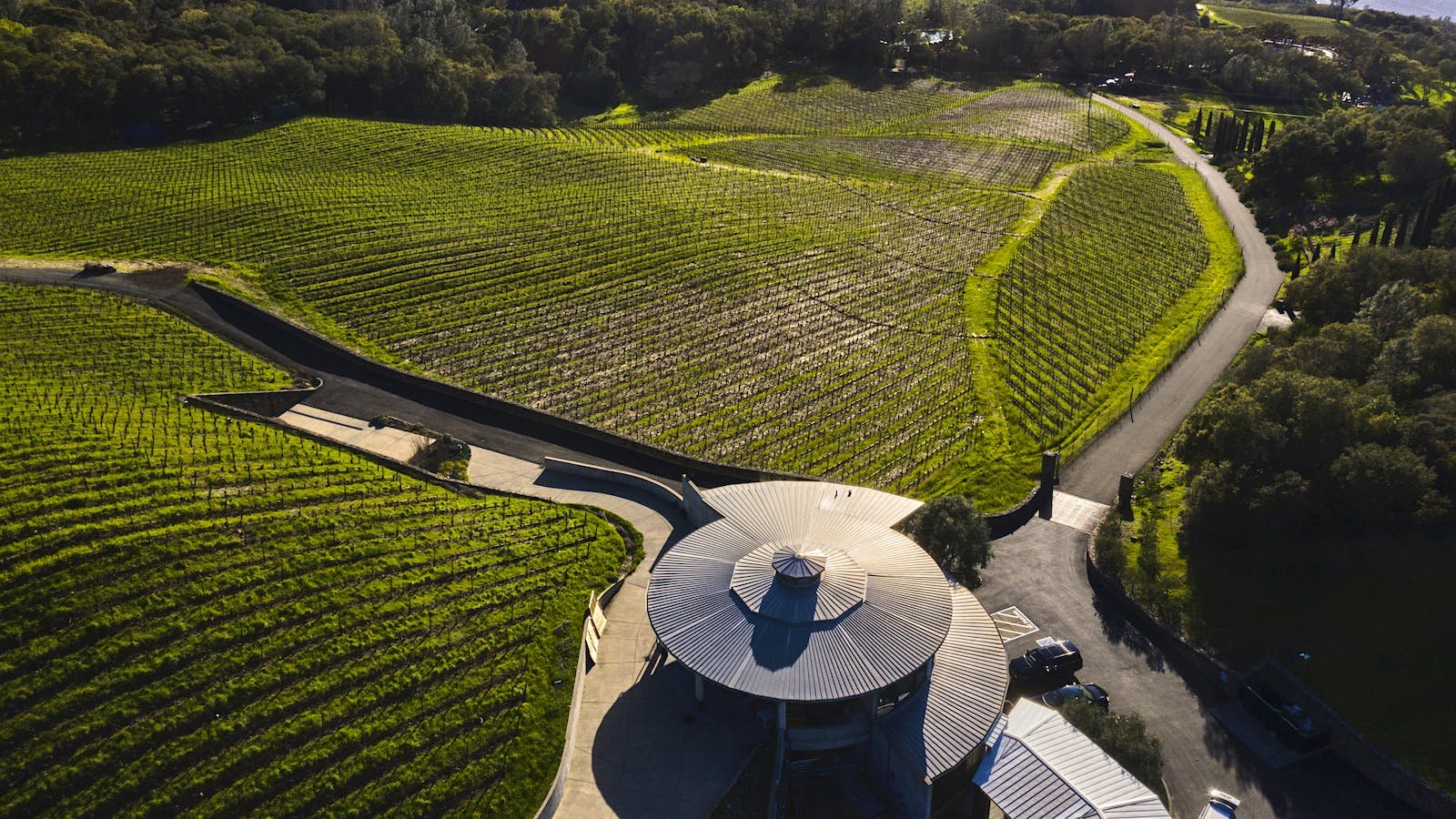
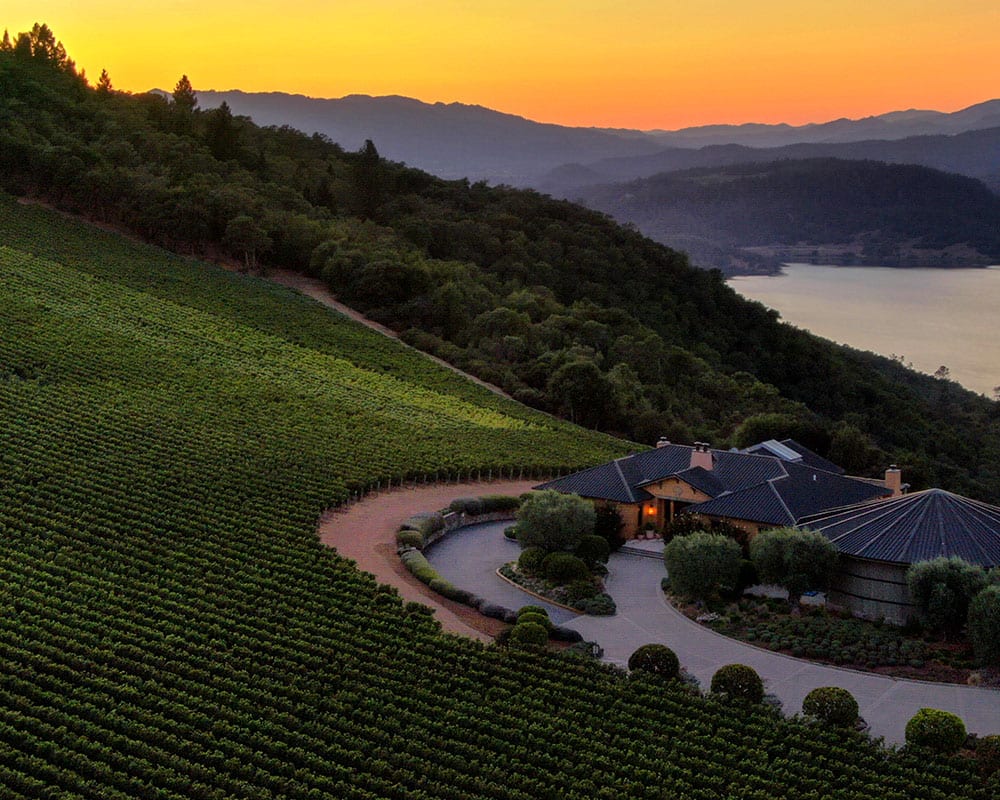
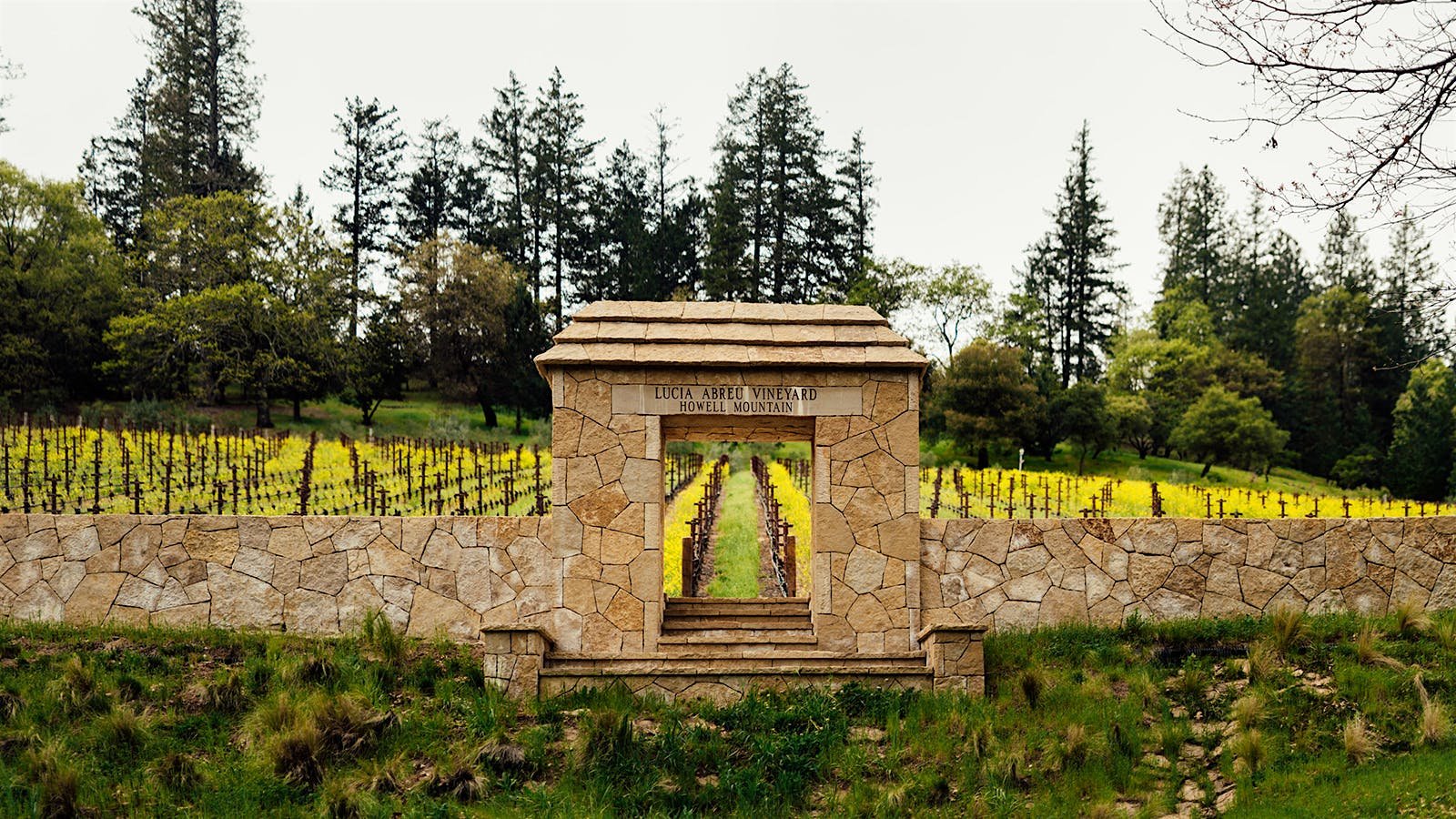
Abreu Vineyards presents as a classic, terroir-first Napa producer where the vineyard is the primary author of the wine. The copy stresses site specificity — hillside parcels versus benchland — and a production approach that privileges technical precision and preserving source material over volume or showy hospitality. That restrained, vineyard-driven ethos, reinforced by high-level critical recognition, positions the house among a small group of producers judged largely on the clarity and structure of their wines. The overall tone is serious and focused: these are wines designed to express place and farming rather than spectacle.
Best For
Abreu is best for serious wine enthusiasts, collectors and small-group tastings centered on terroir and technical conversation. The description frames the producer as allocation-minded and focused on vineyard expression, so experiences here skew toward in-depth discussions of site, elevation, soil and cellar choices rather than casual, high-capacity tasting-room visits. That makes Abreu a natural fit for wine-education occasions and special celebrations where guests prioritize provenance, structure and vintage nuance. Expect engagements to be deliberate, focused on bottles and context, and oriented toward guests who value the farming-to-bottle argument.
Tasting Tips
Plan ahead: the copy explicitly places Abreu in an "allocation-first" category and highlights low-volume, precision-focused production. That language signals limited releases and competitive availability, particularly for vineyard-designate and prestige cuvées. When seeking bottles, prioritize early notice of releases and be prepared for allocation-driven distribution. If your interest is terroir contrast, look for vineyard-specific bottlings and technical notes that reference parcels and elevation — the estate’s hillside versus benchland tension is central to how these wines are evaluated.
Venue details
Ambiance
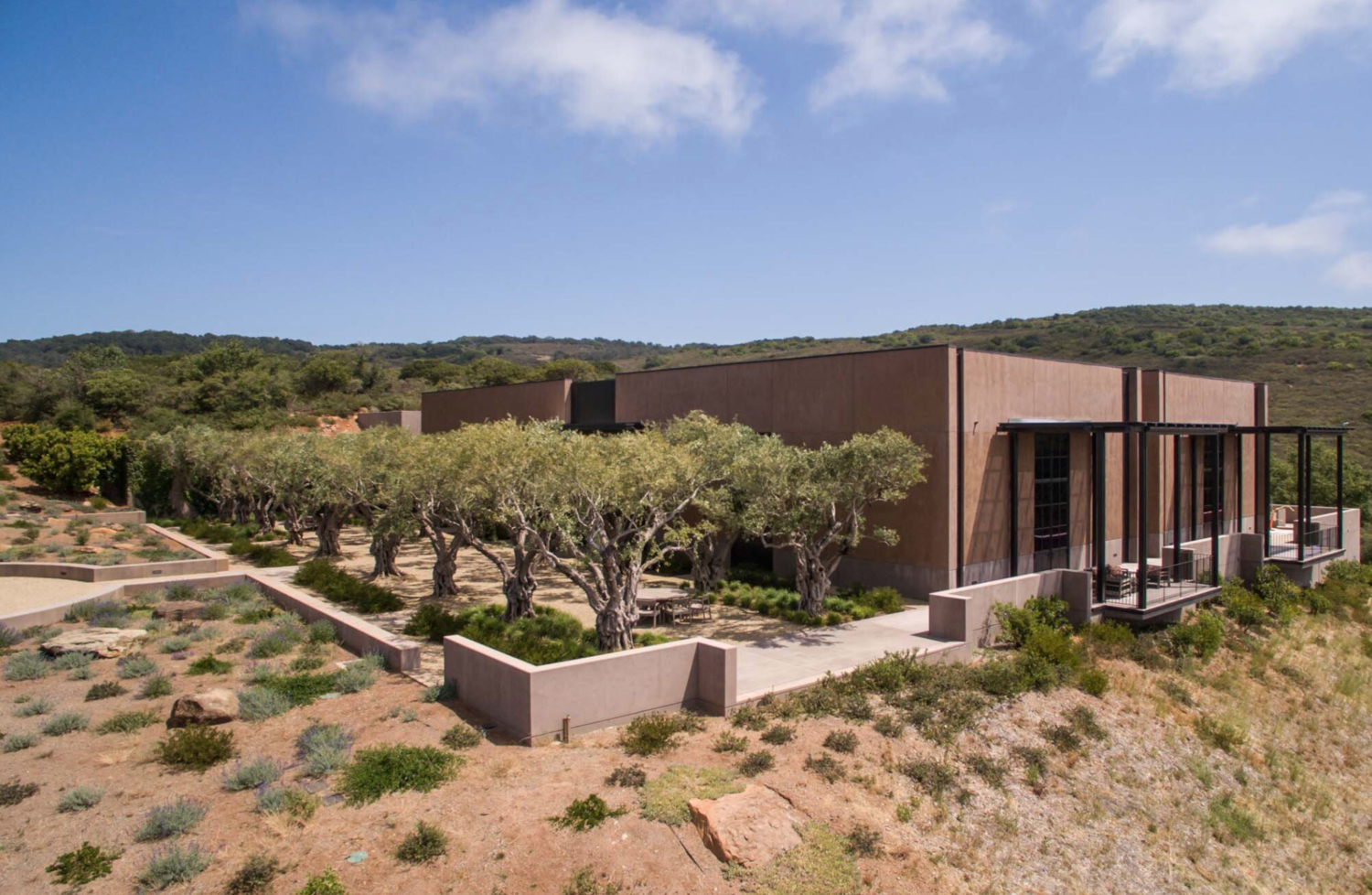
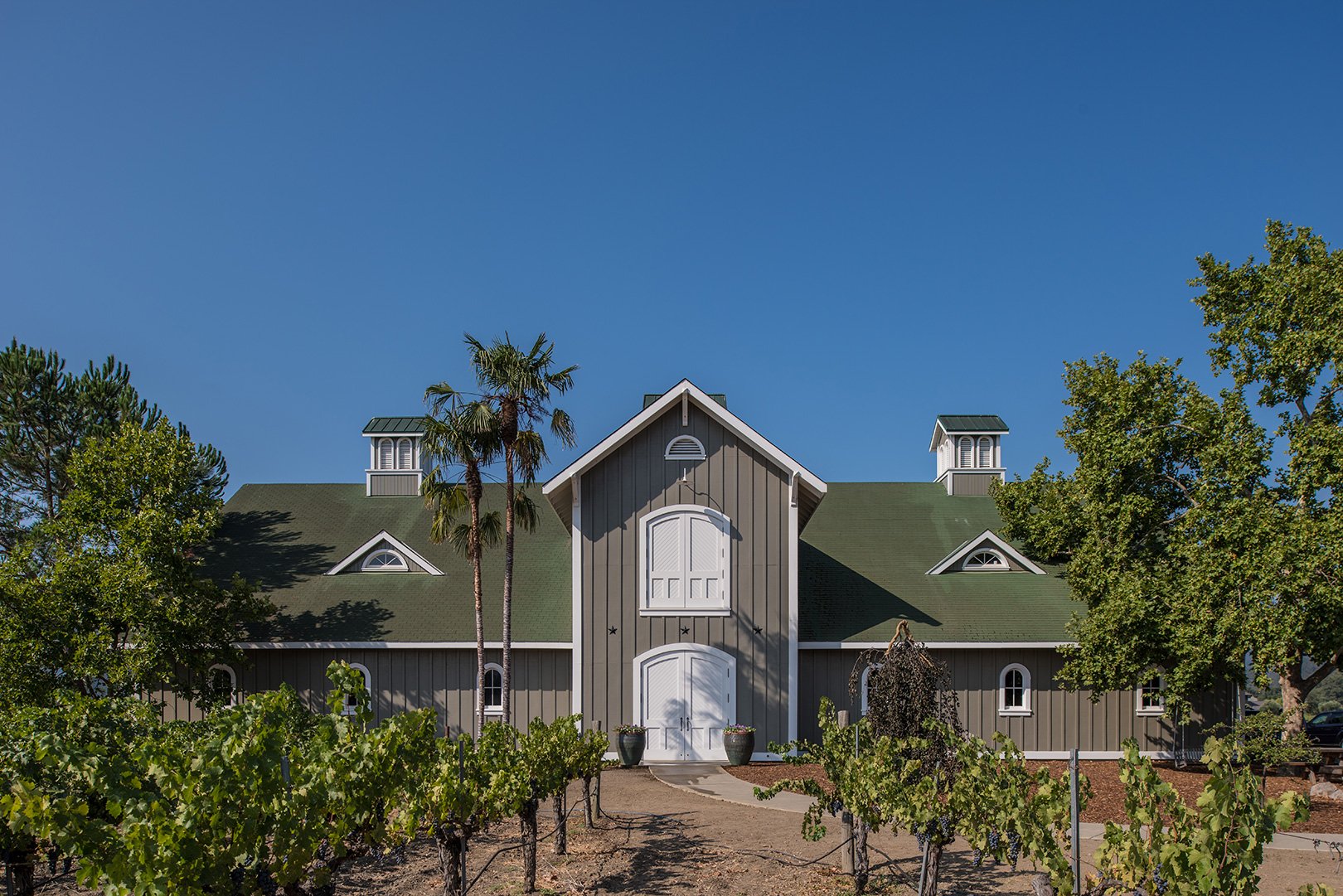
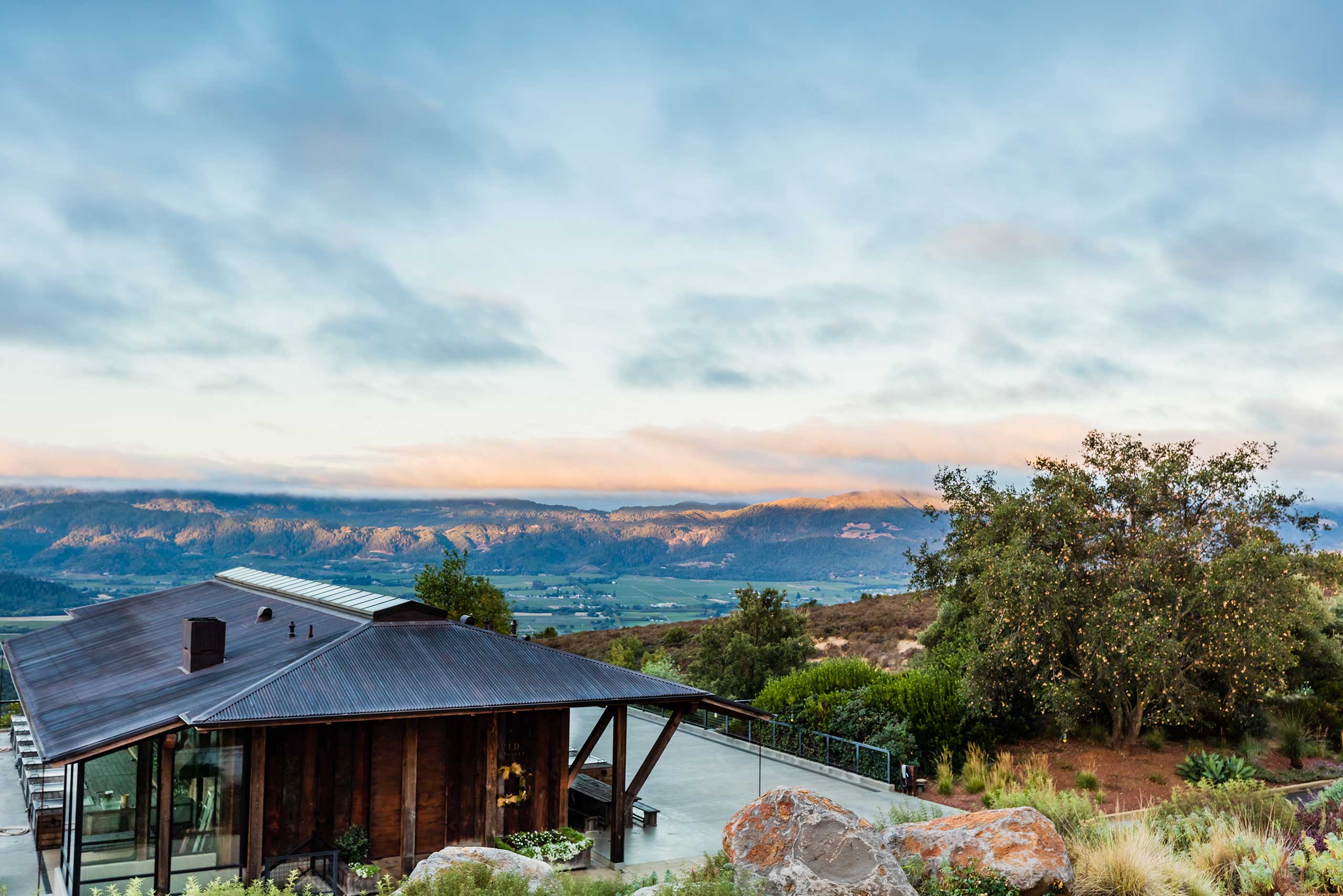
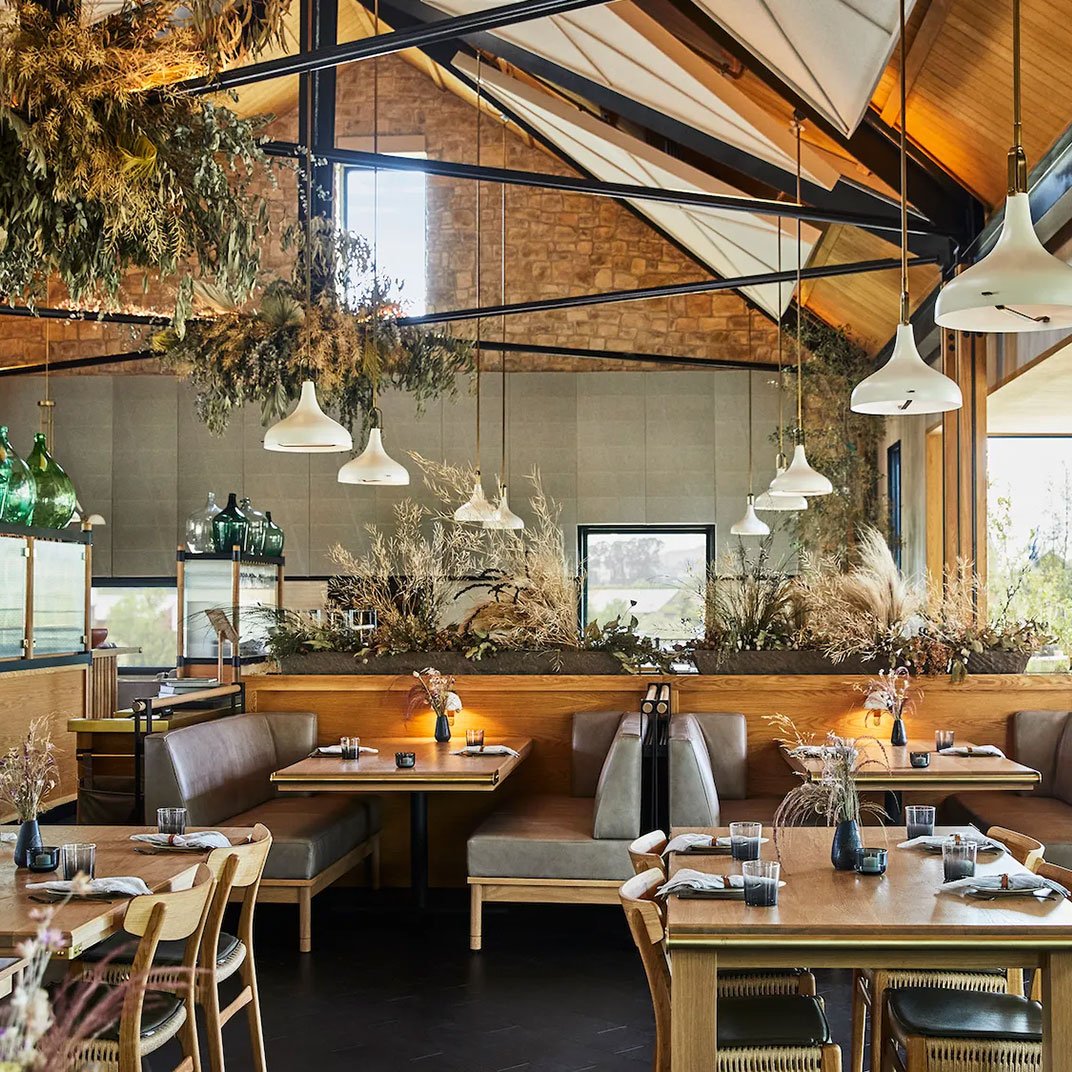
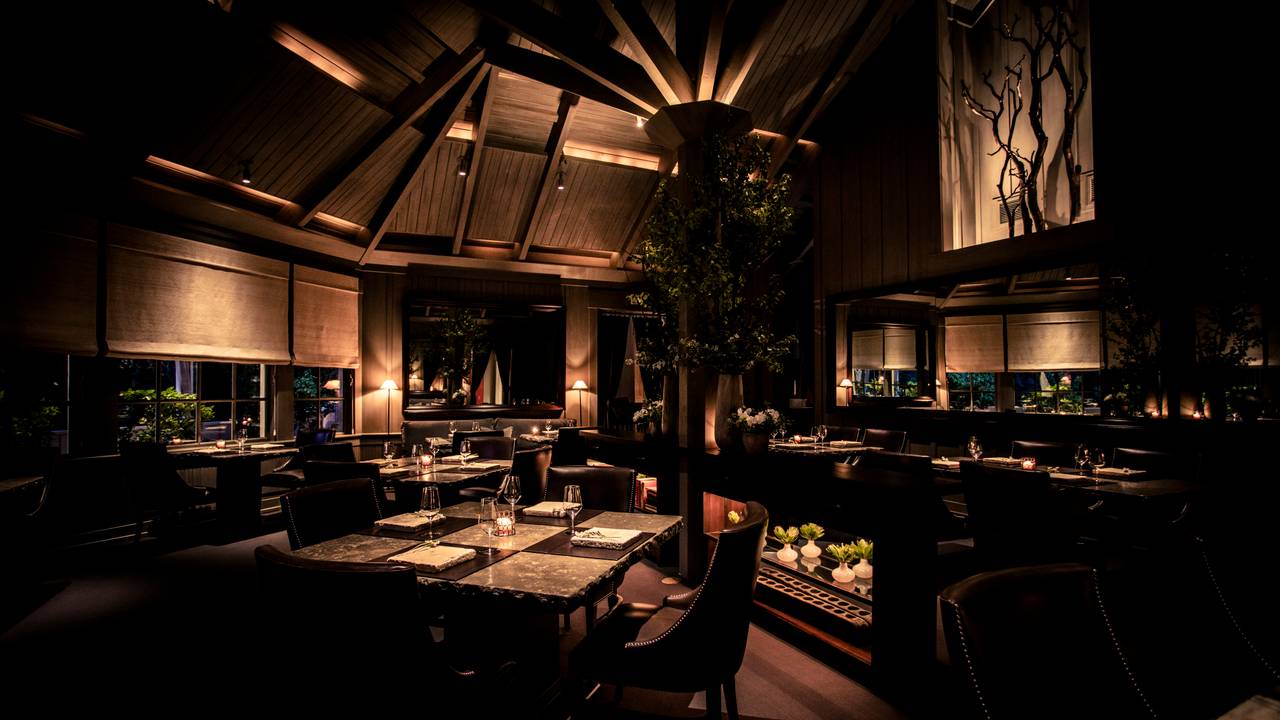
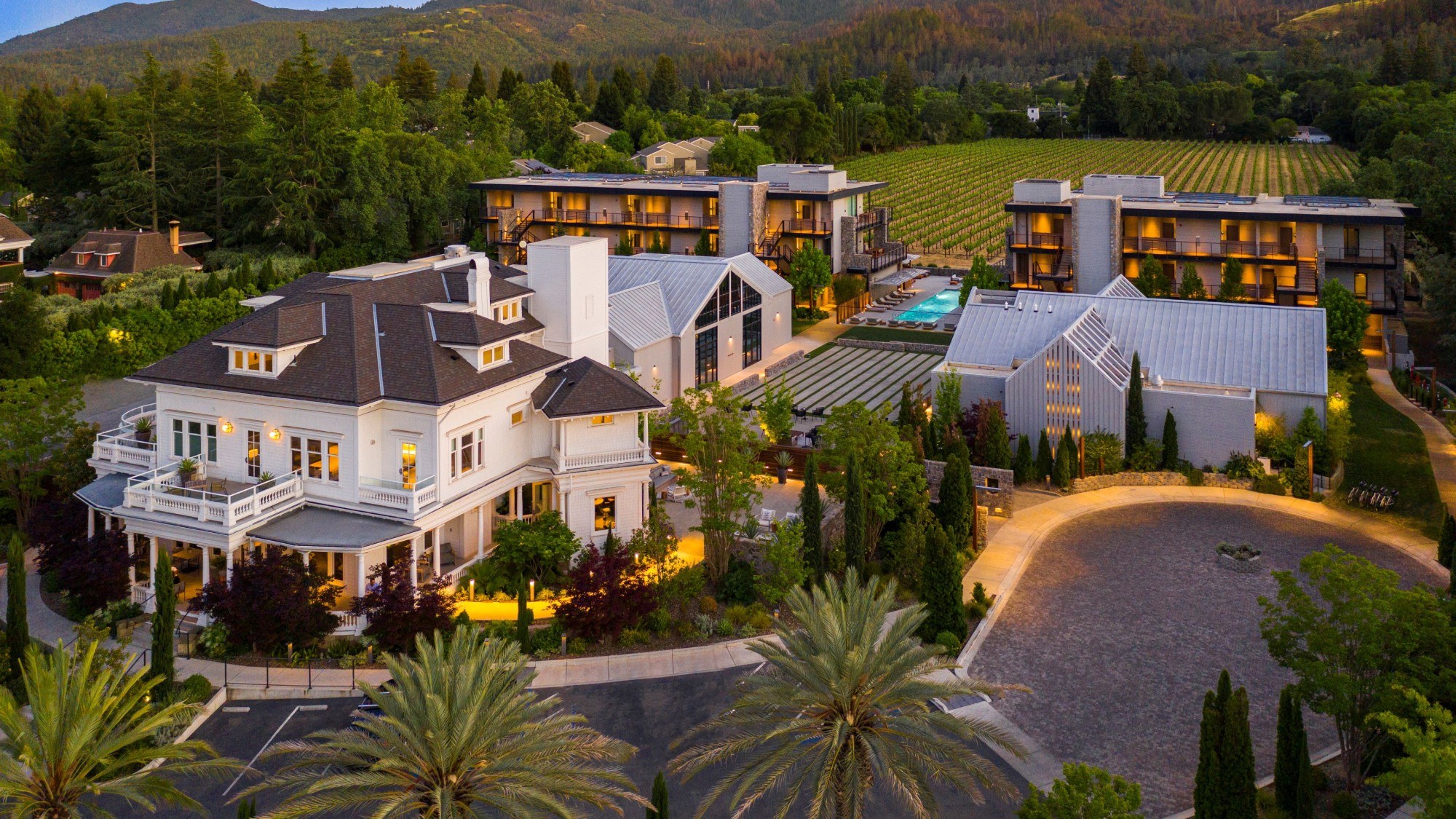
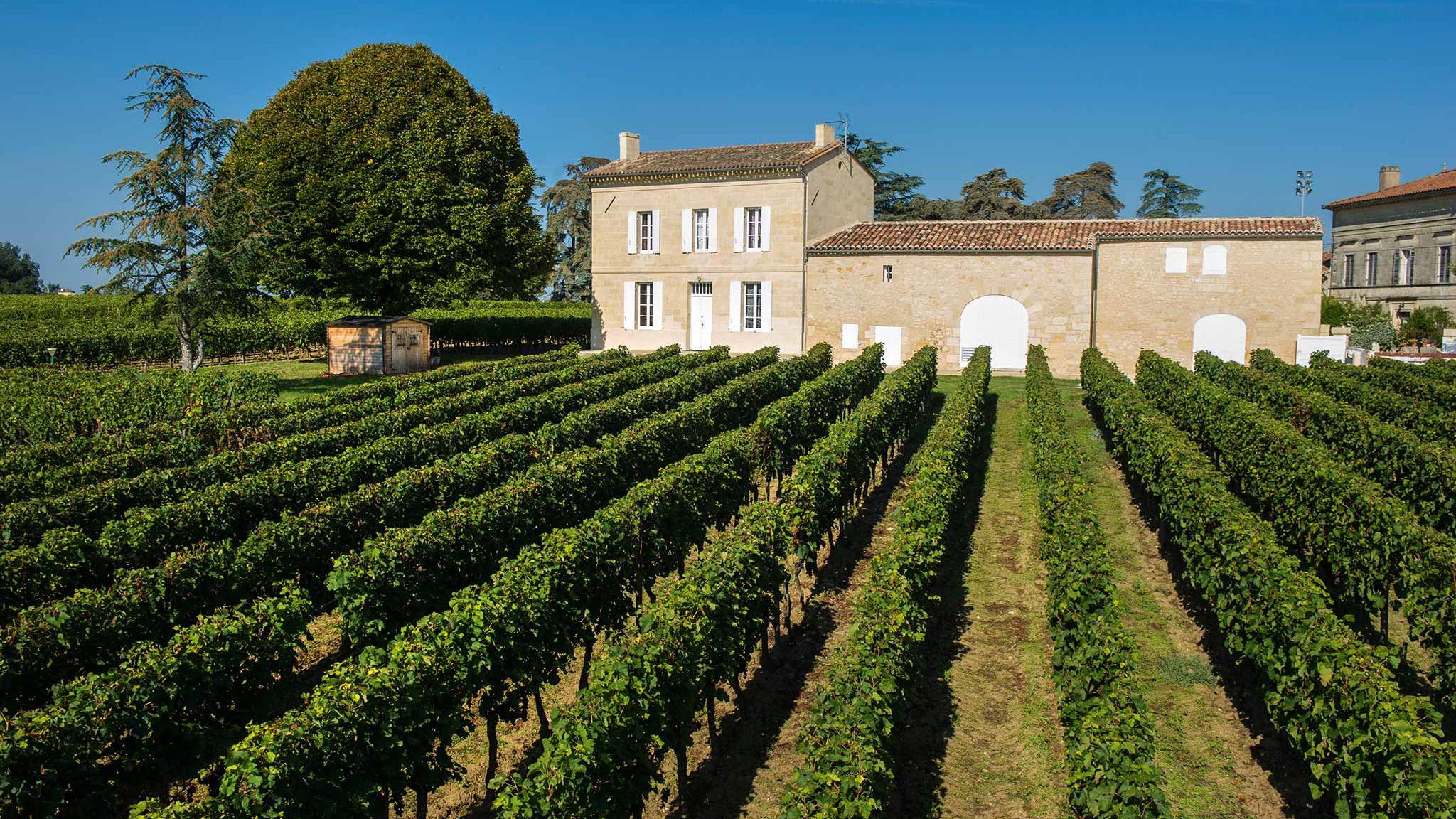
Refined and elegant atmosphere reflecting precision viticulture and terroir-driven winemaking in a family-owned, historic ranch setting.
Tags
Vibe
Best For
Experience
Sourcing
View
At the Vineyard
- Appellation
- St. Helena AVA
- Varietals
- Cabernet Sauvignon, Cabernet Franc, Merlot, Petit Verdot
- Tour Duration
- 60-90 minutes
- Visits
- By appointment only
- Farming
- Sustainable
- Production
- Small producer
- Wine Styles
- Still Red
- Wine Club
- Available
Know before you go
Know Before You Go
- Getting there
- 945 Main St, St Helena, CA 94574, United States
Planning details
Location
Recognition and awards

Also consider
Where to look if access does not line up
For an easier St. Helena fallback, try Merryvale Vineyards. It is the practical choice when group logistics matter.
For a more energetic in-town alternative, Orin Swift Cellars is the better cross-shop. For a collector-leaning substitute, compare TOR Wines and Hundred Acre.
Winery context
How it compares in St. Helena
Abreu Vineyards is the higher-intent choice for collectors, especially if the trip is built around scarce Napa Cabernet rather than a relaxed tasting-room circuit. Merryvale Vineyards is the easier St. Helena comparison for groups that want a more conventional winery stop, while Orin Swift Cellars is a better fit for visitors who want a more branded, social room in town.
For value and accessibility, Merryvale is the safer recommendation. For a collector itinerary where reputation and allocation-style access matter, Abreu belongs closer to Hundred Acre and TOR Wines than to a casual walk-in plan. Massican Winery is the smarter contrast if the group wants a different Napa profile rather than another prestige Cabernet conversation.
Ambiance is the deciding factor. Choose Abreu when the day is about a serious wine target; choose Orin Swift for a livelier in-town stop; choose Merryvale when reliability and group ease matter more than scarcity.
Around this place
Discover more on Pearl
Unlock the full Abreu Vineyards guide in Pearl, including awards, comparisons, FAQs, planning details, and nearby places.
Compare Abreu Vineyards
| Venue | Location | Awards |
|---|---|---|
| Abreu Vineyards | St. Helena | 2026 Falstaff Winery Guide |
| Massican Winery | Napa | 2025 Pearl 3 Star Prestige |
| Merryvale Vineyards | St. Helena | 2026 Falstaff Winery Guide |
| Orin Swift Cellars | St. Helena | 2026 Falstaff Winery Guide |
| Hundred Acre | Napa | 2025 Pearl 5 Star Prestige |
| TOR Wines | Oakville | 2025 Pearl 3 Star Prestige |

How Abreu Vineyards St. Helena compares with similar nearby venues.
FAQ
Frequently Asked Questions
When is the best time to visit Abreu Vineyards?
Plan around confirmed information from the venue, keep the St. Helena itinerary flexible, and follow the smart casual dress code.
Do I need a reservation at Abreu Vineyards?
Because Abreu Vineyards has Pearl 4 Star Prestige (2025), it is sensible to confirm current details directly before planning your St. Helena itinerary.