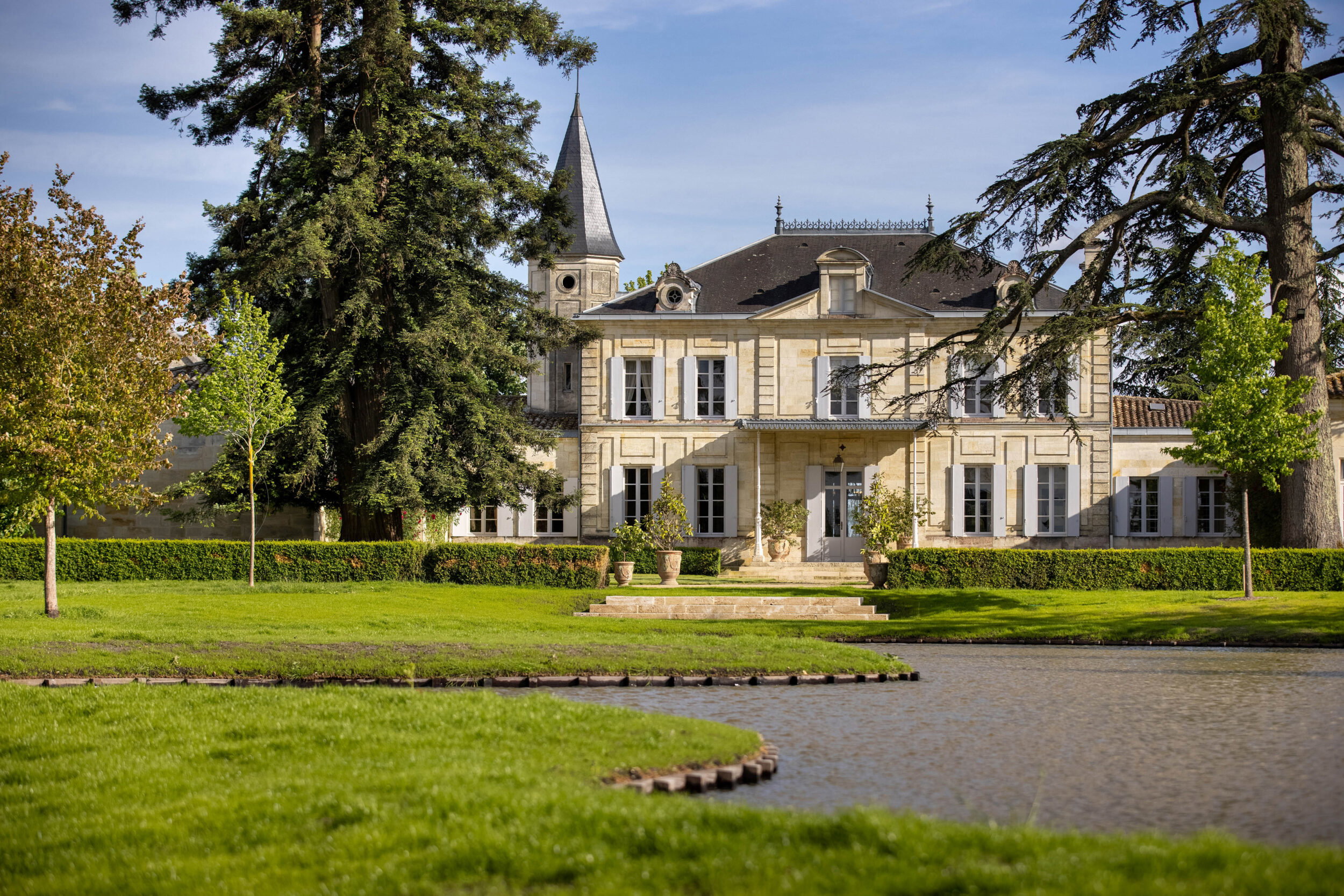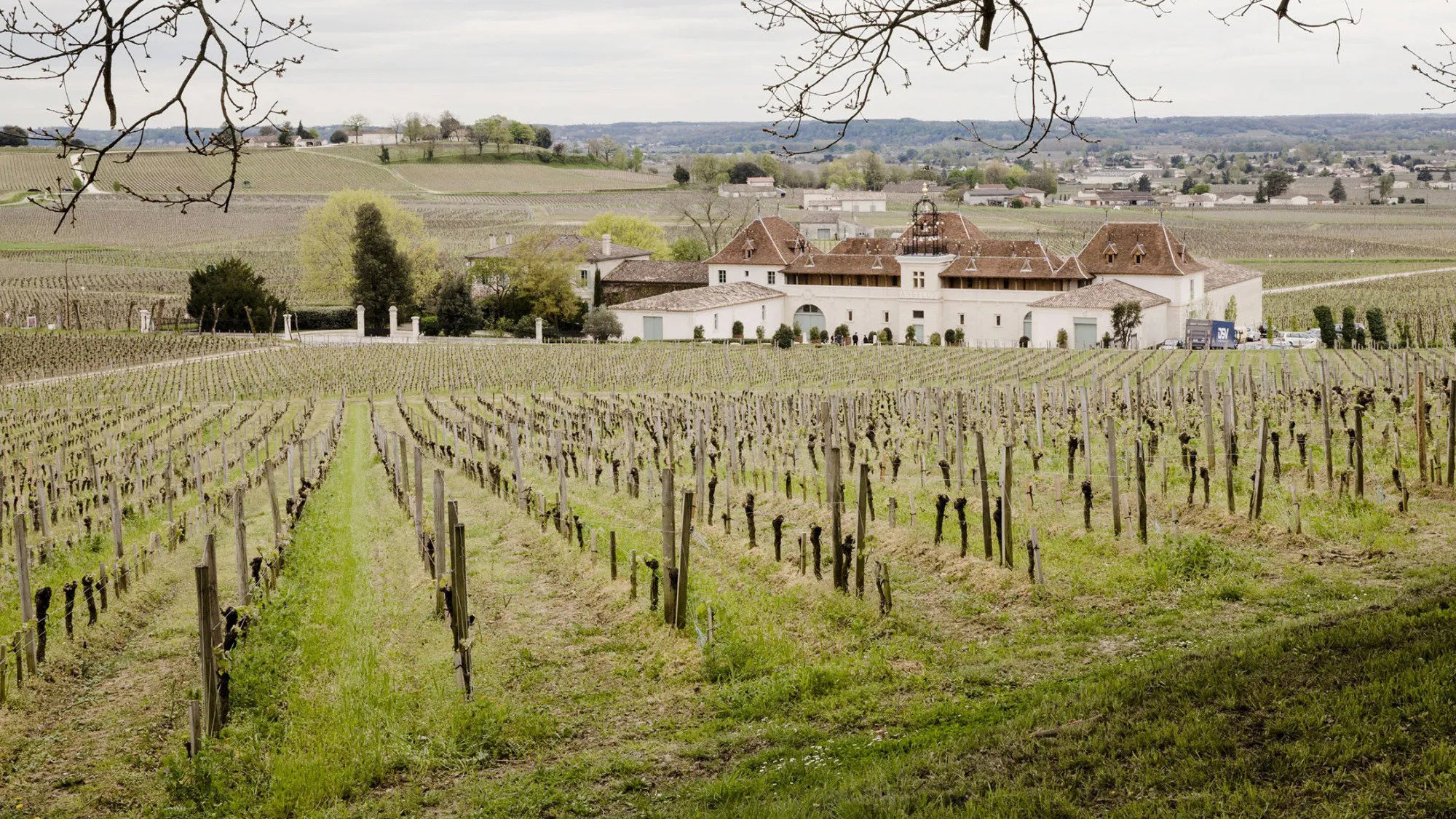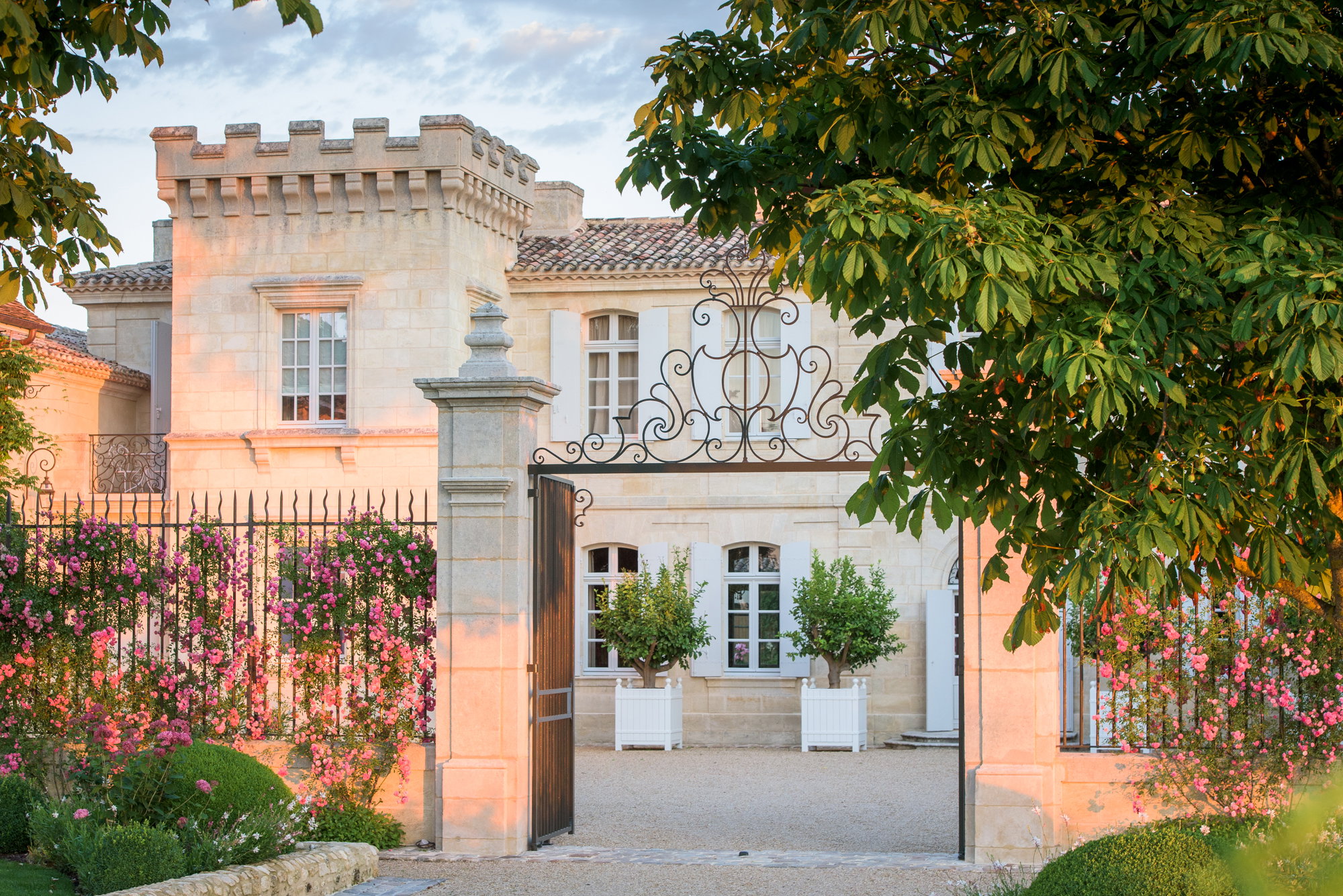
Château Haut-Simard
Saint-Émilion
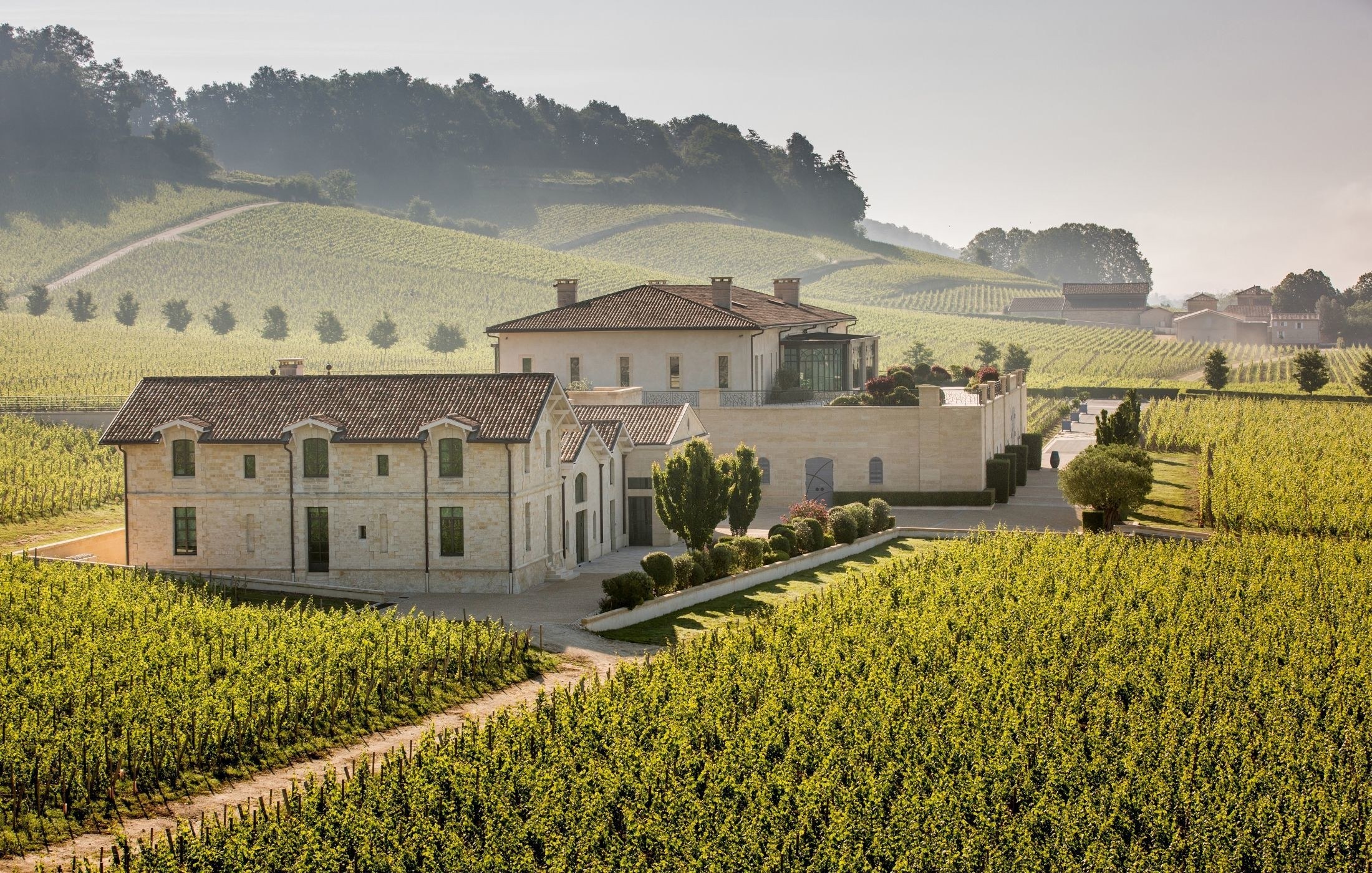
Winery in Saint-Émilion, France
 Book with Pearl
Why go
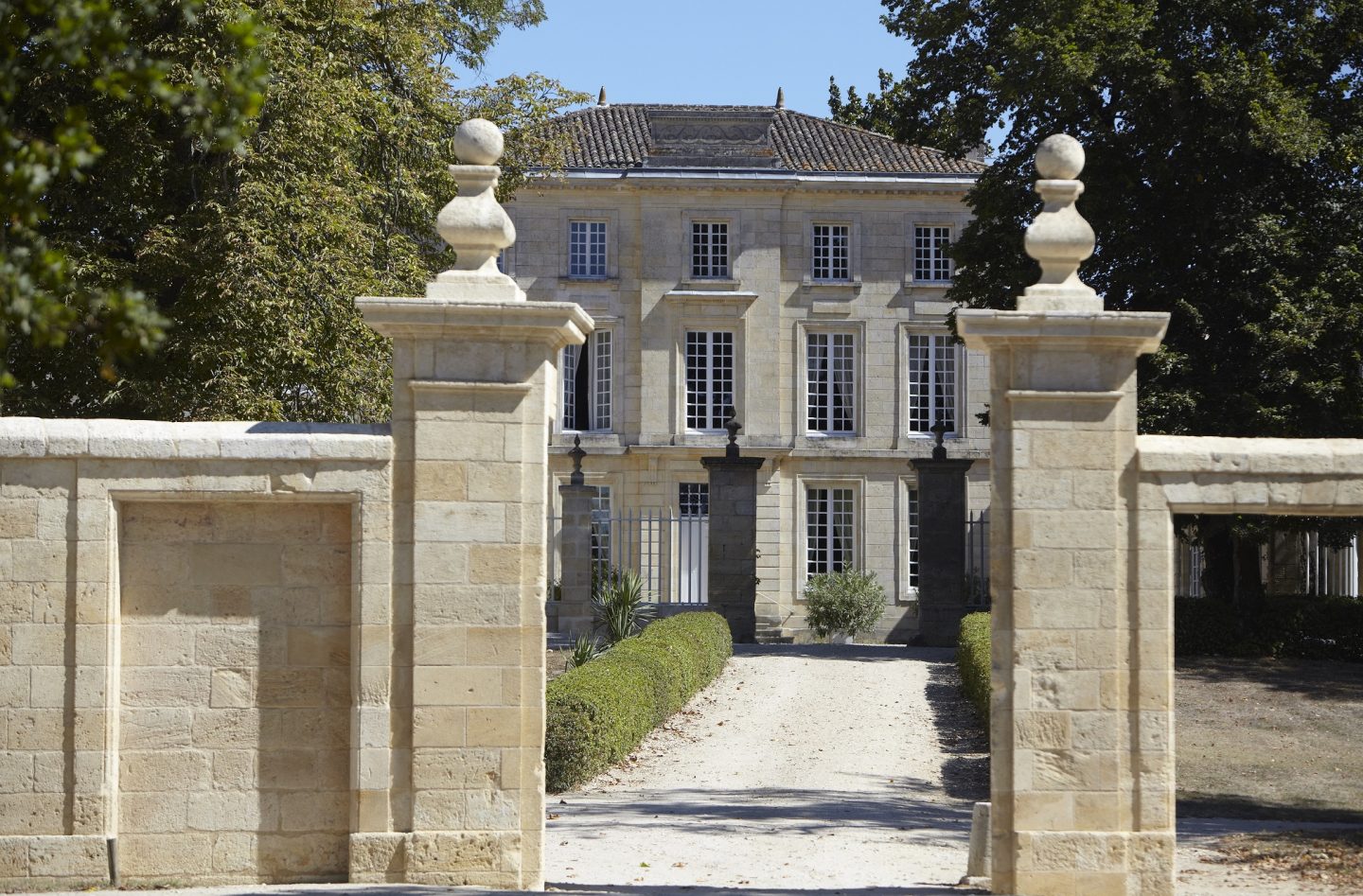
Château Haut-Simard is a $$$ Saint-Émilion Grand Cru for drinkers who care more about right-bank structure than visitor theatrics. Book it as a serious, appointment-only wine stop, especially if you have already done the obvious Saint-Émilion names and want a quieter read on the appellation.
About Château Haut-Simard
For a $$$ Saint-Émilion pick, Château Haut-Simard is best understood as a wine-first name rather than a polished visitor experience. The grounded reason to focus on it is its traditional right-bank Bordeaux identity: powerful, dense yet quietly elegant Cabernet Franc-driven reds, shaped by careful, restrained extraction and classic cellar aging. In other words, the useful frame is not how much is packaged around the visit, but how clearly the estate sits within a more serious, classically minded Saint-Émilion conversation.
In Saint-Émilion, this estate fits a specific brief for drinkers who care about the style of the wine more than visitor programming. Treat it as a serious, traditional Bordeaux reference point rather than a venue defined by published amenities, hospitality extras, or a tourist-focused format. That distinction matters: the draw is the wine’s structure, composure, and right-bank character, not a checklist of conveniences that has not been established here.
A quieter Saint-Émilion estate with traditional right-bank character
The reason to care here is style. Château Haut-Simard is known for powerful, dense reds that remain quietly elegant, with Cabernet Franc playing a central role. Its appeal is not flash; it is the combination of structure, restraint, and classic cellar aging. Those qualities point toward a Bordeaux profile that asks to be considered patiently, with attention to balance and texture rather than immediate spectacle.
That makes it a better match for drinkers who prefer right-bank Bordeaux with firmness and composure over a more overtly showy experience. The estate should be understood on its own terms: a traditional Saint-Émilion name focused on the wine rather than a heavily programmed visitor experience. If your interest in the appellation is rooted in how Cabernet Franc can bring shape, density, and quiet elegance to a red Bordeaux, this is the relevant lens through which to view Château Haut-Simard.
What to focus on if this is not your first Saint-Émilion visit
Focus on the wine’s character rather than unsupported assumptions about services, formats, or visitor amenities. The profile points to Cabernet Franc-driven reds, restrained extraction, density, and classic aging. Those are the useful anchors for deciding whether Château Haut-Simard fits your Saint-Émilion plans. They also help separate it from more tourism-led choices: the case here is built around the character of the wines, not around a declared hospitality proposition.
The estate is also Falstaff Listed for 2026, which gives a clear recognition point without needing to overstate the case. For collectors or repeat Saint-Émilion visitors, the main value is the chance to consider a traditional, right-bank Bordeaux style in a quieter register. That quieter register is important: this is not being presented as the broadest or easiest stop to organize, but as a focused reference for those already interested in classical Saint-Émilion structure and restraint.
How to build the rest of the Saint-Émilion day
For broader planning, use Our full Saint-Émilion wineries guide, then round out the trip with Our full Saint-Émilion restaurants guide and Our full Saint-Émilion hotels guide. That broader planning matters because Château Haut-Simard is best treated as one serious wine reference within the day, rather than as the single venue around which to assume a complete visitor schedule.
The verdict: consider Château Haut-Simard if the priority is a traditional Saint-Émilion estate known for powerful, restrained, Cabernet Franc-driven reds. Skip it if the trip depends on confirmed visitor amenities, a published format, or a casual drop-in experience. The strongest case for including it is therefore clear and narrow: come to it for the wine identity, the right-bank frame, and the quieter expression of Saint-Émilion tradition.
Planning details
- Location
- Saint-Émilion, Libournais, Nouvelle-Aquitaine, Frankreich
Venue details
Ambiance
Traditional Saint-Emilion right-bank Bordeaux estate known for powerful, dense yet quietly elegant Cabernet Franc–driven reds, reflecting careful, restrained extraction and classic cellar aging rather than a tourist-focused visitor experience.
Tags
Vibe
View
At the Vineyard
- Appellation
- Saint-Émilion Grand Cru AOC
- Varietals
- Merlot, Cabernet Franc
- Wine Club
- Not available
Know before you go
Know Before You Go
- Getting there
- Saint-Émilion, Libournais, Nouvelle-Aquitaine, Frankreich
Planning details
Location
Saint-Émilion, Libournais, Nouvelle-Aquitaine, Frankreich
Recognition and awards

Explore Saint-Émilion
Around this place
Discover more on Pearl
Unlock the full Château Haut-Simard guide in Pearl, including awards, comparisons, FAQs, planning details, and nearby places.
FAQ
Frequently Asked Questions
What other wineries are near Château Haut-Simard?
Use Château Haut-Simard as part of a Saint-Émilion day rather than treating it as a standalone destination. For a cleaner itinerary, compare it with other Saint-Émilion wineries generically and avoid packing in too many visits at the $$$ level.
When is the best time to visit Château Haut-Simard?
No specific visiting hours or seasonal schedule are here. If you are planning around Château Haut-Simard in Saint-Émilion, confirm current access and timing through the venue’s official channels before you go.
What is Château Haut-Simard known for?
Château Haut-Simard is a $$$ Saint-Émilion estate known for traditional, Cabernet Franc-driven right-bank Bordeaux reds with power, density, restrained extraction, and classic cellar aging.
Where is Château Haut-Simard?
Château Haut-Simard is in Saint-Émilion.
Is Château Haut-Simard worth considering?
Consider Château Haut-Simard if you care about traditional Saint-Émilion reds and the estate’s Cabernet Franc-driven, restrained style.