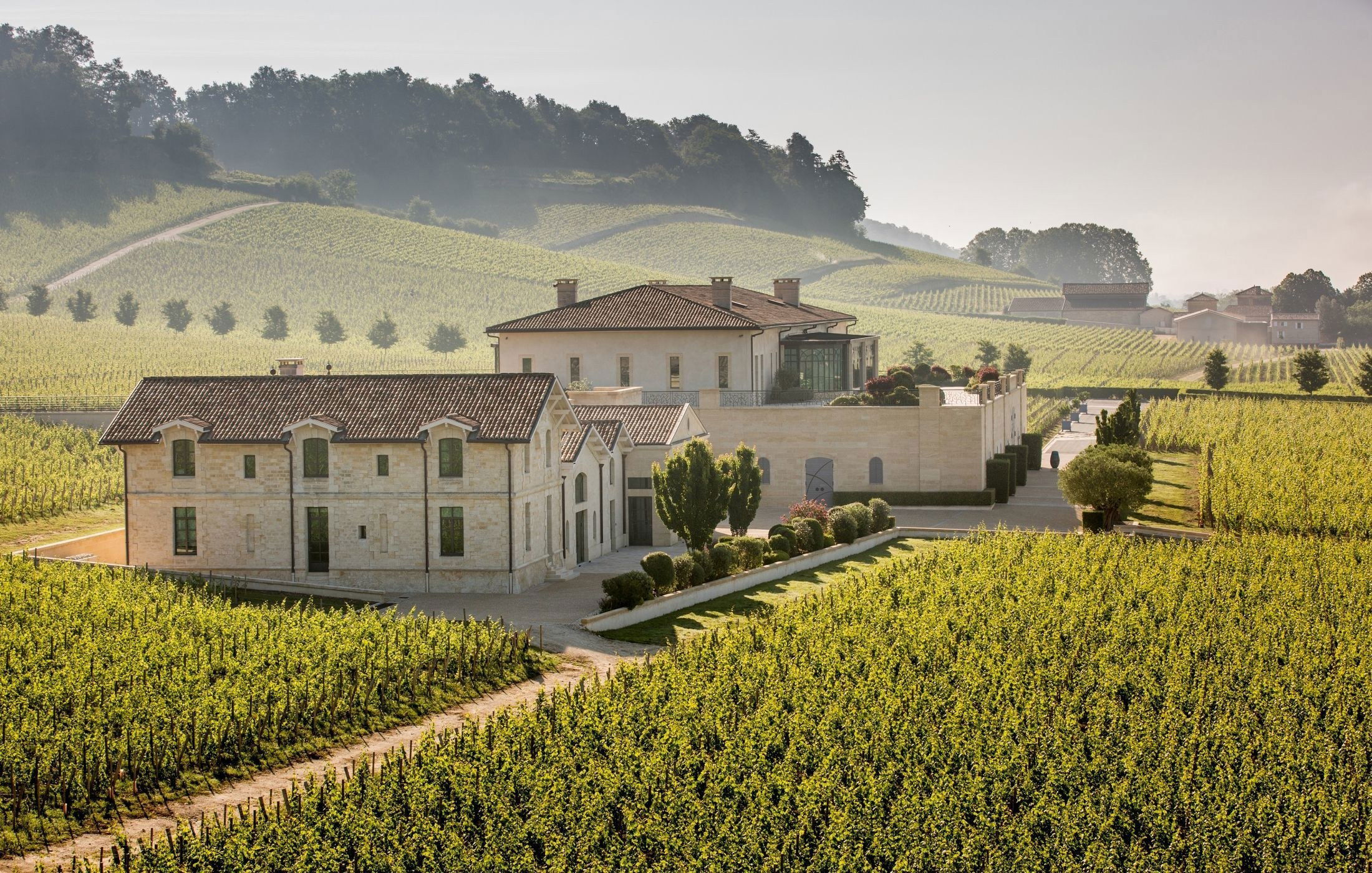


Hôtel de Pavie
Saint-Emilion, Saint-Émilion
Hotel in Saint-Émilion, France
 Book with Pearl
The Read
Grand Cru Village Hospitality
Why go
Hôtel de Pavie is the Saint-Emilion pick for travelers who want the village at their doorstep and a more service-led stay than a simple wine-country guesthouse. Book it for location, polish, and smoother logistics; cross-shop vineyard-based options if you want a quieter estate feel outside the center.
About Hôtel de Pavie
Hôtel de Pavie is a hotel in Saint-Emilion. The planning essentials are concise: the dress code is smart casual, and the hotel has Michelin 1 Key recognition from 2024 plus a Relais Chateaux Award from 2026. For travelers comparing stays in and around Saint-Emilion, that recognition is the clearest reason to keep Hôtel de Pavie on the shortlist.
Keep in mind that room count, dining format, spa facilities, specific views, prices, and the exact location within the city should be confirmed directly before booking. Treat Hôtel de Pavie as a Saint-Emilion hotel to check for your dates, preferred room type, and any stay-specific needs before booking.
Book it for confirmed recognition and a Saint-Emilion base
The main case for Hôtel de Pavie is simple: it is in Saint-Emilion, has a smart casual dress code, and carries recognition including Michelin 1 Key in 2024 and a Relais Chateaux Award in 2026. Those facts make it relevant for travelers considering a Saint-Emilion stay, while leaving the finer practical details to confirm directly with the hotel.
When comparing options, keep the decision grounded in what you can verify for your own itinerary. Hôtel de Pavie can be considered alongside Logis de la Cadène, Château Troplong Mondot, Le Relais de Franc Mayne, Les Clefs de Troplong Mondot, and Château Hôtel Spa Grand-Barrail, depending on availability and the type of stay you want. The best choice will depend on room details, services, and location preferences for your trip.
Plan around details, then confirm the rest
For a Saint-Emilion stay, confirm the practical basics before committing: room category, arrival timing, cancellation terms, parking or transfer needs, dining plans, and any special requests. Those details should come from the hotel or your booking channel rather than assumptions.
If dates are flexible, compare availability with Les Clefs de Troplong Mondot and Château Hôtel Spa Grand-Barrail before committing. For broader planning, use broader Saint-Emilion travel resources, then pair the stay with a Saint-Emilion restaurants guide and Saint-Emilion winery resources.
Quick reference: consider Hôtel de Pavie for a Saint-Emilion stay with Michelin 1 Key recognition, a Relais Chateaux Award, and a smart casual dress code; confirm all room, service, dining, and arrival details directly before booking.
Inside Hôtel de Pavie
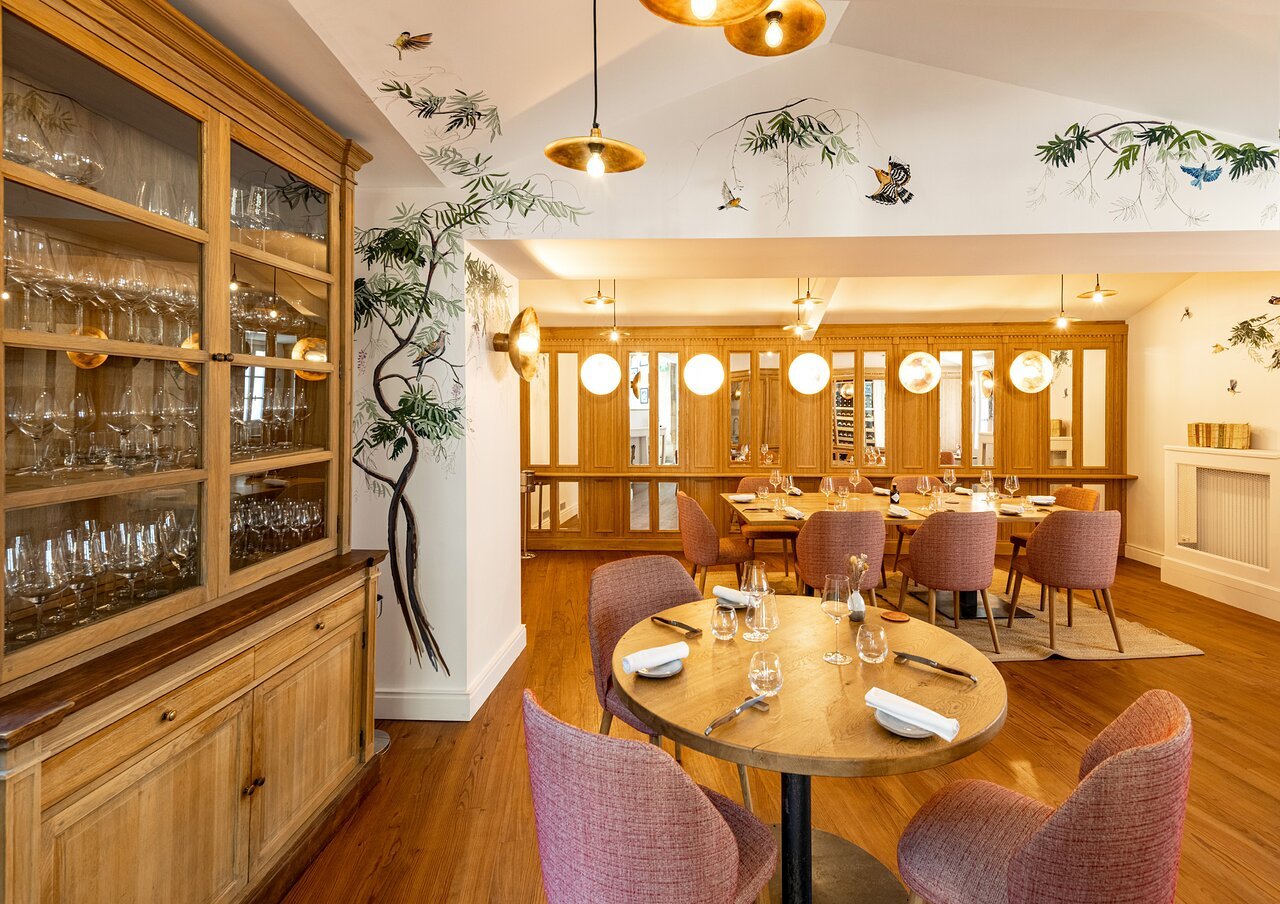
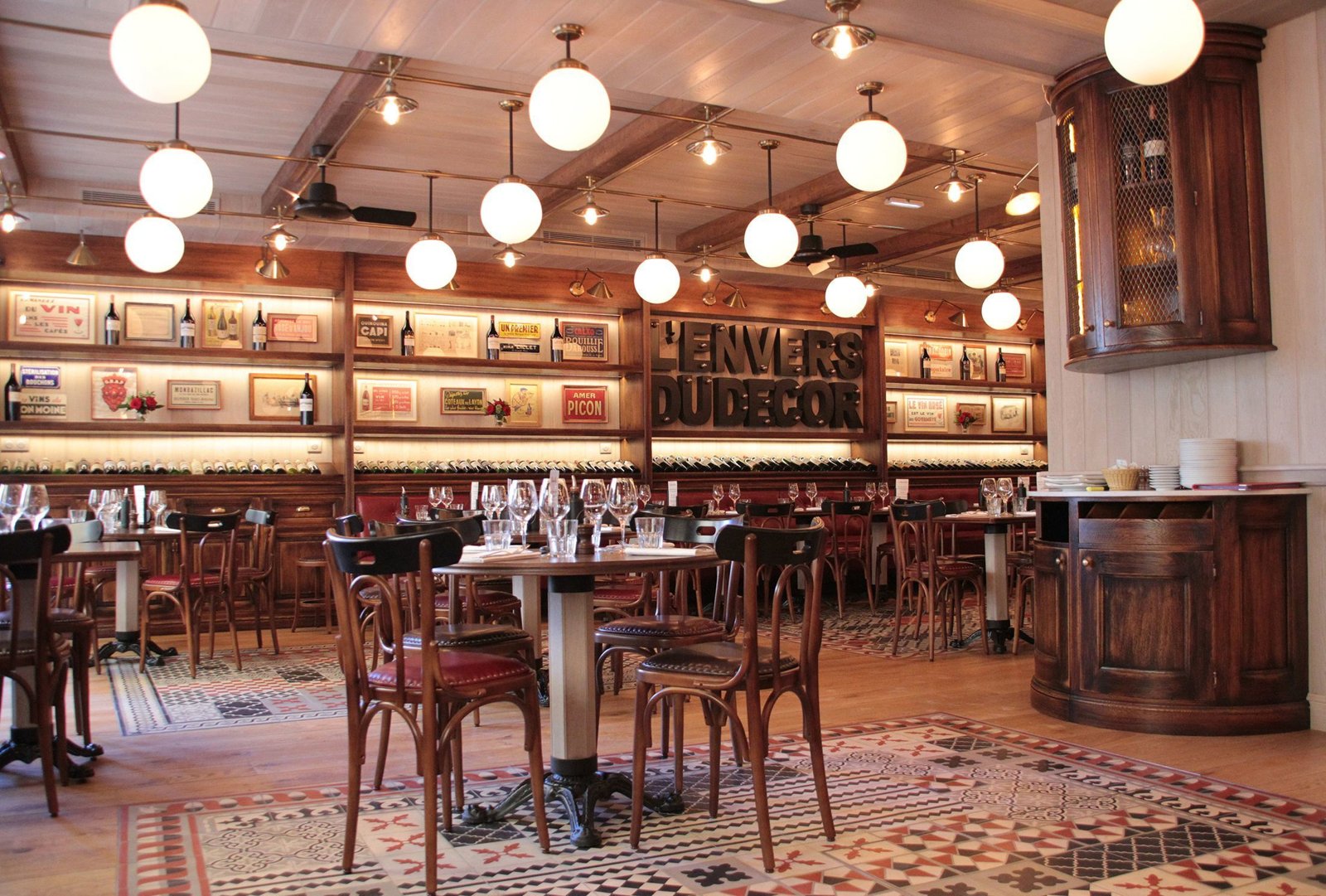
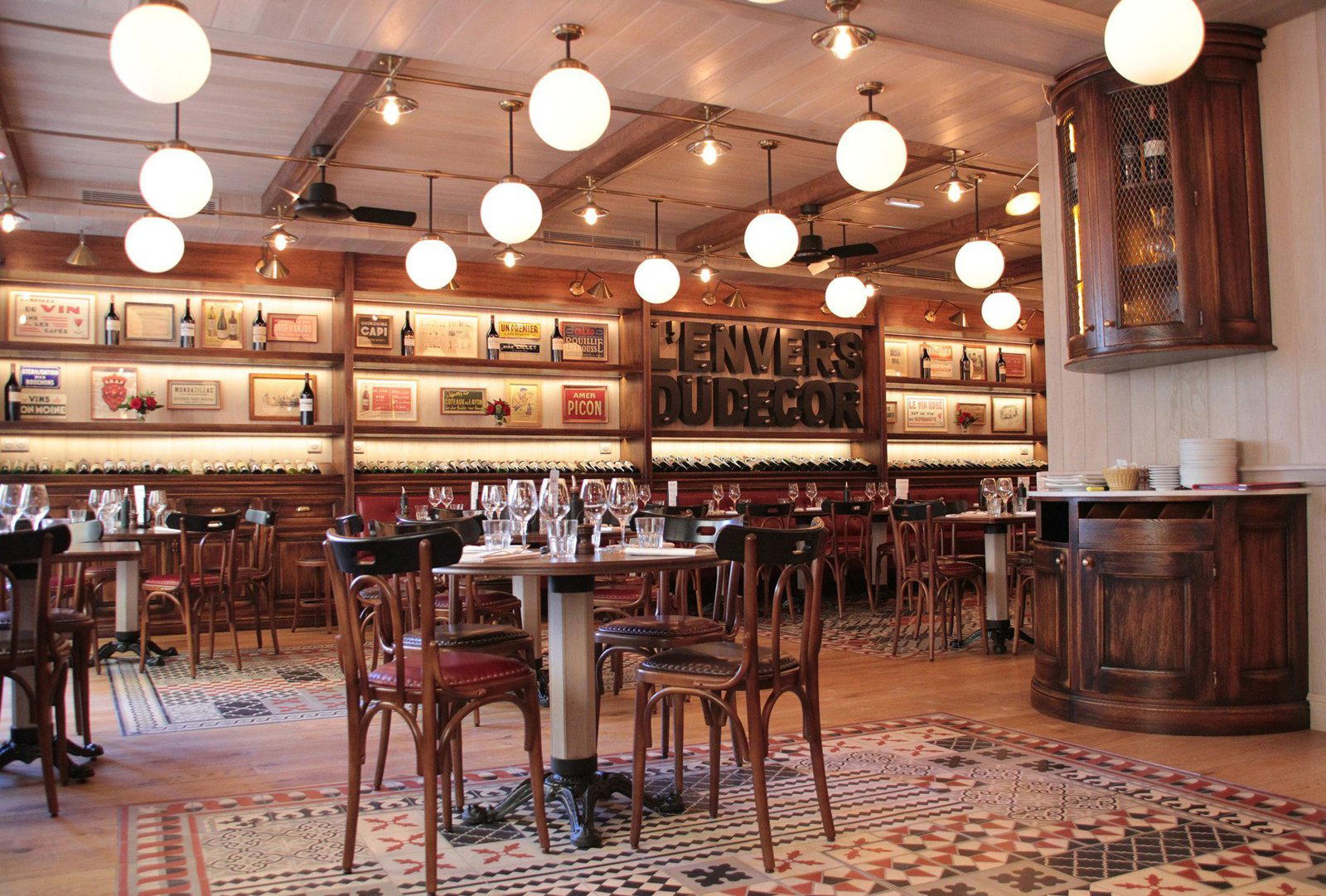 restaurantL'Envers du DécorA Michelin Plate-recognised address on Rue du Clocher, L'Envers du Décor sits at the mid-price tier of Saint-Émilion's dining scene, offering traditional French cuisine with a 4.4 rating across 1,470 Google reviews. For visitors seeking a grounded alternative to the town's château-linked fine-dining rooms, this is where the local register holds its own alongside serious wine country cooking.
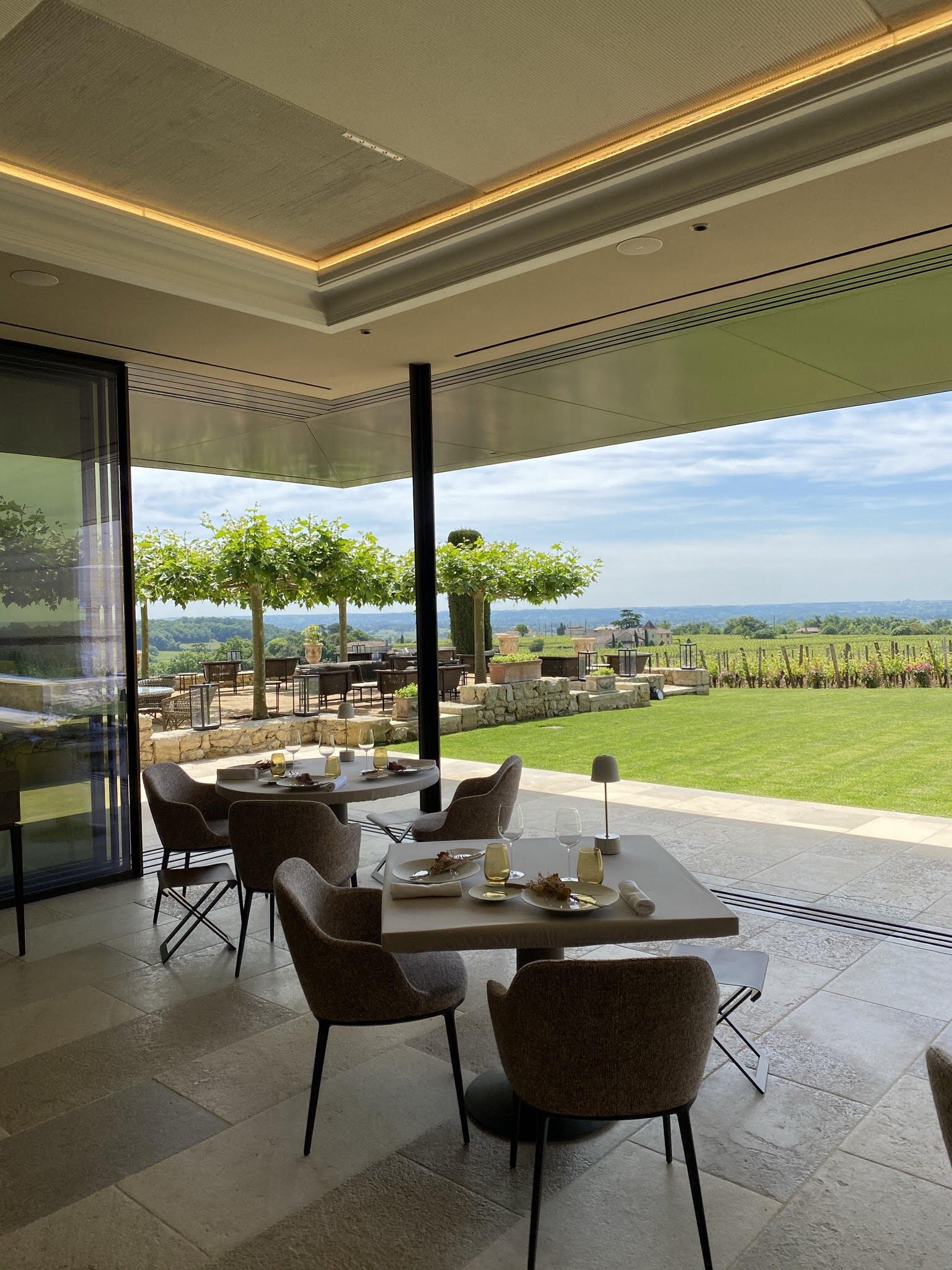
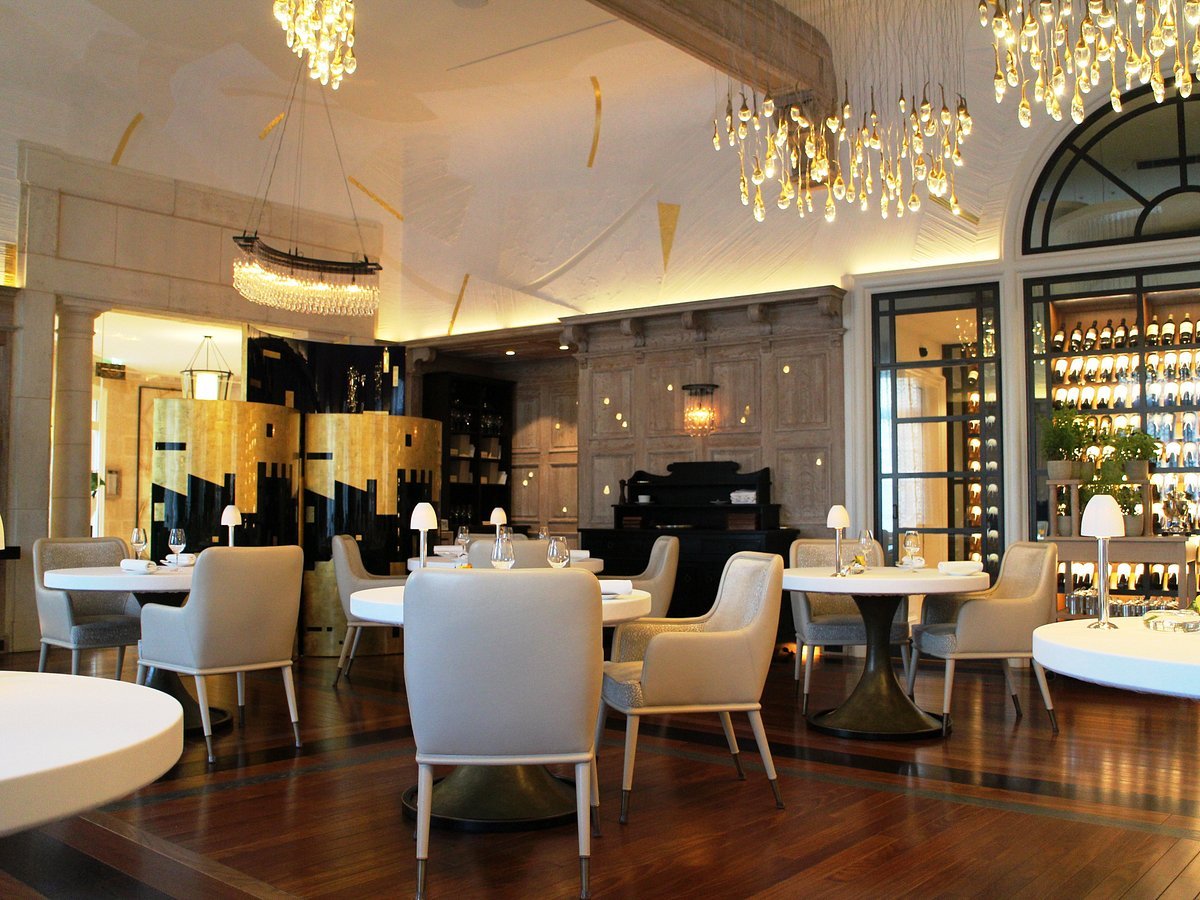
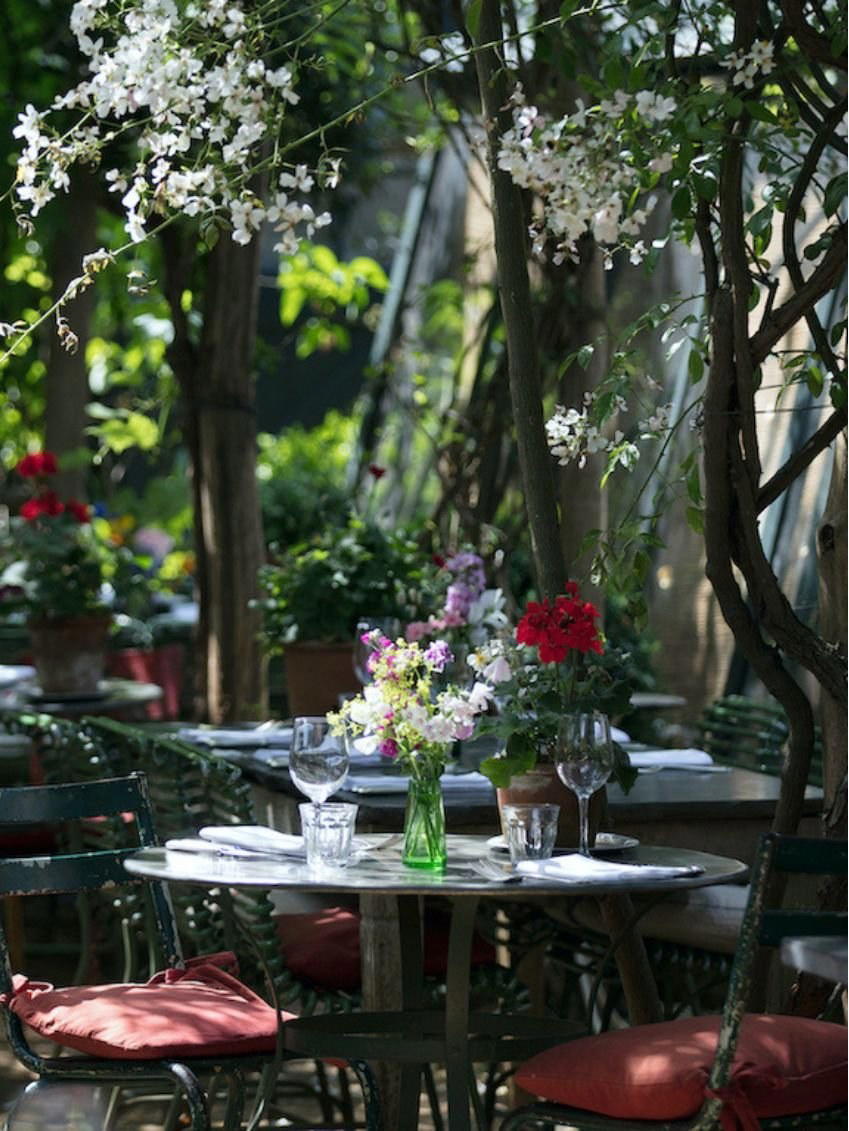 restaurantLa Table de PavieLa Table de Pavie elevates Southwest French terroir to two-Michelin-starred heights in Saint-Émilion, where chef Yannick Alléno's contemporary interpretations of Bordeaux traditions unfold against panoramic vineyard views. This ultra-premium destination within Hôtel de Pavie showcases Aquitaine's finest ingredients through innovative techniques and expert Bordeaux wine pairings.
Planning details
- Location
- 5 Pl. du Clocher, 33330 Saint-Émilion
- Website
- hoteldepavie.com
- Phone
- +33 5 57 55 07 55
The take
The Take
The Vibe
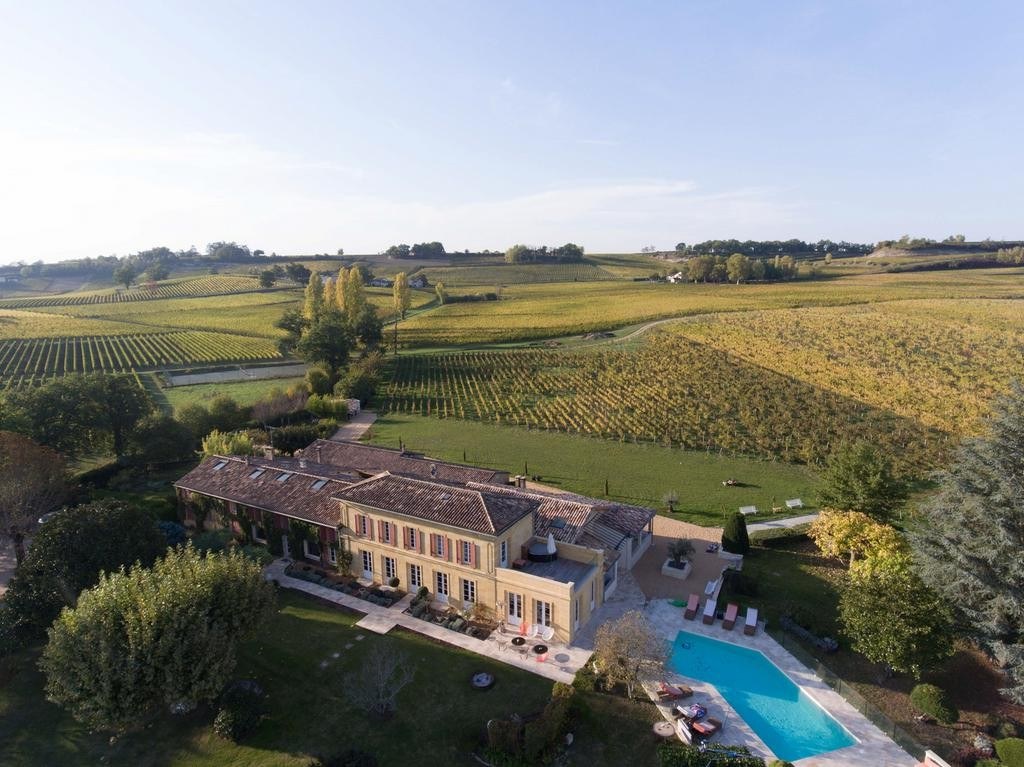
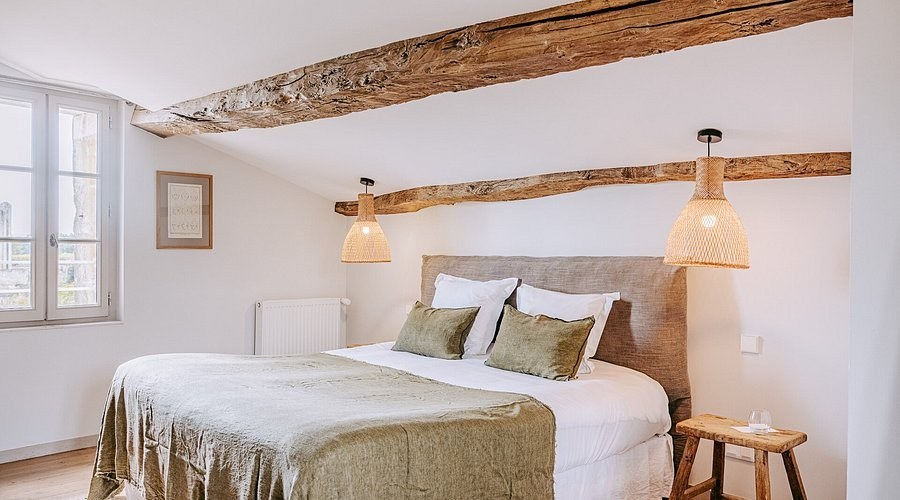
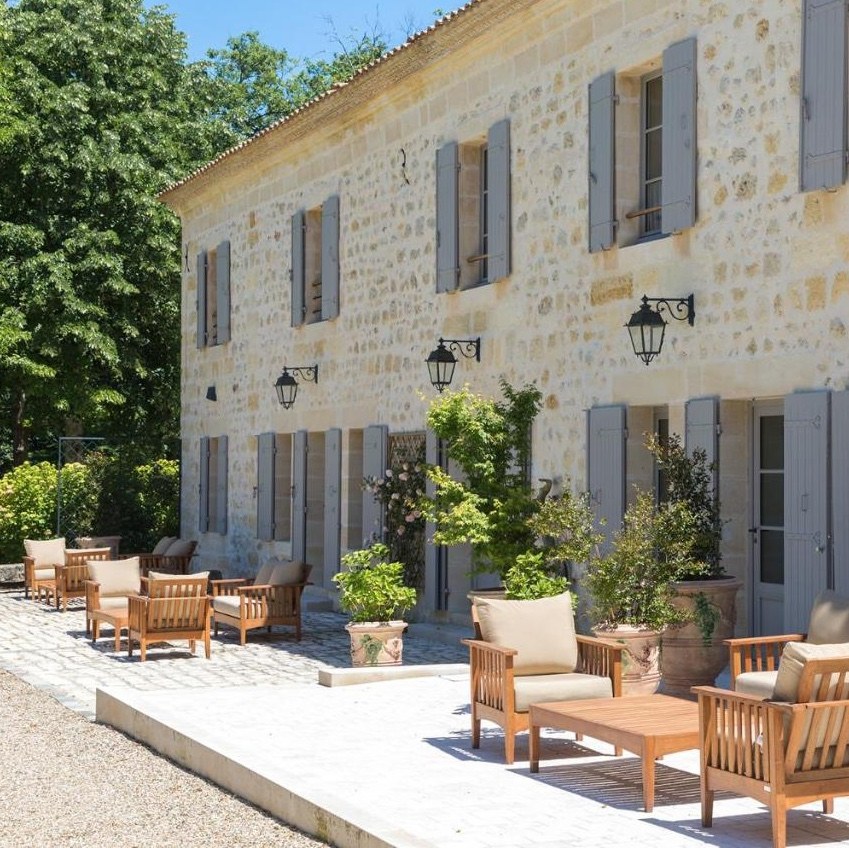
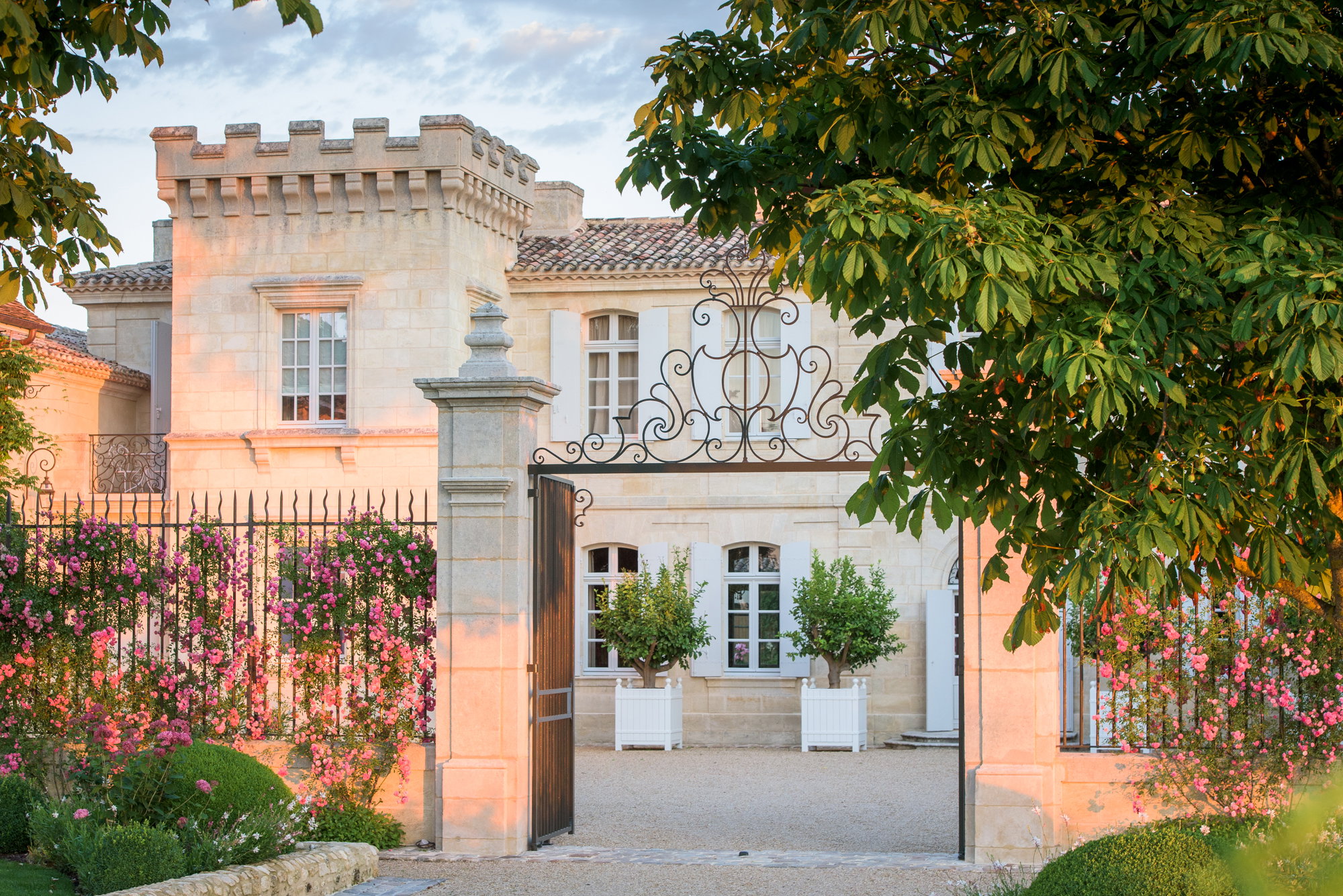
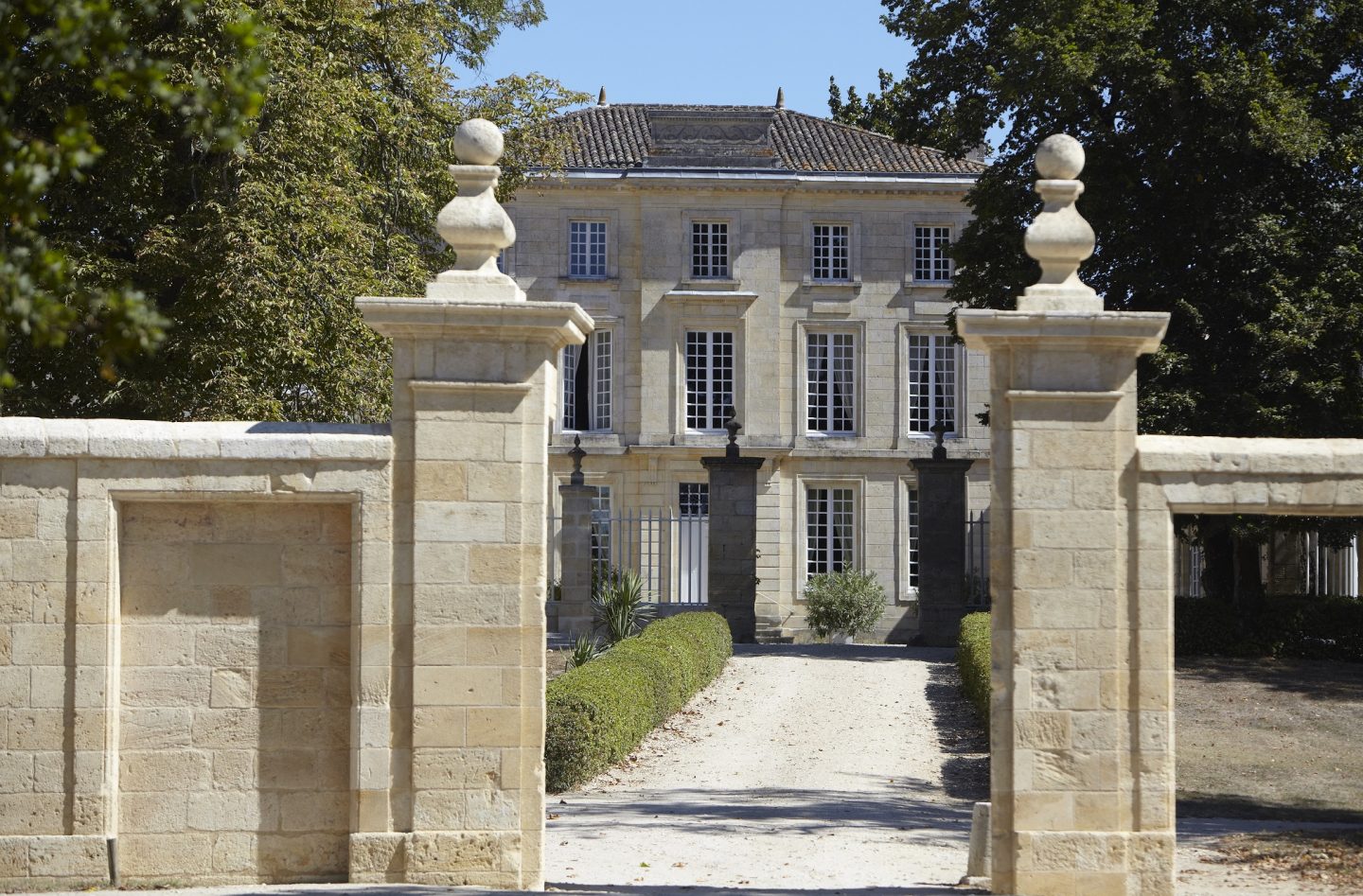
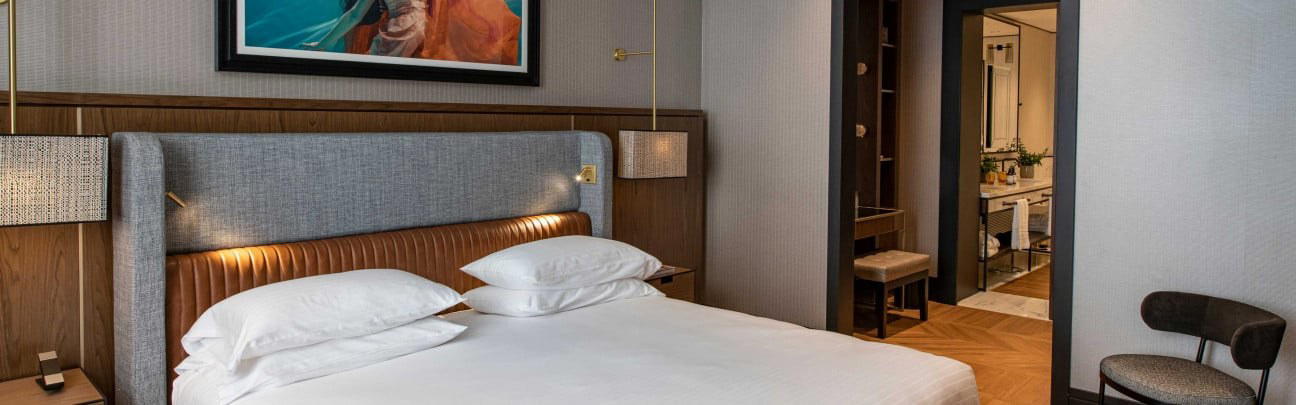
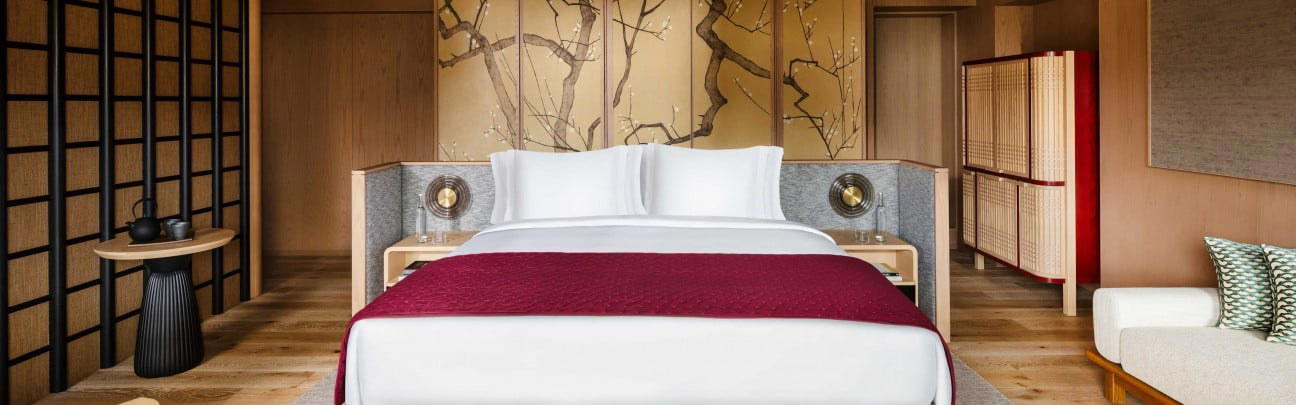
Hôtel de Pavie pairs a medieval exterior with contemporary interiors, anchoring a village address that feels both historic and intimately scaled. Perched on the limestone lanes of the UNESCO-listed Saint-Émilion plateau, the hotel keeps the rhythms of the village close at hand—the church bell, the square—while delivering polished, small‑hotel service across just 21 rooms. The result is a quietly refined hideaway: guests experience the texture of centuries-old stone and narrow streets without sacrificing the comforts and considered interiors of a modern luxury property.
Best For
This is a property for travelers who prioritize wine, dining and a compact, highly attentive hotel experience. Its setting inside Saint-Émilion’s UNESCO zone and immediate access to the Route des Grands Crus make it a natural base for tasting and exploring nearby châteaux, while the two-Michelin-star restaurant anchors evenings. The hotel suits romantic getaways and milestone celebrations, as well as short weekend escapes for food-and-wine focused travelers seeking cellar-door visits by day and elevated dining at night.
Stay Tips
Reserve dining and enlist the hotel’s front desk early: the hotel is built around a two-Michelin-star restaurant, so tables can be in demand. Ask the staff to coordinate winery visits or suggest nearby châteaux on the Route des Grands Crus—proximity to the region’s producers is a central draw. For the most authentic sense of place, request a room facing the village square to hear the bell and step directly into Saint-Émilion’s limestone lanes; the concierge can also advise on timing for local tours and tastings.
Venue details
Ambiance
Elegant and peaceful with garden terrace views, praised for exquisite luxury and attentive service.
Tags
Vibe
Best For
Experience
Amenities
View
Accessibility
About the Stay
- Rooms
- 17
- Check-in
- 15:00
- Check-out
- 11:00
- Property Style
- Classic Yet Contemporary in Historic Village Setting
- Design Style
- Elegant Luxury with Panoramic Terraces
Know before you go
Know Before You Go
- Getting there
- 5 Pl. du Clocher, 33330 Saint-Émilion
Planning details
Location
Recognition and awards

Also consider
Where to look if you cannot get in
For another village-based stay, try Logis de la Cadène. It keeps you in Saint-Emilion and makes sense for travelers building the trip around restaurants and walking the center.
For a more estate-led alternative, check Château Troplong Mondot or Château Hôtel Spa Grand-Barrail. Both are better fits if the priority is space, vineyard atmosphere, or a more retreat-like base outside the densest part of the village.
Hotel context
How it compares in Saint-Emilion
Hôtel de Pavie is the polished village-center choice. Compared with Logis de la Cadène, it reads as the more hotel-led option, with stronger recognition signals and a clearer service case. Logis de la Cadène is the one to check if you want a smaller village stay and potentially easier positioning for a restaurant-focused trip.
Against Les Clefs de Troplong Mondot and Château Troplong Mondot, the decision is village access versus vineyard atmosphere. Choose Hôtel de Pavie if walking Saint-Emilion matters more than waking up on an estate. Choose the Troplong Mondot options if the stay should feel more tied to the château setting and less tied to the center.
Le Relais de Franc Mayne and Château Hôtel Spa Grand-Barrail are better cross-shops for guests prioritizing a countryside or spa-leaning mood. Hôtel de Pavie is harder to treat casually: book it when the address and service layer are the reason for the trip, not just a place to sleep near the vines.
Explore Saint-Émilion
Around this place
Discover more on Pearl
Unlock the full Hôtel de Pavie guide in Pearl, including awards, comparisons, FAQs, planning details, and nearby places.
Compare Hôtel de Pavie
| Venue | Location | Awards |
|---|---|---|
| Hôtel de Pavie | Saint-Emilion | 2026 Relais Chateaux Hotels2026 Michelin 1 KeyMichelin 1 Key 20252025 Michelin 1 Key2025 Relais Chateaux Award2024 Michelin 1 Key |
| Logis de la Cadène | Saint-Emilion | 2026 Michelin 1 Key2025 Michelin 1 Key2024 Michelin 1 Key |
| Les Clefs de Troplong Mondot | Saint-Emilion | No published awards |
| Château Troplong Mondot | Saint-Emilion | No published awards |
| Le Relais de Franc Mayne | Saint-Emilion | No published awards |
| Château Hôtel Spa Grand-Barrail | Saint-Emilion | 2025 Gault & Millau Exceptional Hotel |


How Hôtel de Pavie Saint-Emilion compares with similar nearby venues.
FAQ
Frequently Asked Questions
What is check-in like at Hôtel de Pavie?
Is Hôtel de Pavie good for business travel?
Do loyalty programs work at Hôtel de Pavie?
If points, elite benefits, or partner privileges matter to your booking, confirm them through the hotel or your booking channel before you reserve.
How does Hôtel de Pavie compare to nearby stays?
Hôtel de Pavie is a Saint-Emilion option with Michelin 1 Key recognition from 2024 and a Relais Chateaux Award from 2026. For comparison, travelers may also look at Château Troplong Mondot, Château Hôtel Spa Grand-Barrail, Logis de la Cadène, Le Relais de Franc Mayne, or Les Clefs de Troplong Mondot, then decide based on availability, room details, services, and location preferences.
Is Hôtel de Pavie family-friendly?
If traveling with children, confirm room configurations, extra-bed options, dining arrangements, and any age-related policies directly with the hotel.
Which room category is best at Hôtel de Pavie?
Choose only after confirming the current room descriptions, layout, accessibility, views, and inclusions with the hotel or booking channel.
How is the pool and spa at Hôtel de Pavie?
If wellness facilities are important, confirm the current amenities directly; Château Hôtel Spa Grand-Barrail may also be worth comparing if you are considering other options in the area.