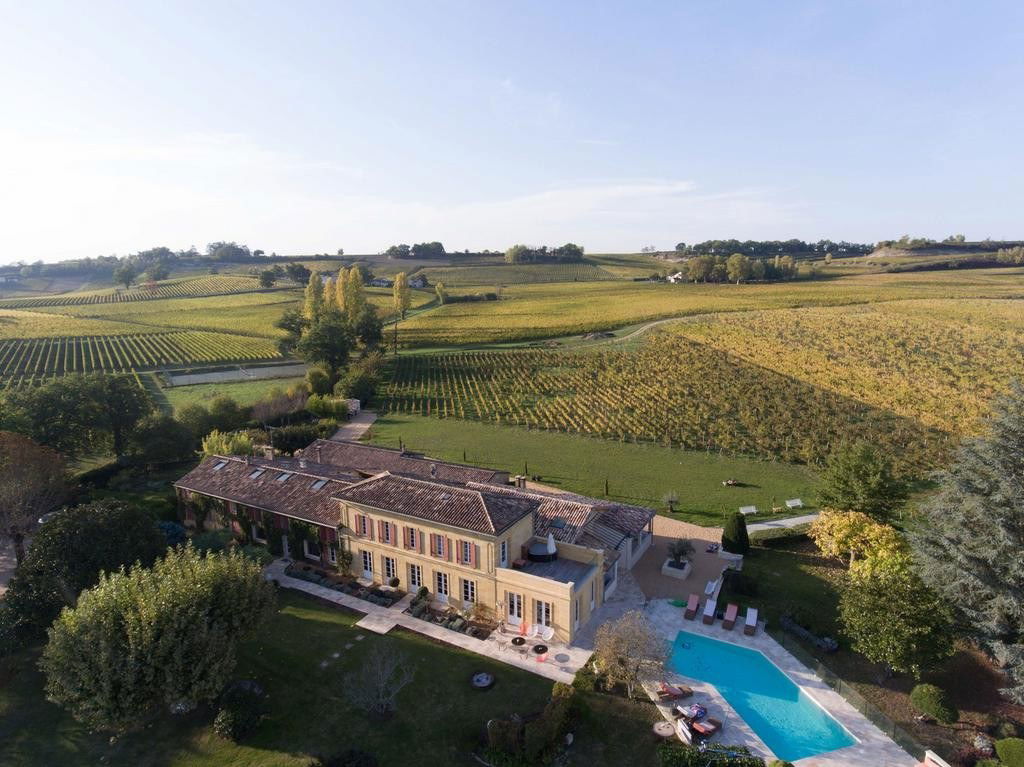

Château du Palanquey
Sainte-Colombe, Saint-Émilion
Hotel in Saint-Émilion, France
 Book with Pearl
The Read
Slow-Life Vineyard Retreat
Why go
Château du Palanquey is a strong choice for a quiet Saint-Emilion celebration stay, especially if the room and château setting matter as much as the itinerary. Michelin 1 Key recognition in 2024 gives it a useful quality signal; compare room categories carefully so the spend matches how much time will actually be spent on property.
About Château du Palanquey
Château du Palanquey is a Saint-Emilion stay with a smart casual dress code and a Michelin 1 Key awarded in 2024.
Before booking, confirm current facilities, dining, room options, prices, and service format directly with the property. Use the Michelin 1 Key as a recognition signal for the stay, not as a substitute for checking whether the property fits the trip you have in mind.
A Saint-Emilion stay to shortlist
Château du Palanquey is best considered by travelers looking at Saint-Emilion who are comfortable starting from the essentials rather than a long list of amenities. The smart casual dress code indicates the stated attire expectation for guests.
The Michelin 1 Key recognition in 2024 is its clearest external distinction. It can help place the property on a shortlist, while the final decision should still depend on current availability and details confirmed directly by the venue.
How to compare it with other options
Compare Château du Palanquey with Château Troplong Mondot or Hôtel de Pavie if you are weighing options for a trip to Saint-Emilion. The right choice should depend on what each property confirms for your dates, rather than on assumptions about size, amenities, or service style.
If your itinerary depends on specific dining, facilities, or services, confirm those directly. If a Michelin 1 Key Saint-Emilion stay with a smart casual dress code is enough to put it on the shortlist, Château du Palanquey is worth considering alongside Le Relais de Franc Mayne, Les Clefs de Troplong Mondot, and Logis de la Cadène.
Planning details
- Location
- Château du Palanquey 2 Lieu dit Palanquey, 33350 Sainte-Colombe
- Website
- chateaudupalanquey.com
- Phone
- +33 5 47 84 99 83
The take
The Take
The Vibe
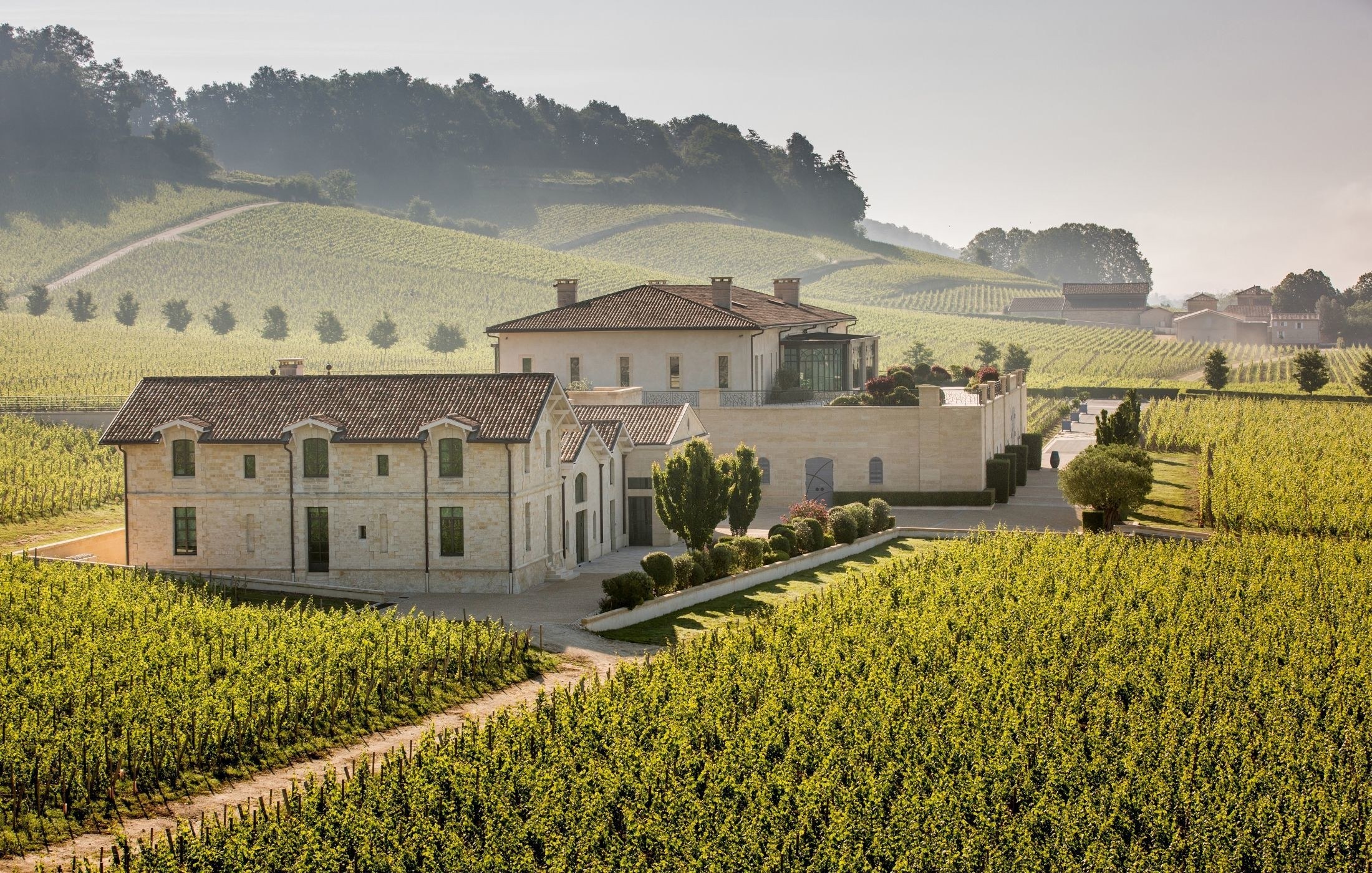
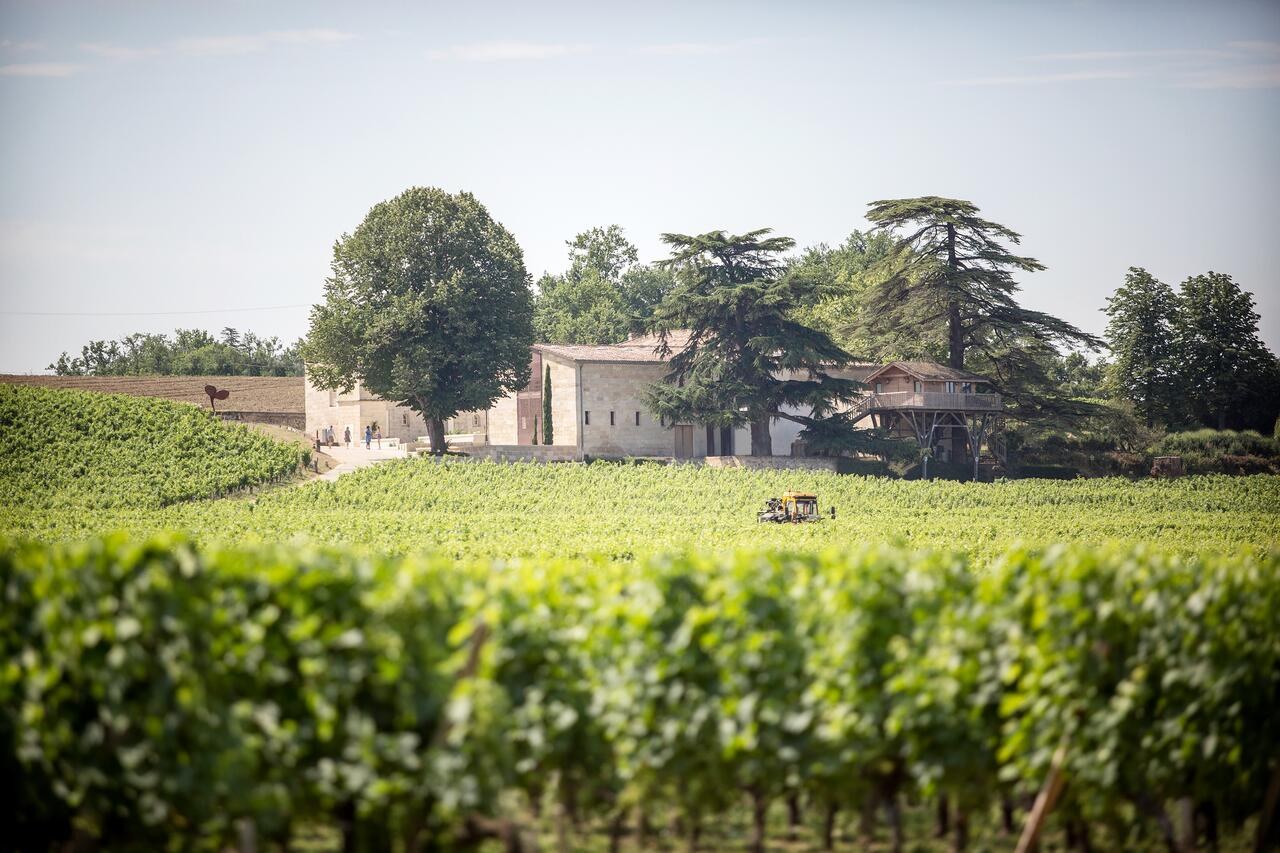
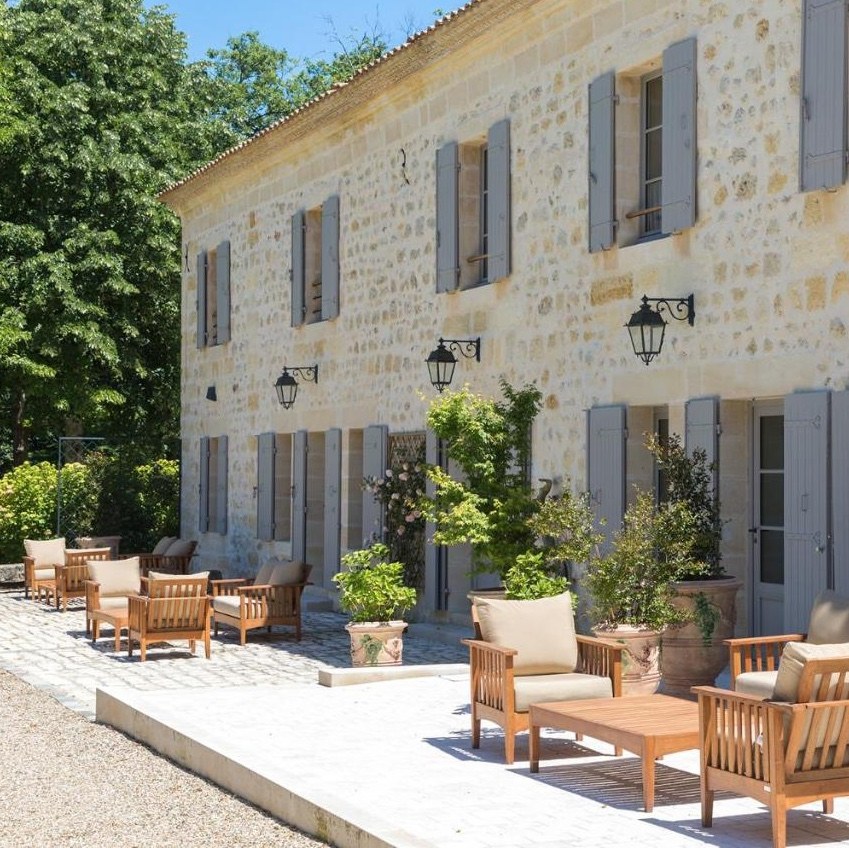
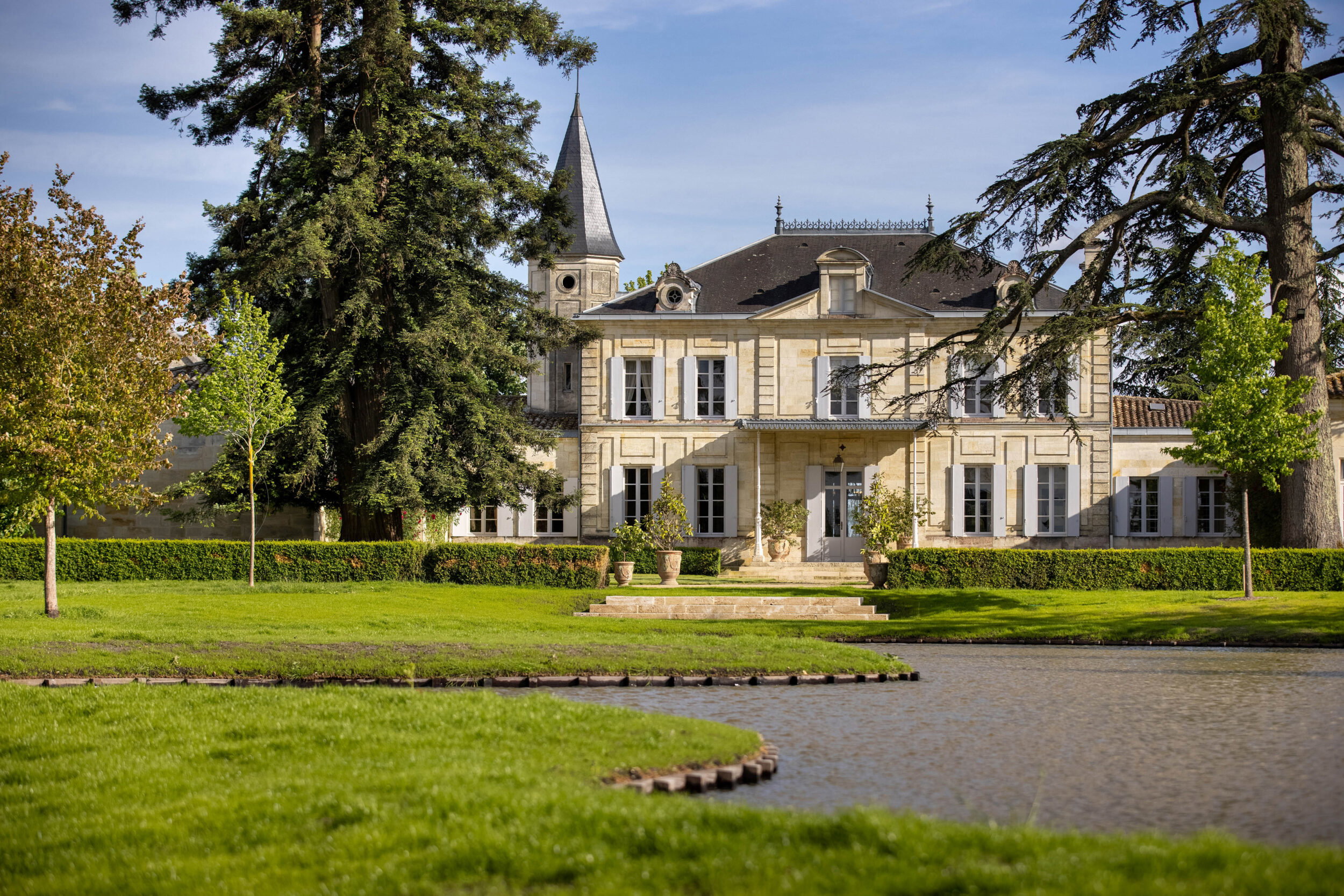
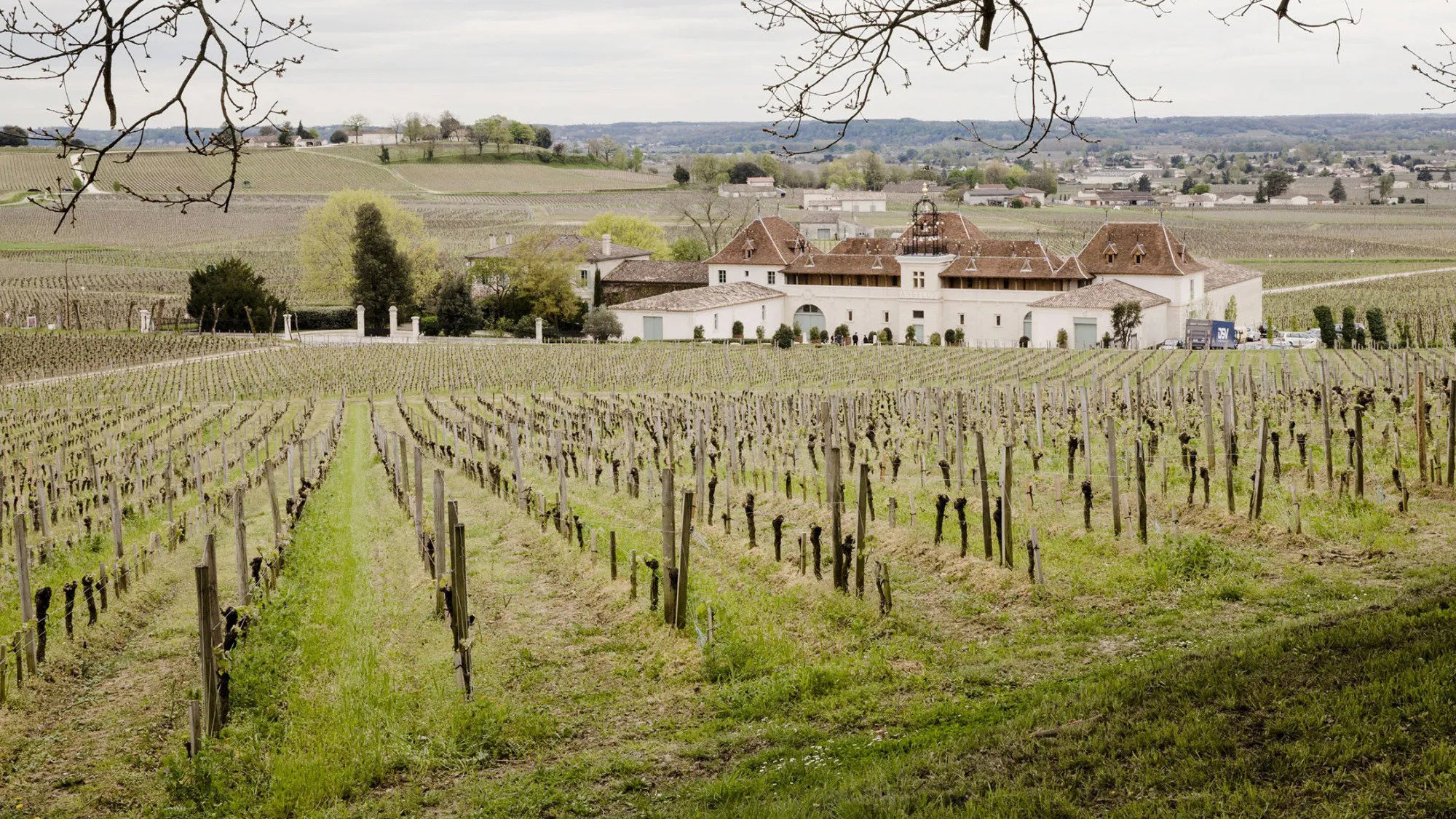
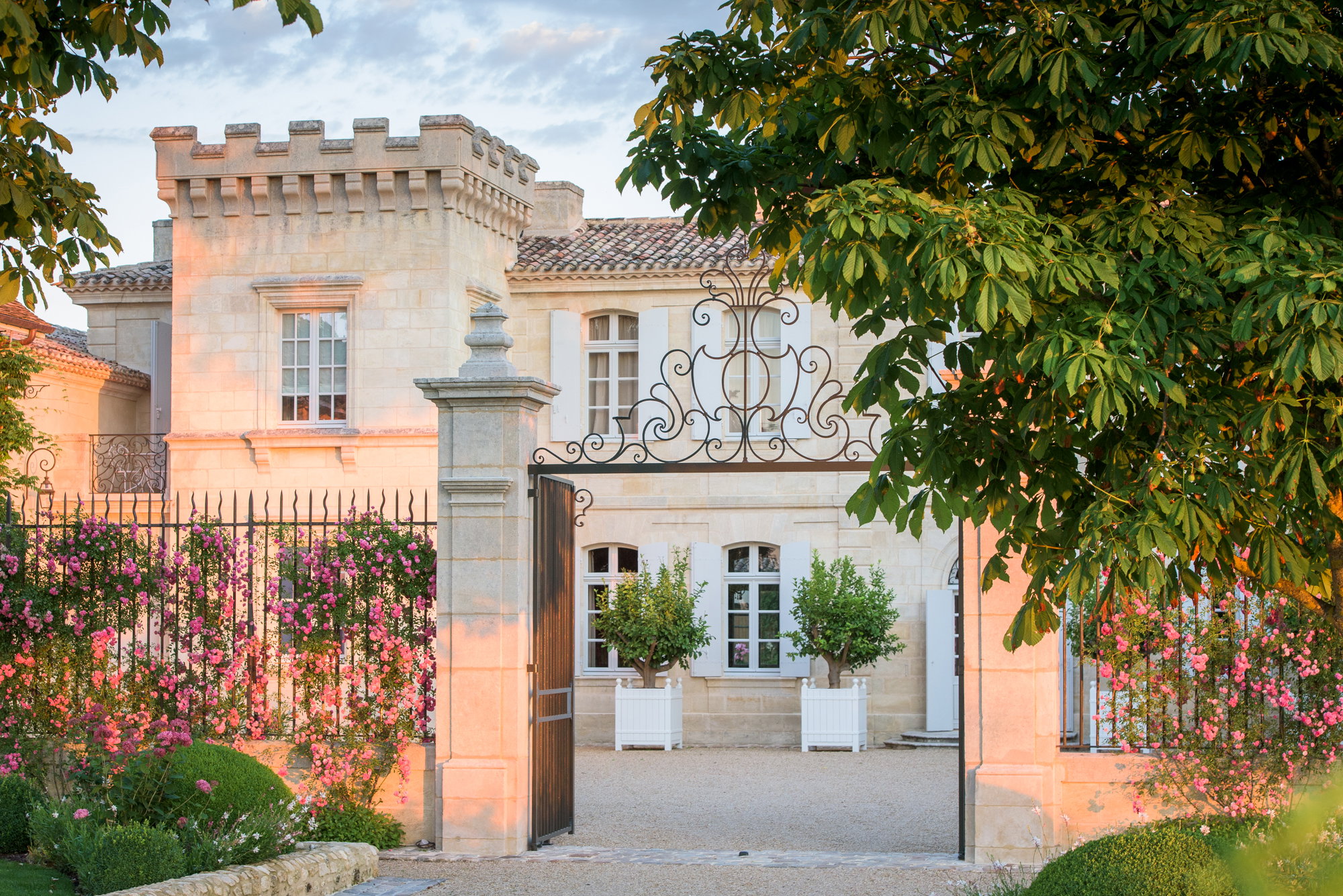
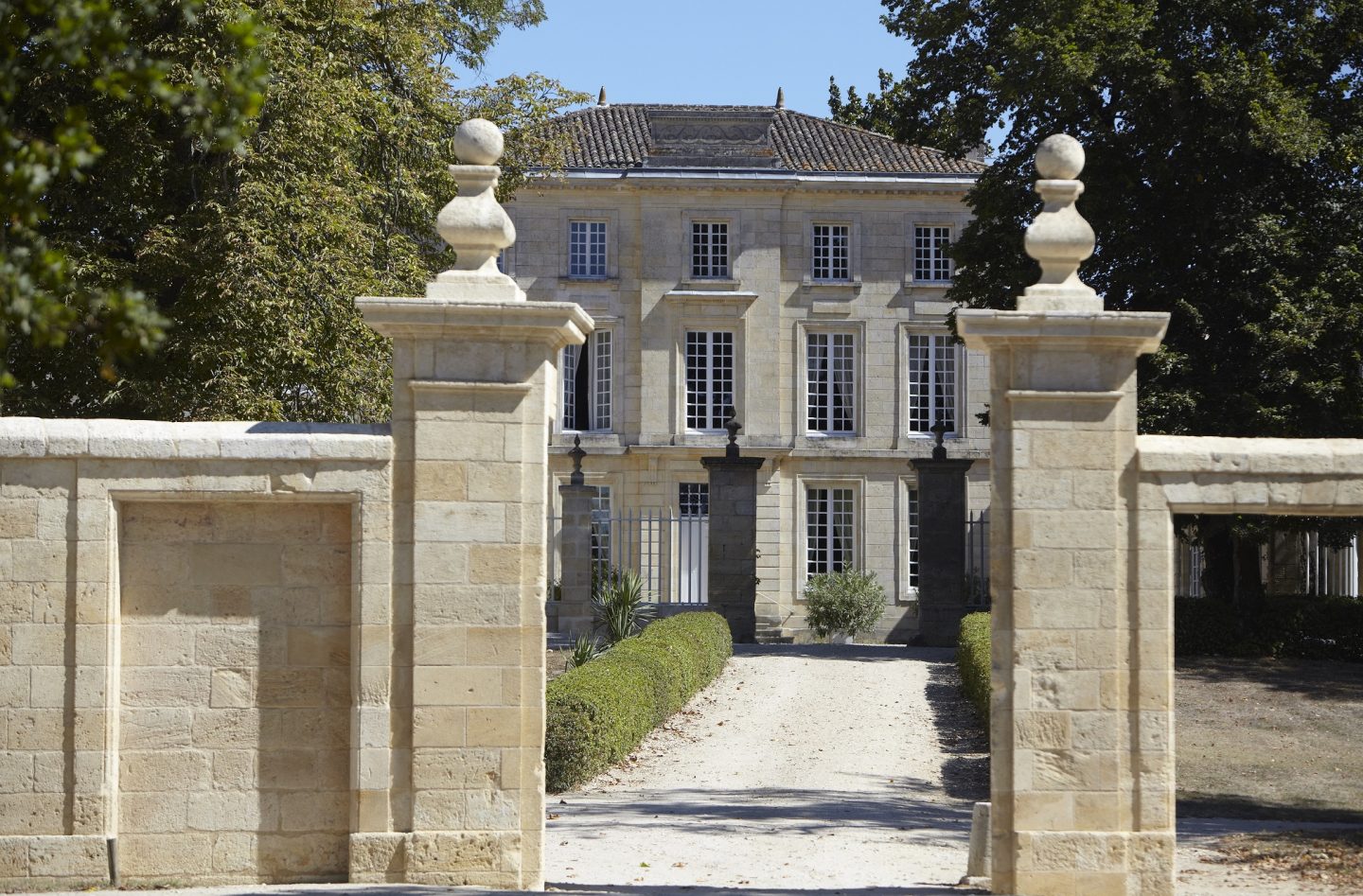
Château du Palanquey reads like a quietly storied country house rather than a constructed wine‑country showpiece. The approach through working vines and the absence of ostentation set the tone: this is residential in scale, low‑key and refined. With just six rooms and a building that "accumulated its character over generations," the property feels intimate and gently historic—more a private home in the landscape than a branded estate. The result is a serene, charming base in Sainte‑Colombe for travelers who prefer understated authenticity to spectacle.
Best For
Palanquey suits travelers seeking a peaceful, small‑scale base in Saint‑Émilion's vineyard country. Its six‑room size and rural setting appeal to couples and solo travelers who value privacy, slow‑paced countryside rhythms and proximity to working vines rather than the bustle of town. Guests who favor characterful, residential properties over large, wine‑branded estates will appreciate its deliberate separation from tourist infrastructure and the sense of staying in a genuine historic house rather than a hotel built for volume.
Venue details
Ambiance
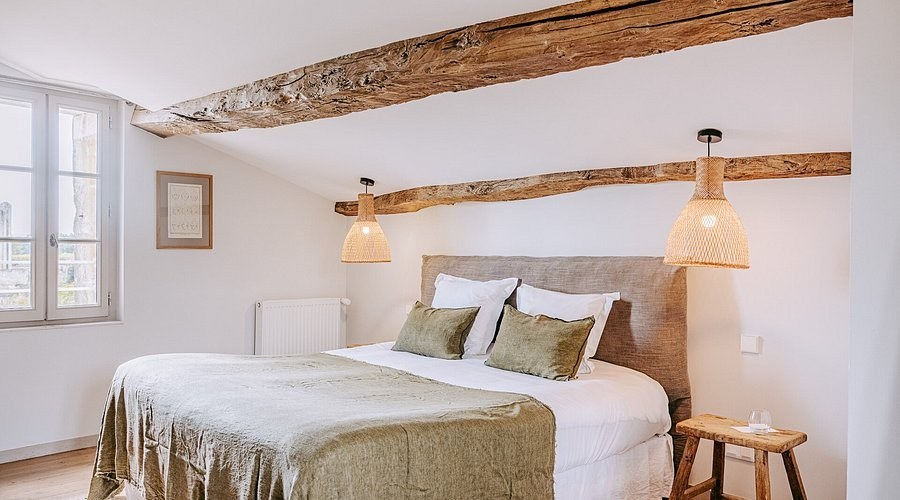
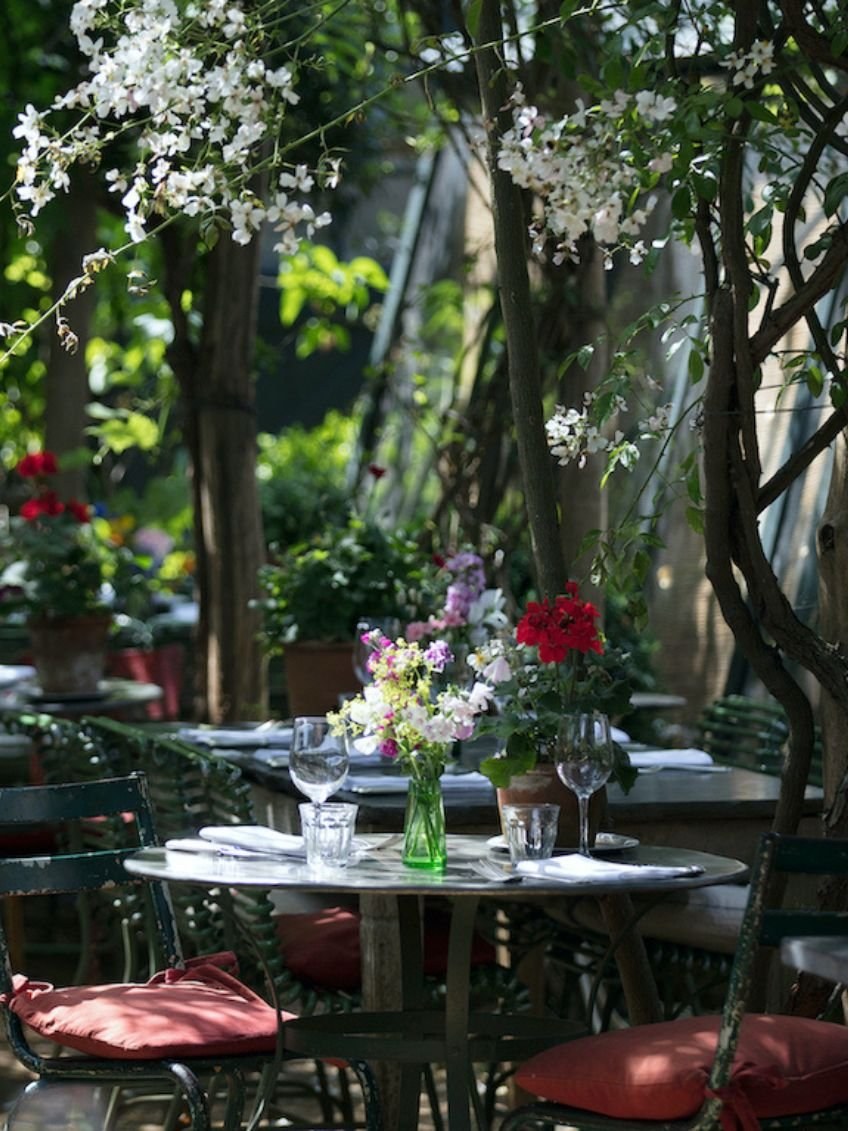
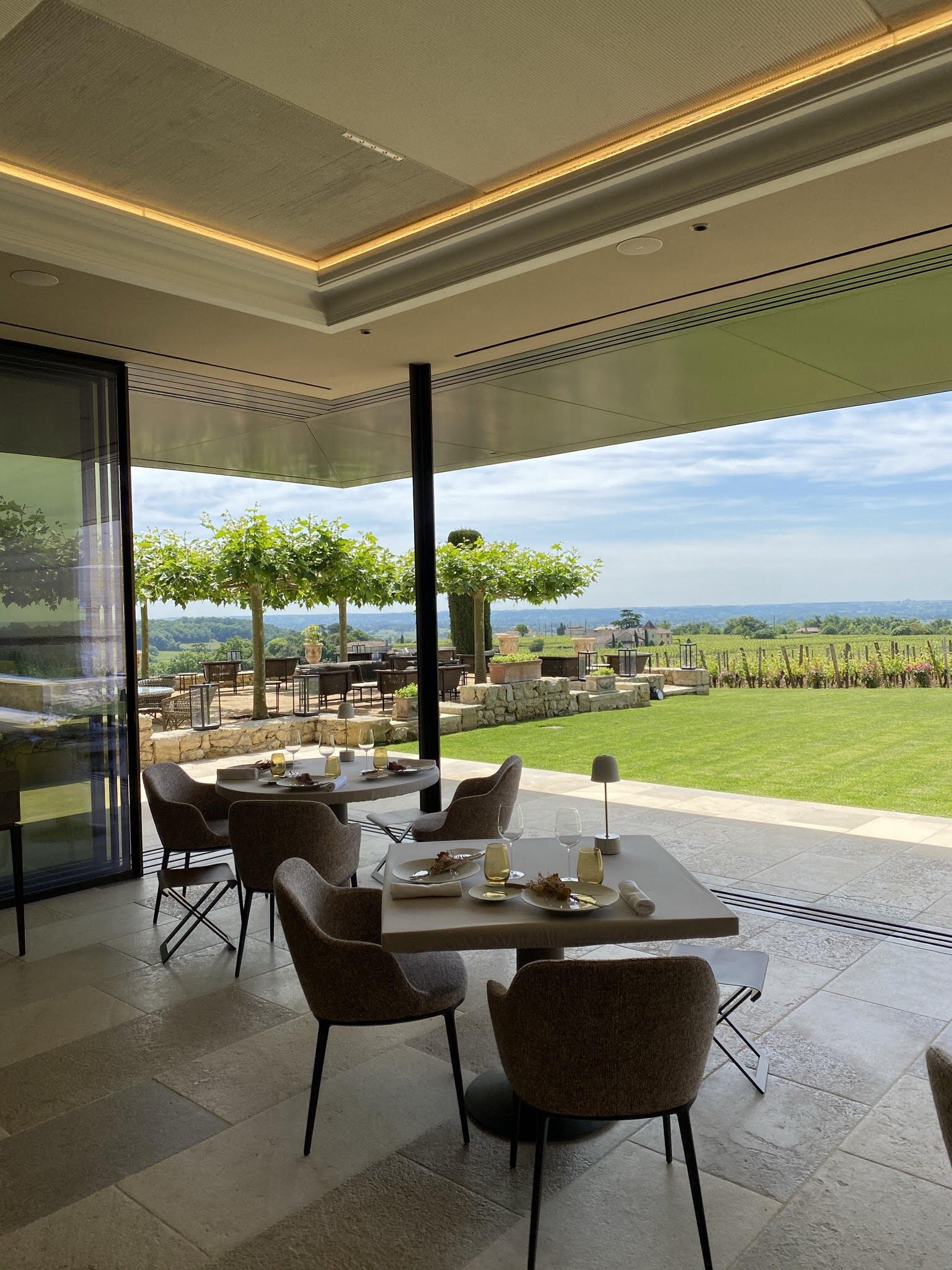
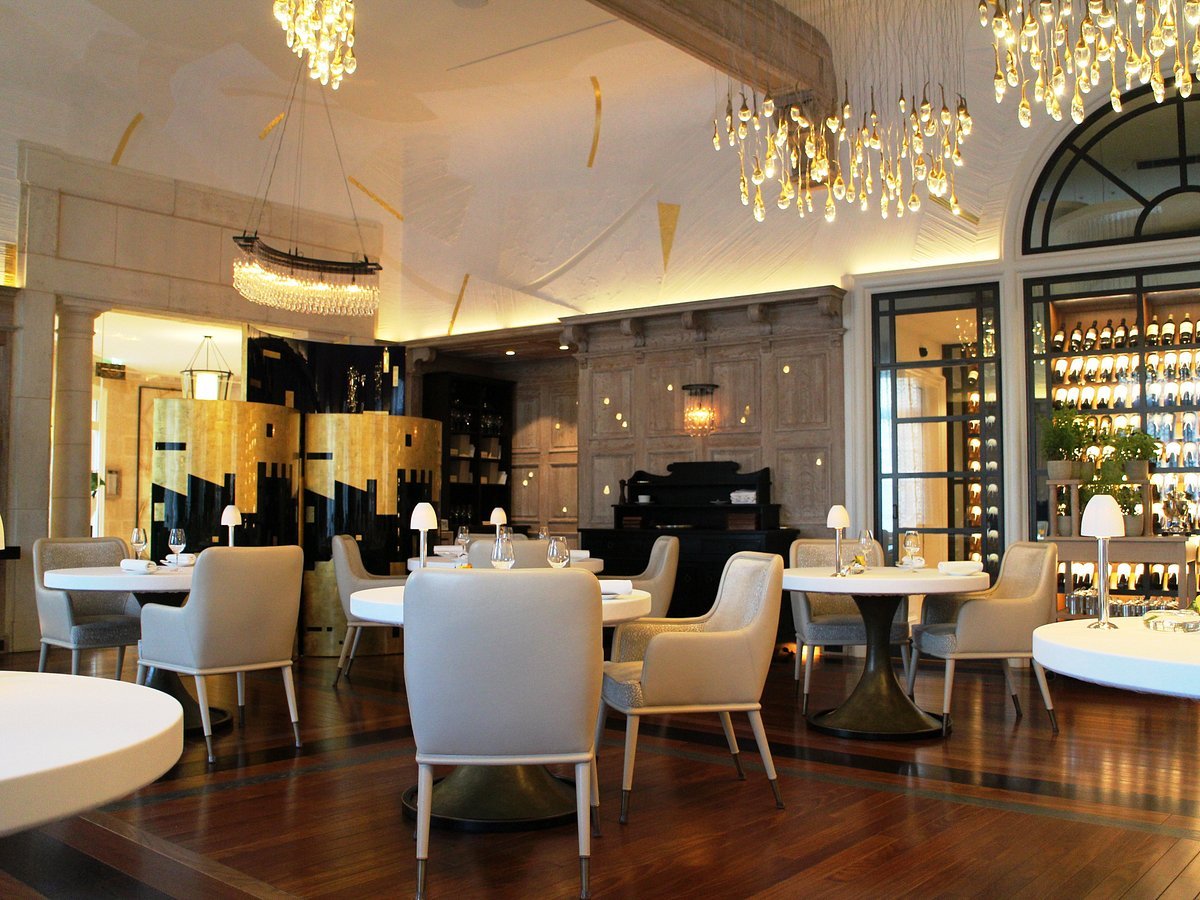
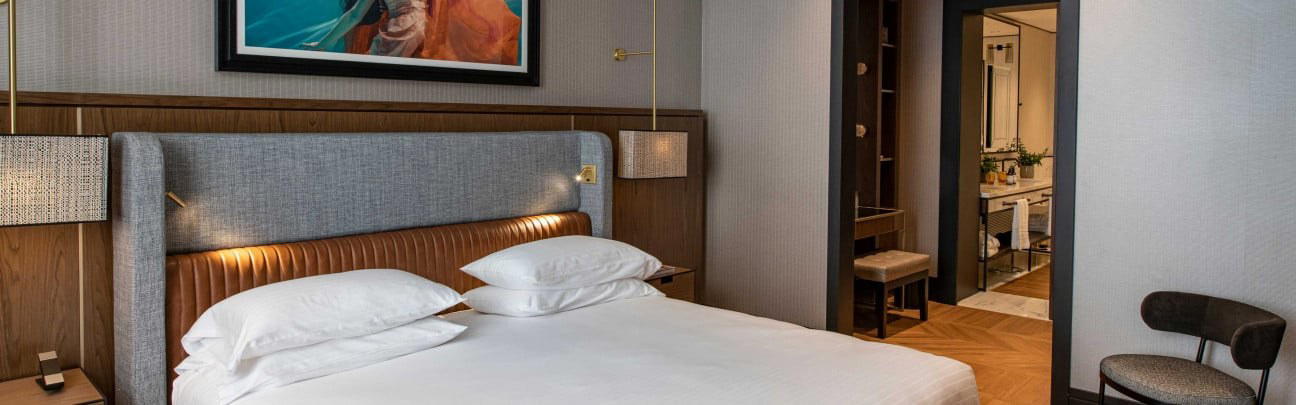
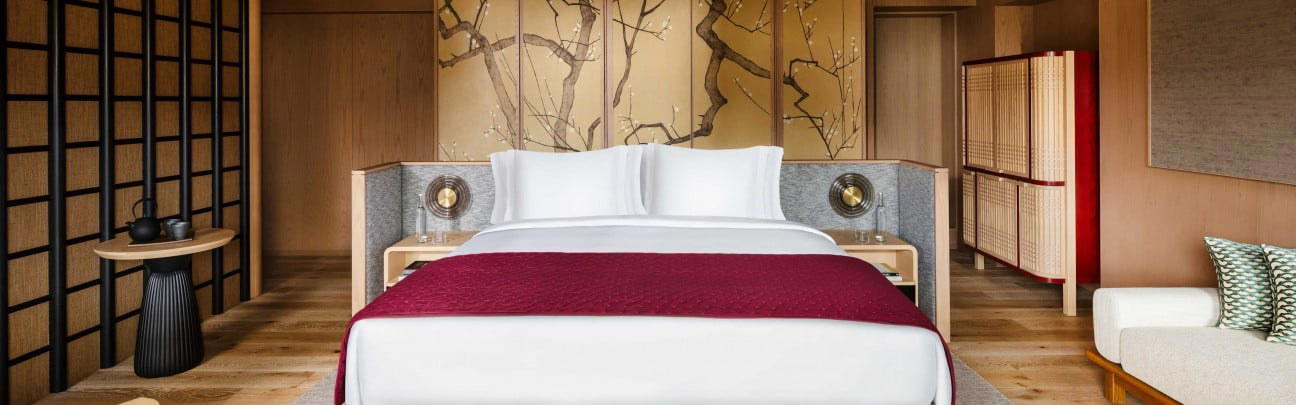
Peaceful and relaxing with tasteful modern-vintage interiors, beautiful gardens, and serene vineyard views praised for tranquility and luxury.
Tags
Vibe
Best For
Experience
Amenities
View
About the Stay
- Rooms
- 8
- Check-in
- 16:00
- Check-out
- 12:00
- Property Style
- Restored Historic Chateau with Modern Comforts in Vineyard Setting
- Design Style
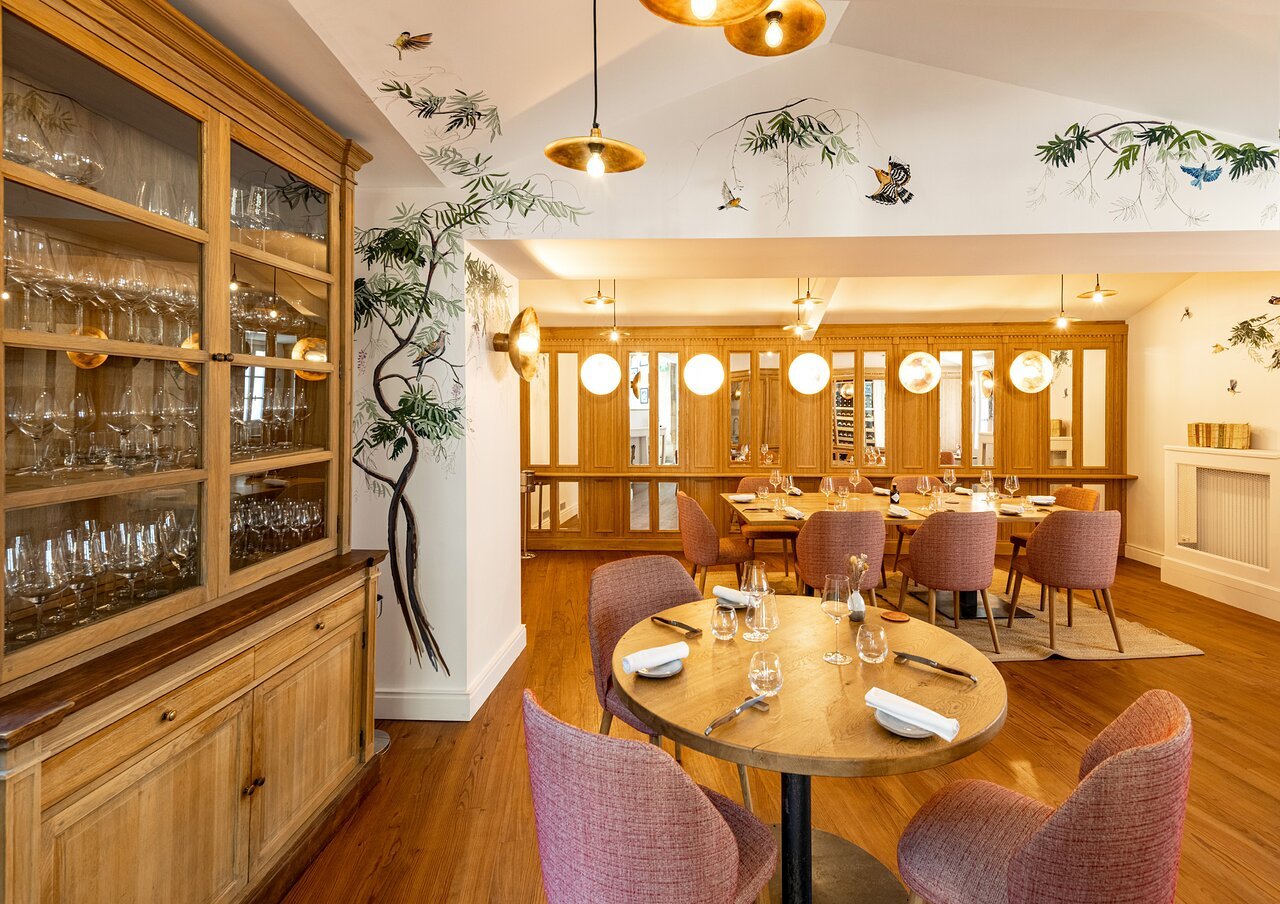
- Blend of Modern and Vintage with Stylish, Arty Interiors
Know before you go
Know Before You Go
- Getting there
- Château du Palanquey 2 Lieu dit Palanquey, 33350 Sainte-Colombe
Planning details
Location
Château du Palanquey 2 Lieu dit Palanquey, 33350 Sainte-Colombe · Directions
Recognition and awards
Also consider
If Château du Palanquey is unavailable, cross-shop Château Troplong Mondot for a more established luxury stay in Saint-Emilion, or Le Relais de Franc Mayne for a vineyard-country alternative that keeps the trip outside a dense urban-hotel feel.
Hotel context
Choose Château du Palanquey if the trip calls for a quieter château base outside the densest Saint-Emilion hotel cluster. Château Troplong Mondot and Hôtel de Pavie are stronger picks for travelers who want a more established luxury-hotel rhythm, while Palanquey makes more sense when privacy and a slower stay matter more than scale.
Les Clefs de Troplong Mondot is the cleaner alternative for travelers who want the Troplong orbit without necessarily choosing the main château experience. Logis de la Cadène is better suited to readers who want to be closer to the village feel and dining-led access rather than a countryside stay.
Le Relais de Franc Mayne is the practical cross-shop if the priority is vineyard-country atmosphere with a likely less formal feel. For a special occasion where the hotel needs to carry the mood, Palanquey is the more occasion-led choice; for a trip built around being out all day, compare rates closely before paying for the quieter setting.
Explore Saint-Émilion
Around this place
Discover more on Pearl
Unlock the full Château du Palanquey guide in Pearl, including awards, comparisons, FAQs, planning details, and nearby places.
Compare Château du Palanquey
| Venue | Location | Awards |
|---|---|---|
| Château du Palanquey | Saint-Emilion | 2026 Michelin 1 KeyMichelin 1 Key 20252025 Michelin 1 Key2024 Michelin 1 Key |
| Château Troplong Mondot | Saint-Emilion | No published awards |
| Les Clefs de Troplong Mondot | Saint-Emilion | No published awards |
| Logis de la Cadène | Saint-Emilion | 2026 Michelin 1 Key2025 Michelin 1 Key2024 Michelin 1 Key |
| Hôtel de Pavie | Saint-Emilion | 2026 Relais Chateaux Hotels2026 Michelin 1 Key2025 Michelin 1 Key2025 Relais Chateaux Award2024 Michelin 1 Key |
| Le Relais de Franc Mayne | Saint-Emilion | No published awards |


How Château du Palanquey Saint-Emilion compares with similar nearby venues.
FAQ
Frequently Asked Questions
How does Château du Palanquey compare to other options?
It belongs on a shortlist for Saint-Emilion if you want a Michelin 1 Key stay and a smart casual dress code. Château Troplong Mondot and Hôtel de Pavie are useful comparisons, while Le Relais de Franc Mayne, Logis de la Cadène, and Les Clefs de Troplong Mondot can also help frame other options.
How is the location of Château du Palanquey?
Is Château du Palanquey good for business travel?
It may suit some business travelers who want a Saint-Emilion stay with Michelin 1 Key recognition. If meeting rooms, workspaces, transport timing, or other services matter, confirm them directly before booking.
Is Château du Palanquey family-friendly?
It may be worth considering for a Saint-Emilion stay, but families should confirm room setup, policies, and practical needs directly with the venue before booking.