
Kanpai Wines
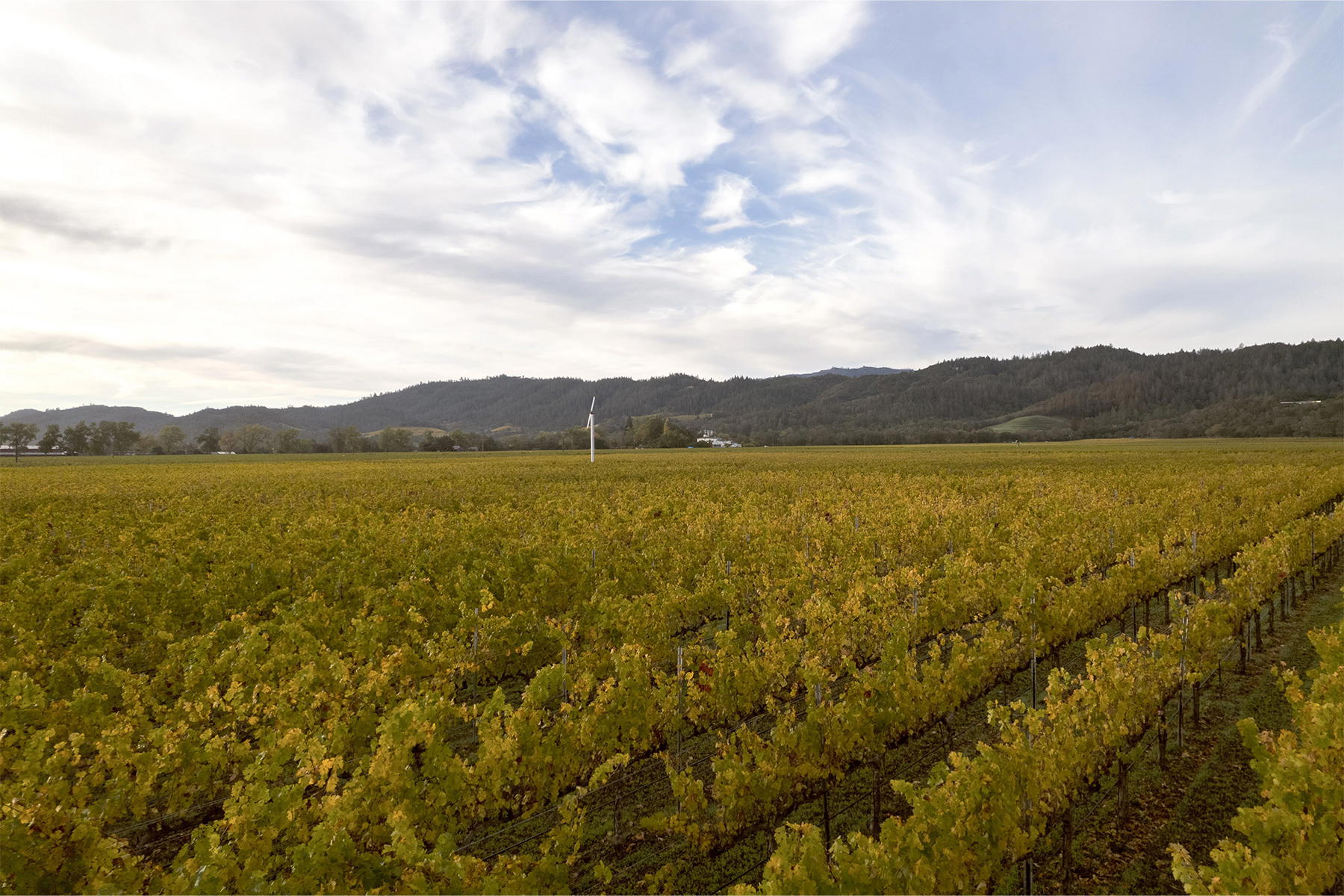
Oak Knoll District, Napa
Winery in Napa, United States
 Book with Pearl
The Read
Precision Small-Production Napa
Why go
Kanpai Wines is for Napa visitors who care more about a newer label with Steve Matthiasson as winemaker than a fully signposted hospitality program. Treat it as a focused collector-style stop, not the safest choice for large groups or food-pairing expectations.
About Kanpai Wines
Kanpai Wines is a Napa venue with limited public details available. Steve Matthiasson is listed as chef/owner, the dress code is smart casual, the venue holds Pearl 3 Star Prestige (2025). Beyond those points, specifics such as tasting format, menu, pricing, hours, address, seating, reservation requirements are not specified.
That makes Kanpai Wines best researched directly before planning a day around it. If you are comparing it with other options, keep the focus on available details rather than assuming a particular hospitality style, food program, or visit length.
Book around the known details
Key details for Kanpai Wines include the Steve Matthiasson chef/owner listing and its Pearl 3 Star Prestige (2025) recognition. Cuisine, chef-driven menu, pairing format, named flagship item, tasting structure, or beverage program are not specified beyond the venue itself.
Because food and service specifics are not available, separate the Kanpai Wines decision from the meal decision. Pair the visit with a reservation from Our full Napa restaurants guide, then use Our full Napa hotels guide if staying overnight and Our full Napa bars guide for a post-visit drink. For a wider day plan, keep Our full Napa wineries guide and Our full Napa experiences guide open.
Who should put it on a Napa day
Consider Kanpai Wines if the Matthiasson chef/owner listing and Pearl 3 Star Prestige recognition are enough reason to investigate further. If you need details on hours, group size, seating, food, pricing, or the exact visit format before committing, check directly with the venue before building your itinerary around it.
For a broader itinerary, compare Kanpai Wines with Arrow&Branch Winery, Ashes and Diamonds Winery, Frias Family Vineyard, Matthiasson Winery, Trefethen Family Vineyards. Use those comparisons to decide which stop best fits the level of detail you need for the day.
Planning details
- Location
- 4120 Dry Creek Rd, Napa, CA 94558
- Website
- kanpai.wine
- Phone
- +17026665374
The take
The Take
The Vibe
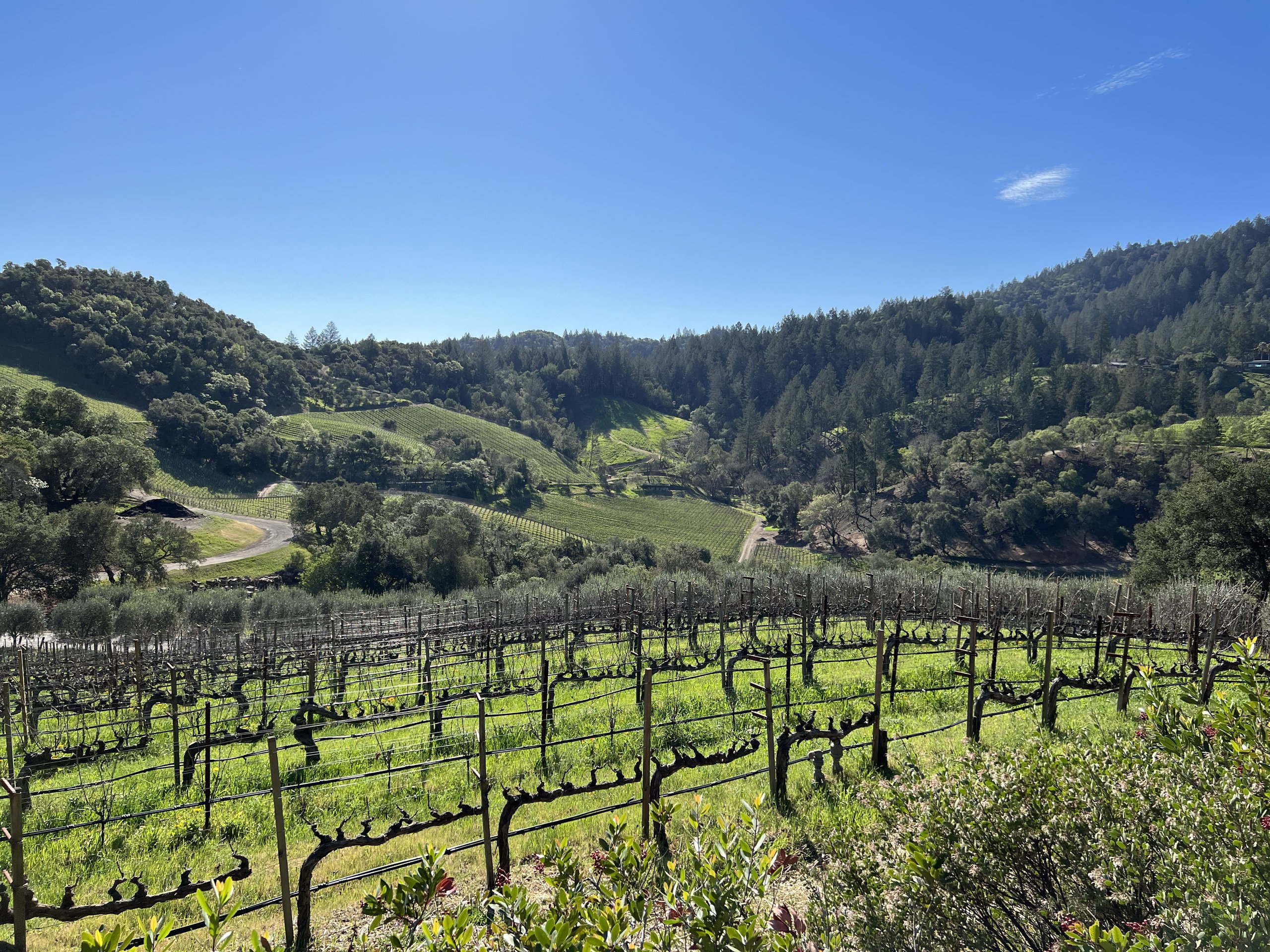
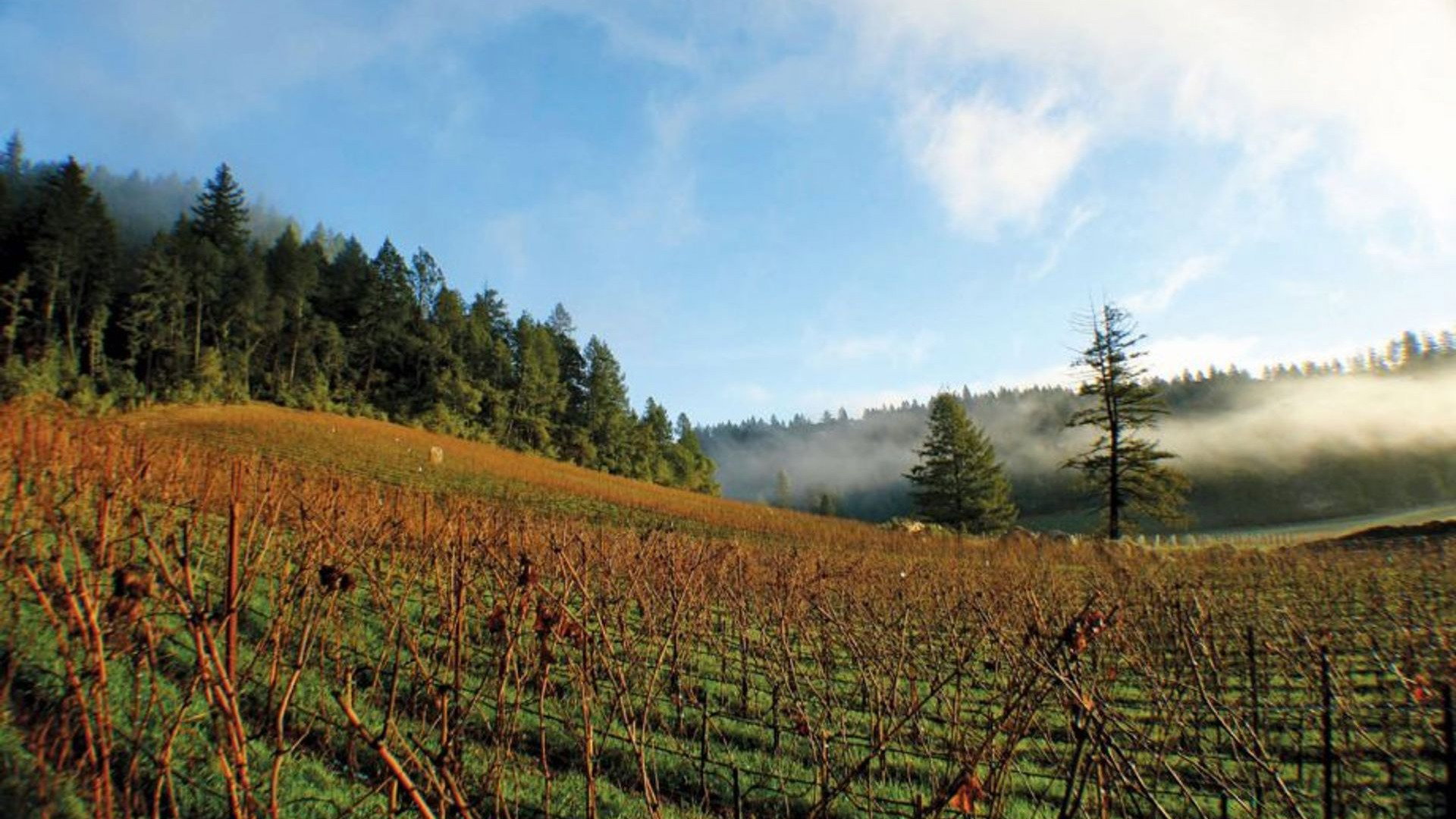
Kanpai Wines reads like a focused, quietly confident newcomer. With a first vintage in 2019 and a Pearl 3 Star Prestige rating in 2025, the label projects technical rigor rather than hospitality spectacle. Its location on Dry Creek Road—away from the busier Silverado Trail and Highway 29—reinforces a low-key, process-forward personality: this is a producer more interested in farming, balance and restrained expression than flashy visitor amenities. The involvement of Steve Matthiasson and the association with the California restraint school further underline a sophisticated, understated approach that will appeal to people who prize nuance and vineyard-focused wines.
Best For
Kanpai Wines is best for people who come to Napa to study what contemporary, restraint-led winemaking can express. The winery’s quick rise to a Pearl 3 Star Prestige rating marks it as worthy of attention from collectors and curious wine students alike. Because the label is small and positioned as a producer that emphasizes process and technical consistency, visits or purchases are most rewarding when framed as a focused tasting or part of a comparative exploration of low-intervention Napa producers. It also makes sense as a choice for noteworthy purchases tied to celebrations, where provenance and critical recognition matter.
Tasting Tips
Expect limited availability and prioritize direct channels or trusted retail partners when seeking Kanpai wines. The description notes a lack of a full hospitality program and a relatively new, low-volume output—factors that commonly lead to constrained distribution and allocations. Keep an eye on release announcements and critical coverage (the Pearl 3 Star Prestige nod is a useful signal) and be prepared to act quickly on press- or allocation-driven opportunities. If you need quantities for a special occasion, contact the producer early to inquire about availability rather than assuming wide retail stock.
Venue details
Ambiance
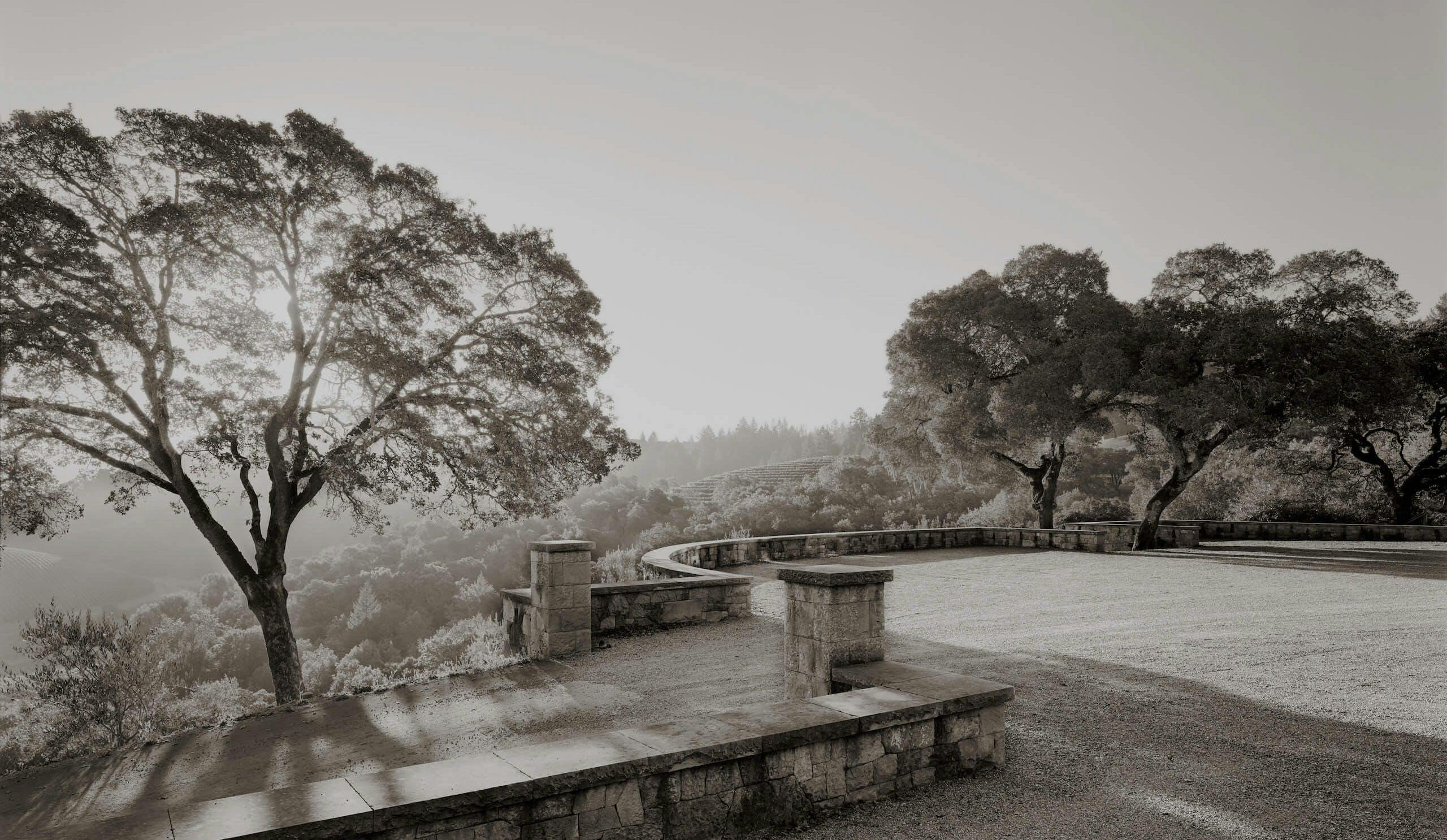
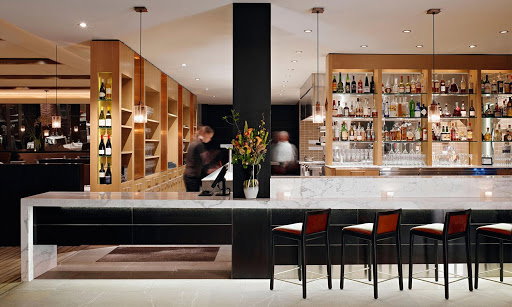
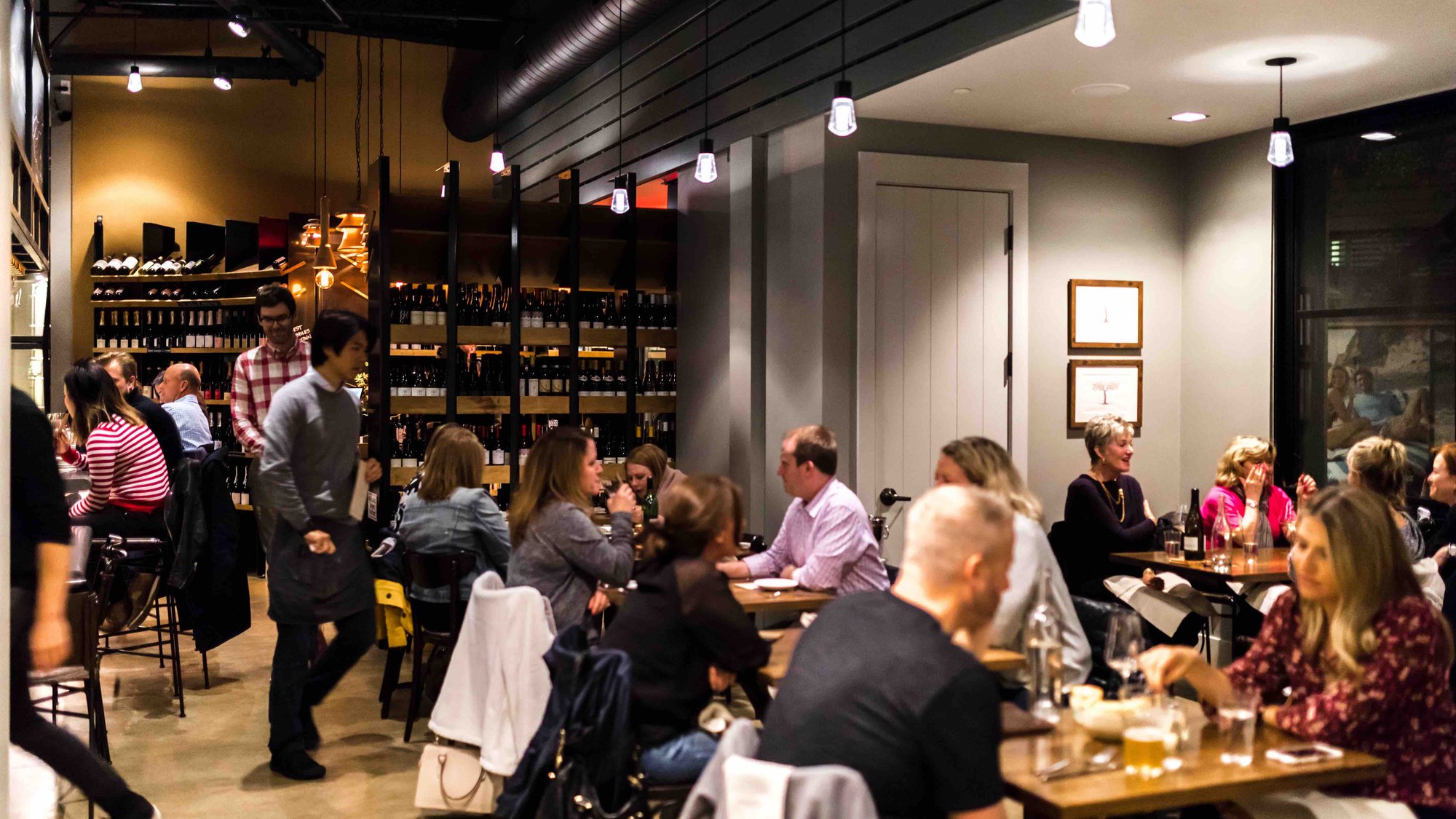
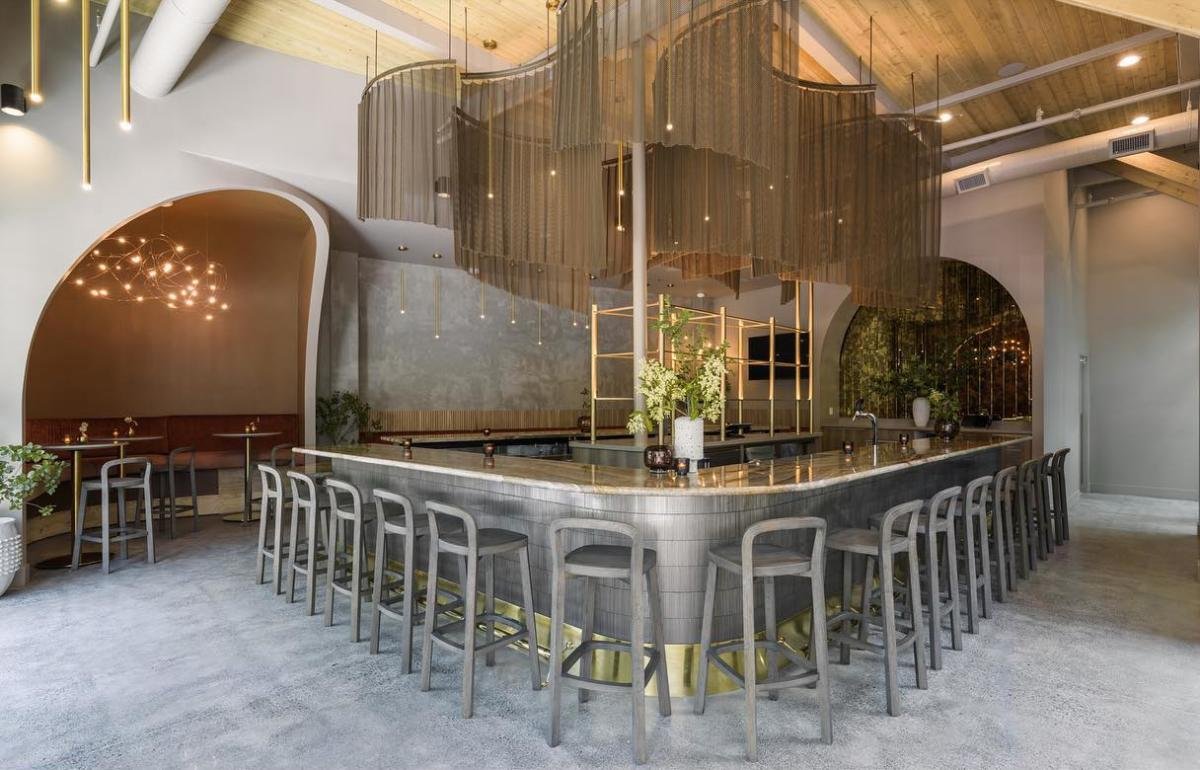
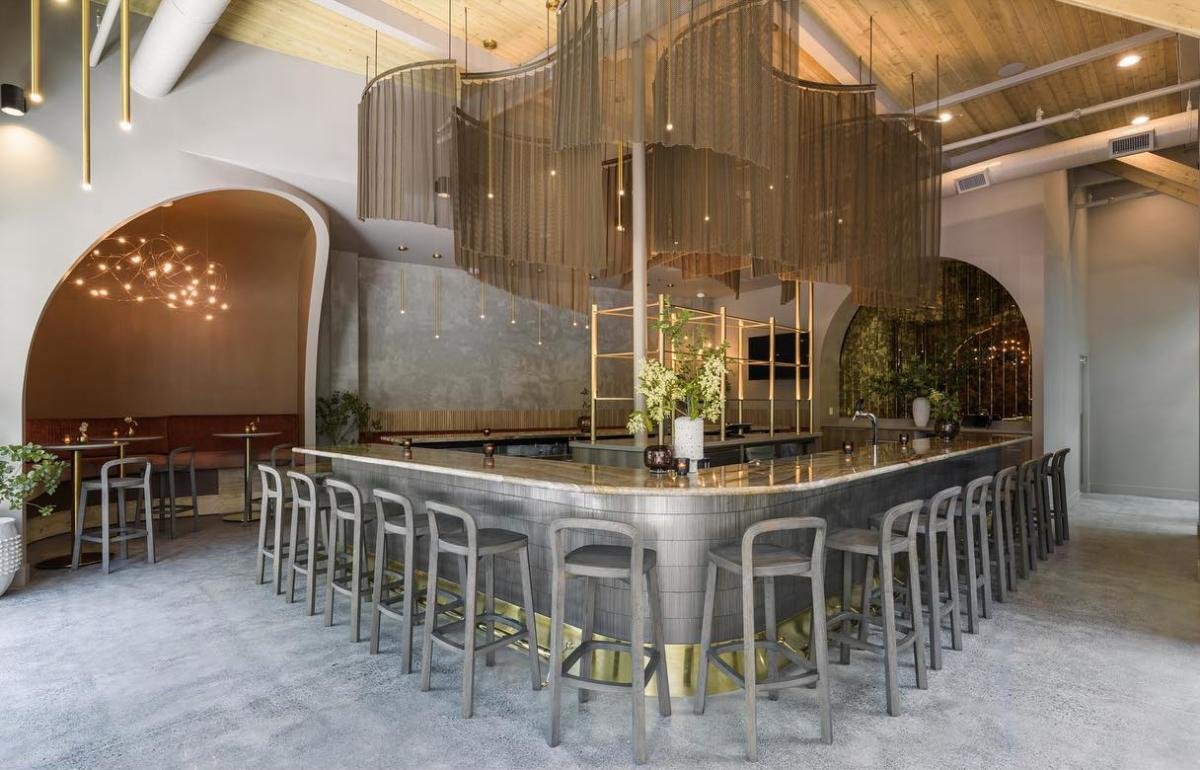
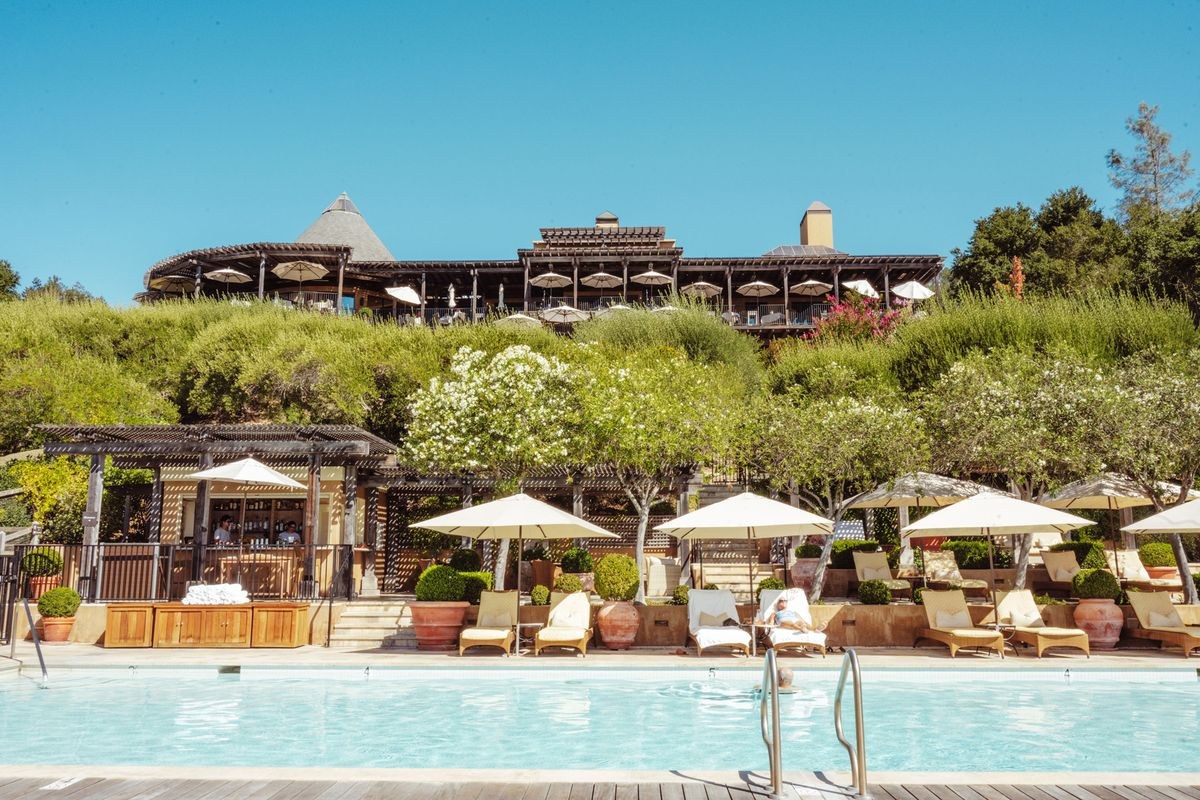
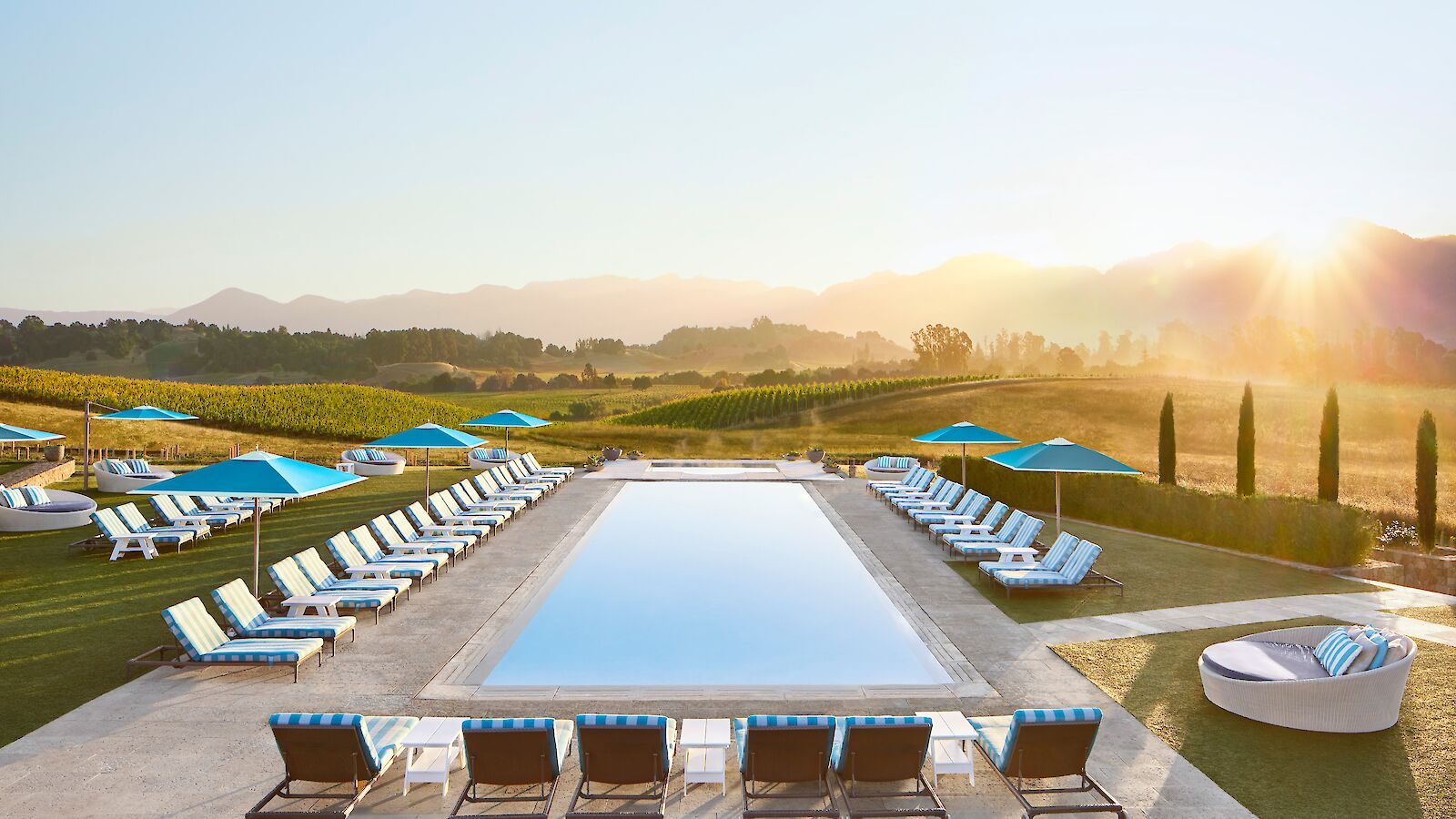
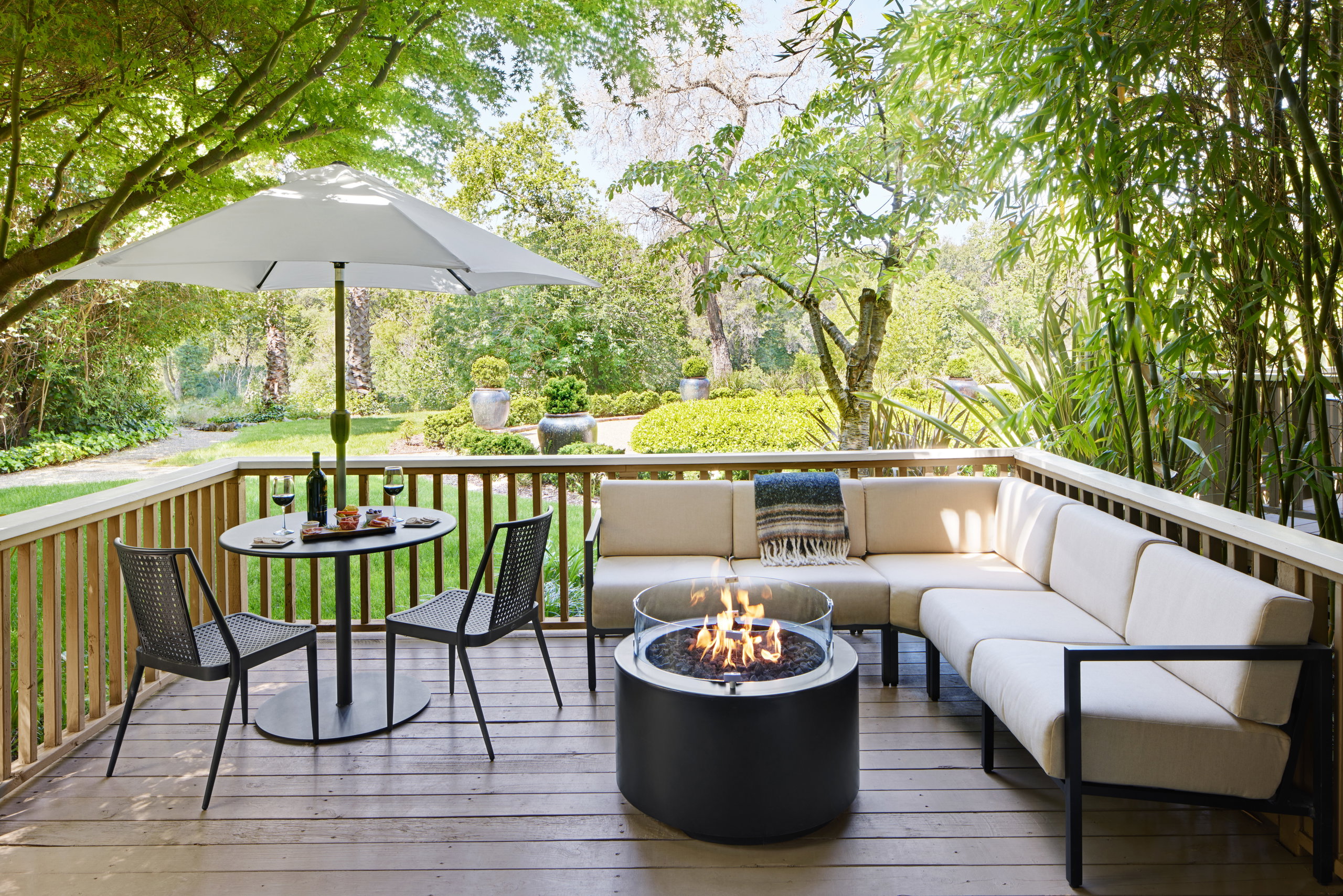
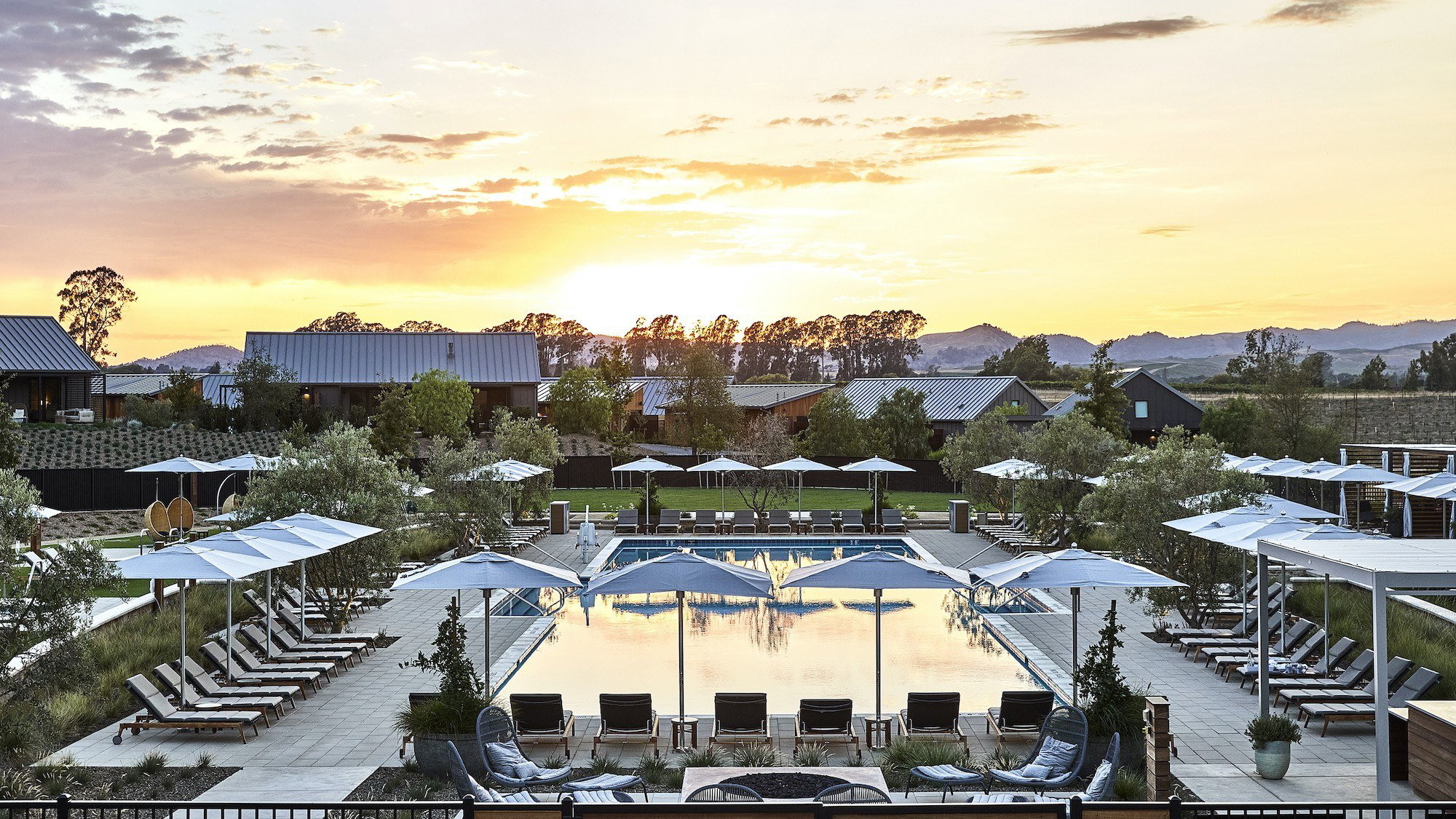
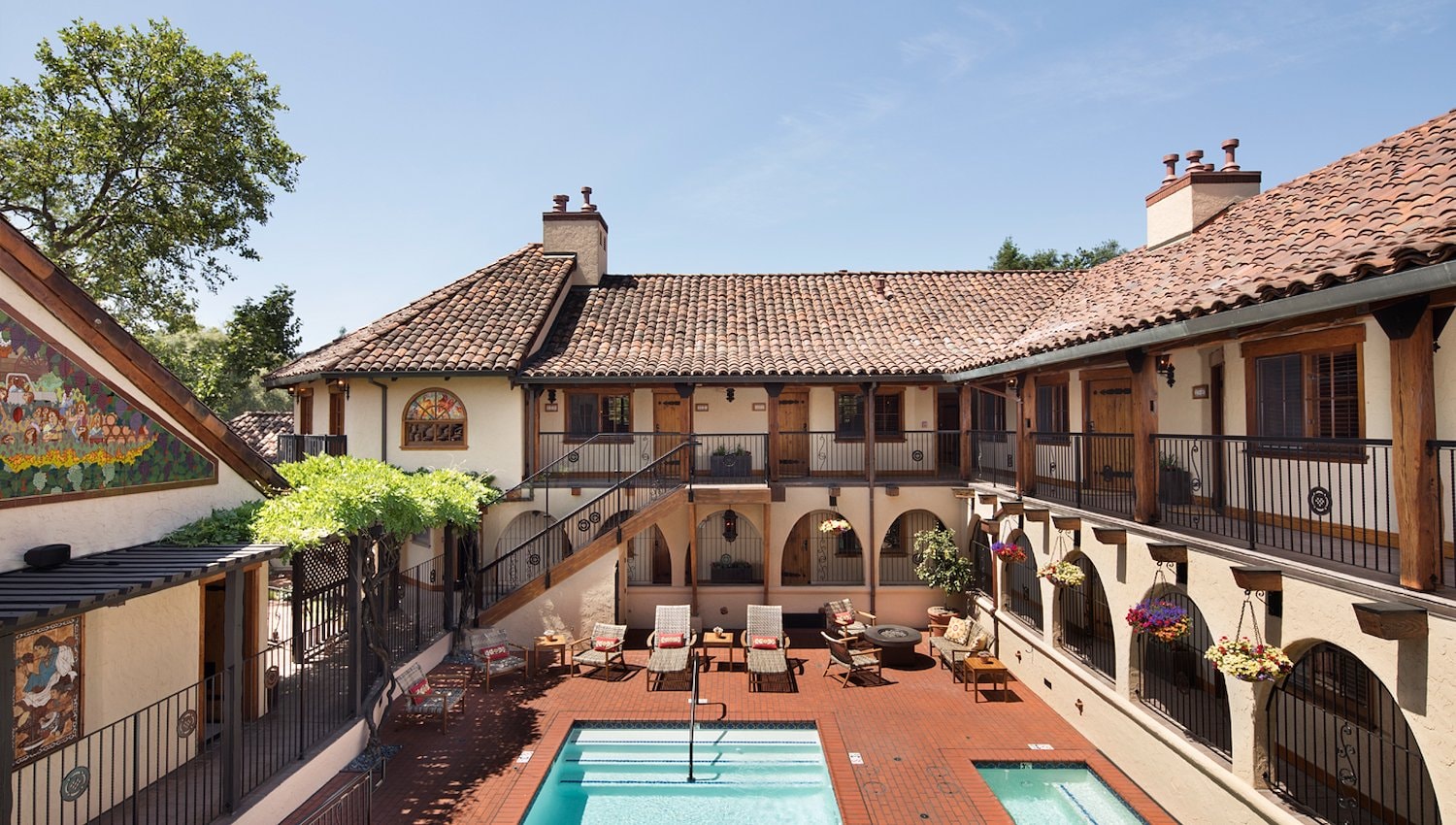
Serene and celebratory atmosphere evoking Japanese notions of togetherness and home, set amid lush gardens and historic estate grounds.
Tags
Vibe
Best For
Experience
Sourcing
View
At the Vineyard
- Appellation
- Oak Knoll District
- Varietals
- Cabernet Sauvignon, Cabernet Franc, Merlot, Chardonnay, Zinfandel
- Wine Club
- Available
Planning details
Location
Recognition and awards
Also consider
Also Consider
- Matthiasson Winery, Notable alternative
- Arrow&Branch Winery, Notable alternative
- Trefethen Family Vineyards, Notable alternative
- Ashes and Diamonds Winery, Notable alternative
- Frias Family Vineyard, Notable alternative
Winery context
How Kanpai Wines compares in Napa
Kanpai Wines is the pick for travelers who want a newer Napa project with a serious winemaker signal. Matthiasson Winery is the cleaner choice if the priority is following Steve Matthiasson directly, while Kanpai is more interesting for collectors who like tracking newer labels from an early-vintage stage.
For a classic estate-style Napa day, Trefethen Family Vineyards is the safer cross-shop. For a more design-forward tasting-room mood, Ashes and Diamonds Winery will suit groups that care about setting as much as wine. Kanpai is less about broad hospitality cues and more about whether the wine project itself is the draw.
If the group is small and wine-focused, keep Kanpai high on the list. If the group needs a clearer public-facing experience, compare Arrow&Branch Winery for a more collector-coded Napa stop or Frias Family Vineyard for a family-vineyard alternative.
Around this place
Discover more on Pearl
Unlock the full Kanpai Wines guide in Pearl, including awards, comparisons, FAQs, planning details, and nearby places.
Compare Kanpai Wines
| Venue | Location | Awards |
|---|---|---|
| Kanpai Wines | Napa | 2025 Pearl 3 Star Prestige |
| Matthiasson Winery | Napa | No published awards |
| Arrow&Branch Winery | Napa | No published awards |
| Trefethen Family Vineyards | Napa | No published awards |
| Ashes and Diamonds Winery | Napa | 2025 Pearl 3 Star Prestige |
| Frias Family Vineyard | Napa | No published awards |
How Kanpai Wines Napa compares with similar nearby venues.
FAQ
Frequently Asked Questions
When is the best time to visit Kanpai Wines?
The best time is not specified. Kanpai Wines is in Napa and holds Pearl 3 Star Prestige (2025), so check directly with the venue for current timing before planning a visit.
Do I need a reservation at Kanpai Wines?
Reservation requirements are not specified. Check directly with Kanpai Wines before visiting, especially if you are coordinating a Napa itinerary with other stops such as Arrow&Branch Winery.
What other venues can I compare with Kanpai Wines?
Useful comparisons include Matthiasson Winery, Arrow&Branch Winery, Trefethen Family Vineyards, Ashes and Diamonds Winery, Frias Family Vineyard. Use them as reference points while checking Kanpai Wines details directly.
Can Kanpai Wines handle large groups?
Group capacity is not specified. Contact Kanpai Wines directly before planning for a large party, compare details with Trefethen Family Vineyards or Ashes and Diamonds Winery if group logistics are important.