

Yoroniku Azabudai Hills
Yakiniku · Minato, Tokyo
Restaurant in Tokyo, Japan
 Book with Pearl
The Read
Wagyu Kaiseki Progression
Price
$150–200per person
Chef
Vanne Kuwahara
Dress
Smart Casual
Why go
Vanne Kuwahara's yakiniku concept inside Azabudai Hills Tower Plaza structures premium wagyu as a tasting progression, priced at JPY 15,000–19,999 for dinner. Tabelog Award 2026 Silver winner with 48 seats, private rooms, and English service. Book for a polished, kaiseki-influenced grill experience in a corporate-modern setting, or choose Cossott'e nearby for à la carte flexibility at a lower price.
About Yoroniku Azabudai Hills
Yoroniku Azabudai Hills is a Tokyo yakiniku restaurant from chef-owner Vanne Kuwahara. The cuisine is yakiniku, the dress code is smart casual, and service is for dinner hours Tuesday through Sunday, with Monday closed.
Yakiniku and Menu Details
Yoroniku Azabudai Hills is a yakiniku option in Tokyo, but specific menu structure, beef sourcing, course count, and pricing should be confirmed directly before booking.
For diners comparing Tokyo yakiniku options, comparable venues to research include Cossott'e, Yakiniku Ten, Ushimatsu, Ushigoro S NishiAzabu, and Raimon. Treat the comparison as a starting point rather than a claim about identical format, price, or service style.
Seating, Service Details, and Dress Code
Specific details about seating layout, private rooms, language support, payment methods, and smoking policy should be confirmed directly with the venue. The dress code is smart casual, so plan for a polished but not formal dinner setting.
Booking and Timing
Hours are Tuesday through Sunday from 5–11 PM, with Monday closed. There are no lunch hours. Cancellation rules, last-order timing, holiday closures, walk-in availability, and booking lead times should be confirmed through the restaurant’s current reservation channel.
Yoroniku Azabudai Hills fits into Tokyo’s broader yakiniku landscape. Diners considering alternatives can also look at Cossott'e, Raimon, Ushigoro S NishiAzabu, Ushimatsu, and Yakiniku Ten, while confirming current menus, prices, and booking policies directly.
Planning details
- Location
- Japan, 〒106-0041 Tokyo, Minato City, Azabudai, 1 Chome−3−1 3階
- Website
- tabelog.com/en/tokyo/A1307/A130701/13291424/party
- Phone
- +81 3-5549-4629
The take
The Take
The Vibe
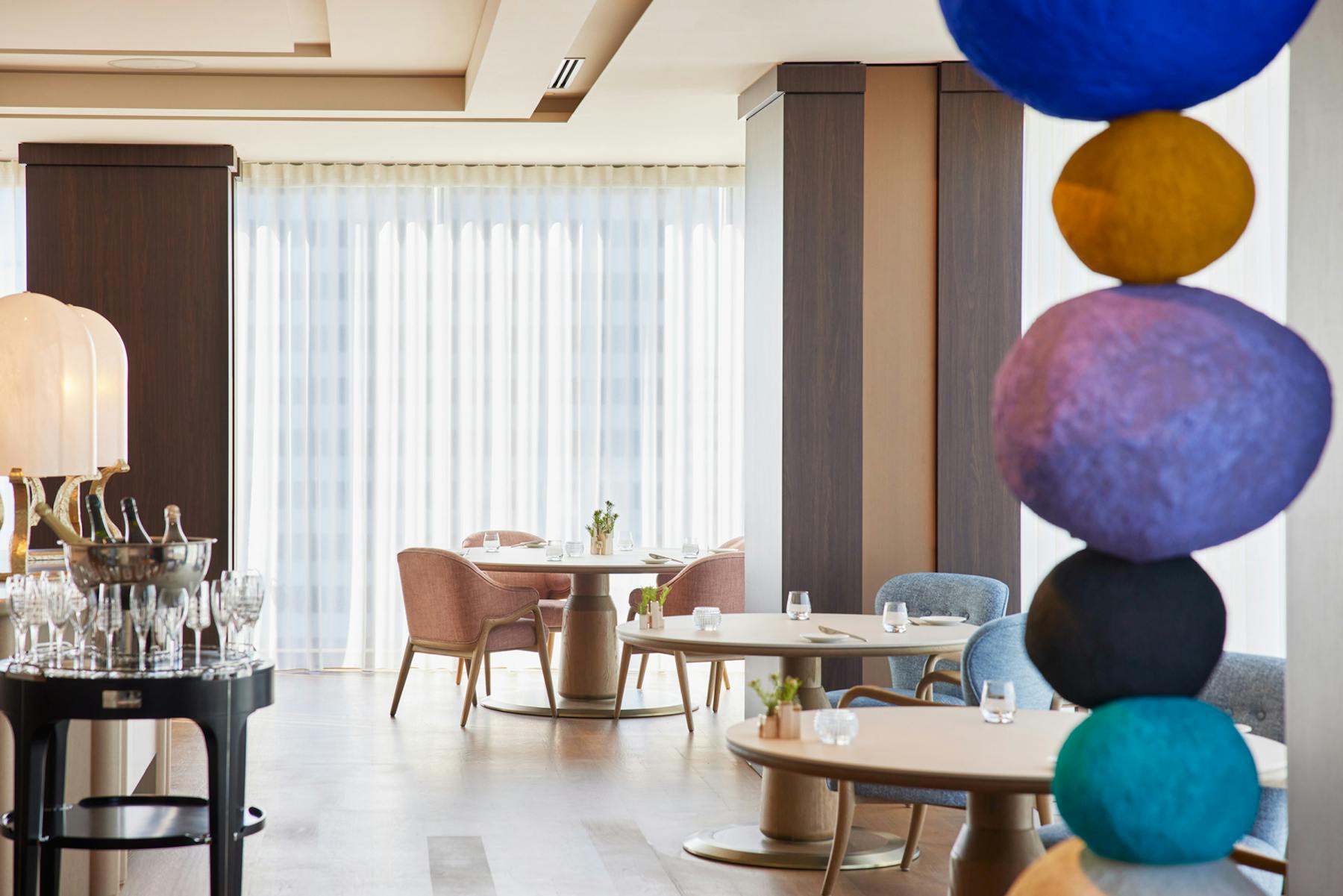
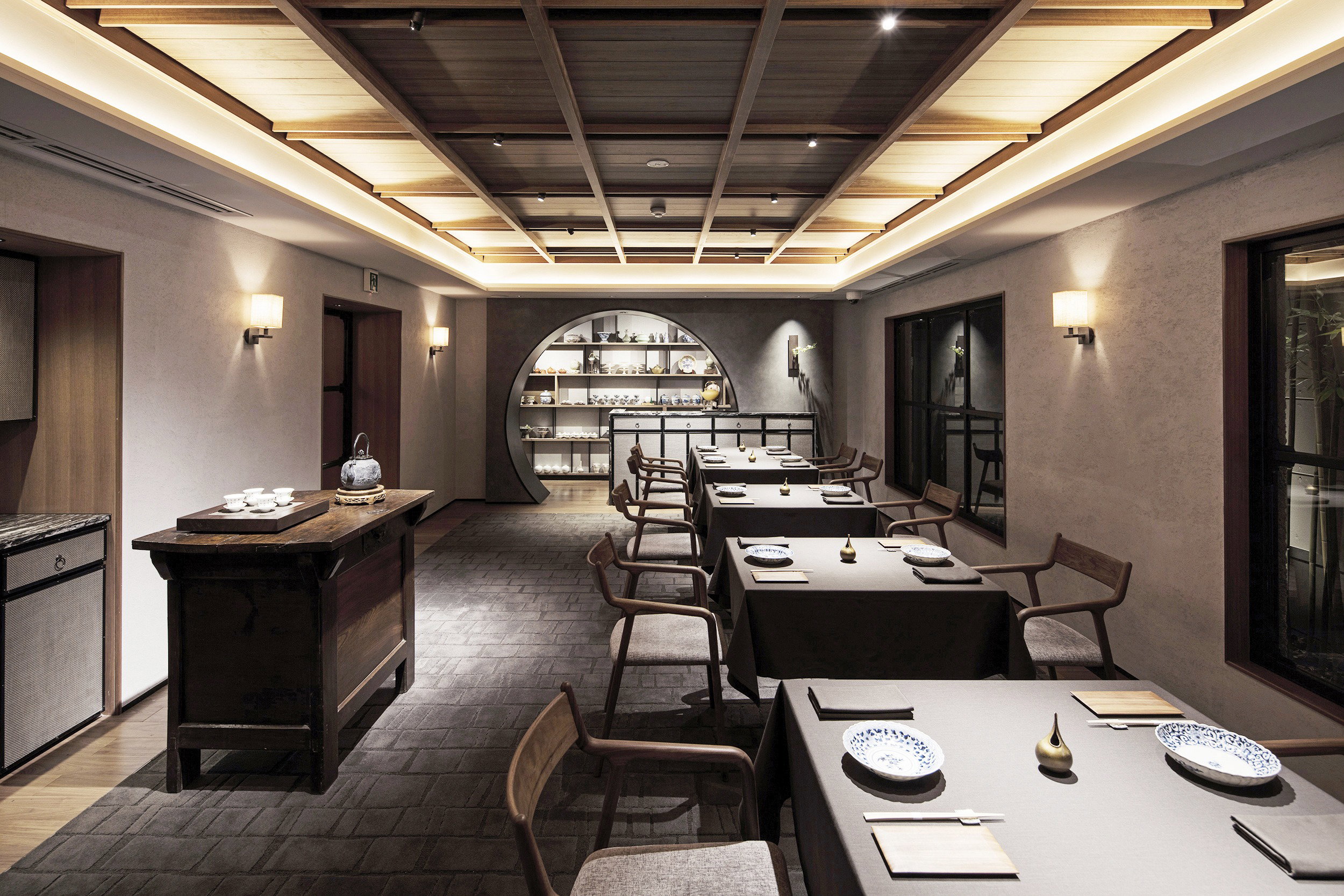
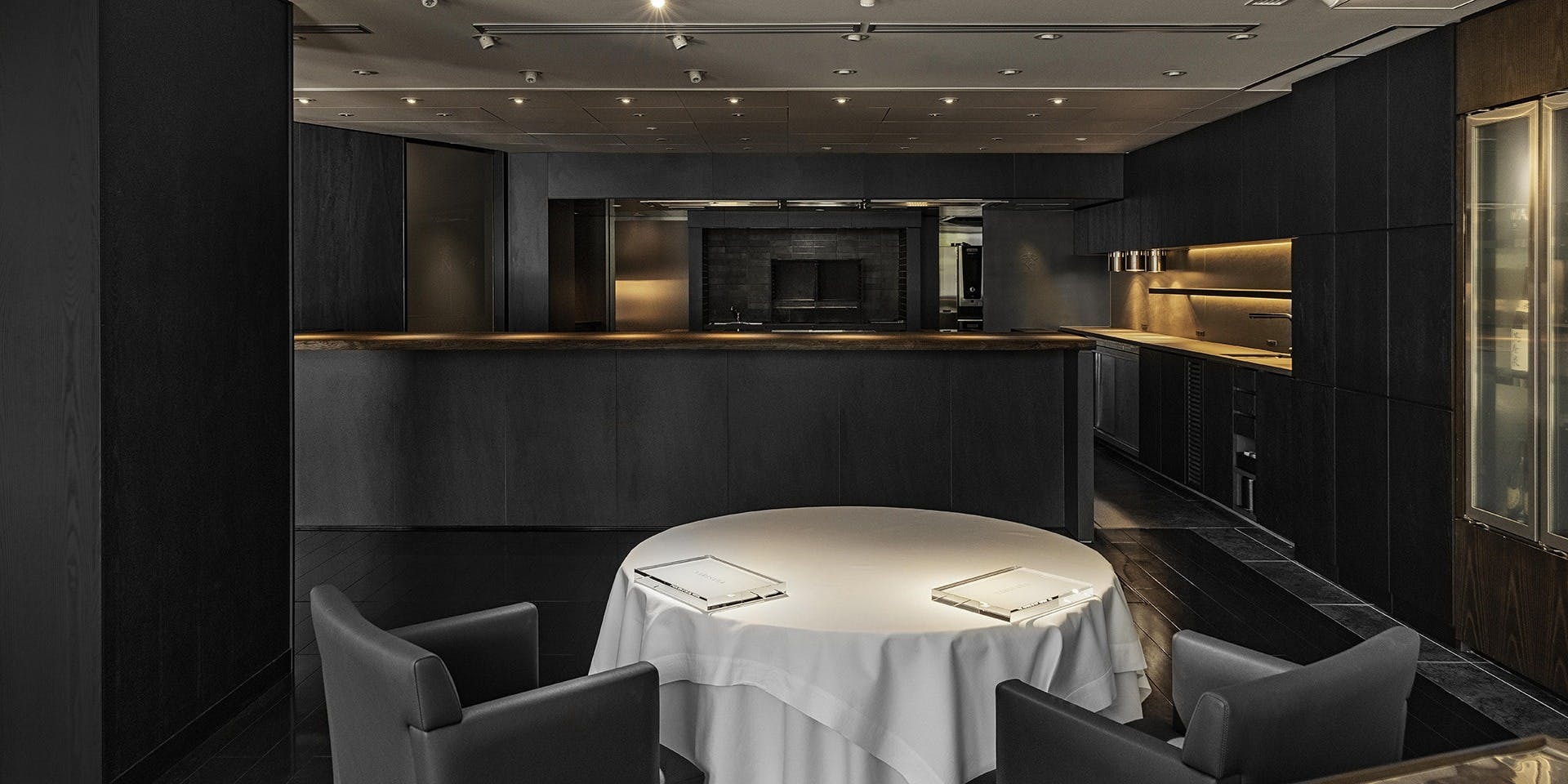
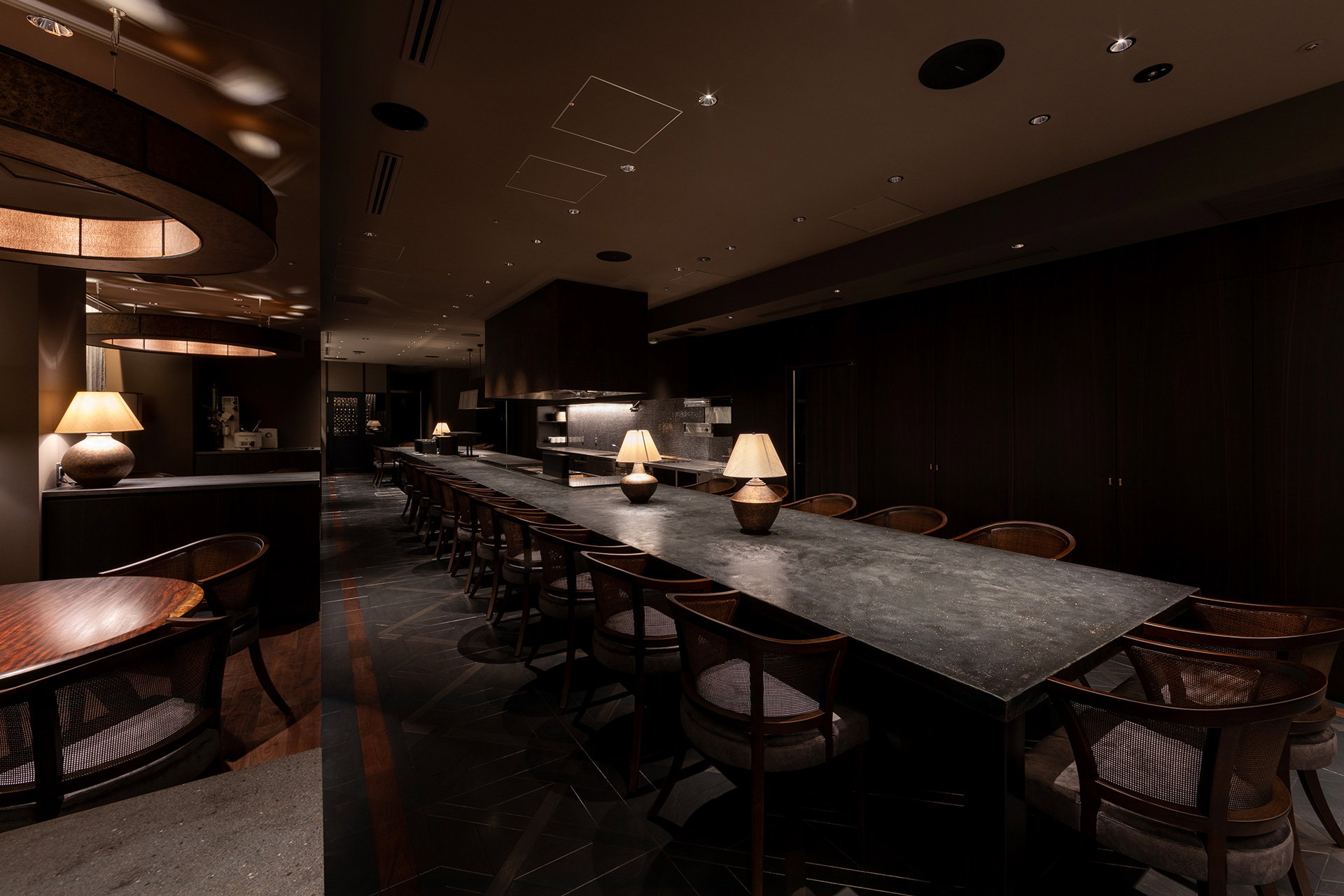
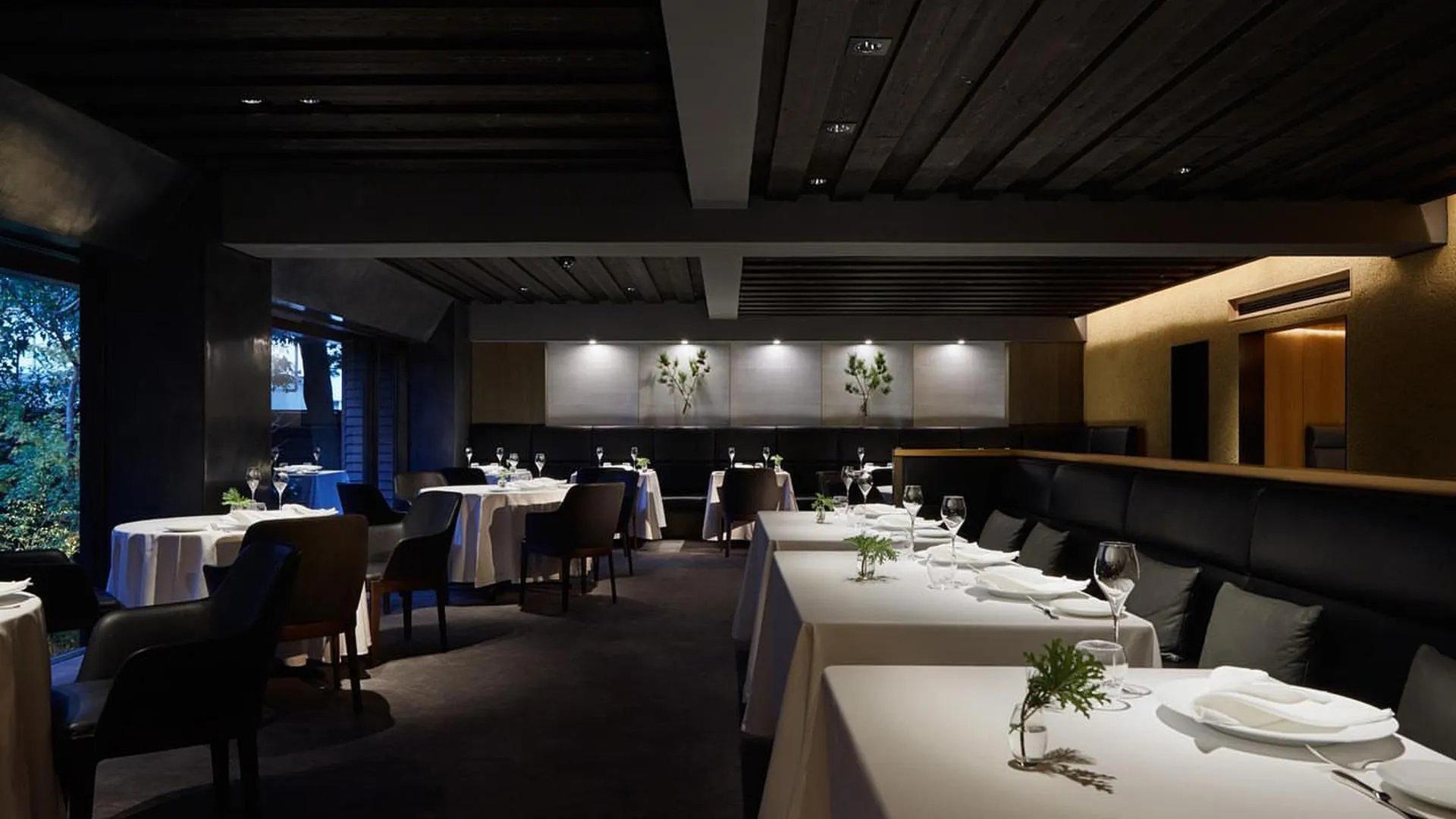
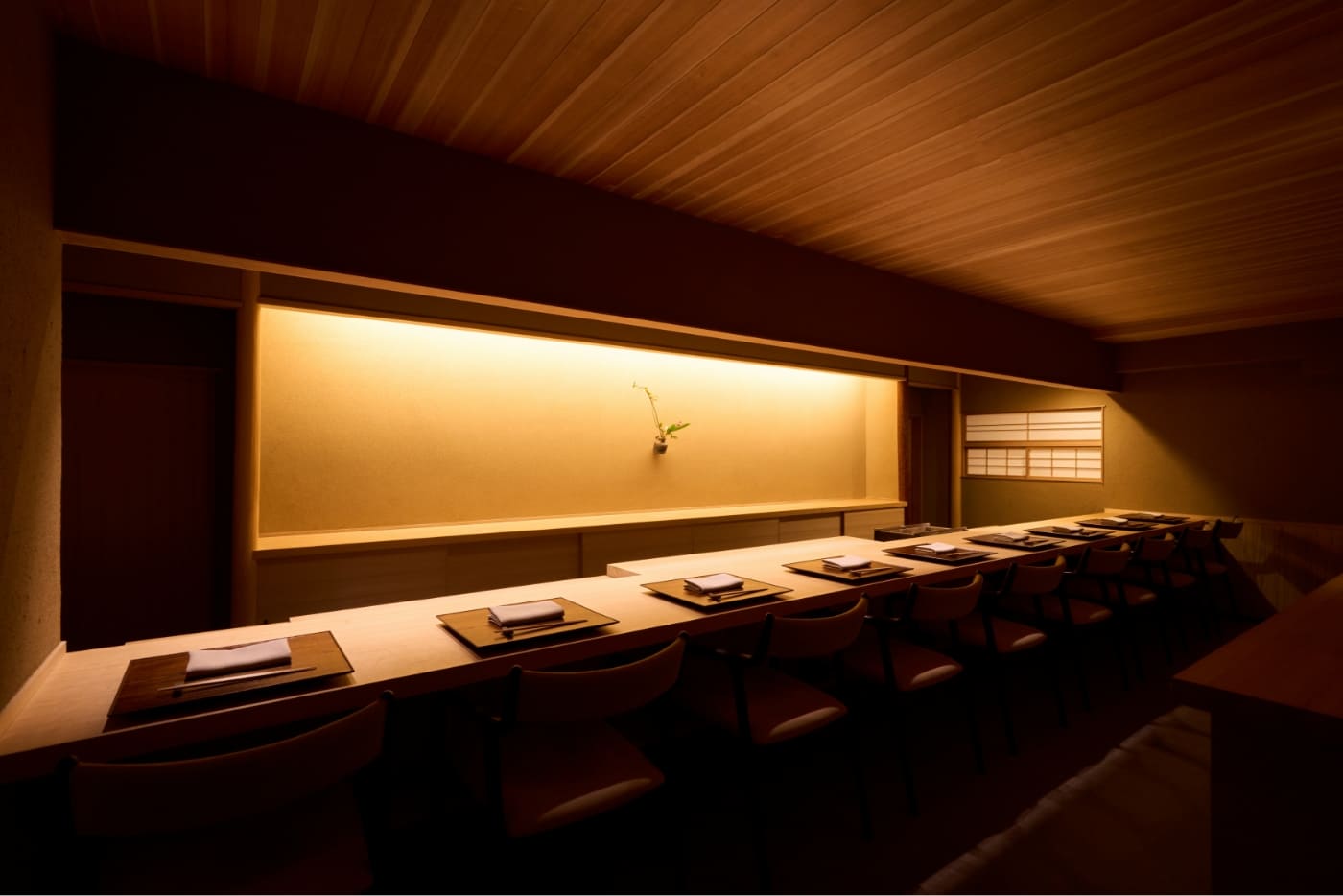
Yoroniku Azabudai Hills presents Wagyu in a tightly focused, contemplative format that blends grill technique with kaiseki discipline. The pacing is deliberate—courses arrive as movements rather than standalone plates—and the kitchen treats breed, aging and cut as part of a broader compositional logic. The dining room reads as refined and reserved, where restraint and sourcing transparency take centre stage. Rather than a high-turnover yakiniku, this feels like an encounter: measured portions, attention to contrast, and an ethic of minimizing waste. The overall mood encourages quiet appreciation of texture, fat and seasoning over noisy socializing.
Best For
This is a destination for diners who want to explore Wagyu at a considered, premium level—ideal for special dinners, milestone celebrations and business meals where quality and presentation matter. The menu’s kaiseki-like sequencing and the price point signal an occasion-driven night out rather than casual weeknight grilling. Expect a structured tasting that highlights different cuts and preparations; parties that value provenance, technique and a curated tasting flow will get the most from the experience. It’s less suited to high-turnover groups seeking informal grilling and more to people who want to savour each course.
Ordering Tips
Treat the meal as a composed tasting rather than à la carte grilling. The restaurant frames Wagyu in a multi-course sequence, so opt for the kaiseki-style progression or tasting set if available to see how cuts are contrasted and sequenced. Be sure to sample signature items—Truffle Sukiyaki, Chateaubriand and Silky Loin—since the house highlights those preparations. Given the restaurant’s whole-animal approach, leave room to try lesser-known cuts the kitchen presents; portions are disciplined and designed for progression rather than single-plate self-service.
Venue details
Ambiance
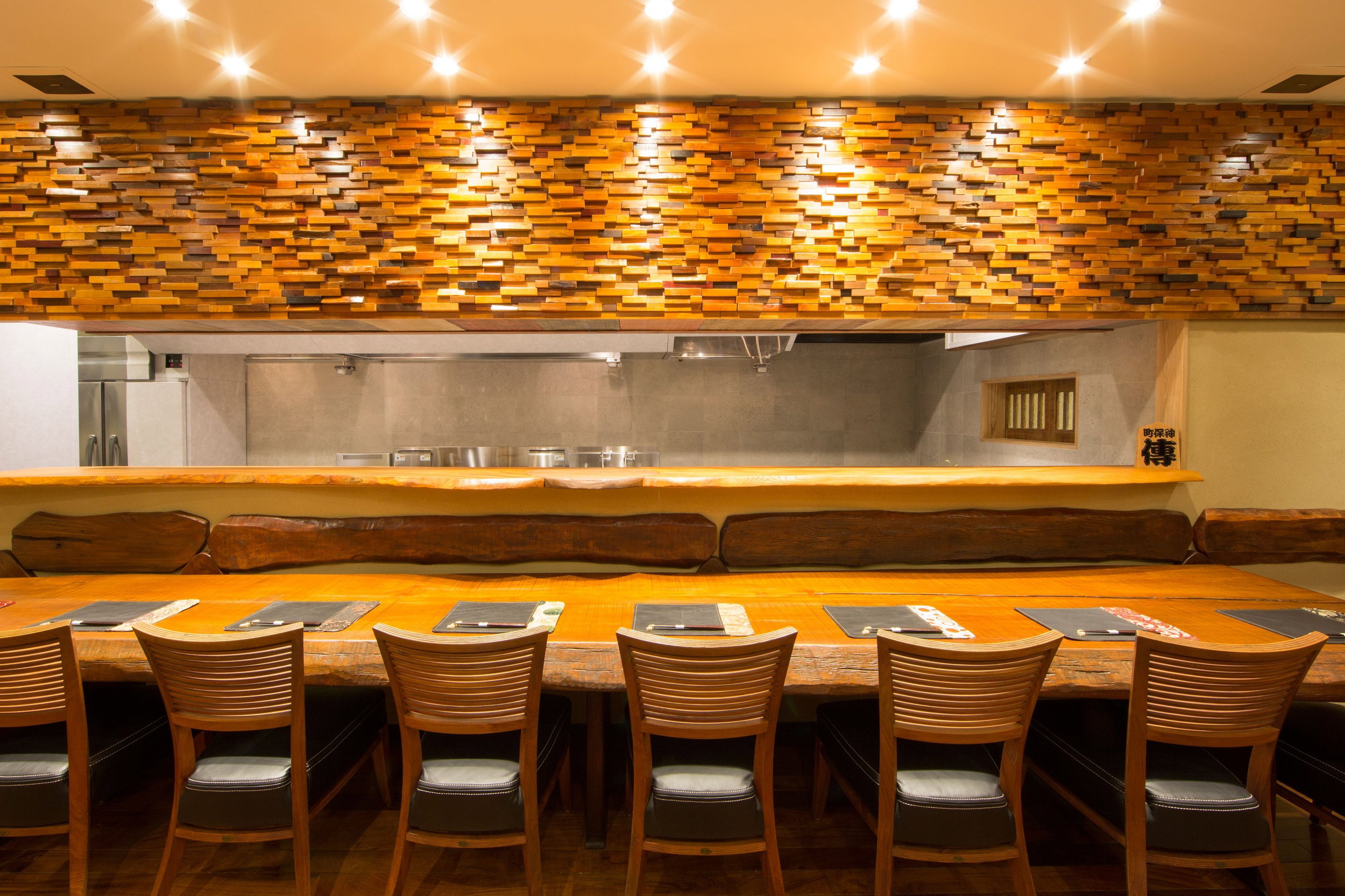
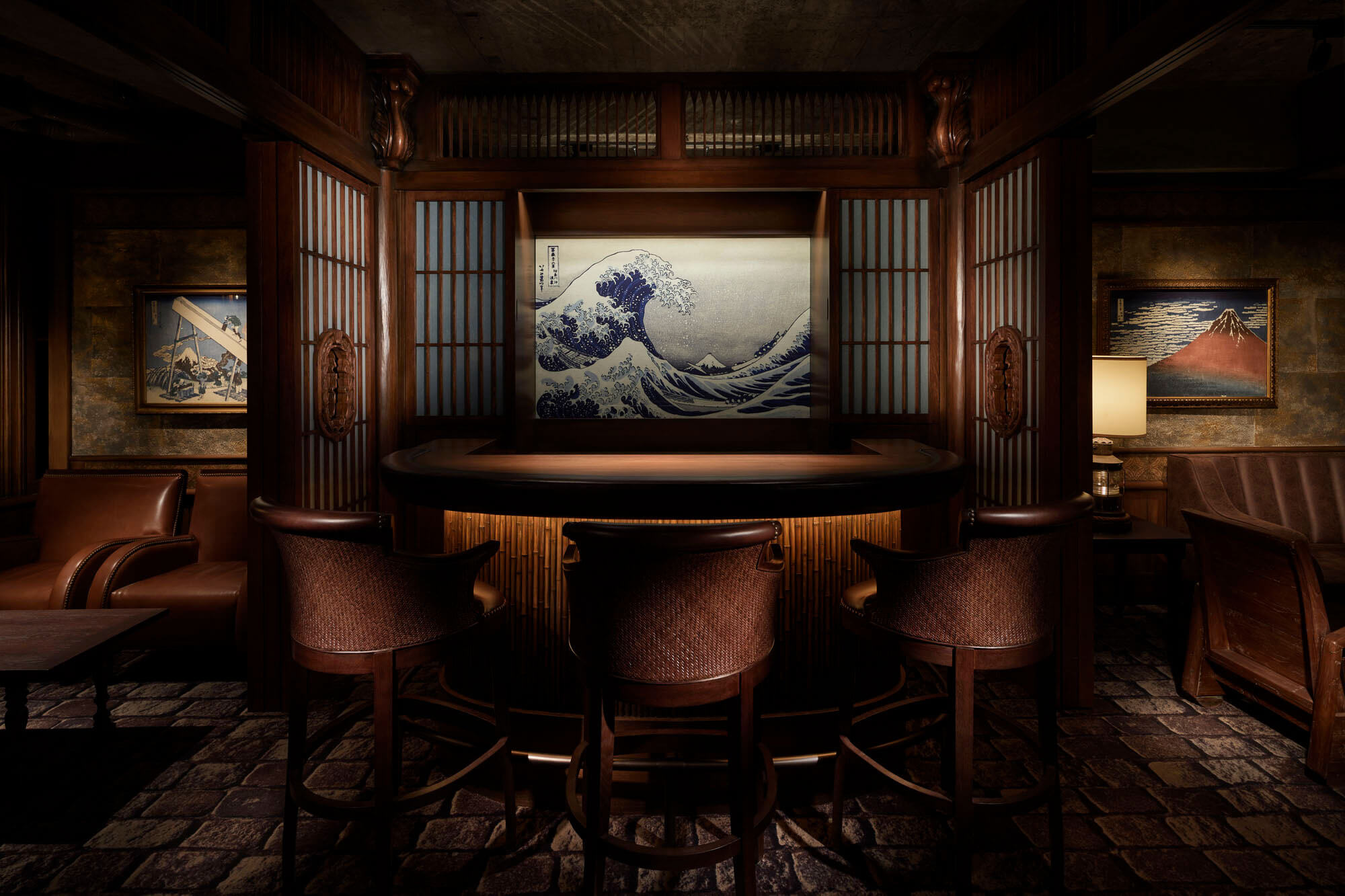
Sophisticated atmosphere with impeccable table-side grilling service in private rooms, praised for exceptional ambiance.
Tags
Vibe
Best For
Experience
At the Table
- Dress Code
- Smart Casual
- Noise Level
- Conversational
- Service Style
- Upscale Casual
- Meal Pacing
- Leisurely
- Capacity
- Small
- Kitchen
- Modern
- Menu Format
- Tasting menu
- Wine Program
- Curated
- Private Dining
- Available
Signature Dishes
- Truffle Sukiyaki
- Chateaubriand
- Silky Loin
Know before you go
Know Before You Go
- Getting there
- Japan, 〒106-0041 Tokyo, Minato City, Azabudai, 1 Chome−3−1 3階
Planning details
Location
Japan, 〒106-0041 Tokyo, Minato City, Azabudai, 1 Chome−3−1 3階 · Directions

Restaurant context
At JPY 15,000–19,999, Yoroniku Azabudai Hills sits in the middle of Tokyo's premium yakiniku tier, more expensive than Cossott'e (JPY 10,000–15,000) but less than Yakiniku Ten (JPY 20,000–25,000). The kaiseki-style tasting format means you're paying for curation and pacing, not volume, expect six to eight courses, each highlighting a different cut or preparation. Cossott'e offers better value if you want to order specific cuts à la carte, while Yakiniku Ten delivers a longer, more luxurious omakase experience for diners willing to spend an additional JPY 5,000–10,000 per head.
For ambiance and service, Yoroniku Azabudai Hills trades intimacy for convenience. The 48-seat layout and Azabudai Hills location make it easier to book than the eight-seat counter at Raimon, where reservations require three to four weeks' notice. Private rooms accommodate groups up to six, useful for business dinners or occasions where you need to control noise. Ushigoro S NishiAzabu offers similar sourcing and private-room options at JPY 12,000–16,000, making it the better choice if you're optimizing for price without sacrificing beef quality. Ushimatsu drops the price further to JPY 8,000–12,000 but removes the staff supervision and premium sourcing, acceptable for casual meals but not comparable for a special occasion.
Book Yoroniku Azabudai Hills if you want a polished, low-risk introduction to Tokyo yakiniku with English menus, metro access, and a structured tasting format. Choose Cossott'e if you prefer à la carte flexibility, Raimon for an intimate counter experience, or Yakiniku Ten if you're willing to spend more for a longer, more luxurious progression.
Explore Tokyo
Around this place
Discover more on Pearl
Unlock the full Yoroniku Azabudai Hills guide in Pearl, including awards, comparisons, FAQs, planning details, and nearby places.
FAQ
Frequently Asked Questions
Is lunch or dinner better at Yoroniku Azabudai Hills?
Dinner is the service window. Yoroniku Azabudai Hills is open Tuesday through Sunday from 5–11 PM and closed on Mondays. There is no lunch service.
How far ahead should I book Yoroniku Azabudai Hills?
Specific booking lead times, cancellation fees, and no-show rules should be checked directly with the restaurant’s current reservation channel before making plans.
What should a first-timer know about Yoroniku Azabudai Hills?
Yoroniku Azabudai Hills is a Tokyo yakiniku restaurant from chef-owner Vanne Kuwahara. The dress code is smart casual, and hours are 5–11 PM Tuesday through Sunday, with Monday closed.
Does Yoroniku Azabudai Hills handle dietary restrictions?
Specific allergy, vegetarian, or dietary-accommodation policies should be checked with the venue's official channels before booking if you have dietary restrictions.