
Prevenance
Minato, Tokyo
Restaurant in Tokyo, Japan
 Book with Pearl
The Read
Price
JPY 20,000 - JPY 29,999 JPY 10,000 - JPY 14,999
Dress
Smart Casual
Why go
Prevenance brings wine-focused French dining to a quiet Minamiaoyama corner, earning Tabelog recognition for its seafood-centered menu and serious cellar. At ¥22,000 dinner and ¥11,000 lunch, it slots between bistro-casual and Michelin territory, with private rooms and BYO permissions that add flexibility. Book if wine matters more to you than theatrical technique.
About Prevenance
Prevenance is a Tokyo restaurant in the upper price range: dinner is listed at JPY 20,000–29,999, while lunch is listed at JPY 10,000–14,999. It is closed Monday and Tuesday, and opens Wednesday through Sunday for lunch and dinner service. The dress code is smart casual.
For recognition, Prevenance is listed in Tabelog 100 - French - TOKYO - 2025. For details on the restaurant's chef, room layout, menu format, drinks program, service charge, private rooms, or exact dishes, check directly before booking.
What to Know About Prevenance
Prevenance is in Tokyo, has lunch and dinner hours from Wednesday through Sunday, and lists a smart-casual dress code. Published pricing places lunch at JPY 10,000–14,999 and dinner at JPY 20,000–29,999.
Its recognition includes a place on Tabelog 100 - French - TOKYO - 2025. That makes it a relevant option to consider if you are comparing recognized Tokyo dining rooms. If wine pairings, seafood dishes, counter seating, private rooms, or takeaway service matter to your plans, check with the restaurant before booking.
How It Stacks Up Against Tokyo Peers
Within Tokyo, Prevenance can be compared with other higher-end dining options such as L'EAU, Itsuka, and Sushi Ryujiro. Use the price range, hours, dress code, and recognition as a practical basis for comparison, and check current menu, seating, and beverage details before booking.
If you want a Tokyo restaurant with Tabelog 100 French Tokyo 2025 recognition and a smart-casual dress code, Prevenance is worth considering. For exact availability, menu details, and booking requirements, confirm directly with the venue.
Hours: Closed Monday and Tuesday. Wednesday through Saturday: 12:00–15:30 and 18:00–22:30. Sunday: 12:00–15:30 and 18:30–22:30. Price: Lunch JPY 10,000–14,999; dinner JPY 20,000–29,999. Dress code: Smart casual. Location: Tokyo.
Planning details
- Location
- Japan, 〒107-0062 Tokyo, Minato City, Minamiaoyama, 2 Chome−13−7 マトリス1F
- Website
- prevenance.biz
- Phone
- +81 3-6804-3182
Venue details
Ambiance
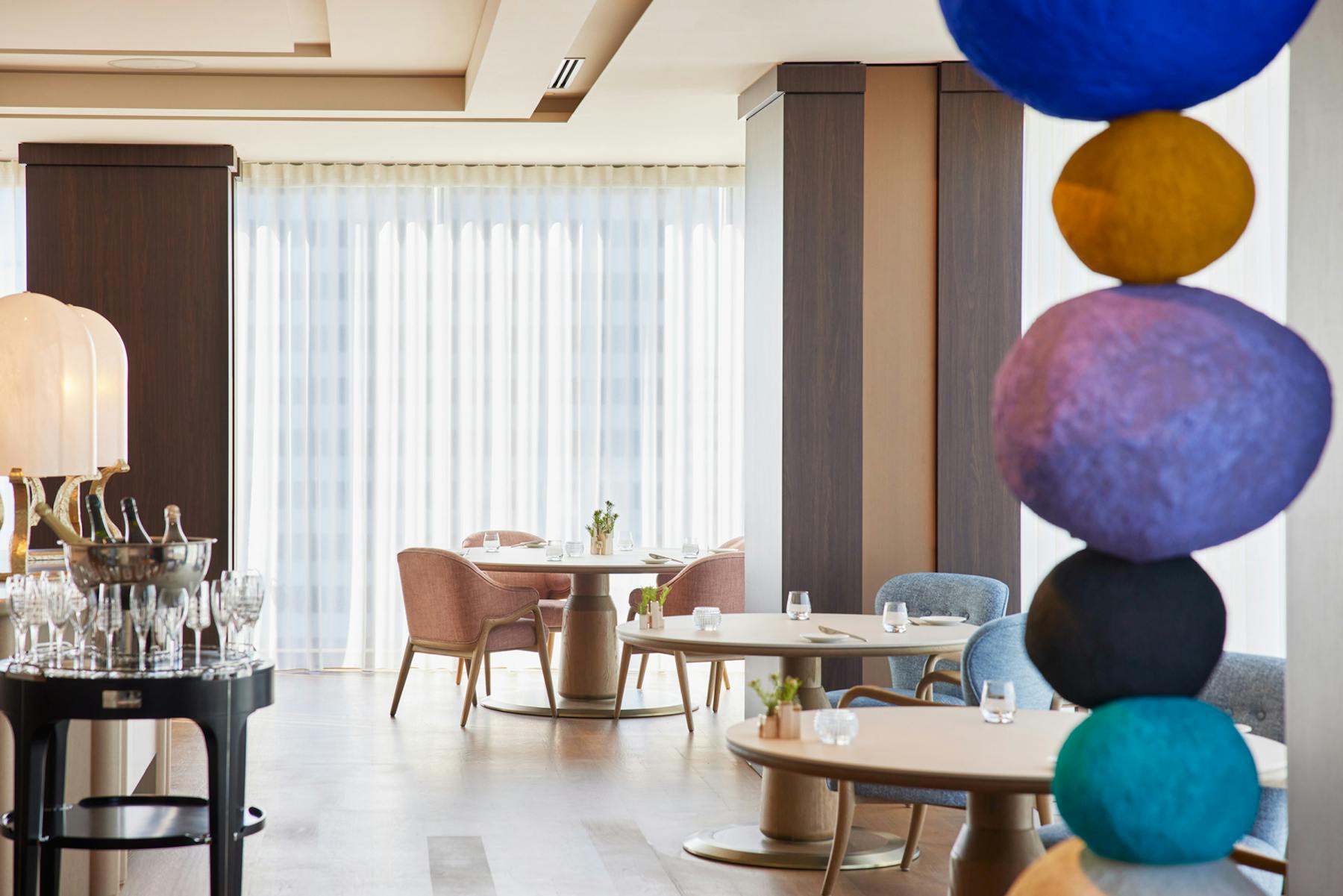
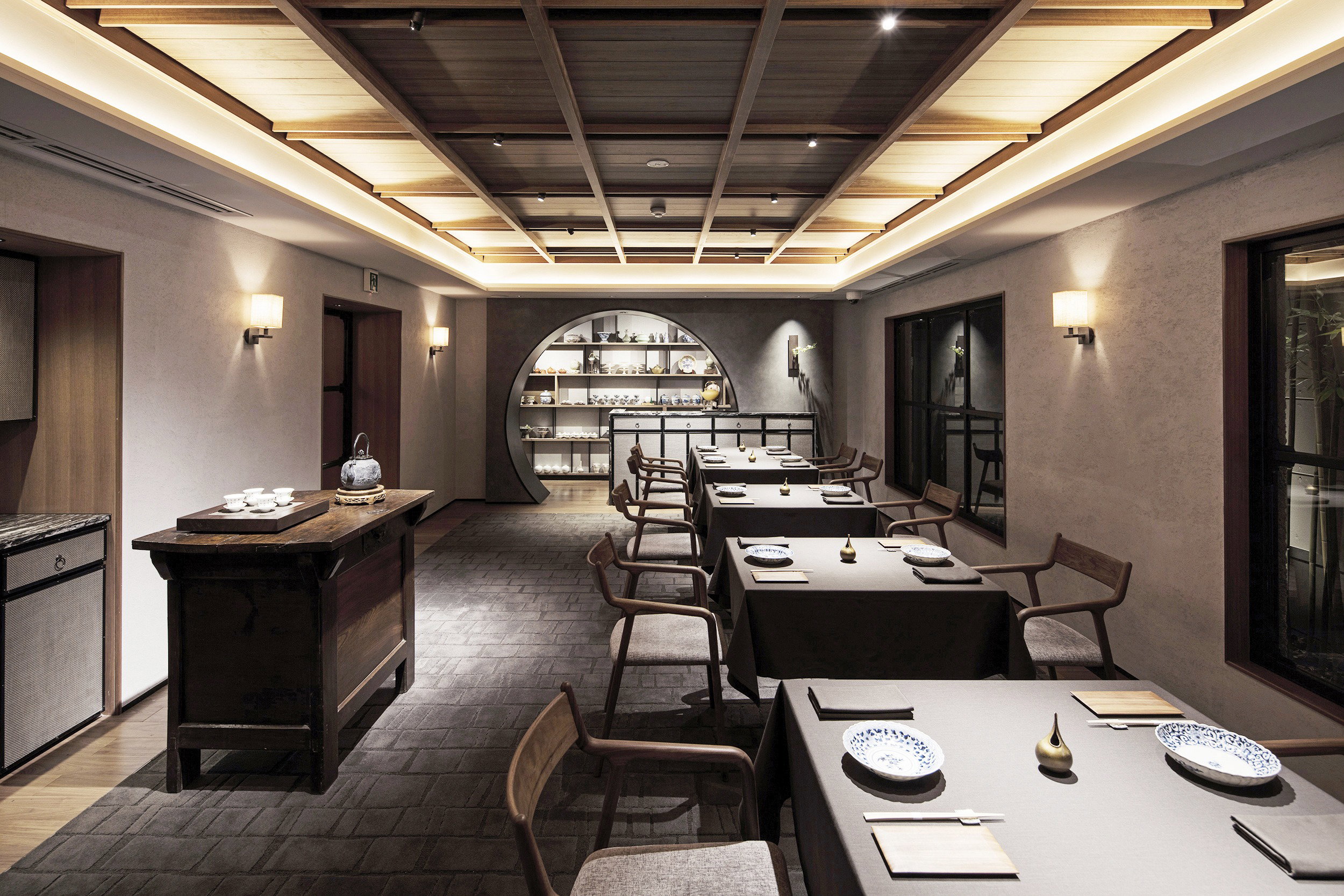
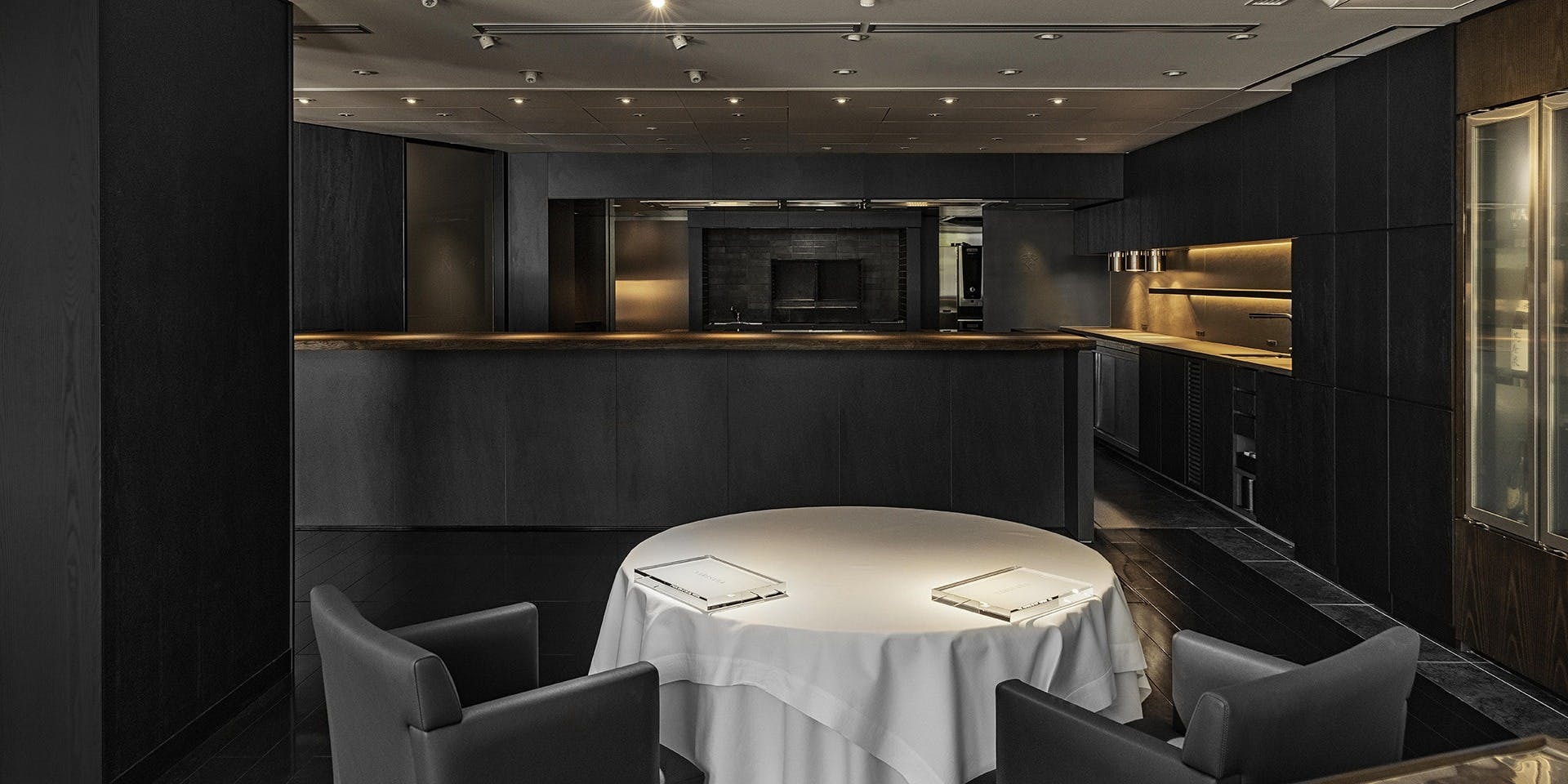
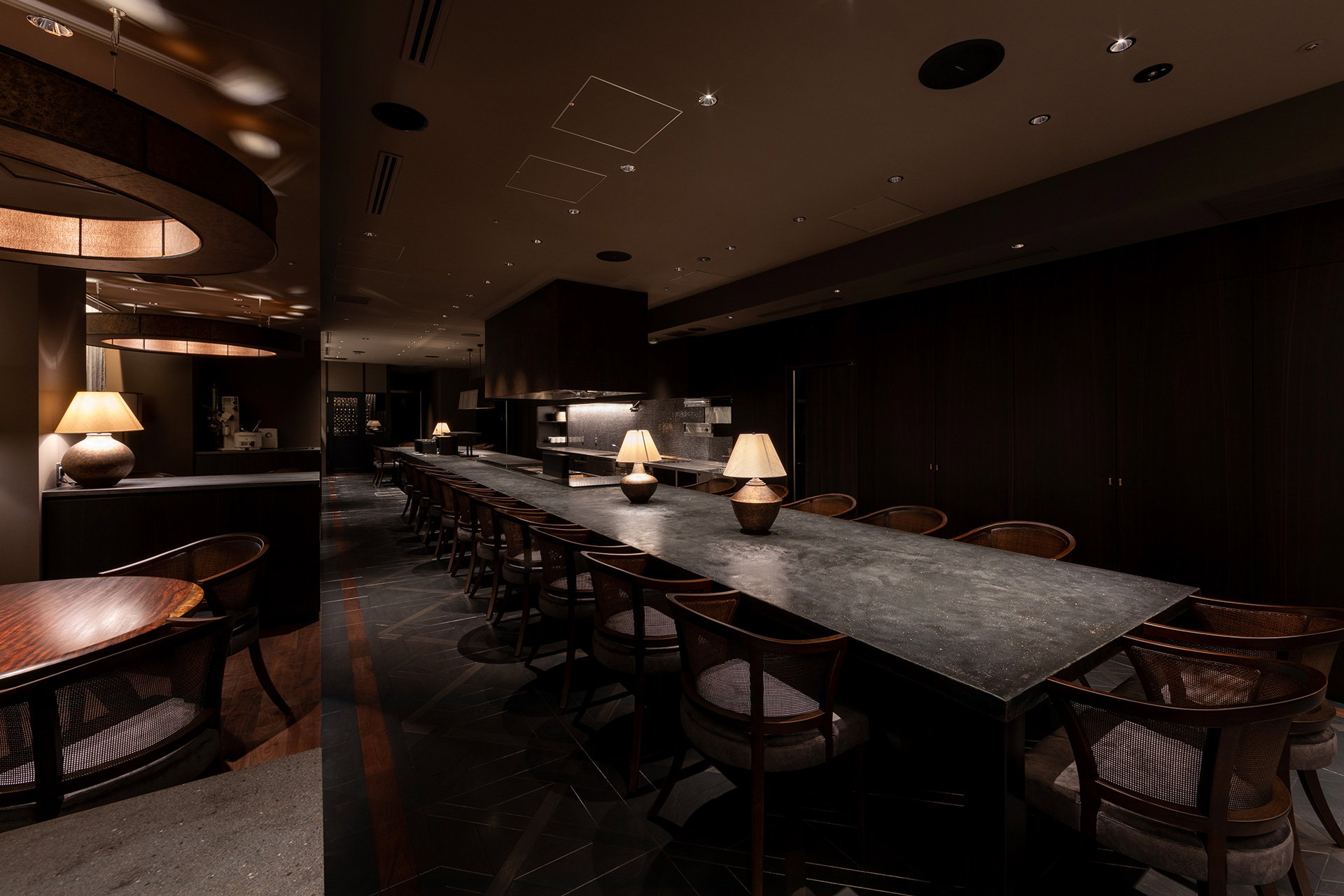
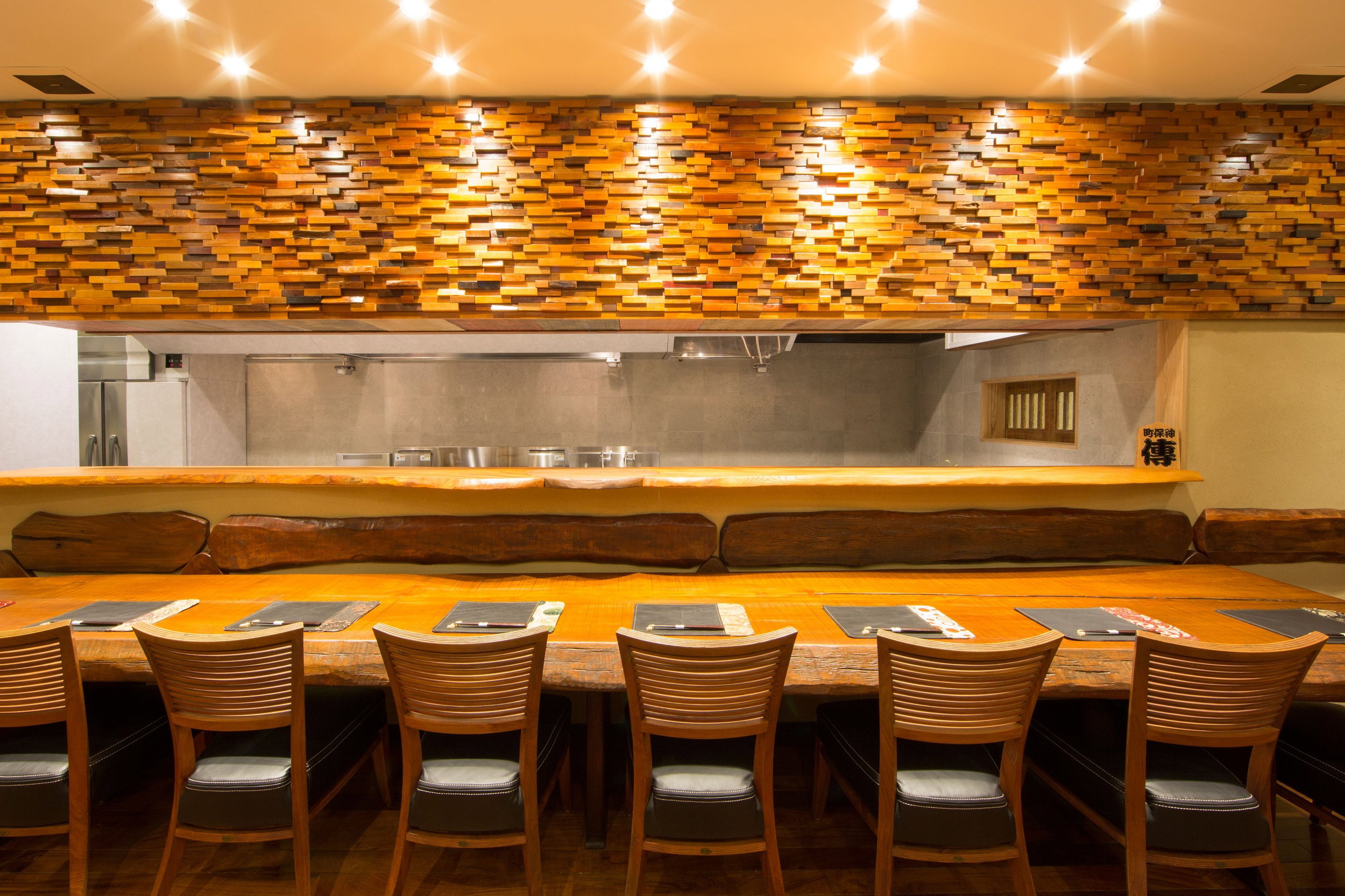
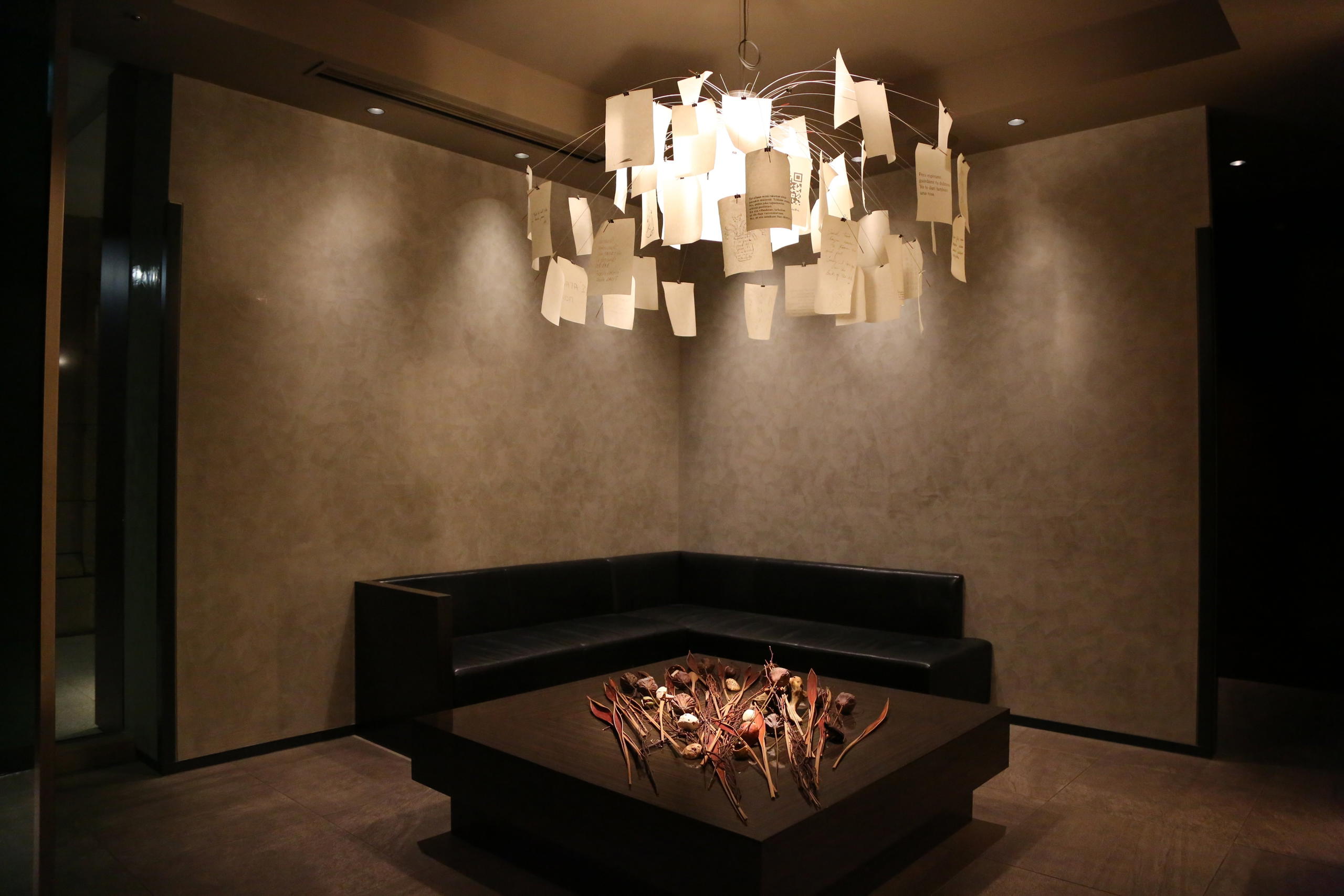
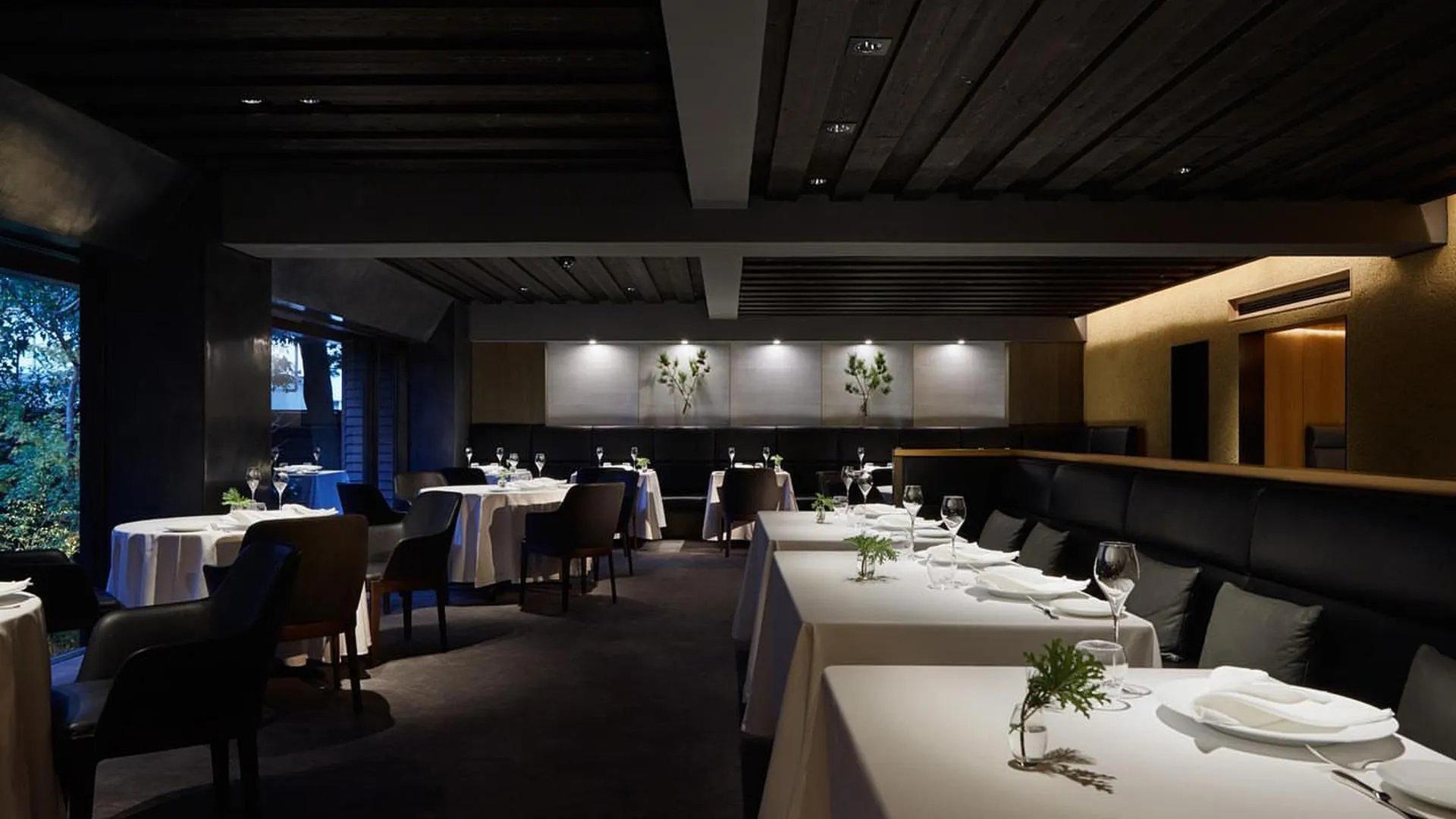
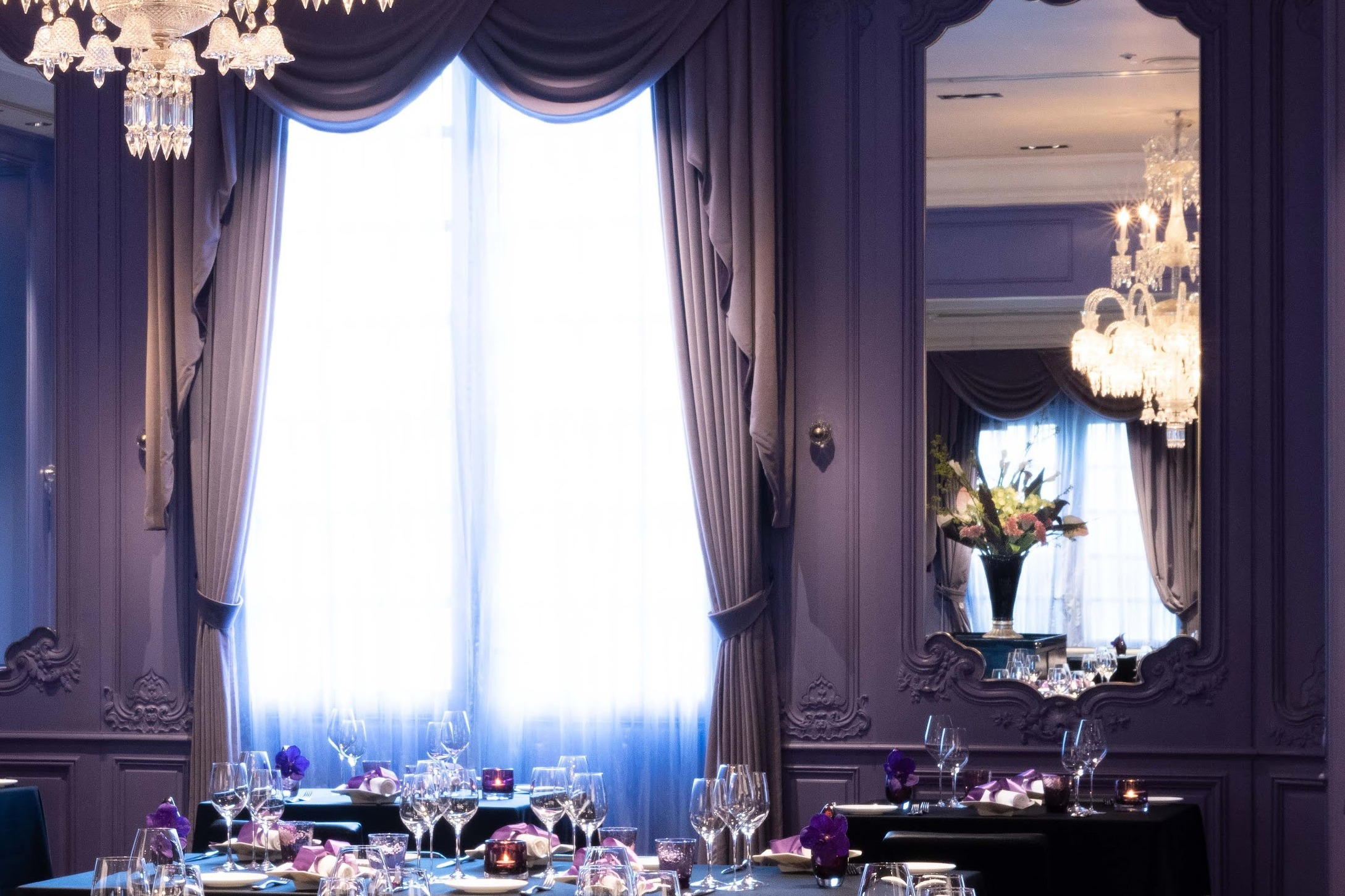
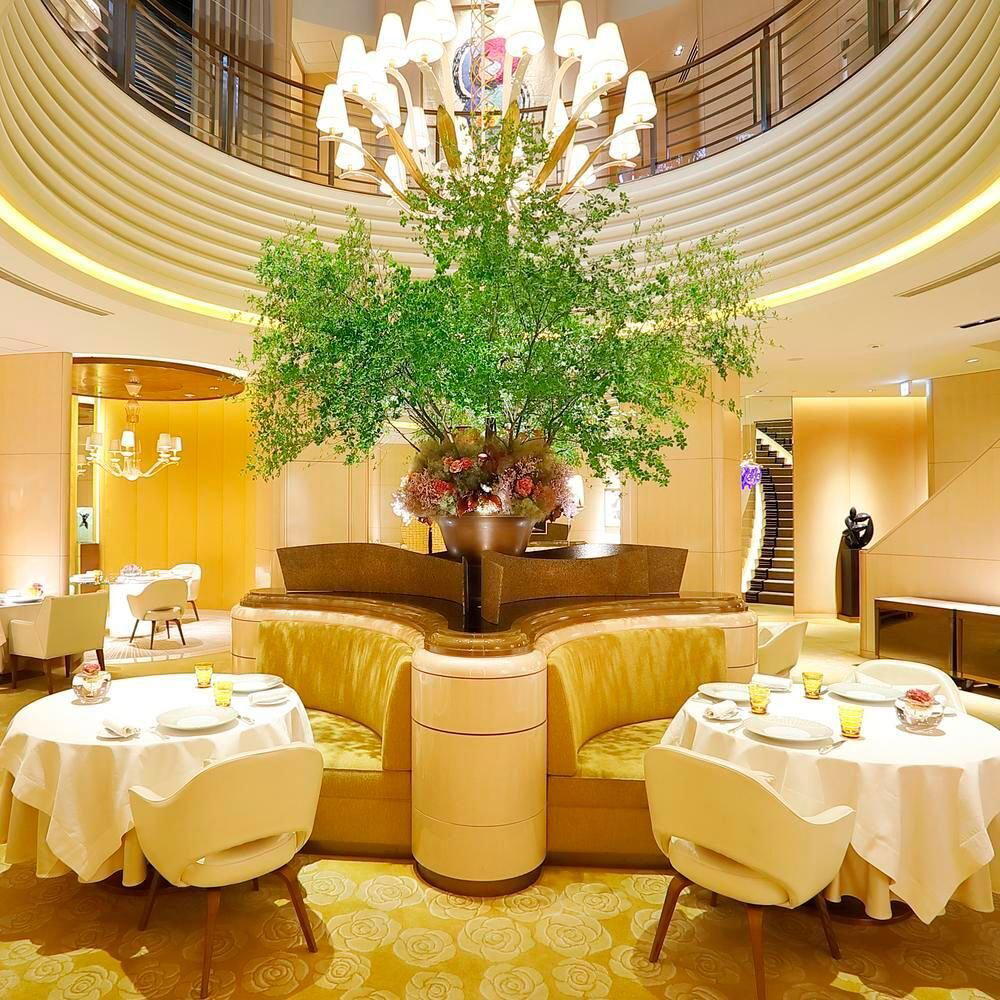
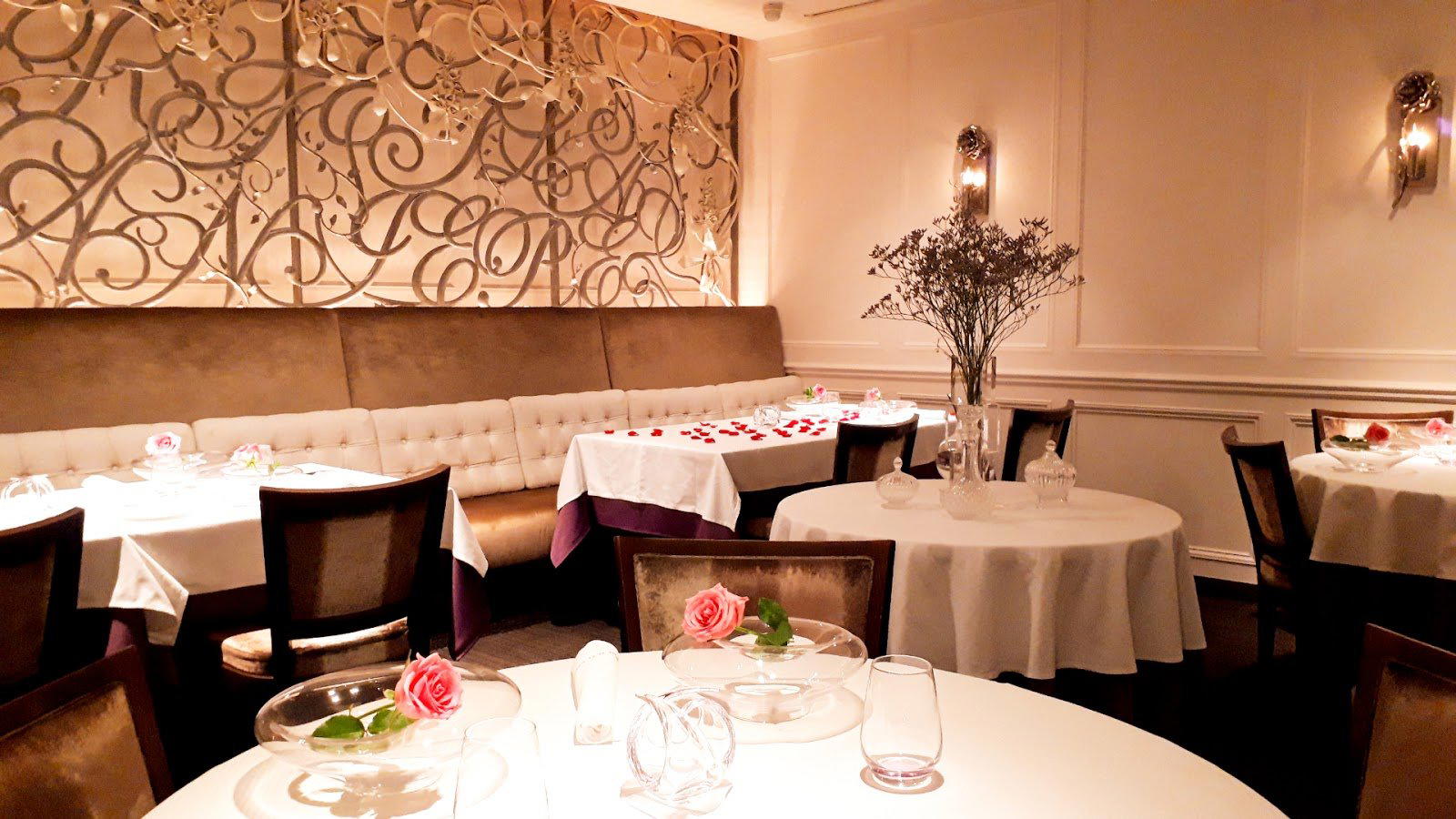
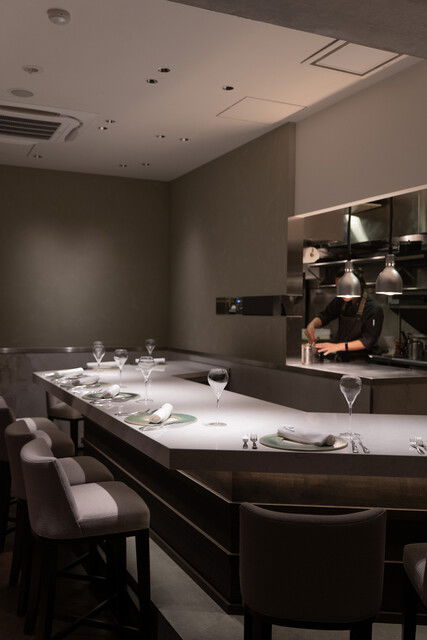
Refined and quietly elegant with an intimate, low-capacity dining room, counter seating facing the kitchen, and a calm, unhurried atmosphere suited to focused tasting-menu dining rather than lively crowds.
Tags
Vibe
Best For
Experience
Sourcing
At the Table
- Dress Code
- Smart Casual
- Noise Level
- Quiet
- Service Style
- Formal
- Meal Pacing
- Leisurely
- Capacity
- Intimate
Signature Dishes
- White asparagus with calamari and Trikalinos bottarga
- Seasonal fish and meat courses using Japanese produce
Know before you go
Know Before You Go
- Getting there
- Japan, 〒107-0062 Tokyo, Minato City, Minamiaoyama, 2 Chome−13−7 マトリス1F
Planning details
Location
Japan, 〒107-0062 Tokyo, Minato City, Minamiaoyama, 2 Chome−13−7 マトリス1F · Directions
Recognition and awards
Also consider
Also Consider
- itsuka, Chinese, ¥¥¥
- L'EAU, French, ¥¥¥
- ロー, Notable alternative
- 慈華, Notable alternative
- Sushi Ryujiro, Sushi, ¥¥¥¥
Restaurant context
At ¥22,000 dinner and ¥11,000 lunch, Prevenance sits between bistro-casual and serious gastronomique. L'EAU occupies a similar price tier and also emphasizes French technique with seasonal Japanese ingredients, but Prevenance offers more flexibility with private rooms and BYO permissions. Itsuka, while Chinese rather than French, competes in the same ¥¥¥ bracket and may be easier to book on short notice. Sushi Ryujiro charges more (¥¥¥¥) and requires counter commitment, whereas Prevenance lets you bring a group of four and still have elbow room.
If you want Tabelog-recognized French without Michelin pressure, Prevenance delivers. The wine program and fish focus make it a better pick than generic hotel dining rooms, and the private-room option beats counter-only spots when you're hosting clients or celebrating with friends. Book L'EAU if you want a quieter room; choose Prevenance if you want to bring your own bottles or need private space for a small group.
Explore Tokyo
Around this place
Discover more on Pearl
Unlock the full Prevenance guide in Pearl, including awards, comparisons, FAQs, planning details, and nearby places.
FAQ
Frequently Asked Questions
Is Prevenance good for solo dining?
Solo diners should confirm the seating layout and reservation policy directly with the venue. Prevenance is in Tokyo, has lunch and dinner hours Wednesday through Sunday, and lists a smart-casual dress code.
What should I order at Prevenance?
Check directly with Prevenance for current dishes, menu format, and beverage pairings. Lunch is listed at JPY 10,000–14,999 and dinner at JPY 20,000–29,999.
What should a first-timer know about Prevenance?
Prevenance is in Tokyo, is closed Monday and Tuesday, and opens for lunch and dinner from Wednesday through Sunday. The dress code is smart casual. It is also listed in Tabelog 100 - French - TOKYO - 2025.
Is lunch or dinner better at Prevenance?
Both lunch and dinner are offered on operating days. Lunch is listed at JPY 10,000–14,999, while dinner is listed at JPY 20,000–29,999. For differences in menu length, dishes, or drink options between the two services, check directly with the restaurant.