
Pizzeria e Trattoria da ISA
Pizzeria · Meguro, Tokyo
Restaurant in Tokyo, Japan
 Book with Pearl
The Read
Dual-Format Neapolitan Precision
Price
$20–30per person
Chef
Hisanori Yamamoto
Dress
Casual
Why go
A serious but casual Tokyo pizzeria in Meguro, strongest for dine-in pizza plans rather than delivery-style convenience. Book it for a relaxed date, small celebration, or focused pizza meal; cross-shop Seirinkan, Pizza Marumo, Pizza Strada, Pizza Studio Tamaki, and 400℃ PIZZA TOKYO if location or availability drives the decision.
About Pizzeria e Trattoria da ISA
Tokyo has a deep pizza scene, so the clearest way to think about Pizzeria e Trattoria da ISA is as a pizzeria for a relaxed, food-focused meal. It is worth considering when the plan is casual and centered on pizza rather than ceremony. If the occasion depends on a formal dining room, extended pacing, or a dress-up atmosphere, choose a more formal restaurant category instead.
Book it for pizza-first plans, not a grand occasion
The case for considering it is simple: this is a Tokyo pizzeria with chef-owner Hisanori Yamamoto attached and recognition from Opinionated About Dining Casual in Japan, including a #9 ranking for 2026. That matters because Tokyo has enough pizzerias that recognition in the casual category can be a useful filter, not just decoration. The recommendation is strongest for diners who want a focused pizzeria meal rather than a tasting-menu-style night.
The restaurant's service windows are: Pizzeria e Trattoria da ISA is closed on Monday and open Tuesday through Sunday for lunch from 11:30 AM to 2 PM and dinner from 5:30 PM to 9:30 PM. The dress code is casual, so the fit is relaxed, but the meal should still be treated as a pizza-first restaurant visit rather than a formal special-occasion booking.
Where it fits in Tokyo's pizzeria lineup
Against Tokyo peers, this sits in the serious-but-casual lane. Seirinkan is a useful comparison point for diners mapping Tokyo pizzerias, while Pizza Marumo and Pizza Strada are clean cross-shops if the goal is simply to pick a pizzeria without overbuilding the night. 400℃ PIZZA TOKYO and Pizza Studio Tamaki also belong in the conversation for diners comparing Tokyo pizza options.
The practical question is whether Pizzeria e Trattoria da ISA fits the rest of your Tokyo plan. It is most compelling when pizza is the point, not when the night needs a long, formal arc. For a casual meal, the smartest framing is direct: pizzeria cuisine, low formality, and a schedule built around the restaurant's lunch or dinner hours.
Who should choose it
Choose this for diners who want a focused pizzeria meal and do not need a long, elaborate dinner. The casual dress code supports an easygoing plan, while the OAD Casual in Japan recognition gives the venue more context than a random pizza stop. For larger parties or highly specific needs, confirm directly with the restaurant before building the night around it.
First-timers should keep the plan simple. Go when the schedule fits the lunch or dinner windows, not when the group is rushing between other reservations. If the timing does not work, stay within the category rather than forcing the wrong kind of restaurant: Pizza Marumo, Pizza Strada, Pizza Studio Tamaki, Seirinkan, and 400℃ PIZZA TOKYO are sensible comparison points depending on the rest of your Tokyo itinerary. For broader planning, use our full Tokyo restaurants guide, then build the rest of the night around other Tokyo plans.
Planning details
- Location
- 1 Chome-14-17 Aobadai, Meguro City, Tokyo 153-0042, Japan
- Reservations
- Book on the venue's website
- Website
- da-isa.jp
- Phone
- +81 3-6427-0739
The take
The Take
The Vibe
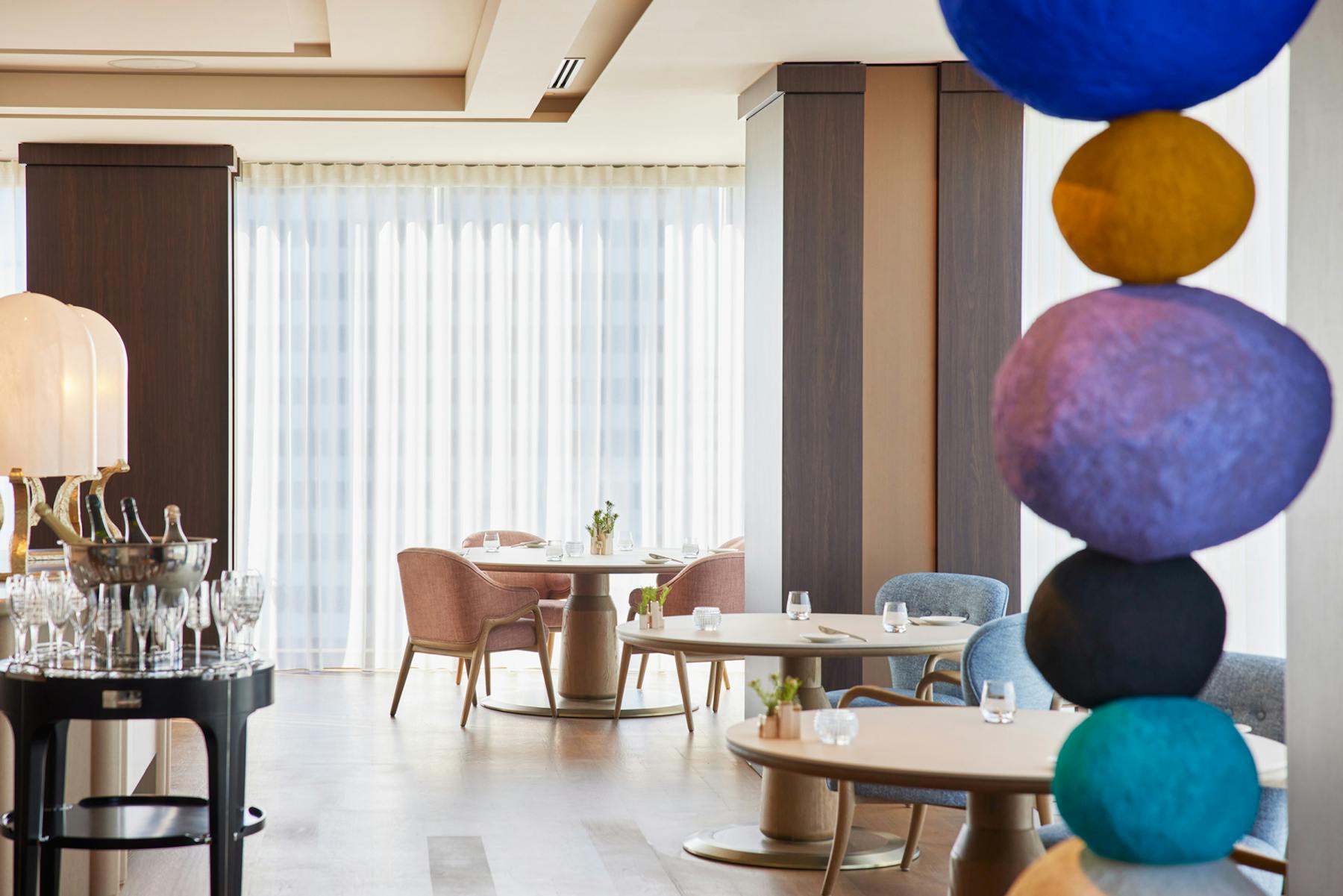
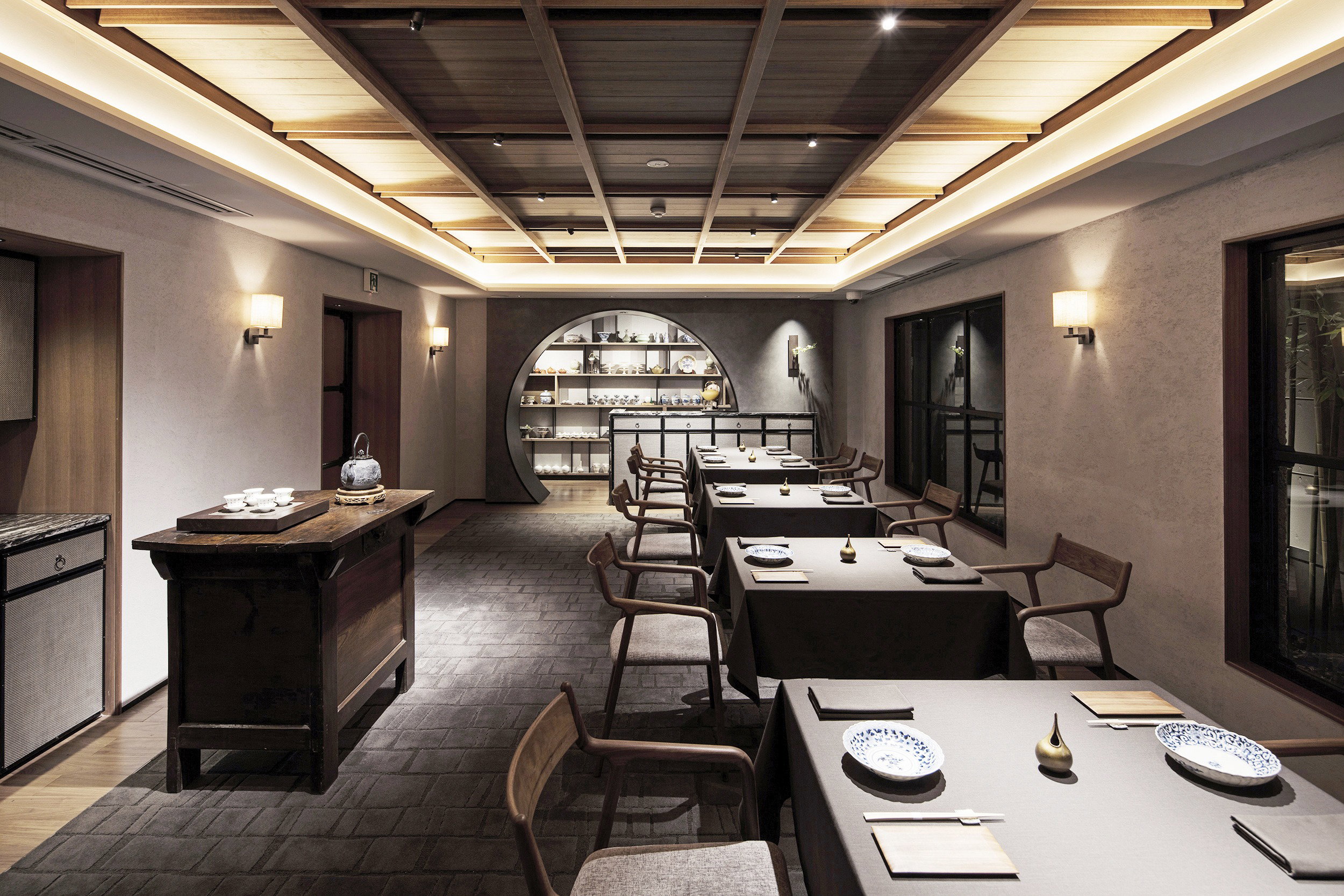
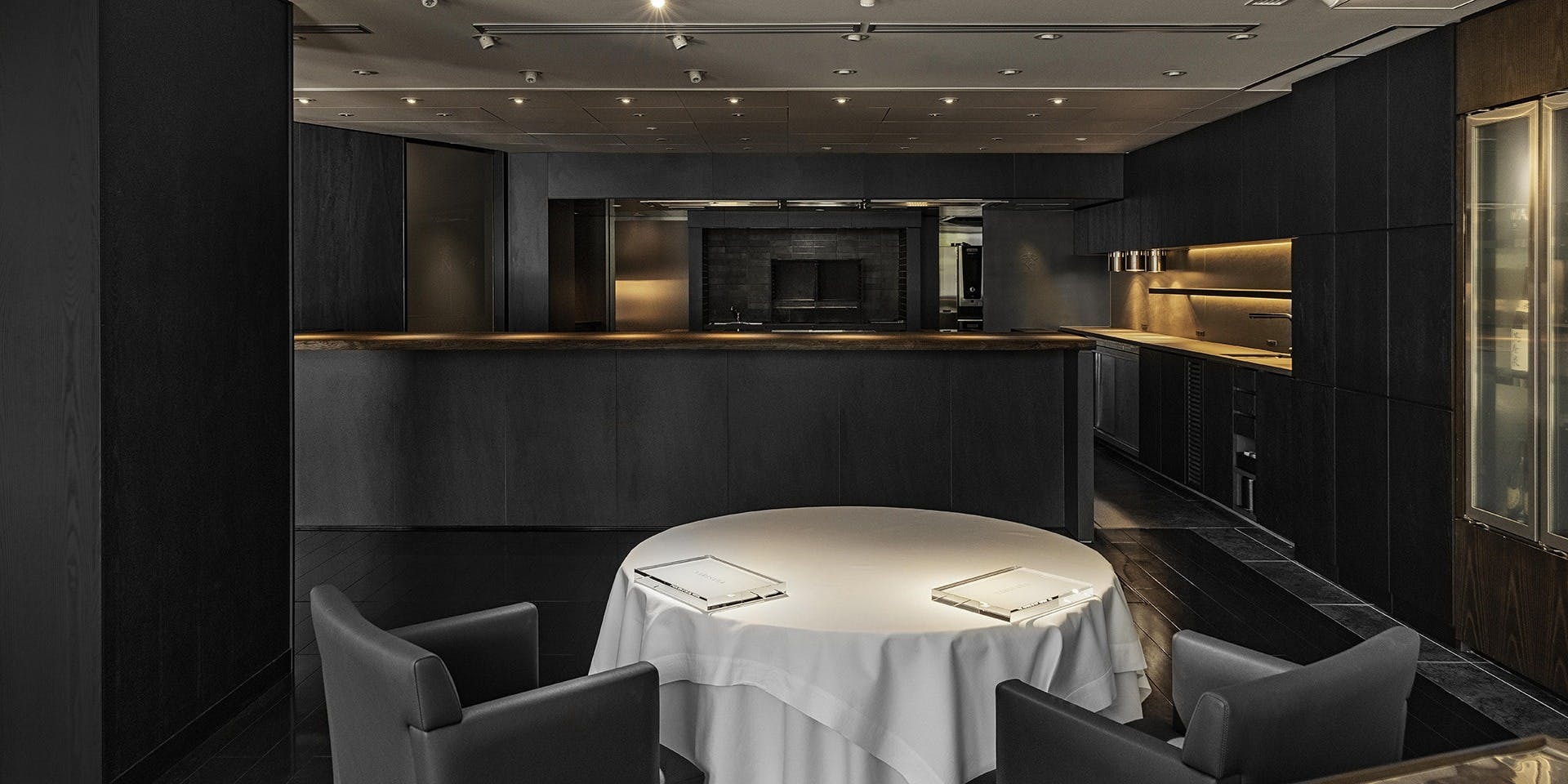
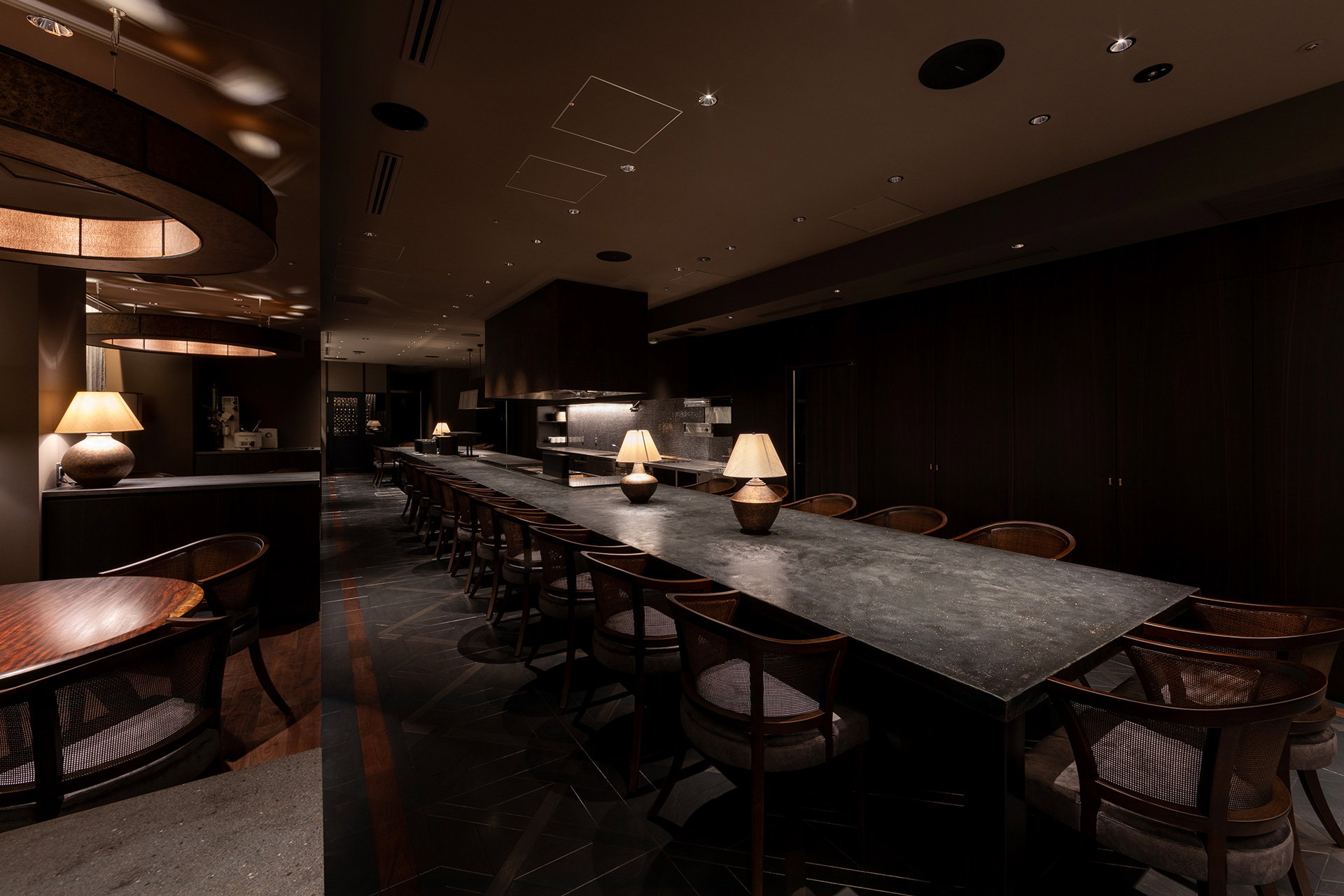
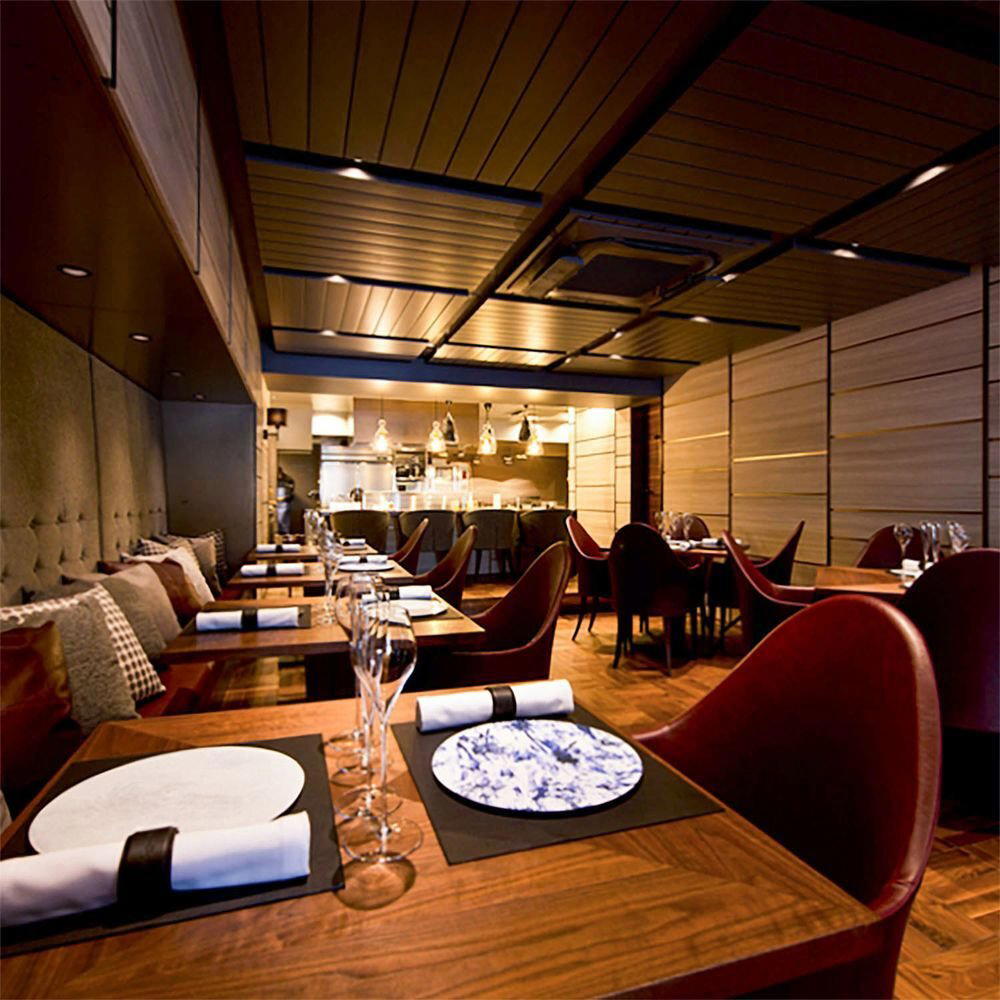
Pizzeria e Trattoria da ISA sits quietly on a residential street in Aobadai, Meguro, and channels a clear-lineage Italian trattoria tradition within a neighbourhood setting. The writing emphasizes technical rigour — the same disciplined sourcing and pasta techniques that mark serious Italian cooking — but it places that craft in a low-key, everyday room. The result is a classic and inviting space where attention to shapes, sauces and technique is the point of charm: it feels like an authentic local trattoria that takes its food seriously without turning into a formal tasting destination.
Best For
da ISA works best for focused meals that celebrate pasta and pizza in a relaxed neighbourhood context. The restaurant is a natural choice for dinner and after-work gatherings where the point is good, straightforward Italian cooking executed with technical care. Its placement in the casual tier recognized by Opinionated About Dining Casual suggests consistent quality that rewards repeat visits; bring small groups for shared plates, or come as a couple for an unpretentious date night rooted in classic trattoria fare.
Ordering Tips
Prioritize the house expressions of pasta and pizza: the menu centers on pasta shapes and their interaction with sauce, so order a pasta that highlights texture and sauce pairing. On the pizza side, the Margherita, Maestro Kitano and Diavola are signature options worth trying; they showcase the kitchen’s command of dough and toppings within the trattoria idiom. Portions and formats lend themselves to sharing, so mix a couple of pasta plates with one or two pizzas to explore contrasts in shape, sauce and seasoning.
Venue details
Ambiance
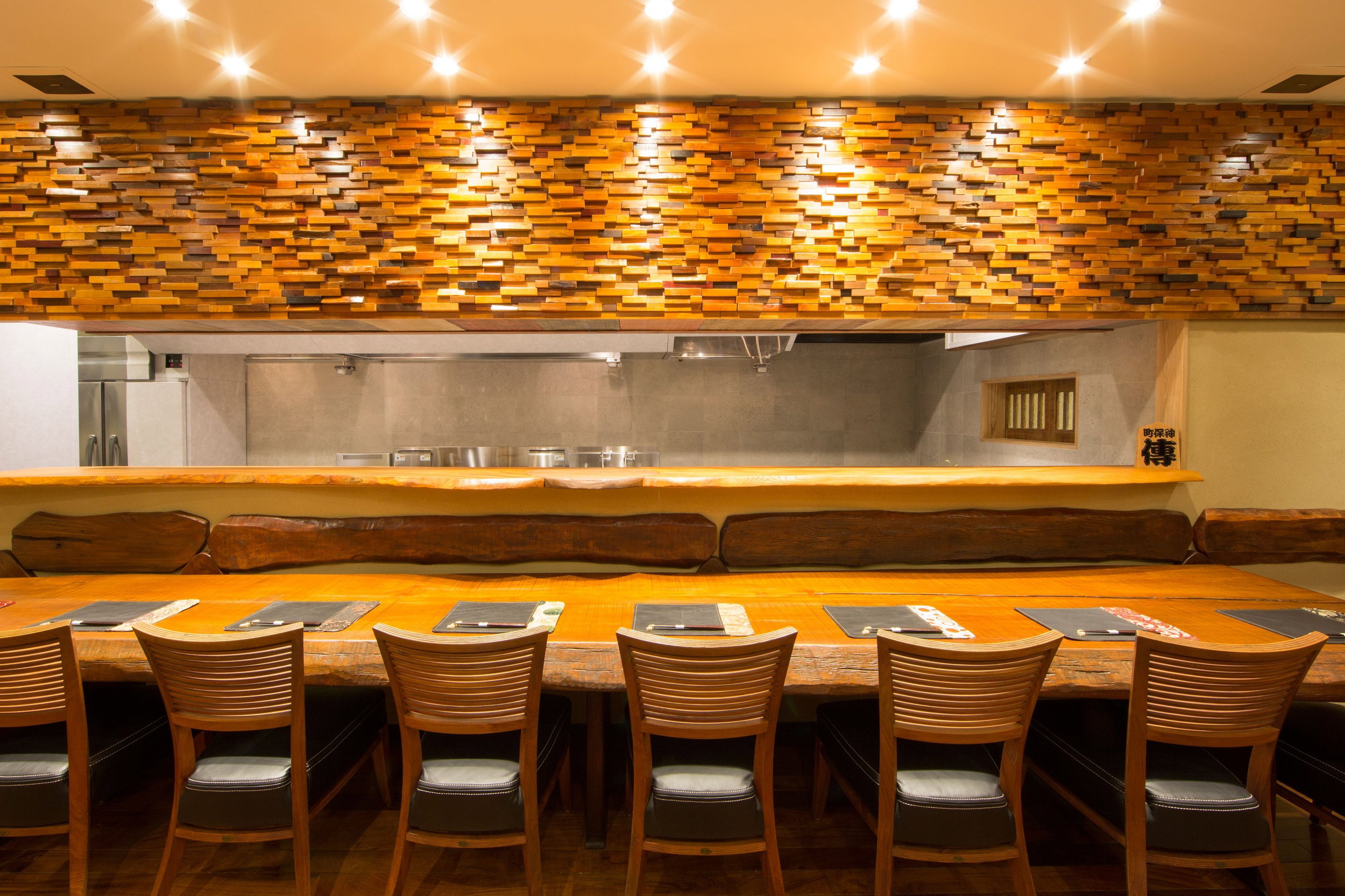
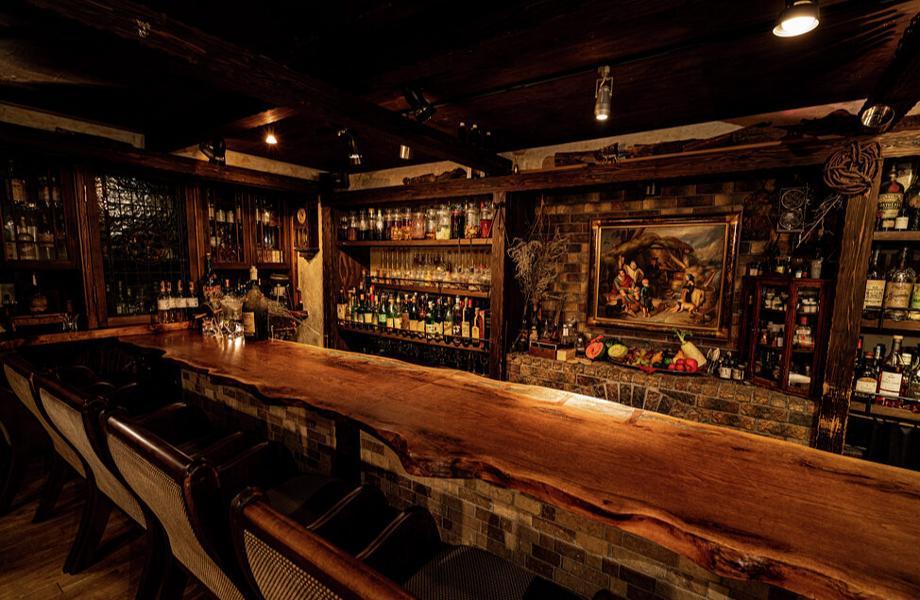
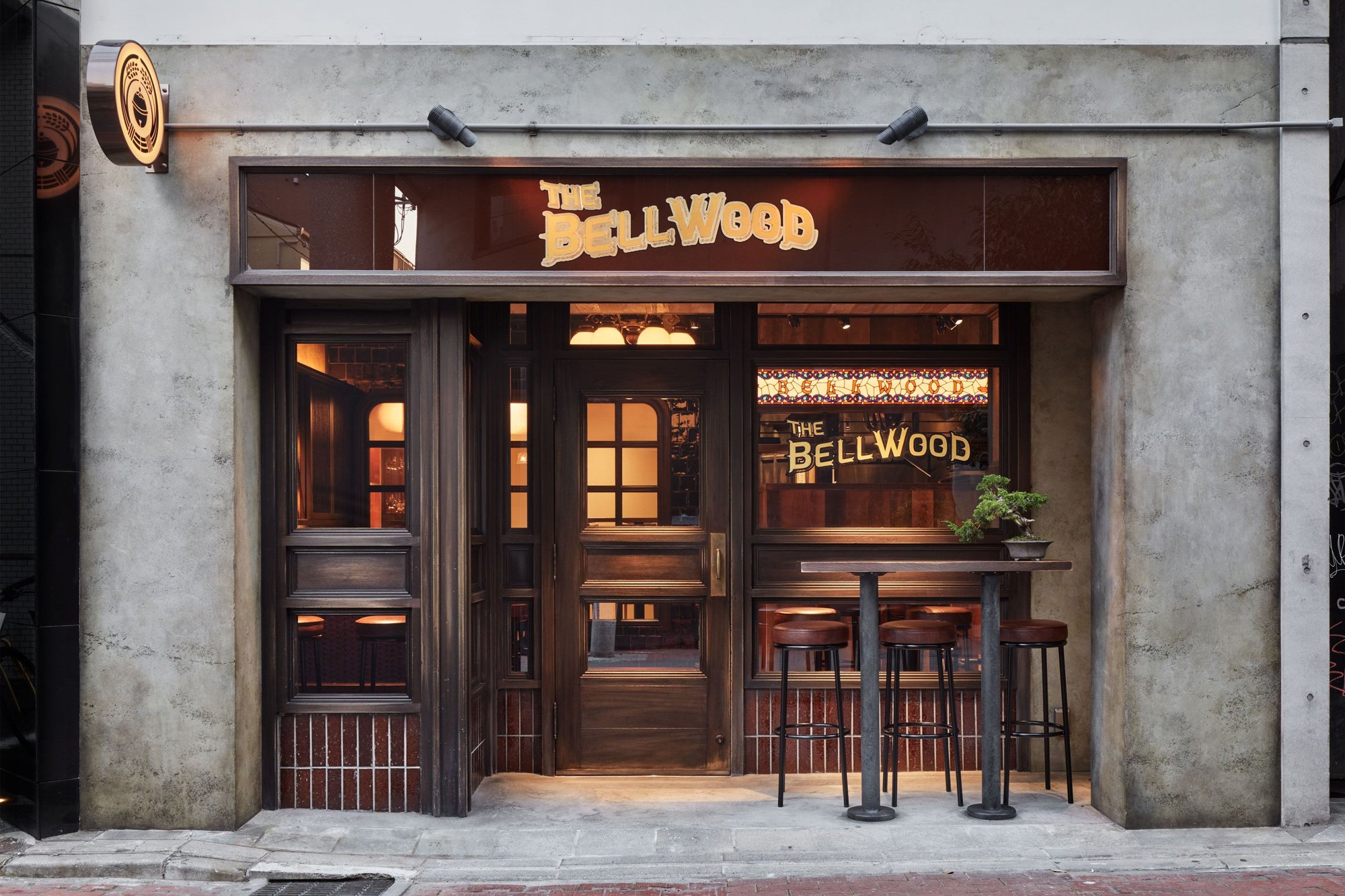
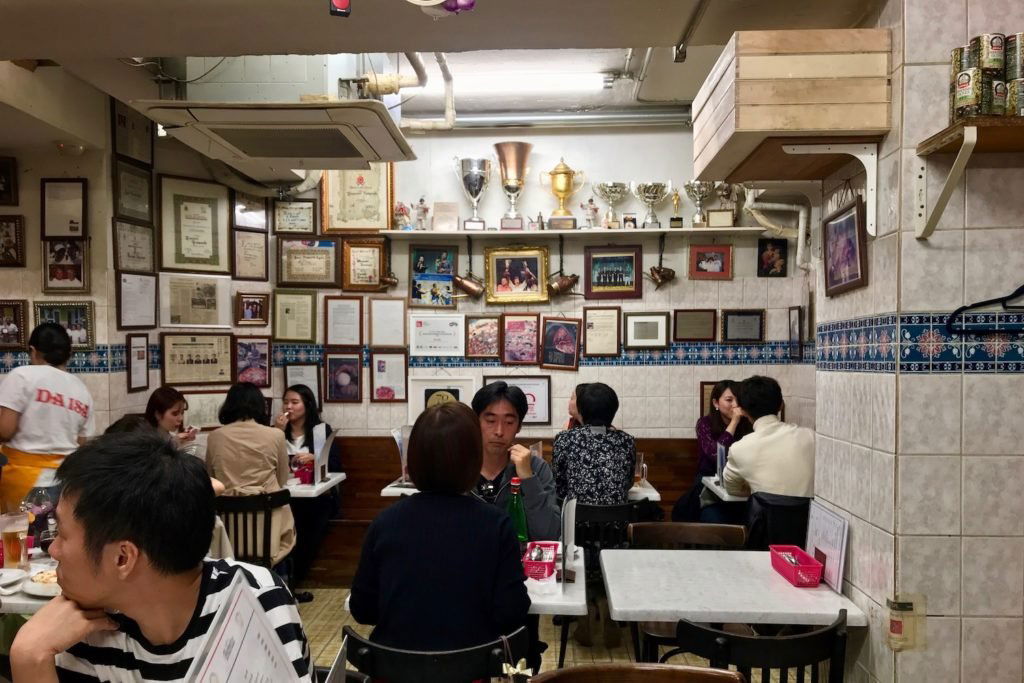
Cheerfully loud and rambunctious atmosphere like a lively izakaya with simple setup and street views.
Tags
Vibe
Best For
Experience
View
At the Table
- Dress Code
- Casual
- Noise Level
- Lively
- Service Style
- Casual
- Meal Pacing
- Standard
- Capacity
- Medium
- Kitchen
- Traditional
- Menu Format
- A la carte
- Wine Program
- Standard
- Dietary
- Vegetarian friendly
- Outdoor Seating
- Yes
Signature Dishes
- Margherita
- Maestro Kitano
- Diavola
Know before you go
Know Before You Go
- Getting there
- 1 Chome-14-17 Aobadai, Meguro City, Tokyo 153-0042, Japan
Planning details
Location
1 Chome-14-17 Aobadai, Meguro City, Tokyo 153-0042, Japan · Directions
Recognition and awards

Also consider
Where to go if this is full
Try Pizza Marumo or Pizza Strada first if the goal is another Tokyo pizzeria with less friction. If the group wants a more destination-style pizza night, shift the search to Seirinkan or 400℃ PIZZA TOKYO.
Restaurant context
How it compares with Tokyo pizzerias
Pizzeria e Trattoria da ISA is the pick when you want a serious pizza meal without turning dinner into a formal occasion. Seirinkan is the better choice for diners chasing Tokyo pizza history and a more destination-led meal, while da ISA makes more sense if Meguro is already convenient and the night is built around easy, food-first dining.
Pizza Marumo and Pizza Strada are the cleanest backups if availability or neighborhood is the deciding factor. Choose Marumo or Strada when the group wants a simpler pizzeria plan; choose da ISA when recognition in the casual dining category gives you extra confidence for a date or low-key celebration.
Pizza Studio Tamaki and 400℃ PIZZA TOKYO are stronger cross-shops for diners who care about a more pizza-obsessive experience. For off-premise thinking, none of these should be treated like generic delivery pizza; the better value is eating in, while the crust and heat are at their strongest.
Explore Tokyo
Around this place
Discover more on Pearl
Unlock the full Pizzeria e Trattoria da ISA guide in Pearl, including awards, comparisons, FAQs, planning details, and nearby places.
Compare Pizzeria e Trattoria da ISA
| Venue | Location | Cuisine | Awards |
|---|---|---|---|
| Pizzeria e Trattoria da ISA | Tokyo | Pizzeria | 2026 OAD Casual in Japan Ranked · #92025 OAD Casual in Japan |
| Seirinkan | Tokyo | Pizzeria | 2026 OAD Casual in Japan Ranked · #116Tabelog 100 - Pizza - 2025 · #252025 OAD Casual in Japan Ranked · #422024 OAD Casual in Japan Ranked · #352023 OAD Casual in Japan Ranked · #38 |
| Pizza Marumo | Tokyo | Pizzeria | 2026 OAD Casual in Japan Ranked · #42026 50 Top Pizza Asia-Pacific · #35Tabelog 100 - Pizza - 2025 · #362025 OAD Casual in Japan Ranked · #372024 OAD Casual in Japan Ranked · #96 |
| Pizza Strada | Tokyo | Pizzeria | 2026 OAD Casual in Japan Ranked · #22026 50 Top Pizza Asia-Pacific · #21Tabelog 100 - Pizza - 2025 · #132025 OAD Casual in Japan Ranked · #1122024 OAD Casual in Japan Ranked · #862023 OAD Casual in Japan Ranked · #67 |
| Pizza Studio Tamaki | Tokyo | Pizzeria | 2026 OAD Casual in Japan Ranked · #1172025 OAD Casual in Japan Ranked · #16Tabelog 100 - Pizza - 2025 · #782024 OAD Casual in Japan Ranked · #172023 OAD Casual in Japan Ranked · #18Pearl Recommended Restaurants |
| 400℃ PIZZA TOKYO | Tokyo | Pizzeria | No published awards |



How Pizzeria e Trattoria da ISA Tokyo compares with similar nearby venues.
FAQ
Frequently Asked Questions
Can Pizzeria e Trattoria da ISA accommodate groups?
Pizzeria e Trattoria da ISA is a casual Tokyo pizzeria open Tuesday through Sunday for lunch and dinner, so confirm directly with the restaurant if party size or seating arrangements matter.
Is Pizzeria e Trattoria da ISA good for solo dining?
The venue is a casual pizzeria in Tokyo with lunch and dinner hours Tuesday through Sunday. If timing or seating matters, check directly with the restaurant before going.
What are alternatives to Pizzeria e Trattoria da ISA in Tokyo?
Useful Tokyo pizzeria comparisons include Seirinkan, Pizza Marumo, Pizza Strada, Pizza Studio Tamaki, and 400℃ PIZZA TOKYO.
What should a first-timer know about Pizzeria e Trattoria da ISA?
Treat this as a casual, pizza-focused meal. Chef-owner Hisanori Yamamoto is attached to the venue, and Opinionated About Dining lists it in Casual in Japan, including a #9 ranking for 2026 and recognition in 2025.