
.png?width=1200&quality=80)

SŌWADŌ
Izakaya · Shibuya, Tokyo
Restaurant in Tokyo, Japan
 Book with Pearl
The Read
Charcoal-Fire Izakaya Precision
Price
$100–150per person
Dress
Smart Casual
Why go
A signless izakaya in Hiroo, Shibuya, SŌWADŌ earns back-to-back Michelin Plate recognition with Genshiyaki charcoal-grilled skewers and Kyushu-sourced dishes at the ¥¥ price point. It is one of the more credible cases for serious izakaya dining on this side of Tokyo, especially for a celebratory evening that does not require formality.
About SŌWADŌ
Should You Book SŌWADŌ?
If you are comparing SŌWADŌ to Tokyo's better-known izakaya chains or tourist-facing grills around Shibuya, stop. This is a different proposition: a signless, corridor-entry room in Hiroo where the charcoal brazier does the talking and the menu pulls from Kyushu's larder with enough precision to earn consecutive Michelin Plate recognition in 2024 and 2025. At the ¥¥ price point, it is one of the more credible cases for izakaya dining in this part of the city. The question is whether the format suits your evening, and for most occasions, it does.
Portrait
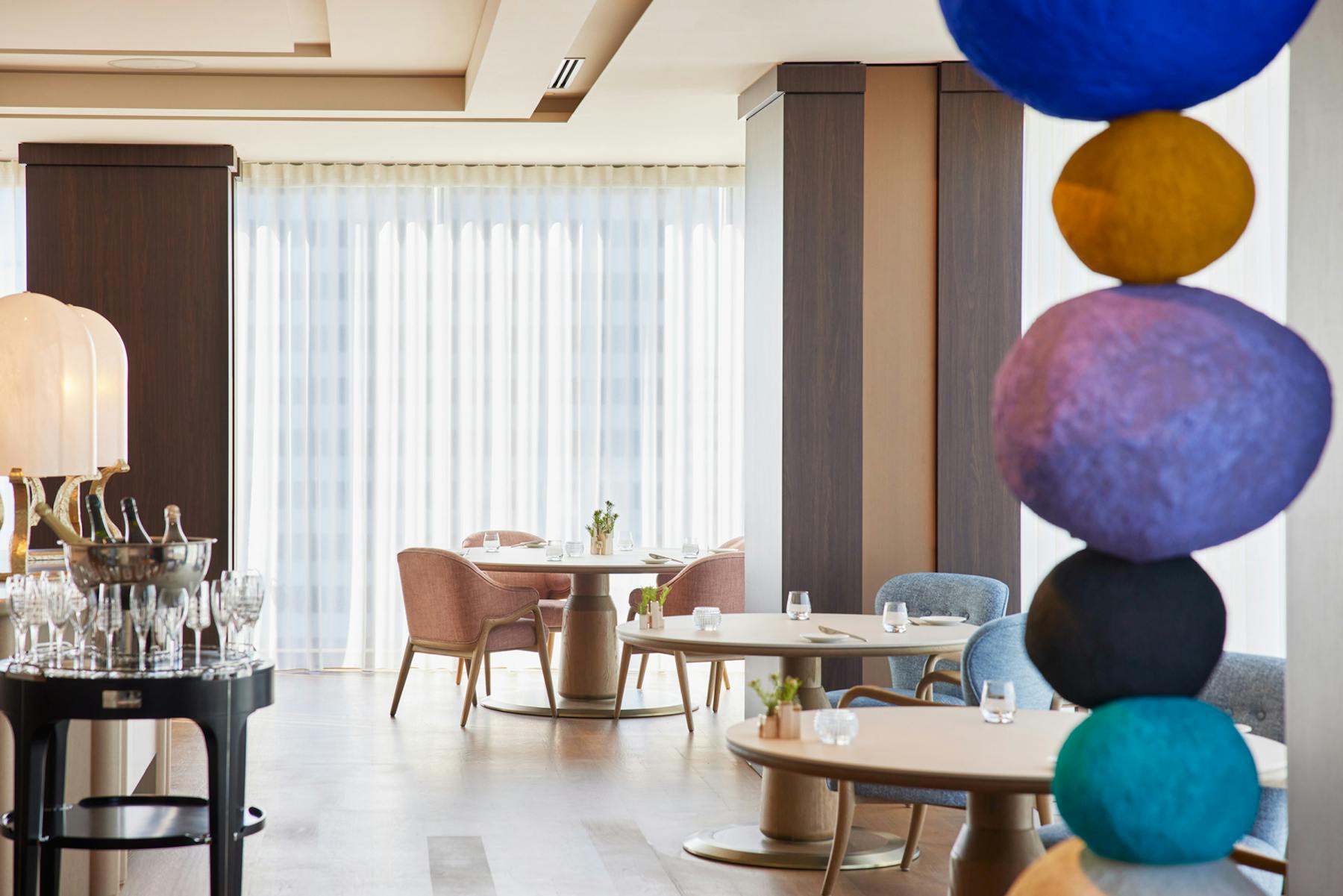
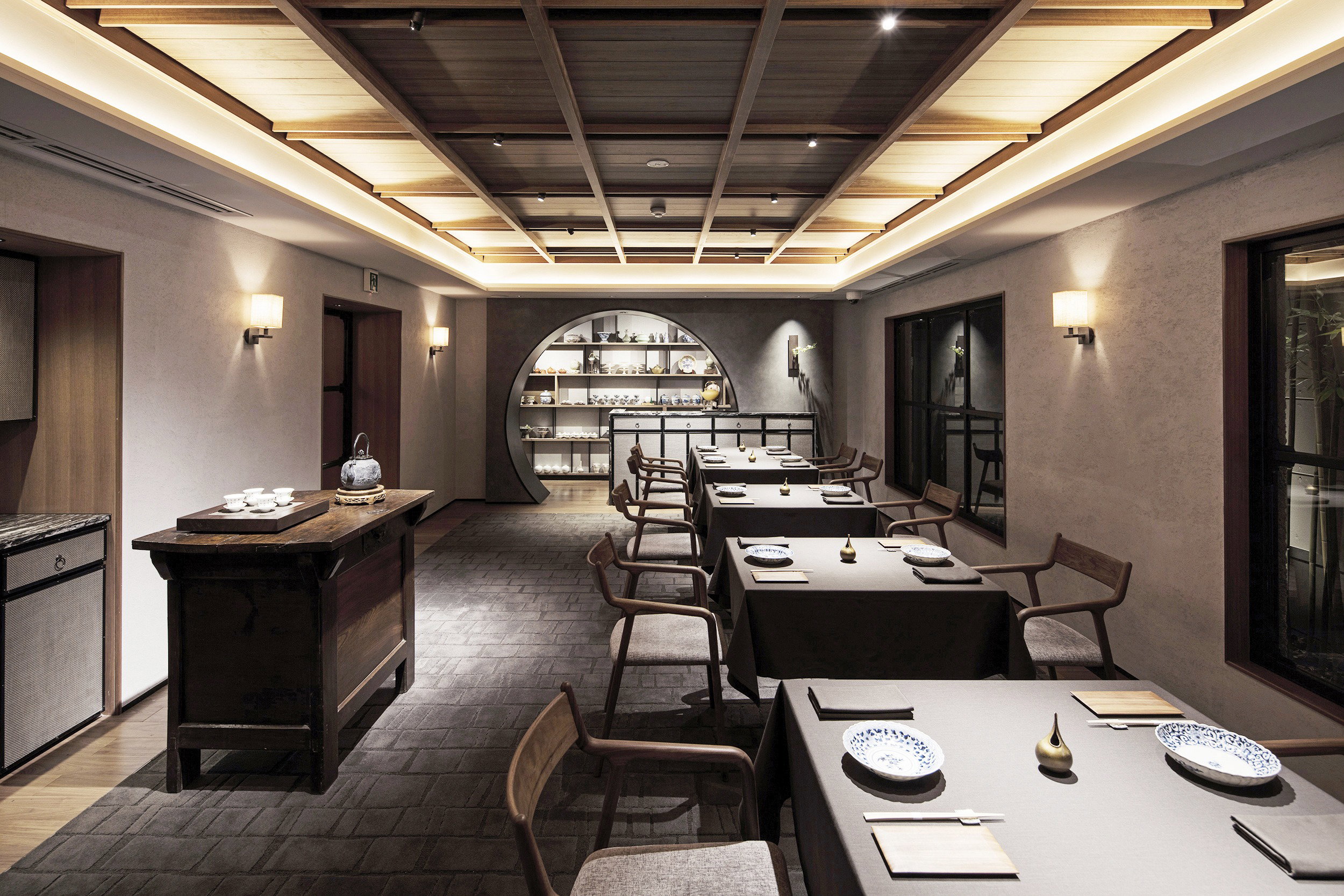
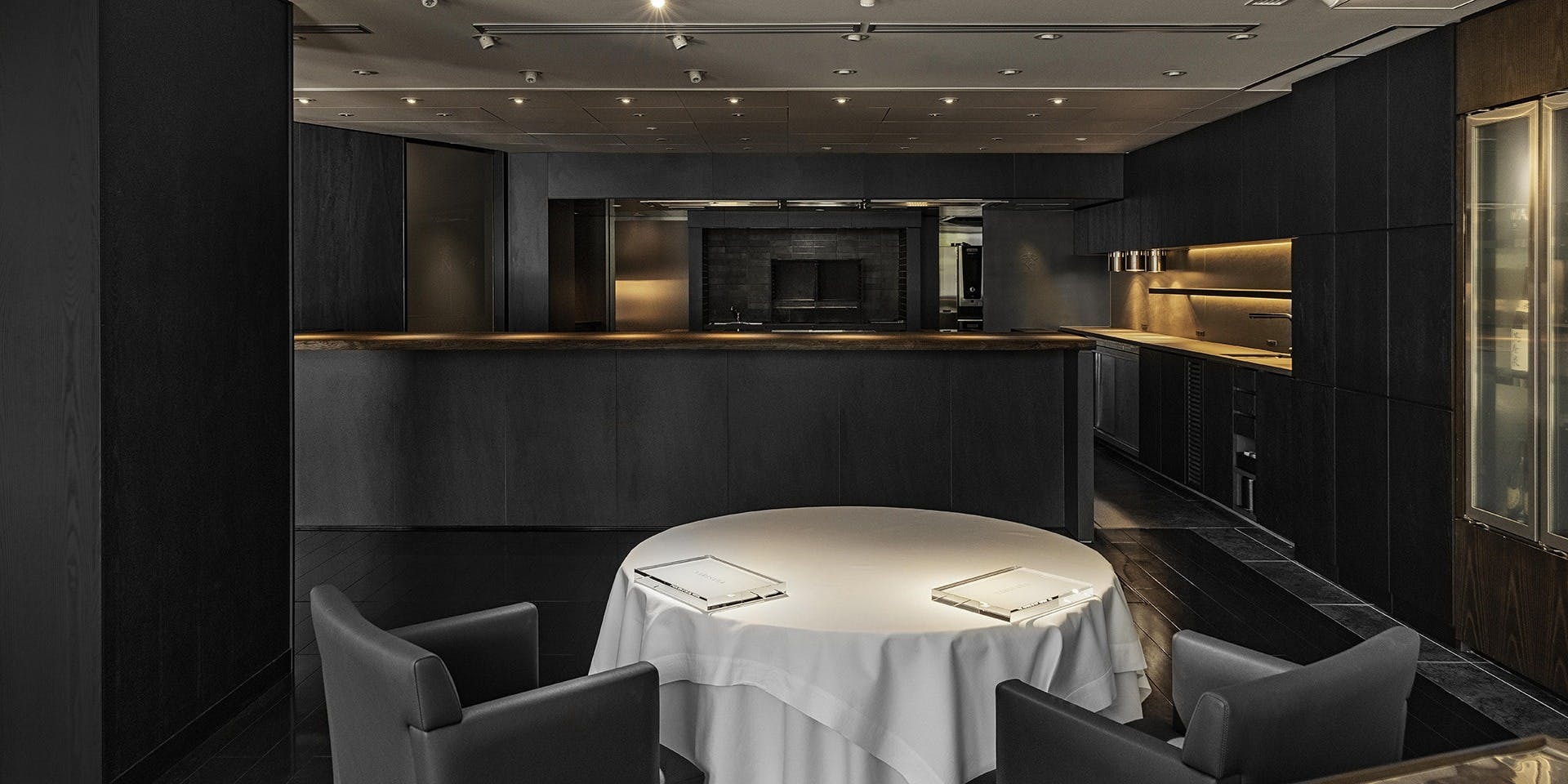
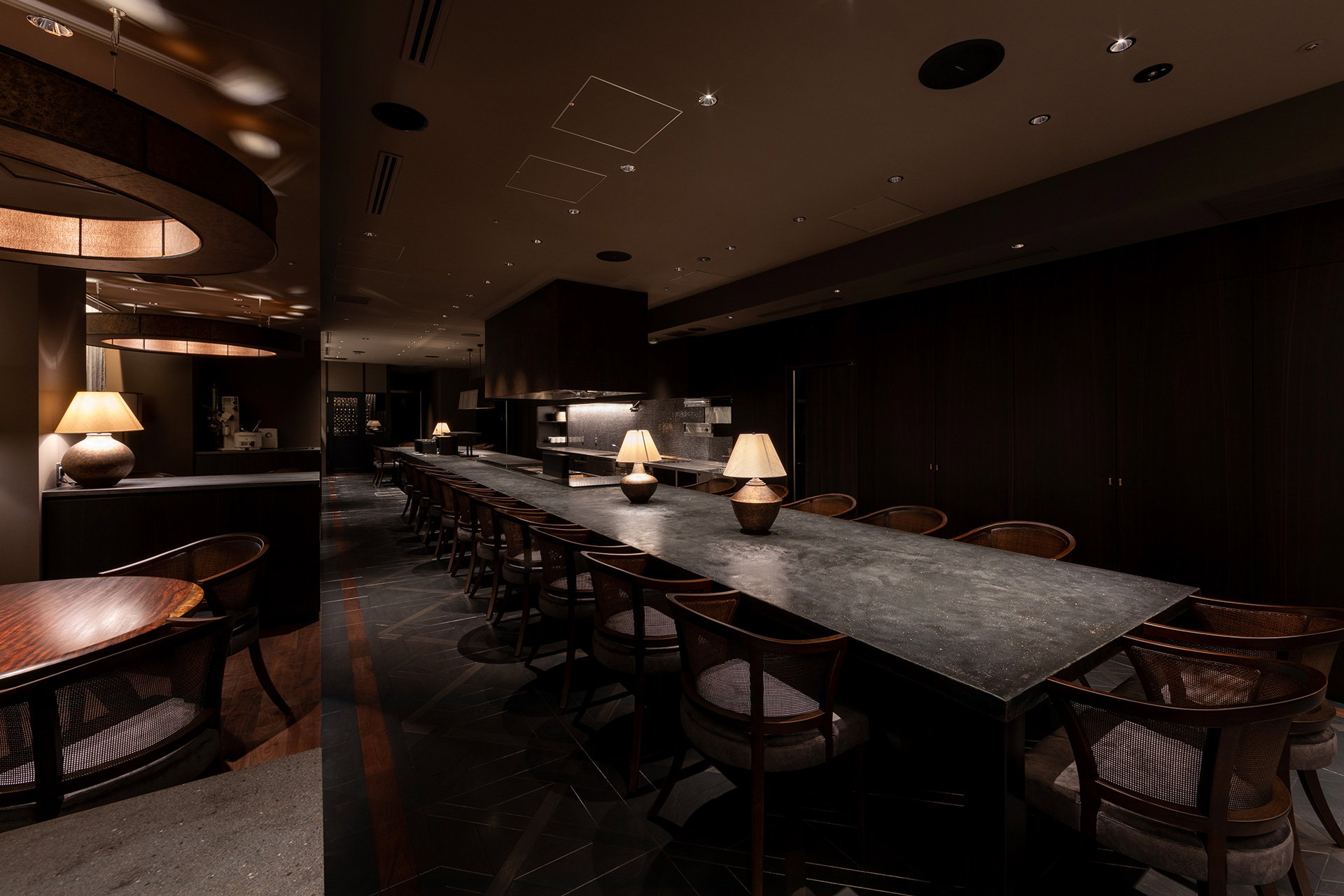
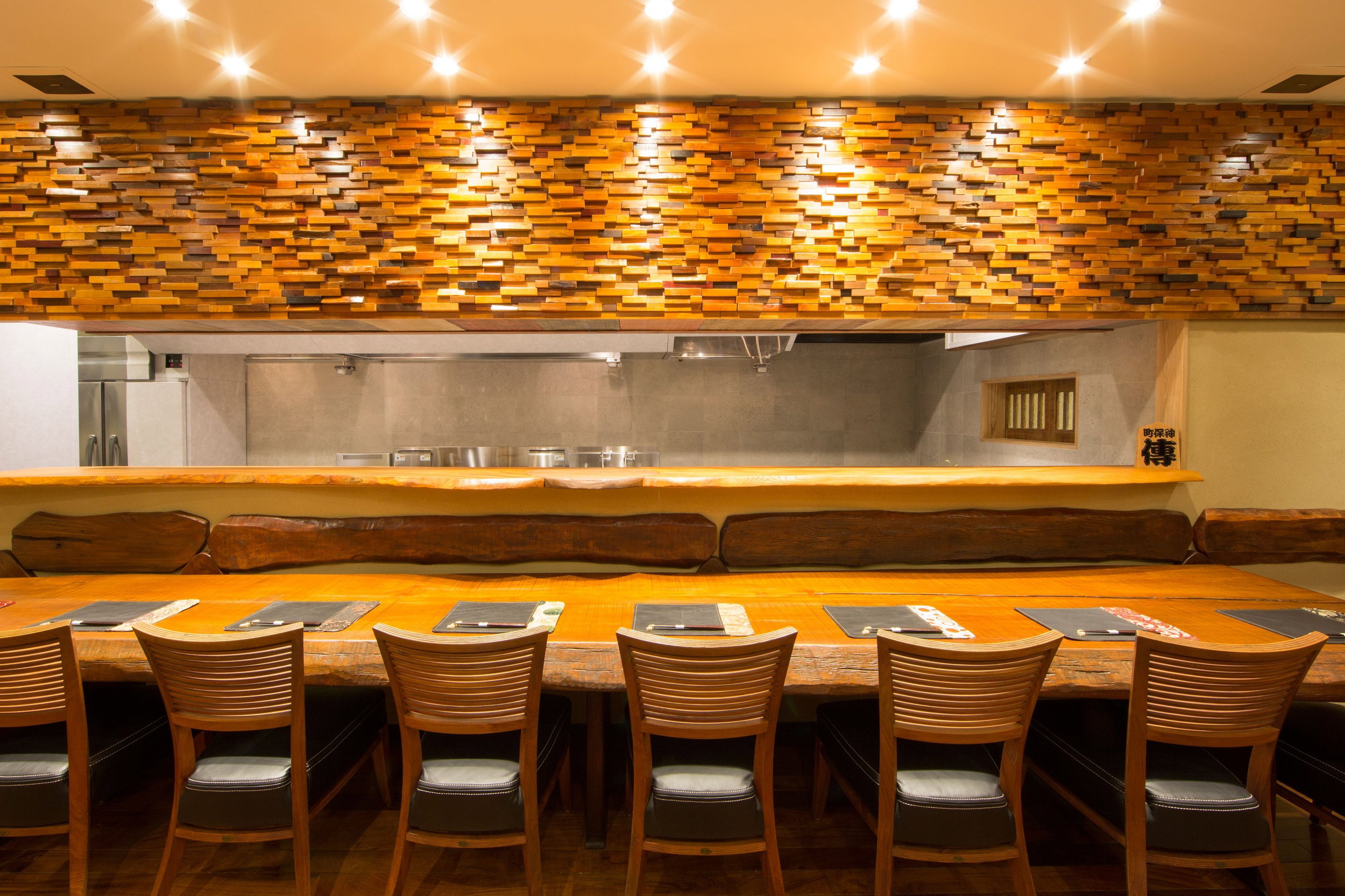
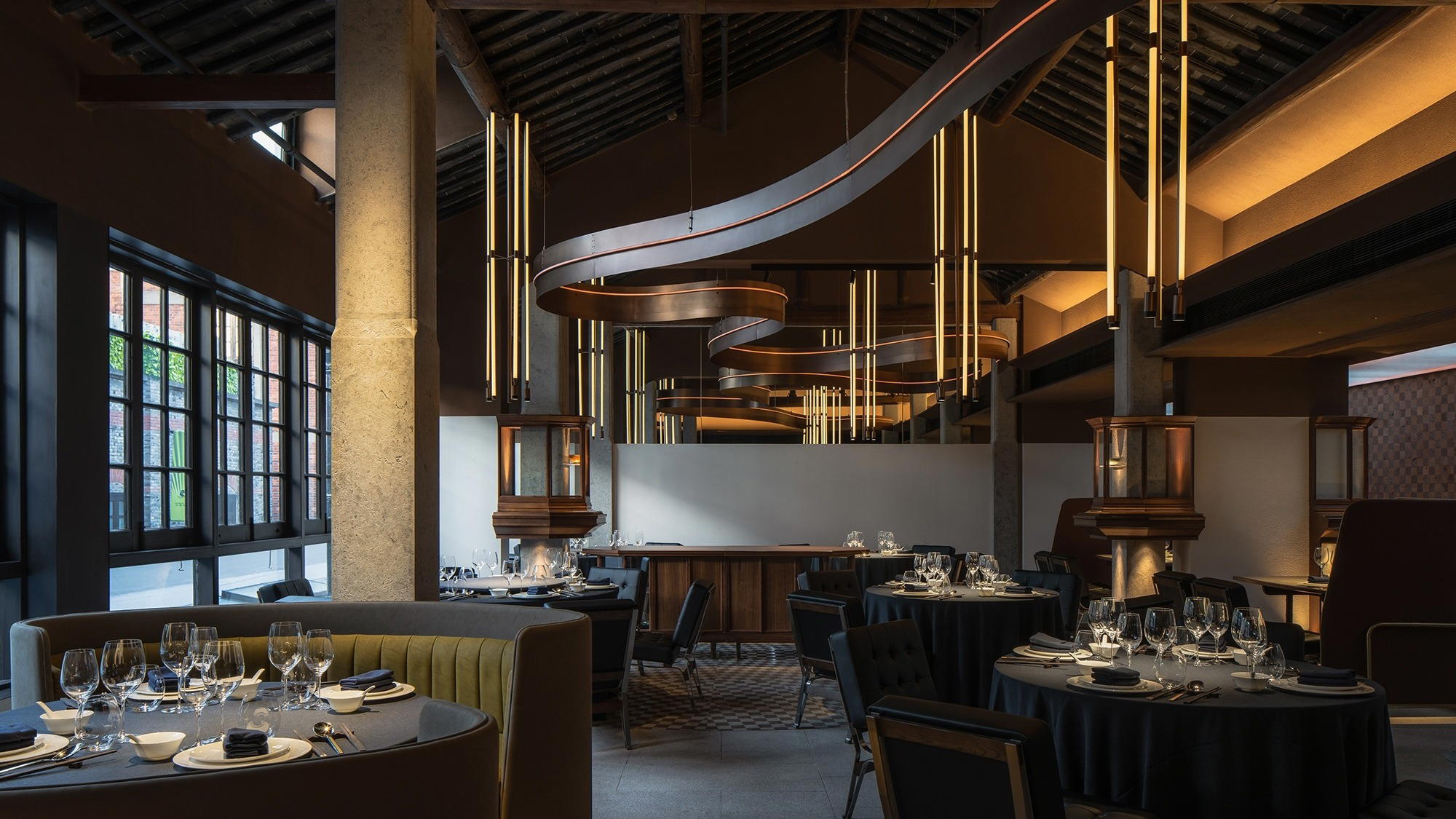
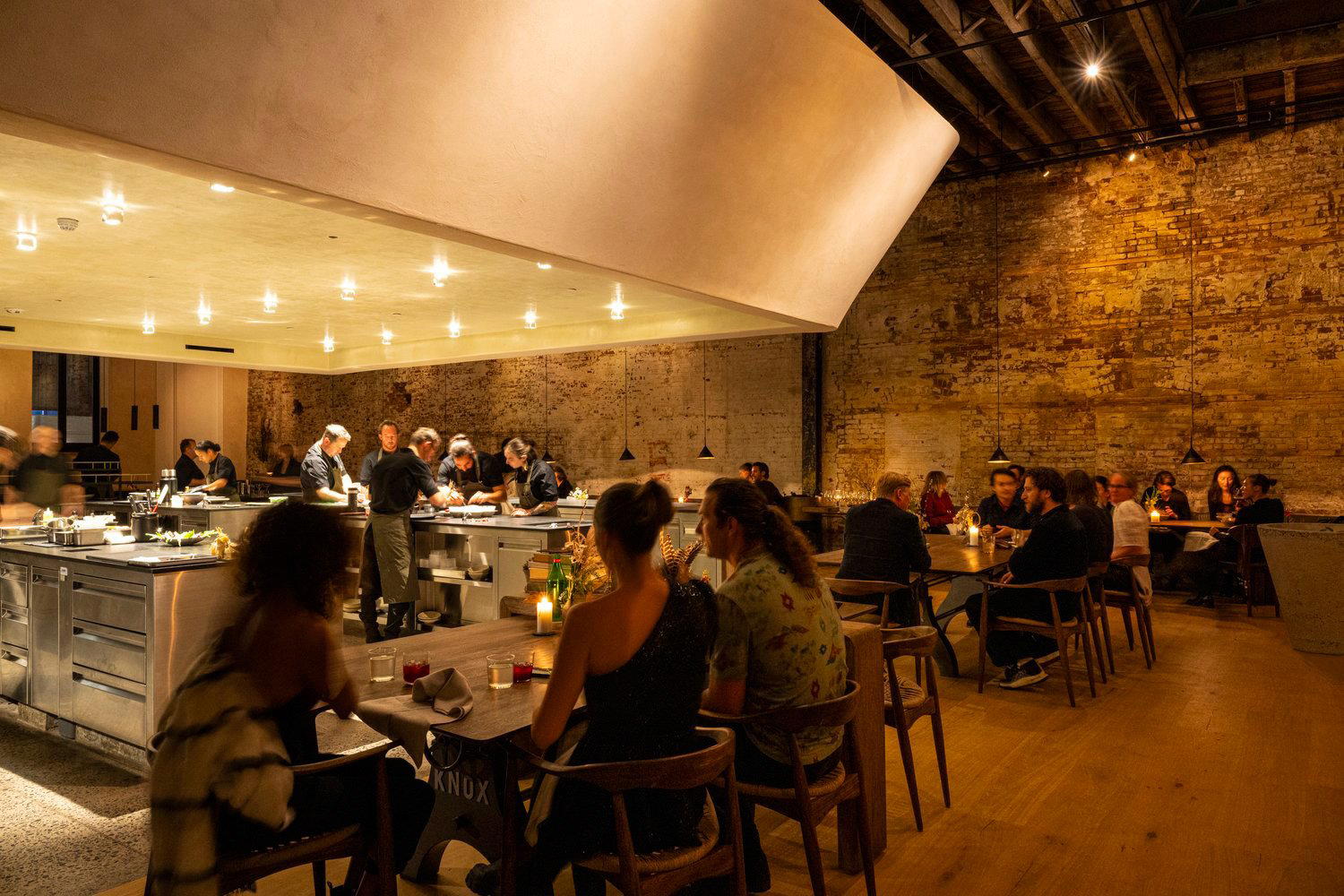
Finding SŌWADŌ requires a small act of faith. Past Ebisu Bridge, which crosses the Shibuya River near Hiroo, there is no sign, just a grey corridor that gives nothing away. Push through and the room opens: cooks in crisp whites at work, a lively interior, and the immediate visual anchor of the Genshiyaki station, where skewers of fish and meat turn slowly over a charcoal brazier using a technique that traces back to Japan's ancient cooking traditions. The gap between the entrance and the interior is deliberate in effect, even if unintentional in design. You arrive expecting very little and the room earns your attention quickly.
The atmosphere here is energetic without being loud in a way that kills conversation. This is a room that hums, kitchen noise, the low crackle of charcoal, the rhythm of a service that takes its craft seriously. For a special occasion or a considered date night, it hits a register that is harder to find in Hiroo than you might expect: informal enough that you are not performing formality, but precise enough that the meal feels considered. If you need a quieter room for a business dinner, manage expectations; this is a lively space, not a hushed one.
The Genshiyaki method is the technical centrepiece and the main reason SŌWADŌ earns its Michelin Plate years running. Slow-grilling over charcoal at low heat is a patience-intensive technique that most izakaya skip in favour of faster methods. Here it is the anchor of the kitchen's identity. The result is skewers with a depth of char and interior moisture that higher-heat grilling simply does not produce. Alongside the grill work, the kitchen's Kyushu sourcing gives the menu a regional coherence that elevates it beyond generic izakaya fare: the Unzen ham cutlet, nanbanzuke, and steamed squid dumpling are specifically noted as dishes the chef regards with particular connection, and they reflect a kitchen that is not just executing a format but making choices about what it believes in.
For Tokyo visitors trying to sequence a broader Japan trip, the Kyushu-rooted cooking here offers a useful preview of what you will encounter at places like Goh in Fukuoka, though SŌWADŌ's register is more casual and accessible. Closer to home, the izakaya format is done with similar seriousness at Daikanyama Issai Kassai and with a different regional lens at Hakata Hotaru, both worth knowing if you are building an izakaya shortlist for Tokyo. For Osaka and Kyoto equivalents, Benikurage in Osaka and Berangkat in Kyoto offer useful comparison points in the same informal-but-serious category.
Combined with back-to-back Michelin Plate recognition and an Opinionated About Dining Casual listing for 2025, there is enough external validation to take the kitchen seriously without needing to take it on faith.
Hiroo is a neighbourhood that rewards those who make the trip. It sits between the density of Shibuya and the polish of Minami-Aoyama, and the dining scene reflects that: less tourist traffic, more regulars. SŌWADŌ benefits from that context. If you are already in the area, or building a Tokyo itinerary around a stay in the neighbourhood, check our full Tokyo restaurants guide, Tokyo hotels guide, and Tokyo bars guide to fill out the trip. For broader Japan planning, HAJIME in Osaka, Gion Sasaki in Kyoto, and akordu in Nara represent very different registers but are worth the detour if your schedule allows. You can also explore 1000 in Yokohama and 6 in Okinawa for regional contrast. Other Tokyo izakaya worth benchmarking against include Ginza Nominokoji Yamagishi, Ginza Shimada, and Hakata Issou. For a wider view of what Tokyo offers beyond restaurants, the Tokyo wineries guide and Tokyo experiences guide are useful starting points.
Ratings & Recognition
- Michelin Plate, 2024
- Michelin Plate, 2025
- Opinionated About Dining Casual, Japan 2025
Booking
Booking difficulty is rated Easy for SŌWADŌ. No website or phone number is currently listed in our database; approach via a hotel concierge or a reservation platform such as Tableall or Pocket Concierge, which handle many Tokyo venues without direct English-language booking. Given the ¥¥ price point and Hiroo location, last-minute availability is plausible on weeknights, but Michelin Plate status and strong Google volume mean weekends warrant a few days' notice at minimum.
Practical Details
Address: 1 Chome-12-15 Riverside Building 1F, Hiroo, Shibuya, Tokyo, just past Ebisu Bridge. Note: No exterior sign; look for the grey corridor entrance. Price range: ¥¥ (mid-range by Tokyo standards). Cuisine: Izakaya, with Kyushu-sourced ingredients and Genshiyaki charcoal grilling as the kitchen's technical focus. Dress: Smart casual is appropriate; the room is lively and informal, not formal. Groups: No seat count is confirmed in our data, contact ahead for larger parties. Hours: Not confirmed in current data; verify before visiting.
How It Compares
See the comparison section below for how SŌWADŌ positions against Tokyo peers across price tiers.
FAQ
Can I eat at the bar at SŌWADŌ?
- The venue description references a lively interior with visible kitchen activity, suggesting counter or bar seating is part of the room's character, the Genshiyaki station is described as a visual centrepiece. That said, specific seating configurations are not confirmed in our data. If counter seating matters to your visit, flag it when booking.
Is the tasting menu worth it at SŌWADŌ?
- SŌWADŌ operates in the izakaya format, which is typically a la carte or small-plates ordering rather than a fixed tasting menu. The kitchen's recommended dishes, Unzen ham cutlet, nanbanzuke, steamed squid dumpling, suggest you order from the menu with some guidance rather than following a set progression. At the ¥¥ price level, the value case is strong without needing a tasting format to justify it.
How far ahead should I book SŌWADŌ?
- Booking difficulty is rated Easy. For weeknights, a few days' notice should be sufficient. There is no confirmed booking channel in our data, use a concierge service or platforms like Pocket Concierge if you cannot book directly.
Can SŌWADŌ accommodate groups?
- Seat count is not confirmed in our data. For groups of four or more, contact the venue in advance to confirm capacity. The Hiroo address and izakaya format suggest a mid-sized room rather than a sprawling one, so larger groups should not assume availability without checking.
What are alternatives to SŌWADŌ in Tokyo?
- For izakaya with similar seriousness at the ¥¥ tier, Daikanyama Issai Kassai and Hakata Hotaru are the closest comparisons. If you want to step up in formality and price, Ginza Nominokoji Yamagishi and Ginza Shimada offer different registers. For something further outside Tokyo, Benikurage in Osaka operates in a comparable casual-but-precise mode.
Is SŌWADŌ good for a special occasion?
- Yes, with the right expectations. The room is lively rather than hushed, so it suits a celebratory dinner where energy is welcome more than a quiet anniversary that needs intimacy. The Genshiyaki theatrics, the Kyushu-sourced menu, and the back-to-back Michelin recognition give the meal a sense of occasion that a generic izakaya does not. For a special occasion that also needs a quiet room, consider pairing this with a separate drinks stop somewhere calmer.
Is SŌWADŌ worth the price?
- At ¥¥, SŌWADŌ is one of the stronger value propositions in its category. Michelin Plate recognition at the mid-range price tier is not common; most Plate-level venues in Tokyo sit at ¥¥¥ or above. The Genshiyaki technique and Kyushu sourcing give the kitchen a clear identity that mid-range izakaya rivals in Shibuya typically lack. If the format suits your evening, the answer is yes.
Planning details
- Location
- Japan, 〒150-0012 Tokyo, Shibuya, Hiroo, 1 Chome−12−15 リバーサイドビル 1階
- Website
- sakai-shokai.jp
- Phone
- +81 50-1807-6893
The take
The Take
The Vibe
SŌWADŌ cultivates a studied contrast: an unmarked, grey corridor gives way to a compact, animated interior. The entrance’s discretion and the sense that regulars don’t need signs create an intimate, tucked-away feeling even as the dining room hums. The writing stresses tradition and technique—an ancient genshiyaki grill and a Kyushu-first sourcing stance—which lends the place a quietly confident, sophisticated air. It reads like a contemporary Tokyo izakaya that respects lineage while staying energetic and current: warm and convivial inside, deliberately unobtrusive on the street.
Best For
This is a dinner-forward izakaya that suits date nights and small celebrations where food provenance matters. The atmosphere balances intimacy with energy, making it a good after-work stop for locals and a polished choice for those marking a special occasion. Groups should stay small—the place depends on a close-knit, regular clientele and an animated dining room rather than large-party accommodations. Travelers seeking a distinctly Tokyo izakaya experience will appreciate the regional Kyushu focus and the deliberate, signless arrival that frames the evening.
Ordering Tips
Center orders around the Kyushu-driven specialities and share plates to sample technique and provenance: the Unzen ham cutlet showcases Nagasaki’s cured-pork tradition, the genshiyaki skewers are where the kitchen’s ancient-grill technique is most evident, and the chawanmushi with grouper highlights refined steaming. The menu also references nanbanzuke and a steamed squid dumpling tied to coastal Kyushu flavors—ask staff which items are sourced from Kyushu that day. Portions and izakaya-style service encourage trying several dishes to get a full sense of the kitchen’s regional stance.
Venue details
Ambiance
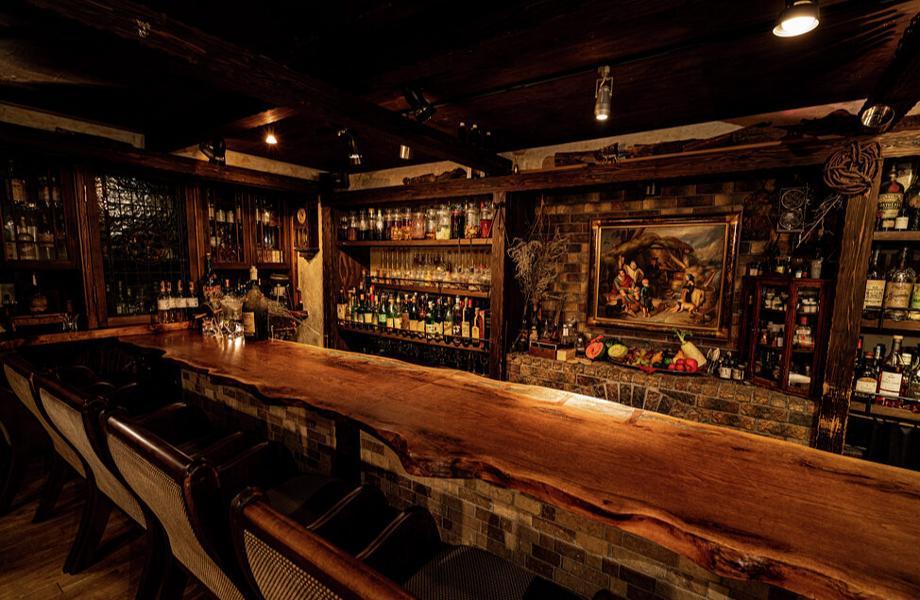
Lively interior with cooks in crisp whites at work, casual pub vibes blending high-end casual atmosphere with fun deco.
Tags
Vibe
Best For
Experience
At the Table
- Dress Code
- Smart Casual
- Noise Level
- Lively
- Service Style
- Upscale Casual
- Meal Pacing
- Leisurely
- Capacity
- Medium
- Kitchen
- Modern
- Menu Format
- A la carte, Omakase
- Drinks Focus
- Sake, Wine
- Private Dining
- Available
Signature Dishes
- Unzen ham cutlet
- Genshiyaki skewers
- Chawanmushi with grouper
Know before you go
Know Before You Go
- Getting there
- Japan, 〒150-0012 Tokyo, Shibuya, Hiroo, 1 Chome−12−15 リバーサイドビル 1階
Planning details
Location
Japan, 〒150-0012 Tokyo, Shibuya, Hiroo, 1 Chome−12−15 リバーサイドビル 1階 · Directions
Recognition and awards

Also consider
Also Consider
- Harutaka, Sushi, ¥¥¥¥
- L'Effervescence, French, ¥¥¥¥
- RyuGin, Kaiseki, Japanese, ¥¥¥¥
- HOMMAGE, Innovtive French, French, ¥¥¥¥
- Crony, Innovative, French, ¥¥¥¥
Restaurant context
SŌWADŌ sits at ¥¥ in a comparison set where most of its Michelin-recognised Tokyo peers operate at ¥¥¥¥. That gap matters. If you are deciding between SŌWADŌ and a night at RyuGin or L'Effervescence, you are not choosing between equivalents, you are choosing between formats and price tiers. RyuGin's kaiseki progression and L'Effervescence's French fine-dining are longer, more structured evenings at a significantly higher per-head cost. SŌWADŌ is the better choice when you want a serious kitchen without the formality or the bill that comes with Tokyo's top tier.
Within the izakaya category specifically, SŌWADŌ's Genshiyaki technique and Kyushu sourcing give it a clearer identity than most mid-range competitors. Harutaka operates in an entirely different register, high-end omakase sushi at ¥¥¥¥, and is the right booking if raw fish precision is what you are after rather than grilled skewers and Kyushu produce. For innovative cooking at the top of the price range, HOMMAGE and Crony both offer ¥¥¥¥ French-inflected menus with a very different energy from SŌWADŌ's izakaya format.
The practical verdict: book SŌWADŌ if you want a lively, affordable evening with genuine technical credibility and a kitchen that has a point of view. Book RyuGin or L'Effervescence if you want a full fine-dining progression and the occasion justifies the spend. Book Harutaka if sushi is the priority. SŌWADŌ is the easiest to get into and the easiest on the wallet of any venue in this comparison set, which makes it a low-risk, high-return choice for most Tokyo itineraries.
Explore Tokyo
Around this place
Discover more on Pearl
Unlock the full SŌWADŌ guide in Pearl, including awards, comparisons, FAQs, planning details, and nearby places.
Compare SŌWADŌ
| Venue | Cuisine | Price | Awards | Booking Difficulty |
|---|---|---|---|---|
| SŌWADŌ | Izakaya | ¥¥ | 2026 OAD Casual in Japan Ranked · #1292026 Michelin PlateTabelog 100 - Izakaya - EAST - 2025 · #622025 OAD Casual in Japan2025 Michelin Plate2024 Michelin Plate | Easy |
| Harutaka | Sushi | ¥¥¥¥ | 2026 Tabelog Silver · #312026 OAD Top Restaurants in Japan Ranked · #1282026 Michelin 3 Stars2026 La Liste Top RestaurantsTabelog 100 - Sushi - TOKYO - 2025 · #372025 Asia's 50 Best Restaurants · #762025 OAD Top Restaurants in Japan Ranked · #1172025 La Liste Top Restaurants2025 Tabelog Bronze | Unknown |
| L'Effervescence | French | ¥¥¥¥ | 2026 Tabelog Silver · #682026 OAD Top Restaurants in Japan Ranked · #103Star Wine Lists 20262026 Black Pearl 2 Diamond2026 Relais Chateaux Restaurants2026 La Liste Top Restaurants2026 Michelin 3 Stars2025 Asia's 50 Best Restaurants · #692025 OAD Top Restaurants in Japan Ranked · #92 | Unknown |
| RyuGin | Kaiseki, Japanese | ¥¥¥¥ | 2026 OAD Top Restaurants in Japan Ranked · #802026 Tabelog Bronze · #3772026 Michelin 3 Stars2026 La Liste Top RestaurantsTabelog 100 - Japanese cuisine - TOKYO - 2025 · #212025 OAD Top Restaurants in Japan Ranked · #542025 Michelin 3 Stars2025 La Liste Top Restaurants2025 The Best Chef Three Knives | Unknown |
| HOMMAGE | Innovtive French, French | ¥¥¥¥ | 2026 Tabelog Bronze · #1232026 OAD Top Restaurants in Japan Highly Recommended2026 Michelin 2 StarsTabelog 100 - French - TOKYO - 2025 · #762025 Asia's 50 Best Restaurants · #782025 OAD Top Restaurants in Japan Ranked · #1752025 Michelin 2 Stars2025 The Best Chef One Knife2025 La Liste Top Restaurants | Unknown |
| Crony | Innovative, French | ¥¥¥¥ | 2026 Asia's 50 Best Restaurants · #34Star Wine Lists 20262026 OAD Top Restaurants in Japan Recommended2026 Michelin 2 Stars2025 Asia's 50 Best Restaurants · #30Tabelog 100 - French - TOKYO - 2025 · #782025 OAD Top Restaurants in Japan Ranked · #227We're Smart World Top Restaurants 20252025 Michelin 2 Stars | Unknown |












How SŌWADŌ stacks up against the competition.
FAQ
Frequently Asked Questions
Can I eat at the bar at SŌWADŌ?
Counter seating is part of the experience at SŌWADŌ, the open kitchen puts the genshiyaki charcoal brazier directly in view, which is exactly where you want to be. Given the ¥¥ price range and izakaya format, solo diners and pairs are well-suited to counter spots. Confirm availability when booking, as no direct contact details are currently listed; approach via a hotel concierge or reservation service.
Is the tasting menu worth it at SŌWADŌ?
SŌWADŌ does not operate a conventional tasting menu format, it is an izakaya, so ordering is typically à la carte or from a set selection. The Opinionated About Dining guide specifically flags the Unzen ham cutlet, nanbanzuke, and steamed squid dumpling as standout dishes. At ¥¥ pricing, ordering across those highlights gives you a focused, high-value meal without the commitment of a fixed omakase.
How far ahead should I book SŌWADŌ?
Book at least one to two weeks ahead, particularly for weekday evenings when Hiroo locals fill the room. SŌWADŌ has no website or phone number in our database, so reservations need to go through a hotel concierge or a third-party booking platform. Its Michelin Plate status since 2024 and OAD casual recognition mean demand is steady, not casual walk-in territory.
Can SŌWADŌ accommodate groups?
SŌWADŌ is a compact izakaya with a lively but intimate interior, so large groups are a poor fit. Pairs and tables of four are the practical sweet spot for this format. If you are organising six or more, a private dining room elsewhere in Tokyo will serve you better; SŌWADŌ's value comes from the counter atmosphere and focused menu, not event-scale capacity.
What are alternatives to SŌWADŌ in Tokyo?
For a different price tier with serious credentials, Harutaka (sushi omakase) or RyuGin (contemporary kaiseki) cover the high end. If you want another izakaya-adjacent experience with editorial recognition, Crony in Tokyo is worth comparing. SŌWADŌ's specific draw is the charcoal genshiyaki format and Kyushu-rooted dishes at ¥¥, that combination is harder to replicate directly.
Is SŌWADŌ good for a special occasion?
Yes, with the right expectations. SŌWADŌ is not a white-tablecloth occasion restaurant, it is a Michelin Plate izakaya with no exterior sign and a deliberately low-key entry. For a couple who want something intimate, local, and genuinely well-regarded without a formal dining price tag, it works well. If the occasion calls for theatre or a private room, look elsewhere.
Is SŌWADŌ worth the price?
At ¥¥, SŌWADŌ is strong value for what it delivers: Michelin Plate recognition two years running, an OAD Casual listing, and a focused menu built around charcoal grilling and Kyushu-sourced ingredients. You are not paying for a famous address or a signed chef, you are paying for a technically grounded neighbourhood izakaya that earns its recommendations. For the price tier, that is a sound deal.