
Kitchen Taka
Shinjuku, Tokyo
Restaurant in Tokyo, Japan
 Book with Pearl
The Read
Price
JPY 1,000 - JPY 1,999 JPY 1,000 - JPY 1,999
Why go
A six-seat yoshoku counter in Arakicho serving hamburger steak, omurice, and sautéed plates at JPY 1,000–1,999 with no reservations and frequent midday sellouts. Tabelog 100 recognition (2020, 2022, 2025) validates the cook-to-order execution, but cash-only, queue-dependent access limits appeal unless you're already in Yotsuya Sanchome with flexible timing. Solo diners and weekday lunch visitors find the best availability.
About Kitchen Taka
Kitchen Taka doesn't take reservations, operates cash-only from an unmarked house in Arakicho, and closes when the lunch service sells out, usually by 2 PM on weekdays and earlier on Saturdays. The question isn't whether it's worth the effort to secure one of six counter seats; it's whether you're willing to queue for yoshoku at JPY 1,000–1,999 per head when Tokyo offers dozens of alternatives with phones, credit cards, and predictable hours. If lunch-counter spontaneity appeals more than dinner formality, Tokyo's broader yoshoku scene rewards the flexible eater, and this Tabelog 100 regular (2020, 2022, 2025) delivers exactly that trade-off: low price, high execution, zero convenience.
Counter Format and the Cook-to-Order Advantage
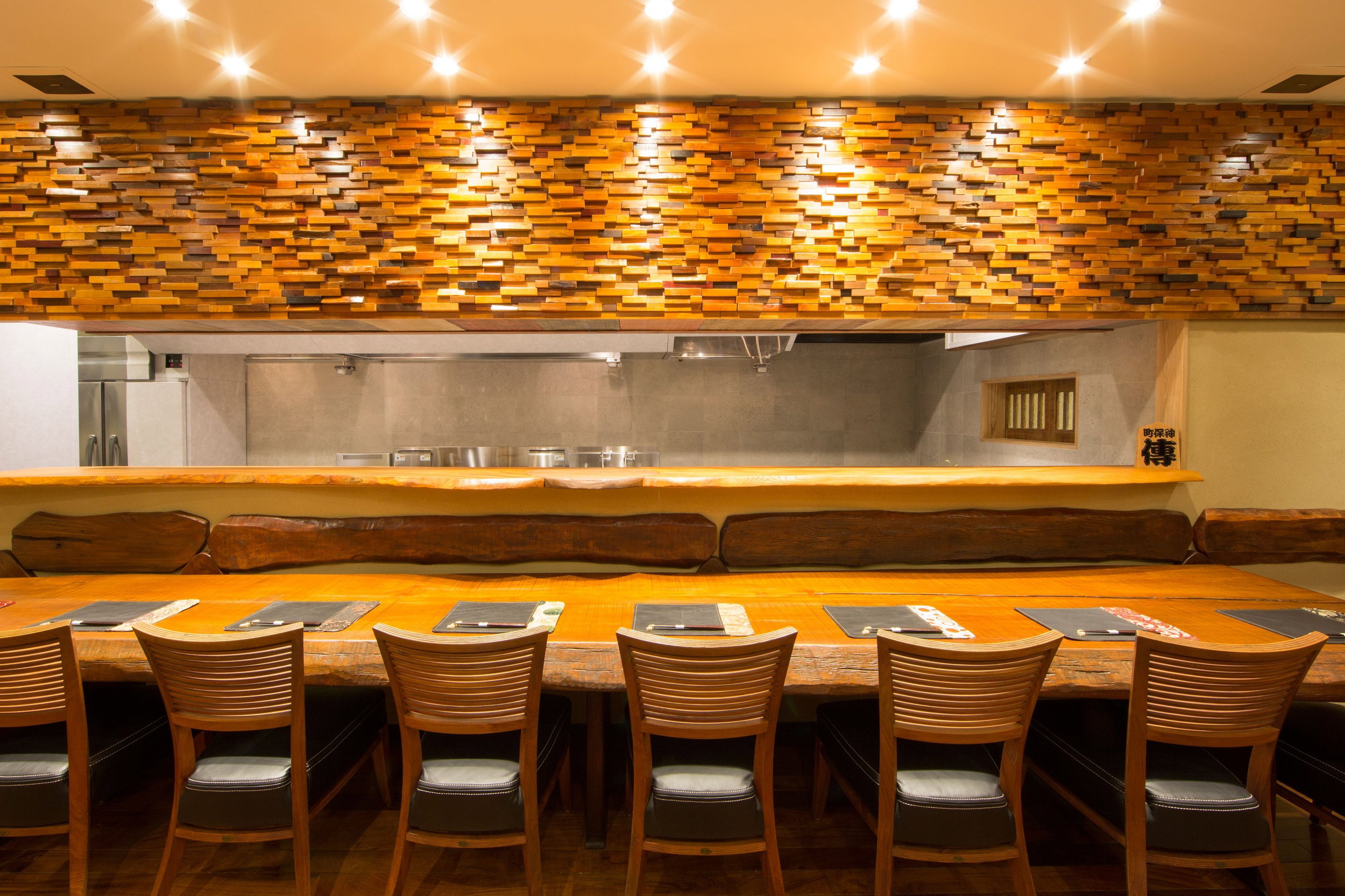
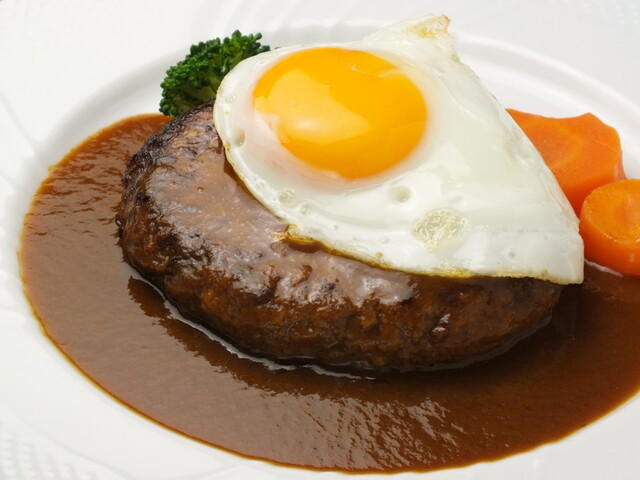
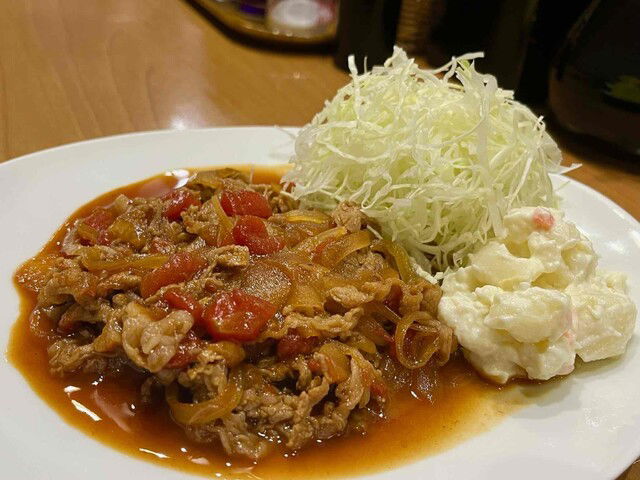
Six seats face the single chef-operator, who starts each dish after you order. Hamburger steak, omurice, and sautéed plates arrive hot because nothing waits under a lamp; rice, miso soup, and salad accompany every plate. The counter setup removes any illusion of table service, this is watch-the-cook yoshoku, not white-tablecloth dining, but the format justifies the price. You're paying for made-to-order execution in a category where many competitors prep proteins hours ahead.
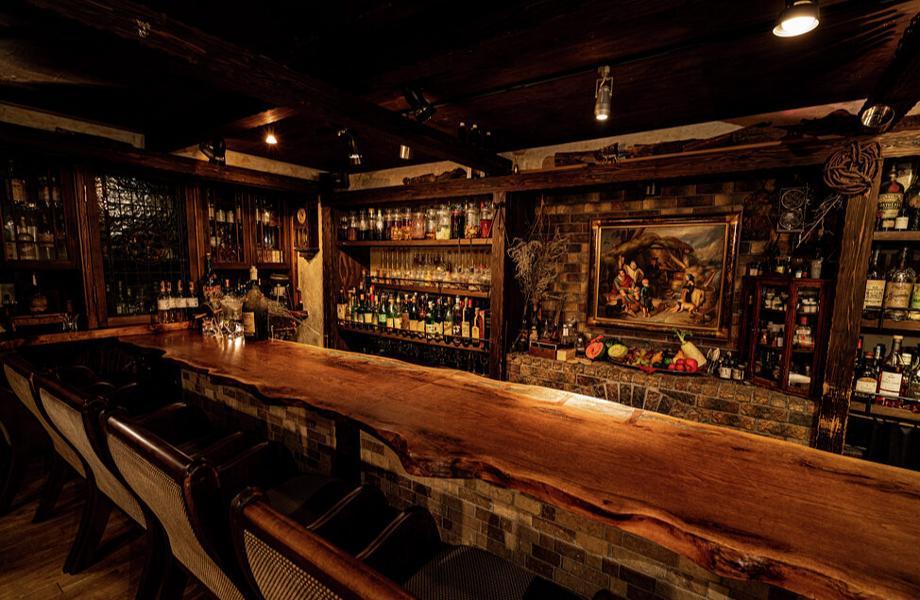
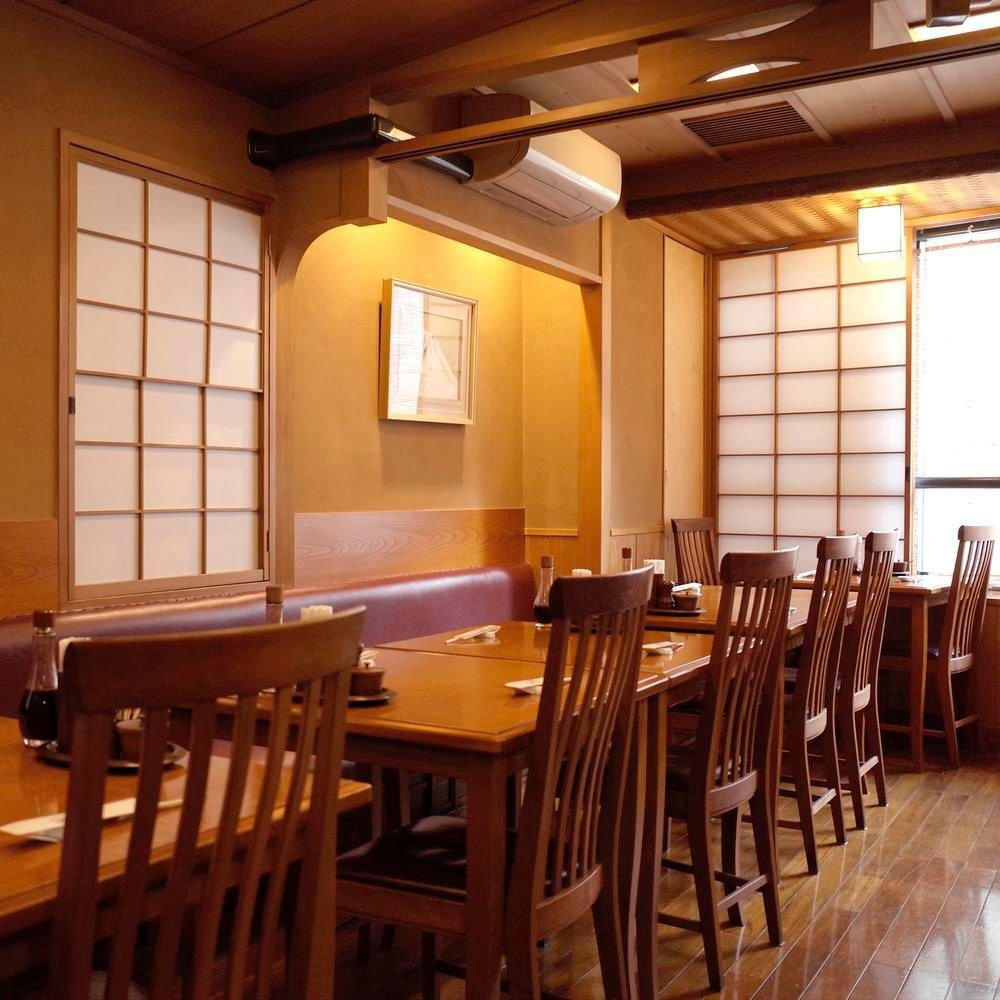
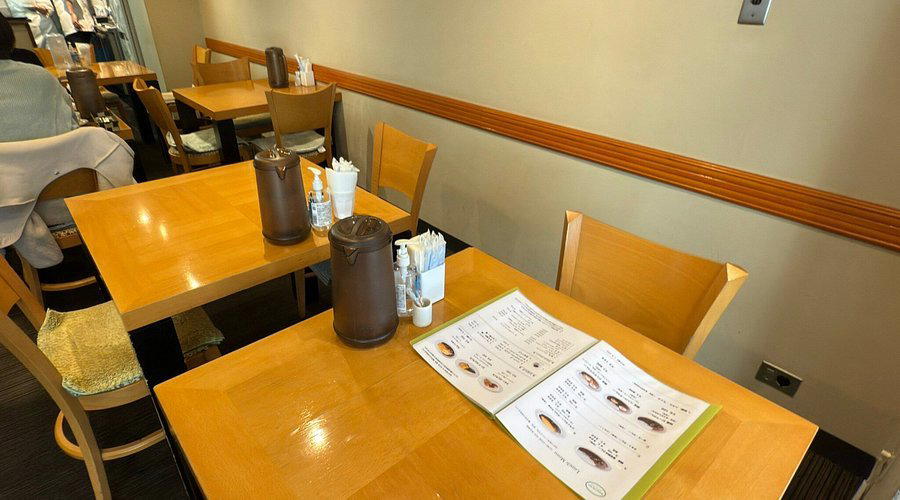
The room itself is residential: low ceilings, minimal decor, counter stools with thin cushions. Groups larger than two won't fit comfortably, and preschool-age children are turned away per house policy. Solo diners fill most seats during weekday lunch. The spatial intimacy works if you're comfortable eating elbow-to-elbow with strangers; if you prefer breathing room, arrive at 11 AM when the first wave hasn't yet formed.
Booking Reality and Queue Strategy
No reservations means you queue outside the house or accept a sold-out visit. Weekday lunch windows run 11 AM–4:30 PM, but popular items vanish by 2 PM; Saturdays close at 3 PM and often sell out by 1 PM. Sundays and holidays are dark. The easiest slot is Monday at 11 AM; the hardest is Saturday around noon. If you miss your window, Sharikimon Chawambu (tonkatsu, ¥¥) operates nearby with reservations accepted, or pivot to Arakicho Kintsugi (Japanese, ¥¥¥) for a sit-down meal in the same neighborhood.
The Tabelog 100 designation (yoshoku, EAST region) adds queue pressure but also signals consistent technique. At JPY 1,000–1,999, you're underpaying relative to Shoan (JPY 10,000–14,999), which offers kaiseki-level plating in a different format entirely. Kitchen Taka stays in its lane: affordable, fast, counter-only. The value proposition holds if you're already in Yotsuya Sanchome and can absorb a 30-minute wait. It collapses if you're traveling 40 minutes across Tokyo to queue without knowing whether your preferred dish remains in stock.
How It Stacks Up
Among Arakicho yoshoku options, Kitchen Taka skews cheaper and less formal than Arakicho Kintsugi, which serves Japanese fare at ¥¥¥ with table seating and accepts bookings. If counter intimacy matters less than seated comfort, Kintsugi removes the queue gamble. For Chinese yoshoku hybrids, Noyashichi (¥¥¥) offers reservations and a broader menu but costs 50% more per head. Ubuka (Spanish, crab specialties, ¥¥¥) sits in a different category entirely, higher price, table service, and wine pairings, making it the wrong comparison unless you're weighing neighborhood dining options rather than yoshoku peers.
The direct yoshoku alternative is Sharikimon Chawambu, where tonkatsu and reservation flexibility trade against Kitchen Taka's counter spontaneity. Chawambu costs slightly less (¥¥) and accepts advance bookings, which matters if your Tokyo itinerary doesn't permit same-day flexibility. Kitchen Taka wins on cook-to-order immediacy and Tabelog recognition; Chawambu wins on predictability. For regulars who know the Arakicho backstreets and can pivot between venues based on queue length, both belong on the shortlist. First-timers booking from abroad should favor Chawambu or Kintsugi to avoid a wasted trip.
Planning details
- Location
- 3-1 Arakicho, Shinjuku City, Tokyo 160-0007, Japan
- Website
- ouzak-urotaknet814.wixsite.com/kitchintaka
- Phone
- +81 3-3356-2646
The take
The Take
The Vibe
Kitchen Taka reads like a tucked-away neighborhood favorite: a hidden gem centered on a six-seat counter that gives the room an intimate, close-knit feel. The menu focuses on yoshoku — Japanese takes on Western comfort dishes — with hamburger steak and omurice called out up front. The small scale and counter seating create a cozy, unpretentious atmosphere that leans casual rather than formal. It presents as a place for focused, relaxed meals rather than a bustling restaurant; the non-smoking policy contributes to the tidy, low-key character.
Best For
With only half a dozen counter seats, Kitchen Taka is best for solo diners and pairs looking for an intimate, low-key meal. It’s not set up for large groups or celebrations, so it suits patrons who want a straightforward, comforting yoshoku experience at the counter. The compact layout makes it ideal for someone who appreciates close-up service and a quiet meal; the concise menu of grilled and stir-fried Western-style dishes keeps the focus on hearty, familiar flavors rather than a long tasting progression.
Ordering Tips
Menu highlights are explicitly hamburger steak and omurice, so those are sensible first choices when you visit. The listing emphasizes grilled and stir-fried Western-style preparations — expect classic, sauce-forward comfort plates. Note the restaurant has only six counter seats and is non-smoking, so anticipate limited seating and a compact dining rhythm. Given the small scale, prioritize the signature dishes mentioned rather than hunting for off-menu experiments; the succinct menu suggests the kitchen specializes in those yoshoku staples.
Venue details
Ambiance
A no-frills, 6-seat counter tucked in a quiet Araki neighborhood side street, with a simple home-style setup that feels more like a compact neighborhood kitchen than a formal restaurant.
Tags
Vibe
Best For
Experience
At the Table
- Noise Level
- Quiet
- Service Style
- Casual
- Meal Pacing
- Standard
- Capacity
- Intimate
Signature Dishes
- Hamburg steak
- Omelette rice (omurice)
Know before you go
Know Before You Go
- Getting there
- 3-1 Arakicho, Shinjuku City, Tokyo 160-0007, Japan
Planning details
Location
3-1 Arakicho, Shinjuku City, Tokyo 160-0007, Japan · Directions
Recognition and awards
Also consider
Also Consider
- Noyashichi, Chinese, ¥¥¥
- Ubuka, Spanish, Crab Specialities, ¥¥¥
- Shoan, JPY 10,000 - JPY 14,999, JPY 10,000 - JPY 14,999
- Sharikimon Chawambu, Tonkatsu, ¥¥
- Arakicho Kintsugi, Japanese, ¥¥¥
Restaurant context
Kitchen Taka delivers yoshoku fundamentals at the lowest price point among Arakicho peers. At JPY 1,000–1,999, it undercuts Noyashichi (Chinese, ¥¥¥) by 50% and Arakicho Kintsugi (Japanese, ¥¥¥) by even more, but you trade table service, credit cards, and reservations for counter seating and cash-only queues. Sharikimon Chawambu (tonkatsu, ¥¥) offers the closest match in price and format, with the advantage of accepting reservations, making it the safer choice for visitors on tight schedules. Shoan (JPY 10,000–14,999) sits in a different tier entirely, offering kaiseki-adjacent plating at five times the cost.
For easiest booking, pick Chawambu or Kintsugi; both accept advance reservations and operate dinner service. For value, Kitchen Taka wins if you're flexible with timing and comfortable queuing. Ubuka (Spanish, crab, ¥¥¥) occupies a separate category, higher price, wine focus, seated dining, and makes sense only if you're comparing Arakicho restaurants broadly rather than yoshoku specialists. Among yoshoku regulars, Kitchen Taka earns its Tabelog 100 spot for consistent execution at lunch-counter prices, but first-time Tokyo visitors booking from abroad will find Chawambu or Kintsugi more forgiving if plans shift.
Explore Tokyo
Around this place
Discover more on Pearl
Unlock the full Kitchen Taka guide in Pearl, including awards, comparisons, FAQs, planning details, and nearby places.
FAQ
Frequently Asked Questions
Can Kitchen Taka accommodate groups?
Six counter seats means solo diners and pairs only. The format is single-file counter seating facing the cook; parties of three or more should head to Arakicho Kintsugi or Ubuka instead, both of which offer table seating a few blocks away.
Is Kitchen Taka good for solo dining?
Yes. Counter seating for six, no reservations, and cook-to-order pacing make this a natural fit for solo lunches. Order, watch the chef work, eat, and leave in under 45 minutes if you time it outside the peak 12–1 PM window.
How far ahead should I book Kitchen Taka?
You can't. Kitchen Taka takes no reservations, arrive before 11 AM on weekdays or accept a queue. Popular plates sell out by 2 PM, so aim for the first seating or skip Saturday (which closes at 3 PM and draws longer lines).
Is lunch or dinner better at Kitchen Taka?
Lunch only. Kitchen Taka closes by 4:30 PM on weekdays and 3 PM on Saturday, serving no dinner service. Go for the 11 AM opening if you want the full menu; late arrivals may find hamburger steak or omurice already sold out.
Is the tasting menu worth it at Kitchen Taka?
There is no tasting menu. Kitchen Taka operates à la carte only, order hamburger steak, omurice, or sautéed plates individually, each served with rice, miso soup, and salad. Total spend runs ¥1,000–¥1,999 per person for a full meal.
Is Kitchen Taka worth the price?
At ¥1,000–¥1,999, yes, if you accept the no-booking format and queue discipline. Tabelog 100 recognition since 2020 confirms the yoshoku execution, but the value equation tilts on whether you're willing to stand outside a residential house for 30 minutes. For table seating at a similar price, try Noyashichi instead.
What should a first-timer know about Kitchen Taka?
Arrive early (before 11 AM weekdays), bring cash (cards not accepted), and prepare to queue outside a residential building in Arakicho. The six-seat counter fills fast, and the kitchen closes once daily specials sell out, often by 2 PM. School-age children welcome; preschoolers not allowed.