

Tabelog 100: Best Yoshoku Restaurants in East Japan 2025
Tabelog 100 (Hyakumeiten) Yoshoku - EAST selection for 2025. Tabelog publishes these as source-ordered lists of 100 restaurants.

Venues on this list
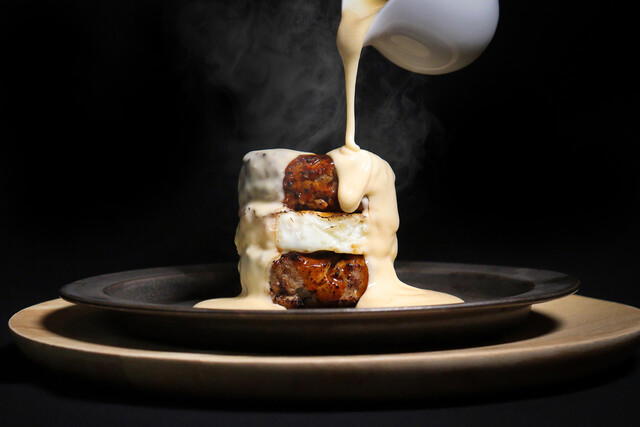
scica
Yokohama, Japan
Tabelog 100-recognized yoshoku bistro near Kannai Station, delivering French-accented hamburger steak and sommelier-supported wine pairings at JPY 6,000–7,999. The 28-seat hideaway offers counter seating, private rooms (surcharge applies), and family-friendly flexibility with two-hour seatings and easy online booking.
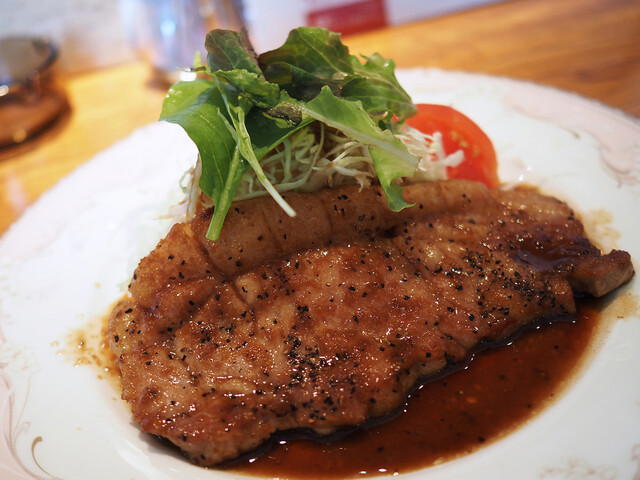
Bistro Mikasa
Fukushima City, Japan
A yoshoku specialist in Fukushima earning Tabelog 100 recognition for Western-style Japanese cooking; hamburger steak, wine, and bistro classics; at JPY 1,000–1,999 lunch pricing. Counter and table seating, late-night hours, seven-minute walk from Fukushima Station, and enough technical consistency to stand out regionally without crossing into occasion-only territory.
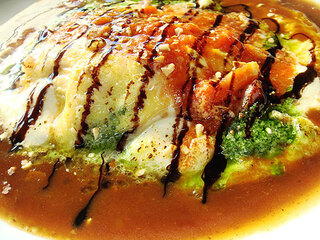
Umatama Ya
Tokyo, Japan
Eight-seat omurice counter under the Kanda JR overpass, serving soft-boiled egg technique over demi-glace at JPY 2,000–2,999 per head. Tabelog 100 Yoshoku selection since 2020, no reservations, cash only, open weeknights until 9 PM. The "All Toppings" Omuhayashi is the signature build, takeout available, queues form by noon on weekends.
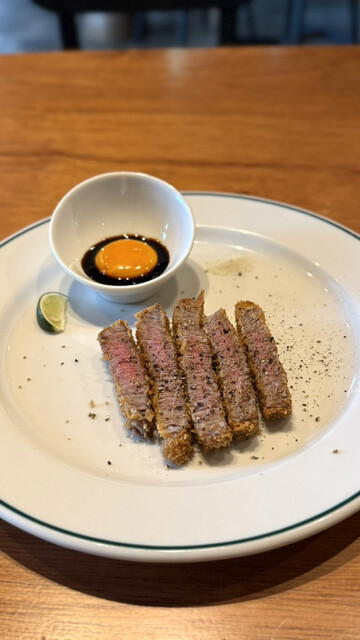
Taverna Sukima
Nagoya, Japan
A 12-seat yoshoku taverna in Kakuozan serving monthly-changing Japanese-Western tasting menus at JPY 8,000–9,999, open Wednesdays only. Tabelog 2025 Yoshoku EAST 100 honoree with counter and sofa seating, two minutes from Kakuozan Station. Reservations via Tabelog fill quickly; menu details posted monthly on Instagram.
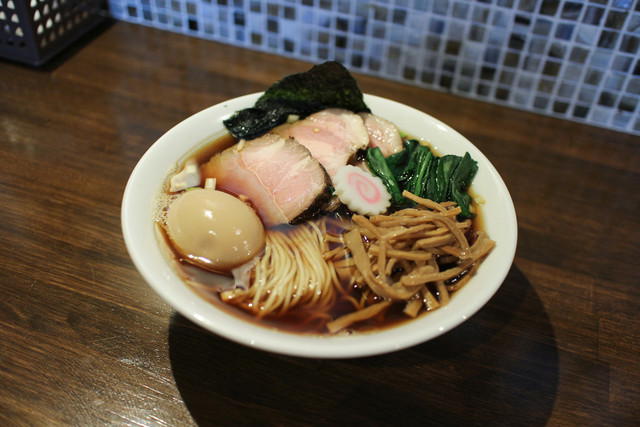
Yo-shoku OKADA
Ibi-gun, Japan
Tabelog 100 yoshoku specialist in rural Gifu serving omurice and hamburger steak at JPY 1,000–1,999, no reservations accepted. Counter seating brings kitchen execution into view, but limited lunch quantities and walk-in-only policy require early arrival. Cash only, 30-car parking lot, and a no-strollers rule streamline the 22-seat operation.
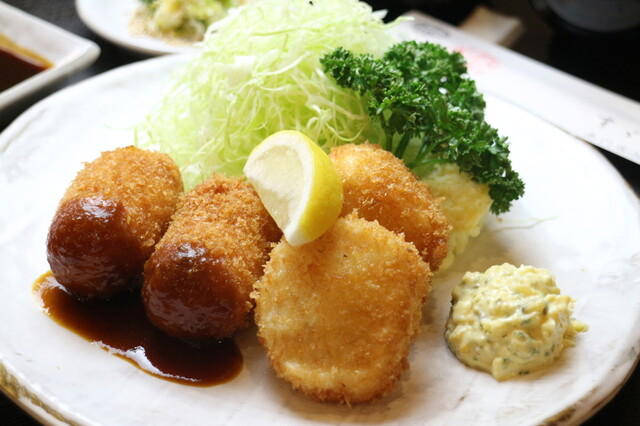
Su Zu Ya Akamon ten
Nagoya, Japan
This 100-seat yoshoku and tonkatsu specialist in Nagoya's Osu district has appeared on Tabelog 100 lists for both categories since 2017, with lunch running JPY 1,000-1,999 and dinner JPY 2,000-2,999. Operating since 1947, the kitchen delivers consistent fried pork technique and yoshoku staples in a family-friendly, neighborhood setting six minutes from Kamimaezu Station. Worth booking for approachable yoshoku value and easier reservations than Sakae's tighter spots.
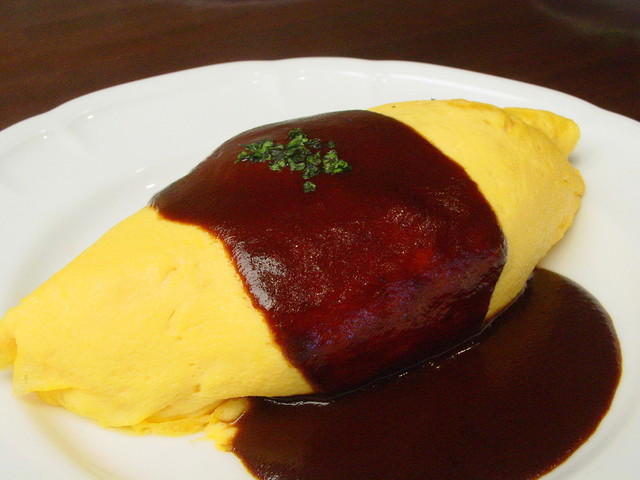
Gensen Yoshoku Sakurai
Tokyo, Japan
Yoshoku specialist near Ueno Hirokoji Station, delivering omurice and hamburger steak with demi-glace in a 74-seat room across two floors. Tabelog 100 recognition (2020, 2022, 2023, 2025) anchors reliability; lunch runs JPY 2,000–2,999, dinner JPY 4,000–4,999. Private room for six, counter seating for solo diners, and course meals from JPY 4,500 suit group bookings and business dinners.
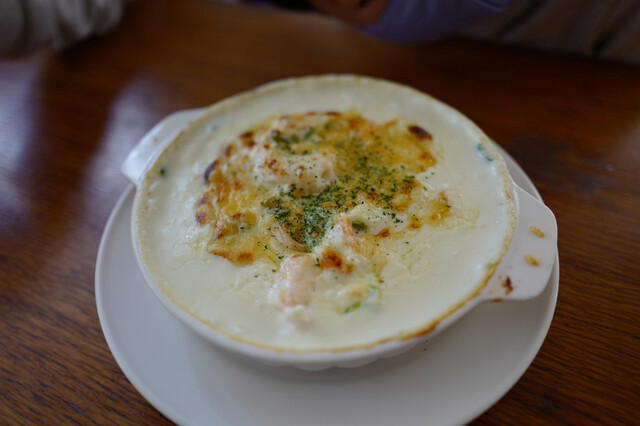
Twilight
Sapporo, Japan
A no-reservations Yoshoku house restaurant operating since 1982, Twilight earned Tabelog 100 recognition for hamburger steak and curry plates under JPY 2,000. Walk-ins welcome, cash only, family-friendly, and open Tuesday–Saturday in Sapporo's Kiyota ward. Award-level technique without fine-dining formality.
Kitchen Cho
Nagoya, Japan
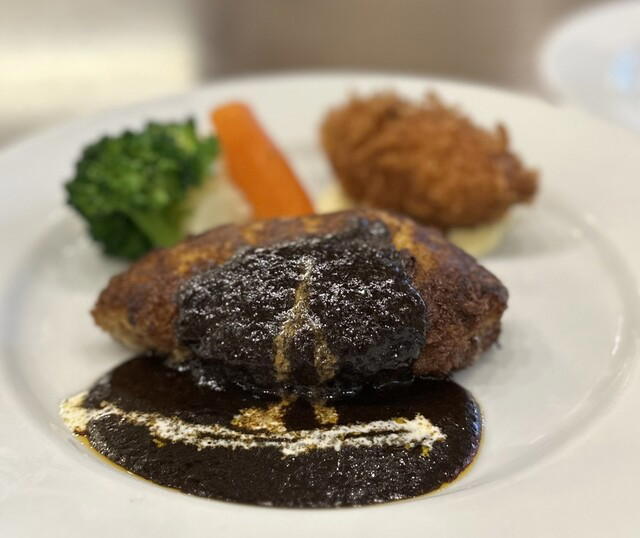
Kitchen Cho in Nagoya's Chikusa Ward applies ingredient-focused precision to yoshoku staples; hamburger steak, demi-glace-heavy comfort plates; at JPY 3,000–3,999 dinner prices that justify its repeat Tabelog 100 Yoshoku East recognition. The 28-seat room skews family-friendly rather than formal, and advance reservations (required by the prior day) beat the hour-long weekend waits. Book if yoshoku comfort matters more than ceremony.
Yoshoku Kimura Noge ten
Yokohama, Japan
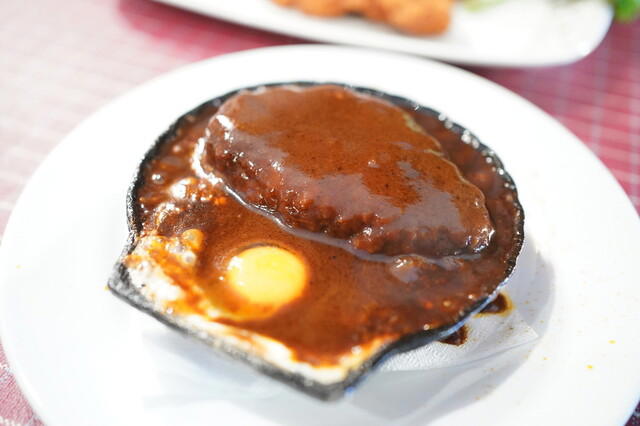
Yoshoku Kimura Noge ten delivers award-recognized hamburger steak and croquettes at under JPY 2,000 in a no-frills, 80-seat house restaurant. Selected for Tabelog 100 Yoshoku (EAST) in 2020, 2022, and 2025, the venue prioritizes value and consistency over atmosphere. Best for solo diners, families, and midweek lunches when the ticket-machine format and quick turnover make sense.
The Fujiya
Hakone Machi, Japan
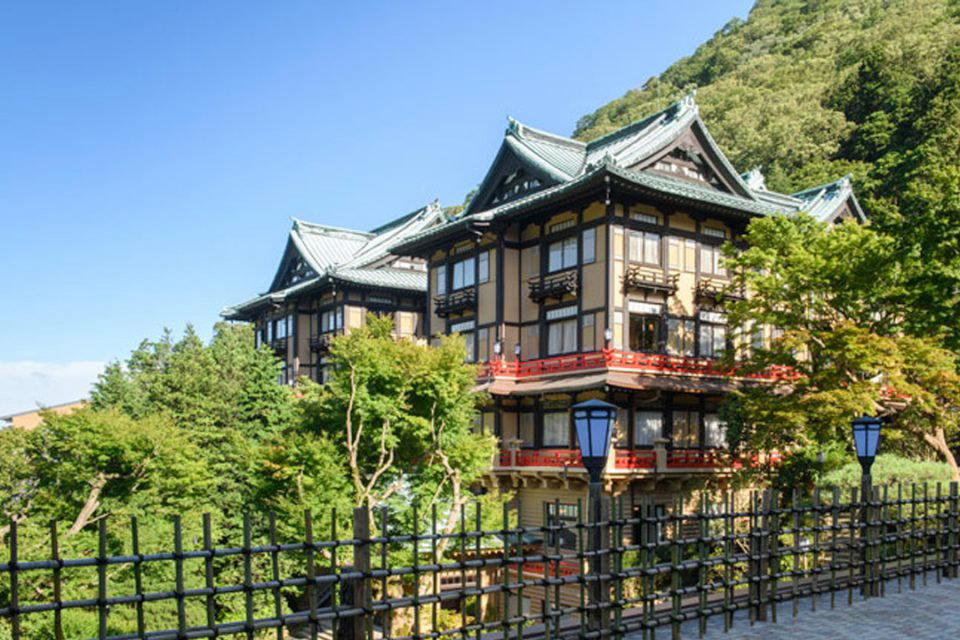
Book The Fujiya when the meal needs hotel-level structure and a calm Hakone setting, not when price transparency or a published wine program is the priority. Its 2025 Tabelog 100 #11 ranking is the main trust signal; value-focused diners should cross-shop PICOT or Watanabe Bakery instead.
Ponta Honke
Tokyo, Japan
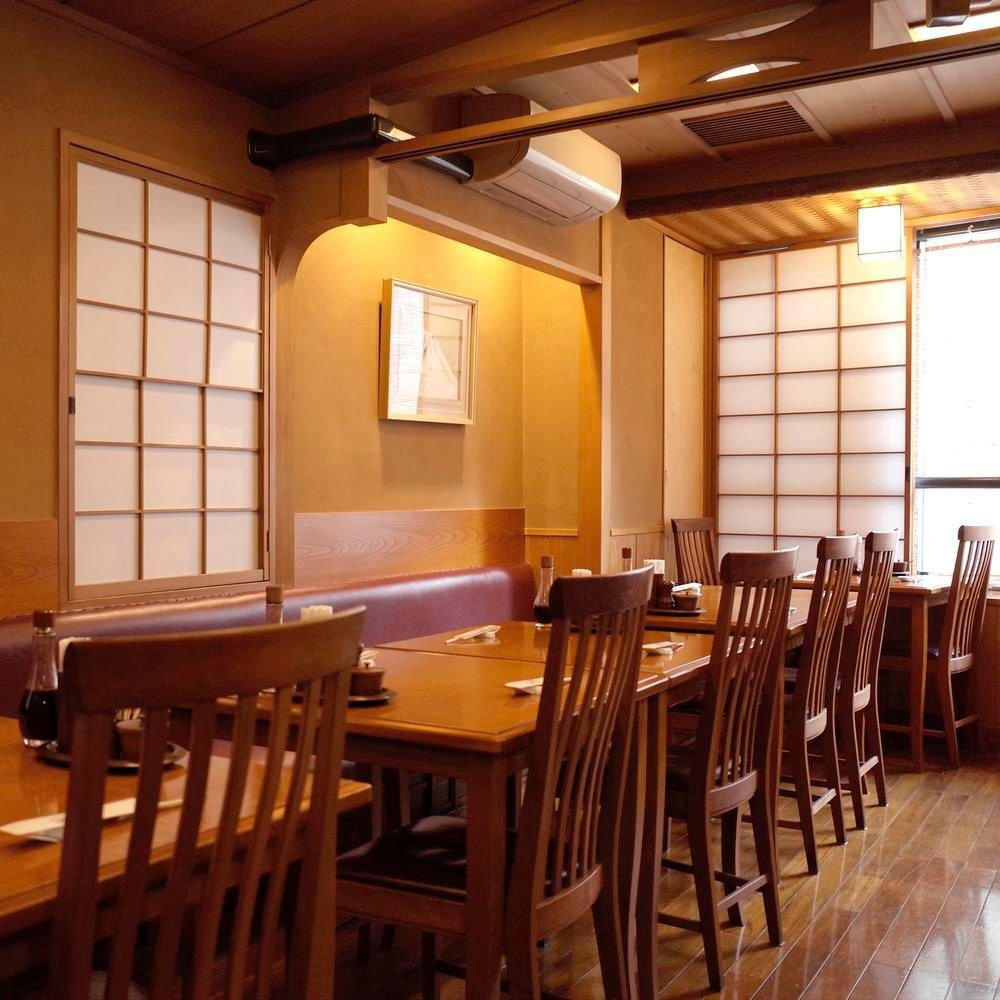
Ponta Honke has run continuously from the same Ueno address since 1905, making it one of Tokyo's most historically grounded yoshoku restaurants. With a Michelin Bib Gourmand (2024), a #75 ranking on Opinionated About Dining Casual Japan (2025), and a ¥¥ price point, it is one of the city's clearest arguments for serious cooking at an accessible price. Book for lunch and pair with the Ueno neighbourhood.
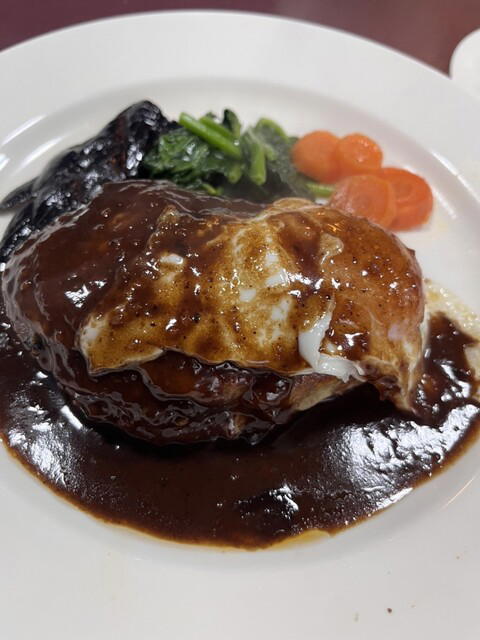
Usagi no Mori Karuizawa ten
Kitasaku-gun, Japan
A Tabelog 100 yoshoku cottage near Karuizawa Station serving lunch under ¥1,000 and dinner around ¥2,000. Walk-in only, cash only, and closed Mondays and Tuesdays; worth the wait if you're after comfort plates without the resort-town markup, but plan around the no-reservation format.
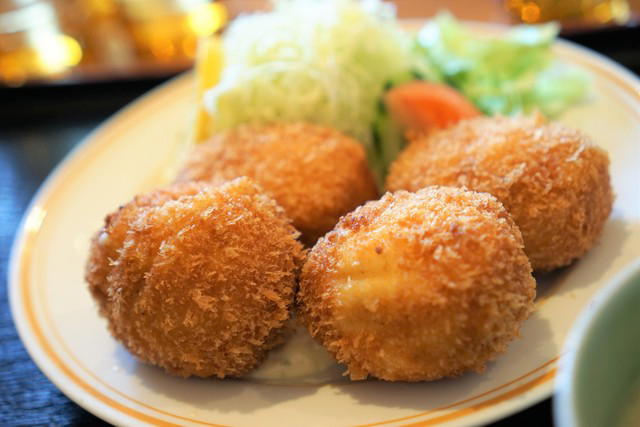
Grill Sanka Tei
Kakamigahara, Japan
A Tabelog 100 Yoshoku honoree in Kakamigahara operating walk-in only at JPY 1,000–1,999 for both lunch and dinner. The 28-seat setup includes counter seating and table options, with nihonshu selections that pair cleanly with Japanese-style Western preparations. Cash only, closed Monday–Tuesday, and one of the region's most accessible award-winning kitchens.
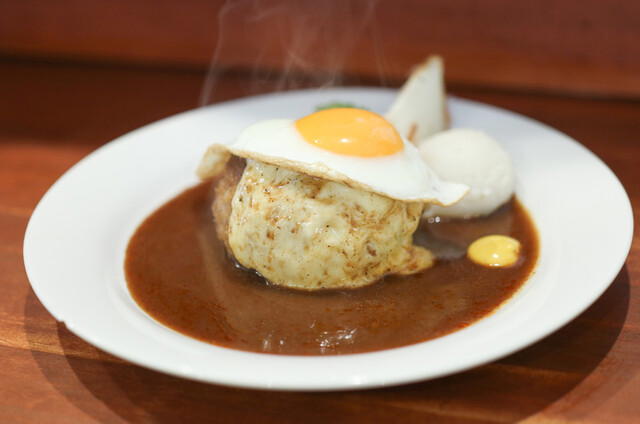
Hamburger Steak Shokudo Enomoto Yoshihiro Shoten
Nagoya, Japan
A Tabelog 100-listed hamburg steak specialist in Higashi Ward, delivering yoshoku technique at JPY 1,000–1,999; well below the award-category norm. Walk-in only, cash-only, and no-frills: the kitchen prioritizes beef quality and sauce precision over ambiance. Best for diners who value craft over ceremony.
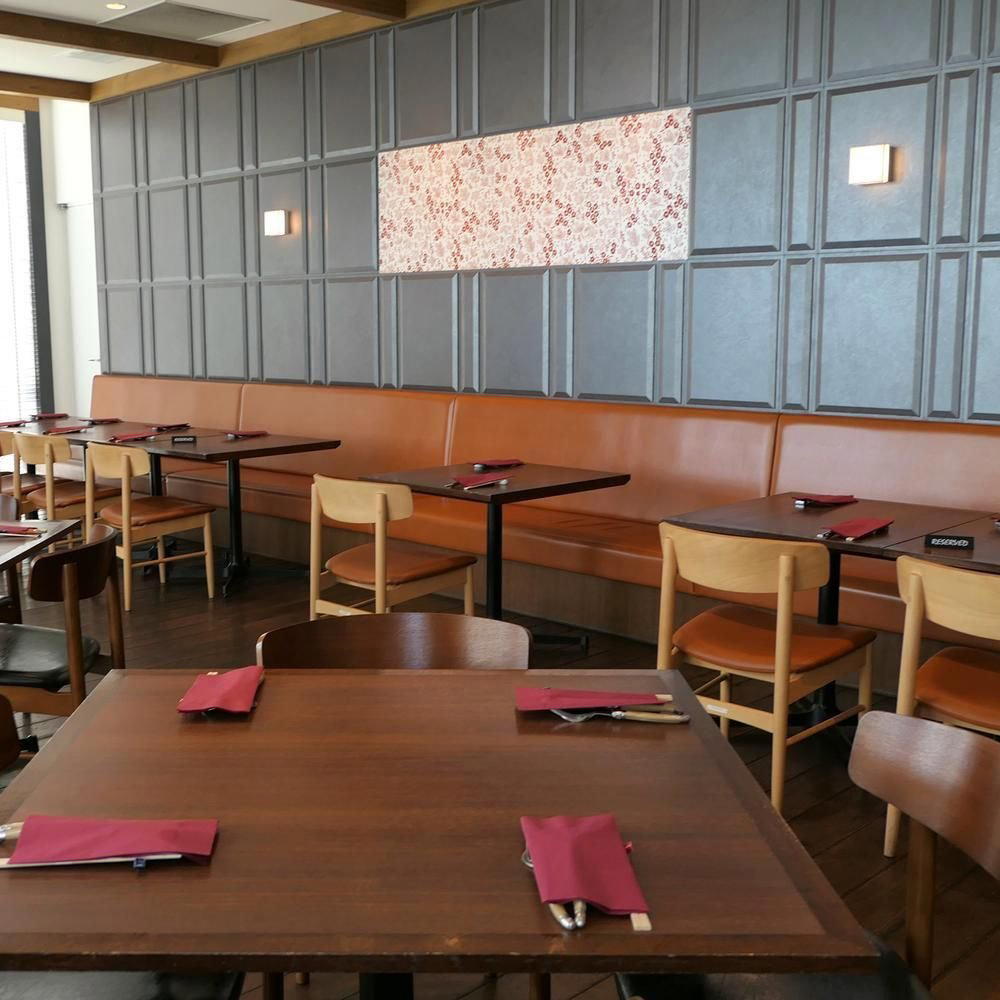
Mejiro Shunkotei
Tokyo, Japan
Mejiro Shunkotei is a Michelin Bib Gourmand yoshoku kitchen in Toshima City, Tokyo, where chef Tatsuhiro Koga applies advanced technique to Western-influenced Japanese classics; hamburger steak, béchamel gratin, and decompression-prepared salad; at a ¥¥ price point. Easy to book for a recognised address, it offers one of the cleaner value cases in the city's mid-range dining tier.
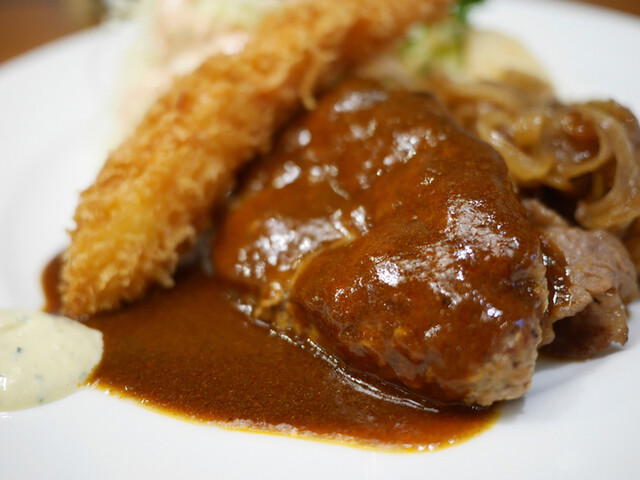
Restaurant Katayama Higashimukoujima honten
Tokyo, Japan
Three-time Tabelog Yoshoku 100 EAST honoree in Sumida's Higashimukojima neighborhood, serving steak, omurice, and yoshoku staples across 44 seats. No reservations; lunch (¥2,000–¥2,999) offers better value than dinner (¥5,000–¥5,999). Family-friendly, functional space with counter and table seating, nine minutes from Higashi-Mukojima Station.
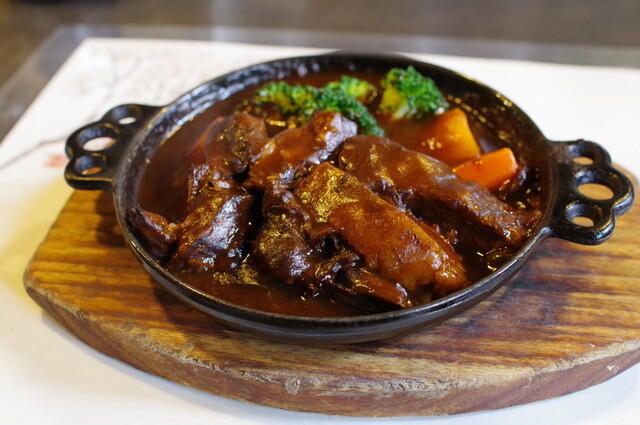
Grill Sakura
Tokyo, Japan
Walk-in yoshoku shop in east Asakusa with 16 seats, a JPY 2,000–2,999 price range, and four Tabelog 100 selections since 2020. The counter fills fast at lunch and dinner, and the kitchen closes by 8:30 PM. Cash only, no reservations; worth it if you want grilled Western-style plates without omakase pacing or kaiseki ceremony.
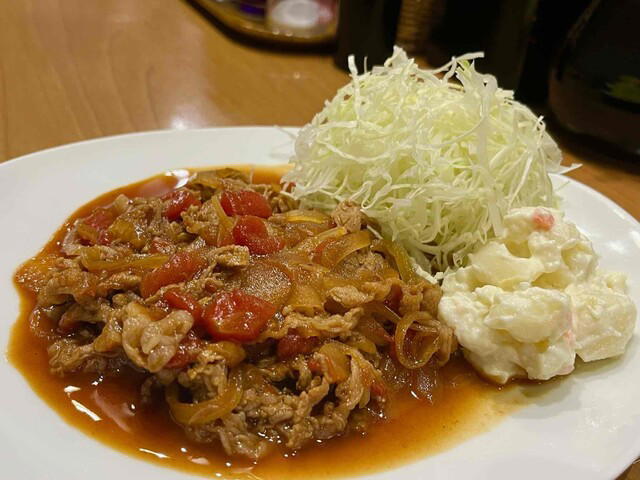
Kitchen Taka
Tokyo, Japan
A six-seat yoshoku counter in Arakicho serving hamburger steak, omurice, and sautéed plates at JPY 1,000–1,999 with no reservations and frequent midday sellouts. Tabelog 100 recognition (2020, 2022, 2025) validates the cook-to-order execution, but cash-only, queue-dependent access limits appeal unless you're already in Yotsuya Sanchome with flexible timing. Solo diners and weekday lunch visitors find the best availability.
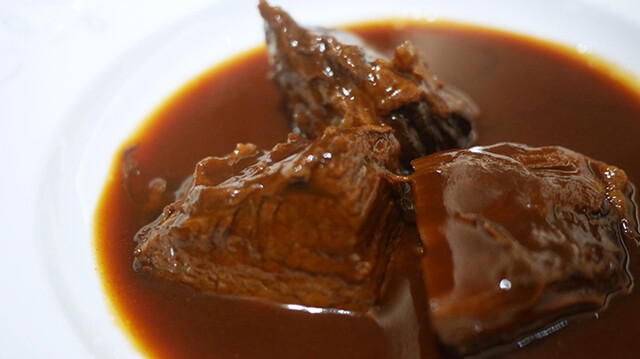
Nanban Ginen Tei
Tokyo, Japan
A Tabelog-recognized yoshoku specialist in Ginza offering Japanese-style Western dishes at manageable lunch pricing (JPY 5,000–5,999). The 50-seat room handles groups easily, reservations are straightforward, and Bronze Tabelog Awards (2017, 2018) signal consistent execution. Lunch delivers better value than dinner; expect counter and table seating in a relaxed, conversational atmosphere.
Yoshoku Bar Ultra
Tokyo, Japan
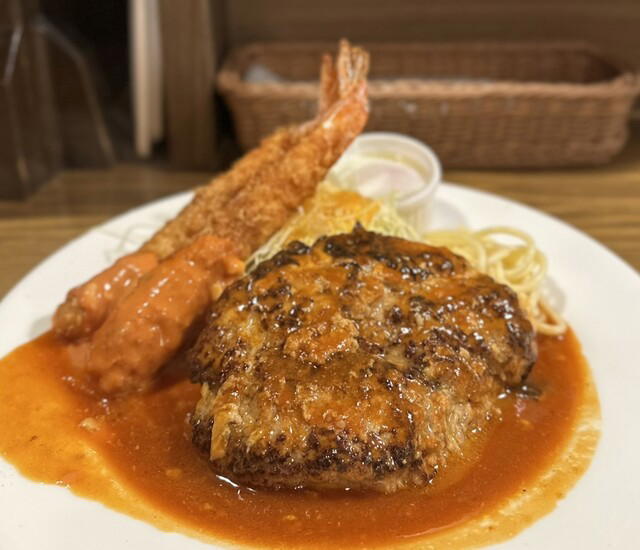
A Tabelog 100-listed yoshoku bar in Kyodo delivering hamburger steak and katsu at JPY 1,000–1,999 per person for lunch and dinner. No reservations at lunch; dinner books until 7 PM. Reliable neighborhood technique without the formality or price of Tokyo's upscale western-style spots.
Gracia
Tokyo, Japan
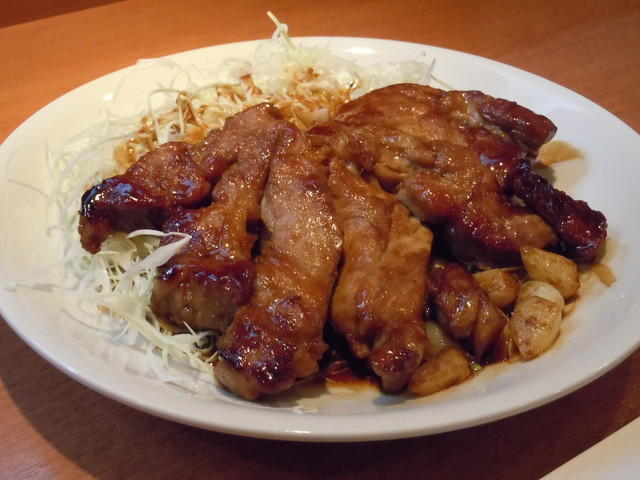
Two Tokyo venues share the name Gracia: an Asakusabashi yoshoku counter (JPY 1,000–3,999, walk-in only, Tabelog Yoshoku 100) and a Hiroo Spanish dining room (JPY 4,000–7,999, reservations available, Tabelog Spanish 100). Both earned Bib Gourmand recognition, but the Asakusabashi location offers clearer value for casual dining, while Hiroo targets Spanish-cuisine enthusiasts willing to pay mid-tier fine-dining premiums.
Yoshoku Konoyoshi Kiyotaku kitano ten
Sapporo, Japan
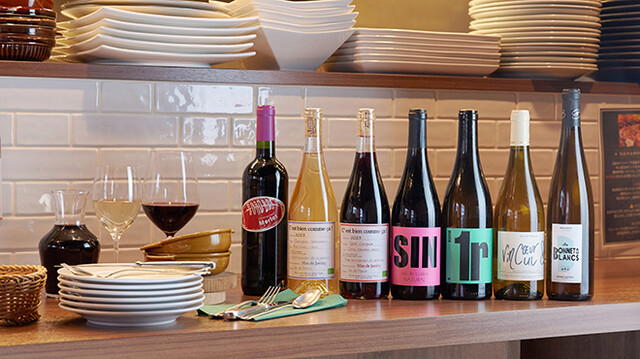
A Sapporo yoshoku spot serving hamburger steak and comfort mains at JPY 1,000–JPY 2,999, recognized by Tabelog 100 for approachable execution and family-friendly layout. The 24-seat room prioritizes portion size and scratch-made sauces over refinement, with counter seating for solo diners and table space for groups. Takeout discounts and parking make it practical for suburban Kiyota-ku visits.
Meat Yazawa Gotanda honten
Tokyo, Japan
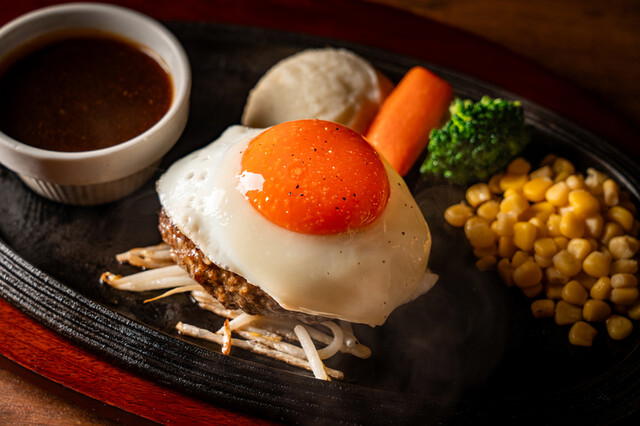
A Tabelog 100 yoshoku restaurant in Gotanda serving hamburger steak for under JPY 5,000 at dinner, JPY 2,000–2,999 at lunch. No reservations required; walk-ins welcome; which is rare at this recognition level. Five-time Tabelog 100 selection (2020–2025) with 52 seats, semi-private rooms, and a focus on quality hamburg steak in a relaxed, family-friendly setting.
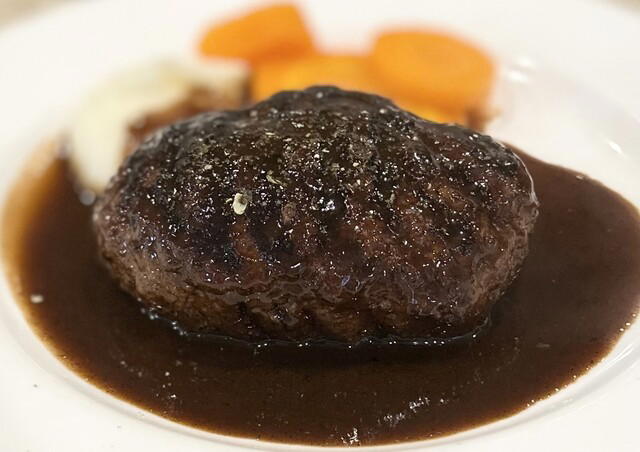
Yoshokuya Ki Luck
Yokohama, Japan
A 14-seat yoshoku specialist near Sakuragicho Station, recognized in Tabelog 100 Yoshoku EAST 2025, serving hamburger steak and classic Japanese Western-style plates at JPY 1,000–1,999. The counter fills quickly at lunch; book three to five days ahead for weekend dinners. Service is efficient rather than formal; best for solo diners and pairs seeking well-executed comfort food without ceremony.
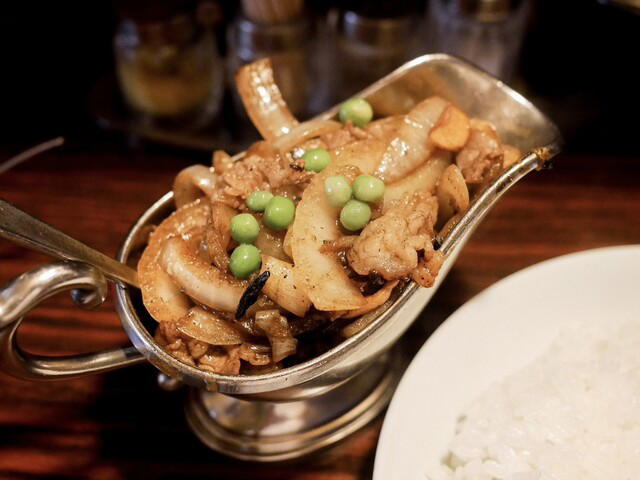
Grill F
Tokyo, Japan
A three-time Tabelog 100 yoshoku specialist in Gotanda where JPY 3,000 buys award-recognized Japanese-style Western cooking without reservations. The 40-seat house restaurant operates walk-in only (except for the second-floor tatami room), making it one of Tokyo's more accessible entries to credential-backed dining. Lunch runs JPY 1,000–1,999; cash only, closed Sundays.
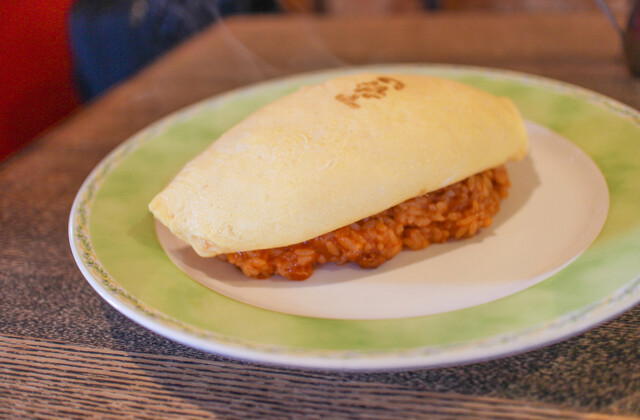
Tokiwa 1921
Seki, Japan
A century-old yoshoku house restaurant in Seki, recognized on Tabelog 100 Yoshoku EAST 2025. Tokiwa 1921 serves omurice and hamburger steak at JPY 1,000–1,999 per person; Seki's most affordable award-recognized option. No reservations; walk-ins only; closed Tuesday. Ideal for families and budget-conscious travelers seeking nostalgic Japanese-Western comfort food in a spacious, non-smoking setting with ample parking.
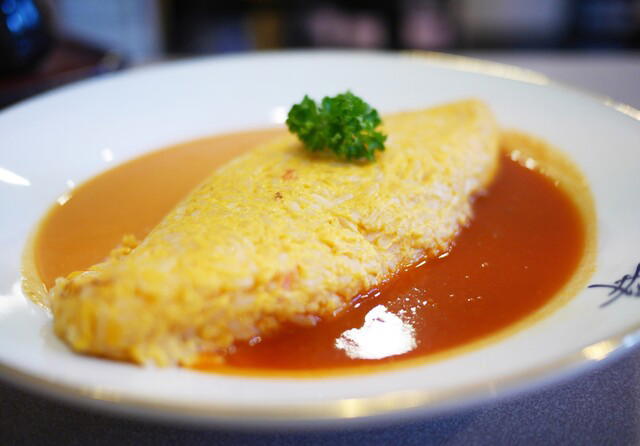
Tsutsui
Tokyo, Japan
Tsutsui delivers Tabelog 100-recognized yoshoku; omurice, hamburger steak, nostalgic mains; at JPY 2,000–2,999 dinner prices, well below peers charging double. The 40-seat Kayabacho room welcomes families and groups, with dinner reservations accepted a few days ahead and lunch running walk-in only; arrive before 12:30 PM to secure a table.
Hamburg Will
Tokyo, Japan
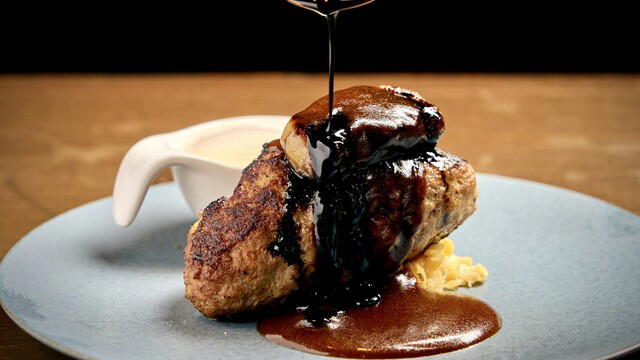
A Tabelog 100 Yoshoku EAST repeat selection (2020, 2022, 2023, 2025) serving 100% Iwanaka pork hamburger steaks and yoshoku comfort plates near Shinjuku Gyoen. Lunch runs JPY 1,000–1,999, dinner courses JPY 3,000–3,999. The seven-seat counter offers front-row kitchen access; reservations accepted for dinner only. Book ahead or arrive early for lunch to avoid sell-outs.
Seiyo Ryori Ten Escoffier
Tsukuba, Japan
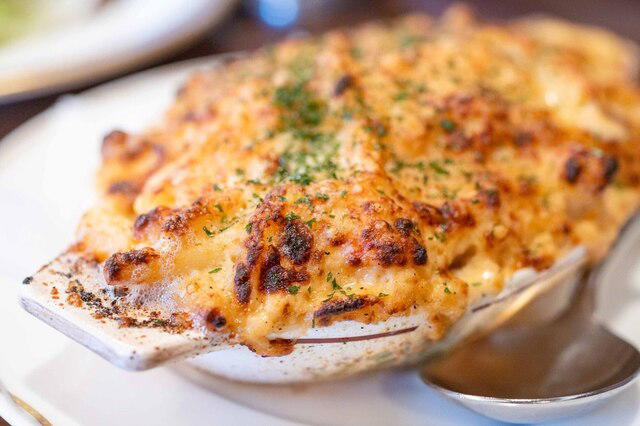
Tabelog Yoshoku EAST 100 selection serving French-influenced Japanese-style Western cuisine in a converted house with 54 seats. Lunch (JPY 2,000–2,999) offers better value than dinner (JPY 4,000–4,999); both services deliver solid technique without pretense. Reservations accepted but walk-ins often succeed at weekday lunch.
Grill K Komagome honten
Tokyo, Japan
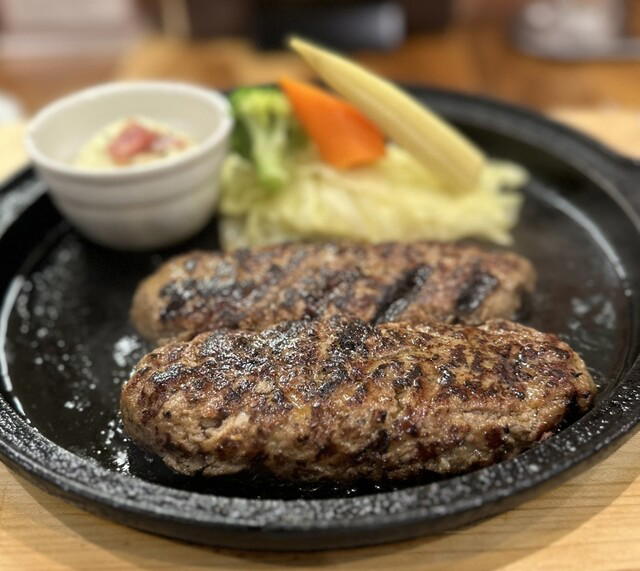
Tabelog 2025 Yoshoku 100 honoree three minutes from Komagome Station, serving hamburger steak and Western-style beef at JPY 1,000–2,999. Dinner reservations available; lunch is walk-in only. Eight counter seats and twelve table seats in a compact, non-smoking room. Worth it for weekday lunch or a budget-conscious dinner when you want grill technique without premium wagyu prices.
TSUMUGI Kitchen
Nagoya, Japan
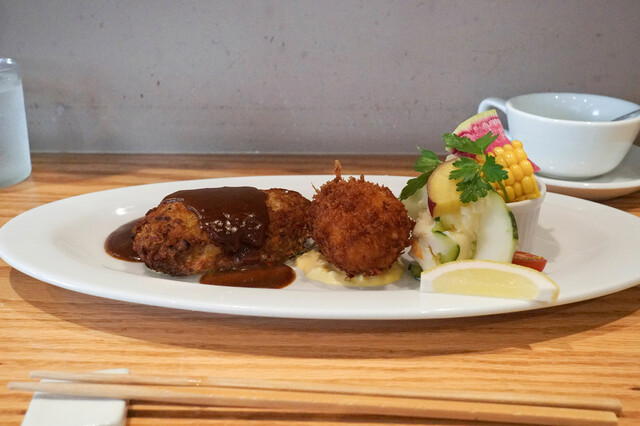
TSUMUGI Kitchen is a practical Nagoya pick when value matters more than ceremony. Its Tabelog 100 recognition gives it a stronger signal than a random casual choice, but it is better treated as an easy repeat meal than a splurge or drinks-led night.
Cafe & Garden Shirasagi Tei
Nasu-gun, Japan
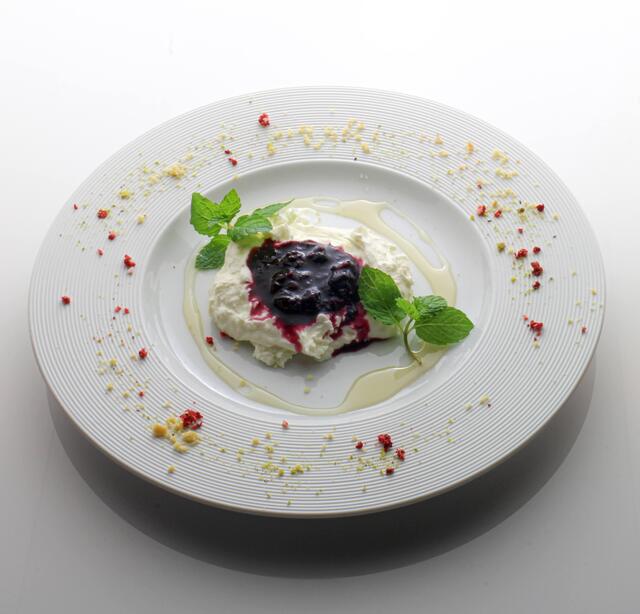
Cafe & Garden Shirasagi Tei works for a relaxed Nasu-gun celebration or seasonal cafe stop, especially when setting matters. The JPY 3,000 - JPY 3,999 range puts it above casual cafe peers, while Tabelog 100 #33 (2025) gives it a credible quality signal.
kitchen NOMU
Nagoya, Japan
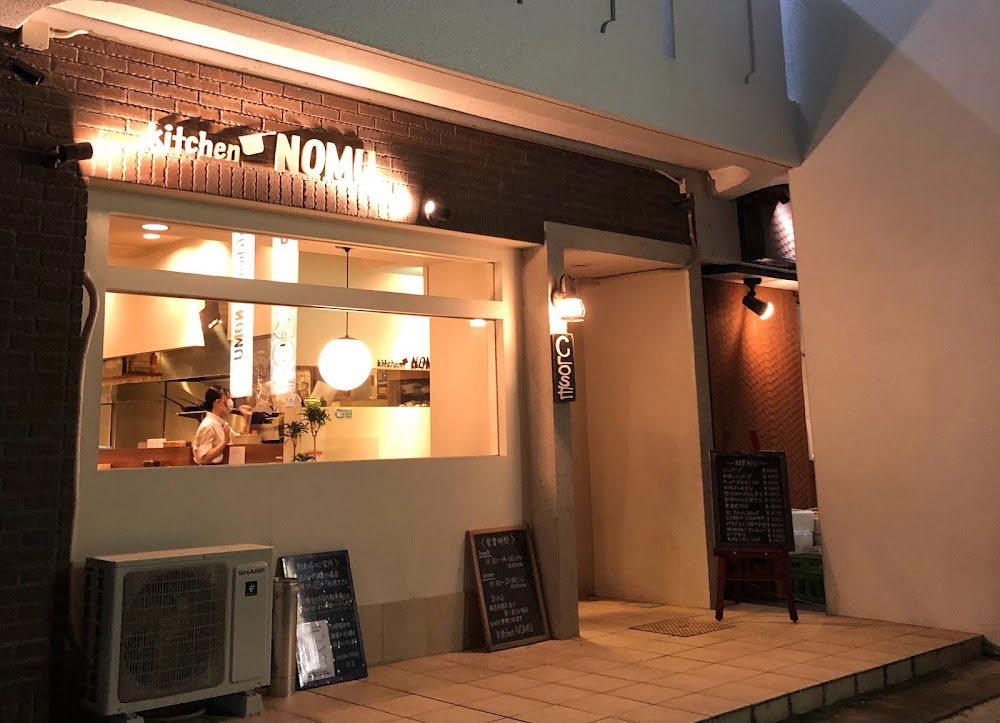
Tabelog Yoshoku 100 EAST counter spot in Meito-ku serving hamburger steak and Western-style Japanese cooking at JPY 3,000–3,999 dinner, JPY 1,000–1,999 lunch. Four Hyakumeiten selections (2020–2025) confirm reliable execution in a neighborhood setting with parking, children welcome, and cash-only payment. Book a few days ahead for dinner; lunch walk-ins possible but unpredictable.
Aka Renga
Gifu, Japan
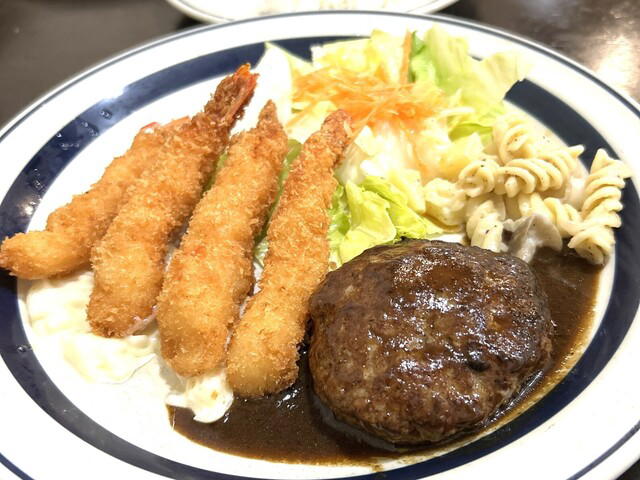
Tabelog Yoshoku EAST 100 house restaurant serving steak and yoshoku classics at JPY 1,000–1,999 per head, six days a week with evening service until 8:30 PM. Walk-in only, cash payment, 24 seats, and parking for six cars in a residential location 1,811 meters from Hozumi Station.
Tsubaki
Gifu, Japan
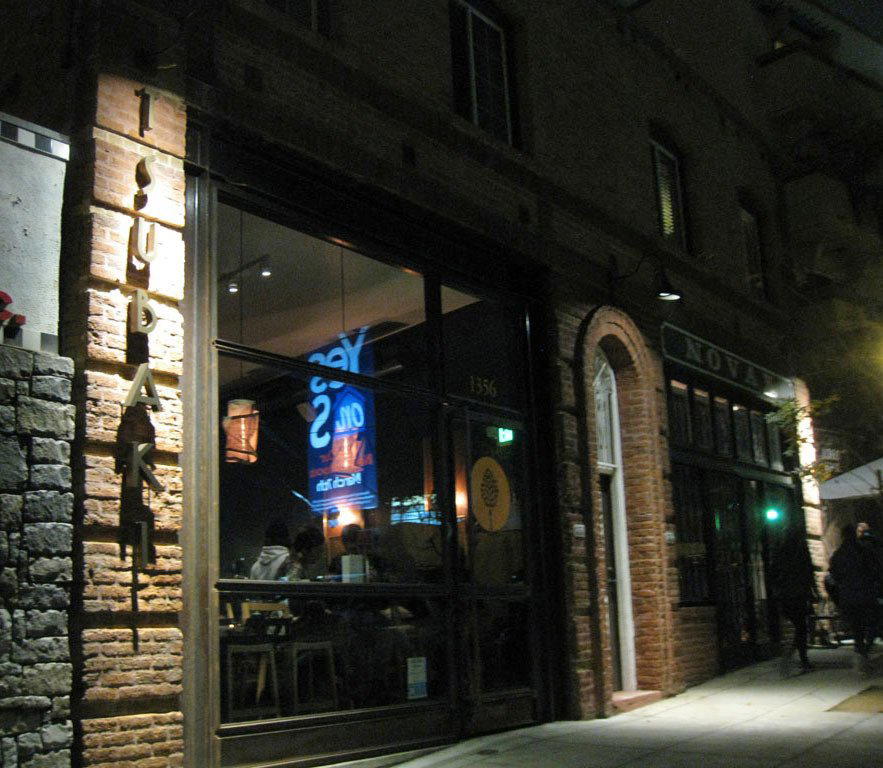
A Tabelog Bronze yoshoku specialist in a converted Gifu home, offering housemade demi-glace and French-influenced steak and fish at JPY 8,000–9,999 dinner, JPY 4,000–4,999 lunch. Reservation-only, wine-forward, and quieter than city-center peers. Worth the drive if yoshoku precision matters more than convenience.
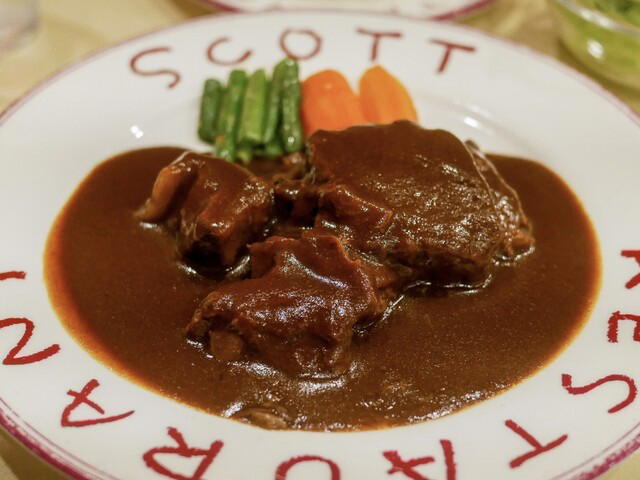
Scott (Shinkan)
Atami, Japan
Scott (Shinkan) is a yoshoku specialist in Atami serving hamburger steak and beef preparations with enough technical care to earn a 2025 Tabelog 100 nod. The 30-seat room is casual and suited to friends rather than formal occasions, with lunch around JPY 3,000–JPY 3,999 and dinner JPY 6,000–JPY 9,999. Walk-in or call ahead; online reservations are unavailable.
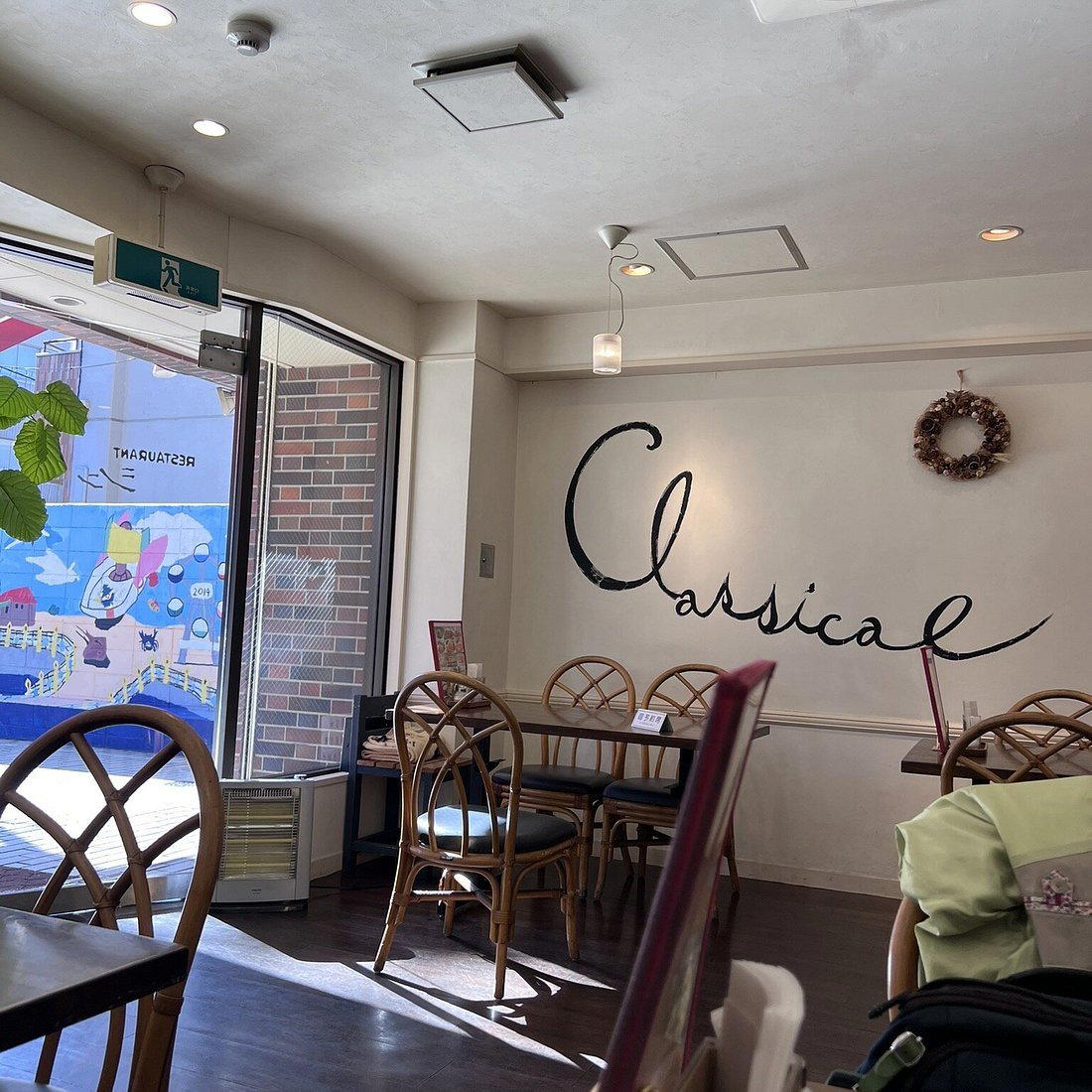
Restaurant Shin
Yokohama, Japan
Restaurant Shin is a Tabelog 100 (Yoshoku - EAST - 2025) neighborhood anchor in Isogo-ku serving yoshoku, French, and hamburger steak at lunch only (JPY 1,000–1,999). The 36-seat dining room includes a private tatami room for groups of up to 12, and parking for three cars is available on-site. Reserve one to two weeks ahead for weekend lunch; weekday slots are easier to secure.
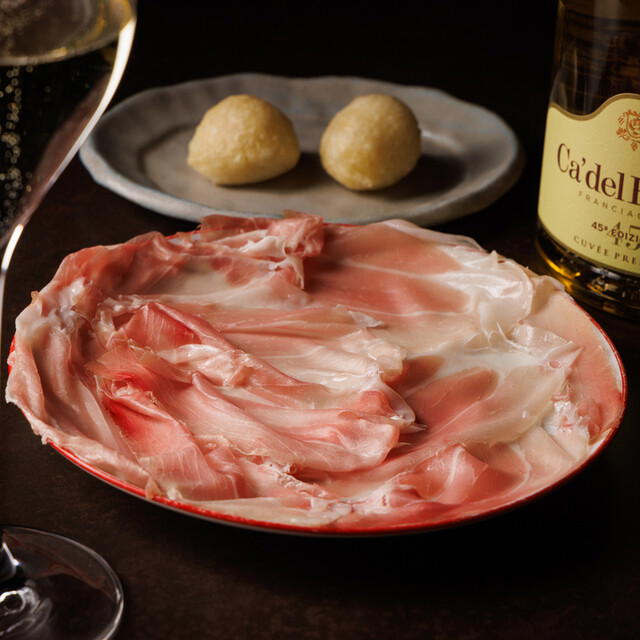
Yoshokudo Budo Kagurazaka Kagurazaka
Tokyo, Japan
Kagurazaka's yoshoku-Italian hybrid counter opened February 2025 and earned a Tabelog 100 Yoshoku EAST 2025 selection within months. The 14-seat venue runs two dinner shifts nightly (17:00–19:30, 19:30–22:30) with wine-focused pairings and fish-forward courses at JPY 8,000–9,999. Reserve two weeks ahead for the counter; private rooms (four to six guests) book easier but require phone confirmation for children.
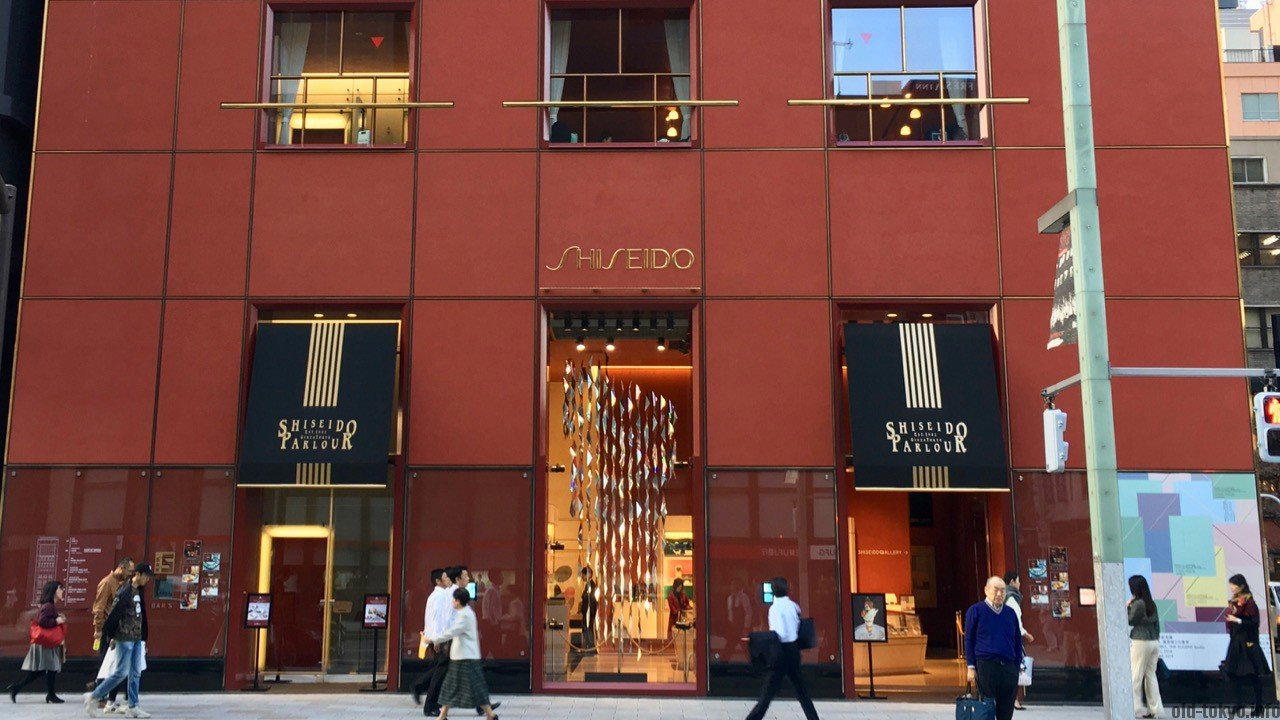
Shiseido Parlour
Tokyo, Japan
Shiseido Parlour is one of Ginza's most accessible occasion-dining addresses, set on the fifth floor of an 8 Chome building with strong visual character. It suits groups and relaxed lunches better than it suits serious food-first itineraries. Easy to book by Tokyo standards, it works as a neighbourhood anchor rather than a destination meal.
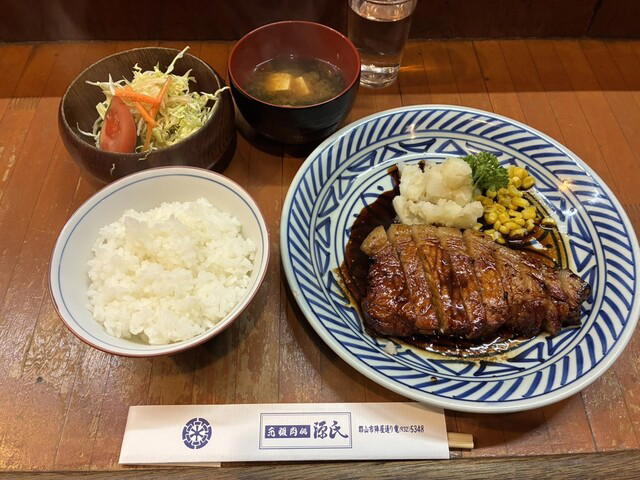
Genji
Koriyama, Japan
Tabelog 100-recognized yoshoku counter in Koriyama delivering Japanese-style western cuisine at JPY 1,000–1,999 lunch pricing. The 27-seat format runs walk-in only with a rotating weekly closure schedule, so confirm hours before visiting. Counter seating keeps the kitchen visible and the pace informal; arrive at opening or after 1:30 PM to skip the queue.
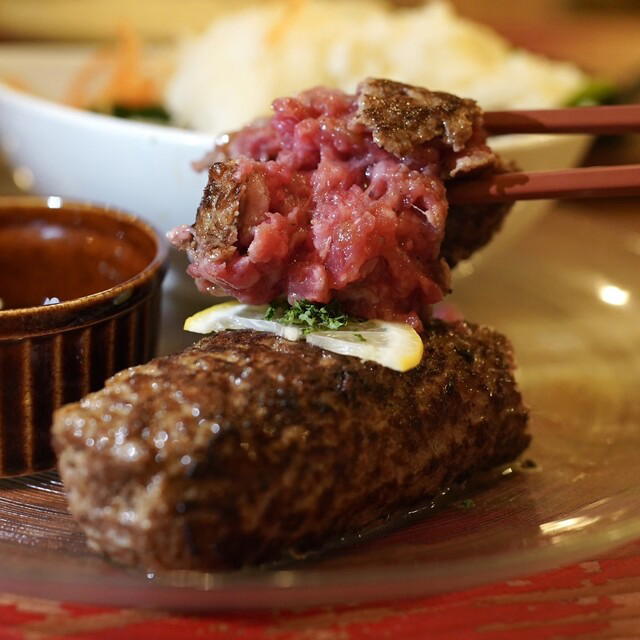
Taverna Hamburg
Mito, Japan
A neighborhood yoshoku house in Mito serving Hitachi beef hamburger steak ground fresh daily and cooked medium-rare, selected for Tabelog 100 twice since 2023. Lunch at JPY 1,000–1,999 offers better value than the JPY 3,000–3,999 dinner service, with tableside cheese shaving and 50-space parking removing logistical friction. Book this when you want regional beef provenance without white-tablecloth formality.
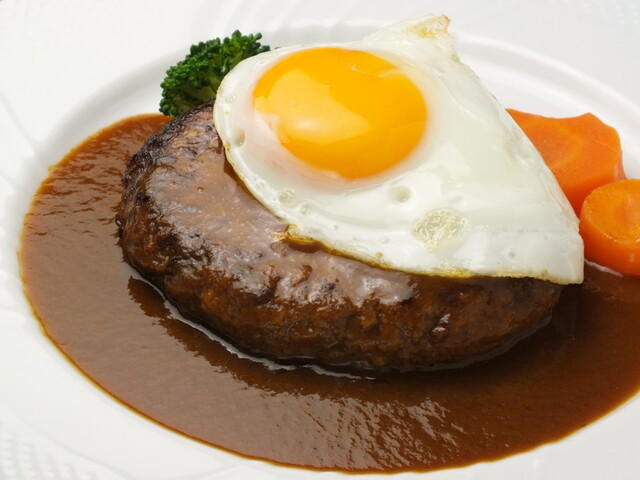
Azabu Kogaiken Hiroo honten
Tokyo, Japan
A Tabelog 100 Yoshoku spot in Nishiazabu delivering Japanese-Western comfort food at JPY 2,000–2,999 dinners. The 90-minute seating cap during busy periods favors food-focused meals over lingering celebrations, and the wine-BYO policy adds flexibility for groups. Repeat visits confirm the format's consistency, though the pace and service style favor efficiency over theatrical presentation.
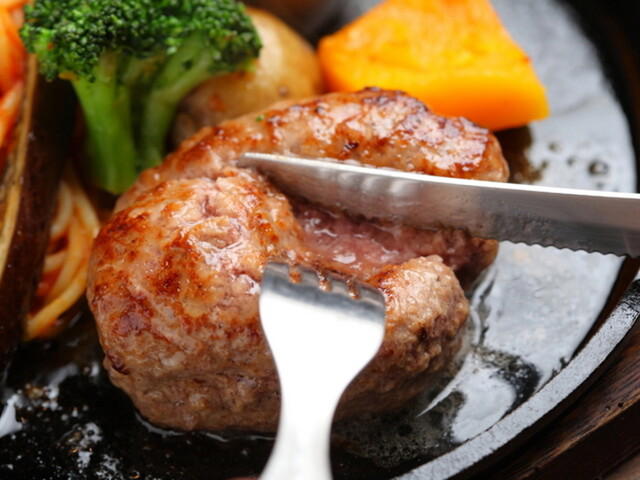
STEAK&HAMBURG HIGE Sapporo minami 5 jou honten
Sapporo, Japan
Eight-seat teppanyaki counter in Susukino serving disciplined steak and hamburg until 3 AM. Selected for Tabelog 100 Yoshoku EAST 2025. Dinner runs JPY 2,000–2,999; no reservations, walk-ins only. Best for solo diners and late-night eaters who value consistent execution over elaborate service.
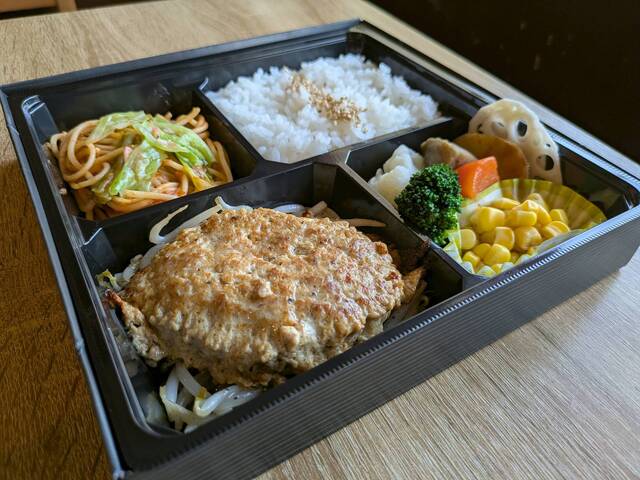
Papa Burger Mama Sweets
Hitachinaka, Japan
A family-run yoshoku spot named to Tabelog's 2025 yoshoku 100 list, Papa Burger Mama Sweets delivers reliable hamburg steak and cake in a casual 24-seat room. Prices stay below JPY 3,000 at dinner and under JPY 2,000 at lunch, with private rooms, tatami seating, and a kids-welcome setup that makes it a practical choice before or after Hitachi Seaside Park. Book ahead on weekends; the kitchen sometimes runs out and closes early.
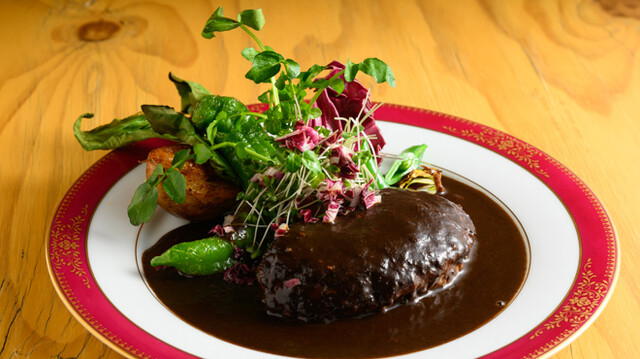
Univers S.
Sapporo, Japan
A Tabelog Yoshoku EAST "Tabelog 100" selection since 2023, Univers S. delivers French-technique yoshoku; hamburger steak, omurice, fish-focused dishes; at JPY 3,000–JPY 5,999 in a 22-seat Showa retro room near Kotoni Subway Station. Book ahead for weekends; the homemade sauces and wine-pairing attention justify the trip across Sapporo.
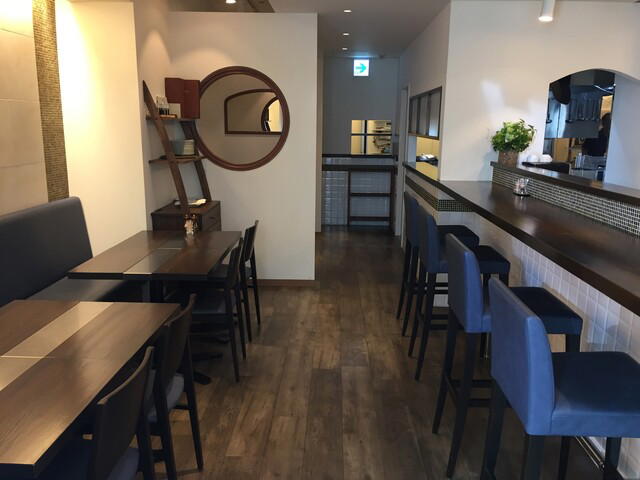
L'Atelier Plus
Tokyo, Japan
Tabelog Yoshoku 100 – EAST 2025 basement bistro in Jiyugaoka, serving classic French-technique yoshoku with a wine list that matters. Dinner runs JPY 6,000 to JPY 7,999, weekday lunch drops to JPY 1,000 to JPY 1,999 first-come basis. Book phone-only two weeks ahead for reliable counter or table seating; weekend lunch and all dinners require advance confirmation. Fourteen seats, no preschool children, photography limited to food only.
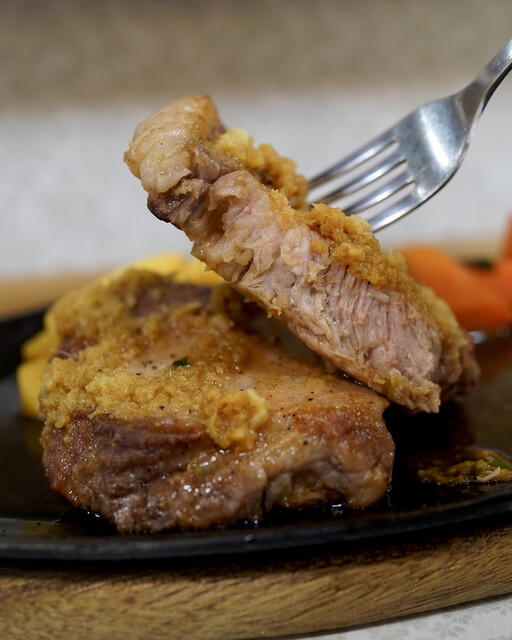
Grill Suzukou
Tokyo, Japan
A no-reservation yoshoku grill in Kamata serving charcoal-grilled steak and Western-style comfort food at JPY 1,000–1,999 per meal. Tabelog 100 recognition in 2023 and 2025 signals consistent execution, and the 31-seat room fills fast at both lunch and dinner. Cash-only, walk-ins welcomed, family-friendly.
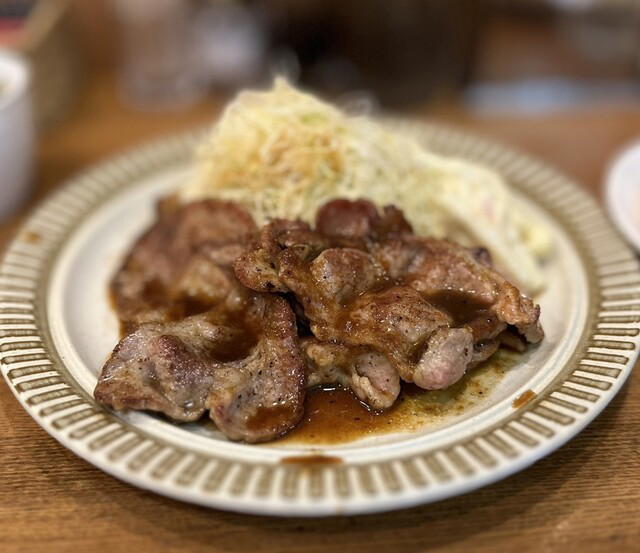
Yoshoku GOTOO
Tokyo, Japan
A fifteen-seat yoshoku counter in Otsuka with no reservations, Tabelog 100 recognition for 2025, and lunch at JPY 1,000–1,999. Hamburger steak and croquettes anchor the menu; walk-in waits form before opening, and cash-only payment keeps the format straightforward. Worth a visit if you're exploring Tokyo's western-influenced Japanese cooking category and value award recognition at neighbourhood prices.
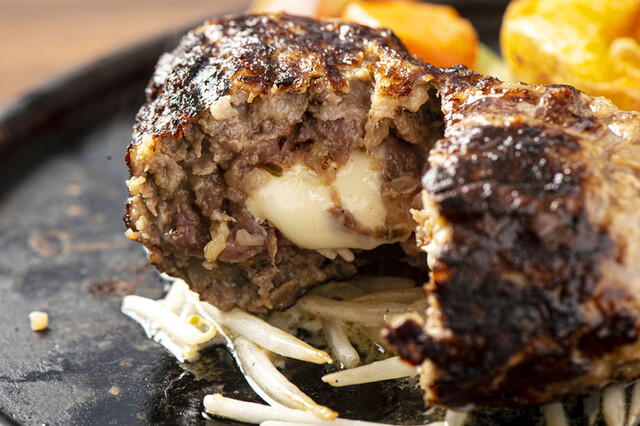
Sumibi Hamburger steak Nikuyaki Tei
Tsukuba, Japan
Charcoal-grilled hamburger steak from a French-trained chef at under JPY 2,000, served in a family-friendly house restaurant with tatami and table seating. Named to Tabelog's Yoshoku EAST 100 list in 2025. No reservations; arrive early or late to avoid queues.
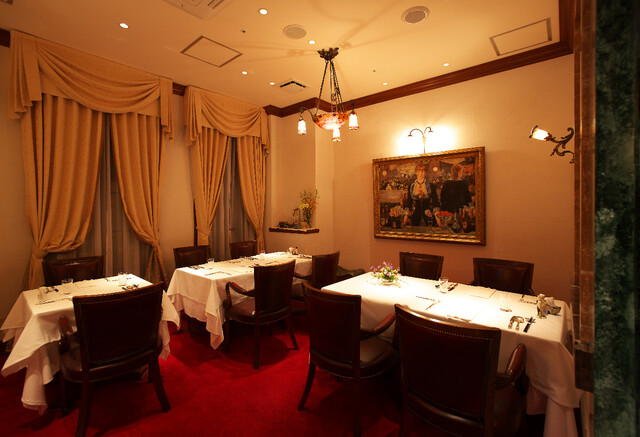
Mikawaya
Tokyo, Japan
Mikawaya brings 74 years of yoshoku tradition to Ginza Mitsukoshi, earning Tabelog 100 recognition for its grilled fish, croquettes, and steak. Lunch (JPY 8,000–9,999) offers better value than dinner (JPY 10,000–14,999) for solo diners and couples; the spacious, family-friendly room books easily and welcomes BYO. Reserve 1–2 weeks ahead for weekend dinners, or walk in Sunday lunch for easier access.
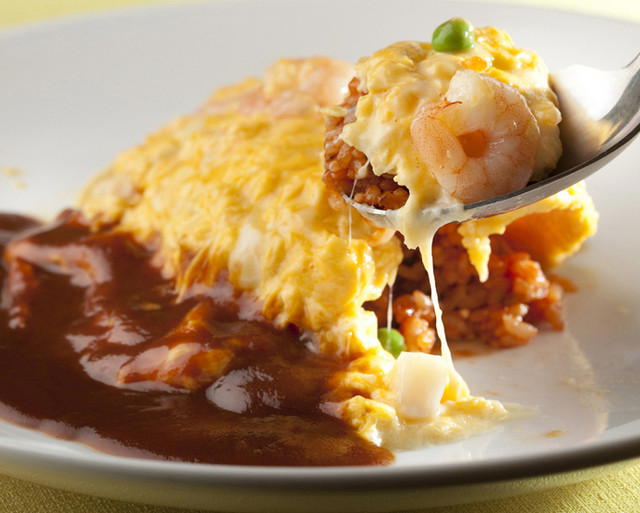
Girassol
Koshigaya, Japan
Girassol is a neighborhood yoshoku specialist in Koshigaya that earned a Tabelog 100 Yoshoku listing in both 2023 and 2025. The 20-seat restaurant serves Western-influenced Japanese classics; omurice, curry, grilled and fried dishes; at accessible prices (JPY 1,000–1,999 lunch, JPY 3,000–3,999 dinner) in a family-friendly converted residential space. Reservations open one month in advance, and the venue is a reliable choice for special occasions or a weekend meal worth the trip from Tokyo.
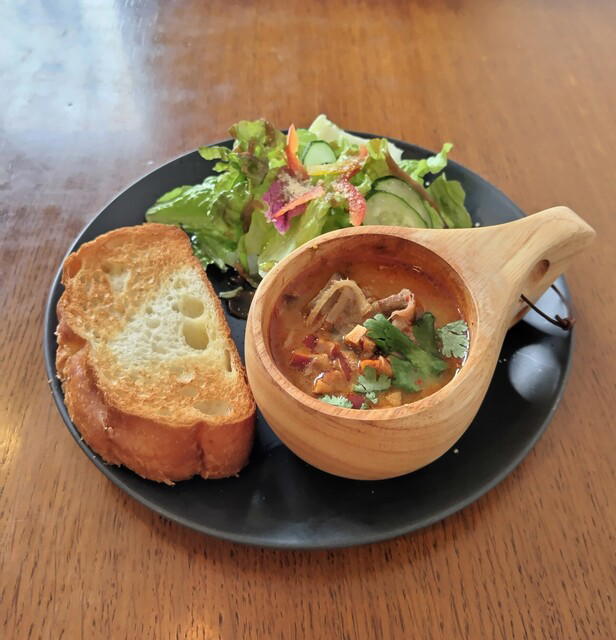
SOUPHOLIC
Akita, Japan
A 14-seat soup-and-café spot in Nakadori, Akita, recognized on Tabelog's 2025 Yoshoku EAST 100 for vegetable-forward cooking at JPY 1,000 – JPY 1,999. Walk-in only, open 7:30 AM – 3:00 PM most days (9:00 AM Sunday, closed Thursday), with counter seating, vegan options, and family-friendly accommodations including stroller access.
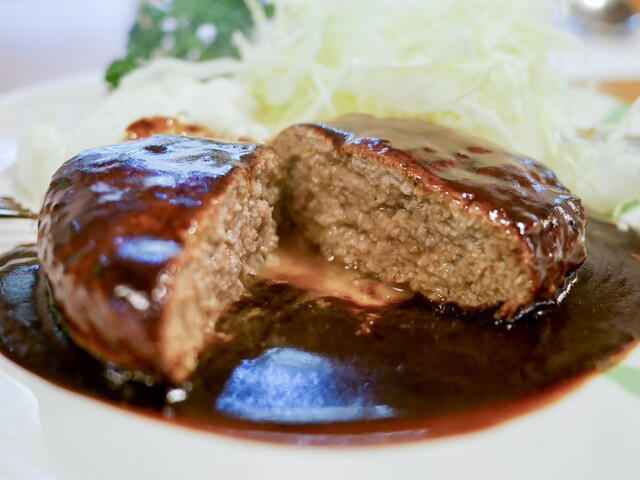
Yoshikami Asakusa ten
Tokyo, Japan
Tabelog Yoshoku EAST 100 restaurant serving classic Japanese-style Western food; steak, hamburg steak, omurice; at JPY 2,000 to JPY 3,999. No reservations; walk-in counter and table seating two minutes from Asakusa Station. Solid mid-range option for comfort food after temple visits.
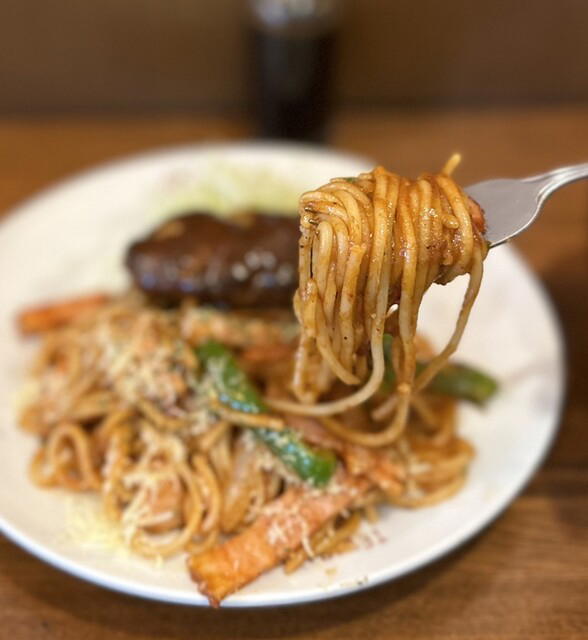
Kitchen Pan Chi
Tokyo, Japan
Walk-in-only yoshoku counter in Nakameguro serving omurice and hamburger steak at JPY 1,000–1,999. Tabelog 100 recognition (2020, 2022, 2025) confirms consistency; no reservations mean early arrival is essential for the 19-seat space. Cash-only, solo-friendly, 3 minutes from Nakameguro Station.
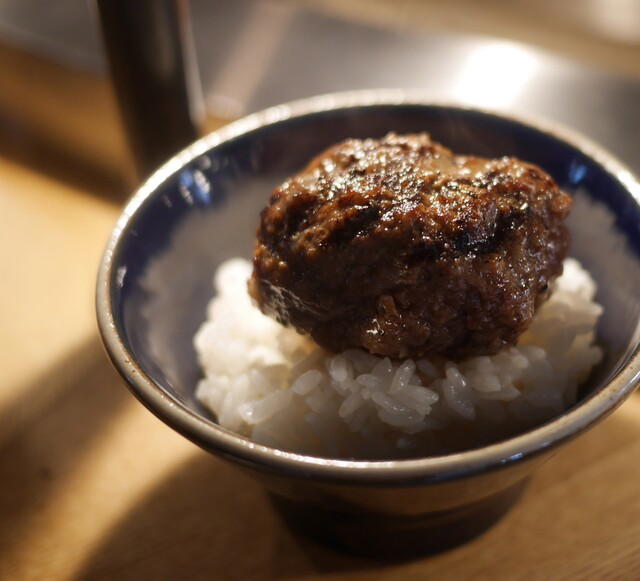
Hikiniku to Kome Shibuya
Tokyo, Japan
Shibuya counter spot serving minced-beef yoshoku dishes with self-service pot rice refills, miso soup, and raw egg at sub-JPY 2,000 pricing for lunch and dinner. Tabelog Yoshoku 100 recognition for 2023 and 2025. No reservations, but online check-in available; expect 20–40 minute waits during peak windows. Counter seating only, no table service, best for solo diners and pairs seeking efficient turnover.
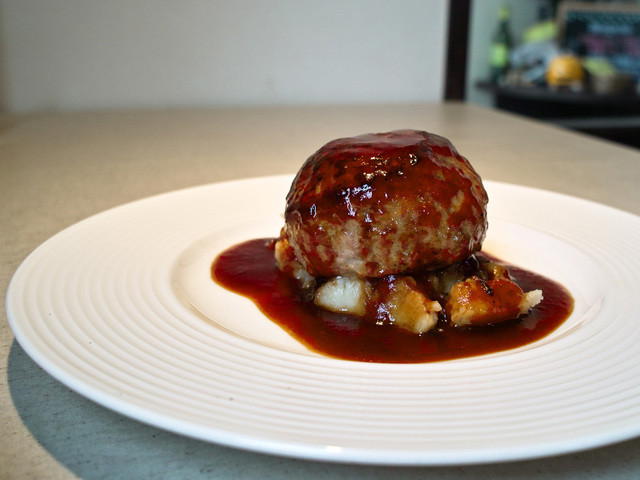
Salamanger Hiro
Sendai, Japan
Tabelog Yoshoku 100 house restaurant in Izumi-ku, 40 minutes from Sendai Station, serving handmade 100% pork hamburg steak with seasonal Miyagi vegetables since 2011. At JPY 2,000–3,999, it's a solid choice if you're exploring the area by car and want comfort-forward yoshoku with local sourcing; skip if you need central convenience or fine-dining polish.
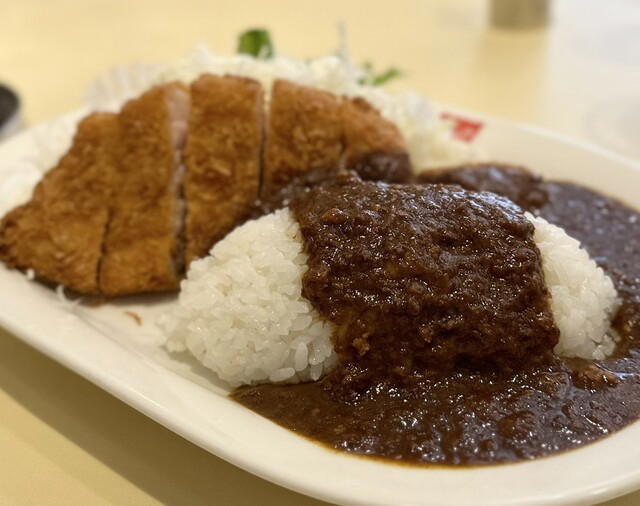
Ginza Swiss Honten
Tokyo, Japan
Founded in 1947 as the birthplace of katsu curry, Ginza Swiss Honten serves classic yoshoku (Western-style Japanese cuisine) at JPY 1,000–2,999 per meal. The 2025 Tabelog 100 selection and 79-year legacy make it a practical, crowd-tested choice for experiencing Tokyo's comfort-food tradition without fine-dining formality or pricing.
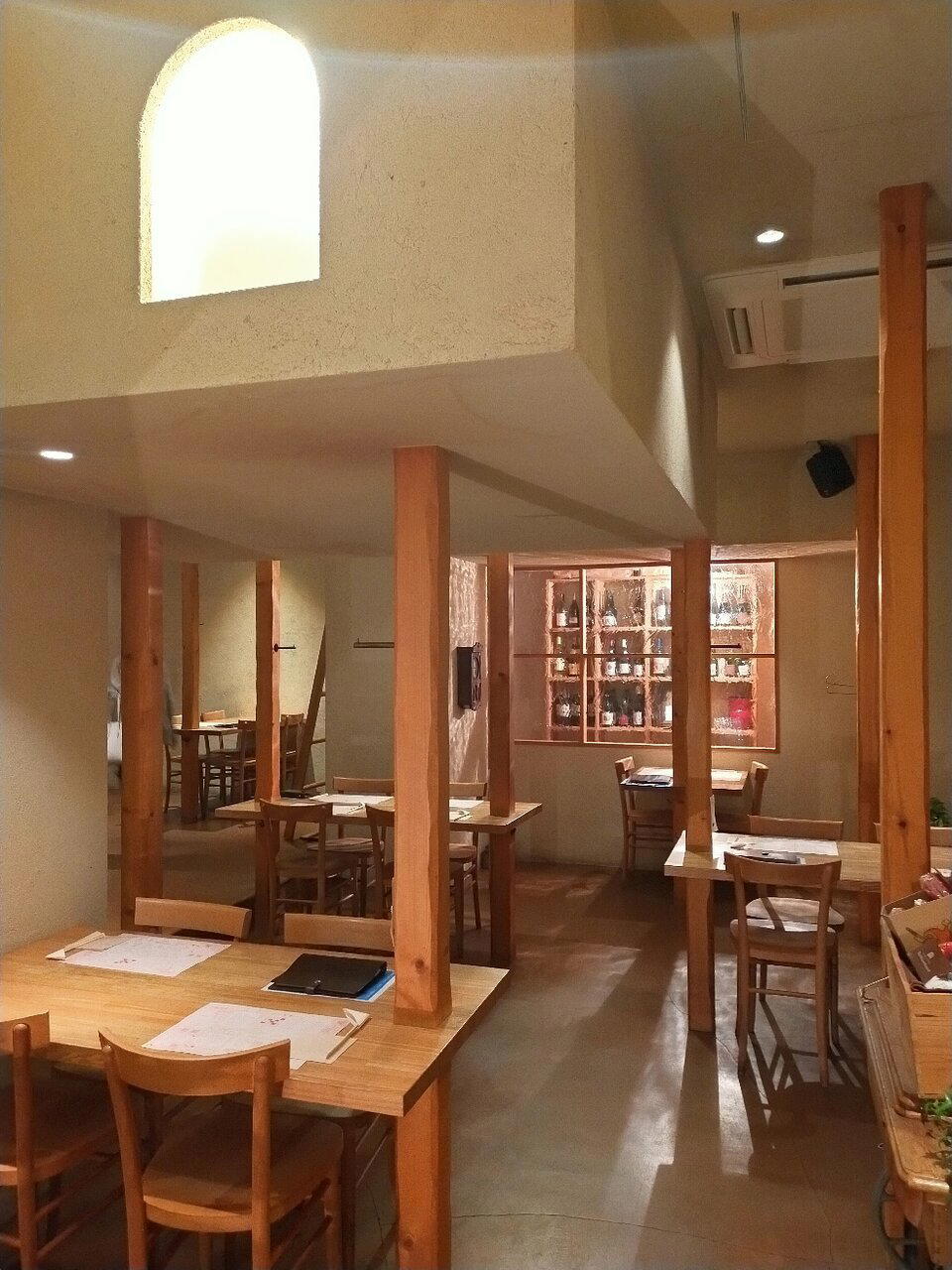
North Continent Machi No Naka
Sapporo, Japan
A basement yoshoku specialist near Odori Station, North Continent Machi No Naka earned its Tabelog 2025 Yoshoku EAST 100 recognition for technically accomplished hamburger steak and beef teppanyaki at accessible prices. Lunch runs JPY 1,000–JPY 1,999, dinner JPY 2,000–JPY 2,999, and the 36-seat space welcomes families and solo diners alike. Easy reservations and a central Chuo Ward location make it a practical choice for travelers seeking yoshoku craft without fine-dining formality.
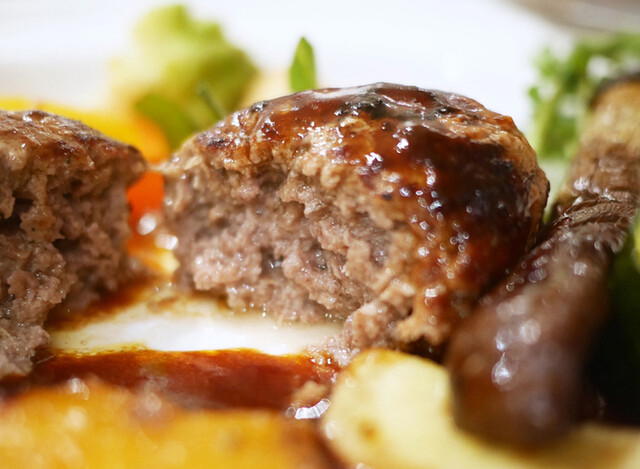
Ochanomizu Ogawa Ken
Tokyo, Japan
Ochanomizu Ogawa Ken serves yoshoku classics at JPY 1,000 to JPY 1,999 in a 20-seat Yushima basement, named to the Tabelog Yoshoku EAST 100 three times since 2020. The ground floor houses a pastry shop and café, both open until early evening. Book for straightforward Hamburg steak and gratins without the premium pricing of splashier yoshoku specialists.
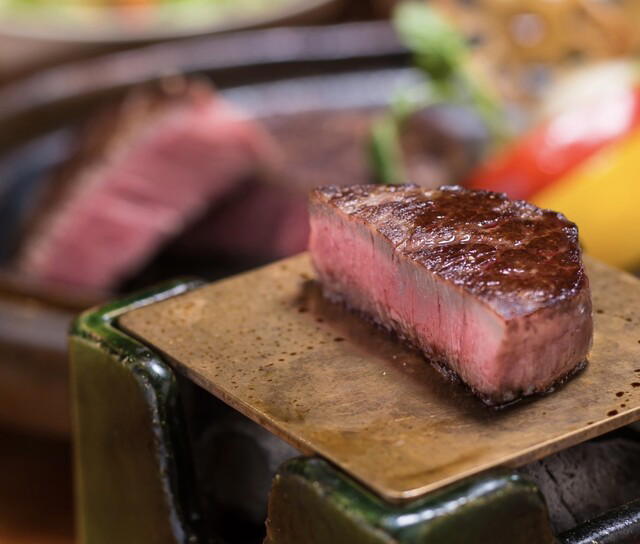
Beef Junkie
Nagoya, Japan
A 13-seat yoshoku counter in Sakae specializing in black Wagyu hamburger steak and aged filet, recognized by Tabelog 100 in 2023 and 2025. Dinner runs JPY 8,000–9,999, but lunch at JPY 2,000–2,999 delivers the core technique at better value. Book three weeks ahead; lunch reservations require phone contact.
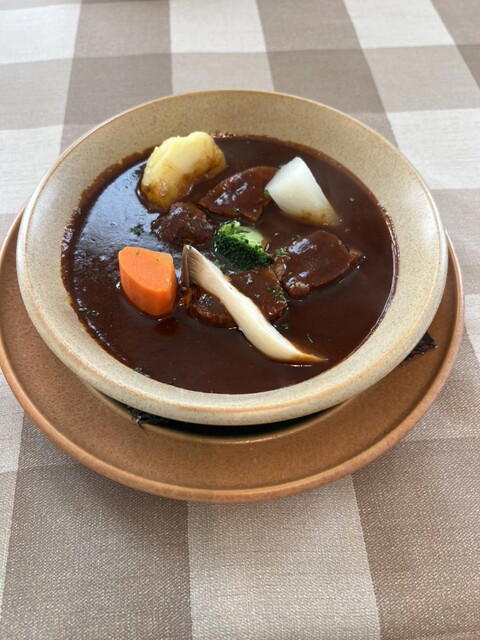
Pot-au-feu
Sapporo, Japan
Lunch-only yoshoku in Sapporo's Kiyota Ward, serving composed Western-style plates at JPY 1,000–1,999 with no reservations and 20 seats. Three Tabelog 100 selections (2020, 2023, 2025) mark consistent execution in a category where value and accessibility outweigh formality.
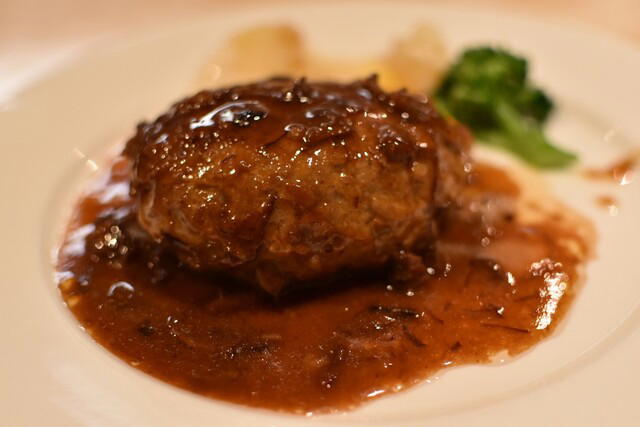
UCHOUTEN
Tokyo, Japan
A cash-only, 20-seat yoshoku specialist in Minami-Ikebukuro serving hamburger steak and Japanese-style Western comfort food for under JPY 2,000. Tabelog Yoshoku 100 recognition (2020, 2022, 2025) and a no-reservation policy mean queues at lunch and weekend dinner, but midweek evenings offer shorter waits for the same award-backed menu.
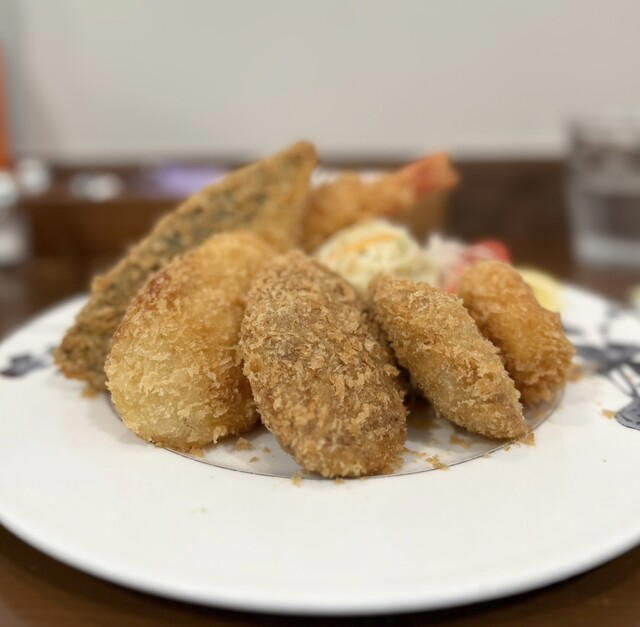
Seiyoryori Shichijo
Tokyo, Japan
A thirteen-seat yoshoku specialist in Mitaka that earned Tabelog 100 – Yoshoku – EAST recognition within two years of opening. Dinner runs JPY 1,000–1,999, lunch slightly lower, with family-friendly seating and a mix of counter and table service. Dinner reservations required; lunch walk-ins possible but competitive on weekends.
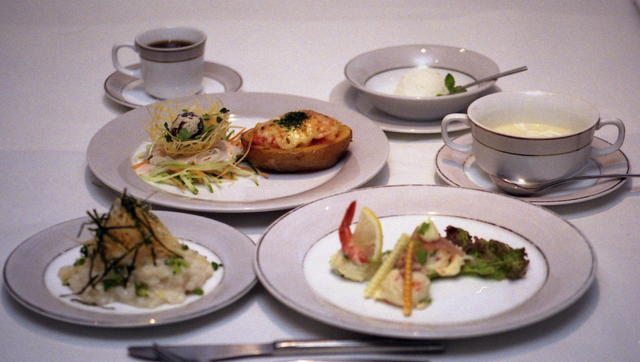
Jagaimo
Ichikawa, Japan
A Tabelog 2025 Yoshoku (EAST) 100 selection in Moto Yawata, this 20-seat neighbourhood bistro has served potato-focused western-style Japanese dishes since 1986. Lamp-lit, non-smoking, and priced at JPY 3,000–3,999 for dinner, it delivers award-recognised quality at mid-tier cost with straightforward booking and a relaxed counter-and-table format.
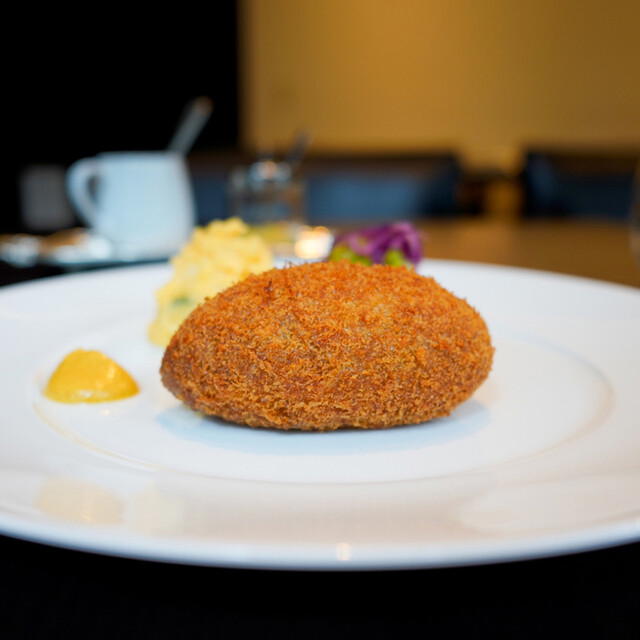
Seiyo Oryouri Touyou Ken
Tokyo, Japan
Seiyo Oryouri Touyou Ken works for a polished Tokyo celebration when the group wants a composed Western-style meal rather than kaiseki, beef, or yakitori. The JPY 10,000–14,999 dinner range is serious but controlled, and the Tabelog 100 #71 recognition in 2025 gives it a credible reason to be on a special-occasion shortlist.
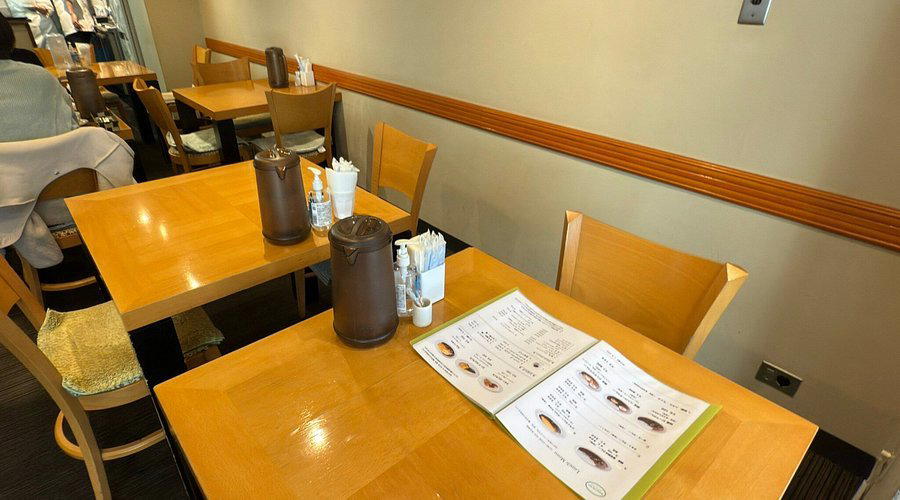
Loup de Mer
Tokyo, Japan
Loup de Mer is a lunch-only yoshoku restaurant in Chiyoda City ranked in Opinionated About Dining's Casual Japan top 35 for three consecutive years, peaking at #21 in 2024. The most credentialed yoshoku lunch in the neighbourhood.
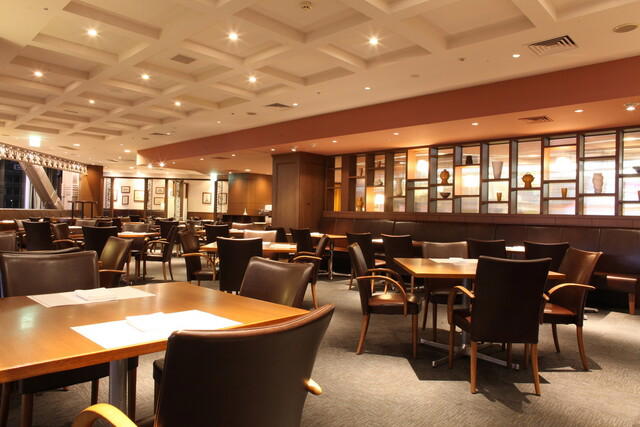
Toyo Ken Nagoya mitsukoshi ten
Nagoya, Japan
Yoshoku classics on the ninth floor of Nagoya Mitsukoshi, recognized three times by Tabelog's Yoshoku EAST 100 list. Hamburg steak and curry rice at JPY 2,000–2,999, with 113 seats, easy walk-in availability, and a calm dining room that handles families and groups up to 80. Book for reliable comfort food in Sakae's shopping district.
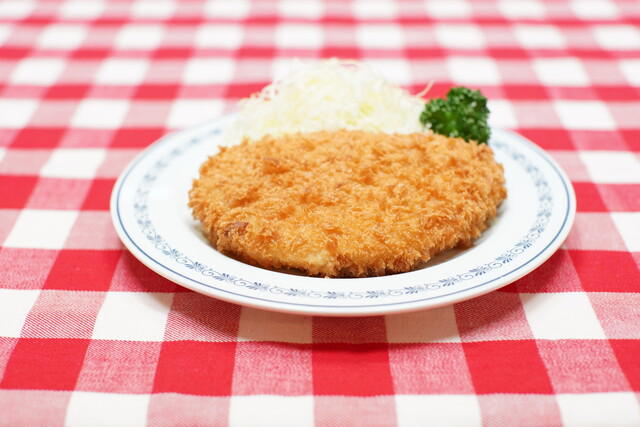
Renga Tei
Tokyo, Japan
Walk-in yoshoku specialist in Ginza serving generous portions of omurice and breaded cutlets at JPY 1,000-2,999 across 110 cash-only seats. Tabelog 100 recognition reflects value and accessibility over refined execution; go for midweek lunch to skip the queue.
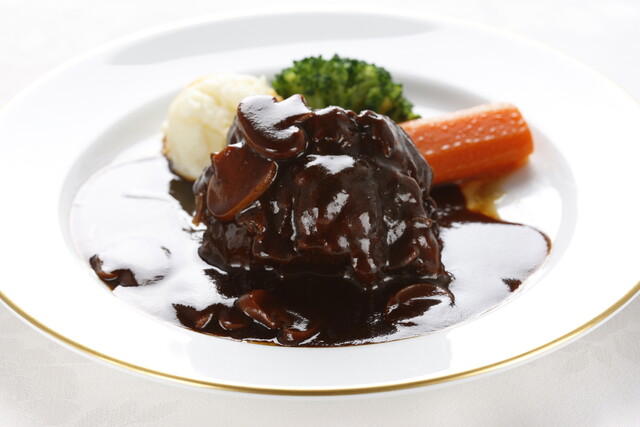
Restaurant Kamiya
Tokyo, Japan
An 88-seat house restaurant in residential Iriya, selected for Tabelog 100 Yoshoku East four times since 2020 for its decades-old demi-glace sauce. Beef stew, tongue stew, and menchi katsu run JPY 4,000–4,999 at lunch, JPY 8,000–9,999 at dinner; less polished than Sadaya, less expensive than most Tabelog yoshoku peers, and a better value if you prioritize sauce depth over plating theatrics.
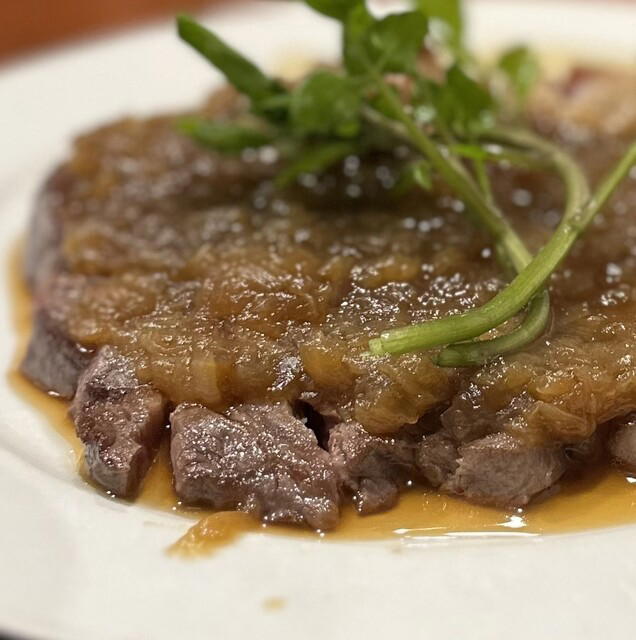
Niou
Tokyo, Japan
Tabelog 100 yoshoku specialist in Kanda Surugadai offering European technique applied to Japanese ingredients. Lunch runs JPY 6,000–7,999, dinner JPY 15,000–19,999, with counter seating for solo diners and a private six-seat room. Two-time recognition (2023, 2025) signals consistent execution. Easy reservations by phone make it accessible for both first-timers and return visits.
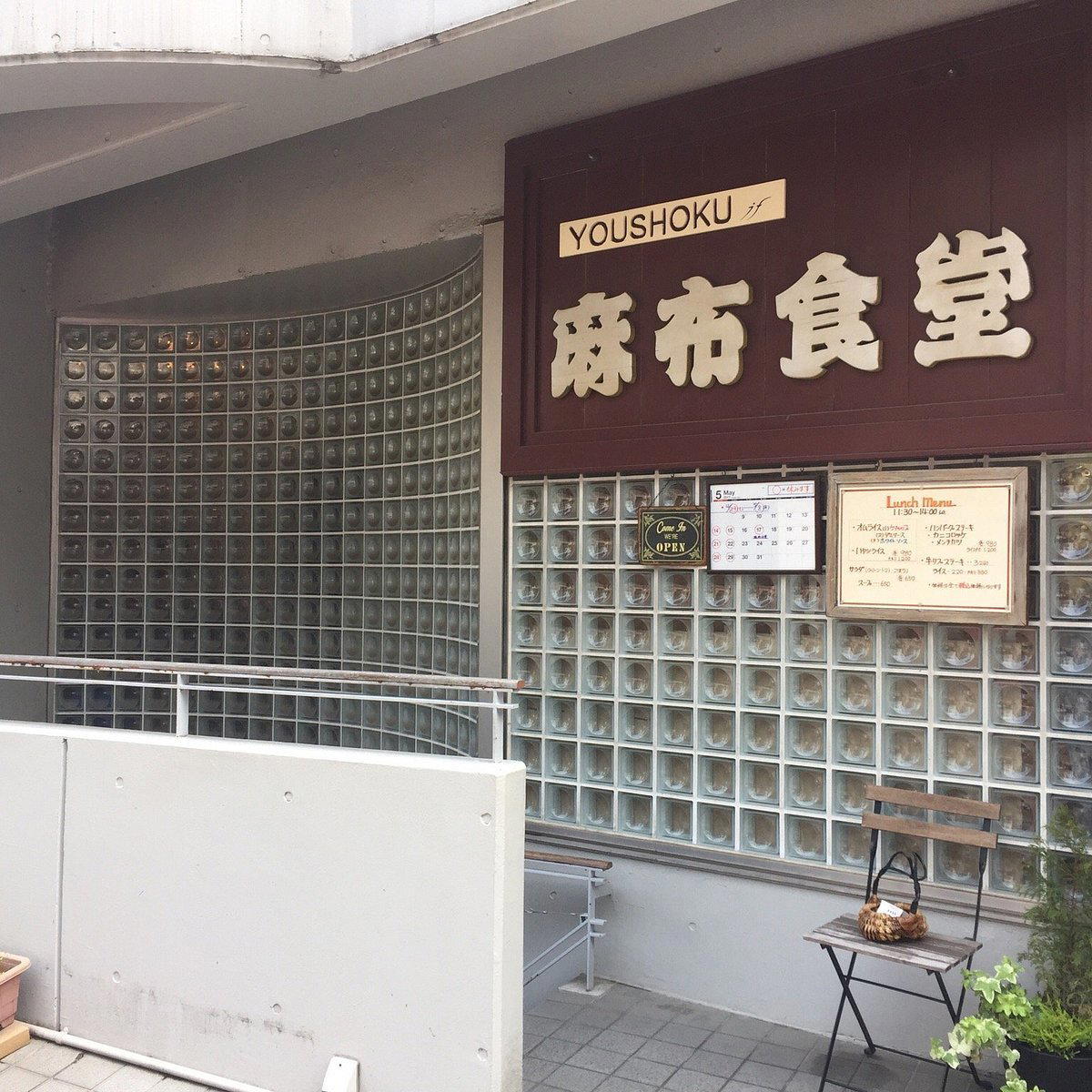
Azabu Shokudo (麻布食堂)
Tokyo, Japan
Azabu Shokudo (麻布食堂) works if Nishi-Azabu is the right location and the group is comfortable with fewer public-facing details. The Tabelog 100 #77 recognition in 2025 gives it a credible signal, but confirm menu, dietary, seating, and group requirements before using it for a high-stakes celebration.
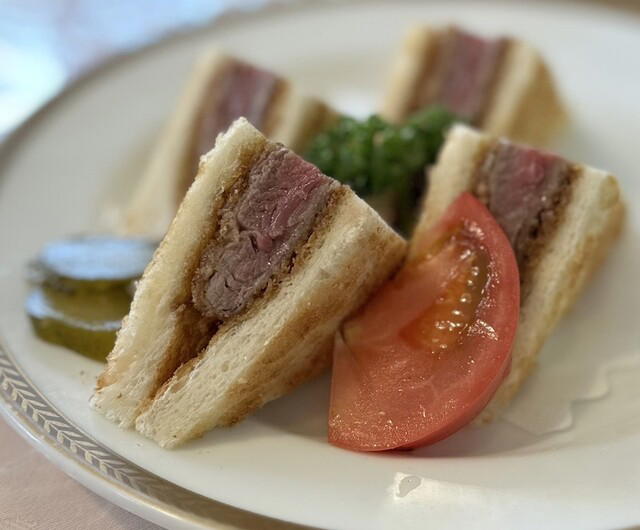
Restaurant Quinbell
Tokyo, Japan
Tabelog 100 yoshoku house-restaurant in Sumida serving French-technique bistro cooking with Japanese fish sourcing. Three award appearances since 2020, dinner à la carte averages JPY 3,000–3,999, and the 25-seat room stays quieter than central-Tokyo peers. Book for fish-forward yoshoku at half the Ginza price, skip if you need vegetarian options or avant-garde technique.
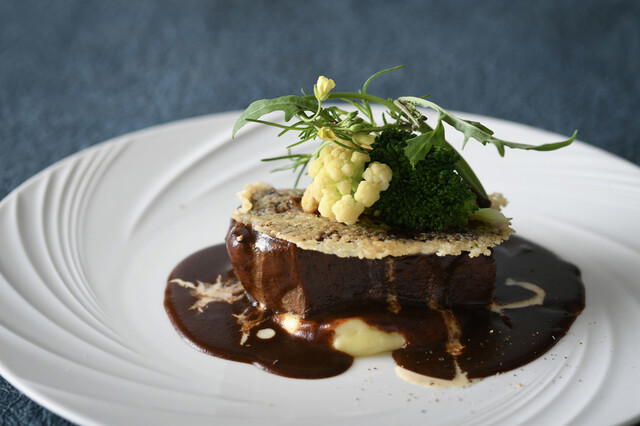
seiohtei Shinjuku ten
Tokyo, Japan
seiohtei Shinjuku ten is a practical Shinjuku choice for a casual meal inside Isetan, with a JPY 2,000–2,999 price band and Tabelog 100 #79 recognition in 2025. It is better for solo diners and small parties than for a private-dining-style occasion.
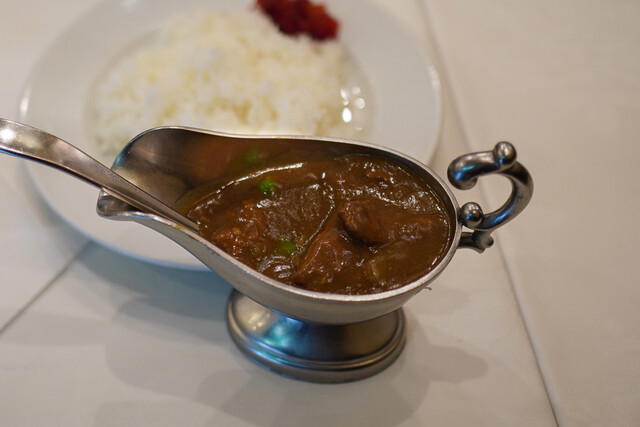
Restaurant Katsura
Tokyo, Japan
A Tabelog 100 Best Yoshoku honoree in Nihonbashi, Restaurant Katsura serves seafood-focused Japanese-style Western cuisine at JPY 1,000–JPY 1,999 for lunch and JPY 3,000–JPY 3,999 for dinner. The 42-seat dining room welcomes families and groups, with reservations available for dinner and walk-ins for lunch. One minute from Mitsukoshimae Station, it offers vetted yoshoku without the premium pricing of many peers.
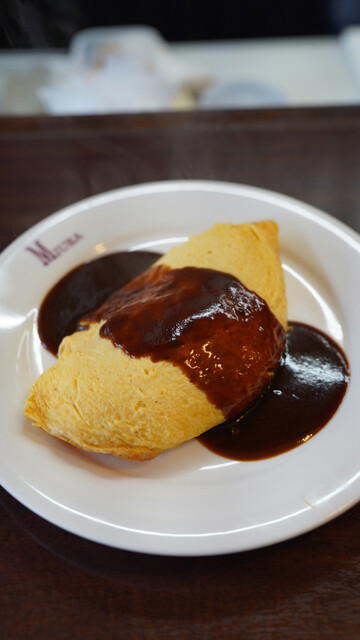
Yoshoku Miura Tei
Tokyo, Japan
A six-seat counter in Nerima serving Tabelog-recognized yoshoku (Japanese-Western classics) at JPY 1,000–2,999. Cash-only, family-run, and built for diners who prioritize omurice and hamburger steak technique over central Tokyo polish. Book a week ahead for dinner; walk-ins work at lunch.
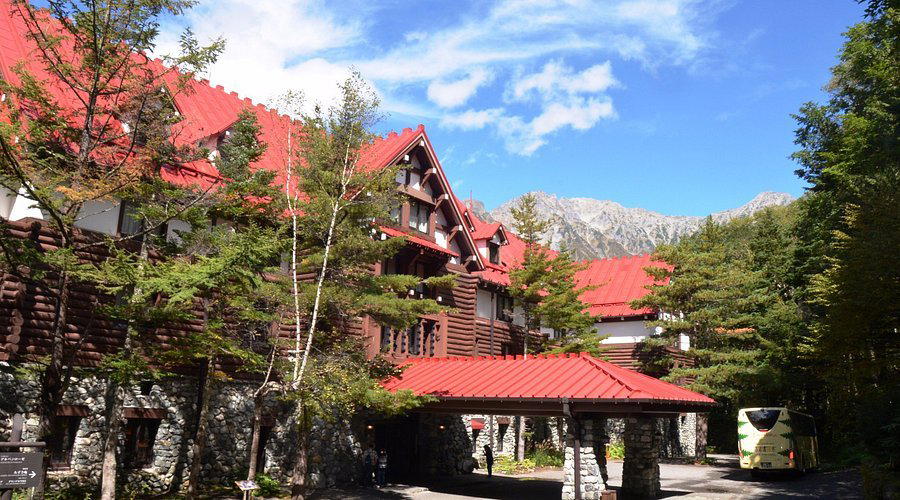
Alpenrose
Matsumoto, Japan
A Tabelog 100 yoshoku dining room inside the Imperial Hotel Kamikōchi, serving omuraisu and curry plates to day hikers at JPY 3,000–3,999. Lunch only (11 AM–2:30 PM), walk-ins only, trekking clothes welcome. The three-year awards streak reflects consistent technique in a thin competitive field, not innovation. Worth the bus ride if you're already in the valley; not a standalone yoshoku destination from Matsumoto.
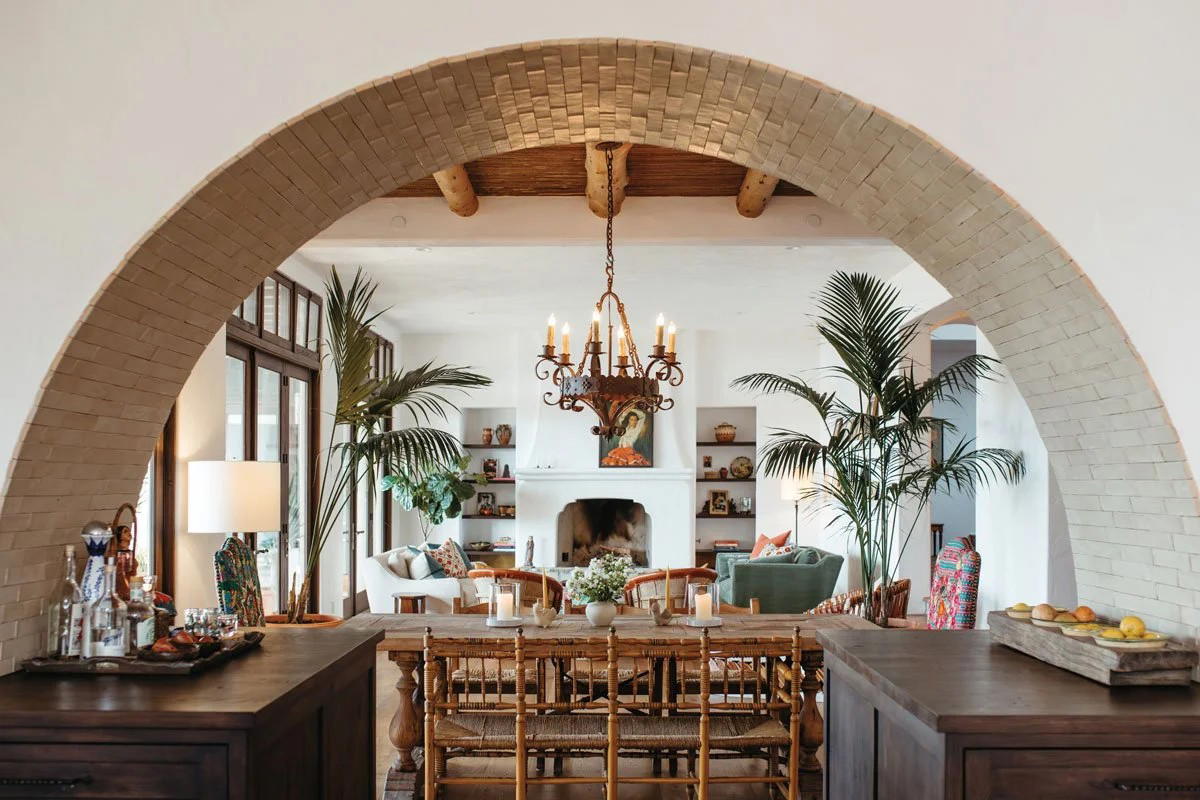
kitchen Toshiki
Nagoya, Japan
A 24-seat yoshoku restaurant in Naka Ward earning four consecutive Tabelog Bronze Awards since opening in 2022. The kitchen executes omurice, croquettes, and fish-forward Western-Japanese plates with a deliberate wine list, priced at JPY 3,000–3,999 lunch and JPY 6,000–7,999 dinner. Book ahead; the non-smoking room and steady recognition make walk-ins difficult.
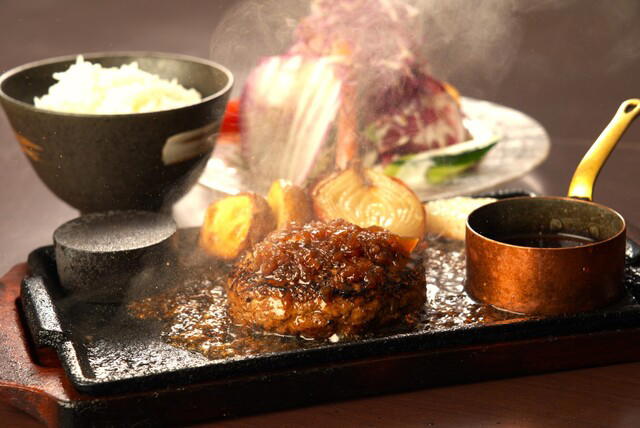
Tezukuri Hamburger Steak Kobo Toshi
Sapporo, Japan
A basement yoshoku specialist in Chuo-ku serving handmade hamburger steak with no sides, no filler, and no distractions. Selected for Tabelog's Yoshoku EAST 100 list three times since 2020, it delivers consistent meat quality at JPY 1,000–1,999 per head. Book the 11:00 AM or 5:30 PM slot; walk-ins wait. Cash only.
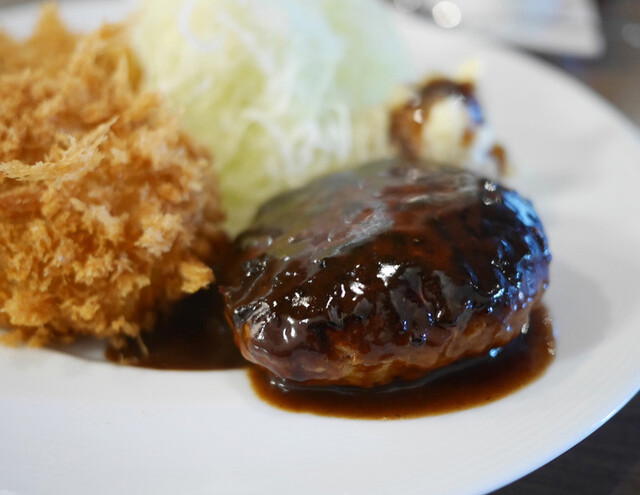
Yoshoku Wine Fritts
Tokyo, Japan
A Tabelog Yoshoku 100 counter in residential Koishikawa-Bunkyo, where the chef's 15-year Shunko-tei pedigree meets ingredient-focused Japanese-Western cooking. Dinner runs JPY 3,000–3,999, lunch JPY 2,000–2,999; a tier below central Tokyo competitors, with a wine list that earns its billing. Book three weeks ahead.
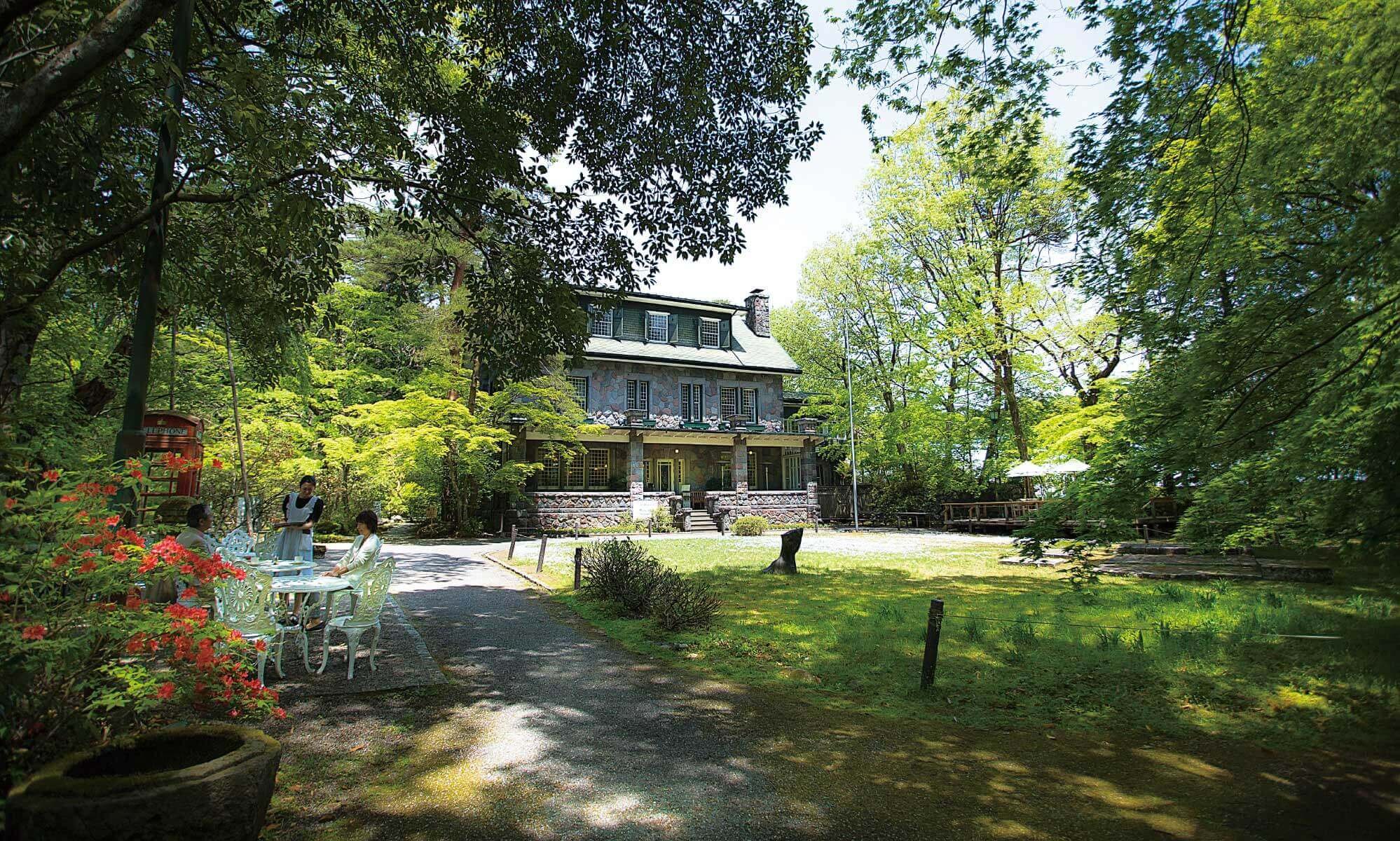
Meiji no Yakata (西洋料理 明治の館)
Nikko, Japan
Book Meiji no Yakata if you want a calm Western-style meal folded into Nikko's heritage sightseeing day. It is a stronger fit for couples, solo diners, and flexible itineraries than for groups needing confirmed private dining, published pricing, or detailed dietary planning.
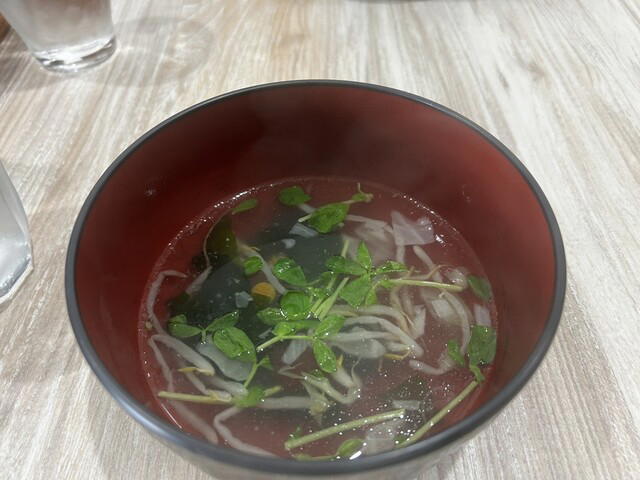
Eisuke
Fujimi, Japan
Tabelog 100 Yoshoku EAST 2025 counter in Fujimi delivering omurice and Hamburg steak at JPY 1,000–2,999. Open since 2013, the 20-seat room handles lunch and dinner with straightforward technique and family-friendly service. Book dinner ahead; lunch is walkable if you arrive early.
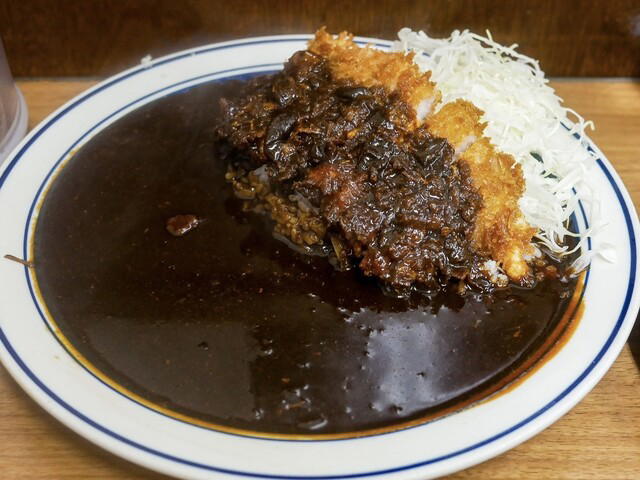
Kitchen Nankai Chiyoda kanda jinbou ten
Tokyo, Japan
This 15-seat counter in Kanda Jinbocho delivers tonkatsu, curry, and yoshoku classics under JPY 999 with Tabelog 100 recognition. Walk-in only, cash-only, fast turnover; solo diners and quick lunches thrive here, while groups and quiet meals struggle.
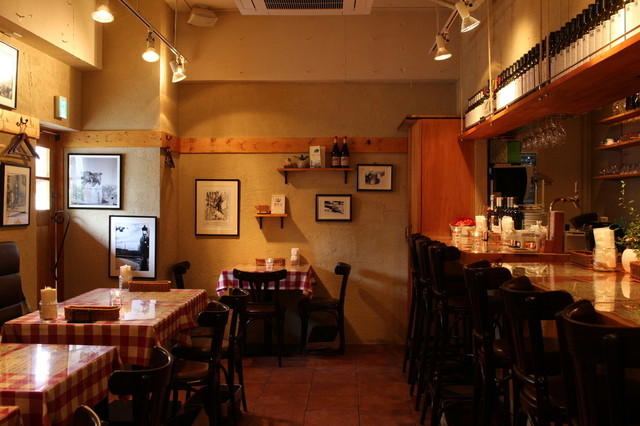
Flying pig Matsudo Honten
Matsudo, Japan
A 20-seat yoshoku specialist in Matsudo serving hamburger steak with duck and Kagoshima pork, recognized in Tabelog 100 EAST for 2023 and 2025. Dinner runs JPY 3,000–3,999, lunch JPY 1,000–1,999, with phone reservations and a 90-minute lunch cap. Five-minute walk from Matsudo Station, family-friendly, and easier to book than higher-tier competitors.
Akasaka Tsutsui Sou honten
Tokyo, Japan
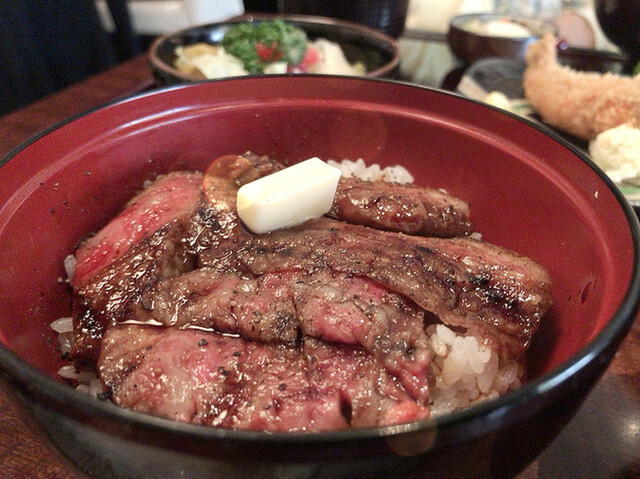
A 75-year-old Akasaka yoshoku specialist where hamburger steak and omurice arrive on chopstick-friendly plates for JPY 3,000–3,999 at lunch, half the dinner price. Tabelog 100 honours (2020, 2022, 2025) confirm steady technique, and the basement's five private rooms handle business dinners or family gatherings. Closed weekends, which keeps weekday reservations easier than seven-day peers.
グリル グランド
Tokyo, Japan
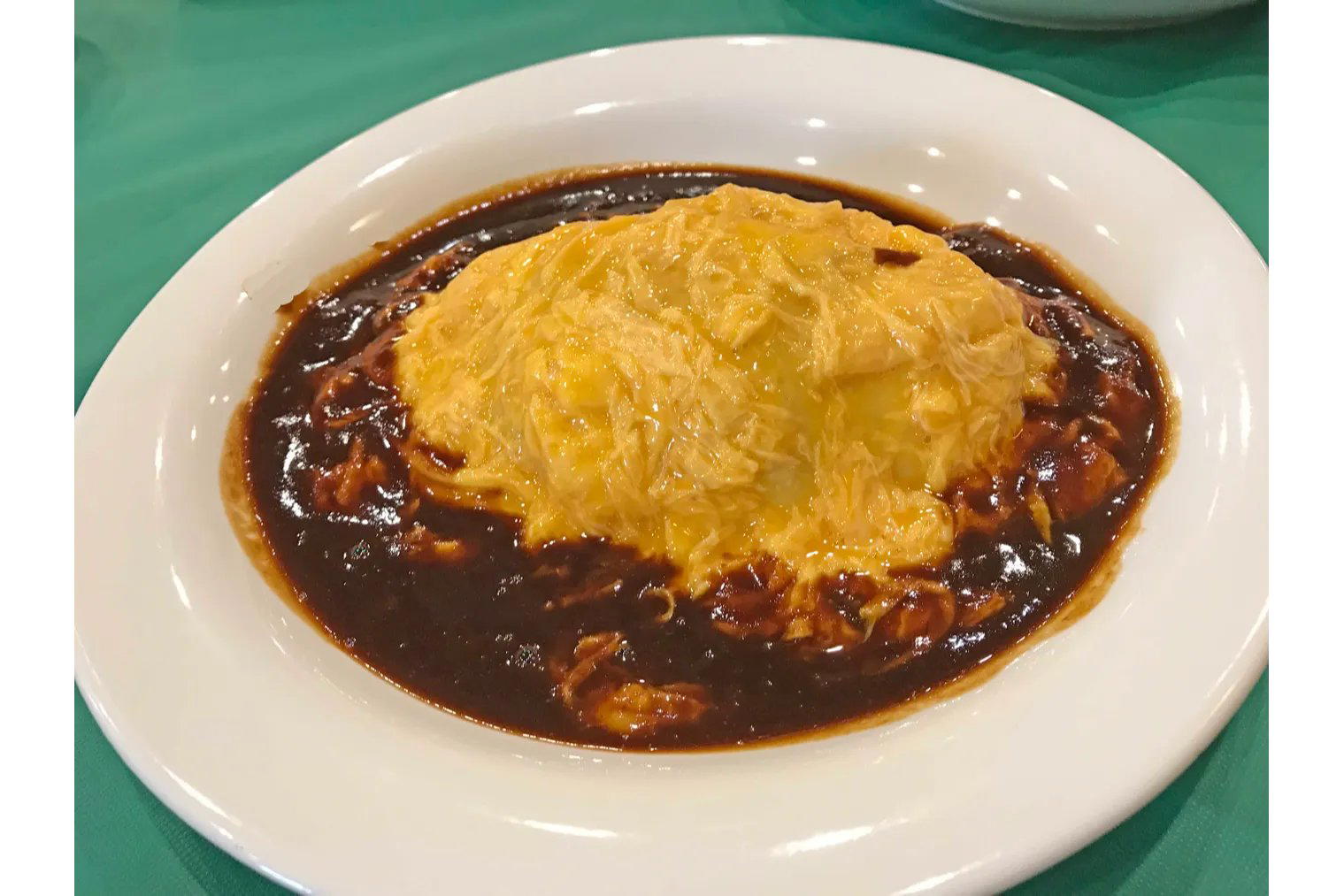
Book グリル グランド when Asakusa is the point of the meal and the group wants a practical sit-down restaurant rather than a formal tasting menu or sushi counter. It is easier to fold into a neighborhood day than HOMMAGE or Sushi Kanesho, but not the right pick for large private events or dietary-restriction-heavy groups without advance confirmation.
Kitchen Beniy
Nagoya, Japan
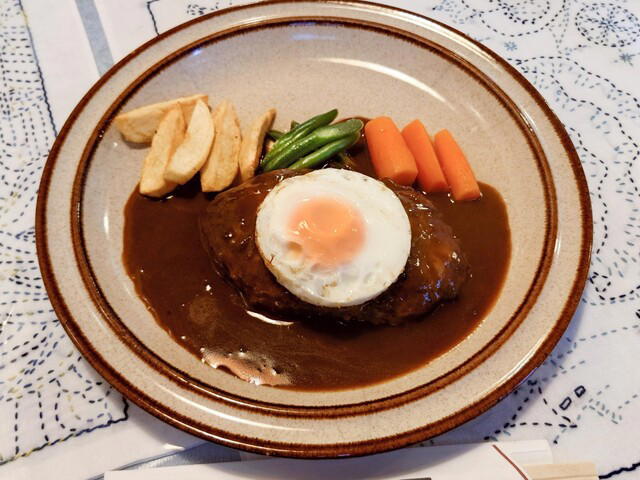
A husband-and-wife yoshoku counter in Sakae, Kitchen Beniy earned its place on Tabelog's 2025 Yoshoku EAST 100 with steak and the house Yume Pilaf; a garlic rice loaded with carrots. Eight seats, reservation-only, and pricing under JPY 3,000 at dinner make it accessible, but the single-cook format means slower pacing and advance booking three to five days out.
Hikiniku to Kome Kichijouji
Tokyo, Japan
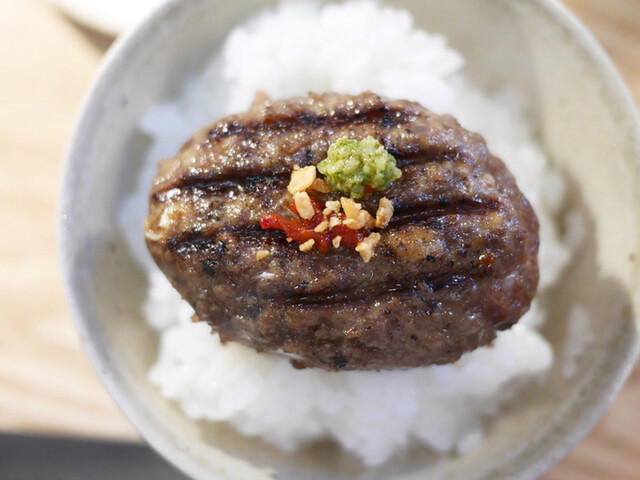
Hikiniku to Kome Kichijouji earns its Tabelog 100 – Yoshoku (EAST) 2025 spot with hamburger steaks, pot-cooked rice refills, and a same-day ticket system that keeps quality high and prices low (JPY 1,000–1,999). The 20-seat counter near Kichijoji Station fills fast; register at 9 AM or miss your slot.
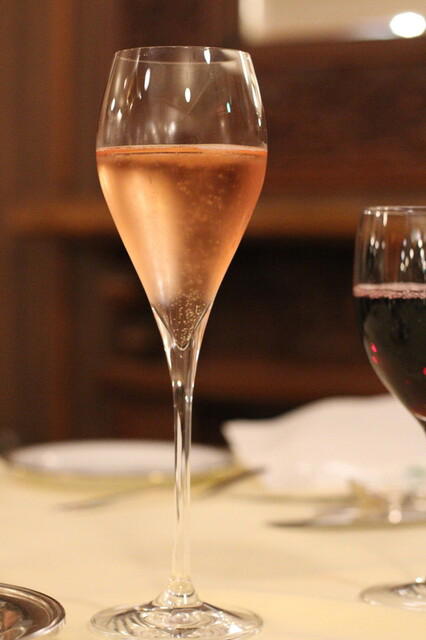
Main Dining Room
Nikko, Japan
A 120-seat yoshoku dining room on the second floor of Nikko Kanaya Hotel, recognized in Tabelog 100 Yoshoku EAST 2025 and known for seasonal menu rotations that emphasize Tochigi Prefecture seafood and produce. Dinner runs JPY 10,000–14,999; lunch offers better value at JPY 5,000–5,999. The heritage interiors and English-speaking staff make it a reliable choice for travelers prioritizing atmosphere and accessible service.
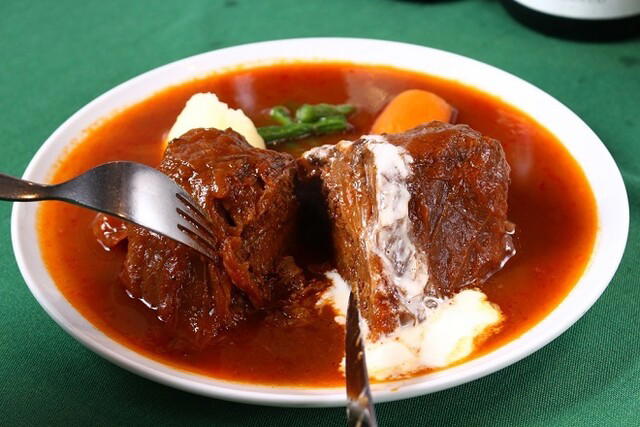
Larousse
Tokyo, Japan
Larousse is the Asakusa pick for diners who want a more deliberate sit-down meal rather than a low-cost snack stop. It costs more than nearby casual options, but the 2025 Tabelog 100 recognition makes it a credible choice for a date, small celebration, or slower Tokyo day built around Taito.
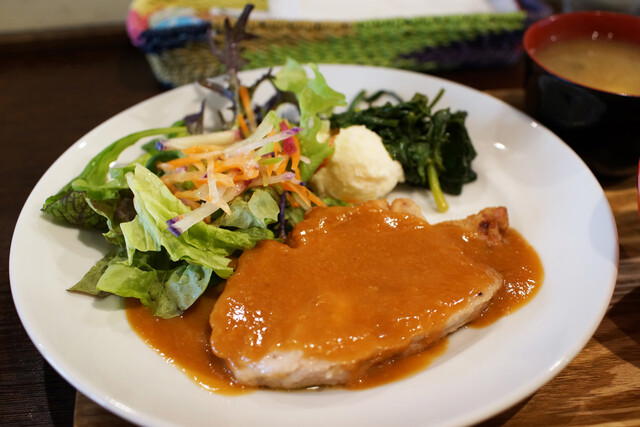
Gout
Sendai, Japan
A Tabelog 100 Yoshoku EAST 2025 selection offering approachable Western-style Japanese comfort food at JPY 2,000–2,999 for dinner. The 20-seat space in Aoba Ward books easily and suits solo diners, small groups, and anyone seeking recognized quality without premium pricing or advance reservation pressure.
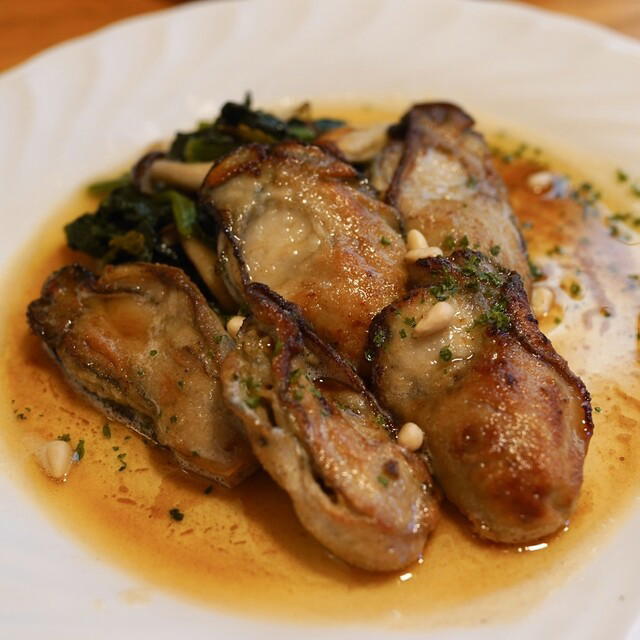
Kuriya Sawa
Koshigaya, Japan
Yoshoku house restaurant in suburban Saitama with Tabelog 100 recognition in 2023 and 2025. The six-seat counter offers direct sight lines to omurice assembly and yoshoku technique at JPY 2,000–4,999 per person. Open since 2001, reservations required, cash or electronic payment only.
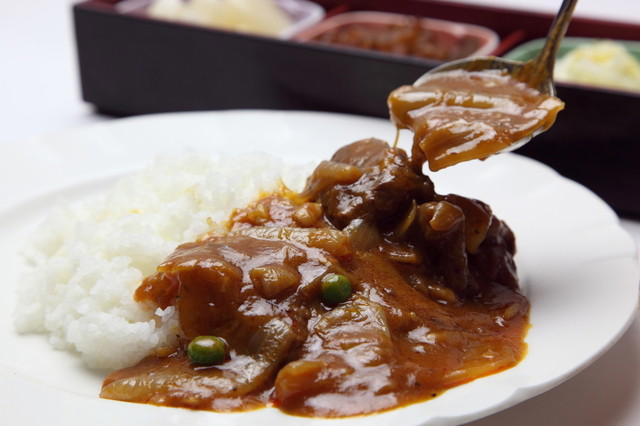
Kurofune Tei
Tokyo, Japan
A Tabelog 100 yoshoku specialist in Ueno serving Japanese-style Western classics at JPY 3,000–JPY 3,999 lunch and JPY 5,000–JPY 5,999 dinner. Lunch offers better value and tighter pacing; dinner suits groups and special occasions. Book weeks ahead; the 40-seat fourth-floor dining room fills fast despite its low-key location near Keisei Ueno Station.
Overview
Tabelog 100 - Yoshoku - EAST - 2025 is an annual ranking of the top 100 Yoshoku-style restaurants across East Japan. Compiled by Tabelog, Japan’s largest restaurant review platform, this list highlights the region’s finest establishments offering Western-influenced Japanese cuisine, recognized for quality, innovation, and popularity among diners.
Since its inception, Tabelog has been Japan’s preeminent source for authentic diner reviews, and its annual Top 100 lists are regarded as benchmarks of culinary excellence. The 2025 Yoshoku list for East Japan covers a diverse range of Western-inspired Japanese eateries; from classic hamburger steakhouses to refined Napolitan pasta venues; spanning metropolitan hubs like Tokyo and Sendai to regional culinary gems. This list not only celebrates traditional yoshoku mastery but also emerging chefs who innovate within this nostalgic cuisine. It serves as a vital guide for gourmands and travelers seeking both historic flavors and modern interpretations in one of Japan’s most dynamic food regions.
For discerning diners and global travelers, Tabelog 100 - Yoshoku - EAST - 2025 offers an unparalleled gateway into Japan’s vibrant yoshoku scene. This curated list showcases the finest establishments where Western cuisine has been masterfully adapted to Japanese tastes. From Tokyo’s bustling neighborhoods to serene Tohoku towns, these 100 restaurants define the art of yoshoku with dishes that blend nostalgia and innovation. Whether you seek a perfect demi-glace hamburger steak or a delicate cream stew, this list is your definitive guide to savoring East Japan's best yoshoku experiences.
Quick Facts
- Publisher
- Tabelog (Kakaku.com, Inc.)
- Year
- 2025
- Coverage
- Yoshoku restaurants in East Japan (including Tokyo, Kanagawa, Chiba, Saitama, Tohoku region)
- Items
- 100 top-ranked restaurants
- Frequency
- Annual
About This Edition
The 2025 edition of Tabelog 100 - Yoshoku - EAST reflects evolving tastes and renewed interest in yoshoku classics infused with modern twists. Notable this year is the rise of sustainable ingredient sourcing and fusion influences that push traditional yoshoku boundaries without sacrificing authenticity. New entrants from emerging urban districts and revitalized regional towns highlight the cuisine’s dynamic resurgence. The list also spotlights chefs who honor yoshoku heritage while innovating plating and flavor profiles, mirroring broader trends in Japan’s culinary renaissance.
Frequently Asked Questions
What is Tabelog 100 - Yoshoku - EAST - 2025?
How are honorees selected?
How often is this list updated?
How can I find these on Pearl?
How many of these have you visited?
Find out on Pearl and keep score across every place in Tabelog 100 - Yoshoku - EAST - 2025.