
Gensen Yoshoku Sakurai
Bunkyō, Tokyo
Restaurant in Tokyo, Japan
 Book with Pearl
The Read
Price
$20–30per person
Dress
Casual
Why go
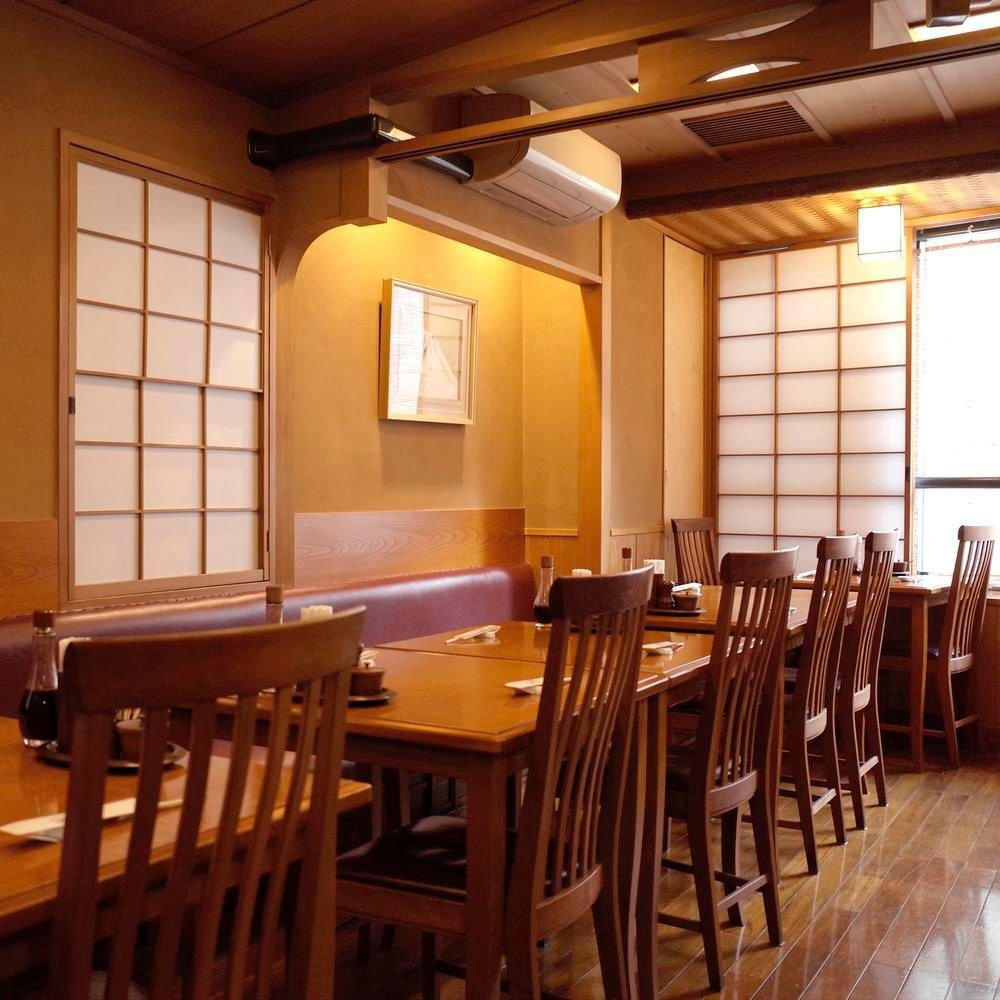
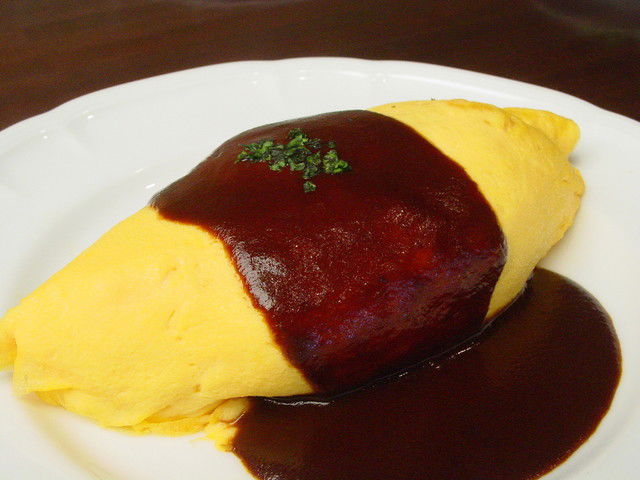
Yoshoku specialist near Ueno Hirokoji Station, delivering omurice and hamburger steak with demi-glace in a 74-seat room across two floors. Tabelog 100 recognition (2020, 2022, 2023, 2025) anchors reliability; lunch runs JPY 2,000–2,999, dinner JPY 4,000–4,999. Private room for six, counter seating for solo diners, and course meals from JPY 4,500 suit group bookings and business dinners.
About Gensen Yoshoku Sakurai
Gensen Yoshoku Sakurai is a Tokyo venue with pricing of JPY 2,000–2,999 and JPY 4,000–4,999. It is also listed in Tabelog 100 - Yoshoku - EAST - 2025, giving diners a clear point of recognition. The dress code is casual, making it a straightforward option to consider for a relaxed meal in Tokyo.
Hours are Wednesday through Friday from 11:30 AM–2:30 PM and 5:30–9 PM, and Saturday through Sunday from 11:30 AM–2:30 PM and 5–9 PM. The restaurant is closed on Monday and Tuesday.
Booking Strategy Across Two Visits
For a first visit, the practical decision is whether the lower price bracket of JPY 2,000–2,999 or the higher price bracket of JPY 4,000–4,999 better fits your itinerary. The published hours support both midday and evening planning from Wednesday through Sunday, with slightly earlier evening opening on Saturday and Sunday. Monday and Tuesday closures are important for short Tokyo stays, so avoid building the restaurant into the start of the week unless confirmed.
A second visit can be planned around the alternate time of day: if you first go during the midday service, consider returning in the evening, or vice versa. Beyond price, hours, casual dress, and the 2025 Tabelog 100 Yoshoku EAST recognition, details regarding specific reservation methods, seating request strategies, course formats, or group setups are not available.
Room, Atmosphere, and Group Suitability
The dress code is casual, so Gensen Yoshoku Sakurai can be approached as a relaxed Tokyo dining option rather than a formal one. Specifics about the dining room, counter seats, table counts, private rooms, accessibility, child policies, and event use are not provided and should not be assumed.
Among comparisons venues, Gensen Yoshoku Sakurai sits within a Tokyo dining itinerary alongside places such as Torie Ueno hirokoji ten, Ningyocho Imahan Ueno hirokoji ten, da GIORGIO, Karinto Yushima Kagetsu, and DELHI Ueno ten. Guidance is provided on Gensen Yoshoku Sakurai’s Tokyo location, price ranges, hours, casual dress code, and 2025 Tabelog 100 Yoshoku EAST listing. Detailed claims about how its room, menu, or service compares with those peers are not available.
For broader Tokyo dining context, our full Tokyo restaurants guide catalogs additional options across the city. Multi-day itineraries can cross-reference our full Tokyo hotels guide and our full Tokyo bars guide for accommodation and post-dinner planning in Tokyo.
Planning details
- Location
- Japan, 〒113-0034 Tokyo, Bunkyo City, Yushima, 3 Chome−40−7 カスタムビル 7F・8F
- Website
- yoshoku-sakurai.com
- Phone
- +81 3-3836-9357
The take
The Take
The Vibe
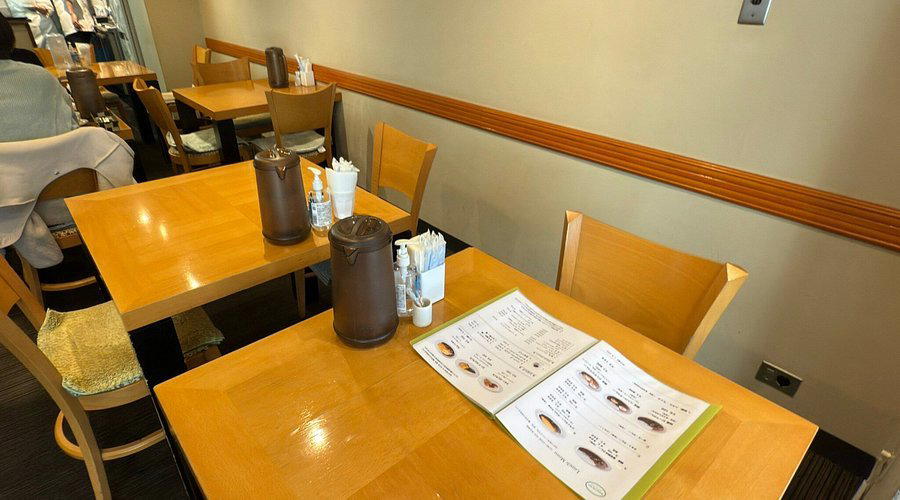
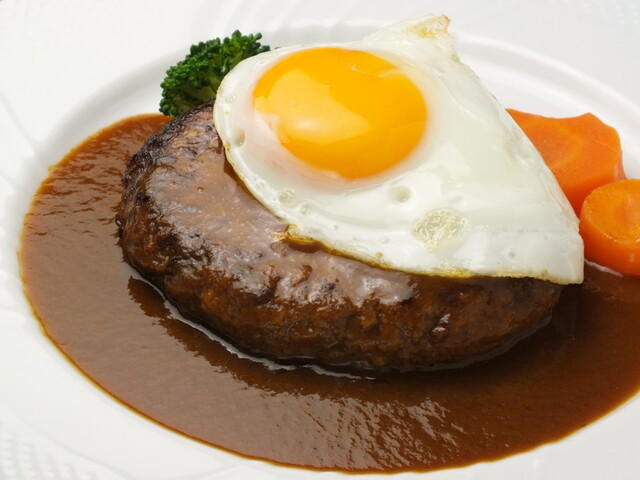
Gensen Yoshoku Sakurai presents itself as a focused yoshoku spot in the Ueno/Hirokoji–Yushima area, highlighting carefully crafted Japanese-style Western dishes. Classic yoshoku staples, notably hamburger steak, define the kitchen’s deliberate, well-executed work. The restaurant advertises private rooms and a no-smoking policy, which together suggest a straightforward, guest-focused environment that prioritizes comfortable, undistracted dining. The food and practical features create an overall impression of reliable, traditional yoshoku cuisine in a neighborhood setting.
Best For
This restaurant is best for diners seeking classic yoshoku fare, especially those who want a focused meal of items like hamburger steak, and for small private gatherings. The explicit availability of private rooms makes it a sensible choice for family dinners, quiet celebratory meals, or business lunches that require privacy. Patrons can research dishes and reviews ahead of a visit. The no-smoking policy further signals suitability for groups that prefer a smoke-free dining environment.
Ordering Tips
Highlight the restaurant’s noted dishes when ordering: the listing specifically calls out hamburger steak, so consider that as a primary choice. Use the Tabelog entry to review menus and user photos beforehand to confirm current offerings and portion size. If you’re visiting with a group or want added privacy, reserve one of the private rooms in advance. Also keep in mind the venue is non-smoking, which may make it more comfortable for diners sensitive to smoke.
Venue details
Ambiance
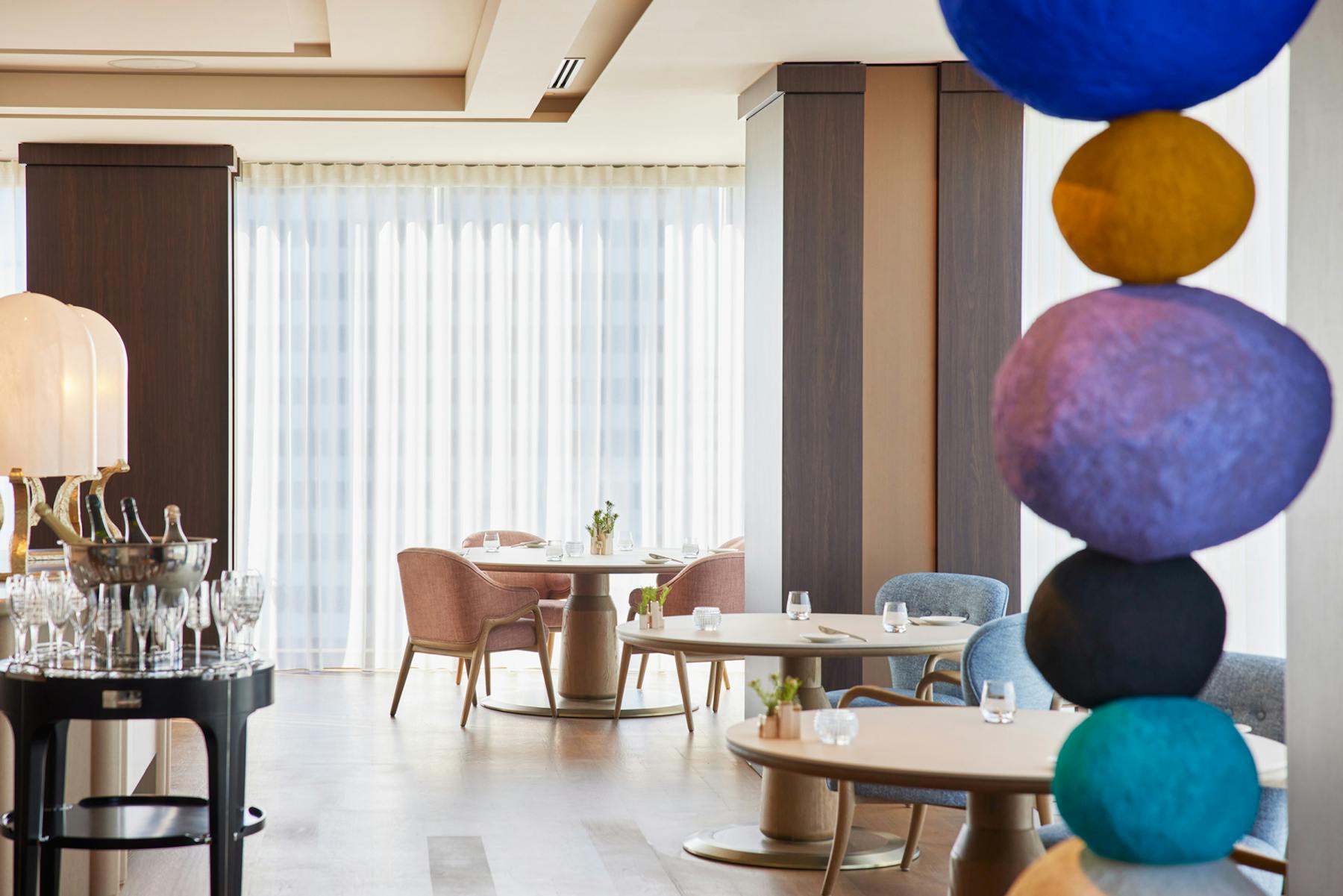
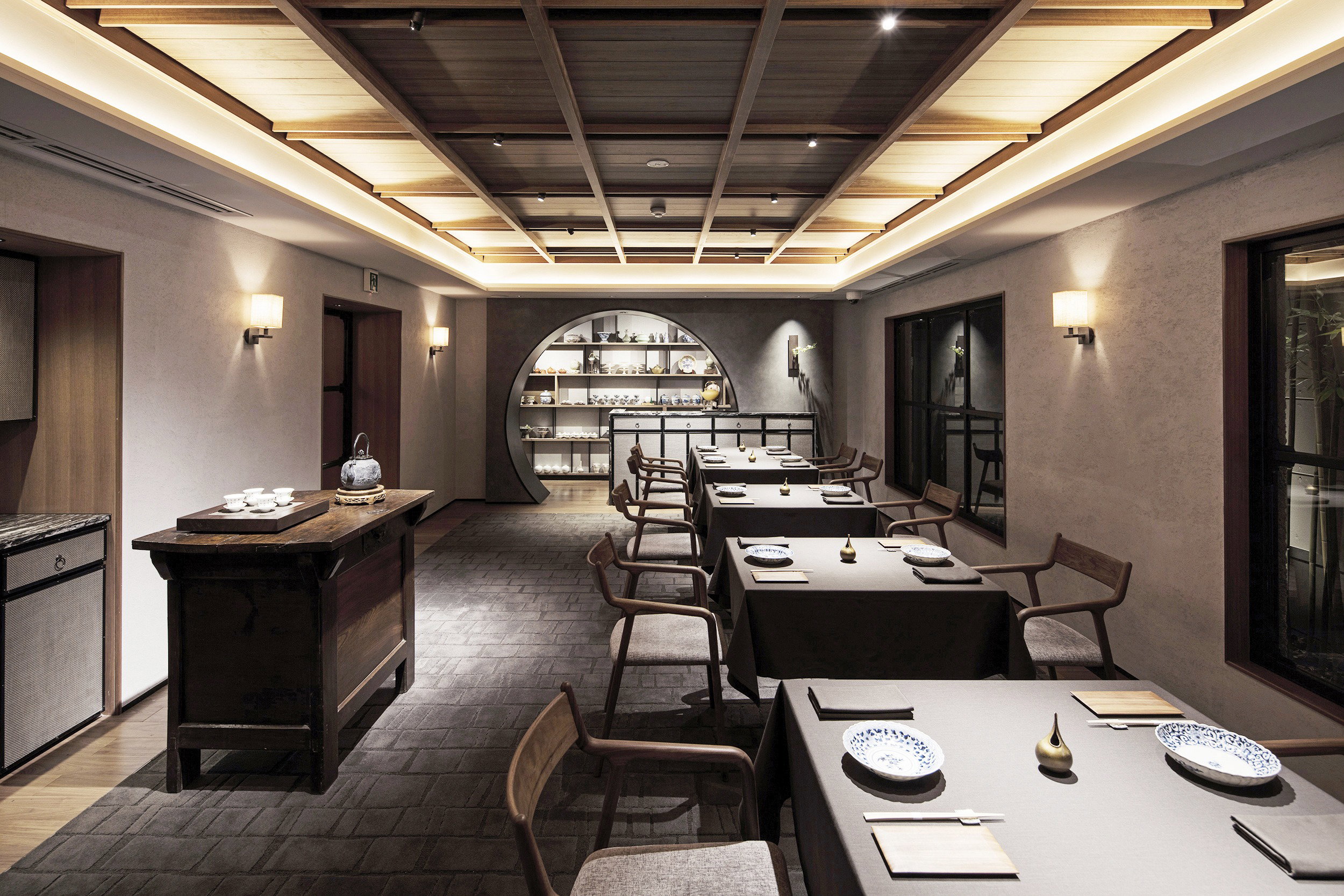
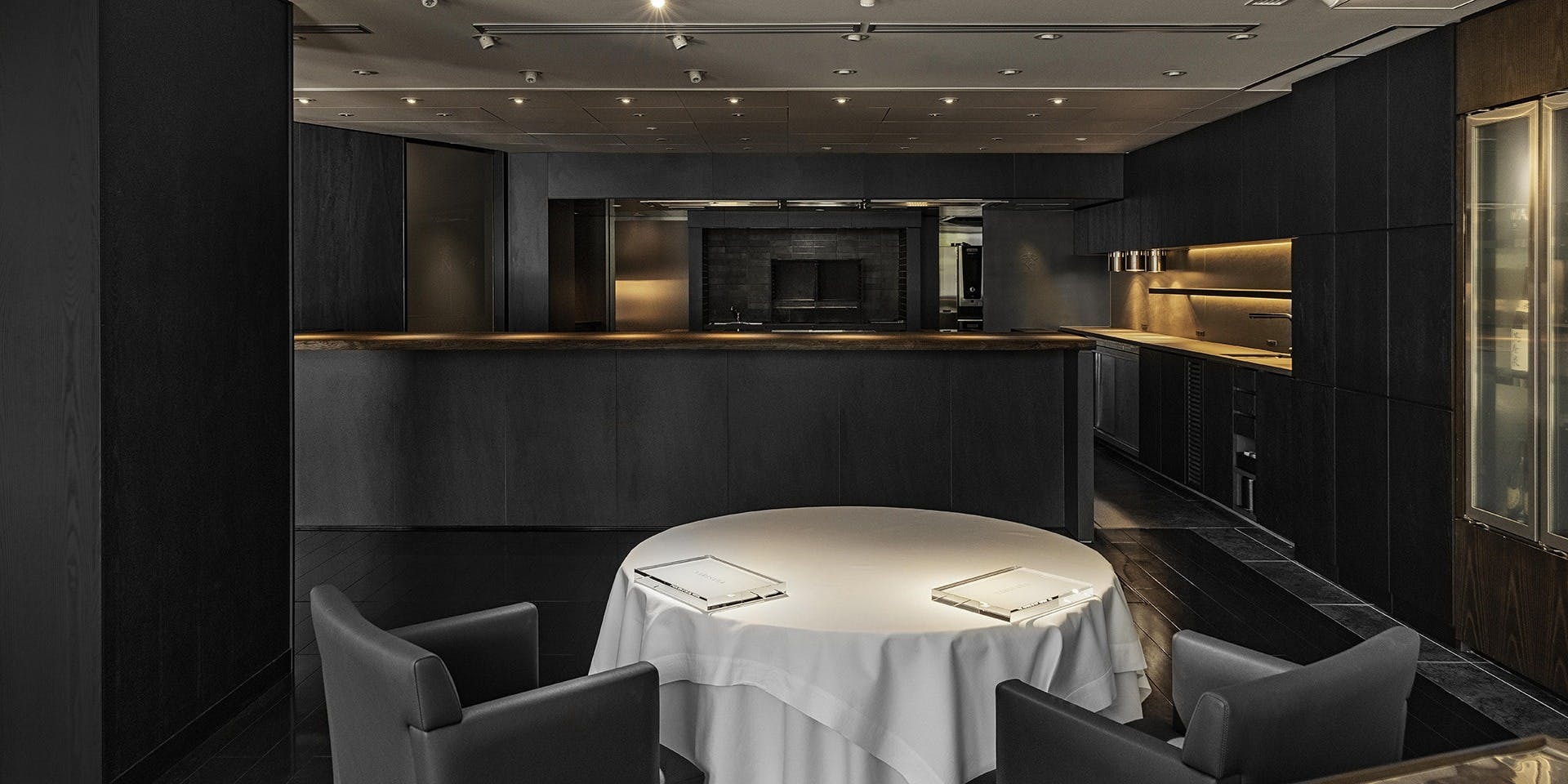
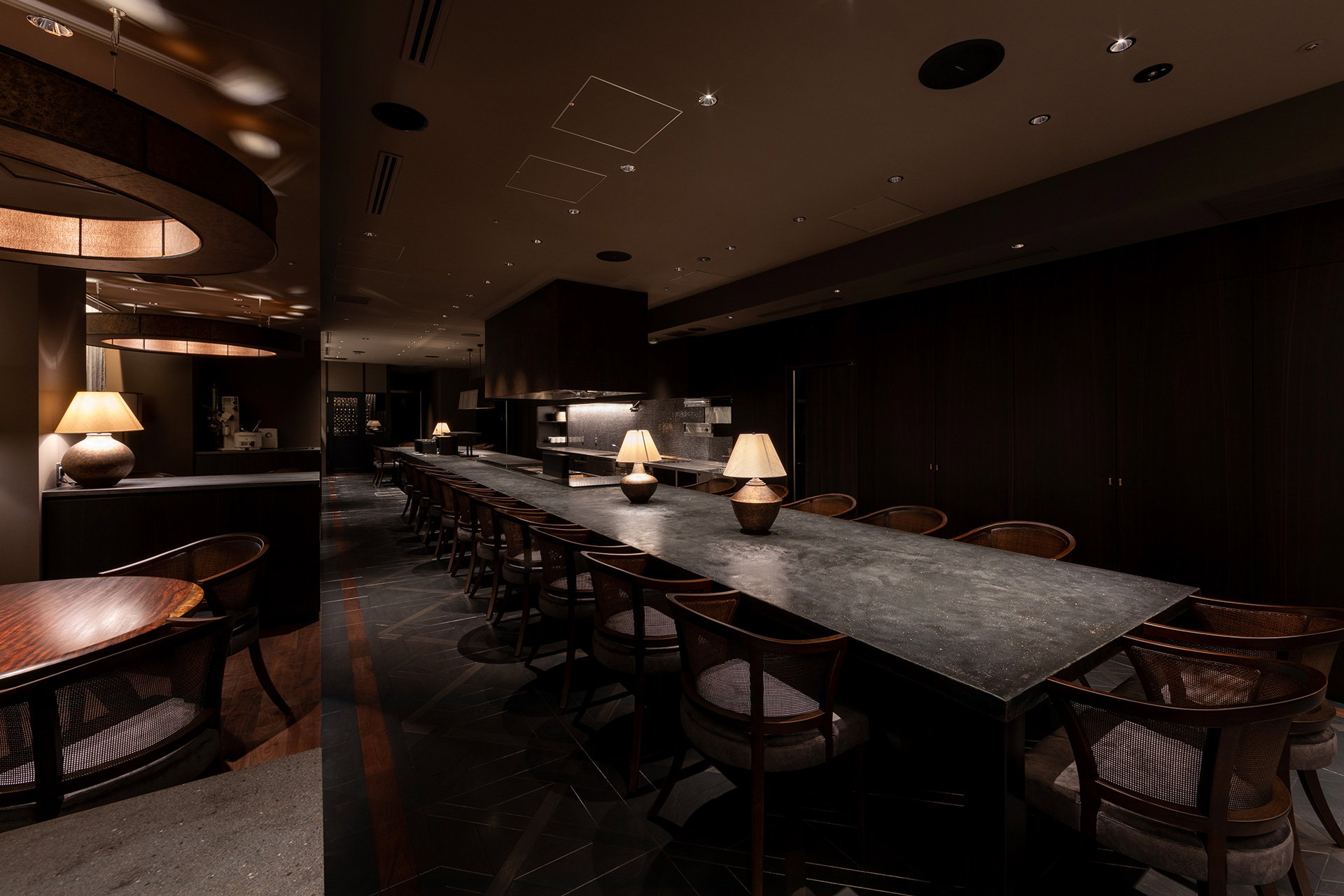
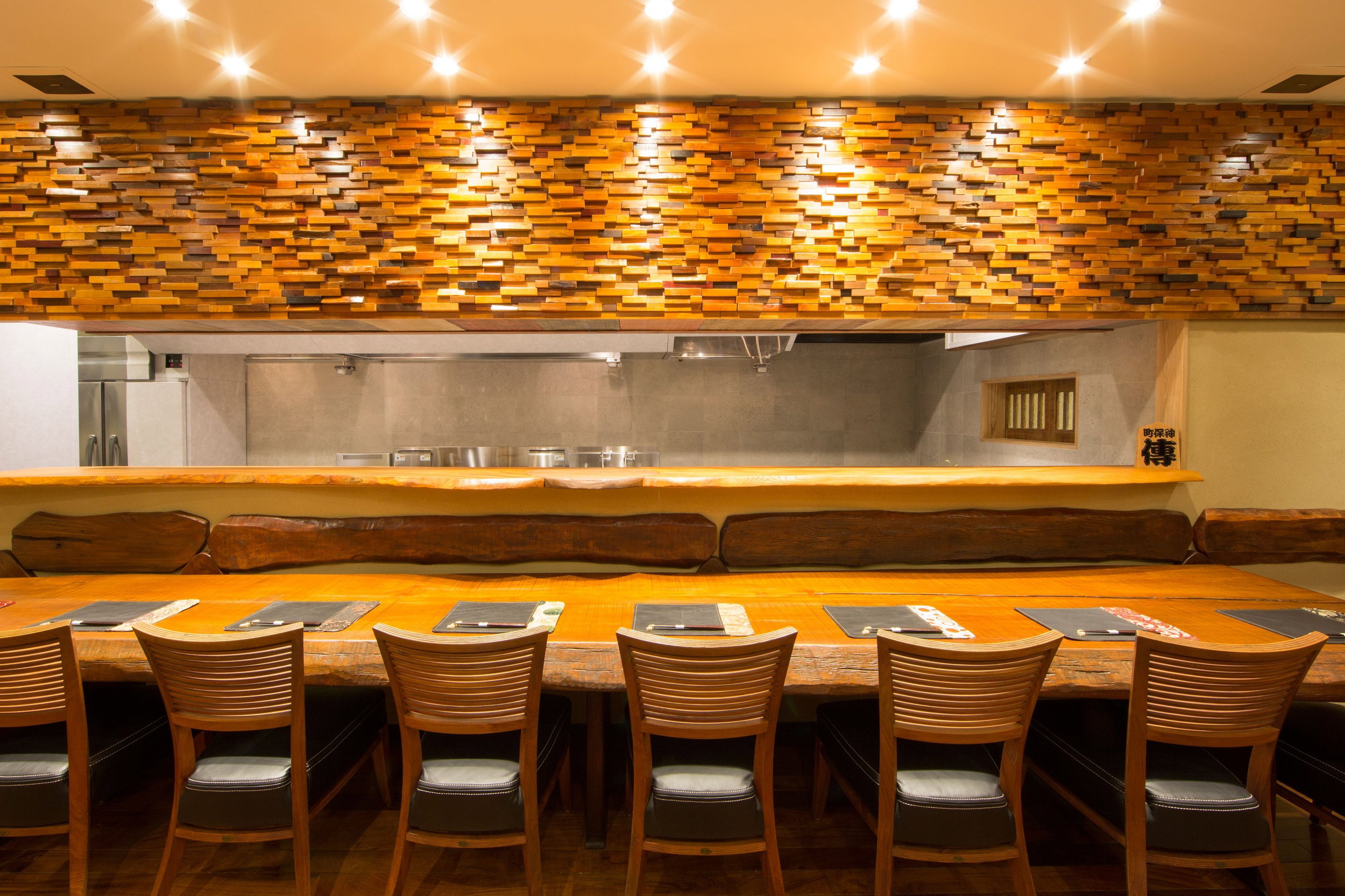
Nostalgic and warmly contemporary, with a modern interior that frames classic comfort-food dishes.
Tags
Vibe
Best For
Experience
Accessibility
At the Table
- Dress Code
- Casual
- Noise Level
- Conversational
- Service Style
- Upscale Casual
- Meal Pacing
- Standard
- Capacity
- Medium
- Kitchen
- Traditional
- Menu Format
- A la carte, Set menu, Prix fixe
- Drinks Focus
- Beer
- Dietary
- Vegetarian friendly
Signature Dishes
- omurice
- hamburger steak
- shrimp macaroni gratin
- napolitan
Know before you go
Know Before You Go
- Getting there
- Japan, 〒113-0034 Tokyo, Bunkyo City, Yushima, 3 Chome−40−7 カスタムビル 7F・8F
Planning details
Location
Japan, 〒113-0034 Tokyo, Bunkyo City, Yushima, 3 Chome−40−7 カスタムビル 7F・8F · Directions
Recognition and awards
Also consider
Also Consider
- Torie Ueno hirokoji ten, JPY 10,000 - JPY 14,999, JPY 10,000 - JPY 14,999
- Ningyocho Imahan Ueno hirokoji ten, JPY 10,000 - JPY 14,999 JPY 5,000 - JPY 5,999, JPY 10,000 - JPY 14,999 JPY 5,000 - JPY 5,999
- Karinto Yushima Kagetsu, - JPY 999 - JPY 999 View spending breakdown, - JPY 999 - JPY 999 View spending breakdown
- da GIORGIO, JPY 6,000 - JPY 7,999 JPY 4,000 - JPY 4,999, JPY 6,000 - JPY 7,999 JPY 4,000 - JPY 4,999
- DELHI Ueno ten, - JPY 999 - JPY 999, - JPY 999 - JPY 999
Restaurant context
Gensen Yoshoku Sakurai sits in the middle of Ueno's yoshoku price spectrum, undercutting premium neighbors by half while maintaining Tabelog 100 credentials. Torie Ueno hirokoji ten and Ningyocho Imahan Ueno hirokoji ten charge JPY 10,000–14,999 for sukiyaki and shabu-shabu formats, positioning themselves as special-occasion destinations; Gensen Yoshoku Sakurai's JPY 4,000–4,999 dinner range delivers Western-style classics without the premium attached to high-end nabe experiences. For travelers on tighter budgets, Karinto Yushima Kagetsu and DELHI Ueno ten offer sub-JPY 1,000 meals, though neither provides private-room infrastructure or award recognition.
da GIORGIO overlaps the JPY 4,000–7,999 bracket but shifts toward Italian preparations rather than yoshoku's egg-and-demi-glace core. Solo diners will find Gensen Yoshoku Sakurai's counter seating and weekday lunch pricing (JPY 2,000–2,999) more accessible than Ginza's omakase-driven yoshoku counters, where entry points exceed JPY 8,000. Groups of six benefit from the private room, a configuration absent at most yoshoku specialists; parties requiring 20–50 seats can book the entire venue, a rare option in this price tier. Booking difficulty remains low across all Ueno peers, reservations secure preferred seating, but walk-ins clear during weekday lunch and early-evening windows.
For value-conscious diners prioritizing award credentials over novelty, Gensen Yoshoku Sakurai delivers repeatable quality at half the cost of Ueno's premium Western-style venues. Travelers seeking sub-JPY 5,000 dinners with private-room flexibility should book here first; those chasing ingredient-driven innovation or omakase pacing will need to move toward Ginza or Nihonbashi and accept JPY 10,000+ entry points.
Explore Tokyo
Around this place
Discover more on Pearl
Unlock the full Gensen Yoshoku Sakurai guide in Pearl, including awards, comparisons, FAQs, planning details, and nearby places.
FAQ
Frequently Asked Questions
Can Gensen Yoshoku Sakurai accommodate groups?
Group accommodations, private rooms, private-use bookings, course meals, buffet options, and child policies are not provided.
Is lunch or dinner better at Gensen Yoshoku Sakurai?
The price ranges are JPY 2,000–2,999 and JPY 4,000–4,999. Hours include midday service from 11:30 AM–2:30 PM Wednesday through Sunday, and evening service from 5:30–9 PM Wednesday through Friday and 5–9 PM Saturday and Sunday. Choose based on your budget and schedule.
What should a first-timer know about Gensen Yoshoku Sakurai?
Gensen Yoshoku Sakurai is in Tokyo, is closed Monday and Tuesday, and operates Wednesday through Sunday for midday and evening services. Pricing is JPY 2,000–2,999 and JPY 4,000–4,999, and the dress code is casual. It is listed in Tabelog 100 - Yoshoku - EAST - 2025.
What should I wear to Gensen Yoshoku Sakurai?
The dress code is casual. Casual wear is appropriate.