
Sanso Kyoyamato
Japanese · Higashiyama, Kyoto
Restaurant in Kyoto, Japan
 Book with Pearl
The Read
Sukiya-Framed Kaiseki
Price
¥¥¥¥
Dress
Smart Casual
Why go
Sanso Kyoyamato is a two-Michelin-star kaiseki property in Higashiyama where the sukiya architecture, seasonal garden, and tasting menu are designed as a single composition. Booking is near impossible — plan three to four months ahead. At ¥¥¥¥, it is the strongest case in Kyoto for spending at the ceiling of the kaiseki format, but only if the complete spatial and culinary experience is what you are after.
About Sanso Kyoyamato
Verdict
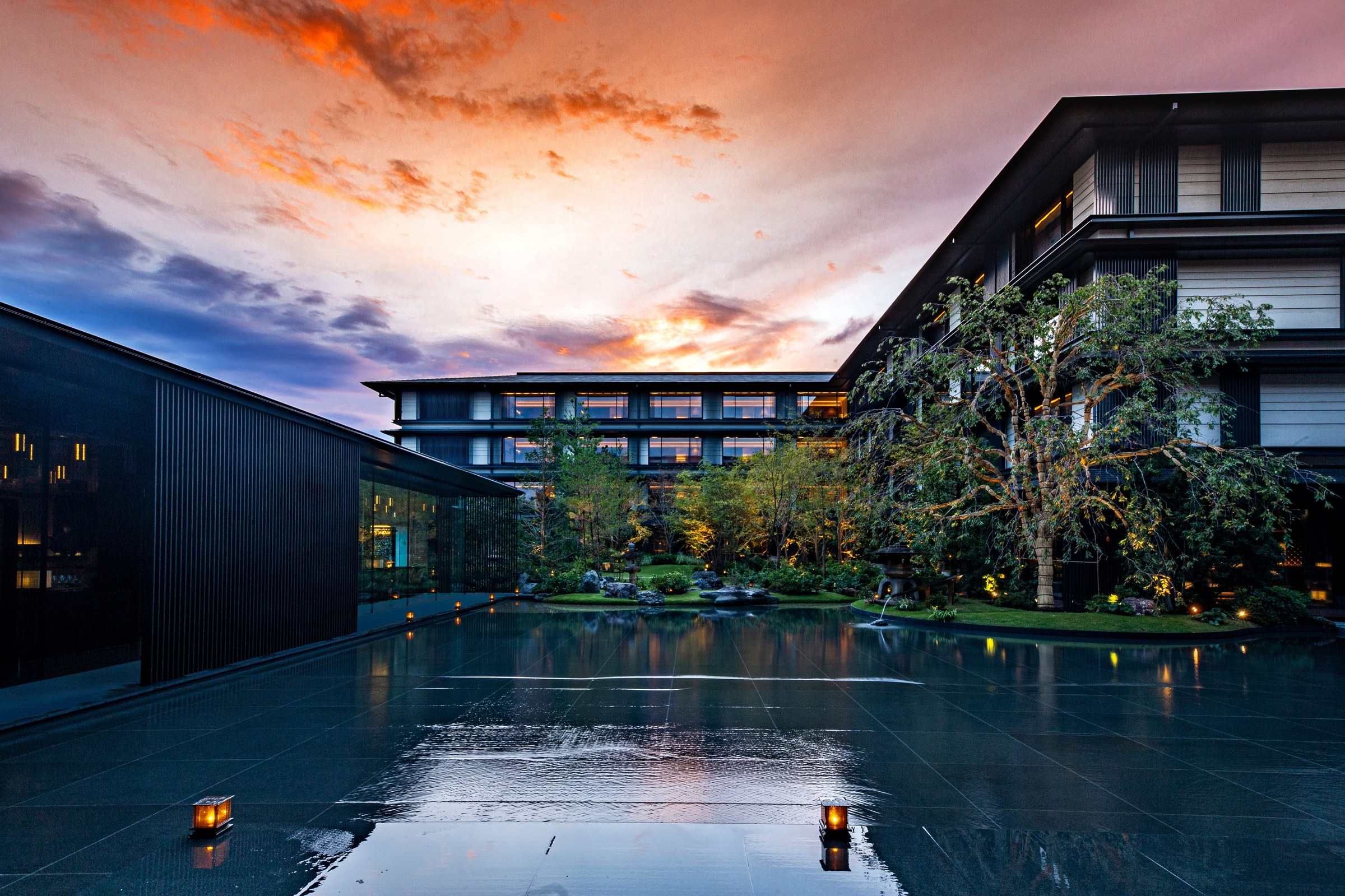
Walk through the front gate of Sanso Kyoyamato, and the short path to the main buildings does something deliberate: it asks you to slow down before you even sit. That transition is the whole argument for booking here. Sanso Kyoyamato is a two-Michelin-star kaiseki property in Higashiyama, Kyoto, and it earned its second star in 2025 after holding one star in 2024. If you are deciding whether to spend at the ¥¥¥¥ tier on a kaiseki meal in Kyoto, this is one of the strongest cases for saying yes — but only if you want an experience where the architecture, garden, and food are designed as a single composition, not just a meal with a pleasant setting attached.
The Space
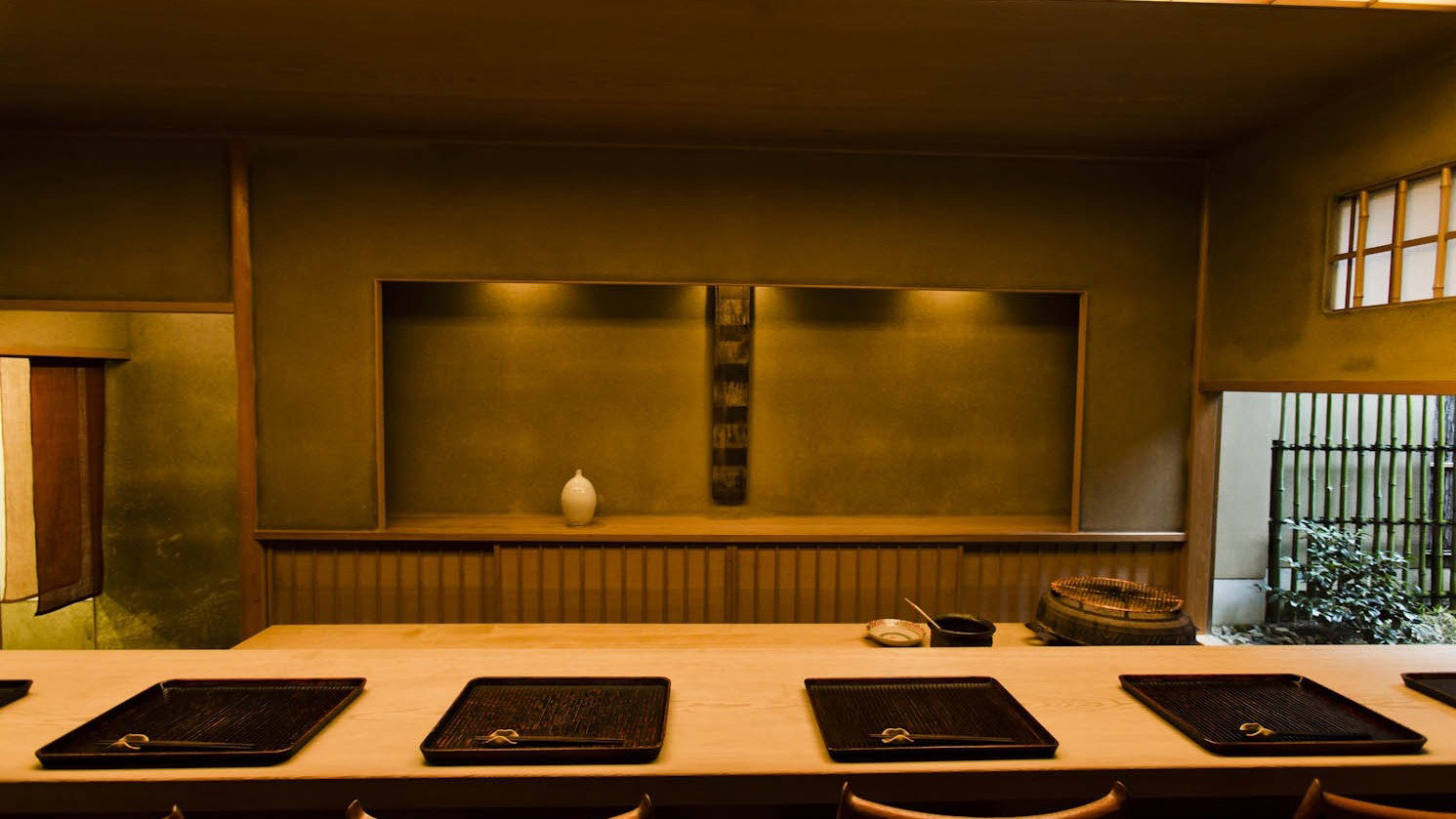
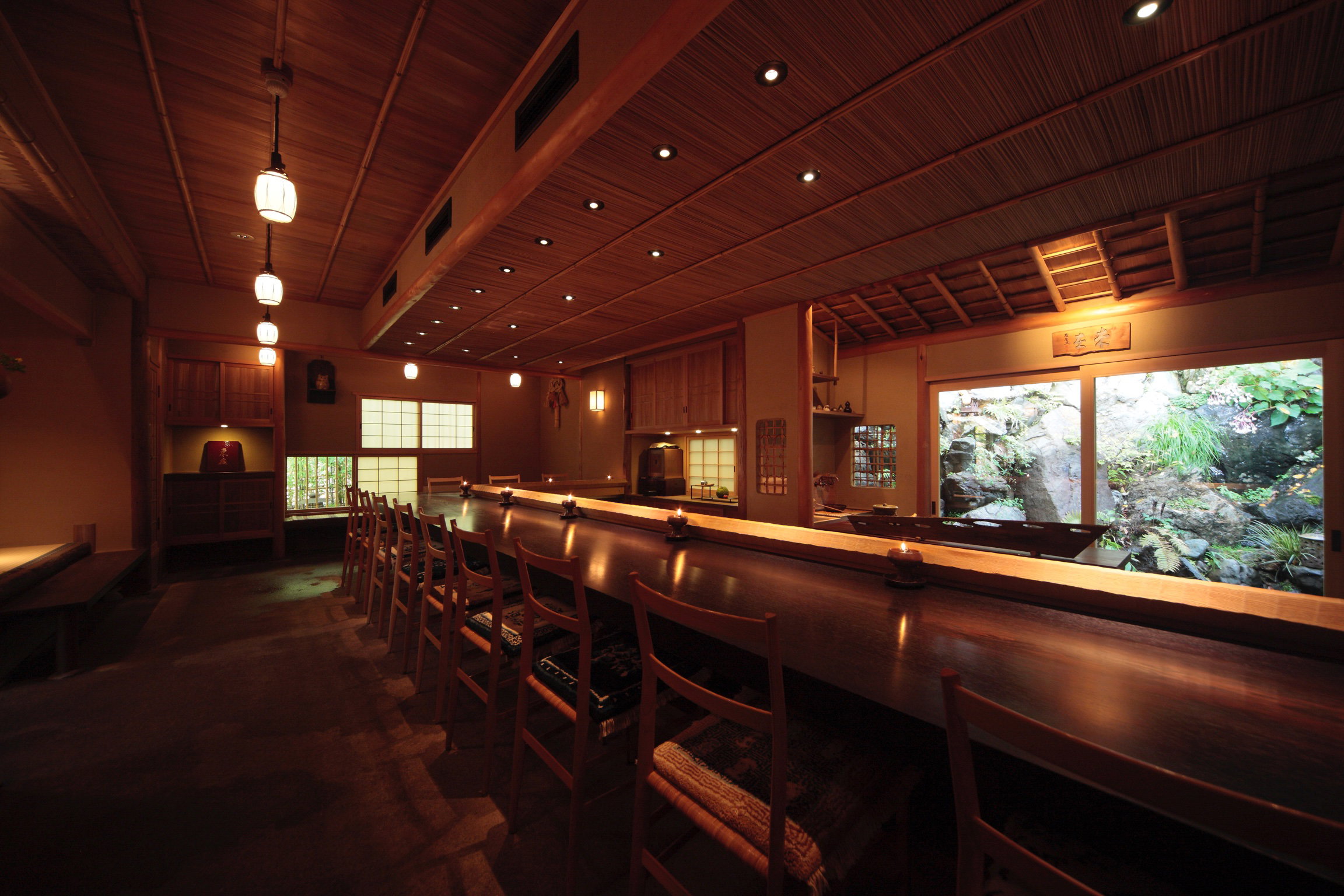
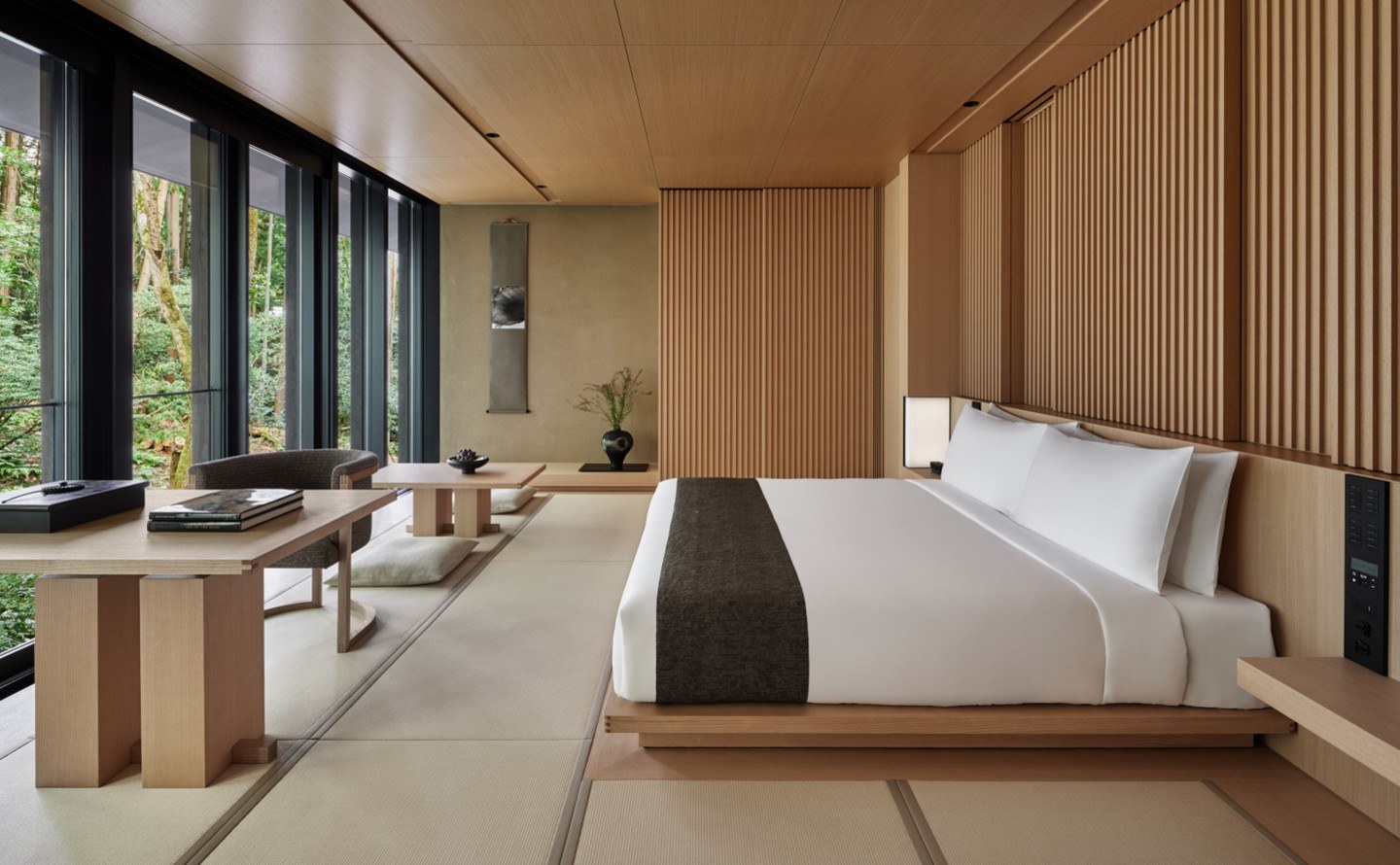
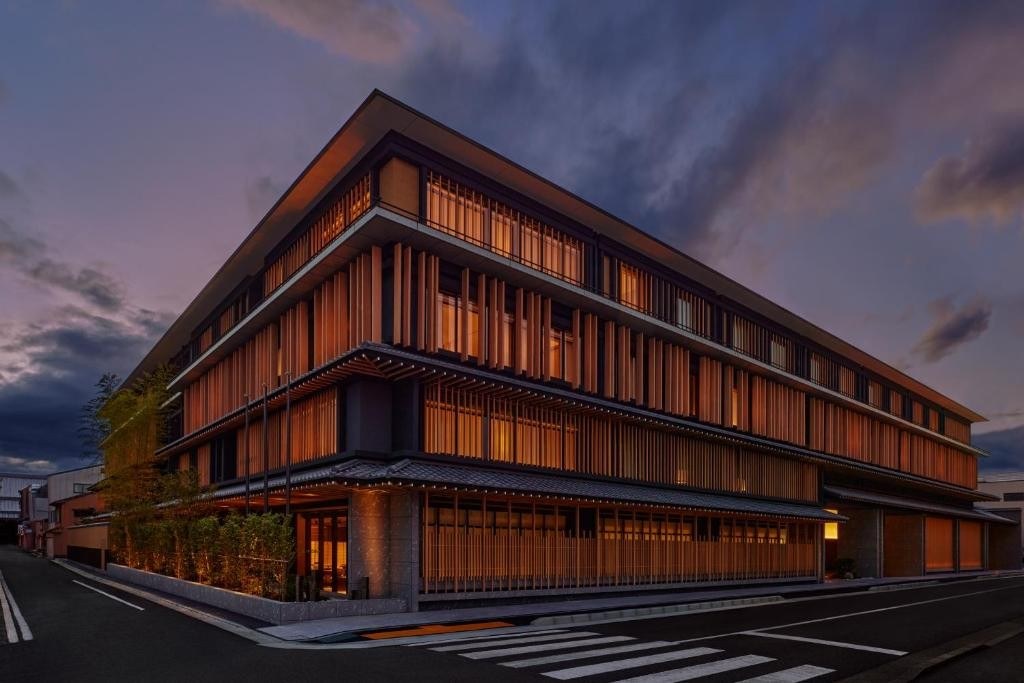
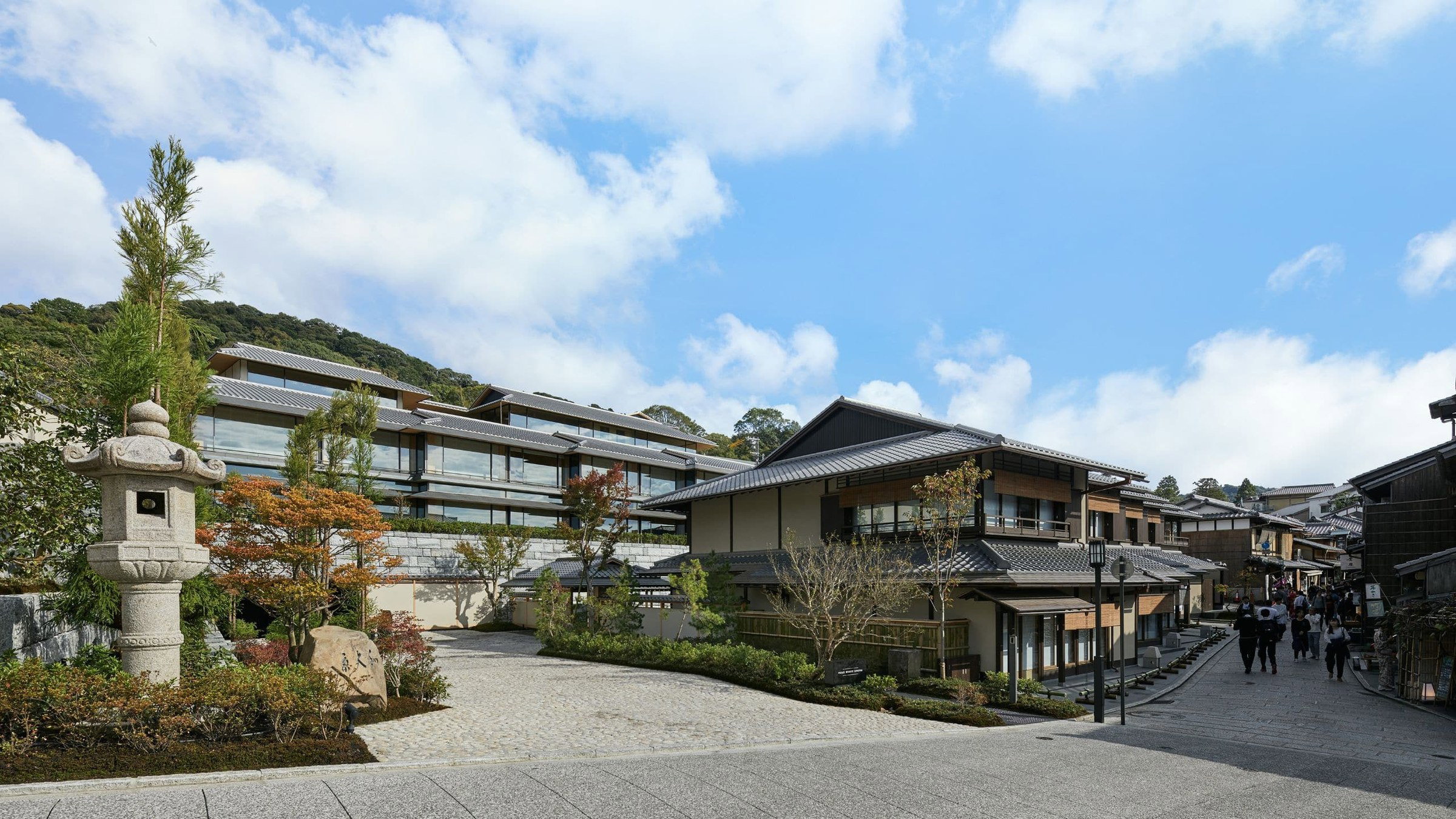
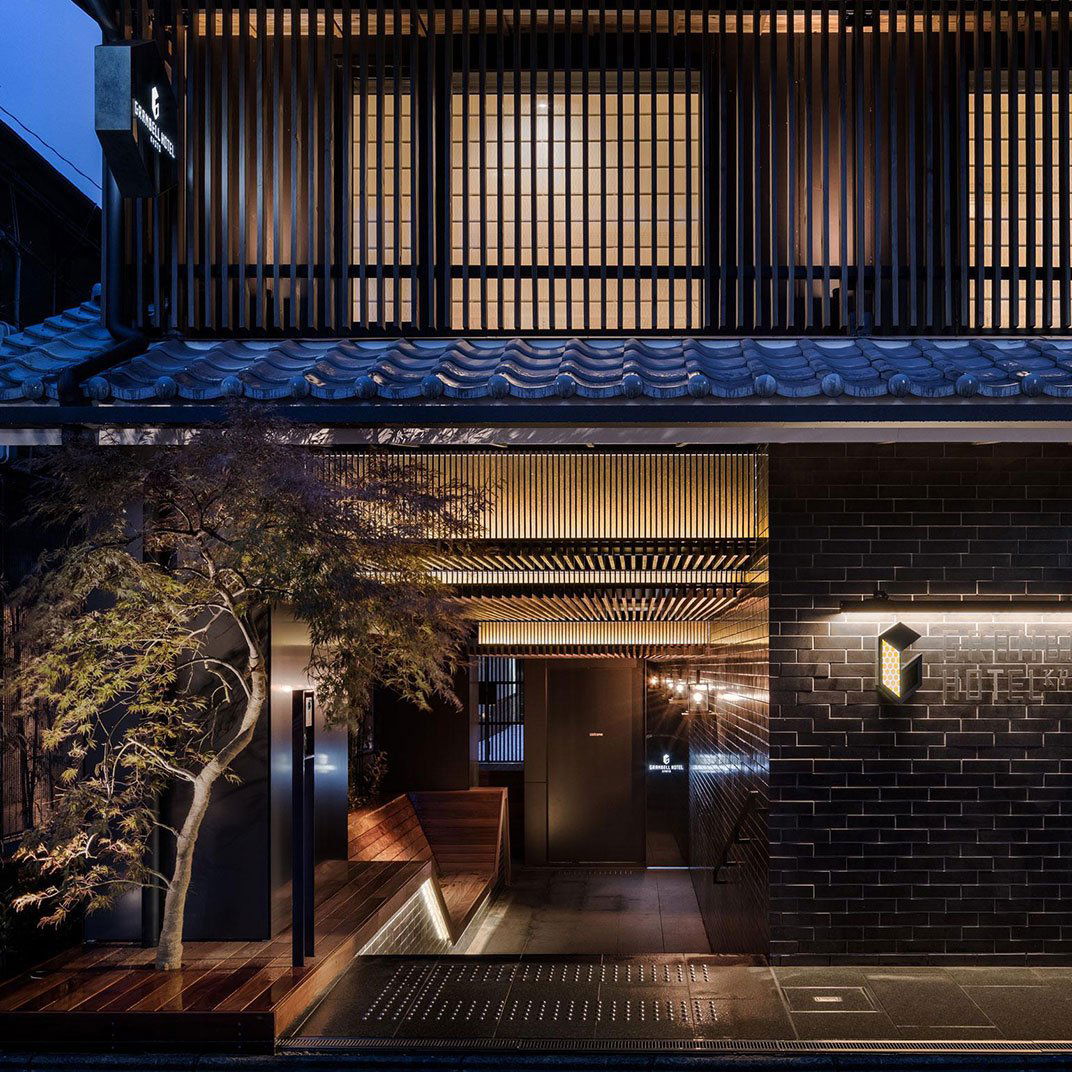
The buildings follow sukiya design, a style rooted in the aesthetics of the tea ceremony: restrained, asymmetric, materials left close to their natural state. The site is arranged so that seasonal views of the garden are integrated into each room, meaning what you see through the shoji screens changes with the time of year. This is not incidental decoration — the seasonal framing is structural to how the meal is intended to be read. For a special occasion, that spatial quality is worth factoring heavily into your decision. You are not booking a room that happens to have a garden view; the garden is part of the architecture of the experience. Compared to kaiseki rooms that deliver equivalent cooking in more neutral interiors, Sanso Kyoyamato's physical setting gives the meal a specific context that is difficult to replicate elsewhere in the city.
The Tasting Menu
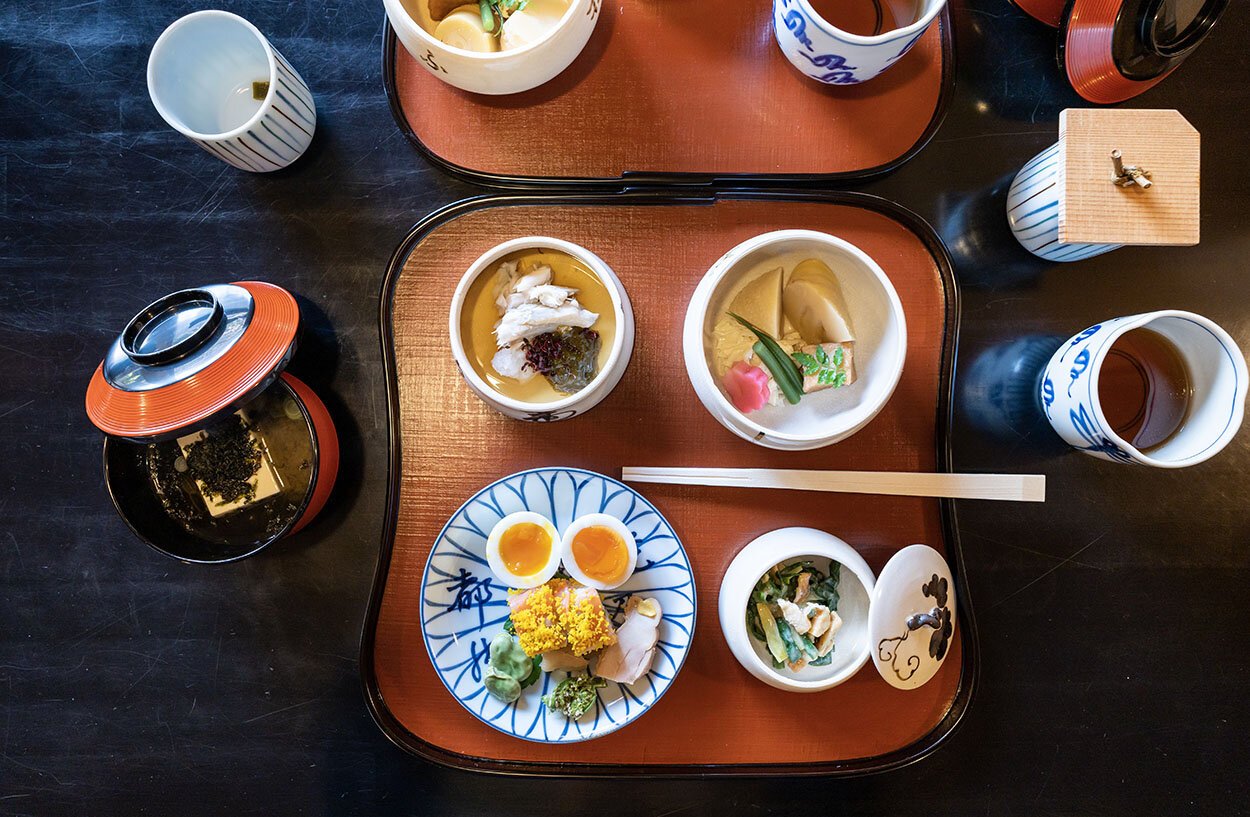
The editorial angle on Sanso Kyoyamato is its tasting menu architecture. The chef's stated intention is that every aspect of the experience, food arrangements, flavour, service, spatial composition, functions as a complete work of Japanese art. That framing matters practically: the progression of the meal here is not simply a sequence of courses moving from light to rich. It is structured to move in concert with the room, the season, and the presentation of each dish. The painstaking service of the proprietress and hostess is documented in the venue's own positioning, and it shows in how the meal is paced. Diners report sensing the coherence of the whole, which, in kaiseki terms, is the highest possible endorsement of a chef's intent. For the ¥¥¥¥ price tier, that level of compositional discipline is what separates a two-star kaiseki from a technically proficient but less considered one-star meal. If you are choosing between this and a restaurant where the food is the sole focus, come here when the full experience, space, season, service cadence, food, is what you are after.
Booking
Booking difficulty is rated near impossible. Sanso Kyoyamato operates at the level of Kyoto's most sought-after kaiseki tables, and at the two-star tier following the 2025 upgrade, demand will have increased. Plan a minimum of two to three months out for domestic bookings; international visitors should target three to four months, particularly for weekend dates and the high-traffic seasons of spring cherry blossom (late March to mid-April) and autumn foliage (mid-November to early December). If your travel dates are fixed, lock the reservation before anything else. Missing this booking and substituting a walk-in kaiseki alternative is not an equivalent trade.
Reservations: Near impossible, book three to four months ahead for international visitors, especially in spring and autumn. Dress: No published dress code, but the formality of the space and occasion warrants smart attire; traditional dress is welcomed and contextually appropriate. Budget: ¥¥¥¥ tier, plan accordingly for a multi-course kaiseki meal at two-Michelin-star level. Location: 359 Masuyacho, Higashiyama Ward, Kyoto 605-0826.
Trust Signals
Sanso Kyoyamato holds two Michelin stars as of the 2025 guide, having held one star in 2024. The one-year jump from one to two stars is a meaningful signal: the Michelin inspectors assessed the cooking as meriting a significant upgrade within a single cycle. For wider context on high-end kaiseki and Japanese dining across Japan, see Kyokaiseki Kichisen, Isshisoden Nakamura, and Gion Matayoshi in Kyoto; or further afield at HAJIME in Osaka, Myojaku in Tokyo, and Azabu Kadowaki in Tokyo.
How It Compares
See the full comparison section below.
Pearl Picks, More Kyoto and Beyond
If Sanso Kyoyamato is fully booked, the next-closest experience in terms of spatial and culinary coherence is Kikunoi Roan or Kodaiji Jugyuan for kaiseki in Higashiyama. For the broader Kyoto dining picture, our full Kyoto restaurants guide covers the range from accessible to near-impossible tables. Planning a longer Japan itinerary? akordu in Nara, Goh in Fukuoka, 1000 in Yokohama, and 6 in Okinawa are worth the detour. Also see Harutaka in Tokyo for high-precision Japanese dining in a different format. For everything else in the city: Kyoto hotels, Kyoto bars, Kyoto wineries, and Kyoto experiences.
Planning details
- Location
- 359 Masuyacho, Higashiyama Ward, Kyoto, 605-0826, Japan
- Website
- kyoyamato.com
- Phone
- +81 75-525-1555
The take
The Take
The Vibe
Sanso Kyoyamato unfolds like a restrained work of traditional Japanese art. Set within Higashiyama's preserved streets and sukiya-style buildings, the house weaves architecture, service and cuisine into a single, composed statement. The experience emphasizes seasonality and carefully framed garden views; the approach from the street into enclosed garden is deliberately choreographed so the setting accumulates meaning before a dish appears. Michelin recognition underscores the restaurant’s formal seriousness, and the overall mood leans toward serene, historic refinement rather than overt showmanship. It feels quietly ceremonial, with attention calibrated to intimate rooms and the rhythms of kaiseki.
Best For
This is a place for considered meals that reward attention. Sanso Kyoyamato suits diners seeking a formal kaiseki experience tied to place — think milestone dinners, quietly important business meals or any occasion where seasonality, architectural setting and ritualized service matter. The setting favors small parties and conversations that match the measured pace of a multi-course meal; it is less suitable for casual drop-ins or loud group celebrations. The garden, the architecture and the choreography of arrival are integral to the meal, so guests who value cohesion between room, service and food will find it particularly satisfying.
Ordering Tips
Expect a seasonal, choreographed kaiseki rather than à la carte spontaneity: the description emphasizes the meal as a coherent sequence and ties cuisine to the garden and season. Allow time for the approach from street gate to the building— the shift into the enclosed garden is part of the experience. When discussing arrangements with the restaurant, reference the garden views if that aspect matters to your party, and plan for a focused, formal dining rhythm that privileges small, attentive service rather than a hurried or noisy meal.
Venue details
Ambiance
Classic sukiya architecture with seasonal ceremonies, garden views, birds singing, and impeccable omotenashi service creating a serene, artistic Japanese atmosphere.
Tags
Vibe
Best For
Experience
View
At the Table
- Dress Code
- Smart Casual
- Noise Level
- Quiet
- Service Style
- Formal
- Meal Pacing
- Leisurely
- Capacity
- Intimate
Know before you go
Know Before You Go
- Getting there
- 359 Masuyacho, Higashiyama Ward, Kyoto, 605-0826, Japan
Planning details
Location
Recognition and awards
Also consider
Also Consider
- Gion Sasaki, Kaiseki, Japanese, ¥¥¥¥
- cenci, Italian, ¥¥¥
- Ifuki, Kaiseki, ¥¥¥¥
- Kyokaiseki Kichisen, Japanese, ¥¥¥¥
- Kyo Seika, Chinese, ¥¥¥
Restaurant context
How Sanso Kyoyamato Compares in Kyoto
At the ¥¥¥¥ tier, Sanso Kyoyamato's closest peer for kaiseki is Kyokaiseki Kichisen, which operates at a comparable prestige level and price point. The meaningful difference is context: Sanso Kyoyamato's sukiya buildings and integrated garden give the meal a specific architectural frame that Kichisen does not replicate. If the setting is the primary reason you are booking, Sanso Kyoyamato is the clearer choice. If the cooking is the sole priority and ambiance is secondary, Kichisen is equally defensible. Gion Sasaki and Ifuki round out the ¥¥¥¥ kaiseki field; both are worth considering if Sanso Kyoyamato's near-impossible booking window is an obstacle.
For diners who want to reduce spend without abandoning occasion-level quality, cenci and Kyo Seika sit at ¥¥¥ and offer serious cooking in a different register, Italian and Chinese respectively, that can serve a special occasion without the kaiseki format or the ¥¥¥¥ outlay. Neither replicates what Sanso Kyoyamato does, but both are meaningful alternatives if the booking is unavailable or the budget is a constraint.
On booking difficulty alone, the practical recommendation is this: if your travel dates are fixed and Sanso Kyoyamato is on the list, reserve it first. It is the hardest table to secure in this comparison set following its 2025 two-star upgrade. If you miss the window, move to Gion Sasaki or Ifuki before considering the ¥¥¥ tier options. The drop from two-star kaiseki in a historic Higashiyama property to a ¥¥¥ alternative is significant enough that the substitution should be a deliberate choice, not a default.
Explore Kyoto
Around this place
Discover more on Pearl
Unlock the full Sanso Kyoyamato guide in Pearl, including awards, comparisons, FAQs, planning details, and nearby places.
Compare Sanso Kyoyamato
| Venue | Price | Awards |
|---|---|---|
| Sanso Kyoyamato | ¥¥¥¥ | 2026 Michelin 2 StarsMichelin Guide Kyoto Osaka 20262025 Michelin 2 Stars2024 Michelin 1 Star |
| Gion Sasaki | ¥¥¥¥ | 2026 Tabelog Bronze · #3862026 OAD Top Restaurants in Japan RecommendedMichelin Guide Kyoto Osaka 20262026 La Liste Top RestaurantsTabelog 100 - Japanese cuisine - WEST - 2025 · #132025 OAD Top Restaurants in Japan Ranked · #2462025 Tabelog Silver2025 Michelin 3 Stars2025 La Liste Top Restaurants |
| cenci | ¥¥¥ | 2026 Tabelog Bronze · #442026 Asia's 50 Best Restaurants · #762026 OAD Top Restaurants in Japan Highly RecommendedMichelin Guide Kyoto Osaka 2026Tabelog 100 - Italian - WEST - 2025 · #632025 Asia's 50 Best Restaurants · #632025 OAD Top Restaurants in Japan Ranked · #1682025 Tabelog Bronze2024 OAD Top Restaurants in Japan Ranked · #135 |
| Ifuki | ¥¥¥¥ | 2026 OAD Top Restaurants in Japan Ranked · #1222026 Tabelog Bronze · #128Michelin Guide Kyoto Osaka 20262026 La Liste Top RestaurantsTabelog 100 - Japanese cuisine - WEST - 2025 · #622025 OAD Top Restaurants in Japan Ranked · #1002025 La Liste Top Restaurants2025 Tabelog Bronze2025 Michelin 2 Stars |
| Kyokaiseki Kichisen | ¥¥¥¥ | 2026 Tabelog Bronze · #1752026 OAD Top Restaurants in Japan Highly RecommendedMichelin Guide Kyoto Osaka 20262025 OAD Top Restaurants in Japan Ranked · #1862025 Michelin 2 Stars2025 La Liste Top Restaurants2024 OAD Top Restaurants in Japan Ranked · #1422024 Michelin 2 Stars2023 OAD Top Restaurants in Japan Ranked · #136 |
| Kyo Seika | ¥¥¥ | Tabelog 100 - Chinese cuisine - WEST - 2026 · #762026 Tabelog Bronze · #2162026 OAD Top Restaurants in Japan Recommended2026 Michelin 1 Star2025 OAD Top Restaurants in Japan Ranked · #3262025 Tabelog Bronze2024 OAD Top Restaurants in Japan Ranked · #3042024 Michelin Plate2024 Michelin 1 Star |








.png?width=1200&quality=80)
Key differences to consider before you reserve.
FAQ
Frequently Asked Questions
Can I eat at the bar at Sanso Kyoyamato?
Sanso Kyoyamato is a traditional kaiseki venue in Higashiyama Ward, not a bar-format restaurant. The experience is built around the sukiya-designed rooms and garden setting, so counter or bar seating is not part of the format here. If you want a kaiseki experience with counter access, Gion Sasaki offers that format at a comparable price tier.
Is Sanso Kyoyamato worth the price?
At ¥¥¥¥ pricing with two Michelin stars awarded in the 2025 guide — a jump from one star in 2024 — Sanso Kyoyamato sits at the serious end of Kyoto's kaiseki tier. The case for spending here rests on the integration of architecture, garden, and food as a single composed experience, not the meal alone. If you want pure food value at a lower price point, Ifuki or cenci offer strong returns. Sanso Kyoyamato makes sense if the full spatial and ceremonial context matters to you.
What should I order at Sanso Kyoyamato?
Sanso Kyoyamato operates on a tasting menu format — there is no à la carte ordering. The menu follows the kaiseki structure, with the chef directing the progression of courses. Specific dishes and seasonal content are not publicly documented, so expect the menu to reflect the current season at the time of your visit.
What are alternatives to Sanso Kyoyamato in Kyoto?
For kaiseki at a similar spatial and culinary level, Kyokaiseki Kichisen is the most direct comparison — three Michelin stars and a garden setting, though harder to book and priced higher. Kikunoi Roan and Gion Sasaki offer two-star kaiseki with somewhat more accessible bookings. If you want contemporary Japanese cooking rather than traditional kaiseki, cenci operates at a different register entirely and is easier to secure.
Is the tasting menu worth it at Sanso Kyoyamato?
Yes, if the format suits you. The tasting menu at Sanso Kyoyamato is designed around coherence: the food, the sukiya architecture, the garden views, and the service are meant to function as a single composition. The one-to-two-star jump in the 2025 Michelin guide signals a meaningful quality step. If you are looking for a high-energy or à la carte experience, this is the wrong venue — but for the kaiseki format done with full spatial intent, the tasting menu is the point.
Is Sanso Kyoyamato good for a special occasion?
Yes, and it is one of the more considered choices in Kyoto for that purpose. The combination of two Michelin stars, sukiya buildings, garden setting, and attentive proprietress-led service in Higashiyama Ward makes it a coherent choice for a celebratory meal rather than just a restaurant booking. The difficulty is the booking itself — plan at least several months ahead and treat confirmation as the first step of the occasion.