
Funaokayama Shimizu
Japanese · Kita, Kyoto
Restaurant in Kyoto, Japan
 Book with Pearl
The Read
Ingredient-Led Minimalism
Price
$100–150per person
Dress
Smart Casual
Why go
A Michelin-selected Japanese restaurant in Kyoto's Kita Ward, Funaokayama Shimizu delivers ingredient-led cooking at ¥¥¥ — a tier below the city's top kaiseki houses. The chef sources from Daitokuji Temple and Takagamine farmers, strips garnish entirely, and lets produce speak for itself. Book 4–6 weeks out for peak periods; booking difficulty is rated Hard.
About Funaokayama Shimizu
Should You Book Funaokayama Shimizu?
If you are comparing Funaokayama Shimizu against Kyoto's kaiseki institutions in Gion or around the central tourist corridor, you are not comparing like for like. This Michelin-starred Japanese restaurant in Kita Ward operates on a different set of priorities: a residential address near Funaokayama Park, sourcing from Daitokuji Temple's water supply and Takagamine farmers, and a cooking philosophy that strips garnish and ornamentation to let ingredients speak for themselves. That deliberate restraint is either exactly what you are looking for in Kyoto, or it will leave you cold. Read on to decide which applies to you.
The Case for Booking
For a restaurant priced at ¥¥¥ — a tier below the ¥¥¥¥ houses like Kyokaiseki Kichisen or Gion Sasaki — that is a compelling combination. You are getting starred-kitchen discipline at a price point that does not require you to clear your travel budget for a single meal.
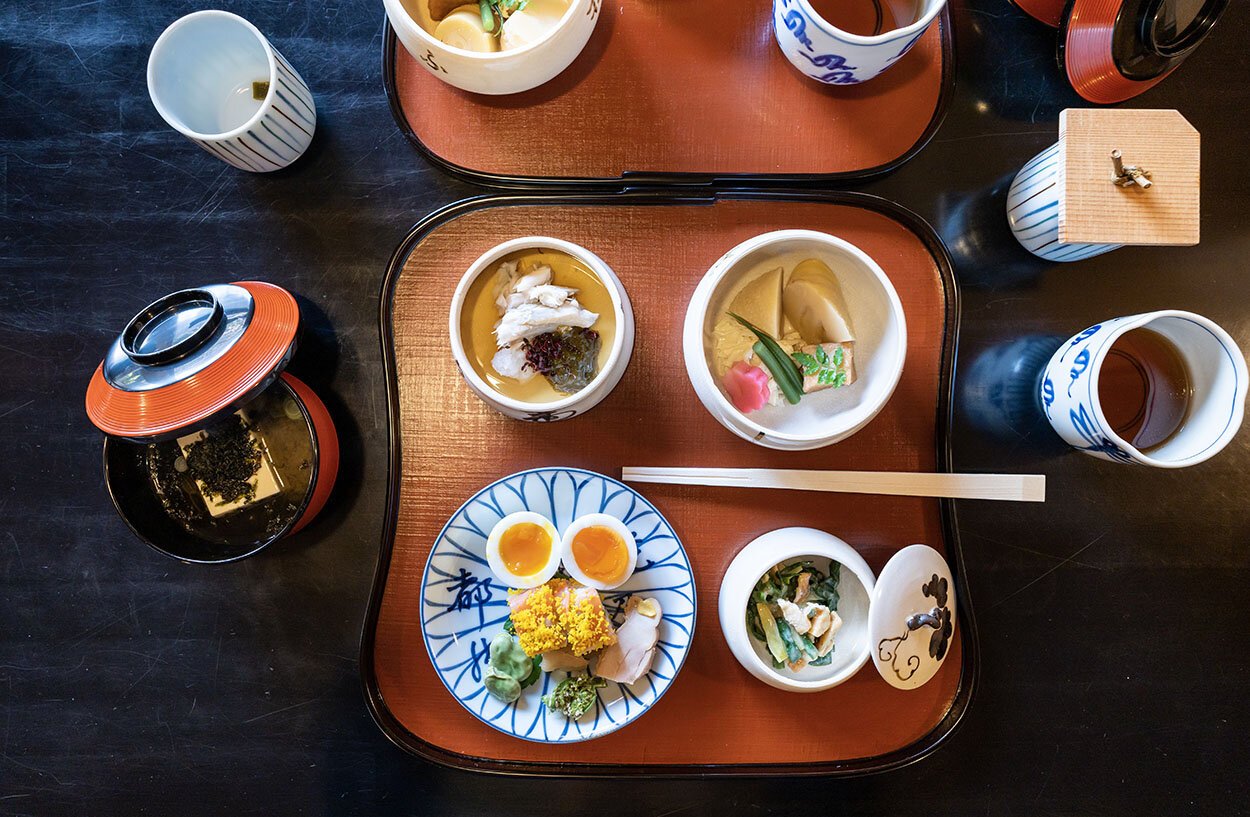
The sourcing story here is not marketing copy. The chef chose this neighbourhood specifically to focus on craft, drawing water from the nearby Daitokuji Temple and vegetables from farms in Takagamine, just north of the restaurant. Ingredients from various regions come through Kyoto's Central Market. The cooking approach follows from that sourcing logic: no garnish to distract, no complexity for its own sake. If you are the kind of diner who wants to taste what the ingredient actually is, rather than what the kitchen has done to it, this restaurant is built for you.
Do not book primarily for wine-list depth. Restaurants at this price tier in Kyoto's northern residential neighbourhoods typically prioritise Japanese sake and shochu pairings over wine lists. If wine program depth is your primary driver, Isshisoden Nakamura or Kodaiji Jugyuan may give you more to work with on that front. At Funaokayama Shimizu, the drink pairing logic is likely to follow the food's minimalist ethos, precise, local, and ingredient-driven rather than internationally ambitious.
When to Go
Kyoto's Kita Ward is at its strongest in spring and autumn. Cherry blossoms reach Funaokayama Park in late March to early April; autumn foliage peaks in November. Both seasons also correspond with peak tourist demand across Kyoto, which means booking difficulty spikes. If a special occasion is your reason to visit, autumn is the better bet: the foliage is slower to arrive and slower to leave than the blossoms, giving you a longer window to time a meal around the neighbourhood's atmosphere. Summer in this part of Kyoto is hot and humid; the restaurant's positioning away from the tourist core makes the approach more manageable than navigating Gion in August, but it is still not the most comfortable timing. Winter visits, particularly January and February, are the easiest to book and often the most focused: fewer tourists, quieter streets, and no seasonal distraction from the food itself.
For day-of timing, an evening seating suits the special occasion framing better than lunch. Japanese restaurants at this level often offer lunch at a lower price point, which is worth investigating directly, but the full experience, including whatever sake or pairing the kitchen recommends, is better positioned as a dinner booking.
Getting There and Booking
The address is 20-2 Murasakino Higashifunaokacho, Kita Ward, Kyoto, a residential area close to Funaokayama Park. This is not walking distance from Gion or Kyoto Station; plan for a taxi or a combination of subway and walking. The deliberate remove from Kyoto's tourist infrastructure is part of the restaurant's identity, not a drawback, but factor it into your evening's logistics.
Booking is rated Hard. A Michelin 1 Star in Kyoto at ¥¥¥ pricing draws significant demand from both domestic and international diners. Seats are limited. Book as far in advance as your plans allow, ideally 4 to 6 weeks out for popular travel periods, and at minimum 2 to 3 weeks out at quieter times. For the smoothest booking process, approach via a hotel concierge if you are staying at a Kyoto property with strong local connections, or use a reservation service such as Tableall or Omakase that covers Kyoto's independent restaurants. For other Michelin-level options while you are exploring the city, see our full Kyoto restaurants guide.
Know Before You Go
- Price tier: ¥¥¥ (one tier below Kyoto's leading kaiseki houses)
- Awards: Michelin 1 Star (2024), Michelin Plate (2025)
- Booking difficulty: Hard, reserve 4–6 weeks out for peak periods
- Location: Kita Ward, near Funaokayama Park and Daitokuji Temple, not central; allow travel time
- Dress code: Smart-casual at minimum is appropriate for a Michelin-starred dinner in Kyoto
- Dietary restrictions: Confirm directly at booking, the minimalist, ingredient-led format may have limited flexibility
Nearby and Further Afield
If you are building a broader Kyoto itinerary around restaurants at this level, Gion Matayoshi and Kikunoi Roan are worth considering on different nights. For Japan more broadly, the same ingredient-driven discipline shows up in different forms at HAJIME in Osaka, Harutaka in Tokyo, and akordu in Nara. For Tokyo Japanese restaurants at a comparable philosophy, Myojaku and Azabu Kadowaki are solid reference points. Further afield, Goh in Fukuoka, 1000 in Yokohama, and 6 in Okinawa round out the picture of what Japan's regional starred dining looks like beyond the main cities. See also our full Kyoto hotels guide, bars guide, wineries guide, and experiences guide for planning the rest of your trip.
Planning details
- Location
- 20-2 Murasakino Higashifunaokacho, Kita Ward, Kyoto, 603-8228, Japan
- Website
- kdg5200.gorp.jp
- Phone
- +81 75-286-3373
The take
The Take
The Vibe
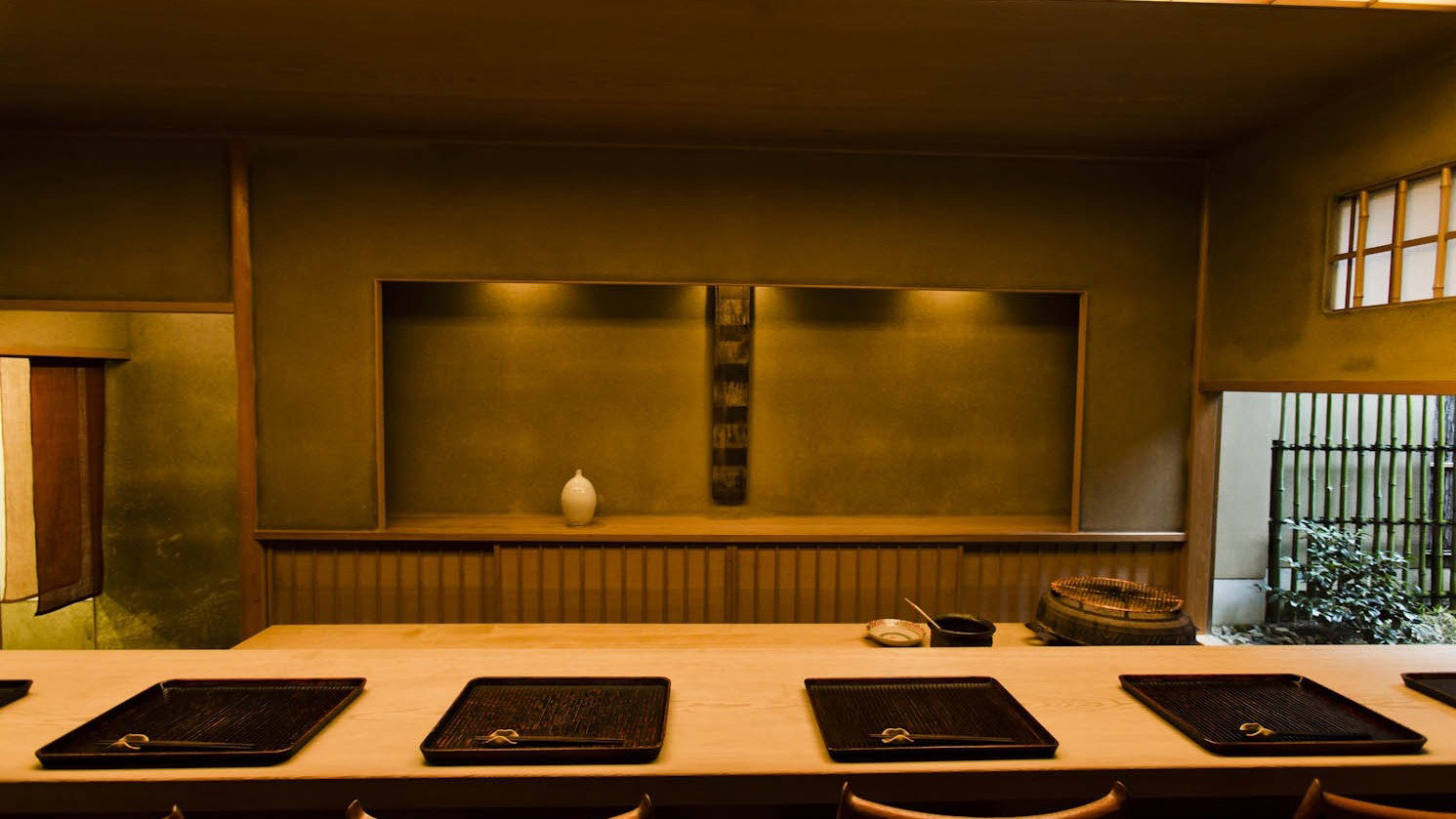
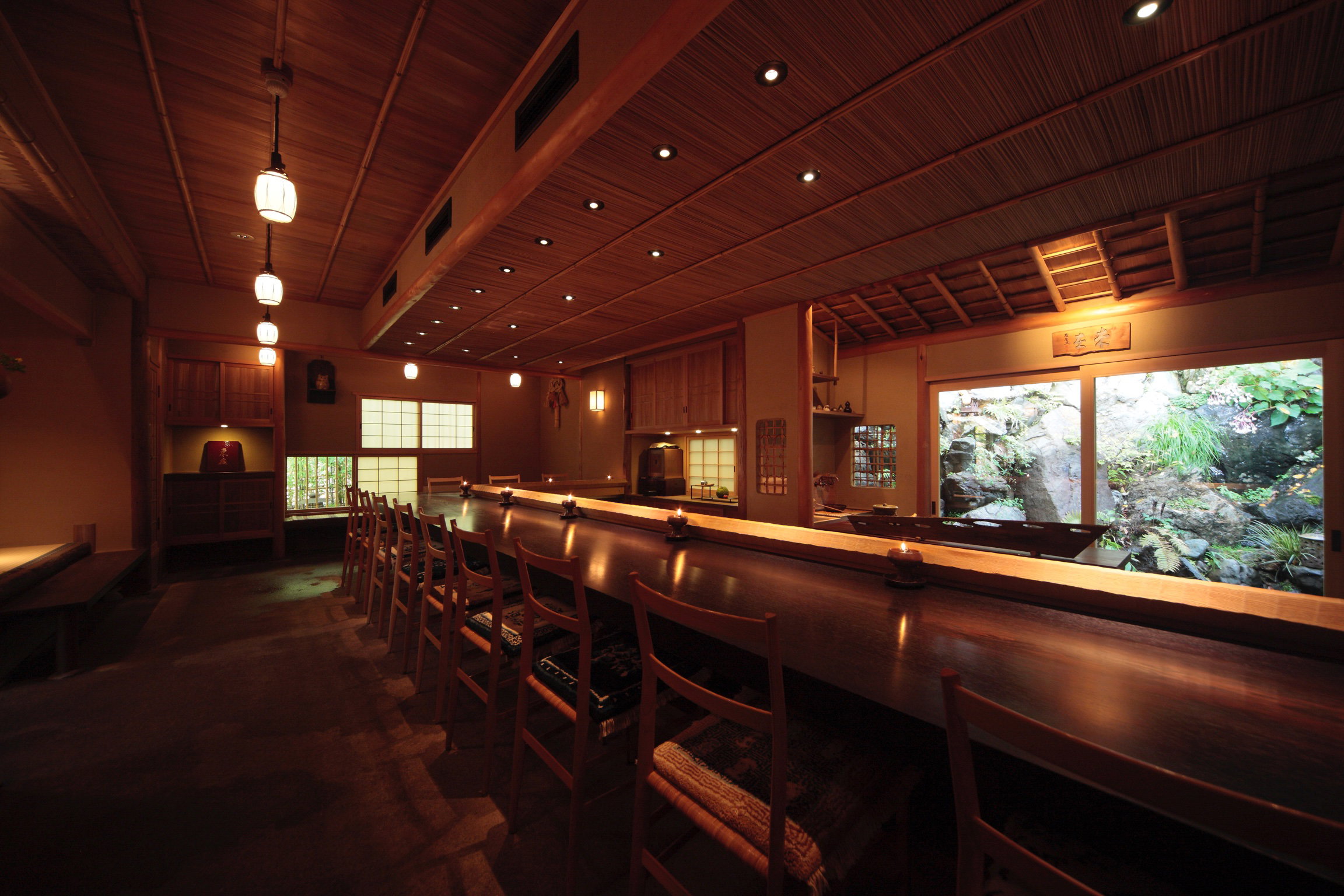
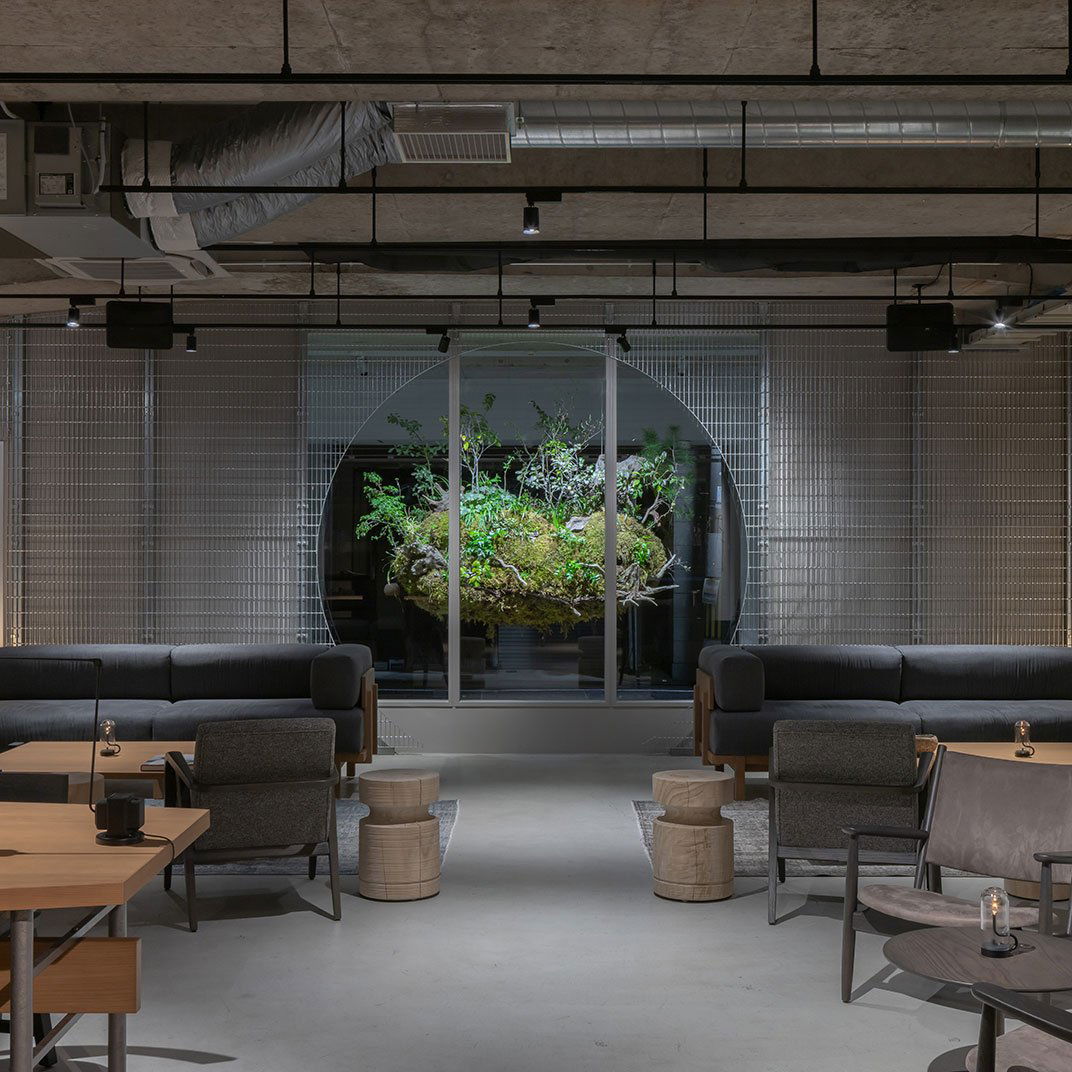
Funaokayama Shimizu is a quietly assured counter restaurant tucked into a residential pocket of Kita Ward. The room centers on the counter, keeping the focus tightly on the chef’s work and the provenance of ingredients. The tone is restrained rather than theatrical: sourcing—from water drawn at Daitokuji Temple to vegetables from Takagamine—drives the cooking, and Michelin recognition underscores the kitchen’s exacting standards. The result is an intimate, elegant experience that reads like a well-guarded discovery rather than a destination staged for spectacle.
Best For
This is a place for close, deliberate dinners—the kind of spot people choose for date nights or special-occasion meals. The compact counter format and quiet residential setting favor one-on-one conversation and attentive service. With a Michelin Star and a ¥¥¥¥ positioning, the restaurant fits diners who want ingredient-led Japanese cooking without the theatrical trappings of larger multi-star venues. Expect a composed, evening-centric experience where sourcing and seasonality are the principal attractions.
Ordering Tips
The kitchen’s philosophy is ingredient-first, so look for dishes that showcase provenance—water from Daitokuji and vegetables from Takagamine are called out in the menu story. The signature rice cooked in an earthenware pot is a highlighted item and a logical pointer for what the chef values: perfect, elemental execution. Seating is organized around the residential counter, so the meal is presented as a focused tasting-style progression rather than à la carte grazing.
Venue details
Ambiance
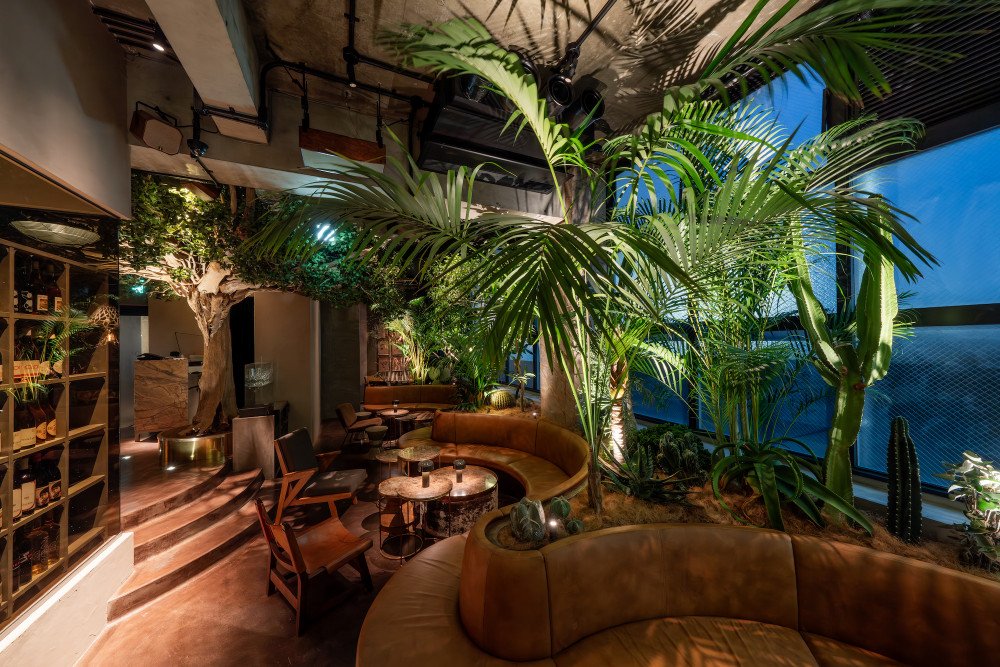
Warm, inviting, and serene with a cozy counter seating atmosphere that emphasizes calmness and intimacy.
Tags
Vibe
Best For
Experience
Sourcing
View
At the Table
- Dress Code
- Smart Casual
- Noise Level
- Quiet
- Service Style
- Formal
- Meal Pacing
- Leisurely
- Capacity
- Intimate
- Kitchen
- Traditional
- Menu Format
- Tasting menu, Set menu
- Wine Program
- Curated
Signature Dishes
rice cooked in earthenware pot
Know before you go
Know Before You Go
- Getting there
- 20-2 Murasakino Higashifunaokacho, Kita Ward, Kyoto, 603-8228, Japan
Planning details
Location
20-2 Murasakino Higashifunaokacho, Kita Ward, Kyoto, 603-8228, Japan · Directions
Recognition and awards
Also consider
Also Consider
- Gion Sasaki, Kaiseki, Japanese, ¥¥¥¥
- cenci, Italian, ¥¥¥
- Ifuki, Kaiseki, ¥¥¥¥
- Kyokaiseki Kichisen, Japanese, ¥¥¥¥
- Kyo Seika, Chinese, ¥¥¥
Restaurant context
Funaokayama Shimizu sits at ¥¥¥ in a city where the most-discussed restaurants, Kyokaiseki Kichisen and Ifuki, operate at ¥¥¥¥. That price gap matters. If you want the full kaiseki ceremony with elaborate lacquerware, multi-room traditional settings, and highly choreographed service, the ¥¥¥¥ houses deliver that more completely. But if your priority is sourcing discipline and a Michelin-starred kitchen focused entirely on ingredient quality, Funaokayama Shimizu makes a more compelling value argument than either of those options.
Gion Sasaki is the reference point for contemporary kaiseki in Kyoto at the high end, technically accomplished, well-located in Gion, and consistently rated. It costs more and is harder to book. cenci at ¥¥¥ offers an Italian-Japanese fusion approach for diners who want something further from tradition; it is the better pick if you are kaiseki-fatigued or travelling with someone who is. Kyo Seika at ¥¥¥ gives you a Chinese dining option at the same price tier, which is useful for a multi-night Kyoto itinerary where variety matters.
For the diner building a special occasion dinner around pure ingredient quality at a price that does not require the most expensive seat in the city, Funaokayama Shimizu is the strongest option at its tier. If setting and ceremony are equally important to the meal, step up to Kyokaiseki Kichisen or Gion Sasaki. If you want the easiest booking at ¥¥¥, cenci or Kyo Seika will have more availability.
Explore Kyoto
Around this place
Discover more on Pearl
Unlock the full Funaokayama Shimizu guide in Pearl, including awards, comparisons, FAQs, planning details, and nearby places.
Compare Funaokayama Shimizu
| Venue | Cuisine | Price | Booking Difficulty | Awards |
|---|---|---|---|---|
| Funaokayama Shimizu | Japanese | ¥¥¥ | Hard | Michelin Guide Kyoto Osaka 20262026 Michelin Plate2025 Michelin Plate2024 Michelin 1 Star |
| Gion Sasaki | Kaiseki, Japanese | ¥¥¥¥ | Unknown | 2026 Tabelog Bronze · #3862026 OAD Top Restaurants in Japan RecommendedMichelin Guide Kyoto Osaka 20262026 La Liste Top RestaurantsTabelog 100 - Japanese cuisine - WEST - 2025 · #132025 OAD Top Restaurants in Japan Ranked · #2462025 Tabelog Silver2025 Michelin 3 Stars2025 La Liste Top Restaurants |
| cenci | Italian | ¥¥¥ | Unknown | 2026 Tabelog Bronze · #442026 Asia's 50 Best Restaurants · #762026 OAD Top Restaurants in Japan Highly RecommendedMichelin Guide Kyoto Osaka 2026Tabelog 100 - Italian - WEST - 2025 · #632025 Asia's 50 Best Restaurants · #632025 OAD Top Restaurants in Japan Ranked · #1682025 Tabelog Bronze2024 OAD Top Restaurants in Japan Ranked · #135 |
| Ifuki | Kaiseki | ¥¥¥¥ | Unknown | 2026 OAD Top Restaurants in Japan Ranked · #1222026 Tabelog Bronze · #128Michelin Guide Kyoto Osaka 20262026 La Liste Top RestaurantsTabelog 100 - Japanese cuisine - WEST - 2025 · #622025 OAD Top Restaurants in Japan Ranked · #1002025 La Liste Top Restaurants2025 Tabelog Bronze2025 Michelin 2 Stars |
| Kyokaiseki Kichisen | Japanese | ¥¥¥¥ | Unknown | 2026 Tabelog Bronze · #1752026 OAD Top Restaurants in Japan Highly RecommendedMichelin Guide Kyoto Osaka 20262025 OAD Top Restaurants in Japan Ranked · #1862025 Michelin 2 Stars2025 La Liste Top Restaurants2024 OAD Top Restaurants in Japan Ranked · #1422024 Michelin 2 Stars2023 OAD Top Restaurants in Japan Ranked · #136 |
| Kyo Seika | Chinese | ¥¥¥ | Unknown | Tabelog 100 - Chinese cuisine - WEST - 2026 · #762026 Tabelog Bronze · #2162026 OAD Top Restaurants in Japan Recommended2026 Michelin 1 Star2025 OAD Top Restaurants in Japan Ranked · #3262025 Tabelog Bronze2024 OAD Top Restaurants in Japan Ranked · #3042024 Michelin Plate2024 Michelin 1 Star |

.png?width=1200&quality=80)






Comparing your options in Kyoto for this tier.
FAQ
Frequently Asked Questions
What should I wear to Funaokayama Shimizu?
Dress conservatively and avoid anything too casual. The restaurant holds a Michelin 1 Star and operates in a deliberate, focused environment where the food is the point — clothes that signal respect for that context are appropriate. Think understated rather than formal: clean, neat, and quiet. Erring toward smart is the right call at this price range.
How far ahead should I book Funaokayama Shimizu?
Book at least four to six weeks ahead, especially if your dates are fixed. A Michelin-starred restaurant in a residential Kyoto neighbourhood with a deliberate, craft-focused format draws a specific crowd, and seats are limited. Autumn foliage season (November) and cherry blossom weeks (late March to early April) are the hardest periods to secure. If you are travelling from outside Japan, book before you finalise flights.
What should I order at Funaokayama Shimizu?
The chef runs a set menu format built around ingredients sourced from Takagamine farmers, Daitokuji Temple water, and the Central Market — so ordering is not a question you need to answer yourself. The kitchen's philosophy is explicit: stripped-back preparation that lets ingredients speak without garnish. Trust the format; that is what earned the Michelin 1 Star.
Is the tasting menu worth it at Funaokayama Shimizu?
Yes, if you value ingredient sourcing over spectacle. The chef's approach — water from Daitokuji Temple, vegetables from Takagamine, minimal garnish — is the meal. This is not a venue for dramatic plating or tableside theatre. At ¥¥¥ pricing with a Michelin 1 Star (2024) and a Michelin Plate (2025), the value is in the restraint and sourcing rigour, not in volume or visual showmanship.
Is Funaokayama Shimizu good for a special occasion?
Yes, particularly for occasions where the setting should feel personal rather than performative. The residential Kita Ward location, close to Funaokayama Park, makes it feel removed from Kyoto's tourist circuit — which is the point. It suits a couple or small group that wants a serious, quiet dinner rather than a grand-gesture room. For a louder, landmark-style celebration, Kikunoi Roan is a more conventional choice.
What are alternatives to Funaokayama Shimizu in Kyoto?
For a similar level of seriousness with more central access, Gion Matayoshi and Kikunoi Roan are worth considering on different nights rather than as direct substitutes. Ifuki covers comparable ¥¥¥ territory. Kyo Seika and cenci sit at a different register. None replicates the specific sourcing philosophy here — Daitokuji water, Takagamine vegetables — but Gion Matayoshi is the closest peer in terms of Michelin recognition and craft intent.
Is Funaokayama Shimizu worth the price?
At ¥¥¥ with a Michelin 1 Star (2024), it sits at a price point where the quality case is clear. The chef deliberately chose a residential location outside the tourist corridor to focus on craft over foot traffic, and the sourcing detail — temple water, local farmers, Central Market — is not marketing language, it is the actual cooking framework. If that philosophy interests you, the price is justified. If you want a more conventional kaiseki experience, there are better-known rooms at similar prices in Gion.