.png?width=1200&quality=80)
Komedokoro Inamoto
Izakaya · Shimogyō, Kyoto
Restaurant in Kyoto, Japan
 Book with Pearl
The Read
Rice-Centred Izakaya
Price
¥¥
Dress
Smart Casual
Why go
A Michelin Bib Gourmand izakaya in Kyoto's Shimogyo Ward, Komedokoro Inamoto earns its through focused, sourced cooking at ¥¥ prices. The small-plate format built around freshly cooked rice and daily-rotating sake makes it one of the clearest value propositions in the city's mid-range. Book without much deliberation if you want a great izakaya meal without a kaiseki budget.
About Komedokoro Inamoto
A Michelin Bib Gourmand Izakaya in Shimogyo That Earns Its Reputation on Rice Alone
At the ¥¥ price tier, Komedokoro Inamoto in Kyoto's Shimogyo Ward asks relatively little and delivers a lot. This is not a splurge destination — it's the kind of place where the bill stays reasonable and the quality punches well above it. If you're weighing up where to eat well in Kyoto without committing to a kaiseki budget, Inamoto is one of the clearest answers in the city.
What This Place Is
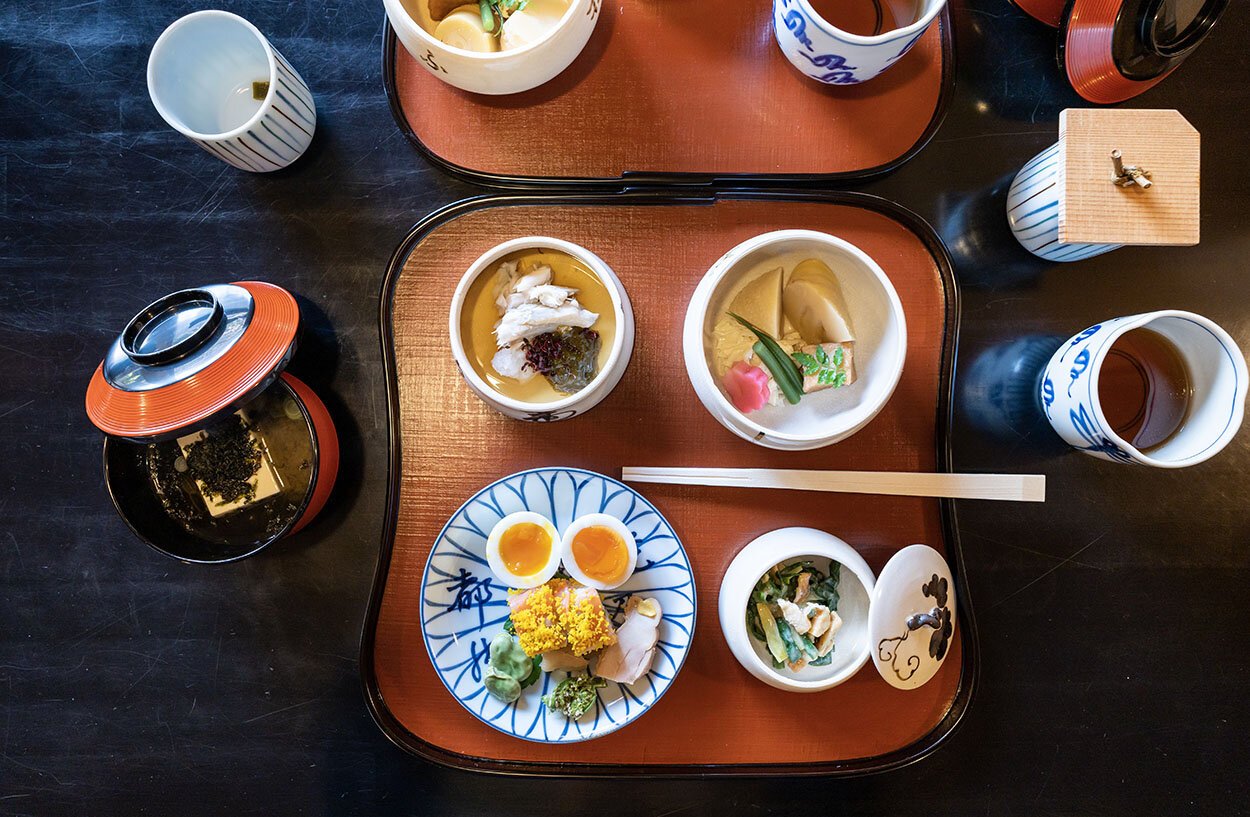
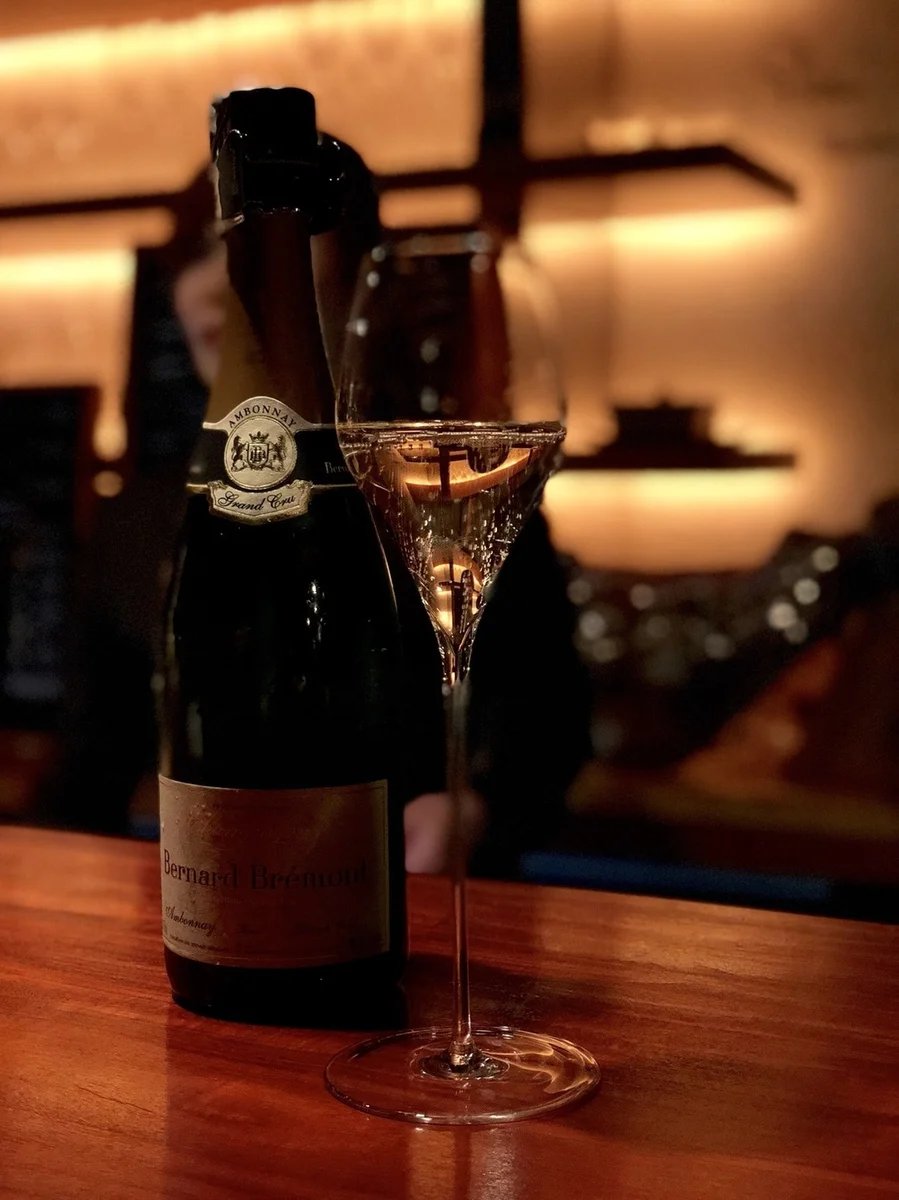
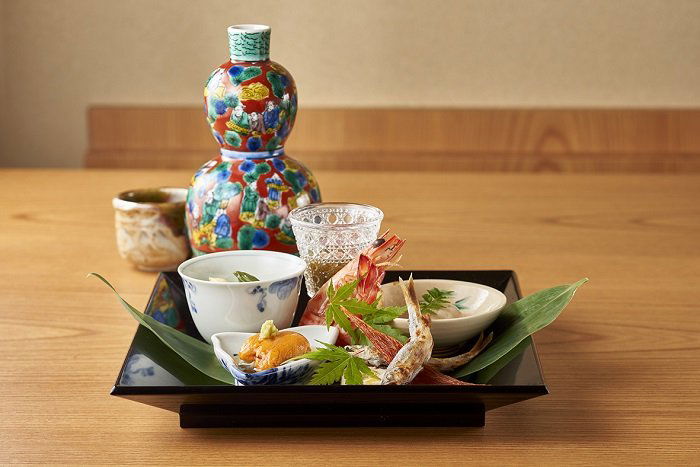
Komedokoro Inamoto is an izakaya built around a conviction: that great Japanese rice, cooked freshly and served properly, is reason enough to visit. The name says as much — 'komedokoro' translates to 'place of rice', and the proprietor chose it deliberately. The format is small-plate izakaya dining, which means you order a range of dishes rather than working through a fixed course. The side-dish platter is the anchor order, and the warning that you'll eat more than intended is both honest and earned.
The chef's sourcing tells you something about the kitchen's priorities. Seafood and citrus fruits come from Ehime Prefecture on Shikoku island, a region known for clean coastal produce and yuzu varieties. Sake selection rotates daily alongside nibbles, which means repeat visits don't produce identical experiences. For a neighbourhood izakaya, this is a degree of intentionality that goes beyond the standard. It's also what separates Inamoto from the dozens of izakayas that fill Kyoto's lower price brackets without offering any particular reason to return.
Why It Matters to Shimogyo
Shimogyo Ward sits south of central Kyoto, close to Kyoto Station and the commercial grid, but without the tourist saturation of Gion or Higashiyama. Restaurants here serve locals more than they serve itinerary-builders, which creates a different calibration of quality and price. Inamoto at 534-1 Yawatacho is a neighbourhood anchor in that sense: a place where the standard is kept high not because of passing visitor traffic but because regulars will notice if it drops. That dynamic tends to produce more reliable cooking than venues that rely on first-time diners who won't be back to compare notes. The Bib Gourmand recognition, awarded to restaurants that offer good food at moderate prices, fits this profile exactly.
For visitors, the neighbourhood positioning is also practical. If you're based near Kyoto Station or moving through Shimogyo between other plans, Inamoto is a genuinely useful dinner option rather than a detour. It's not in the same quarter as Gion Sasaki or the high kaiseki addresses, which means you're not competing for a table in a destination dining corridor. See our full Kyoto restaurants guide for context on how the city's dining geography breaks down.
Special Occasions at an Izakaya
Inamoto works for a celebration if your group's idea of a good time is sharing plates, rotating sake, and eating better than the price suggests. It's not the venue for a formal anniversary dinner with a set menu and a sommelier, that's what Gion Sasaki or Ifuki are for. But for a relaxed meal that feels considered rather than casual, Inamoto's combination of sourced seafood, daily-rotating sake, and freshly cooked rice creates an experience that reads as intentional without the formality overhead. Birthdays, low-key anniversaries, a good meal with someone you want to impress without theatre, this works.
The small-plate format also suits groups who want to share and sample rather than commit to a single dish each. That's a social advantage in a city where many of the more celebrated restaurants lock you into fixed menus at fixed prices.
Booking and Timing
Booking difficulty is rated easy, which means you don't need weeks of lead time to secure a table. That's a meaningful distinction in a Kyoto dining scene where Bib Gourmand and starred venues can run on long waits. If you're building a Kyoto itinerary, Inamoto is one of the more flexible bookings you'll make. Check current availability through the standard reservation channels, phone and website details are not published in the venue record, so confirm through your hotel concierge or a Japan-specialist booking service.
Sake and the nibble selection vary by day, so there's no fixed menu to preview in advance. Go with an appetite and an openness to whatever is on that evening.
Peer Comparisons for Context
If Inamoto isn't the right fit, the izakaya category in the Kansai region has strong alternatives. Benikurage in Osaka and Daidokoro Kamiya in Osaka offer comparable formats in a different city. Within Kyoto's broader dining scene, Nonkiya Mune, Saketosakana DNA, and Nijo Aritsune are worth considering depending on your preference for format and price. For a different register entirely, Eitaroya and Berangkat represent Kyoto's more contemporary end of the spectrum.
Beyond Kyoto, if you're touring the Kansai and Kyushu corridor, HAJIME in Osaka and Goh in Fukuoka show what the best of the Japanese fine dining range looks like at a very different price point. For omakase in Tokyo, Harutaka is a useful benchmark. akordu in Nara is another strong day-trip option if you're staying in the Kansai region and want something outside Kyoto's dining scene entirely.
Use our Kyoto hotels guide, bars guide, wineries guide, and experiences guide to build the rest of your Kyoto trip around this meal.
The Verdict
Komedokoro Inamoto is one of the clearest value propositions in Kyoto's mid-range dining. Book it without much deliberation if you want a great izakaya meal in Shimogyo. The only reason not to is if your occasion demands a fixed-course format or you need the prestige signal of a starred address.
Quick reference:
Planning details
- Location
- 534-1 Yawatacho, Shimogyo Ward, Kyoto, 600-8455, Japan
- Website
- instagram.com/kome_inamoto
- Phone
- +81 80-4031-0178
The take
The Take
The Vibe
Komedokoro Inamoto reads like a quietly sophisticated neighbourhood izakaya that places rice at the center of its culinary identity. The writing emphasizes a restrained, kaiseki-adjacent philosophy — careful sourcing, seasonality and an aesthetic consideration of single ingredients — but translated into the sociable, small-plates rhythm of an izakaya. The result is relaxed rather than formal: meticulous technique and a Michelin Bib Gourmand coexist with the easy camaraderie of shared plates and a daily-changing sake list. The room and service support attentive cooking without the formal trappings of high-end kaiseki.
Best For
This is a dinner-focused spot that suits after-work groups and casual shared meals where conversation and tasting are central. Its izakaya format — small plates, sociable pacing and an emphasis on sake — makes it ideal for evenings when you want to graze and compare dishes with companions. At a ¥¥ price tier and with recognition from Michelin, it also works when you want something a bit more considered than a typical bar snack outing but not as ceremonious or expensive as multi-course kaiseki.
Ordering Tips
Treat the rice as the headline: order the freshly cooked white rice that the place is known for and build other small plates around it. The menu changes frequently, so opt for a selection of the day's recommended plates to experience the proprietor’s approach to seasonality and sourcing. Explore the daily-changing sake list to pair with the delicate flavours; the format encourages sharing so order several items to pass around. Given the izakaya pacing, expect a relaxed flow rather than a rapid succession of courses.
Venue details
Ambiance
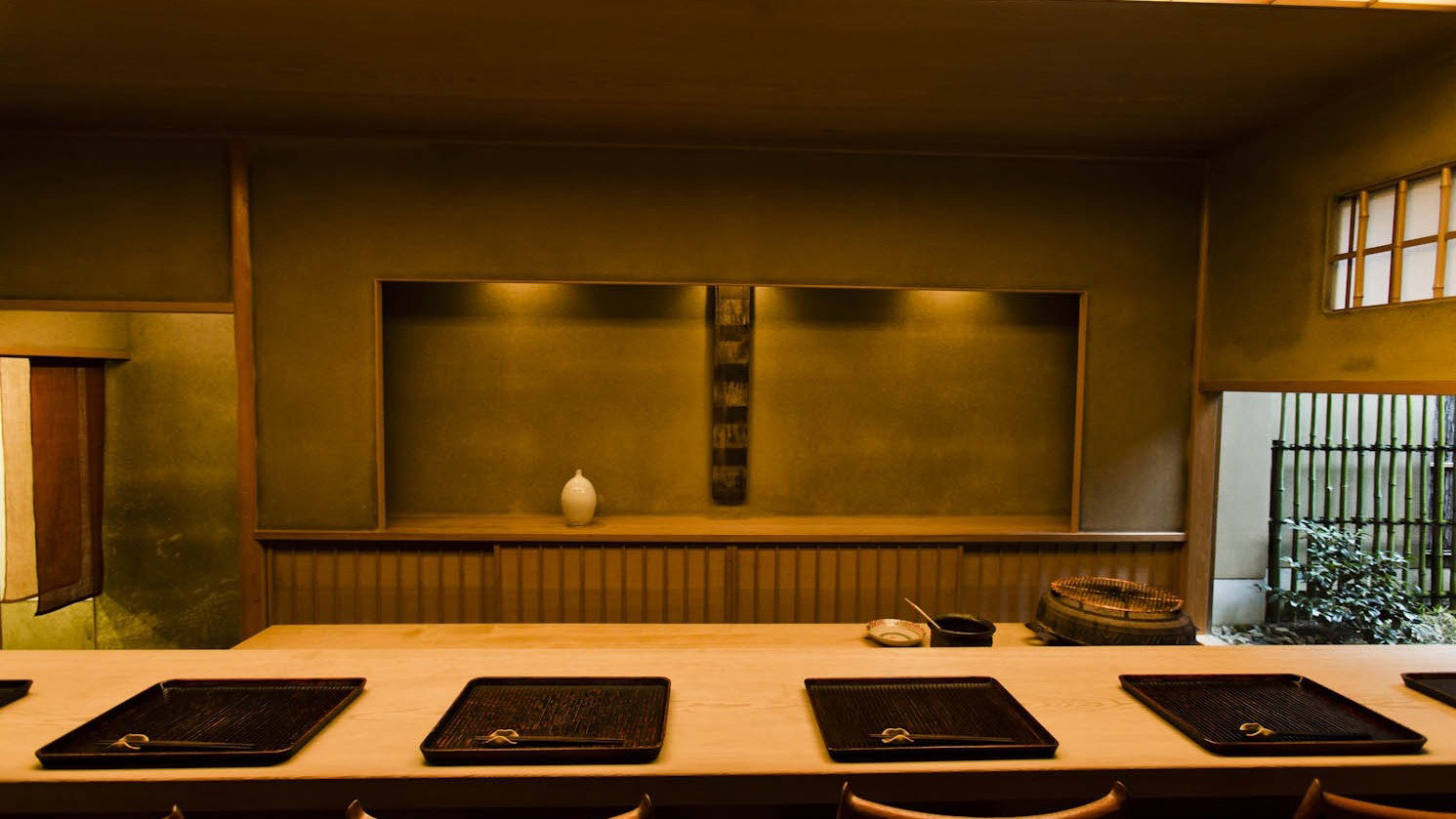
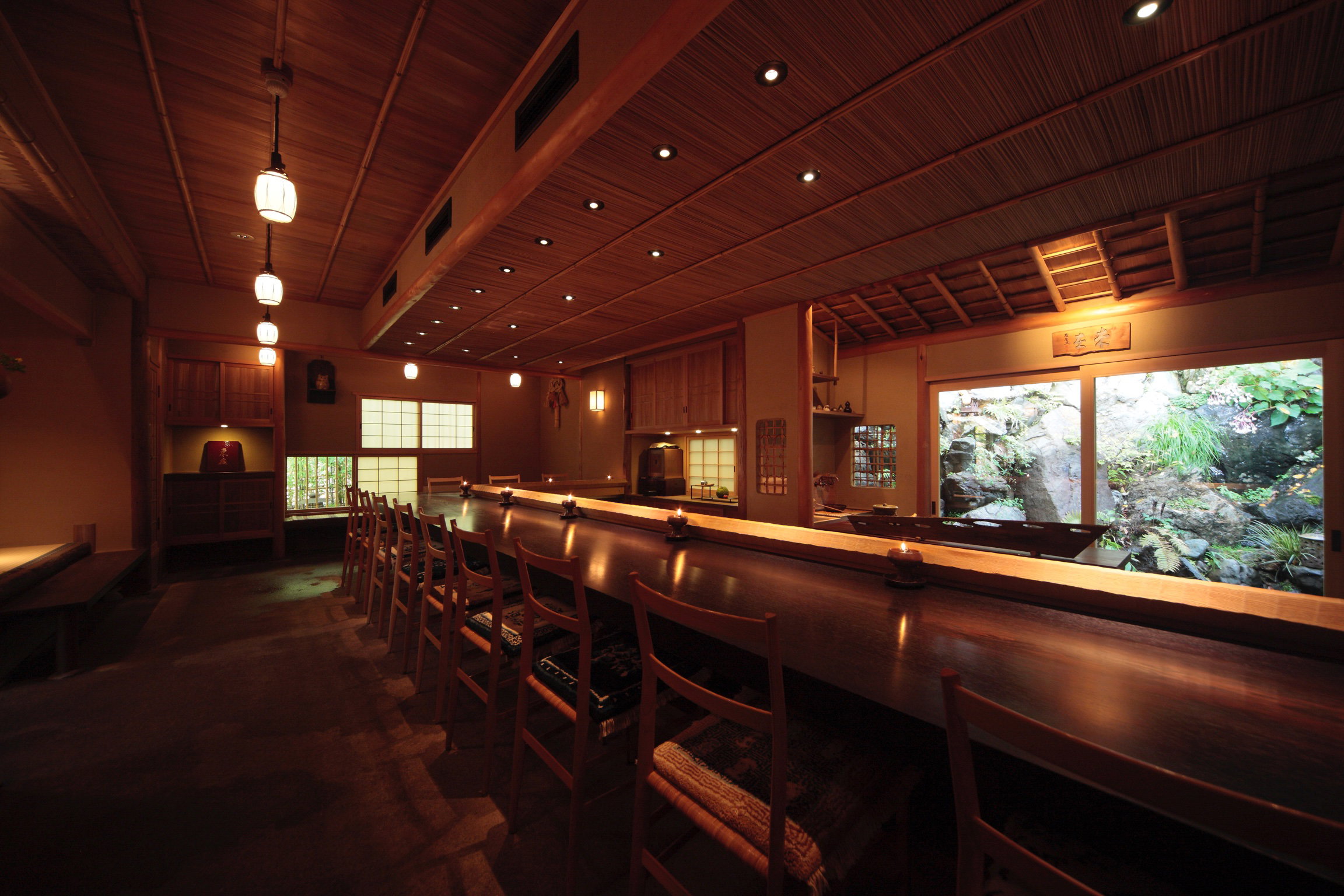
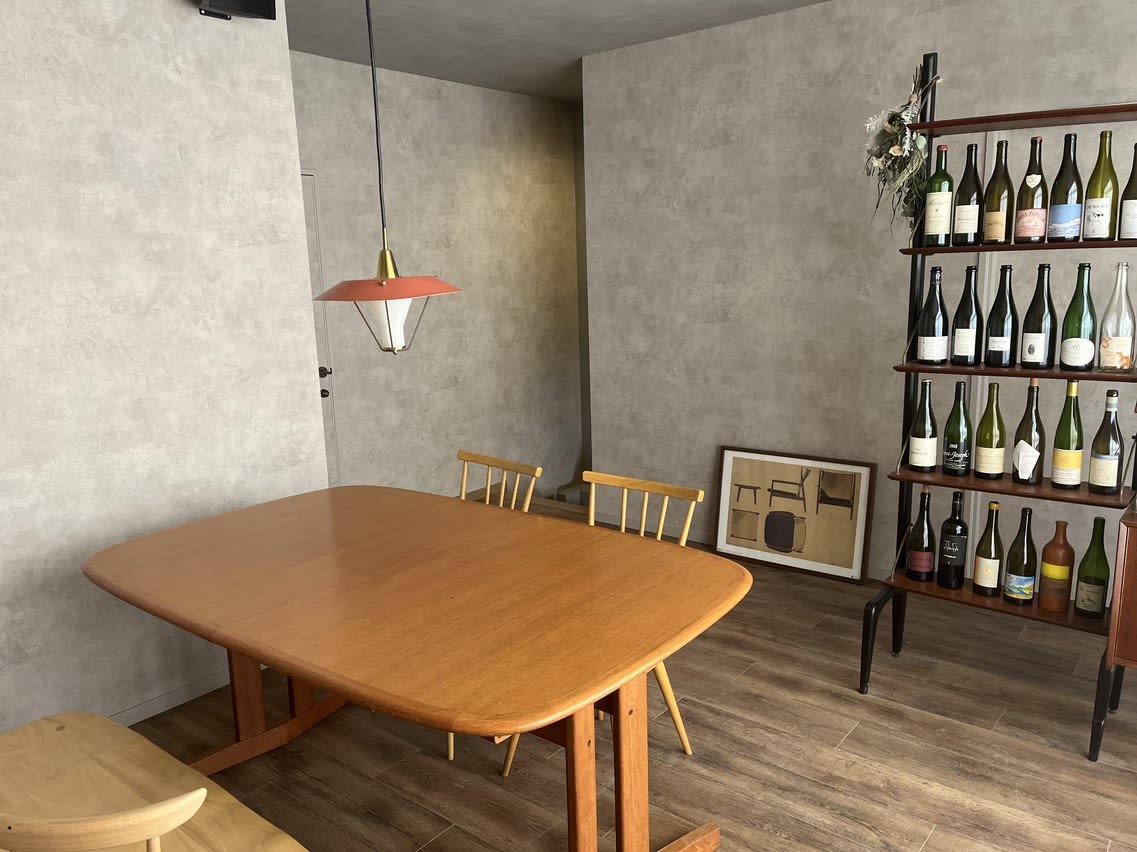
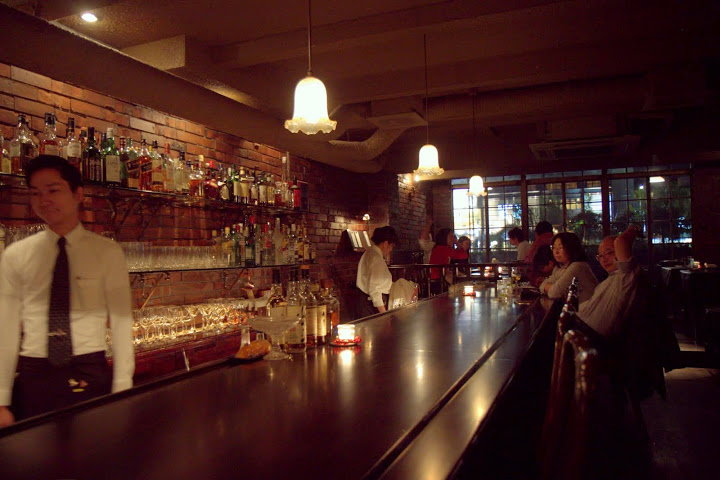
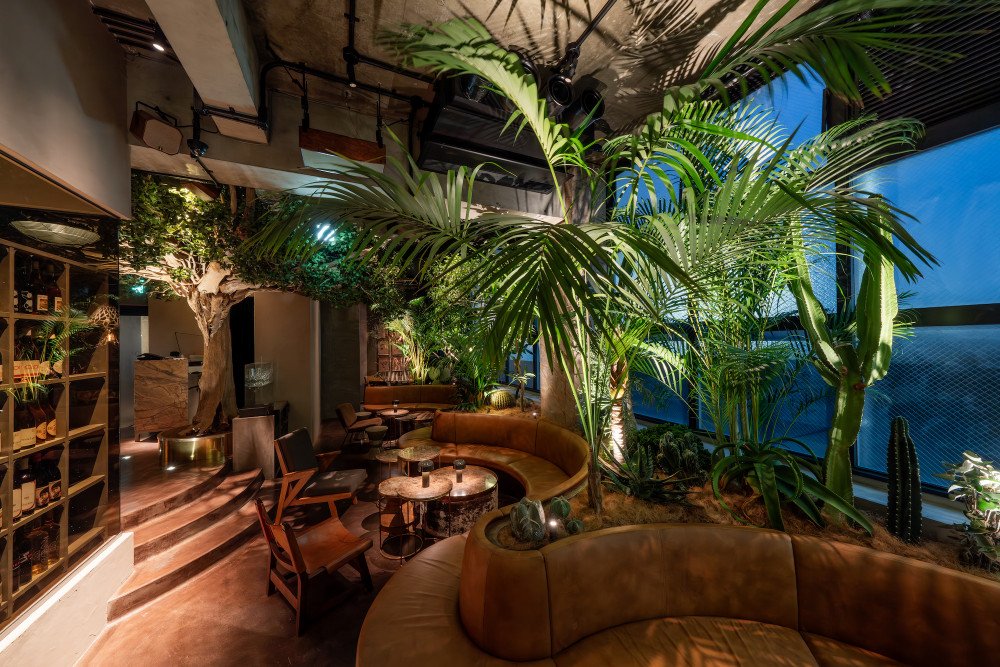
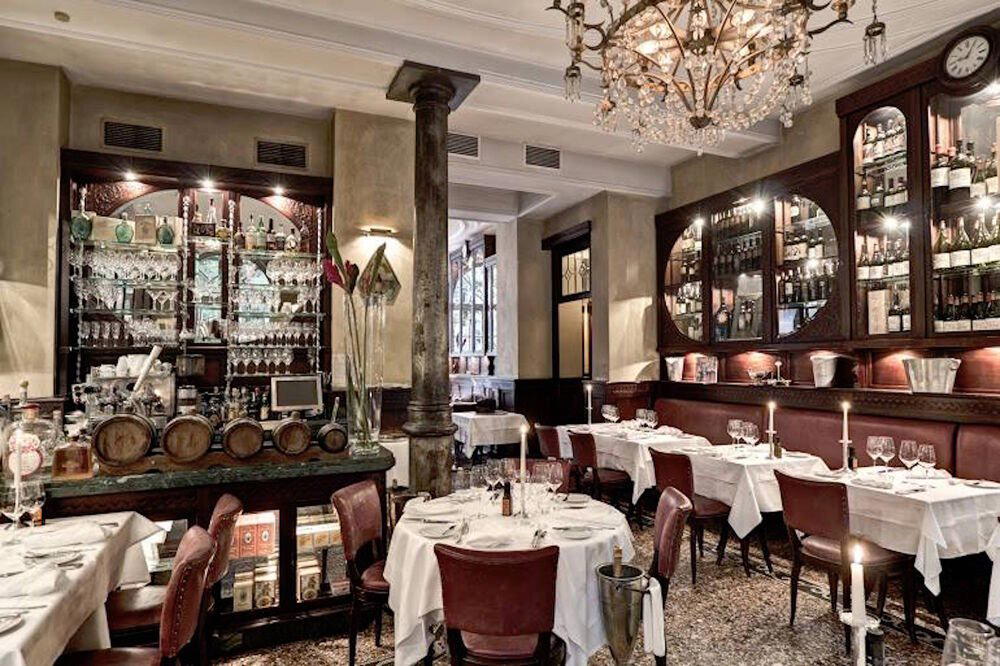
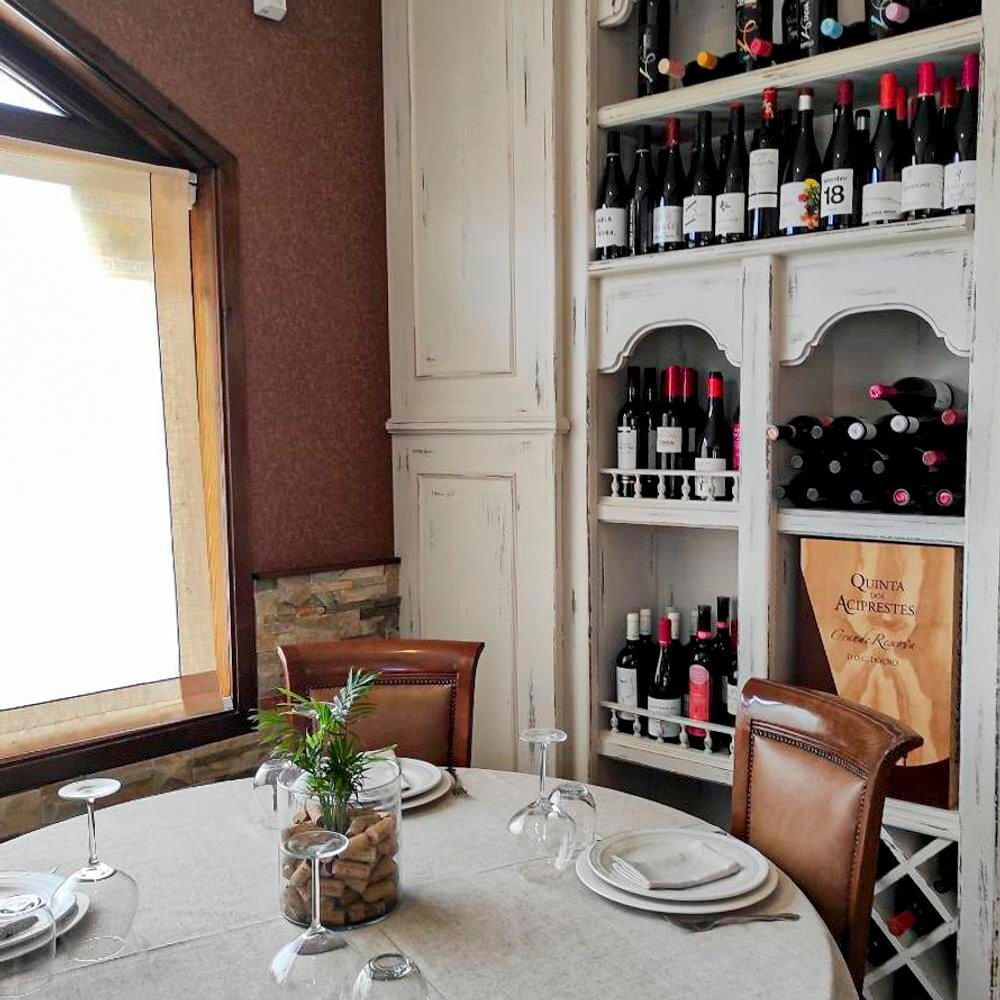
Cozy traditional decor with counter seating fostering pleasant staff interaction in an intimate setting.
Tags
Vibe
Best For
Sourcing
At the Table
- Dress Code
- Smart Casual
- Noise Level
- Quiet
- Service Style
- Upscale Casual
- Meal Pacing
- Leisurely
- Capacity
- Intimate
Signature Dishes
freshly cooked white rice
Know before you go
Know Before You Go
- Getting there
- 534-1 Yawatacho, Shimogyo Ward, Kyoto, 600-8455, Japan
Planning details
Location
534-1 Yawatacho, Shimogyo Ward, Kyoto, 600-8455, Japan · Directions
Recognition and awards
Also consider
Also Consider
- Gion Sasaki, Kaiseki, Japanese, ¥¥¥¥
- cenci, Italian, ¥¥¥
- Ifuki, Kaiseki, ¥¥¥¥
- Kyokaiseki Kichisen, Japanese, ¥¥¥¥
- SEN, French, Japanese, ¥¥¥¥
Restaurant context
At ¥¥, Komedokoro Inamoto sits in a different category from most of its frequently cited Kyoto peers. Gion Sasaki, Ifuki, Kyokaiseki Kichisen, and SEN are all ¥¥¥¥ kaiseki or fine dining addresses, they offer fixed courses, formal service structures, and a price point that reflects both. If your occasion calls for that kind of experience, Gion Sasaki is arguably the strongest all-round kaiseki option in the city. Ifuki and Kichisen add heritage weight. But if you're not committed to the kaiseki format and want a meal that's genuinely good without the financial commitment, Inamoto is the answer those venues can't provide.
cenci at ¥¥¥ sits between the two tiers, Italian-influenced, more contemporary in style, and worth considering if you want a set menu without going full kaiseki. It's a different genre entirely from Inamoto's izakaya format, but both represent good value relative to the ¥¥¥¥ tier. The practical difference: cenci suits a couple wanting a structured dinner; Inamoto suits a group that wants to share and graze.
On booking difficulty, Inamoto has a clear advantage. The ¥¥¥¥ kaiseki addresses in Kyoto, particularly Gion Sasaki and Kichisen, require significant lead time and can be hard to secure without a local connection or concierge. Inamoto is rated easy to book, which matters if you're planning a Kyoto itinerary with limited runway. For most visitors choosing between a well-regarded izakaya at ¥¥ and a kaiseki dinner at ¥¥¥¥, the decision comes down to occasion and format preference rather than quality: Inamoto's Bib Gourmand confirms it's operating at a level that justifies the visit on its own terms.
Explore Kyoto
Around this place
Discover more on Pearl
Unlock the full Komedokoro Inamoto guide in Pearl, including awards, comparisons, FAQs, planning details, and nearby places.
Compare Komedokoro Inamoto
| Venue | Cuisine | Awards | Booking Difficulty |
|---|---|---|---|
| Komedokoro Inamoto | Izakaya | 2026 Bib GourmandMichelin Guide Kyoto Osaka 20262025 Michelin Bib Gourmand2024 Michelin Plate | Easy |
| Gion Sasaki | Kaiseki, Japanese | 2026 Tabelog Bronze · #3862026 OAD Top Restaurants in Japan RecommendedMichelin Guide Kyoto Osaka 20262026 La Liste Top RestaurantsTabelog 100 - Japanese cuisine - WEST - 2025 · #132025 OAD Top Restaurants in Japan Ranked · #2462025 Tabelog Silver2025 Michelin 3 Stars2025 La Liste Top Restaurants | Unknown |
| cenci | Italian | 2026 Tabelog Bronze · #442026 Asia's 50 Best Restaurants · #762026 OAD Top Restaurants in Japan Highly RecommendedMichelin Guide Kyoto Osaka 2026Tabelog 100 - Italian - WEST - 2025 · #632025 Asia's 50 Best Restaurants · #632025 OAD Top Restaurants in Japan Ranked · #1682025 Tabelog Bronze2024 OAD Top Restaurants in Japan Ranked · #135 | Unknown |
| Ifuki | Kaiseki | 2026 OAD Top Restaurants in Japan Ranked · #1222026 Tabelog Bronze · #128Michelin Guide Kyoto Osaka 20262026 La Liste Top RestaurantsTabelog 100 - Japanese cuisine - WEST - 2025 · #622025 OAD Top Restaurants in Japan Ranked · #1002025 La Liste Top Restaurants2025 Tabelog Bronze2025 Michelin 2 Stars | Unknown |
| Kyokaiseki Kichisen | Japanese | 2026 Tabelog Bronze · #1752026 OAD Top Restaurants in Japan Highly RecommendedMichelin Guide Kyoto Osaka 20262025 OAD Top Restaurants in Japan Ranked · #1862025 Michelin 2 Stars2025 La Liste Top Restaurants2024 OAD Top Restaurants in Japan Ranked · #1422024 Michelin 2 Stars2023 OAD Top Restaurants in Japan Ranked · #136 | Unknown |
| SEN | French, Japanese | 2026 Tabelog Bronze · #3952026 OAD Top Restaurants in Japan RecommendedMichelin Guide Kyoto Osaka 20262026 Michelin PlateTabelog 100 - Japanese cuisine - WEST - 2025 · #652025 Michelin Plate2025 Tabelog Bronze2024 OAD Top Restaurants in Japan Ranked · #3622024 Michelin Plate | Unknown |


.png?width=1200&quality=80)






How Komedokoro Inamoto stacks up against the competition.
FAQ
Frequently Asked Questions
What should I wear to Komedokoro Inamoto?
Inamoto is a ¥¥ izakaya with a Michelin Bib Gourmand — that combination signals good food without formality. Clean, neat casual is appropriate. There is no indication of a dress code, and izakayas in Japan generally do not enforce one. Overdressing relative to the format would be out of place here.
Is Komedokoro Inamoto good for a special occasion?
It works for a celebration if your group's idea of a good time is sharing small plates and rotating sake rather than a set-menu event dinner. The Michelin Bib Gourmand recognition and sourced ingredients from Ehime give it enough credibility to feel intentional, but the izakaya format is informal by design. For a milestone dinner requiring a more structured experience, Gion Sasaki or Kyokaiseki Kichisen would be a better fit.
What should a first-timer know about Komedokoro Inamoto?
The name tells you the priority: 'Komedokoro' means 'place of rice', and the freshly cooked white rice is the anchor dish. Order the platter of side dishes alongside it — the format is small plates designed for variety, and the sake and nibble selection changes daily. The chef sources seafood and citrus from his native Ehime prefecture, so expect produce-led cooking rather than a static menu.
What are alternatives to Komedokoro Inamoto in Kyoto?
Within Kyoto's mid-range, cenci and Ifuki both hold Michelin recognition and offer more structured dining formats if you want a set-course experience over small plates. For a higher-end kaiseki occasion, Gion Sasaki and Kyokaiseki Kichisen operate at a significantly higher price tier. SEN is worth considering if you want izakaya-adjacent dining with a different regional focus.
Is the tasting menu worth it at Komedokoro Inamoto?
Inamoto's format is small plates rather than a formal tasting menu — ordering the platter of side dishes is the closest equivalent to a structured run of courses. At the ¥¥ price point, the value case is strong regardless of how you order. The daily-changing sake and nibble selection means repeat visits yield different experiences.
Is Komedokoro Inamoto worth the price?
Yes, at the ¥¥ price tier, Inamoto delivers a Michelin Bib Gourmand standard with regionally sourced ingredients from Ehime. The Bib Gourmand designation specifically recognises good food at a moderate price, so the recognition directly validates the value proposition. If you are looking for a high-effort, high-cost kaiseki experience, this is not that — but for what it is, the price is easy to justify.