.png?width=1200&quality=80)
Saketosakana DNA
Izakaya · Shimogyō, Kyoto
Restaurant in Kyoto, Japan
 Book with Pearl
The Read
Kappo-Trained Izakaya Precision
Price
¥¥
Dress
Casual
Why go
A family-run izakaya in Shimogyo Ward with back-to-back Michelin Bib Gourmand recognition (2024–2025), Saketosakana DNA delivers kappo-trained soup technique and directly sourced Fukui seafood at ¥¥ pricing. The father tends bar, the son cooks, the daughter runs the floor. Book it when you want serious cooking without kaiseki formality or cost.
About Saketosakana DNA
Verdict
Saketosakana DNA is one of the most practical, honestly-priced izakayas in Kyoto, and it has the Michelin Bib Gourmand recognitions (2024 and 2025) to back that up. At a ¥¥ price point, it delivers a level of technical care — particularly in its soups and seafood preparations — that puts it well ahead of what you would normally expect from a casual neighbourhood izakaya. Book it if you want a relaxed, family-run setting with genuine cooking credentials. Skip it if you need English-language menus or expect the formal service choreography of a kaiseki dining room.
What This Place Actually Is
Saketosakana DNA is not a izakaya in the shorthand sense of cheap beer and yakitori. The misconception worth correcting upfront: because the price sits at ¥¥ and the format is informal, some visitors arrive expecting basic pub fare. What you actually get is a family operation with roots in kappo cooking, the style of highly skilled, counter-based Japanese cuisine that trains cooks in disciplined stock and knife technique. That background shows most clearly in the soups, which display the precision of a kitchen that has spent serious time at that level of Japanese cooking.
The family structure is literal: the father tends bar, the son cooks, the daughter handles the floor. This is not a marketing angle, it shapes the entire experience. Service has the attentiveness of people who genuinely care about the room because it is theirs. The bar is in capable hands, and the kitchen operates with the kind of focus that comes from a tight, motivated team.
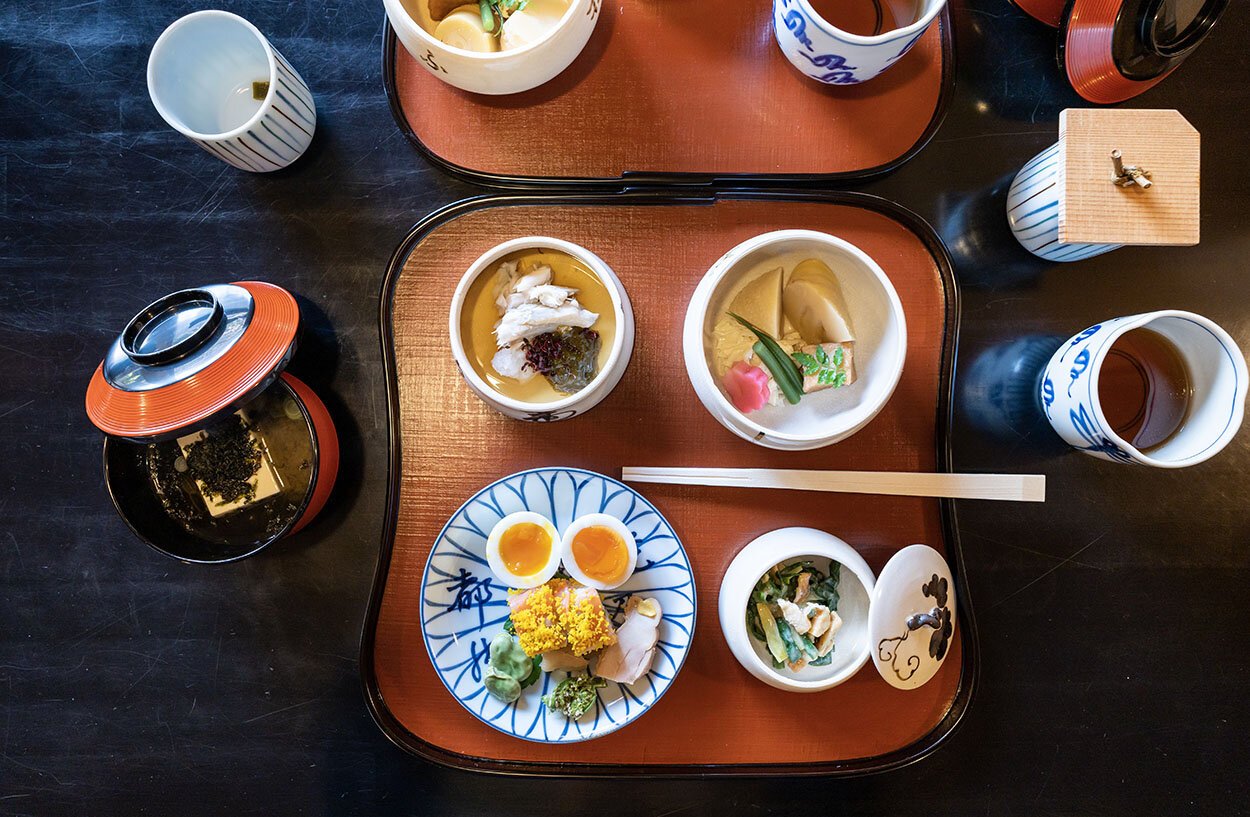
Seafood is the core of the menu. The kitchen sources from Obama Port via family connections to brokers in Fukui Prefecture, a coastal region known for quality fish. This supply relationship gives the menu a seasonal, catch-driven quality that most izakayas at this price tier cannot replicate. For each soup, diners choose from a rotating selection of seasonal fish and fishcakes as the main ingredient, then specify preparation: sake-steamed, tempura, or char-grilled. That flexibility is the practical heart of the menu, and it is where the kappo-trained skill actually lands on the plate.
The ¥¥ positioning makes this one of the better value propositions in Shimogyo Ward. You are paying izakaya prices for cooking technique that has been Michelin-recognised two years running. For context, the Bib Gourmand designation specifically identifies restaurants offering quality meals at moderate prices, it is a value endorsement, not just a quality one.
When to Go
Because hours are not confirmed in our data, check current opening times directly before planning your visit. The seasonal seafood sourcing from Fukui means the menu shifts across the year, and the most interesting visits tend to align with periods when the catch from Obama Port is at its peak, broadly autumn through winter for many varieties of Japanese coastal fish. Visiting outside peak tourist season (avoiding late March to early April cherry blossom crowds and the August summer peak) will also make for a more relaxed room.
For solo diners, the izakaya format works well: the bar-side seating managed by the father gives you a natural anchor point for conversation, and ordering a few dishes across preparations is easy without feeling wasteful. For groups of two to four, the table service element handled by the daughter means the experience scales smoothly. Larger parties should confirm availability in advance, given the small footprint typical of izakayas in this part of Shimogyo.
If you are building a broader Kyoto dining itinerary, Saketosakana DNA pairs naturally with a heavier spend elsewhere. Consider it the night you want real cooking without the formality or the ¥¥¥¥ outlay. For other strong options in Kyoto's mid-range, see Komedokoro Inamoto, Nonkiya Mune, and Nijo Aritsune. For something with a more international angle at a comparable price tier, Berangkat is worth considering. If you want to see what Kyoto's most serious kappo and kaiseki rooms are doing, Eitaroya gives useful contrast at a higher price point.
Across Japan, the izakaya format at this level of seriousness is rare but not unique to Kyoto. Benikurage in Osaka operates in a similar spirit, and Cube by Mika in Schwerin shows how far the izakaya influence has travelled internationally. For context on what fine dining looks like elsewhere in the region, HAJIME in Osaka, Harutaka in Tokyo, akordu in Nara, Goh in Fukuoka, 1000 in Yokohama, and 6 in Okinawa are all tracked on Pearl.
Know Before You Go
- Price tier: ¥¥, moderate; among the better-value options for Michelin-recognised cooking in Kyoto
- Awards: Michelin Bib Gourmand 2024 and 2025
- Booking difficulty: Easy
- Cuisine: Izakaya with kappo-trained technique; seafood-focused
- Sourcing: Seasonal fish and fishcakes from Obama Port, Fukui Prefecture
- Address: 559-1 Torocho, Shimogyo Ward, Kyoto, JIA Building 1F
- Phone / website: Not confirmed, check Google Maps or local booking platforms for current hours and contact details
- Good for: Solo diners, couples, small groups of up to four; food-focused travellers who want Michelin-level quality without kaiseki prices
- Less suited to: Large parties, diners requiring English menus, anyone expecting formal service
How It Compares
See the comparison section below for how Saketosakana DNA sits against Kyoto's broader dining field.
For the full picture on eating and drinking in the city, see our full Kyoto restaurants guide, our Kyoto bars guide, our Kyoto hotels guide, our Kyoto wineries guide, and our Kyoto experiences guide.
Planning details
- Location
- Japan, 〒600-8401 Kyoto, Shimogyo Ward, Torocho, 559-1 ジェイアイビル 1F
- Website
- saketosakanadna.com
- Phone
- +81 75-365-5591
The take
The Take
The Vibe
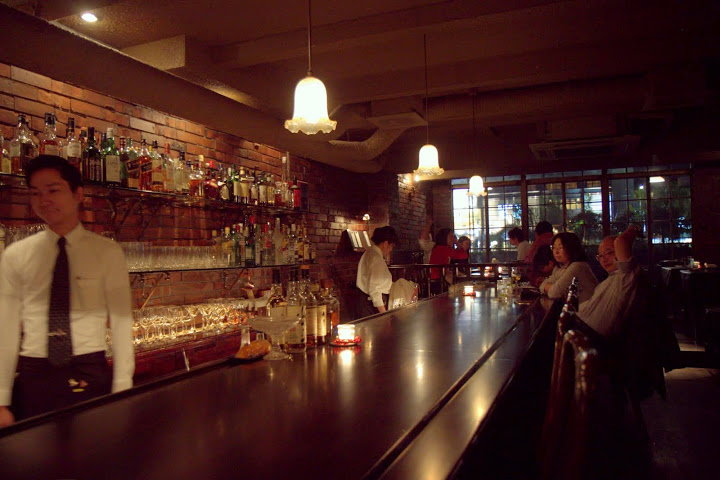
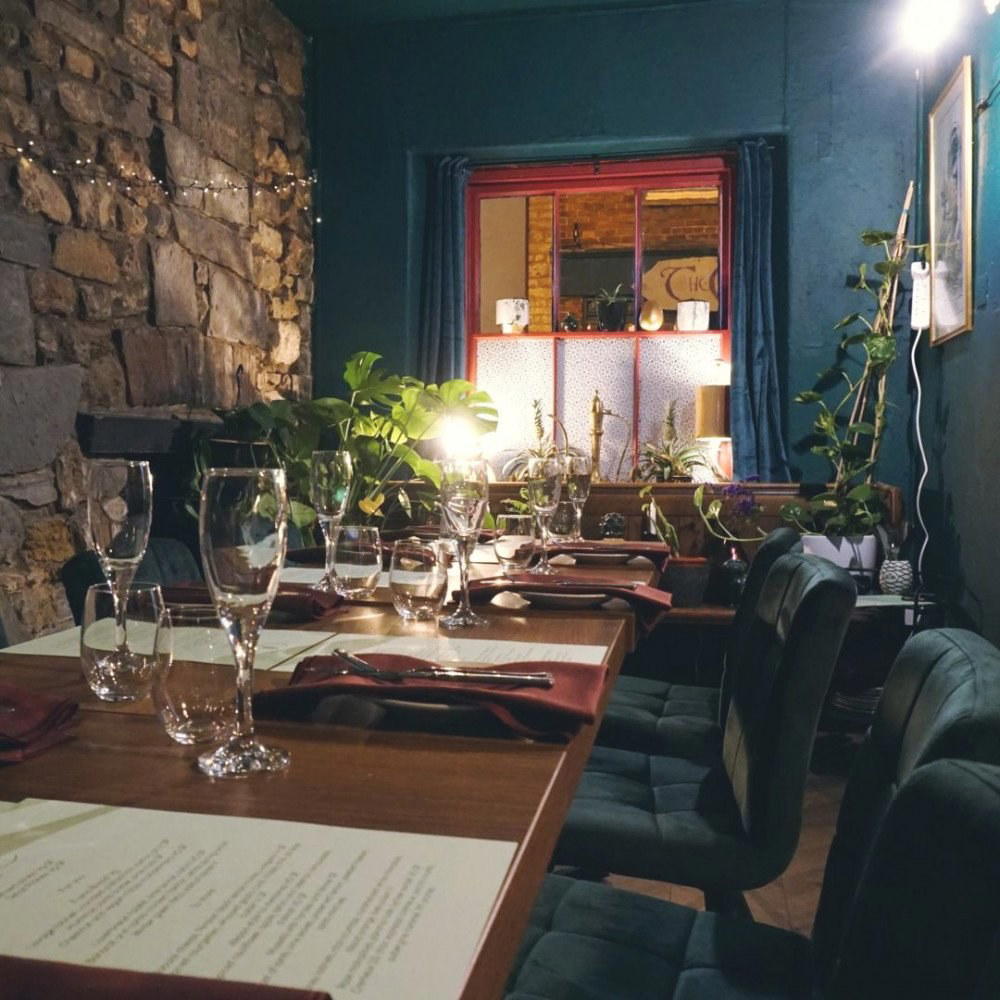
Saketosakana DNA sits in Shimogyo Ward, operating where kappo discipline meets the casual izakaya table. The kitchen's kappo training shows in precise stock-building and seasonal attention, lending the room a quietly refined edge. At the same time the place keeps the relaxed rhythm of an izakaya: an environment that encourages lingering with small plates and sake rather than rushed courses. The result is a measured, sophisticated izakaya that feels at home in Kyoto's residential south-of-center streets — approachable in format but exacting in technique and flavor.
Best For
This is primarily an evening destination: the izakaya format and the menu's emphasis on seasonal soups and multiple small dishes make it best for dinner, lingering nights and casual social evenings. It suits couples looking for a quietly refined date-night setting, solo diners who want to explore thoughtfully prepared fish and soups, and small groups who prefer shared plates and sake. The focus on market-driven fish and deliberate sequencing of courses also makes it a good pick for diners who enjoy tasting through a series of seasonal offerings rather than a single entrée.
Ordering Tips
Start with the soup section: the kitchen treats soups as a showcase of stock-building and seasonal ingredients, so ordering a soup lets you taste the kitchen's core technique. Be sure to try the signature sashimi and charcoal-grilled fish skewers to experience both raw and charred expressions of the day's catch. Order several small plates to share, and pace them with sake — the format explicitly invites sake-ordering and lingering. Ask staff what's current at the market so you can select the rotating fish or fishcake bases that embody the menu's seasonal logic.
Venue details
Ambiance
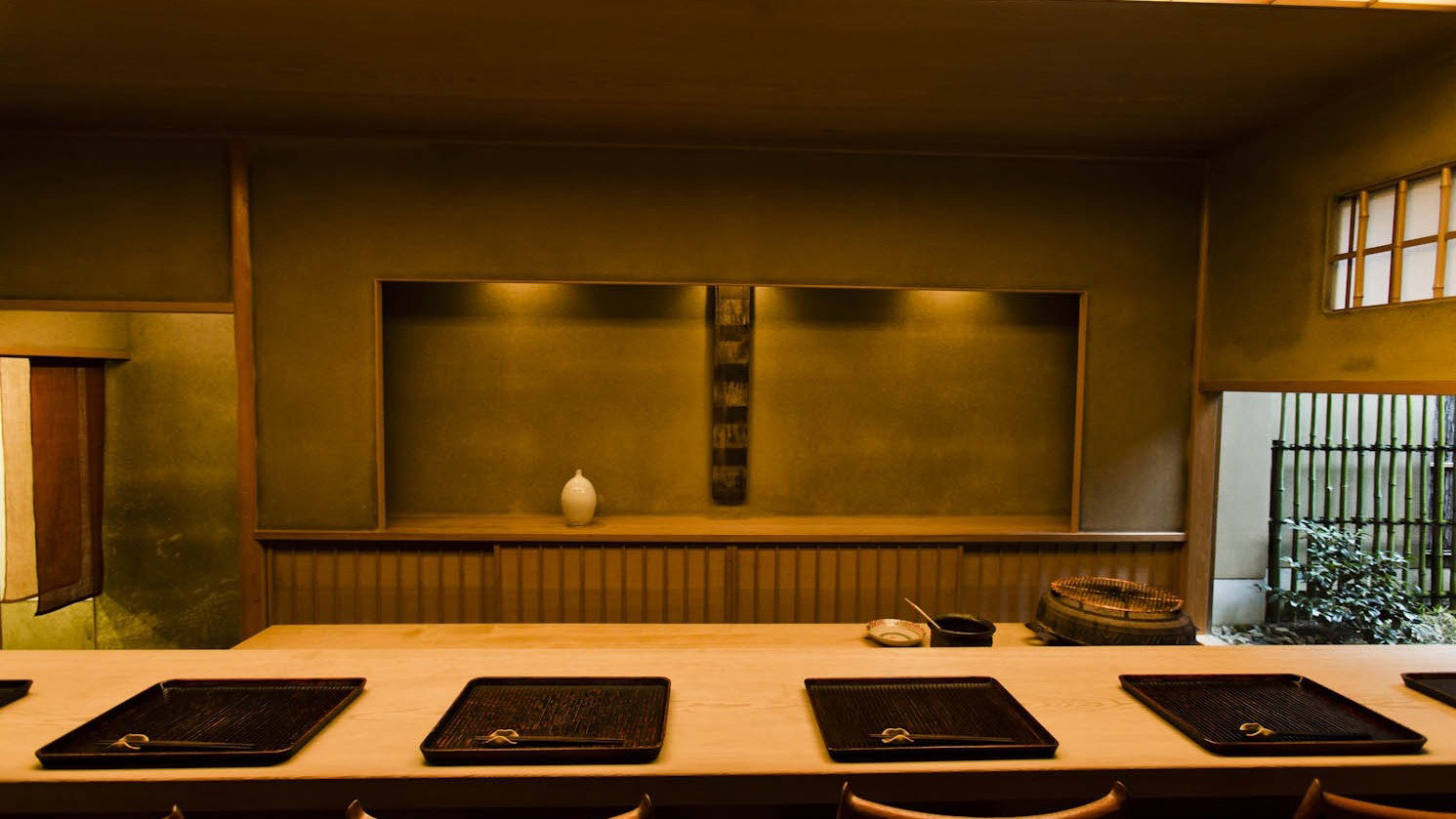
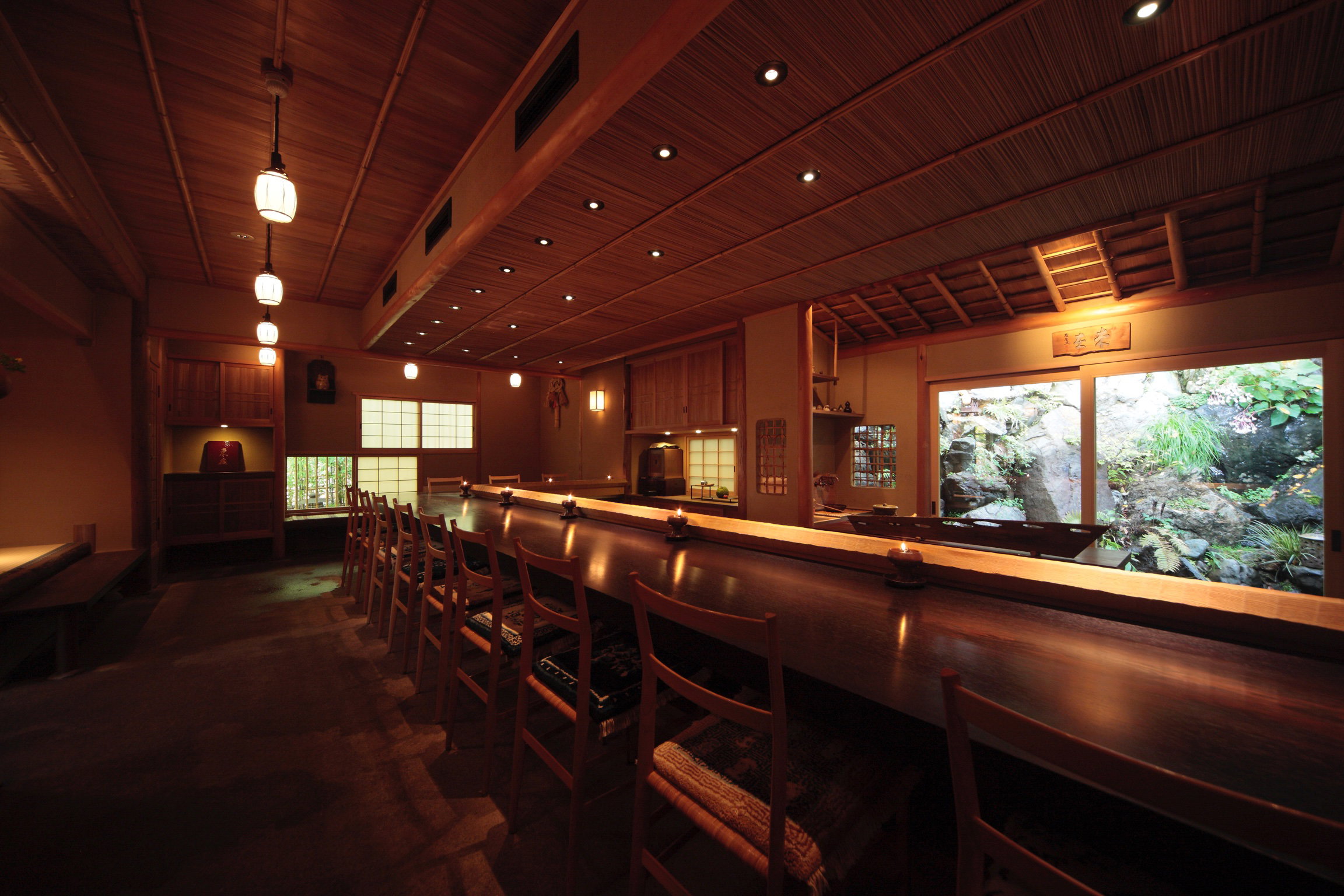
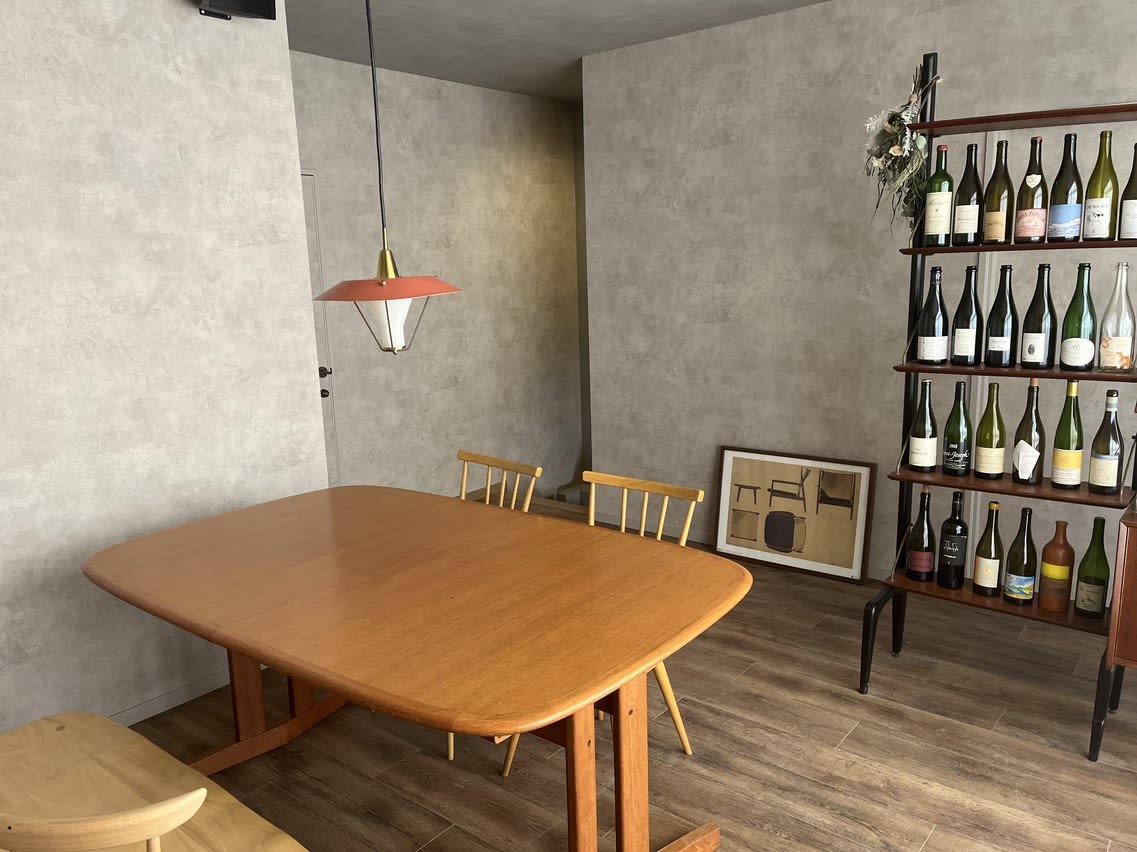
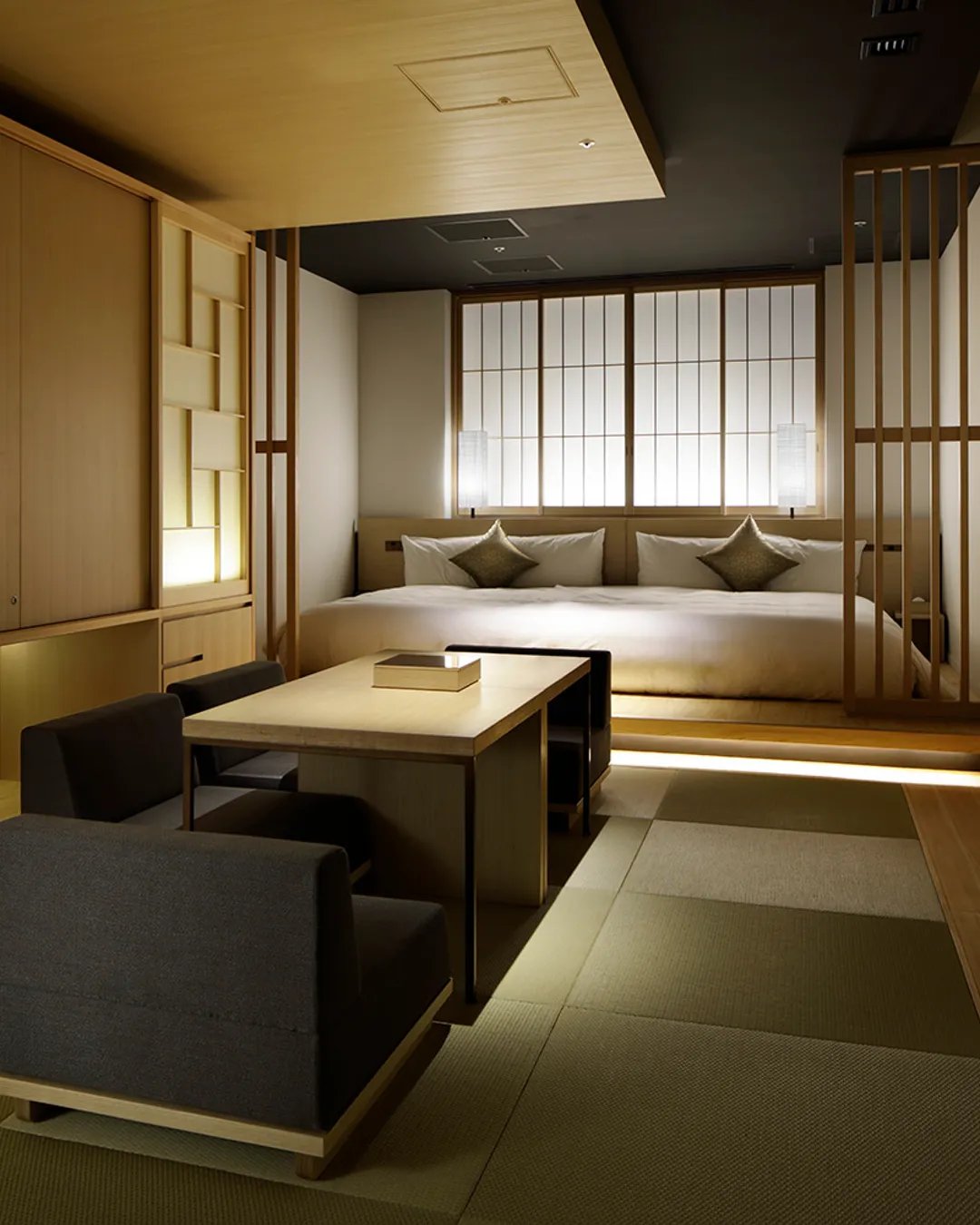
Warm, welcoming family service in a stylish, relaxing space with counter seating overlooking the charcoal grill.
Tags
Vibe
Best For
Experience
Sourcing
At the Table
- Dress Code
- Casual
- Noise Level
- Conversational
- Service Style
- Upscale Casual
- Meal Pacing
- Standard
- Capacity
- Intimate
Signature Dishes
- sashimi
- charcoal grilled fish skewers
Know before you go
Know Before You Go
- Getting there
- Japan, 〒600-8401 Kyoto, Shimogyo Ward, Torocho, 559-1 ジェイアイビル 1F
Planning details
Location
Japan, 〒600-8401 Kyoto, Shimogyo Ward, Torocho, 559-1 ジェイアイビル 1F · Directions
Recognition and awards
Also consider
Also Consider
- Gion Sasaki, Kaiseki, Japanese, ¥¥¥¥
- cenci, Italian, ¥¥¥
- Ifuki, Kaiseki, ¥¥¥¥
- Kyokaiseki Kichisen, Japanese, ¥¥¥¥
- Kyo Seika, Chinese, ¥¥¥
Restaurant context
Saketosakana DNA sits at the opposite end of the Kyoto dining spectrum from the city's ¥¥¥¥ kaiseki rooms. Gion Sasaki, Ifuki, and Kyokaiseki Kichisen offer multi-course seasonal kaiseki at a price point two tiers higher, they are the right choice for a formal, occasion-driven dinner where service choreography and course progression are part of the value. Saketosakana DNA does not try to compete on those terms, and that is the point: it is where you eat when you want Michelin-acknowledged quality without the spend or the formality. Two consecutive Bib Gourmand recognitions put it in a different class from a generic izakaya, and the kappo-trained kitchen gives it a technical edge that casual competitors at the ¥¥ level rarely match.
cenci at ¥¥¥ is a useful mid-point comparison for diners who want more structured dining than an izakaya but are not ready to commit to full kaiseki pricing. cenci brings Italian technique to a Kyoto setting and is the better choice if you want a longer, more deliberate meal with wine pairings. Saketosakana DNA is the better choice if you want to eat Japanese seafood the way a skilled local family would cook it, at a price that allows you to save the serious budget for one of the ¥¥¥¥ rooms later in your trip.
Within the ¥¥ izakaya tier, Saketosakana DNA's direct seafood sourcing from Obama Port and its Bib Gourmand track record give it a clear edge over most competitors. Booking is easy relative to the top-tier kaiseki rooms, where reservations often require advance planning of weeks or months. If your Kyoto itinerary includes one splurge and several practical dinners, Saketosakana DNA should be on the practical side of the ledger, a well-judged decision, not a compromise.
Explore Kyoto
Around this place
Discover more on Pearl
Unlock the full Saketosakana DNA guide in Pearl, including awards, comparisons, FAQs, planning details, and nearby places.
Compare Saketosakana DNA
| Venue | Cuisine | Awards | Booking Difficulty |
|---|---|---|---|
| Saketosakana DNA | Izakaya | 2026 Bib Gourmand2025 Michelin Bib Gourmand2024 Michelin Bib Gourmand | Easy |
| Gion Sasaki | Kaiseki, Japanese | 2026 Tabelog Bronze · #3862026 OAD Top Restaurants in Japan RecommendedMichelin Guide Kyoto Osaka 20262026 La Liste Top RestaurantsTabelog 100 - Japanese cuisine - WEST - 2025 · #132025 OAD Top Restaurants in Japan Ranked · #2462025 Tabelog Silver2025 Michelin 3 Stars2025 La Liste Top Restaurants | Unknown |
| cenci | Italian | 2026 Tabelog Bronze · #442026 Asia's 50 Best Restaurants · #762026 OAD Top Restaurants in Japan Highly RecommendedMichelin Guide Kyoto Osaka 2026Tabelog 100 - Italian - WEST - 2025 · #632025 Asia's 50 Best Restaurants · #632025 OAD Top Restaurants in Japan Ranked · #1682025 Tabelog Bronze2024 OAD Top Restaurants in Japan Ranked · #135 | Unknown |
| Ifuki | Kaiseki | 2026 OAD Top Restaurants in Japan Ranked · #1222026 Tabelog Bronze · #128Michelin Guide Kyoto Osaka 20262026 La Liste Top RestaurantsTabelog 100 - Japanese cuisine - WEST - 2025 · #622025 OAD Top Restaurants in Japan Ranked · #1002025 La Liste Top Restaurants2025 Tabelog Bronze2025 Michelin 2 Stars | Unknown |
| Kyokaiseki Kichisen | Japanese | 2026 Tabelog Bronze · #1752026 OAD Top Restaurants in Japan Highly RecommendedMichelin Guide Kyoto Osaka 20262025 OAD Top Restaurants in Japan Ranked · #1862025 Michelin 2 Stars2025 La Liste Top Restaurants2024 OAD Top Restaurants in Japan Ranked · #1422024 Michelin 2 Stars2023 OAD Top Restaurants in Japan Ranked · #136 | Unknown |
| Kyo Seika | Chinese | Tabelog 100 - Chinese cuisine - WEST - 2026 · #762026 Tabelog Bronze · #2162026 OAD Top Restaurants in Japan Recommended2026 Michelin 1 Star2025 OAD Top Restaurants in Japan Ranked · #3262025 Tabelog Bronze2024 OAD Top Restaurants in Japan Ranked · #3042024 Michelin Plate2024 Michelin 1 Star | Unknown |









.png?width=1200&quality=80)
How Saketosakana DNA stacks up against the competition.
FAQ
Frequently Asked Questions
What should a first-timer know about Saketosakana DNA?
This is a family-run operation in Shimogyo Ward where the father tends bar, the son cooks, and the daughter runs the floor — so service has a personal quality you won't find at a larger izakaya. The kitchen's roots are in kappo-style soup technique, which sets the menu apart from standard izakaya fare. At ¥¥ pricing with back-to-back Michelin Bib Gourmand recognition in 2024 and 2025, it delivers more craft than the price suggests. Confirm opening hours directly before going, as current times are not listed publicly.
What should I order at Saketosakana DNA?
The soups are the kitchen's strongest suit, built on technique from kappo training and seasonal fish sourced through family brokers at Obama Port in Fukui Prefecture. For the main ingredient, you choose from a selection of seasonal fish and fishcakes, then pick your preparation: sake-steamed, tempura, or char-grilled. Let the fish choice drive the decision rather than the cooking method — the sourcing is the point here.
Is Saketosakana DNA good for solo dining?
Yes. The father tending bar means counter seating is likely available and the atmosphere suits solo visitors comfortable with casual, interactive dining. At ¥¥ pricing, an evening here won't strain a solo budget, and the izakaya format — small dishes, sake pairings — works well without a group to share across.
Is the tasting menu worth it at Saketosakana DNA?
Saketosakana DNA operates as an izakaya with an extensive à la carte menu rather than a structured tasting menu format, so this isn't the right venue if a set course is your preference. The flexibility to choose your main ingredient and cooking method is the draw here, not a chef-directed progression. If a tasting format matters to you, Kyokaiseki Kichisen is the option in Kyoto, though at a significantly higher price point.
What are alternatives to Saketosakana DNA in Kyoto?
For comparable value with a different format, Ifuki and cenci are worth considering. If you want to step up to kaiseki and have the budget for it, Gion Sasaki and Kyokaiseki Kichisen represent the higher end of Kyoto's dining spectrum. Kyo Seika covers different ground depending on your group's priorities. Saketosakana DNA sits in a distinct position: Michelin-recognised, family-run, and priced at ¥¥, which none of the kaiseki options match.
Is Saketosakana DNA worth the price?
At ¥¥ with two consecutive Michelin Bib Gourmand awards, this is one of the cleaner value cases in Kyoto dining. The Bib Gourmand designation specifically recognises good food at a moderate price, so the recognition directly validates the value argument. If you're comparing against Kyoto's kaiseki restaurants, the format and ambition differ significantly — but within the izakaya category, the combination of kappo-trained soup technique and direct Fukui seafood sourcing is not something you typically find at this price.