
Hachiraku
Chinese · Higashiyama, Kyoto
Restaurant in Kyoto, Japan
 Book with Pearl
The Read
Kimono-Conscious Chinese
Dress
Smart Casual
Why go
Hachiraku is a Michelin Plate Chinese restaurant in Kyoto's Higashiyama Ward that cooks without garlic or lard: a deliberate choice rooted in the etiquette of serving guests in kimono. At a ¥¥ price point with two consecutive Michelin Plates, it is one of Kyoto's most accessible credentialed dining options and a genuinely instructive table for anyone interested in how a cuisine adapts to a specific cultural host.
About Hachiraku
Verdict
Book Hachiraku if you want to understand what Chinese cooking looks like when it has been genuinely reshaped by its city. This is not a novelty concept or a fusion experiment: it is a deliberate, principled interpretation of Chinese cuisine filtered through Kyoto's particular cultural demands, and it holds a Michelin Plate in both 2024 and 2025 to show the approach works. At a ¥¥ price point in a city where serious dining usually means ¥¥¥¥ kaiseki, it is one of the more accessible routes into Kyoto's formal dining sensibility. The caveat: if you want punchy garlic heat or rich lard-based depth, this kitchen will not deliver it. That is a feature, not a compromise.
Portrait
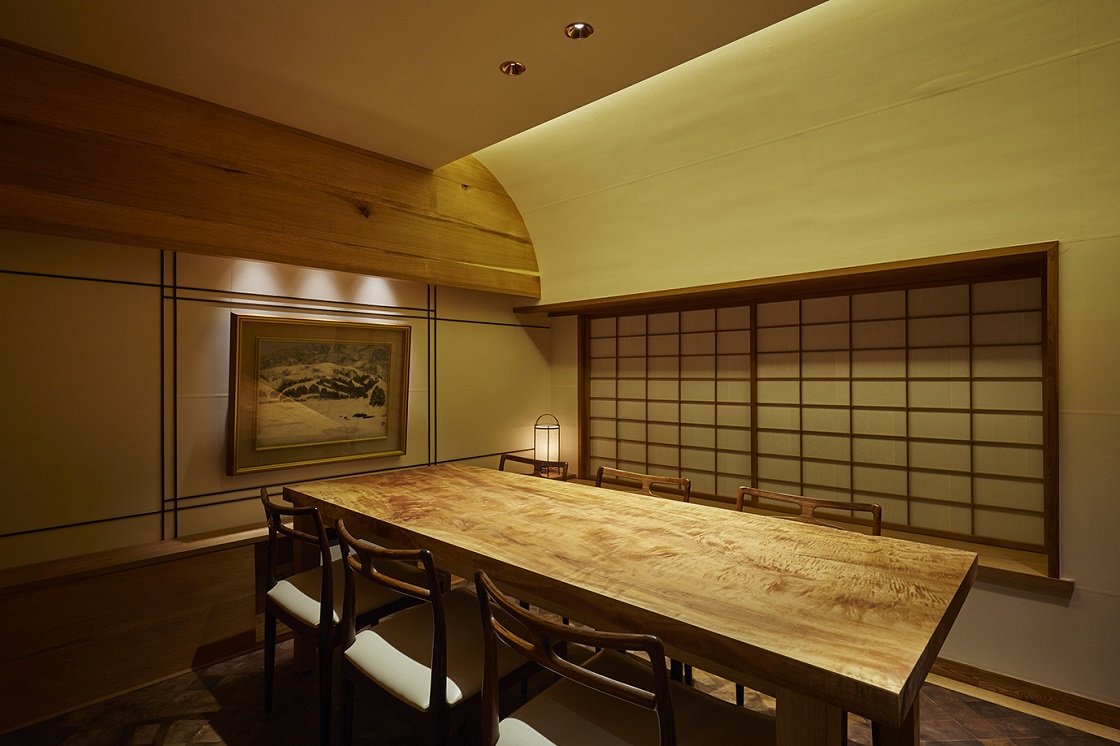
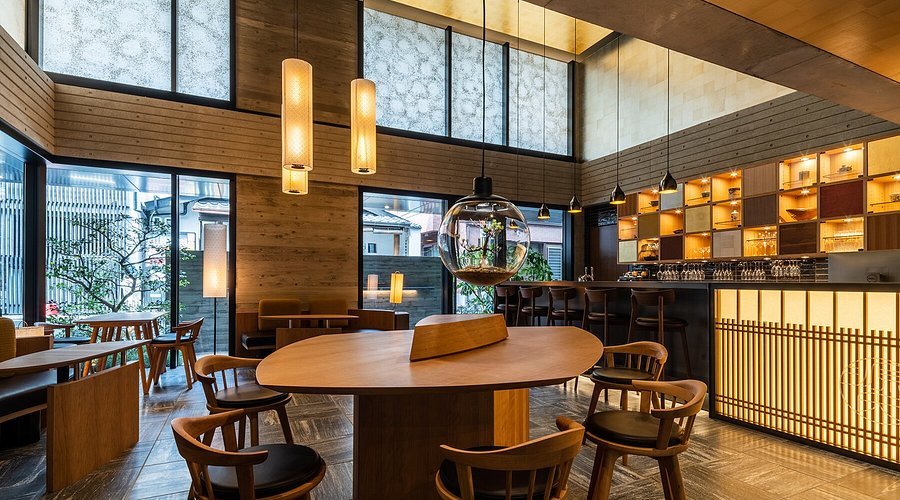
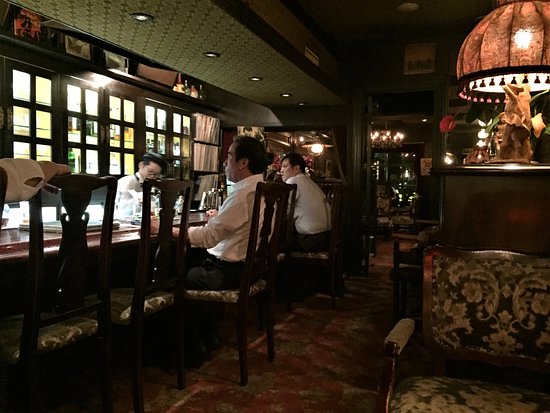
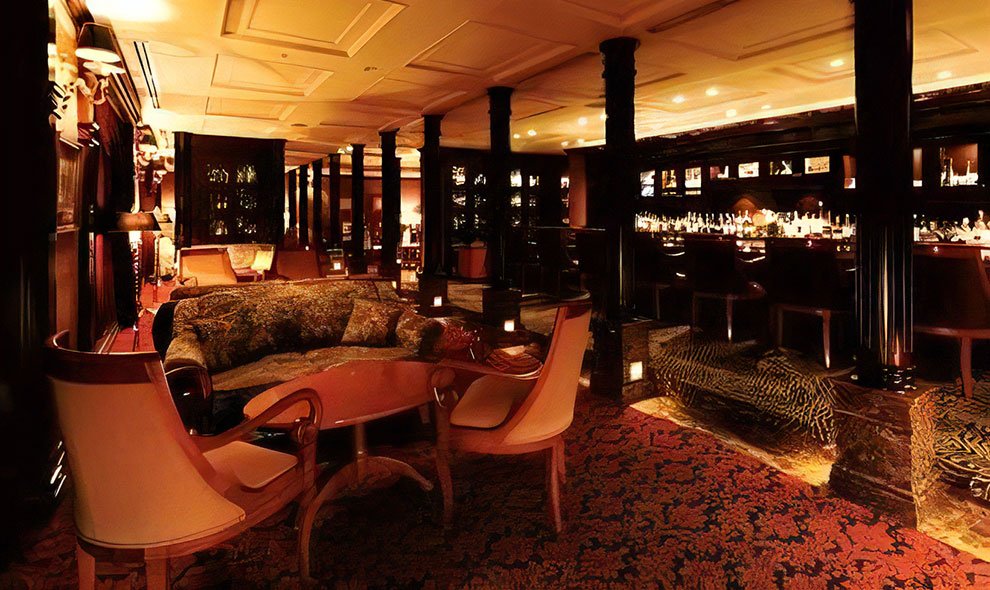
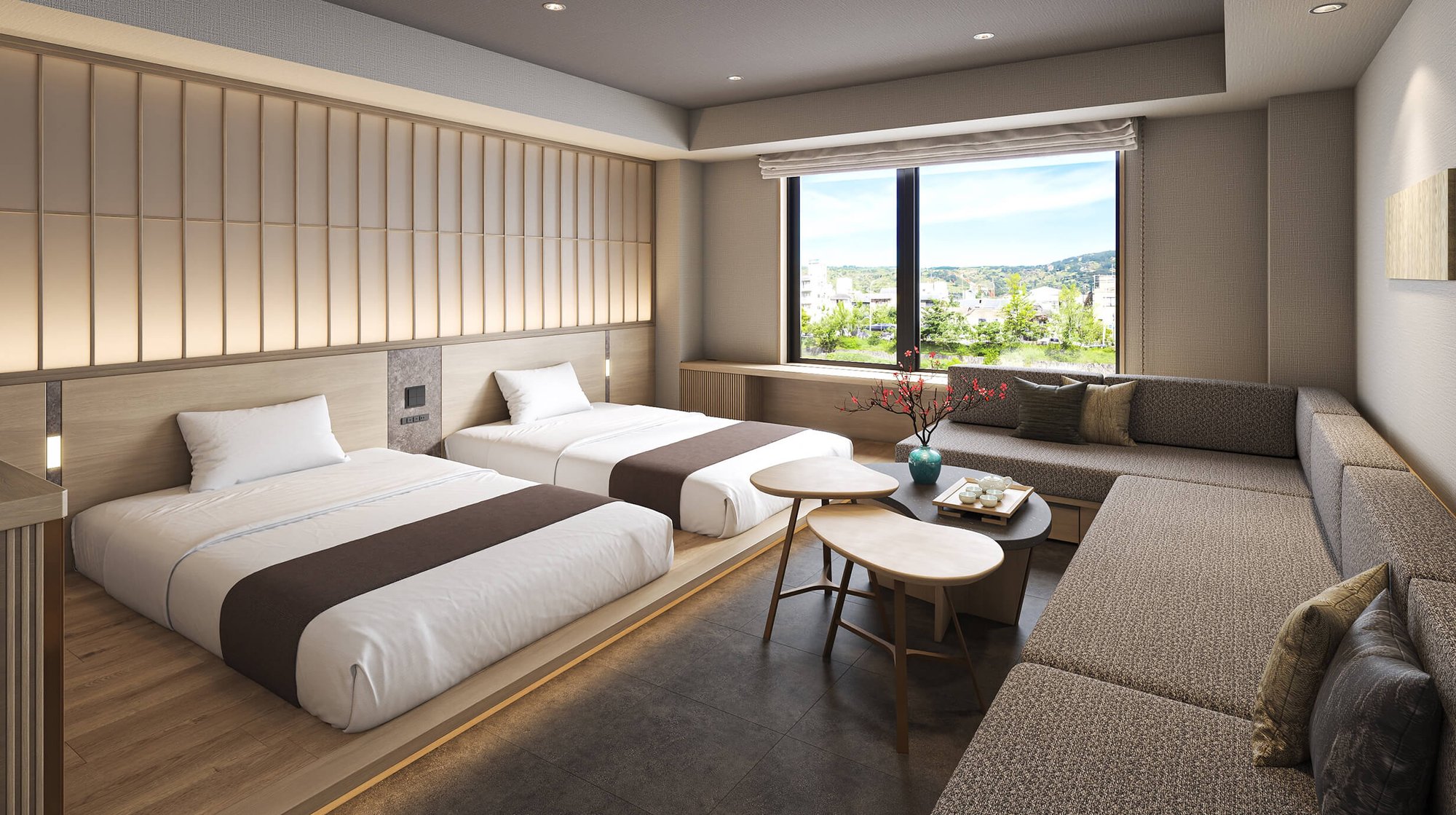
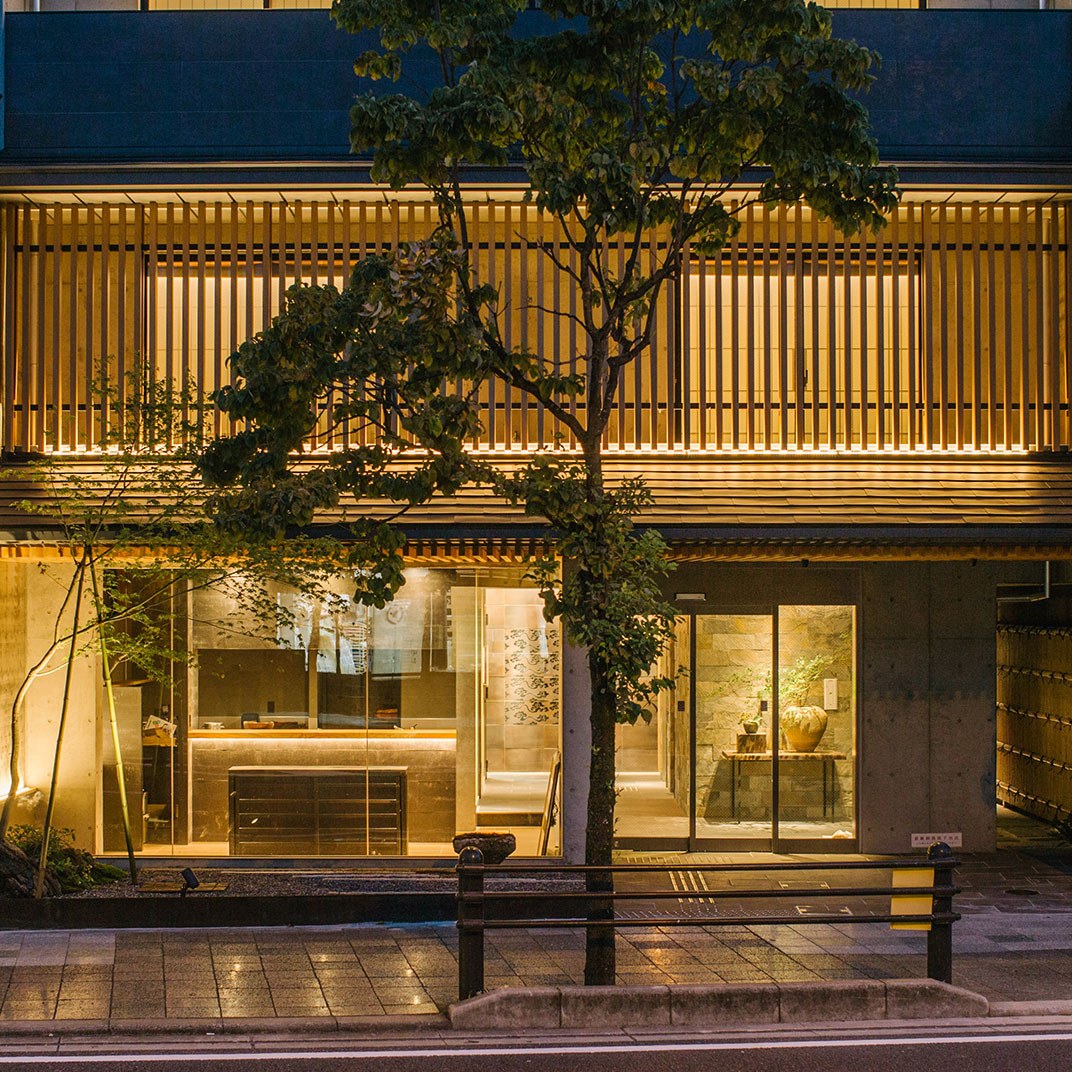
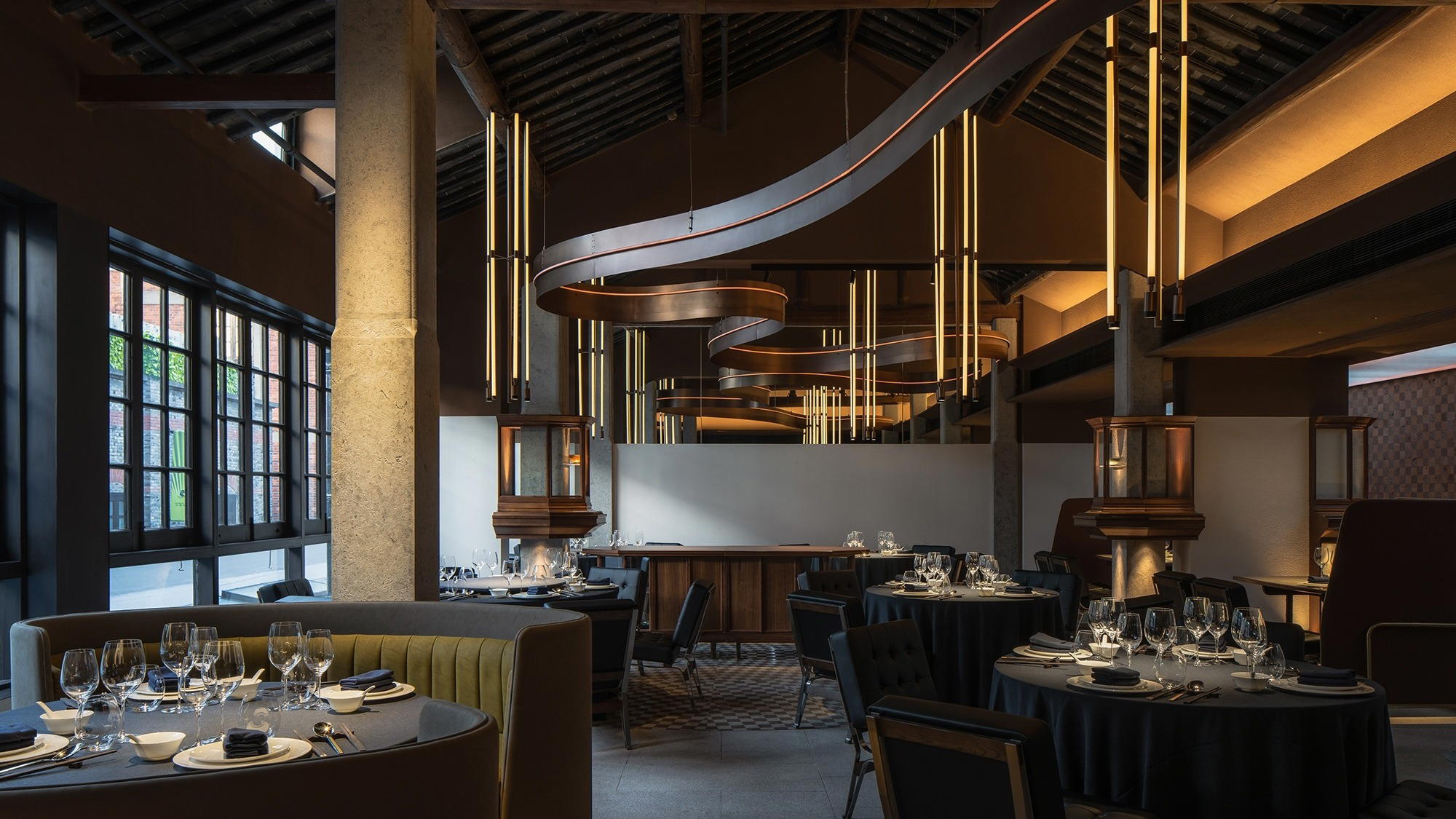
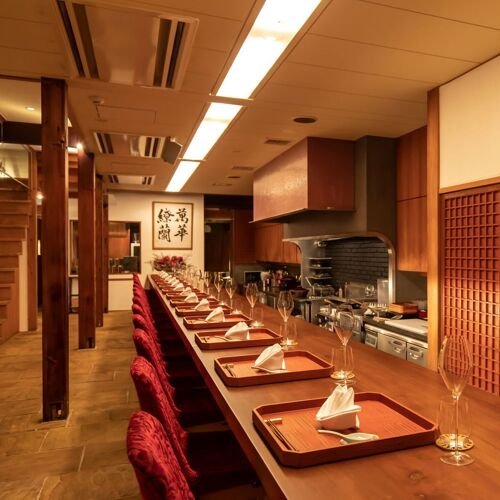
The most immediately visible thing about Hachiraku's dining room is that it is designed to receive guests in kimono. That is not a decorative gesture: it is the architectural logic of the entire menu. Garlic and lard are both banned from the kitchen specifically to prevent odours from transferring to the silk garments worn by Kyoto's geishas, maikos, and the gentlemen who entertain them in this neighbourhood of Higashiyama Ward. The address, 428-5 Kamibentencho, places it within one of Kyoto's most historically intact districts, where those guests are not hypothetical. The room signals refinement before a single plate arrives.
What the kitchen produces in place of garlic and lard is Chinese cooking built on the depth of top-grade soup stock. Stir-fries are paired with wasabi rather than chilli heat. Fried rice comes with Kyoto pickled vegetables rather than the usual accompaniments. Spice use is restrained throughout. For the explorer-minded diner who wants to trace how a cuisine adapts to a new cultural host, this is one of the more instructive tables in Japan. You are not watching Chinese food simplified for local tastes, you are watching it re-engineered to match a specific local code of elegance.
The comparison that sharpens Hachiraku's value proposition is with the broader category of Chinese fine dining across Japan. Venues like HAJIME in Osaka operate at a completely different price tier and philosophical register. Internationally, places like Restaurant Tim Raue in Berlin and Mister Jiu's in San Francisco show what happens when Chinese culinary logic is transplanted into Western fine-dining contexts. Hachiraku's proposition is narrower and, in some ways, more demanding: it asks the cuisine to serve a very specific local host culture, not a global one. That specificity is what makes it worth seeking out.
The Michelin Plate designation, held across two consecutive years, indicates consistent technical execution without the star-level showmanship. For the diner who finds Michelin-starred kaiseki restaurants like Kyokaiseki Kichisen or Gion Sasaki either too expensive or too formal, Hachiraku offers a credentialed alternative at a price point that removes the calculus about whether the meal justifies the spend.
For context on what else Kyoto's dining scene offers at this level, Canton Shunsai Ikki represents another point on the Kyoto-Chinese spectrum, while VELROSIER, hakubi, and Akihana show the range of refined dining options at comparable price tiers in the city. If you are building a multi-day Kyoto itinerary, Kyo Seika is worth including alongside Hachiraku for a broader read on the city's culinary range. Our full Kyoto restaurants guide maps the wider category.
On drinks: the venue database does not specify a cocktail or sake program, and Hachiraku's identity is clearly kitchen-led rather than bar-led. Given the no-garlic, no-lard philosophy and the precision applied to stock-based cooking, it would be reasonable to expect beverage pairings that follow the same restrained, aromatic logic, delicate sake selections or tea service rather than bold cocktails. Confirmed details on the drinks list are not available, but explorers who want bar-forward experiences in Kyoto should consult our full Kyoto bars guide for venues where the drinks program is the headline act.
If you are travelling regionally and want to compare the level of ambition on display here against other notable Japanese destinations, akordu in Nara, Goh in Fukuoka, Harutaka in Tokyo, 1000 in Yokohama, and 6 in Okinawa each offer a useful reference point for what serious, chef-driven dining looks like across the country.
Practical Details
Address: 428-5 Kamibentencho, Higashiyama Ward, Kyoto. Price tier: ¥¥, accessible by Kyoto fine-dining standards. Booking difficulty: Easy. Awards: Michelin Plate 2024 and 2025. Reservations: Booking method not confirmed in available data, contact the venue directly or check current booking platforms. Dress: No confirmed dress code, but the room is designed to accommodate guests in kimono; smart-casual is the minimum appropriate register. Hours: Not confirmed in available data, verify before travelling. Phone / website: Not available in current data. For broader Kyoto planning, see our full Kyoto hotels guide, Kyoto experiences guide, and Kyoto wineries guide.
Ratings
- Value for money: Strong at ¥¥ for a Michelin Plate venue in Kyoto
- Booking ease: Easy
- Credibility signal: Michelin Plate two consecutive years (2024, 2025)
Planning details
- Hours
- Monday: Closed · Tuesday: 5–9 PM
- Location
- 428-5 Kamibentencho, Higashiyama Ward, Kyoto, 605-0822, Japan
- Phone
- +81 75-541-5898
The take
The Take
The Vibe
Hachiraku reads like a Kyoto-specific translation of Chinese cookery: the flavours are thoughtful and deliberately restrained to fit the neighborhood’s codes. Situated among machiya townhouses and temple approaches in Higashiyama, the restaurant emphasizes discretion and composure: so much so that its kitchen excludes garlic and lard to avoid carrying scent. That careful inhibition produces a dining room that feels measured and historic rather than flashy. Michelin Plate recognitions in consecutive years underscore a steady, refined execution: expect deliberate plates, a quiet atmosphere and a sense of place that privileges Kyoto’s cultural logic over regional Chinese excess.
Best For
This is a place for quiet, considered evenings in a culturally resonant part of Kyoto. With consecutive Michelin Plate nods and a ¥¥ positioning, Hachiraku suits date nights and special-occasion dinners where provenance and restraint matter. The setting, Higashiyama’s historically layered streets, encourages composed dining; guests seeking something lively or loud will find the mood deliberately measured. The menu’s Kyoto-minded approach makes it especially appealing to diners who want a refined Chinese meal filtered through local etiquette rather than a boisterous banquet.
Ordering Tips
Be mindful that the kitchen deliberately omits garlic and lard; flavours here lean clean, nuanced and shaped by Kyoto etiquette. Signature choices to consider include Hachiroku (sweet-and-sour chicken with shiso), Sweet and Sour Pork, Stir‑fried Beef in Lettuce and Five‑Colored Fried Rice, which showcase the restaurant’s balance between Chinese technique and local restraint. For a milder finish, Almond Tofu is among the desserts. The consecutive Michelin Plate recognitions signal reliable execution: you can expect attention to detail rather than heavy-handed seasoning.
Venue details
Ambiance
Intimate counter seating with warm hospitality from the owner couple, fostering a personal and refined dining atmosphere.
Tags
Vibe
Best For
Experience
Sourcing
At the Table
- Dress Code
- Smart Casual
- Noise Level
- Quiet
- Service Style
- Upscale Casual
- Meal Pacing
- Leisurely
- Capacity
- Intimate
- Kitchen
- Traditional
- Menu Format
- A la carte, Counter dining
- Private Dining
- Available
Signature Dishes
- Sweet and Sour Pork
- Stir-fried Beef in Lettuce
- Almond Tofu
- Hachiroku (Sweet and Sour Chicken with Shiso)
- Five-Colored Fried Rice
- Mapo Tofu
Know before you go
Know Before You Go
- Getting there
- 428-5 Kamibentencho, Higashiyama Ward, Kyoto, 605-0822, Japan
Planning details
Hours
- Monday
- Closed
- Tuesday
- 5–9 PM
- Wednesday
- 5–9 PM
- Thursday
- 5–9 PM
- Friday
- 5–9 PM
- Saturday
- 5–9 PM
- Sunday
- 5–9 PM
Location
428-5 Kamibentencho, Higashiyama Ward, Kyoto, 605-0822, Japan · Directions
Recognition and awards
Also consider
Also Consider
- Gion Sasaki: Kaiseki, Japanese, ¥¥¥¥
- cenci: Italian, ¥¥¥
- Ifuki: Kaiseki, ¥¥¥¥
- Kyokaiseki Kichisen: Japanese, ¥¥¥¥
- SEN: French, Japanese, ¥¥¥¥
Restaurant context
Hachiraku sits at ¥¥ in a city where the most acclaimed restaurants operate at ¥¥¥¥. That gap matters. Gion Sasaki, Ifuki, Kyokaiseki Kichisen, and SEN all operate at the top of Kyoto's price range and are primarily kaiseki or kaiseki-adjacent experiences. If your priority is the kaiseki format, the seasonal progression, the lacquerware, the full ceremony, those venues are the correct choice and Hachiraku is not a substitute. But if you want a serious, Michelin-recognised meal in Kyoto without committing to a ¥¥¥¥ spend, Hachiraku is the more rational booking.
cenci at ¥¥¥ offers the closest mid-tier alternative in terms of price positioning, but its Italian framework means it serves a completely different dining purpose. For diners building a multi-night Kyoto itinerary, Hachiraku and cenci work well as a complementary pair: one for the city's engagement with Chinese cuisine, the other for its take on Italian. Neither competes directly with the kaiseki houses for the same occasion.
On booking difficulty, Hachiraku is the easiest table in this comparison set. The ¥¥¥¥ kaiseki venues, particularly Kyokaiseki Kichisen and Gion Sasaki, require significant advance planning and can be difficult to access without local connections or a hotel concierge. Hachiraku's Easy booking rating makes it the practical choice when you have arrived in Kyoto with limited lead time. For that specific situation, last-minute, serious dining, reasonable spend, it is the clearest recommendation in this peer group.
Explore Kyoto
Around this place
Discover more on Pearl
Unlock the full Hachiraku guide in Pearl, including awards, comparisons, FAQs, planning details, and nearby places.
Compare Hachiraku
| Venue | Awards | Price |
|---|---|---|
| Hachiraku | Michelin Guide Kyoto Osaka 20262026 Michelin Plate2025 Michelin Plate2024 Michelin Plate | ¥¥ |
| Gion Sasaki | 2026 Tabelog Bronze · #3862026 OAD Top Restaurants in Japan RecommendedMichelin Guide Kyoto Osaka 20262026 La Liste Top RestaurantsTabelog 100 - Japanese cuisine - WEST - 2025 · #132025 OAD Top Restaurants in Japan Ranked · #2462025 Tabelog Silver2025 Michelin 3 Stars2025 La Liste Top Restaurants | ¥¥¥¥ |
| cenci | 2026 Tabelog Bronze · #442026 Asia's 50 Best Restaurants · #762026 OAD Top Restaurants in Japan Highly RecommendedMichelin Guide Kyoto Osaka 2026Tabelog 100 - Italian - WEST - 2025 · #632025 Asia's 50 Best Restaurants · #632025 OAD Top Restaurants in Japan Ranked · #1682025 Tabelog Bronze2024 OAD Top Restaurants in Japan Ranked · #135 | ¥¥¥ |
| Ifuki | 2026 OAD Top Restaurants in Japan Ranked · #1222026 Tabelog Bronze · #128Michelin Guide Kyoto Osaka 20262026 La Liste Top RestaurantsTabelog 100 - Japanese cuisine - WEST - 2025 · #622025 OAD Top Restaurants in Japan Ranked · #1002025 La Liste Top Restaurants2025 Tabelog Bronze2025 Michelin 2 Stars | ¥¥¥¥ |
| Kyokaiseki Kichisen | 2026 Tabelog Bronze · #1752026 OAD Top Restaurants in Japan Highly RecommendedMichelin Guide Kyoto Osaka 20262025 OAD Top Restaurants in Japan Ranked · #1862025 Michelin 2 Stars2025 La Liste Top Restaurants2024 OAD Top Restaurants in Japan Ranked · #1422024 Michelin 2 Stars2023 OAD Top Restaurants in Japan Ranked · #136 | ¥¥¥¥ |
| SEN | 2026 Tabelog Bronze · #3952026 OAD Top Restaurants in Japan RecommendedMichelin Guide Kyoto Osaka 20262026 Michelin PlateTabelog 100 - Japanese cuisine - WEST - 2025 · #652025 Michelin Plate2025 Tabelog Bronze2024 OAD Top Restaurants in Japan Ranked · #3622024 Michelin Plate | ¥¥¥¥ |
.png?width=1200&quality=80)






Comparing your options in Kyoto for this tier.
FAQ
Frequently Asked Questions
Can Hachiraku accommodate groups?
No group capacity data is on record for Hachiraku. Given the address in Higashiyama Ward and the venue's ¥¥ positioning, it reads as a small-room operation rather than a banquet space. If you are planning a group of four or more, confirm availability and seating options directly with the restaurant before assuming it can absorb a large party.
How far ahead should I book Hachiraku?
No specific lead-time data is available, but Michelin Plate recognition in both 2024 and 2025 has lifted Hachiraku's profile with visiting diners. Booking at least one to two weeks ahead is a reasonable baseline for a Higashiyama restaurant at this recognition level. Walk-in chances are unknown, so do not bank on them.
Is the tasting menu worth it at Hachiraku?
The ¥¥ price tier is accessible by Kyoto fine-dining standards, and the cooking philosophy is built on top-grade soup stock, wasabi-paired stir-fries, and restrained spicing. If that specific proposition interests you, the pricing makes it a low-risk order for Kyoto.
What should I wear to Hachiraku?
The venue explicitly designs its dining room to receive guests in kimono and bans garlic and lard specifically to protect kimono fabrics from odour transfer. That context sets a clear tone: Hachiraku is a refined, considered space. Smart dress is appropriate; anything you would wear to a mid-tier Kyoto kaiseki counter works here.
Can I eat at the bar at Hachiraku?
No bar or counter seating details are documented for Hachiraku. The venue's Higashiyama address and its focus on graceful, kimono-conscious service suggest a traditional dining room format rather than a bar-counter setup. Assume table seating and confirm with the restaurant if counter dining is a priority for you.