.png?width=1200&quality=80)
Akihana
Chinese · Sakyō, Kyoto
Restaurant in Kyoto, Japan
 Book with Pearl
The Read
Sichuan-Shizuoka Synthesis
Price
$20–30per person
Dress
Casual
Why go
Akihana holds back-to-back Michelin Bib Gourmand recognition (2024–2025) for its Sichuan-anchored Chinese regional cooking in Kyoto's Sakyo Ward. Chef Ygor Lopes brings a Shizuoka-inflected perspective to dishes like wagyu sinew mapo tofu and XO fried rice with Suruga shrimps. At ¥¥ pricing, Akihana serves serious Chinese cooking in the city.
About Akihana
Verdict: Book Akihana for Chinese cooking that earns its Michelin recognition without the ¥¥¥¥ price tag
If you have been to Akihana once and left satisfied, the case for a return visit is stronger than you might expect. This is a ¥¥ restaurant in Kyoto's Sakyo Ward that holds back-to-back Michelin Bib Gourmand recognition (2024 and 2025), meaning the value proposition has been independently twice over. Chef Ygor Lopes is working a specific and unusual brief: regional Chinese cooking, anchored in Sichuan technique, filtered through a Shizuoka-born sensibility, and served in a city whose dining culture is defined by kaiseki. That combination rewards more than one visit because the menu has enough range, and enough personal logic, to reveal itself in layers.
What Akihana Is Doing and Why It Matters for Your Decision
The menu at Akihana is grounded in Sichuan standards: steamed chicken with spicy sauce, twice-cooked pork, shrimp in chili sauce. These are not approximations of the originals, the Bib Gourmand citation specifically notes that the chef returns to fundamentals after studying creative Chinese cooking, meaning the technical base is deliberate rather than accidental. For a food-focused traveller who wants honest regional Chinese cooking in Japan, that framing matters. You are not getting a fusion experiment; you are getting a chef who has chosen to add polish to an established canon.
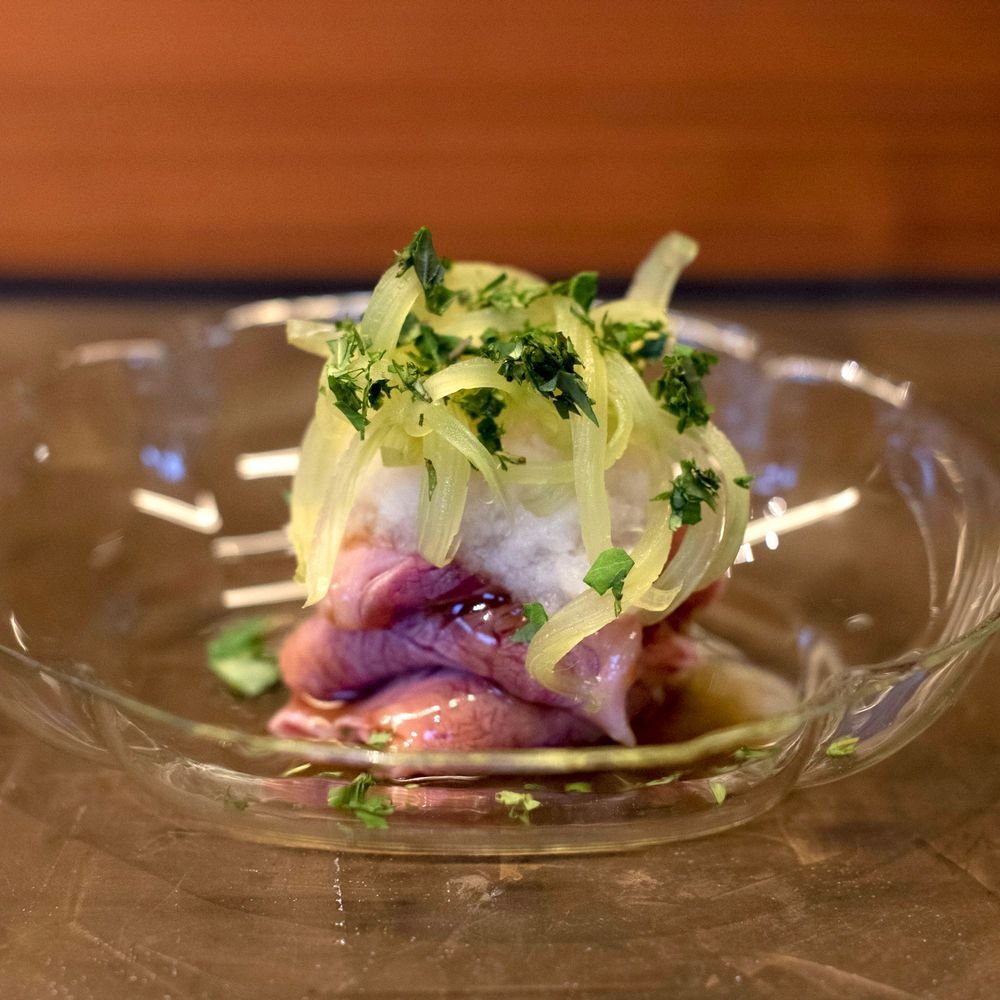
The signature mapo tofu is the dish most worth tracking across visits. Instead of the conventional ground meat preparation, Lopes uses wagyu beef sinew, which shifts the texture and richness of the dish in a direction that is specifically Japanese without abandoning the Sichuan heat profile. If you visit once and order this, you understand the concept. If you visit a second time, you have the context to notice how it fits within the rest of the menu's logic.
XO sauce fried rice is the second anchor dish and serves a different purpose. Made with stardust shrimps and dried fish fry from the Suruga region of Shizuoka, it is the most direct expression of the chef's Shizuoka roots on the menu. The Suruga Bay is known for its seafood, and using those specific ingredients in a Chinese-format dish is the restaurant's clearest statement about what it is trying to do: build a working dialogue between Kyoto, Sichuan, and coastal Shizuoka. For a first visit, order the mapo tofu. For a second, the fried rice gives you a different window into the same kitchen.
Multi-Visit Strategy
A practical framework for two visits: on visit one, anchor on the Sichuan core, the mapo tofu with wagyu sinew, the twice-cooked pork, and whichever chili-forward dishes are available. This gives you the chef's technical foundation and the dish that has drawn the most attention. On visit two, shift toward the Shizuoka-inflected items, especially the XO sauce fried rice, to understand the regional dimension of the cooking. If a third visit is possible, use it to explore the steamed dishes and any seasonal or rotational items, which in Chinese regional cooking often reflect supply and kitchen mood more than a fixed menu structure.
At ¥¥ pricing, repeat visits are financially reasonable in a way they would not be at the ¥¥¥¥ kaiseki houses that dominate serious dining conversation in Kyoto. Compare this to Kyo Seika, the closest Chinese peer in this city at ¥¥¥, and Akihana's multi-visit value becomes clearer: you spend less per cover and get a more focused, personality-driven menu in return.
Context: Chinese Cooking in Kyoto
Kyoto is not a city travellers typically associate with Chinese regional cuisine. The dominant fine-dining story here involves kaiseki at places like Gion Sasaki or Kyokaiseki Kichisen, both at ¥¥¥¥ and both requiring significant advance planning.
For context on how this style of cooking travels internationally, Restaurant Tim Raue in Berlin and Mister Jiu's in San Francisco both demonstrate that Chinese regional cooking interpreted through a local chef's personal lens can earn serious critical recognition. Akihana's Bib Gourmand puts it in comparable territory at a fraction of those price points.
If your Kyoto trip includes other restaurant-focused meals, Akihana fits well as a counterpoint to the kaiseki-heavy itinerary most serious food travellers build here. It is also worth noting that Canton Shunsai Ikki and Hachiraku offer further Chinese-adjacent options in the city if you want to compare approaches across your trip.
For broader Kyoto planning, see our full Kyoto restaurants guide, our full Kyoto hotels guide, and our full Kyoto bars guide. If you are building a Japan itinerary with serious dining at each stop, consider HAJIME in Osaka, Harutaka in Tokyo, akordu in Nara, and Goh in Fukuoka as part of the same circuit. For less-covered destinations, 1000 in Yokohama and 6 in Okinawa are worth your attention.
Know Before You Go
- Price tier: ¥¥, accessible for repeat visits without budgeting stress
- Awards: Michelin Bib Gourmand 2024 and 2025
- Cuisine: Chinese regional, Sichuan-dominant with Shizuoka influence
- Address: 27 Corpus Zen 1F East, Ichijoji Hinokuchicho, Sakyo Ward, Kyoto 606-8167
- Booking difficulty: Easy, walk-ins may be possible, but confirming ahead is sensible for a small venue
- Leading for: Food-focused solo diners, pairs, and small groups who want a contrast to Kyoto's kaiseki circuit
- Signature dishes to prioritise: Mapo tofu with wagyu beef sinew; XO sauce fried rice with Suruga stardust shrimps
Planning details
- Hours
- Monday: Closed · Tuesday: Closed
- Location
- Japan, 〒606-8167 Kyoto, Sakyo Ward, Ichijoji Hinokuchicho, 27 コーポラス禅 1F東
- Website
- instagram.com/akihana0916
- Phone
- +81 75-285-1140
The take
The Take
The Vibe
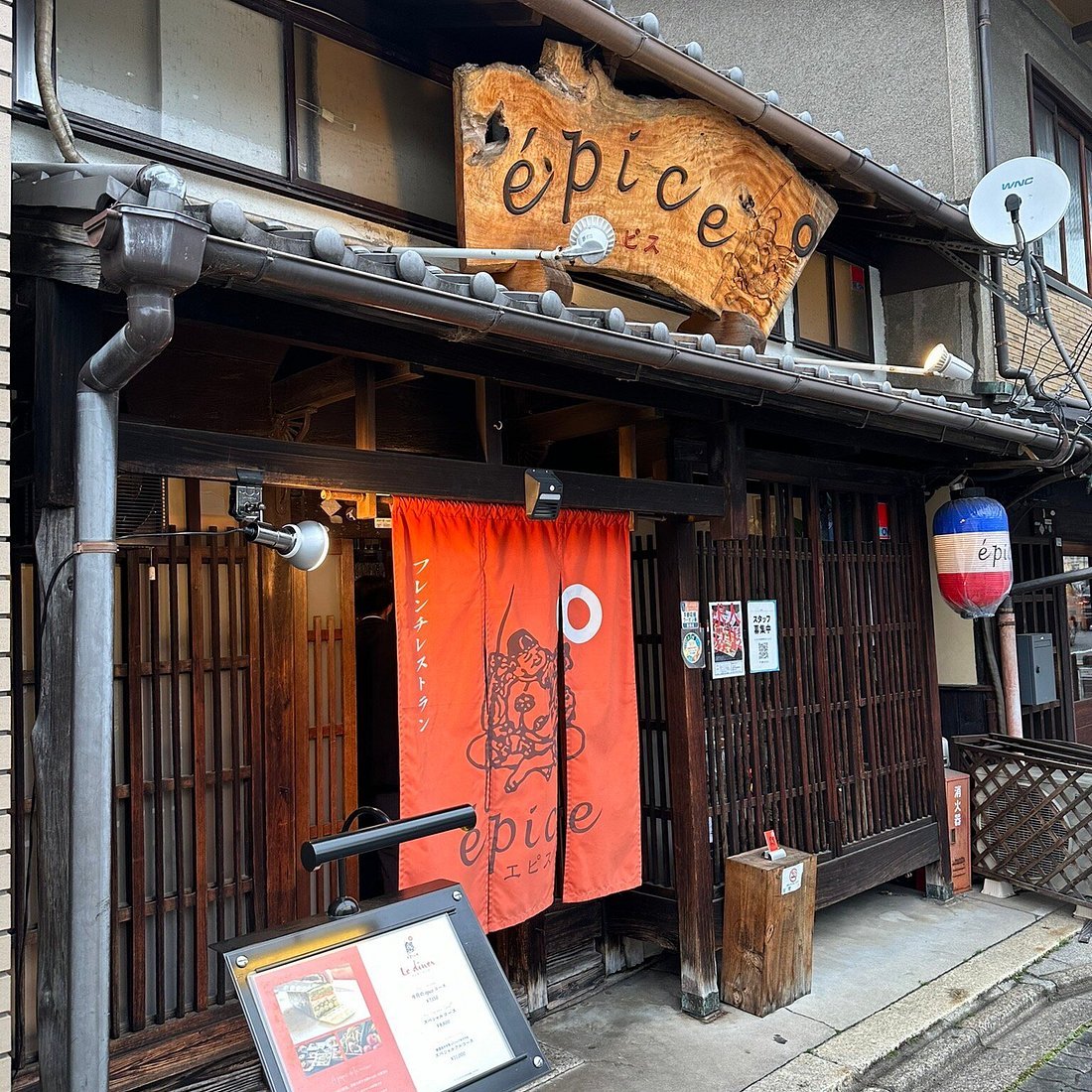
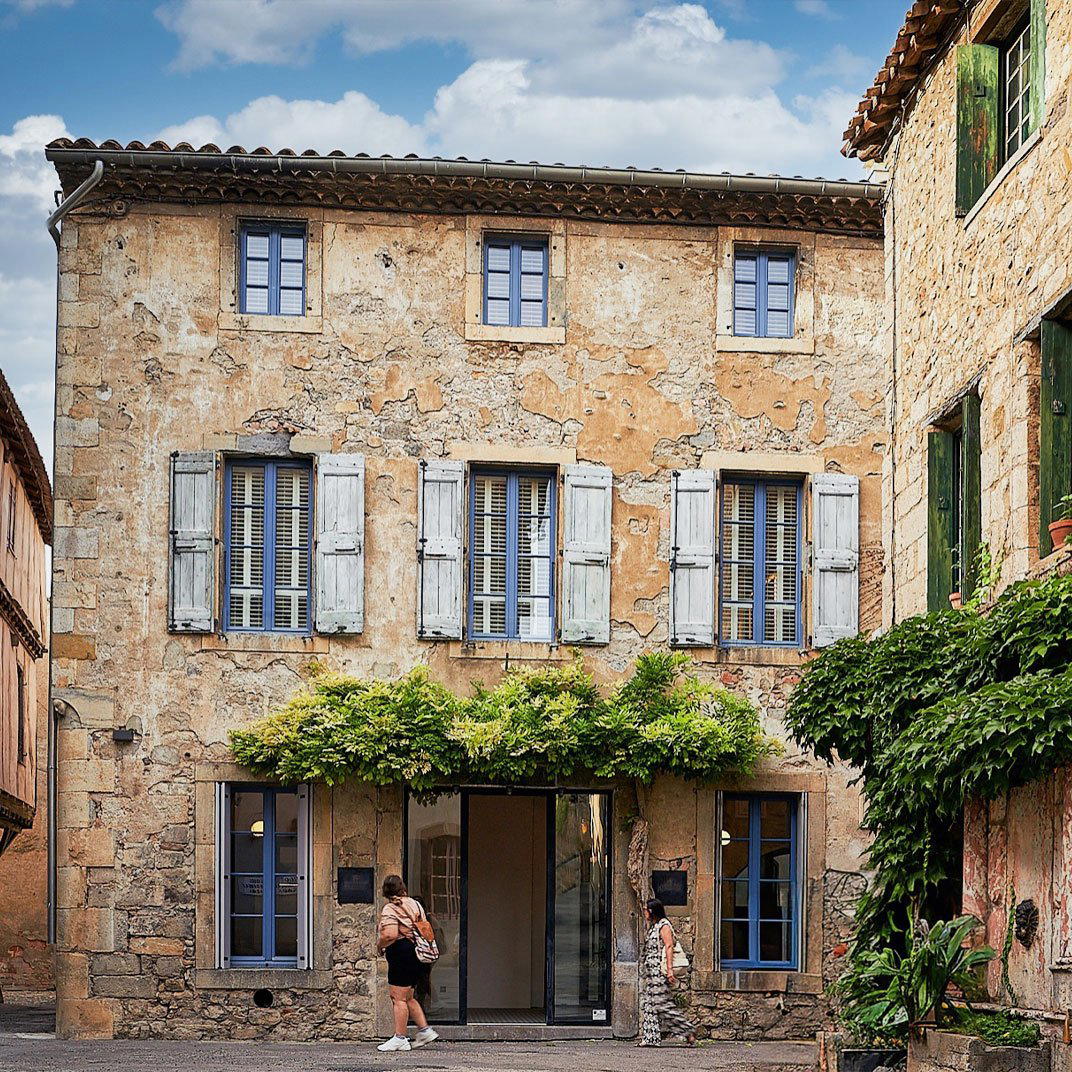
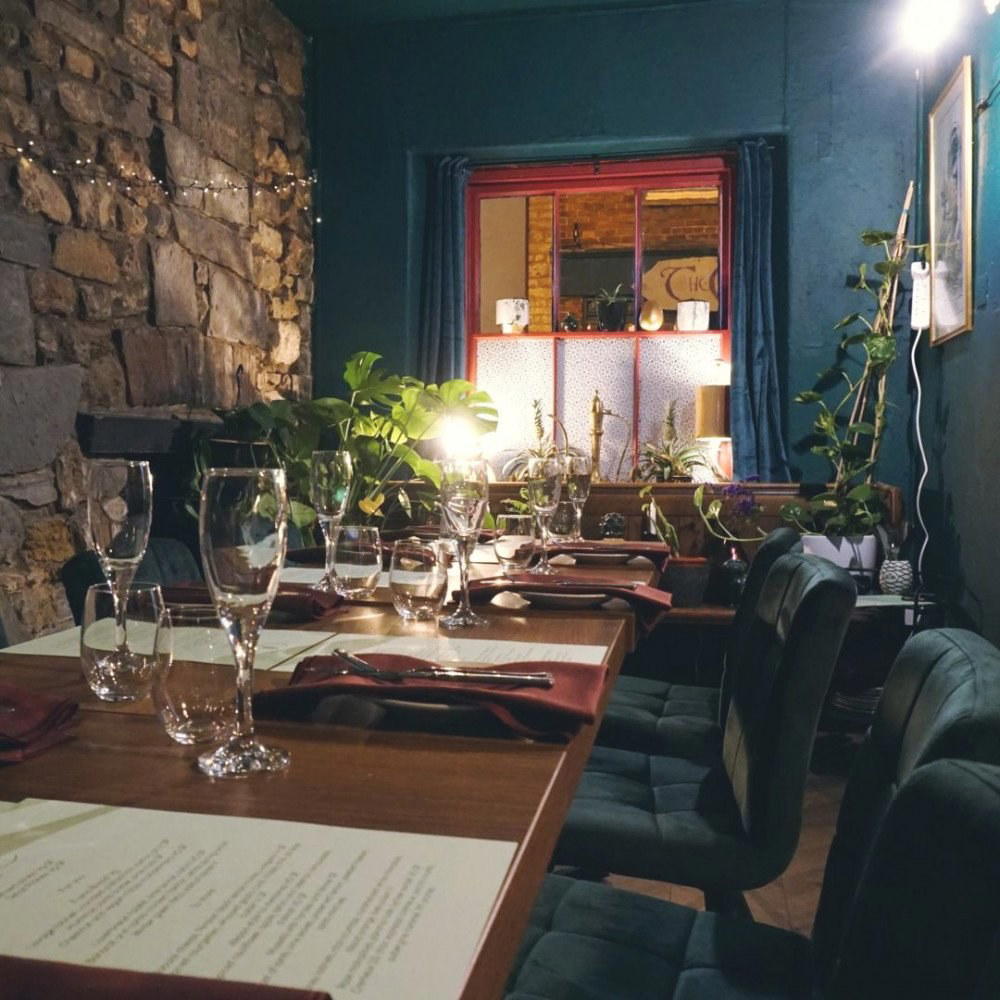
Akihana presents an unshowy, neighbourhood-calibre approach to Chinese cooking. Tucked into the ground floor of a low-rise residential building in Ichijoji, the restaurant deliberately forgoes lanterns or architectural flourish; the experience starts only when you sit down. The kitchen’s precision reflects Kyoto’s restrained dining culture rather than Osaka’s louder, familiarity-driven Chinatown style. Bib Gourmand recognition underscores the kitchen’s serious intent without theatricality: dishes land with quiet craft rather than ceremony, making Akihana feel like a modest, focused address where the food does the talking.
Best For
This is a quietly confident spot for a considered evening out. With back-to-back Michelin Bib Gourmand awards and a ¥¥ price bracket, Akihana suits diners who want high-quality regional Chinese cooking without formal fuss. The setting and restrained service make it well matched to intimate date nights or solo meals where attention to sourcing and technique is the draw. It’s less about showy presentation and more about steady, well-executed plates: a neighbourhood find for people seeking thoughtful flavours at approachable prices.
Ordering Tips
Akihana’s spicy chicken with sauce, crab fried rice, mapo tofu with wagyu beef, and twice-cooked pork are highlighted specialities. Given the kitchen’s emphasis on regional precision and sourcing, ordering a selection of those standout dishes gives a representative sense of the menu’s strengths. The experience begins when you sit down, so arrive ready to focus on the food; let the kitchen’s Bib Gourmand–recognized dishes guide the meal.
Venue details
Ambiance
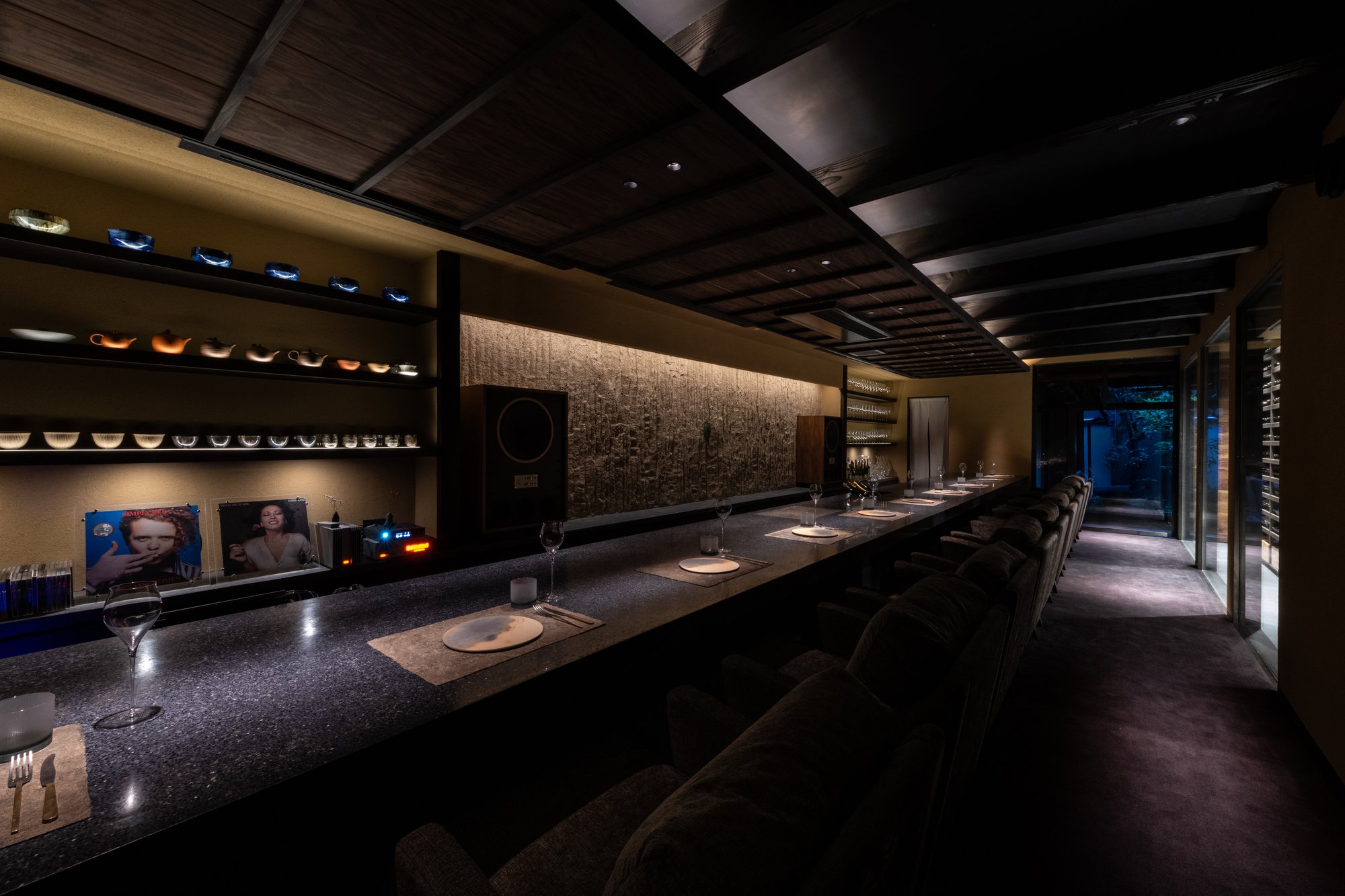
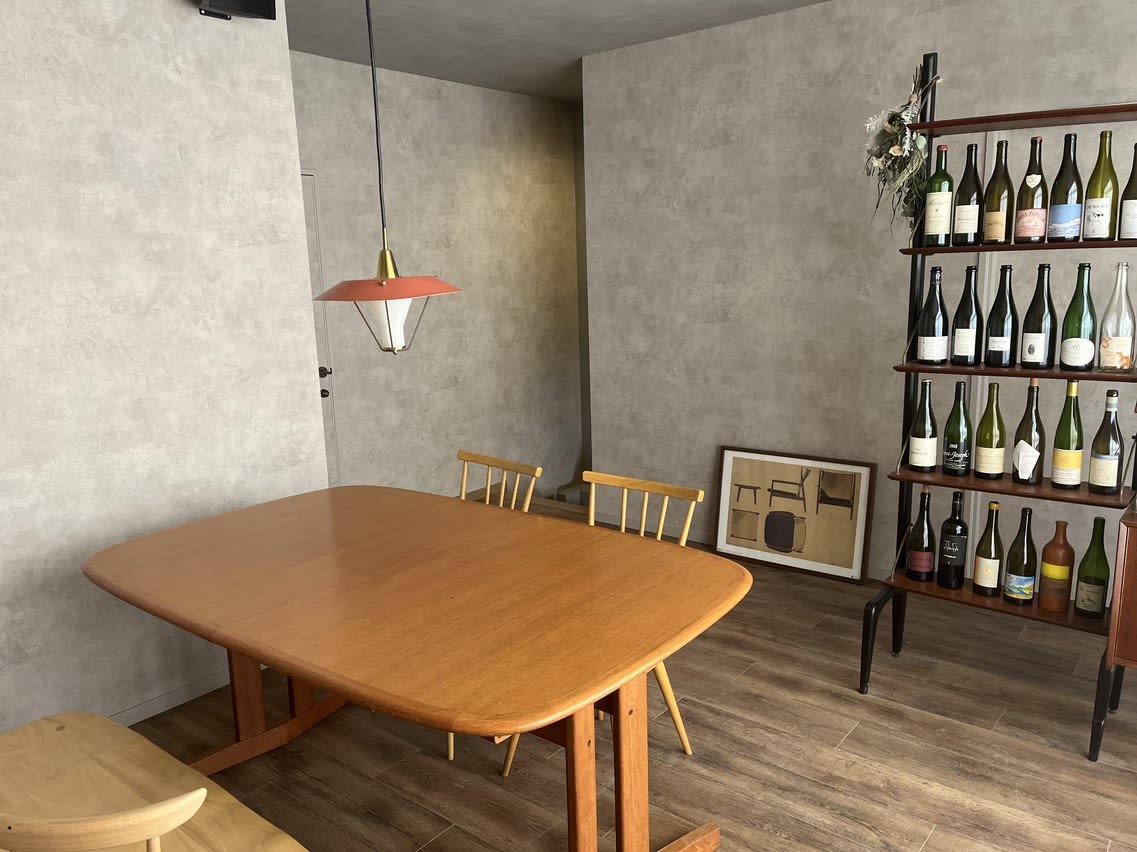
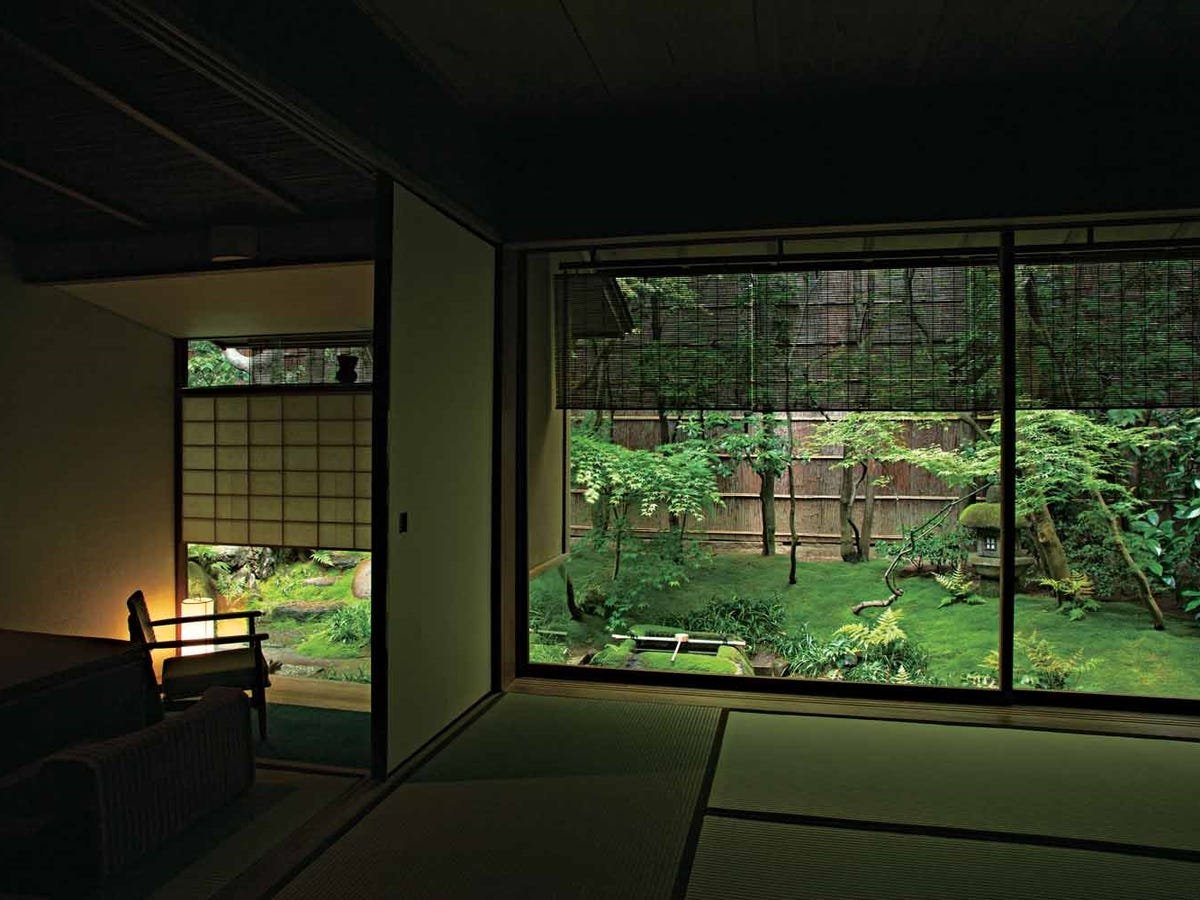
Warm and inviting with subtle decor reflecting both Japanese and Chinese culture; tranquil setting with the aroma of spices and freshly prepared dishes creating a comforting and exciting atmosphere.
Tags
Vibe
Best For
Experience
At the Table
- Dress Code
- Casual
- Noise Level
- Quiet
- Service Style
- Casual
- Meal Pacing
- Standard
- Capacity
- Small
- Kitchen
- Traditional
- Menu Format
- A la carte
Signature Dishes
- spicy chicken with sauce
- crab fried rice
- mapo tofu with wagyu beef
- twice-cooked pork
- shrimp in chili sauce
Know before you go
Know Before You Go
- Getting there
- Japan, 〒606-8167 Kyoto, Sakyo Ward, Ichijoji Hinokuchicho, 27 コーポラス禅 1F東
Planning details
Hours
- Monday
- Closed
- Tuesday
- Closed
- Wednesday
- 11:30 AM–1:30 PM, 6–9 PM
- Thursday
- 11:30 AM–1:30 PM, 6–9 PM
- Friday
- 11:30 AM–1:30 PM, 6–9 PM
- Saturday
- 11:30 AM–1:30 PM, 6–9 PM
- Sunday
- 11:30 AM–1:30 PM, 6–9 PM
Location
Japan, 〒606-8167 Kyoto, Sakyo Ward, Ichijoji Hinokuchicho, 27 コーポラス禅 1F東 · Directions
Recognition and awards
Also consider
Also Consider
- Gion Sasaki: Kaiseki, Japanese, ¥¥¥¥
- cenci: Italian, ¥¥¥
- Ifuki: Kaiseki, ¥¥¥¥
- Kyokaiseki Kichisen: Japanese, ¥¥¥¥
- Kyo Seika: Chinese, ¥¥¥
Restaurant context
Against Kyoto's dominant ¥¥¥¥ kaiseki houses, Akihana is a different decision entirely. Gion Sasaki, Ifuki, and Kyokaiseki Kichisen all operate at four-price-symbol level with the booking difficulty and formality that implies. If your Kyoto trip is built around experiencing the kaiseki tradition at its most rigorous, those are the right choices. Akihana answers a different question: where can you eat very well in Kyoto without either the budget commitment or the advance planning that serious kaiseki demands? The Bib Gourmand back-to-back puts Akihana's quality case on record, and the ¥¥ pricing means a repeat visit is realistic within a single trip.
The most direct peer comparison is Kyo Seika, which also serves Chinese cooking in Kyoto but at ¥¥¥. If price is not a constraint and you want a more formal Chinese dining experience, Kyo Seika is the step up. If you are prioritising value and a more personal, chef-driven menu, Akihana is the better call. cenci at ¥¥¥ is Italian rather than Chinese, so it is not a direct substitute, but it sits in the same mid-tier bracket for travellers who want something outside Kyoto's Japanese-cuisine default.
For food-focused explorers building a multi-stop Japan itinerary, Akihana works best as part of a varied programme rather than the centrepiece of a Kyoto dining trip. Pair it with one kaiseki booking at the ¥¥¥¥ level for range, and use the lower per-cover cost at Akihana to justify the second or third visit that the menu actually rewards. Among Kyoto's Chinese options, it is the strongest case for repeat bookings.
Explore Kyoto
Around this place
Discover more on Pearl
Unlock the full Akihana guide in Pearl, including awards, comparisons, FAQs, planning details, and nearby places.
Compare Akihana
| Venue | Price | Awards |
|---|---|---|
| Akihana | ¥¥ | 2026 Bib Gourmand2025 Michelin Bib Gourmand2024 Michelin Bib Gourmand |
| Gion Sasaki | ¥¥¥¥ | 2026 Tabelog Bronze · #3862026 OAD Top Restaurants in Japan RecommendedMichelin Guide Kyoto Osaka 20262026 La Liste Top RestaurantsTabelog 100 - Japanese cuisine - WEST - 2025 · #132025 OAD Top Restaurants in Japan Ranked · #2462025 Tabelog Silver2025 Michelin 3 Stars2025 La Liste Top Restaurants |
| cenci | ¥¥¥ | 2026 Tabelog Bronze · #442026 Asia's 50 Best Restaurants · #762026 OAD Top Restaurants in Japan Highly RecommendedMichelin Guide Kyoto Osaka 2026Tabelog 100 - Italian - WEST - 2025 · #632025 Asia's 50 Best Restaurants · #632025 OAD Top Restaurants in Japan Ranked · #1682025 Tabelog Bronze2024 OAD Top Restaurants in Japan Ranked · #135 |
| Ifuki | ¥¥¥¥ | 2026 OAD Top Restaurants in Japan Ranked · #1222026 Tabelog Bronze · #128Michelin Guide Kyoto Osaka 20262026 La Liste Top RestaurantsTabelog 100 - Japanese cuisine - WEST - 2025 · #622025 OAD Top Restaurants in Japan Ranked · #1002025 La Liste Top Restaurants2025 Tabelog Bronze2025 Michelin 2 Stars |
| Kyokaiseki Kichisen | ¥¥¥¥ | 2026 Tabelog Bronze · #1752026 OAD Top Restaurants in Japan Highly RecommendedMichelin Guide Kyoto Osaka 20262025 OAD Top Restaurants in Japan Ranked · #1862025 Michelin 2 Stars2025 La Liste Top Restaurants2024 OAD Top Restaurants in Japan Ranked · #1422024 Michelin 2 Stars2023 OAD Top Restaurants in Japan Ranked · #136 |
| Kyo Seika | ¥¥¥ | Tabelog 100 - Chinese cuisine - WEST - 2026 · #762026 Tabelog Bronze · #2162026 OAD Top Restaurants in Japan Recommended2026 Michelin 1 Star2025 OAD Top Restaurants in Japan Ranked · #3262025 Tabelog Bronze2024 OAD Top Restaurants in Japan Ranked · #3042024 Michelin Plate2024 Michelin 1 Star |









.png?width=1200&quality=80)
What to weigh when choosing between Akihana and alternatives.
FAQ
Frequently Asked Questions
Is the tasting menu worth it at Akihana?
Akihana operates at the ¥¥ price point and has earned back-to-back Michelin Bib Gourmand recognition in 2024 and 2025, which signals strong value rather than a formal tasting-menu format. The kitchen's focus is on Sichuan regional dishes and the signature wagyu sinew mapo tofu. If you are expecting a structured multi-course omakase, this is not the format: but for à la carte Chinese cooking at this price tier, the quality-to-cost ratio is hard to beat in Kyoto.
What are alternatives to Akihana in Kyoto?
For Sichuan-specific cooking at a comparable price point, Akihana has few direct rivals in Kyoto, where the dominant fine-dining offer is kaiseki. If you want Michelin-recognised Japanese cuisine instead of Chinese, Ifuki and cenci both operate at accessible price tiers. For a premium kaiseki experience that reflects Kyoto's culinary identity more conventionally, Kyokaiseki Kichisen is the benchmark, though the price gap is substantial.
Can I eat at the bar at Akihana?
The restaurant is a small ground-floor space at Ichijoji Hinokuchicho in Sakyo Ward, and venues of this scale in Kyoto often offer counter seating. Contacting the restaurant directly before visiting is the practical step if counter availability matters to your decision.
Can Akihana accommodate groups?
No group booking data is publicly documented for Akihana. Given the ¥¥ price point and the small-venue format typical of this neighbourhood, large groups should enquire directly before assuming availability. Parties of two to four are the most practical fit for a restaurant of this scale.
Is Akihana worth the price?
Yes, at the ¥¥ price tier with consecutive Michelin Bib Gourmand awards in 2024 and 2025, Akihana delivers a credentialled meal at a cost well below Kyoto's kaiseki tier. The wagyu sinew mapo tofu alone is a dish you will not find replicated elsewhere in the city. If your priority is Sichuan-led cooking with clear technique and no premium pricing, this is a straightforward booking decision.